
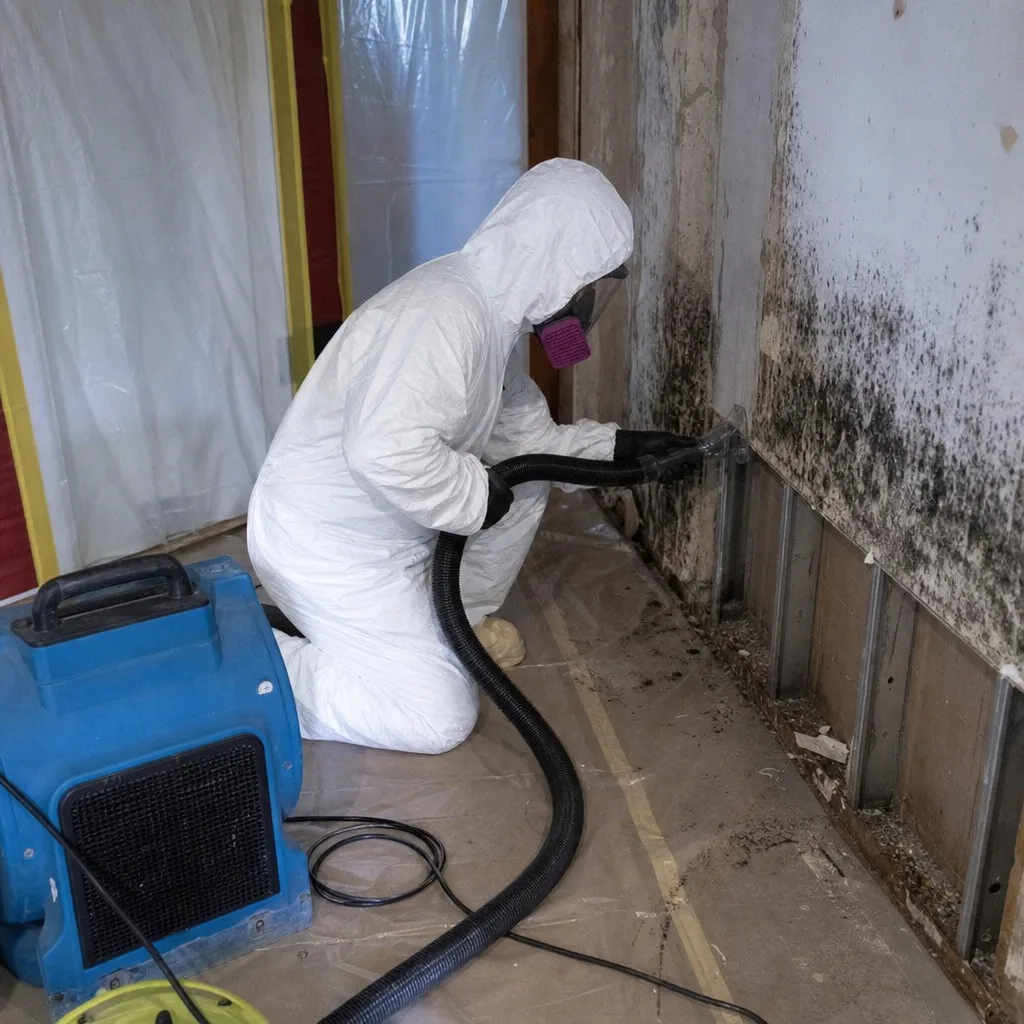
Free visual inspection and a written scope of work before any mitigation begins - photos, moisture readings, and drying logs go in your claim file
The scope we write is the scope we bill. Anything new gets shown to you, in writing, before we touch it.
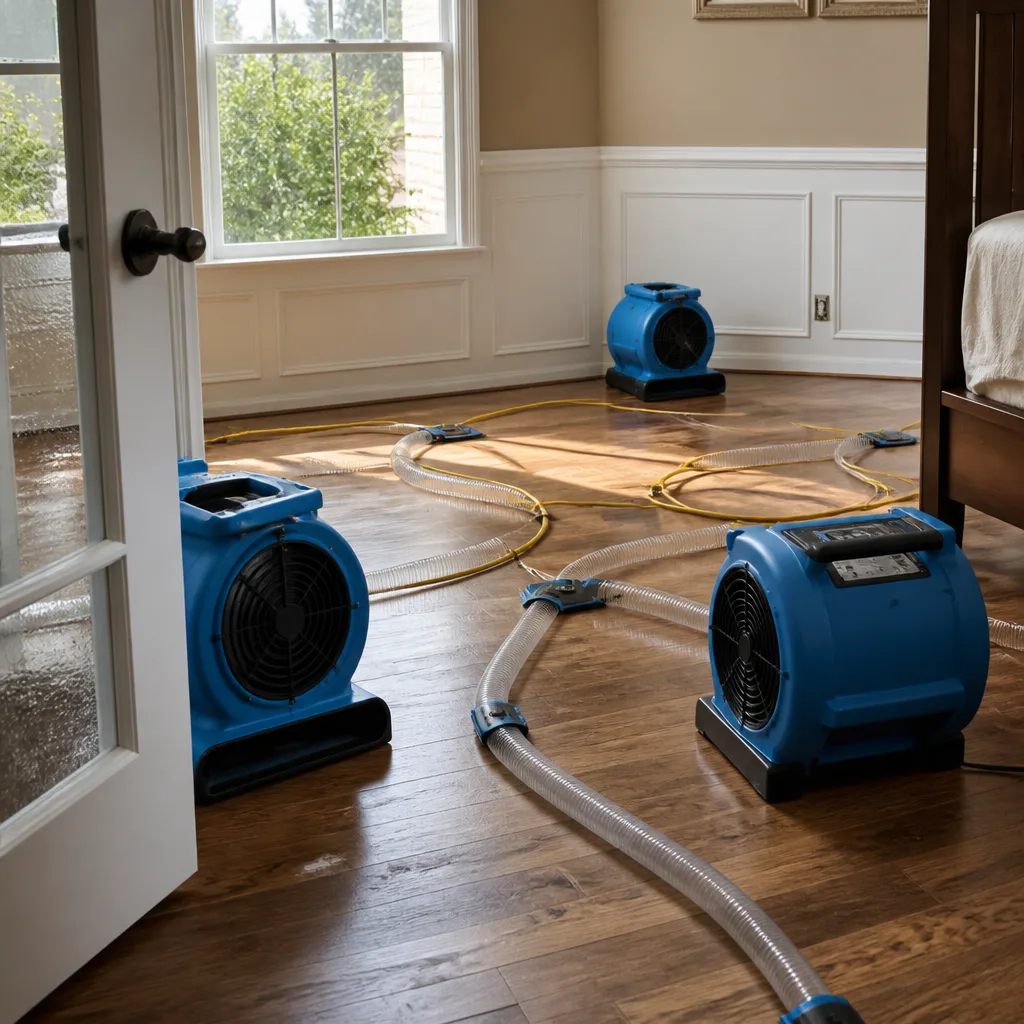
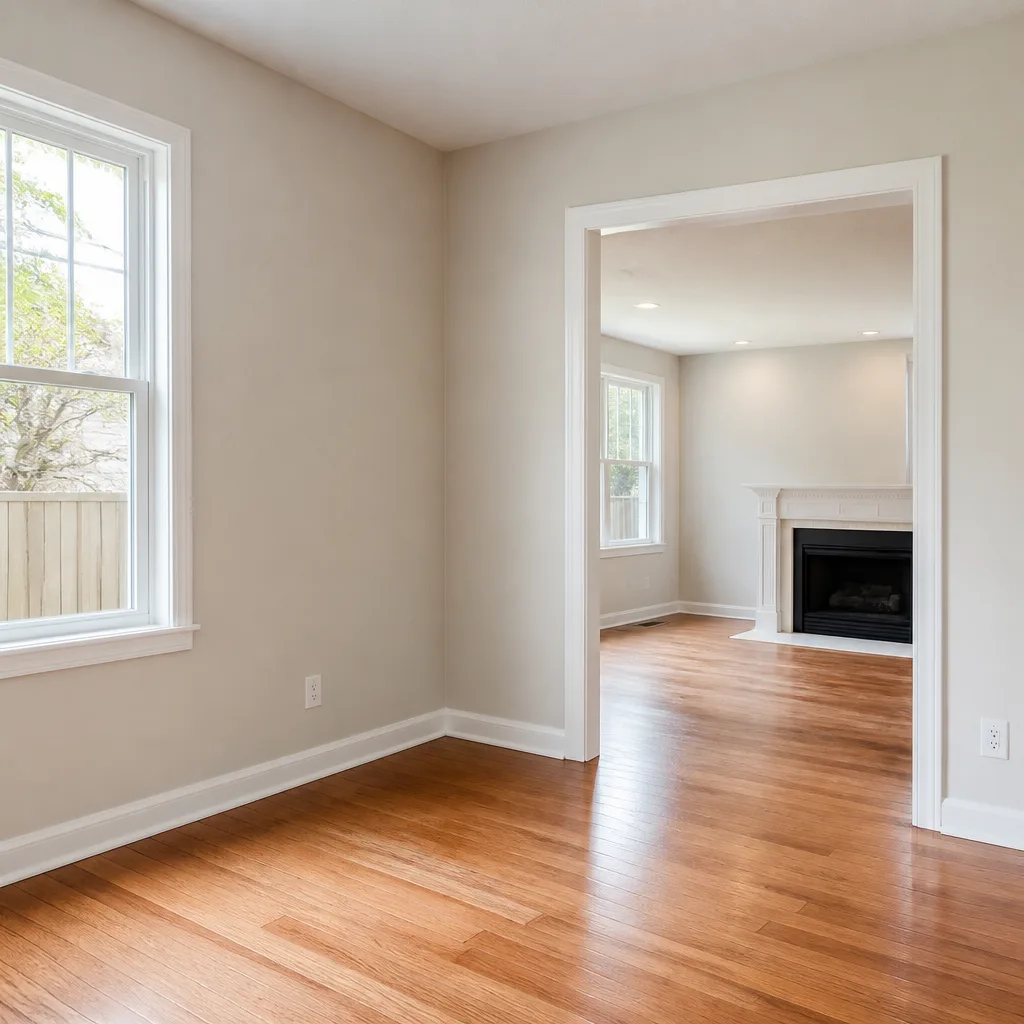
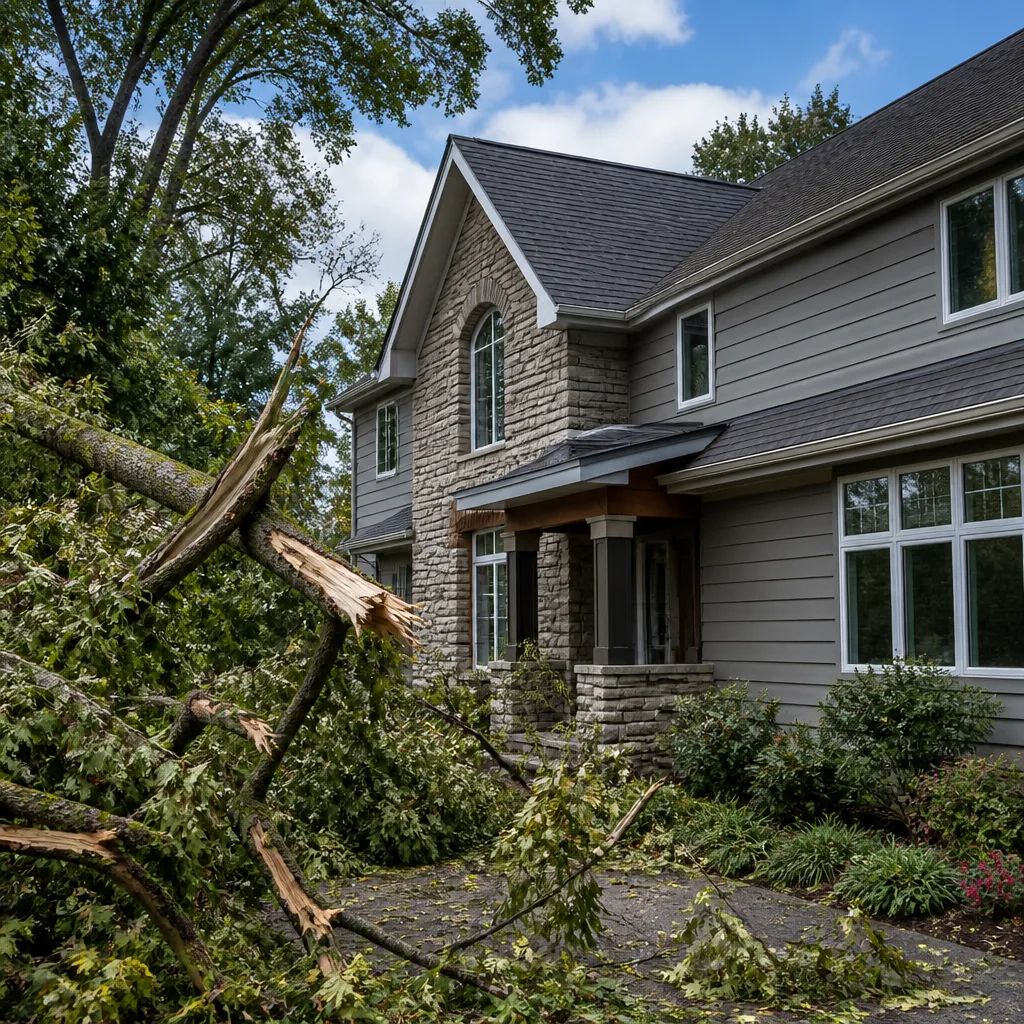
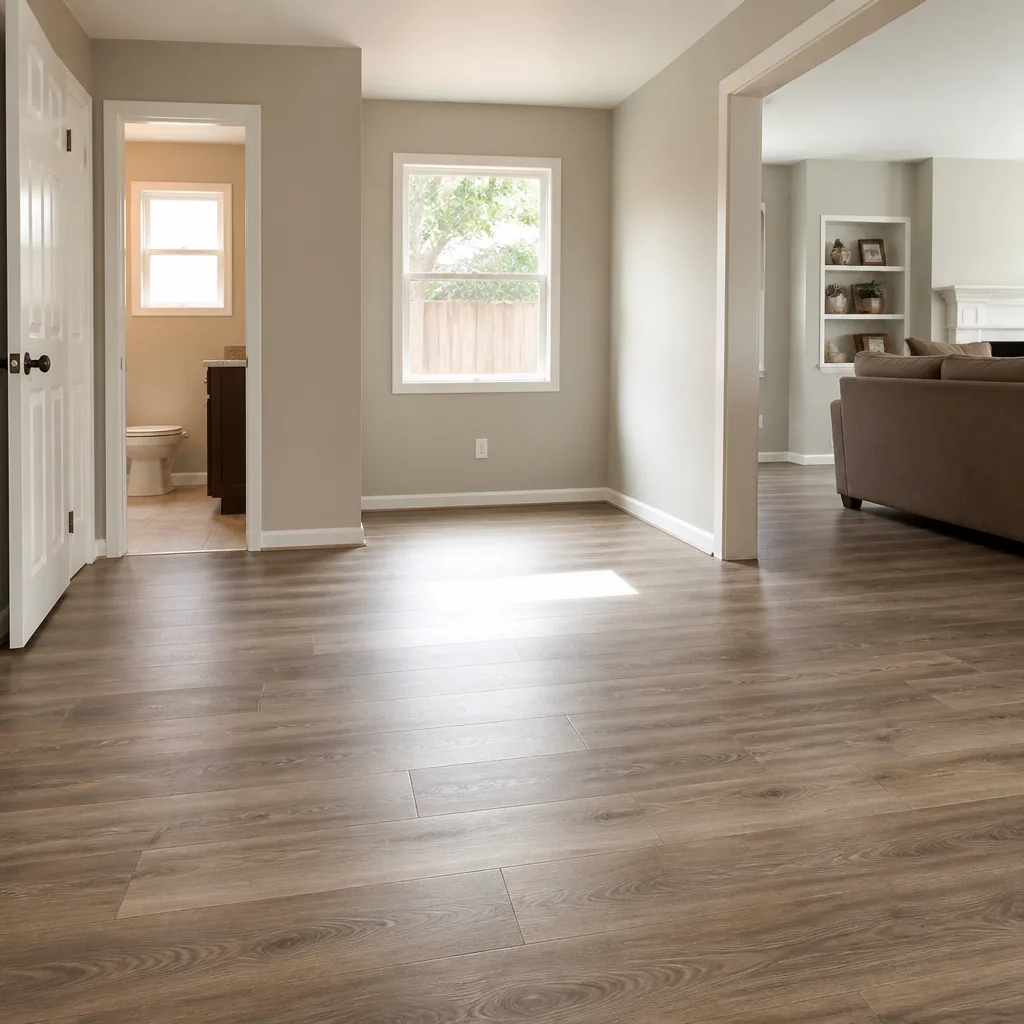
 Before
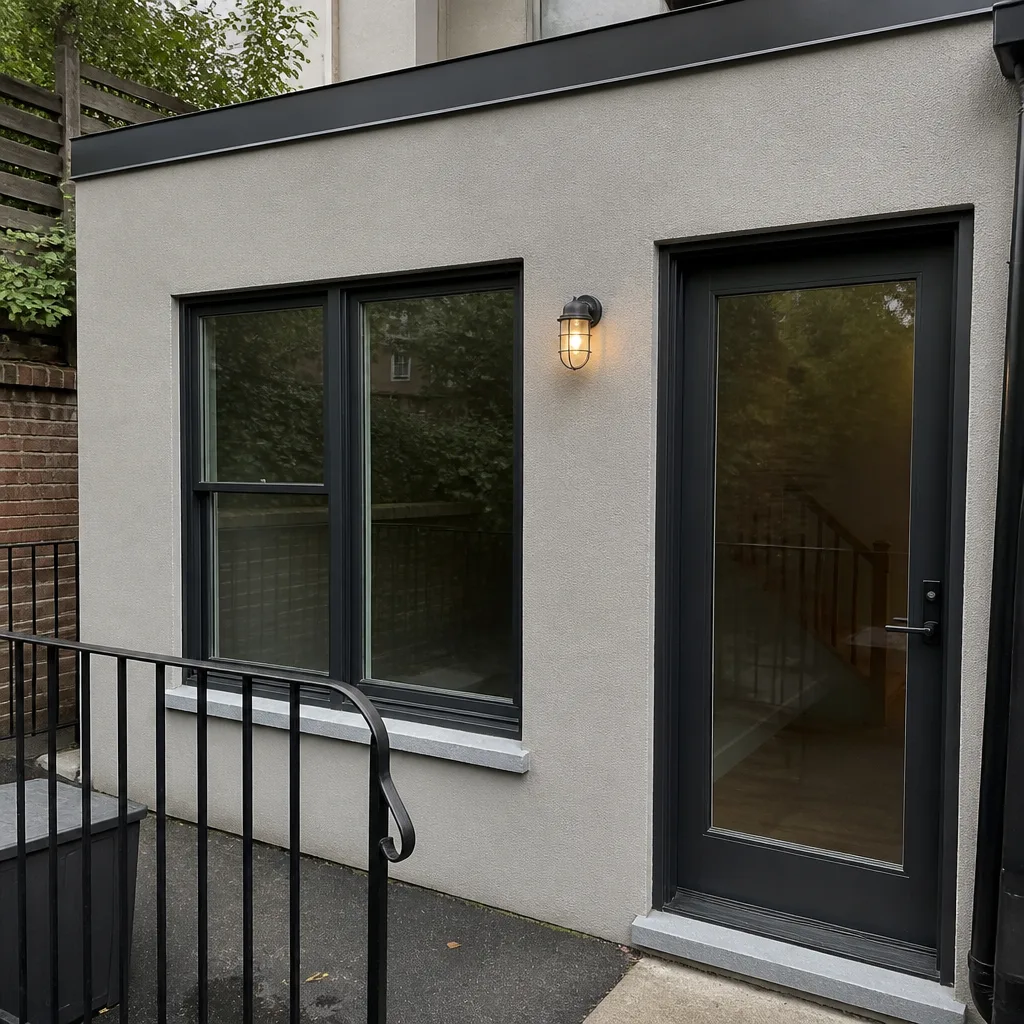 After
After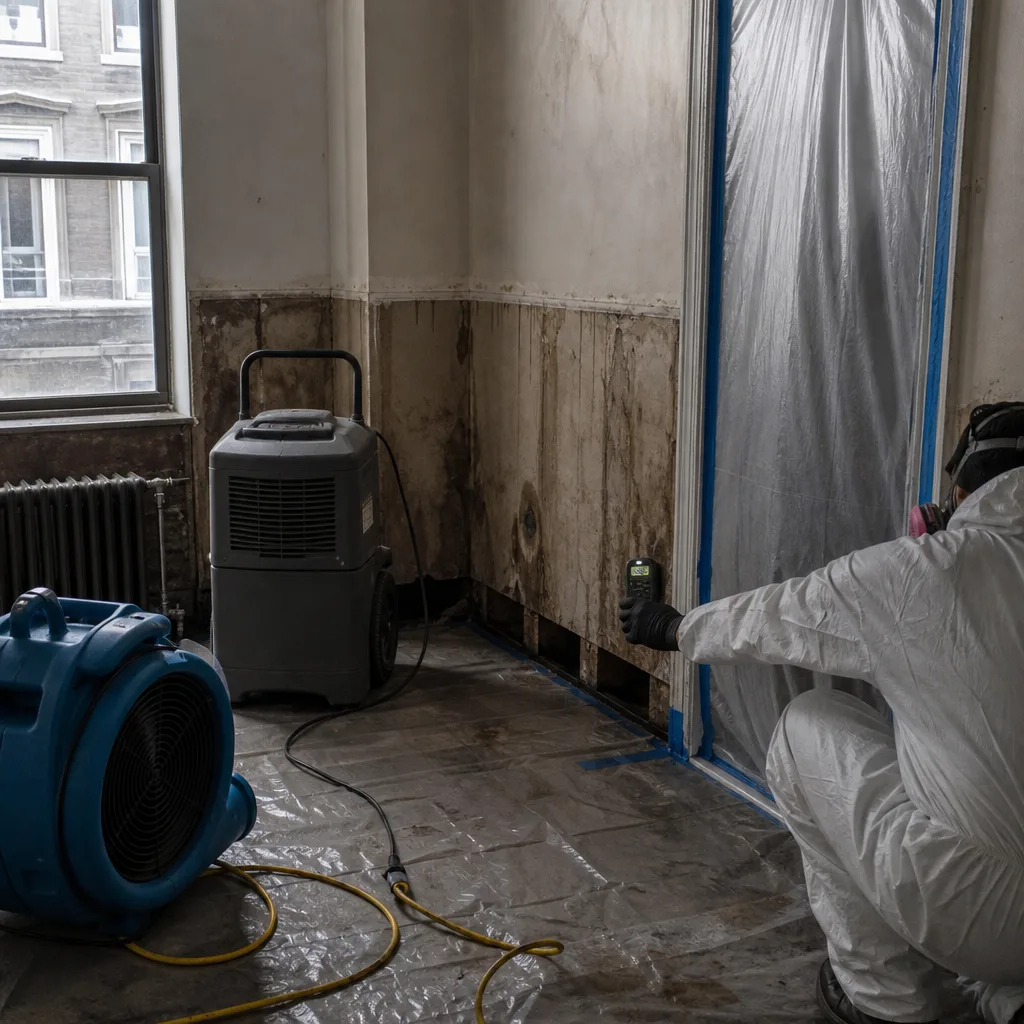 Before
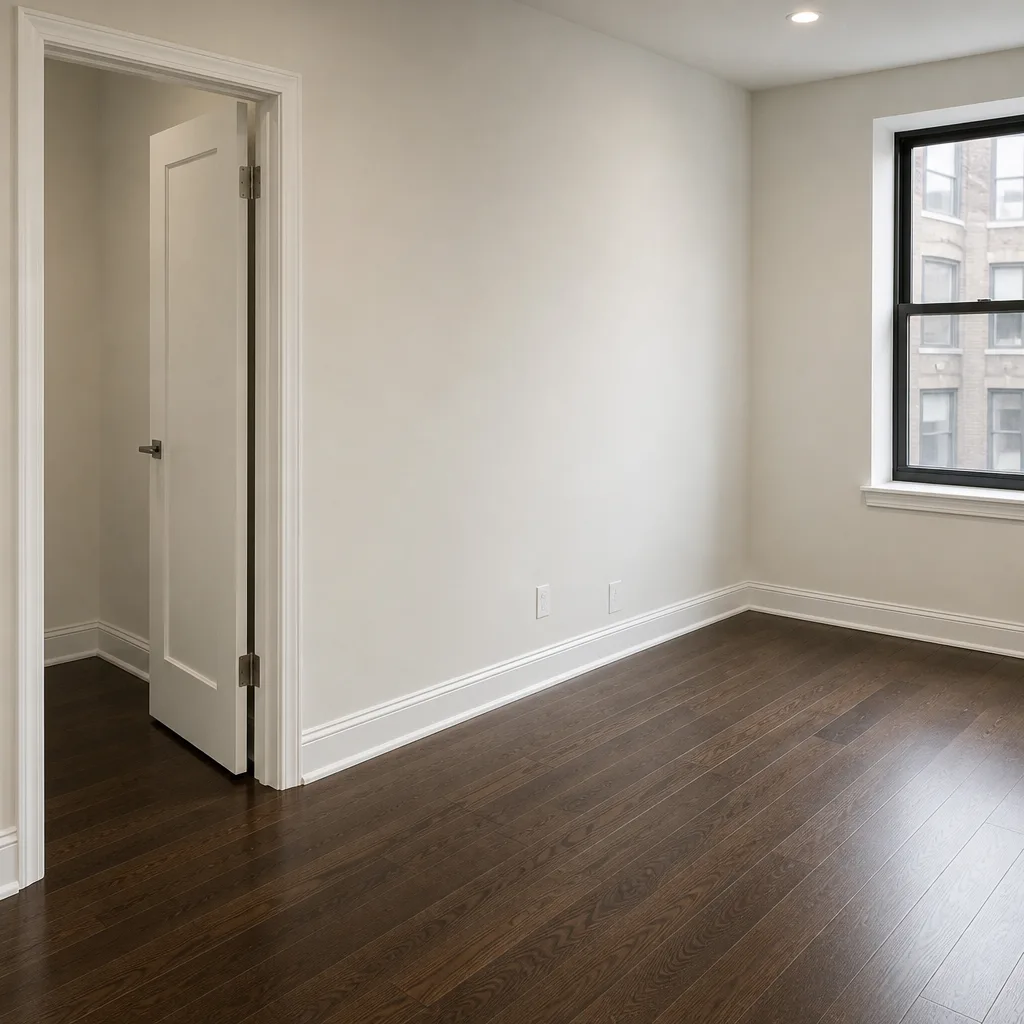 After
After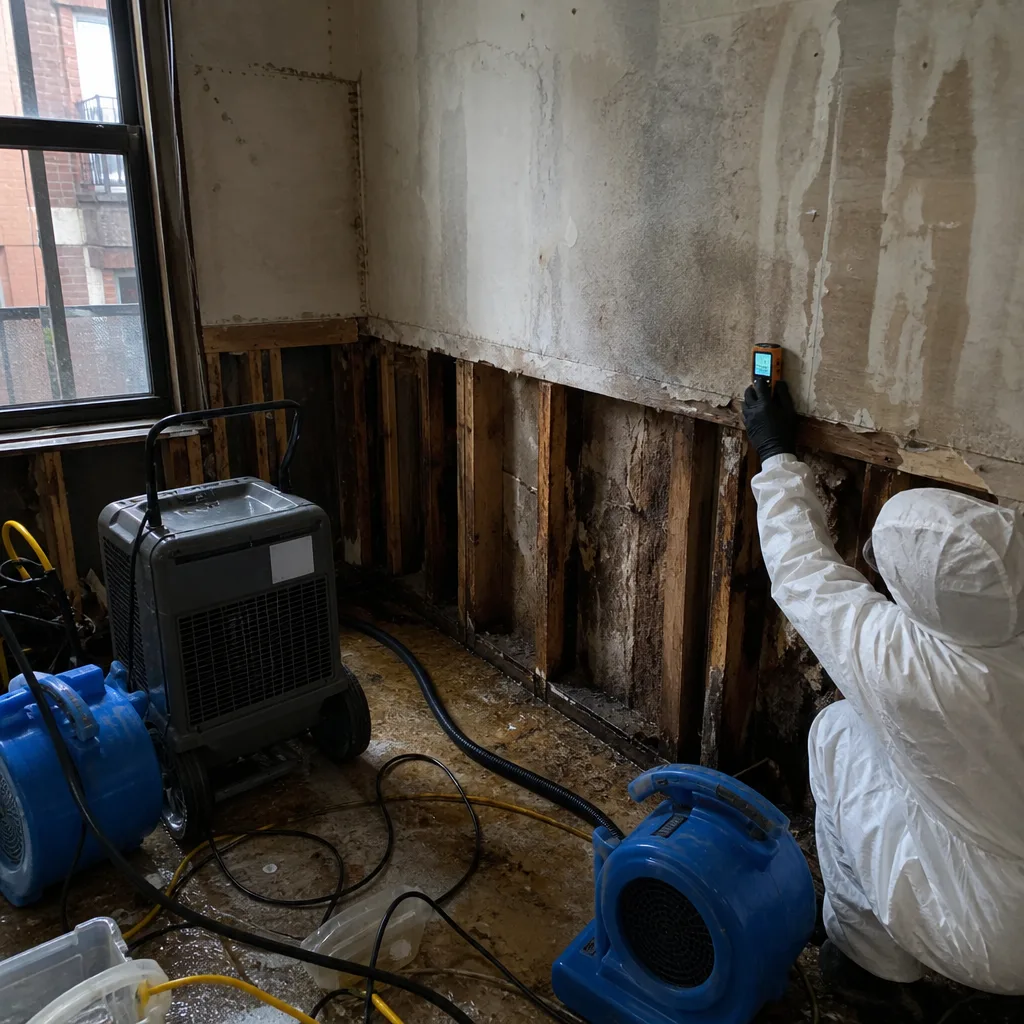 Before
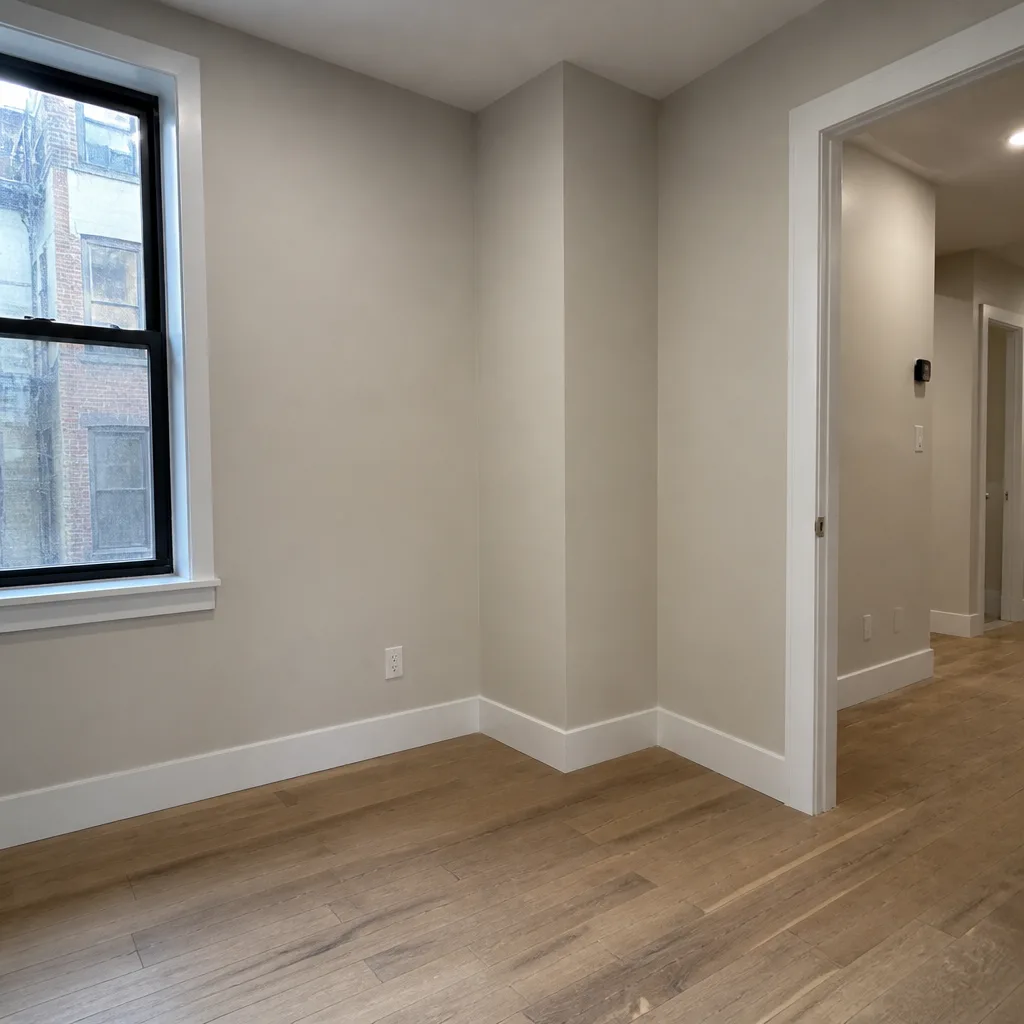 After
After24/7 Emergency Mold Remediation in Lower Manhattan
Mold remediation in Lower Manhattan typically runs $1,800 to $6,500 depending on containment scope and how far moisture has wicked into drywall, subflooring, and wall cavities. We answer the phone at (607) 350-1550 around the clock, and Wade has crews stationed in the Lower Manhattan area who can be on site the same day you call. When you’re dealing with a flooded sub-basement off Water Street or a bathroom leak that’s been festering behind the tile in a Battery Park City tower, the first 24 to 48 hours decide whether you’re looking at a cleaning job or a full gut-and-rebuild.
The reason speed matters in mold work specifically: a mold colony doubles roughly every 24 to 48 hours once it has moisture, food, and warmth. Lower Manhattan’s converted commercial buildings and landfill-based residential towers both create conditions where moisture lingers longer than the national average. Wade doesn’t send a scheduler to call you back. He answers his own phone. If it’s two in the morning and your ceiling is dripping brown water into your living room, you’ll hear his voice, not a menu tree.
Understanding Mold Remediation Severity in Lower Manhattan Properties
Mold remediation contractors classify work by how much airborne spore load is present and how far moisture has penetrated the building envelope. The industry terms matter because your insurance adjuster will use them. A Level I contamination is limited to ten square feet or less of visible growth. A Level IV job means the mold has spread behind walls, into HVAC ducting, or across multiple rooms. In Lower Manhattan, we deal with a disproportionate number of Level III and IV jobs, and it has everything to do with the building stock.
Take the pre-war Financial District buildings converted to residential lofts after 9/11 and again after 2020. Those buildings were never designed as homes. Plumbing stacks were added during conversion, often running through masonry chases that were never waterproofed properly. Water travels slowly through those chases, saturating century-old brick and lime mortar, and hidden mold becomes an air quality problem months before anyone sees a stain. Then you have Battery Park City’s towers, built on Hudson River landfill. The fill underneath those buildings holds water for weeks after a storm surge recedes. Standard drying timelines don’t apply when hydrostatic pressure keeps pushing moisture through below-grade concrete walls. We set containment differently there. We monitor longer. We don’t sign off until moisture readings in the wall cavities actually come down, not just the air.
Why Lower Manhattan Property Owners Choose Wade’s Restoration
- 45-minute response commitment – if you’re in Lower Manhattan and you’ve got standing water or visible mold, Wade or one of his senior crew members heads out within 45 minutes of your call. Not a call center. A person with equipment.
- 24/7 live answer, every single time – Wade answers his own phone. A real human voice, day or night. No voicemail, no answering service, no “press 2 for emergencies.”
- IICRC-certified crews applying WRT, FSRT, and AMRT protocols – the training behind the work isn’t guesswork. Water damage restoration, fire and smoke, and applied microbial remediation are separate skill sets, and Wade’s crew carries those certifications.
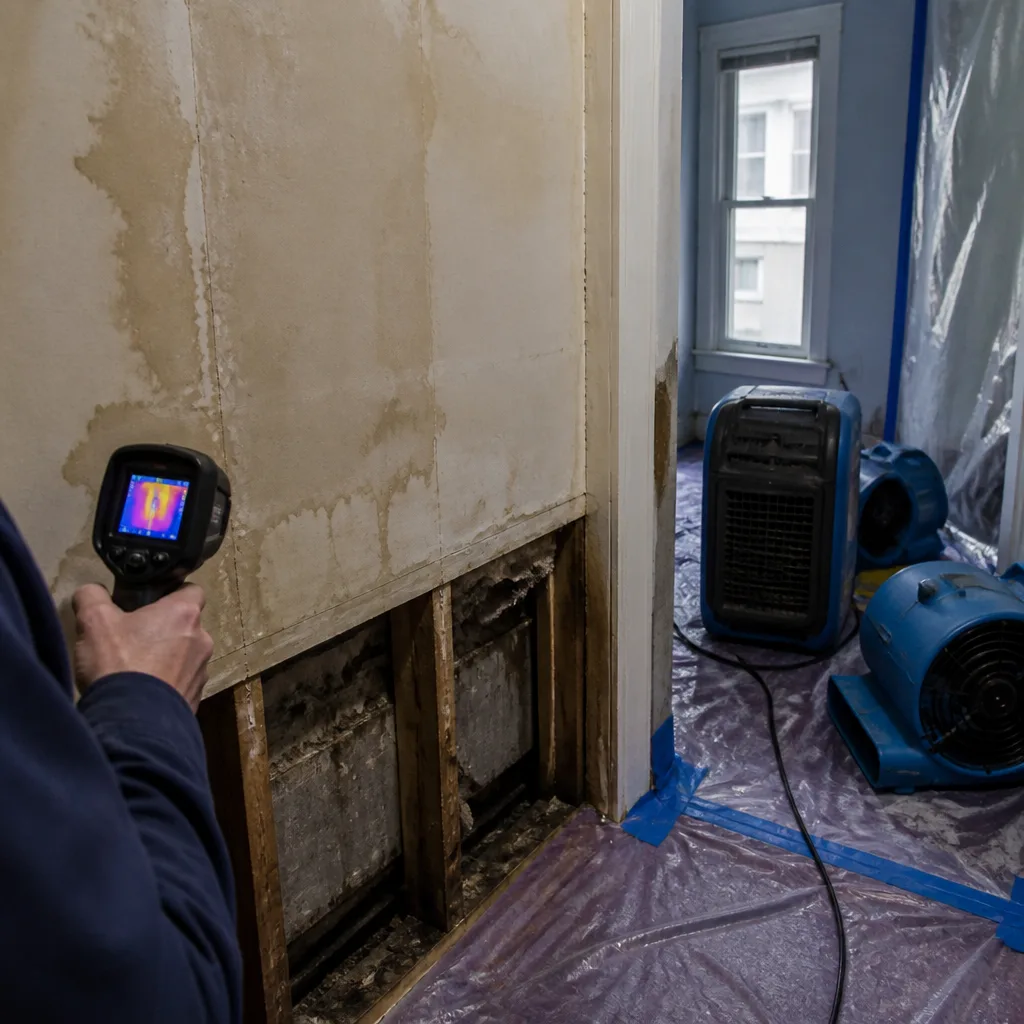
- Free visual inspection – no trip charge if you’re in the county. Wade walks the space, takes moisture readings with a thermal imaging camera, and tells you what he sees before anyone signs anything.
- Direct insurance billing – Wade’s office sends the claim documentation, photos, and line-item scope directly to your carrier’s desk. You’re not the one sitting on hold with a claims adjuster.
- One team from extraction to reconstruction – same crew, same equipment, same accountability. You’re not hiring three different companies for one problem.
Our Mold Remediation Process
Inspection & Assessment
We start with thermal imaging and moisture meters across every affected surface, plus air sampling when the scope suggests it. In Lower Manhattan’s converted lofts, we pay special attention to plumbing chases, party walls, and dropped ceilings where non-standard retrofit work hides moisture pathways.
Containment & Stabilization
HEPA negative-air scrubbers and sealed containment barriers go up before any mold materials are disturbed. We treat every affected room as a controlled workspace so spores don’t migrate into your kitchen, bedroom, or elevator shaft.
Drying & Dehumidification
Dri-Eaz dehumidifiers, Phoenix air movers, and Injectidry panel systems pull moisture from wall cavities, behind baseboards, and under finished flooring. In Battery Park City, many jobs also require temporary sump augmentation while surrounding landfill fill drains, so hydrostatic pressure doesn’t reintroduce moisture mid-job.
Cleaning & Sanitization
Antimicrobial treatment is applied to all affected framing, masonry, and interior surfaces once moisture readings confirm the material is dry enough to treat effectively. We wipe down hard surfaces with HEPA-vacuuming, not just chemical spray.
Air Quality Restoration
HEPA air scrubbers run through the full remediation and after completion. Before final sign-off, we run clearance air sampling to confirm spore counts have returned to acceptable ranges for your space and your building’s HVAC condition.
Repairs & Restoration
Drywall replacement, insulation, trim, flooring, painting. Wade’s team does the reconstruction after remediation, so there’s no handoff between a mitigation vendor and a finish carpenter. One crew, one warranty, one 90-Day Done Right Promise in writing.
Need Emergency Mold Remediation in Lower Manhattan Now?
Crews minutes away, answering live 24 hours a day. The sooner we start, the less it costs.
Working With Your Insurance Company
Insurance claims for mold are trickier than water or fire claims because most policies cap mold coverage, and many exclude it entirely unless the mold follows a covered water event. That’s exactly why you want a remediation company that documents everything from hour one. Wade’s team photographs every affected area before any material is removed. We log moisture readings daily and hand you the complete record at the end of the job. When your adjuster asks what happened, when it happened, and what was done about it, the answer is already written down with dates, times, and instrument readings, not reconstructed from memory.
What We Provide Your Insurer
- Thorough documentation of the loss
- Photos of all damage, room by room
- Moisture readings and drying logs
- A detailed, line-item scope of work
- Direct coordination with your carrier
Built for Lower Manhattan’s Loss Calendar
Lower Manhattan sees mold seasons that a rowhouse in Brooklyn or a single-family in Queens doesn’t. Hurricane Sandy put 14 feet of surge through Financial District sub-basements and Battery Park City elevator pits in 2012, and the recovery taught every restoration contractor in the 10007, 10005, and 10280 ZIP codes what repeated saltwater intrusion does to concrete, steel, and drywall. But the big named storms aren’t the main driver. They’re the punctuation mark at the end of a longer sentence.
Spring tidal flooding around Whitehall Street and the Battery has increased in frequency even without named systems. Nor’easters push Hudson River water up through storm drains and into below-grade mechanical rooms. In the summer, the humidity settles into buildings with retrofitted HVAC that was never balanced for residential use, and the condensing lines drip into wall cavities. Winter brings heating-season expansion and contraction to century-old masonry, opening seams that let water through brick facades. In every season, the pattern is the same: water finds a way in, and Lower Manhattan’s building stock gives it more ways than almost anywhere else in the city.
Mold Remediation Across Lower Manhattan’s Neighborhoods
Battery Park City is its own universe. The towers sit on compacted river fill, and the surrounding material stays saturated for weeks after any surge. We run extended moisture mapping in below-grade rooms there because the water table isn’t done moving just because the street is dry. Hydrostatic pressure against foundation walls keeps feeding moisture into wall cavities, which means we keep dehumidifiers running longer and check readings more frequently than we would in a slab-on-grade building uptown.
The Financial District’s converted lofts and offices present a different set of problems. A residential unit carved out of a 1920s office tower on Water Street or Pearl Street usually has plumbing that was field-adapted during conversion. Drain lines and supply lines run through masonry chases no one has seen since the original build. Water travels through those chases and wicks into brick party walls, carrying contaminants and creating mold growth you can’t see from the finished side. Our mapping protocol in those buildings includes moisture probes in party walls, not just around visible stains.
Tribeca’s cast-iron buildings hold moisture differently again, and the mixed-use buildings around the South Street Seaport deal with humidity loads from rising harbor air. Down near Whitehall and Bowling Green, groundwater intrusion is a chronic problem, not an episodic one. That’s the part a generic mold remediation franchise doesn’t plan for when they’re setting their drying schedule from a national playbook.
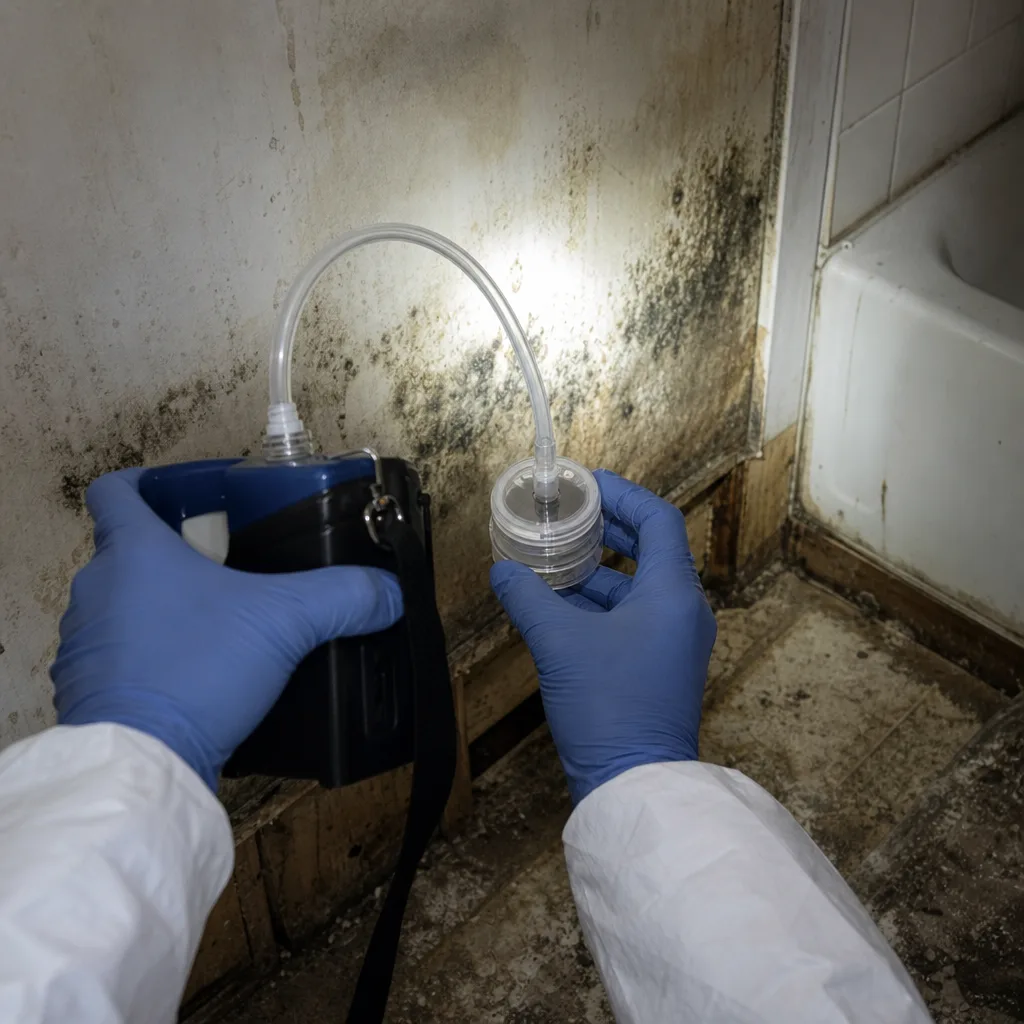
Our Mold Remediation team has worked every block type in Lower Manhattan, from the glass towers of Battery Park City to the masonry walk-ups along Stone Street. The building tells you how the mold got there, and the building tells you how to dry it out. You just have to know how to read it.
Specialized Mold Remediation Services We Offer in Lower Manhattan
Mold Inspection & Testing
Before any remediation, you need to know what you’re actually dealing with. Air sampling and surface sampling identify the type and concentration of mold present. In Battery Park City apartments with no visible leak, this is usually the first call homeowners make, because the smell is there but the stain hasn’t shown up yet. We run the tests, interpret the results, and tell you what needs to be done, including when the answer is “just dry it out and keep it dry.”
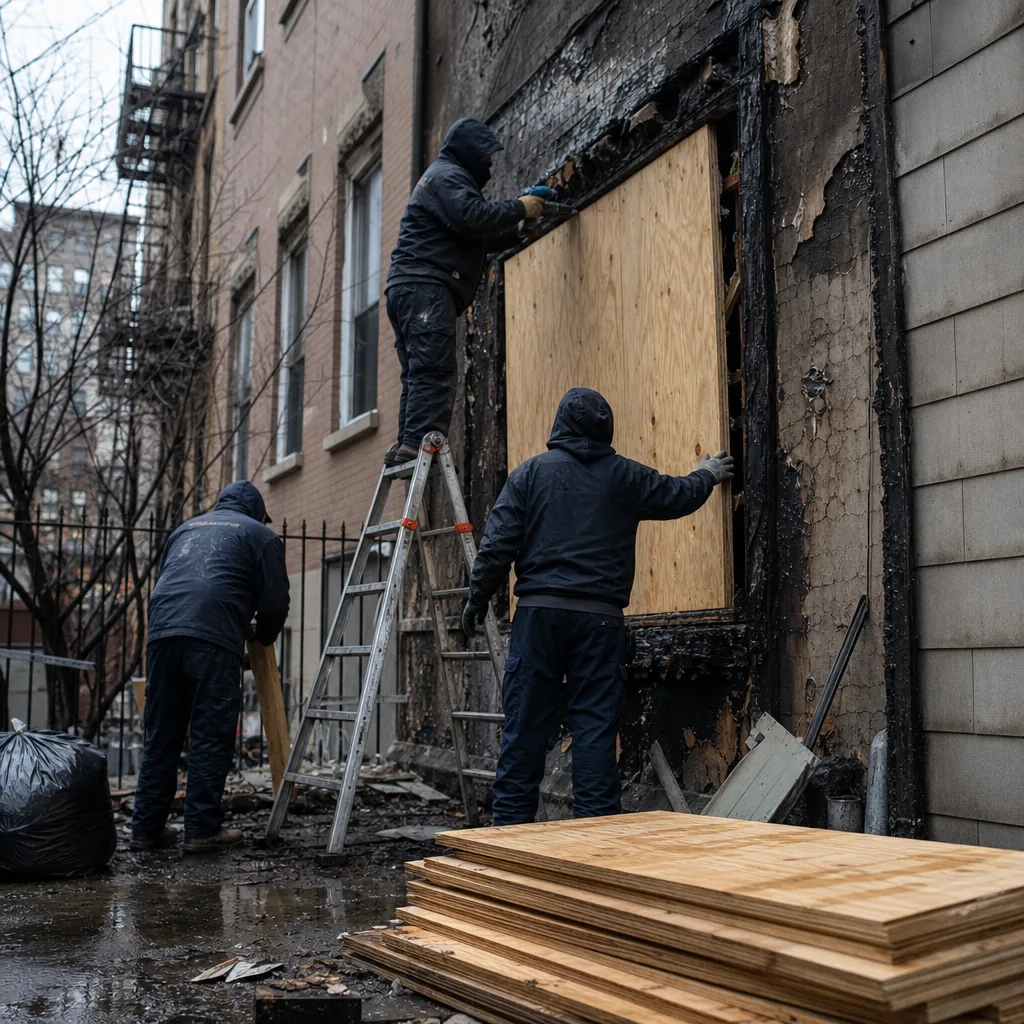
Mold Removal
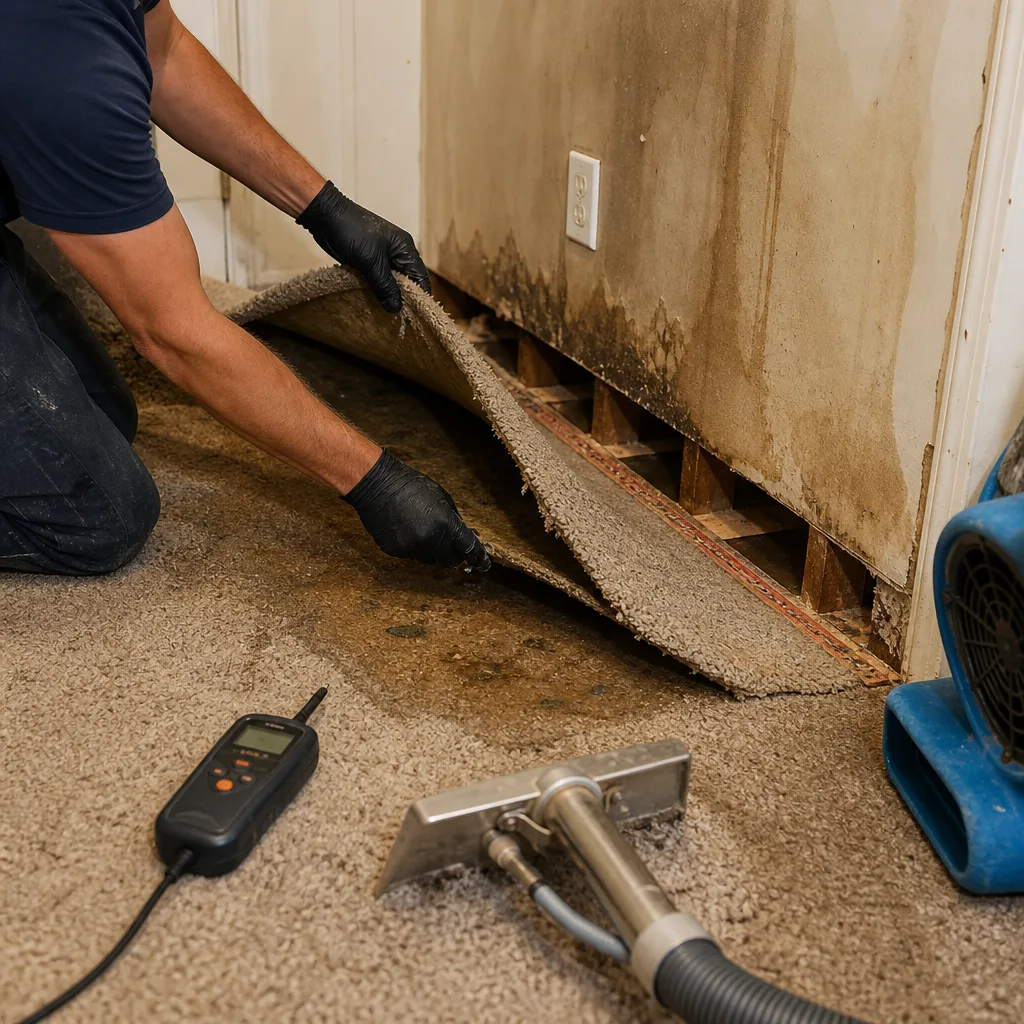
Removal means physical removal of contaminated material: drywall, insulation, carpet, and any porous surface that can’t be cleaned. In Financial District lofts with original masonry walls, this often means cutting back finishes to expose the brick so we can treat the surface behind them without destroying the building’s character. We use negative-pressure containment so the rest of your living space stays clean.
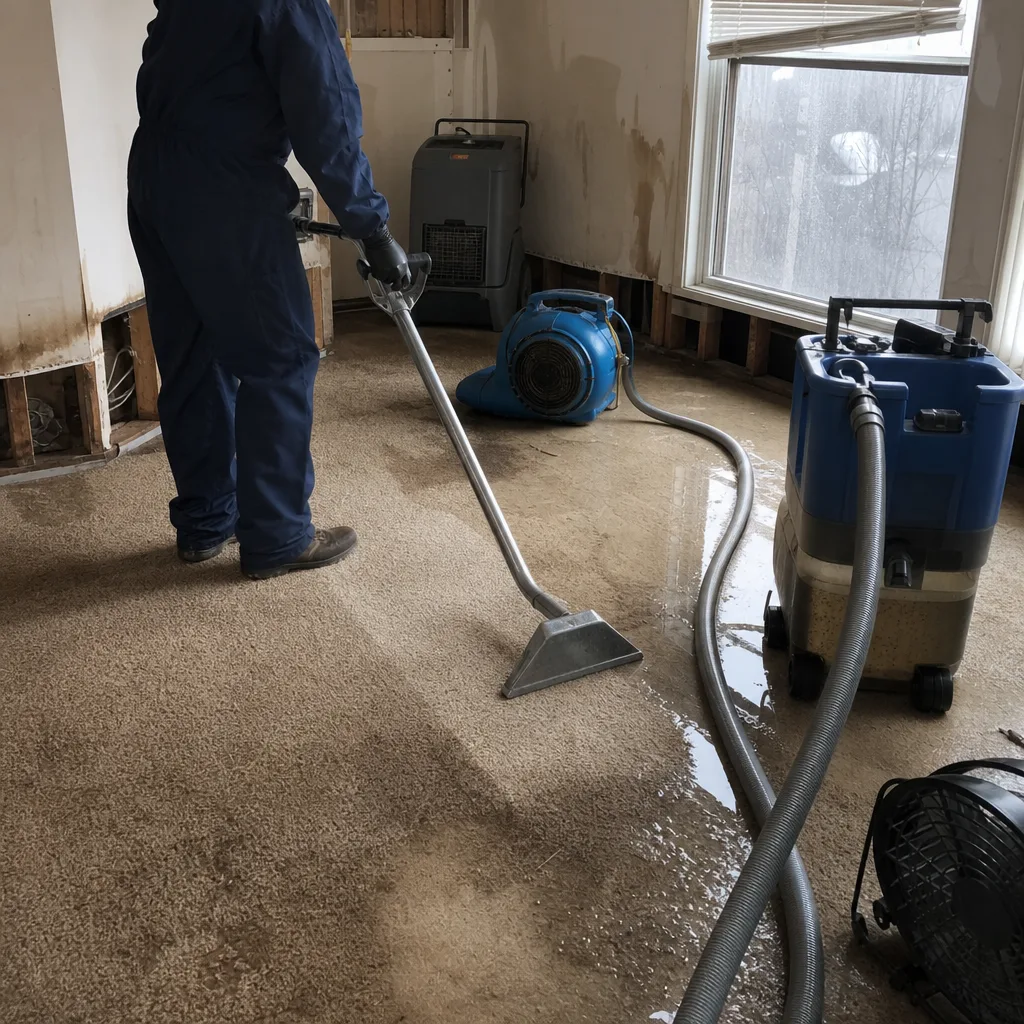
Black Mold Remediation
Stachybotrys chartarum, the dark greenish-black mold people call black mold, grows on chronically wet cellulose material like drywall and ceiling tile. Lower Manhattan buildings with repeated intrusion events are prime candidates. We test first, don’t treat everything as black mold, but when it is, we remediate under full containment with HEPA air scrubbing and clearance verification. This is not a bleach-wipe job, and anyone who tells you it is should not be in your home.
Air Quality Restoration
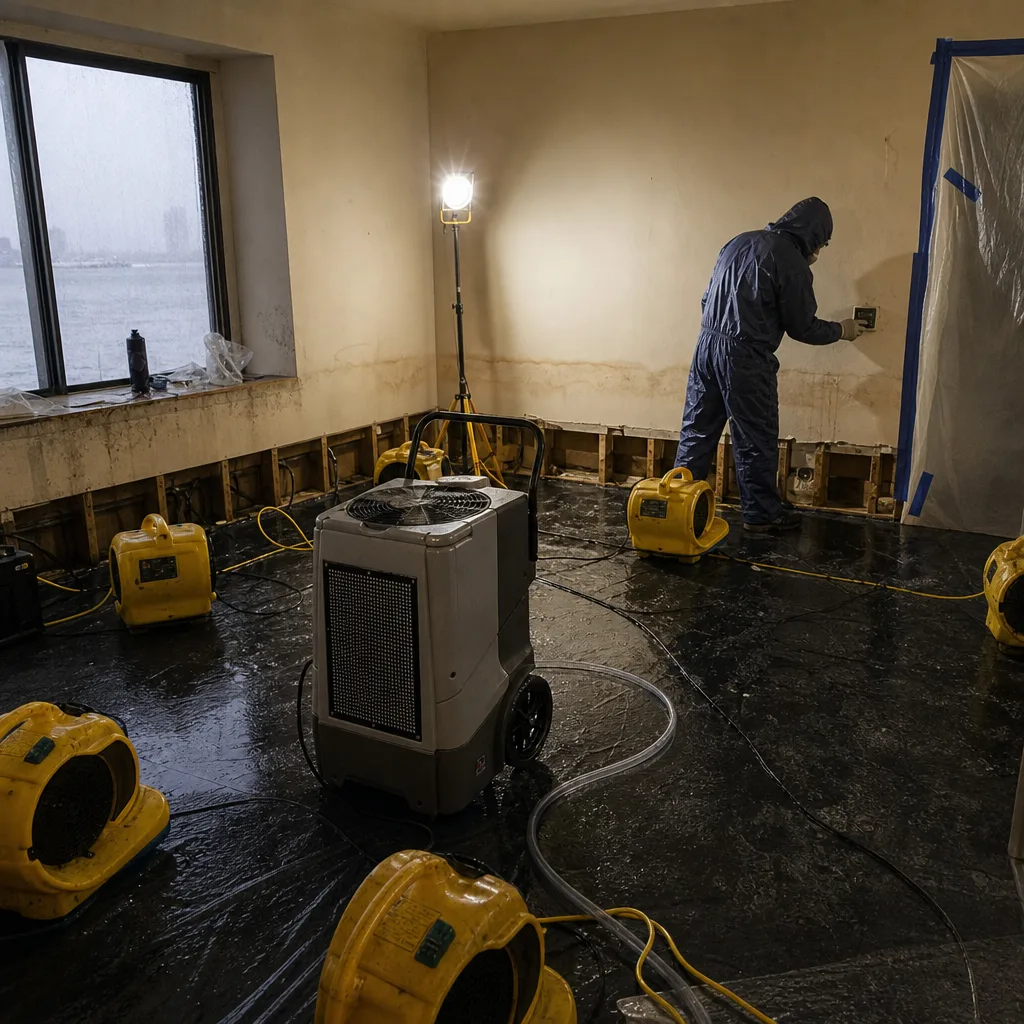
After physical removal and treatment, the air in your unit has to be brought back to safe spore counts. HEPA filtration runs throughout the containment and clearance phase. We also look at your building’s HVAC condition, because ducts that were wet or damp during an event can redistribute mold spores for months after the visible work is done. In converted commercial spaces, ductwork is often the hidden culprit.
Crawl Space Treatment
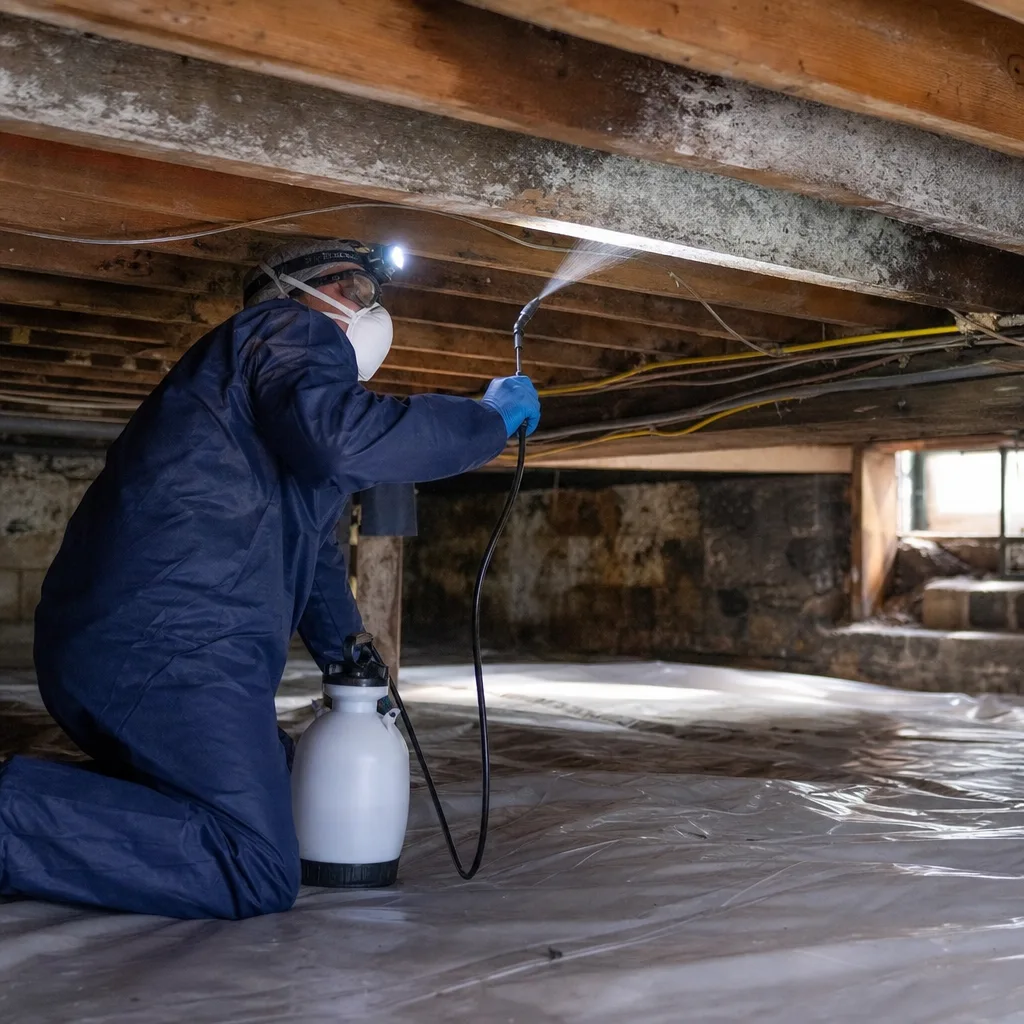
Many older Lower Manhattan buildings still have accessible sub-floor spaces or cellar voids that hold moisture. We treat these with industrial dehumidification, vapor barrier installation, and antimicrobial application where needed. If the crawl space stays damp, the mold will return, no matter how many times you clean the finished room above it.
What happens when you call
- 1
A real person answersNo phone trees - you reach a local pro.
- 2
You get an upfront price rangeHonest numbers before anyone is dispatched.
- 3
A background-checked tech heads outLicensed & insured, dispatched right away.
- 4
You approve before work beginsNothing starts until you say go.
Mold Remediation Costs in Lower Manhattan, NY
Here’s the honest math from the jobs we’ve actually done in this market. A contained bathroom mold removal in a Financial District condo typically runs $1,800 to $3,200. A full-basement remediation in a Battery Park City tower with multiple affected rooms and below-grade moisture issues usually lands between $4,500 and $8,500. Black mold remediation with professional clearance testing and rebuild on the back end can exceed $10,000, but that’s the exception, not the rule, and it’s always laid out in writing before any demo work starts.
What moves the price in Lower Manhattan specifically is the containment scope and the access. Working on the 40th floor of a Battery Park City high-rise means time in the elevator, negative-pressure challenges around building common areas, and scheduling around building management. Working in a basement off Maiden Lane means water category, groundwater conditions, and often temporary sump work before drying can even begin. Mold Inspection & Testing starts around $350 for a room-level inspection with moisture mapping. We don’t quote remediation over the phone. We come out, take readings, and hand you a written scope with line items. Your insurance company probably wants a second opinion on any written estimate anyway. Wade will look at any written estimate you’ve already received, free, and tell you if the scope matches what’s actually in your walls. Call (607) 350-1550 to schedule a free visual inspection.
We Also Serve Cities Near Lower Manhattan
Wade’s Restoration serves mold remediation calls throughout the Financial District, Astoria, Midtown Manhattan, and Long Island City. If your building falls on the border of Lower Manhattan or you own property in a neighboring zone, call us and we’ll point you in the right direction or head over. No trip charge, no runaround, no answering service.
Serving Lower Manhattan, NY - Our Local Coverage Area
We’re based in the Lower Manhattan area and know this community well. Use the map below to see our service coverage - if you’re nearby, we can almost certainly help.
Lower Manhattan Mold Remediation Questions, Answered
How do mold remediation timelines differ in Battery Park City compared to other Manhattan neighborhoods?
Battery Park City buildings sit on compacted Hudson River landfill that holds water long after surface flooding recedes, so below-grade walls keep taking on moisture for weeks. Our crews usually run dehumidification 30 to 50 percent longer there than in a slab-on-grade building in Midtown, and we add temporary sump augmentation while the surrounding fill drains. In a Financial District masonry loft, the wall cavities usually dry faster once the water source is stopped, but they need more invasive probing to find hidden propagation pathways.
What water categories should Lower Manhattan property owners expect after a storm surge?
Storm surge that enters sub-basements and elevator pits in Lower Manhattan is Category 3 water: it carries sewage, harbor contaminants, salt, and debris. Anything porous that surge water touched gets removed, not dried and reused. Category 1 water would be a clean supply-line break in a bathroom. Category 2 is gray water from washers or dishwashers. The salt content in Lower Manhattan’s surge water also accelerates corrosion on metal framing and electrical components, which affects the rebuild scope.
Can you remediate mold in a converted Financial District loft without gutting the space?
Sometimes. If the contamination is limited and the framing or masonry is structurally sound, we can often treat the affected surfaces with antimicrobial application and contain the work so the rest of the space stays intact. Converted Financial District lofts with non-standard plumbing keep moisture inside wall cavities, and when mold is in a masonry party wall, the finishes have to come off to treat the brick itself. In a Water Street loft a few years ago, our crew found Category 3 water from a nor’easter had wicked up original 1920s masonry party walls. We set containment, ran Injectidry panels and Dri-Eaz dehumidifiers for 21 days, and hit pre-loss moisture readings before any antimicrobial treatment started.
Why do chronic mold issues return in Lower Manhattan basements even after remediation?
Because the moisture source wasn’t actually stopped. In the Battery Park City landfill-fill zone, hydrostatic pressure against below-grade walls keeps driving water in weeks after the surface feels dry. If sub-slab vapor barriers or sump augmentation aren’t addressed, the mold comes back. The remediation itself was probably done right. The drying timeline wasn’t adjusted for the water table. Chronic groundwater intrusion near Whitehall and the Battery also requires ongoing moisture management, not a one-time treatment.
What signs indicate mold growth in a Battery Park City apartment with no visible leak?
The most common early signs are a musty, earthy smell that gets stronger after rain or humid days, increased respiratory symptoms or allergies that improve when you leave the unit, and peeling or bubbling paint on ceilings or lower wall sections. In Battery Park City towers, condensation inside wall cavities from high interior humidity can support mold growth without any visible water event. We’ll check with a thermal camera and moisture meter, and if needed run air sampling. Free visual inspection: call (607) 350-1550.
How fast can you actually get to a Lower Manhattan mold emergency?
Wade commits to a 45-minute response for emergency calls in Lower Manhattan. That means a person with equipment headed your way within 45 minutes of your phone call. Not a call-back window. Not a next-day appointment. If it’s 2 a.m. and you’ve got standing water or visible mold, call (607) 350-1550 and Wade himself answers.
Will my insurance cover mold remediation in Lower Manhattan?
Most policies cover mold only if it results from a sudden, covered water event like a burst pipe or a hurricane-related surge. Slow leaks, repeated groundwater intrusion, and long-standing humidity are usually excluded or capped at a few thousand dollars. The one thing that helps most is documentation. Wade’s team photographs everything, logs moisture readings daily, and hands you the complete moisture log at the end of the job. That’s the difference between a denied claim and a paid one. For specifics on your policy, call us and Wade will talk through it with you. He has done this with hundreds of adjusters in the New York market.
What should I do in the first 30 minutes after discovering mold or water damage?
Turn off the water source if there is an active leak. Shut down the HVAC if the furnace or air handler is in the affected area, so you don’t blow spores through the rest of the unit. Don’t touch visible mold or try to clean it with bleach, which can release more spores. Don’t turn on fans in the room. Call us at (607) 350-1550, and Wade will walk you through exactly what to do next while the crew is on the way.
Written by Wade Ferris, Owner at Wade’s Restoration, serving Lower Manhattan and the surrounding New York metro since 2007.