
Free visual inspection and a written scope of work before any mitigation begins - photos, moisture readings, and drying logs go in your claim file
The scope we write is the scope we bill. Anything new gets shown to you, in writing, before we touch it.
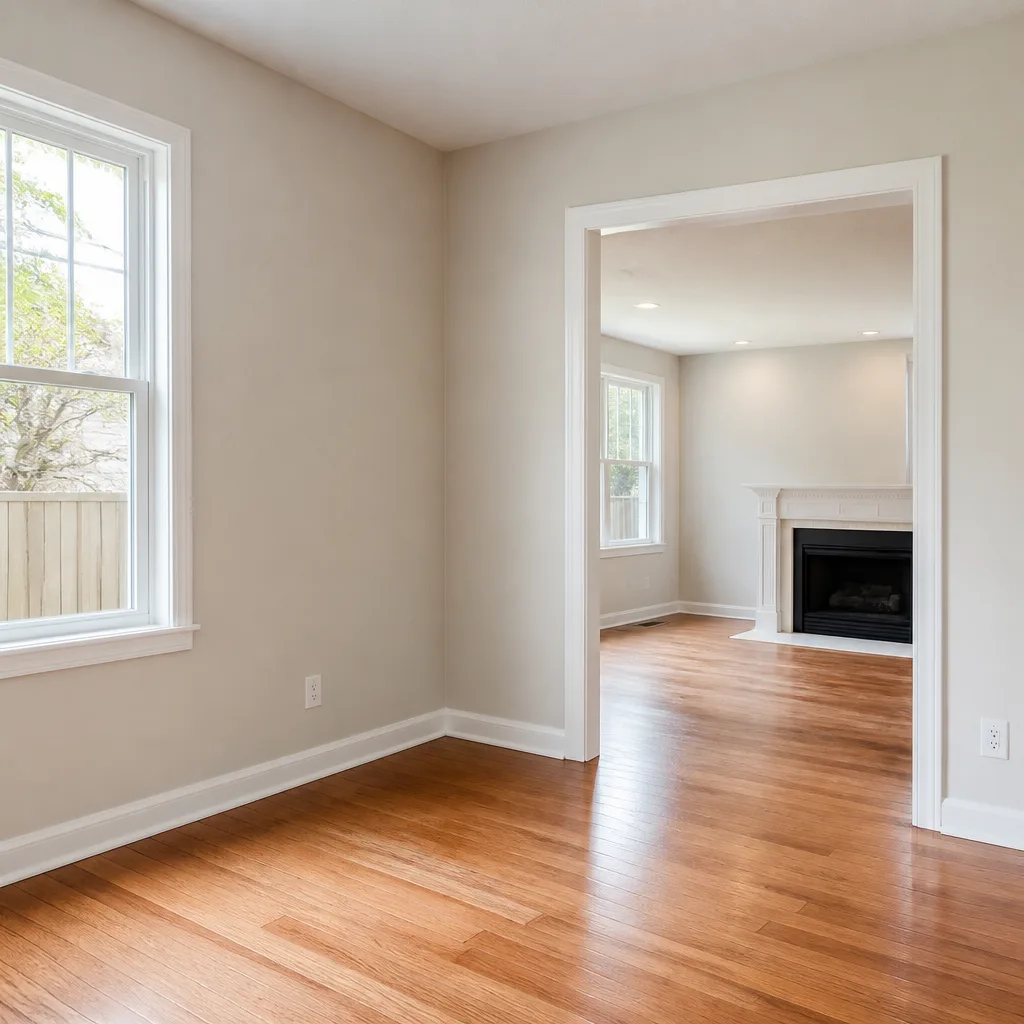
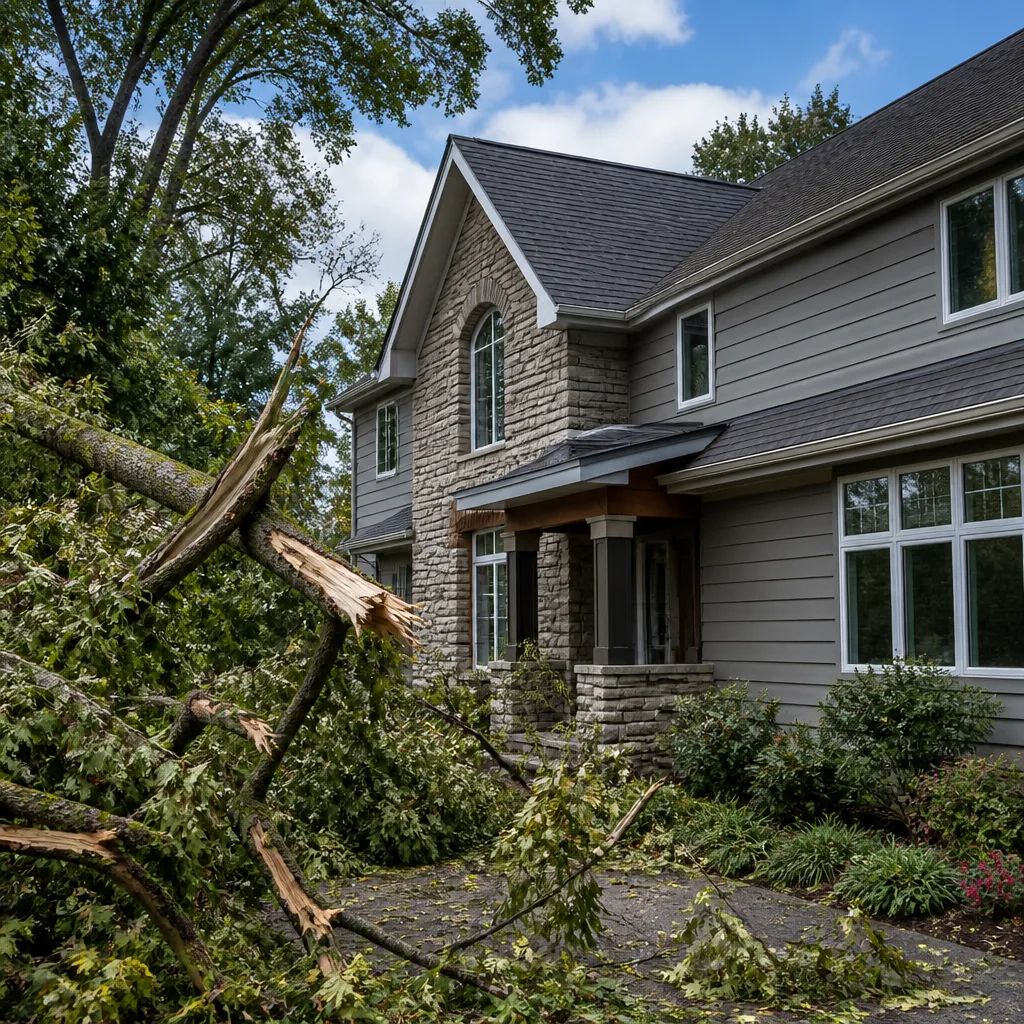
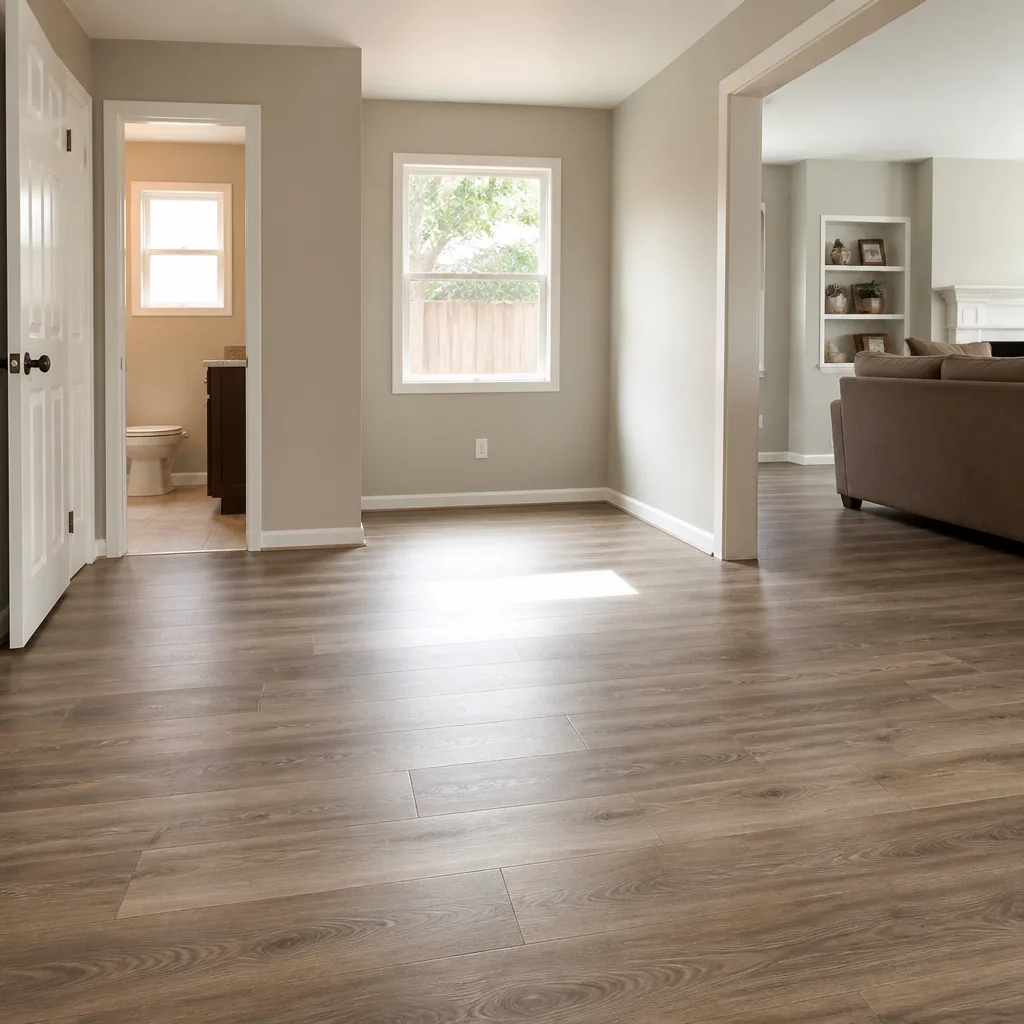

 Before
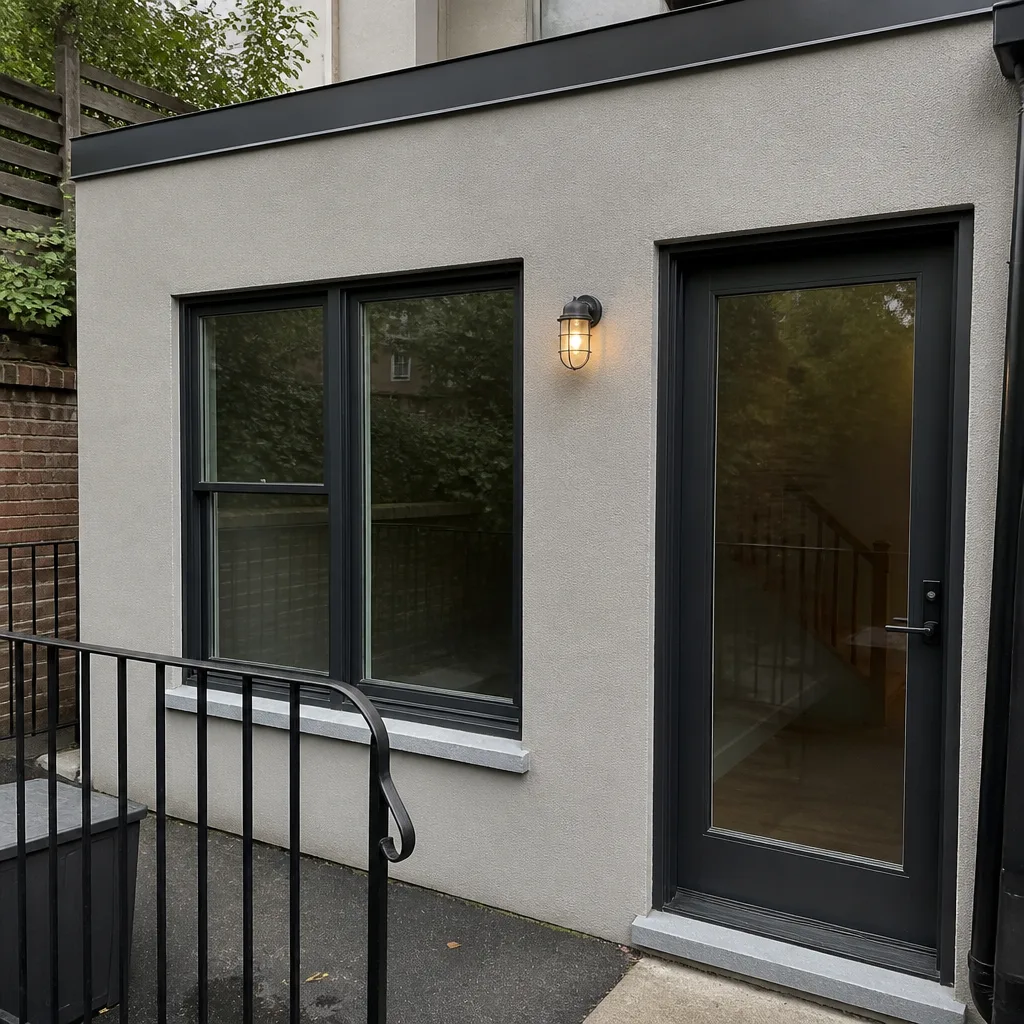 After
After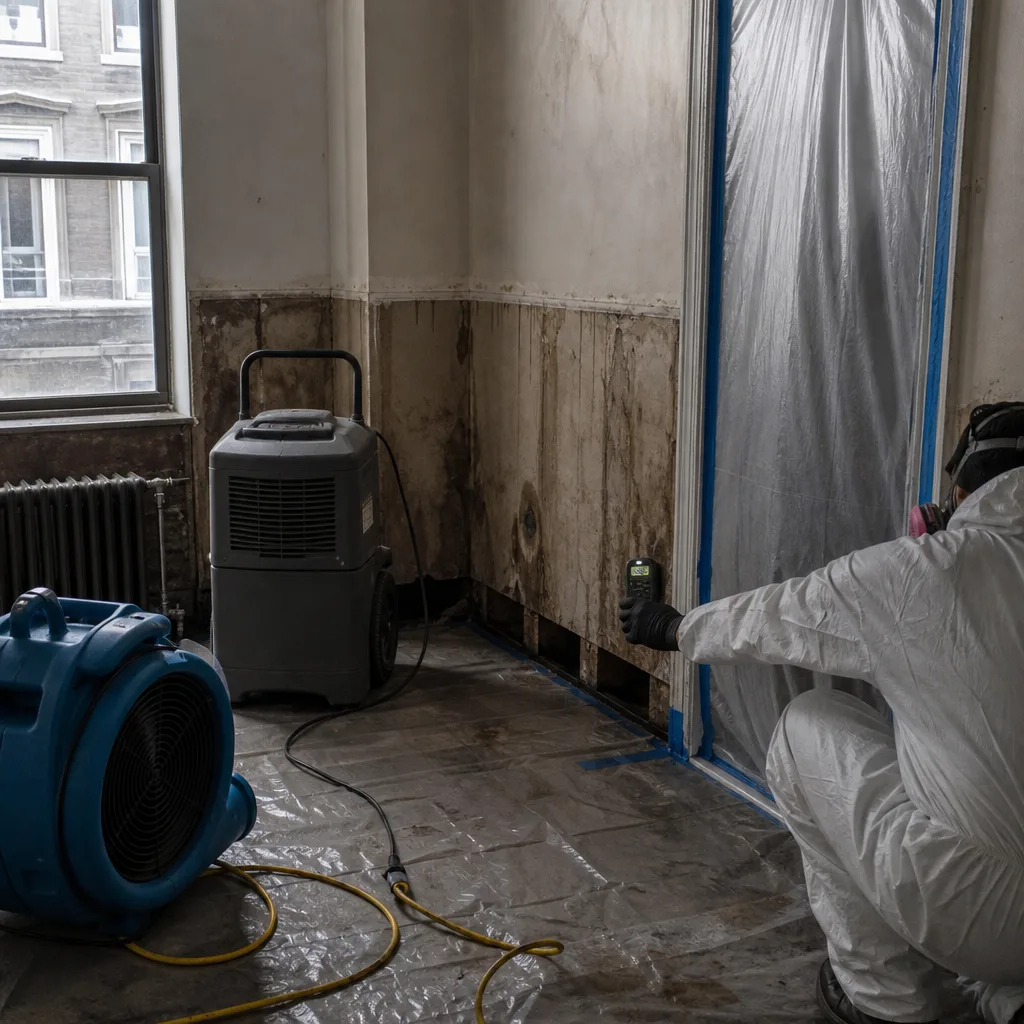 Before
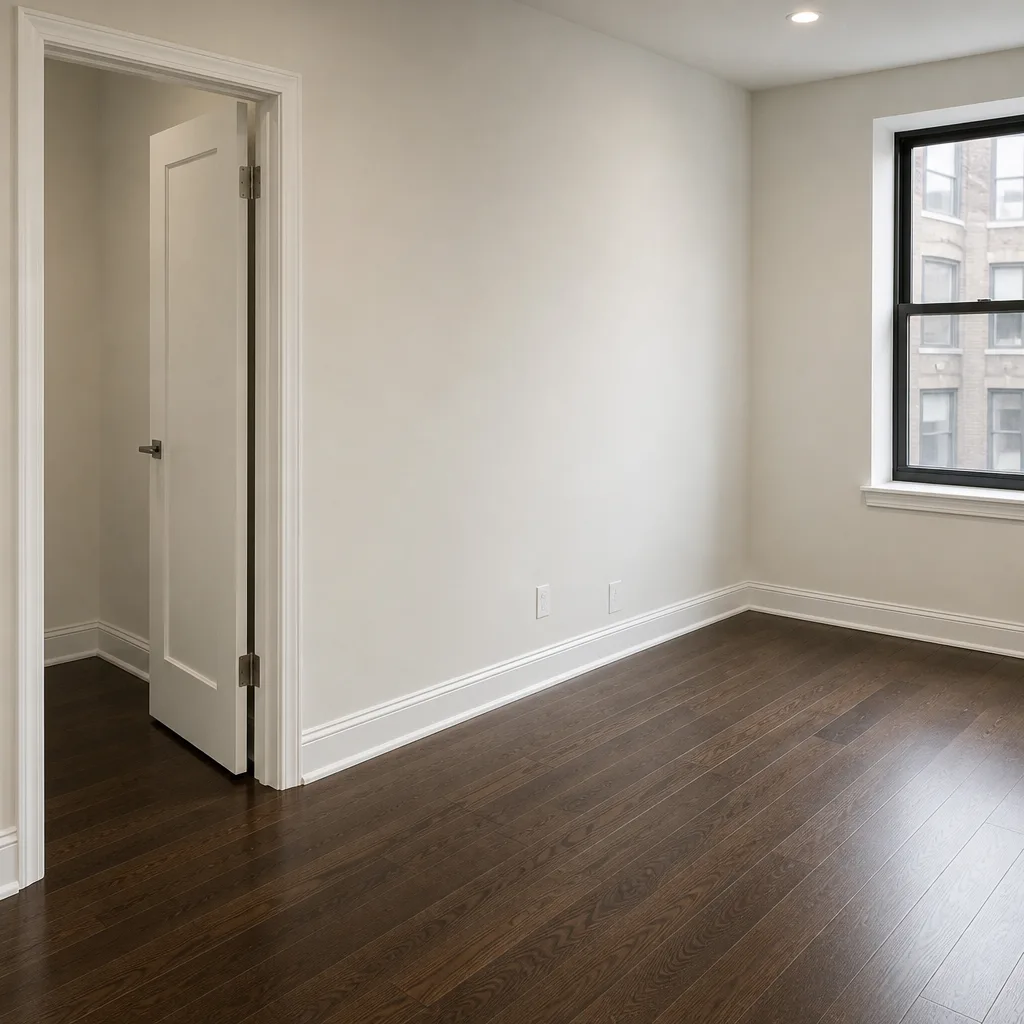 After
After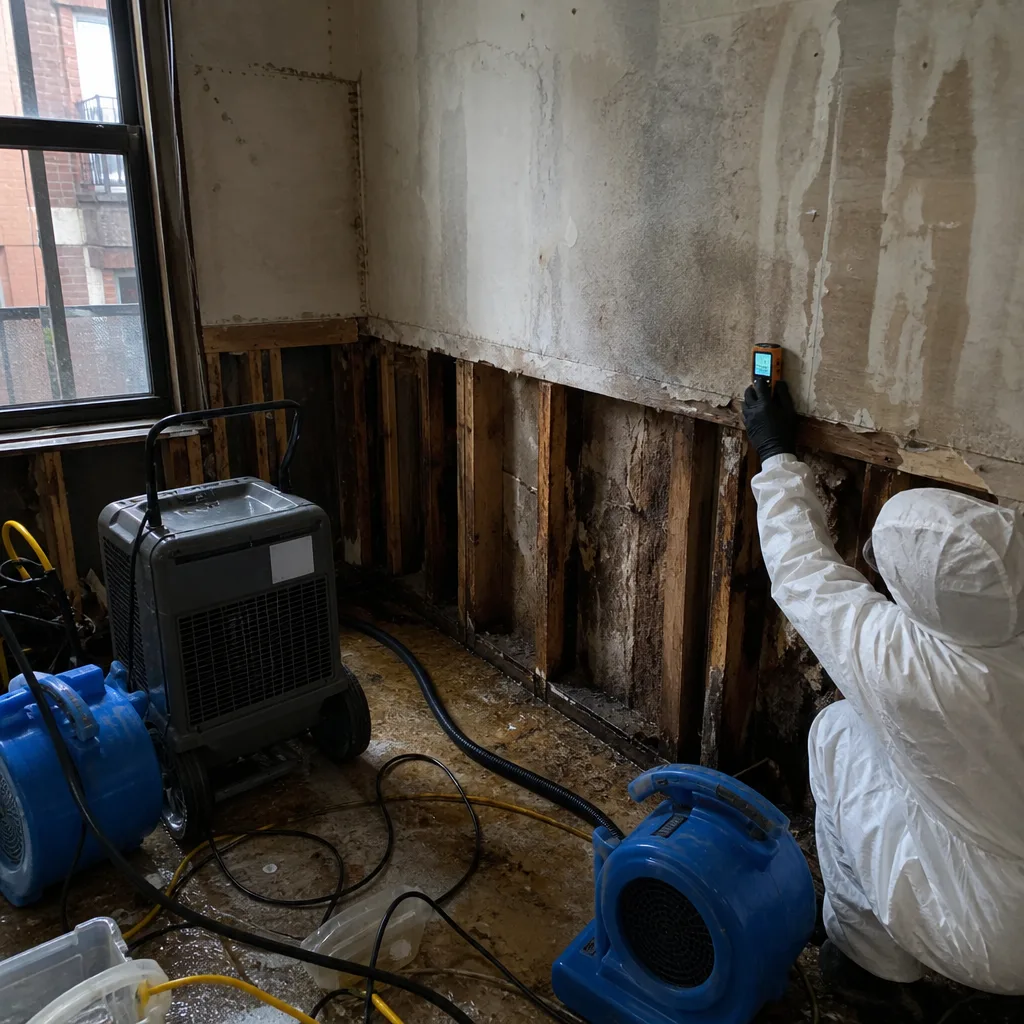 Before
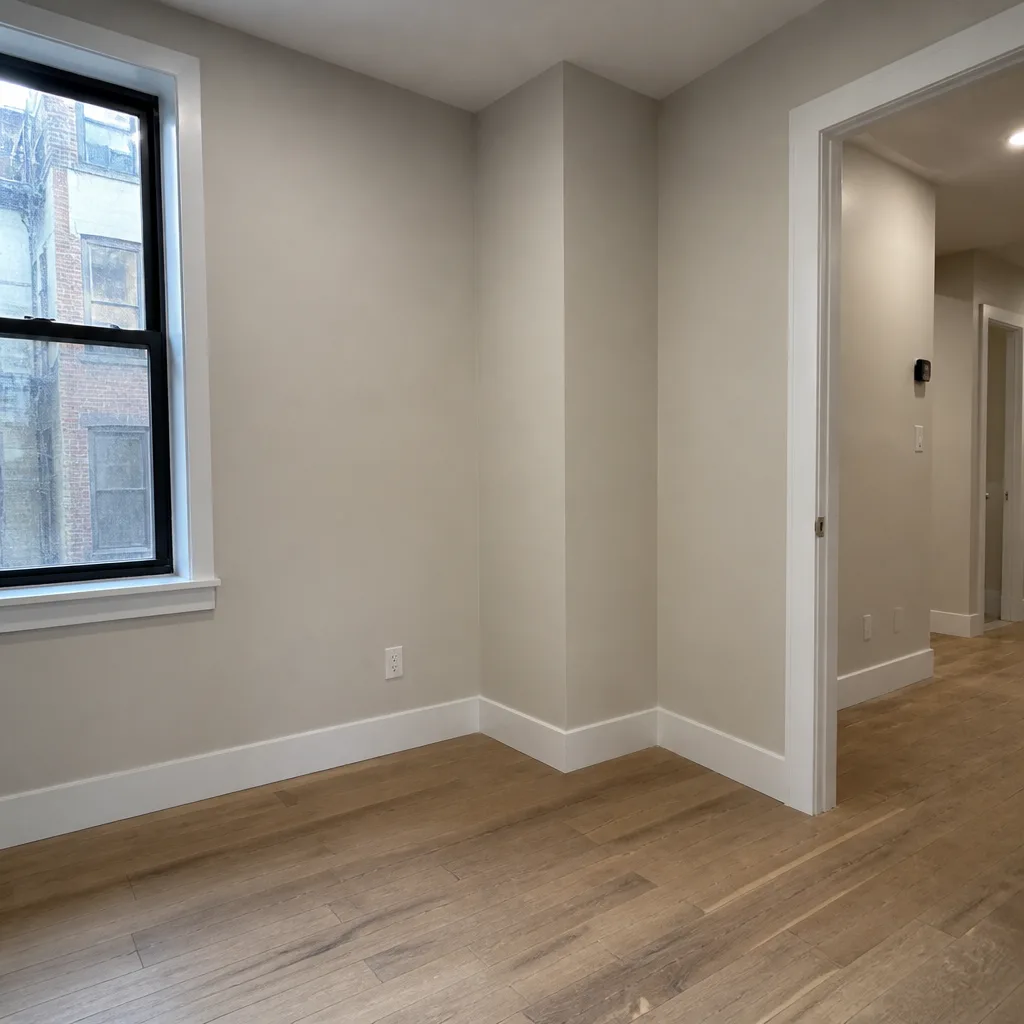 After
After24/7 Emergency Biohazard & Crime Scene Cleanup in Lower Manhattan
Biohazard and crime scene cleanup in Lower Manhattan typically runs $1,500-$7,500 depending on the scope, and our crews are dispatched from the New York City office within the hour for emergency calls. If you’re standing in a property with blood, bodily fluids, or unattended remains, you don’t need a callback. You need someone on the way. Call (607) 350-1550 right now and Wade himself will answer. He’s been doing this since 2007, and he understands that the first hour after a biohazard event is when contamination spreads, odors set into porous surfaces, and the scope of work grows.
We serve every block of Lower Manhattan, from Battery Park City to the Financial District to the converted lofts along Water Street. Wade’s crew arrives with containment barriers, HEPA air scrubbers, and hospital-grade disinfectants. We do a free visual inspection, hand you a written scope of work before anything starts, and coordinate directly with your insurance carrier. No answering service. No voicemail. A live person picks up, every time.
Understanding Biohazard & Crime Scene Cleanup Severity in Lower Manhattan Properties
Biohazard contamination falls into three categories, and Lower Manhattan’s building stock makes all three more complicated than they’d be uptown. Category 1 is clean water from a broken supply line. Category 2 is gray water with some contamination, like washing machine overflow. Category 3 is the serious one: sewage, blood, bodily fluids, decomposition fluids, or floodwater that’s picked up bacteria, pathogens, and chemicals from the street. In Lower Manhattan, Category 3 events almost always involve saltwater. Saltwater from Hudson River surge doesn’t just carry biological contamination; it accelerates corrosion inside walls, behind baseboards, and along electrical conduit. We’ve opened walls in FiDi buildings months after a storm surge and found wiring that looked like it had been soaked in brine for years, not weeks.
The century-old masonry towers in the Financial District and the landfill-based residential buildings of Battery Park City trap moisture in ways that Midtown high-rises simply don’t. Converted commercial buildings have field-adapted plumbing chases, old elevator shafts, and sub-basements below the local water table. Those spaces hold Category 3 water for weeks after a visible cleanup is “done.” Anyone offering Biohazard & Crime Scene Cleanup here without extended moisture monitoring is setting you up for a mold callback six weeks later.
Why Lower Manhattan Property Owners Choose Wade’s Restoration
- 45-minute response commitment for Lower Manhattan addresses. Wade’s crew stages from the NYC office and knows the FDR Drive, West Street, and Battery Park routes cold. We don’t sit in dispatch queues.
- 24/7 live answer. Not an automated system. Not a call center in another state. Wade answers his own phone, including at 2 a.m. when a surge event is climbing Whitehall Street.
- IICRC-certified crews. WRT, FSRT, and AMRT certifications back every job. We know how to handle Category 3 water, trauma scenes, and hoarding conditions in buildings older than the Brooklyn Bridge.
- Free visual inspection. We walk the property, document what we find, and hand you a line-item scope before a single piece of equipment comes off the truck.
- Direct insurance billing. We file the claim, send photo documentation to your adjuster the same day, and handle the back-and-forth. You don’t relay messages between us and your carrier.
- One crew from containment to rebuild. The same people who set containment and run air scrubbers are the ones who hang drywall. No handoffs to a mystery subcontractor.
Our Biohazard & Crime Scene Cleanup Process
Inspection & Assessment
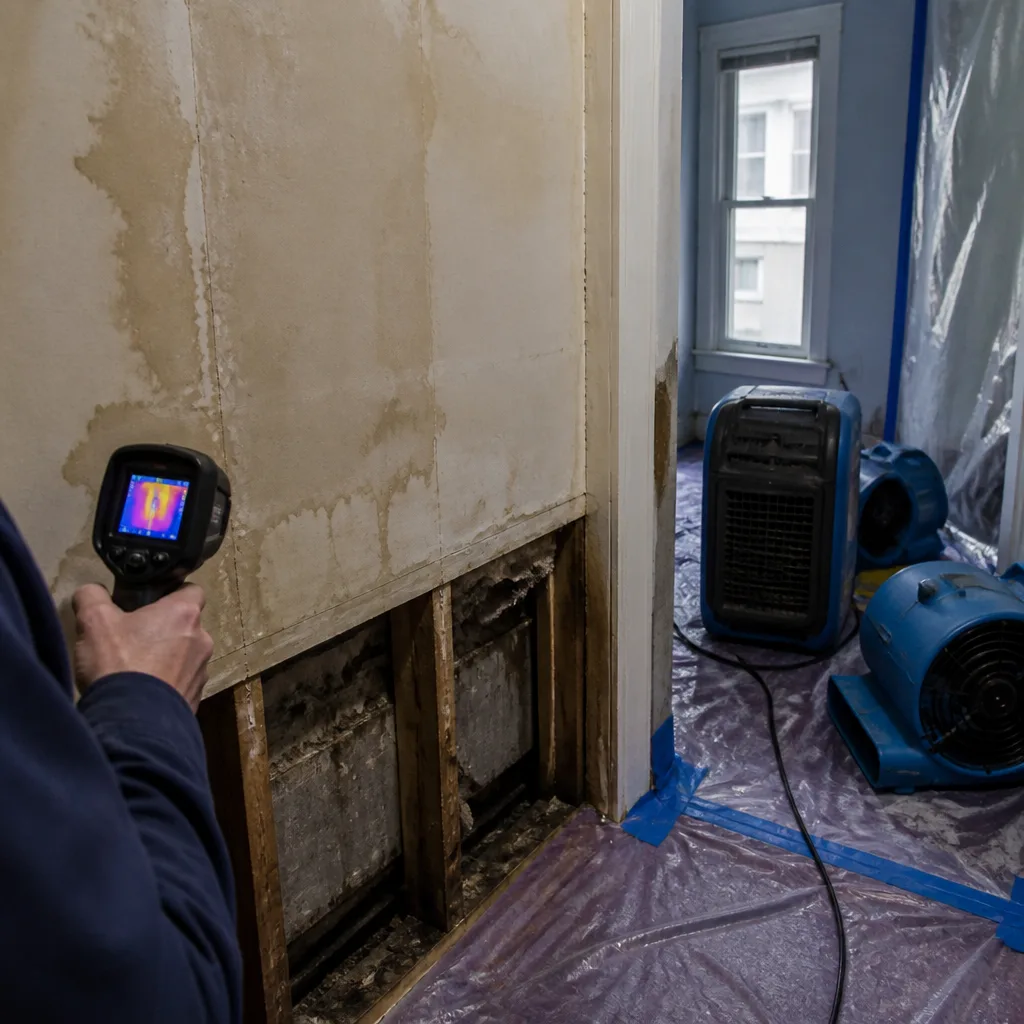
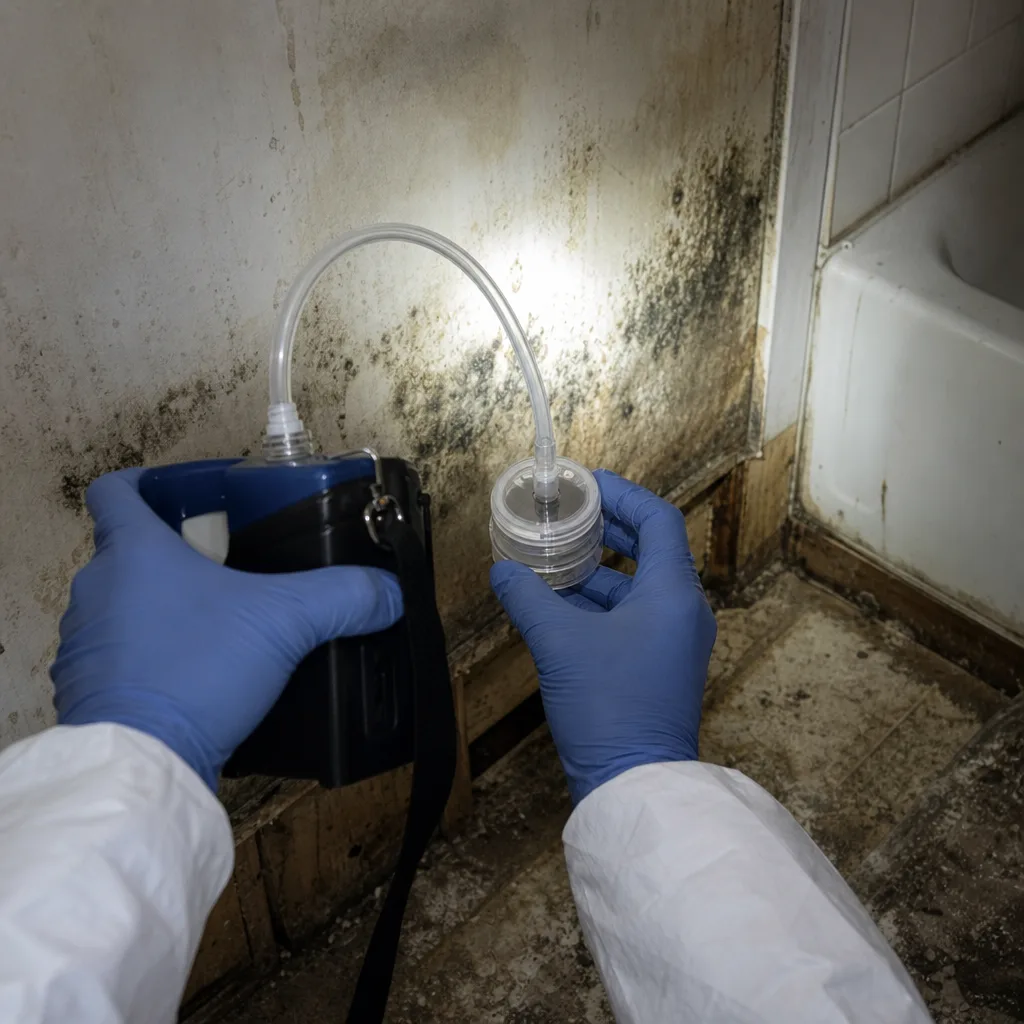
We arrive with thermal imaging cameras and moisture meters. In Lower Manhattan buildings, we map contamination across non-standard layouts: old elevator pits, converted office cores, and HVAC chases that don’t appear on any floor plan. We identify every affected surface before we touch anything.
Containment & Stabilization
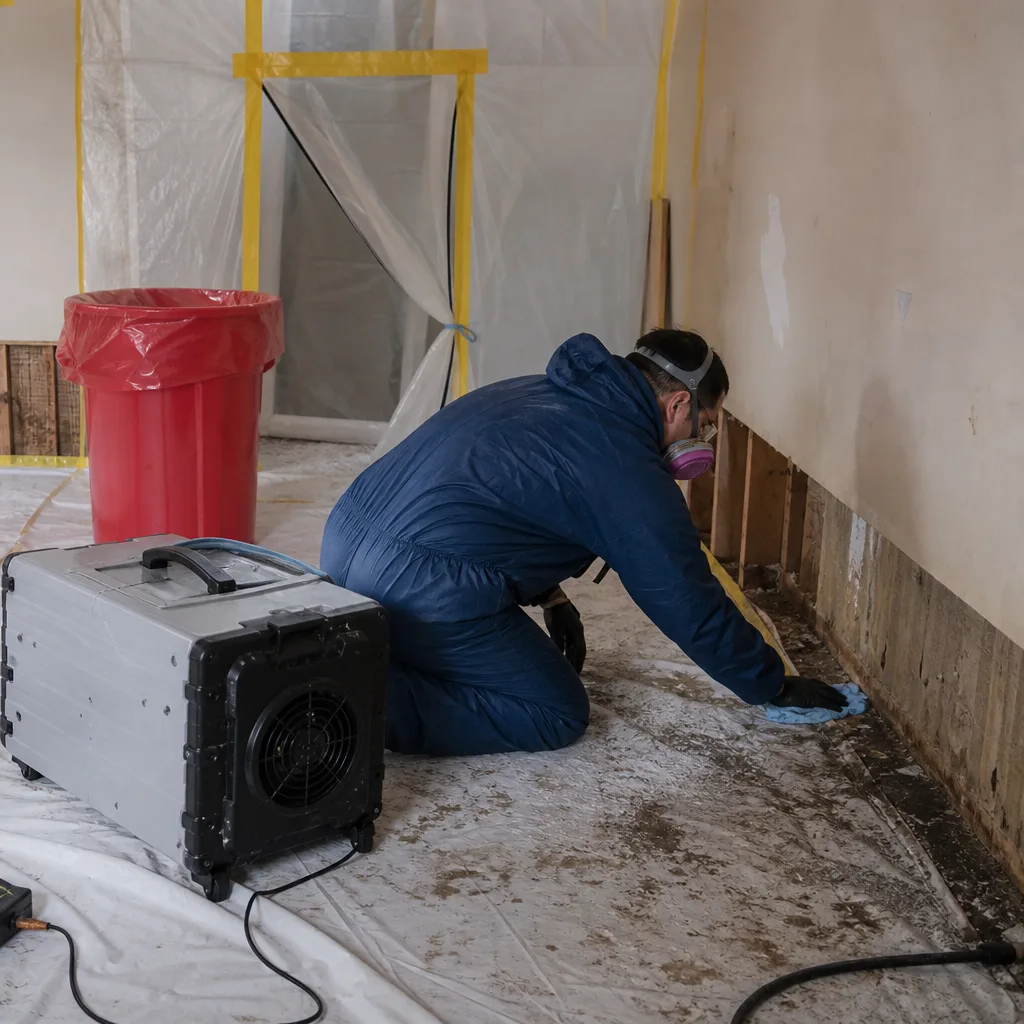
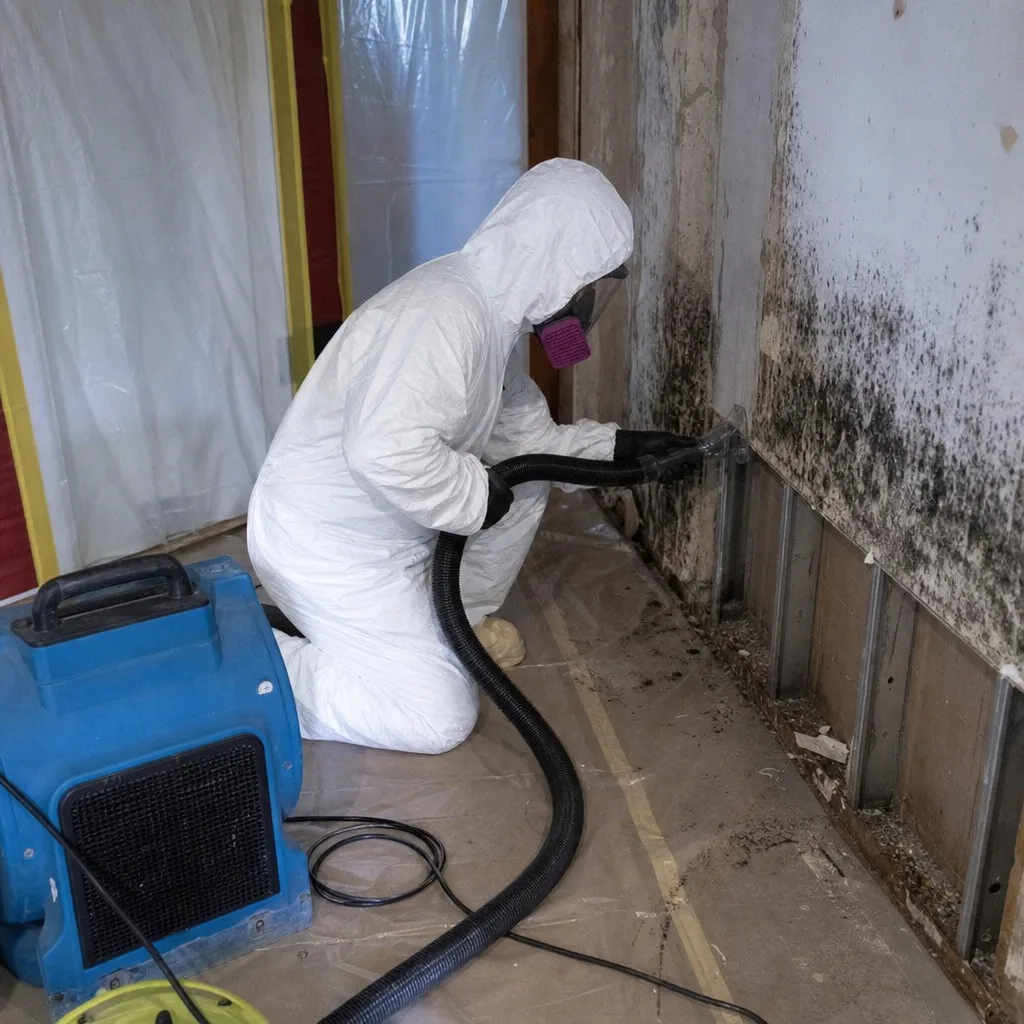
We set negative air pressure containment with HEPA-scrubbed exhaust and seal off affected zones with 6-mil poly barriers. Stabilization means stopping active contamination from moving through the building’s shared ventilation, which in pre-war FiDi towers means old ductwork that leaks into neighboring units.
Removal & Extraction
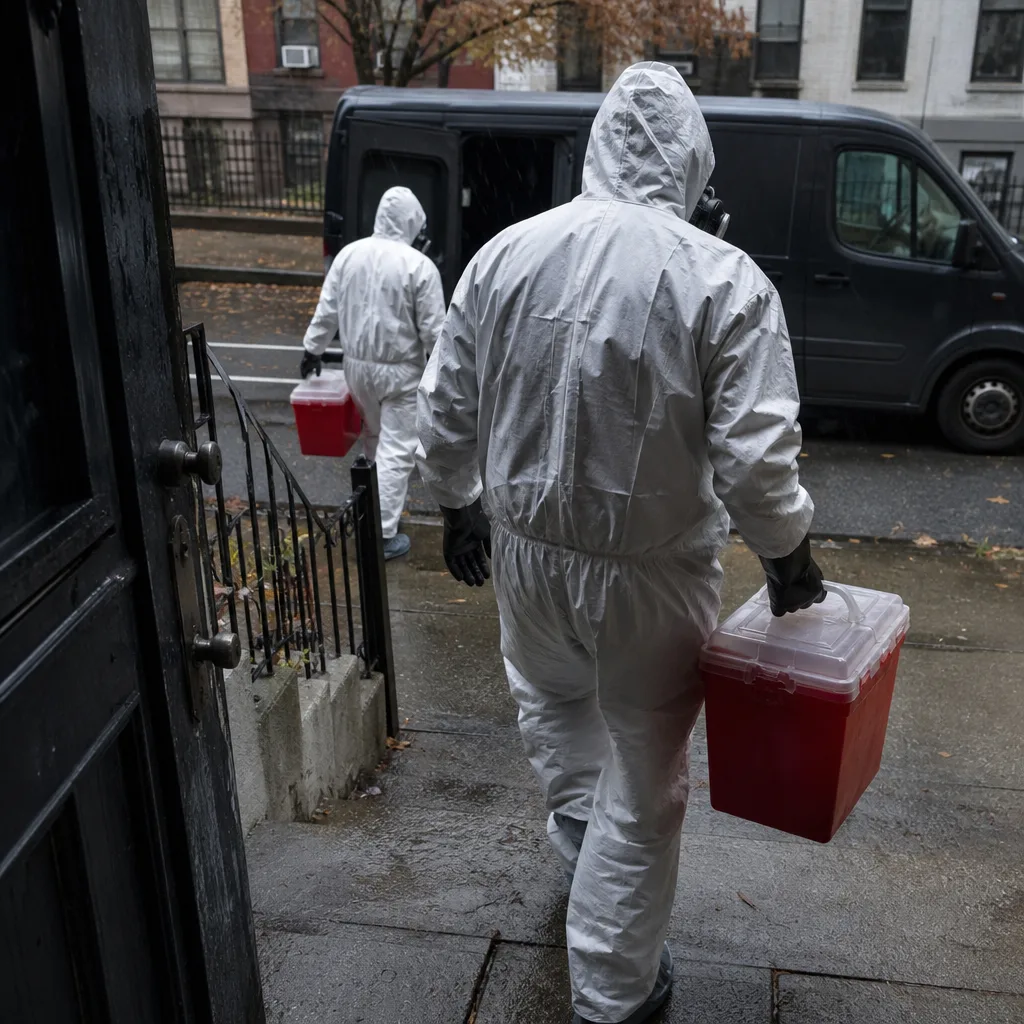
Blood, bodily fluids, and contaminated porous materials are removed using OSHA-compliant bloodborne pathogen protocols. We use HEPA vacuums and disposable containment tools. Anything that can’t be disinfected gets bagged, sealed, and removed for licensed medical waste disposal.
Cleaning & Disinfection
We apply hospital-grade, EPA-registered disinfectants to every contaminated surface, including subflooring, stud cavities, and the inside of HVAC registers. In Battery Park City buildings, this step includes a secondary pass on below-grade walls where saltwater has been wicking through the foundation for weeks.
Drying & Moisture Verification
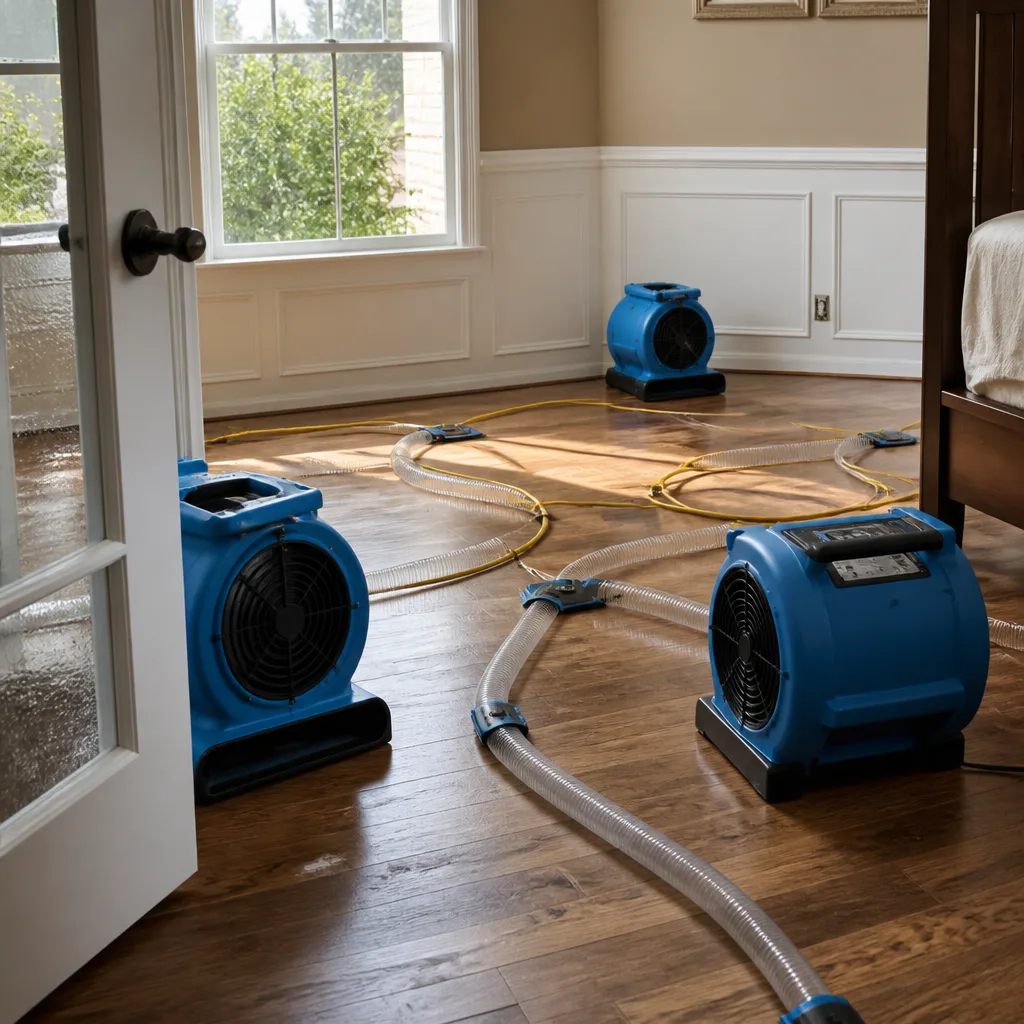
We run Dri-Eaz dehumidifiers and Phoenix air movers while taking daily moisture readings with hygrometers and penetrating probes. In Lower Manhattan, this lasts longer than inland because hydrostatic pressure from saturated landfill keeps reintroducing moisture. We don’t stop until the readings are flat for 48 consecutive hours.
Clearance Testing & Restoration
We run ATP surface testing before we pull containment. If it’s not clean, we reclean and retest before any finish work starts. Then we handle the rebuild with our Commercial Restoration in Lower Manhattan: drywall, paint, flooring, trim. Wade’s 90-Day Done Right Promise covers the whole thing in writing.
Need Emergency Biohazard & Crime Scene Cleanup in Lower Manhattan Now?
Crews minutes away, answering live 24 hours a day. The sooner we start, the less it costs.
Working With Your Insurance Company
Property insurance covers most biohazard and crime scene cleanup in Lower Manhattan, but the claim has to be documented correctly from the first hour. Wade has spent 18 years talking to adjusters in this city. He knows what they need and what they push back on. We photograph every affected surface room by room, log moisture readings daily, and write a line-item scope that matches industry-standard pricing software. Then we send it directly to your adjuster and stay on the phone with them until the claim moves. You never have to be the middleman.
What We Provide Your Insurer
- Thorough documentation of the loss
- Photos of all damage, room by room
- Moisture readings and drying logs
- A detailed, line-item scope of work
- Direct coordination with your carrier
Built for Lower Manhattan’s Loss Calendar
Lower Manhattan’s biohazard events follow a pattern that anyone who’s lived here long enough can predict. August and September bring hurricane season, and with it the storm surge that pushes saltwater up through the Battery and into sub-basements along Water Street, Front Street, and South End Avenue. January and February bring deep freezes that burst pipes in the exposed masonry walls of pre-war Financial District buildings. Spring brings thaw cycles and groundwater creeping into foundation walls in Battery Park City, where the landfill stays saturated long after the surface dries. Summer thunderstorms overwhelm combined sewer lines and send Category 3 water back up through floor drains in buildings from Broadway to the East River. Each of these events creates the conditions for biohazard contamination: sewage backflow, mold amplification, and the kind of dark, damp, enclosed spaces where pathogens thrive.
Biohazard & Crime Scene Cleanup Across Lower Manhattan’s Neighborhoods
In Battery Park City, the landfill-foundation towers along South End Avenue and Battery Place sit on fill material that holds water like a sponge. After any surge event, hydrostatic pressure against below-grade walls keeps pushing water through the foundation for weeks. Standard drying timelines fail here because the water source hasn’t stopped; it’s just slowed down. Our remediation protocol for Battery Park City includes extended monitoring and temporary sump augmentation before any rebuild begins, because clearing surface water is only the first step. In the Financial District, the converted commercial towers around Exchange Place, Broad Street, and Williams Street have sub-basements that sit below the local water table. Their plumbing chases, old elevator shafts, and field-adapted HVAC systems create hidden pathways for Category 3 water that standard moisture mapping grids miss. Near the South Street Seaport and along Front Street, the historic masonry buildings have centuries of layered repairs that make containment more complex; air leakage through party walls means a contamination event in one unit can migrate into a neighbor’s space within hours. And in the residential conversions around Greenwich Street and West Street, post-2020 retrofits left behind abandoned duct runs and sealed floor drains that trap contaminated water and hold odors indefinitely.
Specialized Biohazard & Crime Scene Cleanup Services We Offer in Lower Manhattan
Blood & Bodily Fluid Cleanup
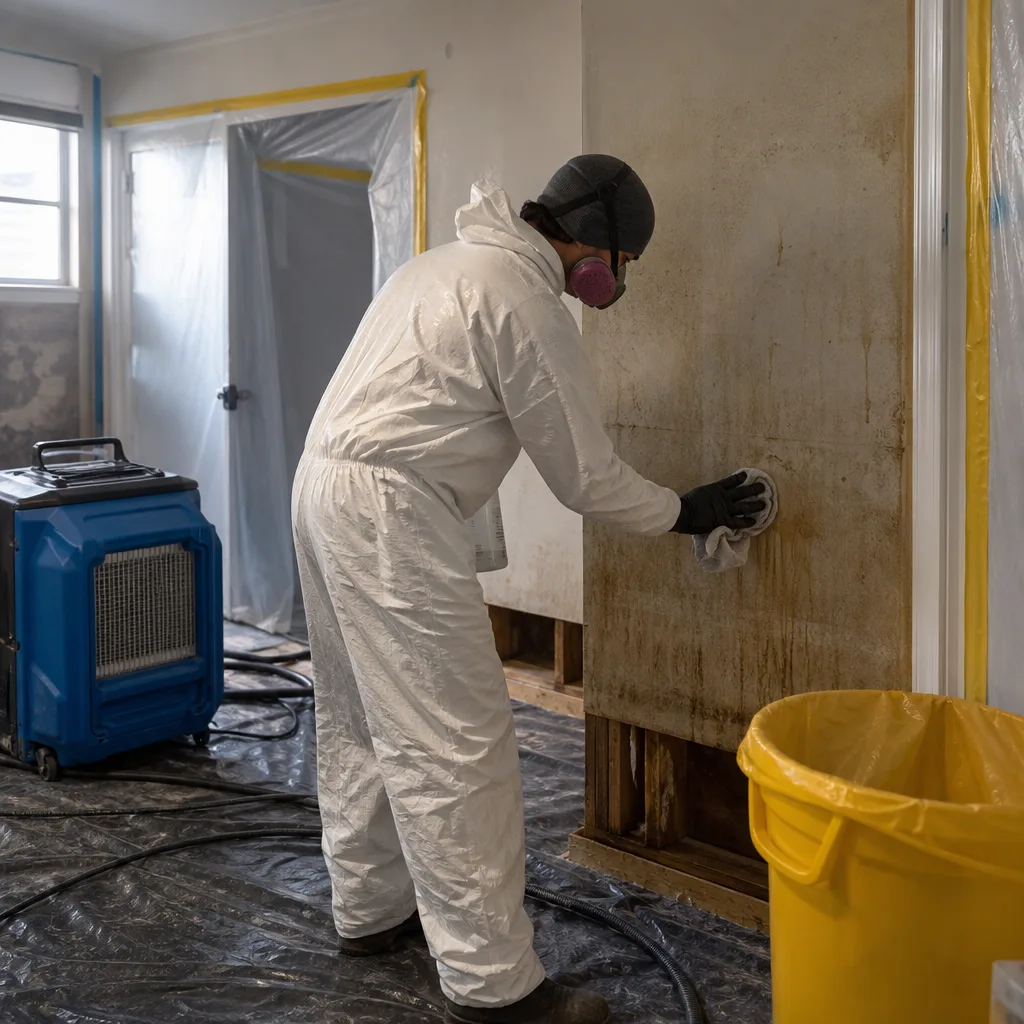
Blood and bodily fluids require more than just disinfection. Porous surfaces like drywall, carpet, and wood subflooring absorb fluids quickly, and in Lower Manhattan’s tight, shared-wall buildings, that absorption doesn’t stop at the unit line. We cut out contaminated porous material, treat the sub-structure, and document everything for your insurance claim. In pre-war buildings with wood lath and plaster, that means opening walls carefully to avoid destabilizing hundred-year-old masonry.
Trauma & Unattended Death Cleanup
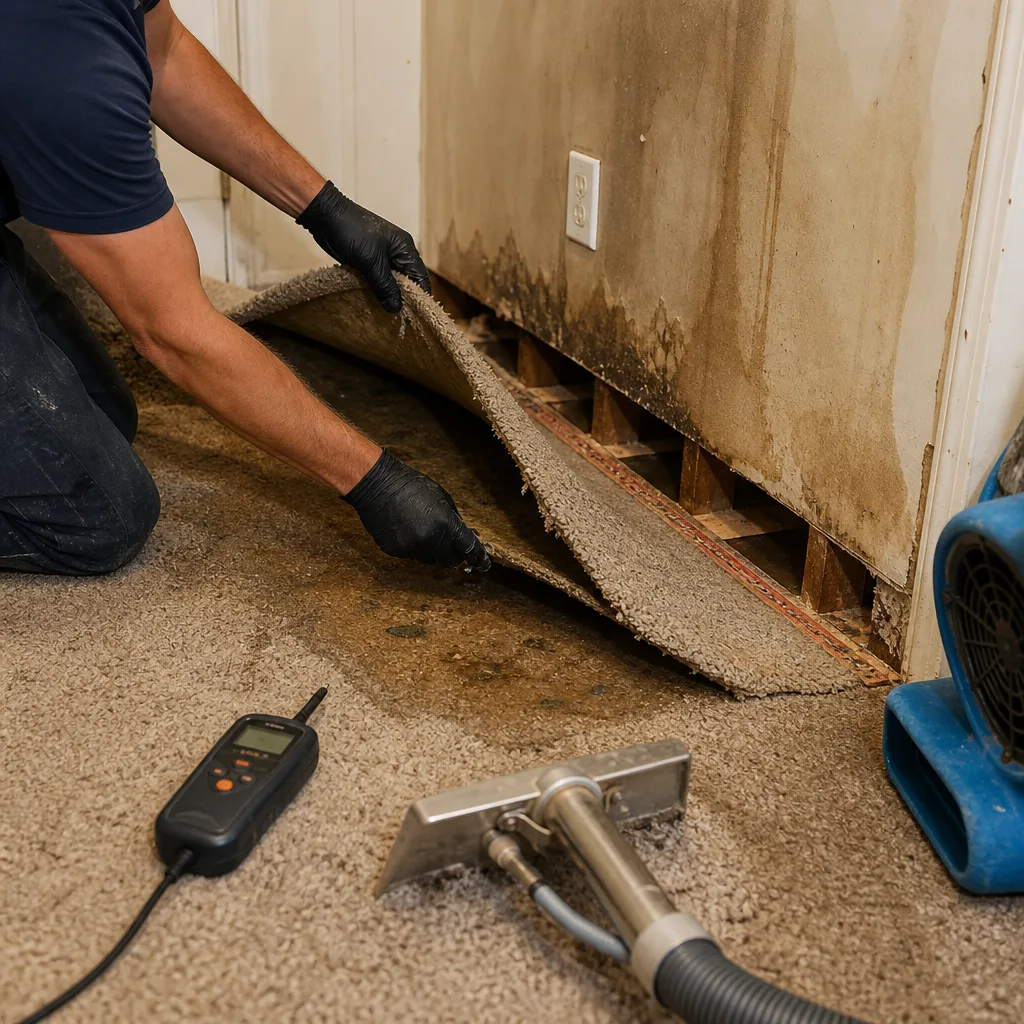
Unattended deaths in Lower Manhattan apartments and condos present unique challenges because the buildings’ shared ventilation systems carry odors between units. We contain the affected space under negative air pressure and run HEPA scrubbing continuously during removal, so decomposition compounds don’t migrate through the building. We handle the scene with discretion; neighbors shouldn’t see anything that tells them what happened inside.
Hoarding Cleanup
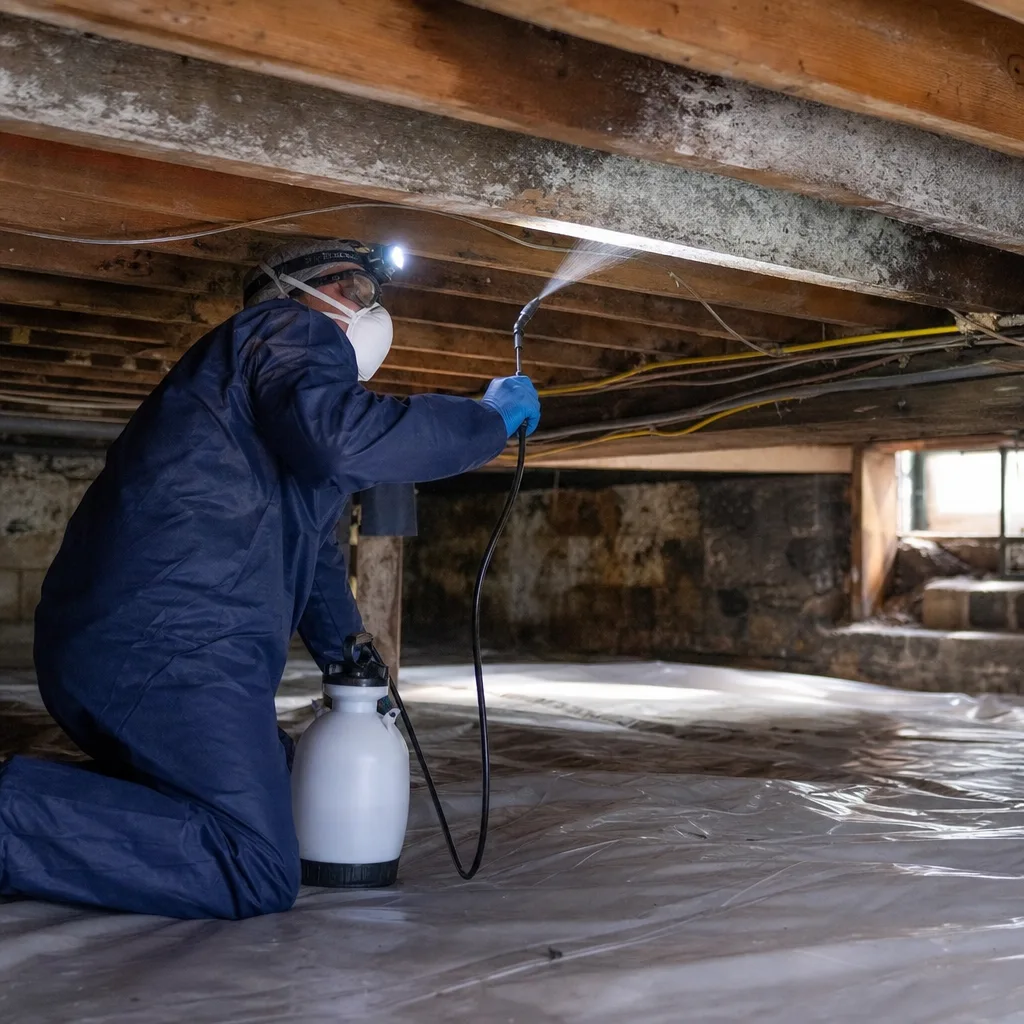
Hoarding conditions in Lower Manhattan are often compounded by chronic moisture from tidal flooding and rising groundwater. Piles of belongings absorb that moisture and become breeding grounds for mold, bacteria, and insects. We work room by room, separating salvageable items from contaminated waste, and coordinate with building management on disposal access. This is not a one-day job; we plan for multiple days and heavy disposal volume.
Infectious Disease Disinfection
After a confirmed illness exposure in a Lower Manhattan building, we deploy Sanitization Services in Lower Manhattan using EPA-registered hospital-grade disinfectants and a dwell-time protocol that matches CDC guidelines. We fog, wipe, and treat HVAC surfaces. In converted commercial buildings with central air systems that predate modern filtration, this means treating duct interiors, not just surfaces.
Tear Gas & Chemical Cleanup
Lower Manhattan’s density and its position as a gathering area for protests and large events mean tear gas and chemical irritant cleanup is a recurring need. These chemicals embed in drywall, carpet fibers, and HVAC filters, and standard cleaning won’t remove them. We use activated charcoal air scrubbing and surface-specific chemical neutralization, then verify with indoor air quality testing.
What happens when you call
- 1
A real person answersNo phone trees - you reach a local pro.
- 2
You get an upfront price rangeHonest numbers before anyone is dispatched.
- 3
A background-checked tech heads outLicensed & insured, dispatched right away.
- 4
You approve before work beginsNothing starts until you say go.
Biohazard & Crime Scene Cleanup Costs in Lower Manhattan, NY
Biohazard cleanup in Lower Manhattan runs $1,500-$4,500 for a contained blood or bodily fluid scene in a single room. Trauma and unattended death cleanup typically starts around $3,000 and can exceed $8,000 if decomposition fluids have penetrated flooring and subflooring. Hoarding cleanup varies wildly based on debris volume, but most Lower Manhattan apartments land between $4,000 and $12,000 when moisture contamination is involved. Infectious disease disinfection for an average one-bedroom unit runs $800-$1,800. The variables are square footage, number of contaminated surfaces, whether Category 3 water is present, and how far contamination has penetrated the building’s structure. Insurance covers most of this; we handle the claim paperwork and direct adjuster billing. Call (607) 350-1550 for a free visual inspection and a firm written scope before you commit to anything.
We Also Serve Cities Near Lower Manhattan
Beyond Lower Manhattan, Wade’s Restoration responds to biohazard and crime scene cleanup calls across the Financial District, Astoria, Midtown Manhattan, and Long Island City. Same crew, same equipment, same 24/7 live answer.
Serving Lower Manhattan, NY - Our Local Coverage Area
We’re based in the Lower Manhattan area and know this community well. Use the map below to see our service coverage - if you’re nearby, we can almost certainly help.
Lower Manhattan Biohazard & Crime Scene Cleanup Questions, Answered
How does saltwater surge flooding in Lower Manhattan change biohazard cleanup protocols compared to a freshwater pipe break?
Saltwater surge flooding changes everything in Lower Manhattan because the contaminant load is higher and the corrosion risk lasts longer, which is why Water Damage Restoration in Lower Manhattan requires specialized protocols. Saltwater carries sewage, fuel residue, and harbor pathogens that freshwater doesn’t, and salt residue inside wall cavities keeps corroding wiring, metal framing, and fasteners long after the water is removed. We treat every saltwater event as a Category 3 biohazard and include a corrosion inspection in the scope of work. Call us at (607) 350-1550 for specifics on your building.
Why do building owners in Battery Park City see mold returning after a biohazard cleanup following a storm surge?
Because the landfill under Battery Park City stays saturated for weeks after a surge recedes, and that saturated fill keeps hydrostatic pressure pushing against below-grade walls. Standard drying protocols assume the water source has stopped, but in Battery Park City it hasn’t. Mold returns because moisture readings weren’t monitored long enough. Our protocol includes extended drying and temporary sump augmentation until the readings prove the foundation wall has stopped weeping.
What makes biohazard cleanup in converted Financial District towers different from residential high-rises in Midtown?
Converted Financial District towers have non-standard, field-adapted plumbing and HVAC systems installed during commercial-to-residential conversions. Old elevator shafts, abandoned duct runs, and sub-basements below the water table create hidden pathways for contaminated water and biological material that wouldn’t exist in a purpose-built Midtown high-rise. We map those paths with thermal imaging before we contain anything.
Do hoarding cleanup jobs in Lower Manhattan require special handling because of chronic moisture from tidal flooding?
Yes. In Lower Manhattan, chronic moisture from rising groundwater and tidal nuisance flooding means hoarded materials are often wet for months or years before cleanup begins. That turns an already difficult job into a full-scale mold and pathogen remediation. We’re dealing with biological contamination in addition to debris removal, and every Lower Manhattan hoarding cleanup should include moisture testing before, during, and after debris removal.
How soon after a crime scene cleanup in Lower Manhattan can restoration work begin?
Restoration work begins after we clear the scene, which means after ATP surface testing confirms the contamination is gone. In a contained single-room incident where we can verify clean surfaces, restoration can start the same day we finish decontamination. In larger scenes, especially those involving Category 3 water, plan on a day or two of drying and verification before drywall or flooring goes back. Call (607) 350-1550 and we’ll walk you through the timeline for your specific property.
Will insurance cover biohazard and crime scene cleanup in Lower Manhattan?
Most property insurance policies cover biohazard cleanup when it’s tied to a covered event, like a crime, unattended death, or water damage event. The claim succeeds or fails based on documentation. We provide photos, daily moisture logs, line-item scopes, and direct adjuster communication from the first hour. That’s the difference between a claim that pays out and one that gets reduced.
Can residents stay in the building during biohazard cleanup?
It depends on the scope. In a contained single-unit scene with proper negative air pressurization and HEPA scrubbing, adjacent units can often remain occupied. In larger events, especially those involving shared ventilation systems or Category 3 water penetration in Lower Manhattan’s pre-war buildings, we may recommend temporary relocation for the affected floor or wing. We’ll tell you plainly either way, and we’ll document the recommendation for your insurer.
What should I do in the first 30 minutes after discovering a biohazard situation?
Do not enter the affected area. Keep people and pets away, close the door, and call us at (607) 350-1550. Do not attempt to clean blood, bodily fluids, or decomposition materials yourself; without proper PPE and containment, you’re spreading pathogens every time you move through the space. The sooner we arrive, the less contamination spreads and the smaller the final scope of work.
Wade and his crew have been answering calls in Lower Manhattan for years, through storm surges, deep freezes, and everything in between. Wade’s name is on the truck. His cell phone rings when you call. And he’s going to run into you again at the deli on Broadway, which is the oldest accountability system there is. That’s how a Biohazard & Crime Scene Cleanup company should work in this neighborhood. Call (607) 350-1550 for a free estimate, and Wade will be there himself.
Written by Wade Ferris, Owner at Wade’s Restoration, serving Lower Manhattan and the New York City metro area since 2007.