
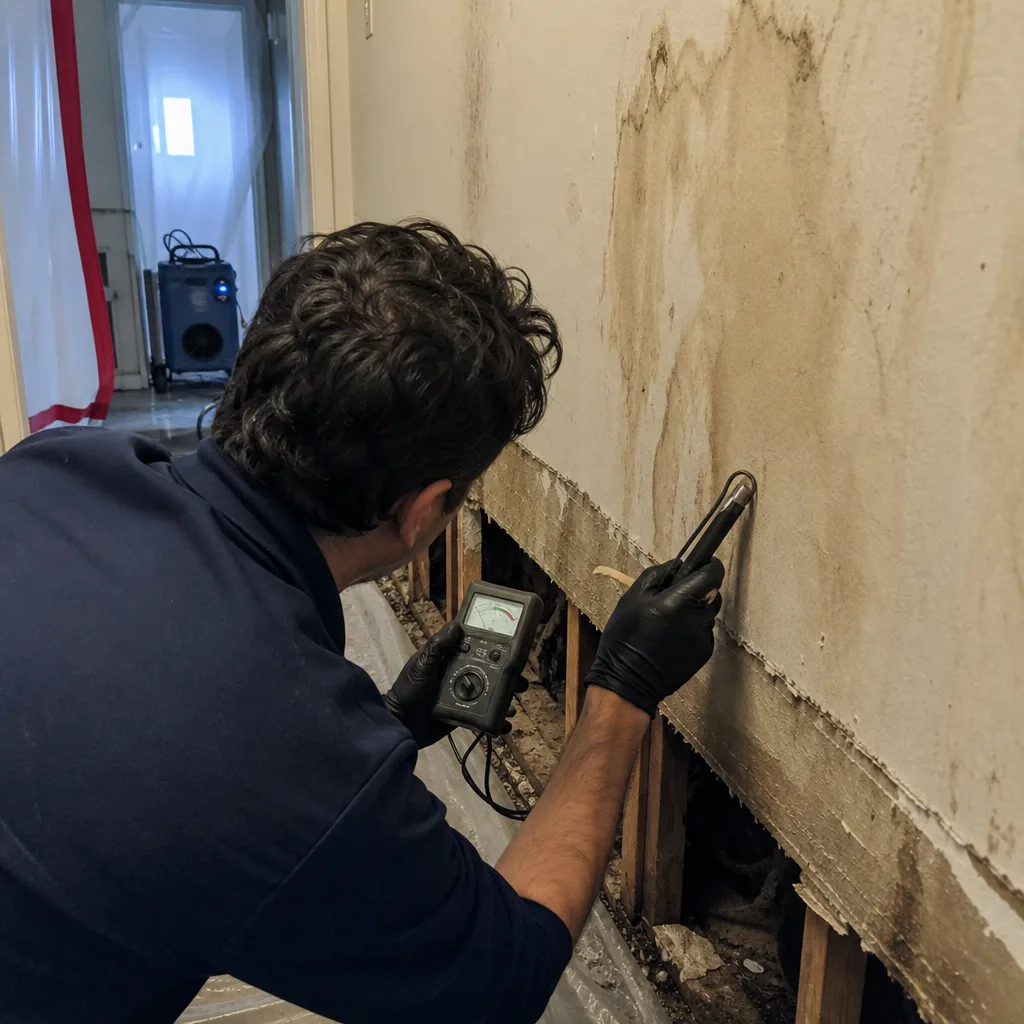
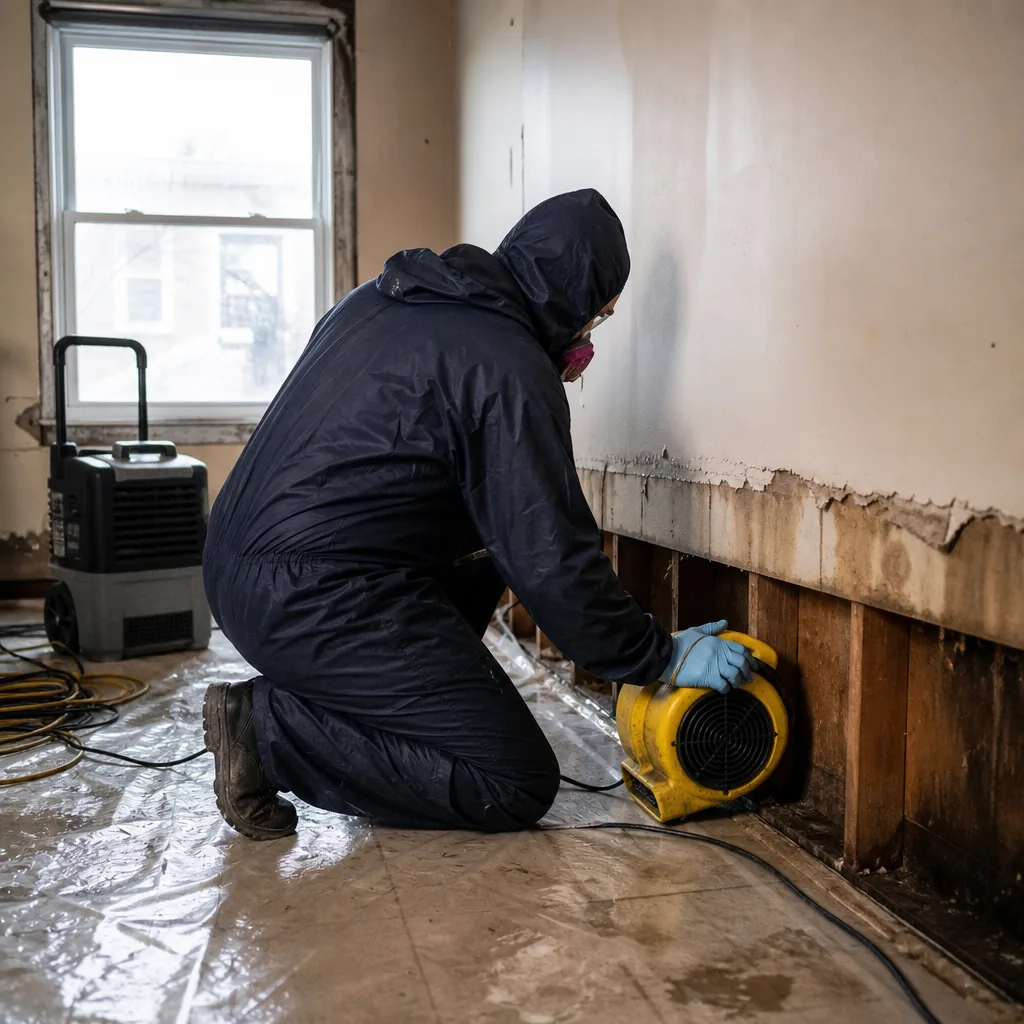
Free visual inspection and a written scope of work before any mitigation begins - photos, moisture readings, and drying logs go in your claim file
The scope we write is the scope we bill. Anything new gets shown to you, in writing, before we touch it.
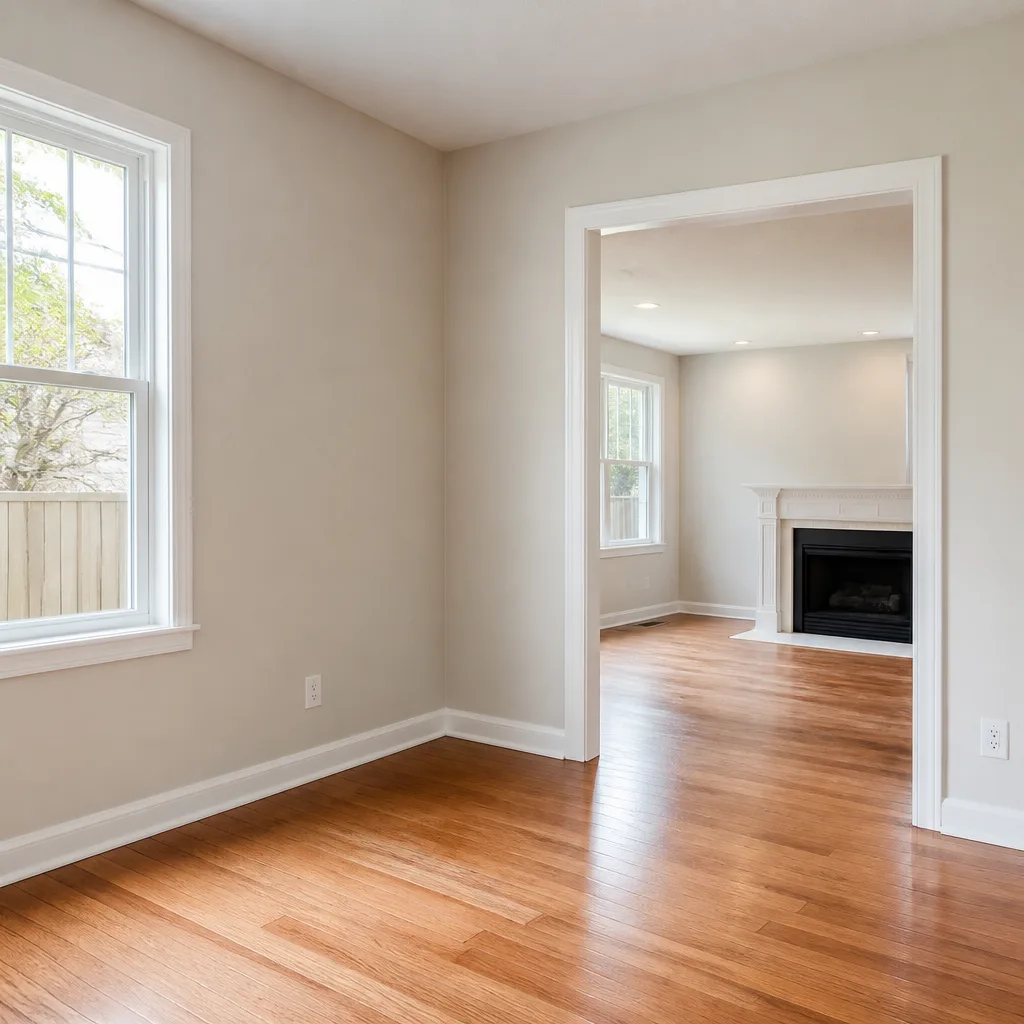
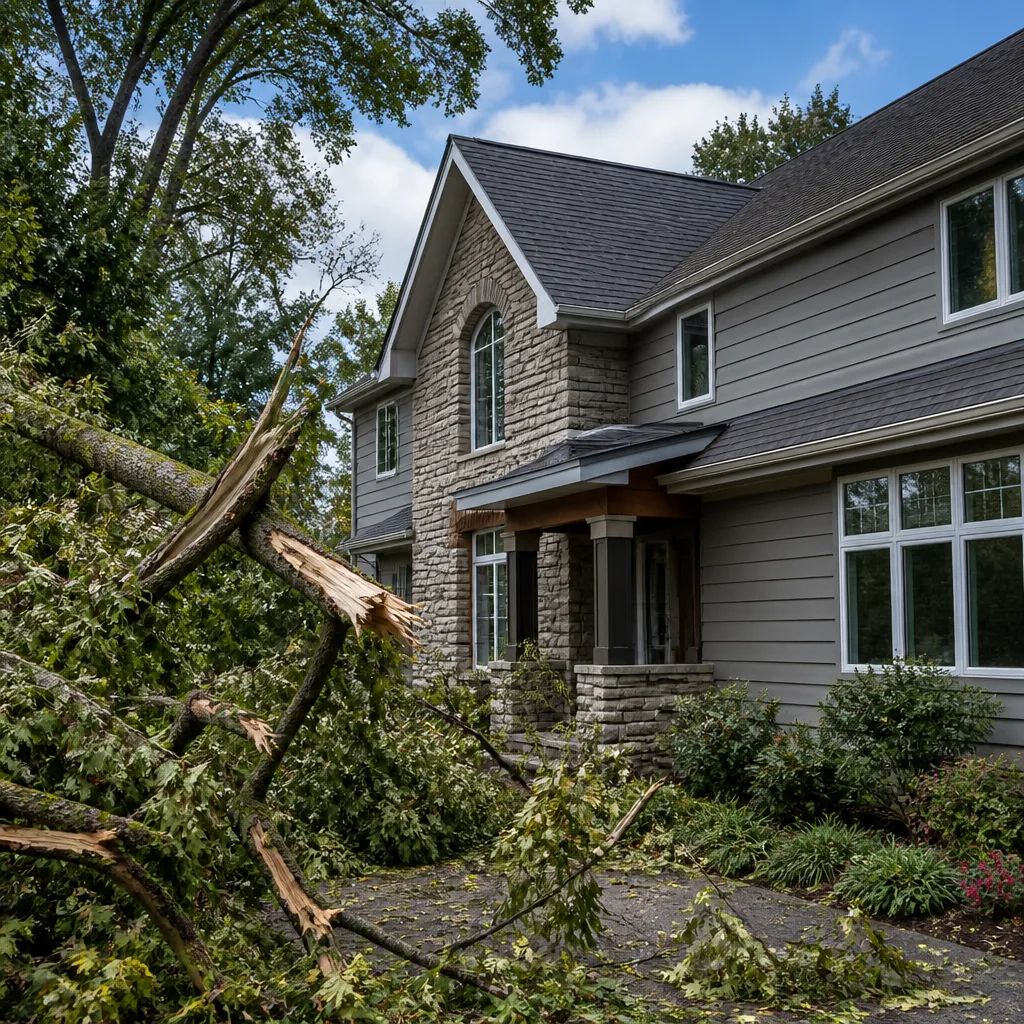
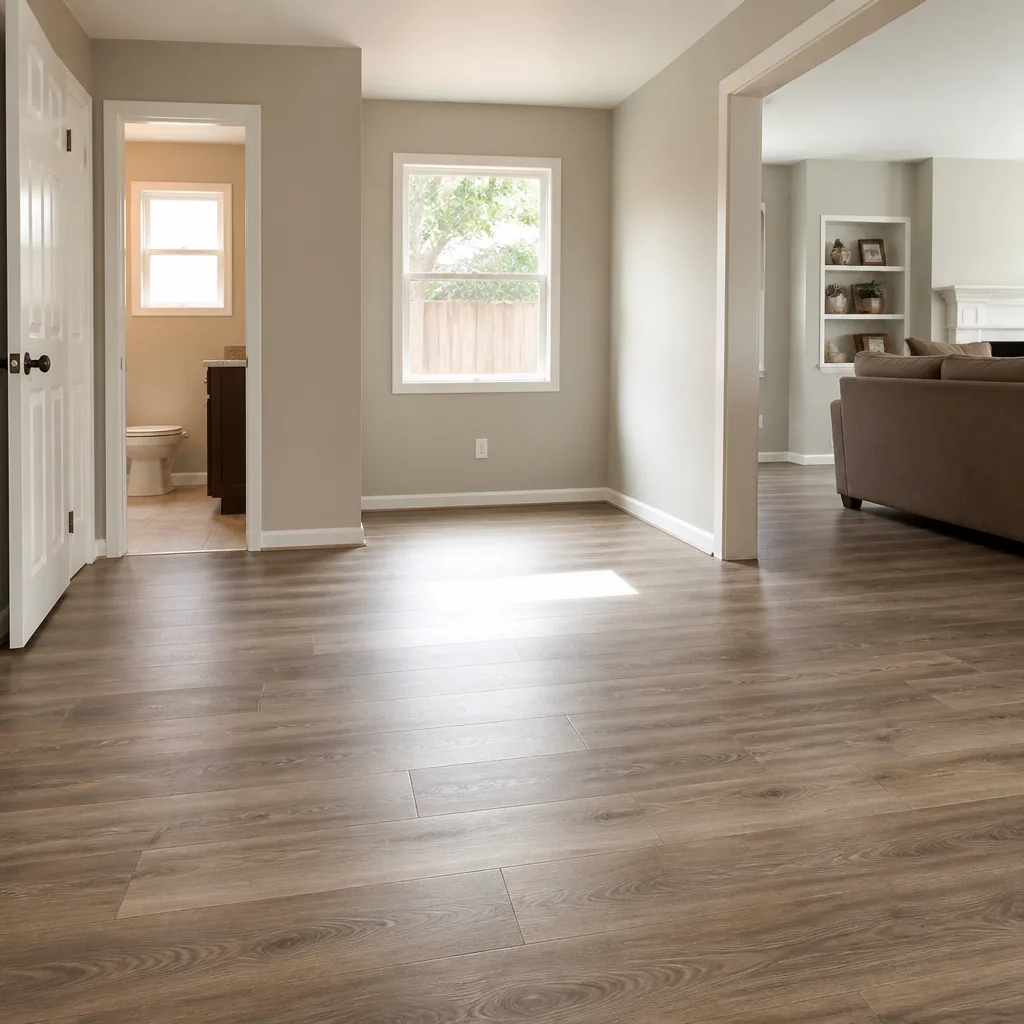
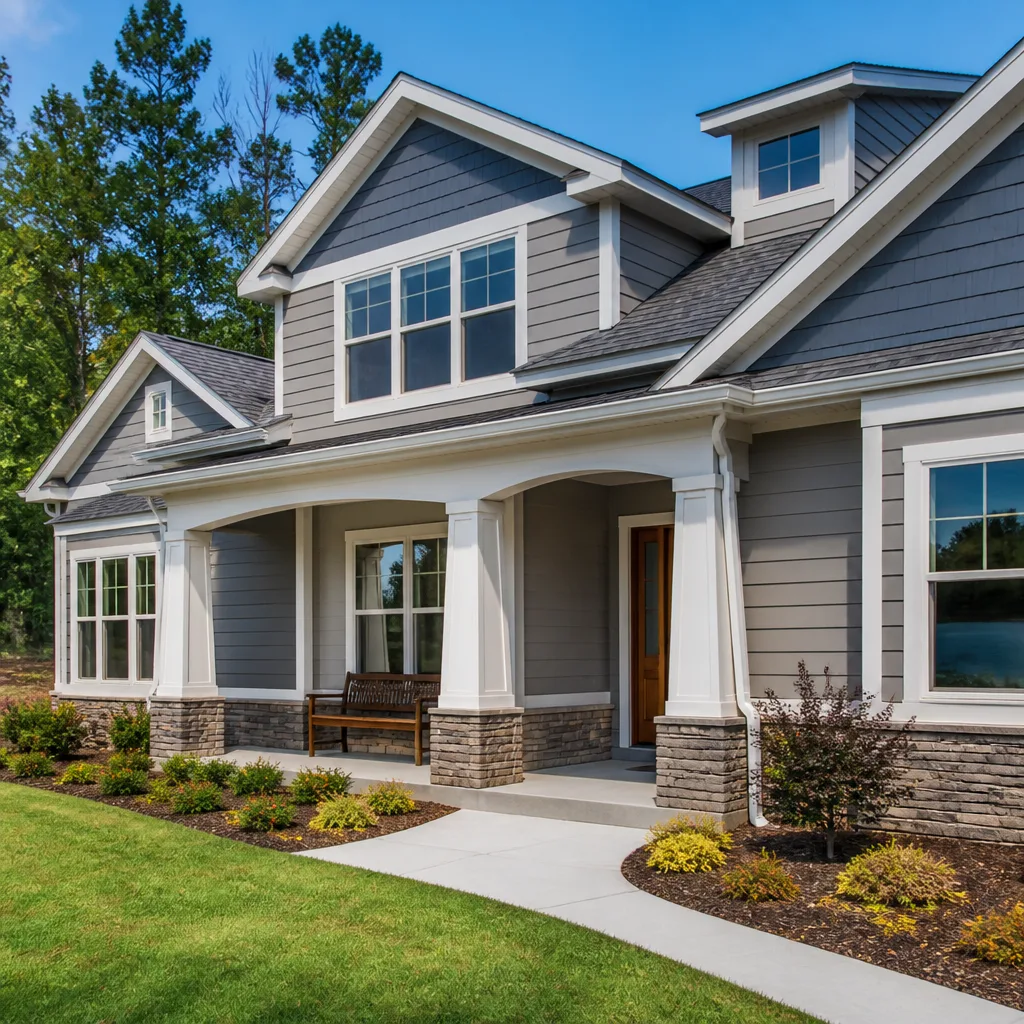
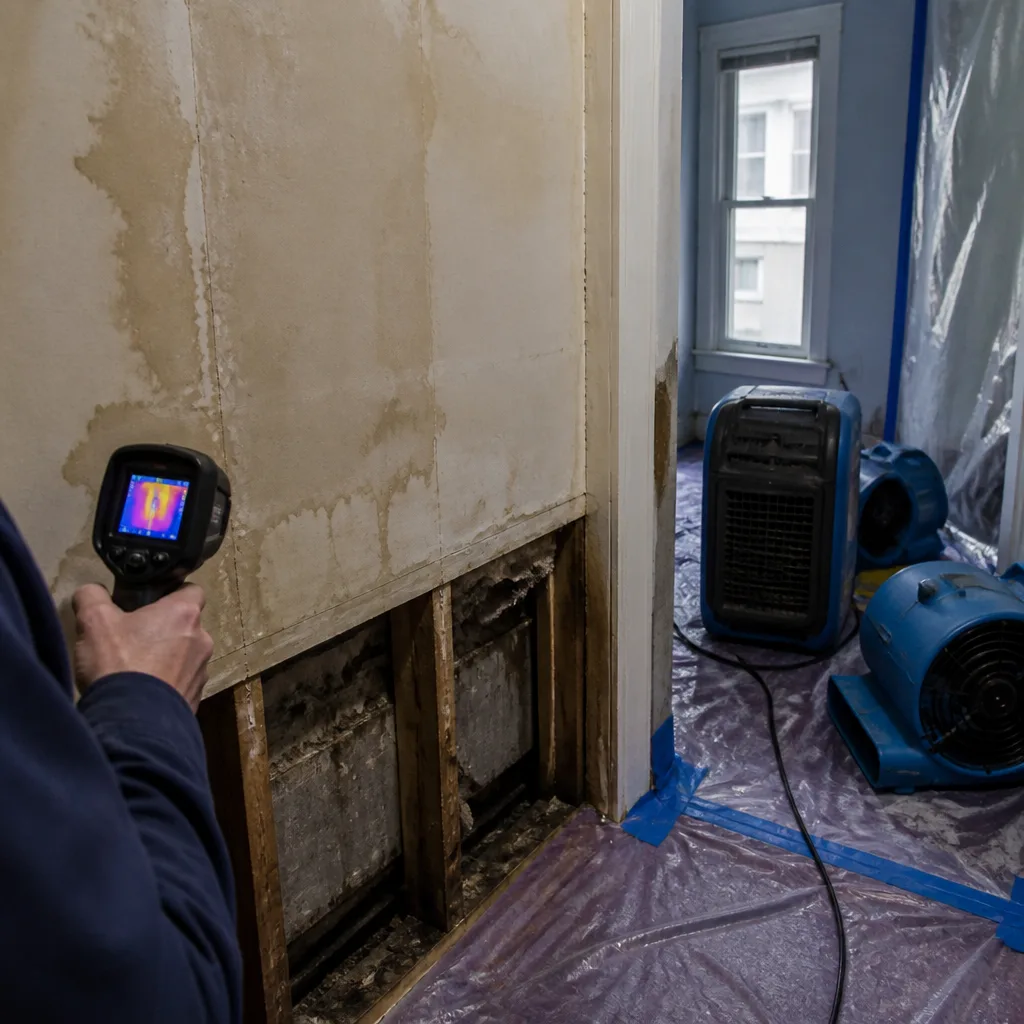 Before
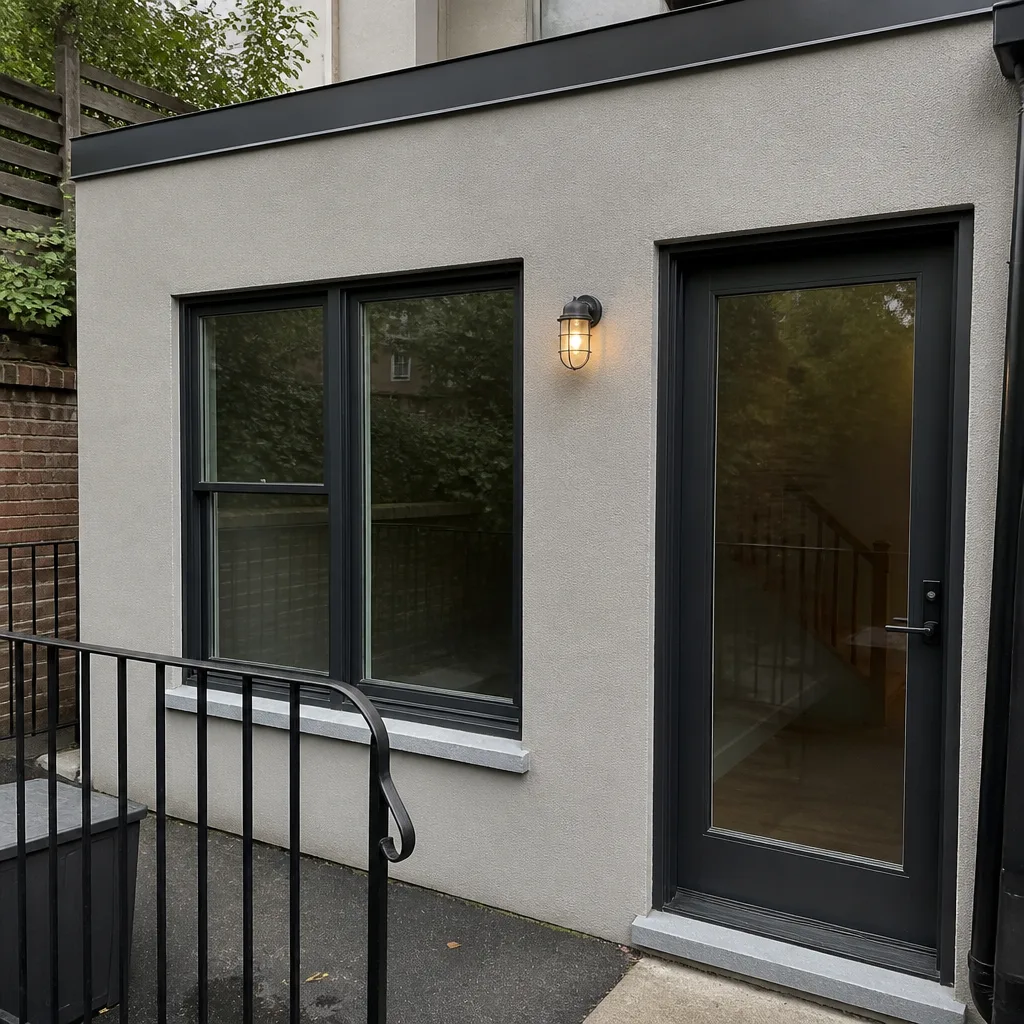 After
After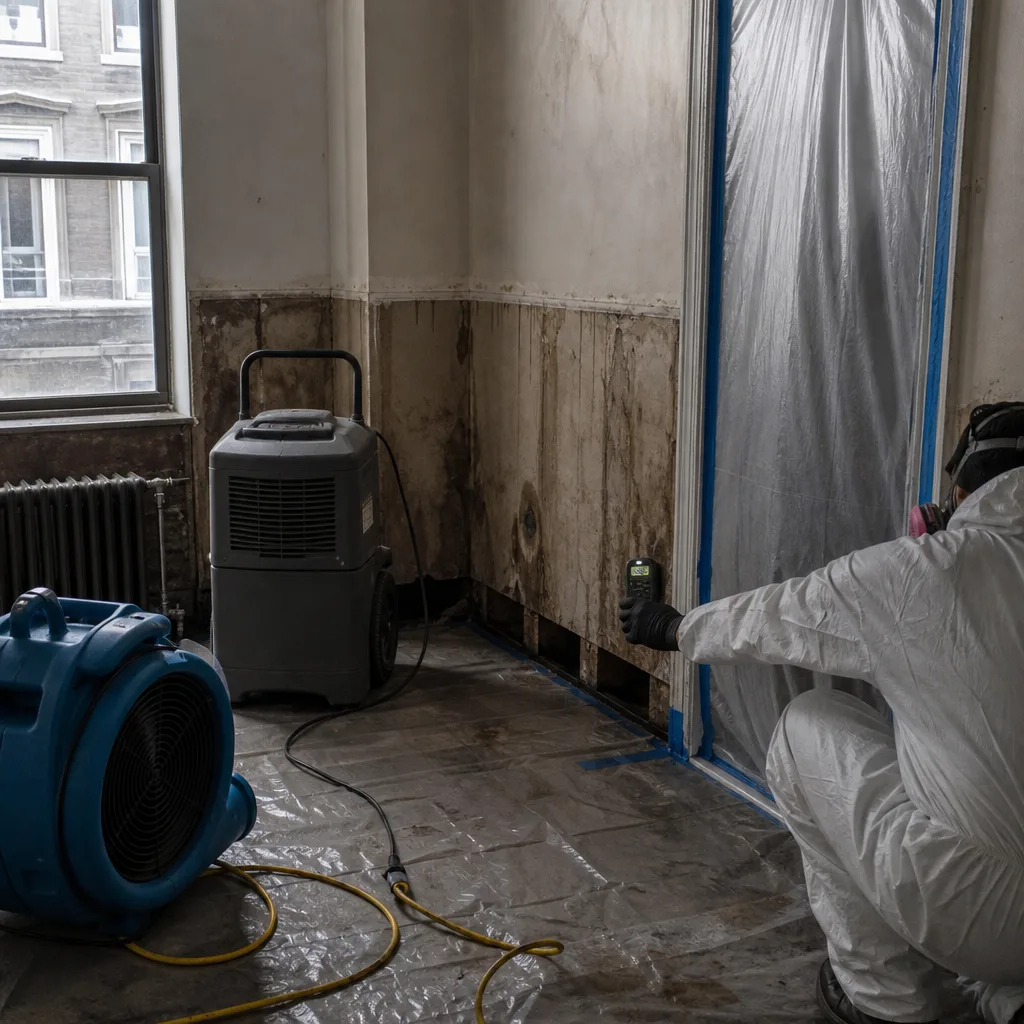 Before
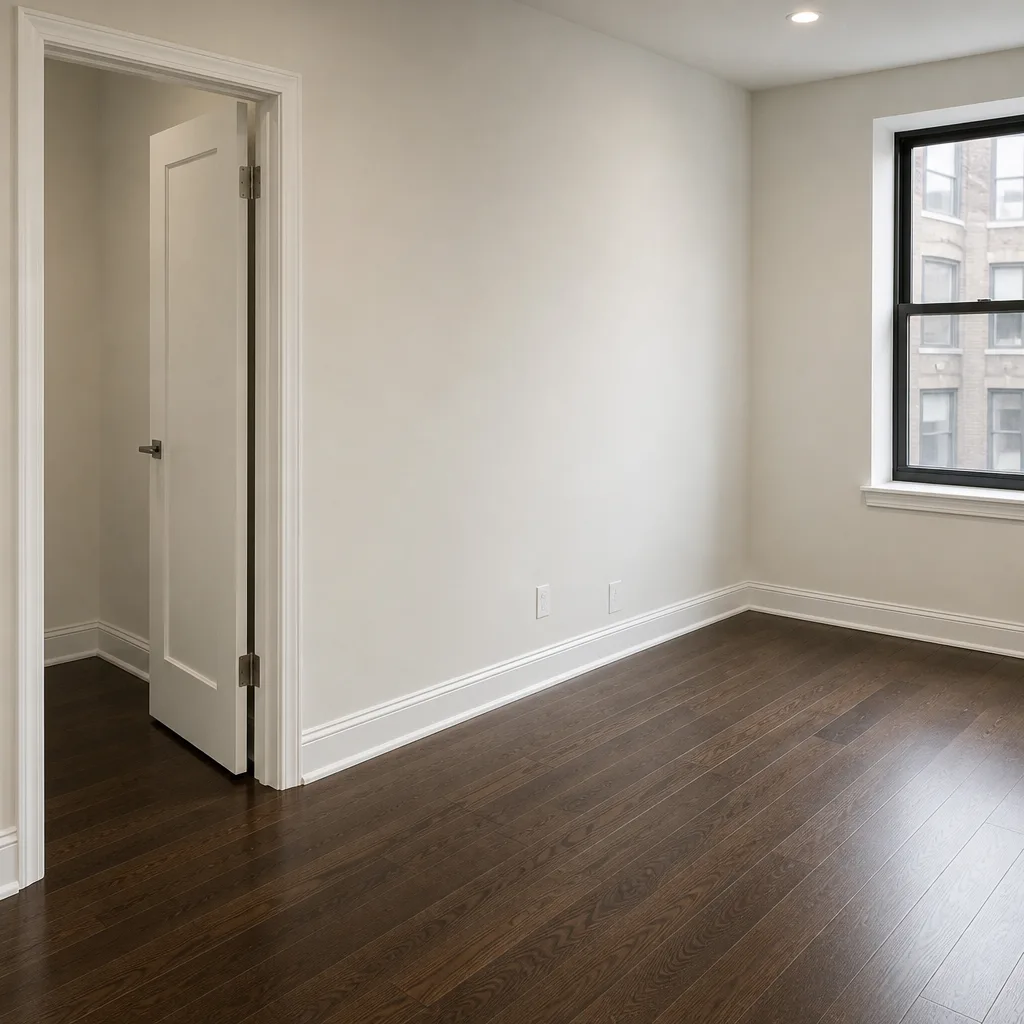 After
After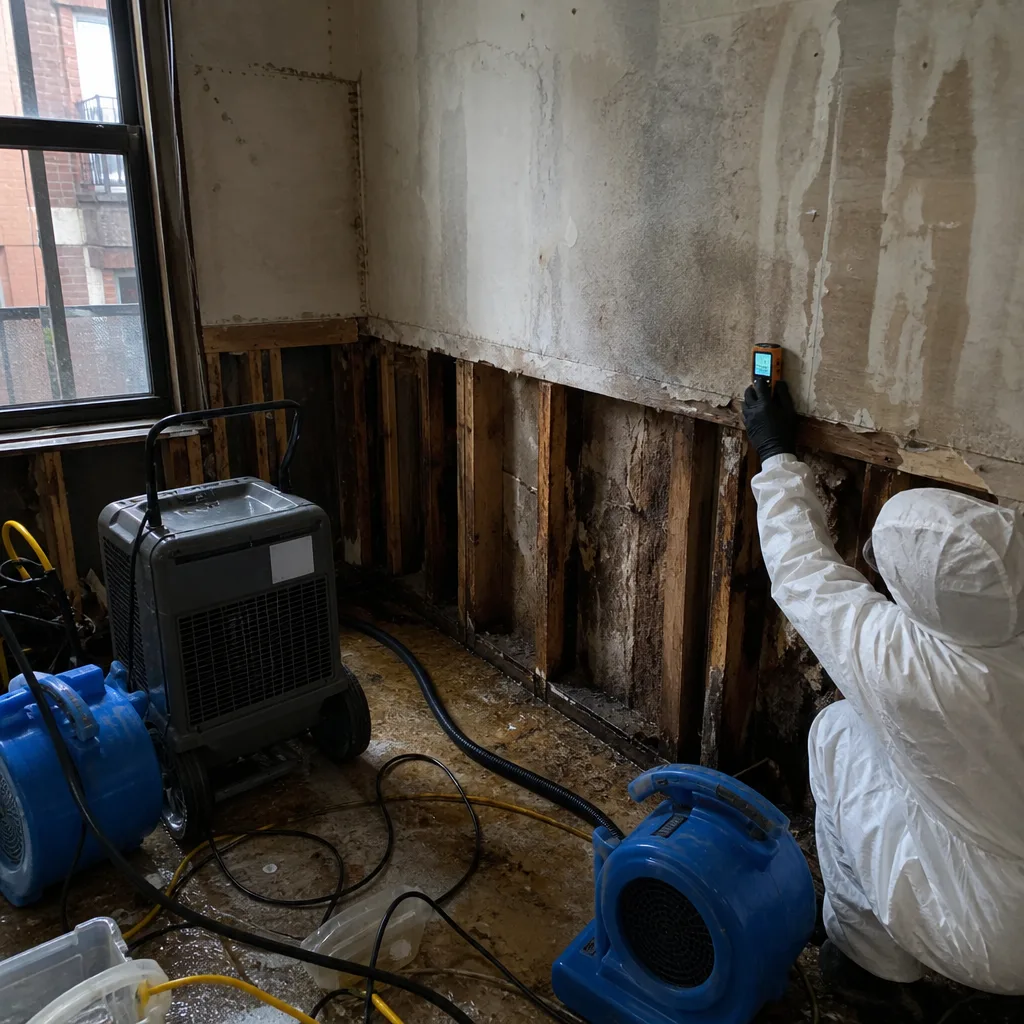 Before
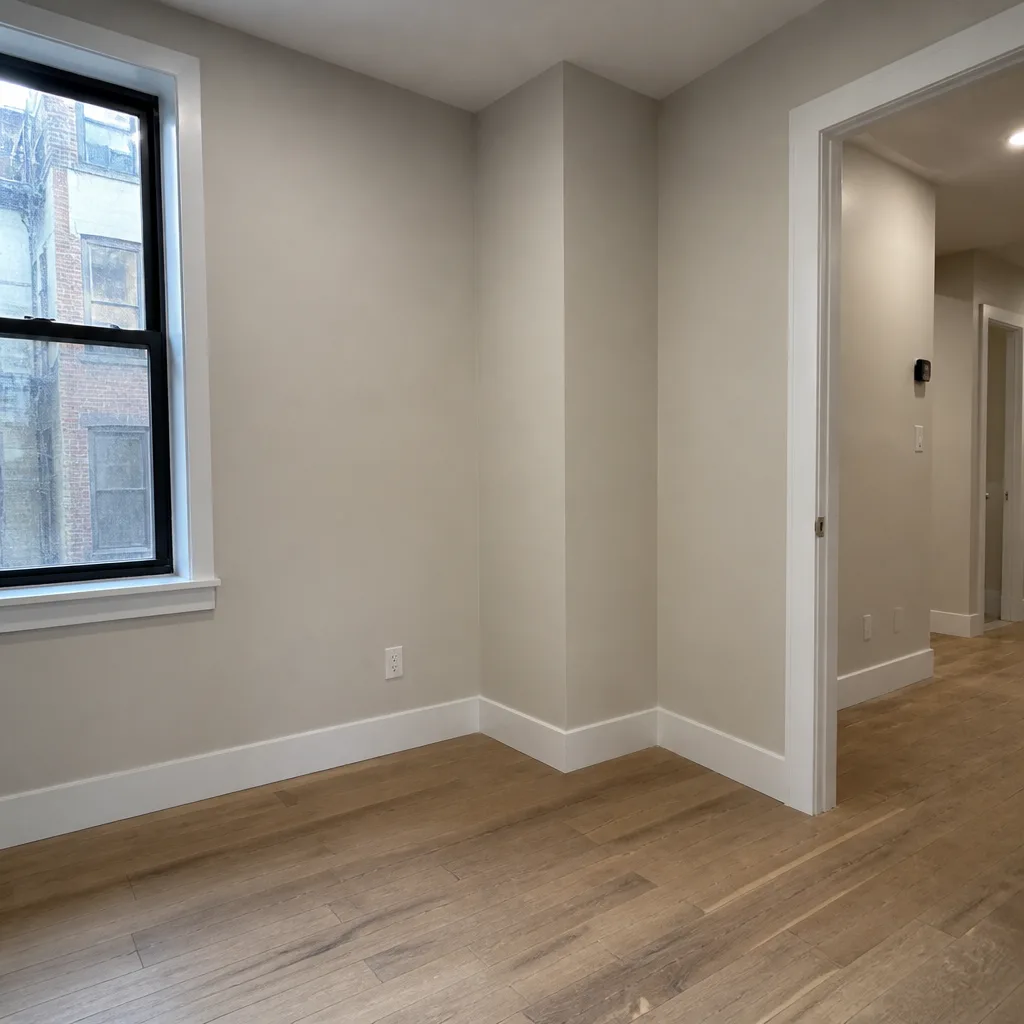 After
After24/7 Emergency Commercial Restoration in Lower Manhattan
Commercial restoration in Lower Manhattan starts with speed and gets won on documentation. Wade’s Restoration answers live around the clock, and Wade or a member of his crew can be on site in the Financial District, Battery Park City, or Tribeca faster than most property managers can pull together a claim number. Call (607) 350-1550 the moment you see water, soot, or sewage inside a commercial space. The first hour decides whether you’re drying a lobby or gutting a sub-basement. Free visual inspection, no trip charge in the county, and a written scope before any work begins. That’s how we keep building owners and business operators from getting burned twice.
Need Emergency Commercial Restoration in Lower Manhattan Now?
Crews minutes away, answering live 24 hours a day. The sooner we start, the less it costs.
Understanding Commercial Restoration Severity in Lower Manhattan Properties
Not all commercial water damage is the same. We classify water by its contamination level. Category 1 is clean supply water from a burst pipe. Category 2 carries significant contamination, like washing machine overflow or sump pump failure. Category 3 is black water: sewage, harbor surge, or street flooding that has picked up anything and everything. Lower Manhattan has a particular problem with Category 3, because storm surge and tidal flooding push river water and sewer backflow into sub-basements and elevator pits. That water cannot be cleaned with a mop. It requires extraction, antimicrobial treatment, HEPA air scrubbing, and often removal of saturated material.
Moisture mapping matters here more than almost anywhere in the city. Many Financial District towers have two or three sub-grade levels. When the water table rises after a surge or heavy rain, those spaces don’t just get wet from above. They get wet from the walls and the floor slab, pushed by groundwater. A technician who only checks surface moisture will miss what’s happening behind drywall, under subflooring, and inside elevator shafts. We use thermal imaging and hygrometers to find every wet pocket, then log readings daily until the structure actually dries.
Why Lower Manhattan Property Owners Choose Wade’s Restoration
- 45-minute response commitment: Wade heads out as soon as you call. In Lower Manhattan, we can typically reach Battery Park City, the Financial District, the Seaport, or Tribeca within that window. Not a call center promise. An owner’s commitment.
- 24/7 live answer, always a real person: You call, Wade or a member of his crew picks up. No automated system, no voicemail tag, no third-party answering service. That matters at 2 a.m. when seawater is rising in your lobby.
- IICRC-certified crews: Our people carry WRT (Water Restoration Technician), FSRT (Fire & Smoke Restoration Technician), and AMRT (Applied Microbial Remediation Technician) certifications. These matter in Lower Manhattan, where floodwater is almost never Category 1.
- Free visual inspection: We walk the space, tell you what we see, and put the scope in writing. No charge for the visit inside our county. If you already have an estimate from another company, bring it in. We’ll give you a free second opinion.
- Direct insurance billing: We work with your carrier from the first day. Photos, moisture logs, line-item estimates. You’re never stuck translating between adjuster and contractor.
- One team from extraction to reconstruction: The same crew that pumps out your sub-basement is the crew that rebuilds your lobby. Nobody hands you off to a subcontractor you’ve never met.
Our Commercial Restoration Process
Inspection & Assessment
We arrive, map the full affected area, classify the water or residue, and take baseline moisture readings with thermal imaging and hygrometers. Then we give you a written scope before any work starts.
Extraction & Stabilization
Standing water comes out using truck-mounted and portable extraction units. If the space lost power, we bring generators and temporary lighting. We also isolate unaffected areas to prevent contamination spread.
Drying & Dehumidification
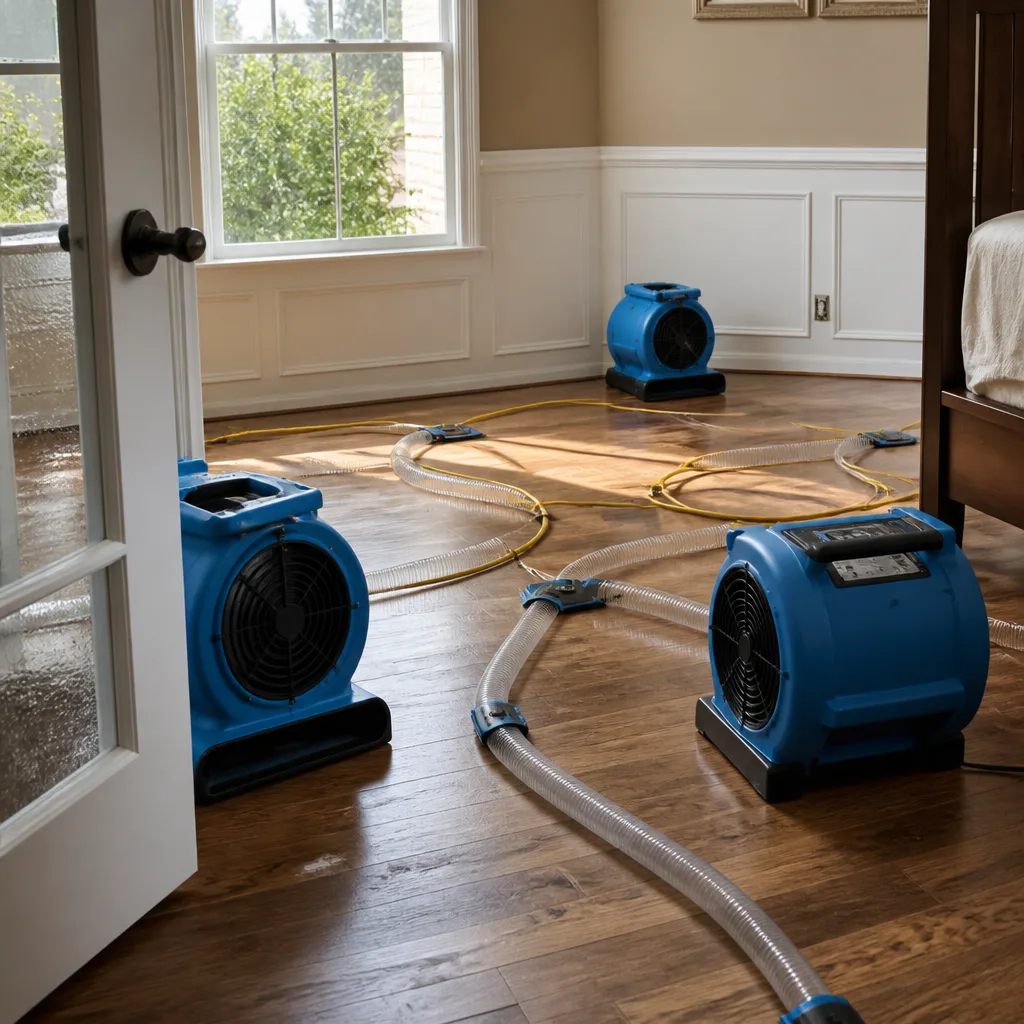
We place Dri-Eaz dehumidifiers and XPOWER air movers throughout the wet zone and log moisture readings every single day. In Battery Park City landfill-foundation buildings, this phase often runs weeks longer than a standard drying curve because groundwater keeps feeding the walls.
Cleaning & Sanitization
Category 3 water requires antimicrobial treatment and disposal of affected porous material. We run HEPA air scrubbers to control airborne particulates and clean hard surfaces with EPA-registered disinfectants.
Specialty Treatment: Saltwater Corrosion Control
Lower Manhattan surge water is salty. Salt corrodes electrical panels, elevator equipment, and structural steel. We inspect and treat or recommend replacement for salt-exposed systems before they fail silently later.
Repairs & Restoration
Rebuild comes last. Drywall, flooring, elevator cab work, lobby finishes, retail fit-out. The same crew stays through completion, and the 90-Day Done Right Promise covers the full job in writing.
Working With Your Insurance Company
Commercial claims in Lower Manhattan are often six-figure files. Carriers want documentation that holds up. We provide it from hour one. Wade deals with the adjuster directly. You don’t get stuck as the middleman relaying messages between two sides. We document the loss thoroughly, price the scope to industry standards, and coordinate every line item with your carrier. That means fewer denied supplements and fewer arguments about whether a wall needed to come out.
What We Provide Your Insurer
- Thorough documentation of the loss
- Photos of all damage, room by room
- Moisture readings and drying logs
- A detailed, line-item scope of work
- Direct coordination with your carrier
Built for Lower Manhattan’s Loss Calendar
January and February in Lower Manhattan freeze water supply lines in older masonry towers along Broadway and Pearl Street. The thaw that follows turns a pinhole leak into a full burst. Spring brings nuisance tidal flooding around Whitehall Street and the Battery, where groundwater pushes into below-grade retail spaces and mechanical rooms. Summer thunderstorms overwhelm combined sewers and send Category 3 water into sub-basements. The biggest threat, though, is nor’easter and hurricane season from August through November, when surge is the primary enemy. We handle the 2012-style event, the annual high-tide seep, and everything in between. Each season has a predictable failure pattern here, and we’re organized around them.
Commercial Restoration Across Lower Manhattan’s Neighborhoods
The Financial District presents the most complex restoration challenges in the neighborhood. Century-old masonry towers with two or three sub-basement levels sit at or below the water table full time. Those sub-basements take surge, groundwater, and sewer backflow in the same event. Battery Park City brings a different problem. The whole neighborhood sits on Hudson River landfill, and the fill stays saturated for weeks after a surge recedes. Drying timelines that work in Midtown fail here because hydrostatic pressure keeps pushing water through foundation walls. The South Street Seaport and the cobblestone streets around Front Street add access constraints: narrow lanes, historic facades, and tight elevator shafts that complicate equipment staging. Greenwich Street and the converted warehouses of Tribeca bring field-adapted HVAC and plumbing from residential conversion that create chaseways and hidden voids where water travels unseen.
Specialized Commercial Restoration Services We Offer in Lower Manhattan
Office & Retail Restoration
A flooded storefront on Broadway or a soaked office floor at 120 Wall Street can’t wait for a generic schedule. We extract, set drying equipment, and get your business back to operating condition as fast as the building physics allow. Saltwater intrusion gets corrosion treatment, not just drying, so your electrical panels and HVAC controls don’t fail three months after the claim closes.
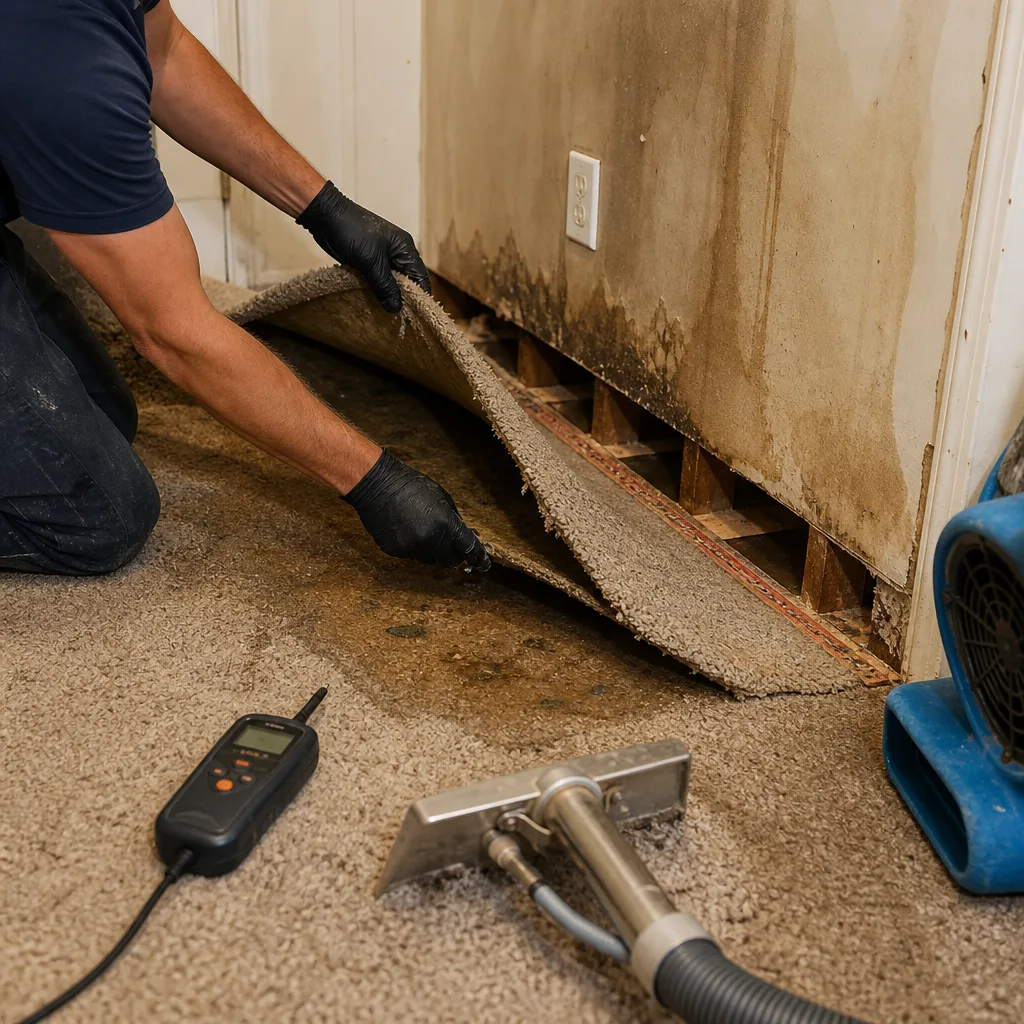
Multi-Unit & HOA Restoration
Battery Park City residential towers and Financial District co-ops are the backbone of this work. We handle common area flooding, lobby and elevator damage, and water migration through shared walls and chases. HOA boards get daily moisture logs and a single point of contact, not a rotating cast of techs.
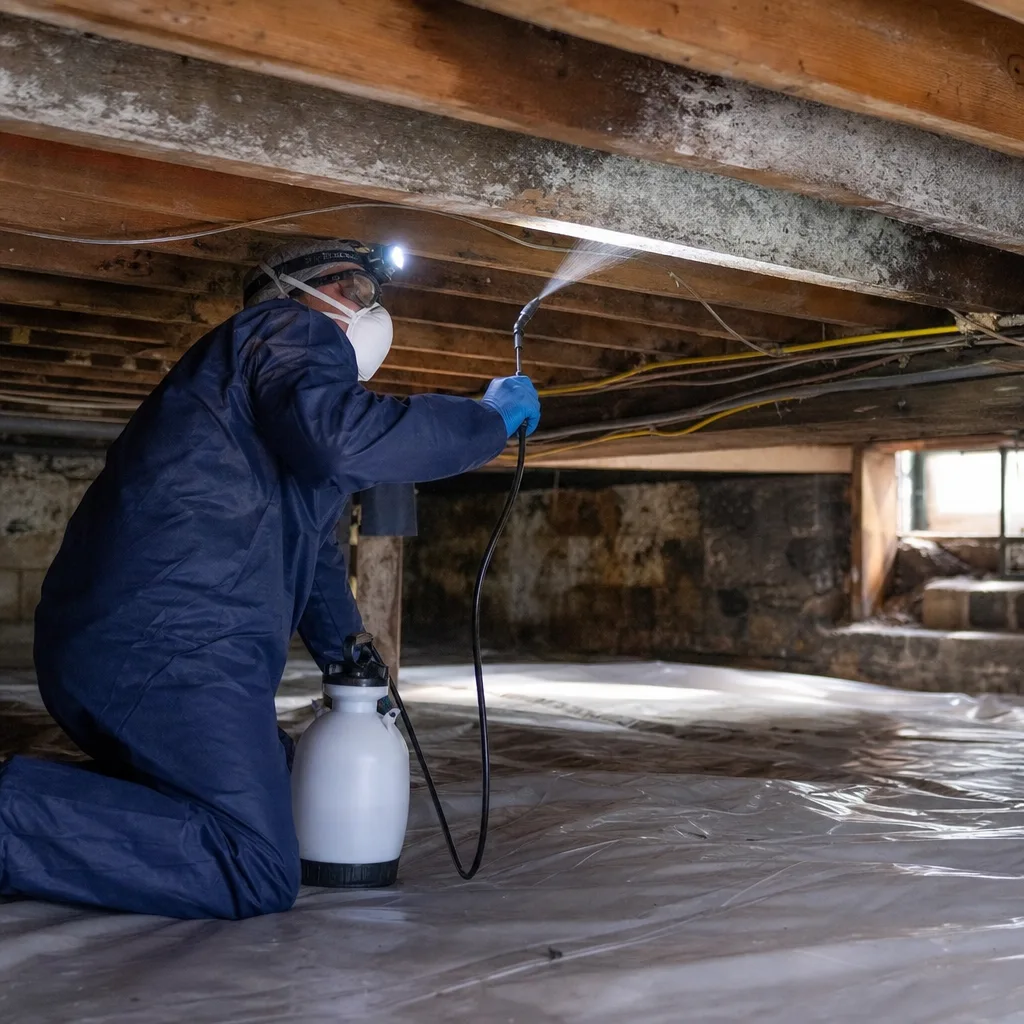
Industrial Facility Cleanup
Mechanical rooms, loading docks, and utility vaults in Lower Manhattan’s older commercial buildings need industrial-grade extraction and dehumidification. We run Phoenix and Dri-Eaz equipment sized for large-volume spaces and coordinate with building engineers so building systems come back online safely.
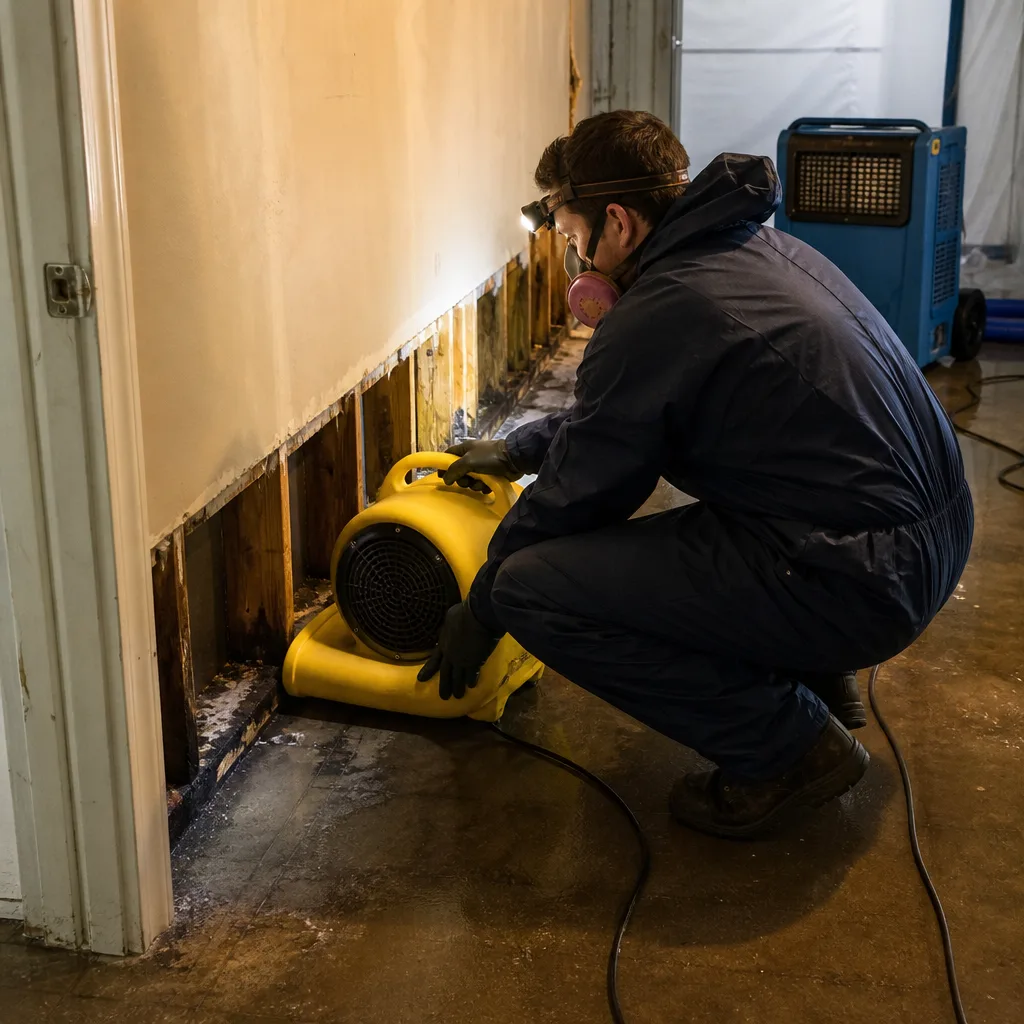
Large-Loss Response
When a named storm pushes surge through a Battery Park City lobby or a Financial District sub-basement, we mobilize a full team. Multiple extraction units, a bank of dehumidifiers and air movers, and a project lead dedicated to your building. Large-loss response in Lower Manhattan means temporary sump augmentation, extended drying logs, and coordination with elevator contractors and electrical engineers from day one.
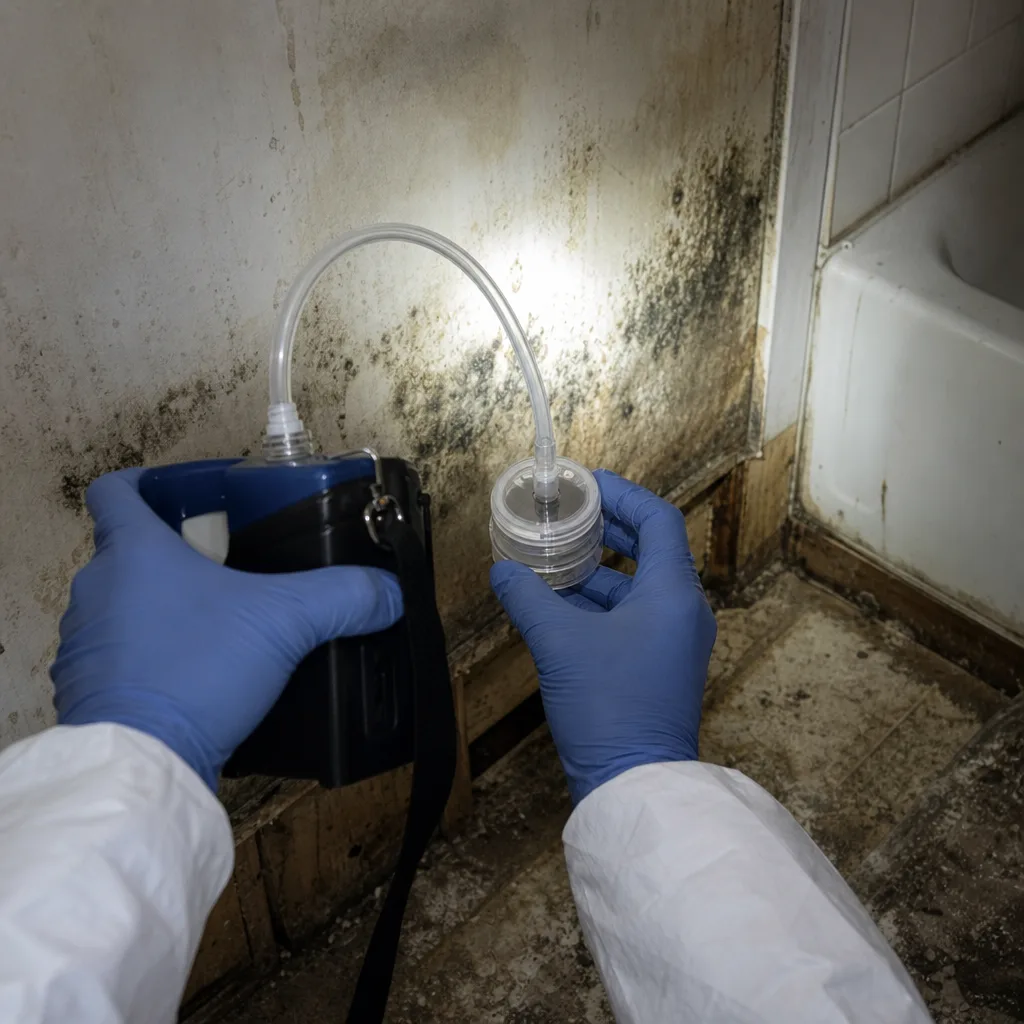
Business Interruption Minimization
Every day a retail store or office is closed in Lower Manhattan costs real rent. We prioritize the path back to revenue. That means phased containment so unaffected floors keep operating, temporary power and climate control where needed, and a drying plan that locks in the shortest defensible timeline, not the shortest guess.
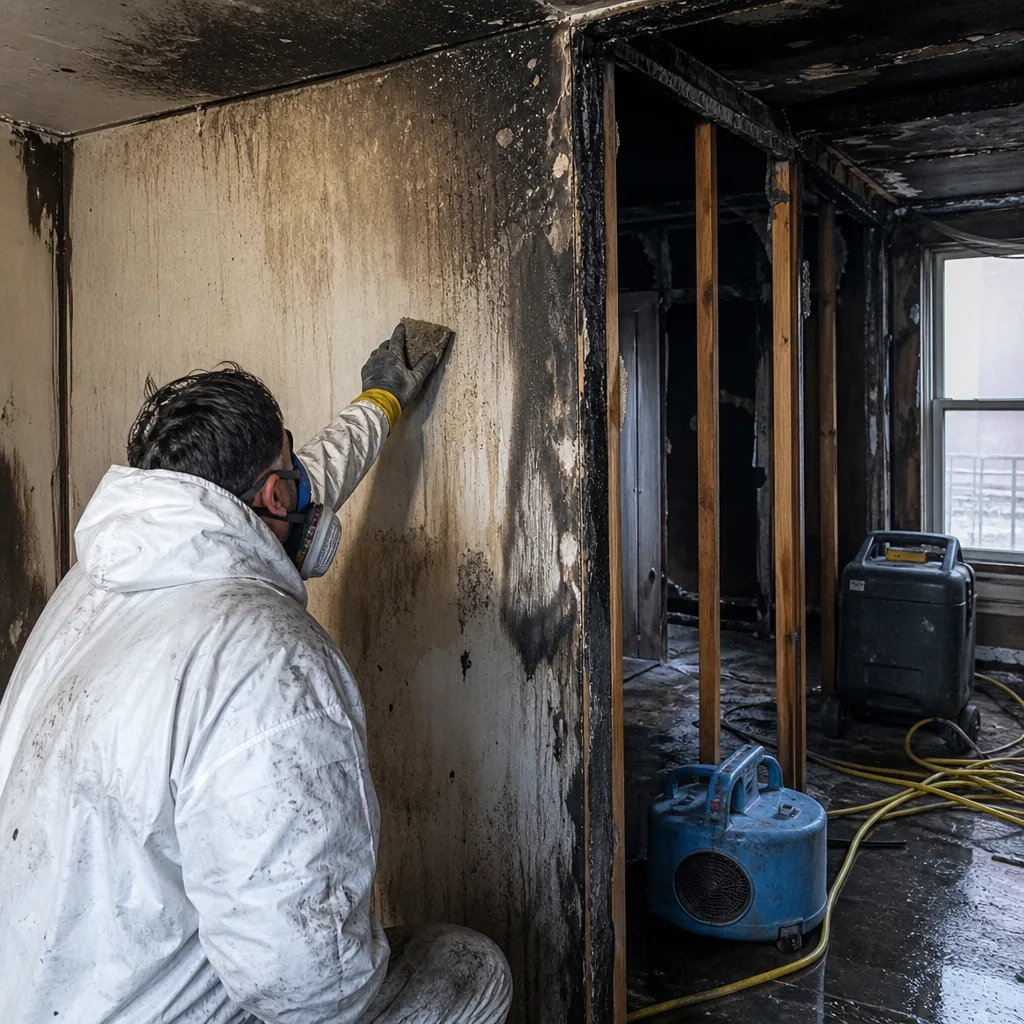
Document & Inventory Recovery
Saltwater soaked files, saturated inventory in Seaport retail stockrooms, waterlogged server rooms. We triage what can be saved, document what can’t for the claim, and coordinate freeze-drying or pack-out where it makes financial sense.
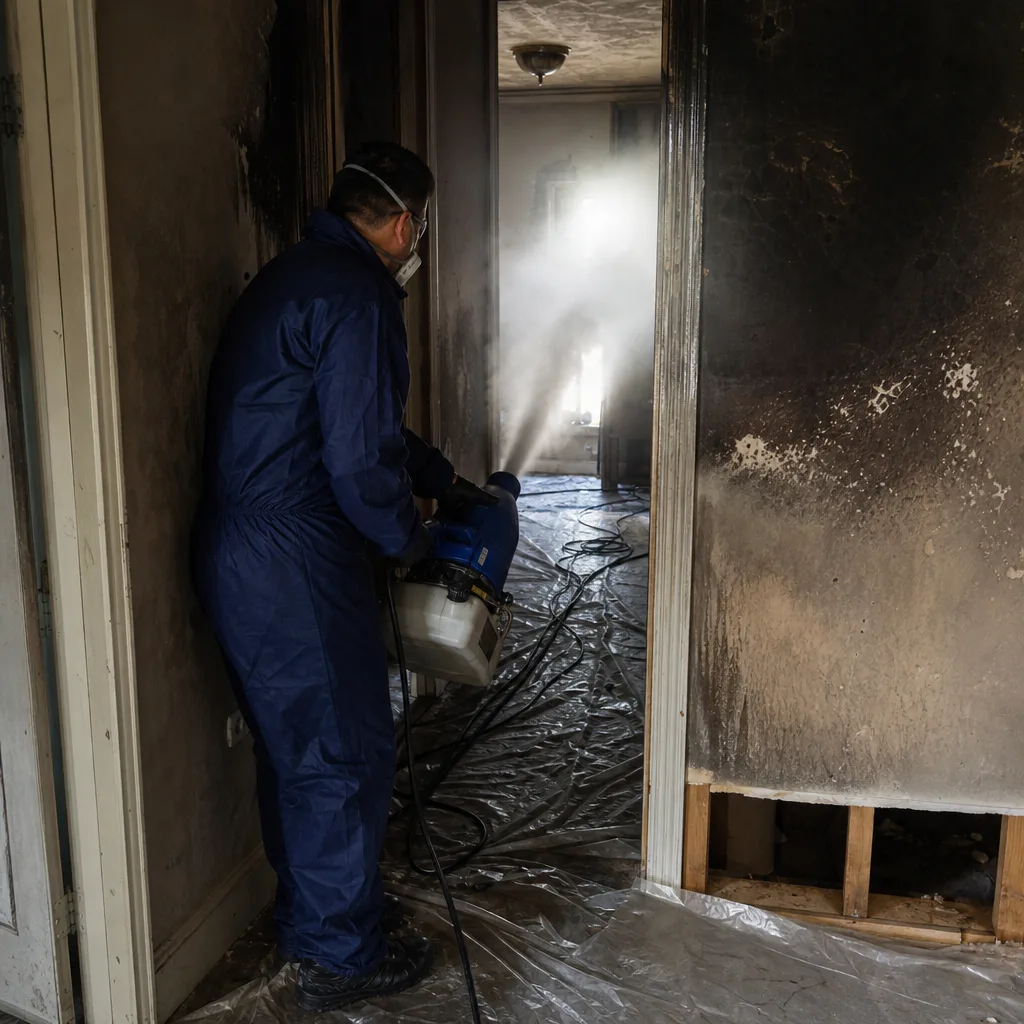
What happens when you call
- 1
A real person answersNo phone trees - you reach a local pro.
- 2
You get an upfront price rangeHonest numbers before anyone is dispatched.
- 3
A background-checked tech heads outLicensed & insured, dispatched right away.
- 4
You approve before work beginsNothing starts until you say go.
Commercial Restoration Costs in Lower Manhattan, NY
Commercial restoration pricing in Lower Manhattan runs higher than outer-borough rates, driven by access, building age, and the prevalence of Category 3 water. A small office water leak with extraction and drying typically lands between $2,800 and $7,500. A retail storefront flood with Category 2 or 3 water and partial build-back often runs $15,000 to $60,000. Multi-floor surge events with sub-basement flooding, elevator pit extraction, and saltwater corrosion control regularly exceed $100,000. Most of this is covered when the policy includes flood or named-storm coverage. What moves the price: how much material comes out, how many floors equipment must move through, and whether groundwater keeps feeding the structure during drying. A free visual inspection in Lower Manhattan turns into a firm line-item scope before you sign anything.
Understand that standard drying timelines that work in dry-slab buildings in Midtown do not survive contact with Battery Park City’s saturated landfill. If a contractor quotes a 72-hour dry in Battery Park City, they haven’t done this before.
We Also Serve Cities Near Lower Manhattan
Our Commercial Restoration team serves the broader area from our New York City office. That includes Commercial Restoration response in the Financial District, Astoria, Midtown Manhattan, and Long Island City. If your property sits just beyond Lower Manhattan’s core, call (607) 350-1550 and we’ll confirm coverage directly.
Lower Manhattan Commercial Restoration Questions, Answered
Why do commercial spaces in Battery Park City stay wet longer after a flood than buildings in Tribeca or Midtown?
Battery Park City is built on Hudson River landfill. That fill stays saturated long after surface water recedes, keeping hydrostatic pressure against below-grade walls for weeks. Standard drying timelines fail because water keeps seeping through foundation walls even after the floor looks dry. We run extended drying logs, temporary sump augmentation, and daily moisture readings until the structure actually stabilizes.
How do you handle Category 3 water from a storm surge that flooded our Financial District office sub-basement?
We treat it as contaminated. Full extraction, removal of saturated porous material, antimicrobial treatment on structural surfaces, and HEPA air scrubbing throughout. In Financial District sub-basements, surge water almost always mixes with sewer backflow, so classifying it as anything less than Category 3 would be a mistake. We coordinate with your electrician and elevator contractor on salt corrosion control before any rebuild begins.
What’s the typical large-loss response play for a Battery Park City residential tower that lost power and took on floodwater in its lobby and elevators?
We stage generators, portable lighting, and extraction equipment at the loading dock, pump out the lobby and elevator pits, and set drying equipment on every affected level. Because the building sits on landfill, we plan for extended drying and install temporary sump pumps to manage groundwater intrusion. We also handle coordination with the elevator contractor, the building’s electrical engineer, and the insurance adjuster so the HOA board isn’t running three workstreams alone. Call (607) 350-1550 while the water is still rising if you can.
Can you minimize business interruption for a retail store in the Financial District that got saltwater intrusion during a nor’easter?
Yes. We contain the affected area, restore power and climate where safe, and build a drying plan around the shortest defensible timeline. We also treat salt-exposed surfaces and electrical components to prevent delayed failures that would force a second closure. Our team has done exactly this on Wall Street-area storefronts. Free inspection, written scope before work starts.
What do you do about chronic groundwater intrusion in ground-level retail spaces near Whitehall Street and the Battery?
This is the slow version of the Battery Park City problem. Tidal nuisance flooding and elevated groundwater push water through slab cracks and foundation walls even without a named storm. We map the intrusion points, recommend drainage or sump augmentation where it makes structural sense, and dry the space using equipment sized for ongoing moisture load, not a one-time event. We can also bill the mitigation portion directly to your carrier.
How fast can you actually get to a commercial property in Lower Manhattan?
Our crews are dispatched from within the metro area, coordinating scheduling from the New York City office. In the Financial District, Battery Park City, Seaport, or Tribeca, we typically arrive within 45 minutes of your call. Wade answers his own phone at (607) 350-1550, so the person who confirms dispatch is the same person who owns the company. No hold music.
Will my commercial insurance cover this, and who deals with my adjuster?
Most commercial policies cover water damage from burst pipes and named-storm surge, though flood coverage is sometimes a separate endorsement. We photograph everything, log every moisture reading, and hand your adjuster a line-item scope that speaks their language. Wade talks to the adjuster directly. You’re never the relay.
Do I really need full commercial restoration, or can my maintenance crew just clean up and repaint?
If the water was Category 1 from a clean supply line and you caught it within a day, a thorough extraction and drying may be enough. If the water touched anything contaminated, or sat for more than 48 hours, or entered a space with field-adapted plumbing or elevator shafts, you need professional moisture mapping and drying logs. A maintenance crew with a wet vac cannot dry a Financial District sub-basement. Get a free visual inspection and we’ll tell you straight whether this is a clean-up or a restoration.
Serving Lower Manhattan, NY - Our Local Coverage Area
We’re based in the Lower Manhattan area and know this community well. Use the map below to see our service coverage - if you’re nearby, we can almost certainly help.
Commercial Restoration in Lower Manhattan Done Right
We know Commercial Restoration in Lower Manhattan because we’ve worked in its sub-basements, its elevator pits, and its converted lofts. Battery Park City landfill. Financial District masonry. Seaport access lanes. The specific failure modes here aren’t taught in a national franchise training manual. They come from doing the work. Wade Ferris has been at this since 2007, and his name is on the truck, his cell number is what you call, and his crew stays on the job until the drying logs prove it’s done. If it’s not done right, he makes it right. That’s the 90-Day Done Right Promise, in writing, on every commercial restoration contract.
Call (607) 350-1550 now. A live person answers. A free inspection follows. And you get a written scope before any work begins.
Written by Wade Ferris, Owner at Wade’s Restoration, serving Lower Manhattan and the surrounding metro area since 2007.