
Free visual inspection and a written scope of work before any mitigation begins - photos, moisture readings, and drying logs go in your claim file
The scope we write is the scope we bill. Anything new gets shown to you, in writing, before we touch it.
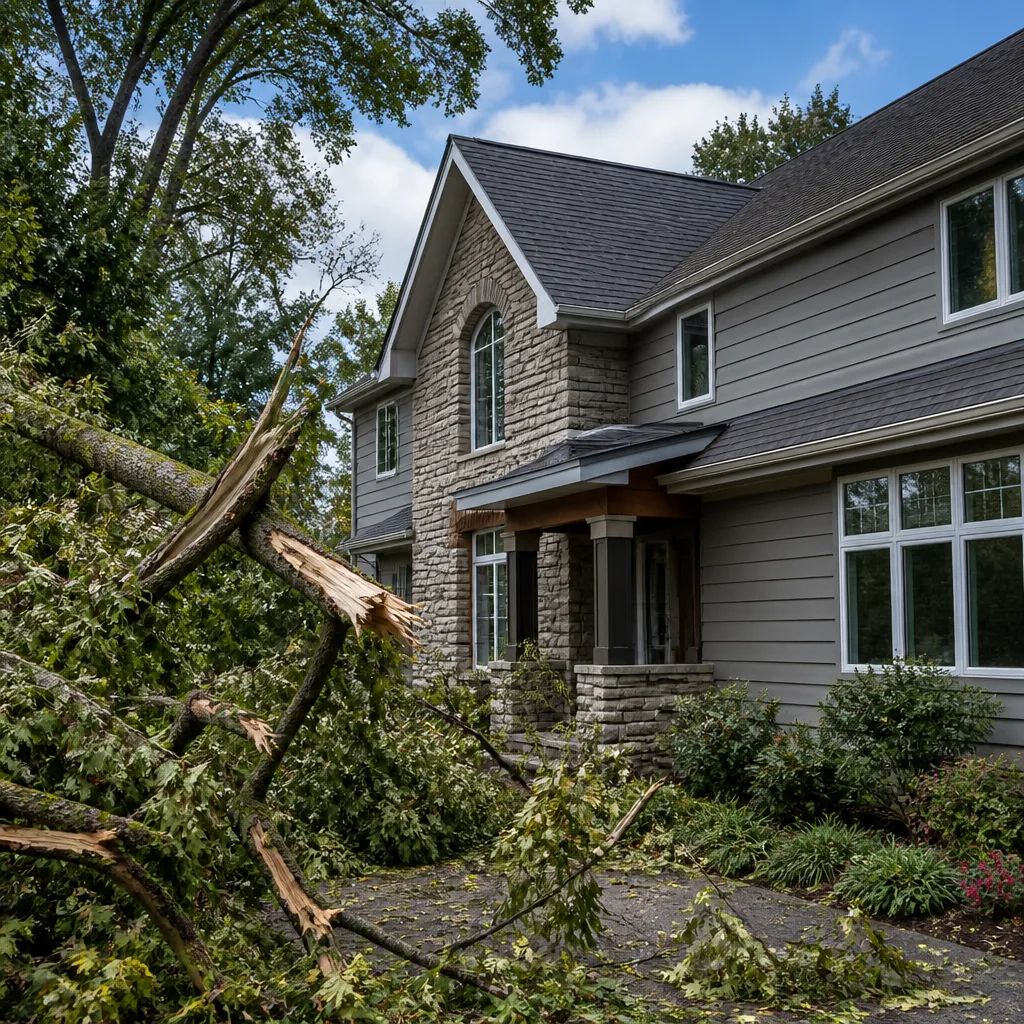
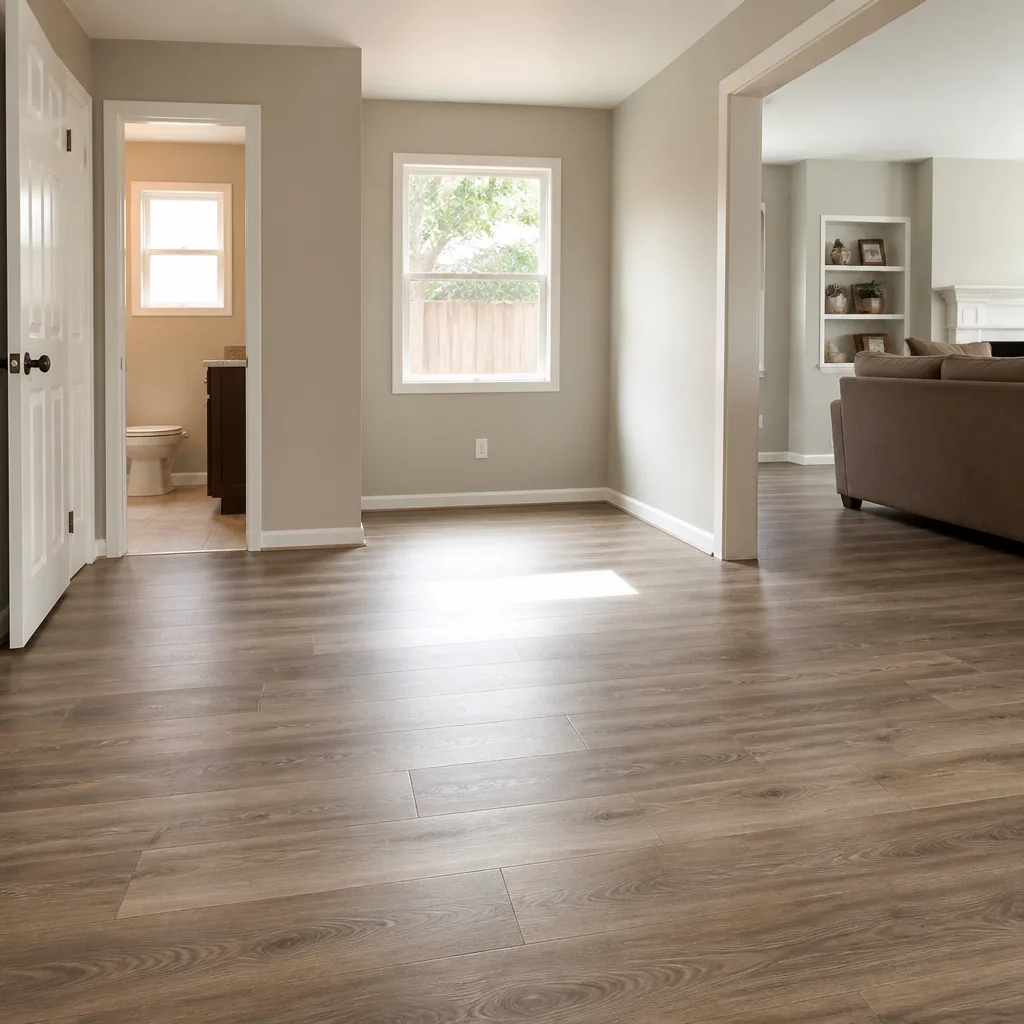

 Before
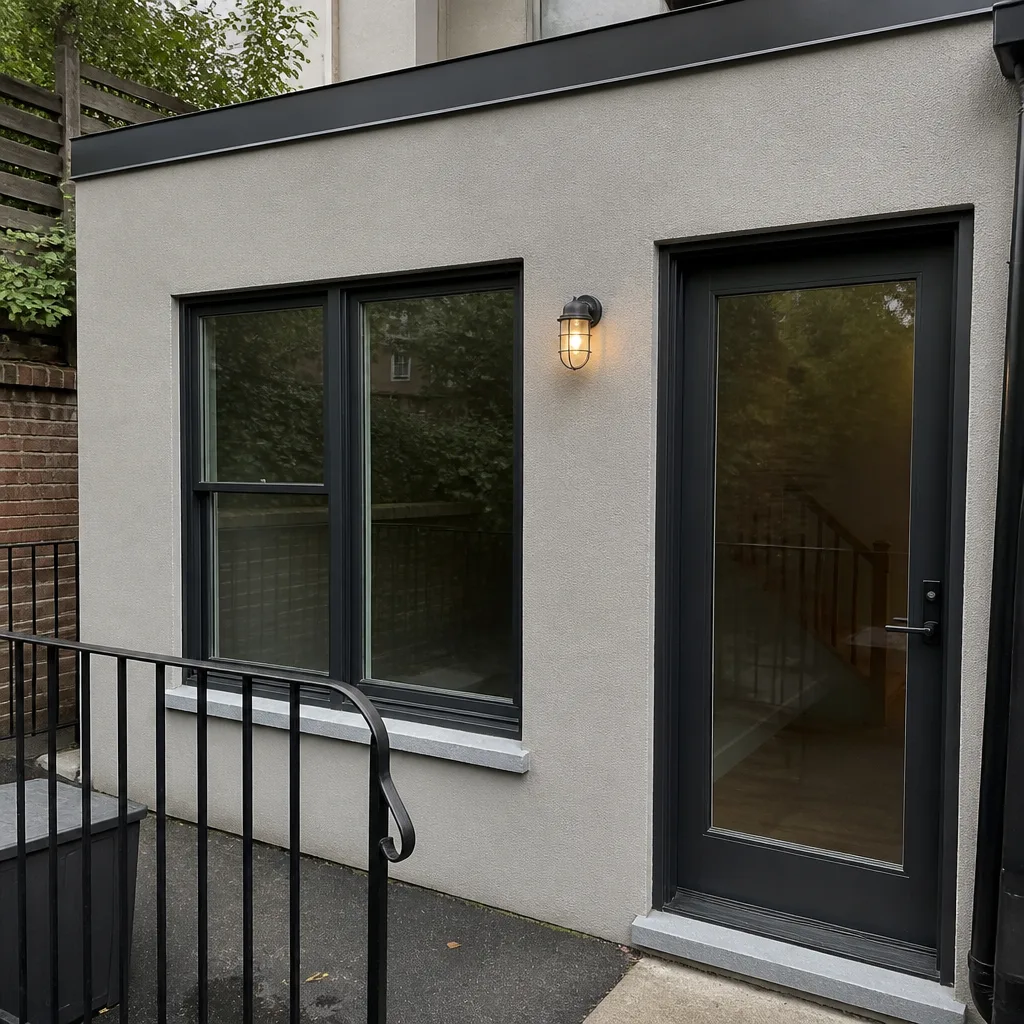 After
After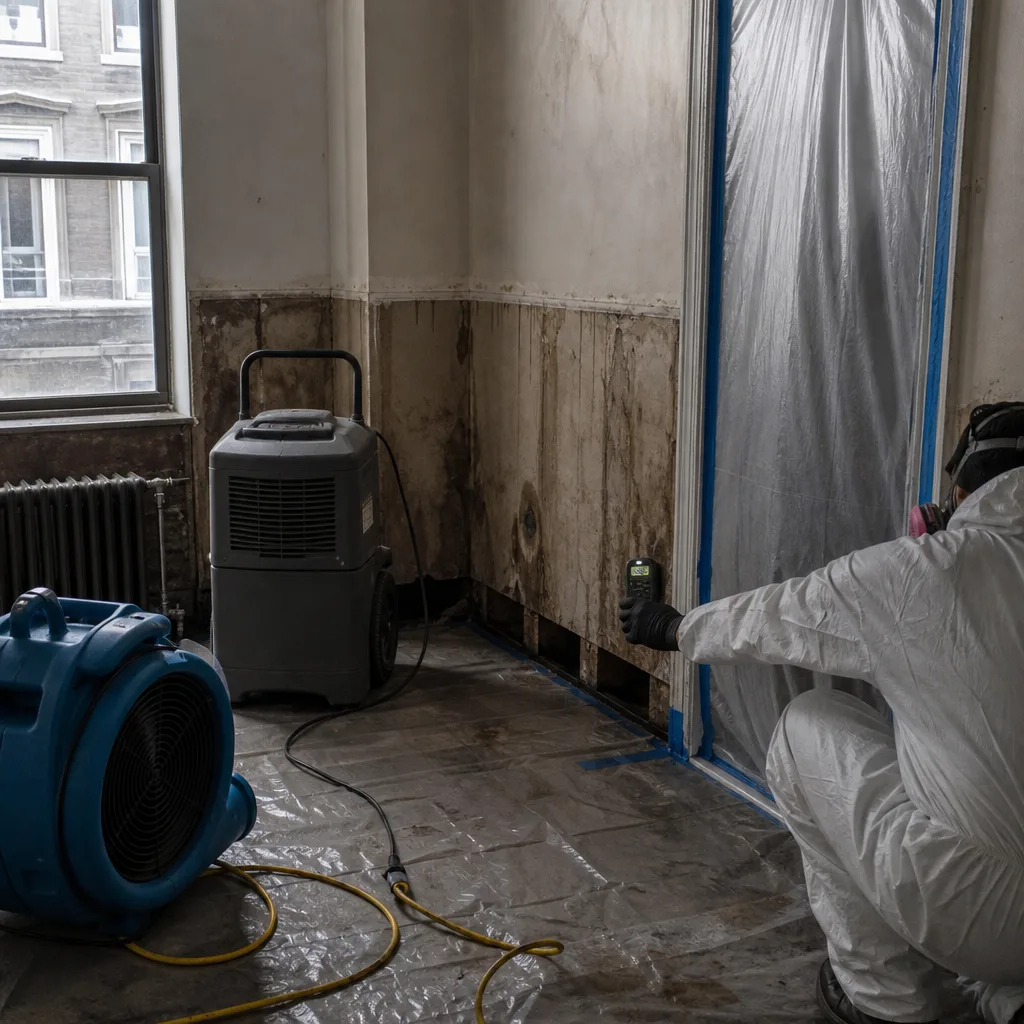 Before
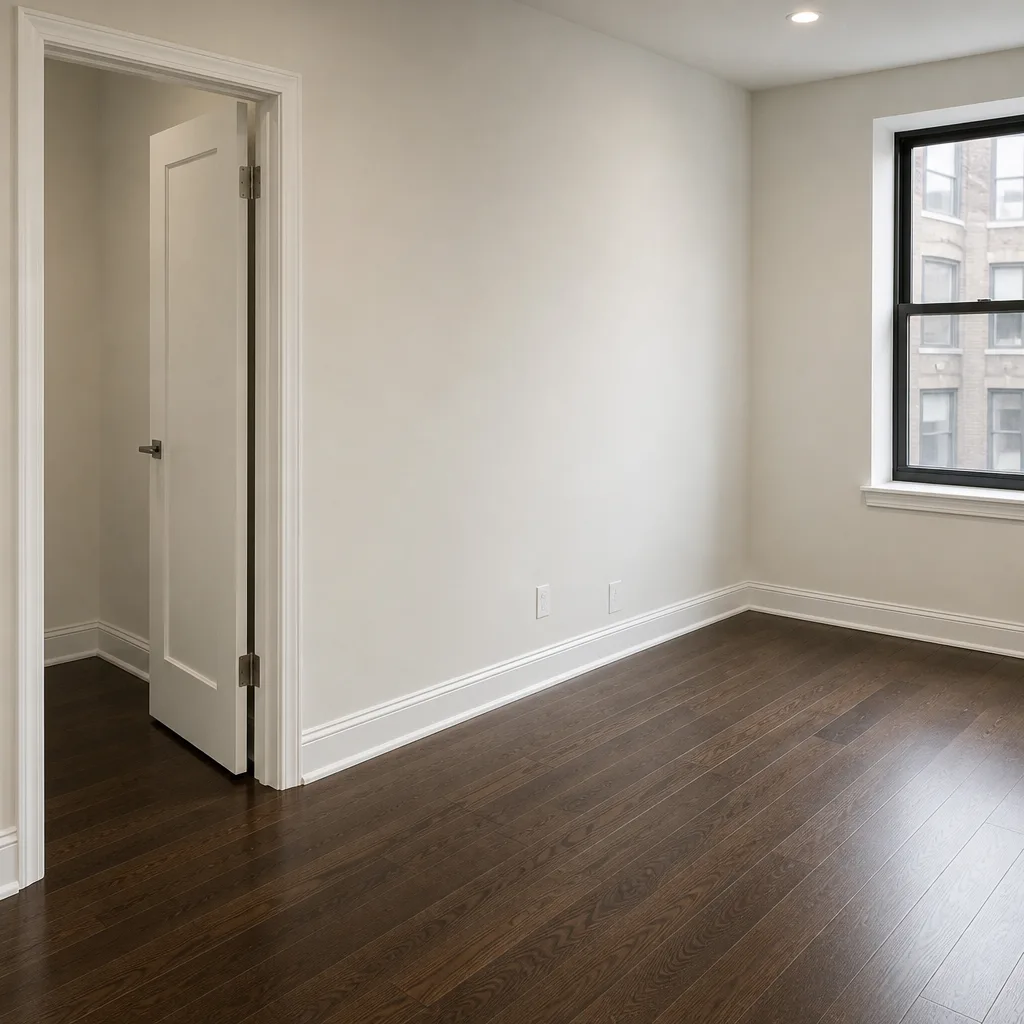 After
After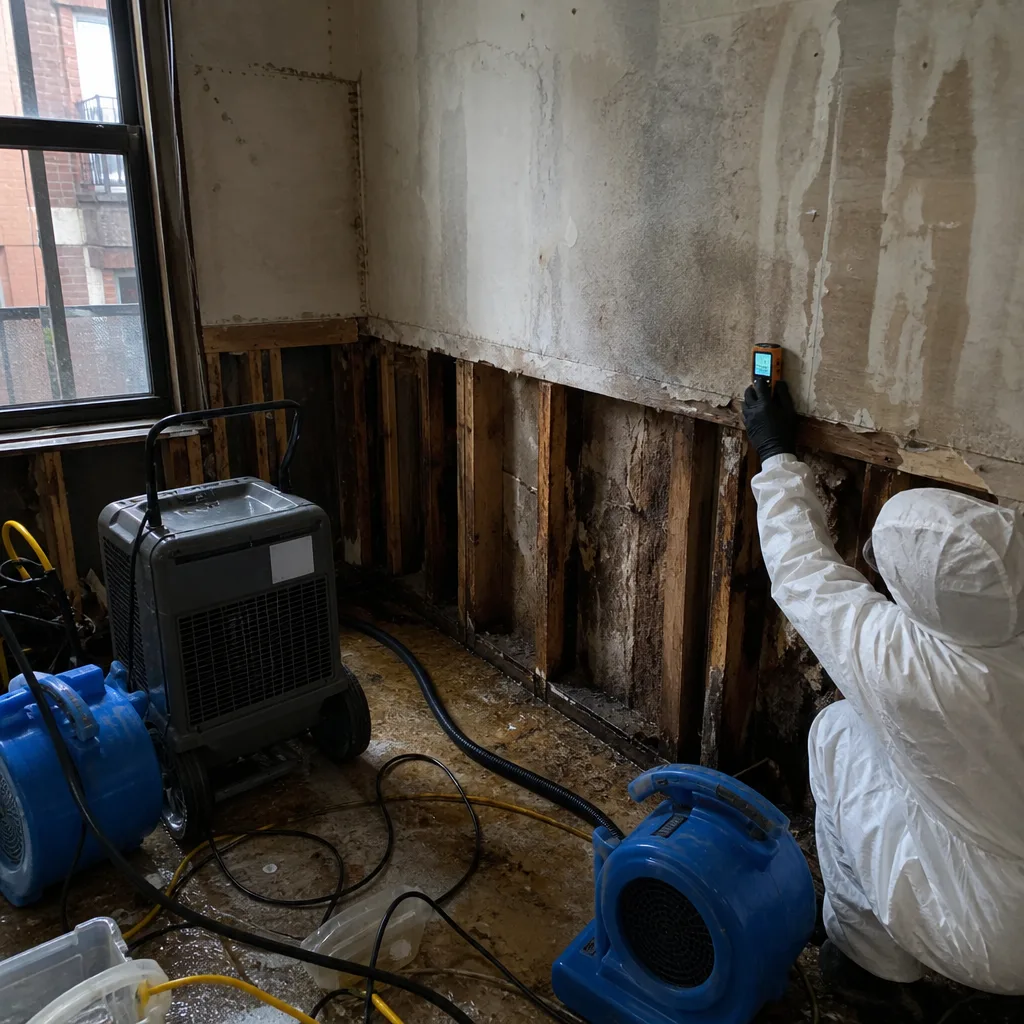 Before
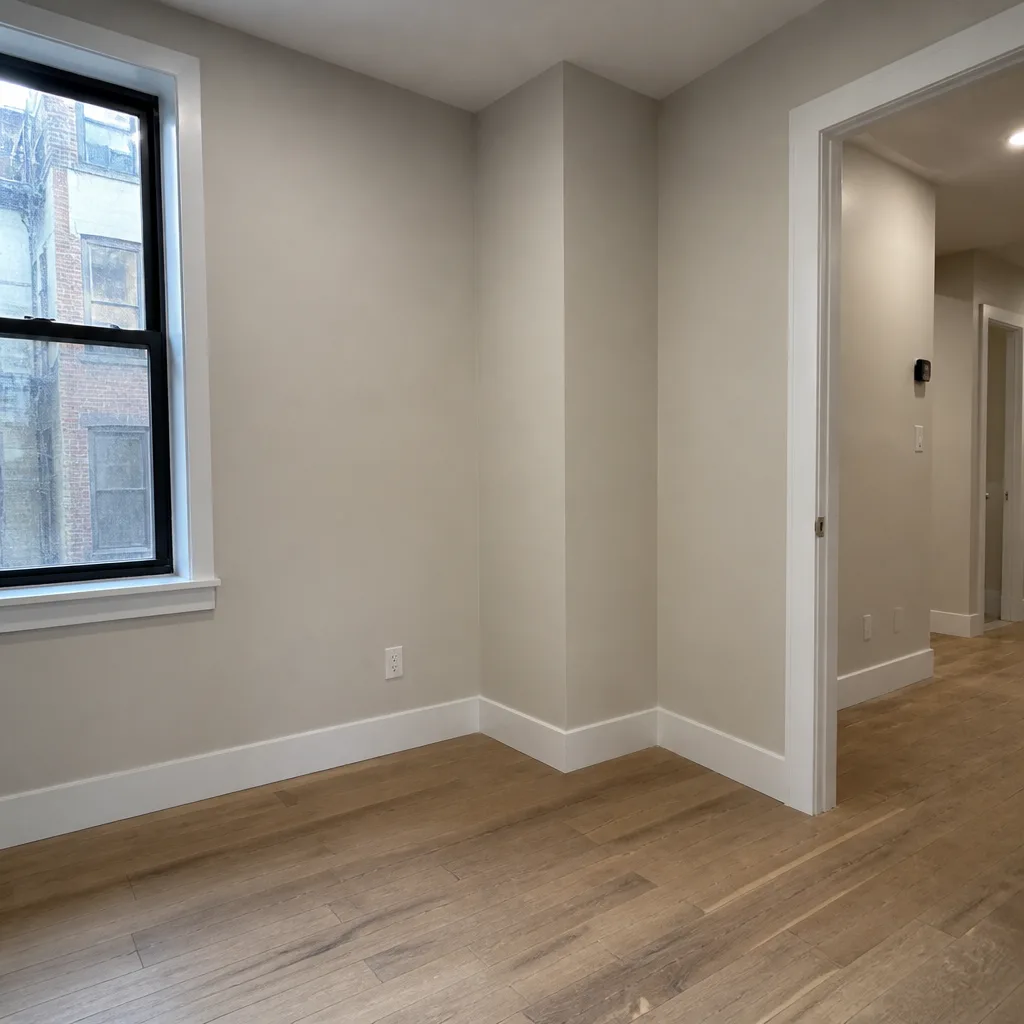 After
After24/7 Emergency Fire & Smoke Damage Restoration in Lower Manhattan
A kitchen fire in a Financial District loft or a battery failure in a Battery Park City high-rise doesn’t wait for business hours. Neither do we. If you’re standing in a smoke-damaged apartment right now, call (607) 350-1550 and you’ll reach a live person who can have a crew headed toward your building within the hour. Wade Ferris answers his own phone. That’s not marketing, that’s just how the business runs. The first hour after a fire matters because soot is acidic. It etches glass, corrodes metal fixtures, and bonds to painted surfaces permanently. In Lower Manhattan’s converted commercial buildings, where finishes are often original to 1920s construction, that first hour is the difference between cleaning and replacing.
Understanding Fire & Smoke Damage Restoration Severity in Lower Manhattan Properties
Fire damage is never just the burned area. Smoke migrates. It follows plumbing chases, electrical conduits, and HVAC ductwork, often ending up in rooms that never saw flame. In Lower Manhattan, that migration pattern is more complicated than in a suburban house because so many buildings were never designed as residential. A converted loft on Pearl Street has field-adapted systems: non-standard plumbing runs, repurposed elevator shafts, and HVAC ductwork retrofitted through century-old masonry. Soot gets pulled into those cavities and sits there. What we categorize matters too: firefighting water in a building near the Battery is frequently Category 2 or Category 3 water once it picks up contaminants from sub-basements that sit below the local water table. That means the water cleanup portion of the job is often as involved as the smoke removal.
Why Lower Manhattan Property Owners Choose Wade’s Restoration
- 45-minute response commitment: When you call, Wade heads out. Not a call center, not a dispatcher. The owner, headed to your building.
- 24/7 live answer, always: No voicemail tree at 2 a.m. A real person picks up. Wade’s cell is published for every client.
- IICRC-certified crews (FSRT and WRT): Fire & smoke restoration tech certification plus water restoration tech certification, because after a fire, both matter. The people Wade sends are background-checked and uniformed.
- Free visual inspection: Before any work starts, you get eyes on the actual damage and a straight conversation about what needs doing. No charge for that.
- Direct insurance billing: Wade deals with your adjuster directly. You’re not relaying messages between two parties. He’s been doing this long enough that the adjuster knows his name.
- One team from board-up to rebuild: The same crew that sets emergency board-up today is the crew that hangs drywall next month. One name, one phone number, one responsibility.
Our Fire & Smoke Damage Restoration Process
Inspection & Assessment
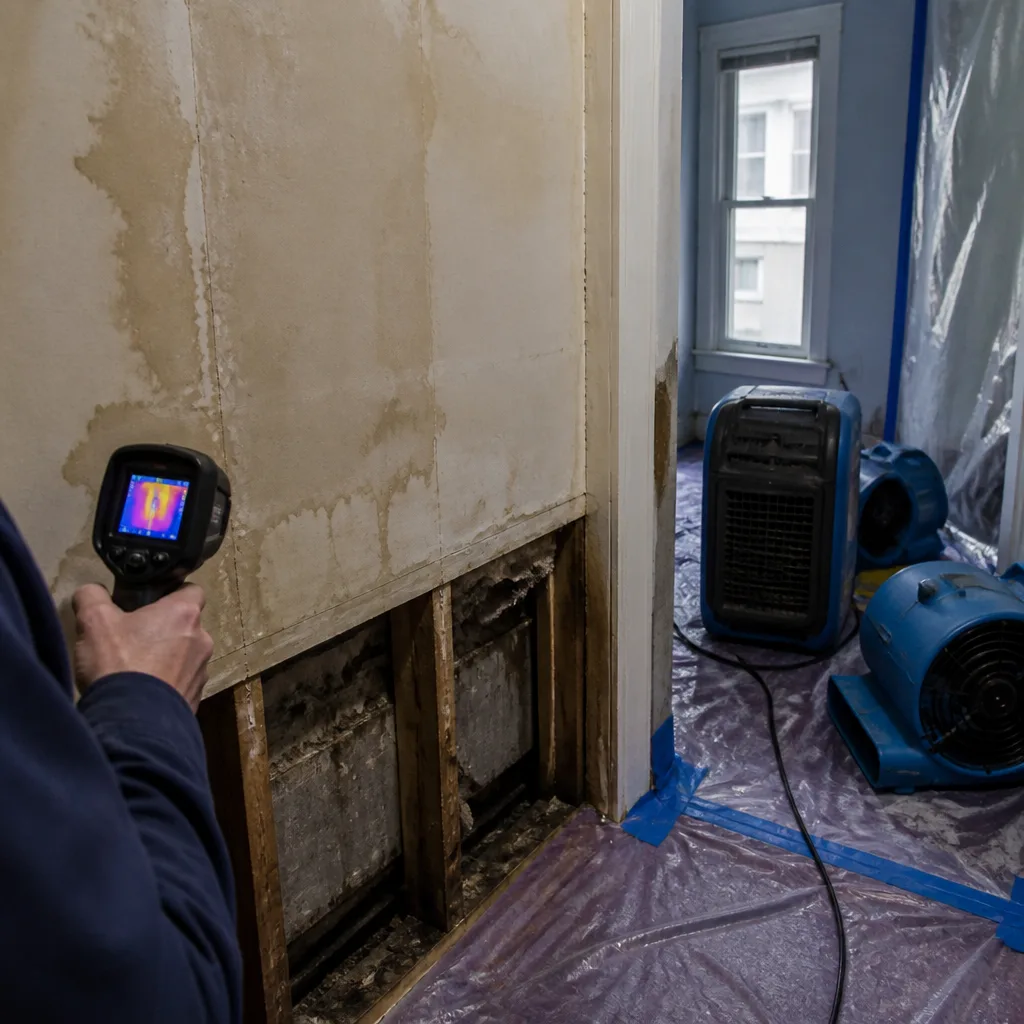
We start with thermal imaging and moisture mapping. In Lower Manhattan’s converted buildings, firefighting water hides in places a visual walkthrough misses. We trace smoke migration through cavities before we ever open a wall.
Emergency Board-Up & Stabilization
For any fire that compromised windows, doors, or roof sections, we secure the envelope immediately. Lower Manhattan buildings need this done fast: salt air and sudden weather shifts do real damage to exposed interiors.
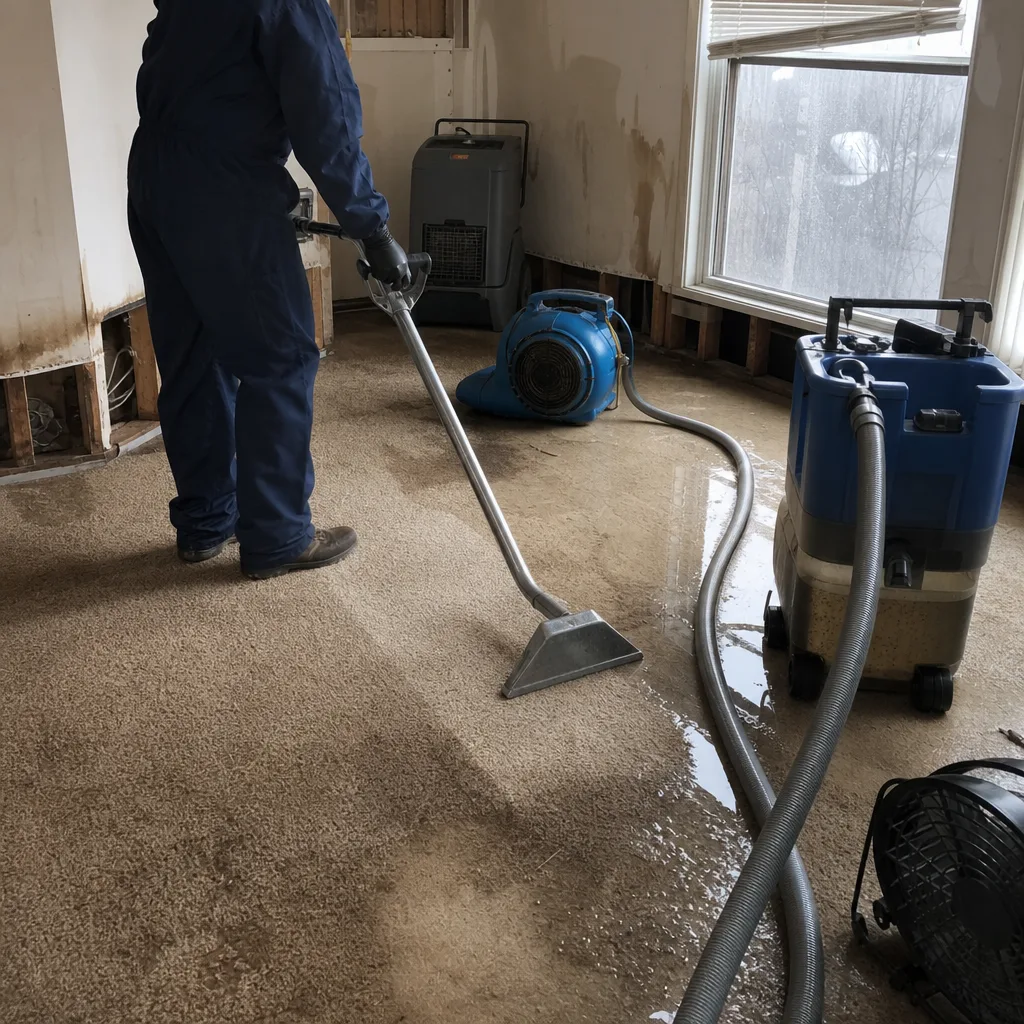
Water Extraction & Drying
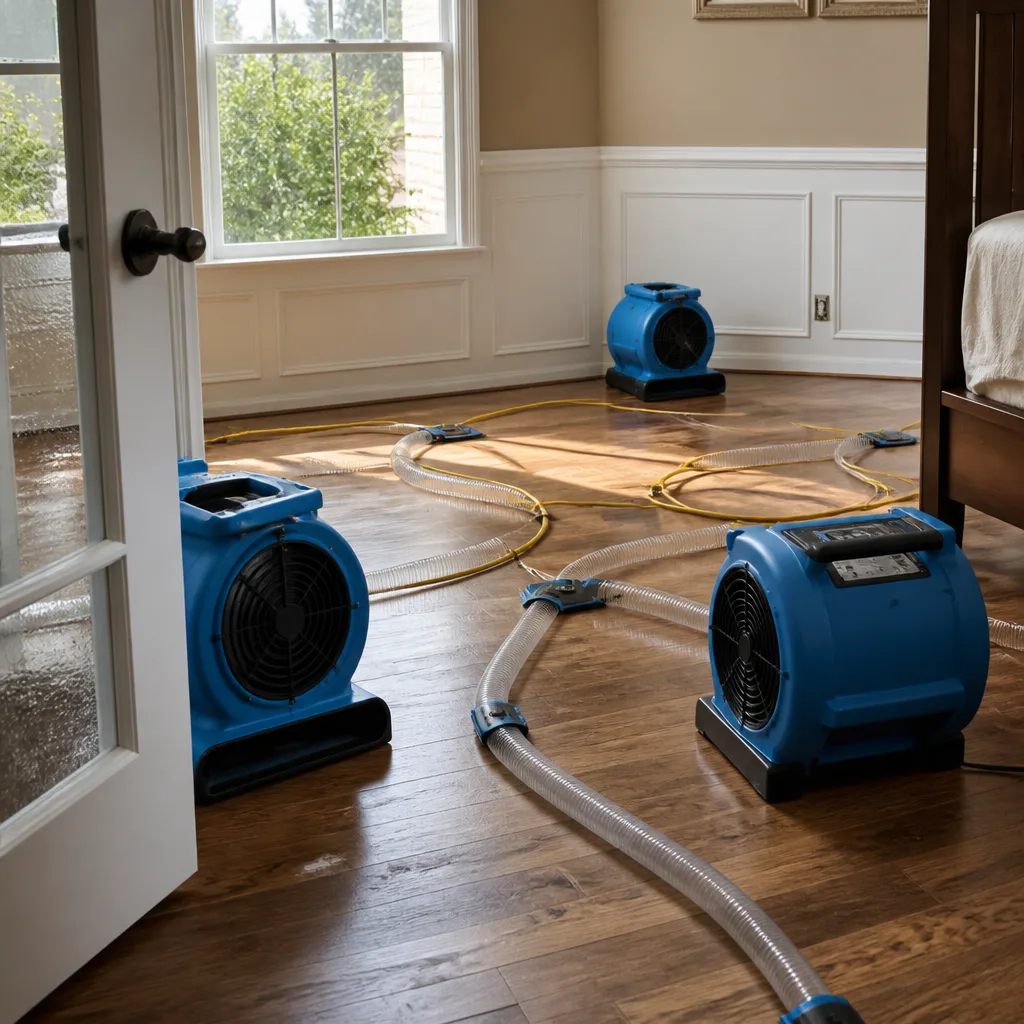
Firefighting water gets extracted, then we set up drying. Air movers and dehumidifiers run continuously, and in Battery Park City we plan for extended timelines because the surrounding fill keeps feeding moisture back into below-grade spaces.
Smoke & Soot Removal
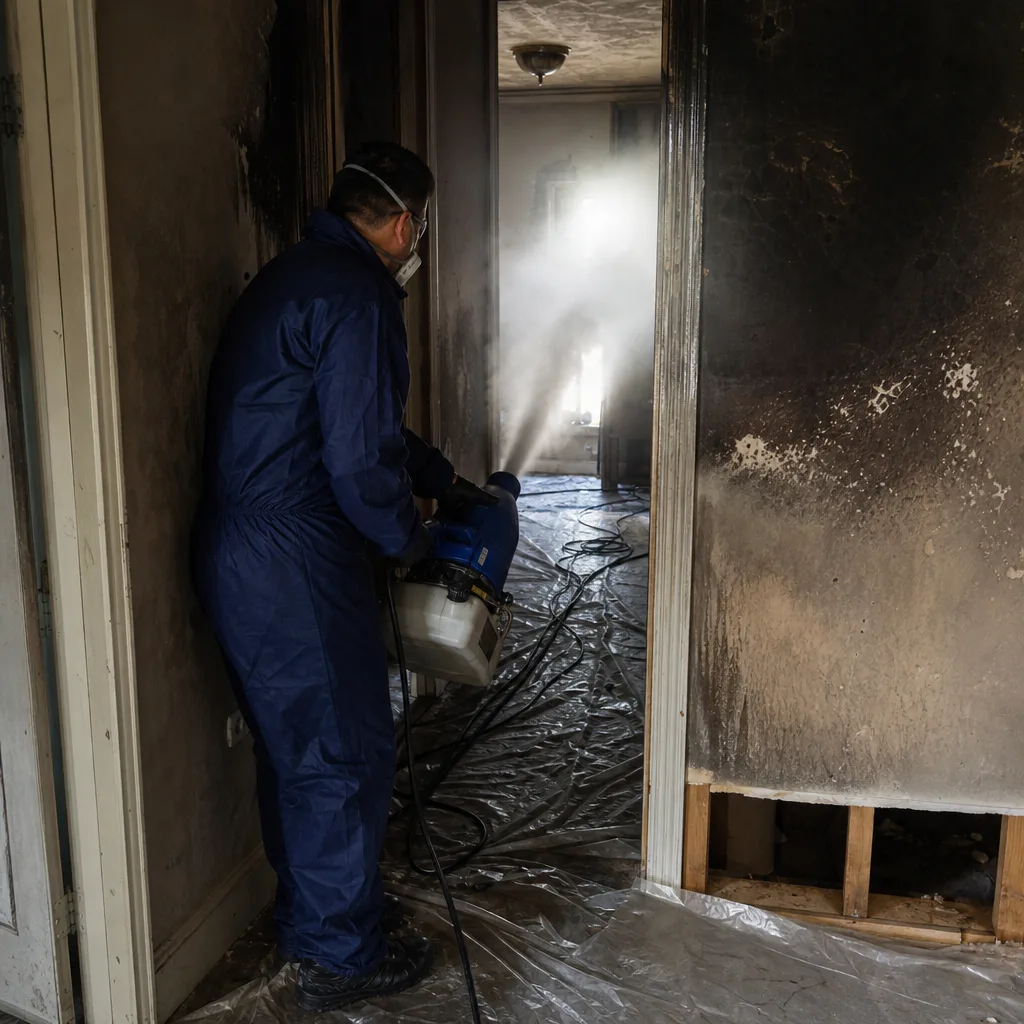
We clean surface soot from every affected surface using methods matched to the material: dry sponges for porous finishes, HEPA vacuuming for loose soot, chemical sponges for painted surfaces. There’s no one-size-fits-all in a pre-war loft.
Odor Removal & Deodorization
This is where cheap jobs fail. Smoke odor living in HVAC chases and wall cavities comes back weeks later unless you treat the cavity itself. We use hydroxyl generators, ozone (where unoccupied), and thermal fogging matched to the specific residue type.
Structural Fire Repair & Restoration
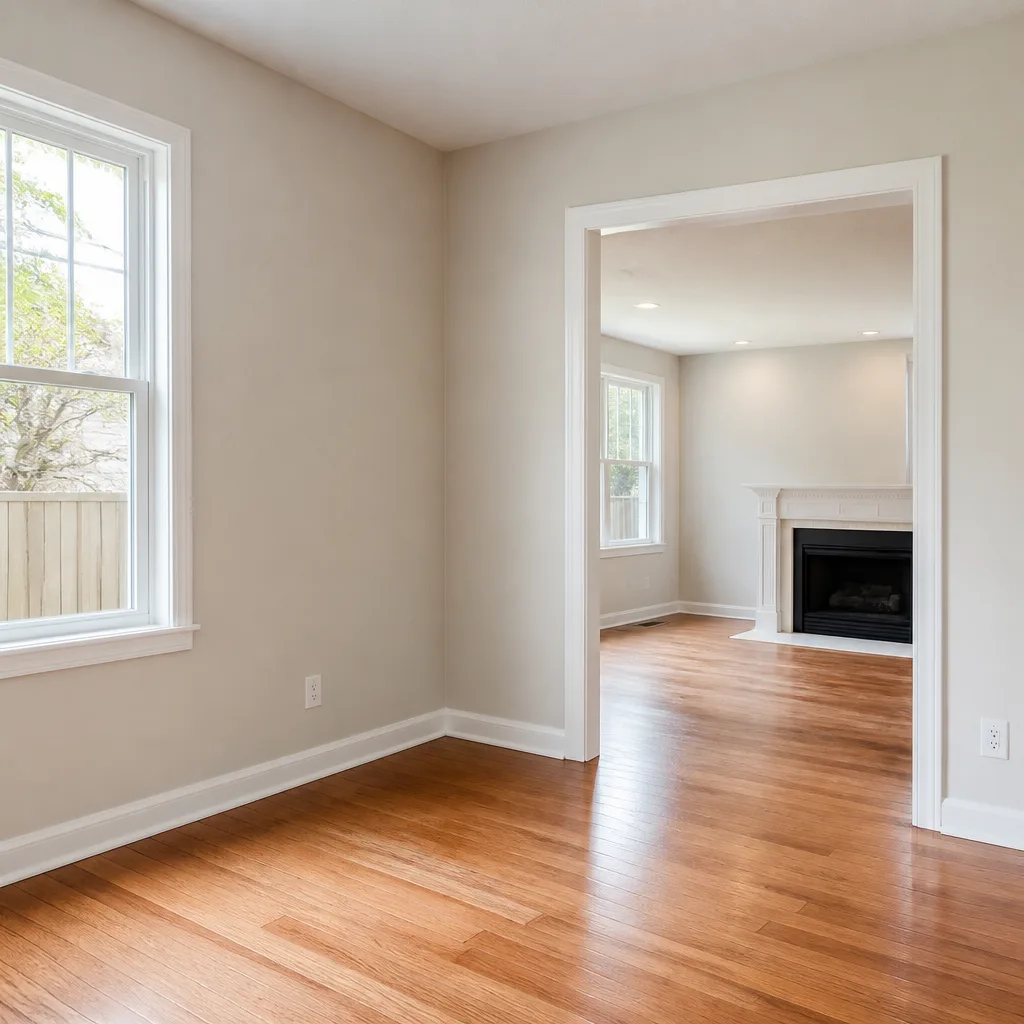
Burnt framing gets sistered or replaced. Drywall goes back in. Paint, trim, flooring. The same crew that did the board-up finishes the last coat, and every step has been documented for your insurer along the way.
Need Emergency Fire & Smoke Damage Restoration in Lower Manhattan Now?
Crews minutes away, answering live 24 hours a day. The sooner we start, the less it costs.
Working With Your Insurance Company
Here’s what most homeowners learn the hard way: the insurance company is not your enemy, but they’re also not going to do your documentation for you. We build your claim file from the first hour. Every photo, every moisture reading, every bit of soot residue we find gets logged. When your adjuster comes through, they are handed a complete chronological record, not a summary. Wade talks to adjusters directly. He’s done it thousands of times, he knows what they need to approve a line item, and he’ll tell you upfront if something in your policy looks thin. No surprises, no vague “we’ll figure it out later.”
What We Provide Your Insurer
- Thorough documentation of the loss
- Photos of all damage, room by room
- Moisture readings and drying logs
- A detailed, line-item scope of work
- Direct coordination with your carrier
Built for Lower Manhattan’s Loss Calendar
Lower Manhattan’s fire season doesn’t follow a neat calendar. January brings space heaters running overloaded circuits in Financial District pre-war buildings that were never wired for modern electrical loads. Spring sees the first heavy rain tests against aging roofing and clogged downspouts, pushing water into electrical rooms. Summer thunderstorms hit Battery Park City’s glass towers with lightning strikes that fry panels and occasionally start fires in mechanical rooms. Fall and winter bring nor’easters: wind-driven rain enters through curtain-wall failures, soaks into wall cavities, and then a space heater in a moistened outlet becomes a fire waiting. And throughout the year, the tidal nuisance flooding around Whitehall Street means any fire in a sub-basement electrical vault is compounded by Category 2 water intrusion that has to be handled simultaneously. One call to Fire & Smoke Damage Restoration brings the same team for both problems, which is not how most restoration companies are organized.
Fire & Smoke Damage Restoration Across Lower Manhattan’s Neighborhoods
Battery Park City is our most logistically complex service area, and it’s not because of traffic. The residential towers on South End Avenue sit on compacted river fill. When a fire occurs in one of these buildings, firefighting water collects in below-grade utility rooms and stays there, pushing back through foundation walls for weeks. Drying times that work in Brooklyn or Queens simply don’t apply. Over in the Financial District, the converted office towers along Wall Street and Broad Street have a different profile entirely: multi-level sub-basements that sit below the water table, original masonry cores, and floor plates that were never intended for residential plumbing. A kitchen fire on the 23rd floor sends smoke down through every chase and riser on its way to the basement; we have to treat the entire vertical path, not just the burned unit. Tribeca’s converted warehouses on streets like Hudson and Greenwich have massive timber beams and high ceilings that look beautiful, but they act like chimneys during a fire, moving smoke into every connected loft. And the mixed-use buildings near the Seaport and the Battery see fire patterns related to restaurant and mechanical operations on the ground floor, with residents above dealing with smoke through shared corridors and elevator shafts. Each area gets a tailored approach because each area fails differently.
Specialized Fire & Smoke Damage Restoration Services We Offer in Lower Manhattan
Fire Damage Cleanup
We remove charred materials, debris, and fire-damaged structural components. In Lower Manhattan’s older buildings, that often means carefully demoing around original architectural features that can be saved. We don’t gut first and ask questions later. Every material gets evaluated for salvage value before a single wall comes down.
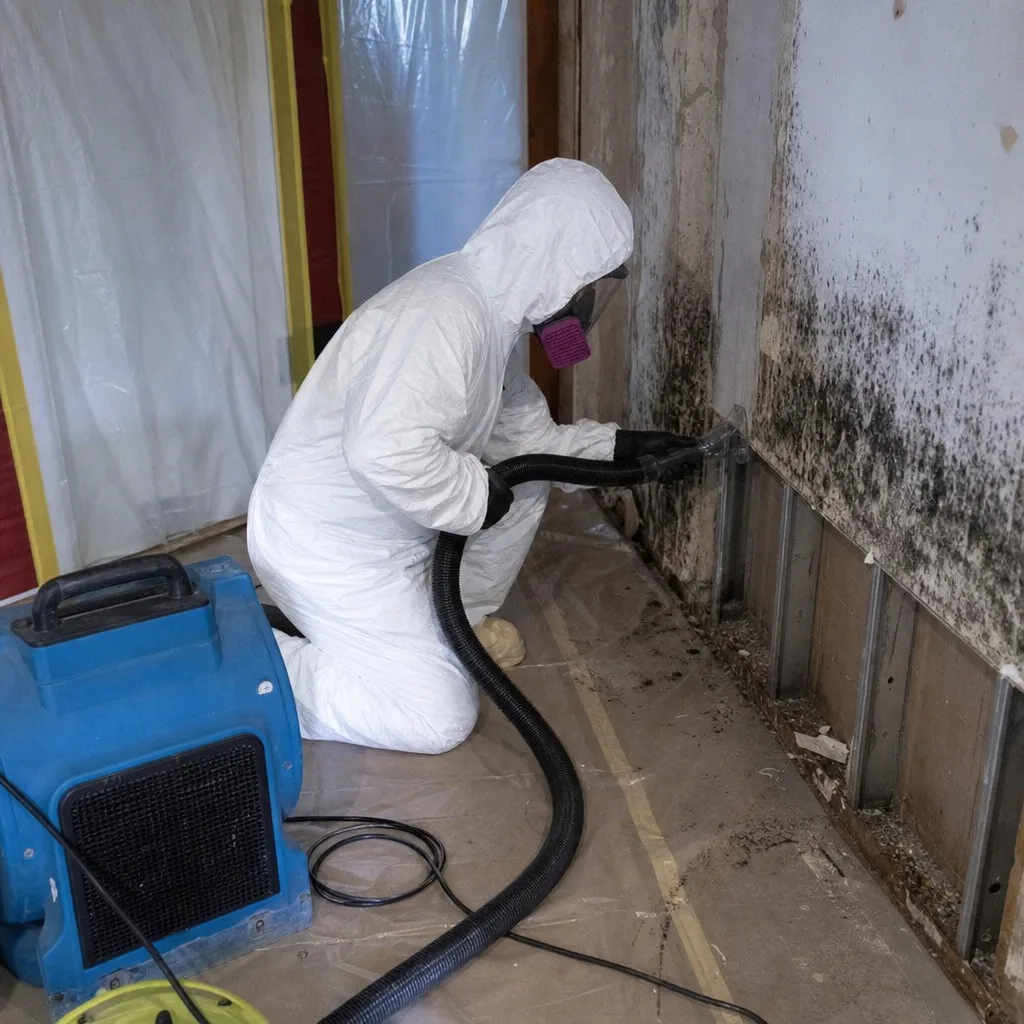
Smoke & Soot Removal
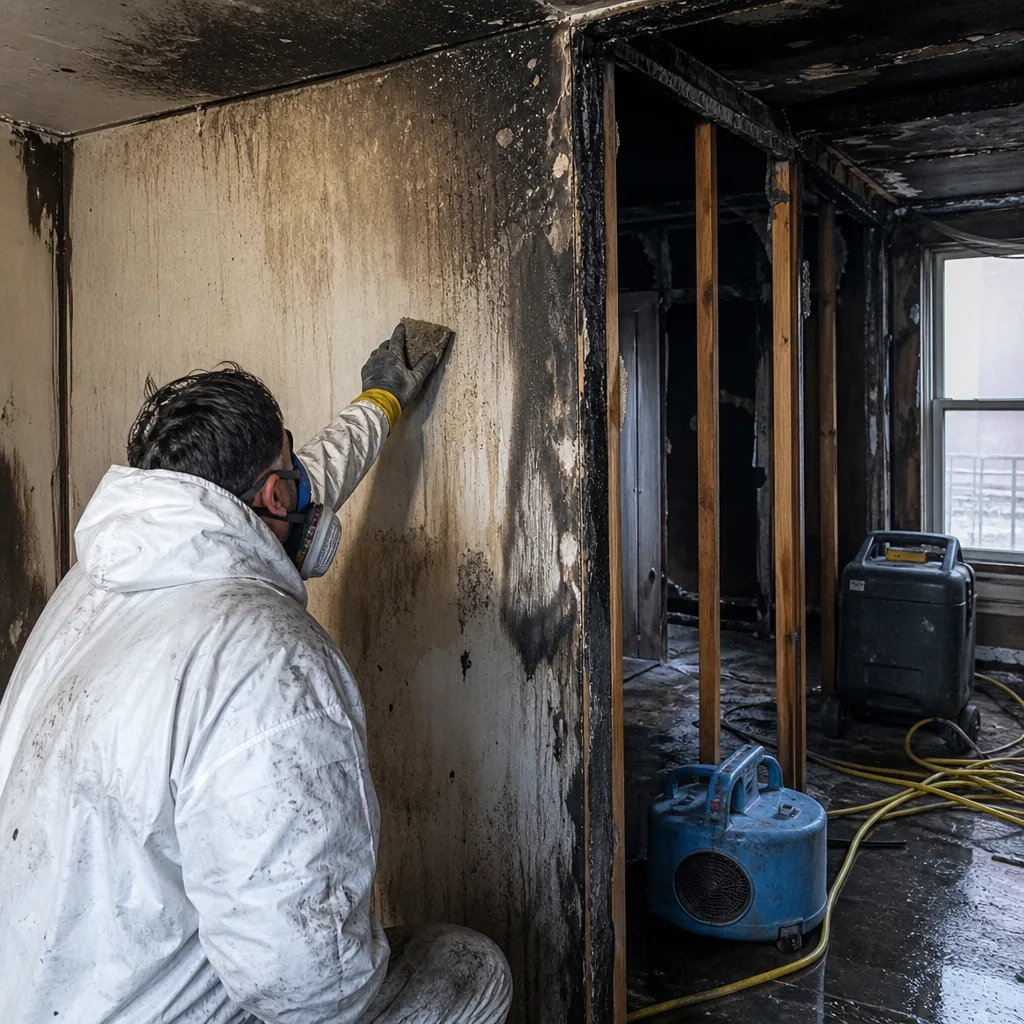
Soot in a Financial District loft gets into everything: window tracks, crown molding, the gaps behind baseboards. We use HEPA vacuums, dry chemical sponges, and specialized wet cleaning for different residue types: protein soot from kitchen fires, synthetic soot from burned furnishings, and carbon soot from structural fires each need different chemistry. Getting this wrong means etching and staining that never comes out.
Odor Removal & Deodorization
This is the service that separates real restoration from a fancy cleaning crew. Smoke molecules are small. They penetrate paint, plaster, fabric, and especially the field-adapted HVAC chases in converted Financial District buildings. We treat cavities with thermal fogging and hydroxyl generation, not just air freshener at the surface. Odor comes back otherwise, weeks later, and you’ll be calling someone else to do the job twice.
Contents Cleaning & Pack-Out
Your stuff matters. And in Lower Manhattan apartments, square footage is precious, so contents are packed densely. We do on-site cleaning for hard goods and pack-out for soft goods and textiles that need off-site ultrasonic cleaning or ozone treatment. Every item gets documented before it leaves the premises. Your insurance company gets a full inventory.
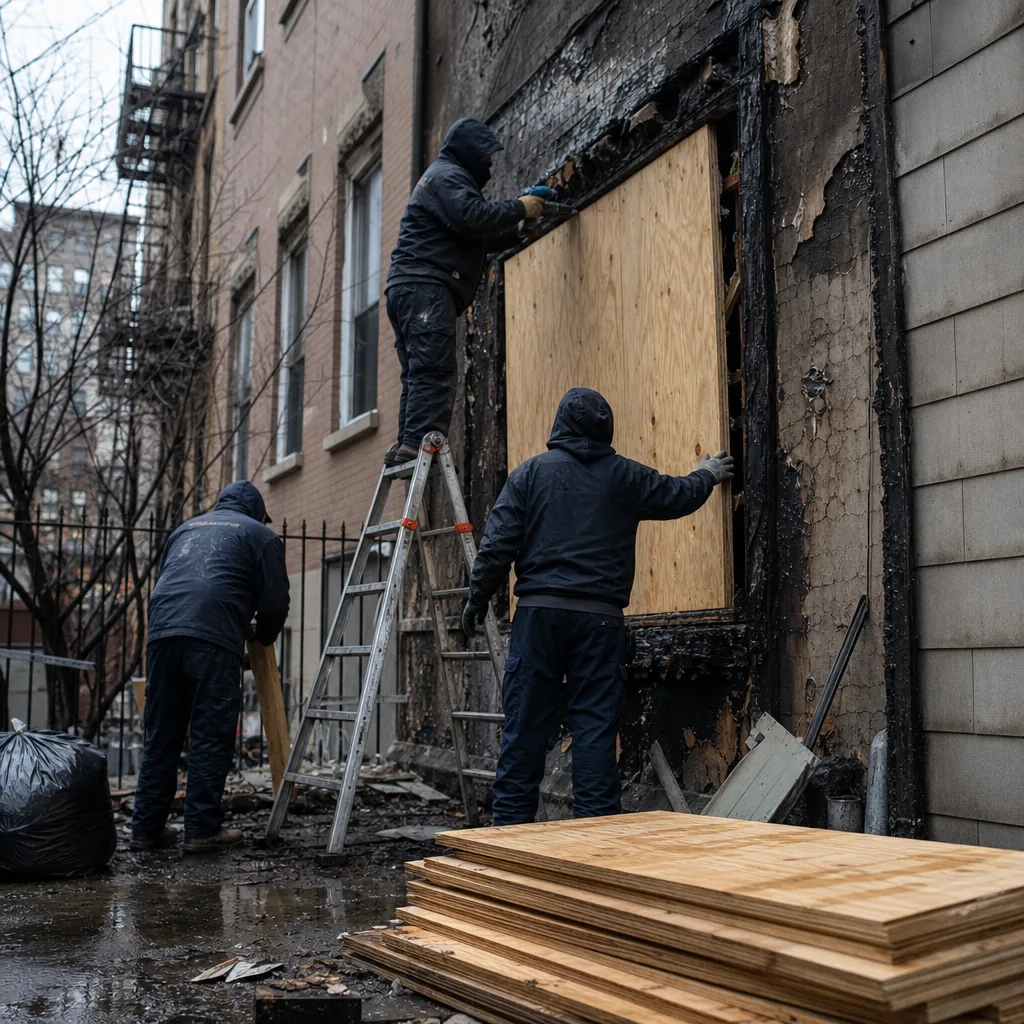
Emergency Board-Up & Tarping
After a fire, your building is vulnerable. We board windows, tarp roof penetrations, and secure doors the same day we’re called. In Lower Manhattan, this matters more than anywhere else in the city: salt air corrodes exposed steel rapidly, and the street-level exposure in areas like the Seaport means security is a real concern. The board-up has to be done right, not just done.
Structural Fire Repair
Burnt joists, compromised masonry, damaged lath and plaster. In pre-war buildings, structural repair requires matching existing materials and respecting the building’s structural rhythm. Wade’s crew has been doing this in Lower Manhattan long enough that we know which building types can be sistered in place and which need full replacement. We pull permits when the scope requires it, and we coordinate with building engineers when structural loads are involved.
What happens when you call
- 1
A real person answersNo phone trees - you reach a local pro.
- 2
You get an upfront price rangeHonest numbers before anyone is dispatched.
- 3
A background-checked tech heads outLicensed & insured, dispatched right away.
- 4
You approve before work beginsNothing starts until you say go.
Fire & Smoke Damage Restoration Costs in Lower Manhattan, NY
Let’s talk actual numbers. A small kitchen fire with moderate smoke damage in a Financial District studio typically runs $4,500-$9,000 for full cleanup and odor treatment. A larger fire that moves through multiple rooms in a Battery Park City two-bedroom usually lands between $18,000 and $35,000 when you include structural repair, drywall work, and contents cleaning. Smoke-only jobs, where the fire was contained but soot migrated through an entire floor plate, run $2,500-$7,000 depending on square footage and how many cavities need treatment. The factors that move price in Lower Manhattan specifically: building access (freight elevator availability in high-rise towers), the presence of below-grade water intrusion that adds drying time, and whether cavity-focused deodorization is needed to prevent odor return. Most fire damage is covered under standard homeowners or condo policies, but the specifics depend on your policy’s terms. The free visual inspection lets us give you a written scope before work starts, so the number on the page is the number you’re working with.
We Also Serve Cities Near Lower Manhattan
Wade’s Restoration serves the full run of Lower Manhattan and the surrounding areas. We’re regularly working in the Financial District, over in Astoria and Long Island City, and through Midtown Manhattan. If you’re near any of those areas and dealing with fire or smoke damage, the same crew, the same phone number, and the same owner who picks up the phone.
Serving Lower Manhattan, NY - Our Local Coverage Area
We’re based in the Lower Manhattan area and know this community well. Use the map below to see our service coverage - if you’re nearby, we can almost certainly help.
Lower Manhattan Fire & Smoke Damage Restoration Questions, Answered
How does the landfill foundation in Battery Park City affect fire and smoke damage restoration in our building?
The fill under Battery Park City stays saturated long after any single event, which means hydrostatic pressure against your below-grade walls keeps pushing moisture in even after the fire is out and initial drying has started. In practice, you can’t trust standard drying timelines here. We run extended monitoring, often add temporary sump augmentation, and check moisture readings daily in below-grade spaces until we’ve confirmed the foundation is no longer feeding water back into the dried areas. Rushing the rebuild in this neighborhood is the most common cause of failed restorations we get called in to fix.
After a kitchen fire in a converted Financial District loft, why do smoke odors keep coming back even after cleaning?
Because the smoke didn’t just sit on surfaces. It moved through your building’s field-adapted plumbing and HVAC chases, which in converted commercial buildings are often irregular, interconnected, and impossible to clean from the surface. If the company you hired didn’t open those cavities and treat them with thermal fogging or hydroxyl generation, the odor will absolutely return within weeks. We saw this on a Pearl Street loft fire where the visible soot was cleaned in a day, but the real smoke load was trapped in the non-standard plumbing chases running between floors. That’s why our process always includes cavity-focused deodorization, not just surface treatment.
What category of water is usually involved in Lower Manhattan firefighting, and why does it matter for restoration?
Firefighting water that has run through a Lower Manhattan sub-basement is typically Category 2 or Category 3 water. That means it’s contaminated and requires antimicrobial treatment on everything it touched, not just drying. In buildings near the Battery and Whitehall Street, where chronic nuisance flooding and tidal intrusion are common, the water in below-grade spaces is often Category 3. The distinction matters because it changes how much material needs to be removed versus dried, and it changes how your insurance claim is documented. A Category 3 classification means more demo and more antimicrobial work.
How do you prevent mold after a fire in a below-grade space near the Battery, where groundwater keeps seeping in?
You don’t prevent it with a quick dry-and-paint. You prevent it by acknowledging that moisture is going to keep entering the space and planning for it. We set up continuous extraction where groundwater is entering, run dehumidifiers at capacity, and take daily moisture readings with a written log. In spaces with persistent hydrostatic pressure, we often install temporary sump augmentation before any drywall goes back up. If we can’t get the below-grade space dry and keep it dry, we don’t close the walls. Simple as that.
Can you handle fire damage restoration in a high-rise Battery Park City tower with limited freight elevator access?
Yes, and this is exactly the kind of job that separates a real restoration company from a residential cleaner. High-rise work means scheduling freight elevator windows with building management, staging equipment in shifts, and coordinating water extraction with building engineers who know the riser systems. We’ve done this in Battery Park City towers where the freight elevator runs only during limited hours, and the whole process gets planned around those constraints before any equipment leaves our trucks. It adds coordination time, but it doesn’t add surprises.
How fast can you actually get to a fire damage call in Lower Manhattan?
Our commitment is 45 minutes from phone call to crew on site, and we hold to it across Lower Manhattan. Wade answers his own phone, which means there’s no dispatch middle step. For a fire emergency, every hour that passes means soot etching harder into glass and metal, smoke odor setting into porous materials, and water from firefighting soaking deeper into structural cavities. Call (607) 350-1550 and a real person starts the response immediately.
Will my insurance cover fire and smoke damage restoration in Lower Manhattan?
Most standard homeowners and condo policies cover fire and smoke damage, including firefighting water damage, as a named peril. The nuance is in how well the claim is documented and whether your adjuster understands the scope of what’s actually needed, especially the cavity deodorization and extended drying that Lower Manhattan buildings often require. Wade deals with adjusters directly and has been doing it long enough that he can explain line items in their language. We also provide photo documentation from the first hour, which makes the claim file easier to approve.
What should I do in the first 30 minutes after a fire in my building?
First, make sure everyone is safe and the fire department has cleared the building. Don’t touch anything. Soot is acidic and fingerprints will etch into glass and metal. Don’t turn on your HVAC system, because it will pull smoke residue into every room through the ductwork. Don’t start wiping walls, because improper cleaning smears soot and makes restoration more expensive. Then call us at (607) 350-1550. We’ll start the board-up and documentation process immediately, and we’ll walk you through exactly what the next 24 hours look like.
Written by Wade Ferris, Owner at Wade’s Restoration, serving Lower Manhattan and the surrounding boroughs.