
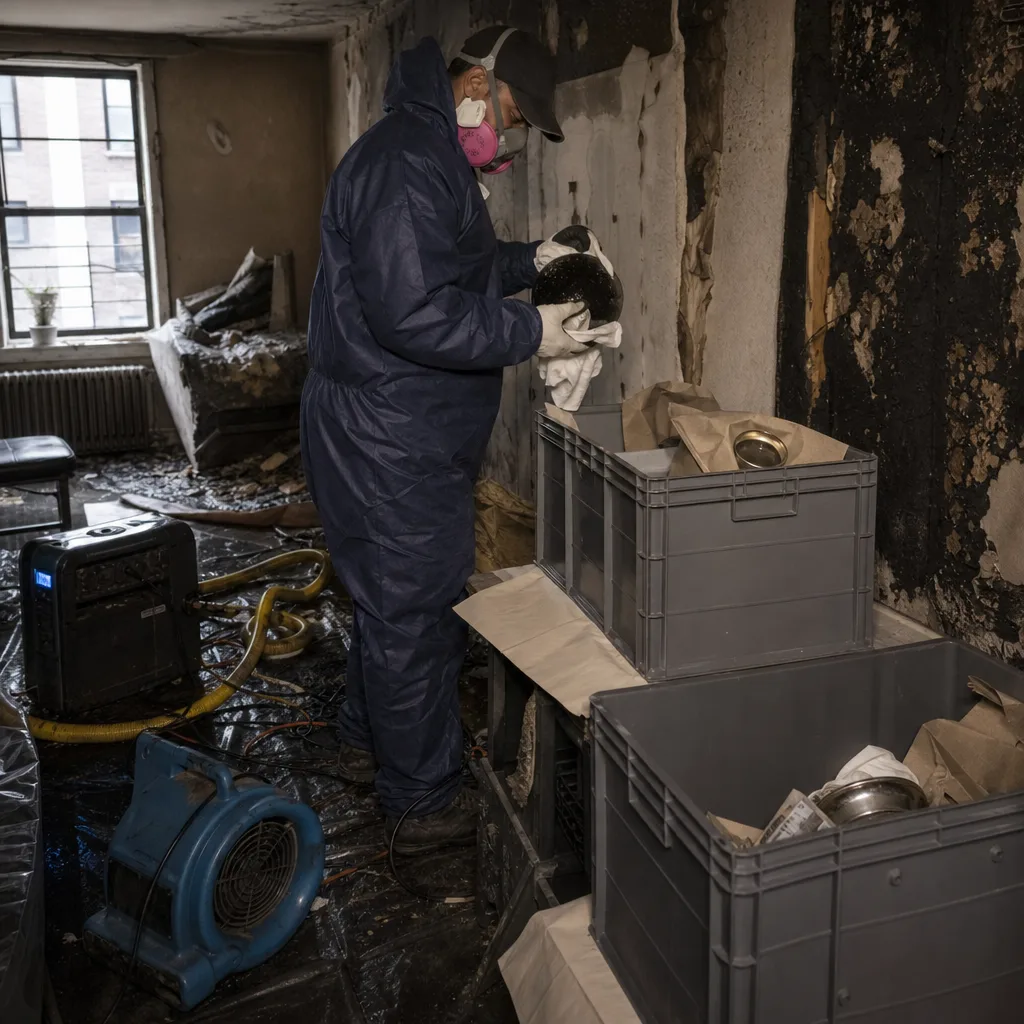
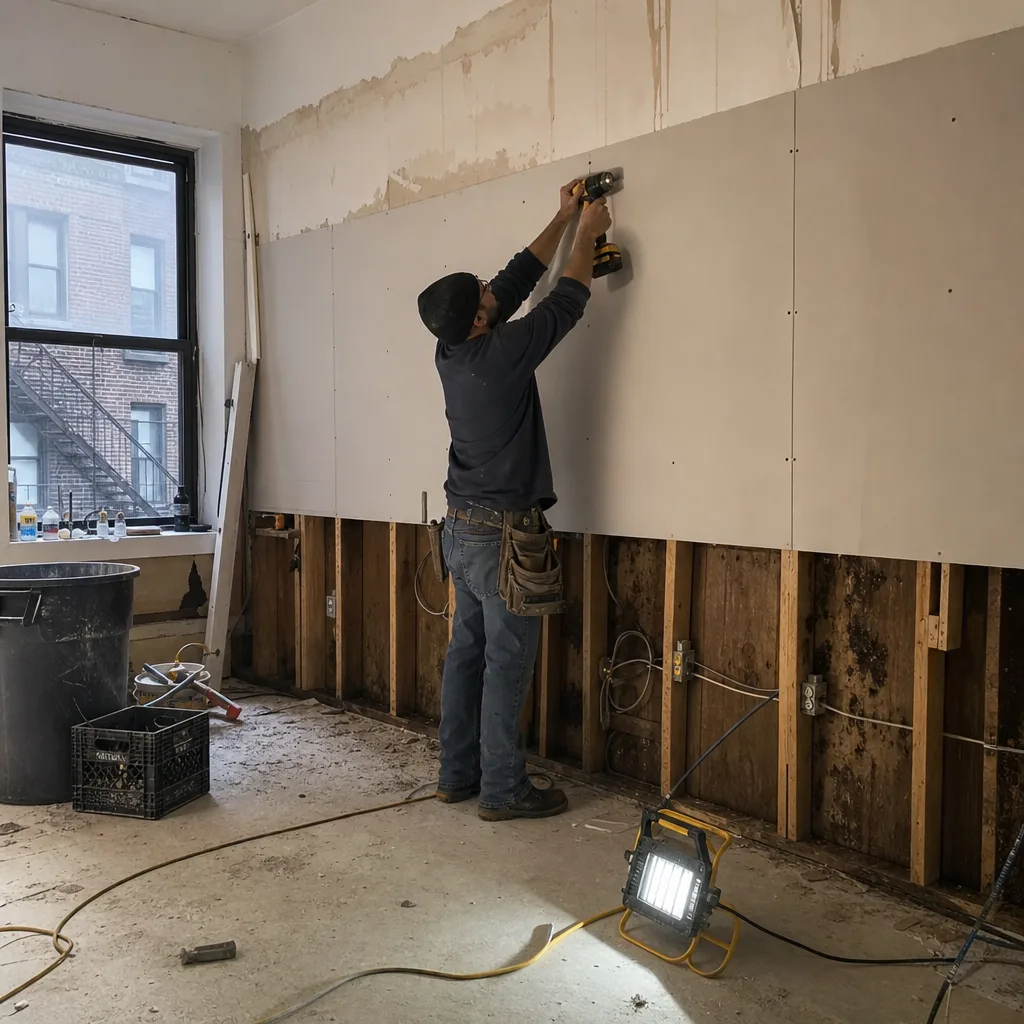
Free visual inspection and a written scope of work before any mitigation begins - photos, moisture readings, and drying logs go in your claim file
The scope we write is the scope we bill. Anything new gets shown to you, in writing, before we touch it.
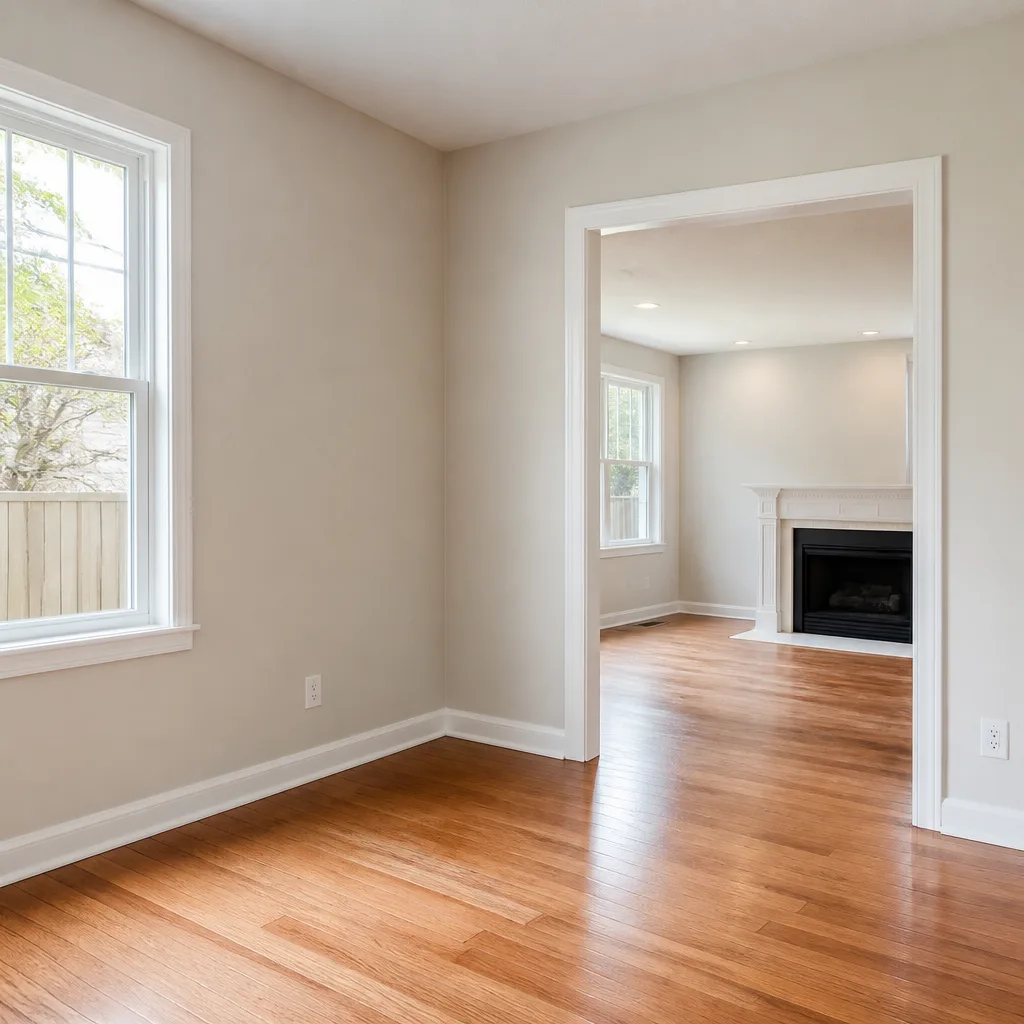
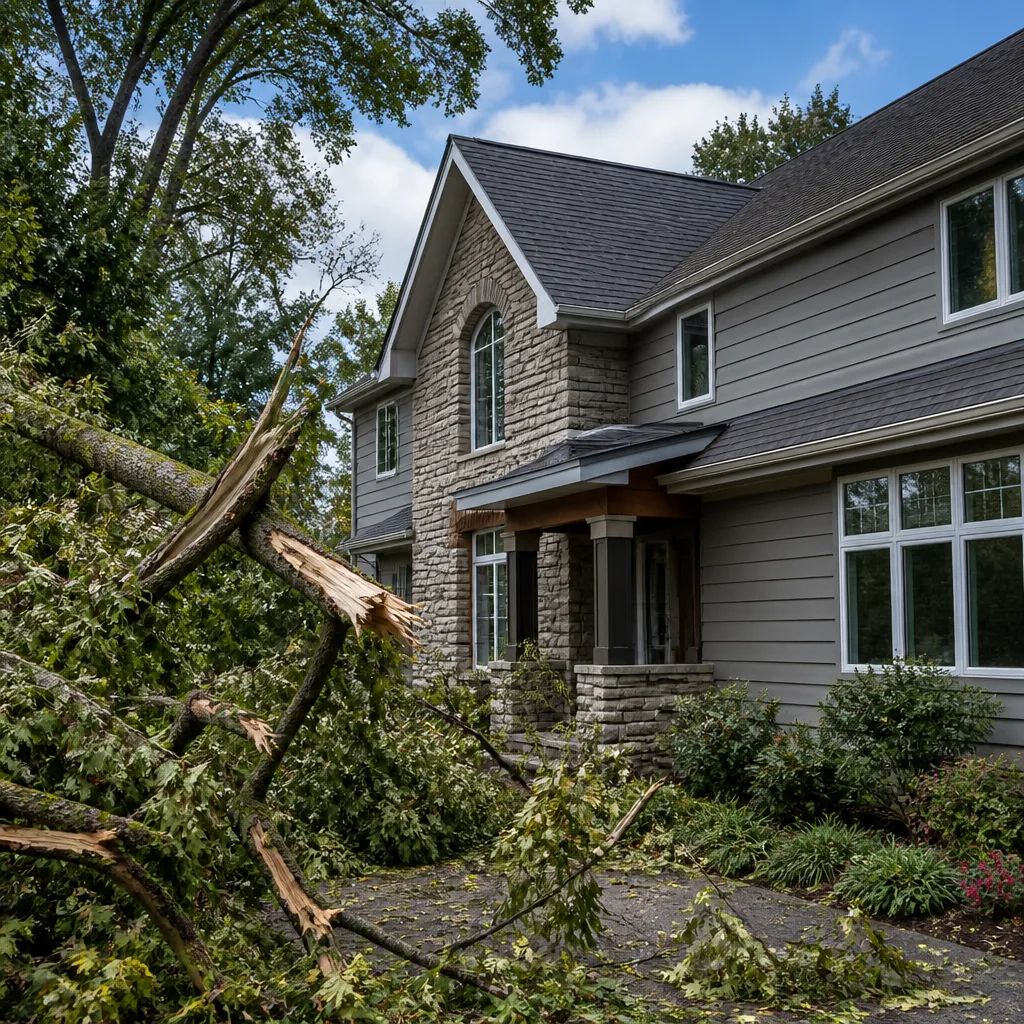
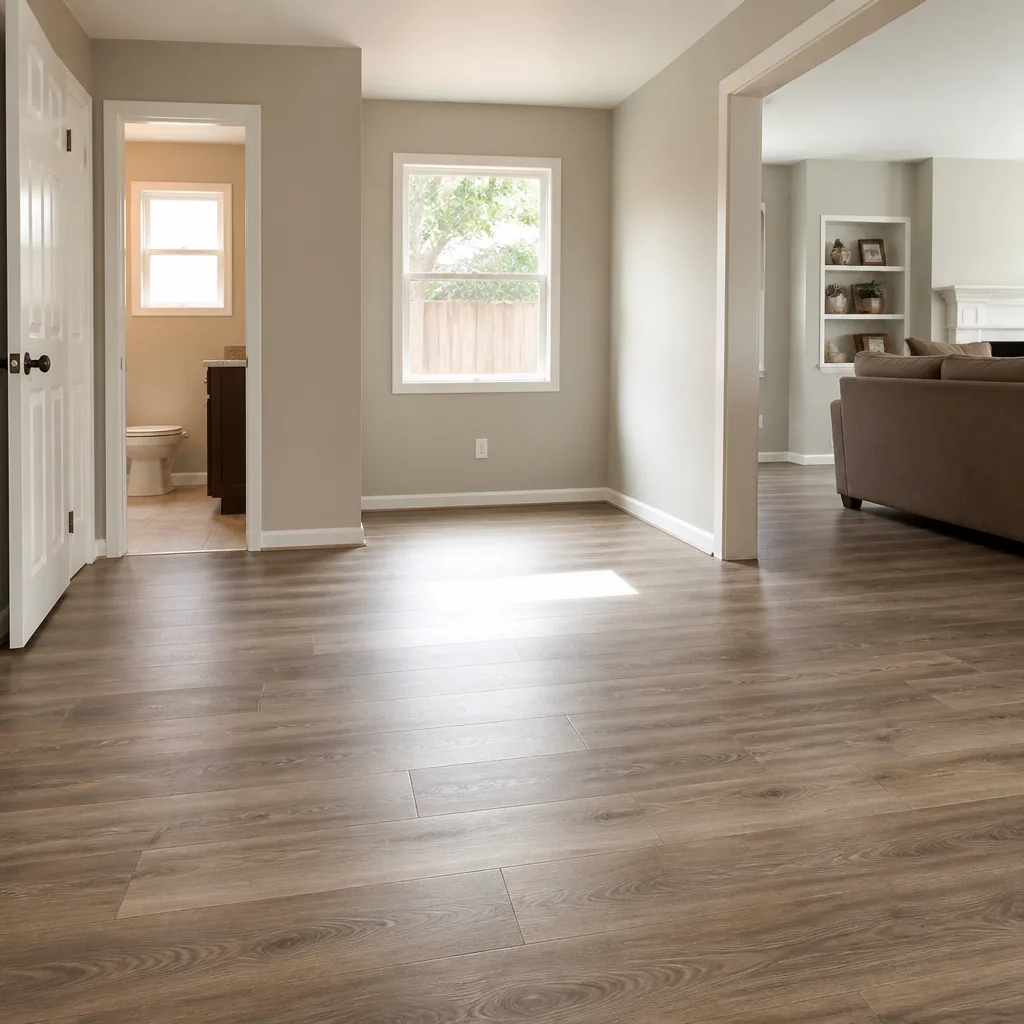
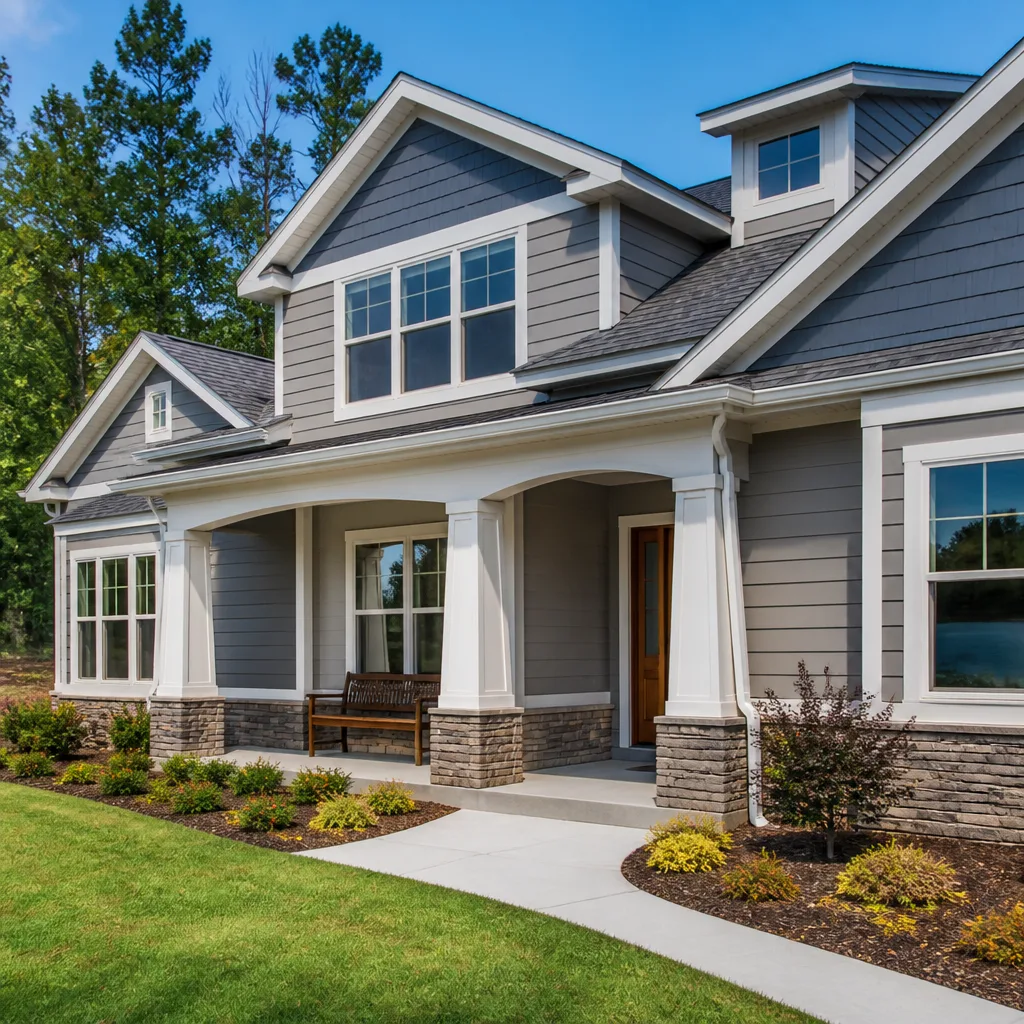
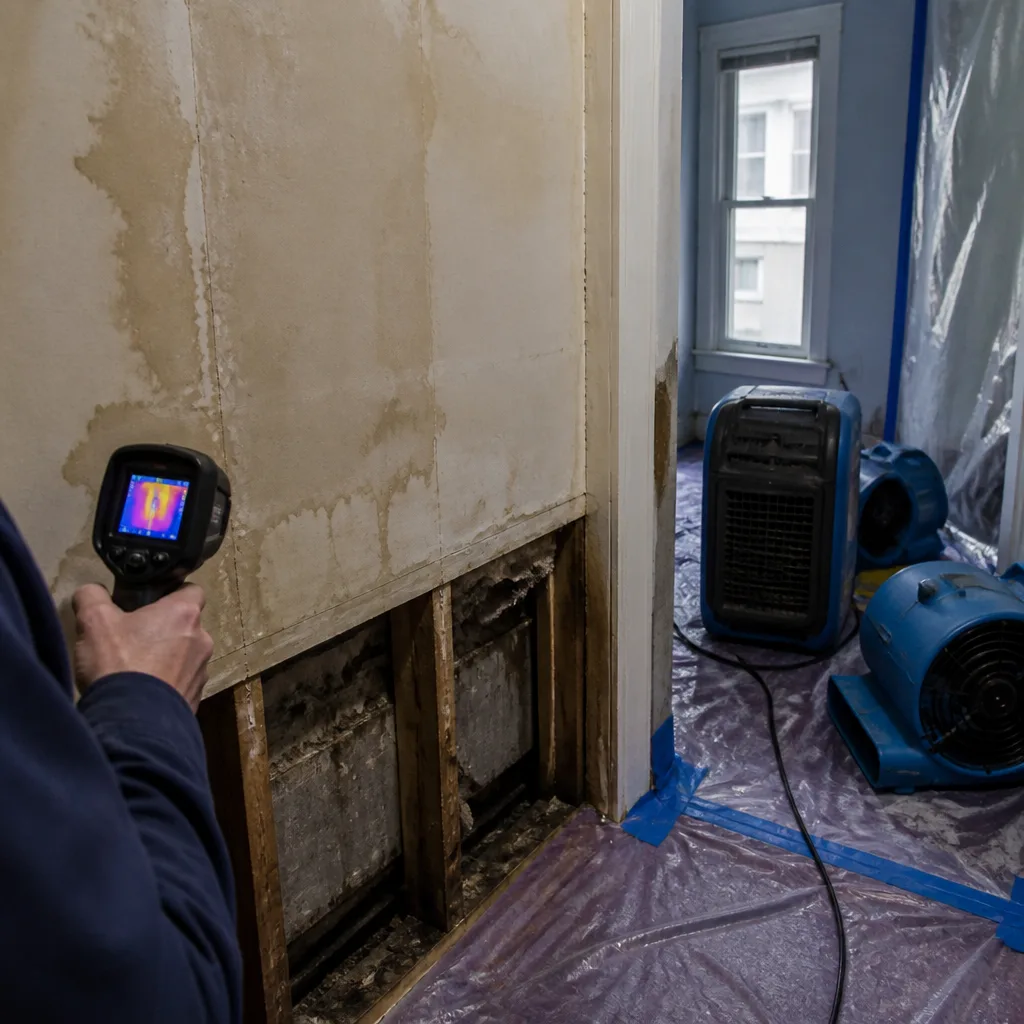 Before
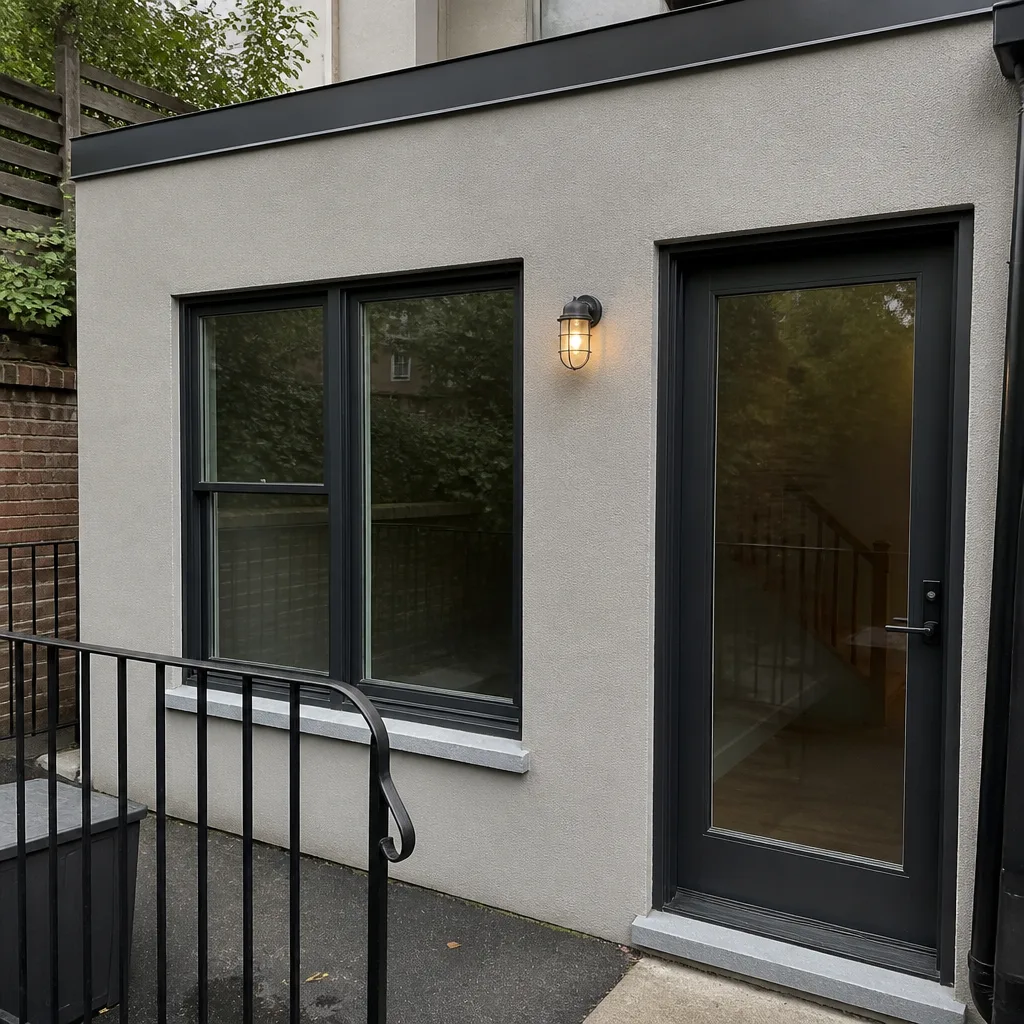 After
After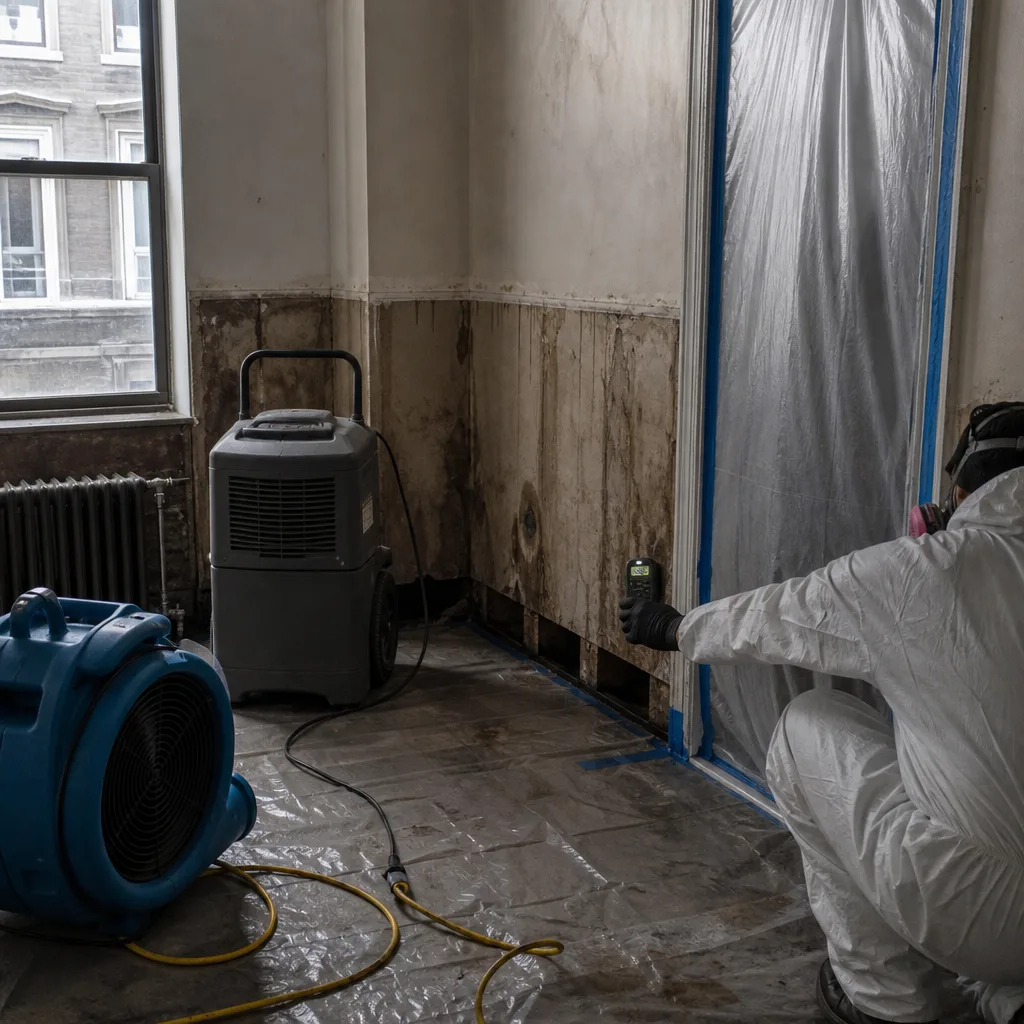 Before
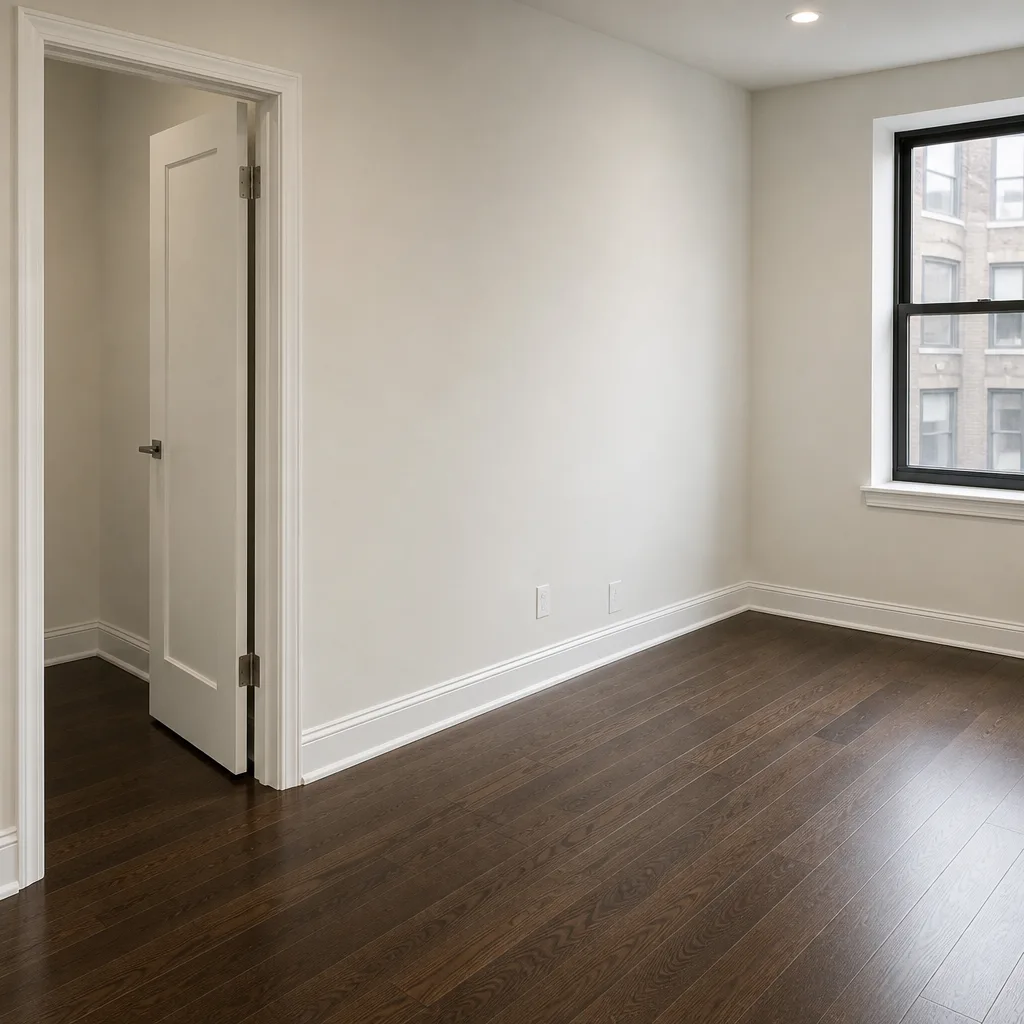 After
After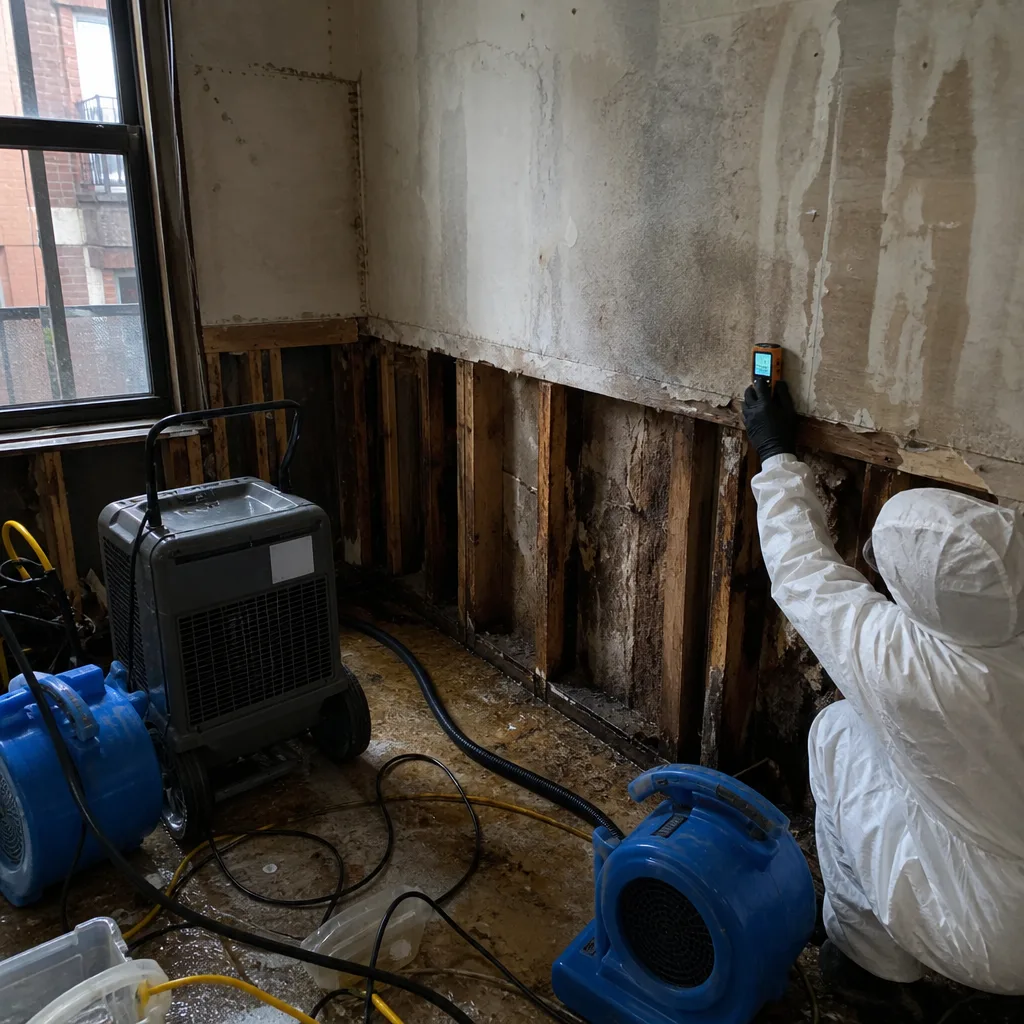 Before
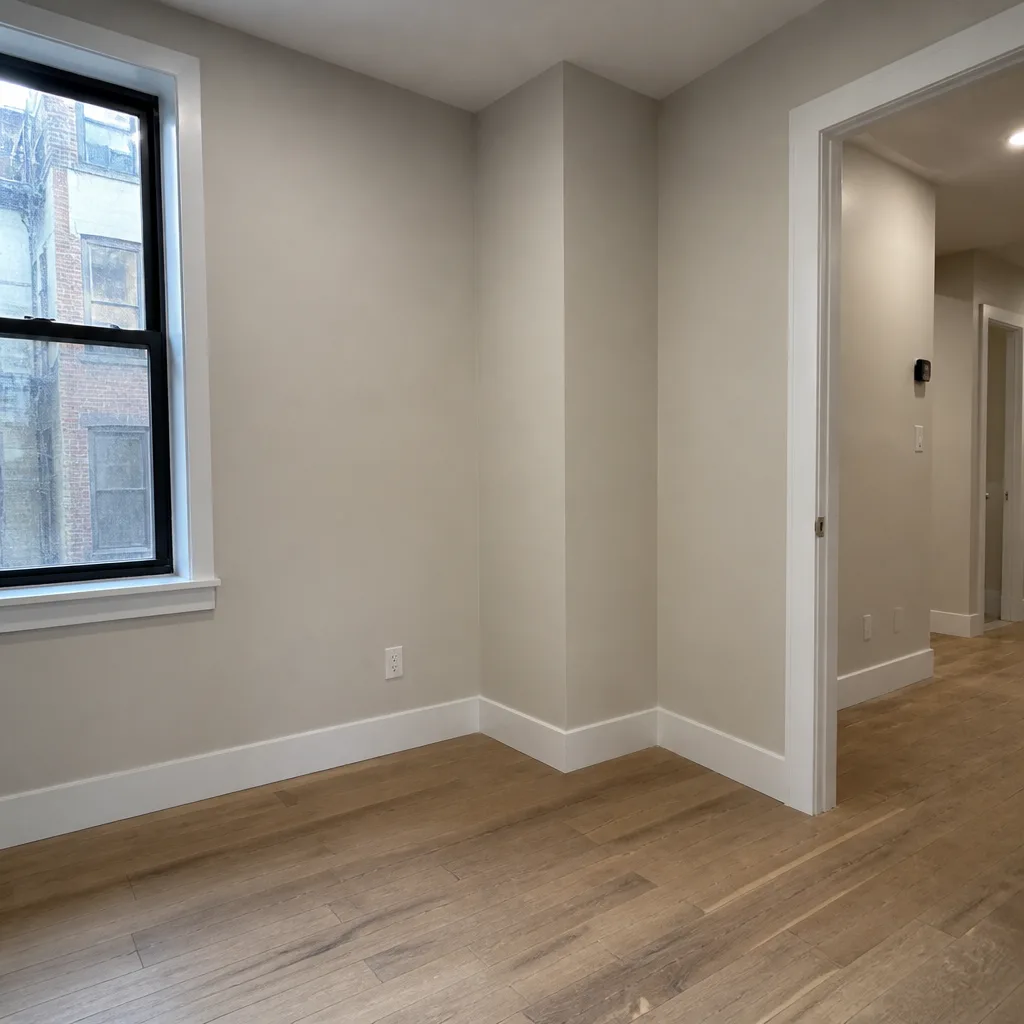 After
After24/7 Emergency Reconstruction & Cleanup in Lower Manhattan
Reconstruction and cleanup in Lower Manhattan runs on a different clock than anywhere else in the city. When a nor’easter pushes harbor water into a Battery Park City sub-basement, or a 1930s FiDi loft conversion has a supply line let go at 2 a.m., waiting until Monday for a callback simply is not an option. Call (607) 350-1550 and you will reach a live person. Wade Ferris answers his own phone, and his crews stage inside the Lower Manhattan area, not an hour out.
Every hour that passes after water intrusion, sewage backup, or fire residue settles into drywall means more demolition, more mold risk, and a longer rebuild. That first hour decides whether you are drying out a room or gutting one. We arrive fast, run a free visual inspection, and write the scope before any work starts. No call-center gauntlet. No answering service. Just someone who will show up, take moisture readings, and tell you the truth about what you actually need done.
Understanding Reconstruction & Cleanup Severity in Lower Manhattan Properties
Lower Manhattan’s building stock splits into two very different restoration problems. The first is the century-old masonry towers of the Financial District, many converted to residential lofts after 9/11 and again after the 2020 office exodus. These conversions frequently carry field-adapted plumbing and HVAC systems that were never part of a standard commercial build-out, which means water travels through walls in ways that defy the moisture maps you find in a textbook. The second is Battery Park City’s 1980s and 2000s towers, built on compacted river fill that holds water like a sponge.
For water losses, we classify every job by category before touching anything: Category 1 is clean supply water, Category 2 carries contaminants, and Category 3 is sewage or floodwater. Lower Manhattan sees all three, but the Category 3 work here skews heavily toward storm surge and below-grade sewage backups. For fire, it is about soot particle size and smoke migration through shared corridors and elevator shafts that run the full height of converted commercial buildings. For mold, the question is always containment: setting up negative air pressure and HEPA scrubbing so you are not cross-contaminating a residential floor while we work. The building age and foundation type change the protocol. That is the part a generic national franchise template gets wrong.
Why Lower Manhattan Property Owners Choose Wade’s Restoration
- Wade answers his own phone, 24/7. Not a call center. Not a dispatcher reading a script. The owner. He will be the one walking your property.
- Crews minutes from Lower Manhattan. We keep response capability inside the area, not an hour upstate. When Battery Park floodwater is moving, minutes matter.
- IICRC-certified crews. Water damage work follows WRT and ASD protocols. Fire follows FSRT. Mold follows AMRT. The certifications are on the truck, not just on a website.
- Daily moisture readings, handed to you in writing. Wade takes readings every single day and gives you the full log at the end. Almost nobody in this trade does that.
- One team from extraction through reconstruction. You are not juggling a water mitigation vendor, a mold vendor, and a general contractor. We do the whole job.
- Direct insurance billing and adjuster communication. Wade deals with your carrier directly. You are never stuck relaying messages between two sides.
Our Reconstruction & Cleanup Process
Inspection & Assessment
We walk the property, identify every affected area, and map moisture with thermal imaging and hygrometers. You get a written scope before anything is demoed. No surprises, no upsell at the door.
Extraction & Stabilization
Standing water comes out first. We tarp, board, and stabilize what needs protecting. If sewage is present, the affected area gets contained immediately to prevent cross-contamination.
Drying & Dehumidification
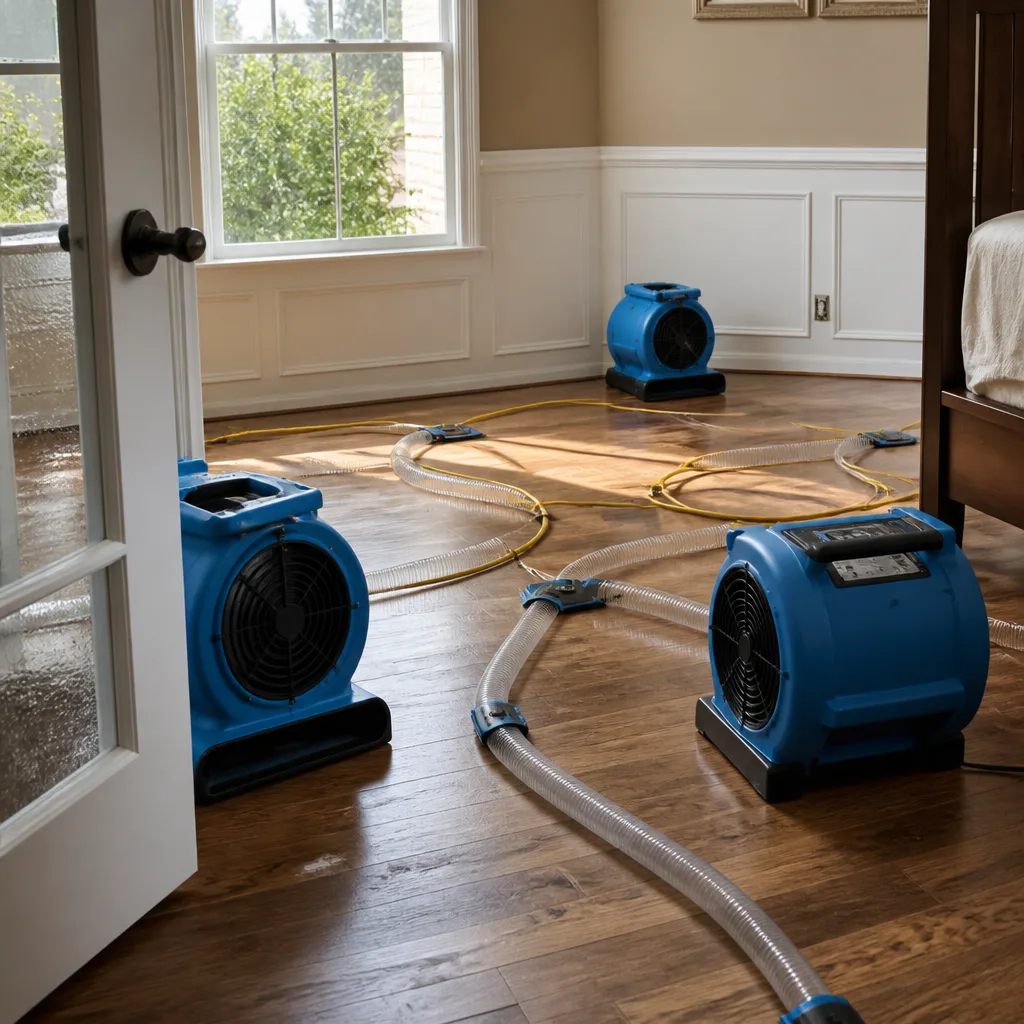
Dri-Eaz dehumidifiers and Phoenix air movers run around the clock. In Battery Park City especially, this phase runs longer than standard because the fill outside keeps pushing moisture. We adjust timelines accordingly and document every reading.
Cleaning & Sanitization
Surfaces get cleaned with appropriate antimicrobial treatments. HEPA air scrubbers run during any mold or fire work. Carpet and upholstery affected by clean water can often be salvaged; we will tell you honestly if it cannot.
Pack-Out & Contents Restoration
Salvageable belongings get inventoried, packed out, cleaned, and stored until reconstruction is complete. We photograph and document everything for claim support.
Repairs & Reconstruction
Drywall, flooring, trim, paint, and structural repair. We rebuild with moisture-resistant materials where the location demands it, and we use corrosion-resistant fasteners in salt-exposed areas. The job ends with a finished space, not a handoff to another contractor.
Need Emergency Reconstruction & Cleanup in Lower Manhattan Now?
Crews minutes away, answering live 24 hours a day. The sooner we start, the less it costs.
Working With Your Insurance Company
Insurance claims in Lower Manhattan have a specific frustration: the adjuster’s timeline and the building’s reality rarely match. A converted FiDi loft with field-adapted plumbing needs different documentation than a standard residential loss, and a Battery Park City flood claim needs moisture logs that prove the extended drying was necessary, not optional. Wade has been handling these conversations since 2007. He takes photos from the first hour, logs every moisture reading, and communicates directly with your adjuster. You do not have to be the middleman. The 90-Day Done Right Promise is in writing on every water, fire, and mold restoration job: if it is not done right, we make it right.
What We Provide Your Insurer
- Thorough documentation of the loss from first response
- Photos of all damage, room by room, including pre-existing conditions
- Daily moisture readings and drying logs showing the full timeline
- A detailed, line-item scope of work with no vague categories
- Direct coordination with your carrier and adjuster
Built for Lower Manhattan’s Loss Calendar
January deep freezes burst supply lines in pre-war FiDi buildings where pipes run through uninsulated masonry chases. Spring brings the thaw and the first wave of below-grade seepage into sub-basements that sit under the water table. Summer thunderstorms overwhelm the combined sewer outfalls around Whitehall Street and the Battery, pushing stormwater and sewage back into building drains. Nor’easters and hurricane season bring the surge that defines this neighborhood: 14 feet of water in 2012, sub-basements flooded, electrical vaults drowned, elevator pits full. Then comes the nuisance tidal flooding that now arrives without a named storm, creeping into the same below-grade spaces and keeping them chronically damp. The restoration calendar here is not seasonal. It is tidal.
Reconstruction & Cleanup Across Lower Manhattan’s Neighborhoods
In the Financial District, we work in towers where the upper floors are loft conversions and the sub-basements run three or four levels below street grade. Losses here skew toward plumbing failures in field-adapted systems and fire-damage containment across shared verticals. In Battery Park City, the story is always water: fill-saturated foundations, hydrostatic pressure against below-grade walls, and a drying timeline that stubbornly refuses to match the manual. Around South Street Seaport, we see aging waterfront infrastructure and flood exposure from the East River side. Over near Tribeca’s southern edge and along West Street, converted warehouses carry timber and masonry assemblies that hold moisture in ways modern steel-frame buildings do not. The response route through Lower Manhattan is always complicated: narrow streets, building access protocols, freight elevator scheduling, and oversized equipment that has to be broken down to fit. We know the drill. Our Reconstruction & Cleanup team has been navigating these buildings long enough to plan around the freight elevator and the doorman before we arrive, not after.
This is why we run Reconstruction & Cleanup in Lower Manhattan as a local operation, not a franchise branch. The building access alone eliminates any contractor who has not worked here before.
Specialized Reconstruction & Cleanup Services We Offer in Lower Manhattan
Full-Service Reconstruction
After the water is out and the space is dry, someone has to put it back together. In Lower Manhattan, that means working inside occupied buildings with strict hours, noise restrictions, and elevator scheduling. We rebuild with moisture-resistant drywall and treated lumber where the location calls for it. On below-grade walls in Battery Park City, standard materials simply do not survive the chronic dampness. We build it once, correctly, for the environment it actually lives in.
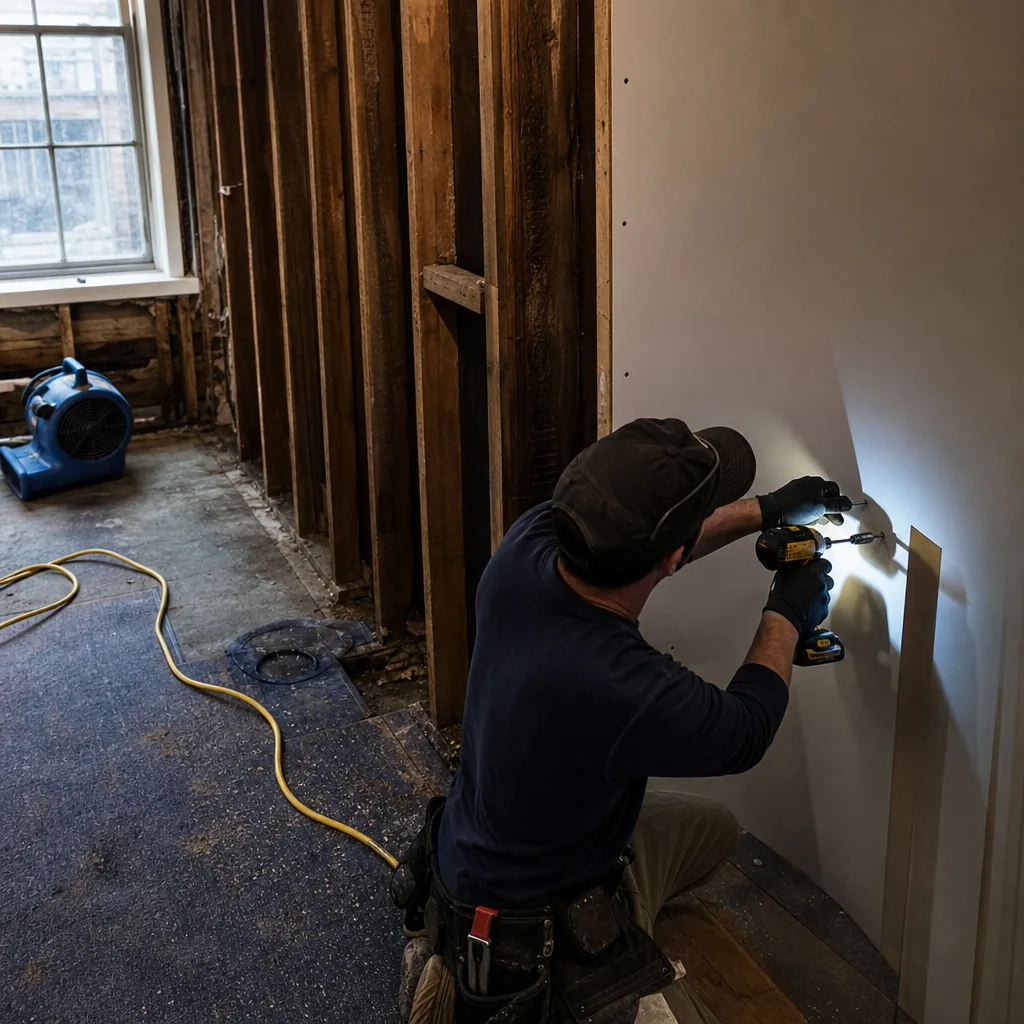
Drywall & Flooring Repair
Flood cuts along the bottom of walls, replacement subfloor that rotted from weeks of seepage, refinishing salvaged hardwood where feasible. We match existing textures and finishes so the repair does not announce itself. In pre-war loft conversions, that often means sourcing period-appropriate trim and working with uneven masonry surfaces that a production crew would fight.
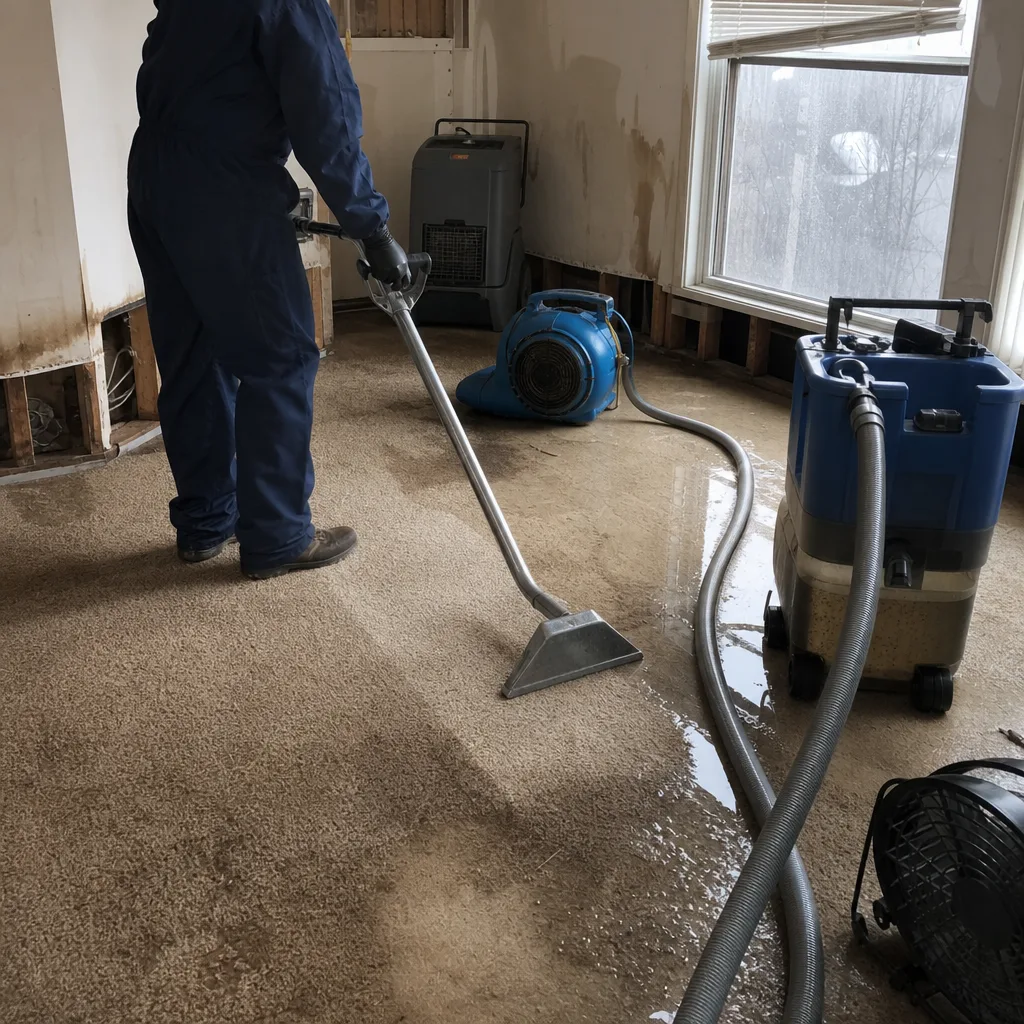
Contents Restoration & Pack-Out
When a surge or sewage backup hits a Battery Park City condo, the contents often matter more than the drywall. We inventory, photograph, and pack out salvageable belongings, then clean and store them off-site until the unit is ready. Upholstery, rugs, clothing, books, electronics: each category has its own cleaning protocol. We document everything for the claim.
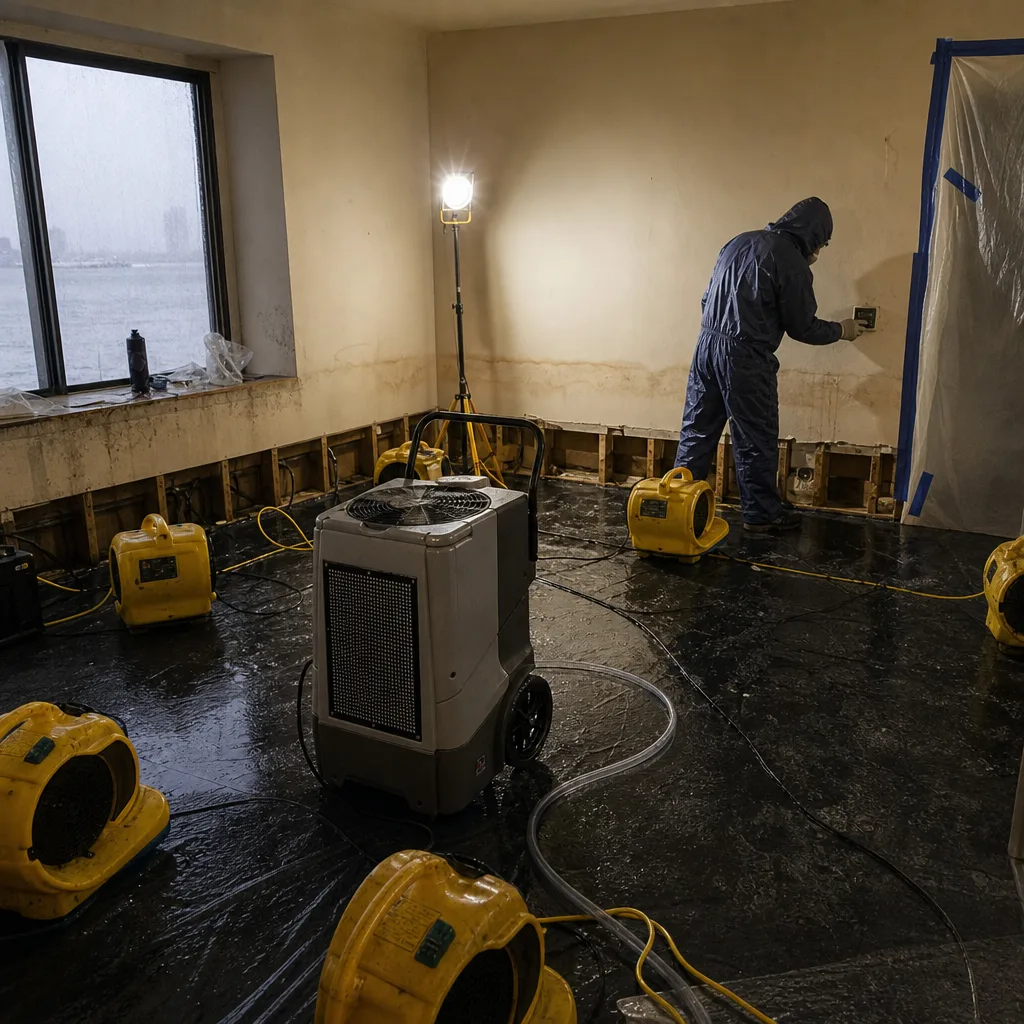
Carpet & Upholstery Cleaning
After a fire, smoke odor settles into every soft surface in the unit. After a Category 1 water loss, carpet can often be dried and cleaned rather than replaced. HEPA vacuuming, hot water extraction, and deodorizing treatments. Where carpet has been soaked with Category 3 water, the honest answer is replacement. We will tell you that and show you why.
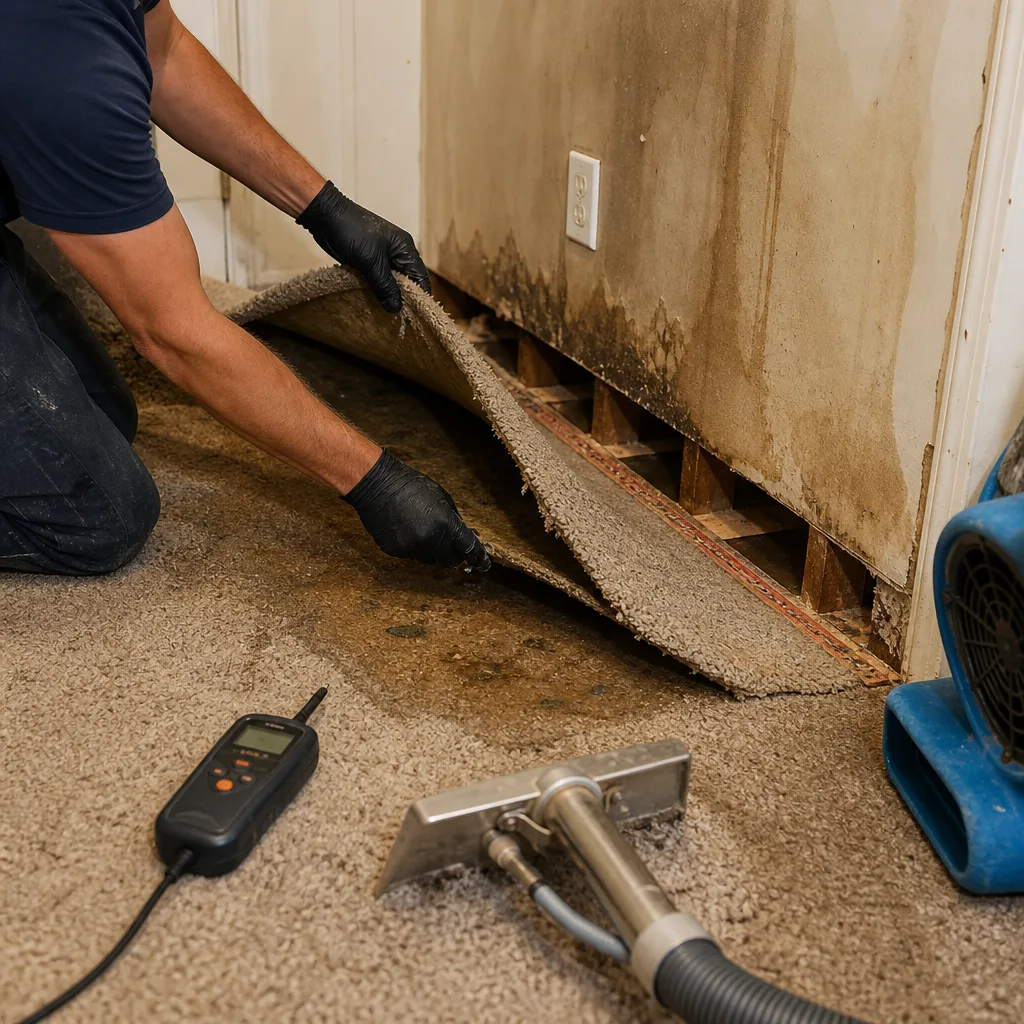
Post-Construction Cleanup
Reconstruction leaves dust in places you would not expect: inside HVAC vents, on top of door frames, embedded in freshly painted trim. Post-construction cleanup is its own trade. We run HEPA-filtered negative air and surface cleaning after every rebuild, then walk the unit with you before we call it done.
What happens when you call
- 1
A real person answersNo phone trees - you reach a local pro.
- 2
You get an upfront price rangeHonest numbers before anyone is dispatched.
- 3
A background-checked tech heads outLicensed & insured, dispatched right away.
- 4
You approve before work beginsNothing starts until you say go.
Reconstruction & Cleanup Costs in Lower Manhattan, NY
Reconstruction and cleanup pricing in Lower Manhattan runs higher than the borough average, and the reasons are real. Building access rules, freight elevator scheduling, insurance requirements inside high-rise condos and co-ops, and the extra time required for extended drying all push costs upward. Here is what we typically see in this market:
- Water extraction and initial mitigation: $2,500-$6,000 for a typical below-grade or single-unit loss
- Full structural drying with daily monitoring: $1,800-$4,500 depending on square footage and duration
- Drywall replacement and finishing after flood cut: $3.50-$7.00 per square foot
- Flooring replacement (engineered hardwood or tile): $8-$18 per square foot installed
- Contents pack-out, cleaning, and storage: $1,500-$5,000 depending on volume
- Full reconstruction after a Category 3 flood in a typical condo unit: $18,000-$45,000
Every job starts with a free visual inspection and a written scope. You will know the number before we start, and the number will not change unless the building’s hidden conditions force it. For that, we document everything and bring your adjuster into the conversation. Estimates are free. Senior and veteran discounts apply.
We Also Serve Cities Near Lower Manhattan
Our crews cover the surrounding boroughs, including the Financial District, Astoria, Midtown Manhattan, and Long Island City. Call (607) 350-1550 and we will let you know if we can reach your building quickly.
Serving Lower Manhattan, NY - Our Local Coverage Area
We’re based in the Lower Manhattan area and know this community well. Use the map below to see our service coverage - if you’re nearby, we can almost certainly help.
Lower Manhattan Reconstruction & Cleanup Questions, Answered
How does the salt air in Lower Manhattan affect my building’s restoration after water damage?
Salt-laden air accelerates corrosion on every metal surface it touches: fasteners, framing connectors, electrical components, and any exposed steel. After a water loss, that means we specify galvanized or stainless fasteners on any rebuild, and we inspect electrical panels and junction boxes in flood-affected areas before closing walls. Salt corrosion is not cosmetic. It weakens connections and shortens the life of a repair by years.
Why does my Battery Park City building stay wet so long after a flood?
Battery Park City sits on river fill from the 1970s World Trade Center excavation. That fill holds water and keeps hydrostatic pressure against below-grade walls for weeks after surface flooding recedes. Standard drying timelines do not apply. We extend structural drying, take daily moisture readings, and in many cases run temporary sump augmentation before any rebuild can begin.
Can you dry out my converted FiDi loft after a sewage backup, or does everything need to be removed?
Category 3 water, which includes sewage, changes the calculation. Drywall that has absorbed sewage water has to come out. Framing can sometimes be salvaged if it is solid lumber and we can sanitize it properly. Carpet and padding always go. The honest answer depends on what actually got wet and for how long, which is exactly what the free inspection determines.
How do you document flood damage for insurance claims in Lower Manhattan?
We photograph every affected area before any work begins, log moisture readings daily, and produce a line-item scope that your adjuster can review against industry standards. For claims involving extended drying due to landfill foundations or tidal seepage, our logs become the evidence that the longer timeline was necessary, not padding. Wade communicates directly with your adjuster so you are not stuck translating.
Do you handle pack-out and contents cleaning for condos in Battery Park City after a storm?
Yes. We inventory and photograph everything, pack out salvageable contents, clean them at our facility, and store them until your unit is rebuilt. We work within Battery Park City building rules for move-out scheduling and document the full contents claim for your insurer.
How fast can someone actually get to my building in Lower Manhattan?
Wade answers his phone 24/7, and crews are staged inside the Lower Manhattan area. For water emergencies, we aim to have someone on-site within 45 minutes of the call. For reconstruction work, that is scheduled and priced in writing like any other build project.
What certifications do your crews carry?
IICRC water damage (WRT and ASD), fire and smoke (FSRT), and mold remediation (AMRT) certifications. The company is also affiliated with the RIA and recognized by the IFA. Wade runs a documented, credentialed operation, not a truck and a wet vac.
What should I do in the first 30 minutes after water comes into my Lower Manhattan property?
Call (607) 350-1550 first. Then, if safe, kill power to affected areas, move small valuables up, and photograph everything you can. Do not enter standing water that may be in contact with electrical systems. Do not run your own fans or open walls. You can easily spread contamination and complicate the insurance claim. Call us and we will walk you through it on the phone while Wade heads your way.
Written by Wade Ferris, Owner at Wade’s Restoration, serving Lower Manhattan since 2007.