
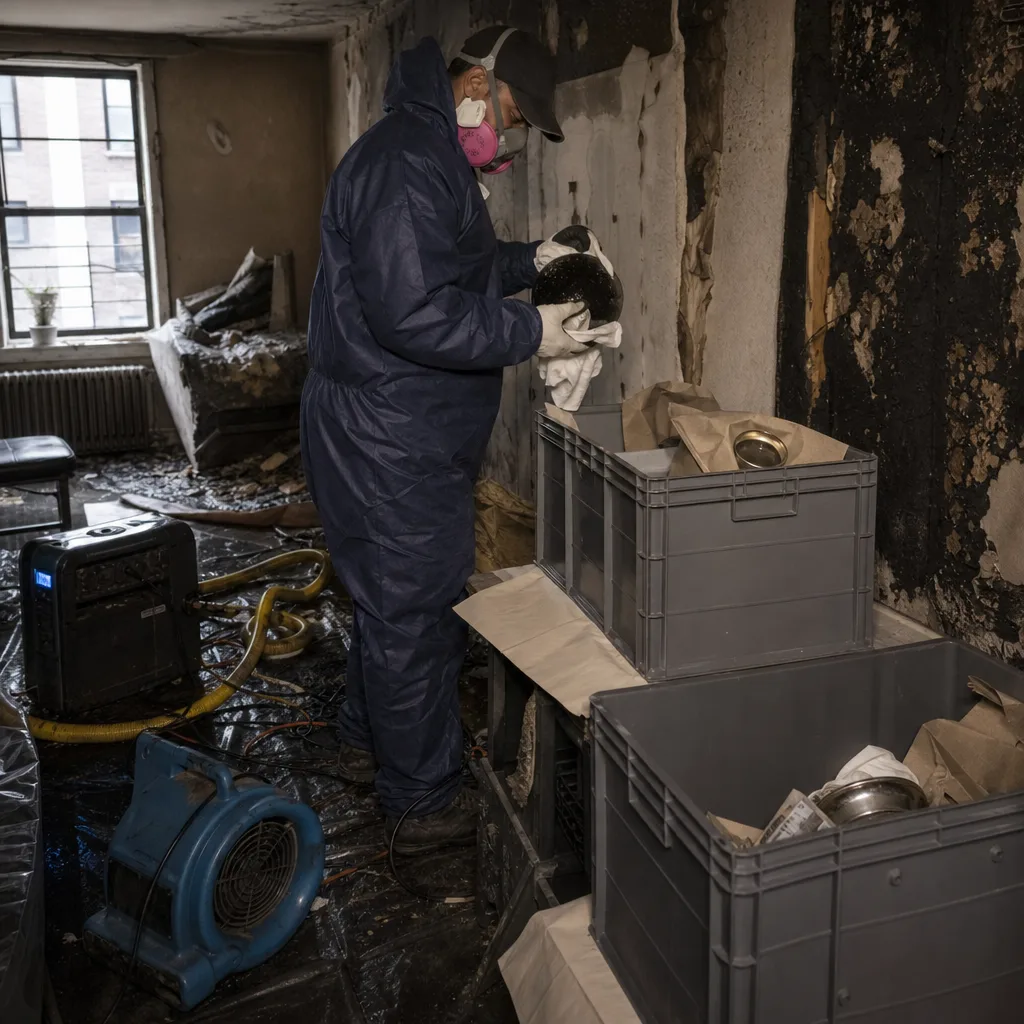
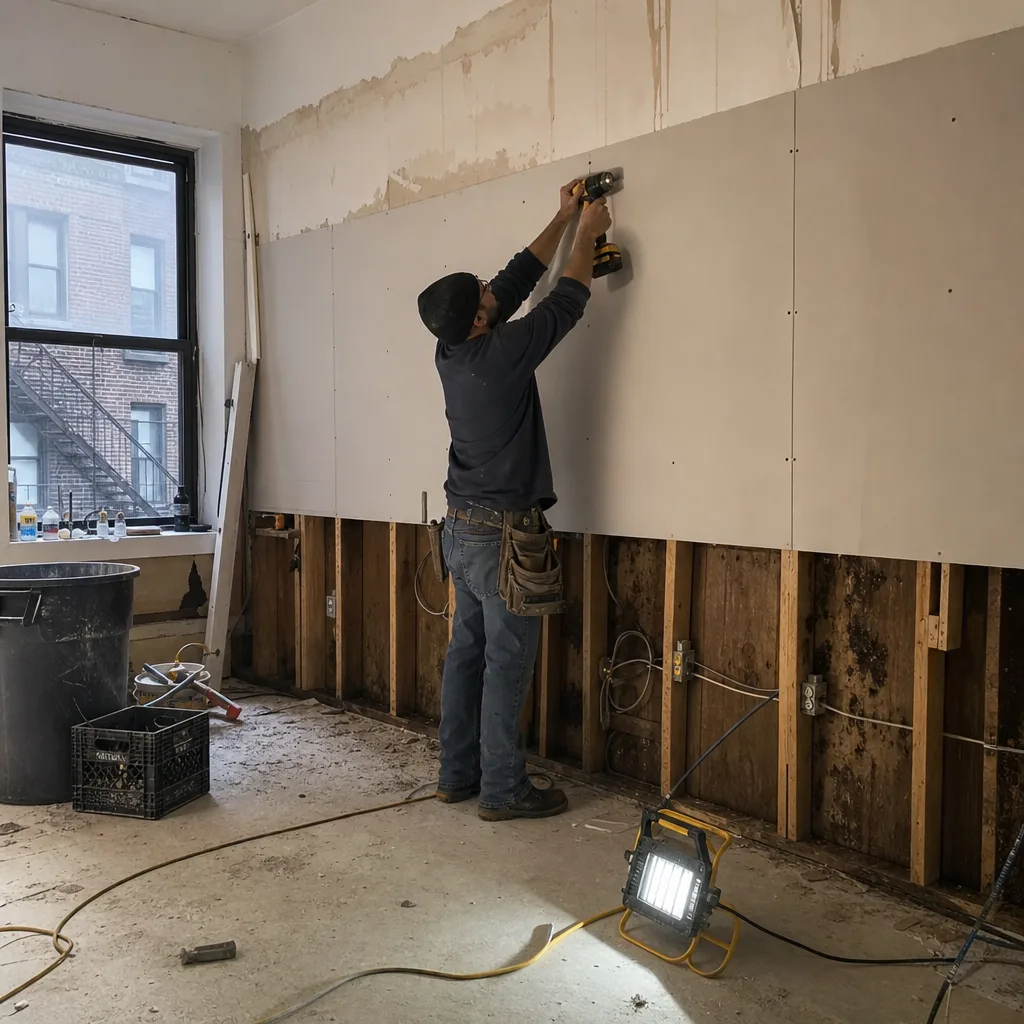
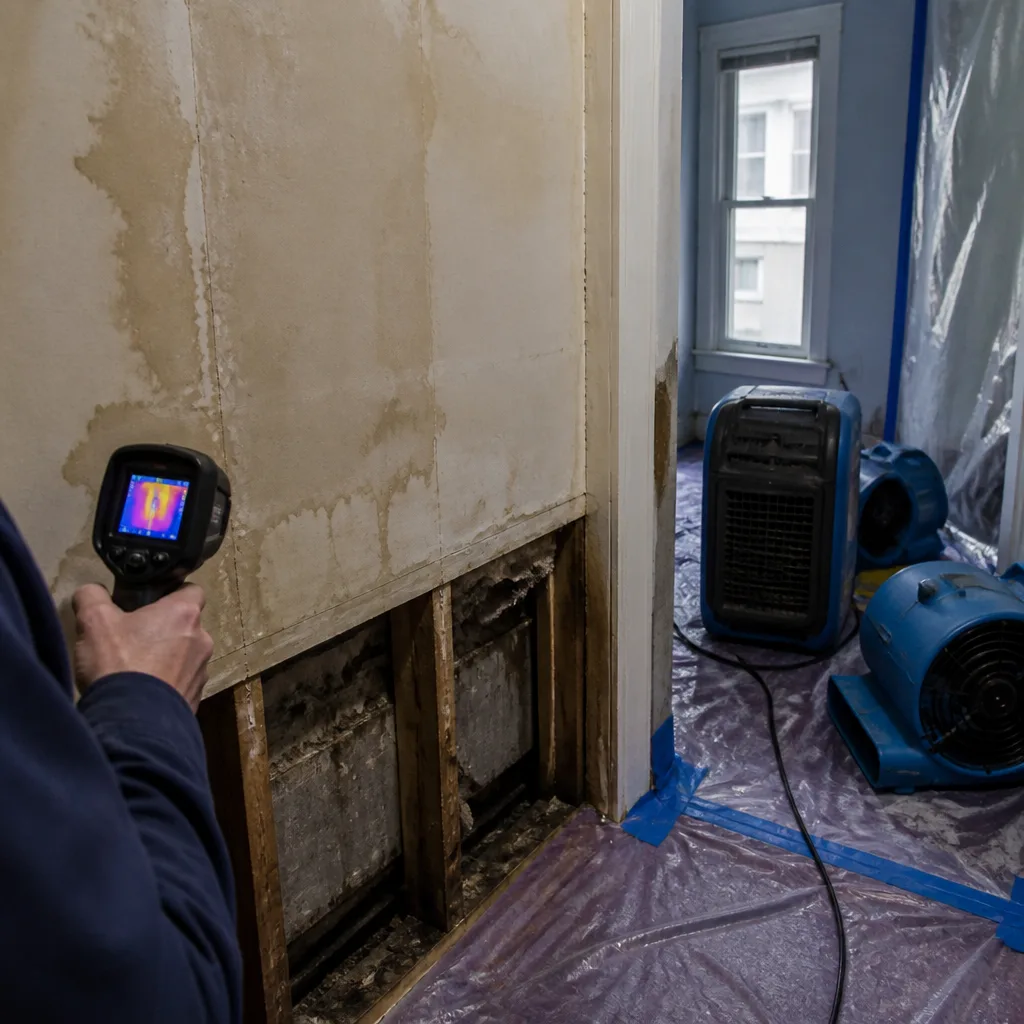
Free visual inspection and a written scope of work before any mitigation begins - photos, moisture readings, and drying logs go in your claim file
The scope we write is the scope we bill. Anything new gets shown to you, in writing, before we touch it.
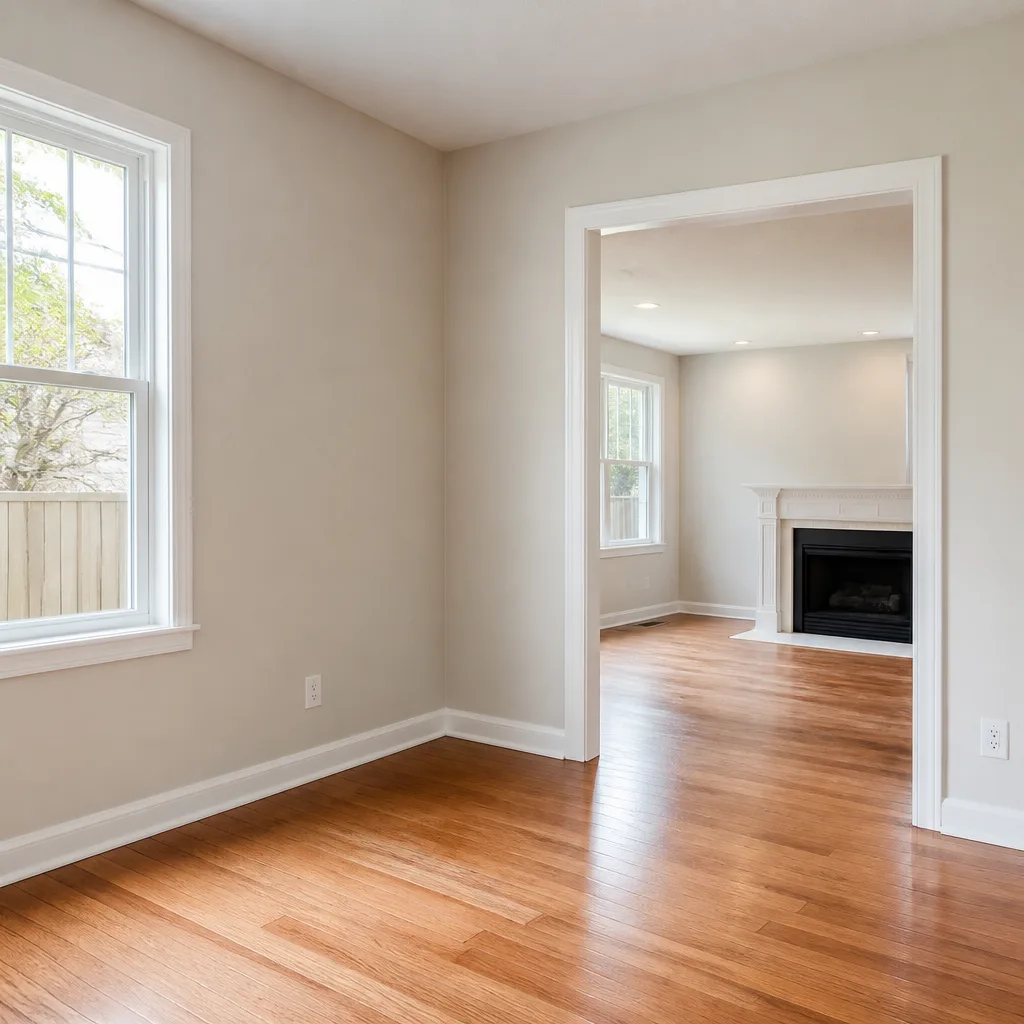
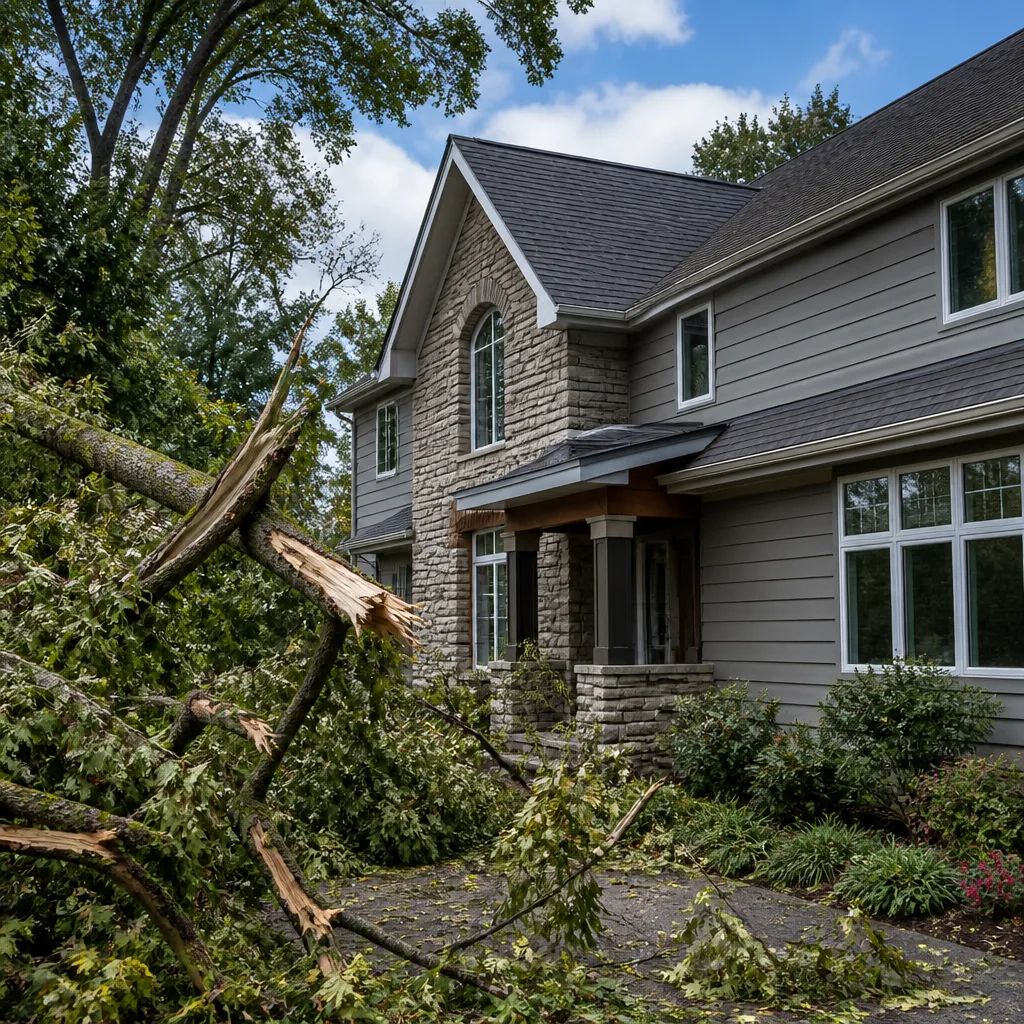
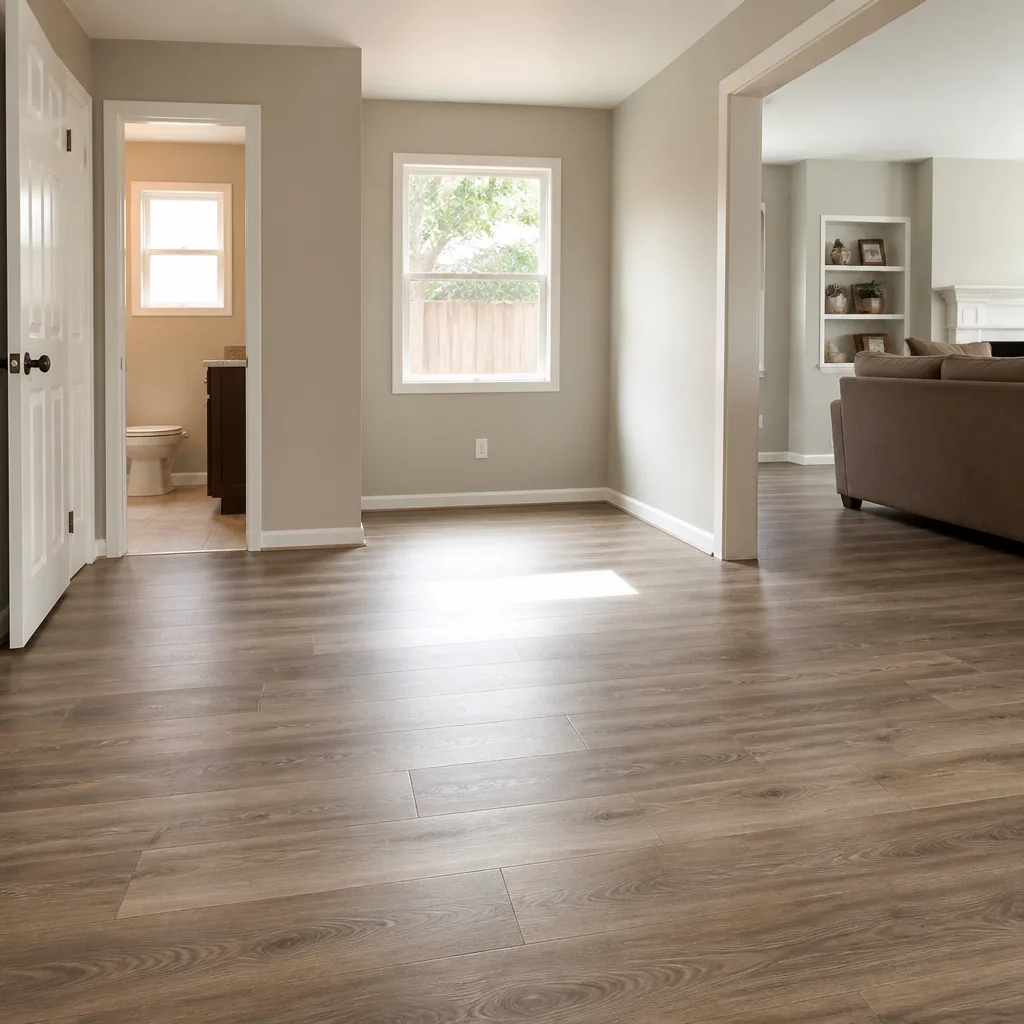

 Before
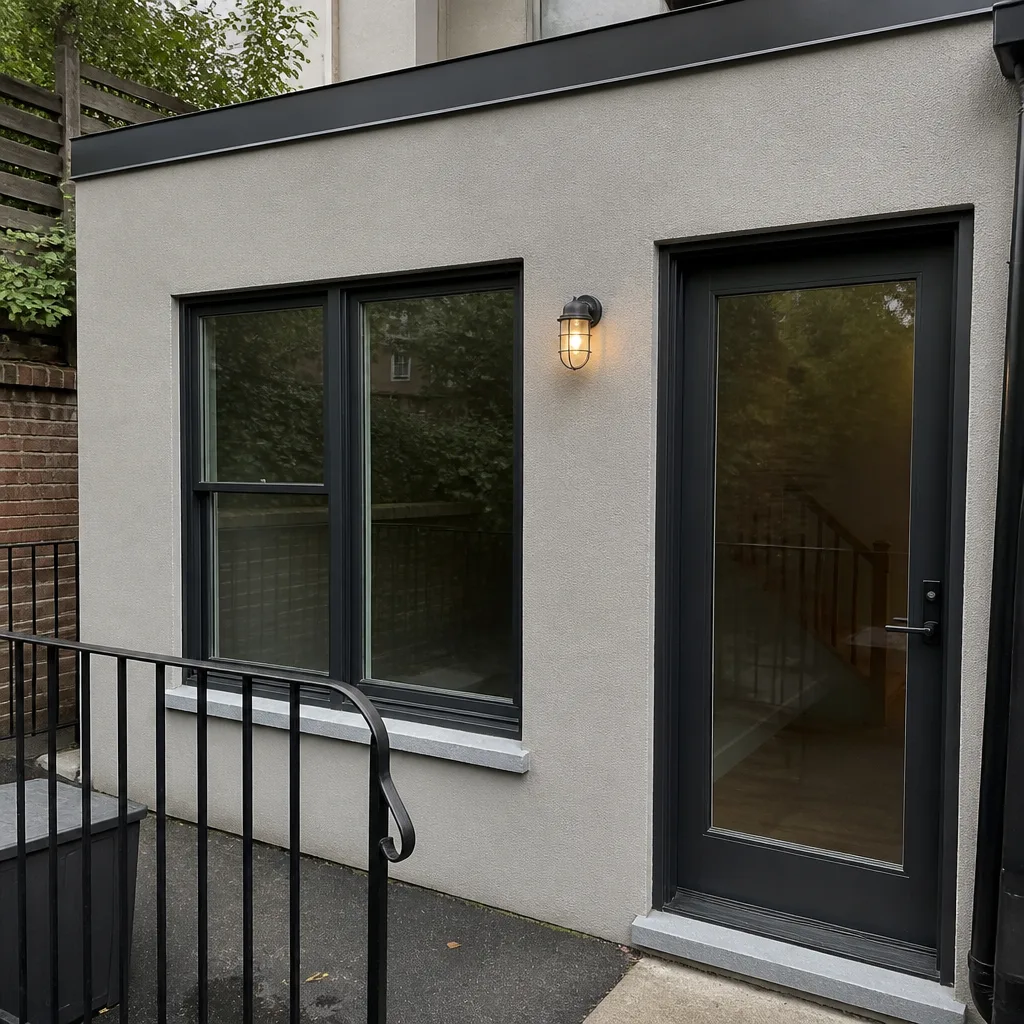 After
After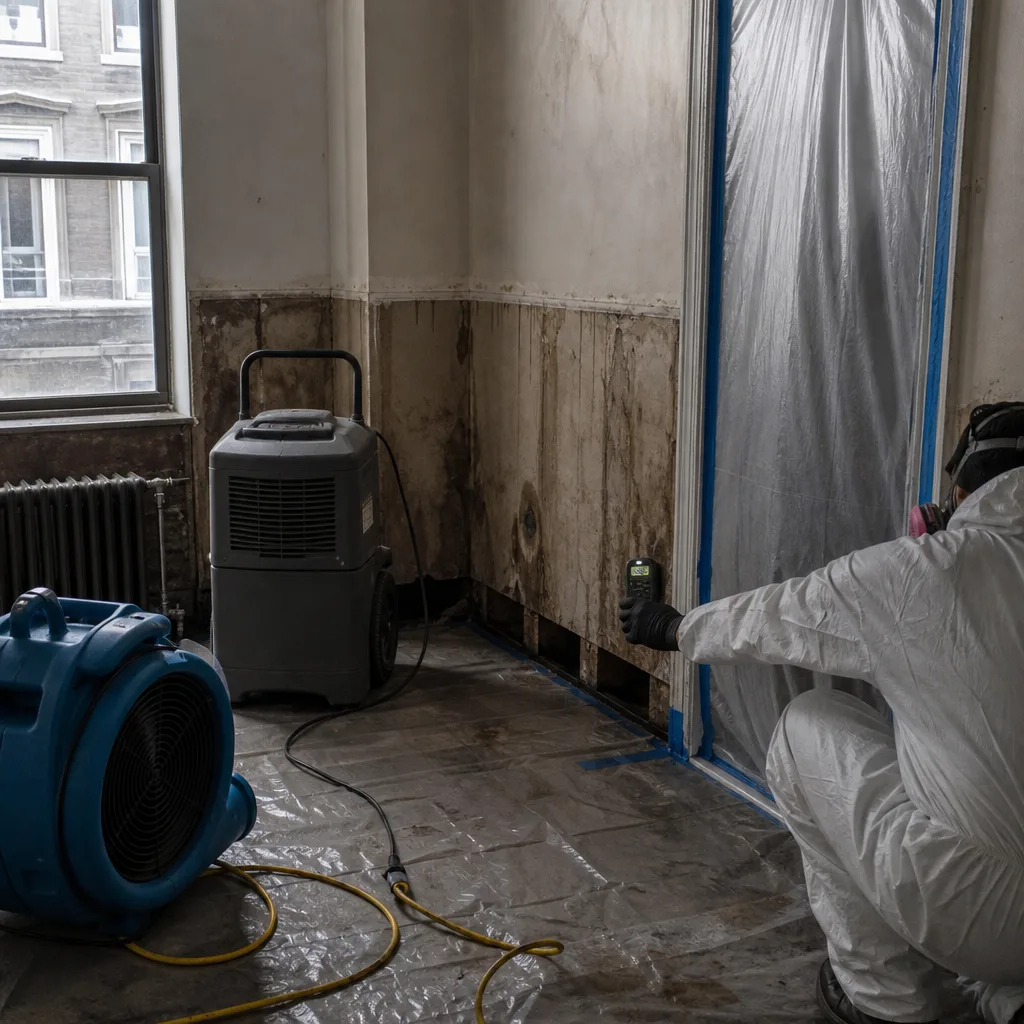 Before
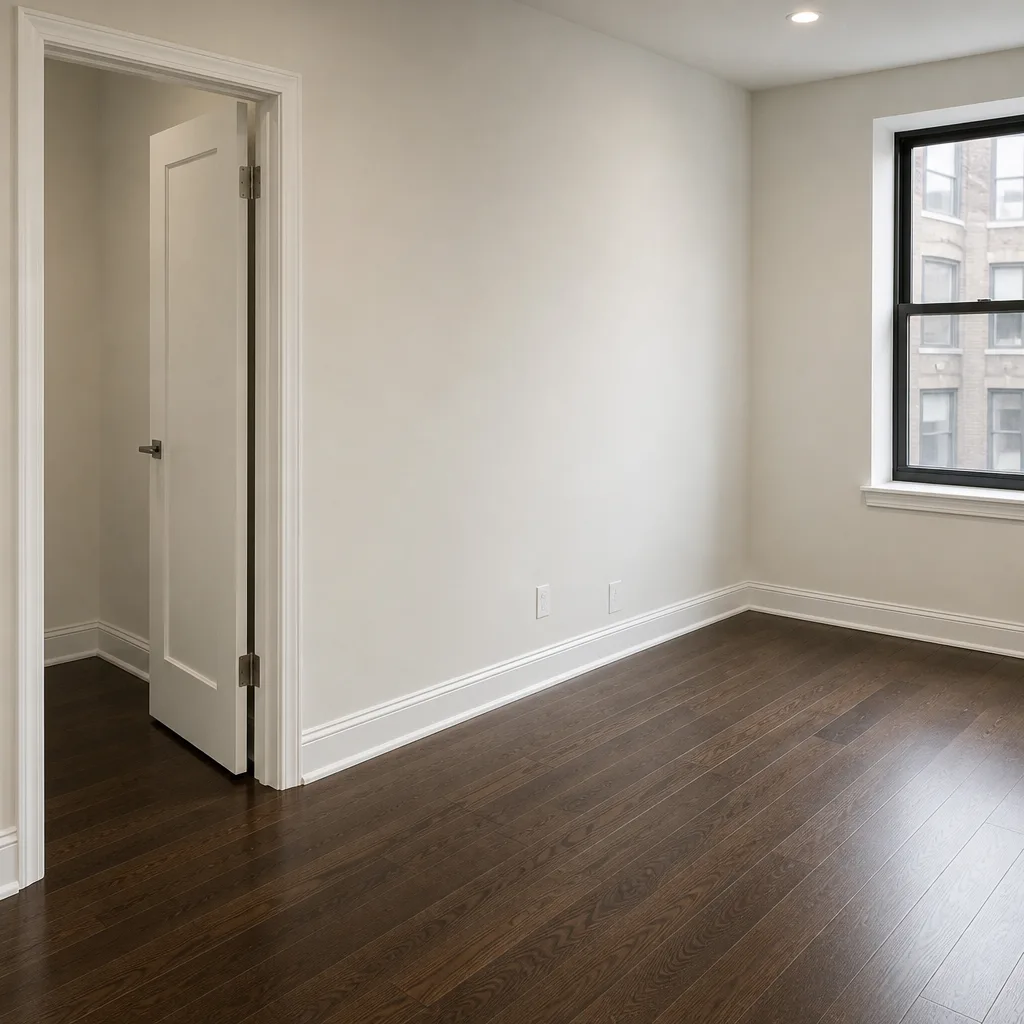 After
After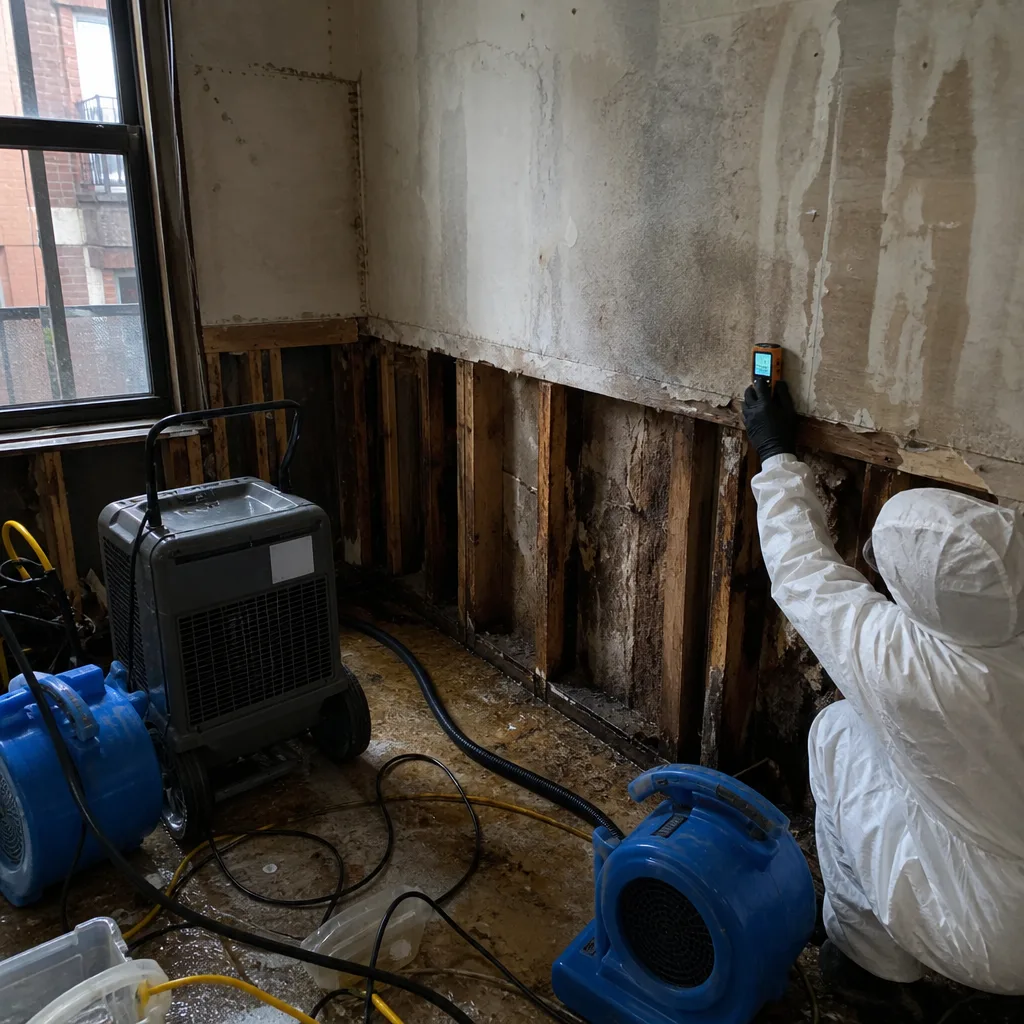 Before
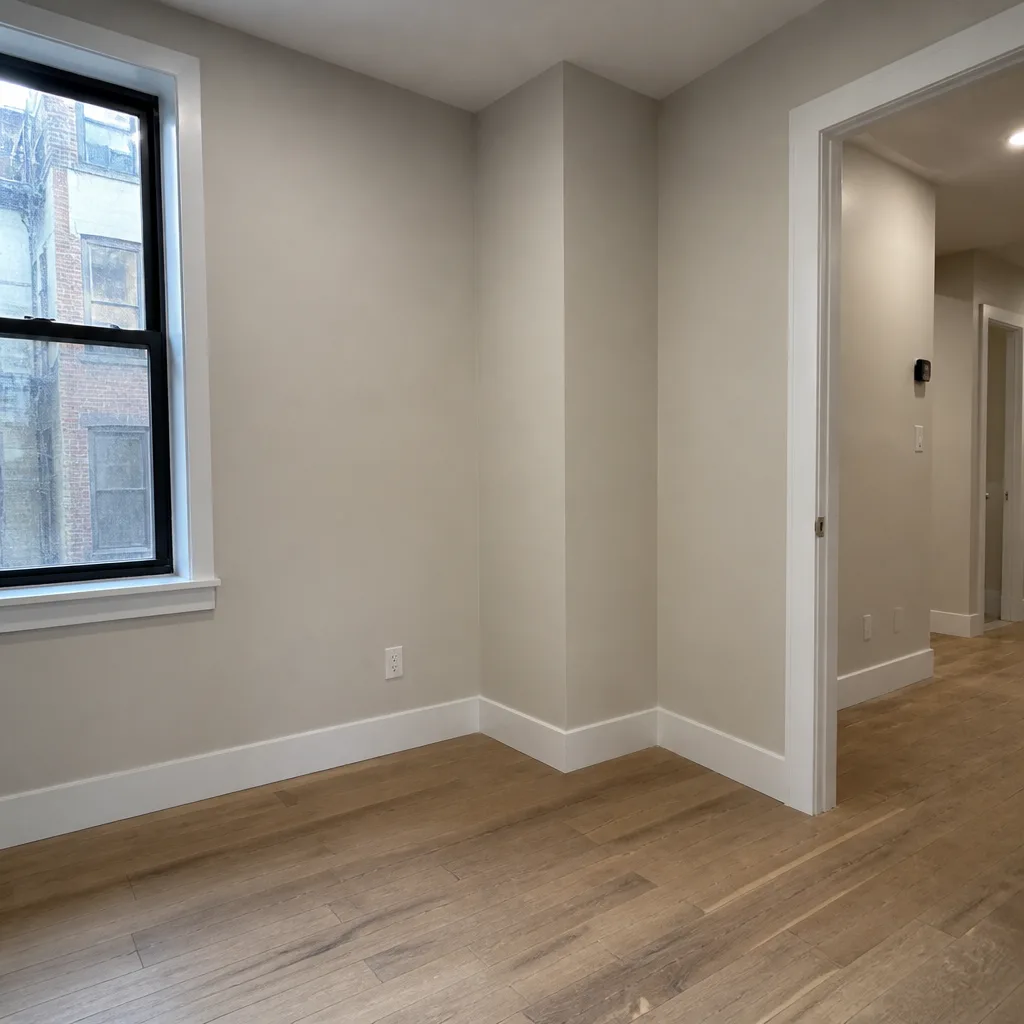 After
After24/7 Emergency Reconstruction & Cleanup in Financial District
Reconstruction and cleanup in Financial District usually starts with a phone call and ends with a written scope of work before a single wall is opened. We’re on call around the clock, and our crews can be headed into FiDi neighborhoods like the blocks around 70 Pine Street or down toward South Street within the hour. If you’ve had a flood, a fire, or a burst riser in a converted office tower, call (607) 350-1550 right now and we’ll schedule a free visual inspection. The first hour matters because saltwater from a surge keeps corroding metal studs and electrical raceways long after the visible water is gone, and every day of delay makes the reconstruction phase longer and more expensive.
Understanding Reconstruction & Cleanup Severity in Financial District Properties
Not all water is the same, and in Financial District the difference between a Category 1 pipe leak and a Category 3 saltwater surge is the difference between drying drywall and tearing it out to the studs. A clean-water supply-line break on the 14th floor of a 1920s tower at 20 Exchange Place can often be dried in place with air movers and dehumidifiers. But the brackish water that comes over the seawall at Battery Park during a nor’easter carries salt, sewage, fuel oil, and sediment from New York Harbor, and that water wicks up through gypsum, corrodes steel framing, and leaves a salt residue that keeps pulling moisture out of the air for months. In FiDi’s converted office buildings, we also run into fire-suppression systems from the 1950s and 1960s that discharge rust-colored, often contaminated water into custom-finished condos, and we treat that as a biological hazard, not a simple plumbing leak. Smoke damage follows its own scale in these buildings: wet smoke from smoldering materials penetrates painted surfaces and insulation, dry smoke from high-heat fires leaves a fine soot that migrates through the gaps around conduit and pipe chases, and protein-based smoke from a kitchen fire in a 40th-floor galley kitchen bonds to cabinetry and requires specialty cleaning agents. We map moisture with thermal imaging and hygrometers before we touch a wall, because in a FiDi tower the water rarely sits where the occupant sees it.
Why Financial District Property Owners Choose Wade’s Restoration
- 45-minute response commitment - Wade’s crew is staged to reach Financial District blocks from Broadway to Water Street quickly, and the sooner we start extraction, the less drywall and flooring has to come out.
- 24/7 live answer, no answering service - when you call at 2 a.m. because a riser let go above your loft on Nassau Street, a real person picks up. Usually Wade himself.
- IICRC-certified crews - our technicians hold WRT (Water Damage Restoration Technician), FSRT (Fire & Smoke Restoration Technician), and AMRT (Applied Microbial Remediation Technician) certifications, and that training drives every basement and sub-cellar job we do in FiDi.
- Free visual inspection - we’ll walk the affected unit, talk through what we’re seeing, and give you a written scope before any demolition starts. No charge for that.
- Direct insurance billing - we document from the first hour, bill your carrier directly, and coordinate with your adjuster so you’re not the one relaying messages.
- One team from extraction to reconstruction - the same people who pump out the sub-basement are the ones who hang the drywall, refinish the floors, and match the millwork. That’s how we keep a job from falling between two contractors.
Our Reconstruction & Cleanup Process
Inspection & Assessment
We arrive, walk the damage, and document everything: thermal imaging to find hidden water, moisture readings on every surface, and photos of the full loss. Then we give you a written scope of work before anything is disturbed.
Extraction & Stabilization
We remove standing water or secure loose debris, and we stabilize anything that’s at risk of collapsing or causing further damage. In FiDi sub-basements, this step cannot begin if Con Ed hasn’t cleared the vaults yet.
Drying & Dehumidification
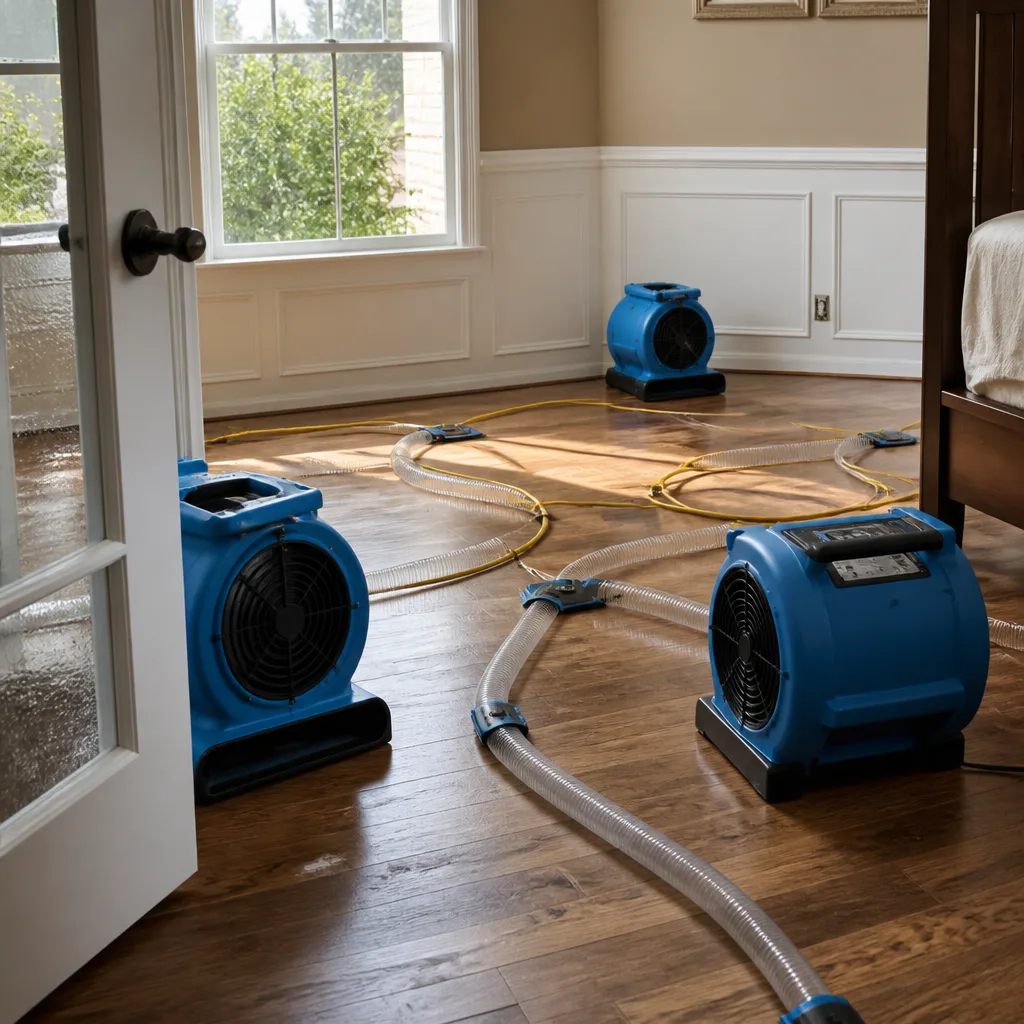
We run Dri-Eaz LGR dehumidifiers, Phoenix units, and XPOWER air movers to pull moisture out of structural materials. On saltwater jobs we extend the drying schedule because salt-bound moisture evaporates slower than freshwater.
Cleaning & Sanitization
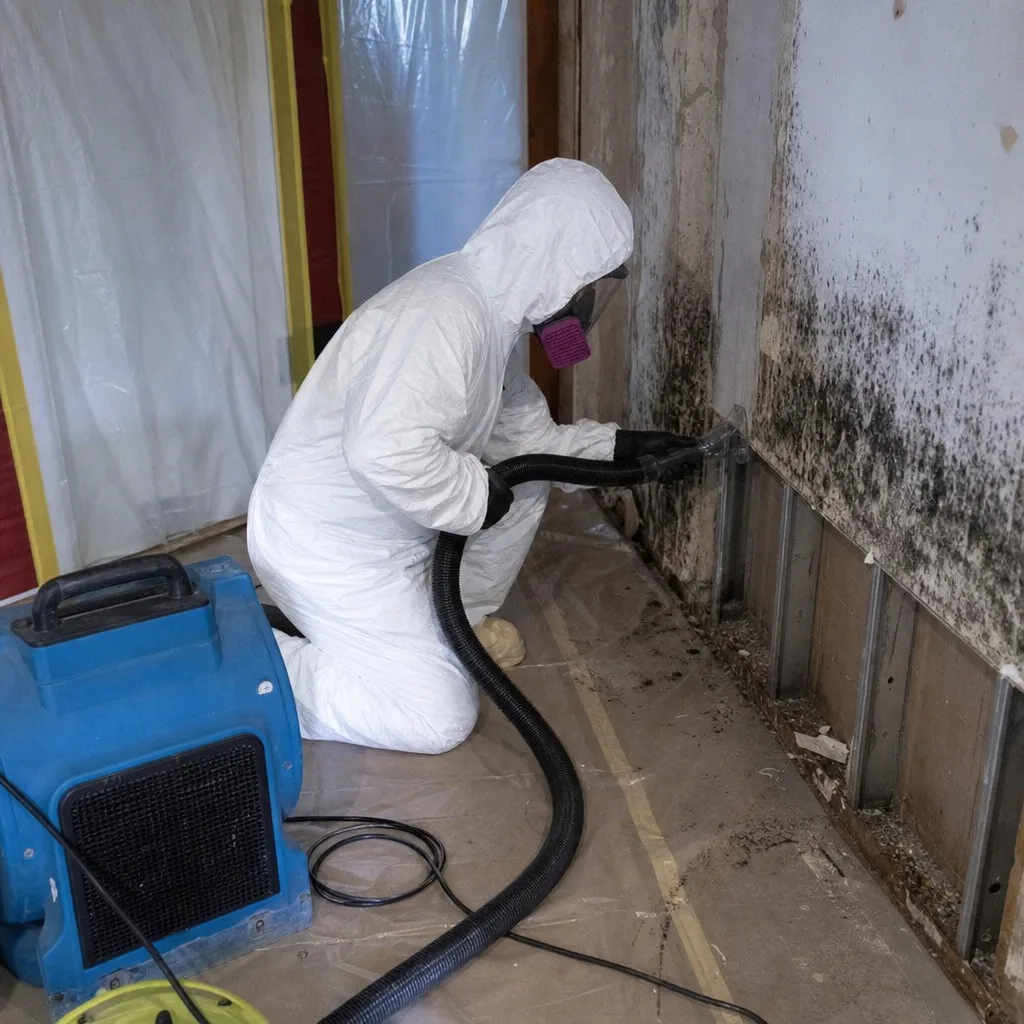
We apply antimicrobial treatments rated for the water category we found, scrub surfaces, and run HEPA air scrubbers to remove airborne particulates. For FiDi saltwater we use a salt-specific protocol that freshwater crews often skip.
Specialty Treatment for Reconstruction & Cleanup
We match existing finishes, replicate custom millwork, and handle contents that need pack-out and off-site cleaning. For converted office towers in FiDi, we also isolate fire-suppression lines before demolition so we don’t trigger a discharge.
Repairs & Restoration
We rebuild to the condition you had before the loss, or better. That includes drywall, flooring, paint, trim, and any custom work your condo or loft originally had. Then we hand you the full documentation package for your insurer.
Need Emergency Reconstruction & Cleanup in Financial District Now?
Crews minutes away, answering live 24 hours a day. The sooner we start, the less it costs.
Working With Your Insurance Company
Water and fire claims in Financial District are their own animal. Many FiDi condo and co-op policies have high deductibles, sub-limits on flood damage, and exclusions for gradual seepage that insurers love to invoke. We’ve handled enough of these to know how to document a loss so your carrier can’t reasonably lowball it, and we start that documentation in the first hour, not after demolition. Wade deals with your adjuster directly, so you’re never stuck translating between a frustrated insurer and a contractor who won’t return calls. That means one less job for you while you’re already living out of a hotel room or a borrowed couch.
What We Provide Your Insurer
- Thorough documentation of the loss
- Photos of all damage, room by room
- Moisture readings and drying logs
- A detailed, line-item scope of work
- Direct coordination with your carrier
Built for Financial District’s Loss Calendar
The Financial District has a loss calendar that mirrors the weather off New York Harbor, and it rarely looks like the rest of Manhattan’s. January deep freezes snap supply lines in pre-war towers along Broadway and Trinity Place, and the water follows the path of least resistance through 80-year-old conduit chases down to the unit below. Spring thaw brings basement seepage into sub-cellars that sit at or below the water table, especially on blocks near the old shoreline. Summer thunderstorms dump an inch of rain in 20 minutes, overwhelming roof drains on flat-topped towers and sending water down stairwells. Then there’s hurricane season: a nor’easter or late-season storm that pushes surge up the Hudson and East Rivers can flood sub-basements, electrical rooms, and mechanical spaces through the same pathways Sandy used. Every one of those seasons produces Reconstruction & Cleanup work, and each one needs a different drying strategy. Saltwater in September is not the same job as a frozen pipe in January, and a crew that treats them identically will hand you a mold problem in six months. Reconstruction & Cleanup in this neighborhood is a year-round discipline, and the calendar tells us what’s coming.
Reconstruction & Cleanup Across Financial District’s Neighborhoods
FiDi is not one neighborhood. The blocks around the New York Stock Exchange and Broad Street are dense with office-to-residential conversions from the 1990s and 2000s, and those buildings have mechanical systems buried deep under grade. Further south toward Battery Park, the high-rises along South End Avenue and Rector Place are newer residential construction, but they sit closest to the harbor and take the worst of the surge. West toward the World Trade Center site and Greenwich Street, the towers are taller and newer, with sub-basements that extend below the water table. Along Water Street, the older commercial buildings have basement vaults that Con Edison still uses for high-voltage distribution. Each of these clusters has a different failure pattern. In the Broad Street conversions we see non-standard pipe chases that make leak tracing slow. In Battery Park towers we see lobby and loading-dock flooding. On Water Street we see sump-pump failures and vault seepage. And in every cluster, we see the same thing when a contractor from outside the neighborhood shows up: they quote a freshwater drying timeline and leave salt corrosion hiding behind the drywall. We serve all of Financial District, and we know which block behaves which way.
Specialized Reconstruction & Cleanup Services We Offer in Financial District
Full-Service Reconstruction
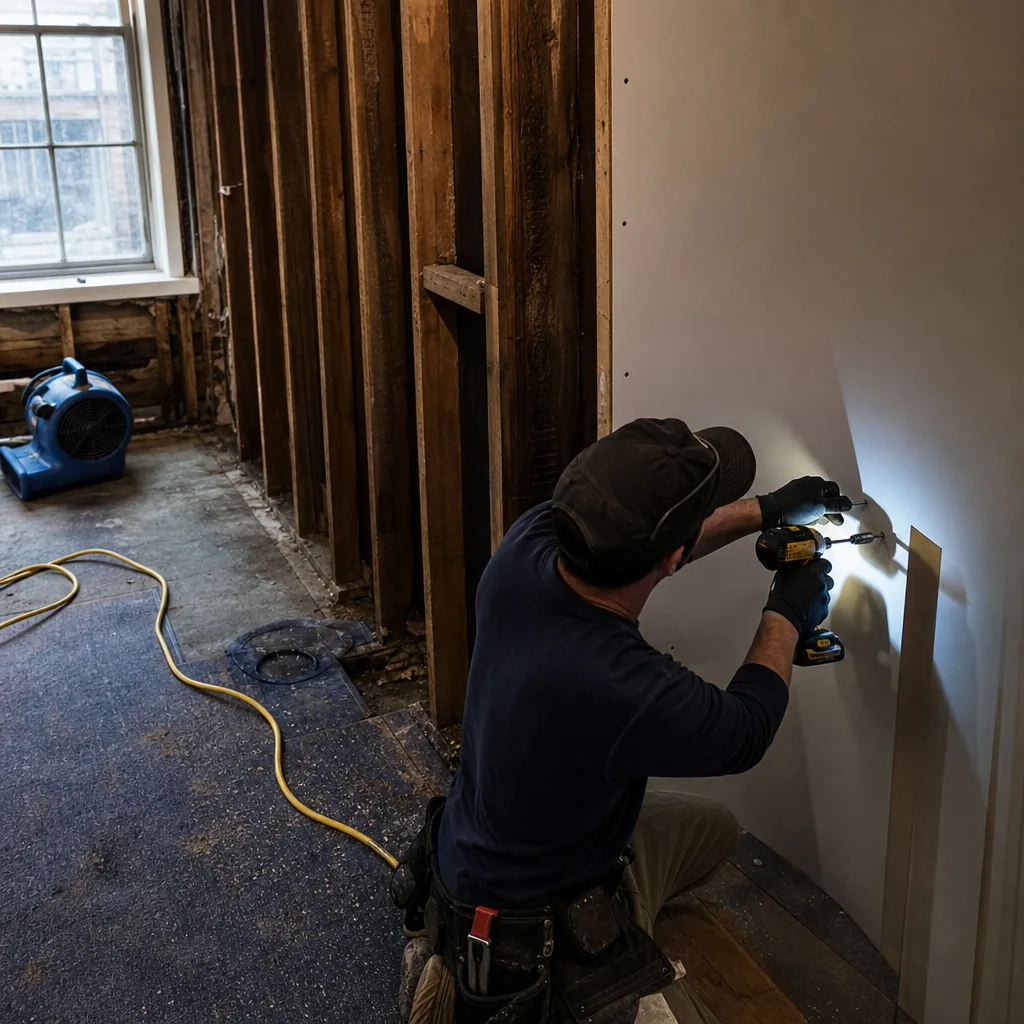
After a flood or fire in a FiDi condo, the insurance check is only the first part. Someone has to put the walls back, re-lay the floors, re-hang the doors, and repaint to match. We handle that entire phase, and because we ran the drying and documented the loss, we don’t have to hand off to a third-party contractor who wasn’t there at the start. That keeps the job accountable to one company from first extraction to final coat of paint.
Drywall & Flooring Repair
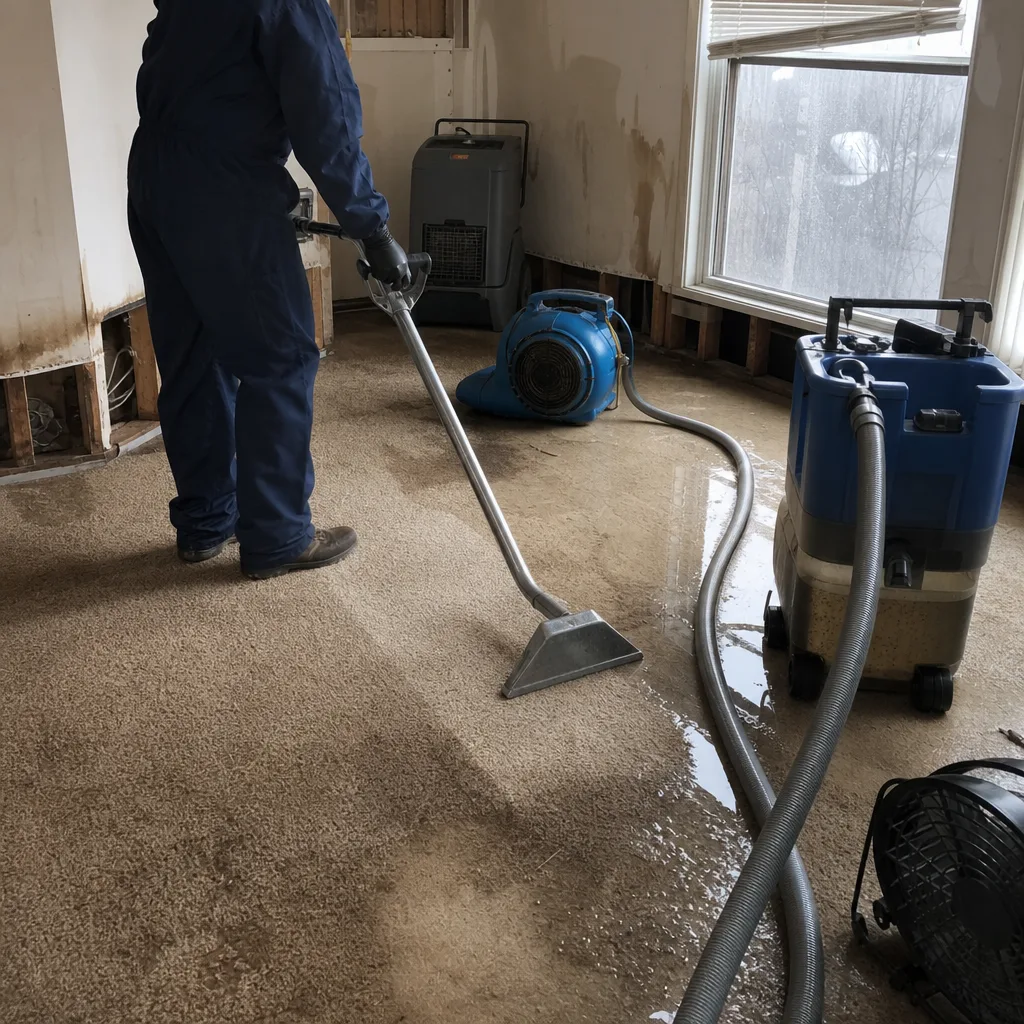
Saltwater and flood water wick up through gypsum board and delaminate engineered flooring in ways freshwater doesn’t. In FiDi’s converted towers, we often remove drywall 12 to 24 inches above the visible water line because salt-bound moisture migrates upward through capillary action. We then replace it with mold-resistant board and match the texture and paint so the repair doesn’t read as a patch job in a $2 million loft.
Contents Restoration & Pack-Out
When a unit needs full demolition, we pack out the contents, inventory everything with photos, and take restorable items to a climate-controlled facility for cleaning and storage. That includes custom furniture, art, rugs, and documents. We treat saltwater-damaged contents with the same extended antimicrobial protocols we use on the structure, because salt crystals embedded in a sofa will wick moisture and grow mold weeks after the visible water is gone.
Carpet & Upholstery Cleaning
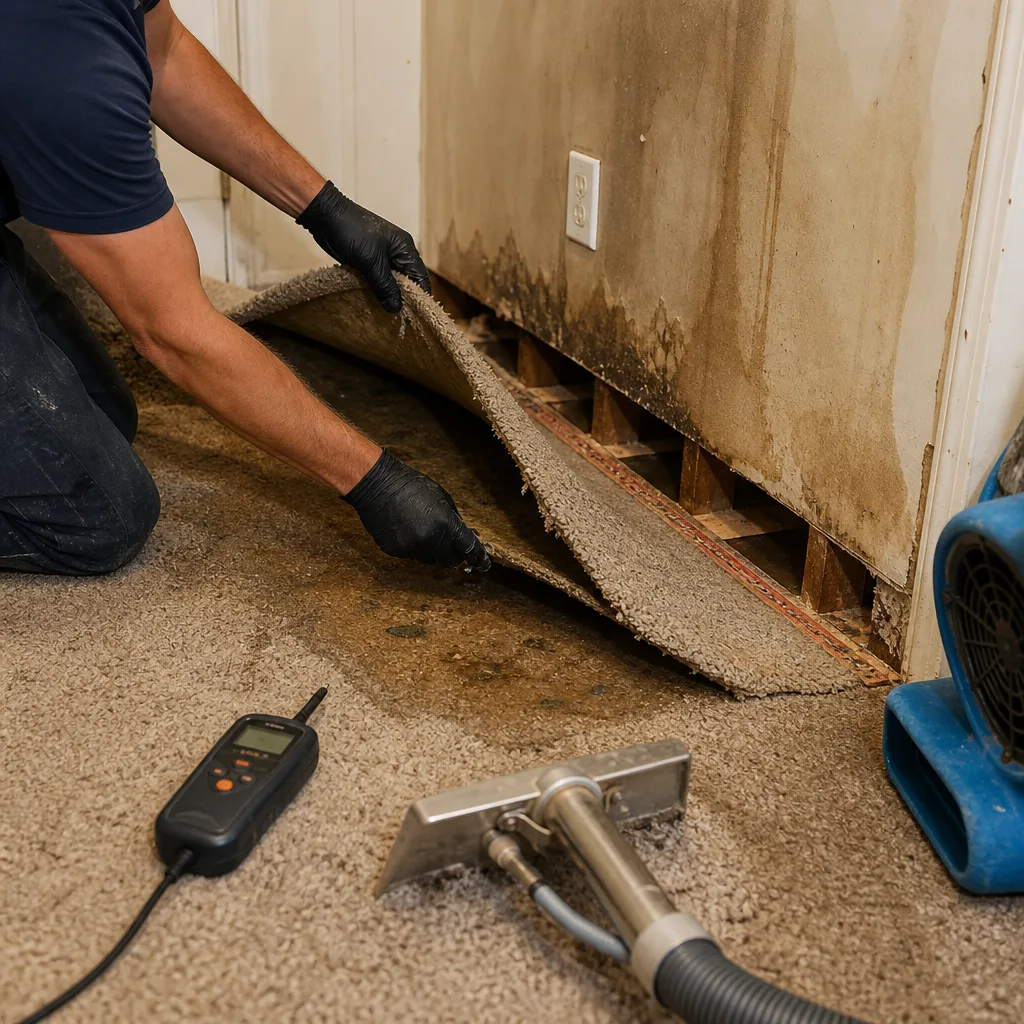
Not every flood in Financial District requires demolition. A clean-water overflow onto a rug or a carpeted hallway can often be extracted and cleaned on site. We run hot-water extraction units, HEPA vacuums, and air movers to dry carpets in place when the water category allows it. For salt-water jobs, carpets and padding almost always come out, not because we want to sell replacement, but because brackish harbor water leaves contaminants that cannot be fully cleaned from porous materials.
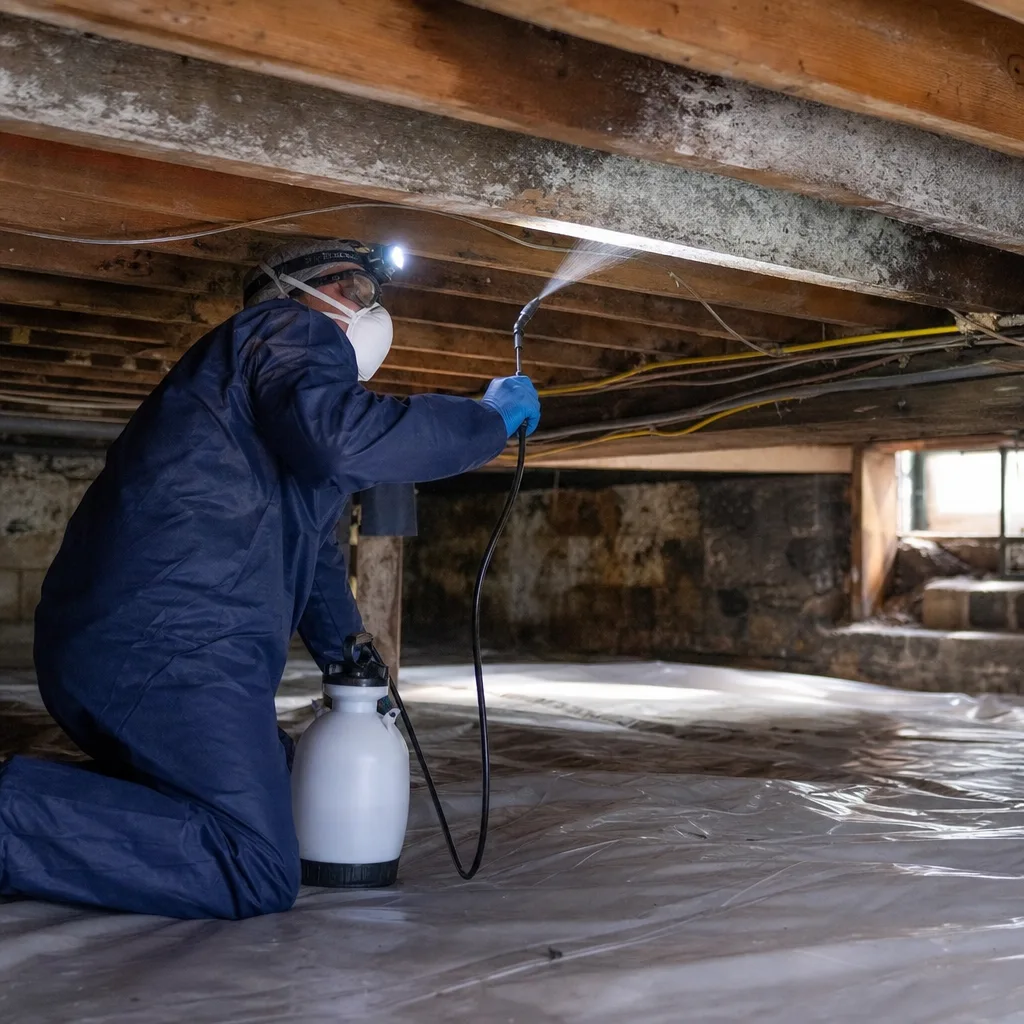
Post-Construction Cleanup
After a major rebuild in a FiDi tower, the unit is covered in dust, debris, and construction residue. We do the full post-construction clean: HEPA vacuuming, surface wiping, floor mopping, air scrubbing, and waste hauling. We also check that no construction debris is left inside wall cavities or ductwork where it would blow around for months.
What happens when you call
- 1
A real person answersNo phone trees - you reach a local pro.
- 2
You get an upfront price rangeHonest numbers before anyone is dispatched.
- 3
A background-checked tech heads outLicensed & insured, dispatched right away.
- 4
You approve before work beginsNothing starts until you say go.
Reconstruction & Cleanup Costs in Financial District, NY
Costs in Financial District run higher than the outer boroughs for one basic reason: logistics. Parking is brutal, elevators are shared with residents, and many buildings require a COI and insurance rider before a crew can even walk through the lobby. A typical drywall and flooring repair after a Category 1 pipe leak in a FiDi condo runs $3,500 to $9,000. A full-unit reconstruction after Category 3 saltwater intrusion, with drywall removal to the studs, flooring replacement, and antimicrobial treatment on a 1,000 square foot loft, typically lands between $18,000 and $45,000. Contents pack-out and off-site cleaning adds $4,000 to $12,000 depending on volume. If your insurer is involved, we bill them directly and you’re only on the hook for your deductible. If you’re paying out of pocket, we give you a written scope before any work begins, so you know exactly what you’re approving. Call (607) 350-1550 and we’ll come do a free visual inspection, then give you a firm number. No charge for that.
We Also Serve Cities Near Financial District
We work throughout the Financial District and surrounding areas, including Lower Manhattan, Astoria, Midtown Manhattan, and Long Island City. If you’re a few blocks outside FiDi but still dealing with a flood or fire, call us and we’ll tell you straight whether we can get there fast.
Serving Financial District, NY - Our Local Coverage Area
We’re based in the Financial District area and know this community well. Use the map below to see our service coverage - if you’re nearby, we can almost certainly help.
Financial District Reconstruction & Cleanup Questions, Answered
How does saltwater from a Financial District surge change what can be dried versus what must be removed?
Saltwater is not freshwater, and in Financial District we treat it as Category 3 contamination with a corrosive edge. Drywall that wicked brackish water up four feet almost always comes out, not because the gypsum can’t dry but because the salt left behind keeps pulling moisture from the air and feeds hidden mold for months. Wood studs can sometimes be dried and treated, but metal studs and electrical raceways often need replacement because salt corrosion starts within days. The rule we apply: if it’s porous and it sat in harbor water, it goes.
Why do I need to wait for Con Ed before restoration can begin in my FiDi building’s sub-basement?
Many Financial District blocks have high-voltage underground electrical vaults maintained by Con Edison beneath the street and sometimes beneath building sub-basements. After a significant flood, Con Ed must inspect those vaults, de-energize them, and certify the area safe before any contractor can legally enter to begin water extraction. That clearance can take two to three days, and no restoration company, ours included, can skip it. We start every FiDi sub-basement job by checking the Con Ed clearance status, and we build that wait time into the schedule so you’re not surprised.
How do you handle the non-standard pipe routing found in FiDi’s converted office towers during reconstruction?
Converted office towers from the 1920s through the 1960s were never designed for residential plumbing, so their risers and branch lines run through chases that don’t match any modern blueprint. Before we cut into any wall, we trace the lines with thermal imaging and stud finders, and we isolate fire-suppression lines so we don’t accidentally trigger a discharge. We’ve seen too many contractors cut into a live chase and flood three units below because they assumed the pipes ran where they would in a residential building.
Does your antimicrobial treatment differ for saltwater damage in the Financial District?
Yes, and this is where FinDistrict jobs diverge from everywhere else. Freshwater crews typically apply a standard antimicrobial and call it done. On saltwater jobs we use an extended protocol with a salt-specific cleaning step before antimicrobial application, because salt crystals left on surfaces will wick moisture and compromise the treatment. We also extend the drying schedule because salt-bound moisture evaporates slower, and we re-test surfaces with moisture meters before we close up.
Can you match the custom finishes on my FiDi condo’s high-end doors and millwork after flood damage?
We can, and we do it often. Many Financial District condos and lofts have custom-milled trim, solid-core doors with specific veneers, and built-in cabinetry that was fabricated for that specific unit. We take profiles and wood samples before demolition, then have a local mill shop replicate the originals rather than installing off-the-shelf replacements. The goal is that you can’t tell which board was replaced and which one survived the flood.
How fast can you actually get to a Financial District address in an emergency?
Our crews are positioned to reach Financial District blocks generally within 45 minutes to an hour of your call, depending on traffic and building access. We answer the phone at any hour, and the person who answers can start the process immediately. Call (607) 350-1550 and we’ll tell you exactly when someone can be there.
Will my insurance cover Reconstruction & Cleanup in Financial District?
Most homeowner and condo policies cover sudden and accidental water damage from burst pipes, and many have sub-limits for flood or surge damage. The exact coverage depends on your policy, but the documentation we provide from the first hour is built to meet insurer requirements. If your adjuster says something isn’t covered, we’ll show you the photos, the moisture logs, and the line-item scope, and we’ll talk to the adjuster directly.
What should I do in the first 30 minutes after discovering water or fire damage in my FiDi unit?
First, call your building management and shut off the water supply if you know where the riser valve is. Then call us at (607) 350-1550. Don’t walk through standing water if it may be in contact with electrical outlets or sub-floor wiring. Take photos with your phone for your own record. Then wait for our crew, because we document everything before we disturb anything, and that documentation is what protects your insurance claim.
Written by Wade Ferris, Owner at Wade’s Restoration, serving Financial District property owners with Reconstruction & Cleanup, water and fire restoration, and the documentation that makes insurance claims stick.