
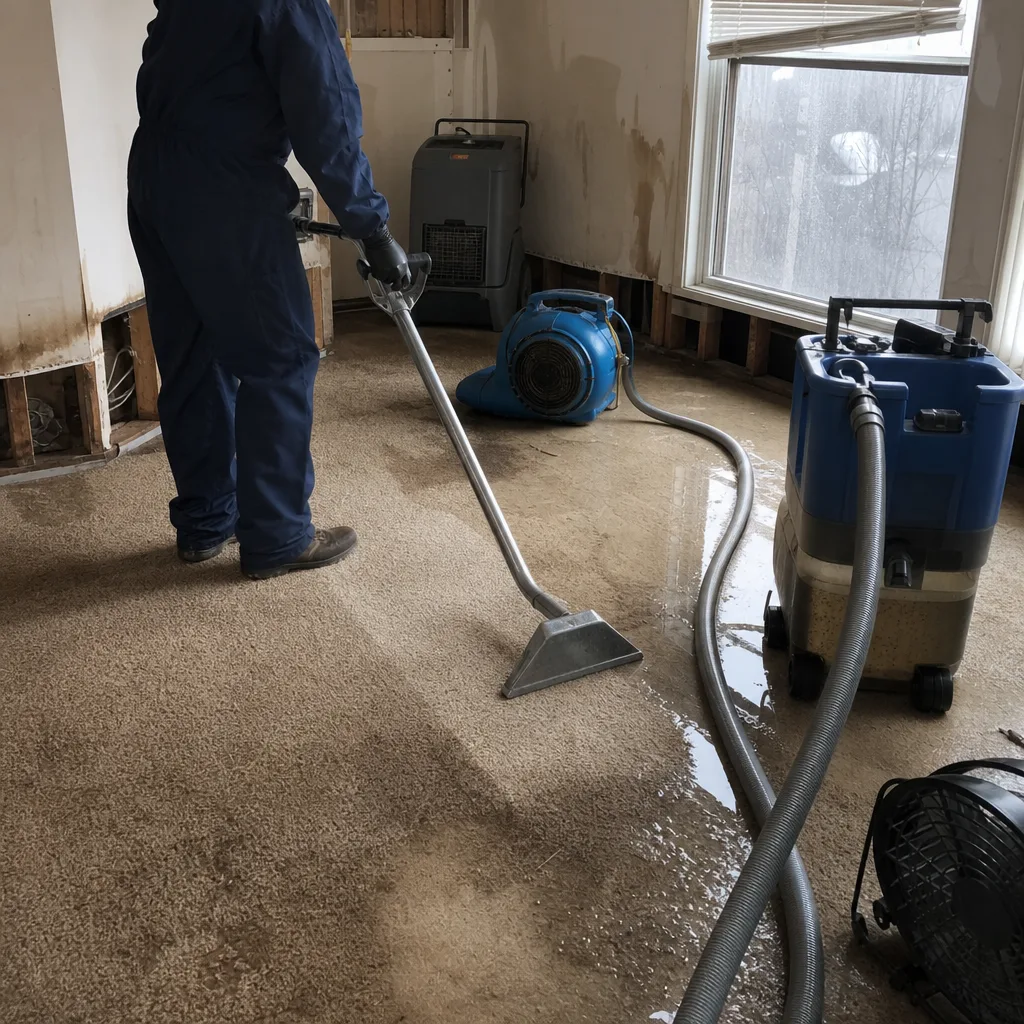
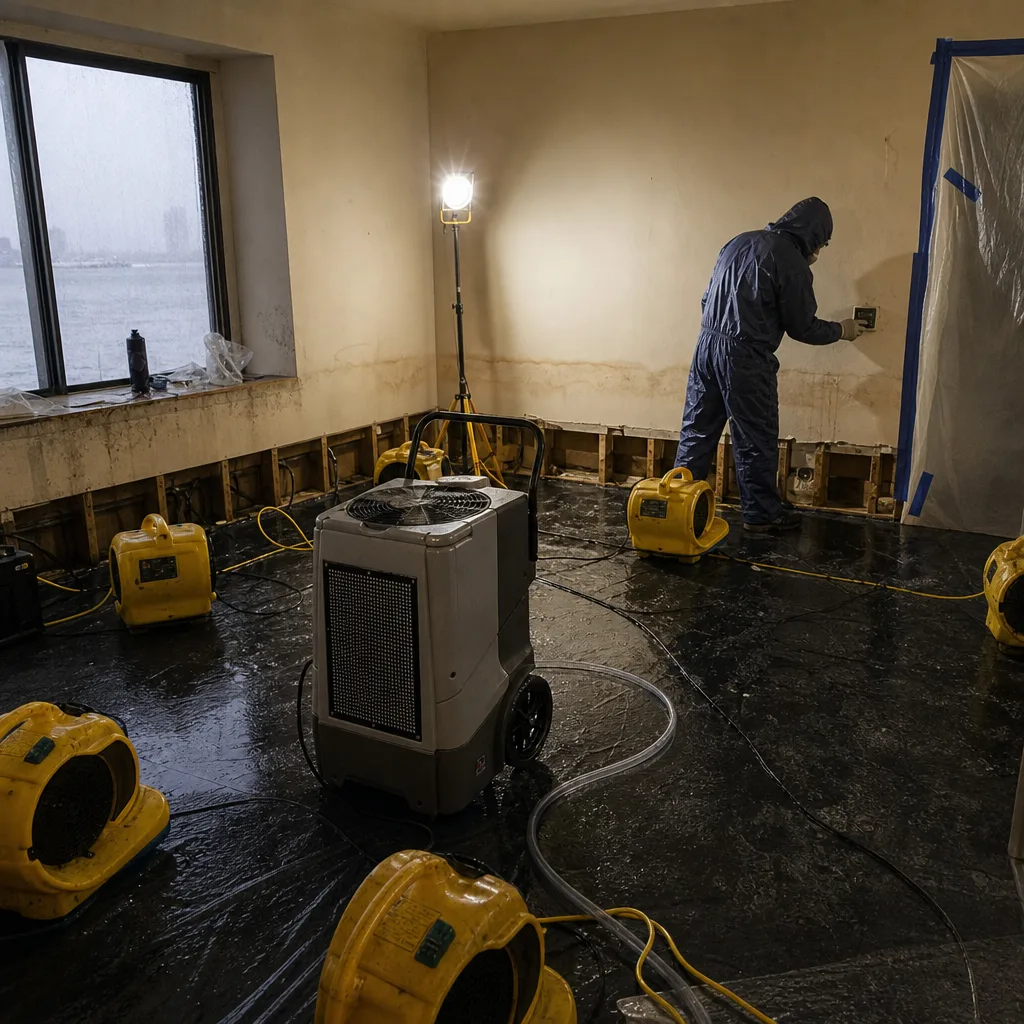
Free visual inspection and a written scope of work before any mitigation begins - photos, moisture readings, and drying logs go in your claim file
The scope we write is the scope we bill. Anything new gets shown to you, in writing, before we touch it.
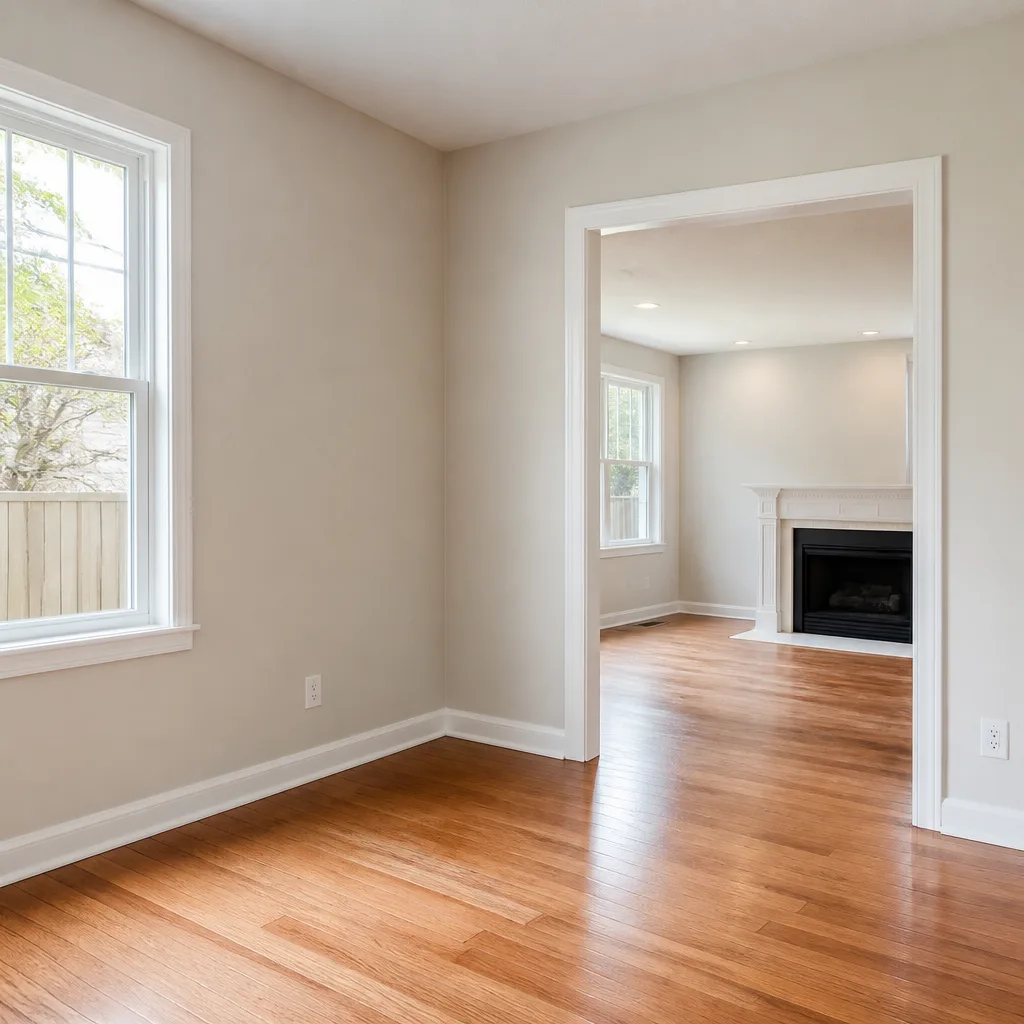
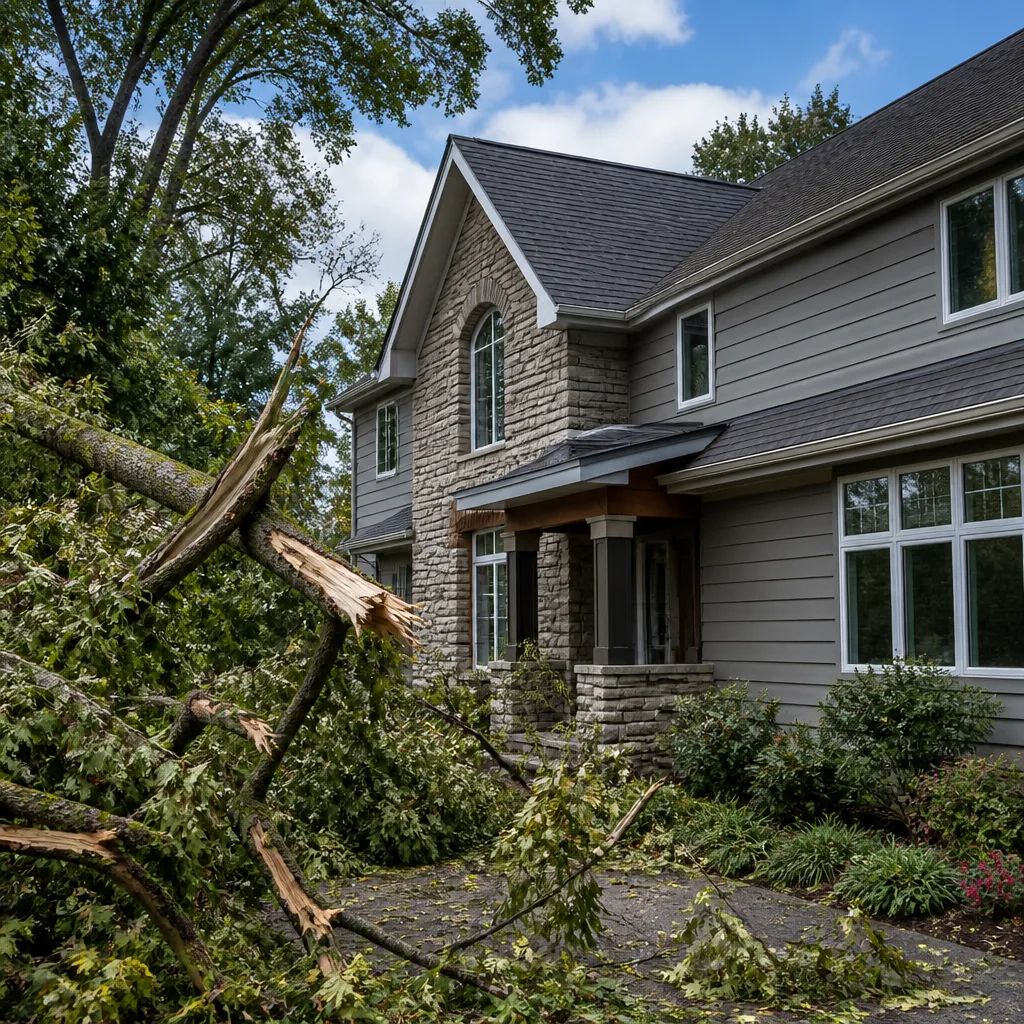


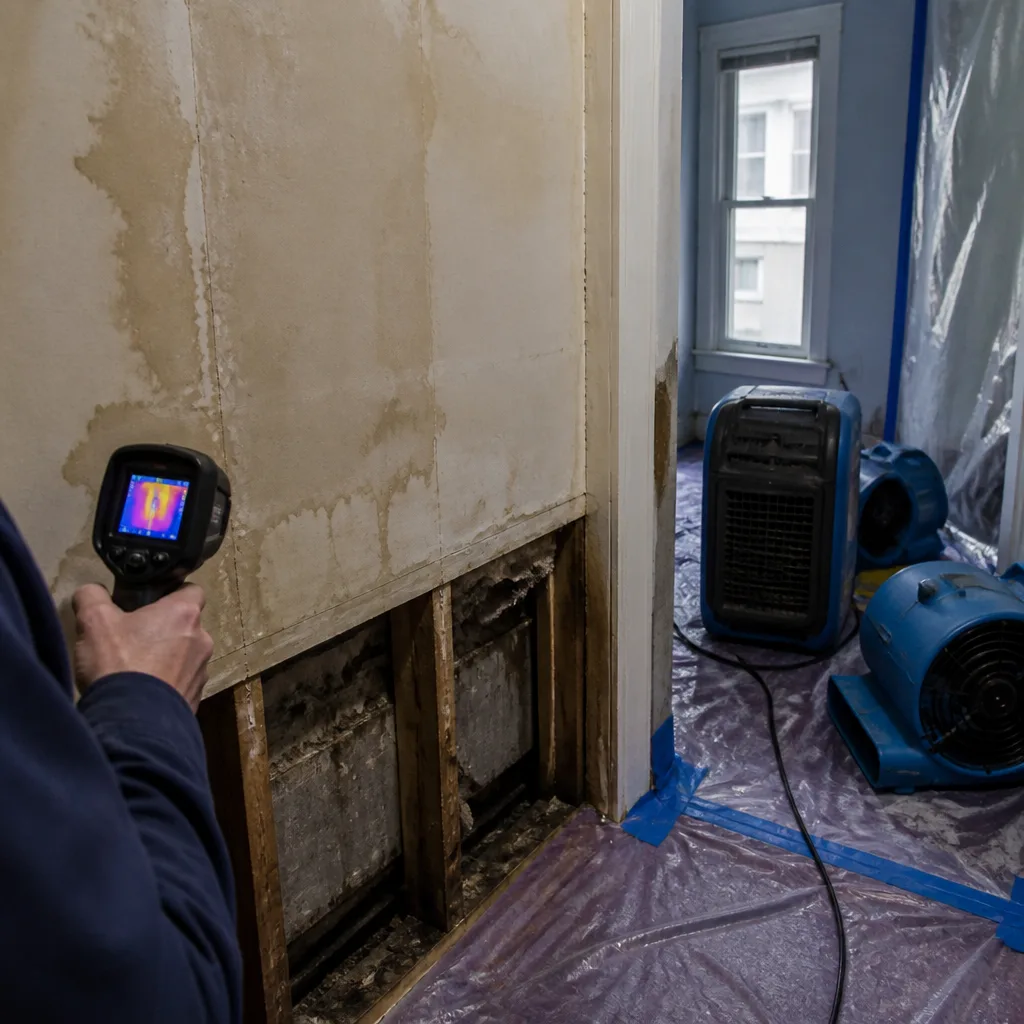 Before
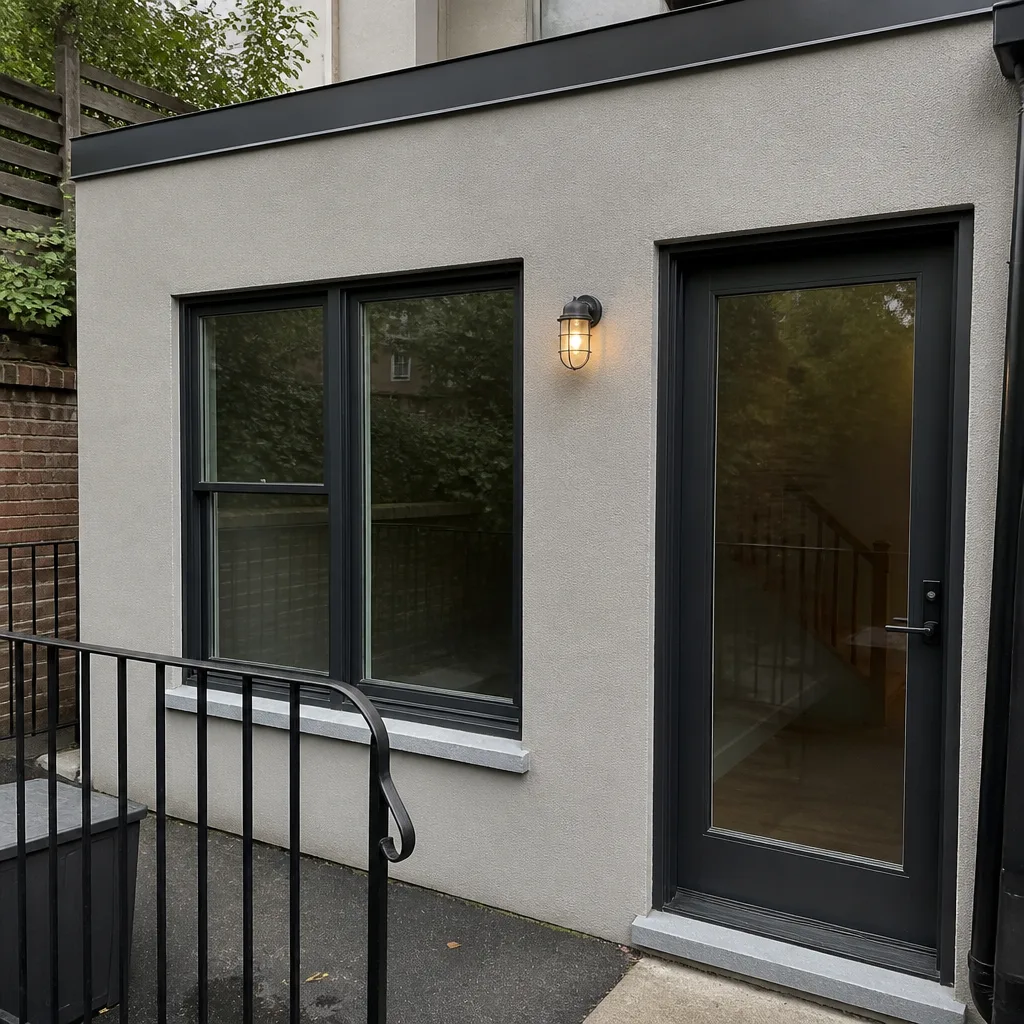 After
After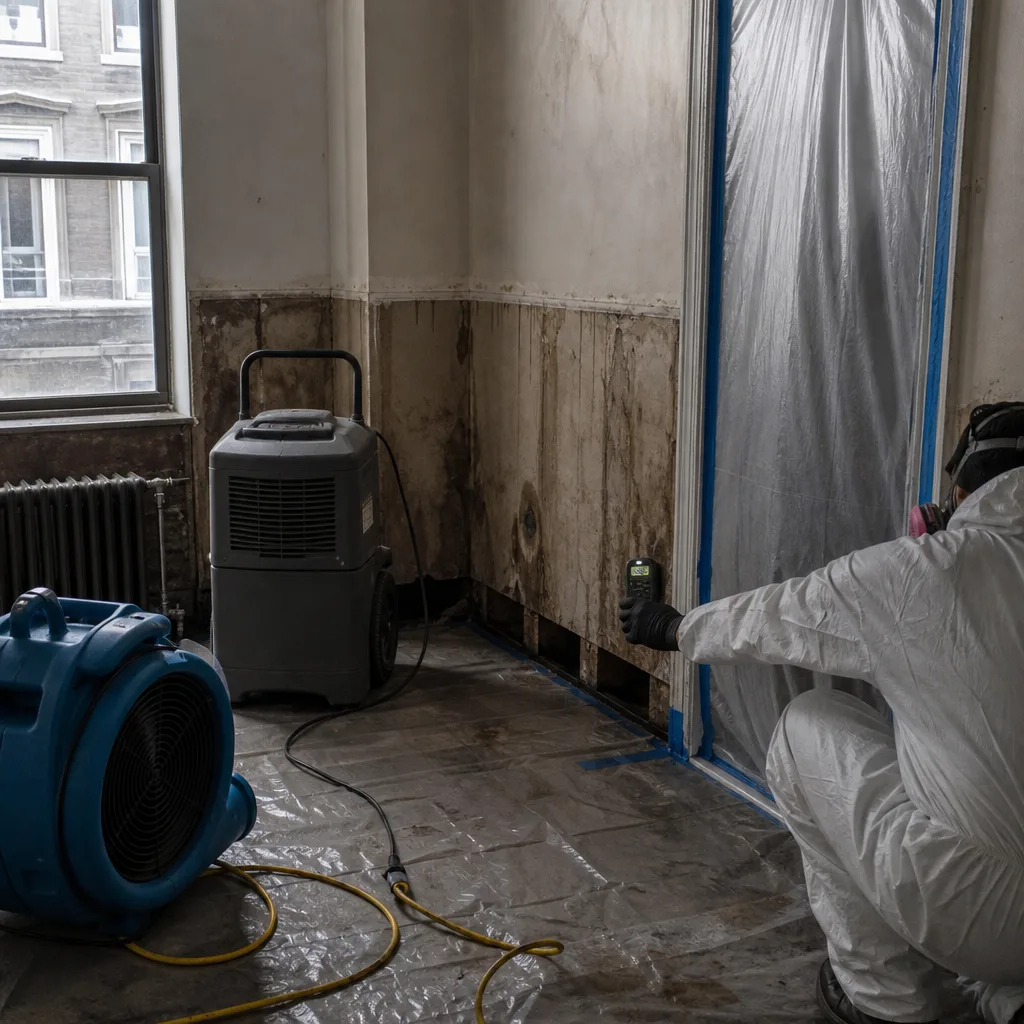 Before
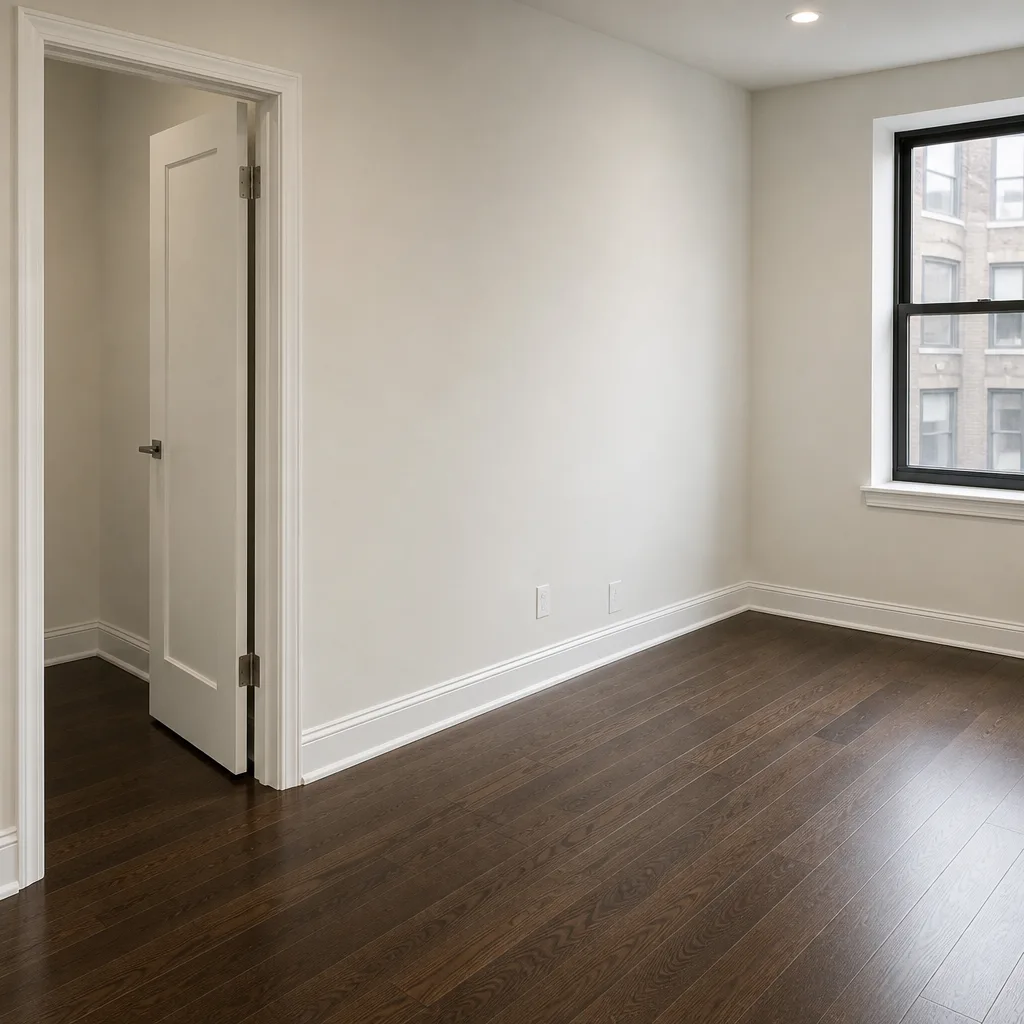 After
After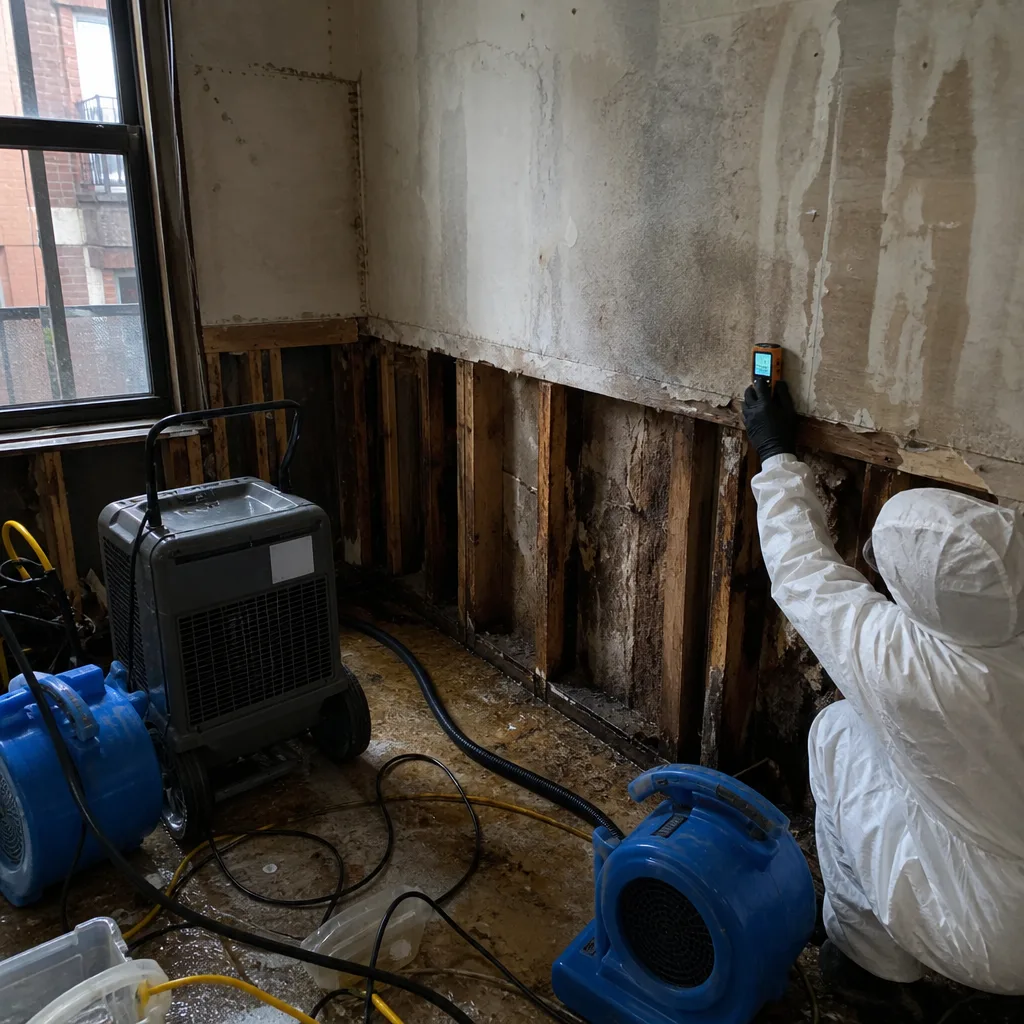 Before
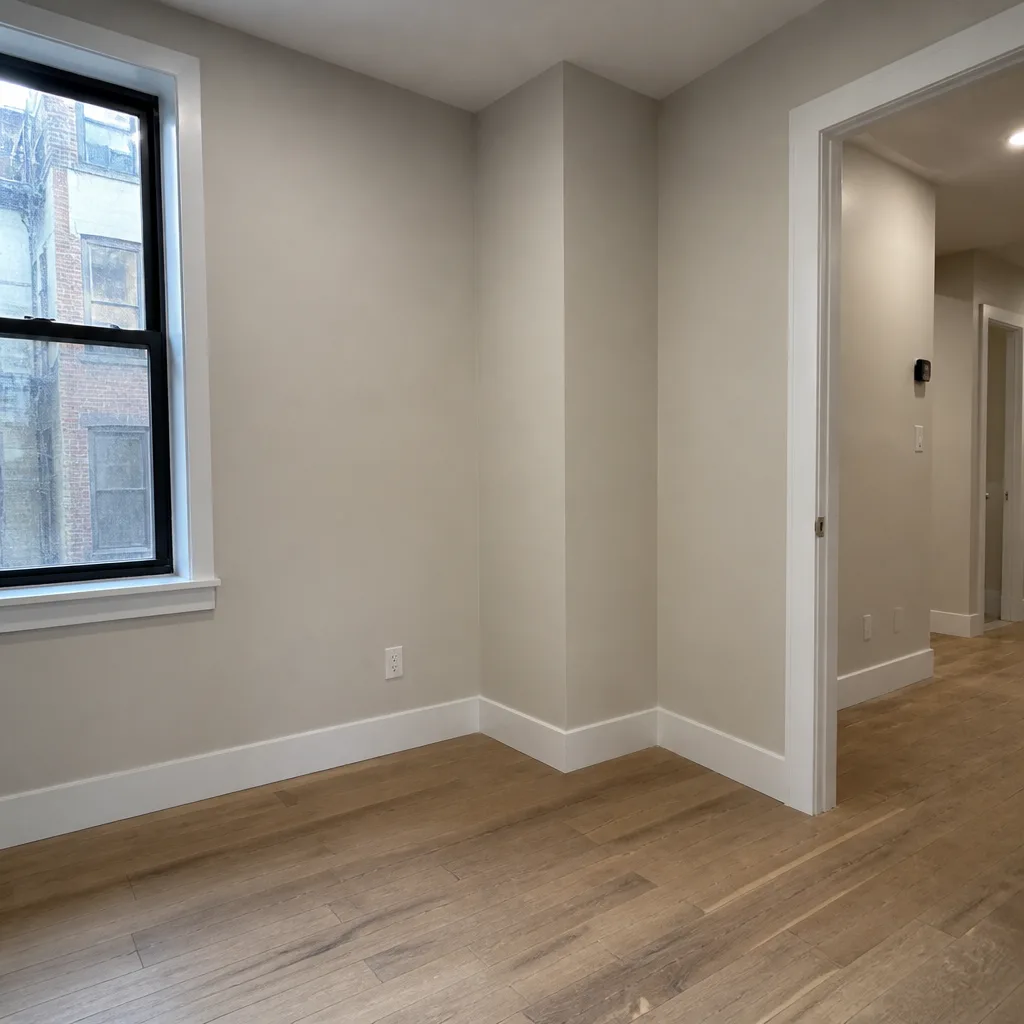 After
After24/7 Emergency Water Damage Restoration in Financial District
If you have water coming in right now, call (607) 350-1550. Wade Ferris answers his own phone, and he can have a crew inside your Financial District building in about 45 minutes. We extract first, ask questions second. In a converted FiDi tower, water moves down fast – through floor assemblies, into elevator shafts, behind riser walls – and every hour it sits, the Category 2 or Category 3 contamination spreads deeper into drywall and subfloor. We do a free visual inspection, walk you through exactly what we see with a thermal camera, and tell you honestly what can be dried versus what has to come out. No scare tactics. The first hour determines whether you’re looking at a drying job or a gut-and-rebuild.
Understanding Water Damage Restoration Severity in Financial District Properties
Water damage gets classified into three categories. Category 1 is clean supply water from a burst pipe or failed supply line. Category 2 is grey water with some contamination, like washing machine discharge or sump overflow. Category 3 is the bad one: saltwater storm surge, sewage, backed-up storm drains. In Financial District, we deal with all three, but the Category 3 jobs are different here than anywhere else in Manhattan. Saltwater from a pincer surge carries dissolved salts that keep pulling moisture out of the air long after the standing water is gone. If you dry Category 3 the same way you dry Category 1, you get mold behind walls within 48 hours, plus hidden corrosion eating at steel studs and conduit. Our crews use moisture mapping and thermal imaging to find water that shouldn’t be there, then build a drying plan around the actual building assembly, not a textbook. For a 1920s conversion on Broad Street, that means checking sub-basement fire-suppression piping, elevator pits, and the interstitial spaces between original concrete and modern build-out.
Why Financial District Property Owners Choose Wade’s Restoration
- 45-minute response commitment. When water is moving through a FiDi high-rise, forty-five minutes is the difference between drying baseboards and replacing them. Wade dispatches crews from our New York City office, and we know the loading docks, freight elevators, and Con Ed clearance procedures for FiDi buildings.
- 24/7 live answer, never an automated system. You call at 2 a.m. with a burst pipe on Wall Street, you get Wade’s voice or someone on his team. Not a recording. Not a callback in the morning.
- IICRC-certified crews (WRT, FSRT, AMRT). Water Restoration Technician, Fire & Smoke Restoration Technician, Applied Microbial Remediation Technician. The right certification for the right job. If we’re doing mold work after water damage, an AMRT-certified tech runs that containment.
- Free visual inspection. We come out, we look, we tell you what we would do if we were standing in your shoes. That’s free, even if you hire someone else. We also do free second opinions on any written estimate from another company.
- Direct insurance billing. We deal with your adjuster from day one. You shouldn’t be the one explaining sub-basement Category 3 saltwater protocols to a carrier. That’s our job.
- One team from extraction to reconstruction. The same crew that pulls the water out also does the post-remediation rebuild, if it comes to that. No handoffs. No “the mitigation guy disappeared and now a different company is doing the sheetrock.”
Our Water Damage Restoration Process
1. Inspection & Assessment
We start with visual inspection, moisture meters, and thermal imaging to map exactly where the water is and where it came from. In Financial District we also check whether the affected space is above or near a Con Edison vault, because that determines whether we can start extraction immediately or have to hold.
2. Extraction / Stabilization
We pull standing water with truck-mounted and portable extraction units. If Con Ed clearance has not been secured in a vault-adjacent space, we stage equipment and containment but hold extraction until the utility de-energizes the area. That’s not optional. It’s a stop-work order waiting to happen.
3. Drying & Dehumidification
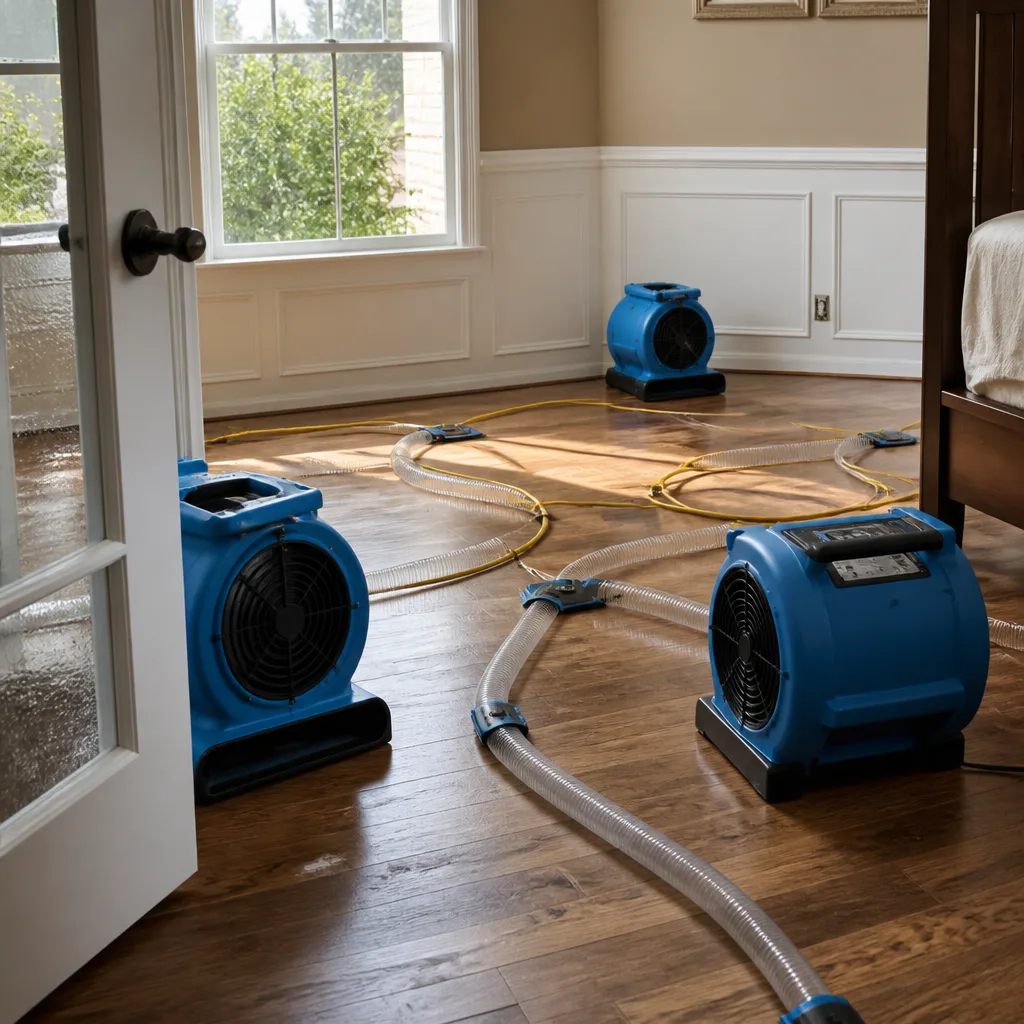
We place Dri-Eaz and Phoenix air movers, LGR dehumidifiers, and floor-mat drying systems targeted at saturated assemblies. In FiDi’s converted towers, we pay special attention to wall cavities and baseboard voids, where salt-laden moisture hides and keeps corroding steel long after surfaces feel dry.
4. Cleaning & Sanitization
Every affected surface gets cleaned and treated. For Category 3 saltwater jobs, that means aggressive antimicrobial application to studs, plates, and flooring substrates before any rebuild materials go back in. Salt residue left behind is a corrosion time bomb.
5. Specialty Treatment for Saltwater Intrusion
This is the step generic restoration companies skip. We document salt levels with moisture and conductivity readings, then treat with corrosion inhibitors and antimicrobial agents designed for marine ingress. In a FiDi sub-basement, this step is everything.
6. Repairs & Restoration
After drying and treatment, the rebuild: drywall, paint, trim, flooring, whatever’s needed. We give you a written scope and price before any of this starts, and the whole thing is covered by our 90-Day Done Right Promise.
Need Emergency Water Damage Restoration in Financial District Now?
Crews minutes away, answering live 24 hours a day. The sooner we start, the less it costs.
Working With Your Insurance Company
We handle the adjuster communication so you never have to sit on hold or translate technical findings into insurance language. From the first hour, we document everything: photos room by room, moisture readings, drying logs, and a line-item scope with Xactimate pricing the carriers accept. If your FiDi condo board or building management has insurance requirements, we coordinate that too. You get a full copy of the moisture log at the end of every job – almost nobody in this trade hands that over.
What We Provide Your Insurer
- Thorough documentation of the loss
- Photos of all damage, room by room
- Moisture readings and drying logs
- A detailed, line-item scope of work
- Direct coordination with your carrier
Built for Financial District’s Loss Calendar
Financial District gets hit differently than the rest of Manhattan because the island narrows to a point here. From roughly November through April, nor’easters push water up the East River and New York Harbor while the Hudson pushes from the other side. That pincer effect is what made Sandy so devastating here and what makes every subsequent coastal storm a water damage event waiting to happen. Late summer brings the hurricane season peak and flash-flooding from consolidated storm drains at street level. January and February bring a different threat: freeze-thaw cycles that pop aging supply lines inside uninsulated chase walls of 1920s and 1930s conversions. We see burst-pipe losses in February in FiDi more than any other month. One December, a building on Water Street had a fire-suppression line freeze and crack overnight; the water ran down three floors before the riser valve was located. That’s the Financial District winter: old pipe, cold exposure, vertical damage.
Water Damage Restoration Across Financial District’s Neighborhoods
The Financial District is small, about 0.4 square miles, but each stretch has its own water damage profile. Around Stone Street and Mill Lane, the original 1830s street grid lies below modern grade, and the historic building stock holds sub-basements that take water during any significant surge. Up around Wall Street and Cedar Street, the 1920s Art Deco towers carry mechanical rooms at or below sea level – those are the Category 3 saltwater jobs we described. Near the South Street Seaport and Maiden Lane, street-level retail and restaurants battle the same surge but at slab level, with grease traps and floor drains that back up when the municipal system overloads. And in the residential conversions along Broad Street, Exchange Place, and 70 Pine Street, the biggest recurring losses come from non-standard pipe routing installed during the late-1990s and early-2000s condo conversions – supple lines threaded through original masonry, sprinkler loops squeezed into wall cavities never designed for them. If you live in one of those towers, you probably already know the sound of water in a chase wall. If not, you will.
Specialized Water Damage Restoration Services We Offer in Financial District
Emergency Water Extraction
Standing water in a FiDi building does not stay standing for long. It migrates vertically and laterally. We run extraction in the first hour, every time, except where Con Ed clearance legally holds us. We stage gear at the loading dock, ready to start the moment the utility gives the word. Prices in Financial District for emergency extraction typically run $1,200-$3,800 depending on square footage and category of water.
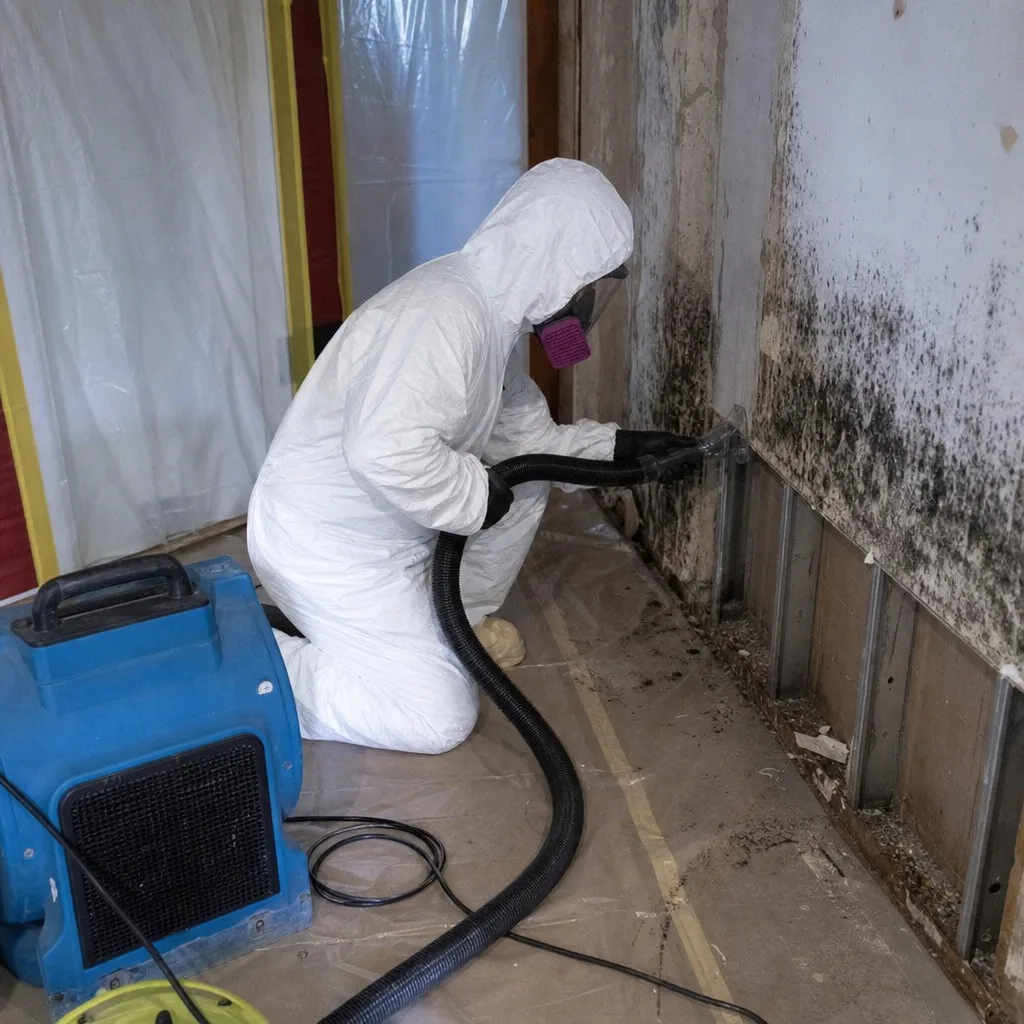
Structural Drying & Dehumidification
This is where the science happens. We measure daily moisture content in drywall, subfloor, and studs, and adjust air mover and dehumidifier placement accordingly. In a FiDi conversion with concrete floors and masonry walls, drying takes 3-7 days; wood-frame interiors dry faster, 2-4 days. Typical structural drying in this market runs $900-$2,600.
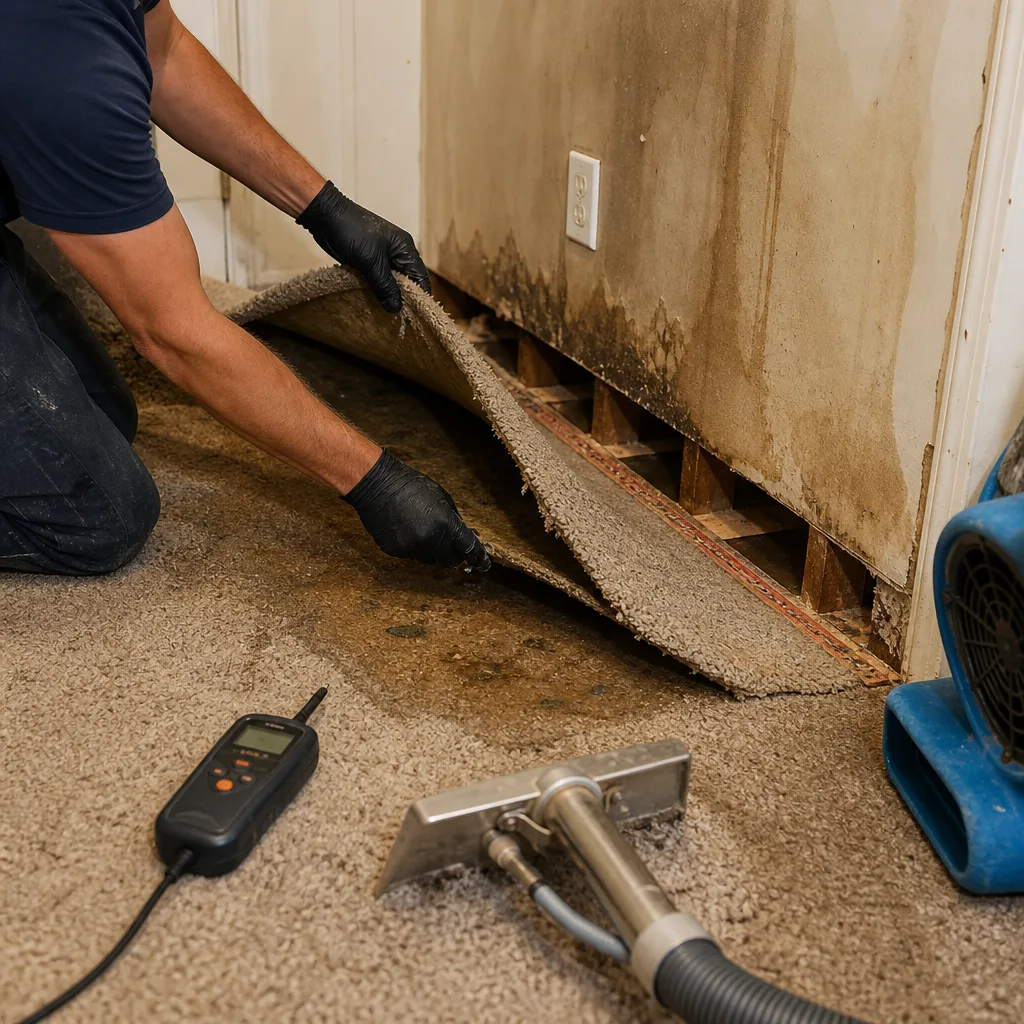
Flood Cleanup
Flood cleanup in Financial District means saltwater. We do not treat saltwater like freshwater, ever. Salt draws moisture out of the air and keeps wetting surfaces after you think they’re dry. Our flood cleanup process includes post-extraction rinsing of flooded floors where feasible, plus corrosion-inhibiting treatment on metal components before drying even starts. Costs for flood cleanup run $2,000-$7,500 depending on the depth and extent of intrusion.
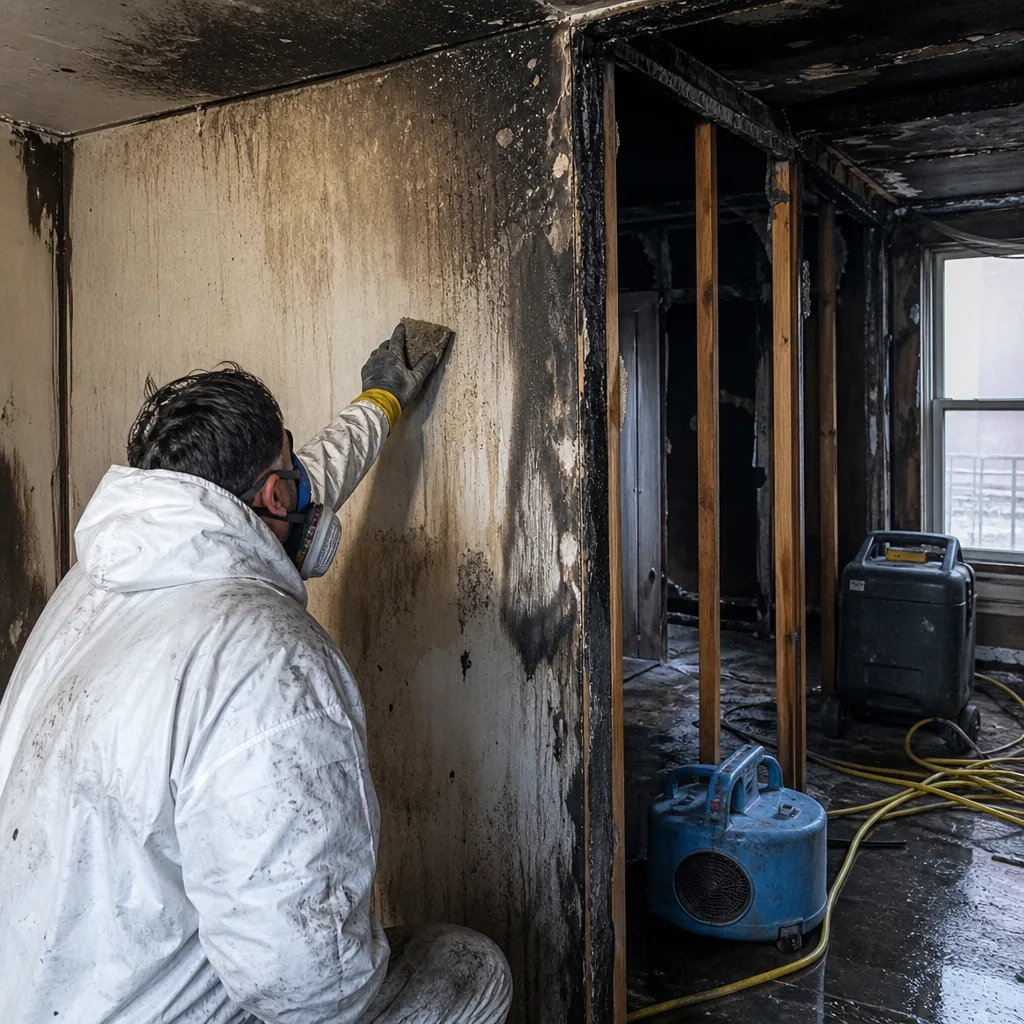
Burst Pipe Restoration
When a supply line blows in a converted tower, water follows the path of least resistance – down walls, under thresholds, behind cabinets. We trace the entire path with thermal imaging, not just the visible puddle. Burst pipe restoration in FiDi typically includes ceiling removal in lower units, baseboard pulling, and chase access. Pricing runs $1,500-$4,500 for a contained one-floor loss, more if it spans multiple units.
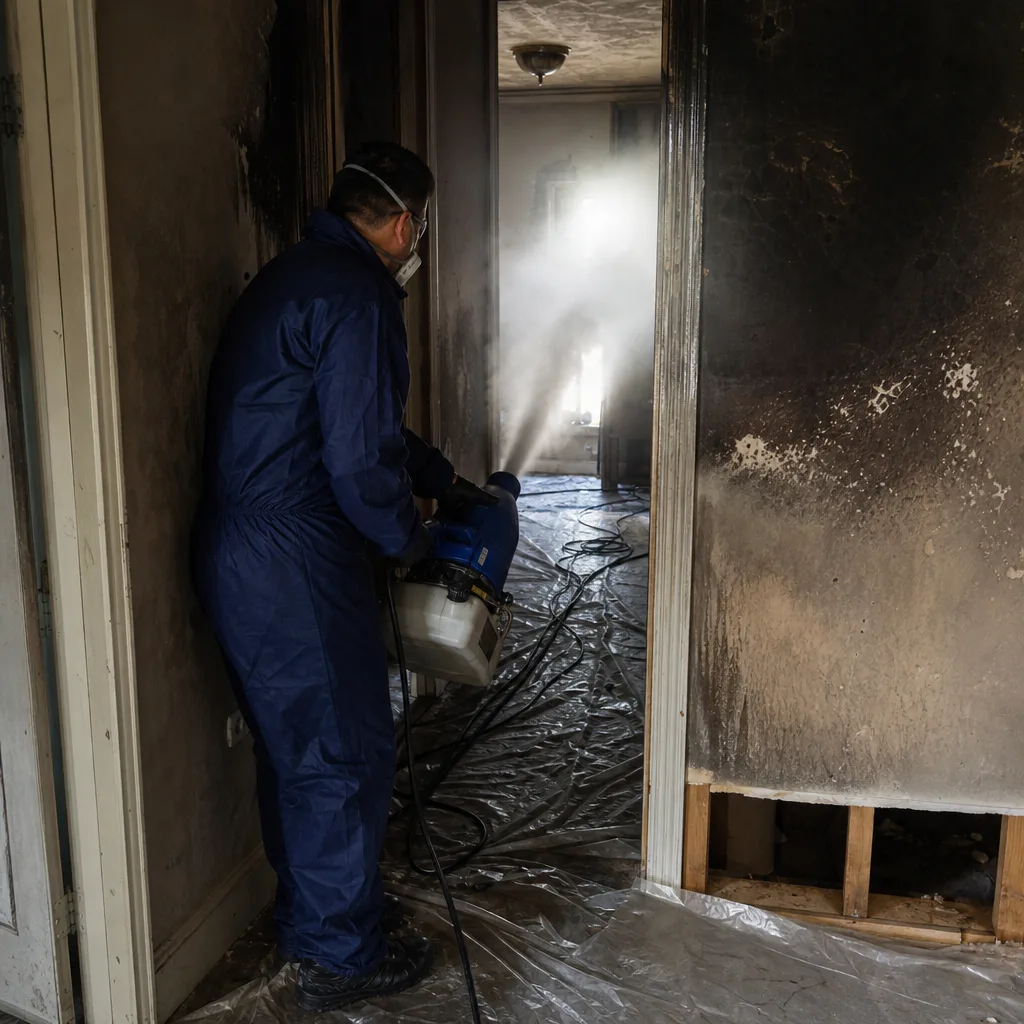
Basement Water Removal
Sub-basement flooding in FiDi often sits near or around Con Edison infrastructure. We are one of the few restoration companies in the city that has experience coordinating with Con Ed on vault de-energization before pumping. Basement water removal here starts around $1,800 for a small mechanical room and goes up from there if vault clearance holds the crew for multiple days.
What happens when you call
- 1
A real person answersNo phone trees - you reach a local pro.
- 2
You get an upfront price rangeHonest numbers before anyone is dispatched.
- 3
A background-checked tech heads outLicensed & insured, dispatched right away.
- 4
You approve before work beginsNothing starts until you say go.
Water Damage Restoration Costs in Financial District, NY
Water damage restoration in Financial District runs higher than Midtown or Lower Manhattan averages, and there’s a structural reason: the building stock is older and more complicated. A simple Category 1 burst pipe in a modern high-rise might cost $800-$1,400 for extraction and drying. The same event in a 1929 conversion with non-standard pipe routing and a vault-adjacent mechanical room runs $3,000-$8,000. Category 3 saltwater surge work, with full containment and antimicrobial treatment, runs $5,000-$25,000 before any rebuild. What moves the price: the water category, how many floors and units are affected, whether Con Ed clearance is required, and whether the carrier covers the full scope. A free inspection gets you a firm written number, not a range.
We Also Serve Cities Near Financial District
Wade’s Restoration handles water damage jobs in Financial District and the surrounding waterfront and downtown areas, including Lower Manhattan, Astoria, Midtown Manhattan, and Long Island City. If you’re on the water, you’re in our service map. Our full Water Damage Restoration team covers every borough from our New York City office.
Serving Financial District, NY - Our Local Coverage Area
We’re based in the Financial District area and know this community well. Use the map below to see our service coverage - if you’re nearby, we can almost certainly help.
Financial District Water Damage Restoration Questions, Answered
Does FEMA Flood Zone AE status in the Financial District require special restoration protocols before Con Ed clearance?
Yes. Zone AE means the building sits in a 100-year floodplain, and that designation triggers mandatory coordination with Con Edison before any water extraction starts in sub-basement spaces near underground vaults. We stage equipment and contain the area, but we legally cannot pump until the utility de-energizes. Our team manages that entire coordination with Con Ed, and we build the wait time into your project schedule so your carrier understands why holding costs are legitimate.
How does a pincer storm surge from both Hudson and East Rivers affect water damage remediation in a Financial District condo tower?
When surge comes from both sides at once, it doesn’t just rise – it pressurizes. Water enters through lower-level openings, foundation joints, drainage systems, and overtopped bulkheads simultaneously. That means Category 3 contamination spreads faster and deeper than single-direction flooding. Our work in FiDi specifically accounts for saltwater corrosion and multi-point entry, which changes everything from antimicrobial selection to drying time expectations. Call (607) 350-1550 and we’ll walk you through what we’re seeing right now.
What water category is typical for Financial District sub-basement flooding after a surge?
Category 3, almost always. The water entering sub-basements during a Hudson/East River surge carries raw marine contaminants, street runoff, and potentially sewage from overloaded municipal drains. Category 3 requires full containment, professional-grade antimicrobials, and disposal of saturated porous materials. Do not try to dry this out yourself. The health risk is real.
Why does Con Edison’s vault clearance affect moisture mapping in a Financial District water extraction job?
Until Con Ed confirms the vaults are de-energized, our techs cannot physically enter adjacent chambers to place moisture meters and map the full extent of water migration. That means moisture mapping happens in phases: surface mapping above grade, then full mapping once clearance is granted. The delay affects drying plans and costs, which is why we build vault coordination into every FiDi sub-basement estimate from the start.
How do pre-loss condition assessments differ for a pre-war skyscraper conversion in FiDi compared to modern residential buildings?
In a modern building, wall cavities and chase spaces are standardized. In a 1920s conversion, nothing is standard. Non-standard pipe routing, original masonry that was modified during conversion, and steel members that have been in place for a century all affect how water travels. We spend more time on assessment in these buildings because the water cannot be assumed to follow the same path it would in a new construction high-rise.
How fast can you actually get someone to my Financial District building?
A live person answers 24/7. From call to a tech on-site typically takes 45 minutes in the Financial District area. Wade himself answers his own phone most nights. No answering service, no “we’ll have someone call you back.” Call (607) 350-1550 and a real human starts coordinating your crew immediately.
Will my insurance cover this water damage?
In most Financial District residential policies, sudden and accidental water damage from a burst pipe gets covered. Flood from storm surge is separate – FEMA flood insurance applies. We provide detailed source documentation and meter readings for every claim, and we bill your carrier directly. Wade has been dealing with FiDi adjusters long enough to know exactly what they need.
What should I do in the first 30 minutes after I discover water?
Shut off the source if you can reach it safely, kill power to affected areas at the breaker if it’s safe, and call us. Move electronics and valuables up and away from water if you can do it without walking through standing water. Do not open sub-basement doors if you see water at the threshold – it could be hiding energized equipment. Then call (607) 350-1550 and describe what you see. We’ll tell you exactly what to do until our truck arrives.
Written by Wade Ferris, Owner at Wade’s Restoration, serving Financial District and the New York City metro since 2007.