
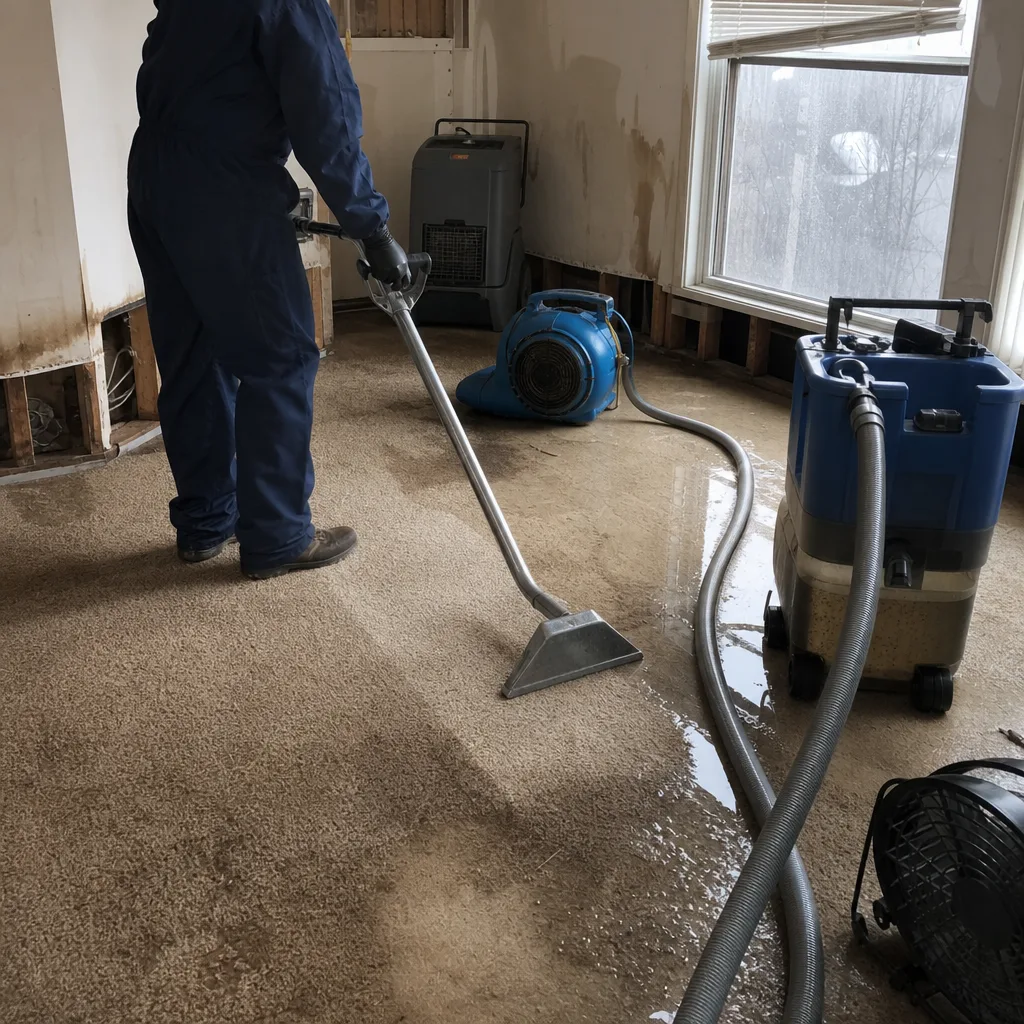
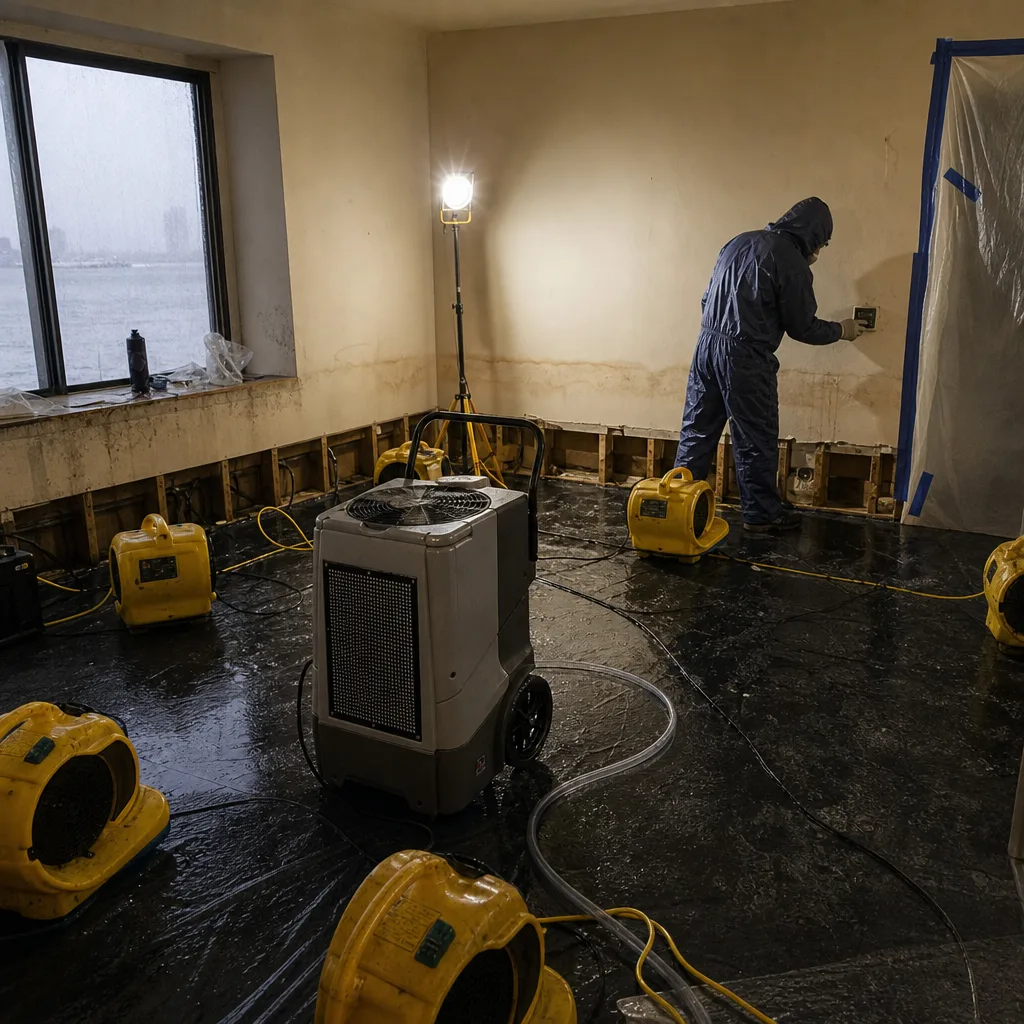
Free visual inspection and a written scope of work before any mitigation begins - photos, moisture readings, and drying logs go in your claim file
The scope we write is the scope we bill. Anything new gets shown to you, in writing, before we touch it.
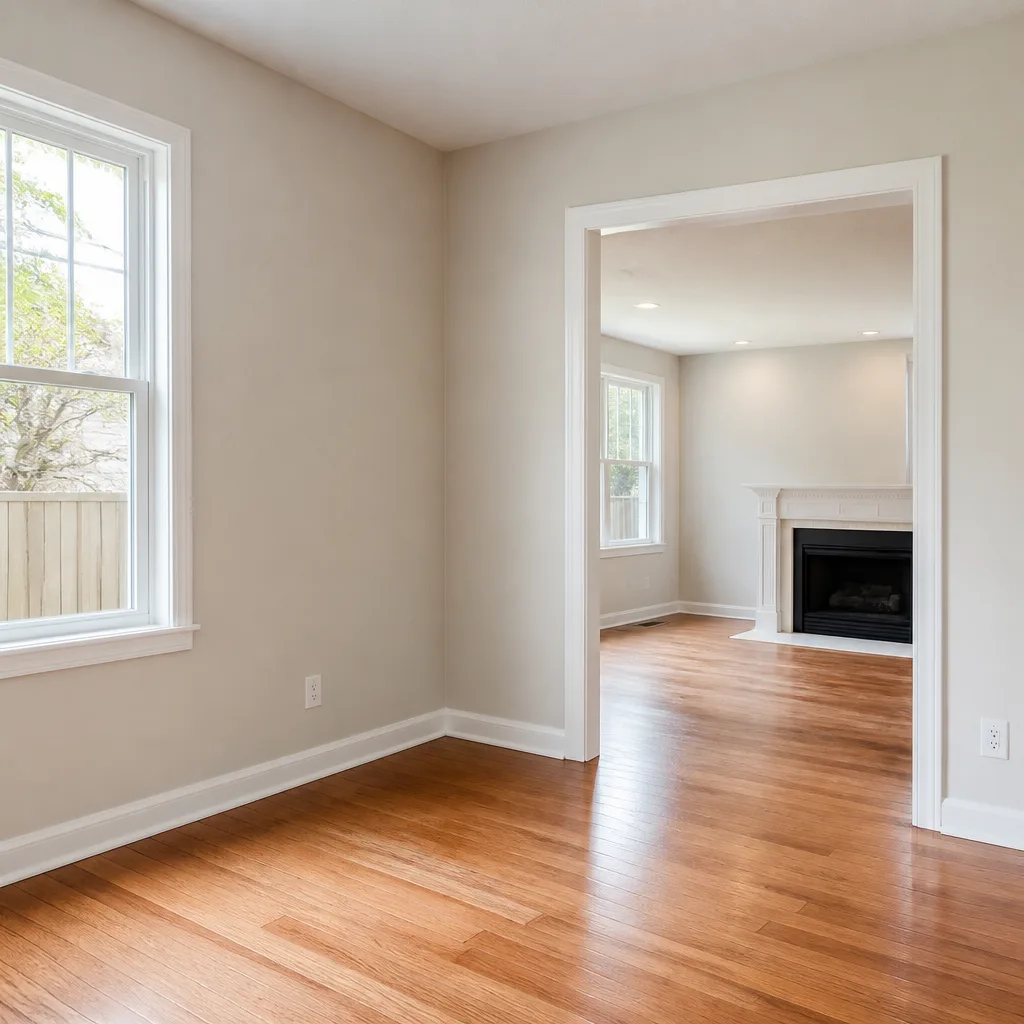
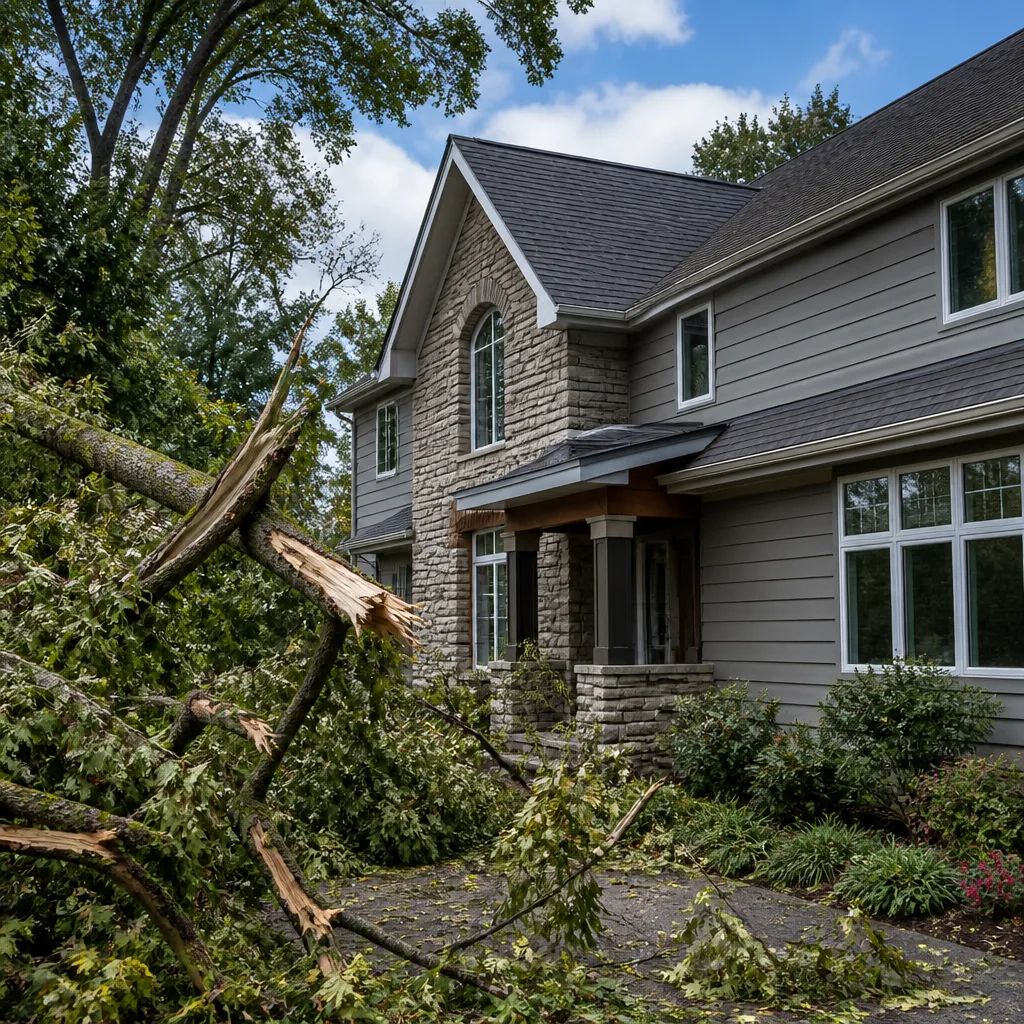
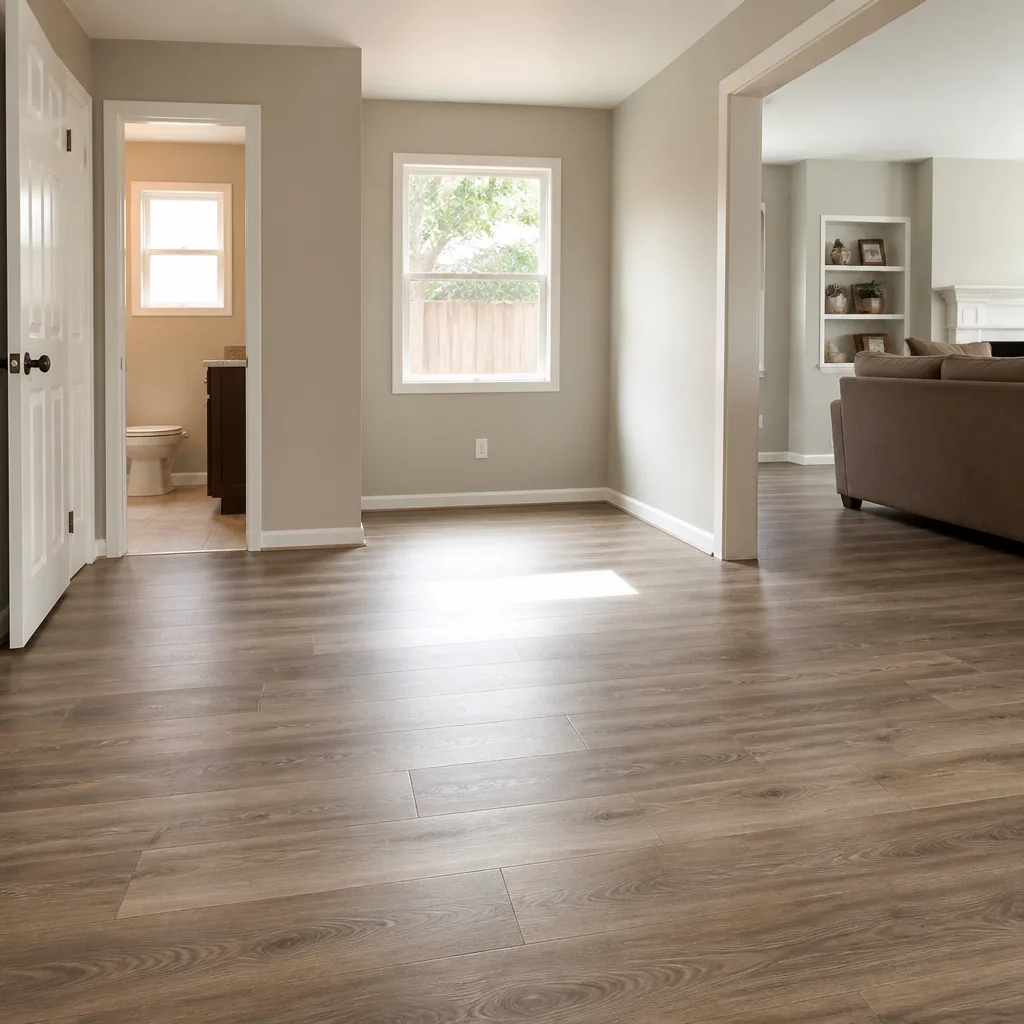

 Before
 After
After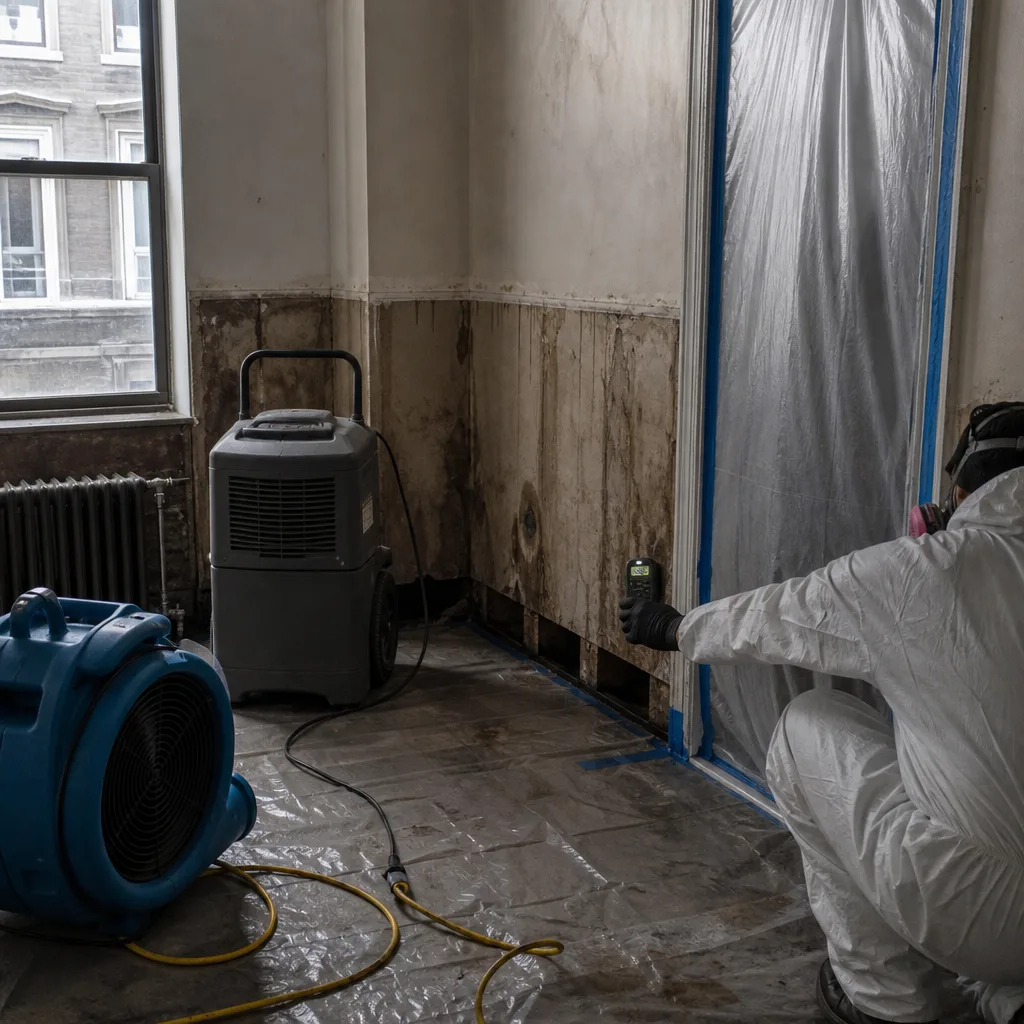 Before
 After
After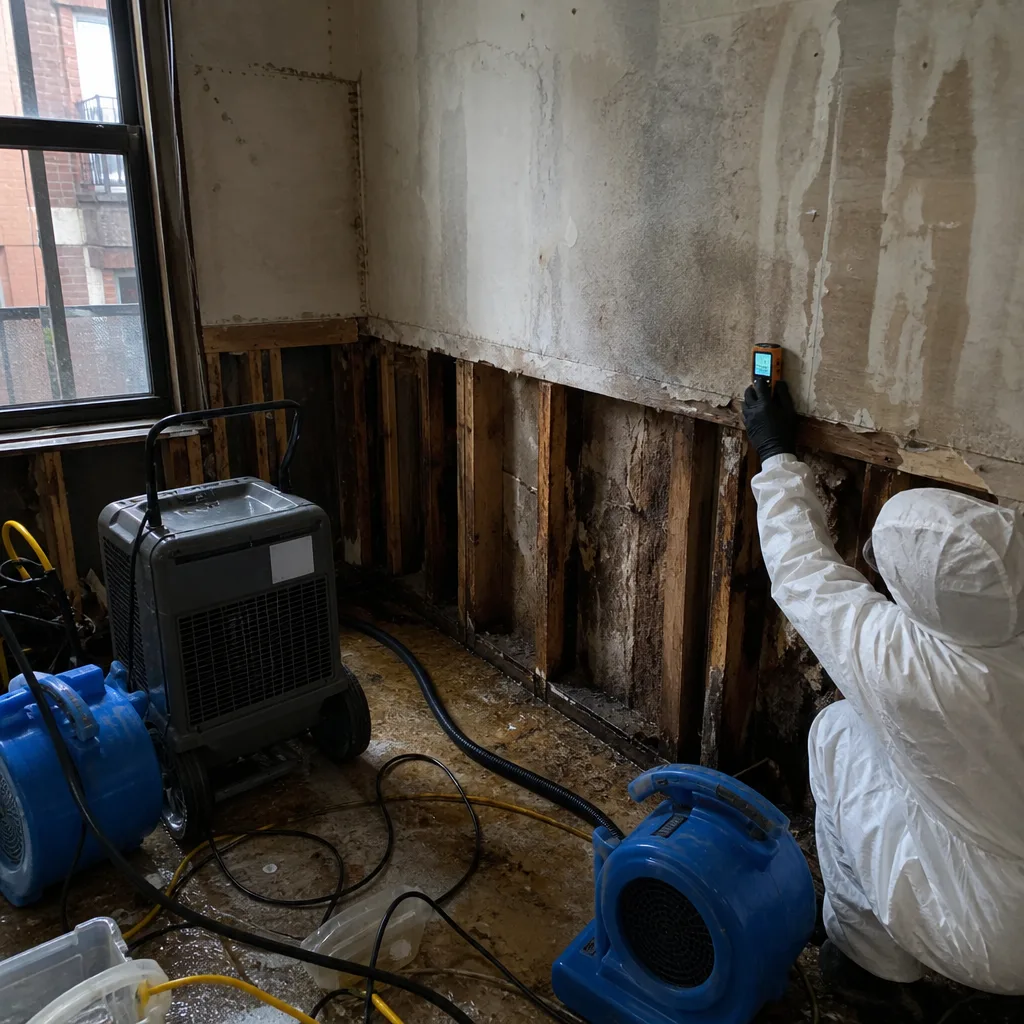 Before
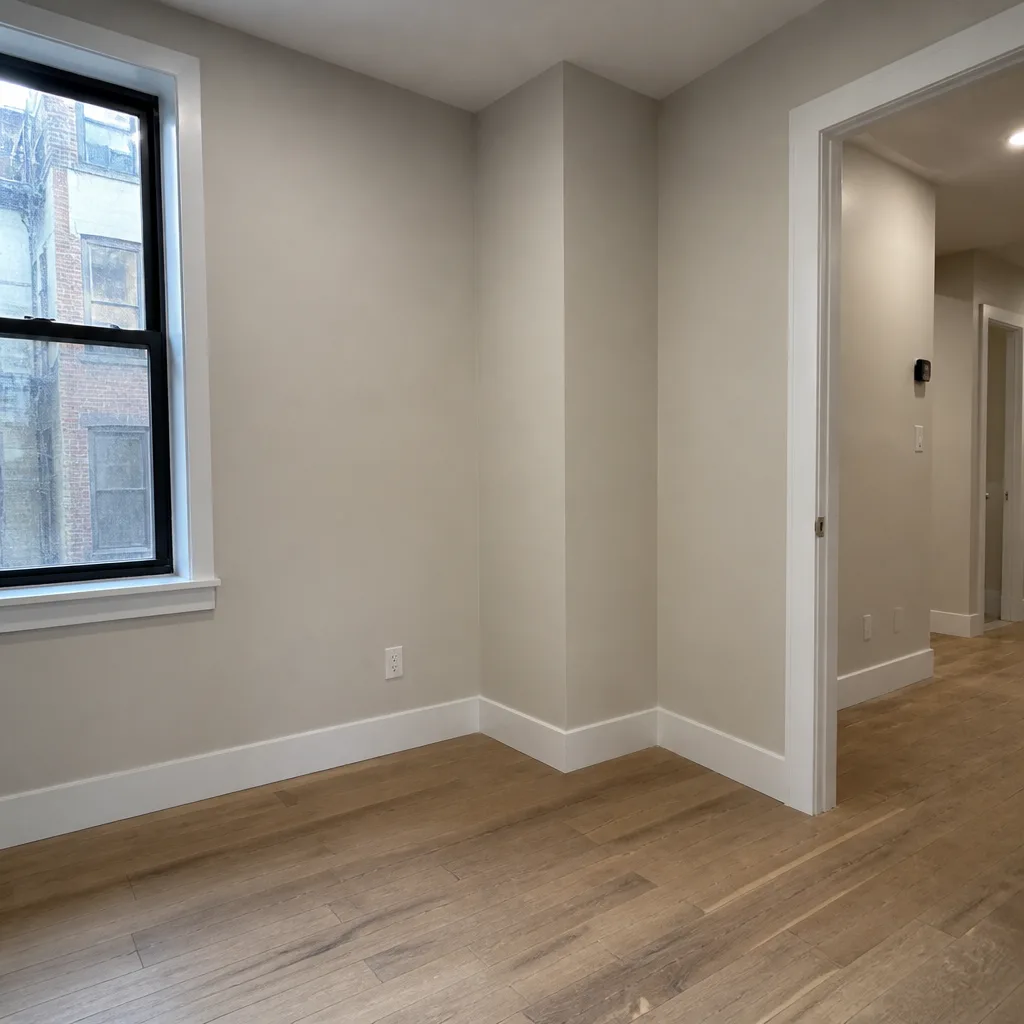 After
After24/7 Emergency Water Damage Restoration in Midtown Manhattan
Water damage in Midtown Manhattan moves fast, and in a 40-story tower it moves downward through elevator shafts, pipe chases, and ceiling cavities at a rate most people can’t picture until they’re standing in it. Wade’s Restoration answers live, any hour, and can have extraction running inside the hour. Call (607) 350-1550 the minute you see water where it shouldn’t be. The first hour decides whether you’re drying a floor or gutting three floors.
We work the freight elevators, the 6 a.m. windows, the building management protocols. We know what water does in a pre-war high-rise, because we’ve traced it through plaster ceilings on West 57th Street and through sub-basements fed by Con Edison steam. Wade Ferris owns this company. He answers his own phone. There’s no middleman and no answering service between you and the person making decisions about your building.
Understanding Water Damage Restoration Severity in Midtown Manhattan Properties
Water damage falls into three categories, and in Midtown the category can change fast. Category 1 is clean water from a supply line or burst pipe. Category 2 is contaminated water – a steam riser blowout, an overflowing sink, a sprinkler discharge that’s been sitting. Category 3 is grossly unsanitary: sewage, street runoff, and the hot, debris-laden water that comes from a district steam main failure under the street. That last one doesn’t exist in most of America, but it’s a Midtown reality.
Severity isn’t just about water class. It’s about what the water touched on its way down. In a 1920s Art Deco co-op, original plaster ceilings absorb water and hold it. Cast-iron risers carry water vertically, but they also carry it horizontally along pipe chases when a fitting lets go. Moisture mapping with thermal imaging and hygrometers tells us where the water actually went, not just where it pooled. Structural drying in a pre-war building means understanding gravity, stack effect, and how plaster, subfloor, and original wood paneling each give up moisture differently. A national franchise tech who’s only ever dried suburban drywall walk-outs will misjudge this. We don’t.
Why Midtown Manhattan Property Owners Choose Wade’s Restoration
- 45-minute response commitment. Wade heads out the moment you call. In Midtown, that means navigating building security, not just traffic. We plan for it.
- A real person answers, 24/7. Wade’s own cell. No voicemail tree, no call center. You get the owner, not a dispatcher reading from a script.
- IICRC-certified crews. WRT and ASD certified, with the paperwork to prove it. Midtown managing agents check credentials. So do co-op boards.
- Free visual inspection. No charge to look, no charge to tell you the truth. Wade gave away a lot of free second opinions before he started charging for the first one.
- Direct insurance billing. We talk to your adjuster. You don’t relay messages between two sides. That alone saves a week in Midtown, where every job has three interested parties.
- One team from extraction to reconstruction. The same crew that extracts the water dries the structure, and the same company repairs it. No handoffs, no finger-pointing. Wade is accountable for the whole job.
Our Water Damage Restoration Process
Inspection & Assessment
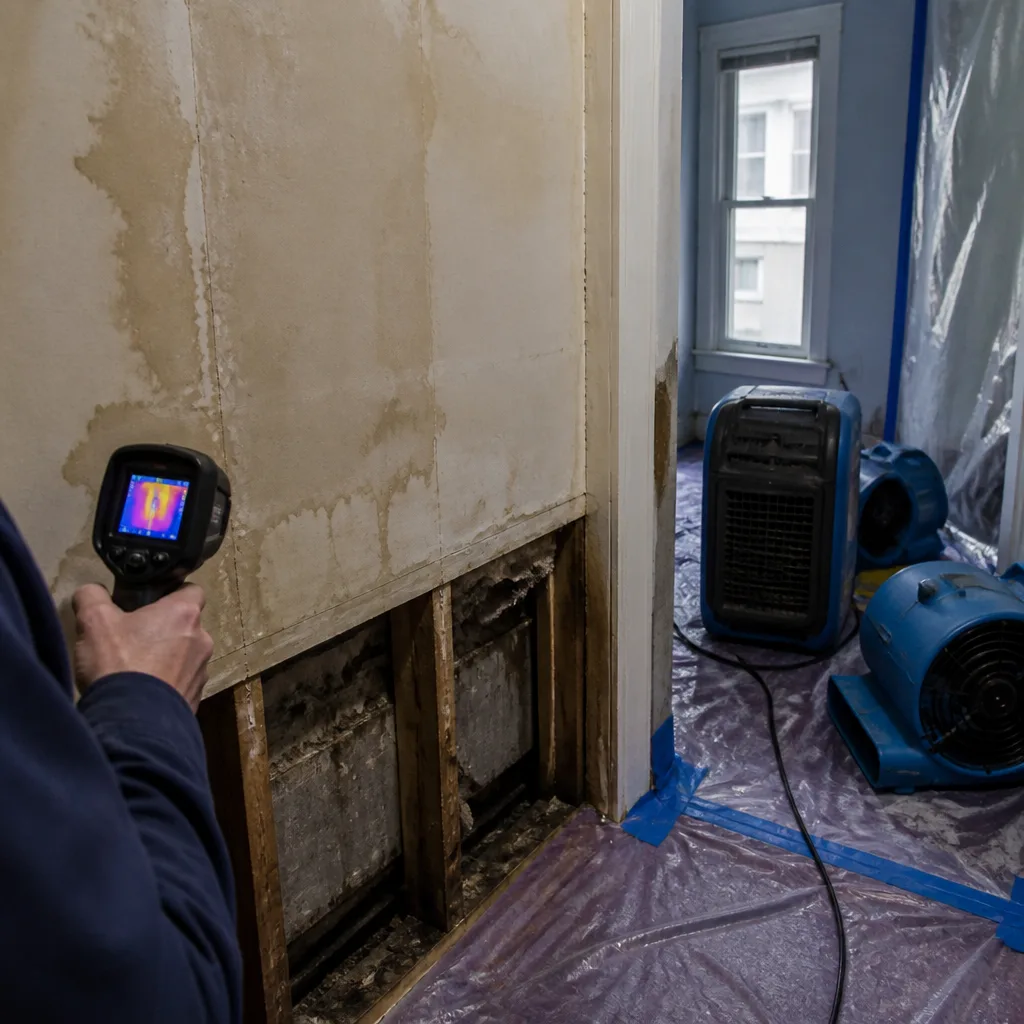
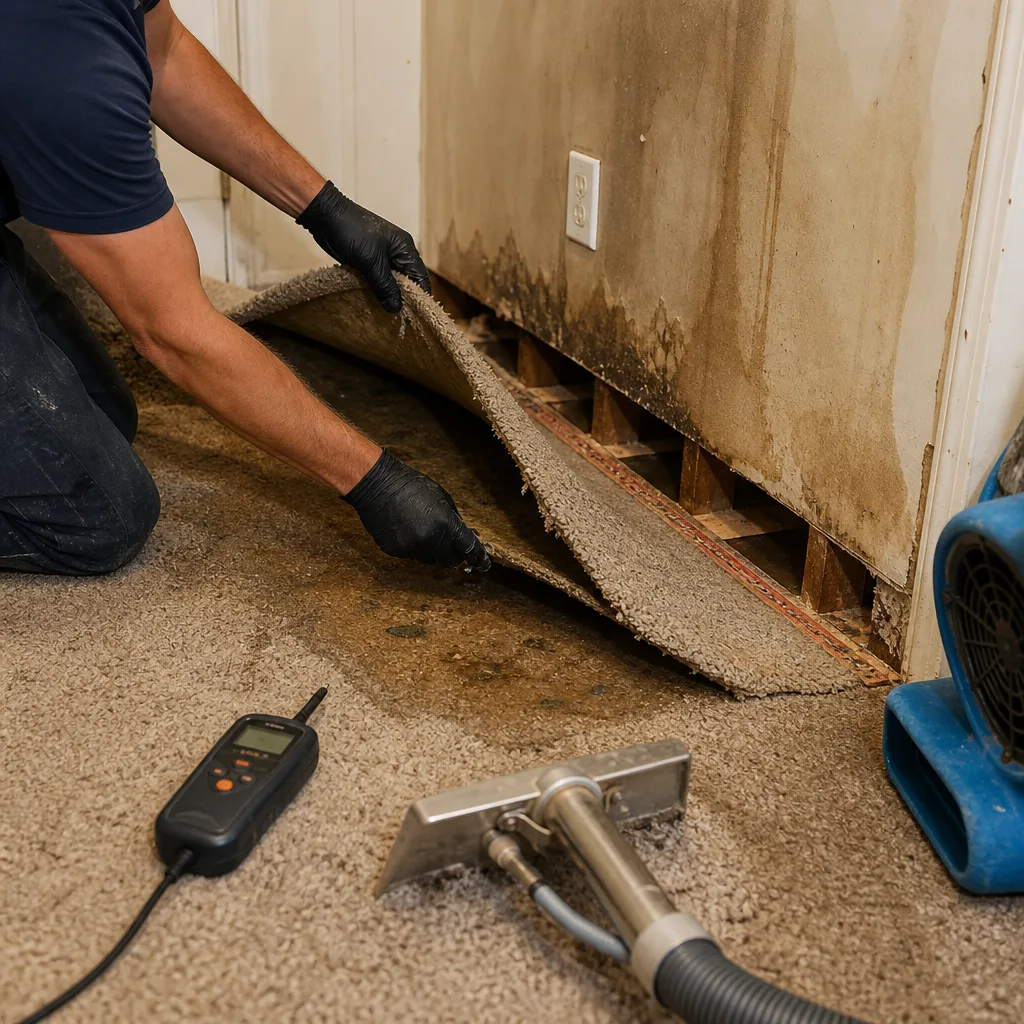
We start with moisture mapping, not guesses. Thermal imaging and hygrometers tell us where the water is, where it’s been, and where it’s going. In a Midtown high-rise, that means checking the floors below the loss, the pipe chases, and the elevator shaft adjacent to the riser. We give you a written scope before we start pulling anything apart.
Extraction & Stabilization
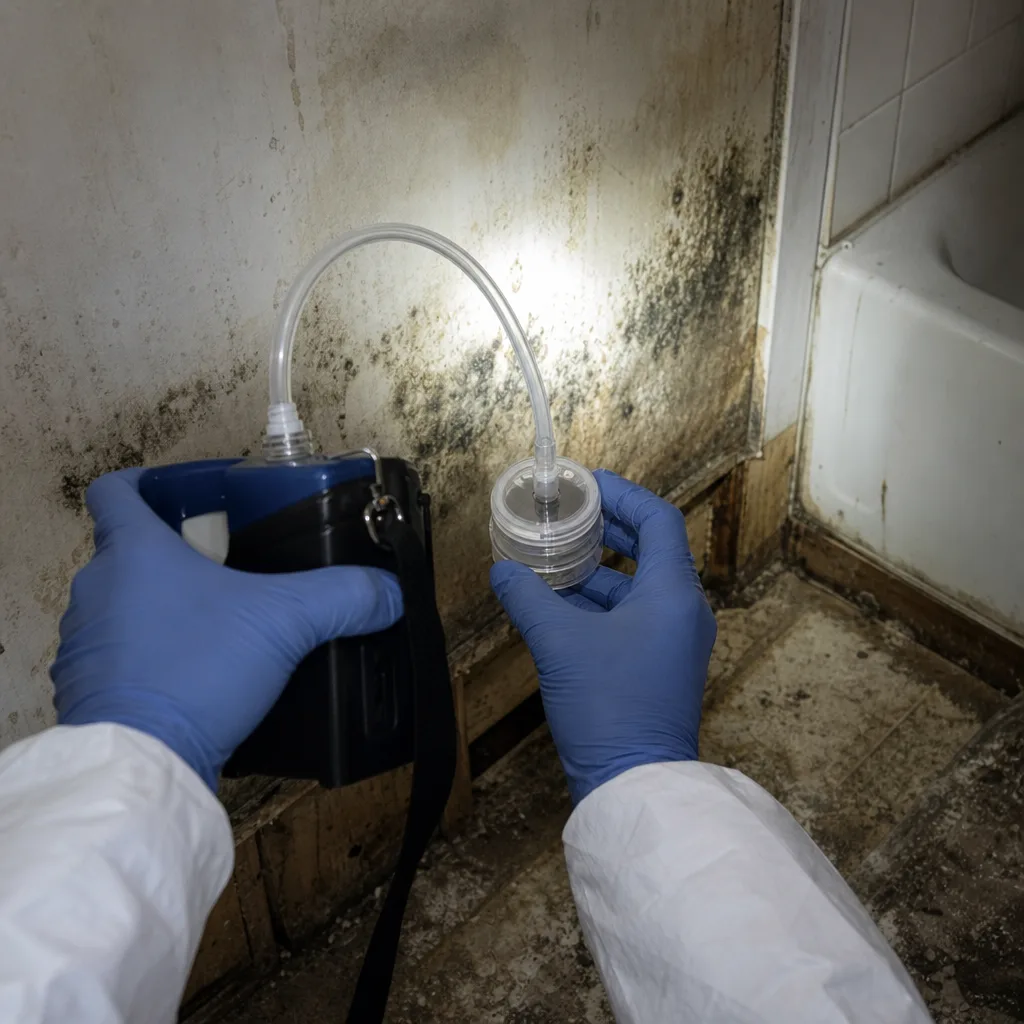
Industrial extraction equipment gets the standing water out fast. But before we cut a single hole in a wall, we check what’s in the wall. Pre-war Midtown buildings mean asbestos pipe insulation and lead paint. Testing happens first, not after the inspector red-tags the job. We stage equipment through the freight elevator on the building’s schedule, not ours.
Drying & Dehumidification
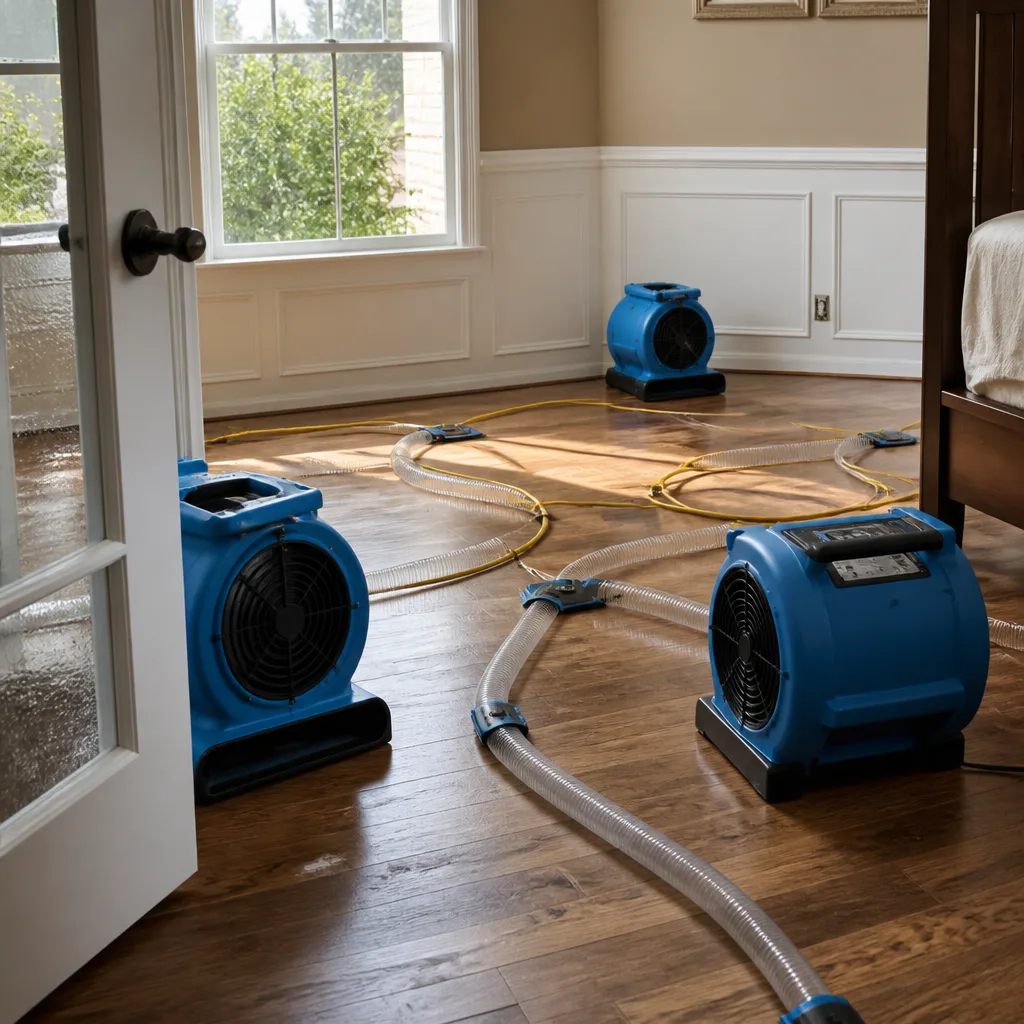
Dri-Eaz desiccant dehumidifiers and Phoenix air movers get placed in a containment zone. In a 40-story tower, we’re not just drying a room – we’re managing airflow in a vertical stack. Daily moisture readings get logged and handed to you at the end. Nobody else in this trade hands over the full log. Wade does.
Cleaning & Sanitization
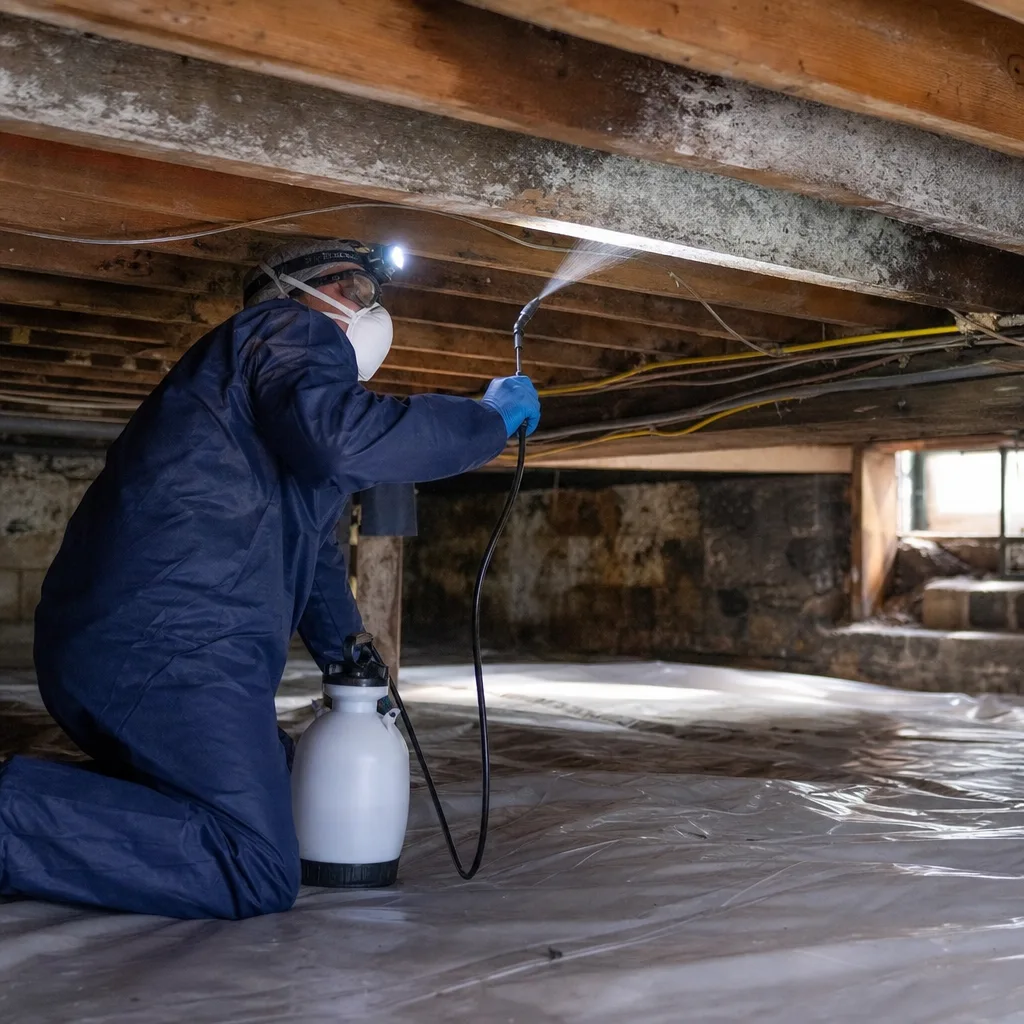
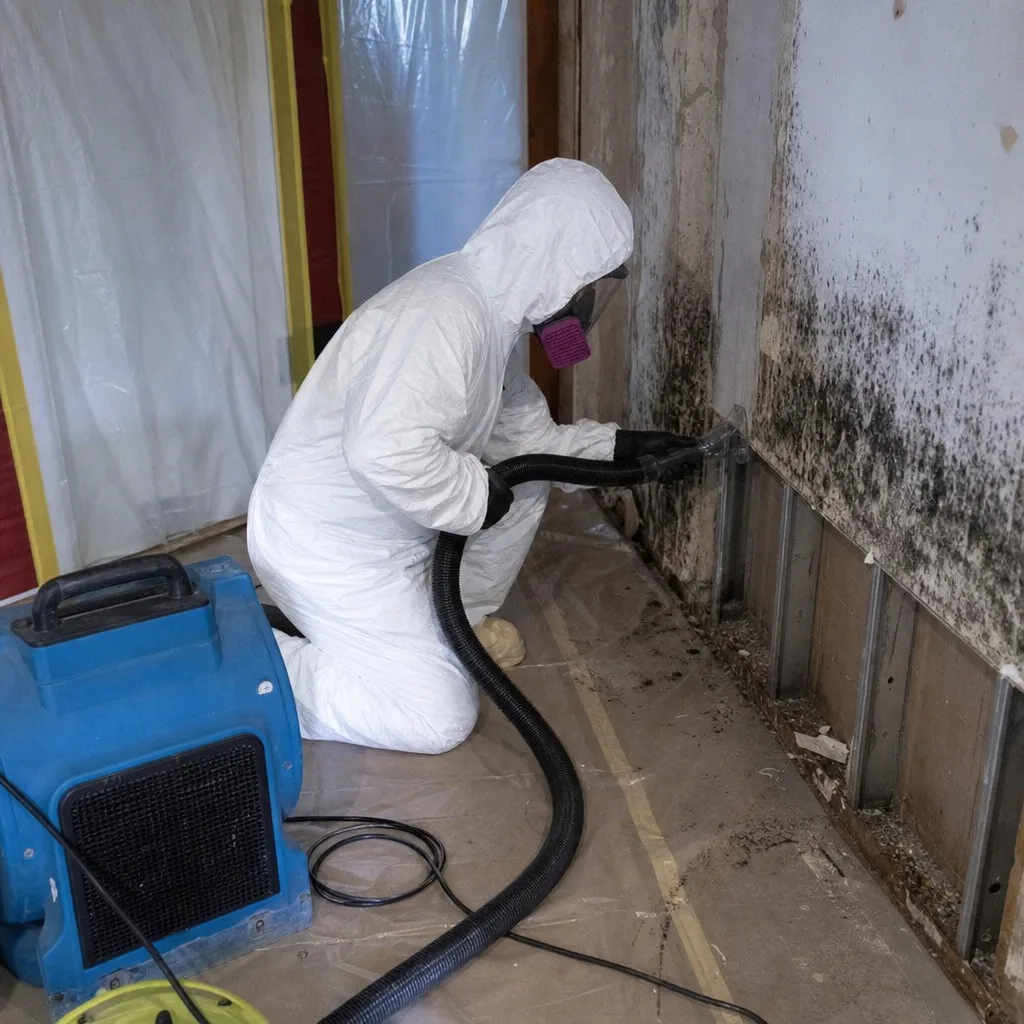
Depending on water category, we apply antimicrobial treatments and clean every surface the water touched. In category 3 jobs from a steam main failure, that’s a full pack-out and decontamination. We coordinate with licensed abatement crews when asbestos or lead is present. The building’s environmental consultant signs off. Then we proceed.
Specialty Treatment for High-Rise Structures
Midtown requires what we call vertical liability management. That means documenting every floor the water passed through, coordinating with the building’s managing LLC, and ensuring our Certificate of Insurance names the building before we enter. We track moisture migration through elevator shafts, stairwells, and pipe chases. A suburban dry-out ignores these. We can’t afford to.
Repairs & Restoration
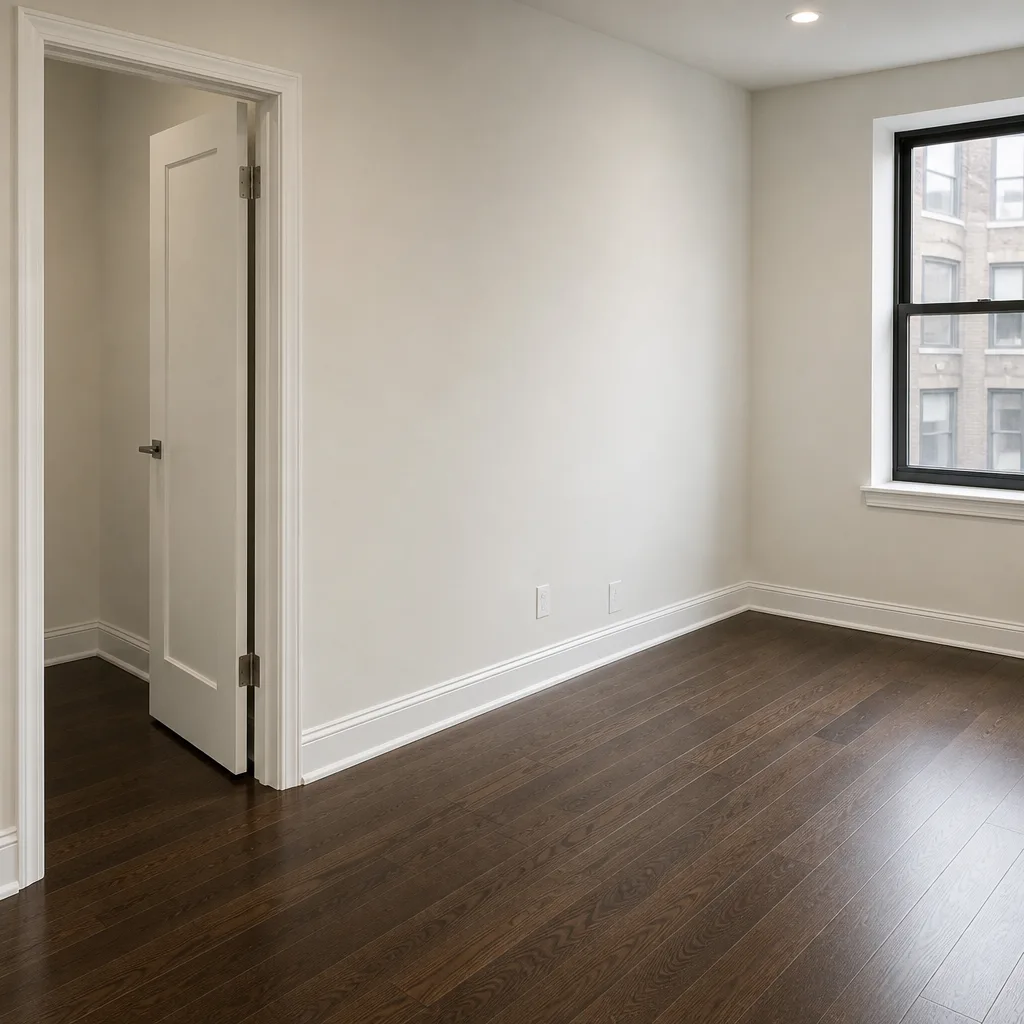
Once the structure is dry and cleared, we rebuild. Plaster repair, subfloor replacement, wood paneling restoration, paint matching. The same crew that did the extraction does the reconstruction. One company, one accountability, one phone number. The 90-Day Done Right Promise covers the whole job, in writing.
Need Emergency Water Damage Restoration in Midtown Manhattan Now?
Crews minutes away, answering live 24 hours a day. The sooner we start, the less it costs.
Working With Your Insurance Company
Midtown water damage claims are more complicated than anywhere else, because they’re rarely single-party. A burst sprinkler on the 25th floor touches the tenant, the building owner, the managing agent, and sometimes the co-op board. Your adjuster needs documentation that holds up under scrutiny from all of them. We provide it – photos room by room, moisture readings from day one, and a line-item scope of work that an adjuster can actually read. Wade talks to the adjuster directly. You don’t sit on hold with your carrier while water sits in your ceiling.
What We Provide Your Insurer
- Thorough documentation of the loss
- Photos of all damage, room by room
- Moisture readings and drying logs
- A detailed, line-item scope of work
- Direct coordination with your carrier
Built for Midtown Manhattan’s Loss Calendar
Midtown’s water damage season never really ends, but it shifts. January deep freezes put stress on rooftop mechanical rooms perched atop 40-60-story buildings. A pipe burst up there sends water cascading through elevator shafts and interior walls for hours before it reaches occupied floors. By February, those freezes have worked the cast-iron risers in pre-war towers hard enough that pinhole leaks show up in co-op bathrooms on the east 40s and west 50s.
Spring brings thaw cycles and the start of nor’easter season. Horizontal rain driven against glass curtain-wall facades in the west 40s and 50s is a leading cause of envelope intrusion – water gets past window gaskets and runs down interior wall cavities. Summer thunderstorms dump rain faster than Midtown’s combined sewer system can handle, backing water into sub-basements around Grand Central and down toward the East River. All of these require different equipment, different access, and different scopes. We’ve seen them all, repeatedly, in this exact grid of streets.
Water Damage Restoration Across Midtown Manhattan’s Neighborhoods
We run across Midtown Manhattan constantly and know the blocks by how they flood. The west 40s and 50s hold the glass curtain-wall towers that leak during nor’easters, with facades that need sealing work rather than roof repair. Around Grand Central and Park Avenue, it’s pre-war co-ops and office towers with steam heat risers and original plaster – the soil-pipe stacks in this corridor are some of the oldest in the country. East of Third Avenue, the mid-century concrete towers have their own failure patterns: spalling concrete, failed pipe chases, and flat roof drains that clog and back up into mechanical rooms. Down near Times Square, it’s hotel and retail conversions with dated sprinkler systems pushed past their design life, and a single activation can cascade through ten floors before anyone notices. If there’s a water emergency in an office, hotel, or co-op in Midtown, our Water Damage Restoration team has likely worked on that block before.
Our crew was called to a pre-war Art Deco co-op on West 57th Street after a cast-iron steam riser let go on the 12th floor. The category 2 water had run through original plaster ceilings into three floors below, but before we could even set containment, the building’s managing LLC required a Certificate of Insurance naming them and a freight elevator slot at 6 a.m. We used moisture mapping to trace the migration through the plaster and subfloor, then placed Dri-Eaz desiccant dehumidifiers and air movers in a containment zone that included the original wood paneling in the library. Asbestos testing on the pipe insulation came back positive, so our pack-out of the damaged finishes had to be coordinated with a licensed abatement crew before we could start structural drying and get the co-op back to pre-loss condition.
This is what Water Damage Restoration in Midtown Manhattan actually looks like. It’s not a two-day dry-out. It’s logistics, building politics, environmental testing, and technical drying skill layered over each other.
Specialized Water Damage Restoration Services We Offer in Midtown Manhattan
Emergency Water Extraction
Standing water in a Midtown high-rise moves down. That’s just physics. We extract with industrial truck-mounted and portable units staged through whatever entrance the building allows, on whatever schedule the freight elevator gives us. The faster extraction happens, the less water moves to the floors below you. In a vertical building, that’s not just cleanup – it’s liability reduction for you and your neighbors.
Structural Drying & Dehumidification
Drying a pre-war plaster ceiling isn’t the same as drying drywall. Plaster holds water, gives it up slowly, and can delaminate if you push it too hard too fast. We use desiccant dehumidifiers and controlled airflow to dry deep without destroying original finishes. In curtain-wall towers with nor’easter intrusion, drying includes cavity drying behind interior wall finishes that never see daylight.
Burst Pipe Restoration
Midtown’s cast-iron risers, run through 1920s-1940s buildings, fail in predictable ways. Supply lines burst in January. Steam risers blow at the threads in February. A burst on the 12th floor is a problem for the 11th and 10th floors too, often before anyone realizes what happened. We restore the dry-out and the structure, and we coordinate with the building’s plumber so the repair scope and the restoration scope match.
Flood Cleanup
When a Con Edison steam main fails under the street, the water that ends up in a sub-basement isn’t clean. It’s hot, it’s dirty, and it’s often carrying asbestos-contaminated debris from aged pipe wrapping. That’s category 3 water, and it requires full decontamination, not just pumping and drying. We have the containment and disposal protocols for this exact Midtown failure mode.
Basement Water Removal
Sub-basements in Midtown sit below the water table and below the sewer lines in some blocks. Sump failure, sewer backup, or a steam main intrusion can flood them fast. We pump, decontaminate, and dry these spaces, but we also know that some Midtown sub-basements aren’t meant to be dry-finished spaces at all. Wade will tell you the truth about whether your basement can ever be made dry, even if that’s not the answer that makes him money.
What happens when you call
- 1
A real person answersNo phone trees - you reach a local pro.
- 2
You get an upfront price rangeHonest numbers before anyone is dispatched.
- 3
A background-checked tech heads outLicensed & insured, dispatched right away.
- 4
You approve before work beginsNothing starts until you say go.
Water Damage Restoration Costs in Midtown Manhattan, NY
A typical emergency water extraction in Midtown Manhattan runs $1,200 to $3,500, depending on the square footage and the access constraints. Structural drying with desiccant equipment runs $3,000 to $8,000 for a multi-room loss, and a full restoration including plaster repair, refinishing, and pack-out coordination can land between $8,000 and $30,000. What moves the price in Midtown specifically is freight elevator scheduling, Certificate of Insurance processing, asbestos and lead testing requirements, and working hours that respect tenant use – all of which take time and paperwork.
Insurance typically covers sudden and accidental water damage – a burst pipe, a sprinkler discharge, a steam riser failure. It rarely covers gradual leaks that went unaddressed for months. If you are not sure which side your loss falls on, call (607) 350-1550. We will look at it for free and give you a written scope, period. No obligation, no pressure.
We Also Serve Cities Near Midtown Manhattan
Our crews serve water damage emergencies across the surrounding area, including Lower Manhattan, the Financial District, Astoria, and Long Island City. Same live answer, same 45-minute response, same IICRC-certified crews. Call (607) 350-1550 and you’ll get Wade or a member of his team, wherever your building is.
Serving Midtown Manhattan, NY - Our Local Coverage Area
We’re based in the Midtown Manhattan area and know this community well. Use the map below to see our service coverage - if you’re nearby, we can almost certainly help.
Midtown Manhattan Water Damage Restoration Questions, Answered
How does a burst sprinkler line on the 25th floor of a Midtown office tower affect the 30 floors below it?
Water follows gravity and the path of least resistance, which in a high-rise means elevator shafts, pipe chases, and interior wall cavities. A sprinkler discharge on the 25th floor can run down to the 5th floor through concealed spaces, damaging ceilings, electrical closets, and elevator components along the way. Every affected floor needs to be documented and dried, and the building’s managing agent will want a restoration scope that covers all of them. That’s a multi-floor loss, not a single-room cleanup, and it requires coordination with the building, the tenants, and multiple adjusters. Call (607) 350-1550 and we’ll start the containment plan immediately.
Why do Midtown buildings make restoration crews use the freight elevator at 6 a.m. or after 10 p.m.?
Because a loaded equipment cart in a passenger elevator is a tenant complaint generator. Building management wants restoration work done invisibly, so freight elevator windows are scheduled for off-hours. That means your restoration crew needs to stage all equipment in the loading dock or the truck until the window opens. If a company doesn’t know to ask about this before they leave their warehouse, your job sits on the sidewalk for hours while your ceiling keeps dripping. We schedule freight slots before we load a single dehumidifier. Call (607) 350-1550 and ask us about access for your building.
Does every water damage job in a pre-war Midtown building require asbestos and lead testing?
Almost. In a 1920s-1940s building, asbestos pipe insulation and lead paint are present more often than not. Any time we open a wall, cut into a ceiling, or disturb surfaces, the building’s environmental consultant will generally require testing first. We order it on day one, because it’s routine in this building stock. The testing takes time and adds cost, but skipping it gets the job red-tagged and exposes everyone to liability. We include testing in our initial scope and work with the abatement crew as needed. Call (607) 350-1550 for an honest assessment of your building’s requirements.
What happens when a Con Edison steam main fails near a Midtown building and pushes hot, wet debris into the sub-basement?
That is category 3 water – grossly contaminated, hot, and often carrying asbestos from aged pipe wrapping. The sub-basement and everything in it needs full decontamination, not just pumping and drying. We set up containment, remove contaminated debris with licensed waste haulers, and decontaminate surfaces before any drying begins. We also work with the building’s insurance and Con Edison’s claims process, since that’s a third-party liability loss. This is a uniquely Midtown failure mode. We’ve handled it more than once. Call (607) 350-1550 the day it happens.
How do you dry out a 40-story glass curtain-wall tower after a nor’easter blows rain horizontally into the west 40s facade?
You can’t fix facade intrusion with a mop. The water gets inside wall cavities and travels down the interior face of the curtain wall, often pooling at floor slabs where it’s invisible from the apartment side. We use thermal imaging to trace the pathways, then dry the cavities with targeted air movement and desiccant dehumidification. The long-term fix is facade sealing, which we coordinate with the building’s engineer. The restoration part of the job is drying the interior without peeling the drywall off every floor. Call (607) 350-1550 if your west-facing unit took water during the last nor’easter.
How long does water damage restoration take in a Midtown high-rise?
Longer than you want it to, and usually twice as long as it would in a suburban house. Structural drying alone takes 3 to 7 days. Add freight elevator windows, Certificate of Insurance processing, asbestos testing, and coordination with the building’s managing agent, and a job that a suburban tech dries in two days can stretch to a week or more in Midtown. We’ll give you a realistic timeline in the written scope, not a sales pitch. Call (607) 350-1550 for an honest assessment of your building’s situation.
Will insurance cover water damage in a Midtown co-op or condo?
Typically yes, for sudden and accidental damage like a burst pipe or sprinkler discharge. The complication in Midtown is that claims often involve multiple policies – your unit, the building’s master policy, and sometimes the neighbor’s. Your adjuster needs documentation that holds up across all of them. We provide photos, moisture logs, and a line-item scope that any adjuster can understand. Wade talks to the adjuster directly, so you don’t have to. Call (607) 350-1550 and we’ll start the documentation from the first hour.
What should I do in the first 30 minutes after discovering water damage?
Shut off the source if you can do so safely. If it’s a pipe, find the shutoff valve. If it’s a sprinkler, don’t touch anything – call the building super and the fire department if the system is actively discharging. Then call (607) 350-1550. We’ll talk you through what to move, what not to touch, and we’ll be on the way. Don’t use a household vacuum on water. Don’t open walls yourself. Don’t wait until morning. The first hour determines how far the water spreads and how much it costs to fix.
Wade’s Restoration is based in New York City and dispatches crews to Midtown Manhattan every day. Local dispatch, local coordination, and a local owner who answers his own phone. Call (607) 350-1550 for a free estimate, any time, day or night.
Written by Wade Ferris, Owner at Wade’s Restoration, serving Midtown Manhattan’s high-rises, co-ops, and commercial towers.