
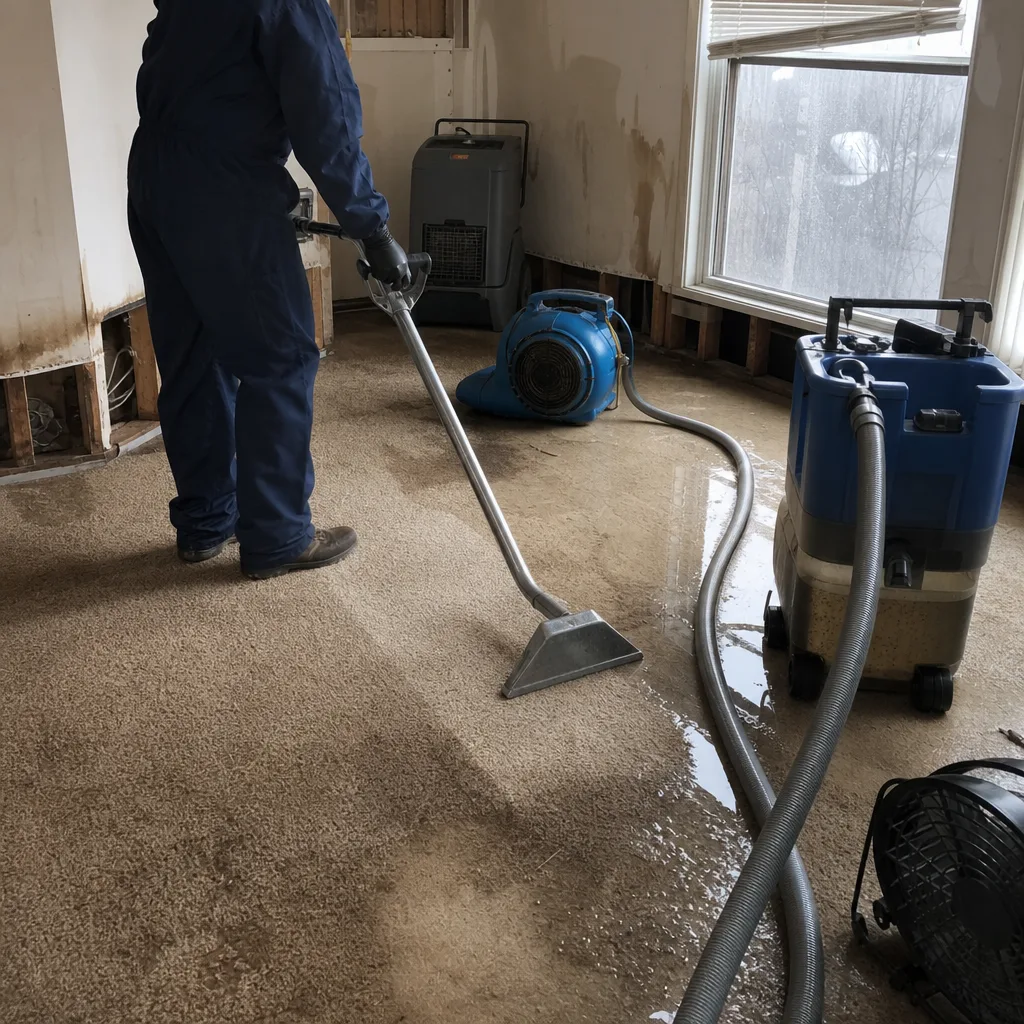
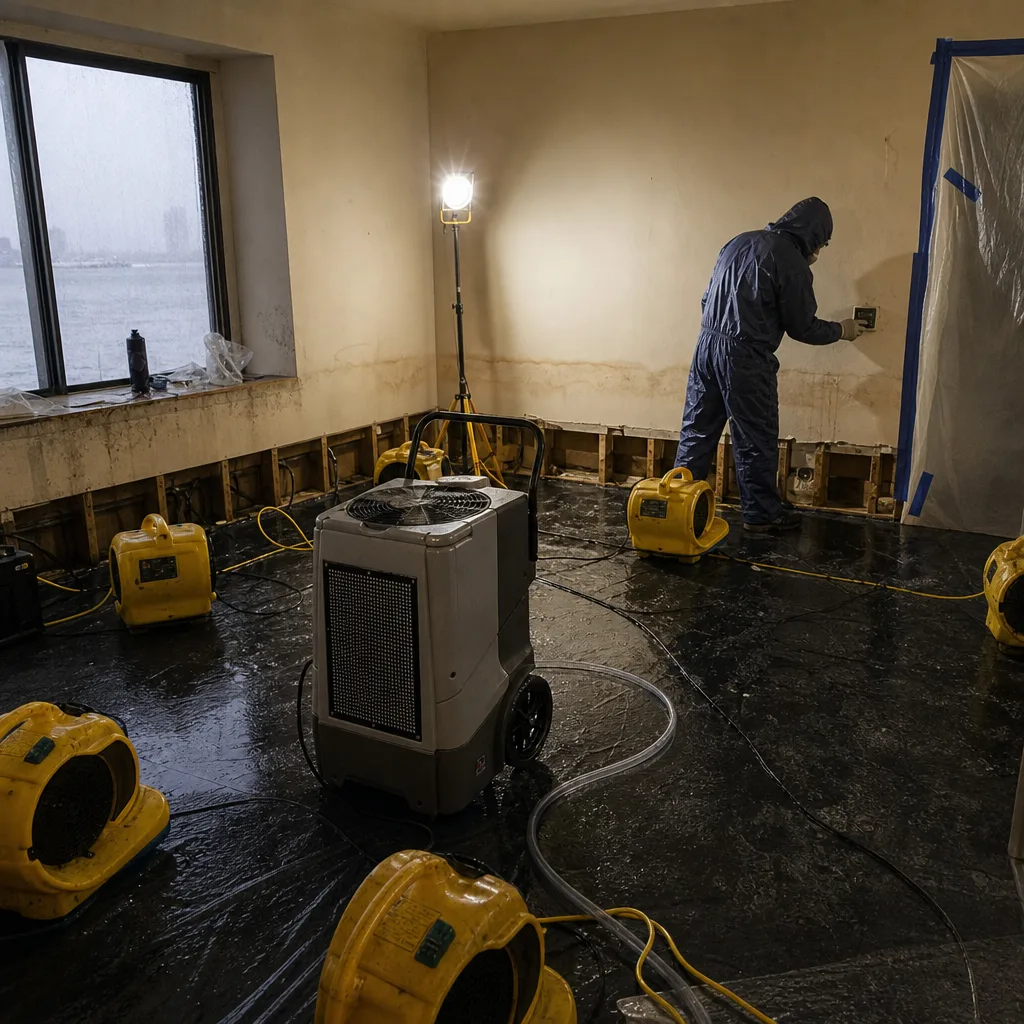
Free visual inspection and a written scope of work before any mitigation begins - photos, moisture readings, and drying logs go in your claim file
The scope we write is the scope we bill. Anything new gets shown to you, in writing, before we touch it.
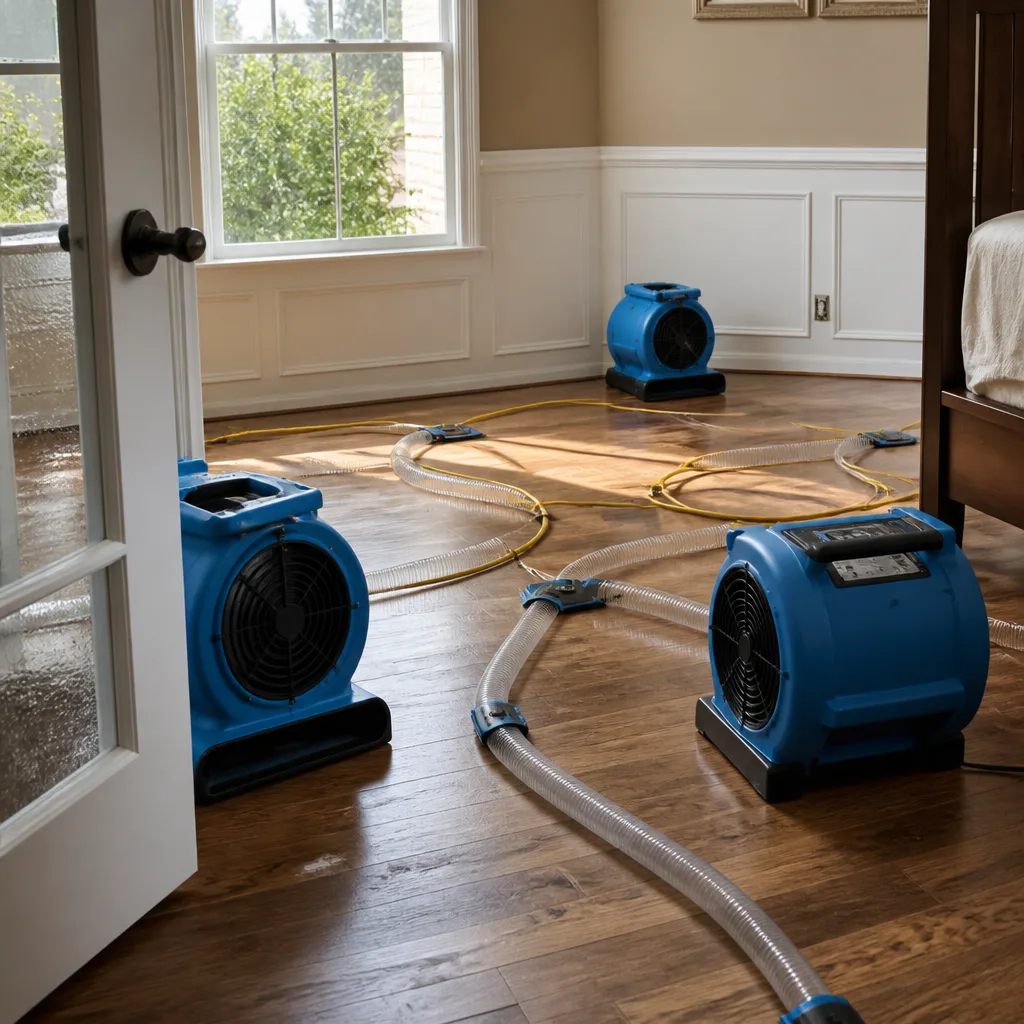
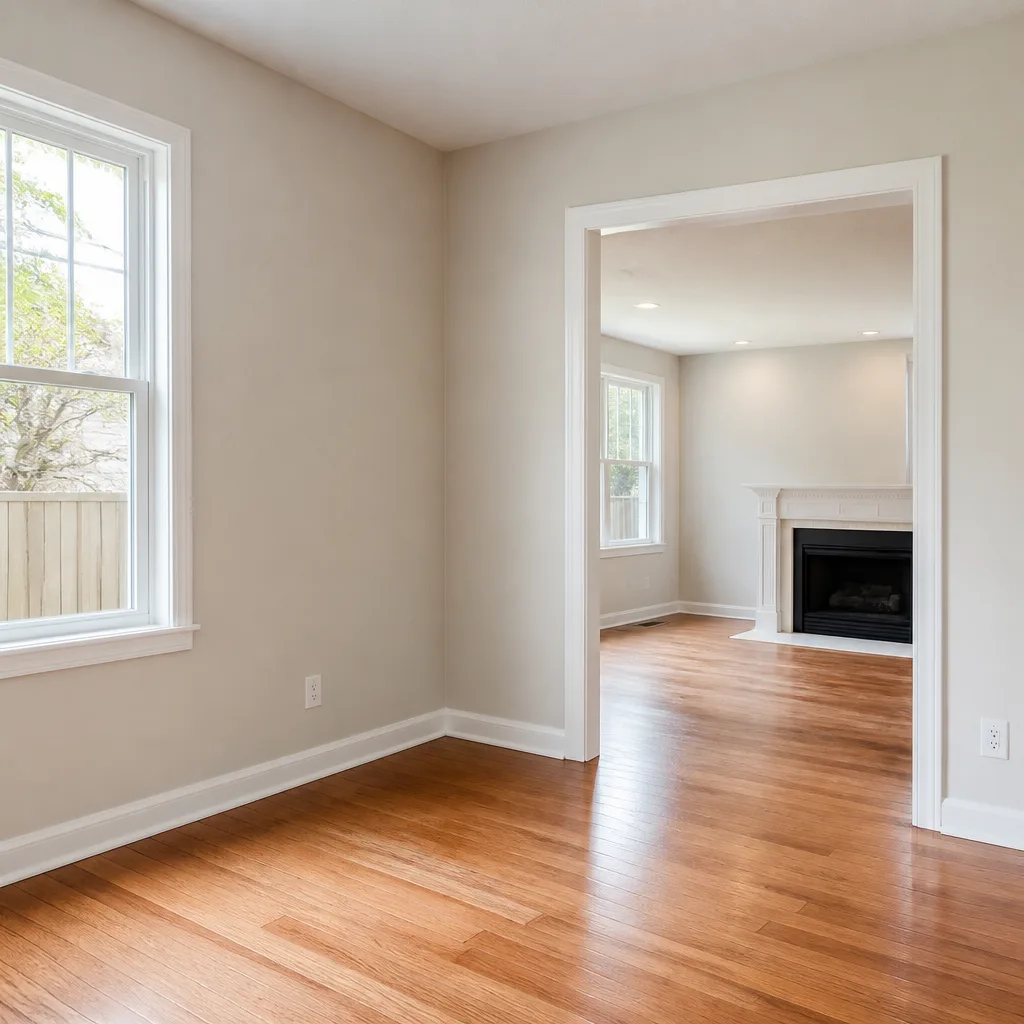
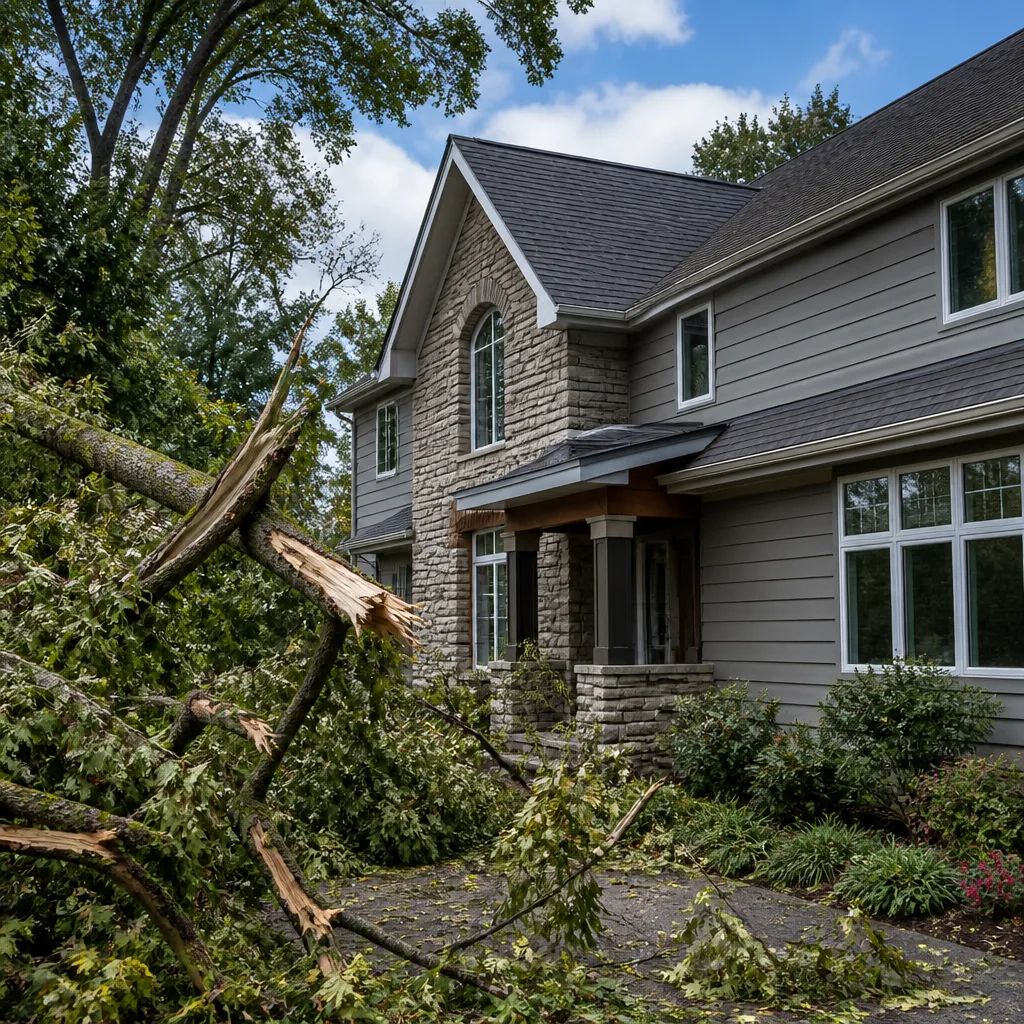
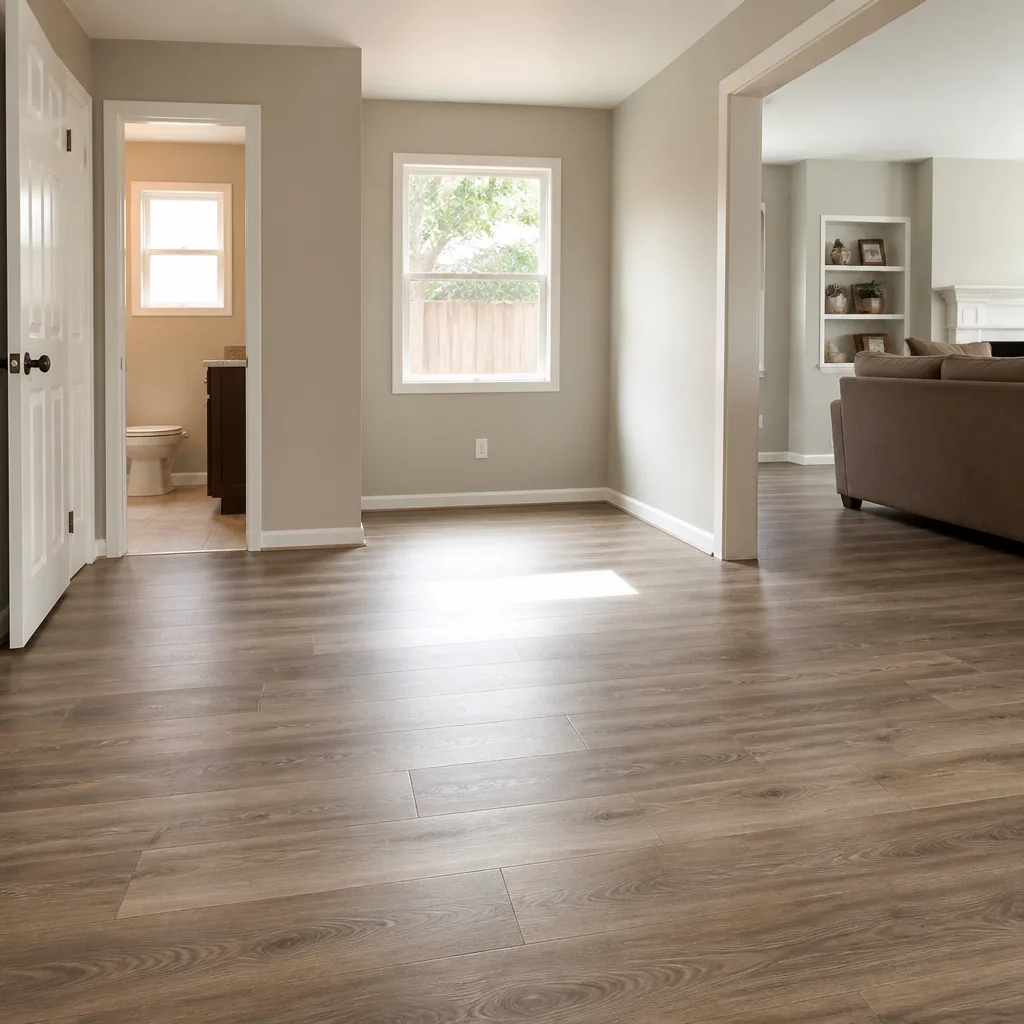
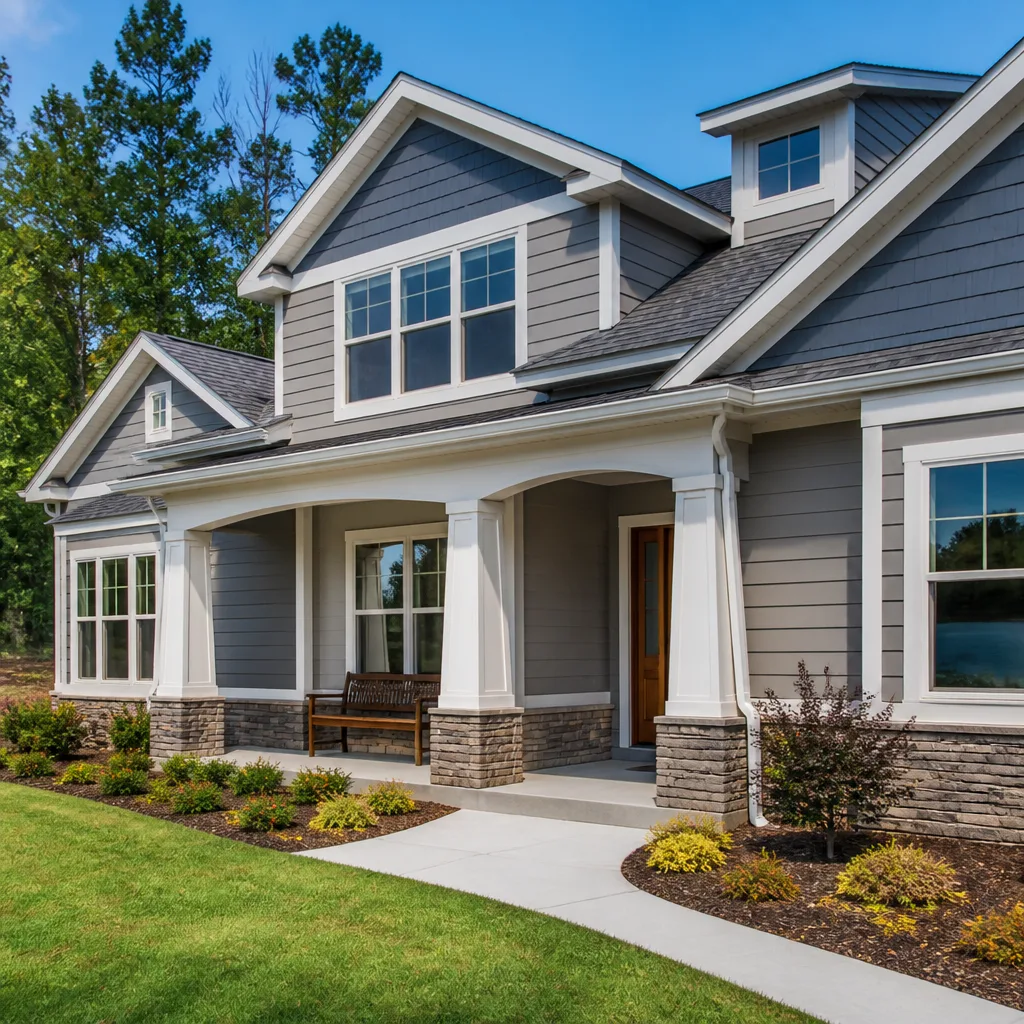
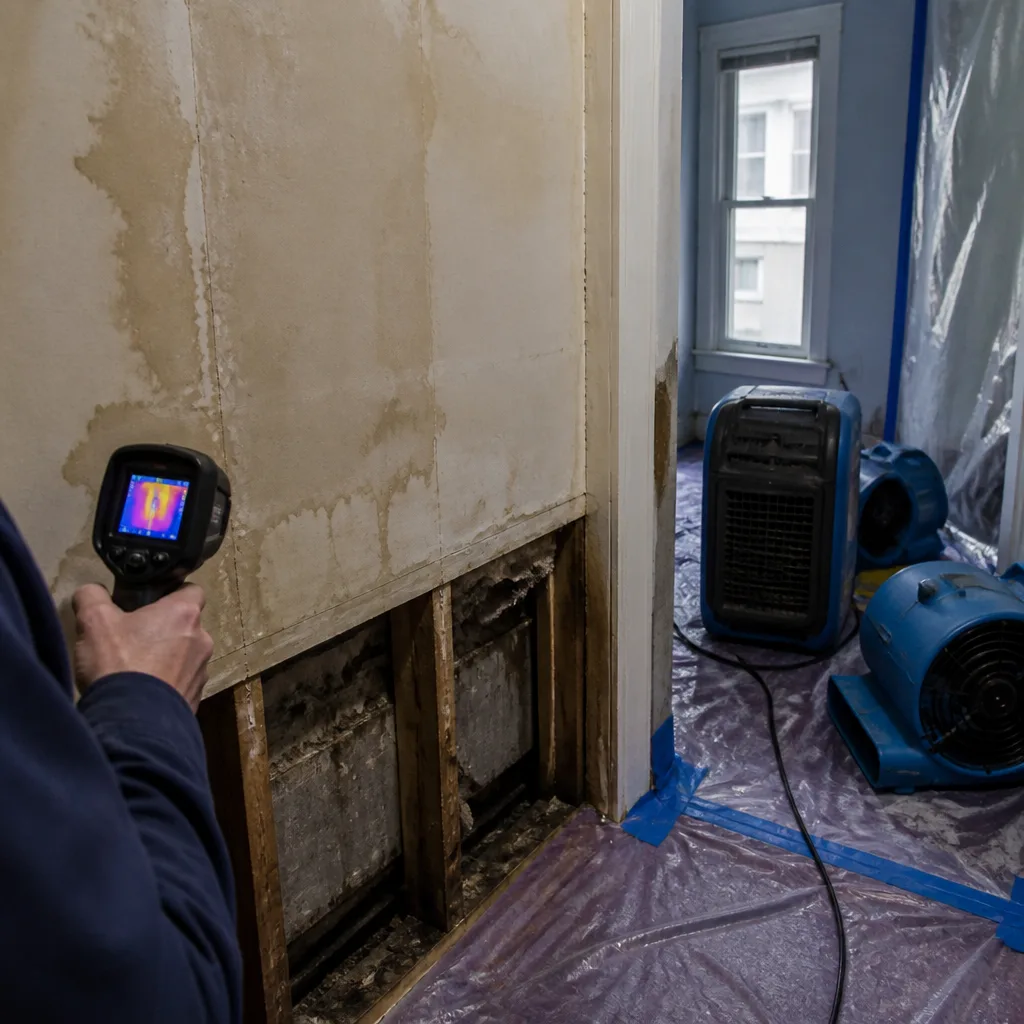 Before
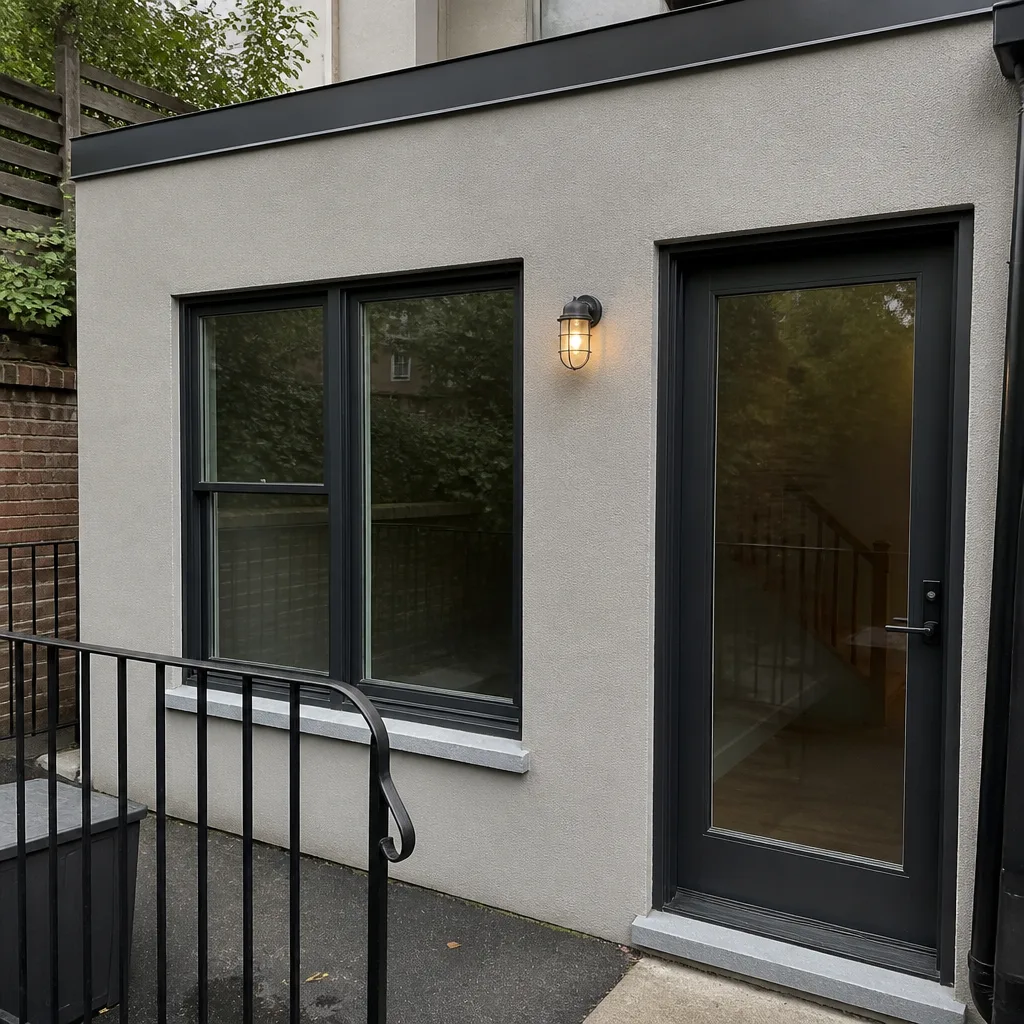 After
After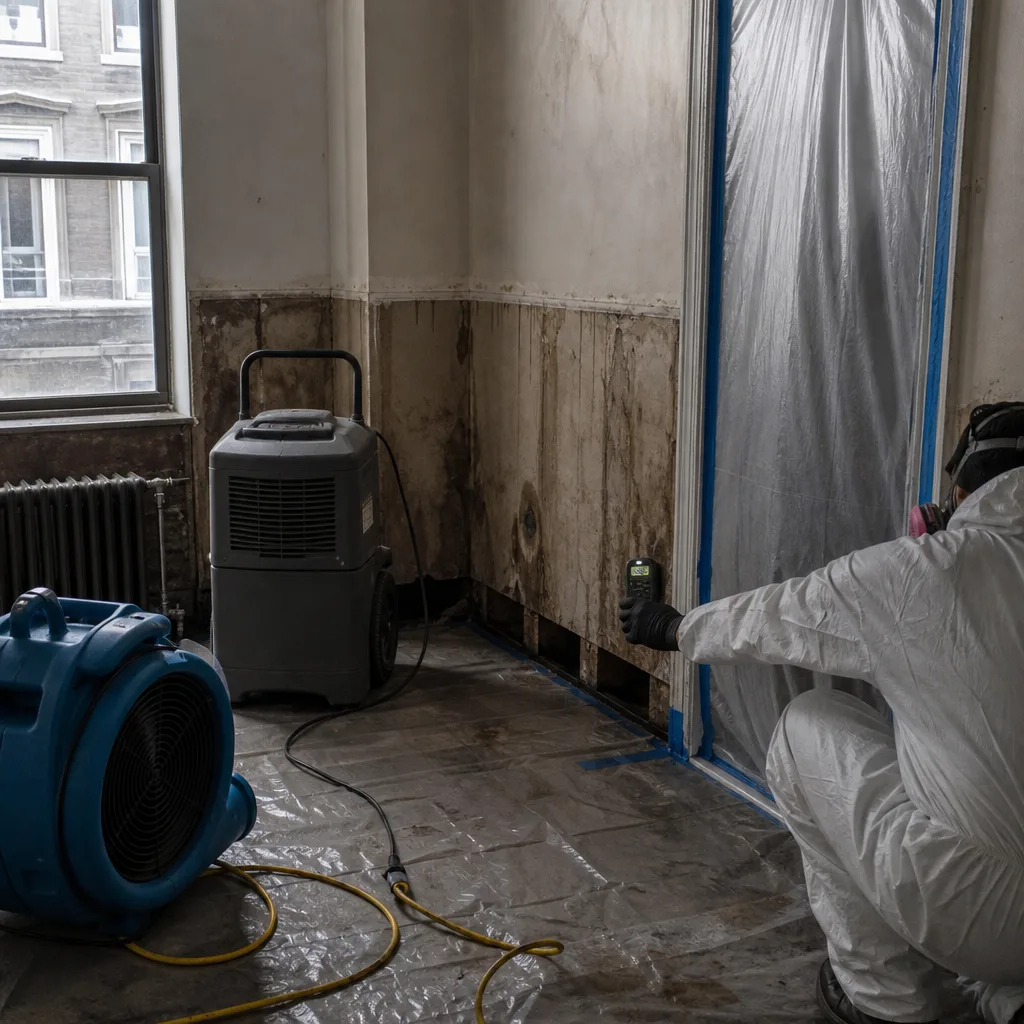 Before
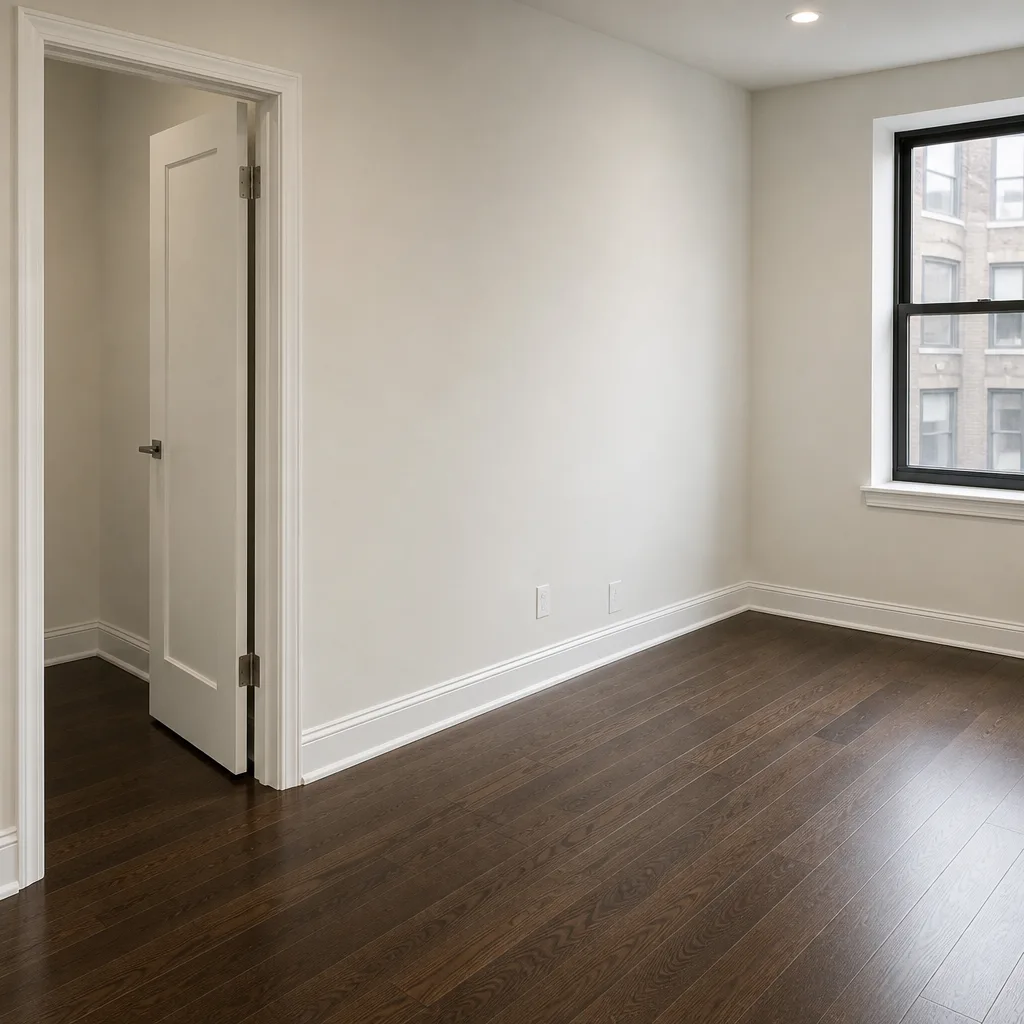 After
After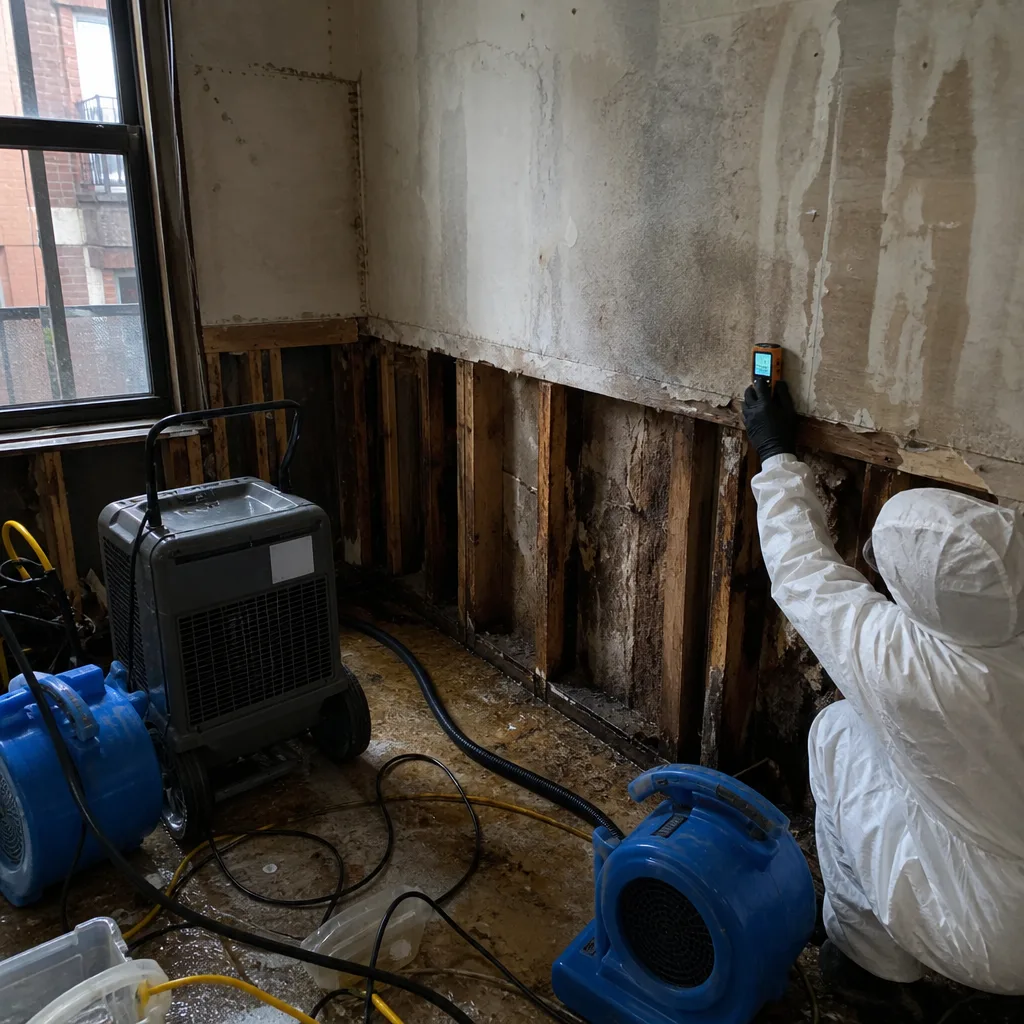 Before
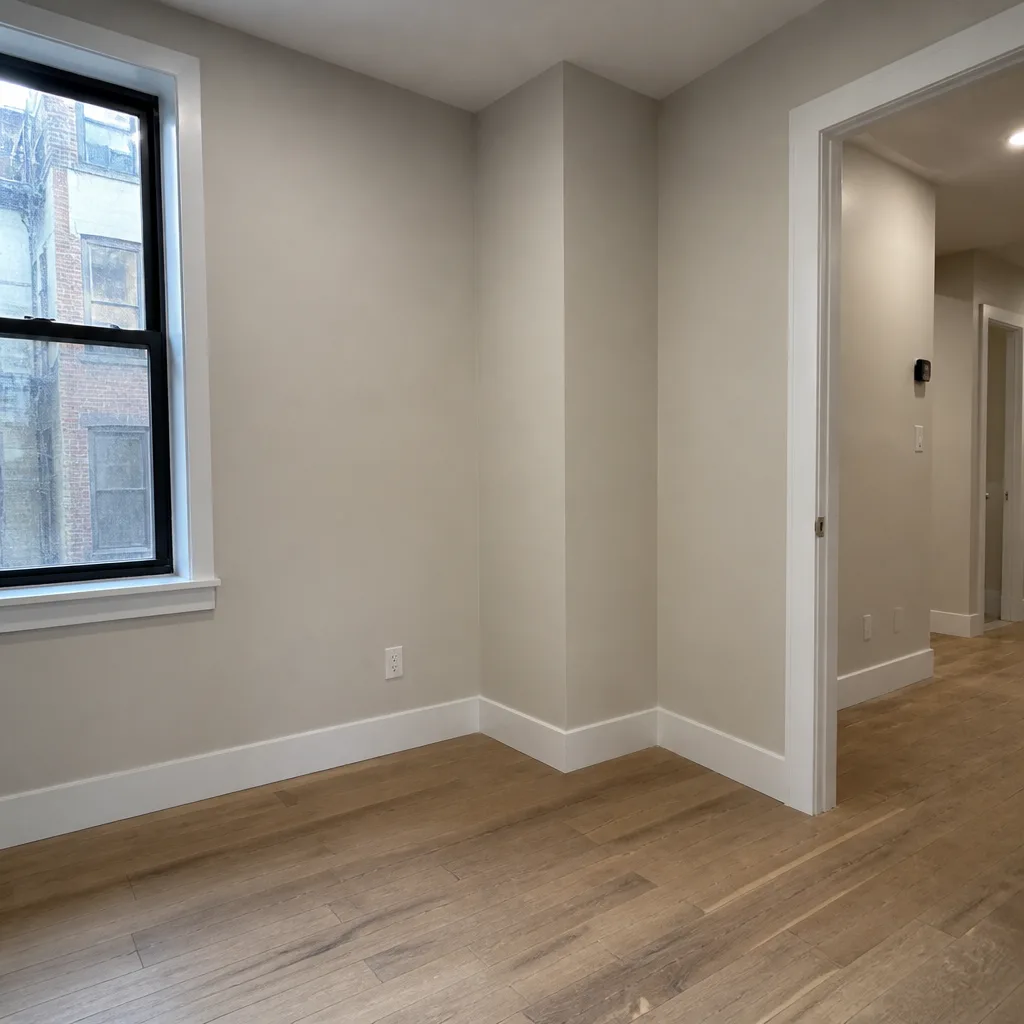 After
After24/7 Emergency Water Damage Restoration in Astoria
Water damage restoration in Astoria, NY typically costs between $2,800 and $7,500 for a standard rowhouse floor, and our crews can be on site within 45 minutes of your call. When a supply line splits in a 1930s walk-up, the water does not wait, and neither should you. The first hour determines whether you are dealing with a contained cleanup or a gut remodel. Call (607) 350-1550 for a live answer, day or night, from Wade Ferris himself.
Wade heads out personally on most calls in Astoria, because he knows exactly what these buildings do when water gets behind original plaster and lath. We run extraction, containment, and structural drying with the same urgency we would bring to our own homes. And we are honest about what we find, not what a national call center script tells us to say.
Understanding Water Damage Restoration Severity in Astoria Properties
Water damage is classified into three categories, and Astoria’s housing stock pushes more jobs into the serious end of that scale than any new-construction neighborhood would. Category 1 is clean water from a supply line or failed water heater. Category 2 carries contaminants, like dishwasher or washing machine discharge. Category 3 is grossly contaminated, from Sewage Cleanup - Astoria backups or East River storm surge. In Astoria’s attached brick buildings, even Category 1 water rarely stays clean by the time it reaches our air movers. It picks up a century of dust, plaster, lead paint particles, and fiberglass as it travels through wall cavities and settled floor layers.
Severity here is not just about the water category. It is about where that water goes. A burst pipe in a false ceiling chase can run silently for hours, saturating joists, lathe strips, and the shared party wall before anyone notices a bulge. Pre-war construction is dense and absorbent. Brick wicks, plaster retains, and old-growth framing holds moisture that modern dimensional lumber releases faster. Our crews use thermal imaging and penetrating moisture meters to map the full migration path, not just the visible stain. Without that mapping, you are guessing. And guessing in a rowhouse means your neighbor is the one discovering the damage next month.
Why Astoria Property Owners Choose Wade’s Restoration
- 45-minute response commitment for emergencies in Astoria. Wade is on the road as soon as you hang up, not after a dispatcher finishes a queue.
- Live answer, 24/7, no answering service. You reach the person who will show up at your door. That is the whole point of a small local shop.
- IICRC-certified crews with WRT (Water Damage Restoration Technician) and ASD (Applied Structural Drying) credentials on every job. We do not send a guy with a Shop-Vac named Bob.
- Free visual inspection before any work starts. No charge for that. Ever. You get a written scope and a straight answer.
- Direct insurance billing with daily photo documentation and moisture logs your adjuster will actually accept without ten rounds of back-and-forth.
- One team from extraction to reconstruction. We are not handing you off to a different crew for drywall. The same people who pulled the water will rebuild the wall, and we will tell you that to your face.
Our Water Damage Restoration Process
Inspection & Assessment
We arrive, walk the property with you, and map the moisture using thermal cameras and hygrometers. You get a written scope before any equipment comes off the truck. No exceptions.
Extraction & Stabilization
Standing water comes out first with truck-mounted and portable extractors. In Astoria basements, this often means pulling water from tight crawl areas under pre-war floor joists, which takes a careful hand and a lot of flashlight work.
Drying & Dehumidification
We set Dri-Eaz and Phoenix air movers and dehumidifiers, cut ventilation paths, and open wet cavities that would otherwise hold moisture for weeks. Drying logs are taken every single day and handed to you at the end.
Cleaning & Sanitization
We treat affected surfaces with appropriate antimicrobials and clean salvageable contents. On pre-war Astoria properties, this also means careful handling of dust and debris that may contain lead paint residue.
Party Wall & Cavity Treatment
This is the step most restoration companies skip because it is invisible work. We open and dry the wall cavity between attached buildings. If we do not, your neighbor’s wall fails next year and everyone blames the old brick.
Repairs & Restoration
We rebuild what we opened. Plaster, drywall, trim, flooring, paint. One crew, one scope, one warranty. The 90-Day Done Right Promise applies to every part of it, in writing.
Need Emergency Water Damage Restoration in Astoria Now?
Crews minutes away, answering live 24 hours a day. The sooner we start, the less it costs.
Working With Your Insurance Company
Wade deals with the adjuster directly. You should not be the one stuck relaying technical drying metrics between two parties who do not trust each other. From the first hour, we photograph every affected area, log moisture readings daily, and document the full scope of work in the format carriers expect from an IICRC-certified firm. That means fewer delays, fewer denials, and fewer “we need more information” loops.
On a party-wall loss in Astoria where the neighboring unit is also affected, we coordinate the documentation across both policies. Your insurance pays for your property. Their insurance pays for theirs. Our documentation makes that line clear instead of letting it become a fight between carriers.
What We Provide Your Insurer
- Thorough documentation of the loss
- Photos of all damage, room by room
- Moisture readings and drying logs
- A detailed, line-item scope of work
- Direct coordination with your carrier
Built for Astoria’s Loss Calendar
Astoria’s water damage season never really ends, but it has distinct peaks. January and February bring hard freeze-thaw cycles that split supply lines inside uninsulated exterior-wall chases. These are the hidden pipe runs behind kitchen cabinets, in stairwell walls, and along party lines that nobody sees until water is running down three floors. A 1930s rowhouse has zero insulation in those chases. The pipe freezes, the fitting splits, and the thaw is what floods the building.
Spring shifts the problem downward. Snowmelt and heavy rain saturate the soil around basement foundations, and Astoria’s older fieldstone and brick foundations weep. Basement water removal calls spike on the first warm weekends. Summer brings thunderstorms that overwhelm old flat roofs and clogged roof drains on pre-war walk-ups. Fall and early winter mean nor’easters. The western blocks near the East River and Hell Gate take the brunt of those, and ground-floor units in the FEMA flood zones watch the water rise before anyone from the city shows up.
We schedule around this calendar, but we also staff for it. Wade’s crews know what a January pipe split in Astoria looks like before we open the first wall. That is not a formula. That is just having done it enough times.
Water Damage Restoration Across Astoria’s Neighborhoods
The response route matters more in Astoria than in most of Queens, because the building stock changes every four blocks. Up near Ditmars Boulevard and the Astoria-Ditmars stop, you are dealing with six-story pre-war walk-ups, and a roof leak means chasing water down five floors of plaster ceilings. Around 30th Avenue and Broadway, the dominant stock is two and three family brick rowhouses. Those are the party wall jobs. Each one abuts the next with no gap, no barrier, and no sympathy for the owner on the other side.
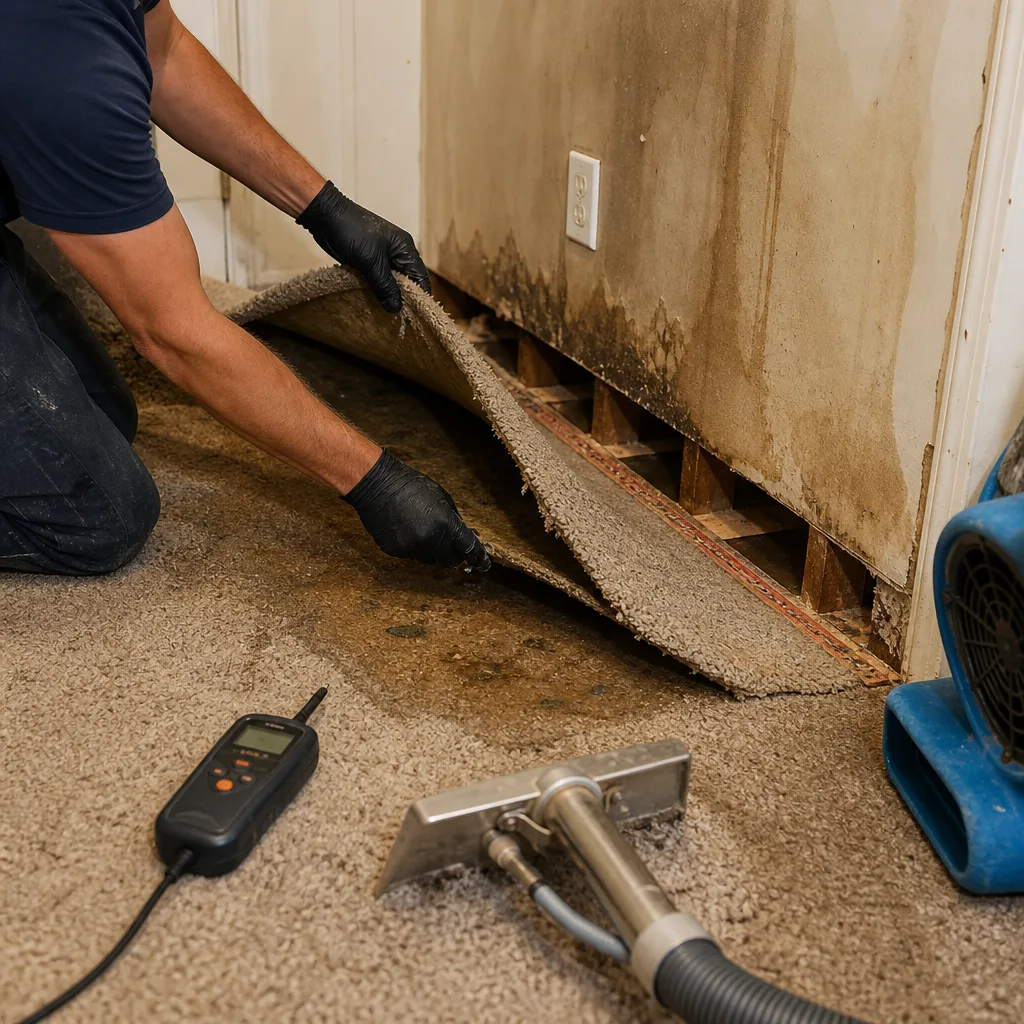
Down along 21st Street and the western blocks toward Astoria Park and Halletts Cove, the flood zone changes everything. Those basements take on storm surge and tidal flooding that inland blocks near Steinway Street never see. South toward 36th Avenue and the N/W elevated viaduct, we check train-facing exterior walls for chronic drip damage. The de-icing chemicals that run off the steel rust and corrode brick faces, and owners mistake the resulting mold for roof leaks. Our techs have seen that misdiagnosis too many times to count.
The Long Island City border area mixes old industrial conversions with newer residential. Different framing, different moisture behavior. You cannot treat a 450-unit converted warehouse building the same as a two-family brick rowhouse. We do not.
Specialized Water Damage Restoration Services We Offer in Astoria
Burst Pipe Restoration
This is a specialty in Astoria because the pipe runs here are old, hidden, and uninsulated. A burst supply line in a wall chase saturates lathe, studs, and the party wall before anyone notices. Our crew opens the cavity, extracts, dries the full migration path, and rebuilds. We also document everything for the insurance claim, which on a multi-unit building can mean coordinating multiple policies.
Structural Drying & Dehumidification
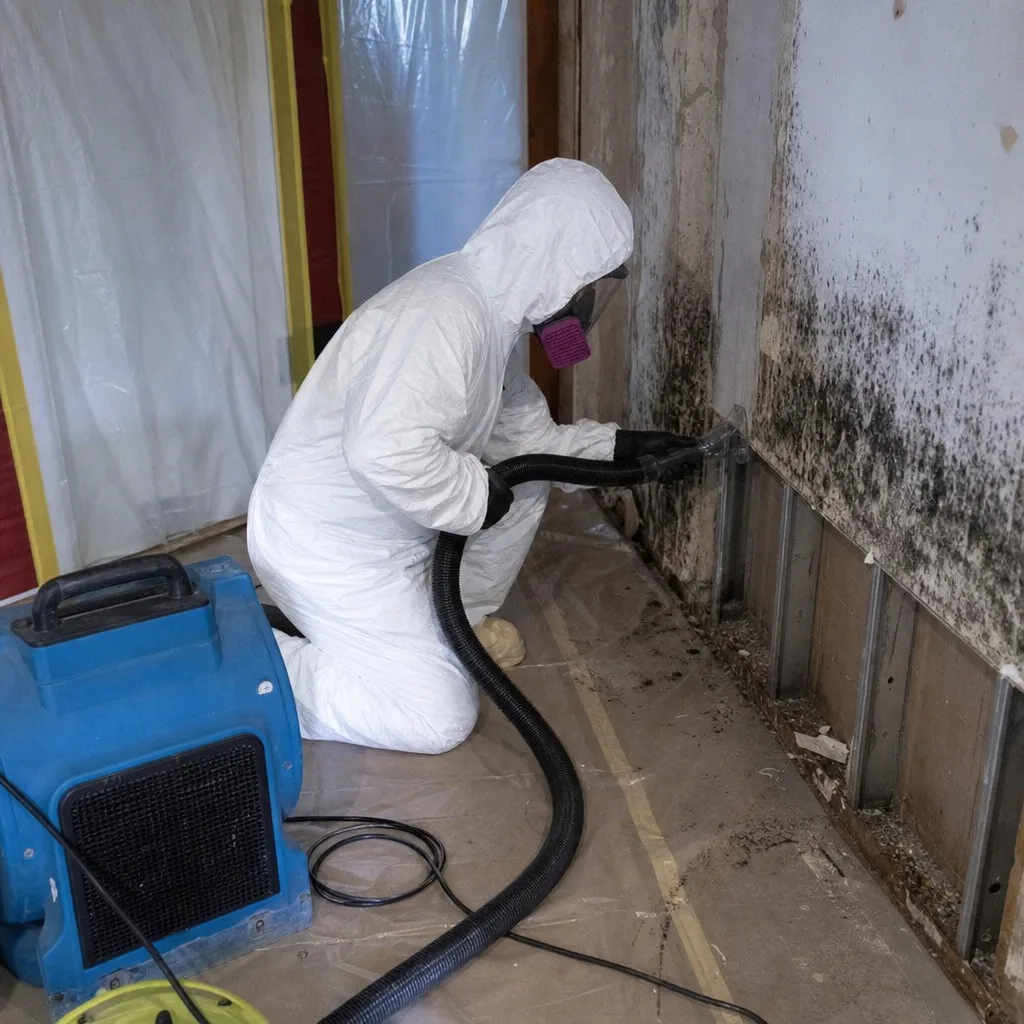
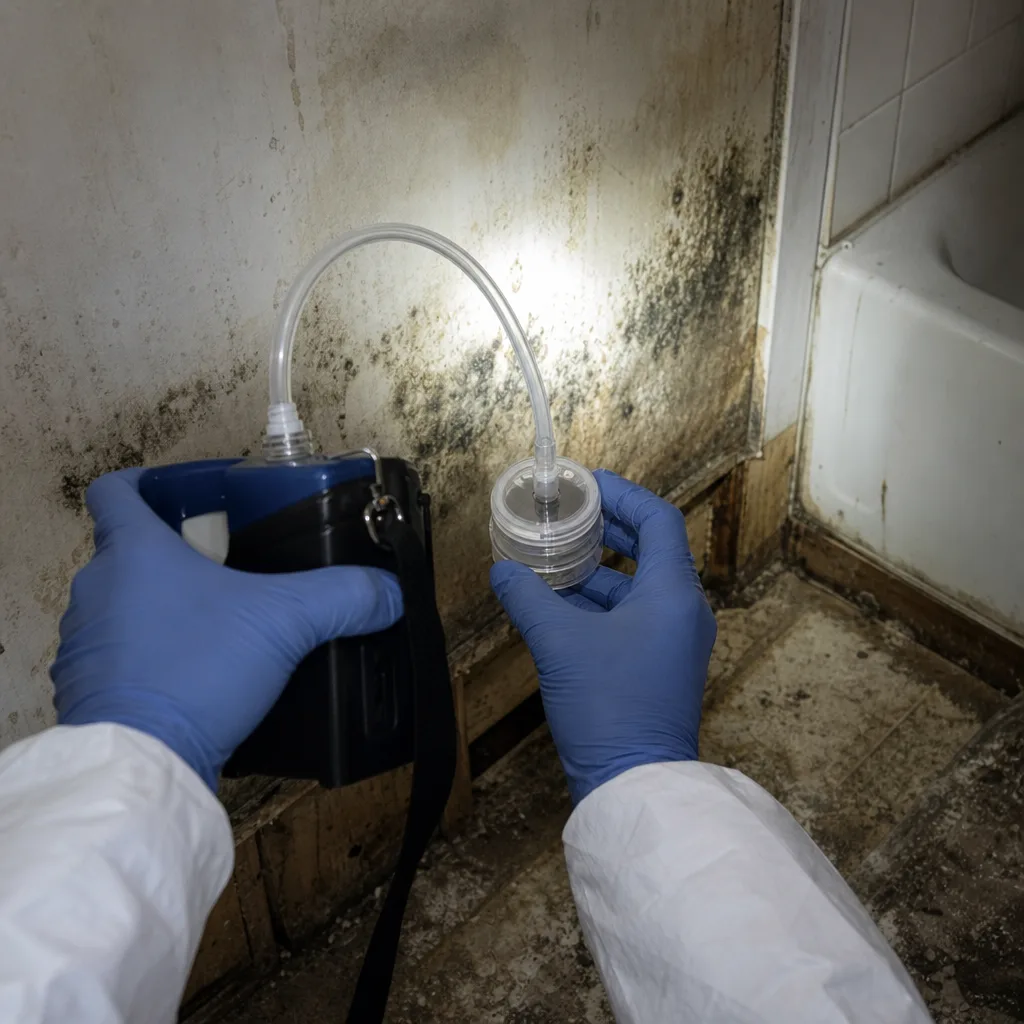
This is the part of the job that separates real restoration from cleanup. In Astoria’s pre-war buildings, plaster and old-growth framing hold moisture like a sponge. We run Dri-Eaz and Phoenix air movers and dehumidifiers for days, not hours, and we hand you a daily moisture log at the end. Nobody else does that. Ask a national franchise for their drying log sometime and watch the phone go quiet.
Ceiling & Roof Leak Water Damage
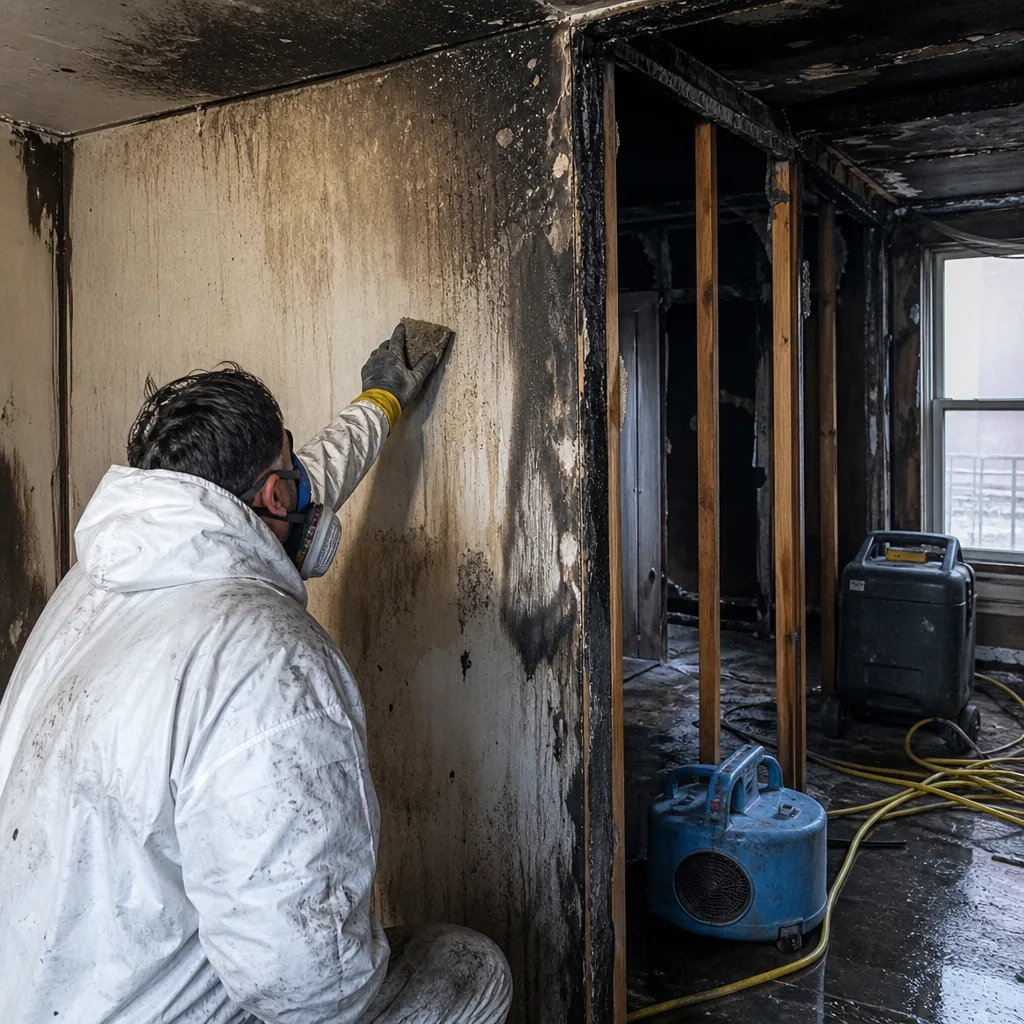
Flat roofs on Astoria’s pre-war walk-ups pool water. When the membrane fails, water saturates the top-floor ceiling and then travels down and sideways through the cavities. In attached rowhouses, that means the neighboring building gets wet too. We open the ceiling, dry the joist bays, and repair the roof or coordinate with a roofer we trust for Fire & Smoke Damage Restoration - Astoria if needed. One crew for the whole problem.
What happens when you call
- 1
A real person answersNo phone trees - you reach a local pro.
- 2
You get an upfront price rangeHonest numbers before anyone is dispatched.
- 3
A background-checked tech heads outLicensed & insured, dispatched right away.
- 4
You approve before work beginsNothing starts until you say go.
Water Damage Restoration Costs in Astoria, NY
A standard water extraction and drying job in an Astoria rowhouse runs $2,800 to $5,500 for a single floor. A multi-floor pipe burst with party-wall saturation runs $6,000 to $12,000. Basement flood cleanup from coastal storm surge runs $3,500 to $9,000 depending on the finish level and whether sewage is involved. A ceiling replacement from a roof leak on a pre-war walk-up runs $1,800 to $4,200 per room. These are real numbers from jobs we have done in this neighborhood, not a national pricing chart.
What moves the price: whether we have to open and rebuild the party wall, whether asbestos or lead abatement is triggered, how many days the dehumidifiers need to run, and whether the flooring is original or already replaced. Most Astoria water damage is covered by insurance when the cause is sudden and accidental. A slow leak that has been going on for months may not be. That is why the first 30 minutes matter. Call (607) 350-1550 for a free inspection and a written scope. No charge for that.
We Also Serve Cities Near Astoria
Our crews cover the full Astoria response area plus Water Damage Restoration in neighboring Long Island City, where the converted industrial stock presents different challenges. Same live answer, same 45-minute commitment, same written scope before work starts. If you are on the border, call us. We will tell you honestly if it is something we can handle in one trip.
Serving Astoria, NY - Our Local Coverage Area
We’re based in the Astoria area and know this community well. Use the map below to see our service coverage - if you’re nearby, we can almost certainly help.
Astoria Water Damage Restoration Questions, Answered
Why does water damage from a burst pipe in one Astoria rowhouse so often affect the neighboring building?
Because Astoria’s attached brick rowhouses share unreinforced party walls with no modern moisture barriers, water migrates horizontally through the wall cavity into the adjacent home. The original plaster-and-lath construction is highly absorbent, and water follows the path of least resistance, which is often right through the shared wall. That turns one policy into two claims and requires documentation across both properties.
What is the biggest risk from water damage in Astoria’s older brick buildings: the water itself or the materials it saturates?
The materials. Pre-war Astoria buildings contain original plaster, lathe, lead paint, and often asbestos in the insulation or flooring. When those materials get wet and then dry improperly, they release fibers and dust that would otherwise stay locked away. The water itself is manageable. The material disturbance is the long-term health and cost driver, which is why containment and air scrubbing matter as much as extraction.
How do I know if the mold on my train-facing wall is from the N/W subway viaduct drip or a roof leak?
Look for a vertical stain pattern on the wall facing the elevated tracks, often with a mineral streak from de-icing chemicals. Roof leaks typically show as a circular or spreading ceiling stain that migrates down. A train-facing wall that molds repeatedly while the ceiling stays dry is almost always viaduct drip. Our techs check this pattern first on any Astoria property within sight of the elevated N/W line.
Do I need flood cleanup or standard water extraction if my Astoria basement takes on water from a coastal storm?
If the water came from storm surge or the East River, it is Category 3 water and requires flood cleanup with full containment and disinfection. Standard extraction is not enough because the water carries sewage, fuel, and salt. On the FEMA flood zone blocks near Astoria Park and Halletts Cove, we treat every coastal storm intrusion as Category 3 unless proven otherwise.
Why do I see dehumidifiers running for days in Astoria rowhouses after a water extraction?
Because original plaster and old-growth framing hold moisture far longer than modern drywall and dimensional lumber. A pre-war rowhouse wall can take four to seven days of continuous structural drying to reach pre-loss moisture levels. Rushing that process leads to mold inside the wall cavity, which no one sees until the smell comes back. We run our Dri-Eaz and Phoenix equipment as long as the moisture readings say to, not on a corporate timer.
Will my homeowner’s insurance cover water damage in an Astoria rowhouse?
Most policies cover sudden and accidental water damage, like a burst pipe or a roof failure from a storm. They generally do not cover slow leaks that have been ongoing, or flood damage from coastal storm surge unless you carry a separate flood policy. Our documentation, submitted directly to your adjuster, establishes the cause and timing clearly. That is often the difference between a covered claim and a denied one.
How fast can someone actually get to my Astoria property in an emergency?
We commit to 45 minutes for emergency response in Astoria. Wade answers his own phone, and if he is not already on another call, he is on the road before you finish describing the problem. No call center, no “we will have a technician in your area this afternoon.” A real person heads out now. Call (607) 350-1550.
Can I stay in my home during water damage cleanup and drying?
In most single-family and two-family rowhouse situations, yes, as long as the affected area is contained and no Category 3 water or asbestos disturbance is present. If we are opening walls that may contain lead paint or asbestos, we will recommend temporary relocation for safety, and we will tell you that before we start, with a clear reason. Our goal is not to inflate the job. It is to keep you safe and the scope honest.
Written by Wade Ferris, Owner at Wade’s Restoration, serving Astoria’s water damage needs with a live answer and a straight scope since 2007.