
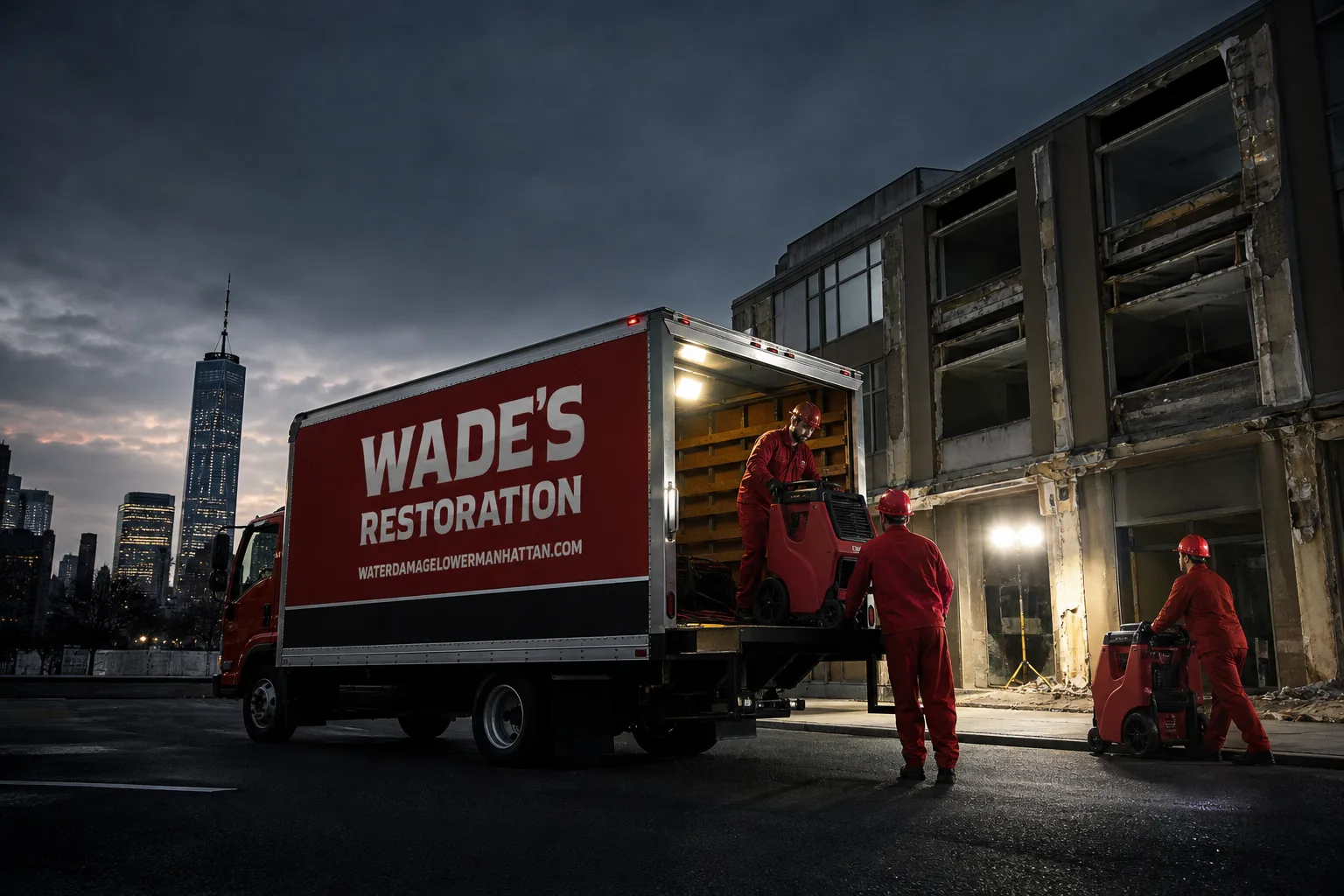
Free visual inspection and a written scope of work before any mitigation begins - photos, moisture readings, and drying logs go in your claim file
The scope we write is the scope we bill. Anything new gets shown to you, in writing, before we touch it.
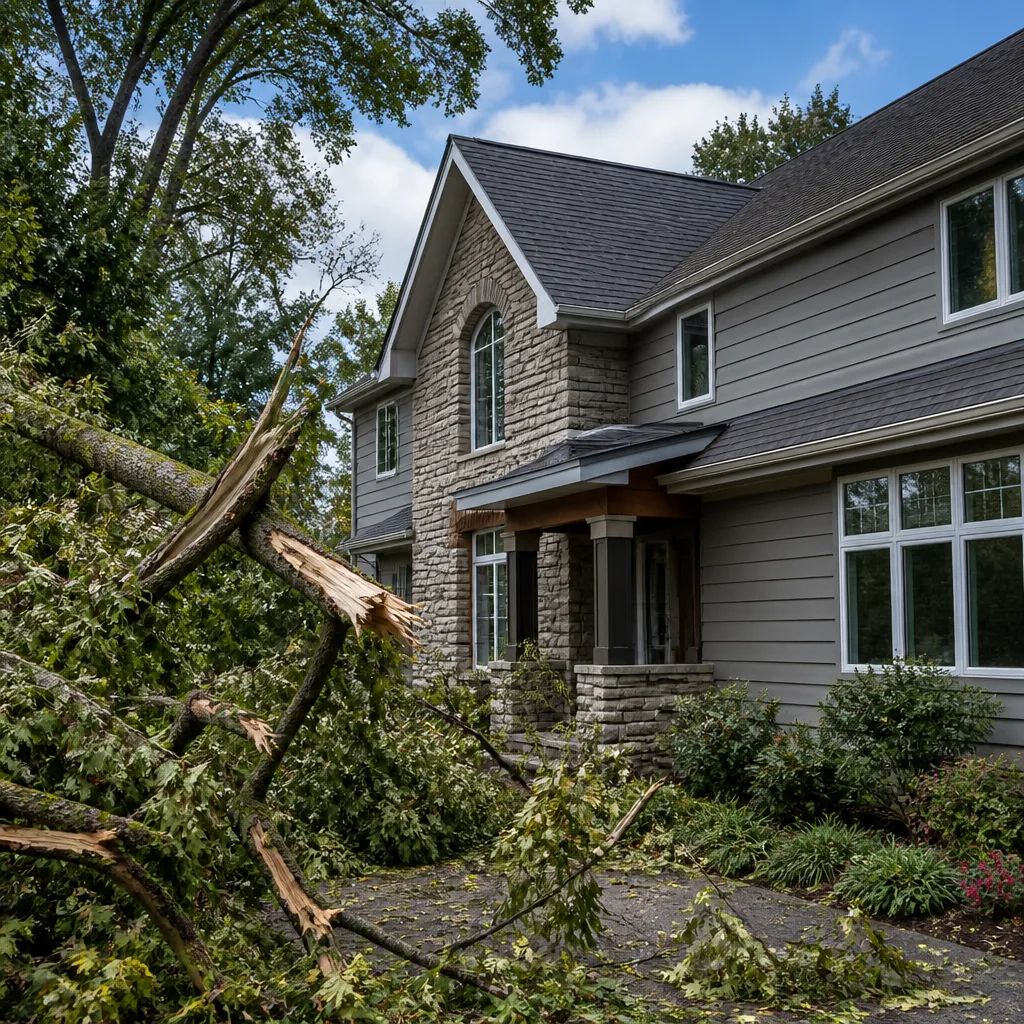
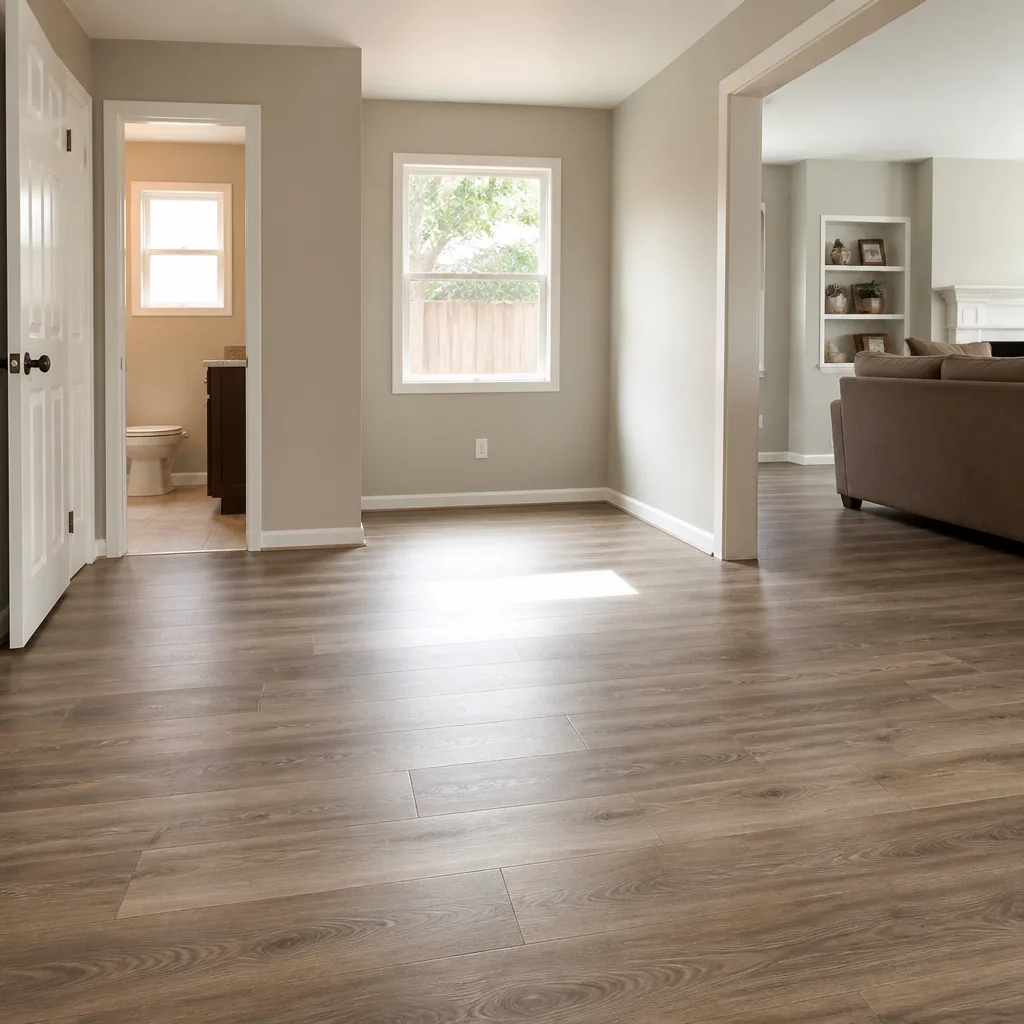

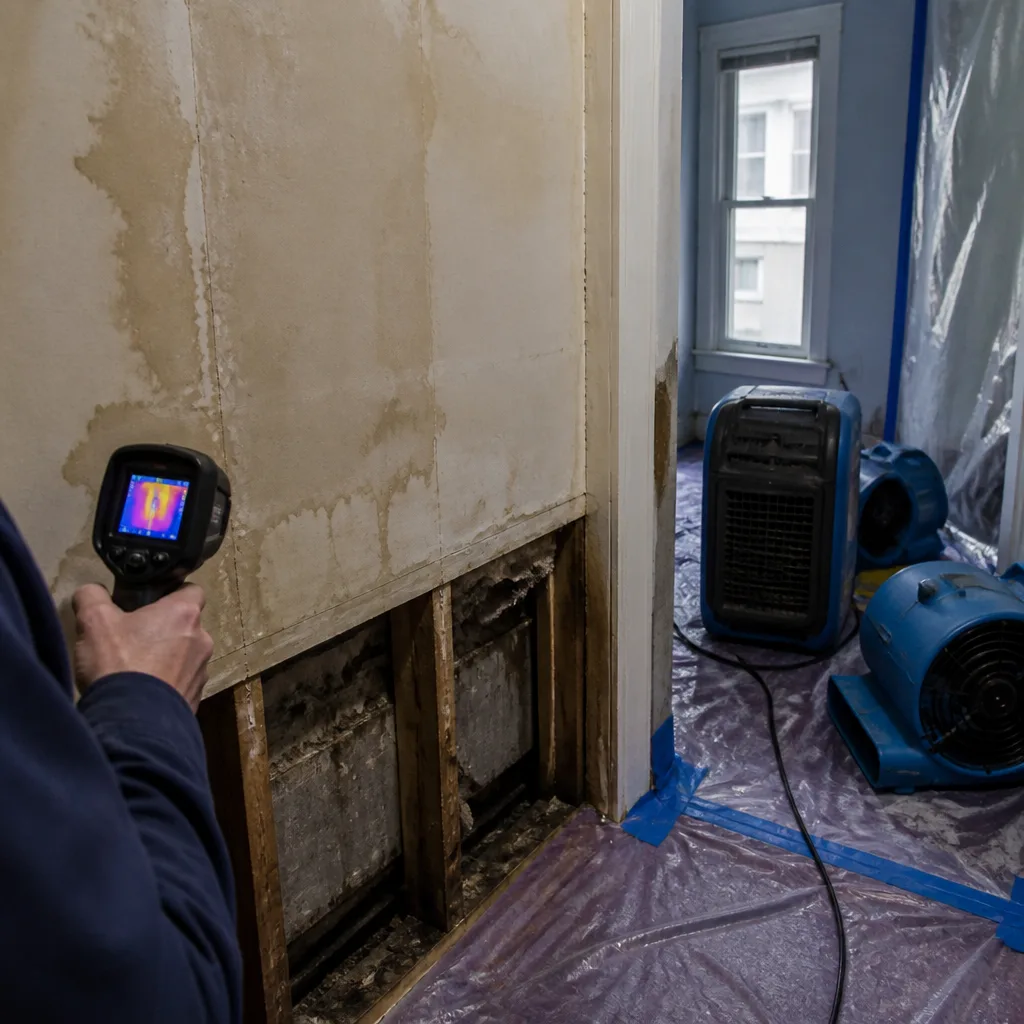 Before
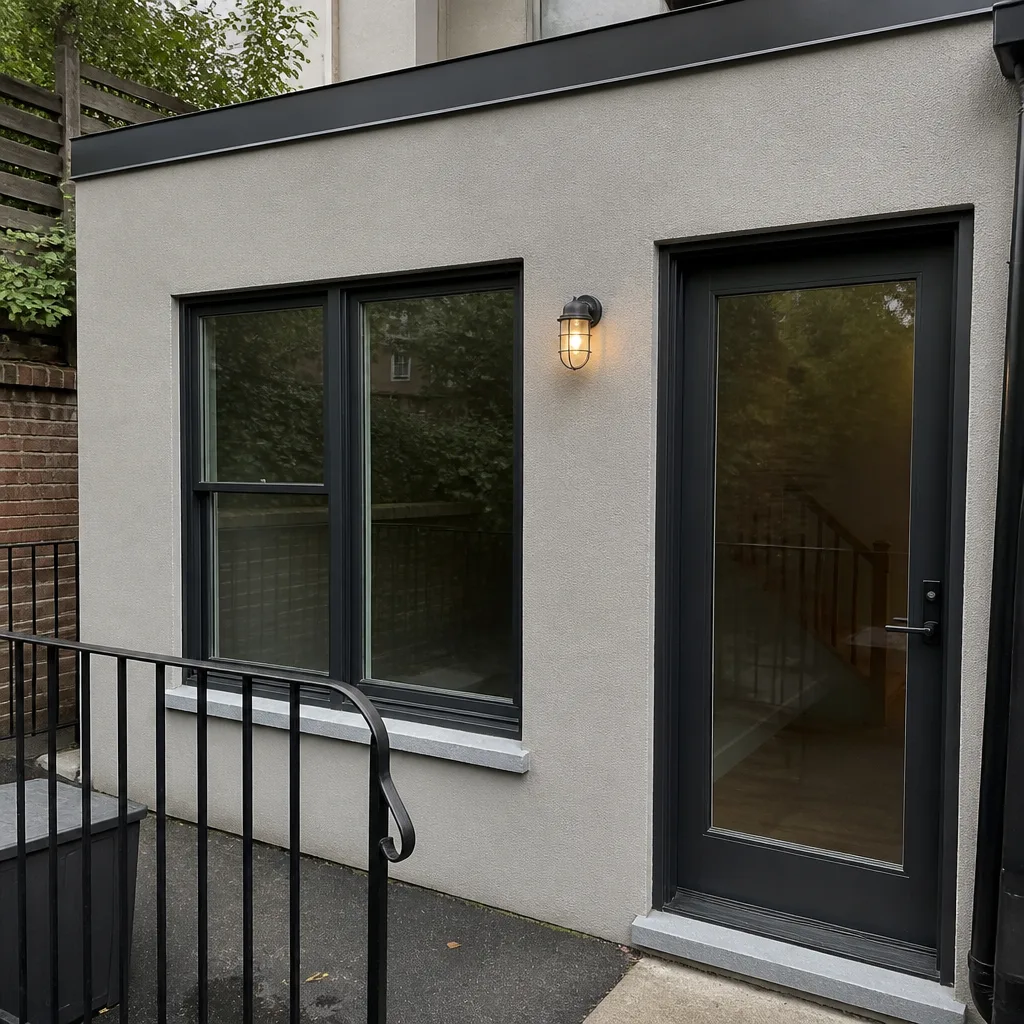 After
After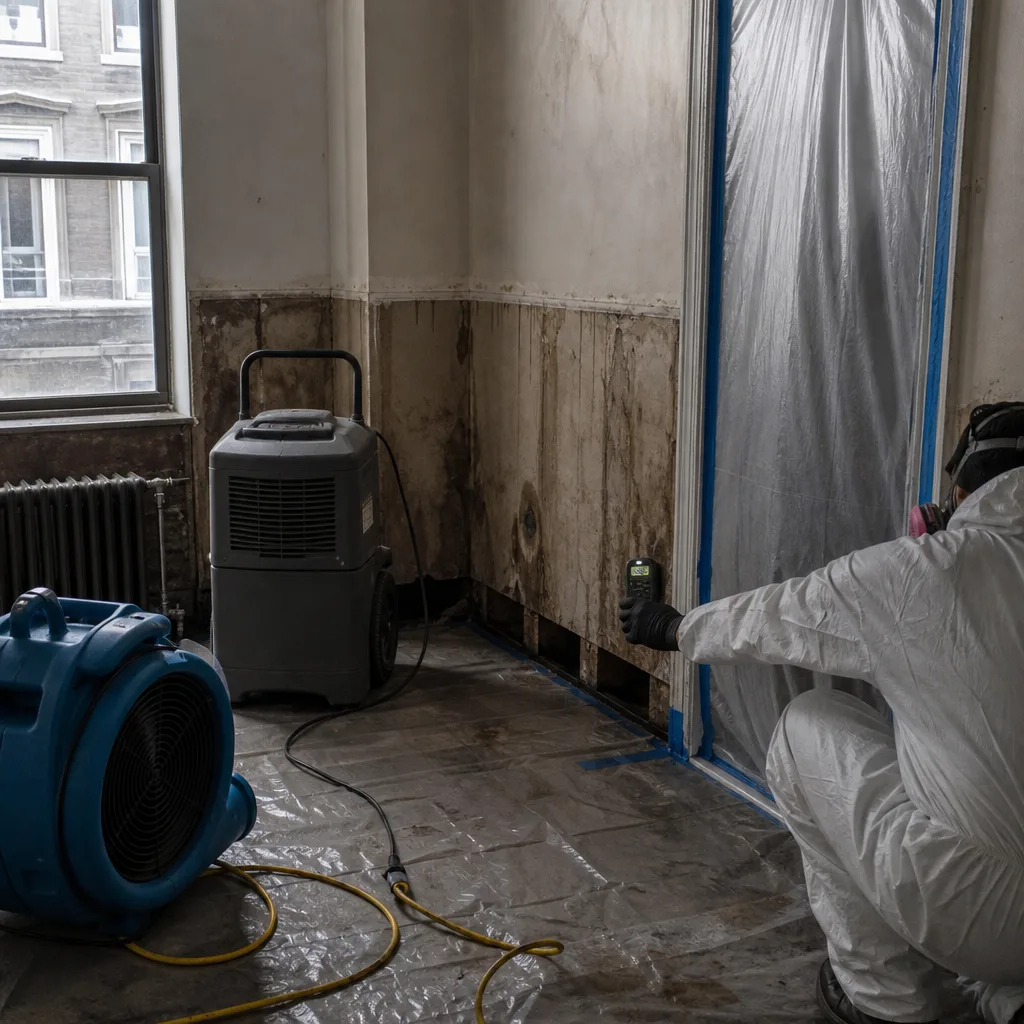 Before
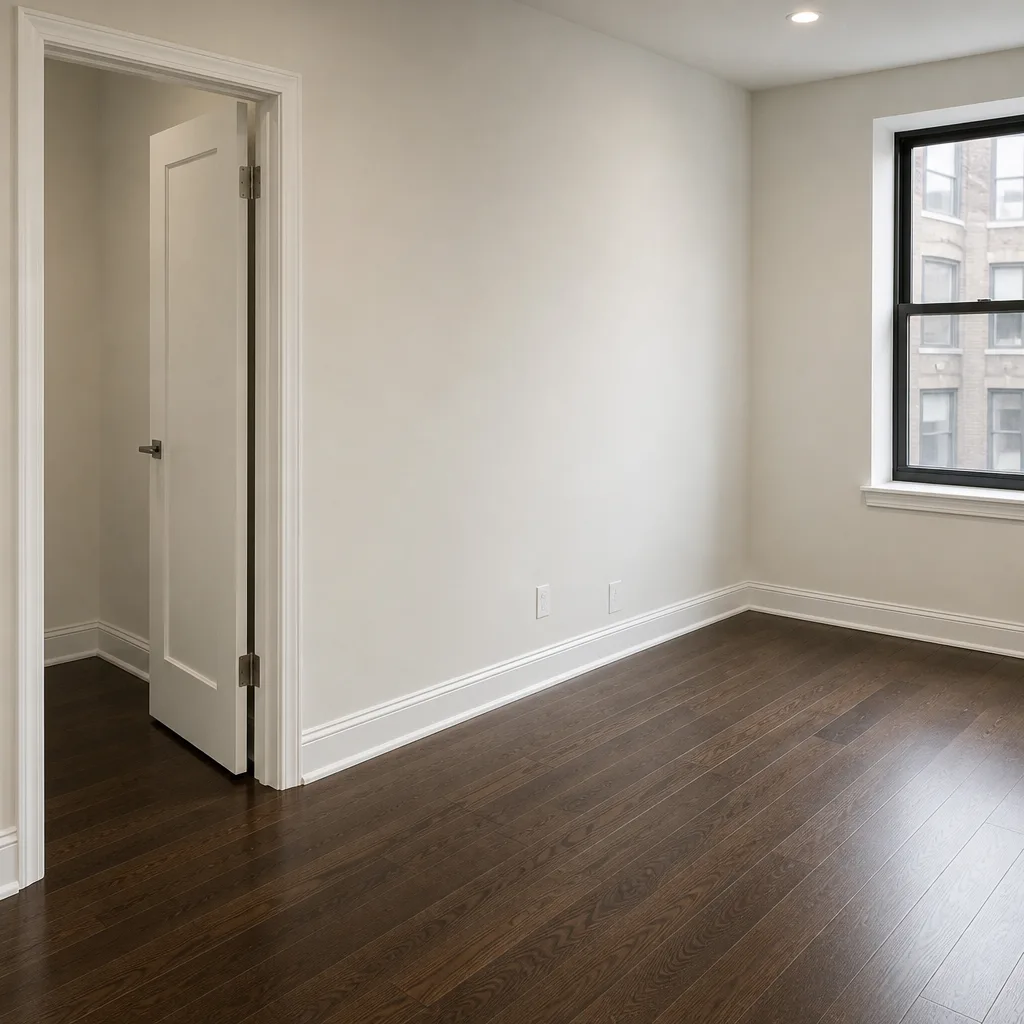 After
After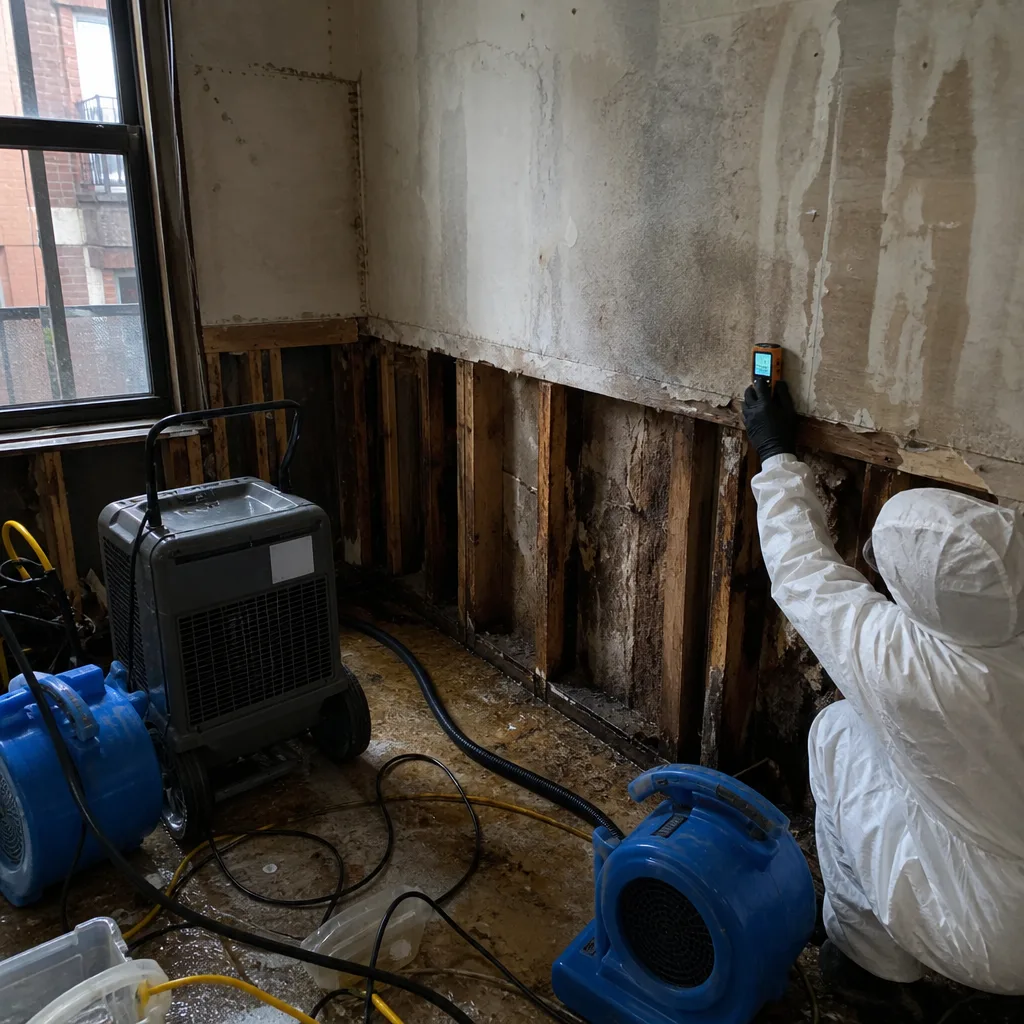 Before
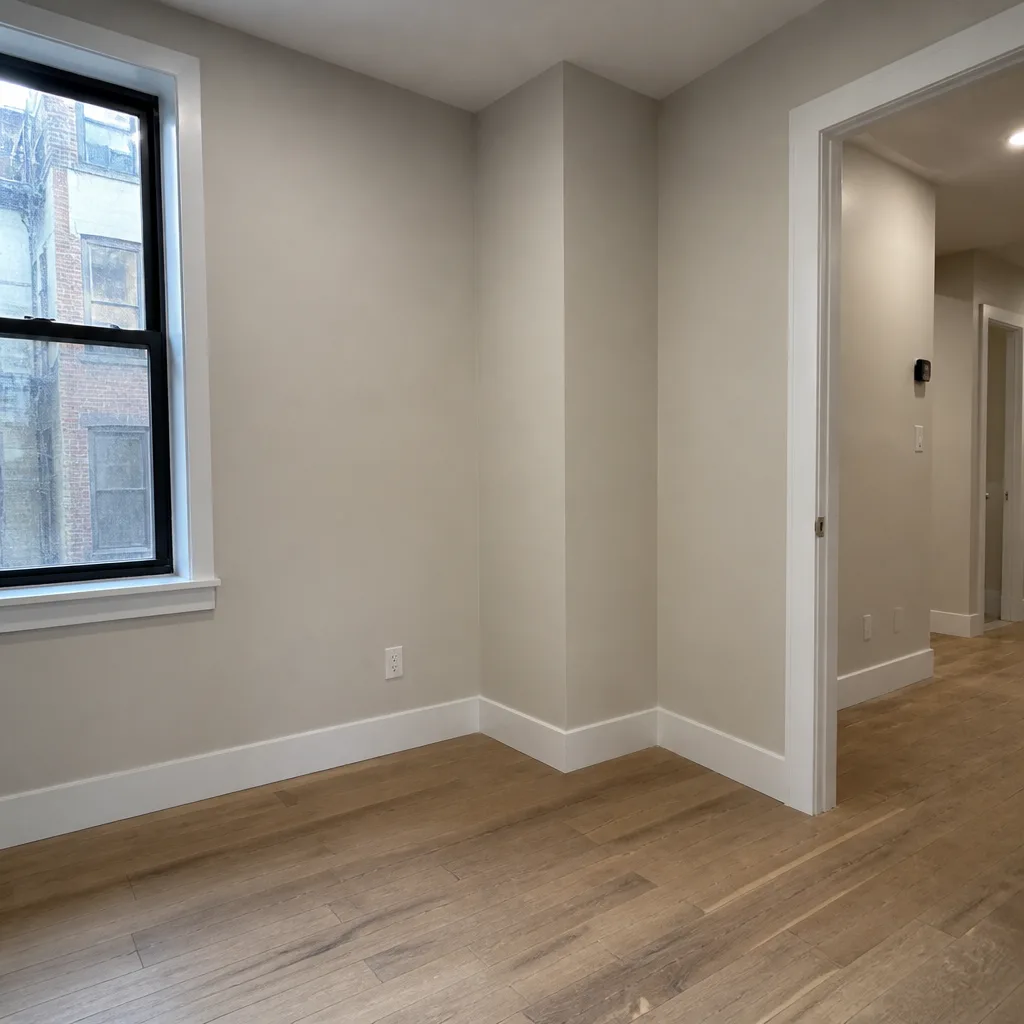 After
AfterTrusted Water Damage Restoration for Lower Manhattan Homeowners
Water damage restoration in Lower Manhattan typically costs between $1,800 and $7,500 depending on how far the water traveled and what it soaked into, and most jobs can have extraction running within hours of your first call. That’s the honest answer before anyone steps foot in your condo or walk-up. In a neighborhood where a burst riser on the 18th floor drains down through fourteen ceilings by morning, speed isn’t a sales tactic, it’s the only thing standing between you and a gut renovation.
Wade Ferris has been pulling water out of Lower Manhattan buildings since 2007, and he still answers his own phone. You call (607) 350-1550, you get Wade. Not a call center, not a queue, not a voicemail that promises someone will get back to you within one business day. When a supply line lets go in a Financial District high-rise or storm water pushes up through a basement floor on Orchard Street, Wade heads out with extraction equipment, and he doesn’t leave until the standing water is gone and the dryers are placed. His crews are background-checked, his equipment is Dri-Eaz and Phoenix, and every job ends with a moisture log handed to you, not a shrug and a “should be fine now.”
What Our Water Damage Restoration Service Includes
Emergency Water Extraction
Standing water doesn’t just sit there. It wicks into drywall, seeps under flooring, and starts feeding mold inside 48 hours. Emergency extraction is the first move: getting the bulk water out fast using truck-mounted and portable extractors. Wade’s trucks carry XPOWER pumps and Dri-Eaz extraction units that can pull hundreds of gallons an hour, and because Wade answers calls himself at 2 a.m., the gap between “I see water” and “equipment is running” stays as short as it can possibly be in Lower Manhattan traffic. Call (607) 350-1550 the minute you see pooling; don’t wait for morning.
Structural Drying & Dehumidification
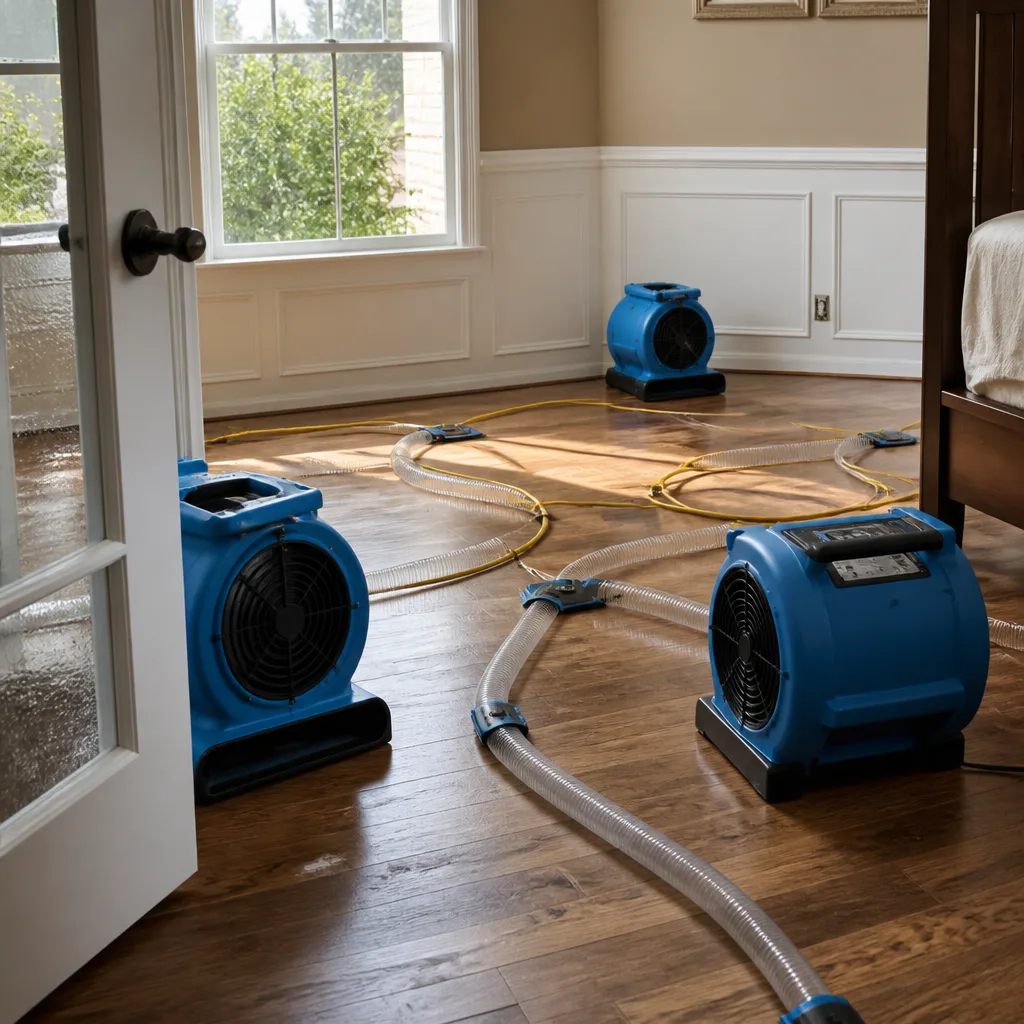
Extraction gets the water you can see. Drying gets the water you can’t. Soaked wall cavities, subfloor pockets, and the space behind baseboards hold moisture for weeks if left alone, which is how you end up with warped flooring and that musty smell that never quite goes away. Wade places high-capacity dehumidifiers and air movers aimed at the actual wet surfaces, and he takes moisture readings every single day. When the job’s done, you get the full log showing the numbers dropping day by day until the structure is actually dry, not just dry-looking.
Flood Cleanup
Lower Manhattan flood cleanup usually means either storm surge pushing up through drains or a pipe failure that ran unchecked through multiple rooms before anyone noticed. Wade’s crew removes standing water, hauls out soaked drywall and insulation that can’t be saved, and sanitizes the surfaces that stay. Floodwater isn’t clean water. Even when it starts as rain, by the time it’s traveled through a building’s floor assembly, it carries whatever was in that floor assembly. Treatment includes antimicrobial application on affected framing and concrete before anything gets sealed back up.
Burst Pipe Restoration
A burst pipe in a Lower Manhattan apartment building is never just your problem. The water from your unit ends up in the unit below you, and the water from the unit above you ends up in yours. Wade has spent nearly two decades working in stacked-residential buildings where access means coordinating with supers, neighbors, and building management. He documents everything photographically from the first hour, because when three units are involved, the insurance companies want to know exactly where the water started and where it went. His written scope and moisture readings stand up to adjuster scrutiny.
Basement Water Removal
In Lower Manhattan, a “basement” might mean a below-grade retail space, a boiler room, a storage cage, or a finished rec room. They all flood the same way: water finds the lowest point and stays there. Basement removal means submersible pumps for the deep stuff, extractors for the shallow stuff, and then immediate dehumidification because below-grade spaces don’t get natural airflow. Wade keeps Phoenix dehumidifiers cycling until the concrete reads dry on the meter. If your basement floods during a storm, call right away, before the hydrostatic pressure starts pushing water up through every seam in the slab.
Ceiling & Roof Leak Water Damage
Ceiling damage is deceptive. The brown ring you see is usually half the problem. The water that created it ran along a joist, pooled in a low spot, and soaked insulation above a closet you haven’t opened in months. Wade’s approach to ceiling leaks is to map the actual wet area with moisture meters before cutting anything open. That way the drywall removal is limited to what’s actually wet, not what’s stained. If the source is a roof leak, he coordinates with the roofer to make sure the dried area doesn’t get re-soaked the next time it rains. Dry it once, dry it right, seal it up, and it stays sealed.
What happens when you call
- 1
A real person answersNo phone trees - you reach a local pro.
- 2
You get an upfront price rangeHonest numbers before anyone is dispatched.
- 3
A background-checked tech heads outLicensed & insured, dispatched right away.
- 4
You approve before work beginsNothing starts until you say go.
Brands We Service for Water Damage Restoration
We’ve run Dri-Eaz dehumidifiers and air movers in hundreds of Lower Manhattan apartments, condos, and commercial spaces, and this is the brand we trust most for hard-to-dry buildings with limited access. Their LGR dehumidifiers pull moisture out of the air fast enough to make a difference in tight spaces where you can’t always place as many units as you’d like.
Phoenix equipment gets used on our bigger jobs, the ones where a full floor of a building is involved and you need tough, continuous-duty performance for days at a time. We also run XPOWER air movers and pumps when speed matters in the first hour of a job. What matters more than the brand is that the equipment is professionally maintained, sized correctly for the room, and monitored daily with actual moisture readings. Whether you have a minor leak or a five-floor flood, the equipment is only as good as the person aiming it.
Signs You Need Water Damage Restoration Right Now
- Water is pooling anywhere it shouldn’t be. This one’s obvious, but the damage scales with time. Every hour of standing water means more wicking up into drywall and baseboards. Call before you start moving furniture; extraction is the first priority.
- You smell something earthy or musty that wasn’t there last week. That smell means microbial growth is already underway somewhere you can’t see, usually behind a wall or under flooring. By the time you can smell it, the damp area isn’t small anymore.
- Paint is bubbling or drywall is swelling at the base of a wall. Water travels down and out. If the bottom of a wall looks puffy, water has been working its way through the cavity for a while. The visible damage is often half the actual wet area.
- Your floors feel soft, spongy, or you hear a slight squish when you walk on them. Hardwood and laminate both fail when wet, but the bigger problem is the water trapped underneath. Once a subfloor stays wet, you’re looking at replacement, not drying.
- Your ceiling shows any water stain, even a light one. A small stain doesn’t mean a small leak. It means water found one exit point. The materials above that stain are wet, and they stay wet until someone opens the area and dries it properly.
Our Water Damage Restoration Process - Step by Step
- 1
You call, Wade answers. Day or night, you get a live person. Wade asks the right questions in the first two minutes: where’s the water coming from, has the source been stopped, what’s wet, what’s below it. If the source is still active, he tells you exactly what to do before he arrives, which is often just “shut the water off at the main.” Then he heads out.
- 2
Walkthrough and moisture mapping. Wade doesn’t guess what’s wet. He uses moisture meters and thermal imaging to find the full extent of the water, including what’s hidden in walls and under flooring. You get a clear explanation of what’s wet, what’s salvageable, and what has to come out. No scare tactics, no overselling.
- 3
Extraction and initial drying setup. Standing water comes out first using pumps and extractors. Then dehumidifiers and air movers get placed using the moisture map as a guide, so every unit is aimed at a specific wet area, not just scattered around the room.
- 4
Daily monitoring and documentation. Wade or a member of his crew returns every day to take moisture readings and reposition equipment as needed. You get verbal updates in plain English, and at the end of the job you get the complete moisture log in writing. Almost no one else in this trade hands over that log. Wade does.
- 5
Final verification and the 90-Day Done Right Promise. Before equipment comes out, final moisture readings must show the structure is dry, not just the surface. Then the area is ready for whatever comes next, whether that’s reconstruction or just moving your furniture back. Every job includes the 90-Day Done Right Promise in writing: if it’s not done right, he makes it right.
How Much Does Water Damage Restoration Cost in Lower Manhattan?
What drives the price: how much water, how long it sat, what materials got wet, and whether the area is accessible for drying. Lower Manhattan’s older buildings often mean plaster walls instead of drywall, and thick plaster holds water longer and dries slower. Hardwood floors over wet subfloors usually mean dehumidification under the floor, which adds time and equipment. You avoid overpaying by working with someone who can show you exactly what’s wet with meter readings before any work is approved, and who gives you a written scope before the work begins. Wade does both. The free estimate includes a full moisture assessment and a plain-English explanation of what needs to happen and what it will cost. No trip charge inside the county, and a free second opinion on any written estimate you’ve already gotten from someone else.
Water Damage Restoration Near Lower Manhattan - Our Service Area
Wade’s Restoration serves all of Lower Manhattan including the Financial District, Battery Park City, Tribeca, Chinatown, the Lower East Side, and Little Italy. We also work regularly in nearby Water Damage Restoration in Financial District properties, where high-rise plumbing failures and storm water intrusion are common. Across the river, we handle Water Damage Restoration in Jersey City for homeowners dealing with basement flooding and older building pipe failures. Response time depends on where you are and what time you call, but Wade answers the phone himself and can usually be on site within the hour for emergencies in the Lower Manhattan area. That’s the advantage of being locally owned and owner-operated: no dispatcher, no appointment window, just Wade heading out.
Serving Lower Manhattan, NY - Our Local Coverage Area
We’re based in the Lower Manhattan area and know this community well. Use the map below to see our service coverage - if you’re nearby, we can almost certainly help.
Frequently Asked Questions - Water Damage Restoration in Lower Manhattan
What is water damage restoration?
Water damage restoration is the process of removing standing water, drying the affected structure and materials, cleaning and sanitizing what can be saved, and preparing the space for repairs. It includes extraction, dehumidification, moisture monitoring, and sometimes demolition of materials that can’t be dried. When done right, it prevents mold growth and structural problems down the road. In Lower Manhattan, where buildings are dense and often old, proper restoration matters even more because water doesn’t stay contained to one unit.
How long does water damage restoration take?
Most residential water damage restoration projects in Lower Manhattan take 3 to 7 days from initial extraction to final moisture verification. Small, contained leaks might dry in 2 to 3 days. Larger floods affecting multiple rooms or below-grade spaces can take a week or more. The drying time depends on how much water was involved, how long it sat, and what materials got wet. Wade monitors moisture levels daily and doesn’t pull equipment until the numbers show the structure is actually dry.
How much does water damage restoration cost in Lower Manhattan?
Most Lower Manhattan water damage restoration jobs run between $1,800 and $7,500, with smaller ceiling leaks starting around $800 and major multi-unit floods running higher. The final number depends on how many square feet got wet, what materials are involved, and how much demolition is needed before drying can start. A free estimate from Wade includes a complete moisture assessment and a written scope of work before anything starts. Call (607) 350-1550 for an exact quote.
Do you service Dri-Eaz and Phoenix equipment?
Yes, Wade’s Restoration runs Dri-Eaz and Phoenix dehumidifiers, air movers, and extractors as our primary drying equipment. We also use XPOWER pumps for rapid water removal in the first hours of a job. The equipment gets professionally maintained and gets matched to the specific drying needs of your space. Whether the job calls for an LGR dehumidifier in a small condo or continuous-duty units for a commercial space, we bring the right tool for the job.
Can you come out in an emergency?
Yes. Wade answers his own phone 24 hours a day, 7 days a week. Call (607) 350-1550 and you’ll talk to Wade directly, not an answering service. If you have active water intrusion or standing water, he heads out as soon as he can get there, and for Lower Manhattan properties that usually means within the hour. Emergency extraction is the single most important step in limiting damage, so don’t wait for regular business hours.
What warranty or guarantee do you offer?
Every water, fire, and mold restoration job from Wade’s Restoration includes the 90-Day Done Right Promise in writing. If it’s not done right, he makes it right. No fine print, no phone tag, no arguing about whose fault it is. Wade’s name and address are published, and he lives with the same neighbors he works for. That accountability matters more than any warranty language. You also get the full daily moisture log at the end of every water job, so you can see exactly what was measured and when.
How do I prepare for water damage restoration?
First, stop the source of the water if you safely can, which usually means shutting off the main water supply or the affected fixture. Move small belongings and valuables out of the wet area if it’s safe to do so. Don’t use electrical outlets or appliances in the wet area, and stay out of standing water if there’s any chance it’s contaminated. Then call Wade at (607) 350-1550 and he’ll tell you whether it’s worth moving furniture or just waiting for extraction equipment. The sooner equipment is running, the less gets destroyed.
Schedule Your Water Damage Restoration Service in Lower Manhattan Today
Call (607) 350-1550 and you’ll get Wade directly, at any hour. He’ll talk you through the first steps, head out to your property, and give you a free estimate with no obligation and no trip charge inside the county. Senior and veteran customers get 10% off always, and anyone with an existing written estimate can get a free second opinion. When water is spreading through your floors and walls, every hour matters. Call now.
Written by Wade Ferris, Owner at Wade’s Restoration, serving Lower Manhattan since 2007.