
Free visual inspection and a written scope of work before any mitigation begins - photos, moisture readings, and drying logs go in your claim file
The scope we write is the scope we bill. Anything new gets shown to you, in writing, before we touch it.
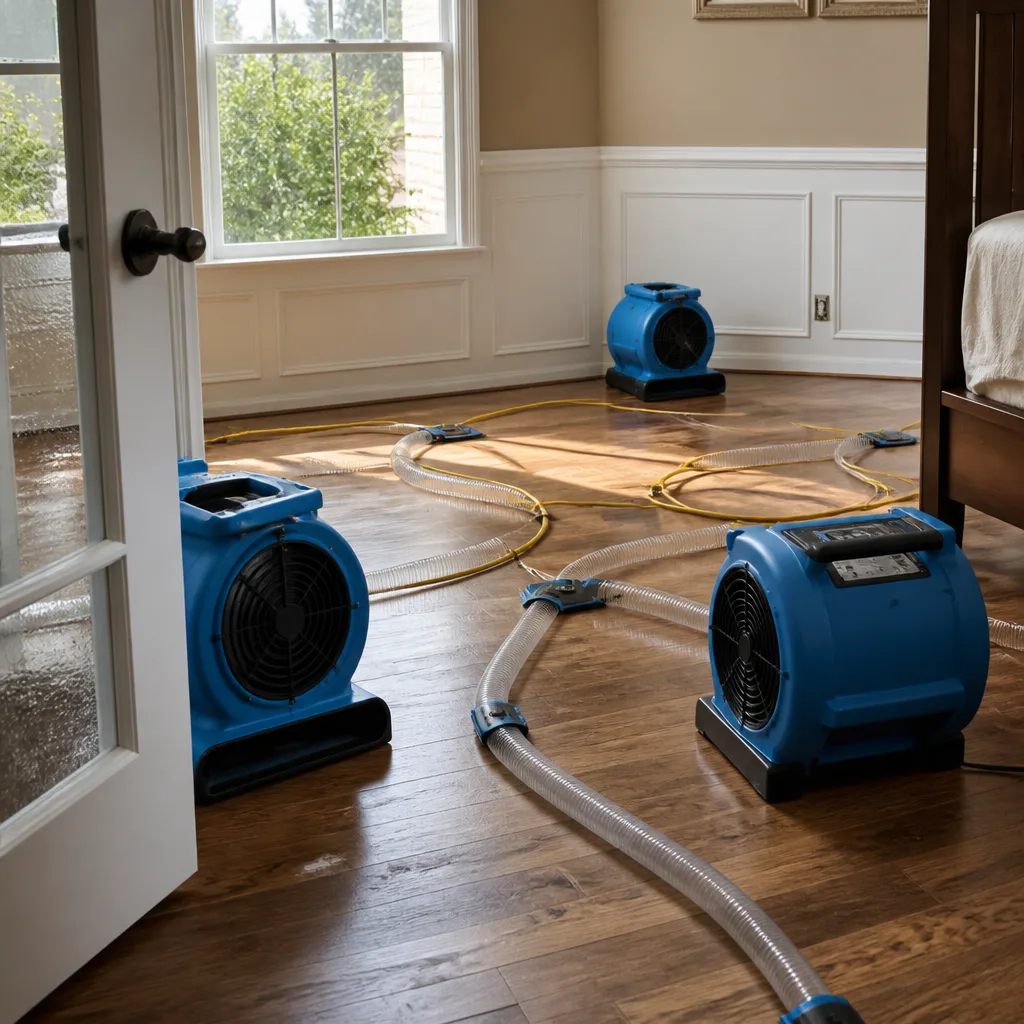
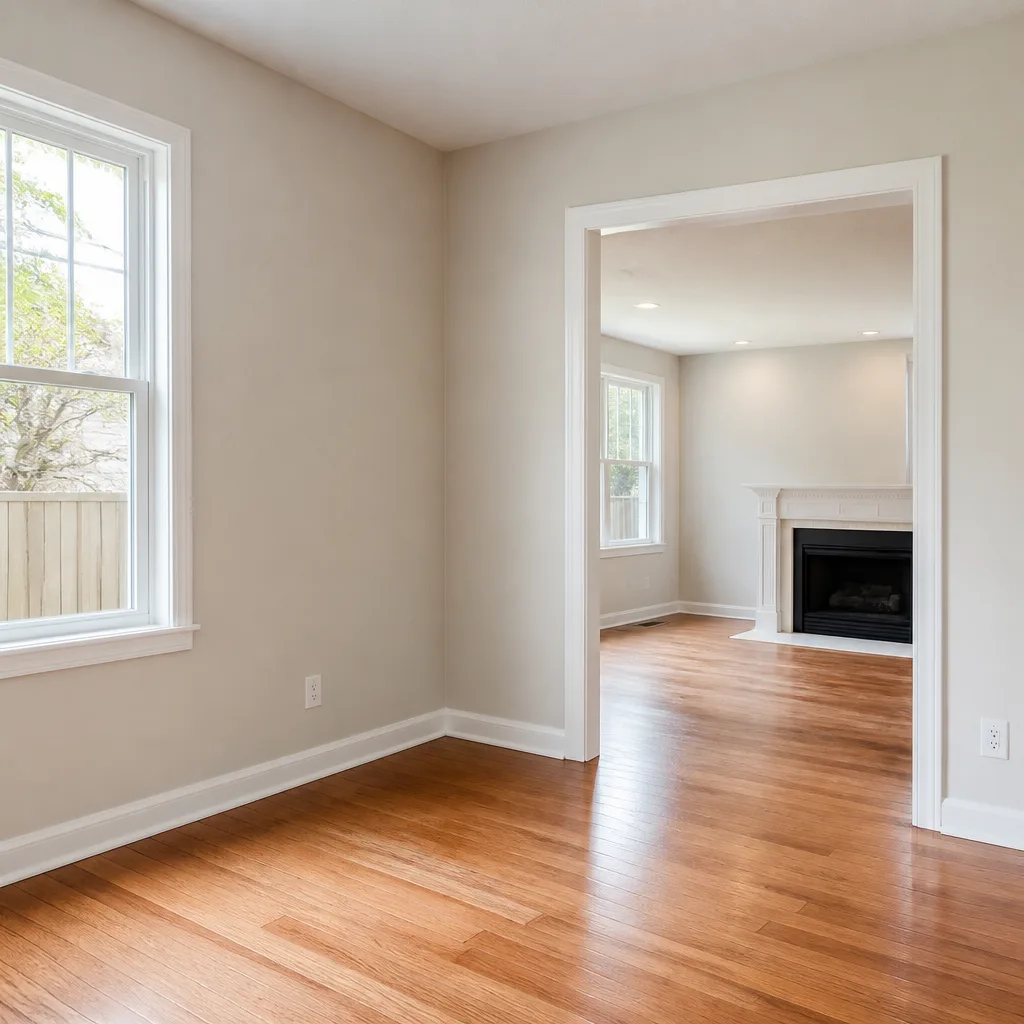
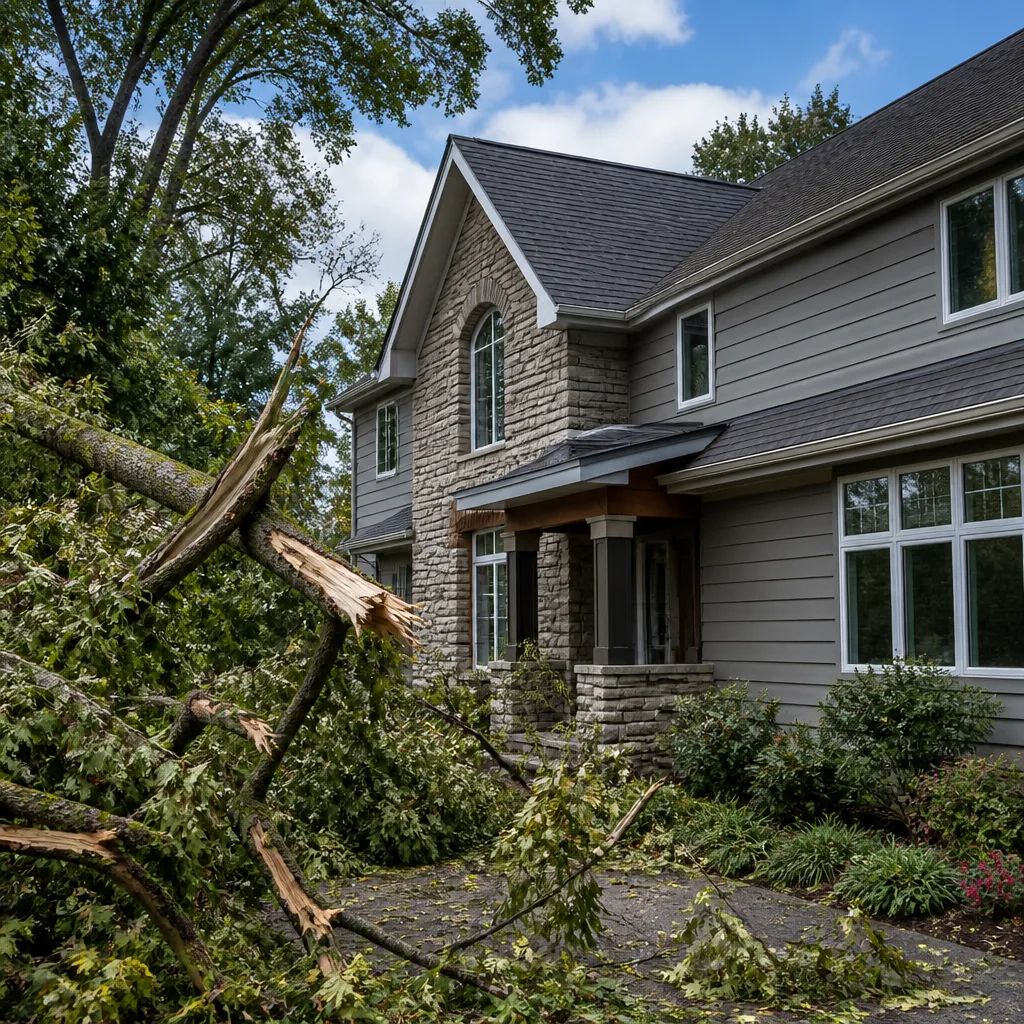
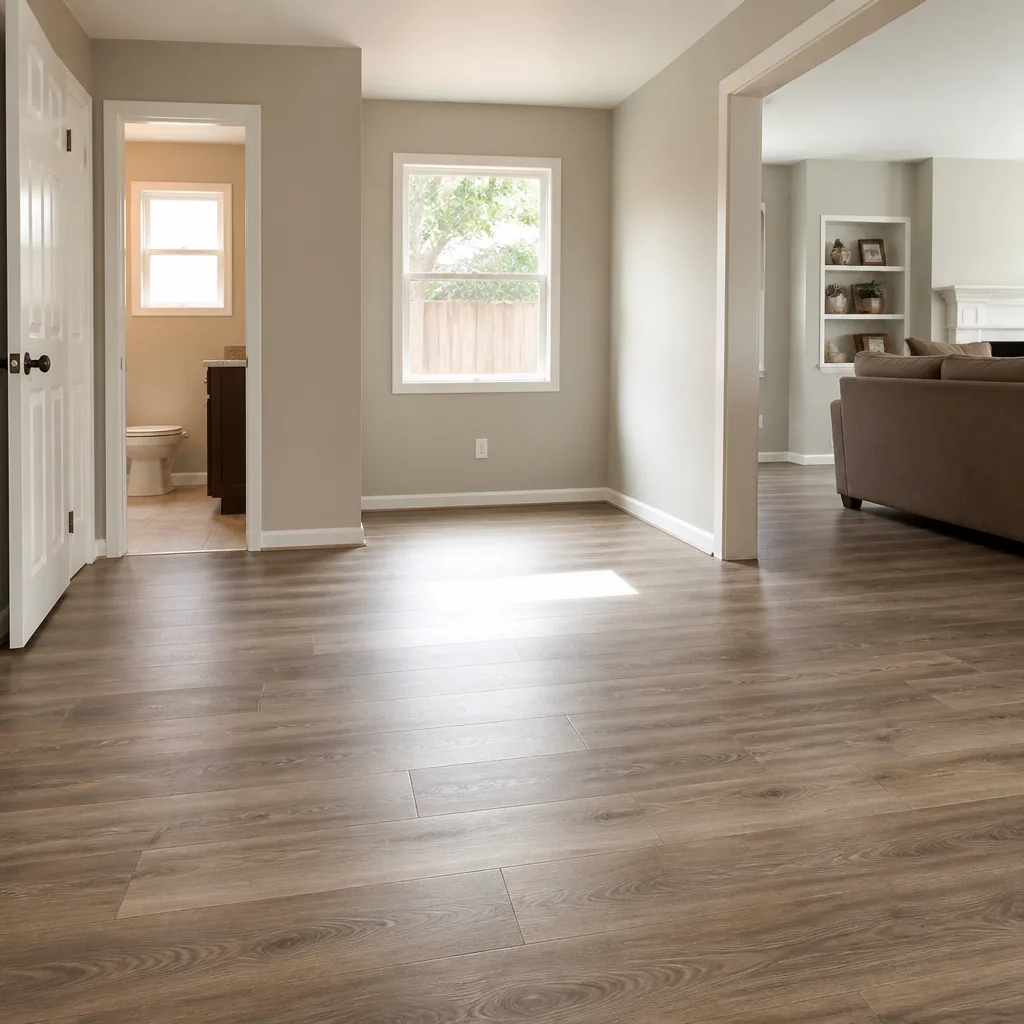

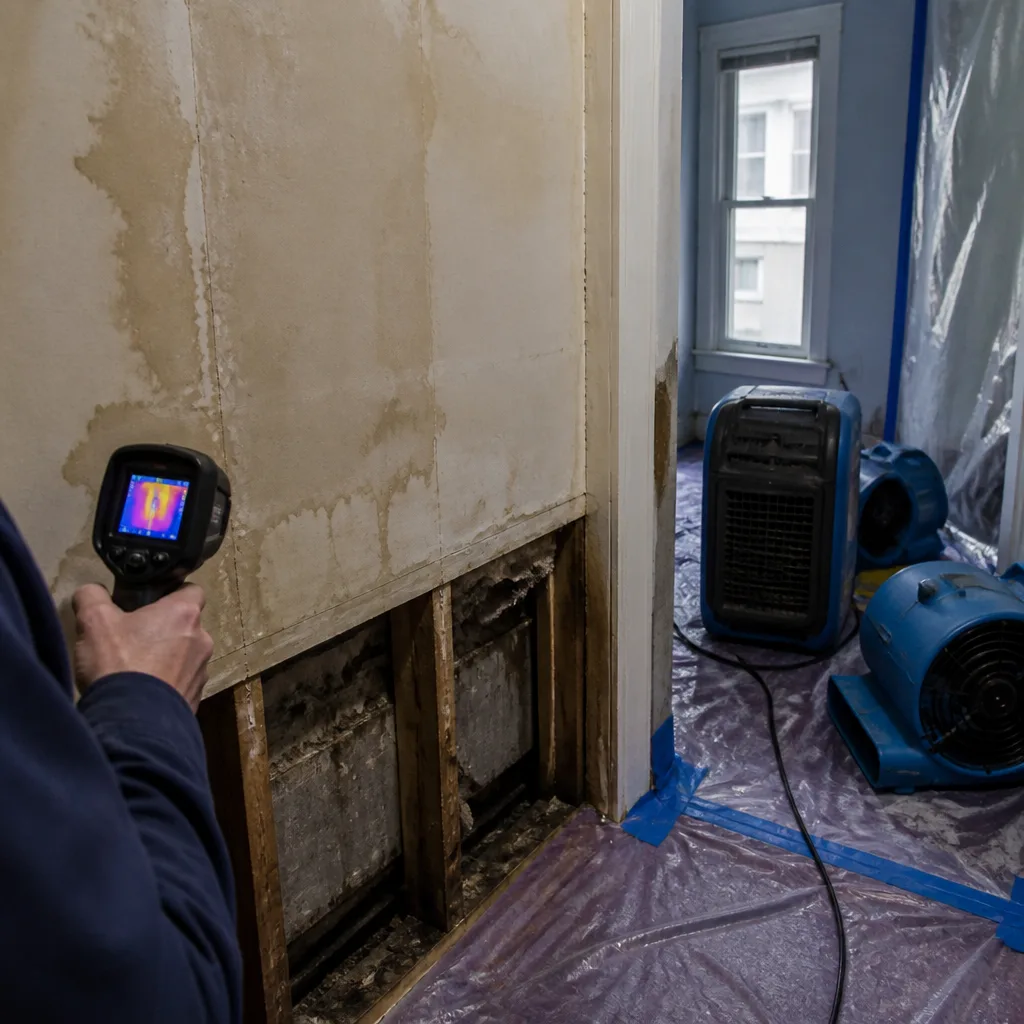 Before
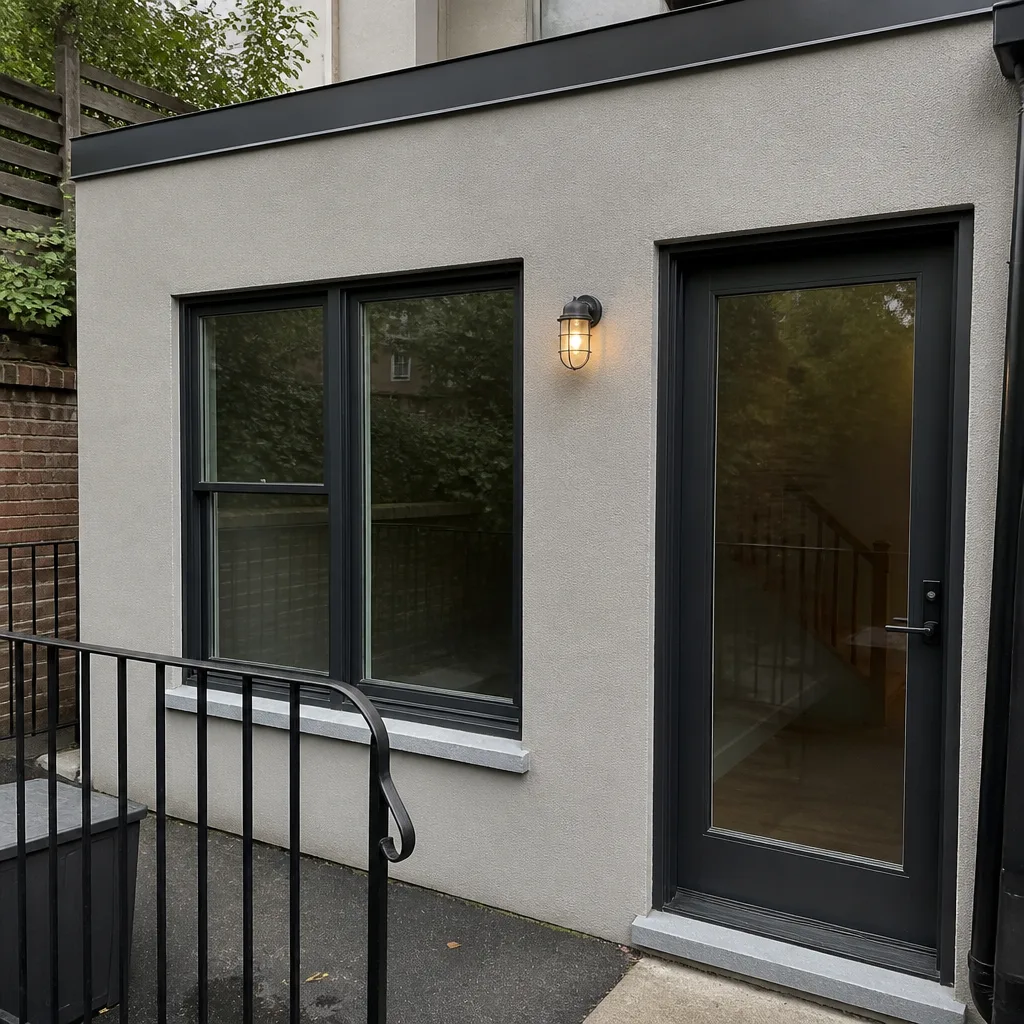 After
After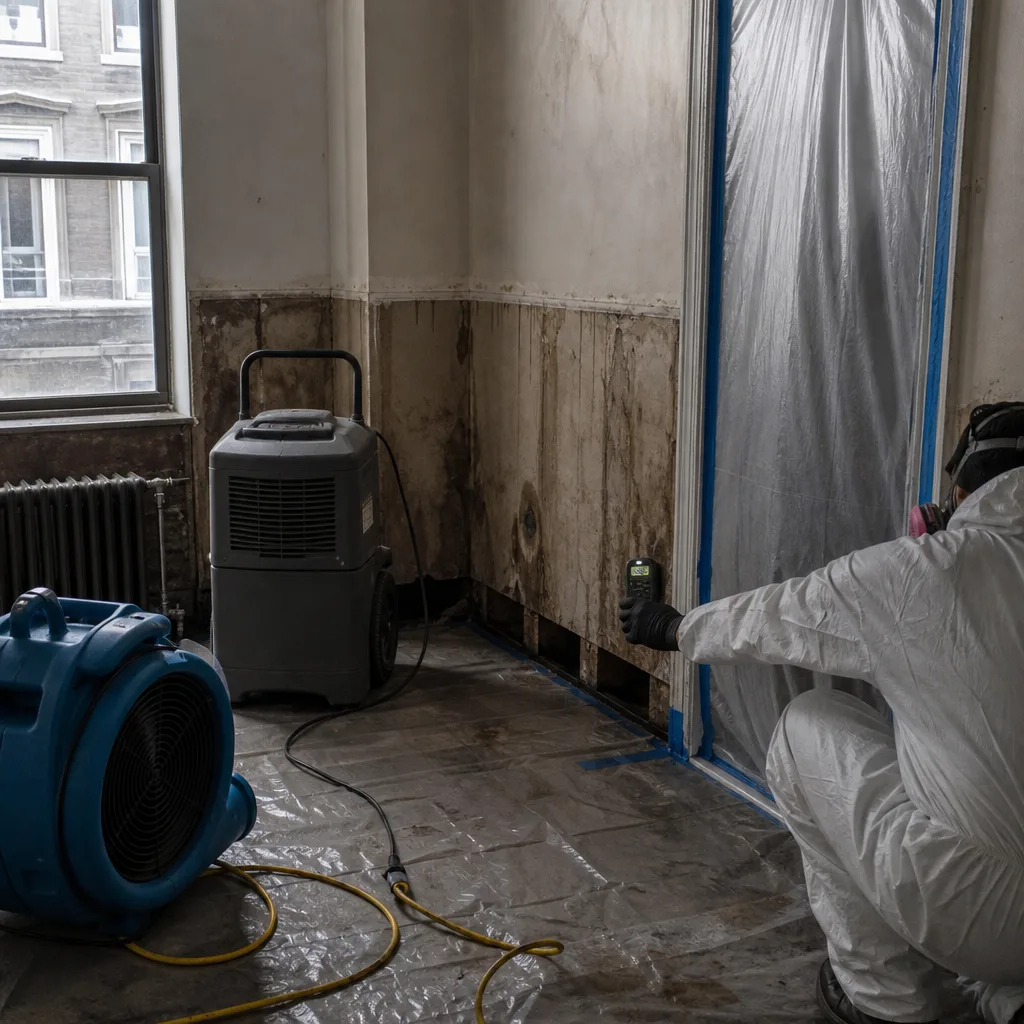 Before
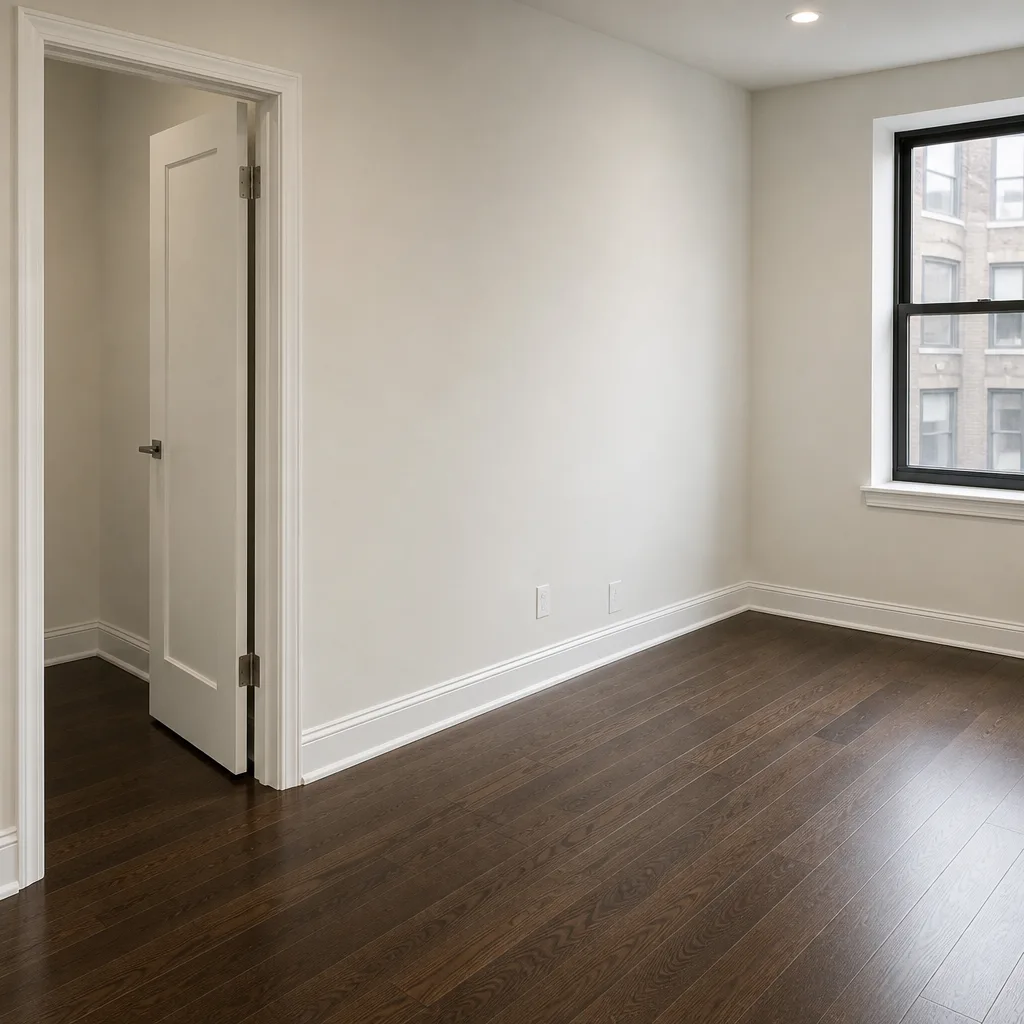 After
After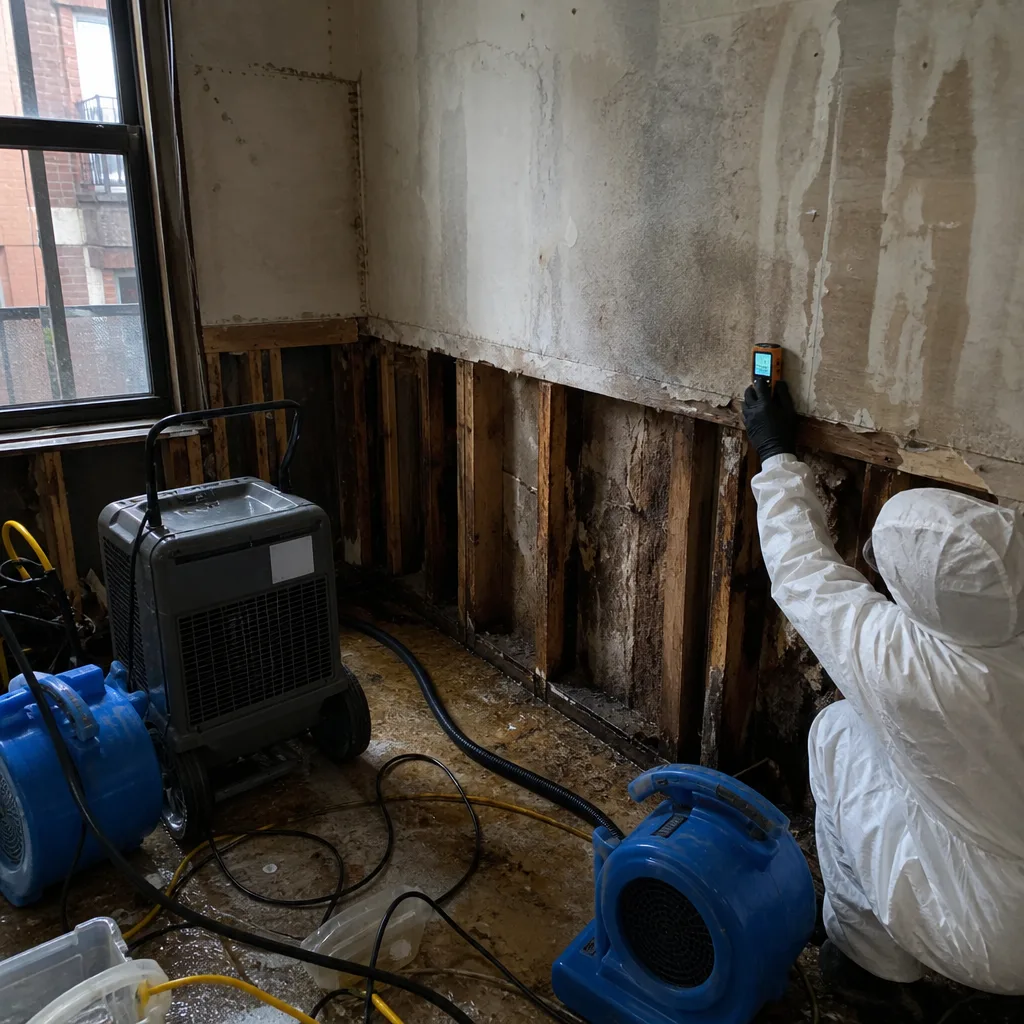 Before
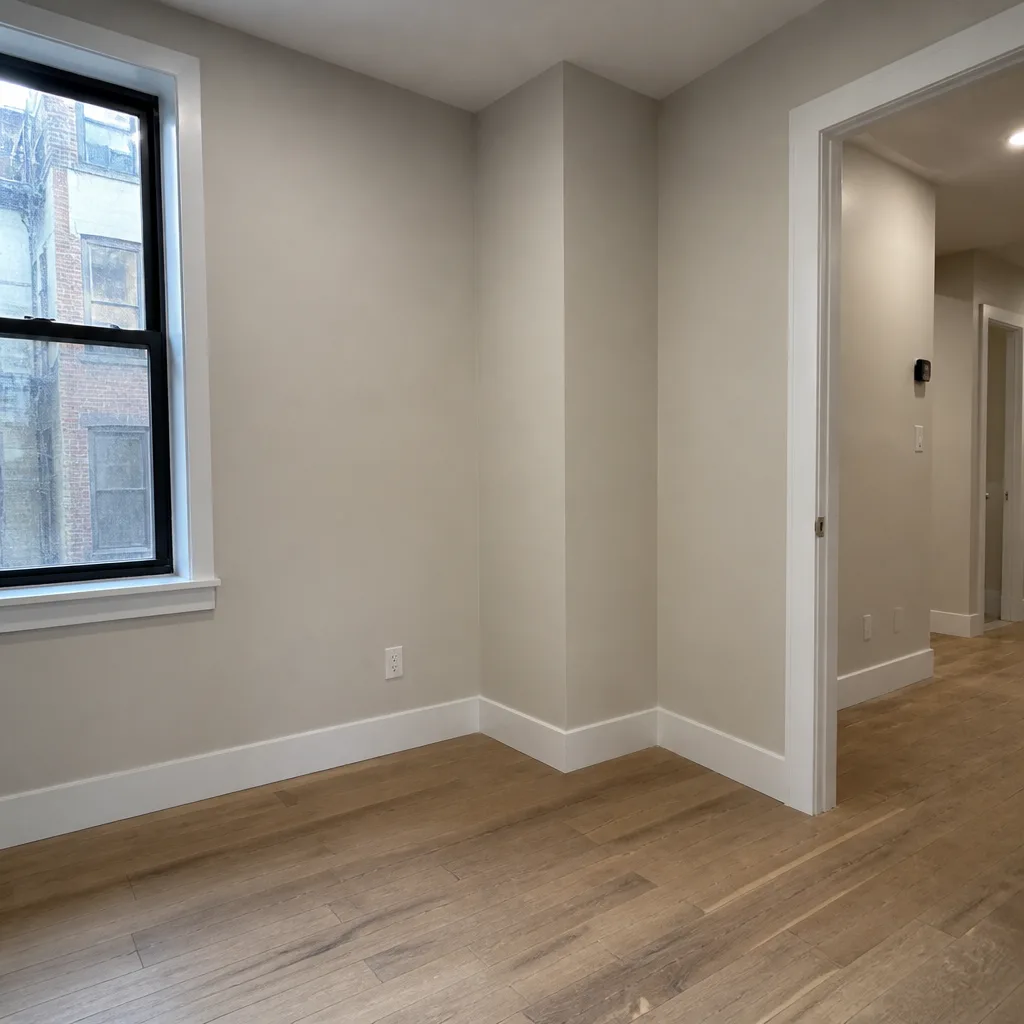 After
AfterFlood Cleanup in Lower Manhattan, NY
Flood cleanup in Lower Manhattan typically begins with an immediate site assessment and water extraction, costing between $1,500 and $4,500 depending on the square footage affected and the category of water involved. If you are dealing with standing water in a basement or a burst pipe in a brownstone, call us at (607) 350-1550 for an immediate response. We provide direct, hands-on Water Damage Restoration services, and because I answer my own phone, you won’t get stuck in a dispatch queue when your home is flooding.
When water enters your home, time is the only factor that matters. I have been doing Water Damage Restoration in Lower Manhattan since 2007, and I have seen how quickly a small leak turns into a structural nightmare. Whether you are dealing with a backed-up sewer line or a sudden storm surge, my approach is simple: I show up, I assess the damage, and I start extracting water immediately. I don’t send a junior crew I’ve never met; I am there, on-site, with the equipment to get the job done.
Living in Lower Manhattan means dealing with older infrastructure, from historic brownstones in the West Village to tight basements in Tribeca. These buildings have unique layouts and often hidden voids where moisture likes to hide. I use professional-grade gear like Dri-Eaz dehumidifiers and Phoenix air movers to find and remove that trapped moisture. If you need help, reach out to our home office anytime. I pride myself on transparency, which is why I hand the homeowner a full moisture log at the end of every single job.
When You Need Flood Cleanup
You know you need professional help when the water is no longer just a spill but a hazard to your property’s integrity. Here are the signs that it is time to call for help:
- Standing water in your basement: If you have more than an inch of water pooling on your floor, standard shop vacs won’t cut it. You need industrial extraction to prevent the water from seeping into the foundation or sub-flooring.
- Sewage backups: If water is coming back up through your drains or toilets, this is a category 3 water event. It carries bacteria and pathogens, and it requires specialized cleanup and sanitization to keep your family safe.
- Visible mold growth: If you see dark spots on your drywall or smell a musty odor after a recent leak, moisture is already trapped behind your walls. We need to open those areas, dry them, and treat the structure before mold takes hold.
- Structural warping: When your hardwood floors start cupping or your baseboards swell, the water has already migrated into the wood. Catching this early is the only way to save the floor instead of replacing it.
- Saturated insulation: If your basement ceiling or crawlspace insulation feels heavy and wet, it acts like a sponge, holding moisture against your floor joists. This leads to rot if not dried properly and quickly.
In Lower Manhattan, we deal with a lot of older plumbing that simply gives out. If you see these signs, don’t wait for the water to dry on its own. It rarely does. Call (607) 350-1550, and I will be there to assess the situation.
Our Flood Cleanup Process
When you call Wade’s Restoration, you are calling the person who will be doing the work. My process is built around speed, Structural Drying & Dehumidification, and documentation, ensuring you get back to normal as fast as possible. Here is how we handle a flood cleanup job:
- Initial Assessment and Safety Check: I arrive on-site to identify the source of the water. If it is electrical or involves hazardous sewage, we secure the area first. I always check for safety hazards before we begin any work.
- Water Extraction: We use high-powered pumps and extraction units to remove standing water immediately. Getting the bulk of the water out is the most critical step to preventing further damage to your Lower Manhattan property.
- Moisture Mapping: I use professional moisture meters to track exactly where the water has traveled. This isn’t a guess; I record the readings every single day and provide you with a full log at the end of the job so you know exactly what was wet and when it dried.
- Drying and Dehumidification: We set up professional-grade air movers and dehumidifiers, such as our Dri-Eaz or Phoenix units. We position them to target the wet materials, not just the air in the room, to ensure the structure dries from the inside out.
- Sanitization and Deodorization: Once the area is dry, we treat the surfaces to ensure there is no lingering bacteria or odor, especially in cases of sewage or greywater.
- Final Review: I walk through the space with you to ensure everything is back to its pre-loss condition, backed by my 90-Day Done Right Promise. If it isn’t right, I make it right.
Flood Cleanup Pricing in Lower Manhattan
How Much Does Water Damage Restoration Cost? (2026 Price Guide) - Lower Manhattan, NY depends on the size of the area, the category of the water, and how much material (like drywall or carpet) needs to be removed. I provide upfront pricing so you aren’t surprised by the final invoice. We offer a free second opinion on any written estimate you have already received.
| Service Type | Estimated Price Range |
|---|---|
| Small Water Extraction (Single Room) | $1,500 - $2,500 |
| Basement Flood Cleanup (Standard) | $2,500 - $4,500 |
| Category 3 (Sewage) Cleanup | $3,500 - $6,000+ |
| Structural Drying (Equipment Rental Only) | $800 - $1,500 |
These numbers are estimates. Factors like the age of your plumbing in a historic Lower Manhattan home or the complexity of the floor plan can change the total. Remember, we have no trip charge inside our own county, and we offer a permanent 10% discount for Seniors and Veterans. Call (607) 350-1550 for an exact quote on your project.
FAQs - Flood Cleanup
How quickly can you respond to a flood in Lower Manhattan?
I answer my own phone 24/7, and I can typically have extraction equipment running inside the hour. When you are standing in water, you don’t have time for a call center to put you on hold; you need someone on the road, which is why I prioritize emergency calls myself.
Is it cheaper to repair or replace water-damaged materials?
It is almost always cheaper to dry materials in place rather than replace them, provided we catch the water early. If we can dry your subfloor and joists before rot sets in, you save the cost of demolition and reconstruction, which is why my daily moisture logging is so important.
Do you work directly with my insurance adjuster?
Yes, I handle the communication with your insurance adjuster so you don’t have to act as the middleman. I provide them with the documentation they need, including my moisture logs and photos, to help move your claim along without the usual back-and-forth.
What is the 90-Day Done Right Promise?
This is my personal guarantee that if the work isn’t done correctly, I will come back and fix it at no additional cost to you. I put this in writing on every contract because I stand by my work, and I want you to feel confident that the job is finished properly the first time.
If you have water in your home, do not wait for it to get worse. Every hour that water sits, it causes more damage to your walls, floors, and personal property. I am ready to help you handle the cleanup, from the first pump-out to the final moisture check. Call (607) 350-1550 today to speak with me directly about your situation.
Written by Wade Ferris, Owner at Wade’s Restoration, serving Lower Manhattan.