
Free visual inspection and a written scope of work before any mitigation begins - photos, moisture readings, and drying logs go in your claim file
The scope we write is the scope we bill. Anything new gets shown to you, in writing, before we touch it.
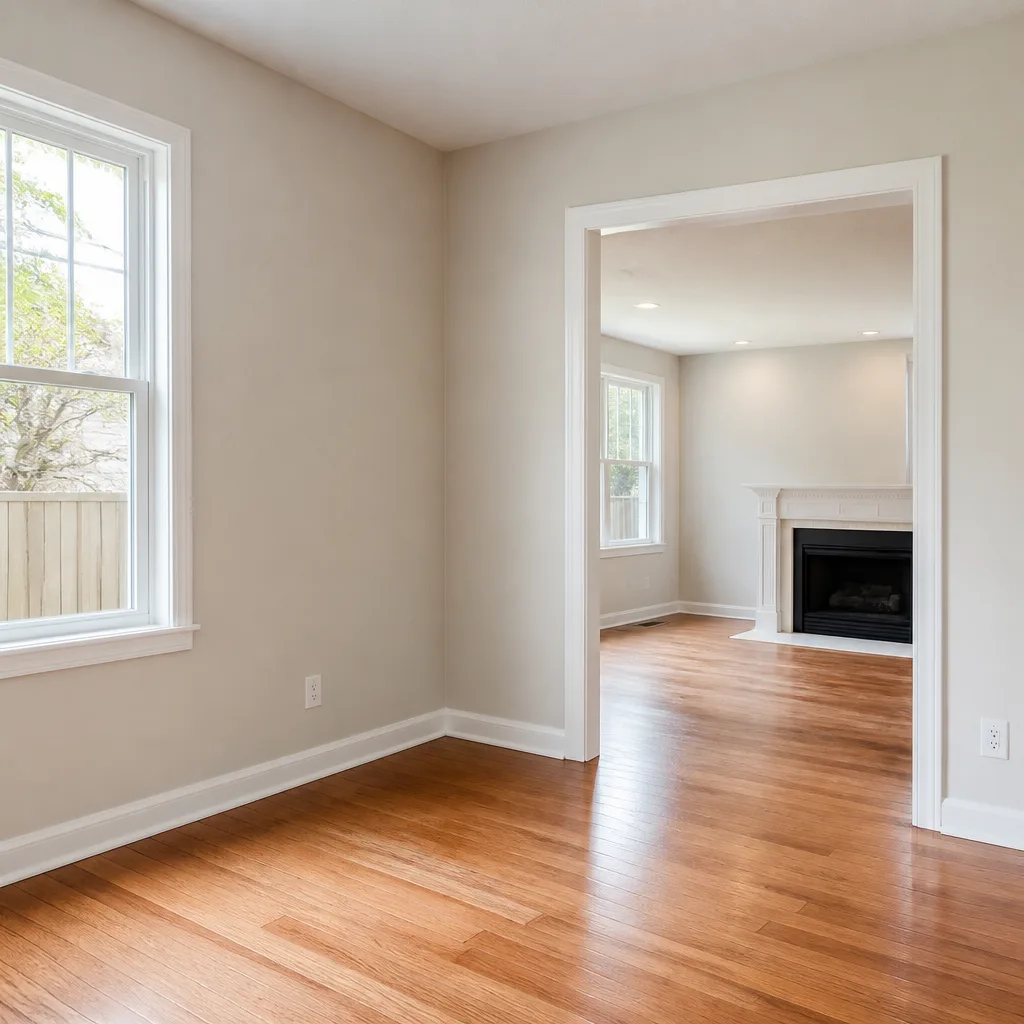
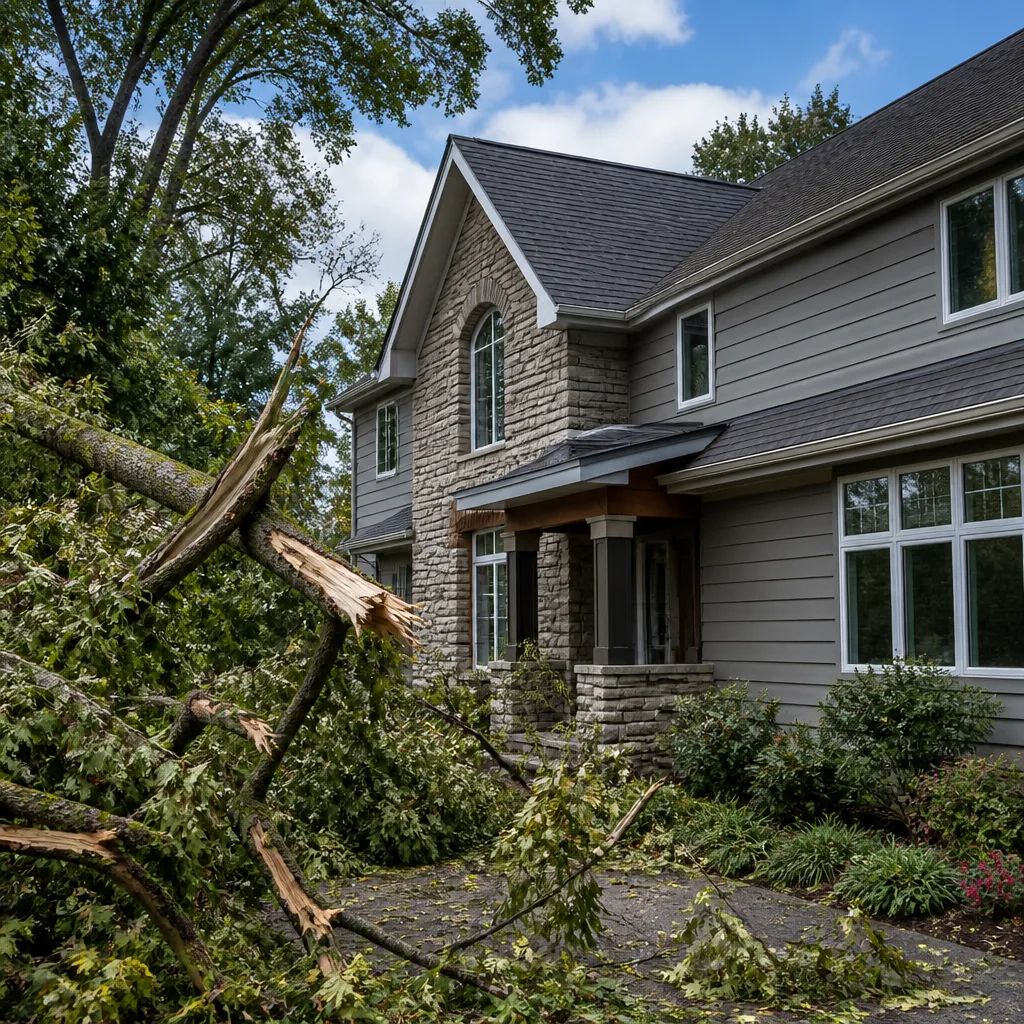


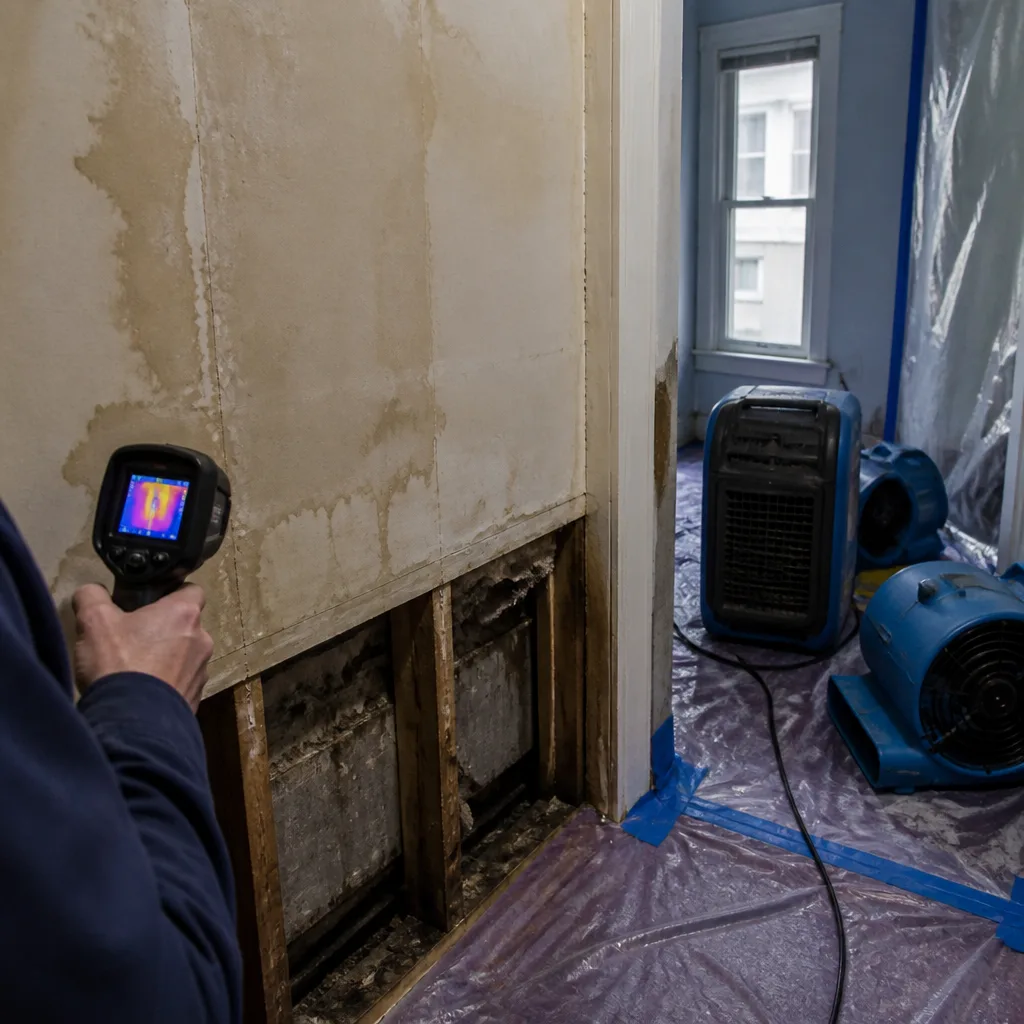 Before
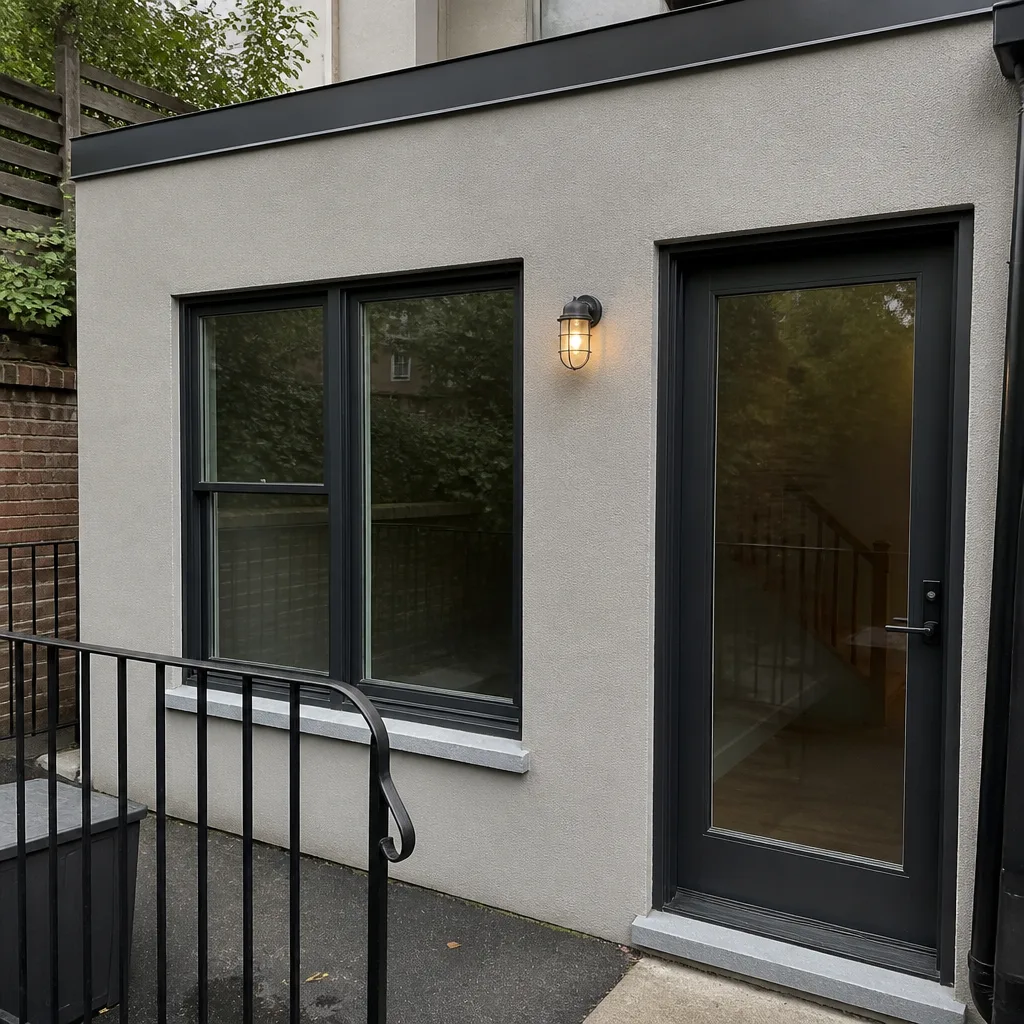 After
After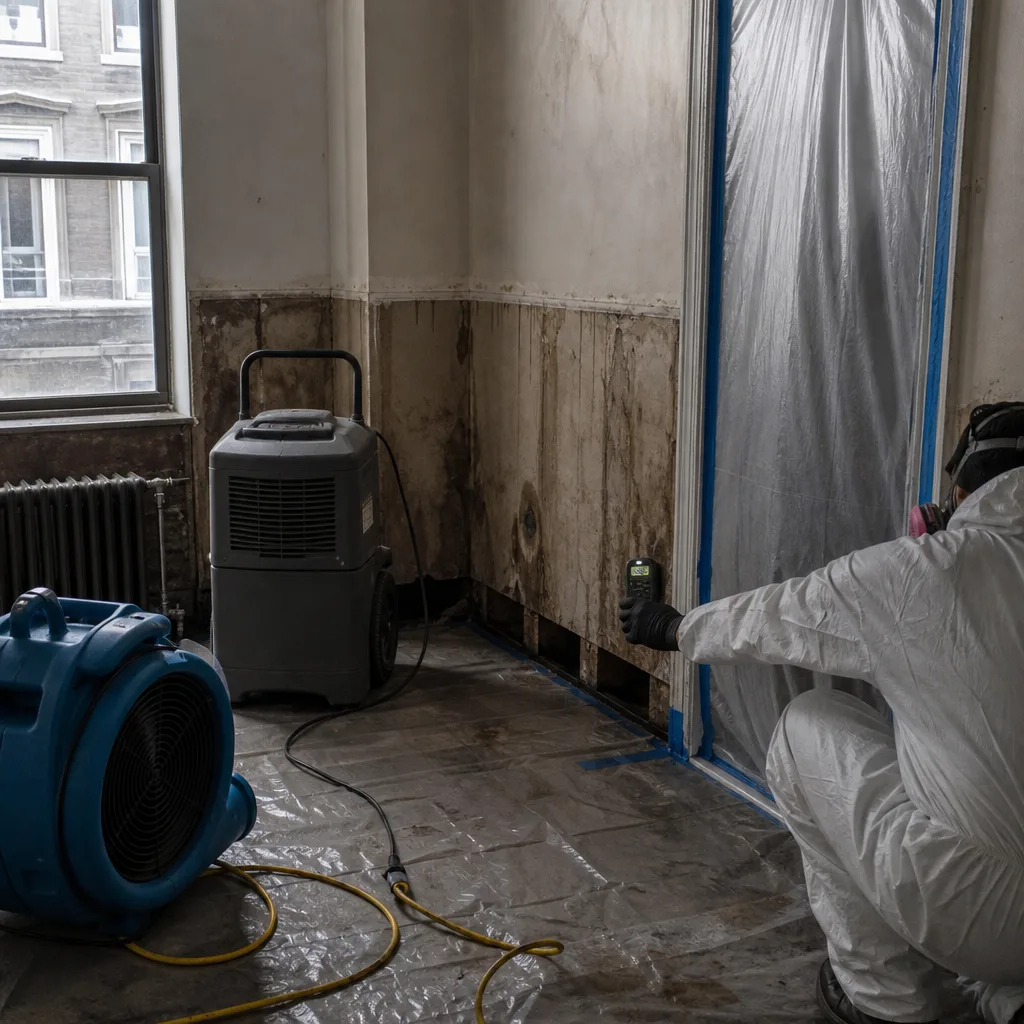 Before
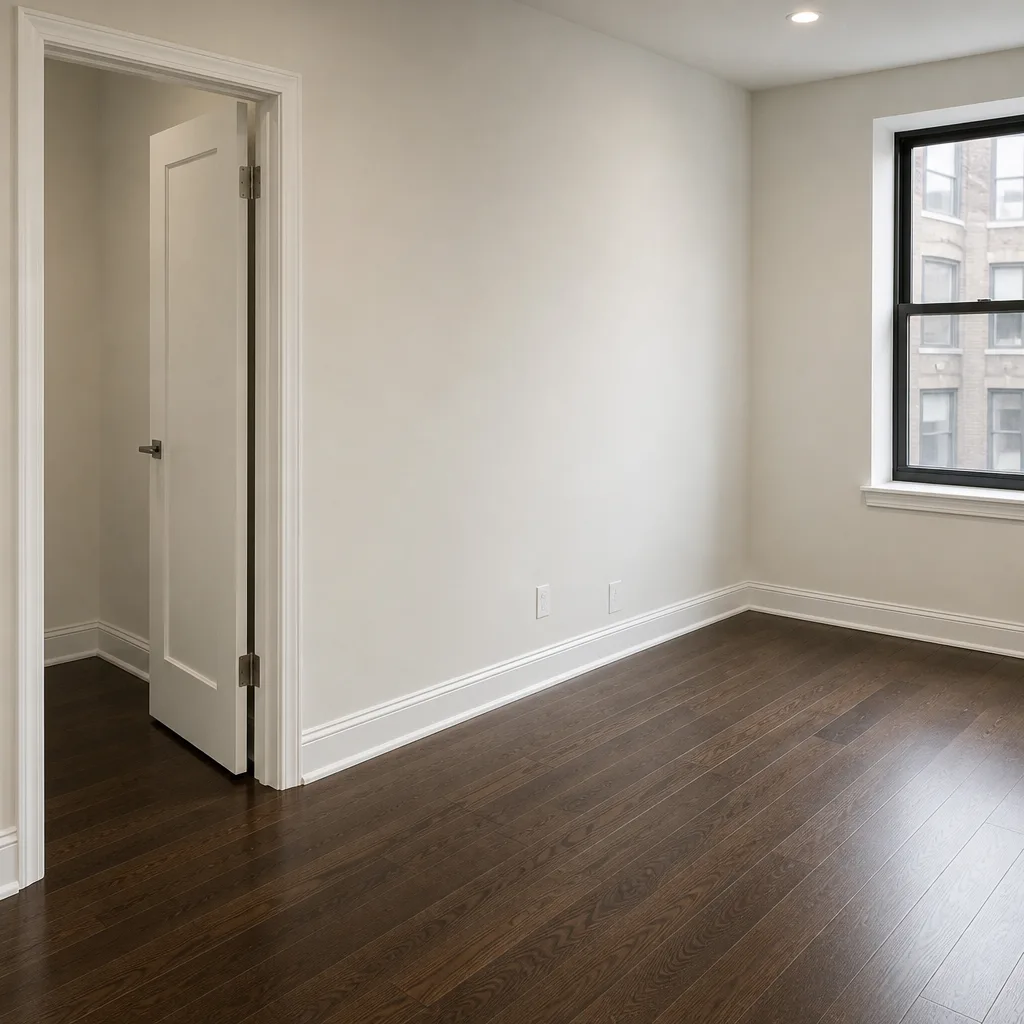 After
After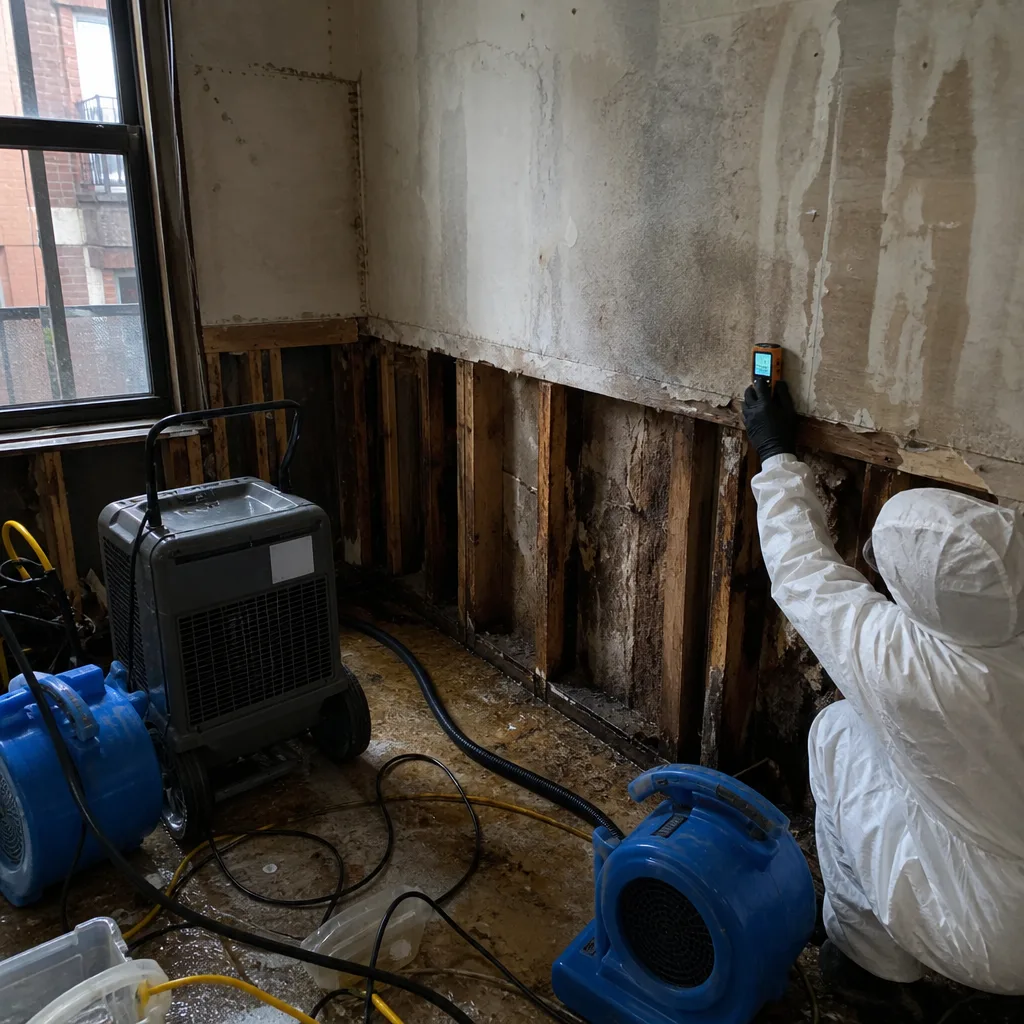 Before
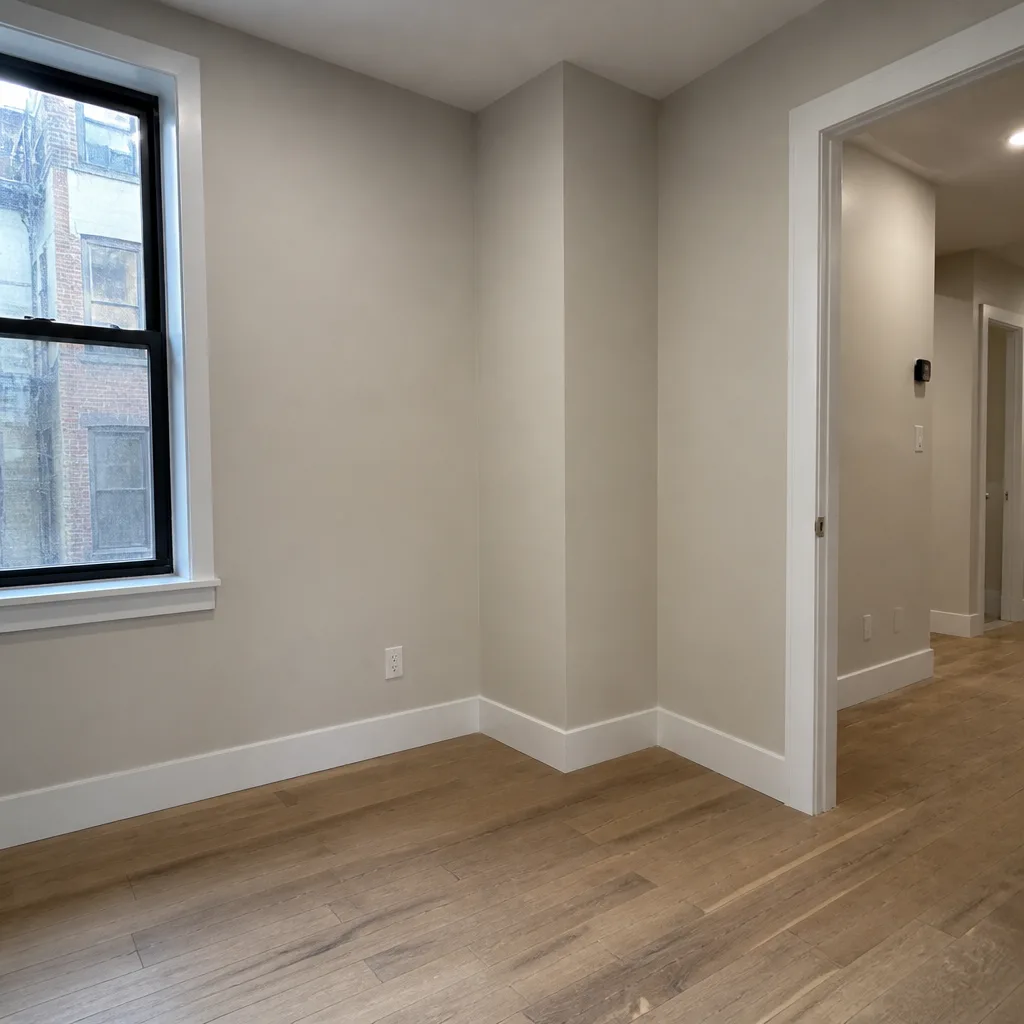 After
After24/7 Emergency Storm & Disaster Restoration in Financial District
Storm and disaster restoration in Financial District runs on a different clock than anywhere else in Manhattan. When surge water from the East River and Hudson breaches a converted tower on Wall Street or Exchange Place, the first hour determines whether you’re dealing with a cleanup or a gut renovation. Wade’s Restoration answers the phone live at (607) 350-1550, 24 hours a day, and we can have a crew rolling toward your building within the hour. Saltwater, once it’s in a sub-basement, starts corroding conduit, steel, and drywall immediately. The longer it sits, the more it costs. We do a free visual inspection on every storm call, and one call brings Wade himself out, not a call center.
Understanding Storm & Disaster Restoration Severity in Financial District Properties
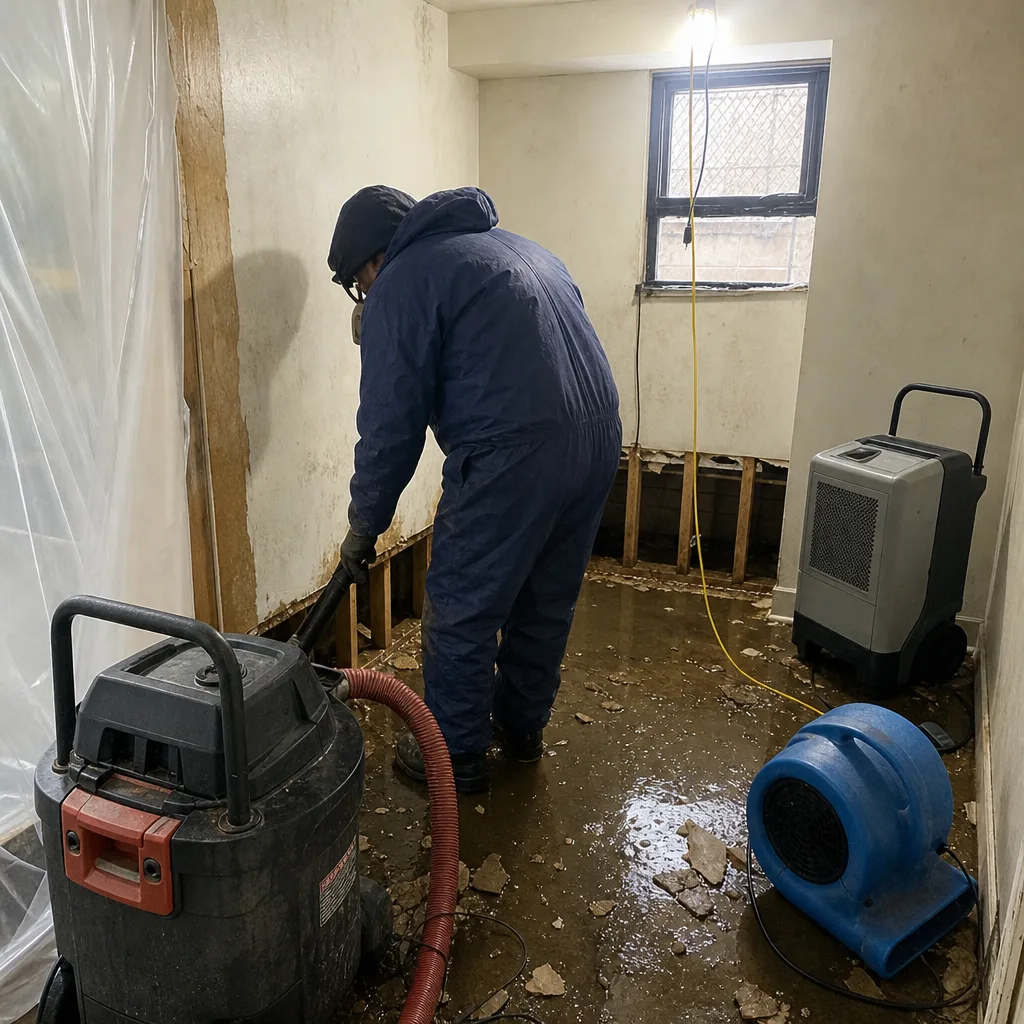
Saltwater intrusion is a different animal than the freshwater flooding most restoration companies cut their teeth on in inland neighborhoods. In FiDi, water pushed in from New York Harbor and the East River carries chlorides and dissolved metals that accelerate corrosion on electrical panels, HVAC coils, and structural steel. We classify floodwater as Category 3: grossly contaminated, carrying sewage, hydrocarbons, marine organisms, and whatever the surge picked up along South Street. That means extraction alone will never be enough. Any porous material that absorbed Category 3 water, drywall, insulation, carpet pad, and the lower framing of built-ins, gets removed, not dried. Our crews use moisture mapping tools and thermal imaging to find what soaked in and where it traveled. In Financial District towers, that water goes straight down through chase walls and elevator shafts into vaults and mechanical rooms, and it wicks upward through masonry. A generic dry-and-go approach fails here. You need full structural drying with containment, antimicrobial treatment, and air scrubbing before anyone puts a wall back together.
Why Financial District Property Owners Choose Wade’s Restoration
- Wade Ferris answers his own phone. Not an answering service, not a voicemail tree. You call, you get Wade. He’ll be on-site within 45 minutes on most Financial District jobs.
- IICRC-certified crews. Our people hold WRT (Water Restoration), FSRT (Fire and Smoke), and AMRT (Applied Microbial) certifications. The alphabet matters when an adjuster reviews your file.
- Written scope before work starts. No phone quote that doubles at the door. You get a line-item plan in writing, and we stick to it.
- Direct insurance billing and adjuster communication. Wade deals with your carrier so you’re not the middleman on a flooded sub-basement at 2 a.m.
- One team from first pump-out to final paint. Extraction, drying, mold remediation, and rebuild under one roof. No handoffs to strangers.
- Free visual inspection on every storm call. If the damage is minor, we’ll say so. Ask anyone on your street. Wade has been in this business since 2007 for a reason.
Our Storm & Disaster Restoration Process
Inspection & Assessment
We arrive, walk the full affected area, and use thermal imaging and hygrometers to map moisture. For storm damage, we also check for structural compromise before anyone enters a vault or sub-basement.
Extraction & Stabilization
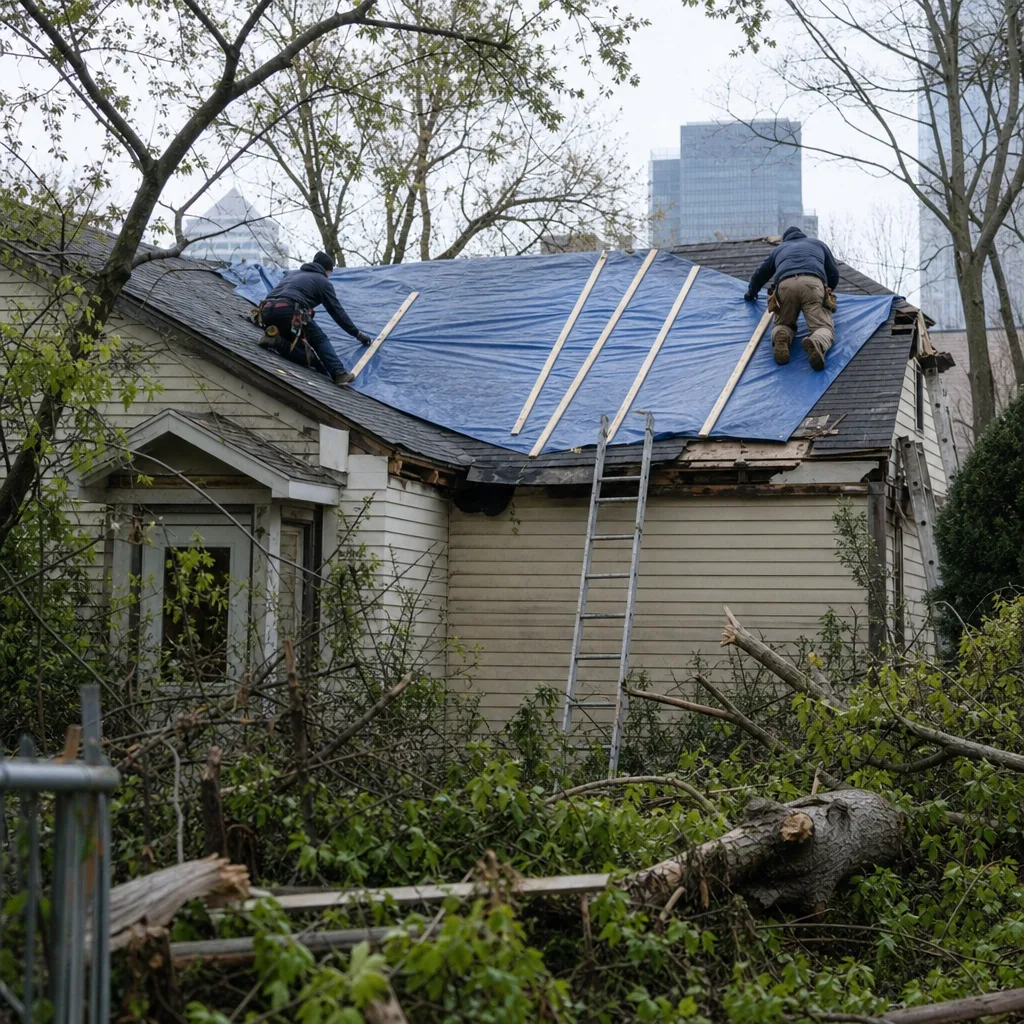
Standing water gets pumped and extracted immediately. If structural elements are compromised or openings are exposed, we board up windows and tarp damaged roofing the same visit.
Drying & Dehumidification
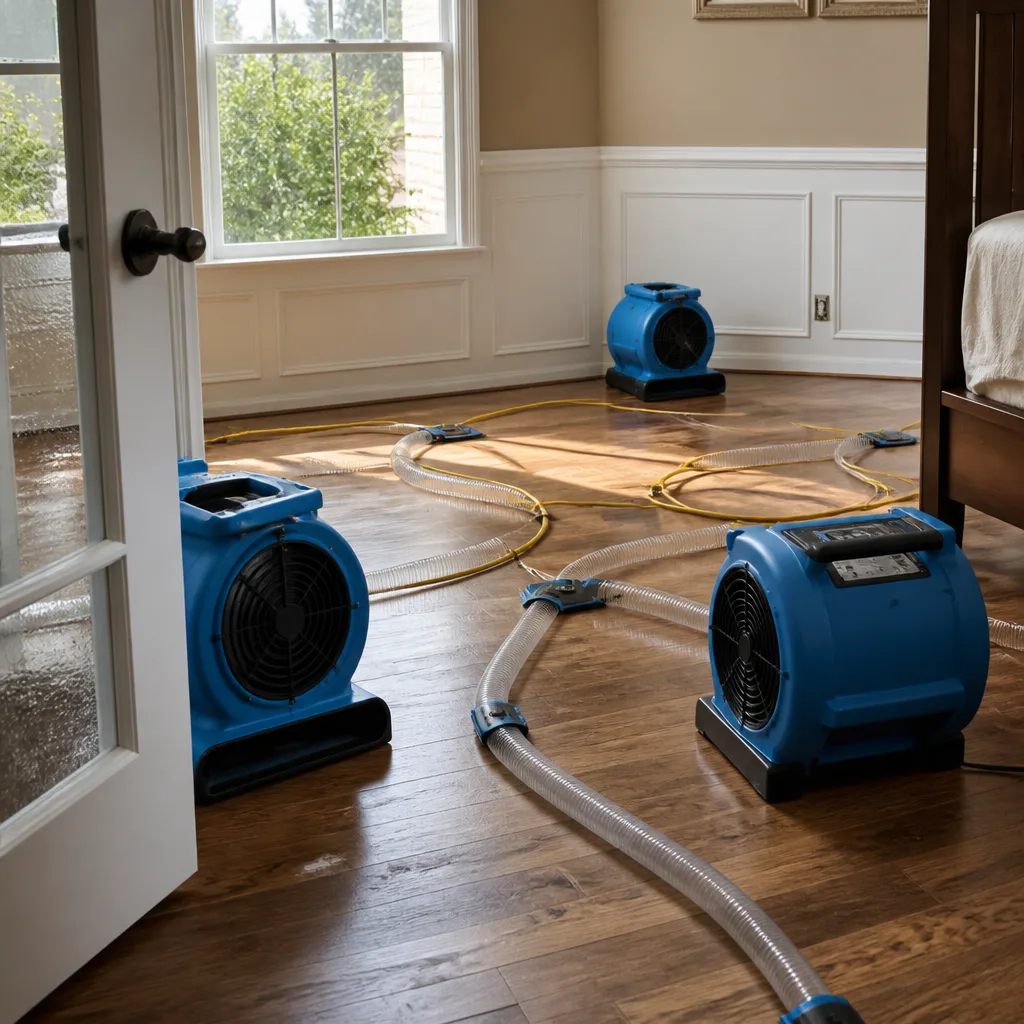
We set up a drying chamber with Dri-Eaz dehumidifiers and Phoenix air movers. In FiDi’s saltwater environment, we also run HEPA scrubbers to keep airborne contaminants from migrating to unaffected floors.
Cleaning & Sanitization
Saltwater leaves behind residues that continue corroding long after the water is gone. We flush surfaces, apply antimicrobial treatments, and clean every exposed surface in the affected area.
Specialty Storm Treatment
For coastal surge events, we coordinate with Con Edison on vault clearance, document corrosion on electrical and mechanical systems, and treat salt-damaged metals with corrosion inhibitors where restoration is possible.
Repairs & Restoration
We rebuild what was removed: drywall, trim, flooring, cabinetry, paint. The job ends with a walk-through and the daily moisture log from day one handed to you.
Need Emergency Storm & Disaster Restoration in Financial District Now?
Crews minutes away, answering live 24 hours a day. The sooner we start, the less it costs.
Working With Your Insurance Company
Most Financial District storm and flood losses are covered events, but the quality of the claim file determines what the carrier approves. We document from the first hour on-site: photos room by room, moisture readings logged daily, and a detailed line-item scope that matches what the adjuster actually needs to see. Some carriers drag their feet on saltwater claims because the full corrosion damage is not always visible in week one. That is where a restoration company that understands the long tail of coastal damage makes a difference. Wade will talk directly to your adjuster. You don’t have to become the go-between. The 90-Day Done Right Promise applies to every storm and flood restoration job we do, in writing. If something is not right, one call brings Wade back, no charge.
What We Provide Your Insurer
- Thorough documentation of the loss
- Photos of all damage, room by room
- Moisture readings and drying logs, daily, from start to finish
- A detailed, line-item scope of work
- Direct coordination with your carrier
Built for Financial District’s Loss Calendar
The storm calendar in Financial District is not gentle. Nor’easters roll in between November and March, pushing seawater over bulkheads along South Street and flooding basements that sit at or below grade. January deep freezes burst supply risers in pre-war converted towers; the pipe routing in buildings like 20 Exchange Place runs through chases that were never meant to be residential, and ice expansion finds every weak joint. Spring brings nor’easter-driven rain events that test roof membranes on older commercial buildings converted to condos. Summer thunderstorms leave downpours that overwhelm an aging storm drain system, and the water finds the lowest point: sub-basements under Wall Street, Broad Street, and Water Street. Add it all together and Storm & Disaster Restoration in Financial District is a year-round readiness business, not a seasonal one. Wade’s Restoration carries the equipment for all of it, all the time.
Storm & Disaster Restoration Across Financial District’s Neighborhoods
We respond to storm calls all through the Financial District, and each block has its own rhythm. Down near the South Street Seaport and Water Street, surge flooding is the dominant risk; buildings here sit directly on the harbor line, and full sub-basement evacuation is depressingly common after a coastal event. Around Wall Street and Broad Street, the Con Ed vault clearance issue is most acute; the underground electrical infrastructure is densest there, and the de-energization delay can run a full day before any below-grade work legally starts. Over near 70 Pine Street and Exchange Place, converted pre-war towers have mechanical rooms in the sub-basement that flood first, taking out heat and hot water for the entire building. And along the residential edges near Battery Park and Greenwich Street, storm damage more commonly shows up as wind-driven water penetration around aging windows and terraces on upper floors. Each one gets the same Wade’s Restoration approach: get there fast, map the moisture, and do not leave until the scope is written down.
Specialized Storm & Disaster Restoration Services We Offer in Financial District
Flood Damage Restoration
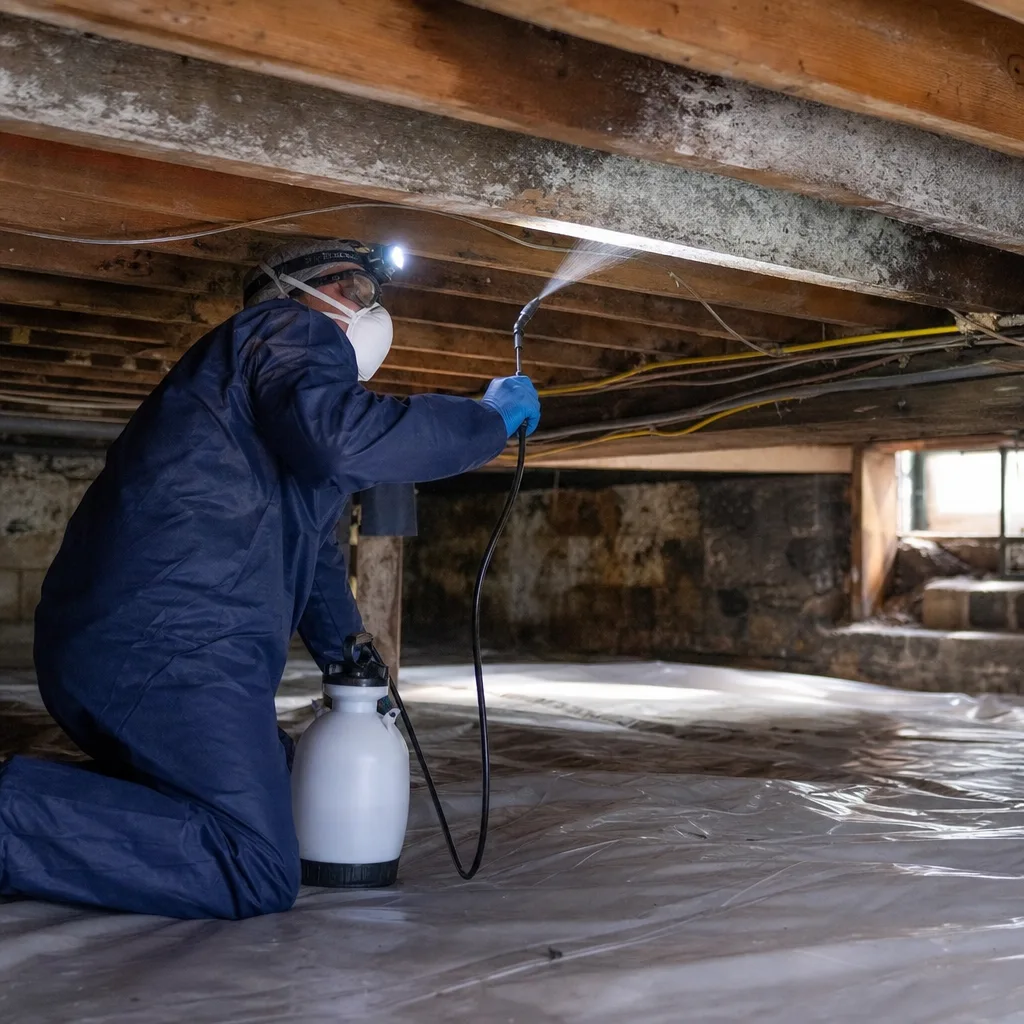
Coastal surge flooding in Financial District means Category 3 water from the East River or Hudson, and it cannot be dried and called done. We extract, remove contaminated porous materials, treat structural wood and masonry with antimicrobials, and dry the building to the documented standard your insurance carrier will accept. If the water sat against drywall and insulation for more than a day, mold is already forming; we assume that on every surge job and handle mitigation accordingly.
Emergency Board-Up
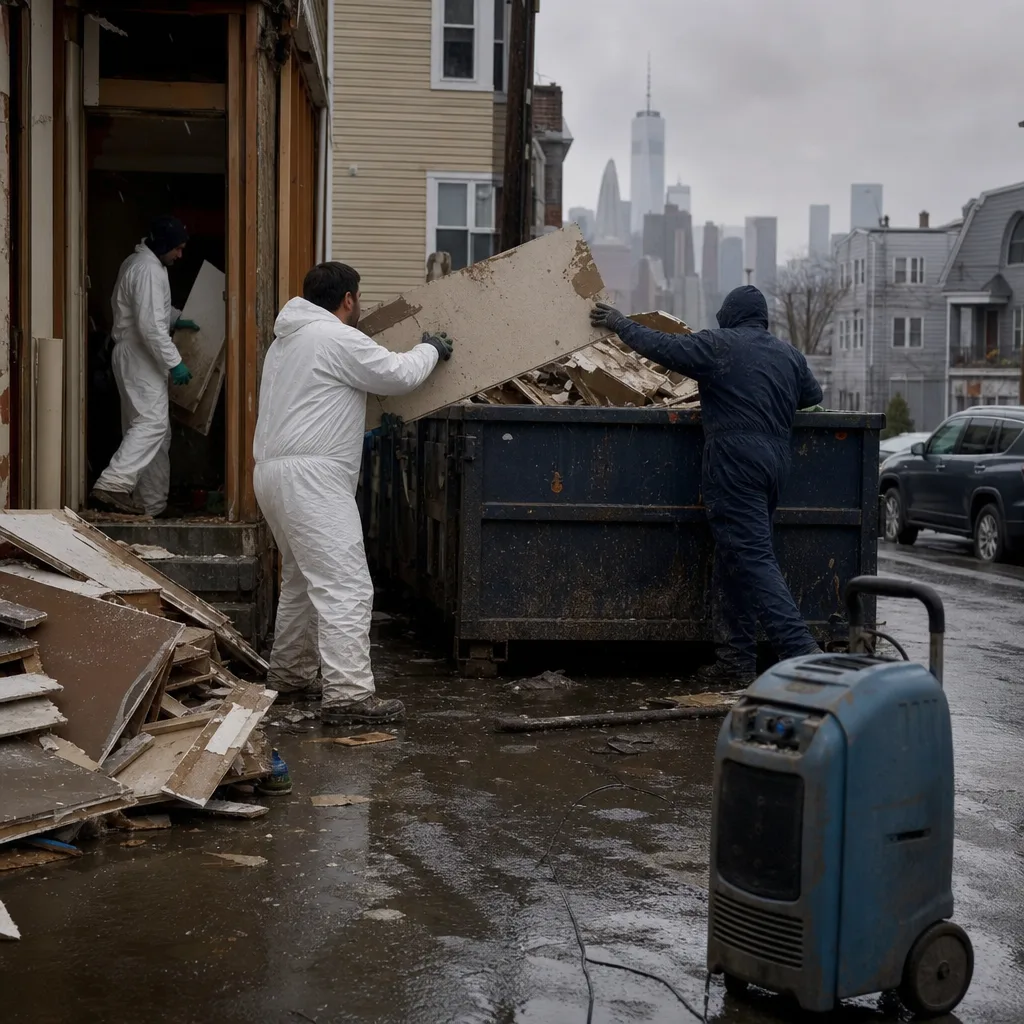
After a storm, open windows and doors invite looting and let the next rain finish what the first one started. We board and secure openings the same call we extract water, using plywood that is cut to fit and fastened cleanly, not just slapped over a gap. In FiDi, where street-level commercial spaces sit alongside residential lobbies, a fast board-up is the difference between a contained loss and a catastrophe that spreads to the building’s common areas.
Storm Damage Cleanup
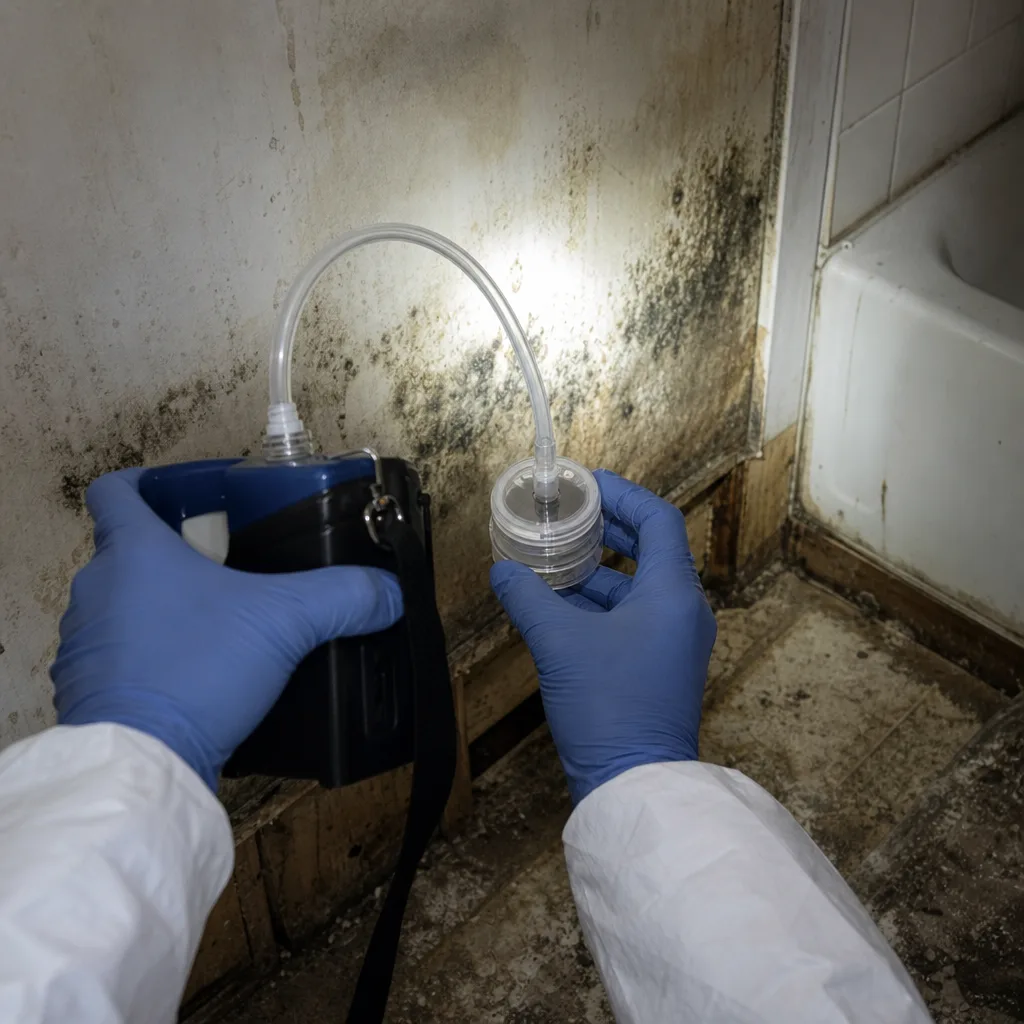
Debris, sediment, and contaminated water leave behind more than just wet floors. Storm damage cleanup in Financial District includes full surface cleaning, removal of silt and debris from all affected areas, sanitation of porous and non-porous surfaces, and odor treatment before drying and rebuild begin. The goal is not a tidy-looking floor; it is a building that will not make people sick six months from now.
Roof Tarping
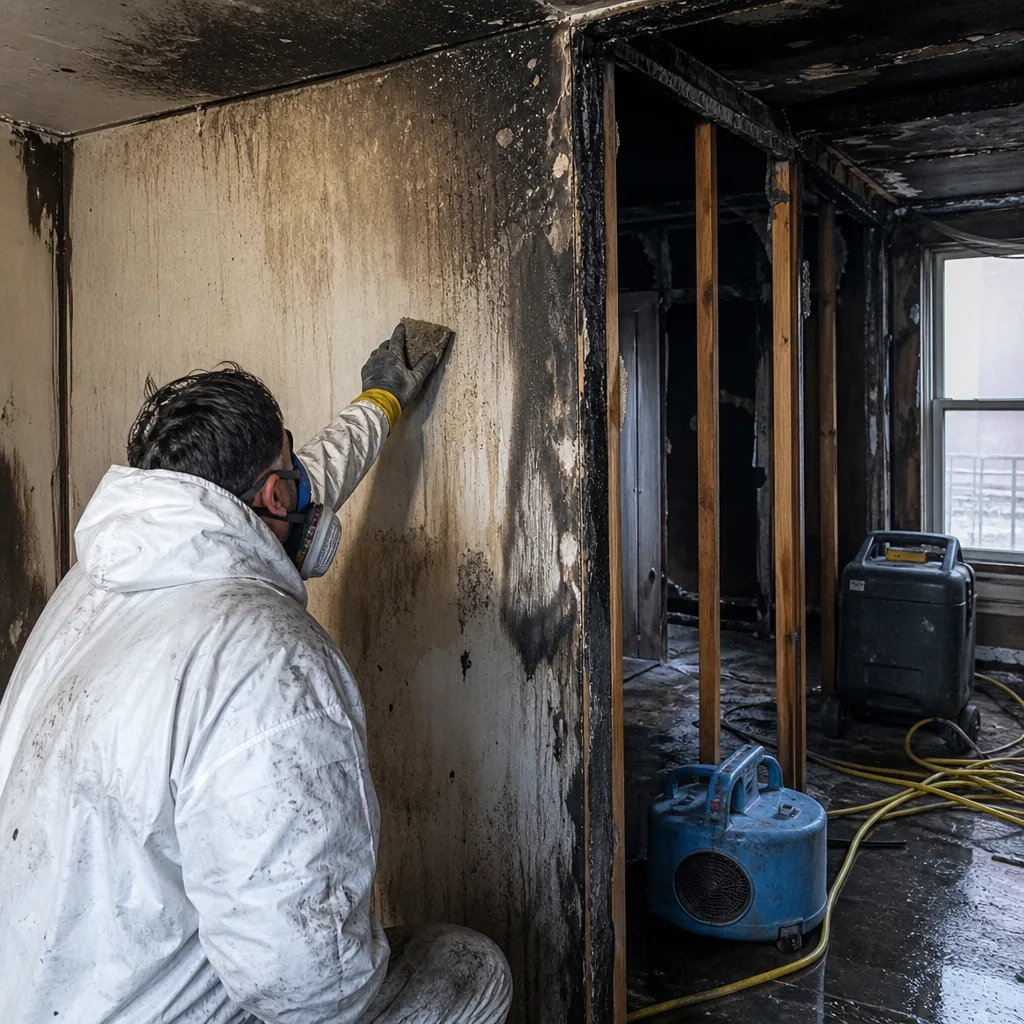
Wind damage on FiDi rooftops, and on the setbacks and mechanical penthouses of older towers, lets water enter through the top while surge water rises below. We tarp damaged roof sections, secure membrane flaps, and photograph everything for the adjuster before any secondary water damage compounds the storm loss.
Debris Removal
Storm debris in the Financial District is unique: broken glass from 1960s curtain walls, saturated building insulation, and anything the surge carried up from the harbor, mixed with construction material from neighboring properties. We handle all of it, separating contaminated material from recyclable debris and hauling to the right facilities, while keeping a clear chain of custody for insurance documentation.
What happens when you call
- 1
A real person answersNo phone trees - you reach a local pro.
- 2
You get an upfront price rangeHonest numbers before anyone is dispatched.
- 3
A background-checked tech heads outLicensed & insured, dispatched right away.
- 4
You approve before work beginsNothing starts until you say go.
Storm & Disaster Restoration Costs in Financial District, NY
Storm and disaster restoration pricing in Financial District runs higher than the borough average for two reasons: saltwater means more removal and longer drying, and the coordination delays, especially Con Ed clearance and freight elevator scheduling, add time on site. A typical flood damage restoration in a FiDi residential co-op or condo runs $4,200 to $12,000 depending on square footage, water category, and how far the water traveled through walls and shafts. Emergency board-up usually runs $500 to $1,800, depending on the number and size of openings. Roof tarping for storm-damaged sections typically runs $800 to $2,200. Debris removal ranges from $450 to $2,500 based on volume and contamination class. The fastest way to a firm number is a free visual inspection and written scope; no trip charge inside our own county, and a free second opinion on any written estimate you already have. Seniors and veterans get 10% off, always.
We Also Serve Cities Near Financial District
Wade’s Restoration runs storm and flood calls throughout Lower Manhattan, across the bridge into Astoria and Long Island City, and up into Midtown Manhattan when a building’s mechanical systems are affected. If you are within a close radius of the Financial District, one call gets us moving toward you.
Serving Financial District, NY - Our Local Coverage Area
We’re based in the Financial District area and know this community well. Use the map below to see our service coverage - if you’re nearby, we can almost certainly help.
Financial District Storm & Disaster Restoration Questions, Answered
How does Con Edison’s underground vault coordination affect a flood damage restoration job in the Financial District?
Below many FiDi blocks, Con Edison maintains high-voltage underground electrical vaults. After a significant flood, no restoration crew may legally begin work in affected sub-basements until Con Edison clears and de-energizes those vaults. That clearance can take anywhere from several hours to multiple days. We factor this into every Financial District storm response; we begin above-grade work and documentation immediately, but below-grade extraction and drying is scheduled around Con Ed’s clearance and documented in writing for your carrier.
Is saltwater damage from a coastal surge in FiDi treated differently than freshwater damage?
Yes, significantly. Saltwater is Category 3 water, so porous materials like drywall, insulation, and carpet pad are removed rather than dried. But beyond that, chlorides and dissolved metals in seawater continue corroding steel, electrical conduit, and HVAC components long after visible drying. Financial District restoration requires flushing salt residues from surfaces, applying corrosion inhibitors to structural metals, and running extended antimicrobial protocols. Our crews use Dri-Eaz dehumidifiers and Phoenix air movers, but the real difference is the longer dwell time and the aggressive salt treatment that a generic freshwater company will skip.
What parts of a garage-door system in the Financial District fail first after repeated salt-air exposure and storms?
Salt-laden air attacks every exposed metal part of a garage-door system from the outside in. Springs are usually first to go: they’re under constant tension, and corrosion thins the coils until a spring snaps, sometimes launching itself. Hinges and rollers bind as rust builds, so the door starts jerking or catching mid-track. Tracks corrode where the mounting bolts pass through, and fasteners seize. Opener chains stretch and develop rust. In Financial District, a spring snap during nor’easter winds is the classic failure: the door loses tension, and high winds force it inward, leaving the garage open to flying debris. We replace snapped springs with coated or galvanized springs, install stainless hardware and nylon rollers, and include salt-corrosion inspections as part of every storm cleanup.
Why do converted pre-war condos in FiDi need a different water extraction plan than newer residential towers?
Converted office towers built between the 1920s and 1960s were never designed as residential buildings. Plumbing chases were retrofitted, mechanical rooms sit in sub-basements below the waterline during storm surge, and vertical pipe routing runs through masonry shafts that hide leaks until water has traveled three floors. A newer residential tower has more predictable plumbing and more accessible mechanical spaces. In FiDi conversions, our extraction plan assumes that water has migrated through fire-rated walls, elevator shafts, and conduits into areas you have not seen yet, so we map and dry those hidden cavities rather than just the room where water is visible.
How quickly should we schedule storm damage cleanup after a Financial District flood before mold starts?
Mold begins colonizing within 24 to 48 hours in flooded drywall, insulation, and wood in FiDi’s humid climate. If saltwater is present, the timetable is even tighter because wet salt residue keeps surfaces damp longer. Our crews can be on-site within 45 minutes of your call to extract water, remove the materials that cannot be saved, and set up containment and air scrubbing before spore release. The call now costs less than the mold remediation later; that is not a scare tactic, it is a documented curve every insurance adjuster recognizes. Call (607) 350-1550 for an honest assessment.
Does homeowners insurance cover flood damage in Financial District?
Standard homeowners policies do not cover storm surge or river flooding; that requires a separate flood policy, typically through FEMA’s NFIP or a private carrier. Wind-driven rain entering through a storm-damaged opening, like a broken window or torn roof section, is usually covered under the standard policy. Sewer backup and drain overflows may require an endorsement. We will document the cause of loss clearly enough that your adjuster sees exactly which coverage applies, and we will deal with the adjuster directly, so you are not stuck narrating the damage to a phone rep.
It depends on the water category, the extent of the affected area, and whether the building’s common systems, elevator, heat, hot water, are out. If we are handling Category 1 or 2 water in a contained area, you can generally stay. After a coastal surge, the water is Category 3, and if the affected area includes your living space, vacating during extraction and drying is often safer and faster. We will give you a straight answer on-site, not a policy script.
First, do not walk through standing water if there is any chance it has reached electrical systems; in FiDi sub-basements and mechanical rooms, that risk is real. Call Wade at (607) 350-1550. Document what you can safely photograph. Move small valuables to higher floors if you can reach them without entering standing water. Do not turn on any electrical panel that has been wet. We will be there within the hour, and we will guide everything from there.
Storm and disaster restoration in Financial District is not a job for a national franchise that has never dealt with Con Ed vault clearance, saltwater corrosion, or a pre-war tower’s vertical pipe chases. Wade’s Restoration has handled storm and flood losses in FiDi buildings like 70 Pine Street, and we have the Storm & Disaster Restoration experience to know what to do first, what to document, and what to tell your adjuster. We have been serving the Financial District for years, and the name on the truck is the same guy who will be standing in your flooded sub-basement. Call (607) 350-1550 now for a free estimate, or to have Wade out within the hour. For more about our full restoration services and coverage areas, contact Wade’s Restoration today.
Written by Wade Ferris, Owner at Wade’s Restoration, serving the Financial District since 2007.