
Free visual inspection and a written scope of work before any mitigation begins - photos, moisture readings, and drying logs go in your claim file
The scope we write is the scope we bill. Anything new gets shown to you, in writing, before we touch it.
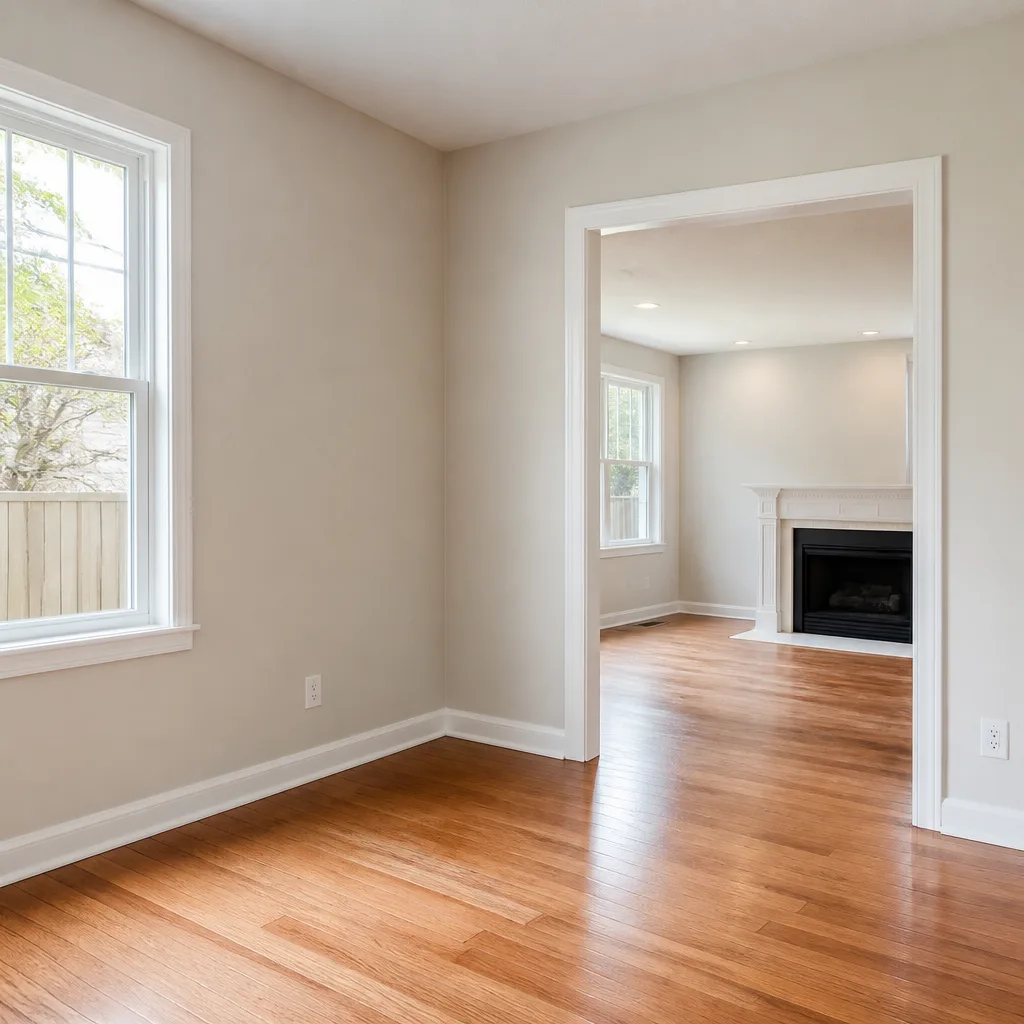
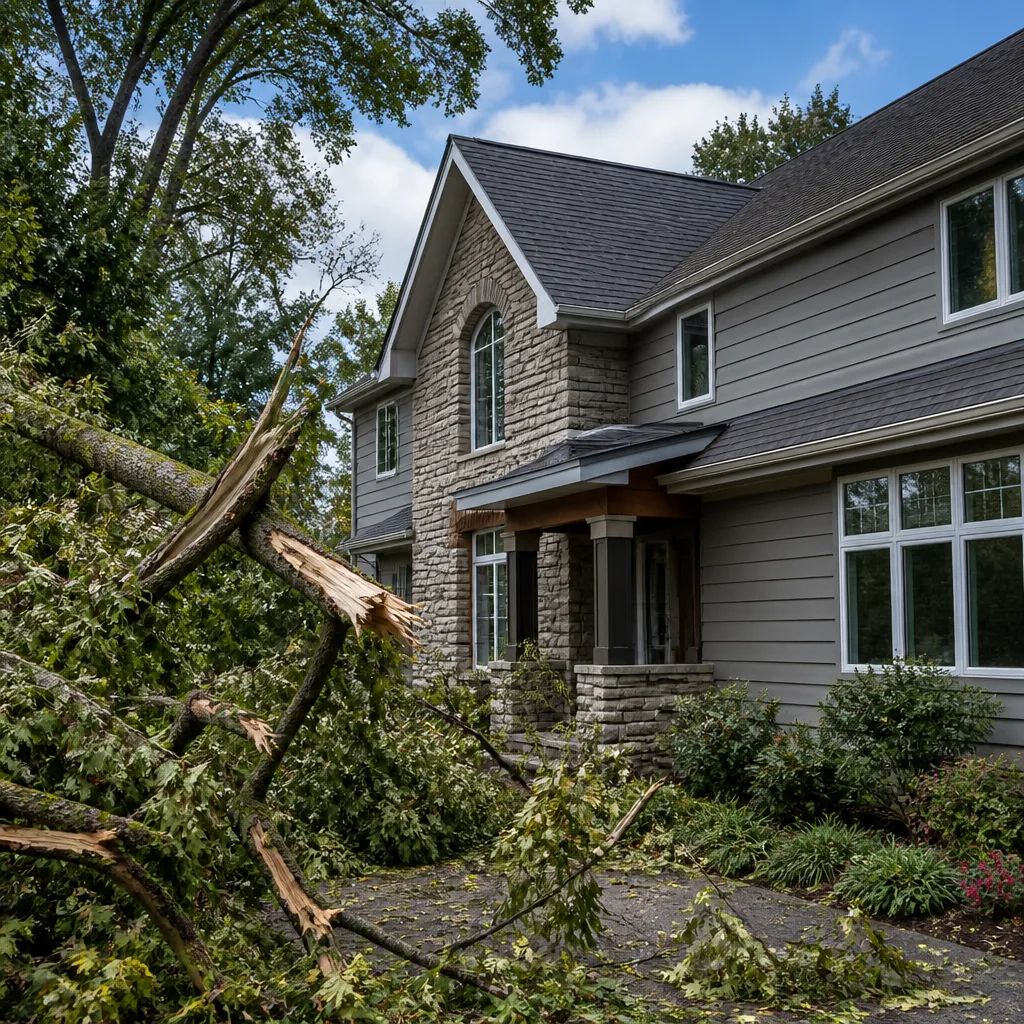


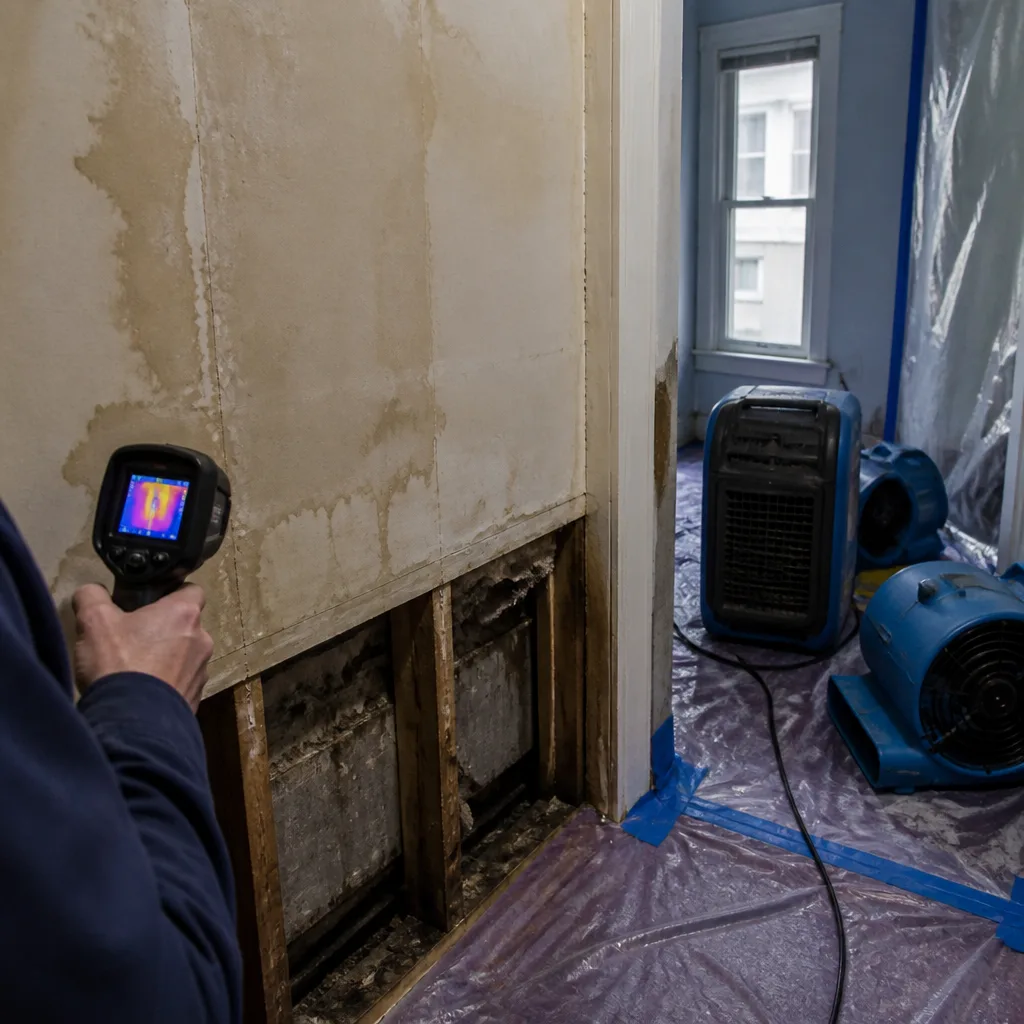 Before
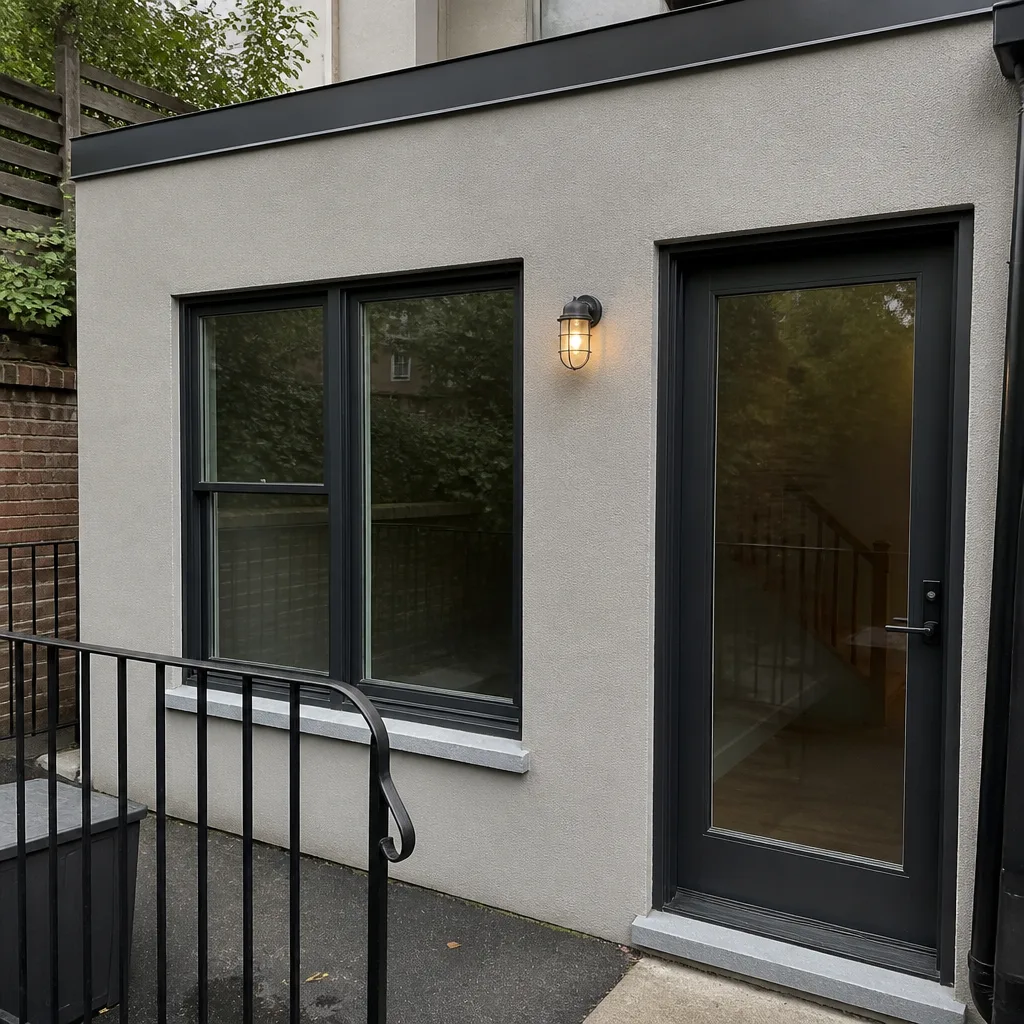 After
After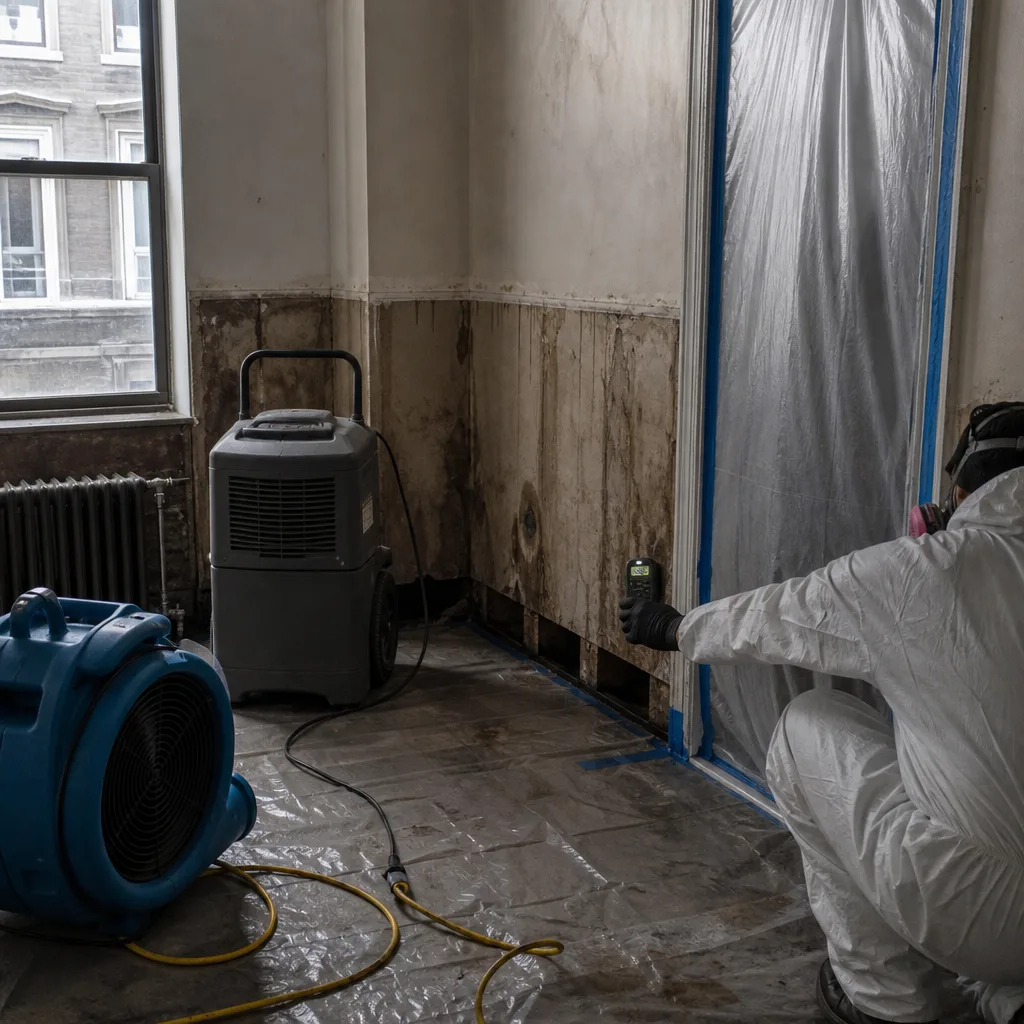 Before
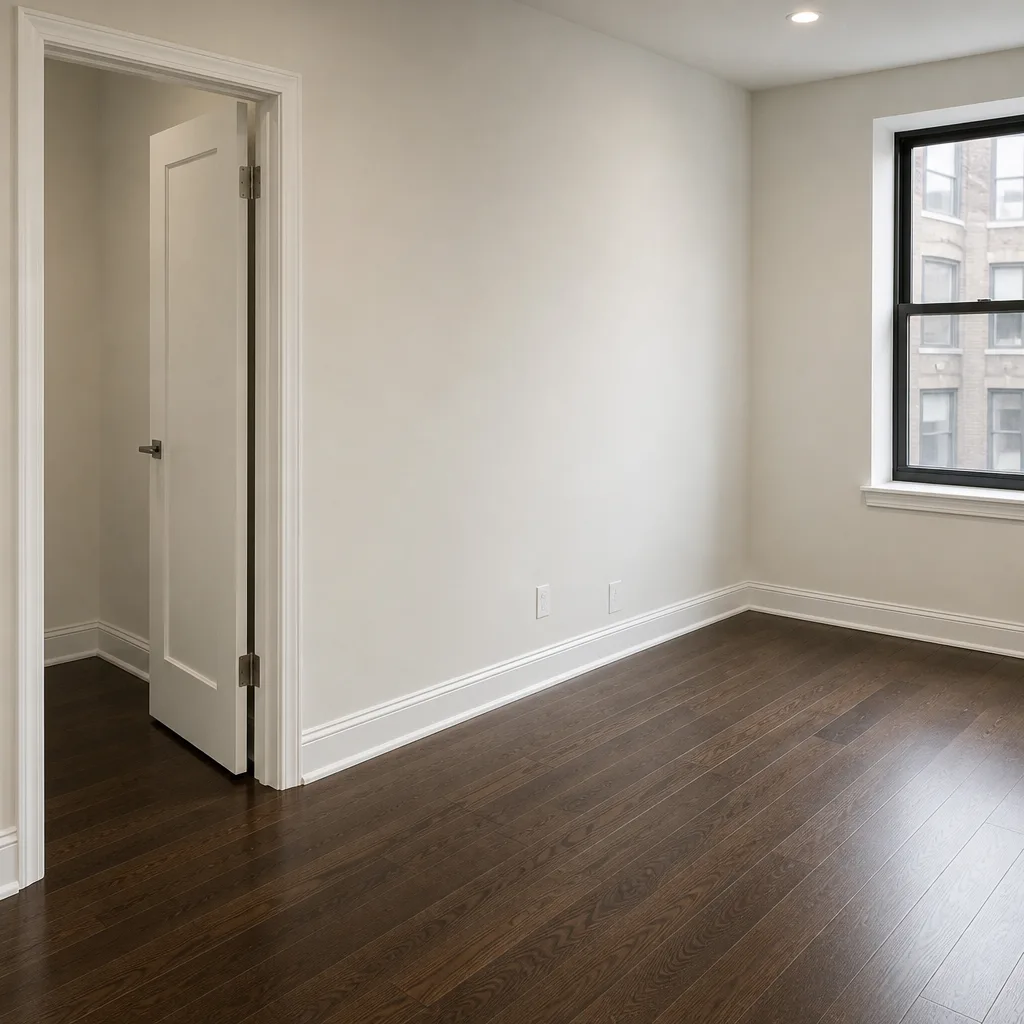 After
After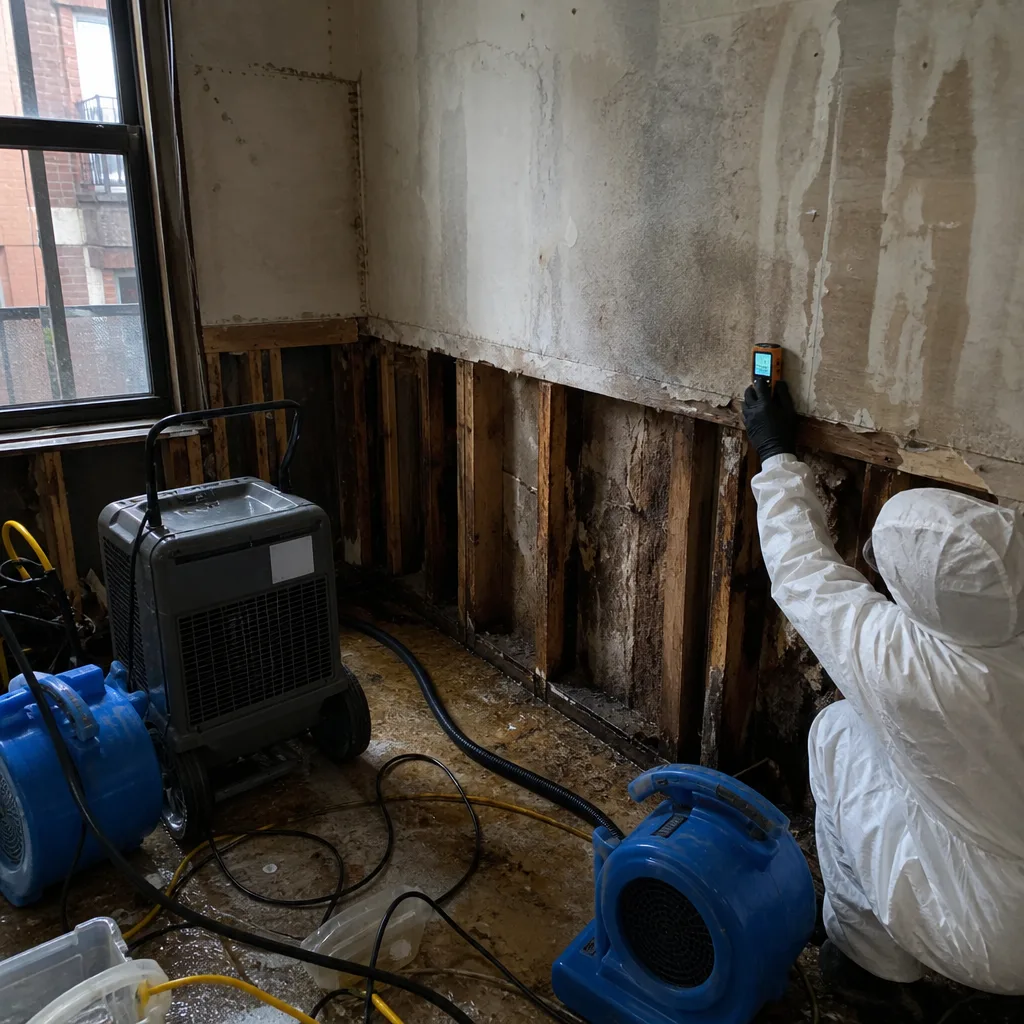 Before
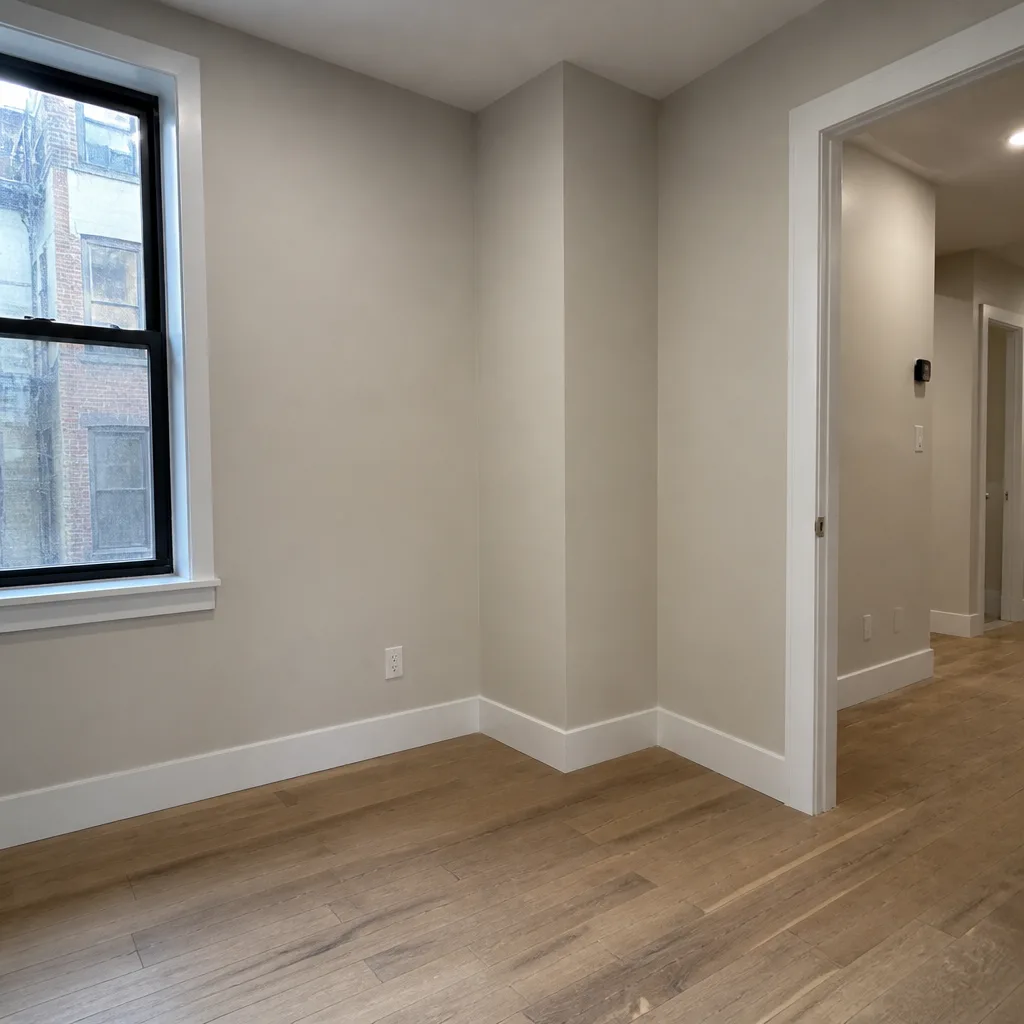 After
After24/7 Emergency Biohazard & Crime Scene Cleanup in Financial District
Biohazard and crime scene cleanup in the Financial District costs anywhere from $1,800 for a contained blood spill to $12,000+ for a full trauma or unattended death scene inside a converted landmark tower. That range covers everything from HEPA air scrubbing and medical-grade disinfection to the careful removal of porous materials that can’t be salvaged. You can call (607) 350-1550 right now and Wade Ferris himself will pick up, walk you through what needs to happen, and get a crew moving toward your building within the hour.
We answer live around the clock because we know what a biohazard scene does to the people left standing in it. The first hour matters. Blood seeps into grout lines and subflooring. Bodily fluids travel through wall cavities. Odor sets into plaster that’s been absorbing air for a hundred years. In a Financial District building, where residential units sit directly above retail and commercial space, containment has to happen fast so the problem never reaches a neighbor’s unit or a shared mechanical chase.
Understanding Biohazard & Crime Scene Cleanup Severity in Financial District Properties
Most of FiDi’s residential stock is not new construction. The early-to-mid 20th century towers at 70 Pine Street, 20 Exchange Place, and their neighbors were built as offices, then converted to condos and rentals starting in the late 1990s. Those conversions left behind non-standard pipe routing, fire-suppression systems that can discharge unexpectedly, and sub-basement mechanical rooms that sit at or below the waterline during any storm surge event. When a biohazard incident occurs in one of these buildings, the cleanup challenge is compounded by materials that absorb and hold pathogens differently than modern drywall and subflooring. Original plaster, marble, terrazzo, and legacy pipe insulation all demand specific treatment protocols.
We classify biohazard work by exposure level. A small blood spill on a non-porous tile floor is a Level 1 scene: containment, disinfection, and clearance testing. A trauma scene with widespread fluid contamination of carpet, pad, and subflooring is Level 2. An unattended death where decomposition fluids have penetrated multiple layers and migrated into wall cavities or adjacent units is Level 3, and it requires full containment with negative air pressure, HEPA air scrubbing, and removal of affected building materials down to the framing. In FiDi’s converted towers, Level 3 scenes often mean coordinating with building management, Con Edison, and sometimes the Department of Buildings before we can legally begin.
Why Financial District Property Owners Choose Wade’s Restoration
- 45-minute response commitment. Wade’s crew stages from the New York City office and can be on scene in the Financial District within 45 minutes of your call, often faster at night when the streets are clear.
- 24/7 live answer from a real person. No answering service. Wade Ferris answers his own phone at 2 a.m. just like he does at noon.
- IICRC-certified crews trained for biohazard work. Wade’s people hold IICRC certifications including WRT (Water Damage Restoration) and AMRT (Applied Microbial Remediation) plus bloodborne pathogen and infectious disease control training.
- Free visual inspection with a written scope. We walk the scene, tell you what actually needs doing, and hand you a line-item scope in writing before any work starts – no surprises after the fact.
- Direct insurance billing with adjuster coordination. Wade deals with your carrier directly. You are not the one stuck relaying messages between two sides.
- One team from first response to final clearance. The same crew that contains the scene handles disinfection, odor removal, drywall replacement if needed, and final clearance testing. No handoffs to subcontractors you’ve never met.
Our Biohazard & Crime Scene Cleanup Process
Inspection & Assessment
Wade or a senior lead tech walks the full scene, identifies the contamination perimeter, and maps every affected material. In FiDi buildings, this means checking legacy pipe chases, baseboard gaps, and any shared wall with an adjacent unit. We use thermal imaging to find fluid that has migrated behind marble or steel cladding.
Containment & Stabilization
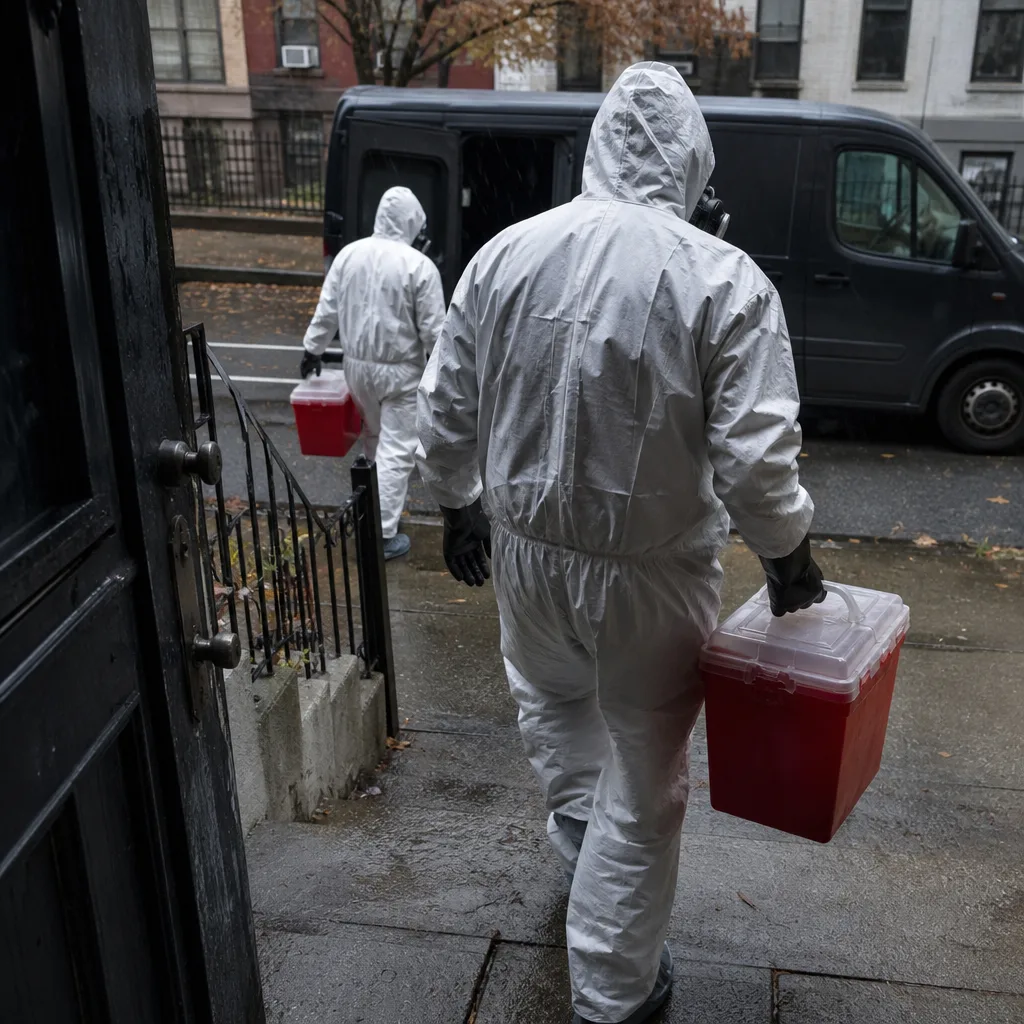
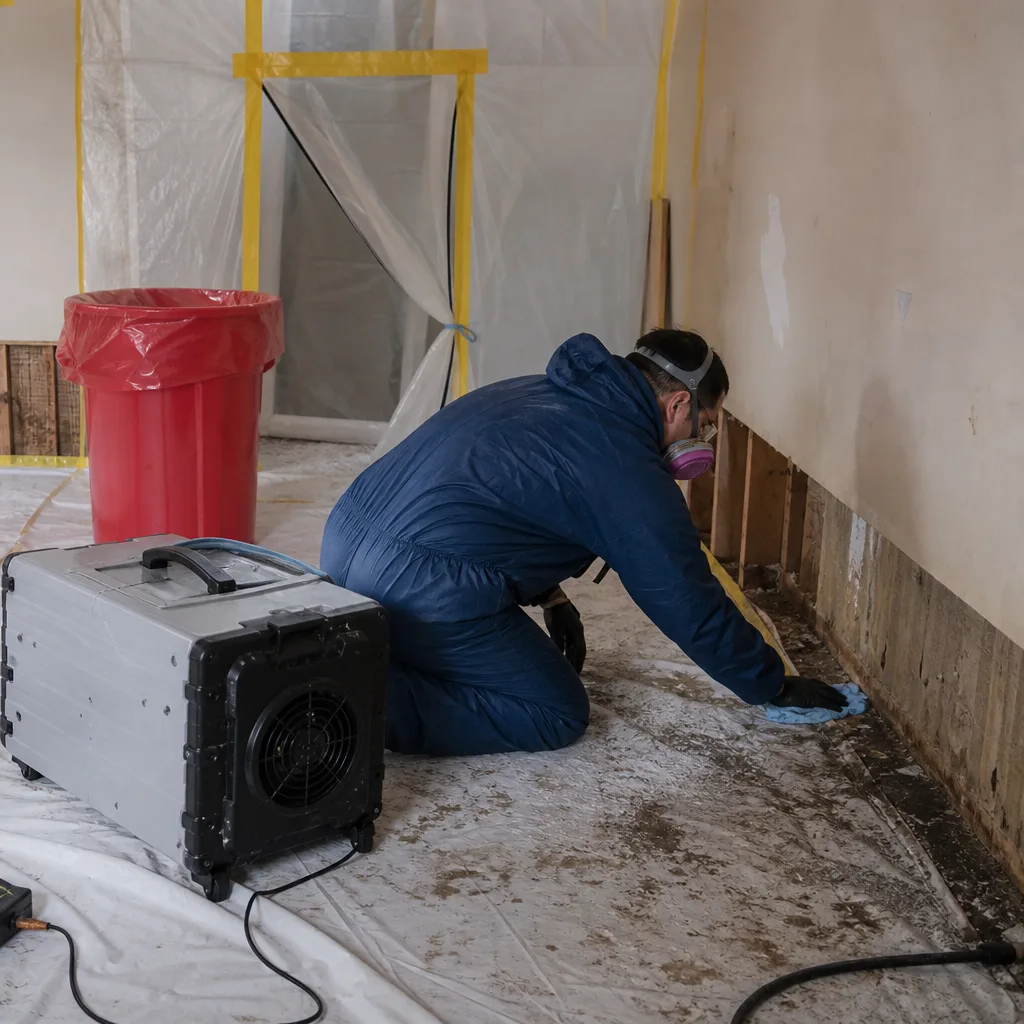
We seal the affected area with heavy plastic sheeting, establish negative air pressure with HEPA air scrubbers, and post the space so no one enters without proper PPE. If the scene involves a crime investigation, we wait for law enforcement to release the property before we touch anything.
Removal of Affected Materials
Blood-soaked carpet, pad, drywall, insulation, and any porous material that cannot be fully disinfected gets removed carefully, bagged, and disposed of as regulated medical waste according to New York State protocols.
Cleaning & Sanitization
We clean and disinfect all remaining surfaces with hospital-grade antimicrobial solutions registered with the EPA for bloodborne pathogen kill claims. Hard surfaces get cleaned, disinfected, and re-treated. Odor-causing residues get neutralized at the source.
Drying & Dehumidification
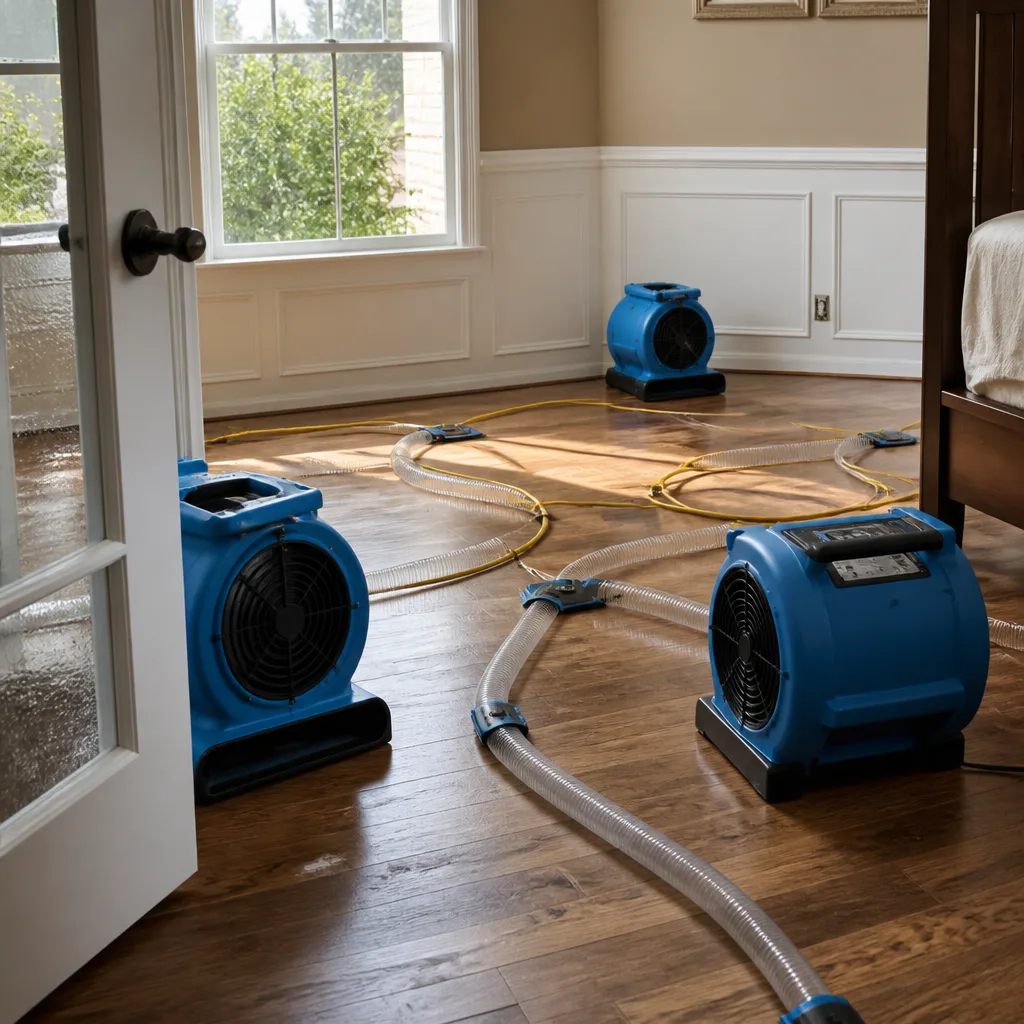
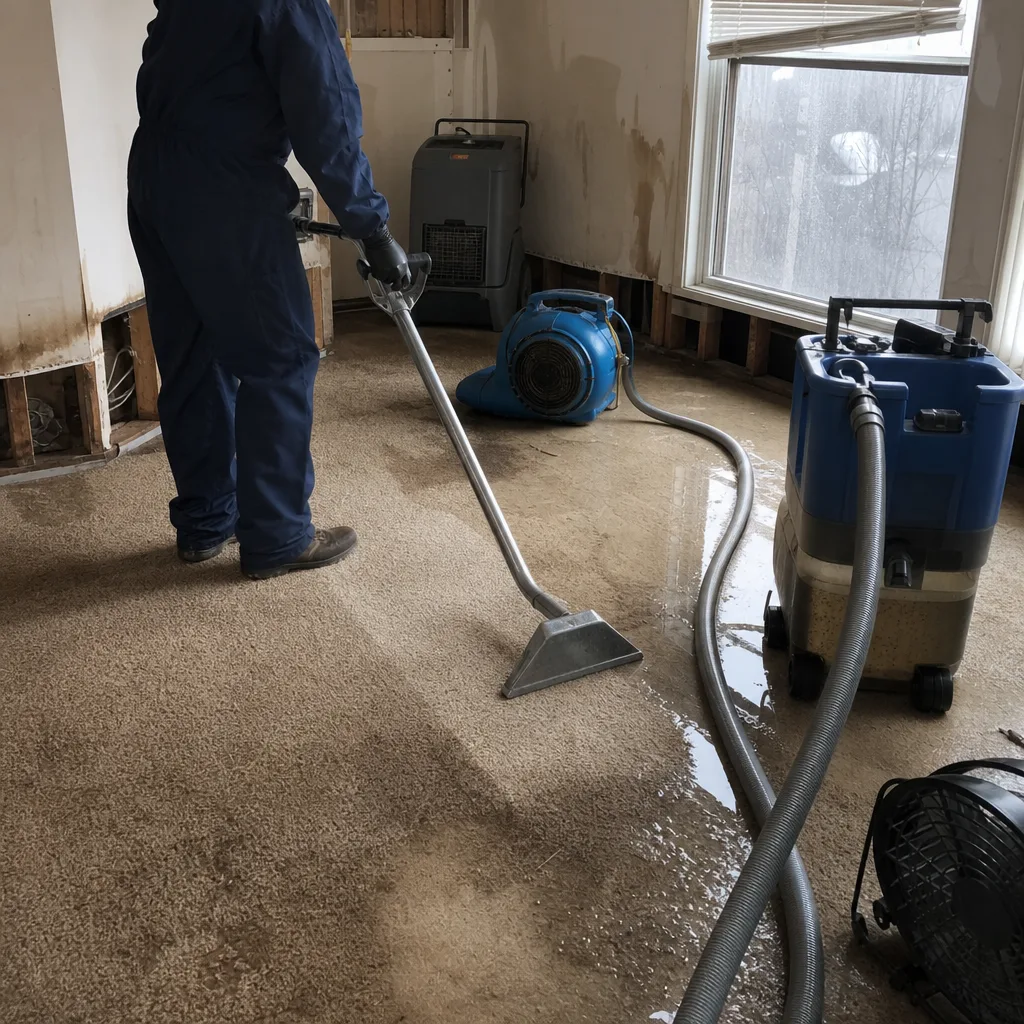
Any moisture introduced during the cleaning process or present from the incident gets pulled out with Dri-Eaz dehumidifiers and air movers. In FiDi’s older buildings, this step takes longer because converted office towers hold moisture in fire-rated assemblies and pipe chases.
Clearance Testing & Restoration
After disinfection, we run ATP surface testing to verify no biological residue remains, then handle whatever repair and restoration is needed to return your unit to pre-incident condition. You get a full written record of everything we did.
Need Emergency Biohazard & Crime Scene Cleanup in Financial District Now?
Crews minutes away, answering live 24 hours a day. The sooner we start, the less it costs.
Working With Your Insurance Company
Biohazard claims are handled differently by every carrier, but one thing stays constant: the adjuster needs documentation from the first hour. Wade’s Restoration photographs every affected surface before we remove anything. We log disposal manifests, surface testing results, and drying readings throughout the job. When your adjuster has questions, Wade talks to them directly – you are never stuck interpreting our work to an insurance company or vice versa. This matters in the Financial District because many condo associations carry master policies that interact with your individual HO-6 policy in complicated ways. We have walked dozens of FiDi homeowners through that exact scenario.
What We Provide Your Insurer
- Thorough documentation of the loss from the first hour
- Photos of all damage, room by room, including containment setup
- Moisture readings and daily drying logs where applicable
- A detailed, line-item scope of work with clear pricing
- Direct coordination with your carrier and adjuster
Built for Financial District’s Loss Calendar
Biohazard work in the Financial District does not follow a neat seasonal pattern the way burst-pipe flooding does, but the calendar still matters. Summer brings the highest volume of unattended death calls – heat accelerates decomposition, and many FiDi residents travel out of the city in July and August, meaning weeks can pass before a life is missed. Fall and early winter bring needle-related contamination from the street-level and subway-adjacent spaces along Broadway and Wall Street, along with occasional overdose fatalities in common stairwells and restrooms of commercial buildings. Post-Sandy storm seasons bring saltwater and sewage incidents that require the same Category 3 protocols we use for crime scenes and trauma work. And the annual nor’easter season from December through March drives an uptick in contaminated water intrusion through building envelopes, especially in the converted towers where sub-basements act as collection points for whatever the surge pushes in.
Biohazard & Crime Scene Cleanup Across Financial District’s Neighborhoods
Response routes through FiDi are constant. We stage from the New York City office, and at 3 a.m. on a Tuesday, Broadway is a straight shot from Chambers down to the Battery. The converted landmarks along Pine Street and Wall Street – buildings with 90-year-old bones under expensive renovation – are the scenes we know best. Those towers hide pipe chases behind marble and steel, and a decomposition or blood event in one unit can transmit odor into three adjacent units through shared return air and fire-rated walls that were never designed for odor containment. Over on Water Street and South Street near the East River, the high-rise rentals tend to be newer construction with better compartmentalization, but elevator wait times and building access protocols slow our crew’s first-in time. The Stone Street corridor packs restaurants and bars at street level directly beneath residential units, which means a late-night trauma call often involves coordinating with a commercial tenant whose day job starts at 6 a.m. And the blocks around the New York Stock Exchange on Broad Street bring security protocols that require our technicians to pass background checks we already run as standard practice – though that check does not need to happen twice.
The one variable that makes every FiDi job different from an identical scene in Astoria or Long Island City is the Financial District‘s sub-basement infrastructure. Con Edison maintains high-voltage underground electrical vaults beneath many blocks here. After a flood event – even a localized one from a broken water main or a fire-suppression discharge – restoration crews legally cannot enter affected sub-basements until Con Ed clears and de-energizes those vaults. That coordination can add days to a timeline, and it is a delay contractors in virtually every other neighborhood never encounter.
Specialized Biohazard & Crime Scene Cleanup Services We Offer in Financial District
Crime Scene Cleanup
We clean and restore spaces after homicides, assaults, suicides, and police-involved incidents. In FiDi, this work frequently occurs in residential buildings where the NYPD has completed its investigation but the property manager has not yet figured out how to make a unit livable again. We coordinate with building management on containment and disposal logistics so affected residents can move back in as soon as possible. Remember: do not attempt this yourself. Bloodborne pathogens like hepatitis B, hepatitis C, and HIV can survive on surfaces for days. This work requires specific training, PPE, and disposal permits.
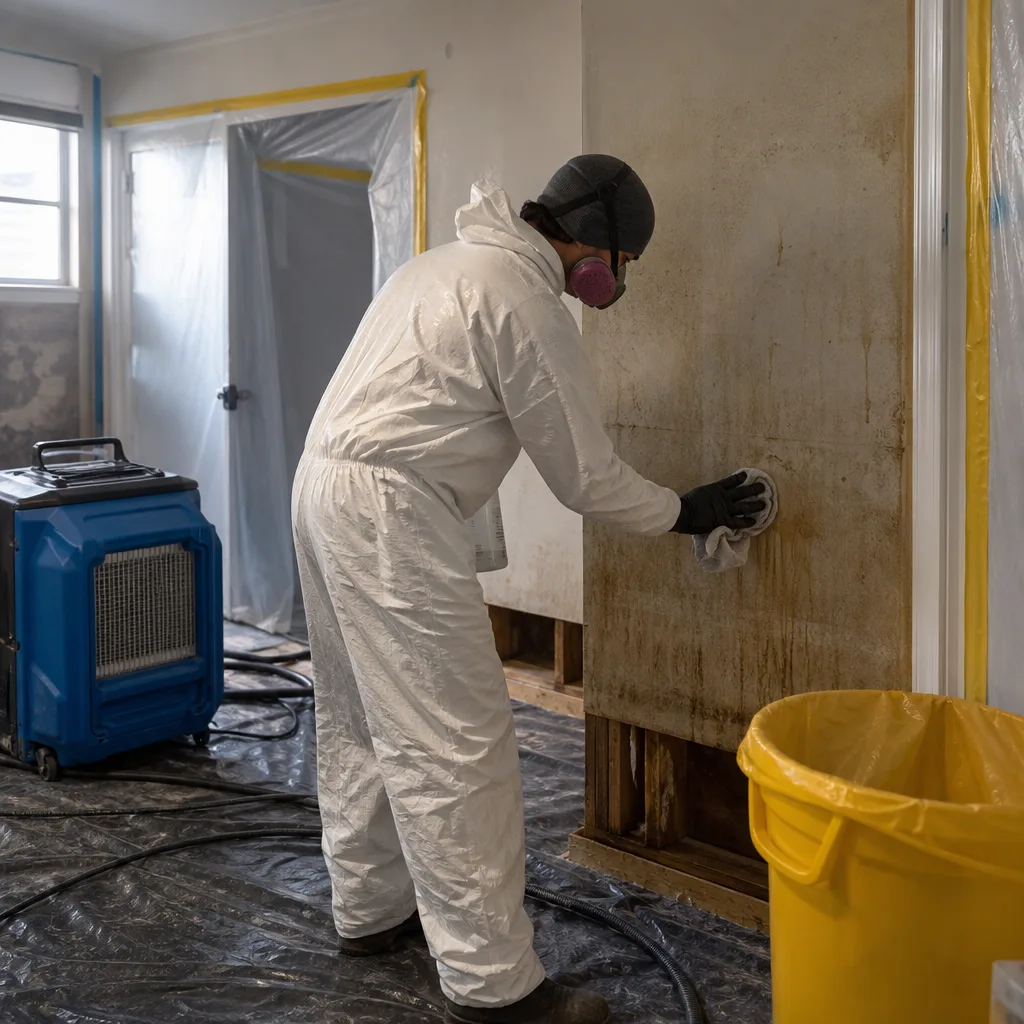
Trauma & Unattended Death Cleanup
When a person is not found for days or weeks, decomposition fluids penetrate flooring, subflooring, and sometimes wall cavities. We remove affected materials, treat the framing and subfloor, and run odor neutralization until the space tests clean. In FiDi’s converted towers, this often means opening a wall shared with a neighboring unit and documenting everything for the building’s engineer.
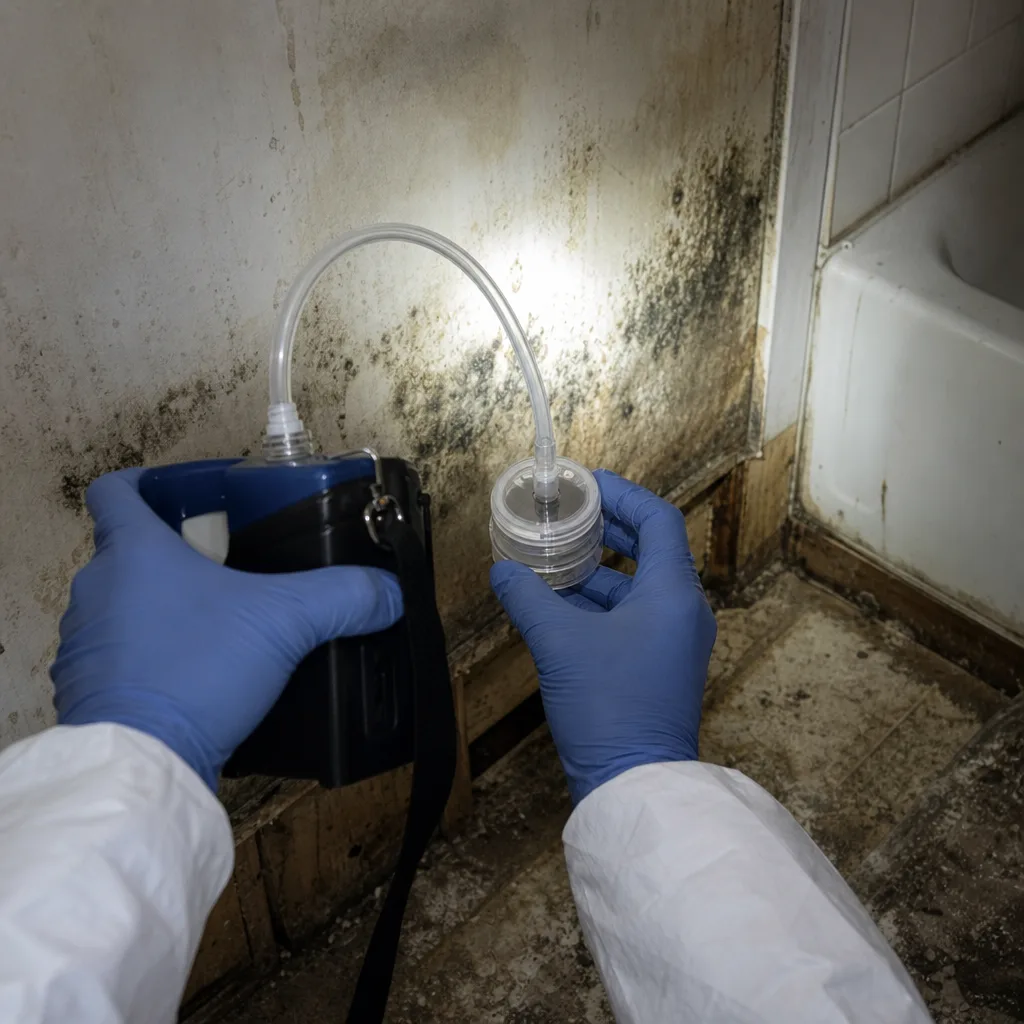
Hoarding Cleanup
Hoarding remediation in a FiDi high-rise is different from a single-family house. There is no driveway to stage dumpsters in. Elevator scheduling, weight limits, and disposal chute restrictions all shape the job. We work with building management to move materials out discreetly without drawing attention to the affected resident. Our people are trained to treat hoarding with respect, not judgment.
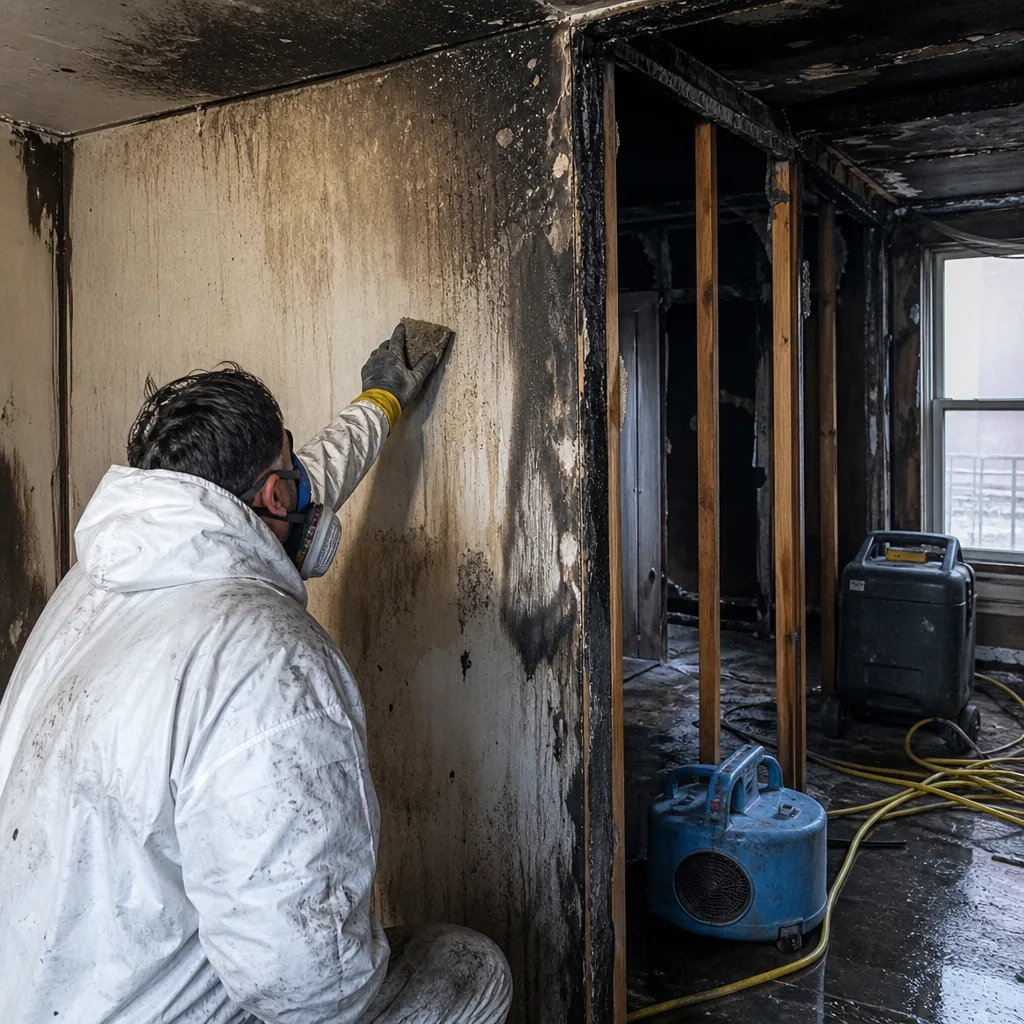
Blood & Bodily Fluid Cleanup
Medical emergencies, accidents, and workplace injuries leave behind blood and fluids on floors, walls, and furnishings. The Financial District’s mix of high-traffic commercial lobbies and dense residential units means these cleanups need to happen quickly and without fanfare. We arrive unmarked, contain quietly, and leave the space clean and clear-tested.
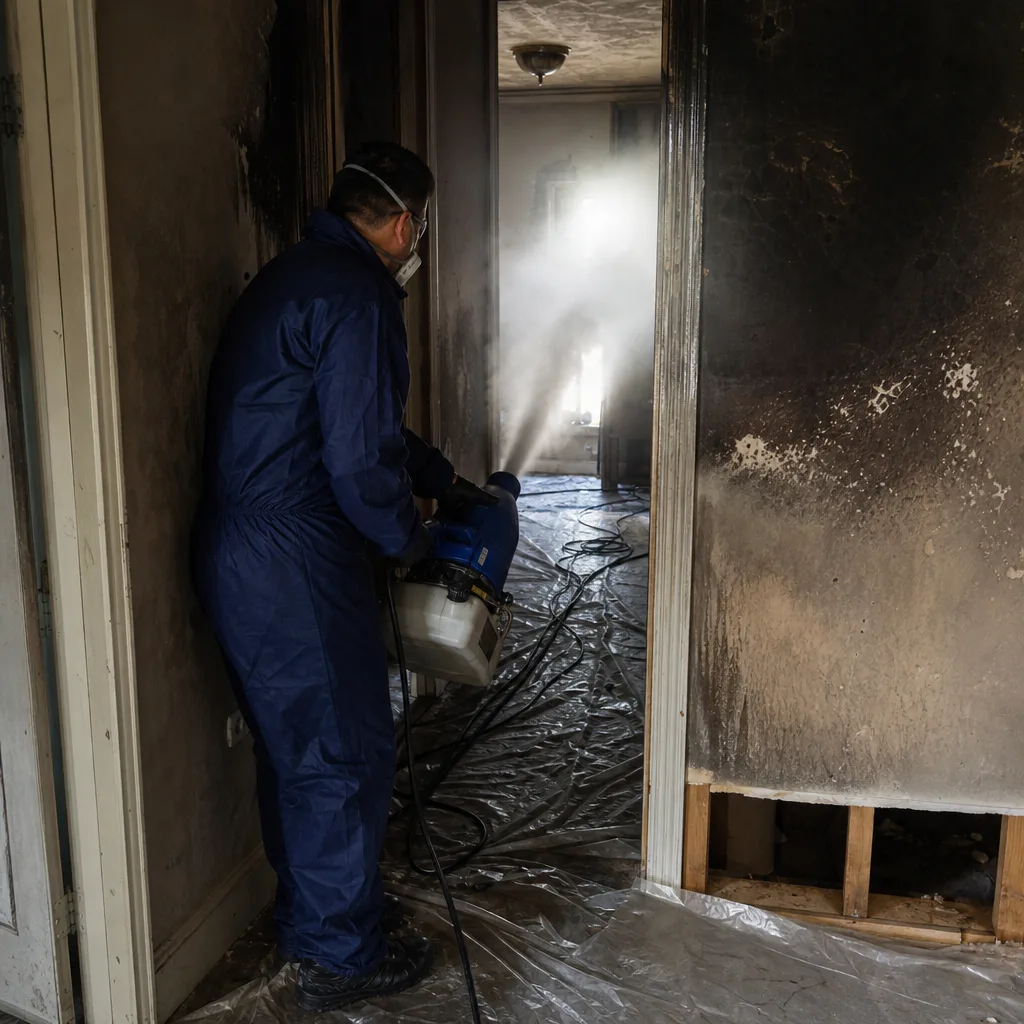
Infectious Disease Disinfection
After a confirmed or suspected exposure to COVID-19, MRSA, C. diff, norovirus, or another infectious agent, we apply hospital-grade disinfectants with dwell times that actually kill the target organisms. We are certified and equipped for this work, and we document the entire process for tenants, employers, and insurance carriers.
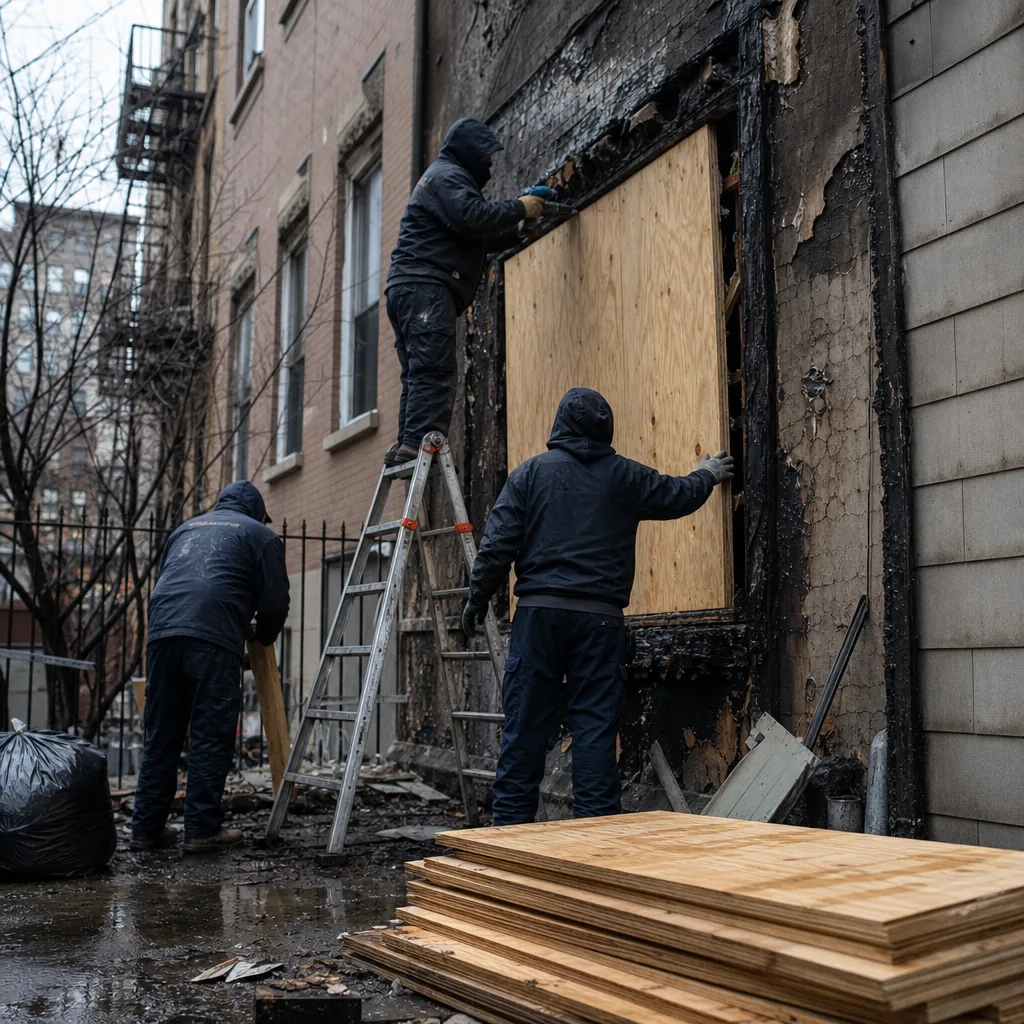
Tear Gas & Chemical Cleanup
Protests, security incidents, and law enforcement operations in the Financial District occasionally leave behind tear gas residue or other chemical contaminants. These agents bond to drywall, carpet, and upholstery, and they require specific decontamination chemistry, not just surface wiping. We have handled several such scenes in the neighborhood and understand how quickly they become a building-wide problem.
What happens when you call
- 1
A real person answersNo phone trees - you reach a local pro.
- 2
You get an upfront price rangeHonest numbers before anyone is dispatched.
- 3
A background-checked tech heads outLicensed & insured, dispatched right away.
- 4
You approve before work beginsNothing starts until you say go.
Biohazard & Crime Scene Cleanup Costs in Financial District, NY
A typical crime scene or blood cleanup in a Financial District apartment runs $1,800 to $4,500 when the contamination is contained to a single room and mostly non-porous surfaces. If flooring, drywall, or subflooring need removal, expect $4,500 to $9,000 depending on square footage and what’s behind the walls. A full unattended death with decomposition into multiple rooms and wall cavities can exceed $12,000 in a converted tower where access and disposal logistics add cost. Hoarding cleanup in a high-rise typically runs $3,000 to $15,000 plus hauling, depending on volume and whether structural remediation is needed. Infectious disease disinfection of a single unit starts around $1,200. The free visual inspection we offer converts every one of these estimates into a firm, written scope before any work begins. Most homeowner policies cover biohazard cleanup under the “sudden and accidental” provision, and we bill directly so you are not chasing reimbursement for restoration work while also dealing with the human weight of what happened.
We Also Serve Cities Near Financial District
Wade’s Restoration covers the full Biohazard & Crime Scene Cleanup range across Lower Manhattan and the surrounding boroughs. You will find our crews working in Lower Manhattan, Astoria, Midtown Manhattan, and Long Island City, with the same 24/7 live answer and the same written-scope guarantee.
Serving Financial District, NY - Our Local Coverage Area
We’re based in the Financial District area and know this community well. Use the map below to see our service coverage - if you’re nearby, we can almost certainly help.
Financial District Biohazard & Crime Scene Cleanup Questions, Answered
How does Con Edison vault clearance affect biohazard cleanup in FiDi sub-basements after a flood?
Con Edison owns and operates high-voltage underground vaults beneath many Financial District blocks, and restoration crews legally cannot enter a flooded sub-basement until Con Ed confirms the vaults are cleared and de-energized. This review can take 24 to 72 hours depending on how many vaults were affected. We stage our containment equipment at the entry point and coordinate with Con Ed directly so the moment clearance is granted, our crew is already on site and ready to begin. Call (607) 350-1550 if you are dealing with a flooded sub-basement now.
Why is saltwater floodwater in the Financial District considered Category 3, and what does that mean for cleanup?
Category 3 water is “grossly contaminated” – it contains sewage, pathogens, or toxic substances. In the Financial District, storm surge water is always Category 3 because it combines saltwater from the Hudson and East Rivers, raw sewage from combined storm-sanitary overflows, and chemical discharge from submerged vehicles and utility infrastructure. Cleanup requires removing all porous materials that contacted the water, treating remaining surfaces with antimicrobials, and verifying dry-out with moisture meters before any reconstruction. Extracting it like freshwater and running fans is dangerous and ineffective.
Can you restore original 1920s-era walls and floors after a biohazard incident in a converted FiDi tower?
Sometimes yes, and we will tell you honestly when the answer is no. Contaminated plaster can often be cut away and patched, and if the plaster is lath-and-plaster rather than gypsum board, the framing behind it can usually be cleaned and kept. Terrazzo floors and marble surfaces are non-porous enough to be fully disinfected. But if contamination penetrated original hardwood or parquet, those floors are typically porous enough that we recommend removal and replacement with period-appropriate materials. We will show you exactly what we found before we remove anything.
How do you handle bloodborne pathogen cleanup in a luxury FiDi condo without alerting neighbors?
We use unmarked vehicles, plain coveralls rather than branded hazmat suits, and we stage all equipment inside the affected unit, not in hallways or elevators. Most of our FiDi calls are handled entirely within the unit, with waste removed through service elevators coordinated with building management. No one on your floor needs to know what happened unless you choose to tell them.
What makes hoarding cleanup different in FiDi high-rises compared to other Manhattan neighborhoods?
In a detached house, a hoarding cleanup crew can park a dumpster in the driveway and work freely. In a converted FiDi tower, every bag moves through a service elevator that building management has to reserve. There are weight limits on floors, fire code restrictions on blocking egress, and building policies about what can go down the disposal chute. We have been doing this long enough that we can run a discreet, efficient hoarding remediation in buildings like 70 Pine or 20 Exchange without disrupting the other residents.
How fast can someone actually get here?
Wade Ferris answers his phone 24 hours a day and can have a crew on site in the Financial District within 45 minutes of your call. If it is an active crime scene, law enforcement controls the timeline on when we can enter, but our people will be staged and ready when the property is released to you. Call (607) 350-1550 now and you will talk to a person, not a recording.
Will insurance cover biohazard cleanup in my Financial District apartment?
Most HO-6 condo policies and standard homeowners policies include coverage for biohazard cleanup under the loss provision, especially when the incident is sudden and accidental – which crime and trauma scenes are. Unattended death cleanup is typically covered when the death was caused by a covered peril. We bill directly and send a complete documentation package to your adjuster. If there is any question, Wade will tell you what we expect the carrier to cover before we start.
What should I do in the first 30 minutes after discovering a biohazard scene in FiDi?
Do not touch anything. Do not enter the room. Close the door if possible, and if there is a shared HVAC return in the affected area, turn off your unit’s system. Call 911 first if the scene involves a suspected crime or unattended death. Then call Wade at (607) 350-1550 – we will tell you exactly what to do next based on what you are seeing, and we will have a crew moving while we are still on the phone with you.
Written by Wade Ferris, Owner at Wade’s Restoration, serving Financial District and the surrounding boroughs since 2007.