
Free visual inspection and a written scope of work before any mitigation begins - photos, moisture readings, and drying logs go in your claim file
The scope we write is the scope we bill. Anything new gets shown to you, in writing, before we touch it.
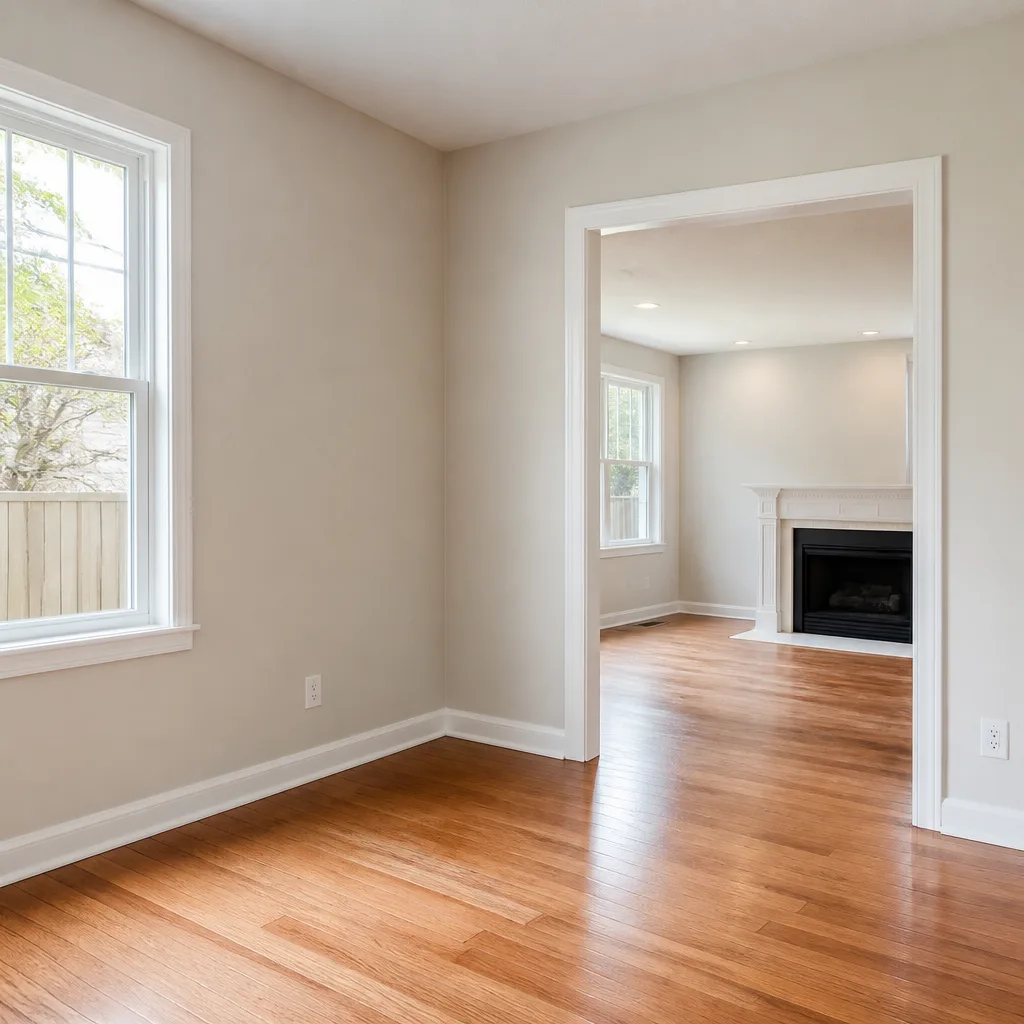
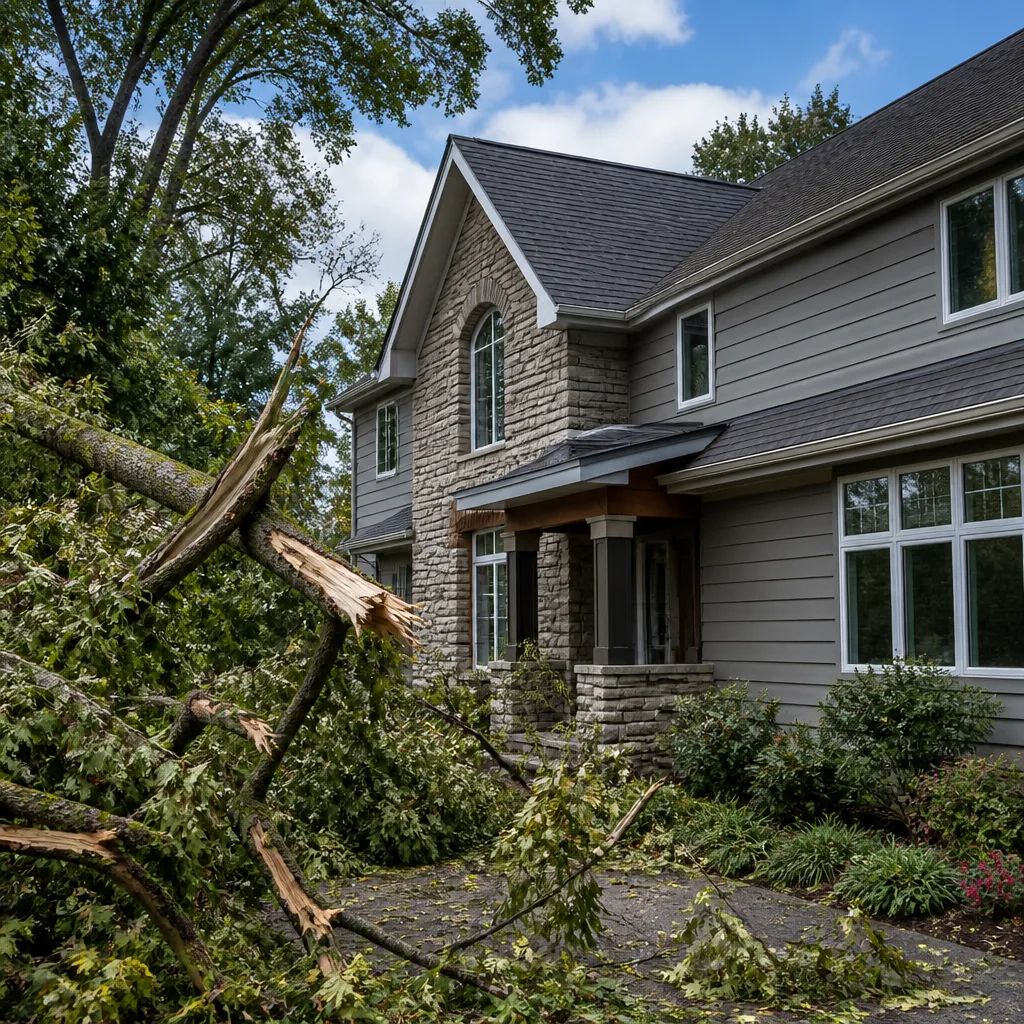
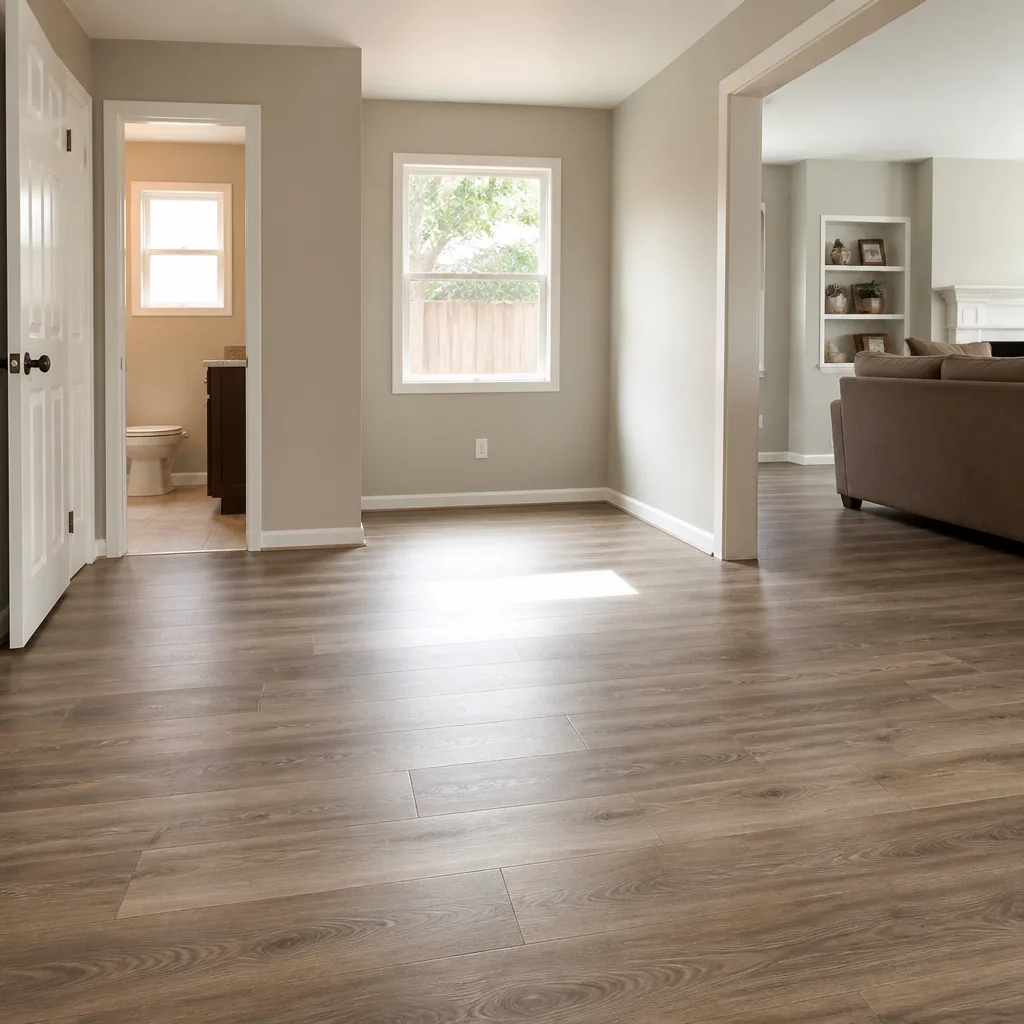

 Before
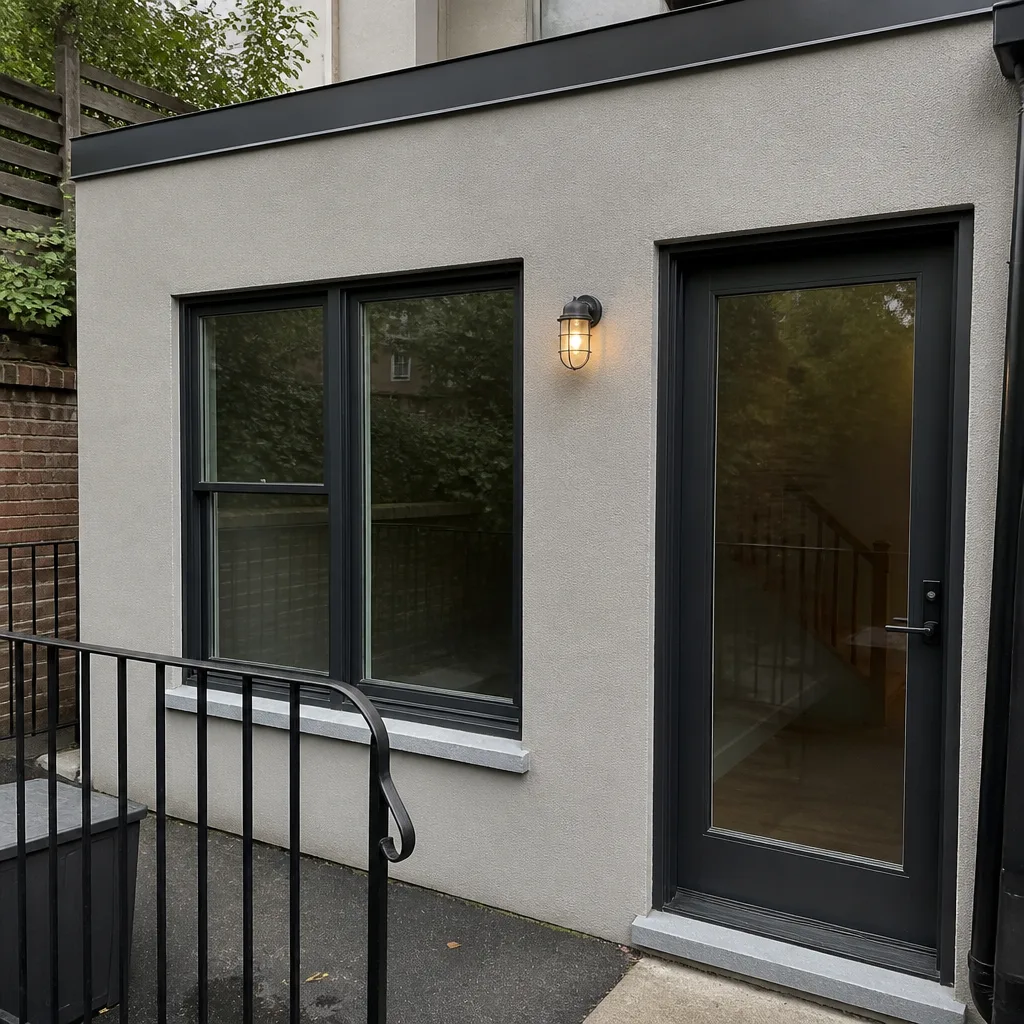 After
After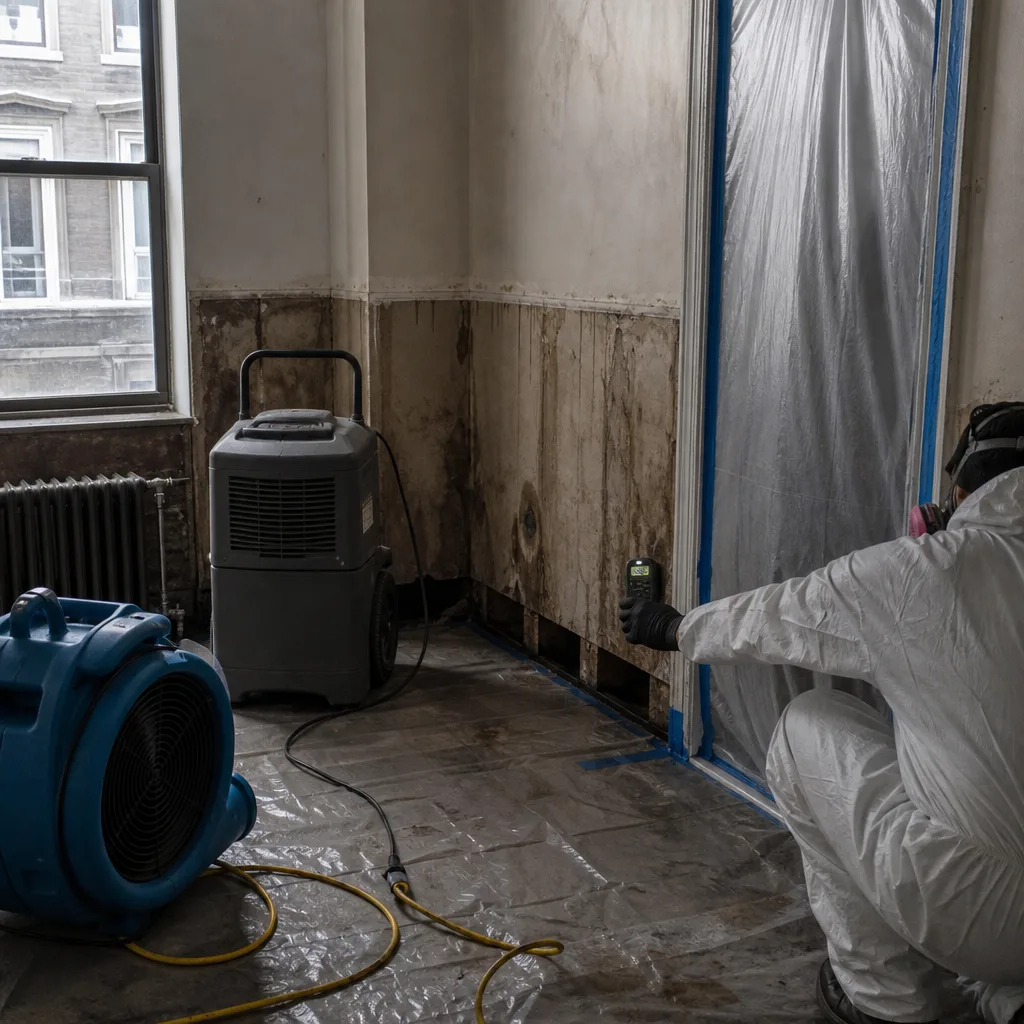 Before
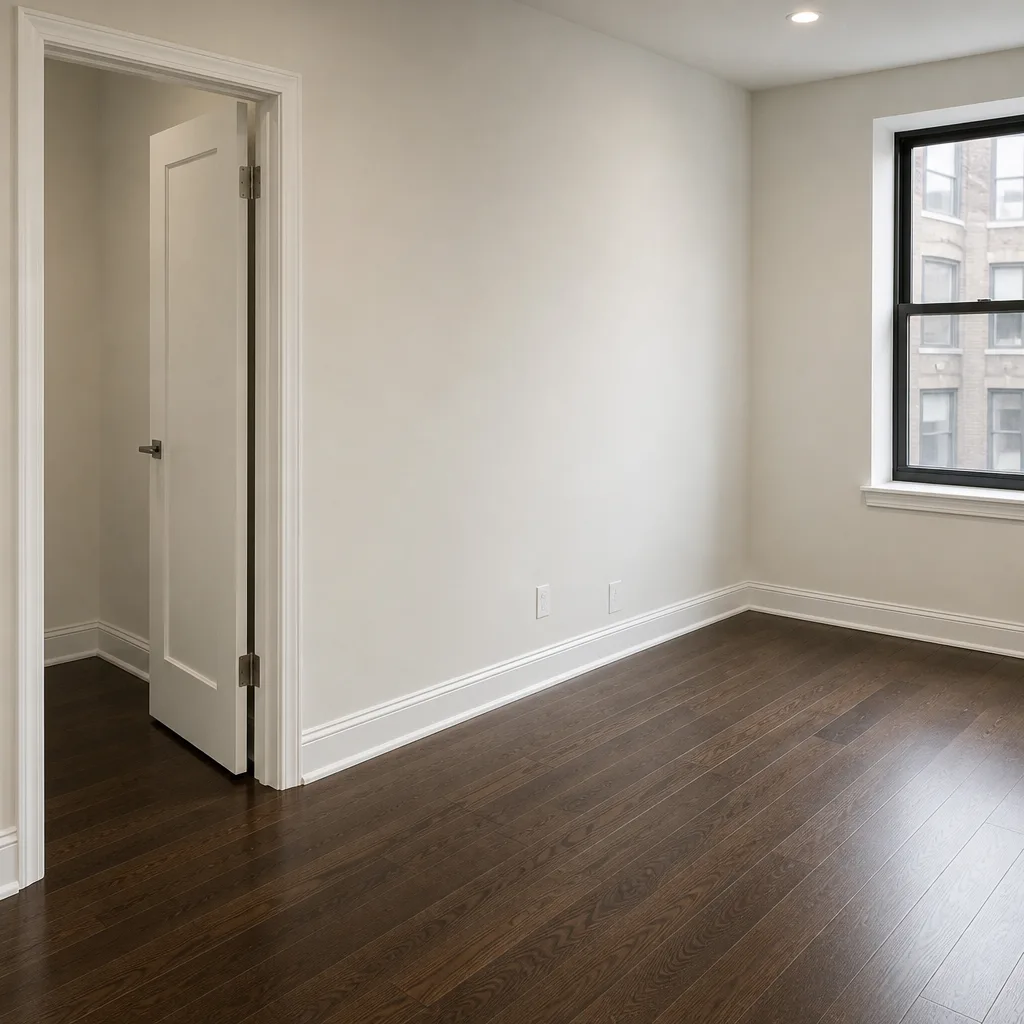 After
After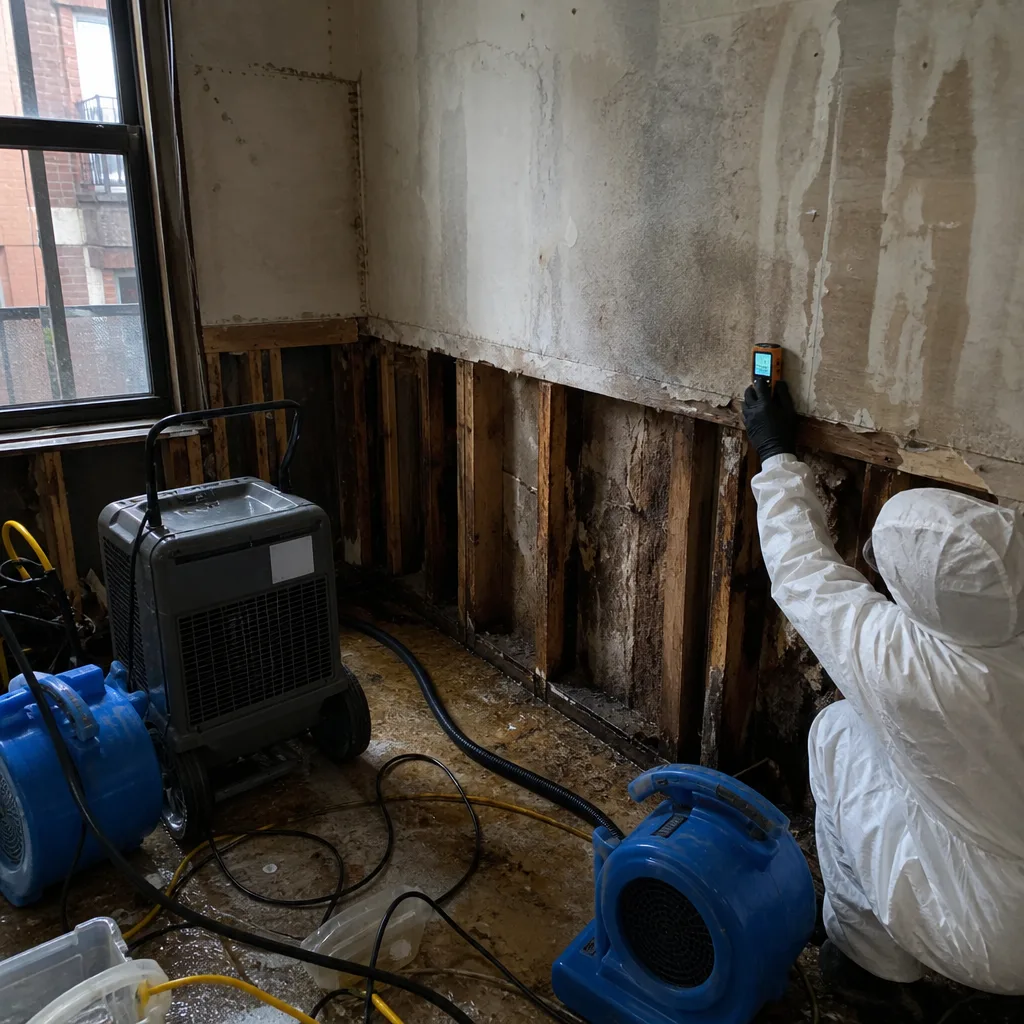 Before
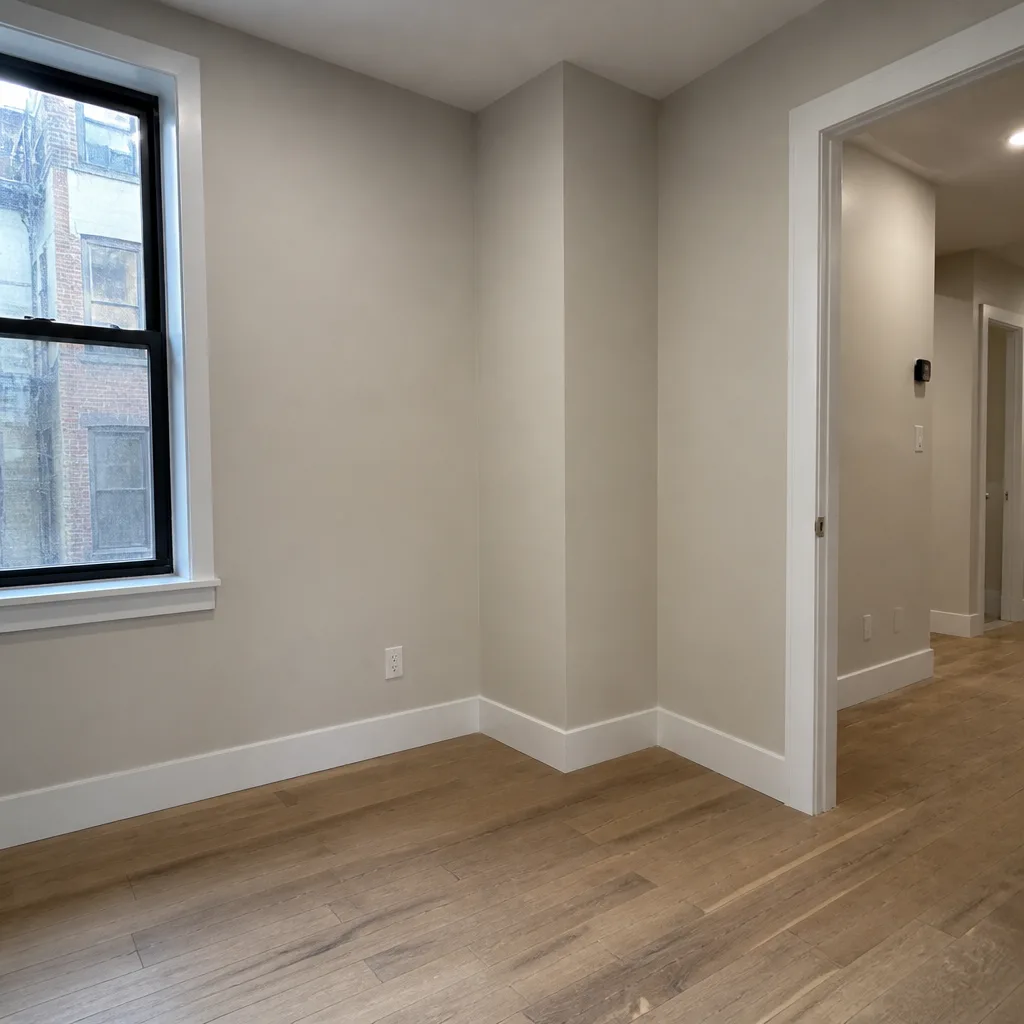 After
After24/7 Emergency Fire & Smoke Damage Restoration in Financial District
Fire and smoke damage in Financial District moves fast. Once the flames are out, soot residues begin etching glass, corroding metal fixtures, and embedding themselves into drywall, fabrics, and HVAC ductwork. The first few hours decide whether your lobby, hallway, or high-rise unit gets restored or replaced. Wade’s Restoration answers live around the clock, and Wade himself can be on his way to your FiDi building within the hour. Call (607) 350-1550 and you won’t get a voicemail tree. You’ll get a real person, a clear plan, and a crew headed toward your building with commercial-grade air scrubbers and thermal imaging equipment.
Here’s what matters right now: the sooner smoke residues are contained and neutralized, the less invasive the restoration. Soot left untreated for 72 hours becomes significantly harder to remove from painted surfaces and textiles. That’s not a sales line. That’s chemistry. We’re going to move quickly because delay costs you more.
Understanding Fire & Smoke Damage Restoration Severity in Financial District Properties
Not every fire leaves the same signature. A kitchen grease fire produces wet, protein-based soot that smears and clings. An electrical fire in a converted pre-war office tower generates dry, powdery soot that travels through wall cavities and lands in places you’d never think to look. Each residue type requires a different cleaning chemistry and a different removal technique. If you use the wrong agent on wet soot, you spread it. If you use a standard HVAC deodorizer on salt-crystallized residues, the odor returns in weeks.
Financial District buildings complicate severity in three ways. First, the housing stock is dominated by 1920s-1960s commercial conversions like 70 Pine Street and 20 Exchange Place. These towers were built with fire suppression systems retrofitted long after original construction, which means sprinkler discharge patterns don’t always match modern coverage expectations. Second, when those sprinklers activate with saltwater intrusion from surge events or brackish backflow, you’re not dealing with Category 1 clean water anymore. You’re dealing with Category 3 contaminated water behind fire-damaged walls. Third, many mechanical rooms and electrical vaults sit below grade, and Con Edison owns high-voltage infrastructure beneath multiple FiDi blocks. Utility clearance issues can stall restoration in sub-basements for days.
Understanding these three variables before we open a wall changes the entire drying and cleaning strategy. Wade’s Restoration was built for exactly this kind of building stock.
Why Financial District Property Owners Choose Wade’s Restoration
- Live answer, not an answering service. Wade Ferris answers his own phone at 2 a.m. He’s been doing it since 2007. One call brings Wade himself, not a rotating crew you’ve never met.
- 45-minute response commitment inside Financial District. We’re staged to reach FiDi buildings quickly, even during weekday bridge and tunnel traffic. In a pincer-flood or fire corridor, response time matters.
- IICRC-certified crews. Our team holds WRT and FSRT certifications and works with RIA and IFA standards governing structural fire restoration, contamination control, and odor remediation.
- Free visual inspection. Wade will walk your unit or basement and tell you honestly what needs to be done. No charge for that, and no trip charge inside our own county.
- Direct insurance billing. We document everything from hour one and bill your carrier directly. You focus on your life. We handle the claim paperwork.
- One team, start to finish. Extraction, soot containment, drying, cleaning, board-up, reconstruction. You’re not handed off to three different companies with three different phone numbers.
Our Fire & Smoke Damage Restoration Process
Inspection & Assessment
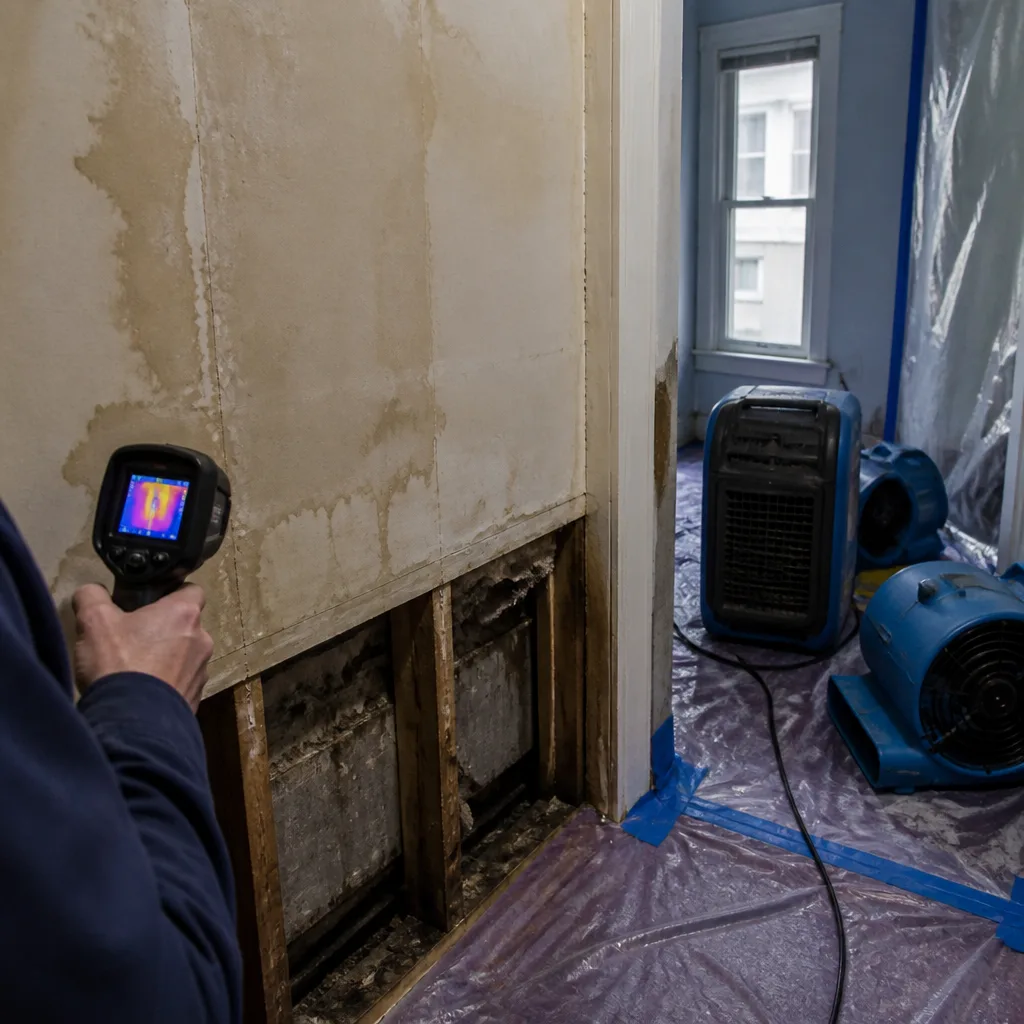
Wade arrives and walks the entire affected area with a thermal imaging camera and moisture meter. He maps soot migration paths, identifies structural compromise, and checks for hidden water from sprinkler discharge or firefighting efforts. You get a written scope before any work starts.
Emergency Board-Up & Stabilization
Broken glass on a 30th-floor converted condo? A fire-charred door on Exchange Place? We board up and tarp immediately so weather, pests, and unauthorized entry don’t add to the loss. Stabilization happens within hours, not days.
Containment & Air Scrubbing
We run HEPA air scrubbers to pull airborne soot and particulate out of the breathing environment. In FiDi conversions with shared HVAC risers, this step matters. Soot from one unit travels through common ductwork to floors above and below. Containment stops that spread.
Soot & Smoke Residue Removal
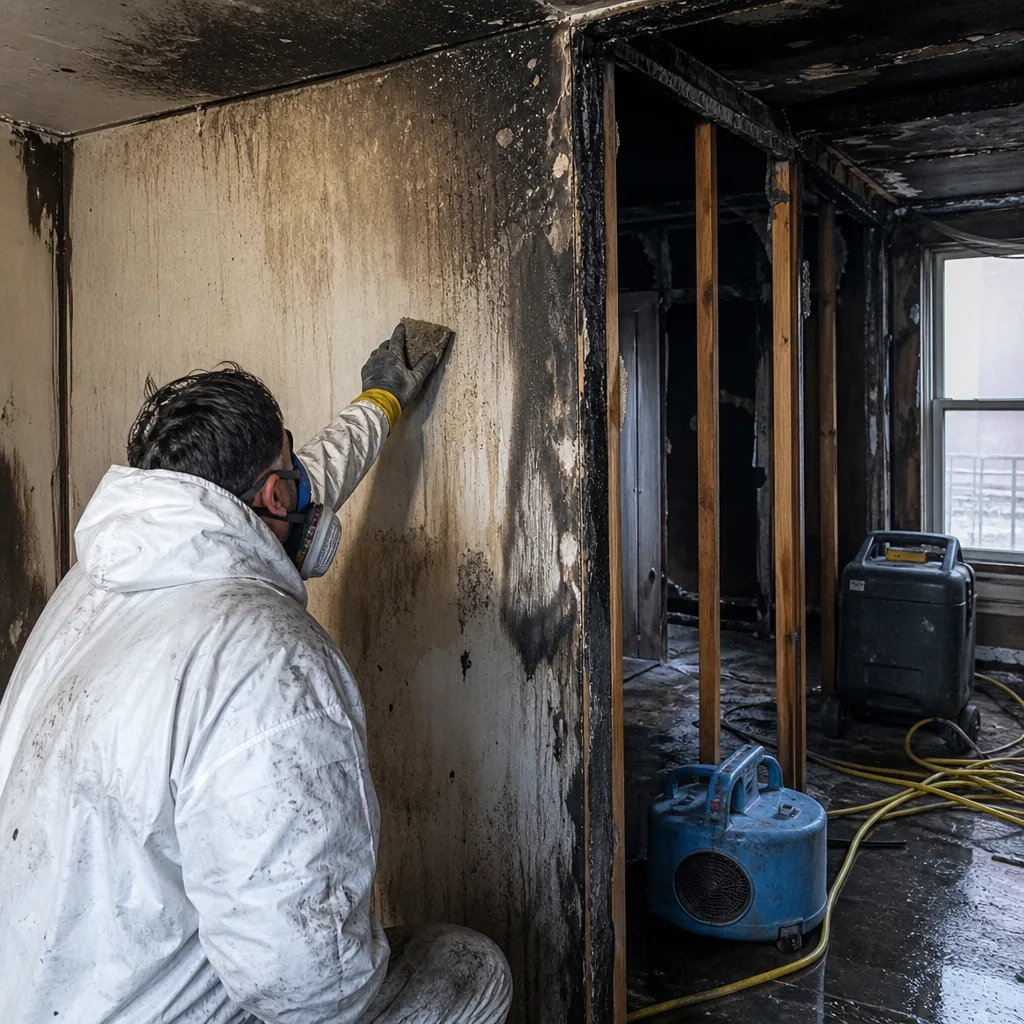
Using dry chemical sponges for wet soot, HEPA vacuuming for dry soot, and specialized agents for salt-crystallized residues, we clean every affected surface. Wall to wall, fixture to fixture. We don’t paint over soot. We remove it.
Odor Removal & Deodorization
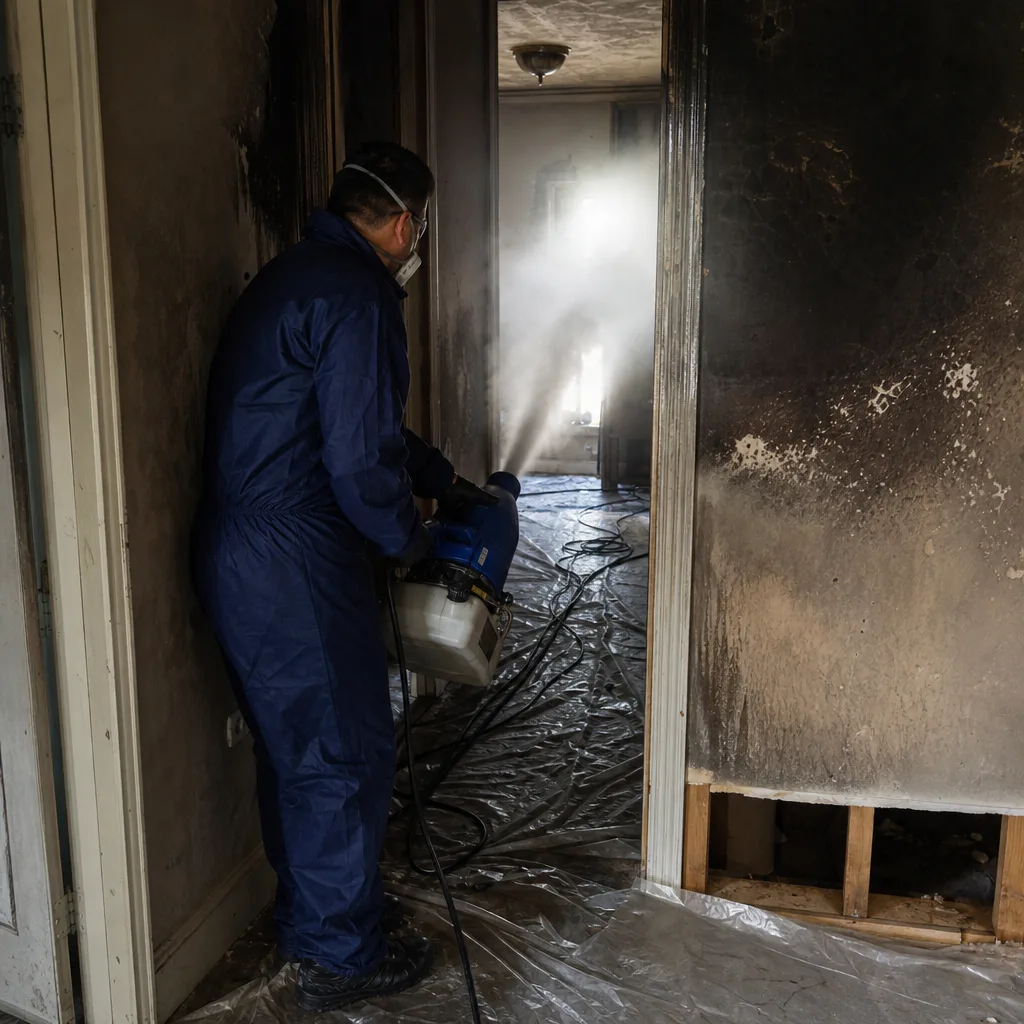
Thermal fogging, ozone treatment where appropriate, and hydroxyl generators break down smoke odor molecules at the source. For FiDi’s shared-duct converted towers, we treat the HVAC runs themselves, not just the room air. That’s the difference between odor suppression and odor elimination.
Structural Repair & Restoration
Drywall replacement, trim repair, millwork restoration, flooring, paint, fixture replacement. We match aged brass hardware and custom door finishes to pre-loss condition where salvage is possible. Reconstruction is scoped, scheduled, and priced in writing.
Need Emergency Fire & Smoke Damage Restoration in Financial District Now?
Crews minutes away, answering live 24 hours a day. The sooner we start, the less it costs.
Working With Your Insurance Company
Insurance adjusters have a job to do, and so do we. The difference is that Wade talks to your adjuster directly, so you never have to relay technical restoration details between two sides. From the first hour, we photograph everything, log moisture readings as we dry, and build a line-item scope that speaks the carrier’s language. If your building’s fire suppression system discharged salt-contaminated water, we document the Category 3 classification clearly. That single distinction changes coverage and remediation scope significantly. We’ve seen FiDi claims denied or under-scoped because the contractor treated saltwater sprinkler discharge like a freshwater pipe break. We don’t make that mistake.
What We Provide Your Insurer
- Thorough documentation of the loss
- Photos of all damage, room by room
- Moisture readings and drying logs
- A detailed, line-item scope of work
- Direct coordination with your carrier
Built for Financial District’s Loss Calendar
Financial District fires don’t follow a single seasonal pattern the way frozen pipes or basement seepage do. What we see here is shaped by the calendar in different ways. Late summer brings air-conditioning load spikes that strain aging electrical panels in early-20th-century conversions. Winter holidays bring unattended cooking fires in galley kitchens and candle incidents in upper-floor units. Storm season, from August through November, brings the risk that makes this neighborhood different from every other Manhattan zip code: surge-activated sprinkler discharge. When stormwater infiltrates standpipes or fire suppression lines, the water that hits your floors isn’t clean.
After Hurricane Sandy, sub-basements in FiDi took months to dry because saltwater intruded into every void, conduit, and mechanical room. That same risk profile exists every time a major coastal storm tracks toward New York Harbor. Owners here need a restoration team that thinks in terms of saltwater contamination, Con Ed coordination delays, and aging high-rise infrastructure. That’s the work we do.
Fire & Smoke Damage Restoration Across Financial District’s Neighborhoods
From the residential conversions along Water Street and the pre-war towers near the New York Stock Exchange to the newer condos overlooking the East River and the loft buildings west of Broadway, each part of Financial District brings a different restoration profile. Buildings around Pearl Street and Stone Street tend to be older masonry construction, which means soot travels vertically through original plaster walls and cast-iron radiators. The glass-and-steel towers near Battery Park and the Hudson River waterfront face wind-driven rain exposure during storms and higher external soot deposition after any adjacent fire event.
Response routing also changes by block. If your building sits between William Street and the FDR Drive, we’re navigating narrow side streets and service entrances. If you’re in a FiDi tower on Broadway, we’re coordinating with building management, freight elevator scheduling, and doorman protocols. Wade and his crew know the difference, because we’ve been in the lobbies and sub-basements of these buildings many times. The building staff on your block already knows what we look like.
Specialized Fire & Smoke Damage Restoration Services We Offer in Financial District
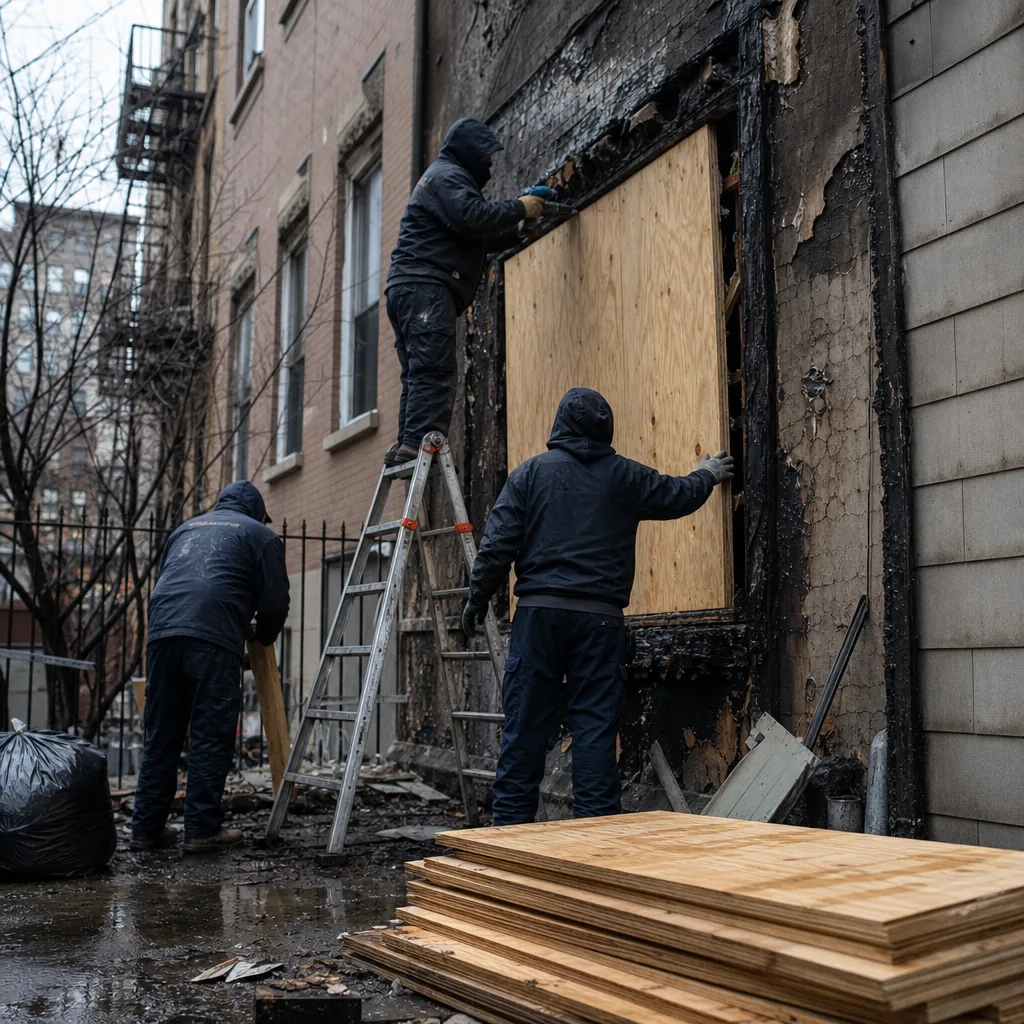
Smoke & Soot Removal
Salt-crystallized soot behaves differently than ordinary dry soot. In FiDi buildings where brackish water mixed with fire residues, standard dry-chemical sponges leave a film behind. We use specialized wet-cleaning agents and controlled agitation to lift crystallized soot from glass, metal, and painted millwork. Every room gets HEPA-vacuumed before wet cleaning begins, so you’re not smearing residues into surfaces.
Odor Removal & Deodorization
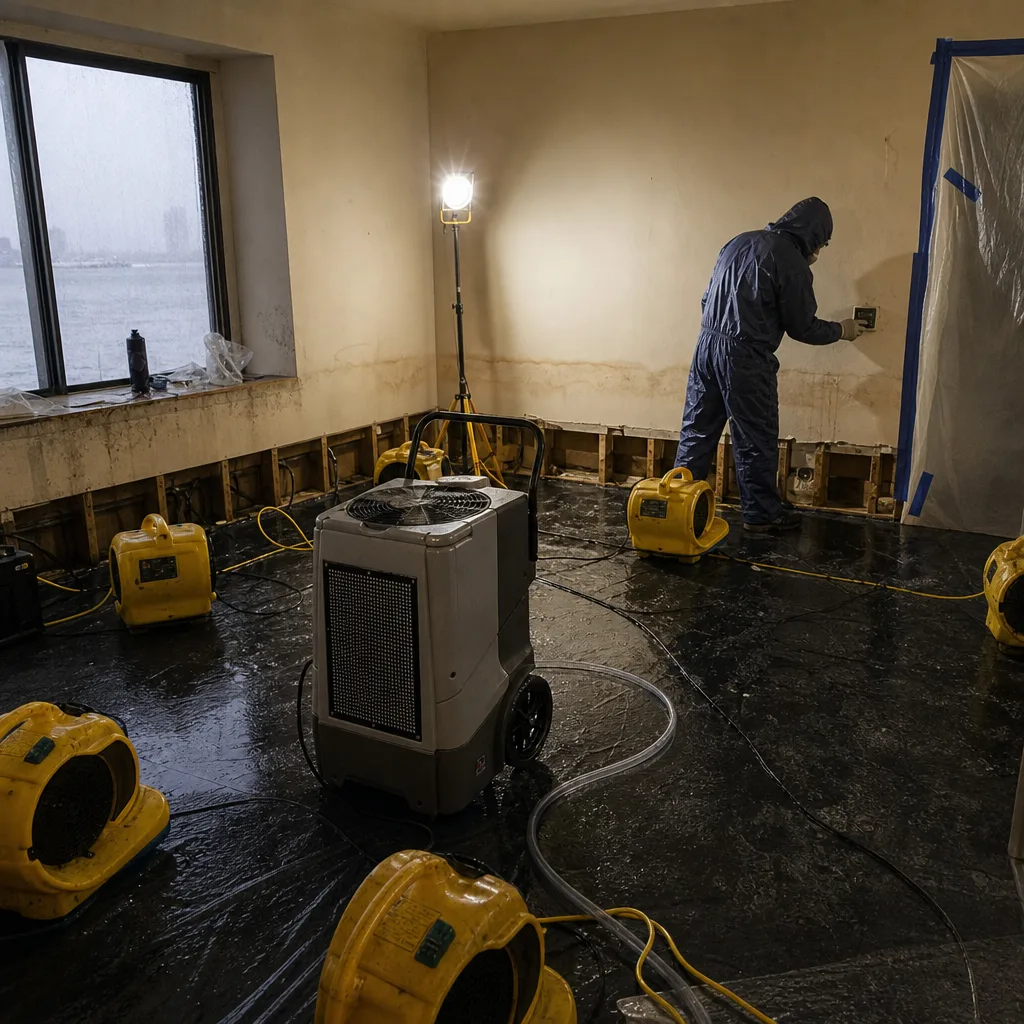
Smoke odor in a FiDi high-rise is rarely confined to one apartment. Shared HVAC risers, common hallways, and elevator shafts transport odor molecules far from the original fire point. We treat the duct runs, not just the room air. Hydroxyl generators and thermal fogging reach into wall cavities and mechanical chases. If the smell keeps coming back weeks later, it’s usually because the ductwork or the insulation behind the walls was never treated. We treat both.
Emergency Board-Up & Tarping
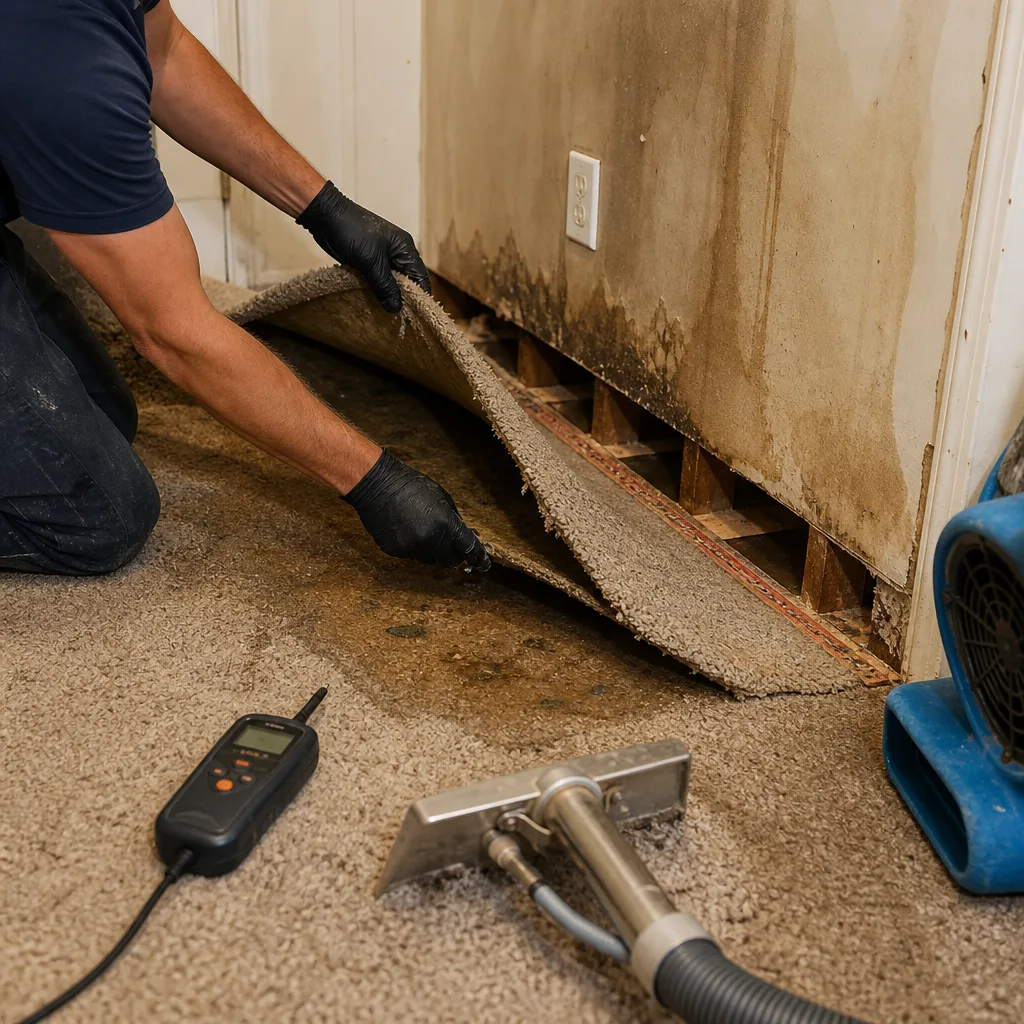
A fire-damaged window on the 25th floor of a converted office tower can’t wait until morning. Wind, rain, and building security concerns make same-day board-up essential. We handle broken glass, charred door frames, compromised entryways, and roof penetrations. For FiDi buildings with plate-glass retail frontages along lower Broadway, we also provide discreet, code-compliant securing that keeps the property presentable while restoration is underway.
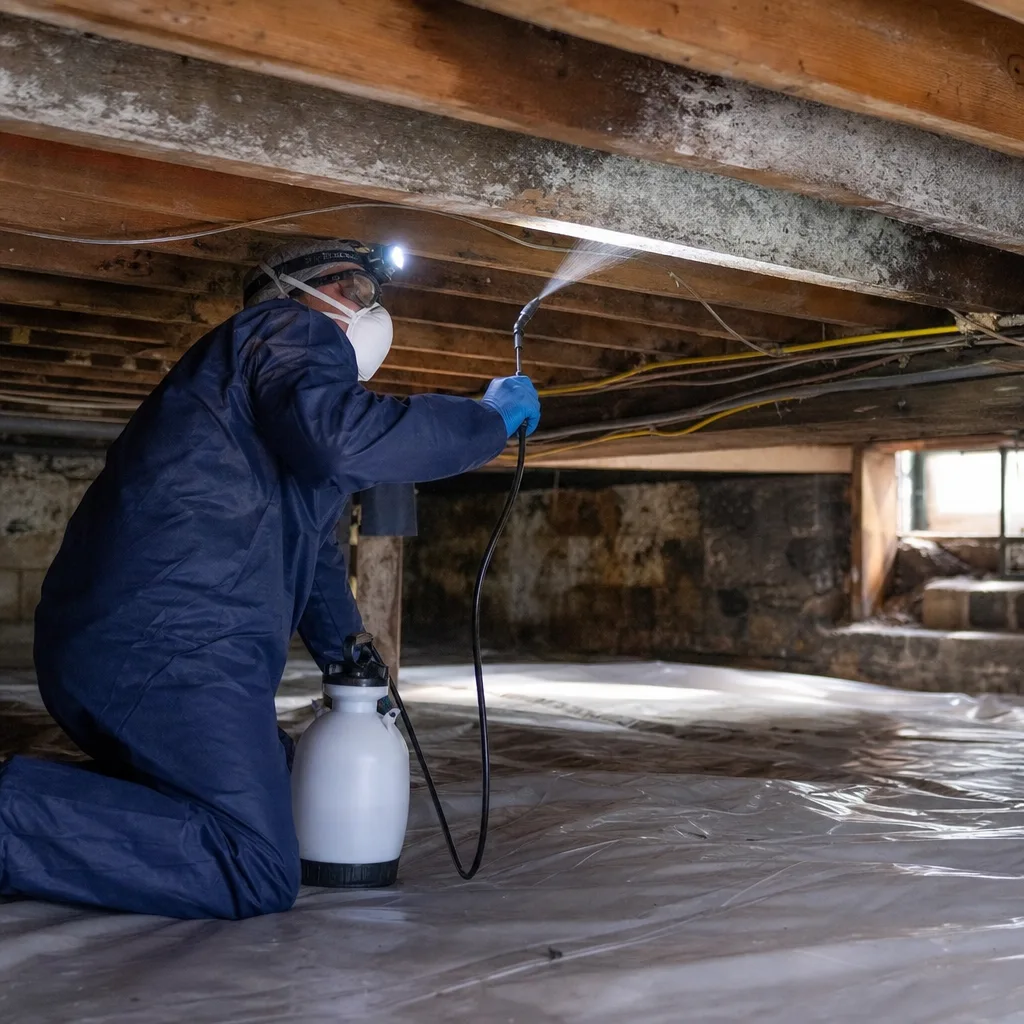
Contents Cleaning & Pack-Out
When smoke reaches a walk-in closet full of clothes or a home office with irreplaceable documents, cleaning in place isn’t always possible. We pack out, inventory, clean, and store contents at our facility. For FiDi condos and co-ops with strict move-in/move-out rules, we coordinate with building management so pack-out doesn’t violate freight elevator or loading dock restrictions.
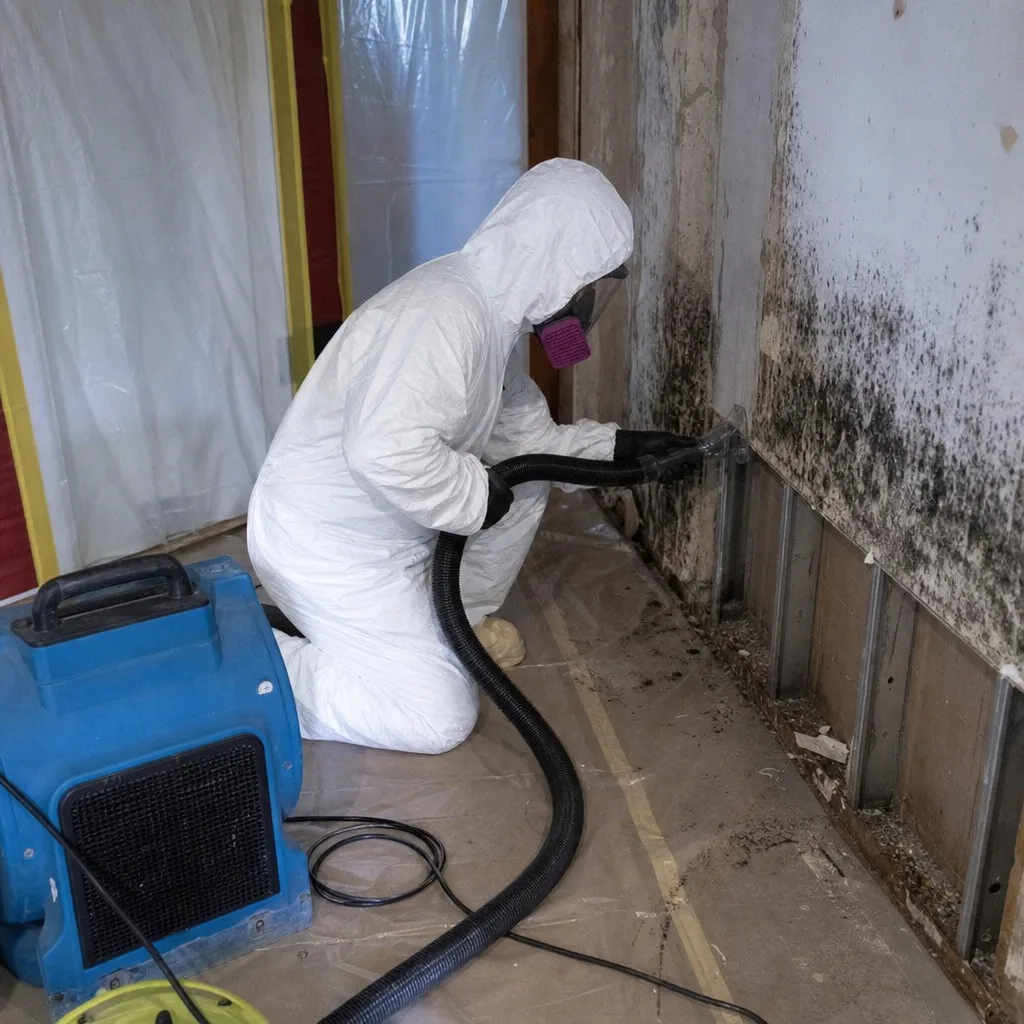
Fire Damage Cleanup & Structural Fire Repair
Once soot and odor are addressed, the structural work begins. Drywall replacement, insulation removal, flooring refinishing, paint, and trim work. In pre-war FiDi conversions, that often means matching original plaster profiles and custom millwork details that big-box restoration crews would simply gut and replace. Wade’s crew will restore what can be restored and tell you straight when something can’t be saved.
What happens when you call
- 1
A real person answersNo phone trees - you reach a local pro.
- 2
You get an upfront price rangeHonest numbers before anyone is dispatched.
- 3
A background-checked tech heads outLicensed & insured, dispatched right away.
- 4
You approve before work beginsNothing starts until you say go.
Fire & Smoke Damage Restoration Costs in Financial District, NY
Expect to pay more in Financial District than in outer-borough or suburban locations, mostly because of building logistics: freight elevator scheduling, union building staff coordination, and limited loading access push labor costs higher. A straightforward soot cleanup in a one-bedroom FiDi unit typically runs $2,800-$5,500. Full smoke and odor remediation with HVAC duct treatment generally falls between $5,000 and $11,000 depending on unit size and whether shared risers are involved. Emergency board-up for a single broken window or door runs $400-$900, more for high-floor units requiring scaffold or lift access. If saltwater contamination is present, add 18-30% for extended antimicrobial protocols and Category 3 water handling. The free visual inspection gives you a firm, written scope before you spend a dollar.
We Also Serve Cities Near Financial District
Wade’s Restoration serves the broader NYC metro, including Financial District, Lower Manhattan, Astoria, Midtown Manhattan, and Long Island City. If you’re outside the immediate FiDi boundary, call and ask. We’ll tell you honestly whether we can reach you within our response window. No runaround.
Serving Financial District, NY - Our Local Coverage Area
We’re based in the Financial District area and know this community well. Use the map below to see our service coverage - if you’re nearby, we can almost certainly help.
Financial District Fire & Smoke Damage Restoration Questions, Answered
How does saltwater from a sprinkler discharge change fire damage restoration in FiDi high-rises?
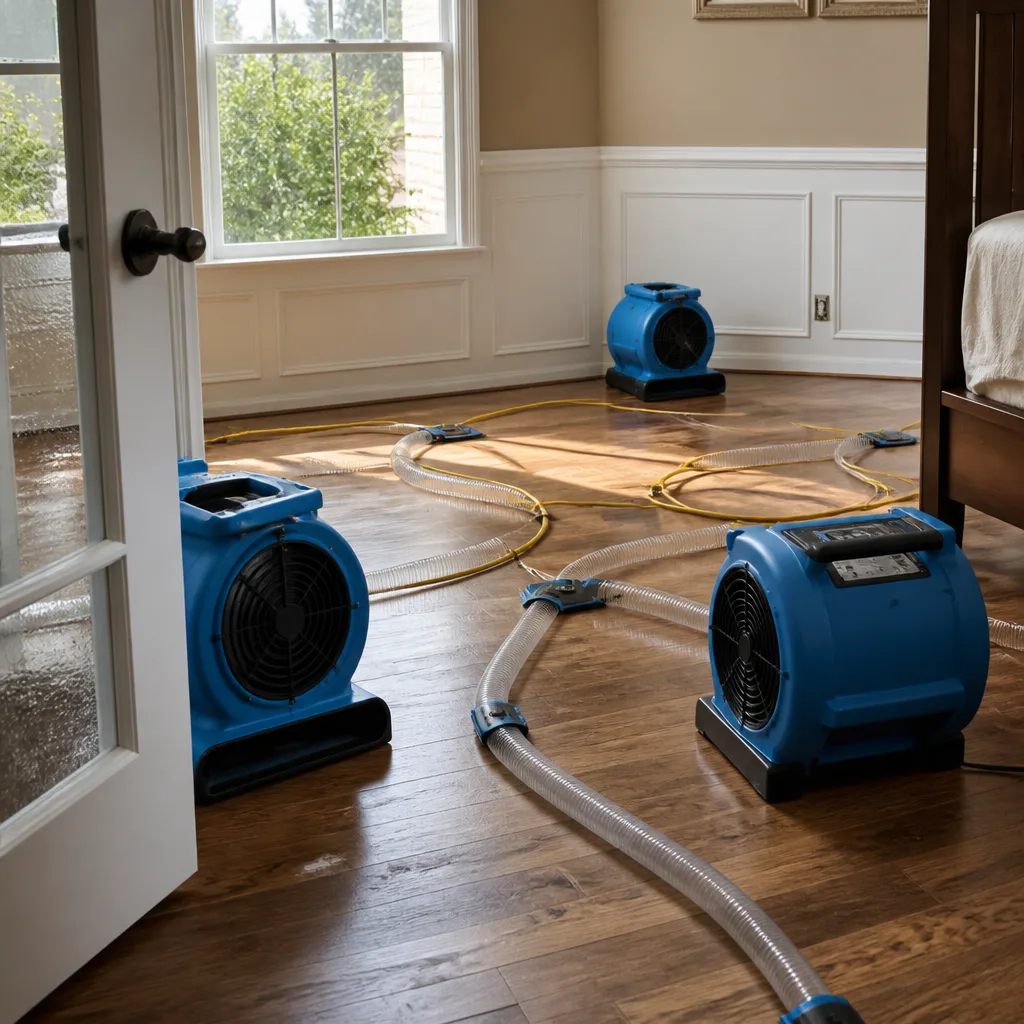
Saltwater sprinkler discharge changes everything. It reclassifies the water from Category 1 clean to Category 3 contaminated, which means we can’t just dry the walls and paint over them. We have to cut out saturated drywall, treat wall cavities with antimicrobial agents, and dry with aggressive dehumidification equipment from Dri-Eaz and Phoenix. Salt also corrodes metal studs, door hardware, and electrical junction boxes faster than freshwater. In a FiDi building where brackish water intruded into the suppression system, that means inspecting and potentially replacing corroded metal components before reconstruction begins. Call (607) 350-1550 if you’re dealing with this and want a straight assessment.
Will I need to wait for Con Edison before you can start mitigation in my building’s sub-basement?
Often yes. Con Edison maintains high-voltage underground vaults beneath many FiDi blocks, and after a significant flooding or fire event, restoration crews legally cannot enter affected sub-basements until Con Ed de-energizes and clears those vaults. This delay can stretch from hours to days depending on the scope of the utility damage. We coordinate directly with Con Ed and building management so the moment clearance arrives, our equipment is staged and ready to go. You don’t need to call them yourself. We handle it.
Can you restore original 1920s wood doors and custom millwork after smoke damage?
Yes, when salvage makes sense. Smoke penetrates wood grain, but it doesn’t always require full replacement. We use controlled HEPA vacuuming, specialized wood-cleaning agents, and sealing primers designed for smoke-damaged surfaces. After a smoldering electrical fire in a 1920s loft conversion on Pine Street, our crew contained soot-laden air from a mahogany-paneled library while mapping moisture from the sprinkler deluge, then matched aged brass hardware and door finishes to pre-loss condition. If the wood is charred or structurally compromised, we’ll tell you straight. We don’t restore what can’t be restored, but we don’t gut what can be saved either.
Why do my hallways still smell like smoke weeks after the fire was extinguished?
Because the odor molecules are in the ducts, wall cavities, or insulation, not in the air. Room-level deodorizers and candles mask the smell but don’t remove what’s causing it. In FiDi converted towers, smoke travels through shared HVAC risers and common chases, which means the source of your hallway odor may be three floors away. We run hydroxyl generators and thermal fogging through the duct runs themselves and inspect wall cavities with borescope cameras before sealing anything up. If the smell keeps returning, the source was never removed. We remove the source first, then treat the air.
Do you provide board-up for broken glass on a 30th-floor converted condo?
Yes. We provide emergency board-up and tarping for high-floor units throughout Financial District, including converted condos in towers along Water Street, Broadway, and the Battery Park waterfront. For upper-floor work, we coordinate with building management for scaffold or lift access and follow all building safety protocols. Same-day board-up is available in most cases. We know this work can’t wait until Monday.
How fast can you get to my Financial District building?
Wade’s crews are staged to reach most FiDi buildings within 45 minutes of your call, 24 hours a day. We answer the phone live, and Wade himself is often the one picking up. He’ll tell you exactly when someone will arrive and what to do in the meantime. No call center. No “within four hours.” Just a real answer.
Will insurance cover fire and smoke damage restoration in a FiDi condo?
In nearly all cases, yes, if the loss is sudden and accidental. Your condo or co-op policy typically covers the interior of your unit, while the building’s master policy covers common areas and structural elements. The complication in FiDi comes when sprinkler discharge with saltwater contamination is involved, because that can trigger questions about flood versus fire coverage. We document everything from the first hour and communicate directly with your adjuster to help ensure the claim is scoped correctly. You don’t navigate this alone.
What should I do in the first 30 minutes after a fire in my FiDi unit?
First, make sure everyone is safe and the fire department has cleared the unit. Second, call (607) 350-1550. Third, don’t touch anything. Don’t wipe soot off surfaces, don’t turn on the HVAC, and don’t walk through the area more than absolutely necessary. Every footprint, every wipe, every HVAC cycle spreads soot further and makes restoration harder. The less you disturb, the more we can save. We’ll be there fast, but protect the space until we arrive.
If you’re dealing with fire or smoke damage in Financial District, don’t wait. Every hour matters. Call Wade’s Restoration at (607) 350-1550 for a free estimate and a straight answer. We’ll show up, we’ll walk the damage with you, and we’ll tell you what needs to happen next. No sales pitch. No pressure. Just a real local restoration company that answers the phone.
Learn more about our full-service Fire & Smoke Damage Restoration capabilities, and see why property owners across Financial District trust Wade’s crew over the national franchises.
Written by Wade Ferris, Owner at Wade’s Restoration, serving Financial District and the surrounding NYC metro.