
Free visual inspection and a written scope of work before any mitigation begins - photos, moisture readings, and drying logs go in your claim file
The scope we write is the scope we bill. Anything new gets shown to you, in writing, before we touch it.
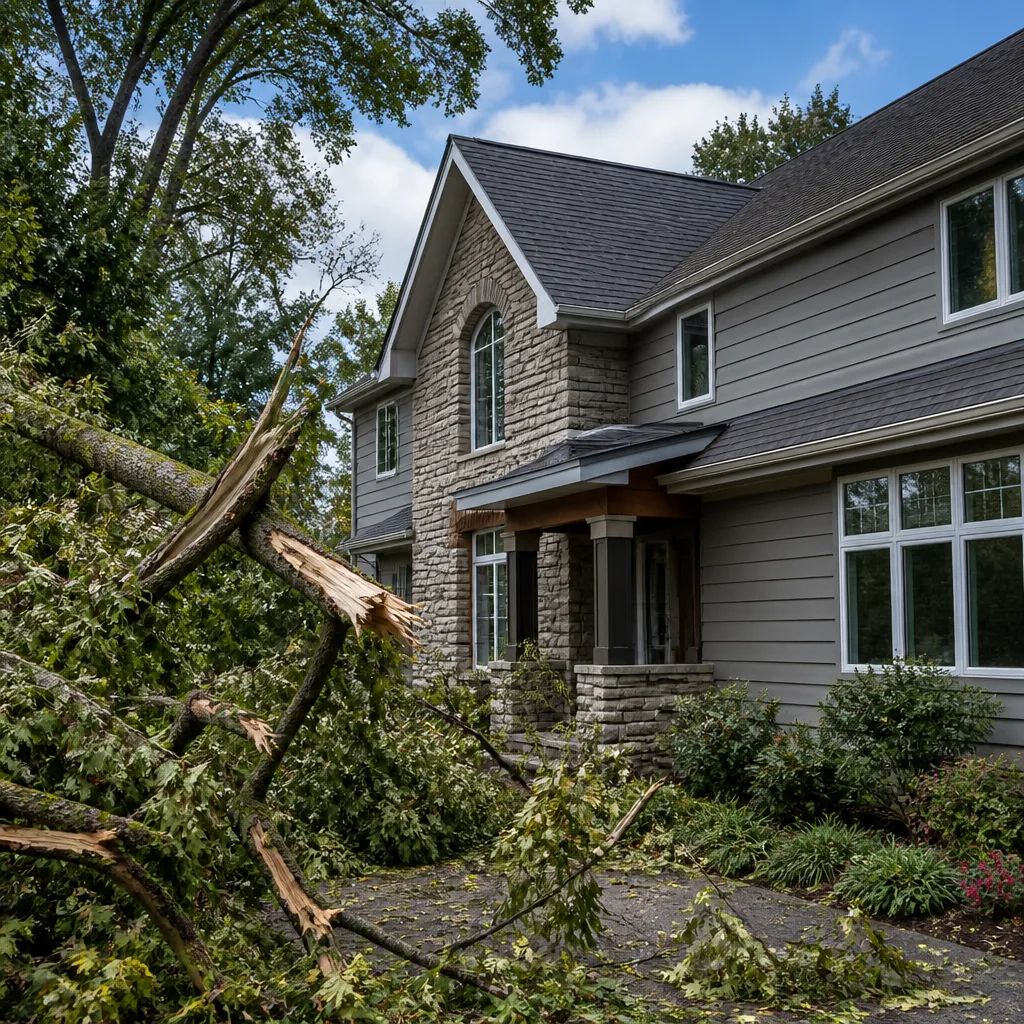
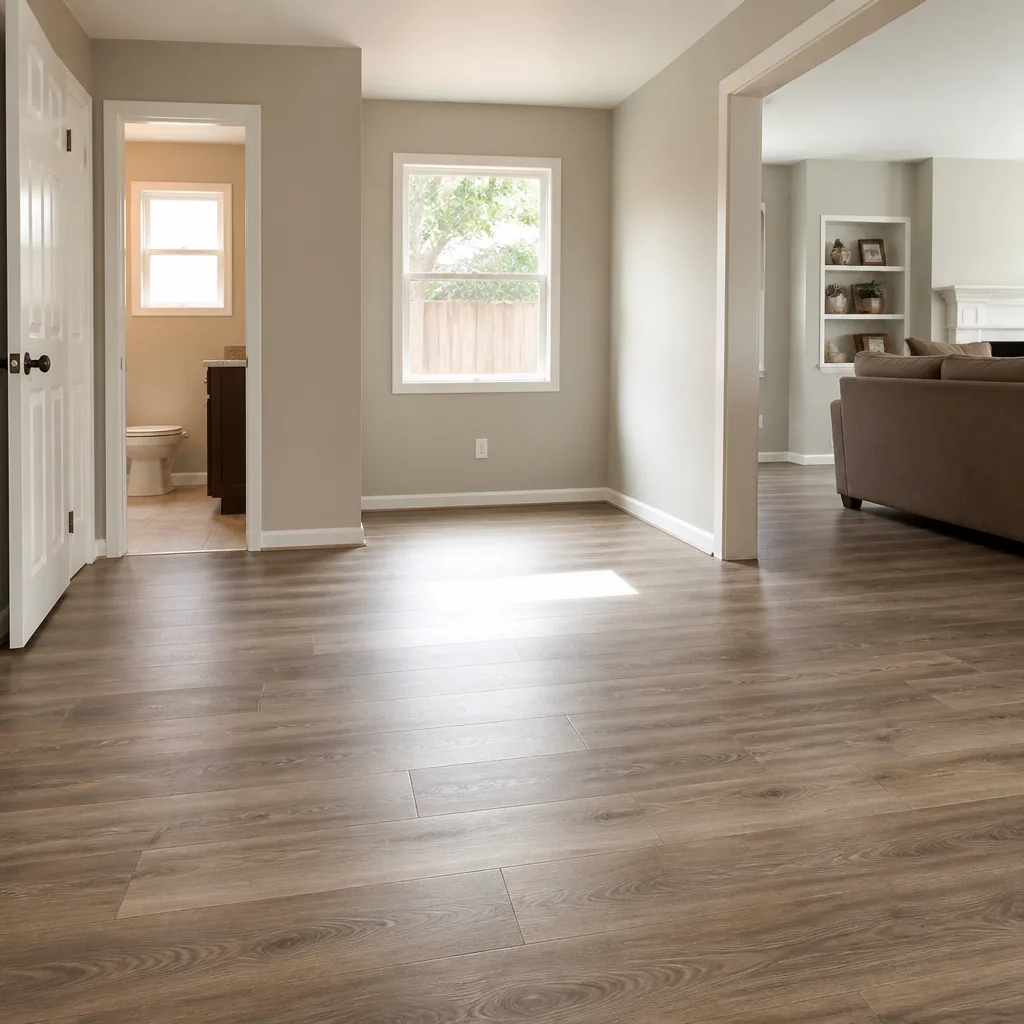

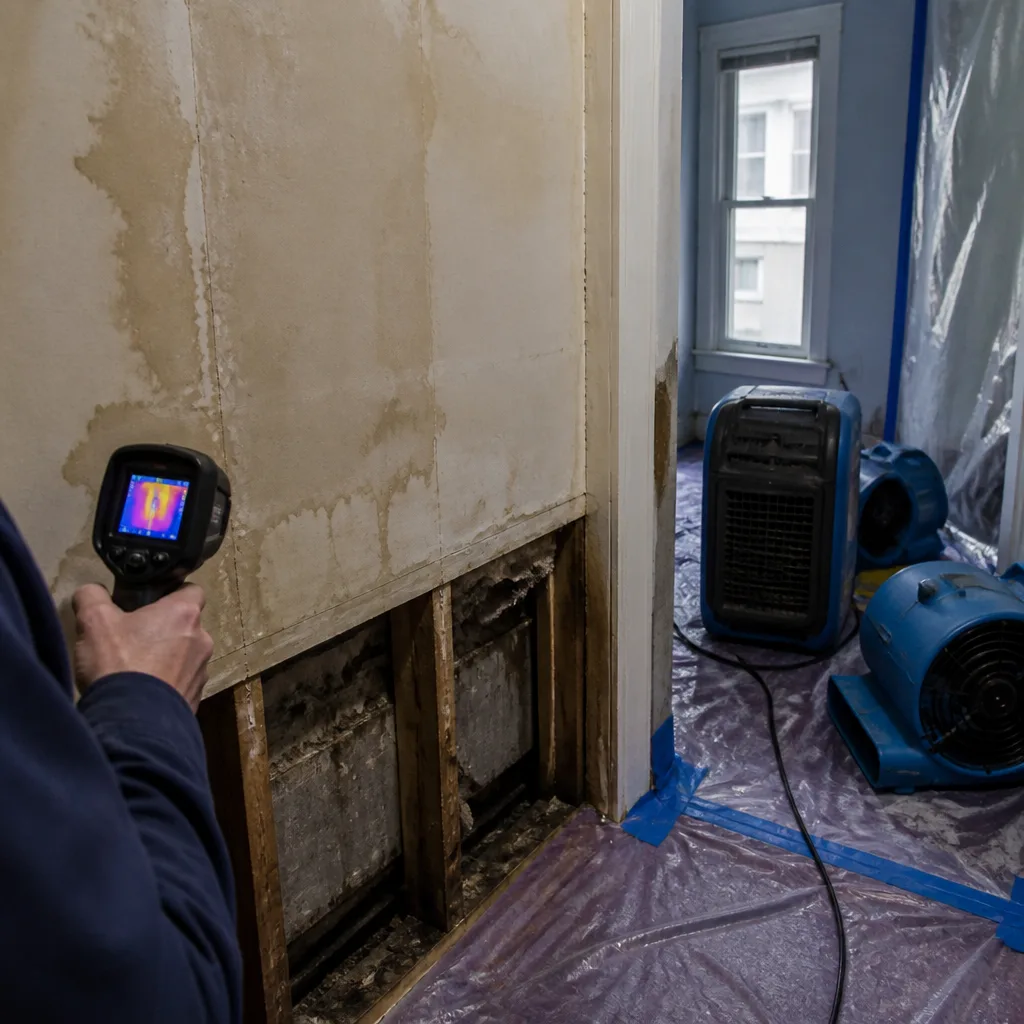 Before
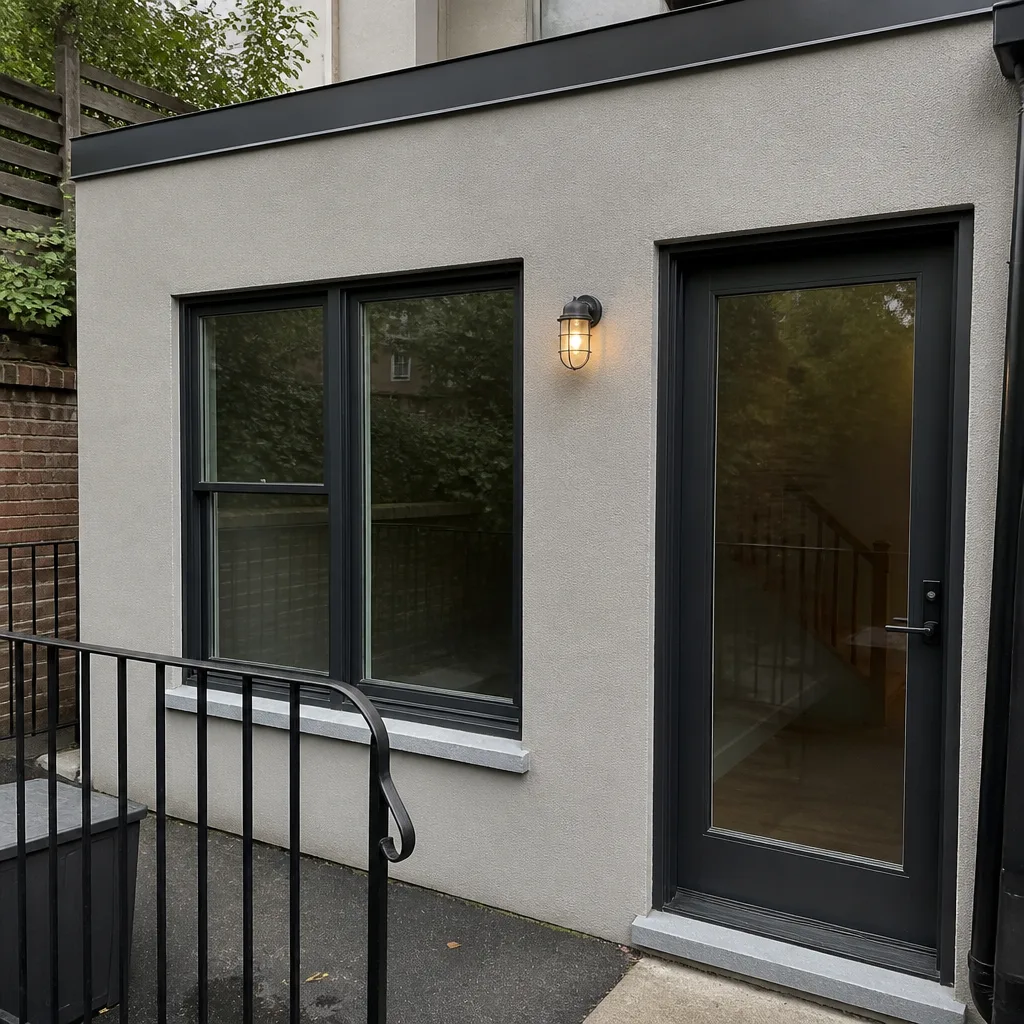 After
After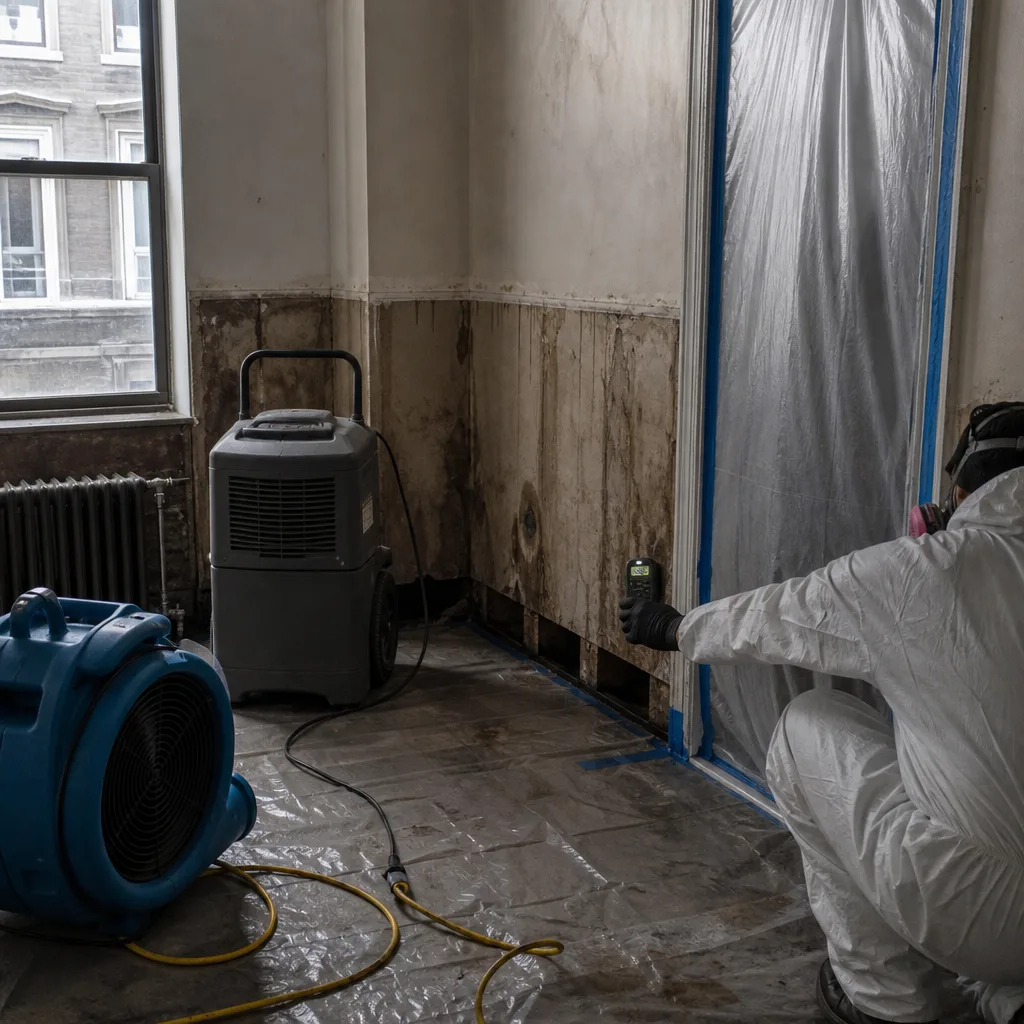 Before
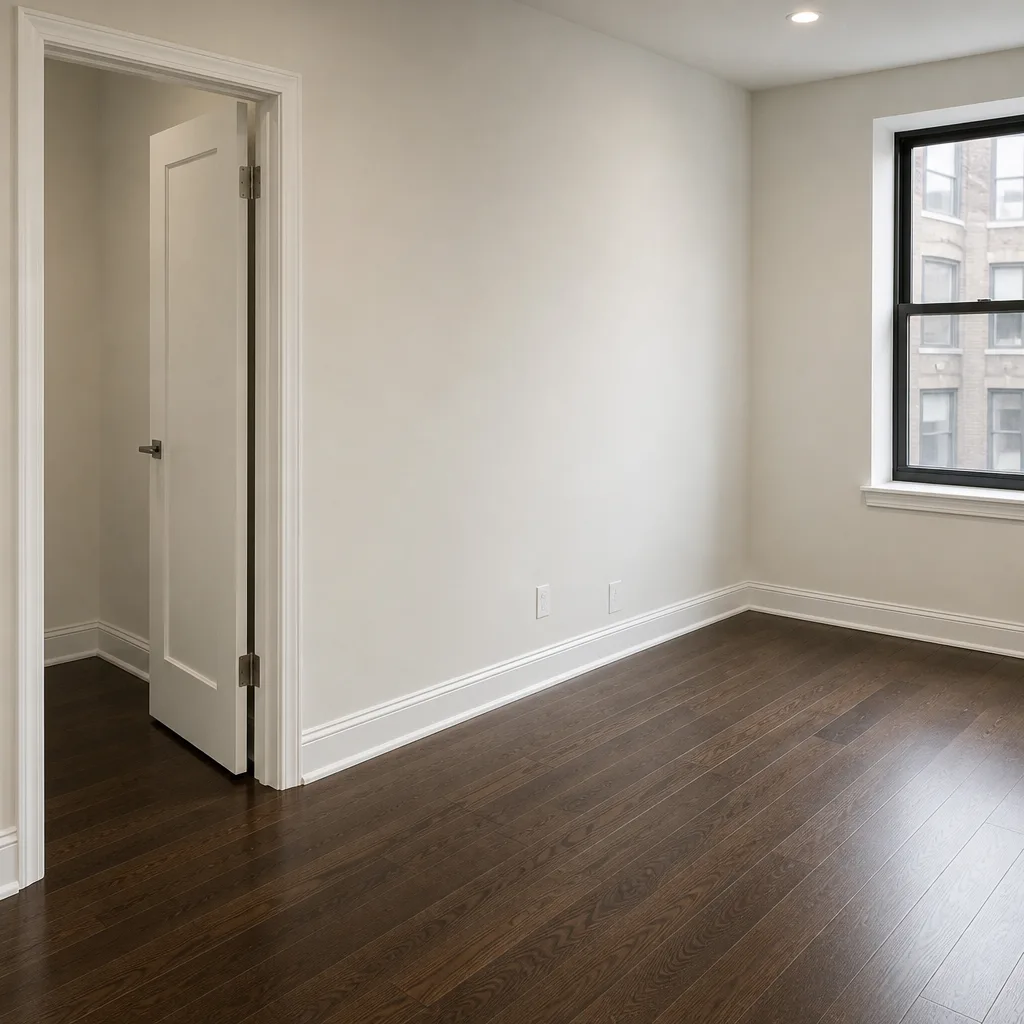 After
After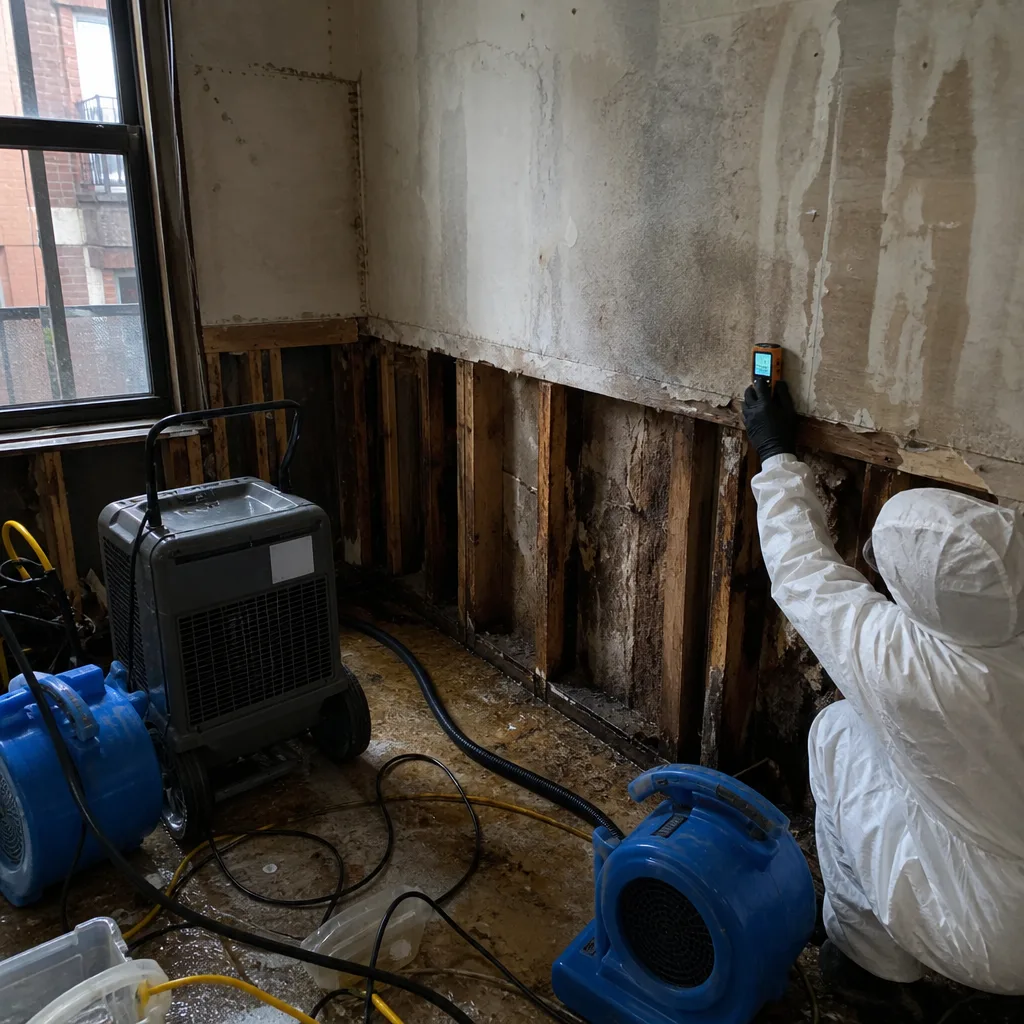 Before
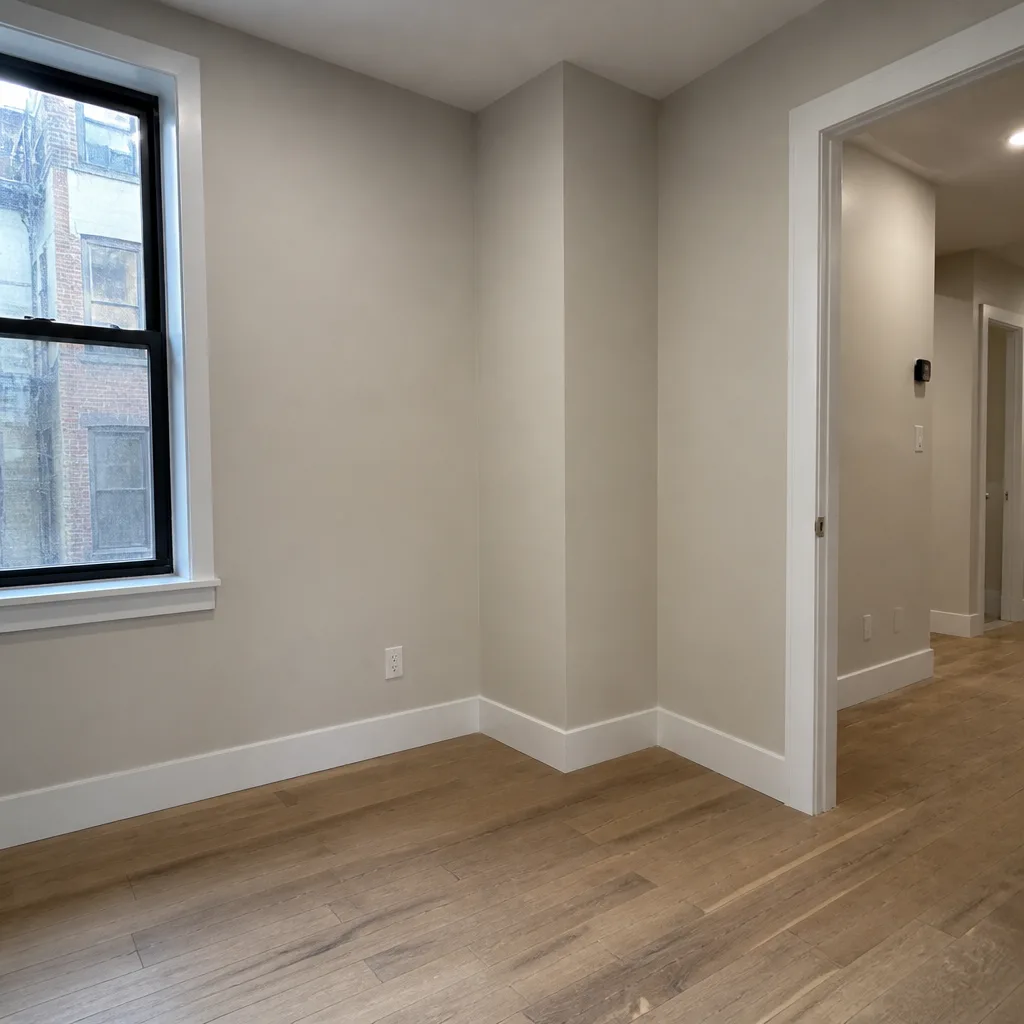 After
After24/7 Emergency Fire & Smoke Damage Restoration in Long Island City
When a fire hits a Long Island City building, the first hour sets the tone for everything that follows. Soot begins etching glass and stone within minutes. Acidic residues from burned synthetics keep eating into metal, grout, and finished surfaces until someone neutralizes them. Water from fire suppression or sprinkler discharge doesn’t evaporate, either. It sits in wall cavities, under flooring, inside masonry, and starts growing mold within 24 to 48 hours. That’s why we answer the phone live at (607) 350-1550, any hour, and have a crew rolling toward your neighborhood fast. Wade Ferris founded this company in 2007 on a simple promise: a real person picks up, a real truck shows up, and the owner stays reachable the whole way through. Long Island City’s building stock, everything from pre-war walkups to brand-new glass towers, responds to fire damage differently depending on construction type. Our Fire & Smoke Damage Restoration team starts every Long Island City job with a free visual inspection so you know exactly what you’re dealing with before anything gets torn open.
Understanding Fire & Smoke Damage Restoration Severity in Long Island City Properties
Fire damage rarely travels alone. What you see on the surface, charred drywall, stained ceilings, that acrid smell, is only part of what’s happening inside the building. Smoke migrates through wall cavities, ductwork, stairwells, and even electrical conduit. In Long Island City‘s converted industrial lofts, the open floor plates that make those spaces so desirable mean smoke spreads across thousands of square feet in minutes. Soot residue falls into three practical categories we size up on every job. Dry soot from paper and wood fires brushes off relatively clean. Oily soot from burning plastics, rubber, and synthetic furnishings smears if you touch it wrong and needs solvent-based cleaning. Protein soot from kitchen fires is nearly invisible but bonds aggressively to paint and cabinets, and it stinks long after the fire’s out. Then there’s the water. Sprinkler systems, fire department hoses, or a pipe that melted open during the fire all leave behind moisture that soaks into LIC’s specific building stock. Pre-war walkups with cast iron drain lines and unreinforced masonry walls hold that moisture inside cavities standard meters miss. Post-2015 curtain-wall towers hide dampness behind facade joints that were already leaking in nor’easter rain long before the fire started. Both scenarios demand moisture mapping and structural drying, not just visible damage cleanup.
Why Long Island City Property Owners Choose Wade’s Restoration
- On-site fast, usually within the hour. Long Island City streets and parking are tight. We know the loading zones, the doormen, and the building managers. Wade’s crew arrives ready to work, not to circle the block.
- A live person answers 24/7. No automated system, no call center, no “press 1 for emergencies.” You call, a human picks up. Often that human is Wade himself, who has answered his own phone since 2007.
- IICRC-certified crews. Our fire and smoke technicians hold FSRT (Fire & Smoke Restoration Technician) and WRT (Water Restoration Technician) certifications, and the work follows IICRC S500 and S740 standards. You don’t have to guess whether the right thing is being done.
- Free visual inspection before anything else. We look at the damage, explain what we’re seeing, and tell you straight what needs to happen. No charge for the look. No pressure. If a second opinion is what you’re after because another company wrote a scary estimate, that’s free too.
- Direct insurance billing and adjuster coordination. Wade deals with your carrier directly. You are not the one stuck relaying information between two sides at 11 p.m.
- One team from board-up to rebuild. We don’t hand you off to a different company after cleanup. The same crew that secures the property, packs out your belongings, and treats the smoke odor is the crew that gets you back home.
Our Fire & Smoke Damage Restoration Process
Inspection & Assessment
We arrive, walk the property with you, and document everything. Thermal imaging maps heat-damaged areas behind walls. We test soot type, check structural stability, and identify every surface smoke touched. You get a plain-English explanation of what we found before we touch anything.
Emergency Board-Up & Stabilization
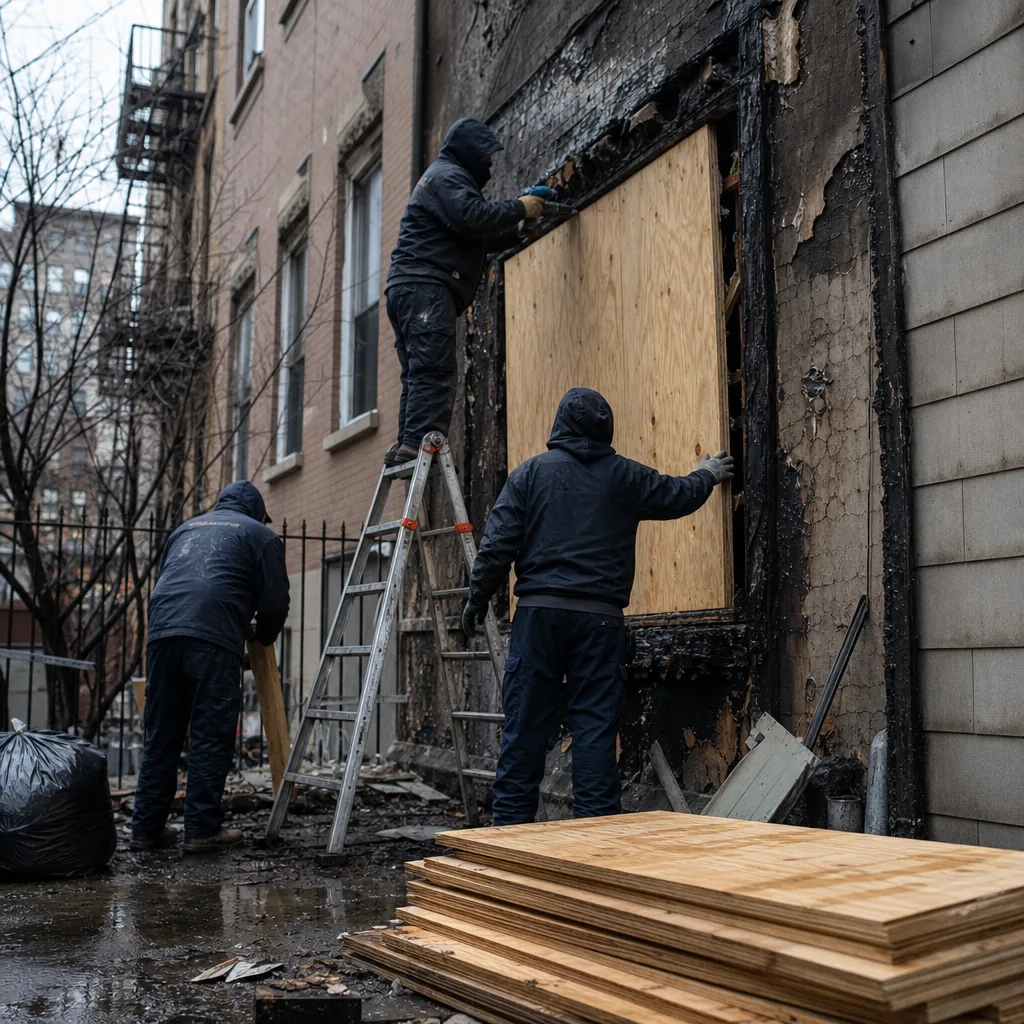
Broken windows, burned-out doors, holes in the roof, we seal them all with board-up and tarping. This keeps weather out, keeps people out, and prevents further damage while restoration planning is underway. In Long Island City, securing a building fast also protects against unauthorized access in dense mixed-use blocks.
Water Extraction & Structural Drying
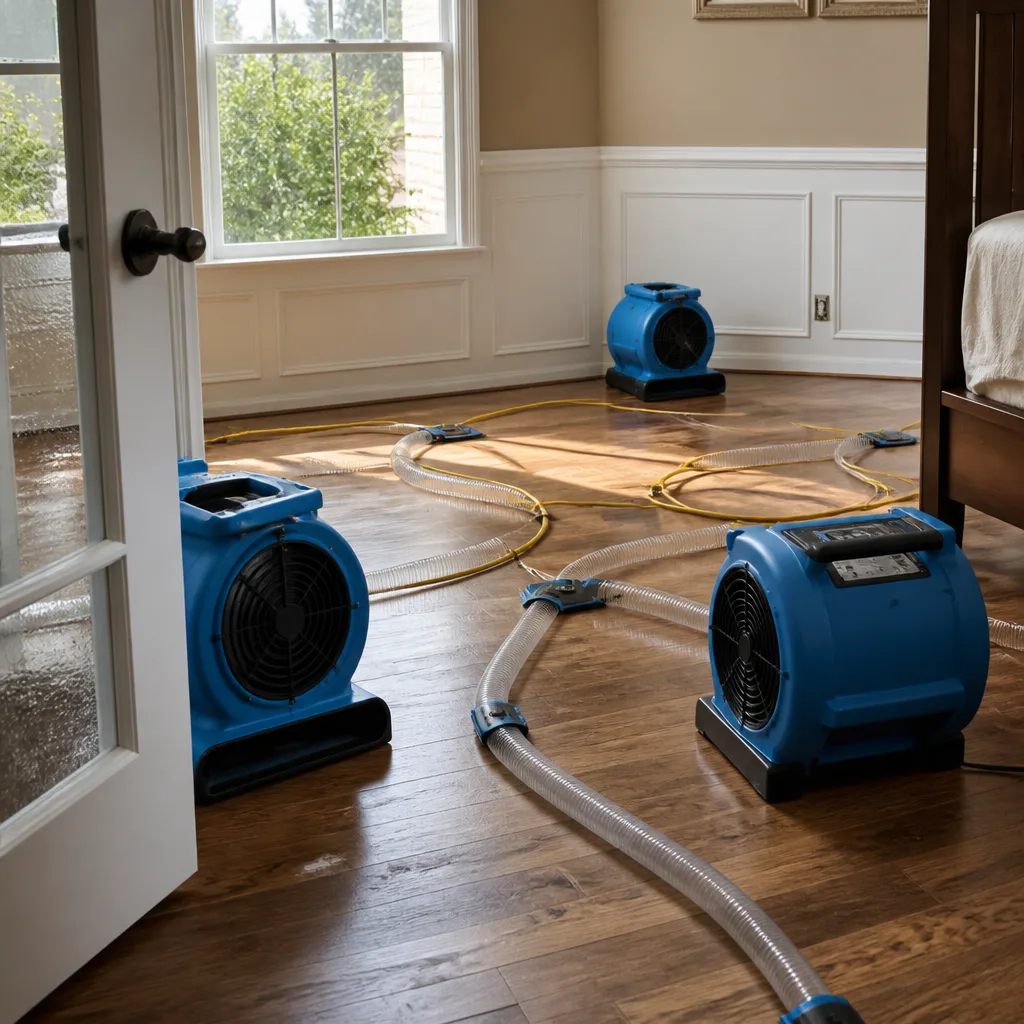
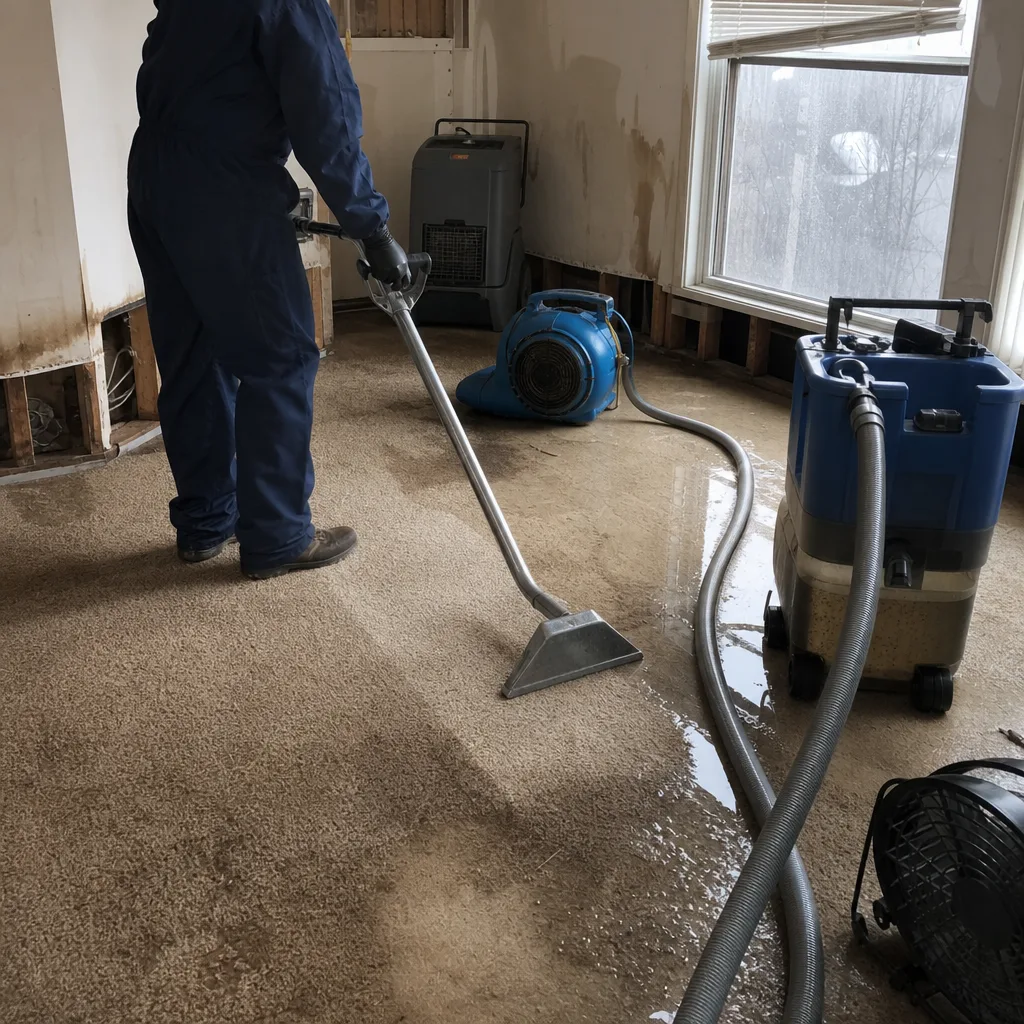
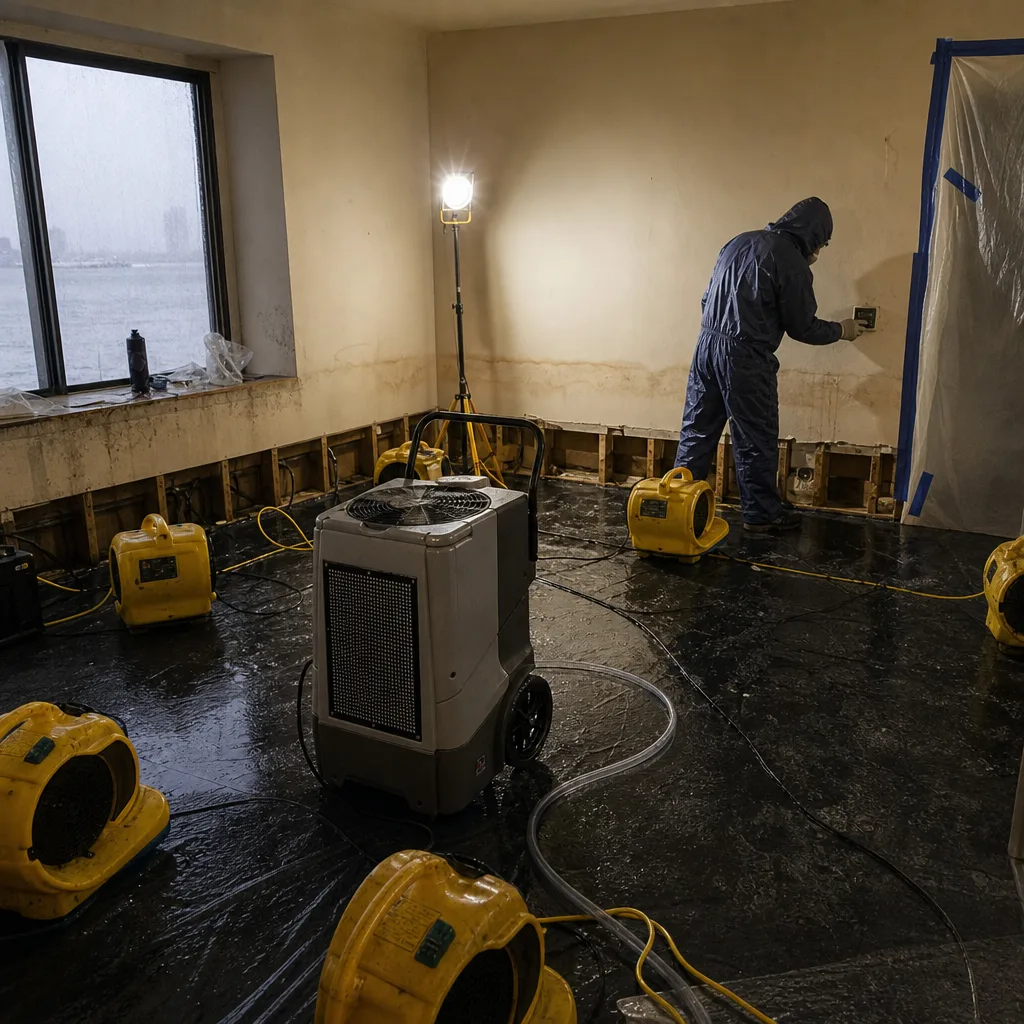
Fire suppression water comes out before it spreads or feeds mold. We use submersible pumps, extraction wands, and truck-mounted units for standing water, then place air movers and LGR dehumidifiers from Dri-Eaz and Phoenix. Daily moisture readings document progress in writing, and you get the full log at the end. Almost nobody in the trade hands over that data. We do.
Smoke & Soot Cleaning
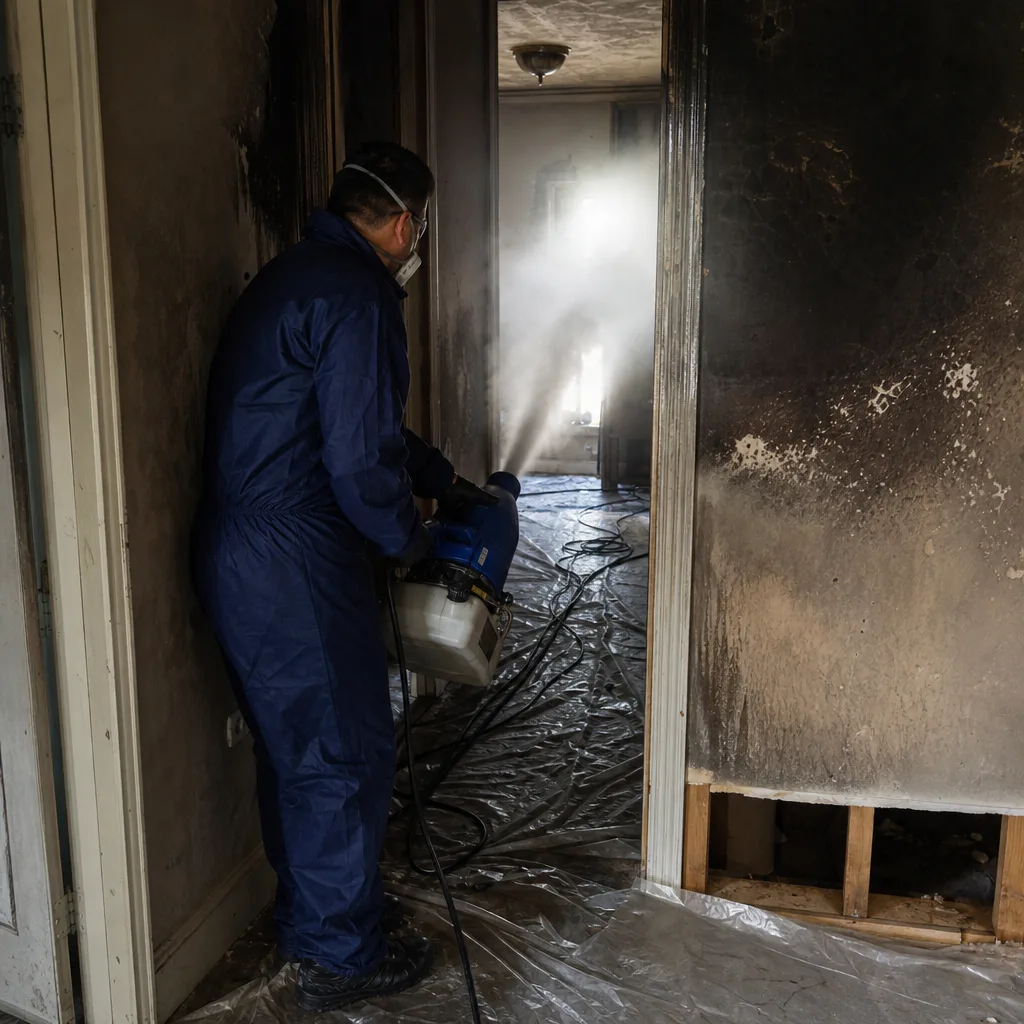
Every surface gets treated by soot type. Dry sponges for wall surfaces, HEPA vacuuming for loose particles, chemical sponges and wet cleaning for oily residue, and specialized ultrasonic cleaning for contents that can be restored. Ceilings, walls, floors, fixtures, duct registers, inside cabinets, we go surface by surface.
Odor Removal & Deodorization
Smoke odor embeds itself in porous materials, and Long Island City’s exposed brick interiors soak it up like a sponge. We deploy thermal fogging, ozone treatments where appropriate, and hydroxyl generators to neutralize odor molecules. In many LIC lofts, sealing the brick or masonry after cleaning is the only way to keep that smell from coming back every humid week.
Repairs & Restoration
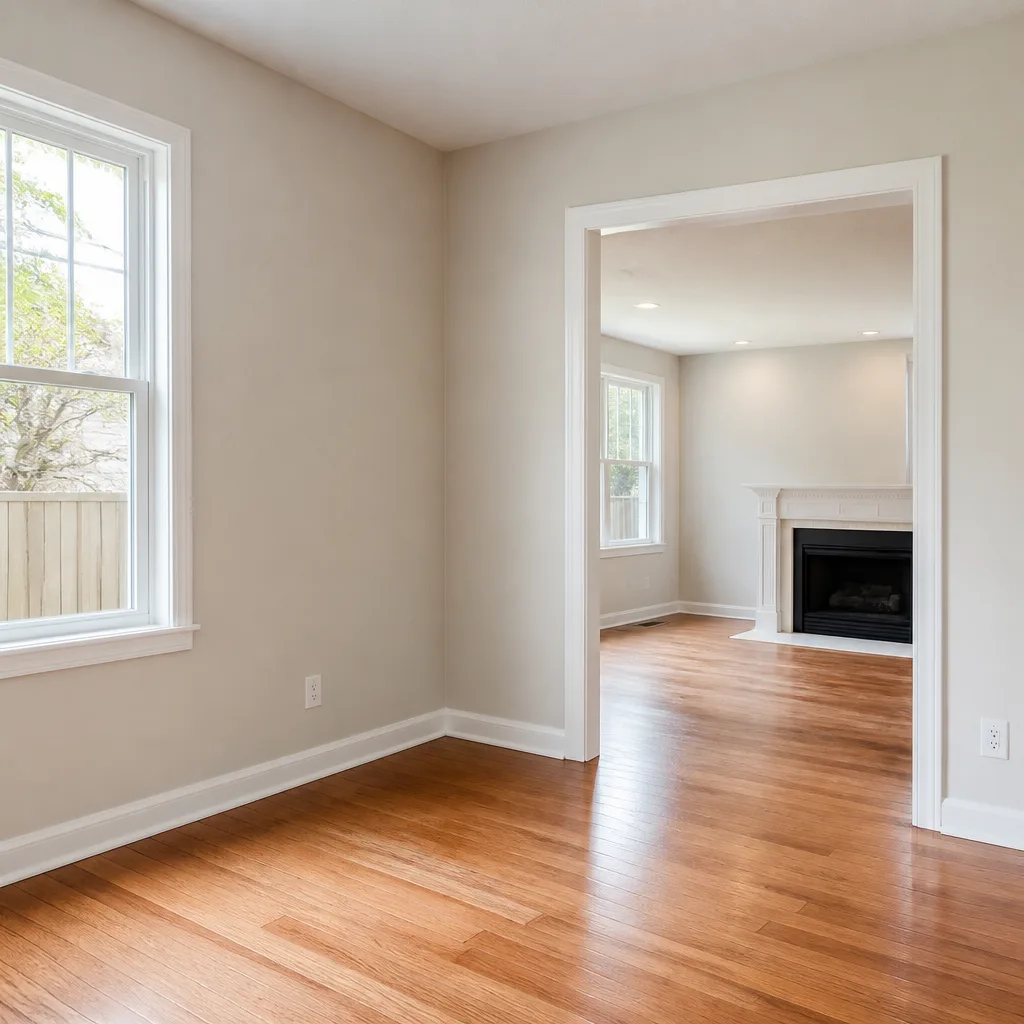
Rebuilding is part of the job, not an afterthought. Drywall replacement, flooring, trim, paint, cabinet resets, and structural repairs happen under the same roof and the same 90-Day Done Right Promise. If something isn’t done right, we come back and make it right. In writing, on every contract.
Need Emergency Fire & Smoke Damage Restoration in Long Island City Now?
Crews minutes away, answering live 24 hours a day. The sooner we start, the less it costs.
Working With Your Insurance Company
Fire claims in Long Island City involve layers of documentation. Your carrier needs proof of what was damaged, why, and what it costs to fix properly. We build that file from the first hour. Photos of every affected room before we move anything. A detailed line-item scope that matches industry-standard estimating software your adjuster recognizes. Moisture readings showing where water landed and how thoroughly we dried it. Wade communicates directly with your adjuster, so the person answering questions about drying logs or content cleaning is the same person who did the work. You are not the middleman. You have enough on your plate. When the claim’s approved and the check clears, the work is already underway or finished, because we don’t wait for paperwork to start the mitigation that stops further damage. That part is always covered.
What We Provide Your Insurer
- Thorough documentation of the loss
- Photos of all damage, room by room
- Moisture readings and drying logs
- A detailed, line-item scope of work
- Direct coordination with your carrier
Built for Long Island City’s Loss Calendar
Long Island City doesn’t have one fire season. It has a fire calendar with different causes stacked through the year. January and February bring deep freezes that crack aging supply lines in pre-war walkups along Vernon Boulevard and Jackson Avenue, and water meeting an electrical panel is how a lot of winter fires start. Space heaters plugged into overloaded circuits in older buildings are another one we see every cold snap. Spring thaws reveal water that’s been hiding in brick cavities all winter, and in some LIC buildings that moisture finds its way to junction boxes and old knob-and-tube wiring. Summer months push window AC units and overtaxed kitchens in converted lofts. Nor’easters in fall and early winter slam the western blocks along the East River, and when wind-driven rain meets already-compromised facade joints in newer towers, the result is water in places fire damage doesn’t usually touch. Throw in Thanksgiving-week cooking fires and holiday candle mishaps, and there is no quiet season here. That’s why we’re always moving in Long Island City, and why our crews know every loading-dock height, elevator protocol, and stair clearance in the neighborhood.
Fire & Smoke Damage Restoration Across Long Island City’s Neighborhoods
Hunters Point’s waterfront blocks, especially around Gantry Plaza State Park and the newer towers on Center Boulevard, sit close to the East River and inside the FEMA flood zones that make post-fire water so dangerous here. A sprinkler discharge in one of those glass-curtain-wall buildings may have mixed with storm surge residue or flood-zone runoff, meaning what looks like clean water is anything but. Court Square’s mix of office-to-residential conversions and transit infrastructure means fires can start in shared mechanical rooms and spread through duct shafts that connect multiple floors. We respond through those buildings knowing exactly how the fire suppression systems work and where the water from a sprinkler trip is going to drain. The Dutch Kills area up toward the Queensboro Bridge has a stock of older brick-industrial buildings and rowhouses where smoke travels through shared party walls into the neighbor’s unit, which changes the scope of every job. Along the northern industrial corridor near Newtown Creek, heavy truck traffic and mixed-use buildings create access challenges where our smaller extraction equipment and floor-to-floor staging plan make a real difference. Long Island City is compact, but each micro-neighborhood has a different building type and a different failure pattern when fire hits.
Specialized Fire & Smoke Damage Restoration Services We Offer in Long Island City
Fire Damage Cleanup
Once the fire’s out and the scene is secure, the real work begins. We remove charred debris, damaged drywall, ruined flooring, and anything structural that can’t be saved. In LIC’s converted industrial buildings, that often means cutting back far more drywall than the burned area, because smoke pushed through the open floor plate long before the flames were knocked down.
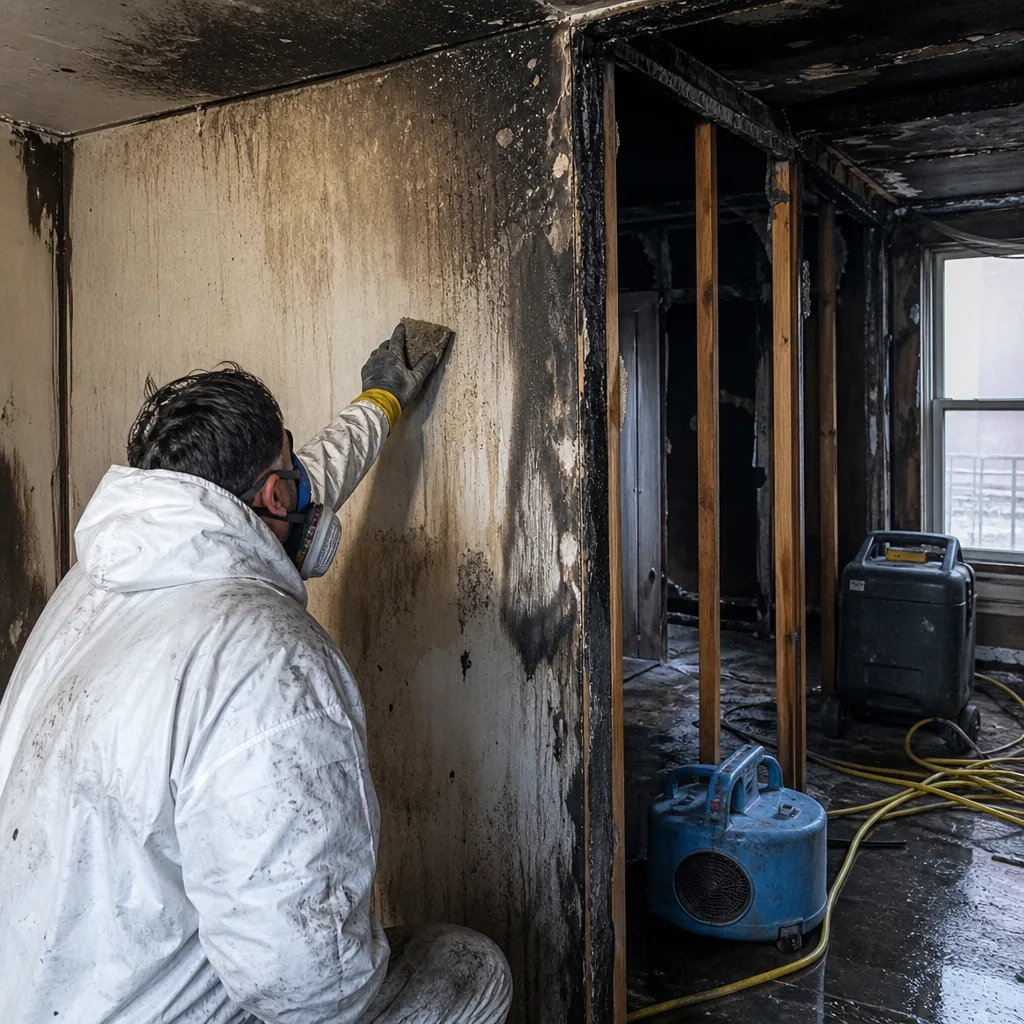
Smoke & Soot Removal
Soot in a pre-war walkup behaves differently than soot in a luxury tower. Cast iron radiators, plaster walls, and decades-old paint all hold residue in their own stubborn way. We clean by soot type and surface type, room by room. Court Square glass towers with their hard surfaces come clean faster, but the concealed spaces behind curtain-wall joints need vacuuming and sealing after every fire, because smoke gets pulled into those cavities by building pressure differences.
Odor Removal & Deodorization
The smell that lingers after a fire is the thing that makes a home feel unlivable even after the visible damage is gone. Exposed brick in Long Island City lofts is one of the hardest surfaces in the city to deodorize, because brick is porous and smoke molecules penetrate deep. We use hydroxyl generators and thermal fogging, and in the worst cases we seal the brick after cleaning to lock in whatever residual odor remains. You can’t paint over smoke smell. You have to remove it or seal it properly.
Contents Cleaning & Pack-Out
Clothes, furniture, dishes, electronics, art, documents. We inventory everything, pack it out if the job requires it, clean it at our facility, and store it until your home is ready. In Long Island City high-rises, pack-out means coordinating with building management for freight elevator reservations and loading dock windows. We’ve done it hundreds of times. Your building’s rules don’t slow us down, because we plan around them before the first box comes down.
Emergency Board-Up & Tarping
A fire-damaged building in Long Island City is vulnerable in ways a suburban home never is. Dense blocks mean foot traffic, and an open window at street level is an invitation. We board up with plywood or install temporary security doors, tarp any roof openings, and make sure the building is locked tight before we leave. In mixed-use buildings where a fire in one unit affects the whole stack, we seal off the damaged areas to protect neighbors and limit smoke spread.
What happens when you call
- 1
A real person answersNo phone trees - you reach a local pro.
- 2
You get an upfront price rangeHonest numbers before anyone is dispatched.
- 3
A background-checked tech heads outLicensed & insured, dispatched right away.
- 4
You approve before work beginsNothing starts until you say go.
Fire & Smoke Damage Restoration Costs in Long Island City, NY
Let’s talk real numbers for Long Island City. A small kitchen fire with light smoke damage across a few rooms, cleanup, odor treatment, and minor drywall repair typically lands between $4,500 and $12,000. A full-content pack-out and cleaning on top of that adds another $3,000 to $8,000 depending on volume. Structural drying after sprinkler discharge in a large loft or multi-floor walkup runs $2,500 to $7,000, and that’s before any rebuild. A major fire with board-up, structural repairs, full odor removal, and content restoration commonly reaches $35,000 to $90,000 in LIC’s building types, often higher in glass towers where facade work is involved. What moves the price: square footage affected, soot type, whether water went into masonry cavities, elevator and staging logistics, and how fast you called. Insurance covers most fire restoration claims, and we bill your carrier directly. The fastest way to a firm number is the free visual inspection. We walk through, write a line-item scope, and you know exactly what you’re facing before anything gets approved.
We Also Serve Cities Near Long Island City
Our Long Island City crews regularly work just across the neighborhood line in Astoria, where the housing stock shifts toward pre-war six-story walkups and attached brick rowhouses, and fire smoke travels through shared walls in its own particular way. Same fast response, same owner-operated approach, same 90-Day Done Right Promise.
Long Island City Fire & Smoke Damage Restoration Questions, Answered
Does fire damage restoration in Long Island City require special handling because of Newtown Creek or the East River flood zones?
Yes, and this is the part most restoration companies miss. Long Island City’s western blocks sit inside FEMA flood zones AE along the East River and Newtown Creek, a federally designated EPA Superfund site. Fire suppression water, or any water that entered the building during the fire, may have mixed with contaminated flood water carrying bacteria, industrial residue, and Category 3 hazards. That changes the whole job. We treat post-fire water in these zones as potentially contaminated, which means containment, antimicrobial treatment, and hazmat-level PPE where indicated. Call (607) 350-1550 and we’ll walk you through what applies to your specific block.
How do you handle smoke odor in a converted industrial loft with exposed brick and open floor plates?
Exposed brick and open floor plates are a brutal combination for smoke odor. The brick absorbs smoke molecules deep into its pores, and the open layout means those molecules spread across thousands of square feet before the fire was out. We clean the brick with HEPA vacuuming and specialized brick cleaners, then run hydroxyl generators and thermal fogging. In many LIC lofts, the final step is sealing the brick with a clear masonry sealer, because without it the smell comes back every humid week. There is no shortcut around this in an industrial conversion.
Are there special challenges with fire cleanup in LIC’s post-2015 glass towers?
There are, and we learned them the hard way on early jobs. The curtain-wall facade joints on many post-2015 Court Square and Hunters Point South towers were already leaking during nor’easters before any fire happened. When a fire occurs, smoke gets pulled into those facade cavities by the building’s pressure differential, and sprinkler water tends to find the same envelope gaps. The result is smoke damage and moisture hidden behind the glass where nobody looks. We run thermal imaging on every glass-tower fire job to map what’s behind the facade, then dry and seal the cavities as part of the scope.
Can fire damage in a pre-war walkup with aging cast iron drain lines cause water contamination issues even if the fire itself is small?
Yes. Pre-war walkups in Long Island City are full of aging cast iron drain lines, and many of them are already cracked or corroded before a fire ever happens. Fire heat can further compromise those lines, and firefighting water moving through old plumbing can draw in Category 3 contamination from sewage lines. What starts as a small kitchen fire can end with contaminated water spreading through the building’s stack. We treat water in pre-war walkups as suspect until proven otherwise, and we test when there’s any doubt.
How fast can someone actually get to my Long Island City building?
Most Long Island City calls get a crew on site within 45 to 60 minutes. We know the loading zones, the freight elevator protocols, and the building managers in Hunters Point, Court Square, and Dutch Kills. That local knowledge saves real time. Call (607) 350-1550 and you’ll speak to a live person who can tell you exactly when the crew will pull up.
Will my insurance cover fire restoration in Long Island City?
Almost all standard homeowner and commercial policies cover fire damage, smoke damage, and the water damage from fire suppression. The key is documentation and scope accuracy. We document everything from the first hour and write line-item scopes that match industry-standard estimating software. We bill your carrier directly and coordinate with your adjuster so you don’t have to play messenger. If coverage questions come up, Wade communicates with the adjuster directly to get them answered.
How do you manage a pack-out in a Long Island City high-rise with limited loading dock access?
We schedule freight elevator windows with your building management, reserve the loading dock, and stage everything floor by floor. In towers with only one freight elevator, we move in shifts so residents aren’t blocked. In older walkups with no freight elevator at all, we carry contents down the stairs and protect the walls on the way. This is planned before the first box leaves your unit, because the alternative is chaos in the lobby.
What should I do in the first 30 minutes after a fire in Long Island City?
Get everyone out and call 911 if it hasn’t already been called. Don’t touch anything you don’t have to. Don’t turn on ceiling fans or HVAC. Don’t try to clean soot yourself, because the wrong wipe smears it permanently. Then call us at (607) 350-1550. We’ll walk you through what to do next on the phone and get a crew on the road. The first hour controls how much damage becomes permanent.
Serving Long Island City, NY - Our Local Coverage Area
We’re based in the Long Island City area and know this community well. Use the map below to see our service coverage - if you’re nearby, we can almost certainly help.
Serving Long Island City, and Doing It the Right Way
We’ve been responding to fires, floods, and smoke damage in Long Island City long enough to know that this neighborhood punishes shortcuts. The flood zones along the East River, the Superfund shadow over Newtown Creek, the glass towers with failing facades, the lofts with brick that holds smoke like a vault, each one demands a specific kind of attention that a generic restoration company, the kind that flies someone in from another borough, simply doesn’t have. Wade Ferris lives this work. He answers his own phone. He shows up on the job. His name is on the truck, and his 90-Day Done Right Promise is on every contract. When your home or building catches fire in Long Island City, you don’t need a call center and a sales pitch. You need someone who knows the neighborhood, knows the buildings, and can start making it right before the smoke smell sets in. Call (607) 350-1550. A real person answers, any hour. That’s how it’s been since 2007, and that’s how it’ll be when you call tonight.
Written by Wade Ferris, Owner at Wade’s Restoration, serving Long Island City with fire and smoke damage restoration built around the neighborhood’s specific risks: Superfund-adjacent flood water, curtain-wall envelope failures, and pre-war masonry cavities that don’t dry like anything else.