
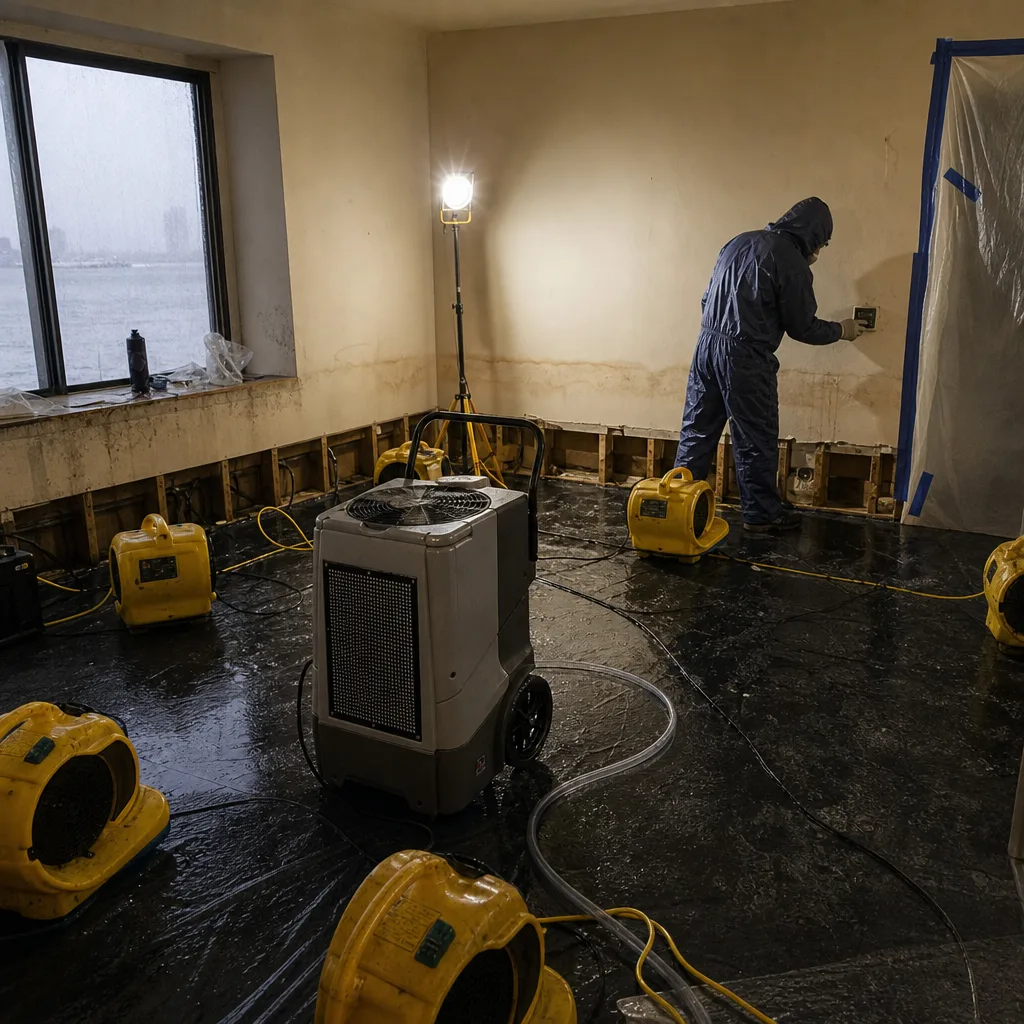
Free visual inspection and a written scope of work before any mitigation begins - photos, moisture readings, and drying logs go in your claim file
The scope we write is the scope we bill. Anything new gets shown to you, in writing, before we touch it.
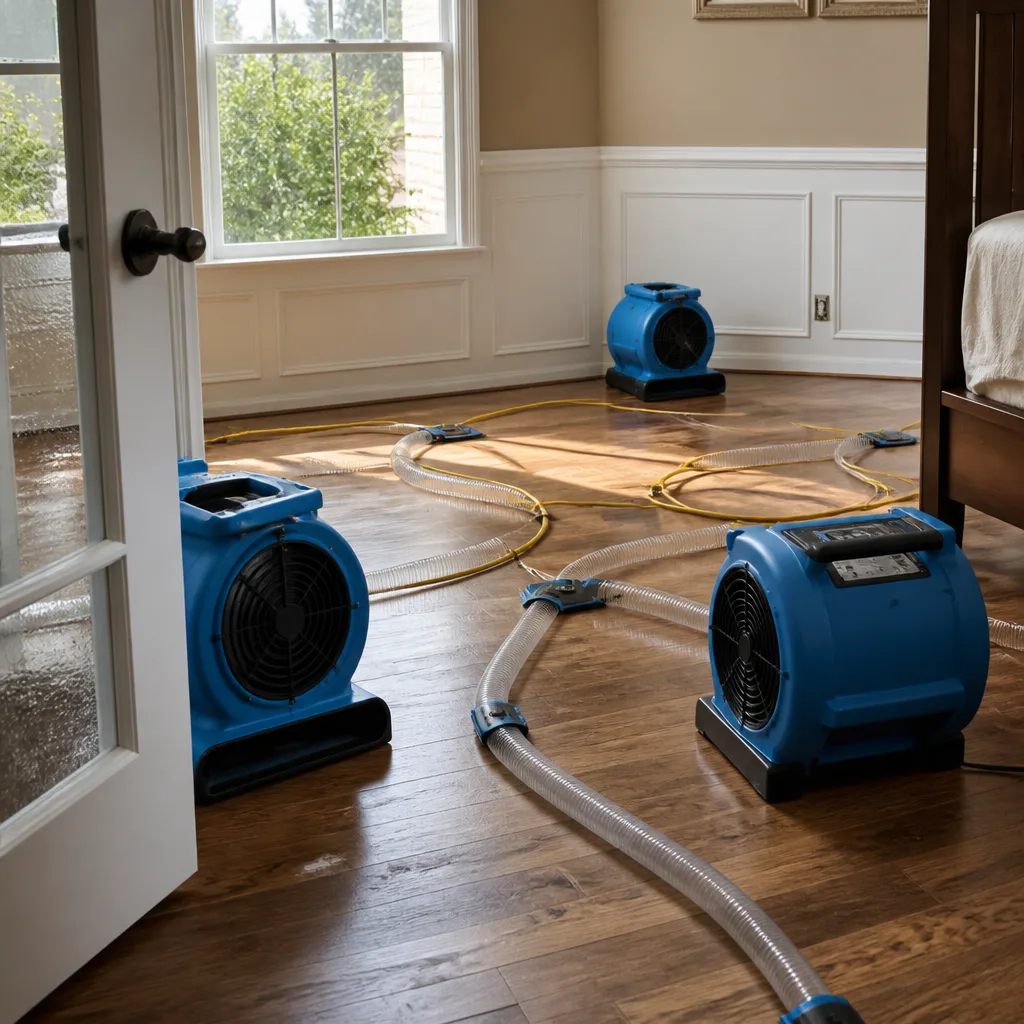
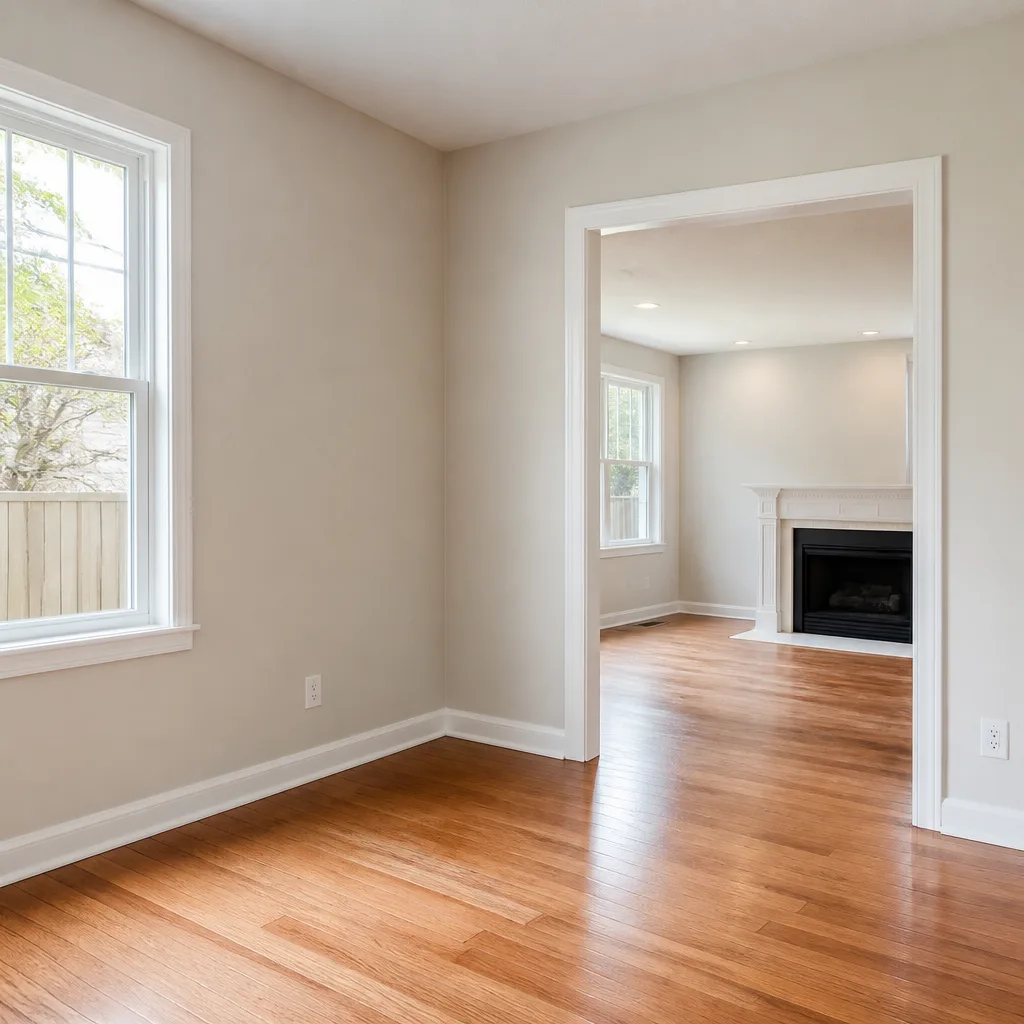
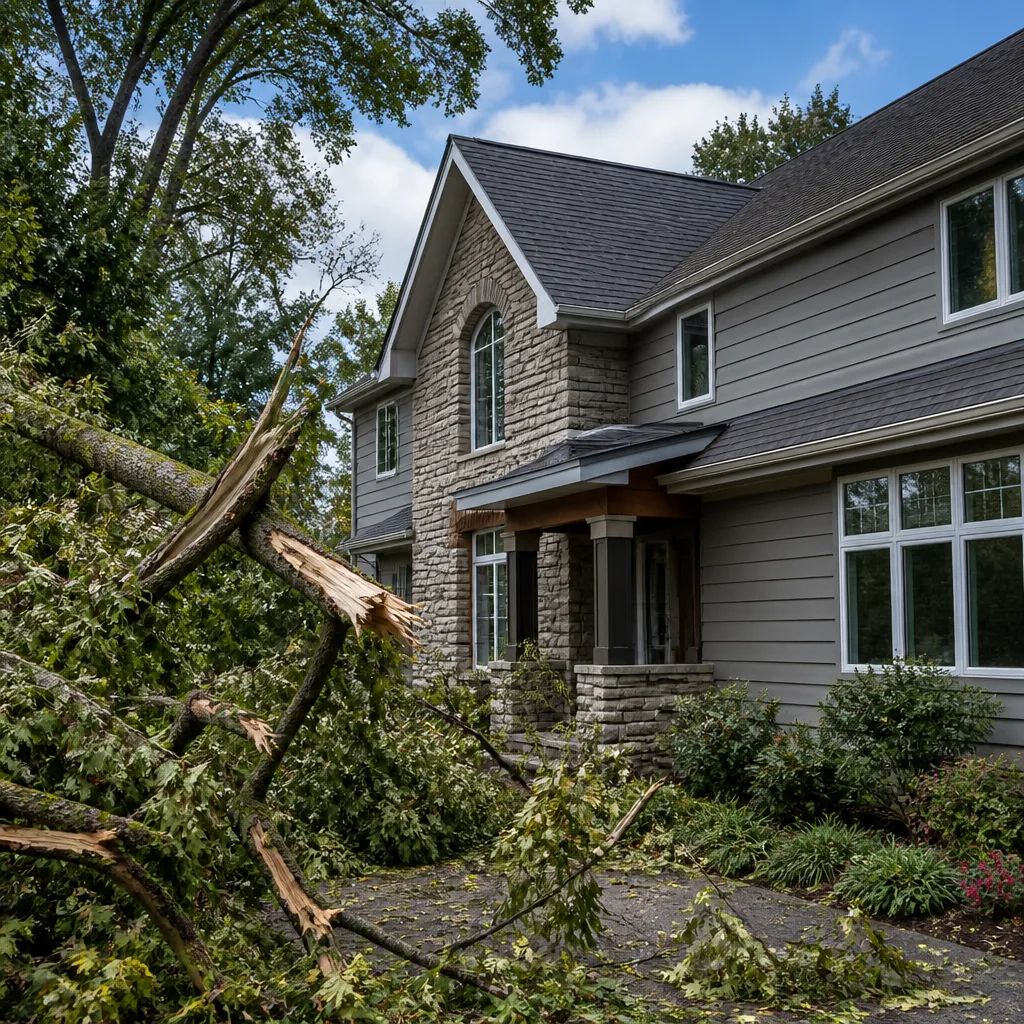
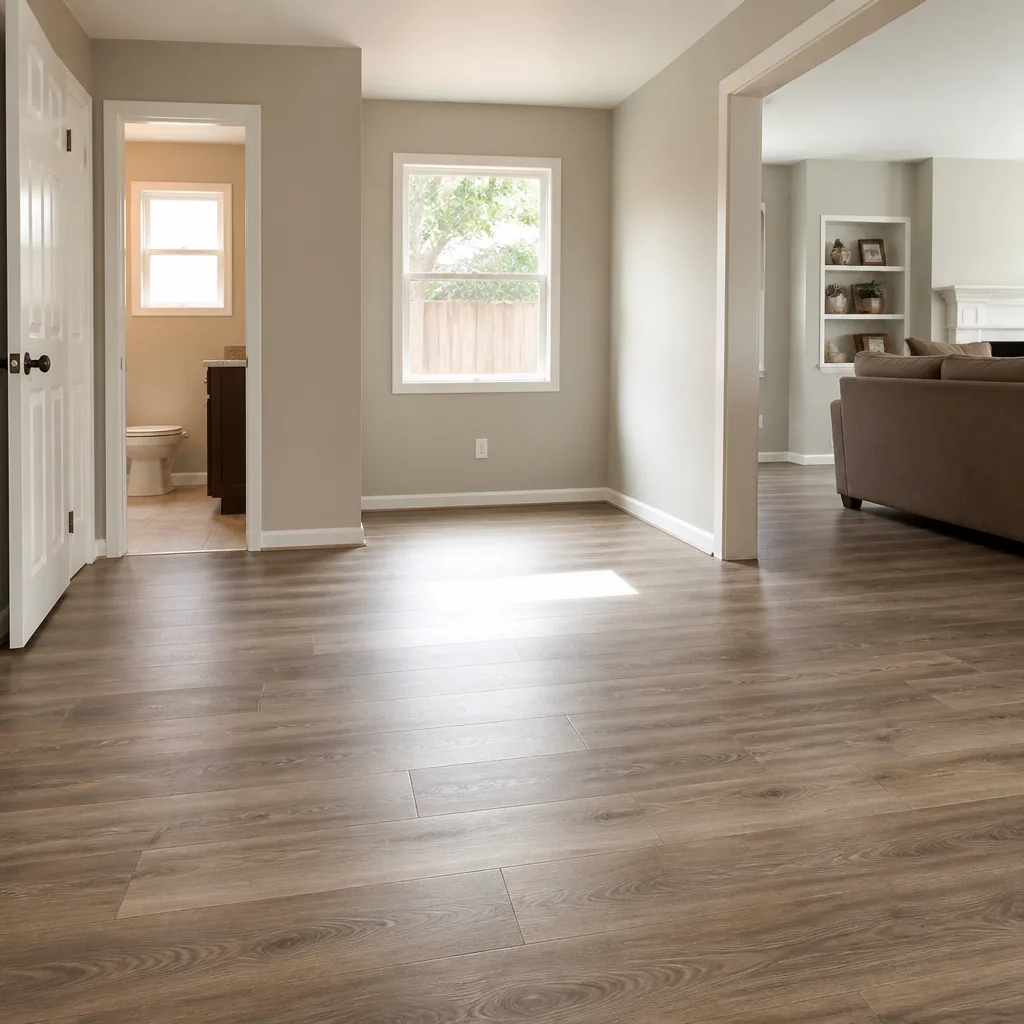

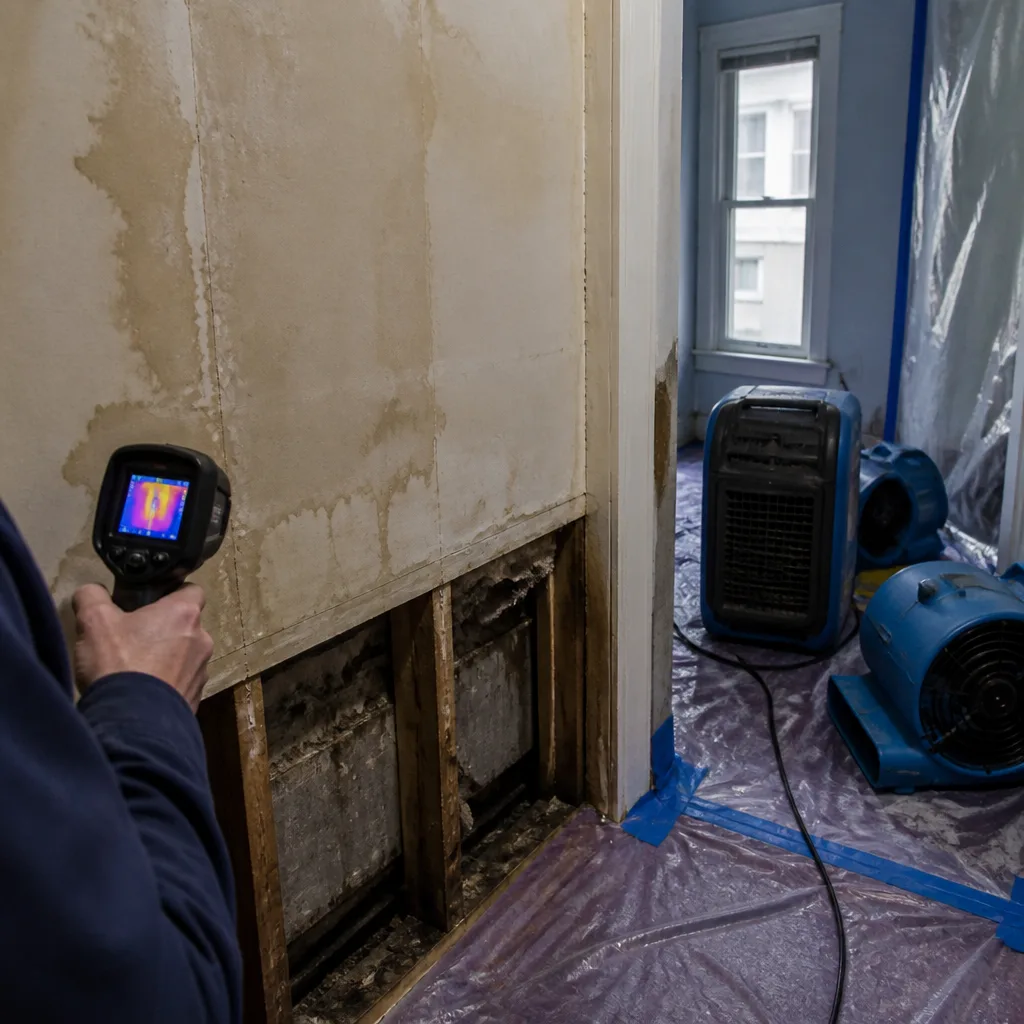 Before
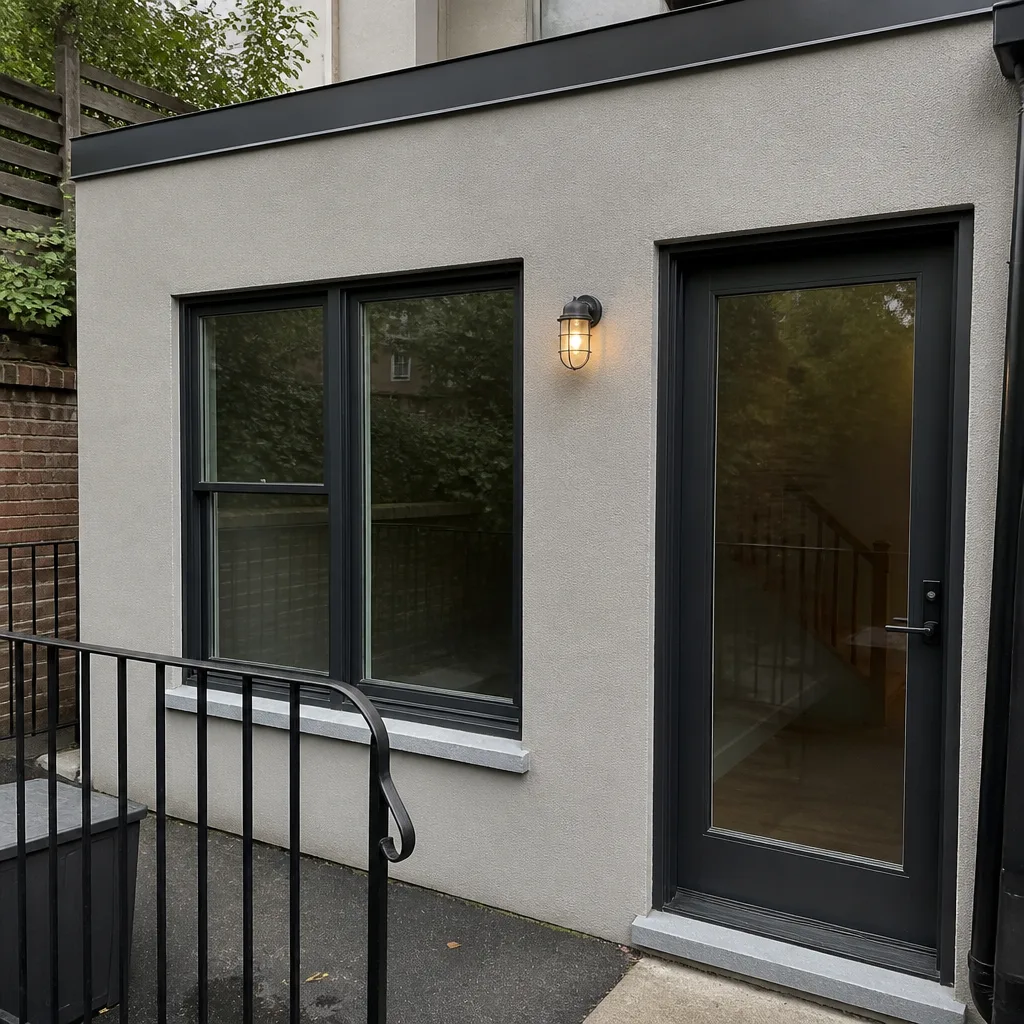 After
After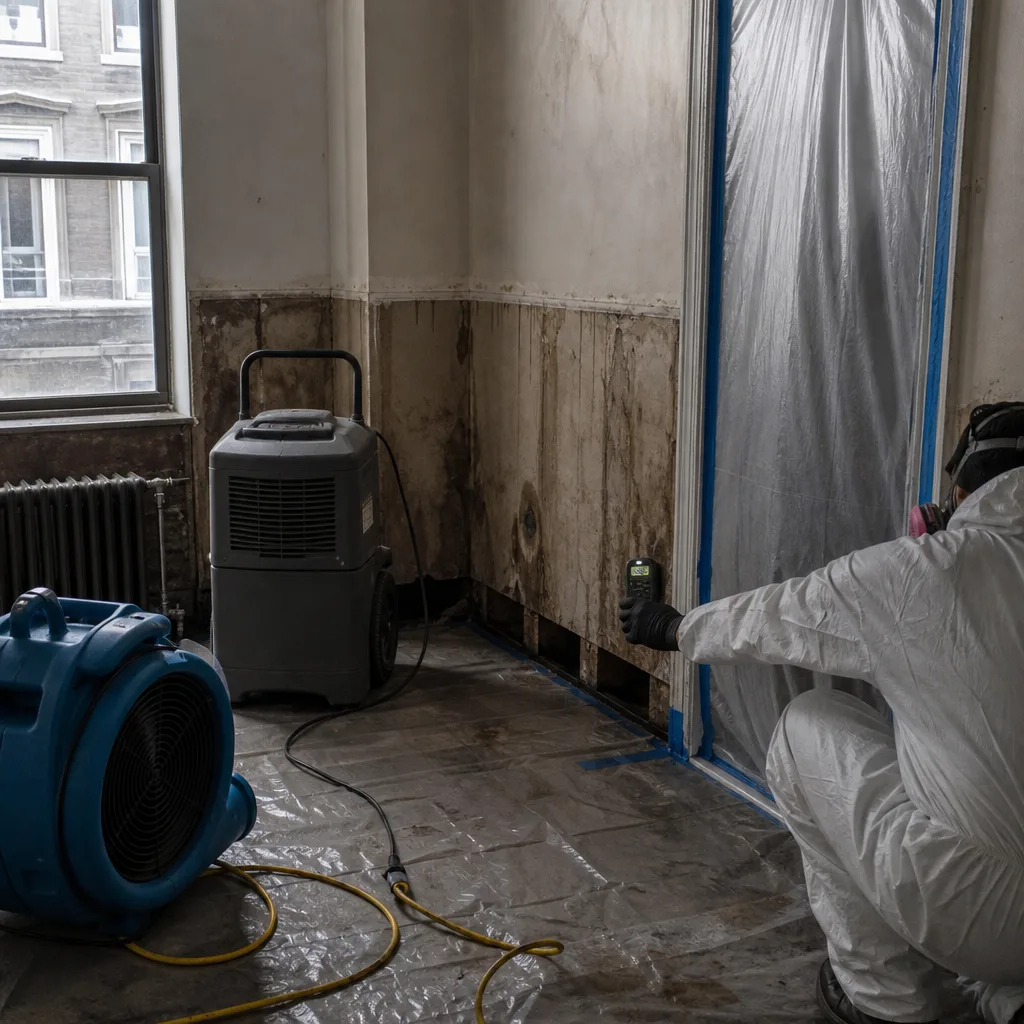 Before
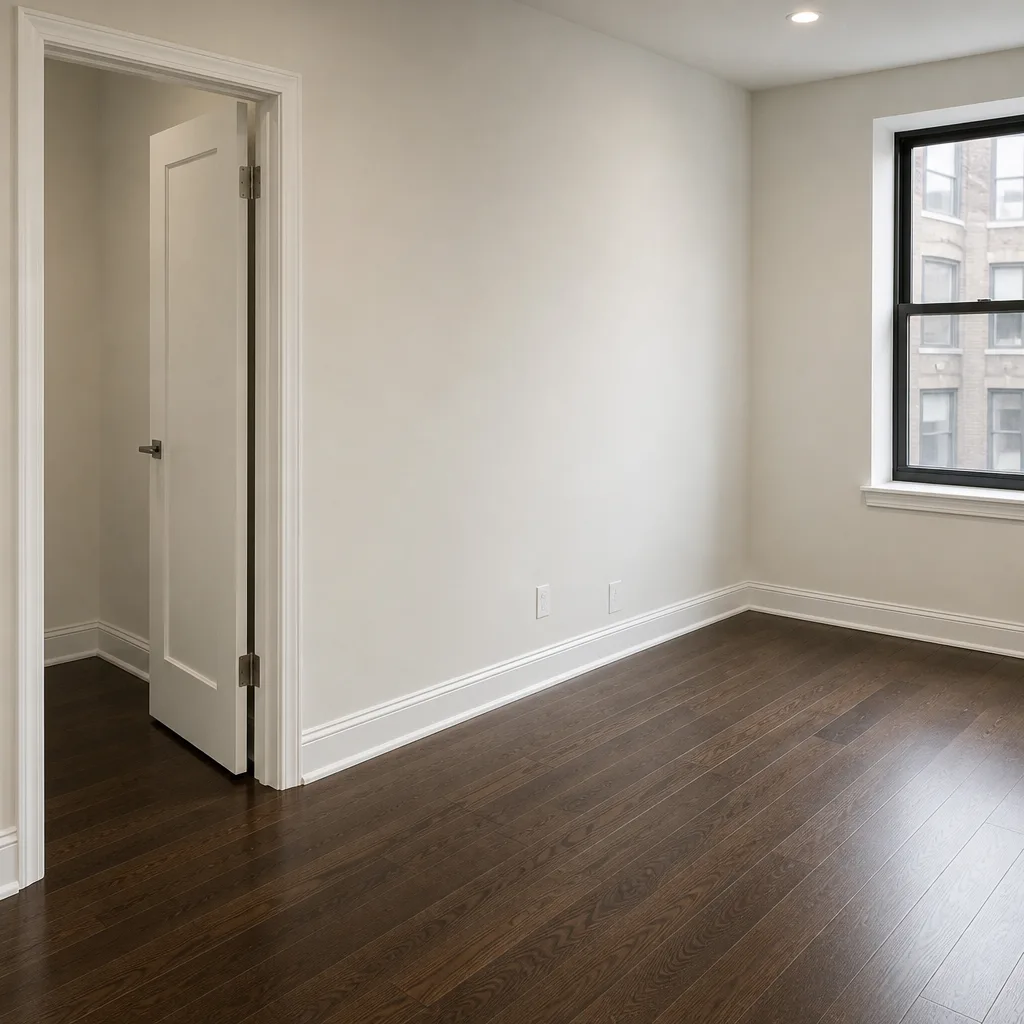 After
After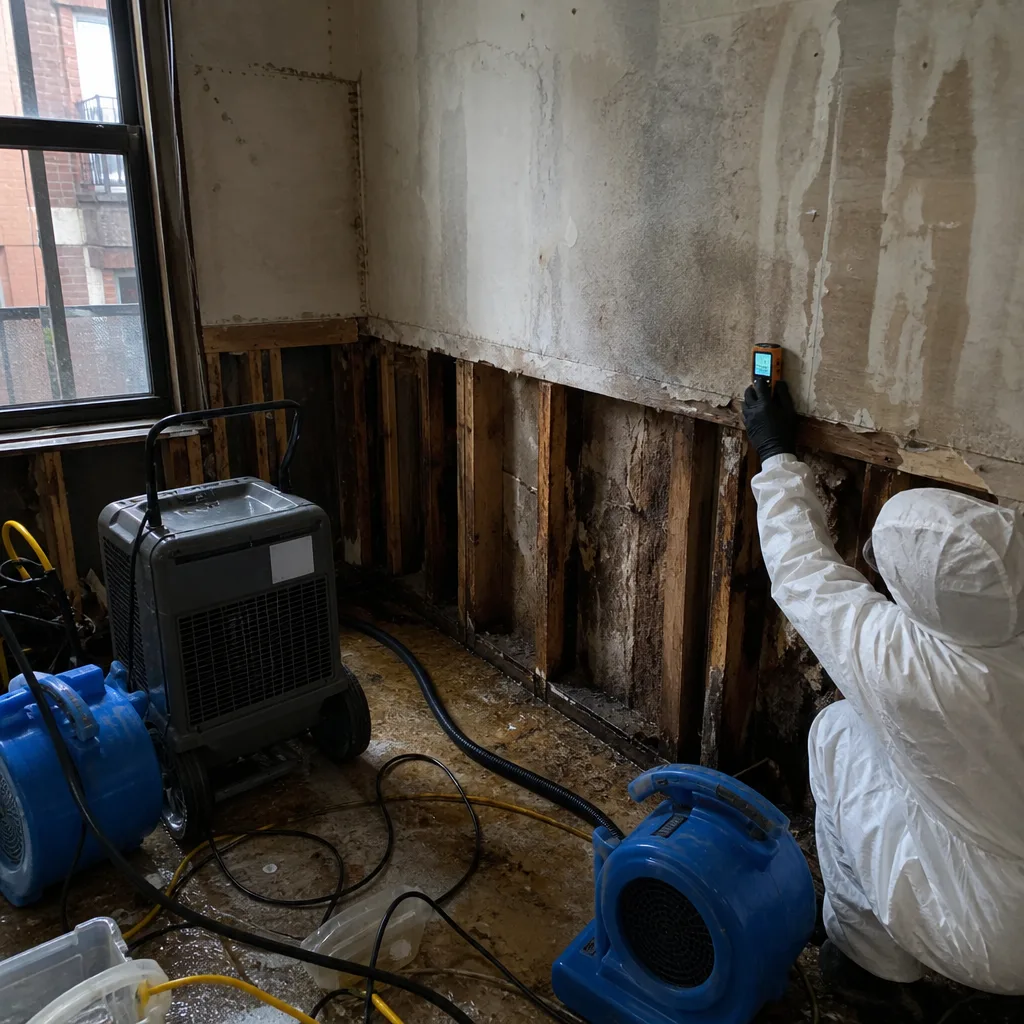 Before
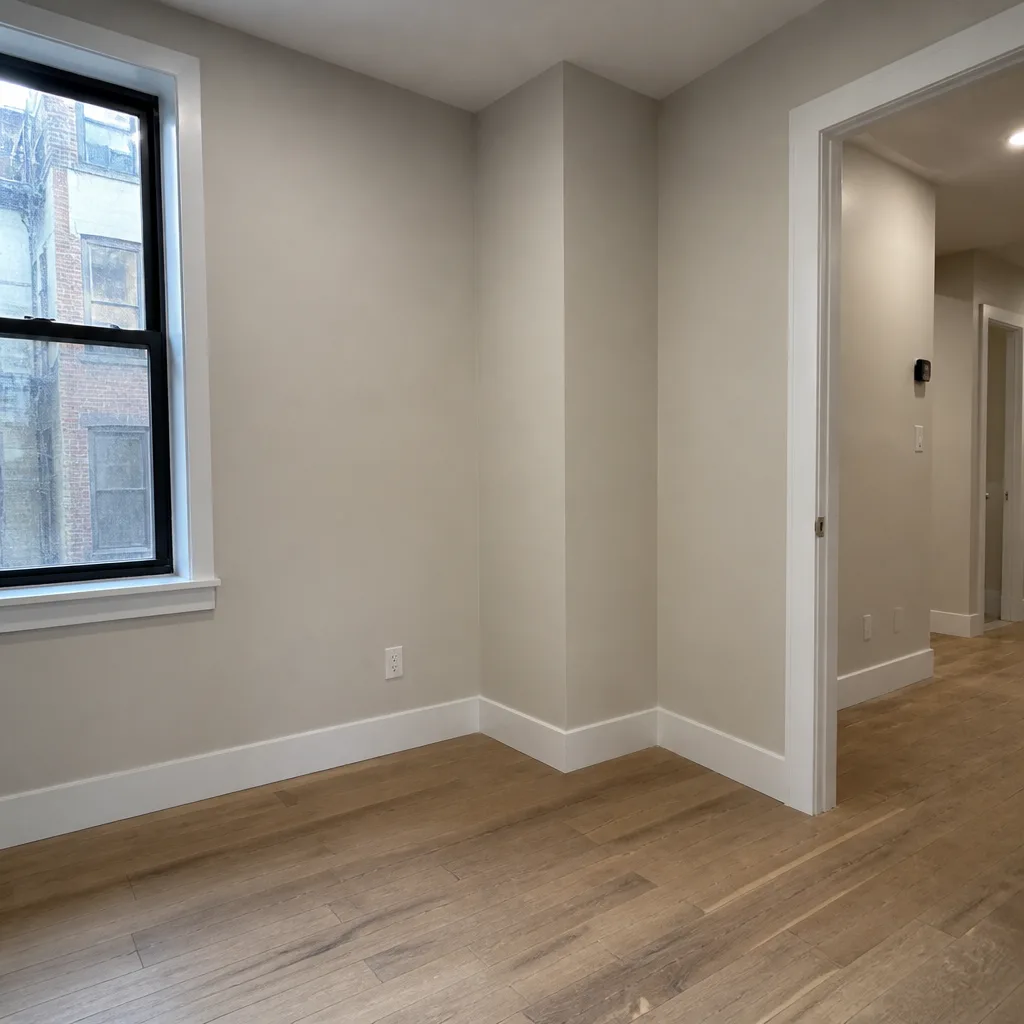 After
After24/7 Emergency Water Damage Restoration in Lower Manhattan
Water damage in Lower Manhattan doesn’t wait for business hours, and neither do we. A burst pipe in a FiDi loft conversion or a storm surge pushing into a Battery Park City sub-basement needs extraction running within the hour, not a voicemail promising a callback. Wade’s Restoration answers live, 24 hours a day, and crews are positioned to reach Lower Manhattan properties fast. Call (607) 350-1550 the moment you see water, and we’ll have extraction equipment on the road while you’re still on the phone. The first hour decides whether you’re drying drywall or replacing it, whether that elevator pit gets salvaged or becomes a five-figure electrical problem. We’ll do a free visual inspection, figure out where the water is really going (not just where it’s pooled), and start pulling it out before the damage spreads another floor down.
Understanding Water Damage Restoration Severity in Lower Manhattan Properties
Water damage gets classified into three categories, and the category changes what kind of restoration you actually need. Category 1 is clean water from a supply line or burst pipe. Category 2 carries contaminants, think washing machine overflow or sump pump discharge. Category 3 is grossly contaminated: sewer backups, harbor surge water, anything that came up through a drain. The category matters because it determines whether we’re drying or gutting, sanitizing or replacing. Lower Manhattan’s building stock makes this even more layered. Those converted masonry towers in the Financial District have sub-basements that sit below the local water table, and moisture mapping shows water moving through old brick and lime mortar in ways it never moves through modern gypsum. A Category 1 pipe break on Pearl Street can pull Category 3 contamination up from a failing floor drain two levels down if we don’t catch the migration early. We run moisture meters continuously, map the path of the water, and set drying targets against pre-loss readings, not guesses.
Why Lower Manhattan Property Owners Choose Wade’s Restoration
- 45-minute response commitment: For emergencies within Lower Manhattan, Wade’s crew is on site fast, because water inside the first hour is extraction, and inside the third hour it’s demolition.
- A real person answers, always: No answering service, no press-one-for-dispatch. Wade Ferris answers his own phone, day or night. Call at 2 a.m. and you get Wade.
- IICRC-certified crews, WRT and ASD trained: Our technicians are certified in Water Damage Restoration and Applied Structural Drying, which is what keeps a marginal dry-out from becoming a mold claim.
- Free visual inspection: Before anything gets signed, we look at the full picture, find the water you can’t see, and explain the scope in plain English. No charge for the inspection, and no trip charge inside our own county.
- Direct insurance billing and adjuster coordination: Wade deals with your adjuster directly. You’re never the one relaying moisture readings back and forth between two sides.
- One team from extraction to reconstruction: The same people who pull the water out are the ones who put the walls back. No handoff, no finger-pointing, no lost details.
Our Water Damage Restoration Process
Inspection & Assessment
We start with thermal imaging and moisture meters to map the full extent of the water, not just the visible pooling. In Lower Manhattan, that means checking below-grade walls, elevator pits, and shared chases where water travels silently. You get a written scope before any work begins, so there’s no surprise escalation once we’re inside the walls.
Extraction & Stabilization
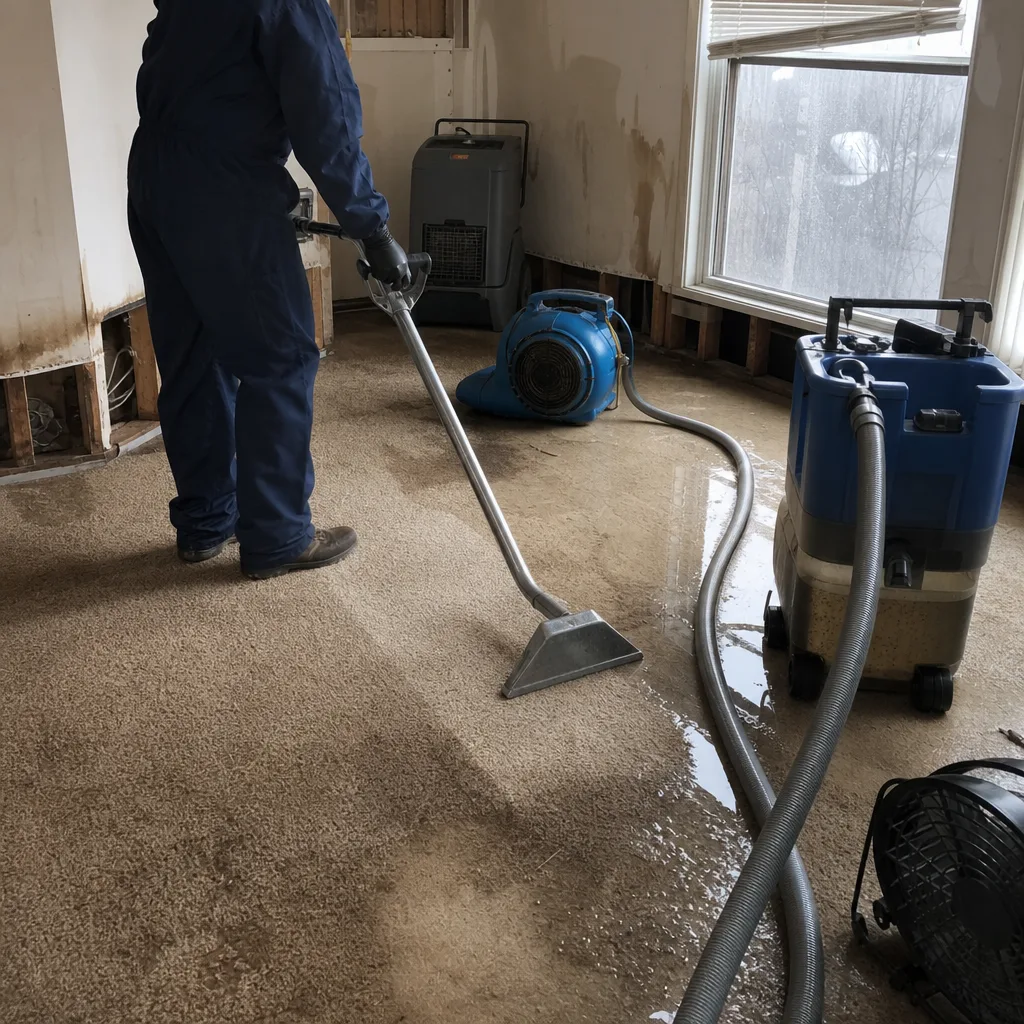
Standing water comes out immediately with truck-mounted and portable extraction units from XPOWER and other professional-grade equipment. We stabilize the site, shut off the source if it hasn’t been already, and stop the water from spreading to unaffected areas. In sub-basements below the water table, this is also where we assess whether temporary sump augmentation is needed.
Drying & Dehumidification
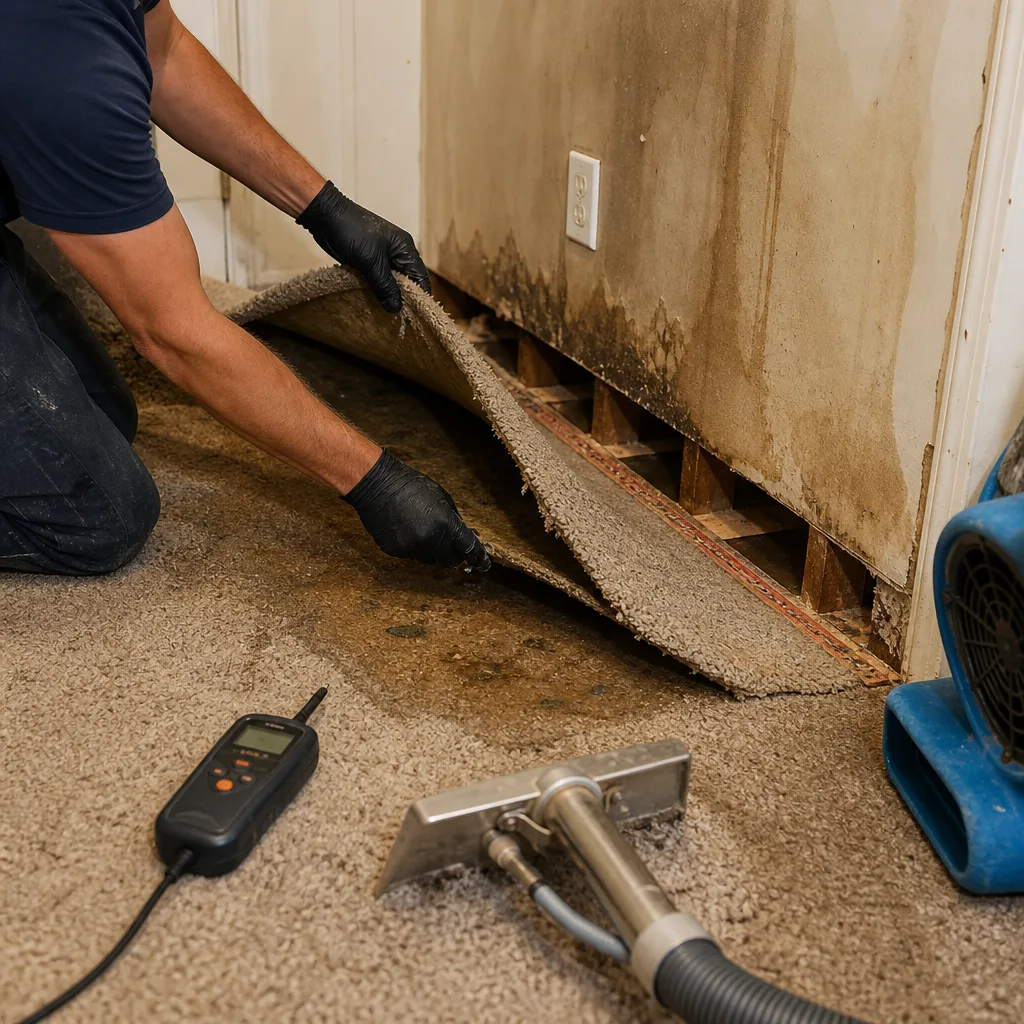
Phoenix dehumidifiers and high-velocity air movers go in, arranged around air-flow patterns that pull moisture from wall cavities and subflooring. We take moisture readings every single day and log them. You get the entire drying log when we’re done, because you deserve to see the numbers moving down toward pre-loss condition.
Cleaning & Sanitization
Everything that got wet gets cleaned, and everything that can support microbial growth gets treated with antimicrobials appropriate to the category of water involved. For Category 3 water, this includes HEPA air scrubbing and controlled disposal of contaminated porous materials.
Specialty Treatment for Lower Manhattan Saltwater Exposure
Storm surge from the harbor brings salt, and salt does ongoing damage long after the water is gone. We treat saltwater-contaminated surfaces for corrosion, inspect electrical panels and elevator pits for chloride damage, and document everything for your insurer with photos and written findings.
Repairs & Restoration
Drywall comes down where it needs to, insulation gets replaced, and structural wood gets treated or sistered. We rebuild to pre-loss condition, and every water restoration job carries the 90-Day Done Right Promise in writing. If it’s not done right, Wade makes it right.
Need Emergency Water Damage Restoration in Lower Manhattan Now?
Crews minutes away, answering live 24 hours a day. The sooner we start, the less it costs.
Working With Your Insurance Company
Insurance claims for water damage in Lower Manhattan are their own specialty, because the difference between a covered loss and a denied claim often comes down to documentation in the first 24 hours. We photograph everything, room by room, before we touch it. We take moisture readings on day one and every day after. We write a line-item scope that your adjuster can read without a translator, and then Wade talks to the adjuster directly. You shouldn’t have to be the person relaying drying metrics back and forth. We’ve worked claims from Battery Park City condos to Financial District co-op boards, and we know what carriers need to see to authorize full restoration instead of a patch-and-paint settlement. Free second opinion on any written estimate, always, and Salter and Veteran discounts apply on every job, every time.
What We Provide Your Insurer
- Thorough documentation of the loss
- Photos of all damage, room by room
- Moisture readings and drying logs
- A detailed, line-item scope of work
- Direct coordination with your carrier
Built for Lower Manhattan’s Loss Calendar
Lower Manhattan’s water damage calendar doesn’t follow the seasons the way it does a mile north in Tribeca or anywhere else in the city. Here, the annual cycle starts with January deep freezes that test every exposed supply line on rooftop mechanicals and through-wall chases in pre-war buildings, and frozen pipes are just the beginning. Spring thaw brings seepage into those below-grade vaults and sub-basements that sit under the water table, especially around Whitehall Street and the Battery where tidal nuisance flooding now shows up without a named storm attached. Summer thunderstorms overwhelm the city’s storm drains fast, and in Lower Manhattan’s landfill-built sections, that surface water has nowhere to go but into foundation contact. Then there are nor’easters and the storm surge they push up the harbor, which is the big one. The Financial District and Battery Park City took up to 14 feet of surge during Sandy, flooding sub-basements, electrical vaults, and elevator pits across hundreds of buildings. Any restoration company working Lower Manhattan has to be built around that reality, and we run every job from the first reading with the assumption that water will keep moving through this soil long after the surface is dry.
Water Damage Restoration Across Lower Manhattan’s Neighborhoods
South of Chambers Street, the response strategy changes block by block. In Battery Park City, those 1980s and 2000s residential towers sit on compacted river fill that holds water like a sponge. When a surge recedes or a water main breaks on South End Avenue, the surrounding fill stays saturated for weeks, and that hydrostatic pressure against below-grade walls changes everything about how we dry. Standard timelines don’t apply. We’ve read moisture climbing in a wall three days after extraction because water was still seeping through a foundation crack that was dry before the storm. That’s why we set extended monitoring and often install temporary sump augmentation before any rebuild starts. Over in the Financial District, the old masonry office towers converted to residential lofts have their own patterns. Pearl Street, William Street, Broad Street, those buildings have multi-level sub-basements that go down two, sometimes three levels below street grade, under the water table. When a pipe lets go in a converted HVAC chase, water doesn’t just run down one wall. It travels through shared chases and old brick and collects three floors down where nobody notices until the moisture readings spike. Around the South Street Seaport, older residential stock mixes with new construction near the East River, and the exposure to harbor surge and wind-driven rain is direct. Whitehall and State Street sit at the lowest elevation in the area, facing both the Hudson side and the harbor, and those properties see chronic low-level groundwater intrusion even on ordinary days. Each of these areas needs a different drying plan, different equipment, and a team that knows the buildings well enough to anticipate where water will show up next.
Specialized Water Damage Restoration Services We Offer in Lower Manhattan
Emergency Water Extraction
When water is standing in a Lower Manhattan sub-basement or spreading across a Battery Park City living room, the first move is extraction, and extraction speed determines the entire rest of the job. We deploy truck-mounted and portable units rated for hundreds of gallons per minute, with the capacity to handle storm surge flooding as readily as a burst supply line. In converted office buildings with multiple below-grade levels, we set up extraction points at the lowest elevation first and work upward, because water always finds the bottom.
Structural Drying & Dehumidification
Structural drying in Lower Manhattan means managing hydrostatic pressure, not just running fans. Battery Park City fill saturation and Financial District sub-basements below the water table mean we’re often drying against groundwater that keeps trying to come back in. Phoenix dehumidifiers and high-volume air movers get arranged to pull moisture from wall cavities and subflooring, but the key is the monitoring. We take daily moisture readings and log everything, so you see the numbers dropping and we see it if they’re not. That kind of documentation is also what your adjuster needs to authorize the full scope.
Flood Cleanup
Floodwater in Lower Manhattan is rarely clean water. Whether it’s harbor surge pushing up through floor drains near the Seaport or groundwater leaking through landfill foundations in Battery Park City, this is Category 3 water with salt and contaminants. Flood cleanup here means extraction, containment, HEPA air scrubbing, controlled disposal of saturated porous materials, and saltwater corrosion treatment on anything metal that got wet, from electrical panels to elevator pit equipment. We document everything for the claim and handle the adjuster directly so you’re not stuck interpreting drying logs.
What happens when you call
- 1
A real person answersNo phone trees - you reach a local pro.
- 2
You get an upfront price rangeHonest numbers before anyone is dispatched.
- 3
A background-checked tech heads outLicensed & insured, dispatched right away.
- 4
You approve before work beginsNothing starts until you say go.
Water Damage Restoration Costs in Lower Manhattan, NY
Water damage restoration in Lower Manhattan runs higher than almost anywhere else in the city, and the reasons are structural. A basic Category 1 pipe break with fast extraction and a standard 3-to-5-day dry-out typically runs $2,500 to $6,500 in this market. When you’re dealing with sub-basements below the water table in the Financial District or Battery Park City fill saturation, plan on extended drying time and temporary sump work, which pushes costs to the $7,000 to $18,000 range for a full structural dry-out. Category 3 flood or surge water with sanitization, HEPA scrubbing, and saltwater corrosion treatment on electrical systems ranges from $9,000 to $30,000 or more depending on square footage and how many below-grade levels got wet. Emergency extraction alone, before drying starts, typically costs $1,800 to $4,500. A free visual inspection is how you get a firm scope in writing before anything gets signed, and with no trip charge inside our own county, it costs nothing to find out where you actually stand. Call (607) 350-1550 and we’ll walk you through it.
We Also Serve Cities Near Lower Manhattan
We serve Lower Manhattan and the surrounding areas, including the Financial District, Astoria, Midtown Manhattan, and Long Island City. If you’re anywhere in these neighborhoods and water is coming in, call us. Same live answer, same 45-minute response commitment, same documented process.
Lower Manhattan Water Damage Restoration Questions, Answered
How long do we need to keep dehumidifiers running in Battery Park City after a surge?
In Battery Park City, dehumidifier runtime almost always exceeds standard timelines because the landfill fill under the foundation stays saturated long after surface water clears. Most of our Battery Park City surge jobs run dehumidifiers for 10 to 21 days, with daily moisture readings confirming the numbers are actually dropping and not just plateauing. We extend monitoring as long as hydrostatic pressure keeps pushing moisture through the foundation walls, and we document every day so your insurer sees the evidence for the extended equipment charging they’ll be asked to pay.
What is the difference between flooding from a burst pipe in a Financial District loft conversion and storm surge?
A burst pipe in a Financial District loft conversion is usually Category 1 or Category 2 water, contained to the building’s internal plumbing, and the source can be stopped at a valve. Storm surge from the harbor is Category 3 water that carries salt, fuel residue, and sewage, and it comes up from below through drains and foundation breaches, so you’re dealing with contamination and hydrostatic pressure at the same time. The restoration approach is completely different: saltwater surge requires corrosion treatment on electrical systems and elevator pits, while a pipe break needs extraction and drying, then rebuilding the affected areas. Both are covered by most policies, but surge claims depend heavily on flood insurance riders and documentation of the saltwater-specific damage.
Why do converted office buildings near the Stock Exchange show water stains months after a rain event?
Those pre-war masonry buildings near the Stock Exchange were built as office towers, and the residential conversions rerouted plumbing and HVAC through field-adapted chases that were never designed for the load. Water from a rain event can enter at the parapet or through aging mortar joints, travel through old brick, and show up as a stain on a ceiling three floors down weeks later because the moisture path is so indirect. The original leak stopped, but the trapped moisture in the masonry is still migrating. Our moisture mapping traces those paths backward to find the actual entry point, not just the visible stain.
Can you dry out a sub-basement below the water table without excavating?
Yes, in most Lower Manhattan sub-basements we can dry the interior space without excavation by combining high-capacity dehumidifiers, targeted air movement, and temporary sump augmentation to relieve the hydrostatic pressure that keeps forcing water through the walls and floor. The key is that we’re not just drying the air, we’re managing the groundwater pressure, which is why daily moisture readings matter. There are limits: if the foundation has structural breaches or the water table is actively rising, you may need a foundation contractor for more invasive work, but most post-surge and pipe-break sub-basement situations we see can be dried and stabilized without touching the excavation.
How do you handle saltwater corrosion on electrical panels and elevator pits after a Lower Manhattan surge?
Saltwater corrosion starts within hours of exposure, so after any surge we inspect every electrical panel, junction box, and elevator pit that got wet, document the chloride exposure with photos and written findings, and coordinate with licensed electricians and elevator contractors for the replacement work. Salt leaves a residue that keeps corroding long after the water is gone, so surface drying is not enough; components have to be cleaned, treated, or replaced depending on damage. Your adjuster gets the full documentation because saltwater electrical damage is often a much larger claim than the initial water extraction, and it needs to be documented correctly from the first visit.
How fast can someone actually get to a Lower Manhattan property in an emergency?
We answer live 24/7 and commit to a 45-minute on-site response for Lower Manhattan emergencies. In practice, for anywhere between the Battery, South Street Seaport, and Canal, we’re usually faster than that because our crews are positioned within the area and Wade heads out the moment the call comes in. The sooner extraction starts, the less gets torn out and the lower the final restoration cost, so call (607) 350-1550 immediately, and you won’t be waiting on a callback from a call center.
Will insurance cover water damage restoration in Lower Manhattan?
Most standard homeowner and condo policies cover water damage from sudden internal events like burst pipes, and flooding from storm surge is covered if you carry a separate flood policy. The critical variable is documentation: carriers deny or underpay claims when there’s no moisture log, no photos from the first hour, and no line-item scope. We handle adjuster communication directly, provide daily moisture readings and drying logs, and submit a written scope that gives your carrier everything they need to authorize full restoration. Free second opinion on any written estimate, always.
What should I do in the first 30 minutes after discovering water damage in Lower Manhattan?
Call (607) 350-1550 first, then shut off the water source if you can find it and it’s safe to reach, then kill the power to any wet areas if you can do so without standing in water. Don’t use a household vacuum to remove water, don’t turn on ceiling fans or HVAC in wet areas because they can spread moisture and contamination, and don’t move wet furniture across finished floors. Take photos with your phone before anything gets moved or dried, because those first images matter for insurance. Then wait for our crew to arrive with extraction equipment and a moisture mapping plan.
A Field Note From Lower Manhattan
We were called to a converted Financial District loft on Pearl Street after a burst pipe in a field-adapted HVAC chase sent Category 1 water down through two sub-basement levels. Our techs ran moisture mapping with Dri-Eaz meters and found readings climbing behind the masonry walls even after extraction, so we set up a temporary sump and left Phoenix dehumidifiers with drying logs for 14 days until we hit pre-loss condition. That’s the reality of working below the water table: the water you can see is the smallest part of the job.
Serving Lower Manhattan, NY - Our Local Coverage Area
We’re based in the Lower Manhattan area and know this community well. Use the map below to see our service coverage - if you’re nearby, we can almost certainly help.
Why the Battery’s Landfill Foundations Change Everything
In Battery Park City’s landfill-foundation towers, the surrounding fill material stays saturated long after a surge recedes, keeping hydrostatic pressure against below-grade walls for weeks. Local restoration crews know standard drying timelines are unreliable here because water continues seeping through foundation walls even after surface flooding is cleared, requiring extended monitoring and often temporary sump augmentation before any rebuild can begin. This is the detail that separates a restoration company that understands Lower Manhattan from one that just runs fans and hopes. You can’t dry a building here on a national franchise’s timeline. You have to read the moisture daily, watch the groundwater pressure, and keep equipment running until the numbers actually stabilize, not until the calendar says it’s been long enough. A one-visit mitigation that misses a foundation crack that was dry before the storm is a mold claim waiting to happen in six months. We stay until it’s actually dry, and we can prove it with the logs.
Written by Wade Ferris, Owner at Wade’s Restoration, serving Lower Manhattan since 2007.