
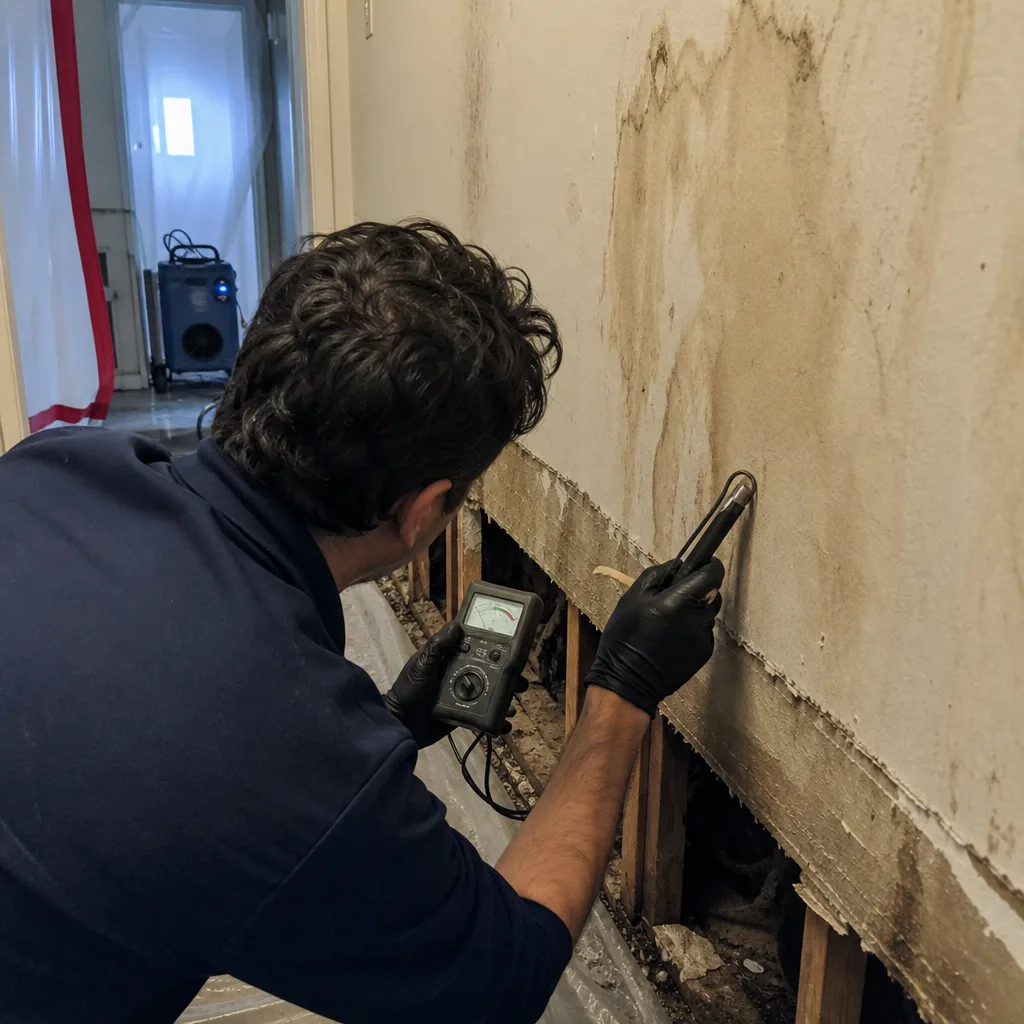
Free visual inspection and a written scope of work before any mitigation begins - photos, moisture readings, and drying logs go in your claim file
The scope we write is the scope we bill. Anything new gets shown to you, in writing, before we touch it.
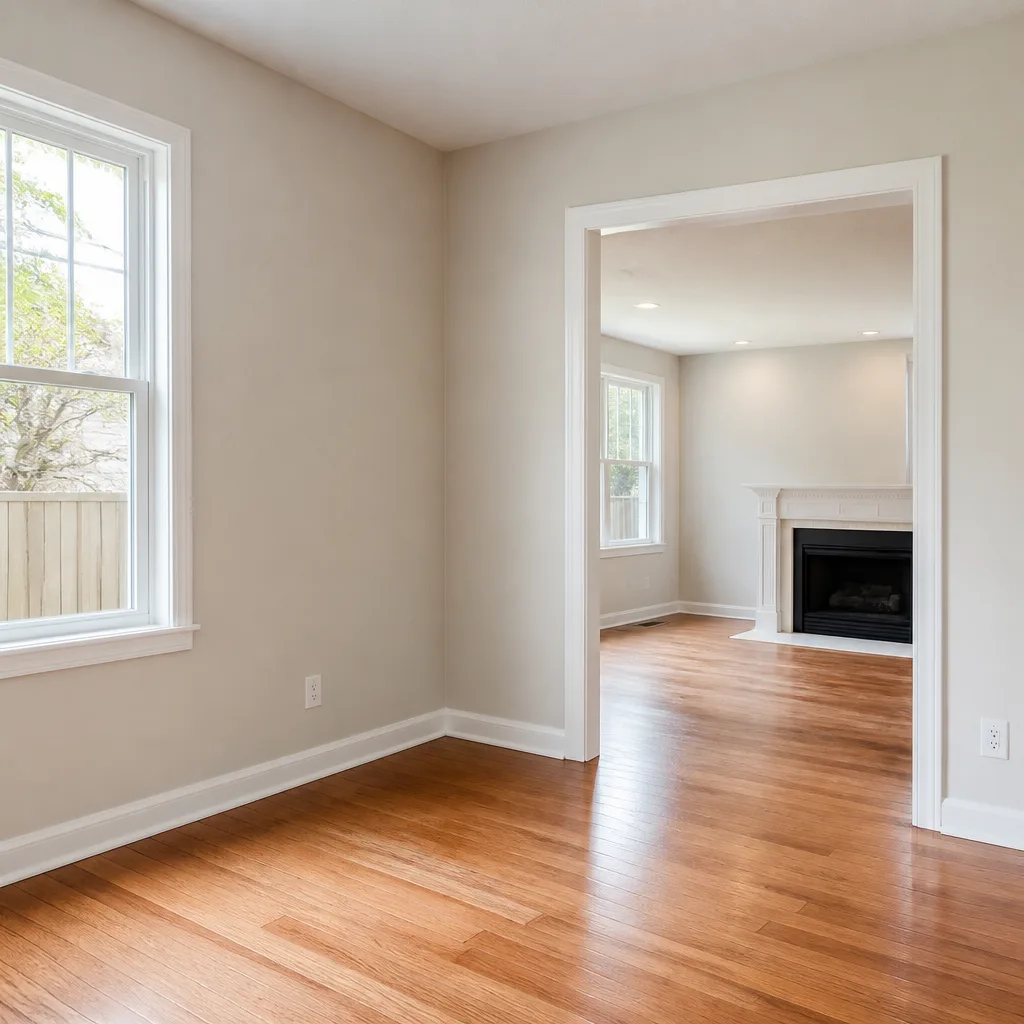
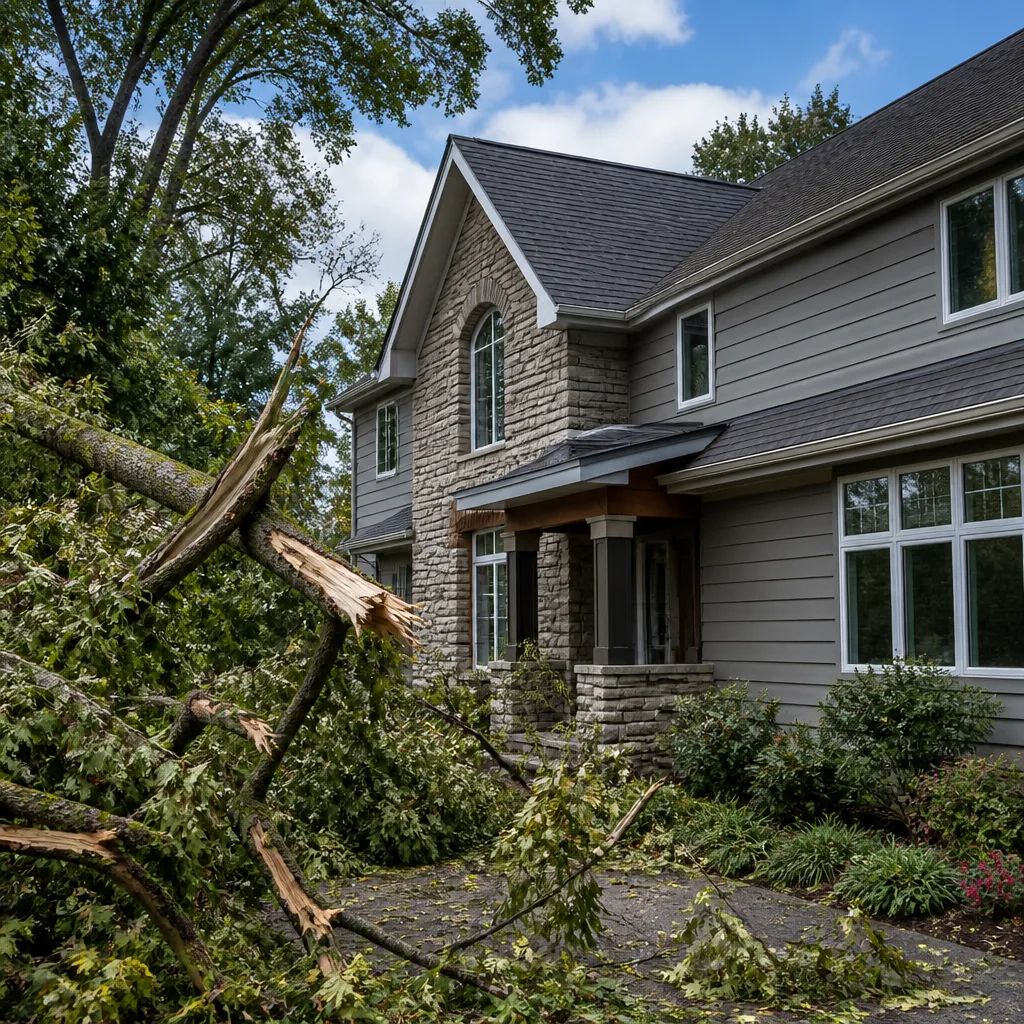
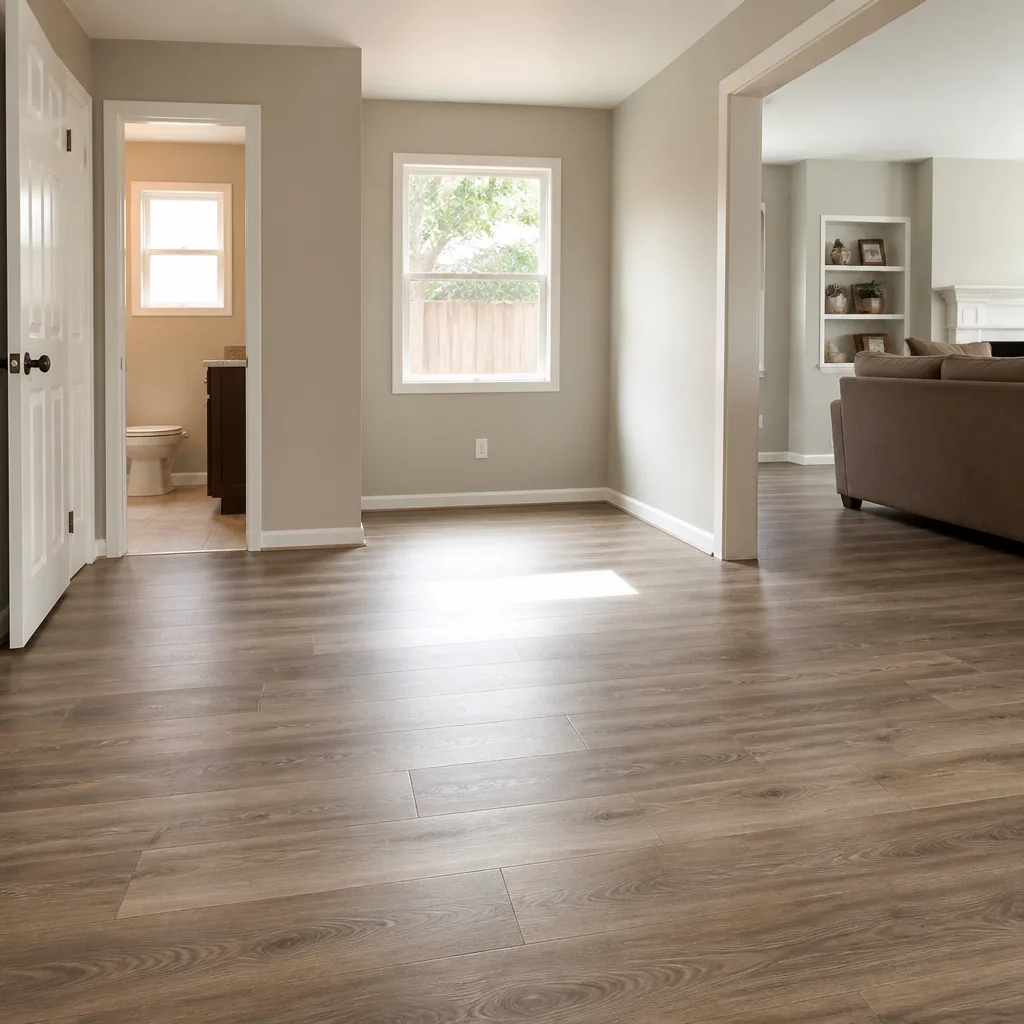

 Before
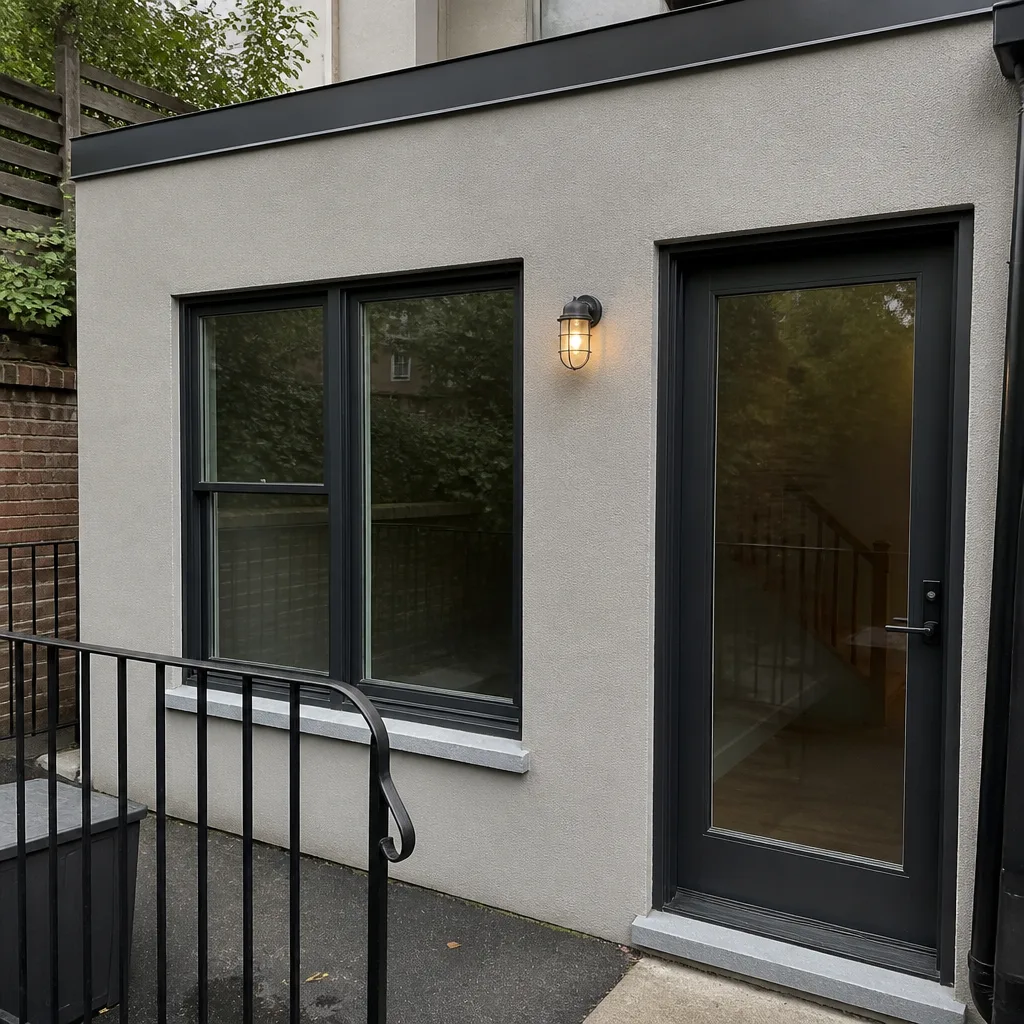 After
After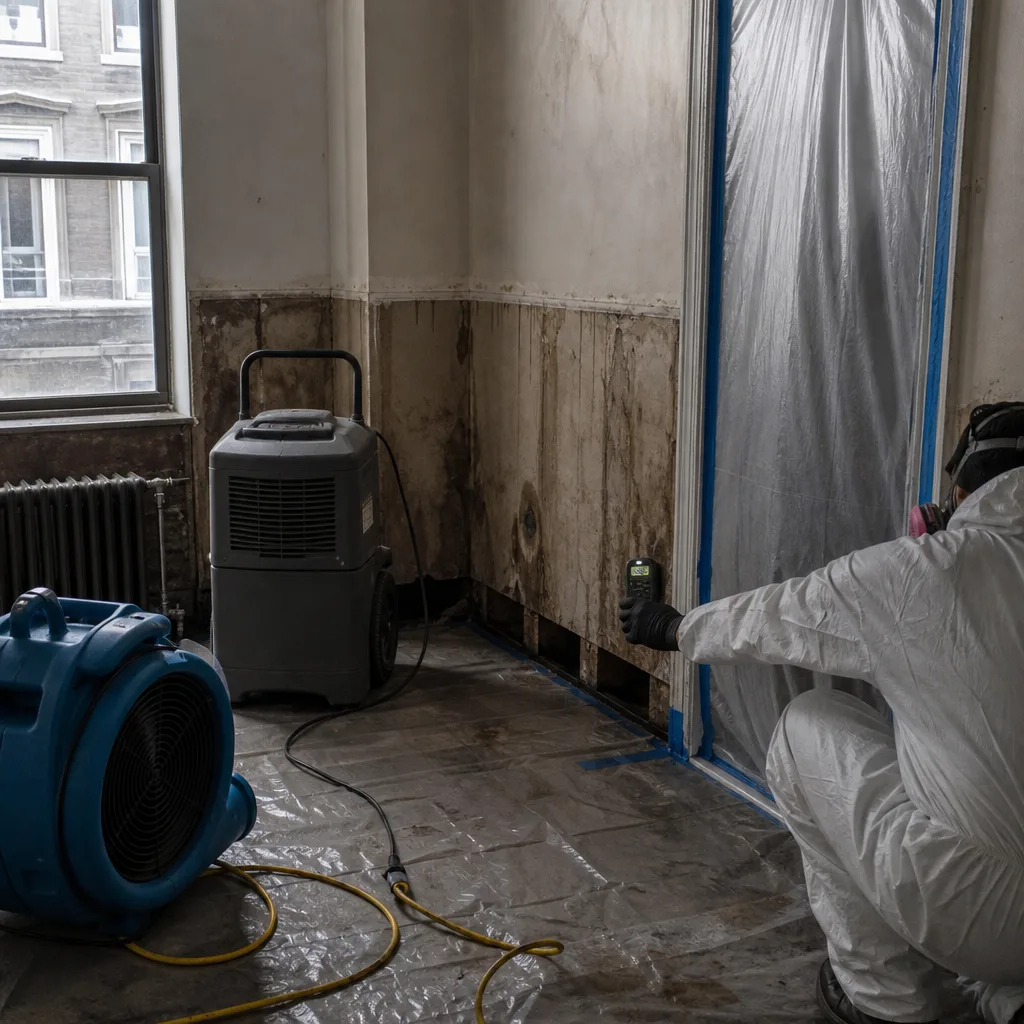 Before
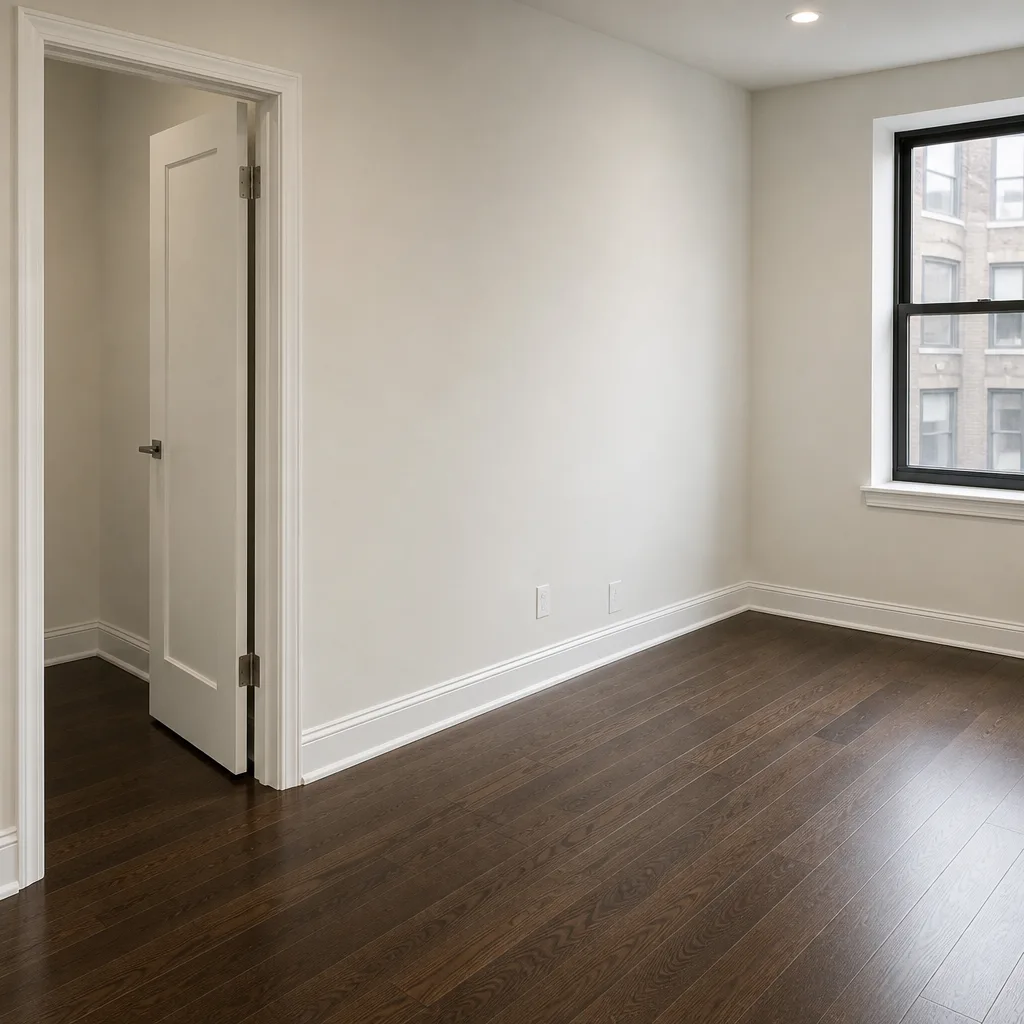 After
After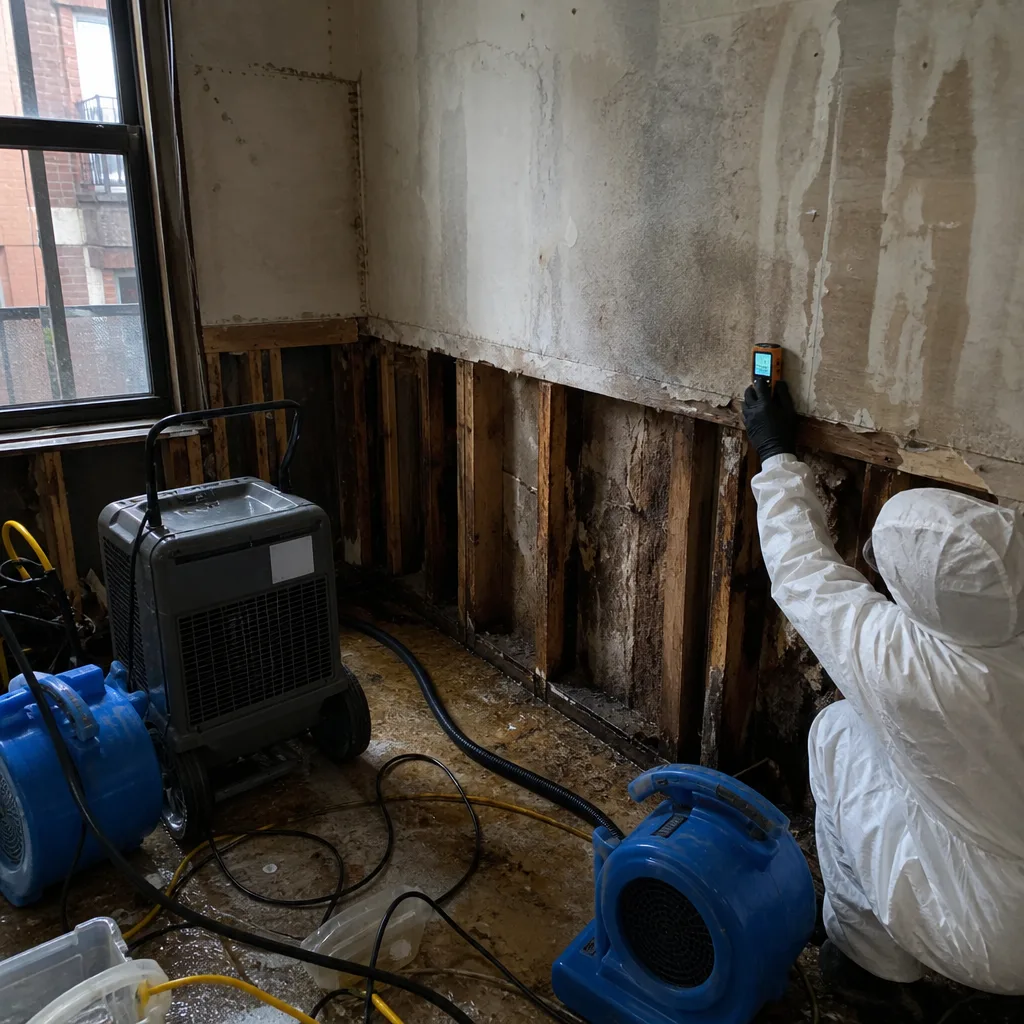 Before
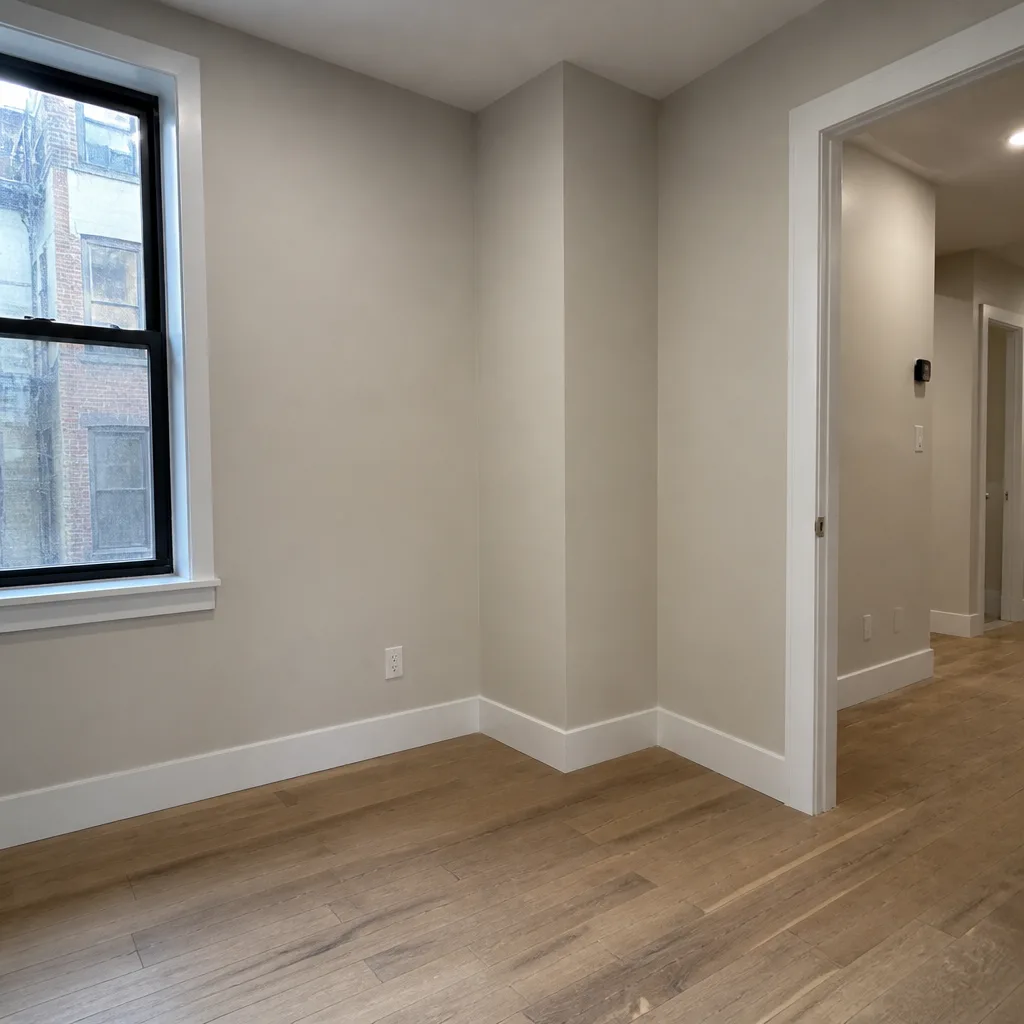 After
After24/7 Emergency Commercial Restoration in Financial District
Commercial restoration in Financial District runs about $3,500 to $28,000 for typical water, fire, or mold losses, and the first call comes at all hours. Saltwater intrusion, burst riser pipes, and accidental sprinkler discharges don’t wait for business hours, so neither do we. Wade Ferris answers his own phone, any hour, and can have a crew with Dri-Eaz extraction equipment and XPOWER air movers headed toward your building within the hour. Call (607) 350-1550 right now if water is spreading through tenant floors or a mechanical room is flooding. Every minute that Category 3 water sits in a sub-basement adds to the demolition scope and the downtime for your tenants.
We’re not a national chain with a call center in another state. Wade’s Restoration is locally owned and owner-operated, with a published address and a real person on the line at 3 a.m. If your Financial District property is taking on water, the first hour determines whether you’re looking at extraction and drying, or full drywall replacement and business interruption measured in weeks. We provide a free visual inspection, moisture mapping, and a written scope before any work starts.
Understanding Commercial Restoration Severity in Financial District Properties
Water damage in Financial District commercial buildings falls into three categories that change everything about the restoration plan. Category 1 is clean water, typically from a burst supply line or failed fixture. Category 2 carries contaminants from washing machines, sink overflows, or shower discharge. Category 3 is the one that terrifies property managers and building owners in FiDi specifically: saltwater from coastal surge, sewage backups, or standing water that has picked up bacteria from a sub-basement sump. In a converted tower like 70 Pine Street or 20 Exchange Place, Category 3 saltwater doesn’t just wet the drywall; it attacks the structural steel, corrodes switchgear enclosures, and leaves a residue that standard freshwater drying protocols won’t address.
Fire losses here present their own severity ladder. Light smoke from an electrical short leaves a thin film of soot. A grease fire in a restaurant tenant space drives protein residue into every porous surface, and it hardens within hours. Accidental sprinkler discharges in pre-war conversions flood multiple floors at once because the fire-suppression and domestic piping routing never anticipated residential density. Mold claims in Financial District’s humid, salt-adjacent air escalate faster than in Midtown, because the spores find damp gypsum and humid air the same day a slow leak goes unnoticed behind a tenant wall.
Why Financial District Property Owners Choose Wade’s Restoration
- 45-minute response commitment in Financial District - When a pipe bursts on Pine Street or a sump overflows on Water Street, we move. A crew leaves our New York City office immediately, not after a callback window.
- Live answer, every single call - You get Wade or someone on his team, not an answering service. No voicemail tree. At 2 a.m. you’ll hear a real voice.
- IICRC-certified crews running real equipment - We carry WRT, FSRT, and AMRT certifications, and show up with professional-grade Dri-Eaz, Phoenix, XPOWER, and B-Air gear. You can check the serial numbers if you want.
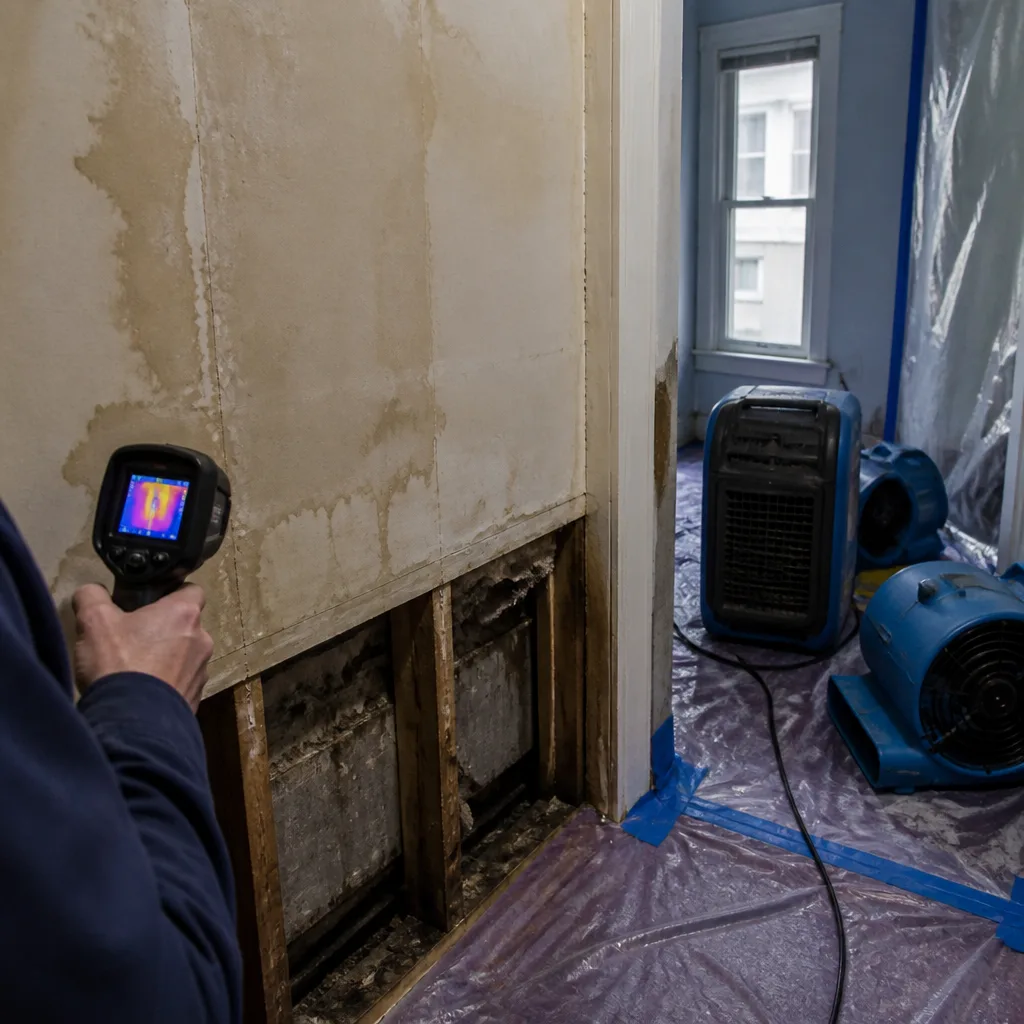
- Free visual inspection with moisture readings - Wade takes readings with thermal imaging and hygrometers on day one, and hands you the full moisture log at the end. Almost nobody else in this trade does that.
- Direct insurance billing and adjuster coordination - Wade talks to your adjuster directly, line item by line item, so you’re never stuck relaying information between two sides.
- One team from extraction to reconstruction - The same crew that pulls the water out rebuilds the wall. No handoffs to a sub you’ve never met. Wade’s name is on the work.
Our Commercial Restoration Process
Inspection & Assessment
We arrive, map the affected area with thermal imaging and moisture meters, and classify the water Category on the spot. In Financial District’s converted towers, we check for hidden pipe routing behind tenant walls and assess whether sub-basement mechanical rooms need Con Edison involvement before anyone touches a wall.
Extraction & Stabilization
Standing water comes out first. Dri-Eaz extraction units pull hundreds of gallons per hour from slab floors and sub-basement sumps. We stabilize compromised drywall, remove saturated carpet and pad, and stop the spread into adjoining tenant spaces.
Drying & Dehumidification
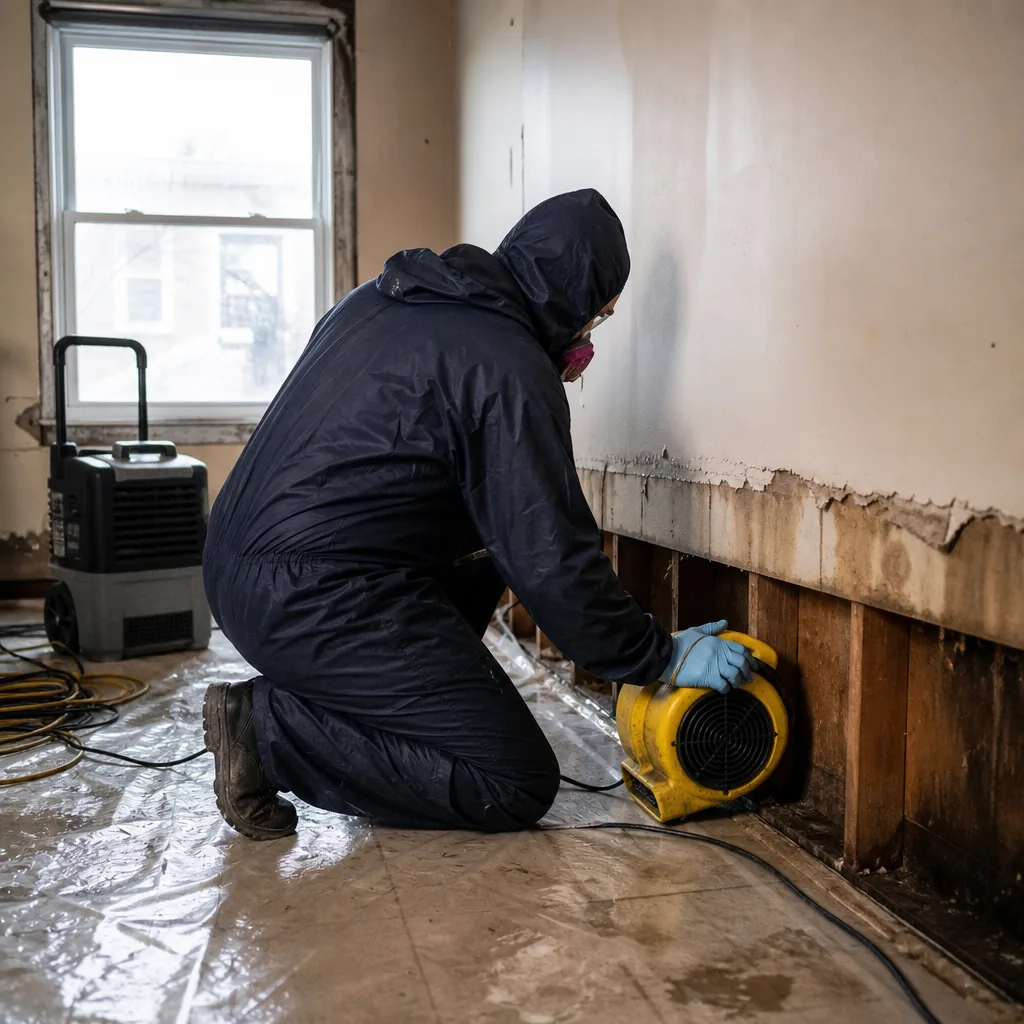
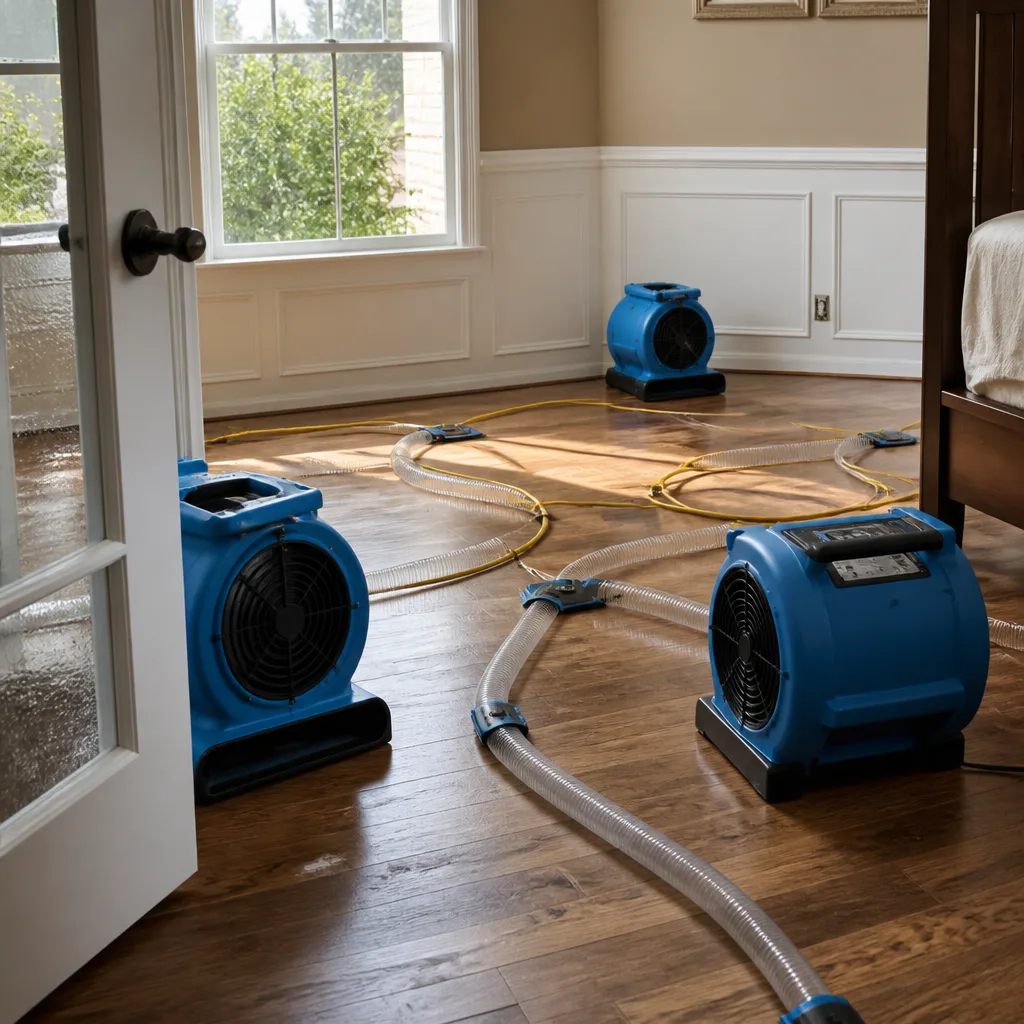
Phoenix and B-Air dehumidifiers paired with XPOWER air movers create the airflow and vapor pressure differential that actually dries framing, not just surfaces. We monitor daily and adjust placement. The building gets a full drying log, not a guess.
Cleaning & Sanitization
Antimicrobial treatments, HEPA air scrubbing, and surface cleaning remove the contaminants the water left behind. Saltwater jobs in Financial District get aggressive extended protocols that freshwater jobs simply don’t need. This is where corners get cut, and we don’t.
Specialty Treatment for Commercial Spaces
Document drying, inventory recovery, electronics cleaning, and corrosive soot removal from machinery and fire suppression systems. For FiDi’s converted towers and retail spaces, we handle what a standard restoration crew would bag and toss.
Repairs & Restoration
Drywall, paint, flooring, electrical fixture replacement, and structural repairs if needed. Wade and his team carry the job all the way to the final coat and the final walkthrough. One name accountable for the whole thing.
Need Emergency Commercial Restoration in Financial District Now?
Crews minutes away, answering live 24 hours a day. The sooner we start, the less it costs.
Working With Your Insurance Company
Insurance claims in Financial District commercial properties move differently than residential ones. Your carrier wants moisture logs, not descriptions. They want line-item scopes, not round numbers. They want someone who can articulate why a Category 3 saltwater job costs more than the same square footage of clean-water extraction in Midtown. We provide that documentation from the first hour, and the person your adjuster talks to is the same person who was standing in your sub-basement. Wade deals with the adjuster directly, so you’re not playing telephone between a carrier, a tenant, and a contractor. That’s the way it should work, and almost never does.
What We Provide Your Insurer
- Thorough documentation of the loss
- Photos of all damage, room by room
- Moisture readings and drying logs
- A detailed, line-item scope of work
- Direct coordination with your carrier
Built for Financial District’s Loss Calendar
Financial District commercial buildings face a loss calendar that looks nothing like the rest of Manhattan. January deep freezes burst supply risers in pre-war towers and crack the non-standard piping retrofitted into 1920s office conversions. Spring brings the salt-laden thaw, when water finds every seam in sub-basement walls and the metal on your garage door rollers and hinge fasteners shows the corrosion it accumulated over the winter. Summer thunderstorms dump inches of water in an hour, overwhelming the aging storm drains on narrow streets like Exchange Place and Alliance Way, backing sumps into retail basements. September nor’easters and any coastal system anywhere near the harbor push surge up the same channels that flooded this neighborhood during Sandy. The pincer effect of the Hudson River to the west and the East River to the south hasn’t changed. What has changed is how many converted towers now have critical electrical and mechanical infrastructure sitting at or below the waterline.
Commercial Restoration Across Financial District’s Neighborhoods
Financial District is not one building type or one loss profile. Stone Street’s low-rise retail and restaurant spaces catch grease fires and basement sewage backups, and the aged clay drain lines under the cobblestones fail more often than anyone wants to admit. The Water Street corridor’s commercial towers, particularly the 1960s office stock, route plumbing and fire-suppression lines through plumbing chases that were never designed for modern fixture loads, so a single valve failure cascades across multiple floors. Broadway’s converted pre-war towers like 70 Pine and 20 Exchange Place have mechanical rooms in sub-basements that sit below grade, making them the first place floodwater pools and the last place Con Edison clears for electrical work. Along Wall Street, the high-voltage vaults under the street mean a basement flood is never just a water job; it’s a standby during a utility coordination process that can take days. And at the southern tip near Battery Park, the spray and salt air from the harbor corrode metal components on loading docks and garage doors year-round, not just during storm season.
Specialized Commercial Restoration Services We Offer in Financial District
Office & Retail Restoration
When a tenant space floods at 8 a.m. on a Tuesday, your tenant is losing revenue by the hour. We extract, dry, and restore retail and office spaces in Financial District with minimal disruption to the businesses around them. If a sprinkler head lets go in a FiDi office above a restaurant, we respond fast and keep the work contained. No tenant wants to shut down for two weeks because the landlord’s contractor was slow. Our Commercial Restoration team works around your tenants’ schedules where possible, and flat out when it’s not.
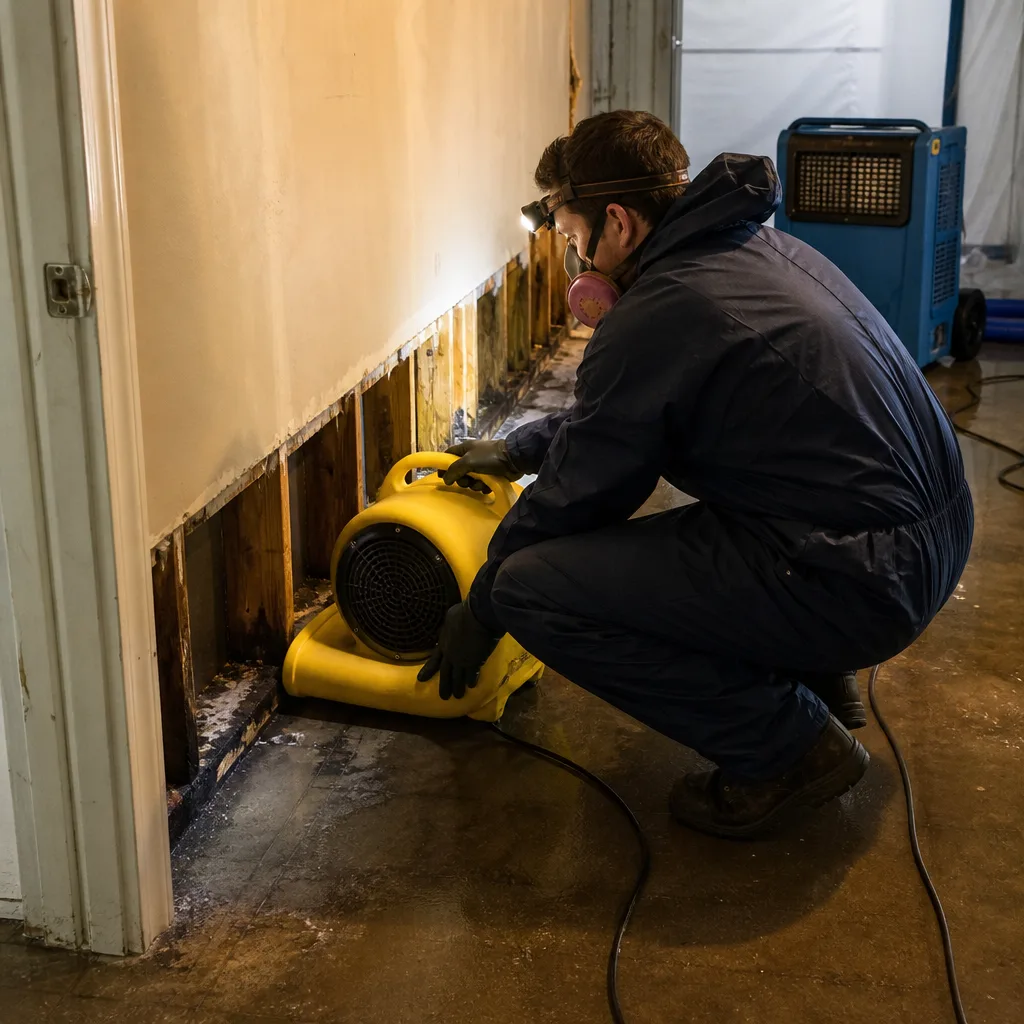
Multi-Unit & HOA Restoration
Converted towers in Financial District create a special problem: a leak on floor 18 becomes a claim on floors 17, 16, and 15 by morning. Multi-unit restoration here means understanding shared risers, common-area liability, and the HOA’s responsibility versus the unit owner’s. We document exactly where the water traveled so the association and the unit owner aren’t fighting over scope. Saltwater entries in FiDi’s sub-basements hit the building’s common infrastructure hardest, and we treat the mechanical room as the priority, not an afterthought.
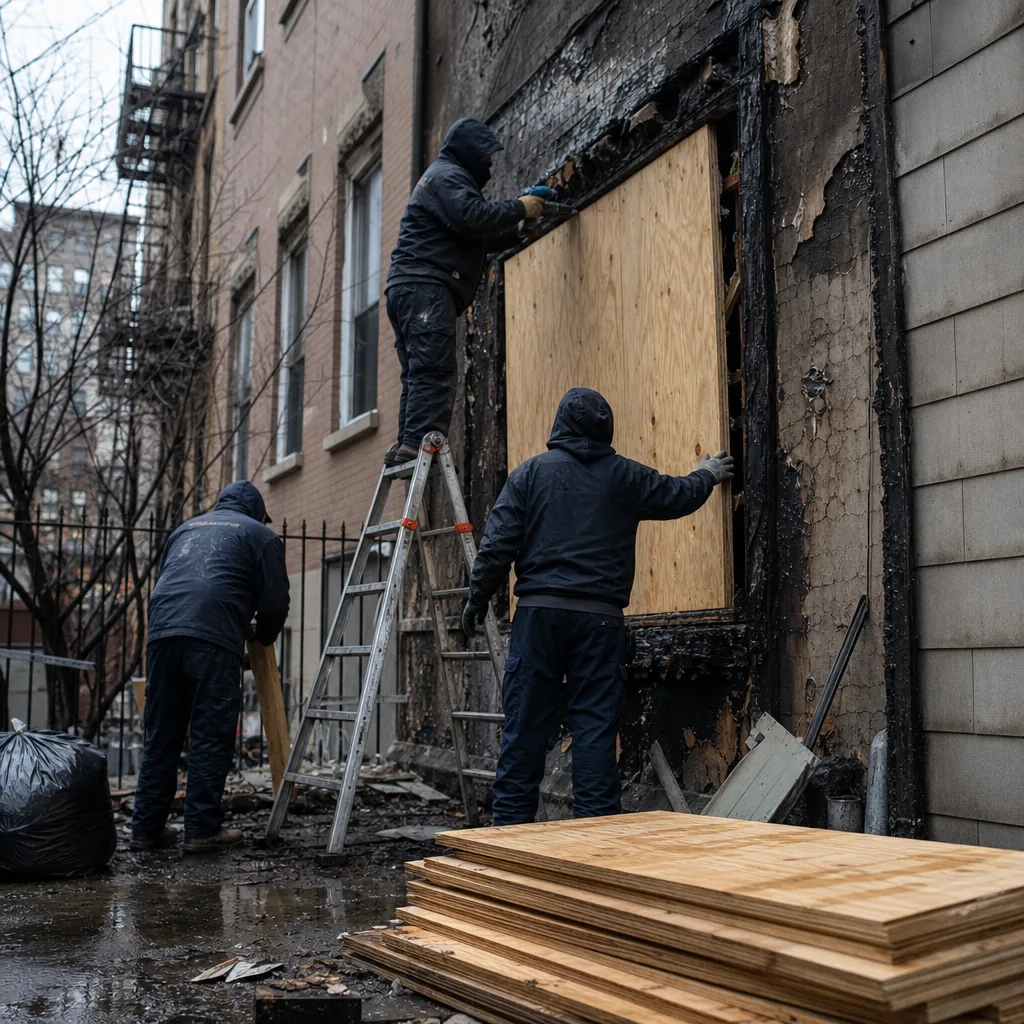
Industrial Facility Cleanup
FiDi’s maritime history left behind a handful of industrial and warehouse spaces that now sit alongside residential towers. Soot from equipment fires, chemical spills, and sewage backups in old loading docks require different containment and disposal protocols than a typical office claim. We handle those jobs with the same documentation discipline, and we know when a space needs more than cleaning; sometimes it needs rebuilding.
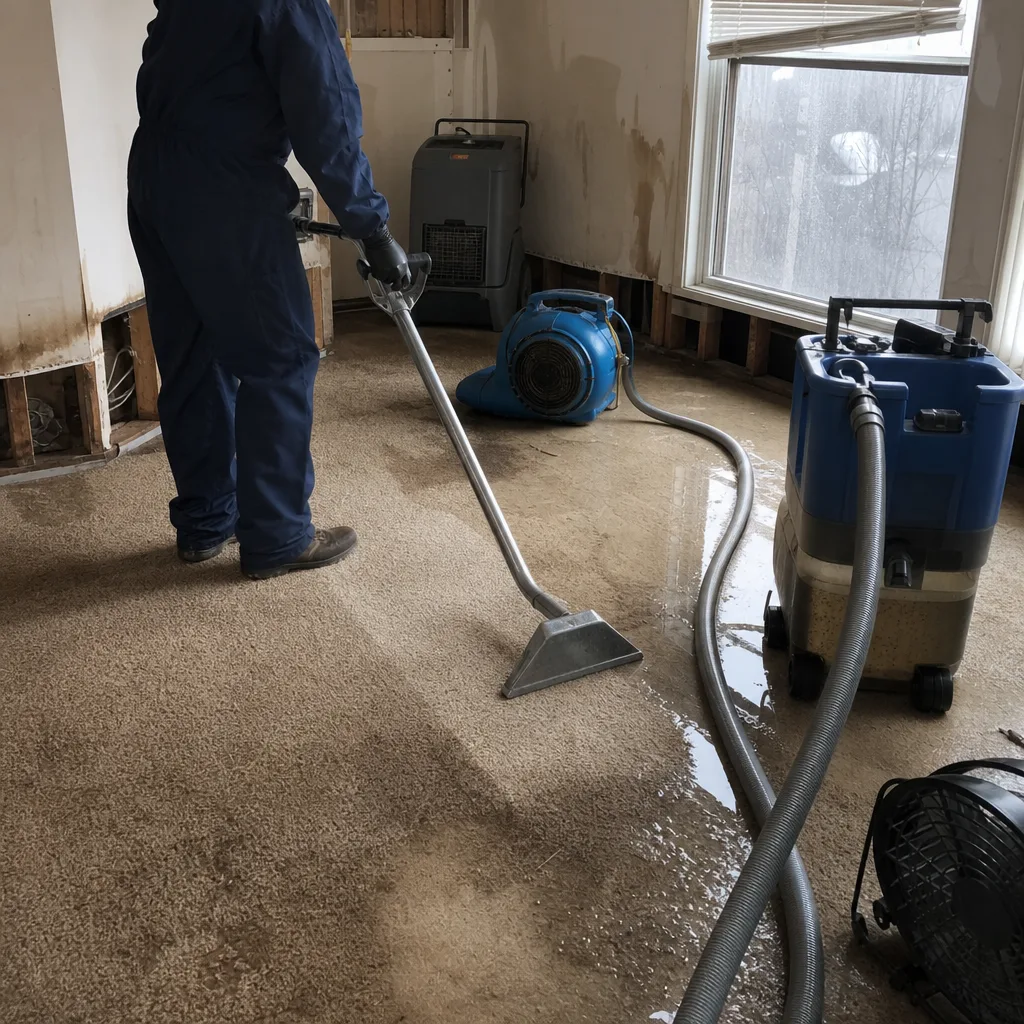
Large-Loss Response
When a full floor floods or a fire impacts multiple tenant units, you need more than a crew. You need a coordinator who can mobilize equipment fast, stage drying across thousands of square feet, and keep the building online where it’s safe. Our large-loss response in Financial District includes remote monitoring, daily moisture readings across multiple zones, and direct communication with your property manager, your broker, and your carrier. One point of contact. Wade Ferris himself.
Business Interruption Minimization
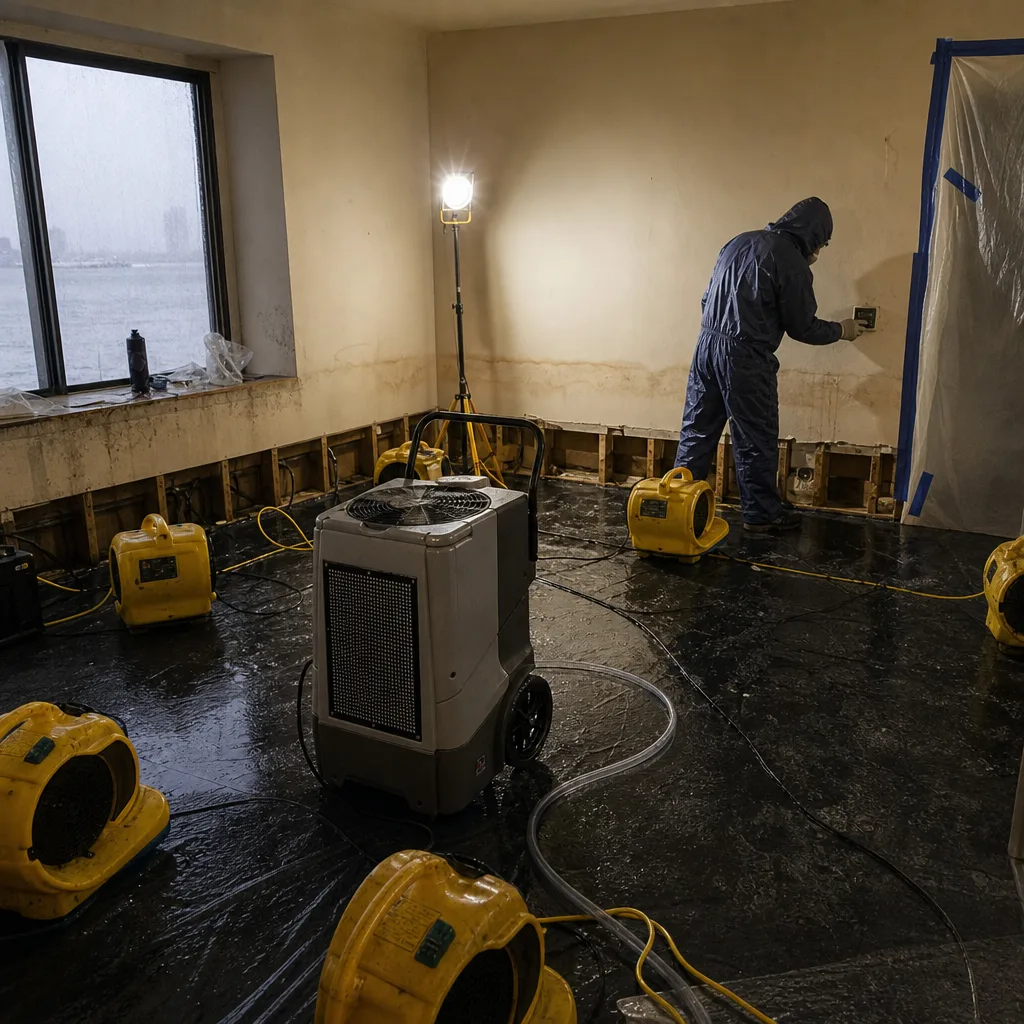
Every day a Financial District commercial space is down costs real money. We don’t spend three days on documentation before we start extracting. The first hour is assessment and water removal simultaneously, because every gallon we pull out in hour one is drywall we don’t replace in week two. For retail and restaurant tenants on Stone Street or along Broadway, we stage drying so partial occupancy is possible where safe. The goal is always less downtime, less demolition, less money out of pocket after the carrier pays.
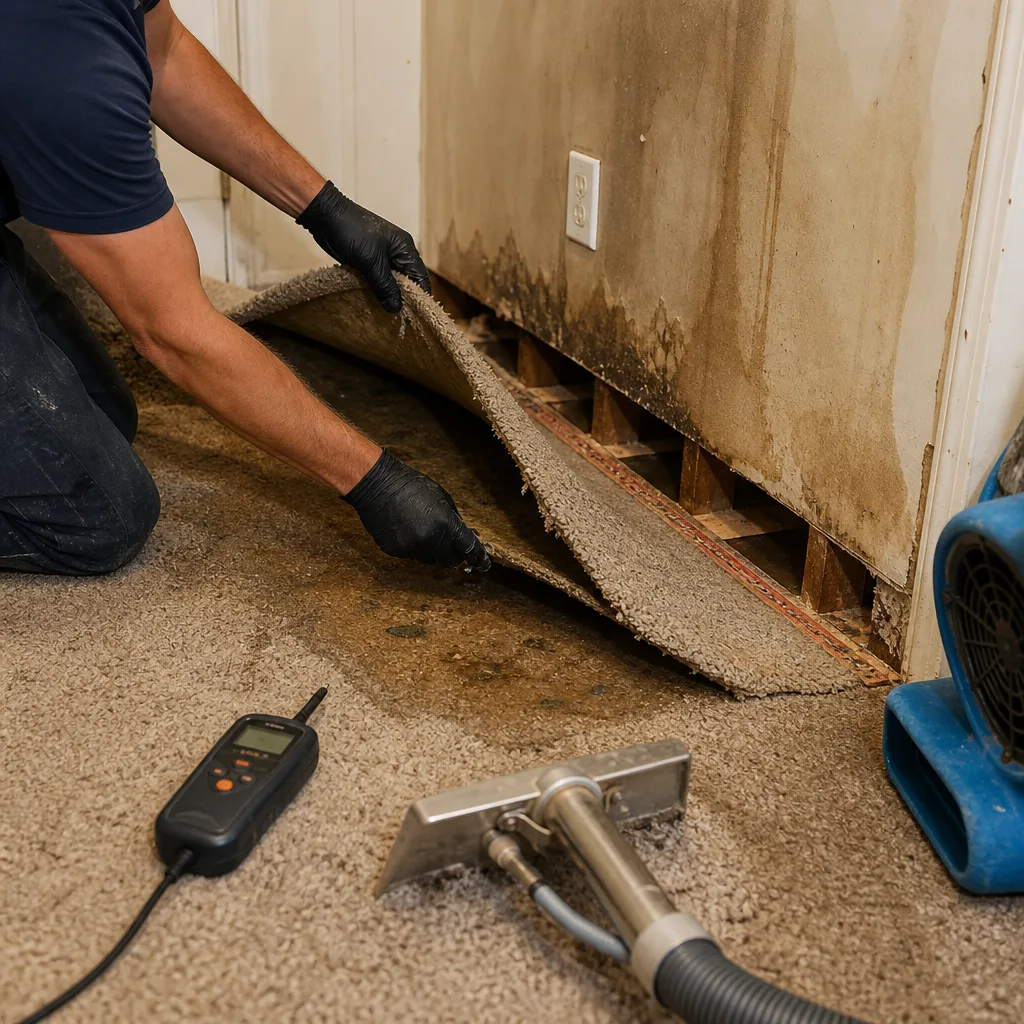
What happens when you call
- 1
A real person answersNo phone trees - you reach a local pro.
- 2
You get an upfront price rangeHonest numbers before anyone is dispatched.
- 3
A background-checked tech heads outLicensed & insured, dispatched right away.
- 4
You approve before work beginsNothing starts until you say go.
Commercial Restoration Costs in Financial District, NY
In Financial District, a small clean-water office flood runs $3,500 to $8,500 including extraction, drying, and baseboard-to-drywall repairs below the flood line. A mid-size tenant floor with Category 2 water from a dishwasher or HVAC overflow typically lands between $9,000 and $18,000 after moisture mapping, containment, drying, and rebuild. A Category 3 saltwater intrusion in a sub-basement mechanical room, with the required Con Edison clearance and antimicrobial protocols, ranges from $15,000 to $28,000 depending on how much electrical gear and structural steel got wet. Fire jobs and sprinkler discharges on multiple floors are their own animal, and the only honest answer is that we need to walk the space. The visual inspection and the written scope are free, so you’ll have firm numbers before you commit a dollar. Call (607) 350-1550 for a free estimate.
We Also Serve Cities Near Financial District
Our Financial District coverage is part of a larger service area across Lower Manhattan and the surrounding boroughs. We regularly run restoration jobs in Lower Manhattan, Astoria, Midtown Manhattan, and Long Island City. If your property is in the district or nearby, the call works the same way: live answer, fast crew, written scope.
Serving Financial District, NY - Our Local Coverage Area
We’re based in the Financial District area and know this community well. Use the map below to see our service coverage - if you’re nearby, we can almost certainly help.
Financial District Commercial Restoration Questions, Answered
What is the Con Edison vault clearance delay in Financial District, and how does it affect our commercial restoration timeline?
In Financial District, Con Edison maintains high-voltage underground electrical vaults beneath many blocks, and after a significant flood event, restoration crews legally cannot begin work in affected sub-basements until Con Edison clears and de-energizes those vaults. That clearance can take two to five days depending on the location and the extent of the flood. During that wait, water sits on structural steel and wicks into drywall, which expands the scope and the cost. We plan around it from the first phone call, coordinating directly with Con Edison’s field crews and staging our equipment so that the moment clearance comes through, extraction starts within the hour. Contractors who haven’t worked a FiDi flood job don’t know this delay exists until it eats a week of their timeline.
Why is saltwater damage in Financial District worse than the same Category 3 water in Midtown?
Saltwater attacks metal. Freshwater contamination in Midtown can usually be dried and cleaned with standard Category 3 protocols, but Financial District floodwater carries Hudson and East River salt, plus whatever it picked up from sewage and harbor sediment. Salt corrodes switchgear enclosures, conduit, structural steel, and the connectors that hold mechanical systems together. It also degrades drywall differently, leaving a persistent residue that wants to hold moisture and feed mold set. That’s why FiDi saltwater jobs require aggressive extended antimicrobial treatments and corrosion inhibitors that a contractor working a Midtown sewage backup has probably never used. The protocols aren’t optional extra precautions here; they’re the difference between a space that stays dry and a space that reeks of failure a year later.
How fast can mold start after a burst pipe in a FiDi commercial high-rise, and what is the first thing you do?
In Financial District’s humid, salt-adjacent air, mold can begin colonizing wet drywall within 24 to 48 hours. In a high-rise with stack effect pulling air up through the building, spores spread faster than in a single-story structure. The first thing we do is extract standing water and begin setting up containment and air movers, full stop. The second is moisture mapping with thermal imaging to find where the water traveled that you can’t see. In converted towers, water from a burst pipe on one floor commonly follows a conduit chase or plumbing stack down three floors, so a wall that looks dry on floor 12 is soaking the back side of a tenant wall on floor 10. We find that before it’s a four-figure mold claim instead of a three-figure drying job.
What is the difference between Category 1, 2, and 3 water in a Financial District commercial building?
Category 1 is clean water: a burst supply riser, a failed ice maker line, water from a broken fixture that hasn’t touched anything else. Category 2 is contaminated water: dishwasher overflow, washing machine discharge, aquarium leaks, water that has some chemical or biological load but not sewage. Category 3 is grossly contaminated: saltwater surge from the rivers, sewage backup, floodwater from outside that picked up street contaminants. In Financial District, Category 3 is the one that matters most because the neighborhood sits in FEMA Flood Zone AE, and the floodwater that comes into sub-basements here is not the same water that floods a Midtown basement. Salt, sewage, fuel residue from the harbor, and whatever Con Edison vault water dumps into the mix. That’s Category 3 plus.
Why do commercial garage doors in Financial District fail so much sooner than inland locations?
Garage doors in Financial District sit within a few blocks of open harbor water, and the salt air attacks the metal hardware constantly, even on dry days. Springs, hinges, rollers, tracks, fasteners, and opener chains all corrode years faster than the same components in, say, Midtown. A standard torsion spring that lasts 10,000 cycles inland might snap at 6,000 here. Hinges seize, rollers jam, and then you have a door that won’t close on a sub-basement still wet from last week’s rain. We specify galvanized or coated springs, stainless steel hardware, and nylon rollers on every Financial District commercial door we touch, and we check for corrosion every time we’re on site. An inspection catches the failure before it drops a 200-pound door on a loading dock or traps a delivery driver.
How fast can you actually get to a Financial District commercial property?
We can have a crew starting extraction inside the hour for urgent calls in Financial District. Wade’s team coordinates from our New York City office, and we know the building stock, the loading docks, the freight elevators, and the quirks of the converted towers. If you call at 2 a.m., you get a live person, and a crew gets moving. If the call is during business hours and the job is on Water Street, we’re there faster than most property managers can find their own building keys.
Will my commercial property insurance cover saltwater restoration in Financial District?
Most commercial policies in Financial District cover sudden and accidental water damage, but saltwater flood losses in FEMA Flood Zone AE often fall under a separate flood policy if the building is in a designated flood zone, which many FiDi towers are. The distinction matters: a burst pipe on the 20th floor is usually a covered water loss; saltwater intrusion from a coastal surge is a flood claim and may have a different deductible and different coverage limits. We document the loss from hour one with photos, moisture readings, and a line-item scope, and we talk to your adjuster directly. The goal is a clean, defensible claim, not a drawn-out denial. Call us and we’ll walk through what you’re likely looking at before anything gets filed.
What should I do in the first 30 minutes after water damage in my Financial District building?
Call (607) 350-1550 first, before you move anything. Then, if it’s safe, shut off the water source. Do not enter a flooded sub-basement if the water is near electrical panels or if you know Con Edison vaults are below grade; wait for clearance. Do not use a wet-dry vac on saltwater or sewage, it just moves the problem around. Document with photos from your phone. Then wait for us. The first 30 minutes decide how much of your building we can save. Get us there fast, and the scope stays small.
Written by Wade Ferris, Owner at Wade’s Restoration, serving Financial District since 2007.