
Free visual inspection and a written scope of work before any mitigation begins - photos, moisture readings, and drying logs go in your claim file
The scope we write is the scope we bill. Anything new gets shown to you, in writing, before we touch it.
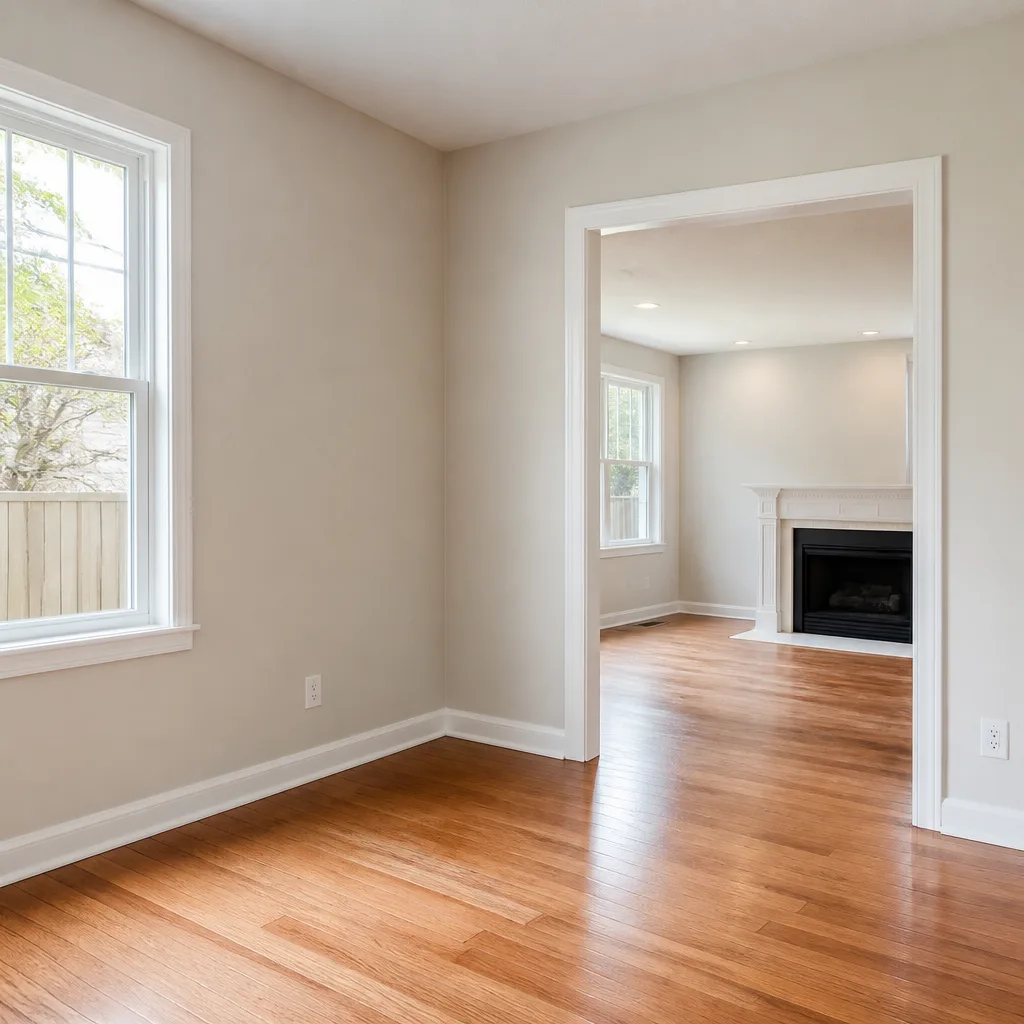
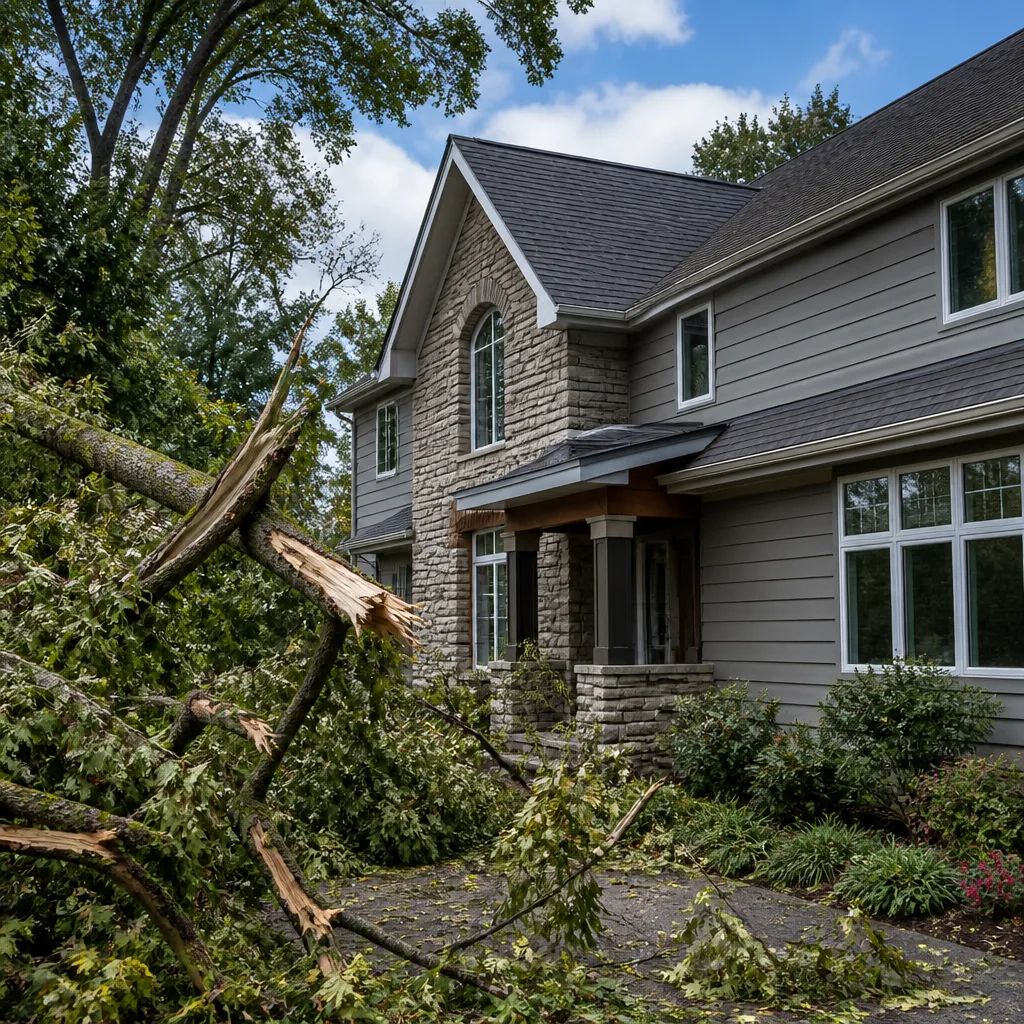
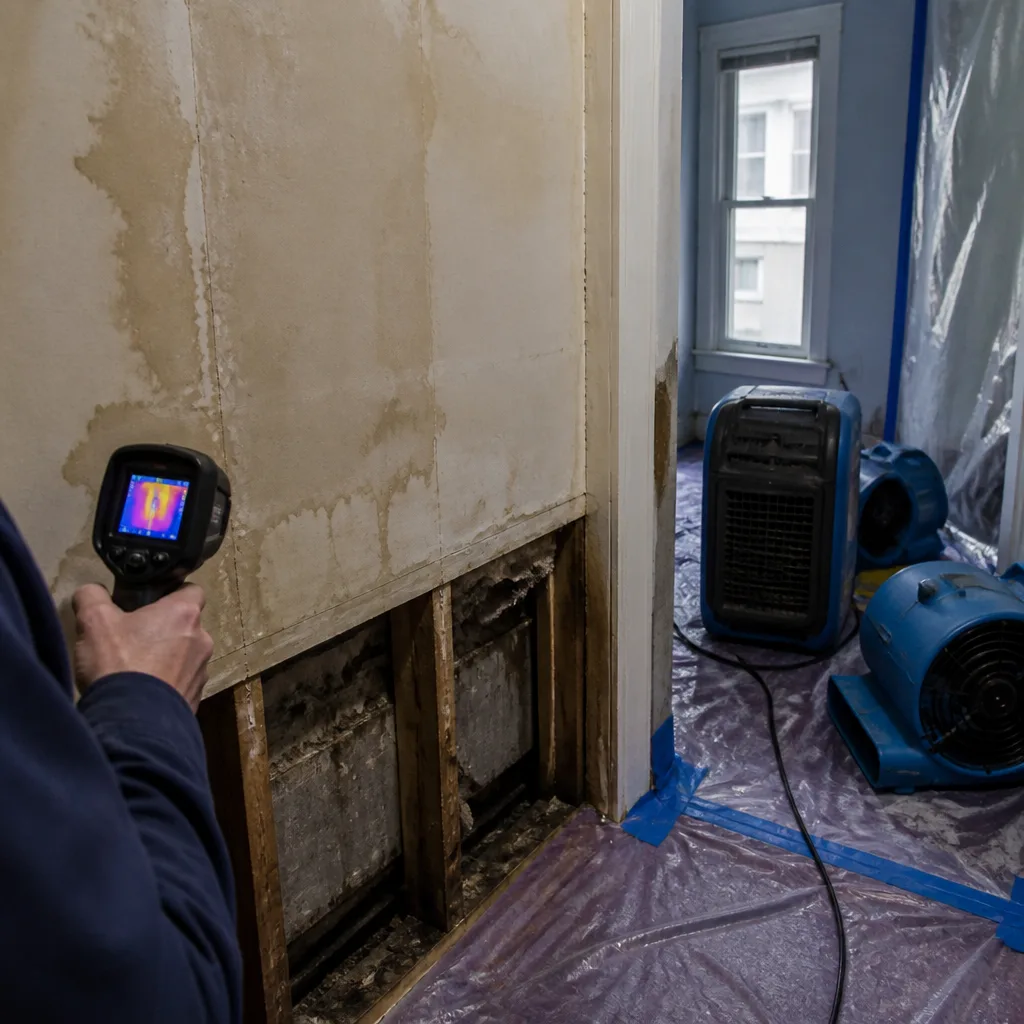 Before
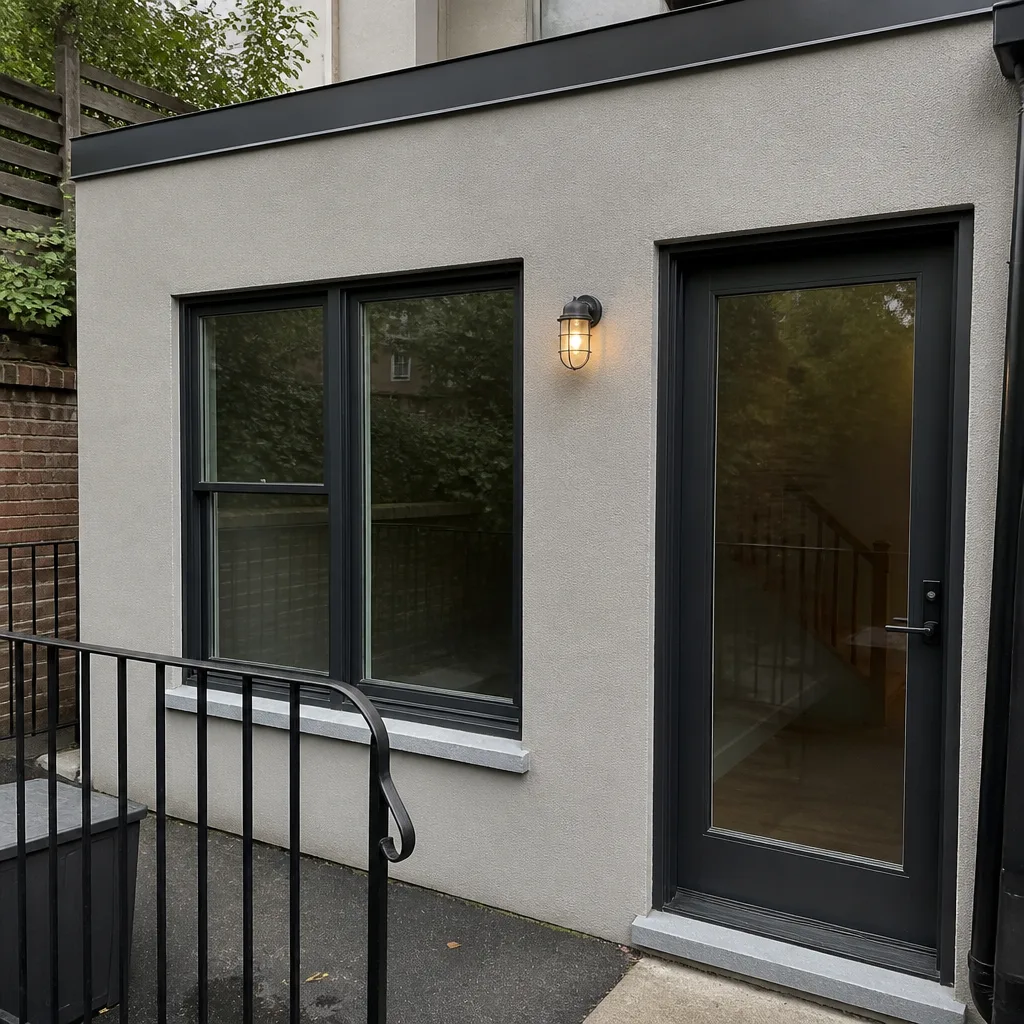 After
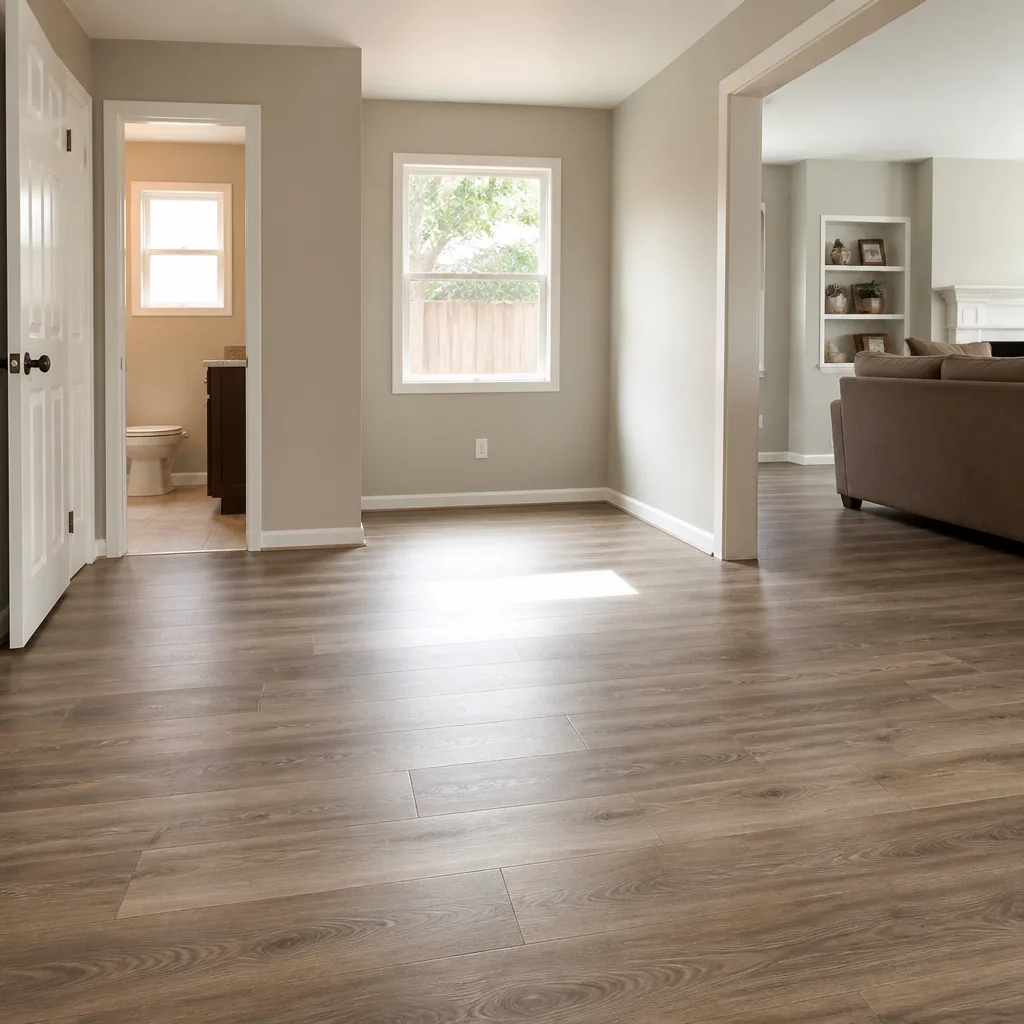
After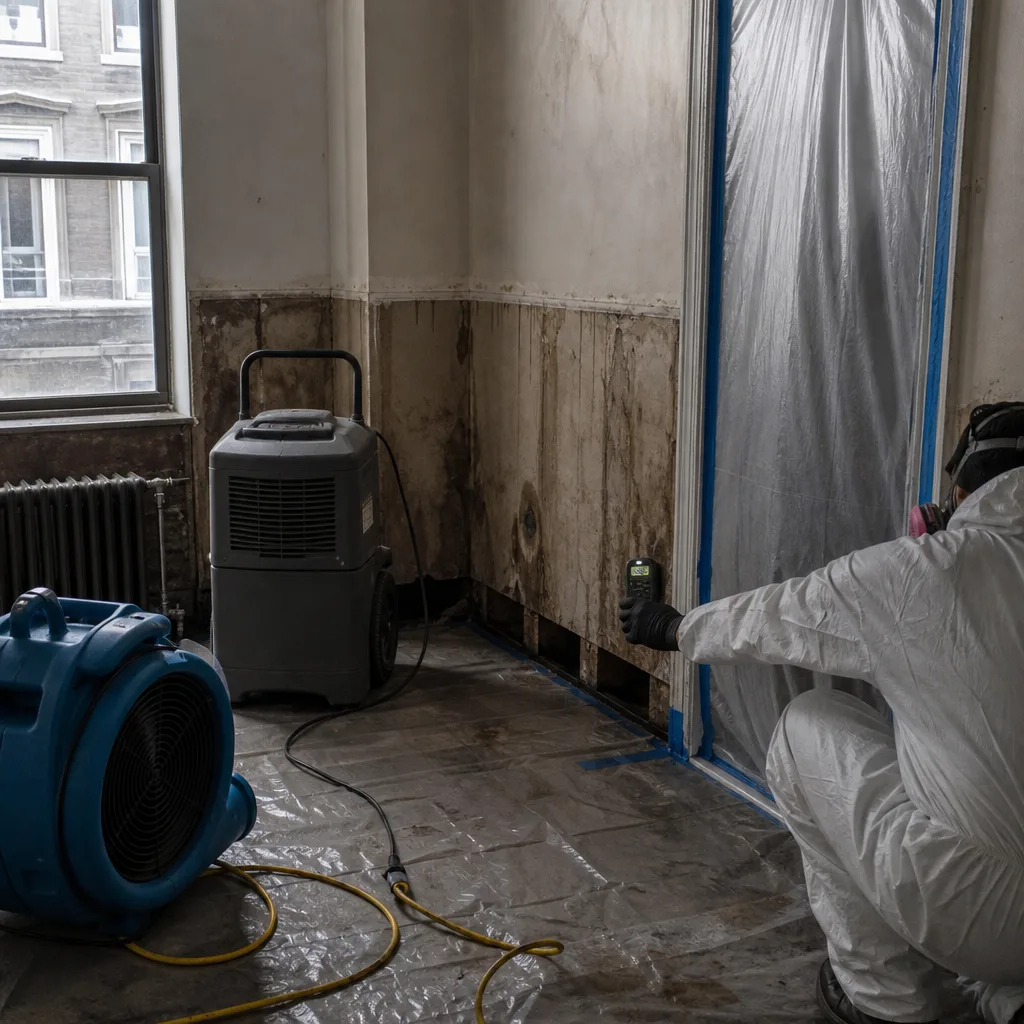 Before
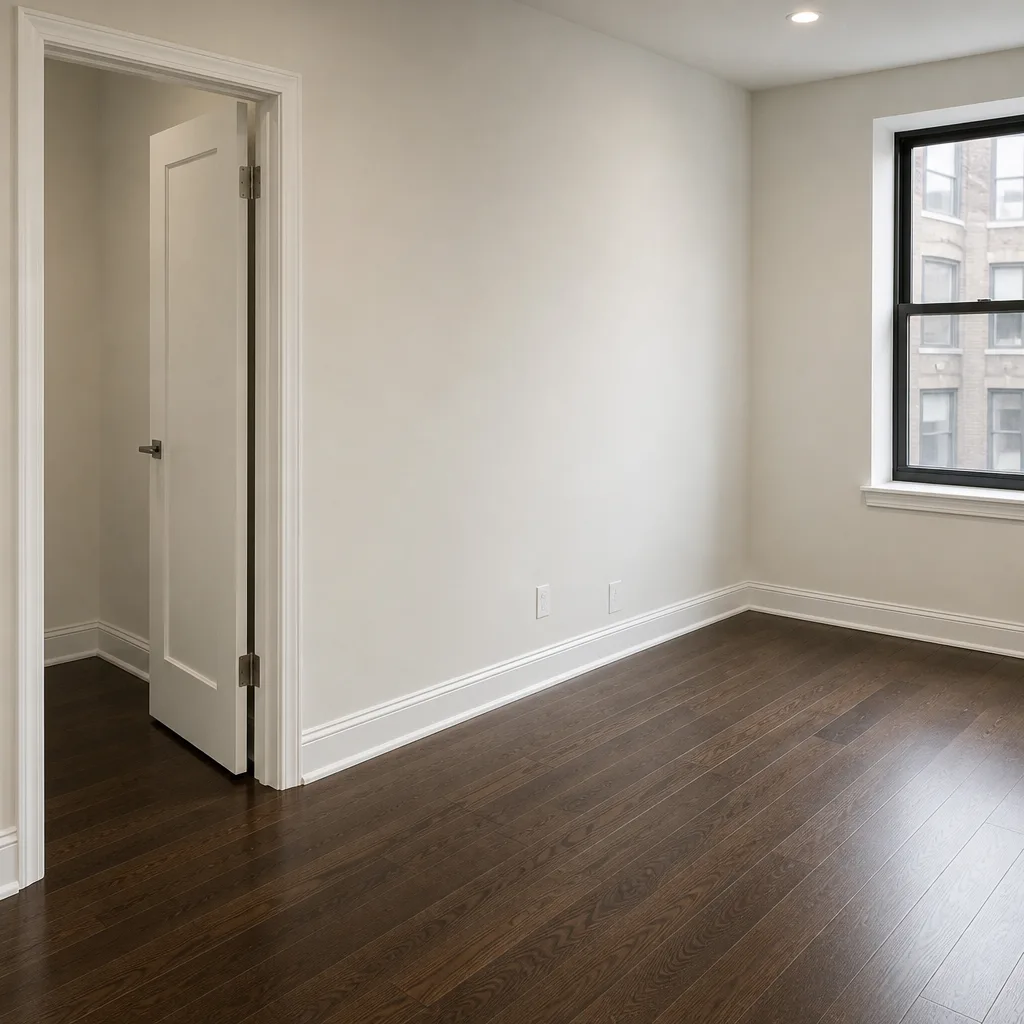 After
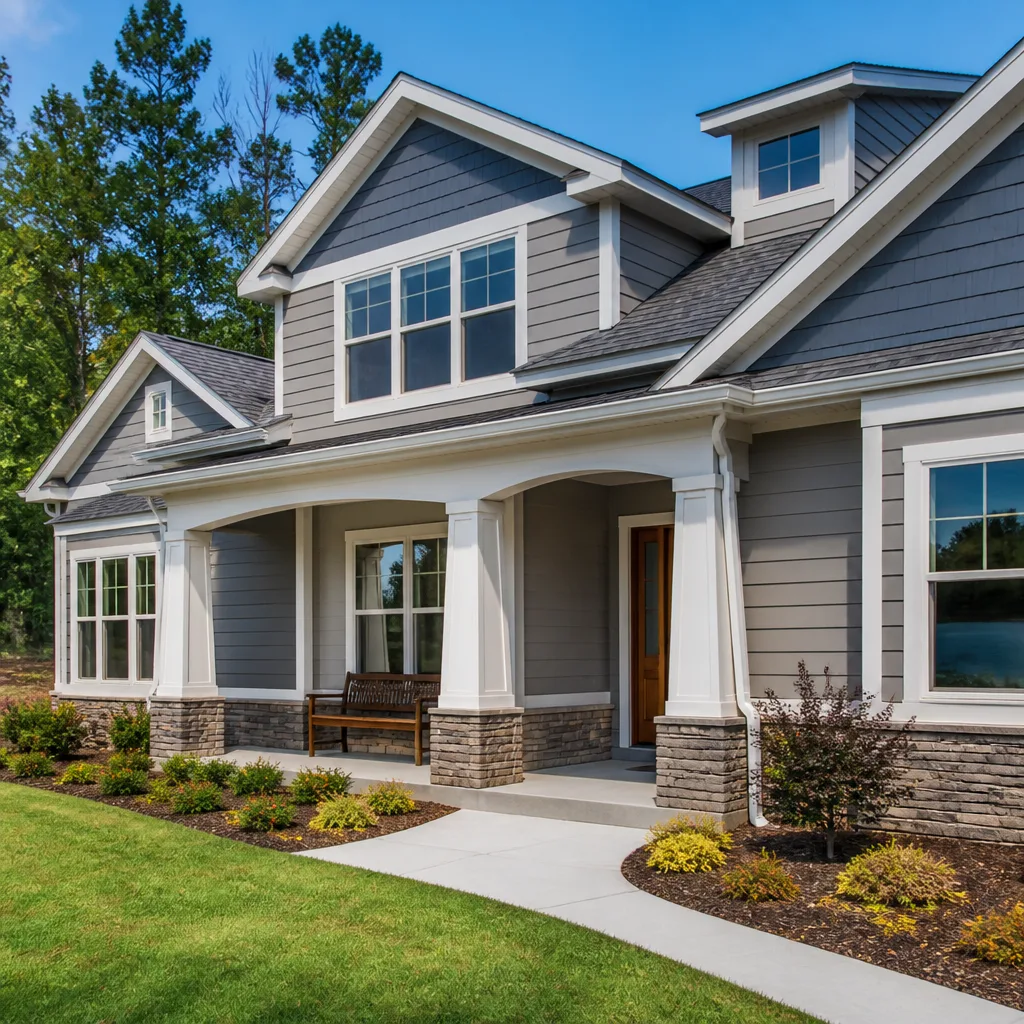
After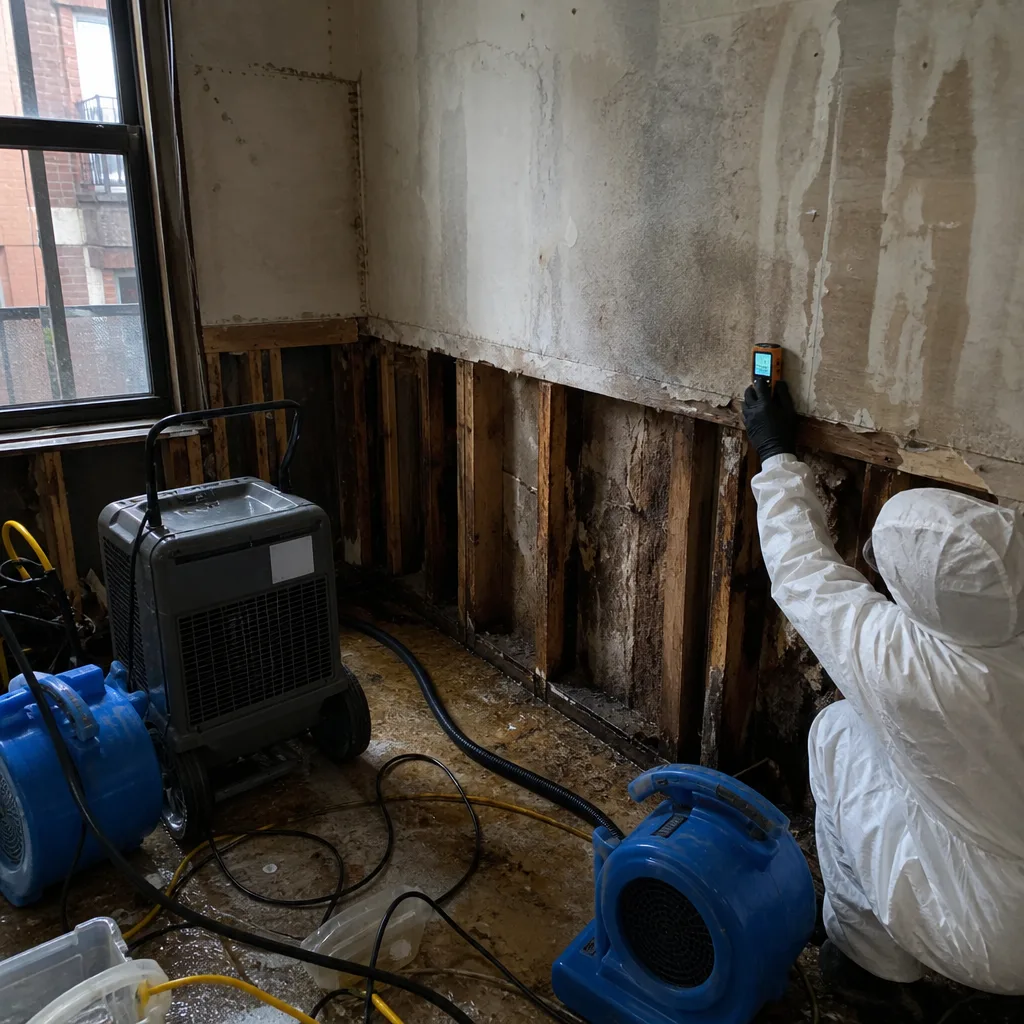 Before
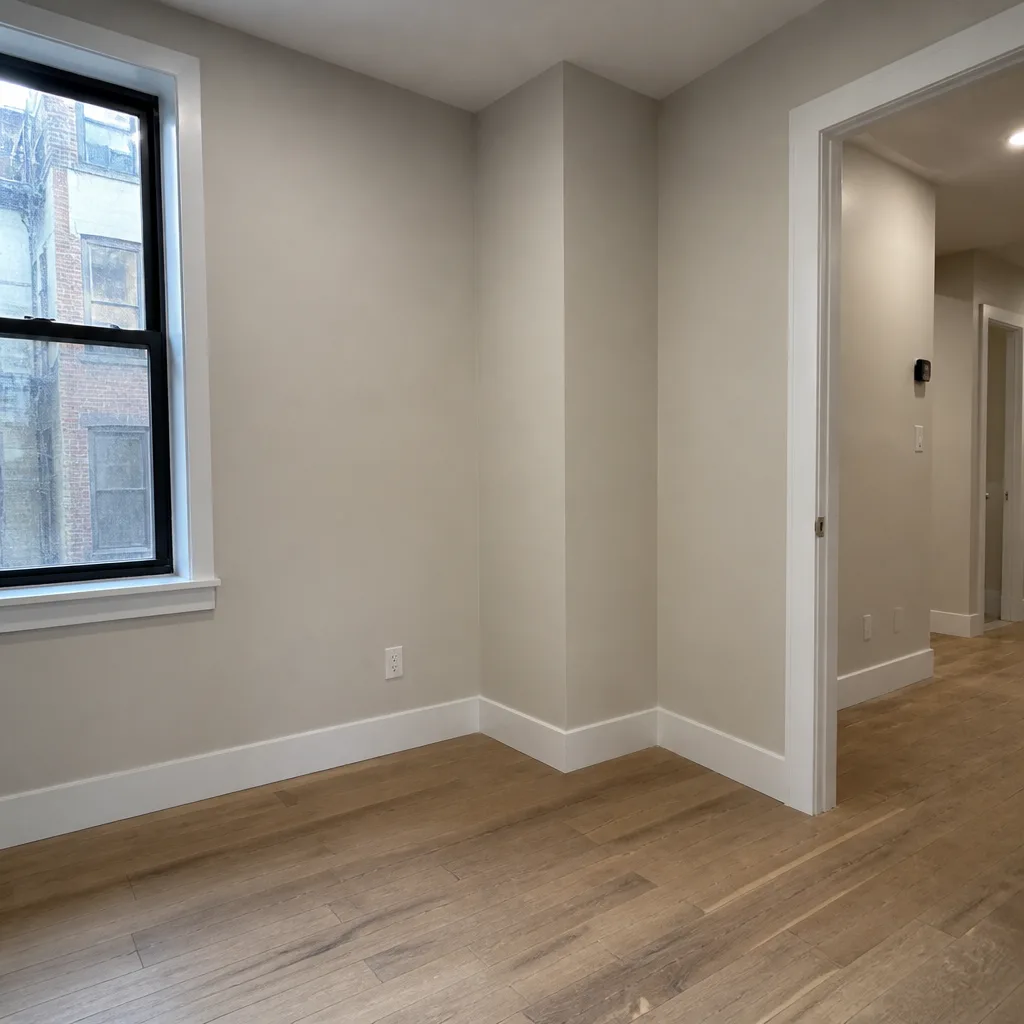 After
After24/7 Emergency Water Damage Restoration in Midtown West
A burst supply line in a pre-war tenement or a flooded mechanical room off Broadway doesn’t wait for business hours, and neither do we. Wade’s Restoration answers live around the clock. When water is moving through a Midtown West building, every hour it sits means more drywall to cut, more flooring to pull, and more money on the table. Call (607) 350-1550 and Wade himself picks up. He’ll have a crew in your building inside the hour if you’re in Midtown West, with extraction equipment running the moment they arrive. The first hour determines whether you’re drying structure or rebuilding it. We don’t charge for the visual inspection, and we’ll tell you straight what you’re dealing with before any work is authorized. No phone tree, no answering service, no runaround. A real person, usually the owner, on the line immediately.
Understanding Water Damage Restoration Severity in Midtown West Properties
The severity of a water loss in Midtown West depends on the water source, the building’s age, and how fast the response begins. We classify water by IICRC standards: Category 1 is clean water from a supply line or faucet. Category 2 carries contaminants from washing machines, dishwashers, or sump failures. Category 3 is grossly contaminated, typically sewage backup or Hudson River storm surge. In Midtown West, we see all three. The housing stock amplifies the problem. Those 5 to 7 story pre-war brick tenements in Hell’s Kitchen were built between 1890 and 1940 with cast iron and galvanized steel supply lines. When one fails, it’s rarely isolated. Water follows the pipe chases and stack lines down through multiple floors. We use moisture mapping and thermal imaging to track exactly how far water has migrated into wall cavities and subflooring. A Category 1 loss left untreated for 48 hours becomes a mold problem. A Category 3 loss in a basement mechanical room needs containment and full disinfection before structural drying even begins. Midtown West’s density means adjacent units and commercial tenants below become part of the restoration equation immediately.
Why Midtown West Property Owners Choose Wade’s Restoration
- Wade answers his own phone. Not a call center. Not a dispatcher. The owner. At 2 a.m. if that’s when your pipe lets go.
- 45-minute response commitment for Midtown West. We’re already in the neighborhood, not coming in from another borough. Extraction starts fast.
- IICRC-certified crews with WRT and ASD credentials. Water damage restoration isn’t a side gig for us. It’s the only thing we’ve done since 2007.
- Free visual inspection, no charge for that. We look, we measure, we give you honest numbers before anything gets signed.
- Direct insurance billing and adjuster communication. Wade talks to your carrier so you don’t have to play messenger between two sides.
- One team from extraction to reconstruction. The same crew that pulls the water dries the structure and rebuilds it. No hand-offs, no finger-pointing.
Our Water Damage Restoration Process
Inspection & Assessment
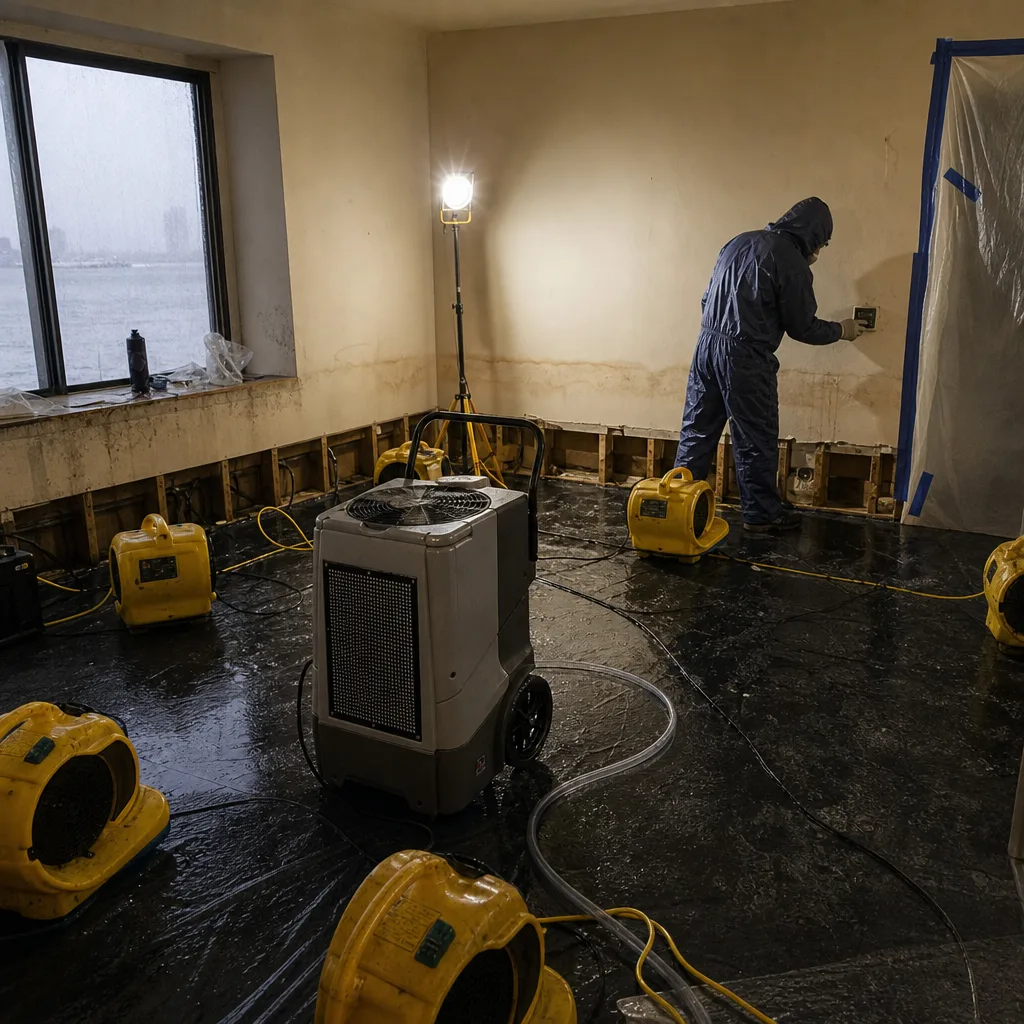
We arrive, walk the full loss site, and map moisture throughout the affected spaces using thermal imaging cameras and penetrating moisture meters. In Midtown West pre-war buildings, that means checking pipe chases, stack walls, and the floors below the source. You get a written scope with specific readings before any demolition starts.
Extraction & Stabilization
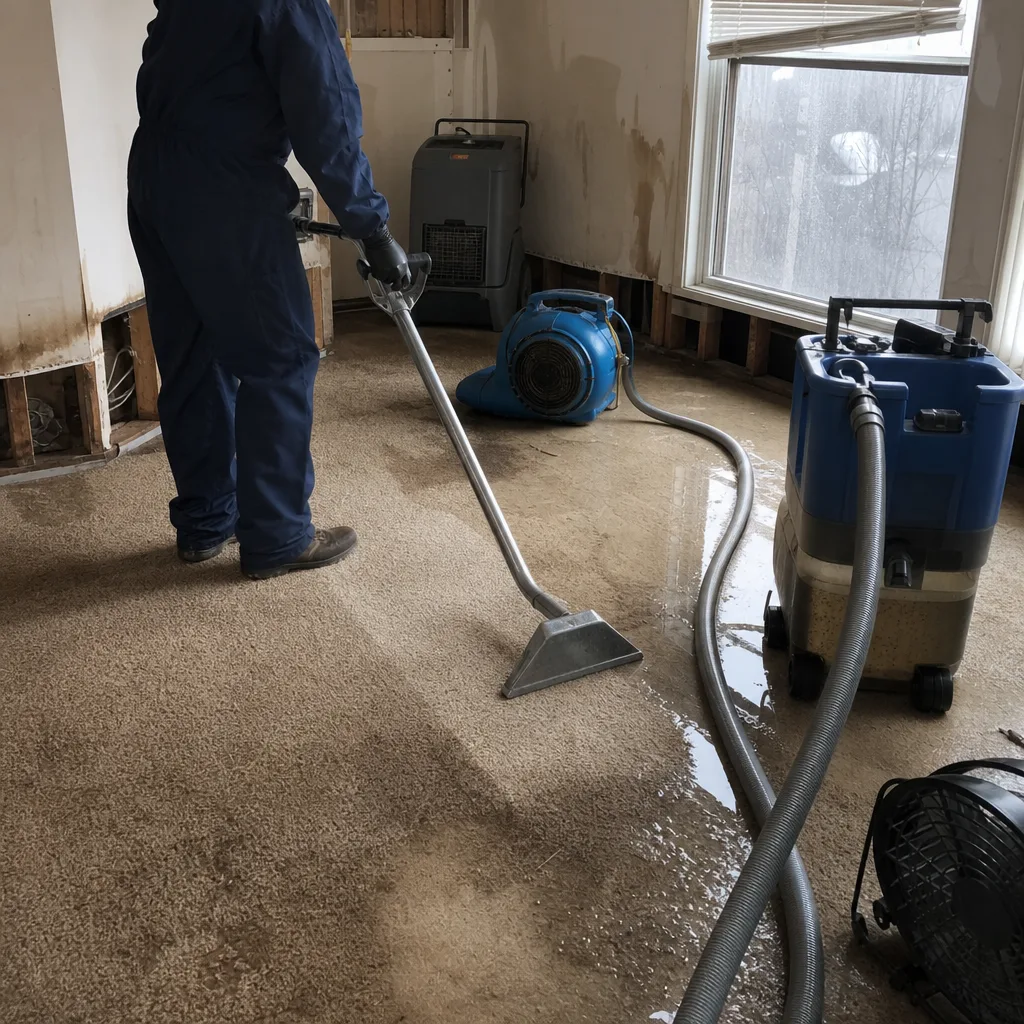
Standing water comes out fast with truck-mounted and portable extraction units. In theaters between 42nd and 54th Streets, we use quiet, low-profile extraction methods that don’t disrupt rehearsals or performances. We stabilize the structure by removing saturated materials that cannot be saved, always documenting every cut for your adjuster.
Drying & Dehumidification
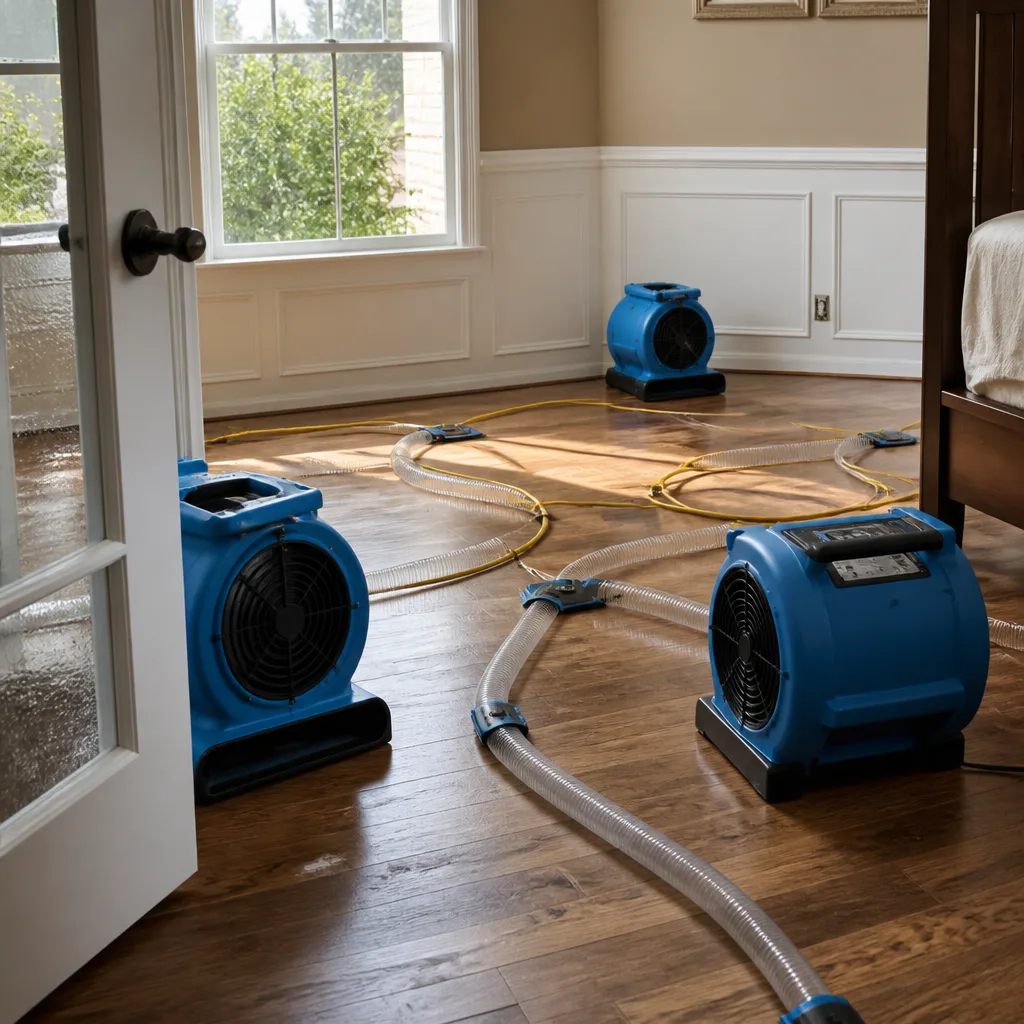
This is where many crews fail in Midtown West. We deploy Dri-Eaz and Phoenix desiccant rigs sized to the cubic footage, not guesswork. Hygrometers and moisture probes track daily progress. Wade hands you the full drying log at the end of the job, every reading, every day. Almost nobody else in the trade does that.
Cleaning & Sanitization
Category 2 and 3 water requires true sanitation, not just surface wiping. We apply EPA-registered antimicrobials, run HEPA air scrubbers to capture airborne contaminants, and clean salvageable contents. In a Hell’s Kitchen walk-up, that often includes original wood floors that can be saved if treated quickly.
Specialty Drying Applications
Midtown West imposes constraints you won’t find in most neighborhoods. Hardwood floors get Injectidry mat systems. Theaters get silent desiccant drying that respects production schedules. Hudson Yards high-rises get containment that protects neighboring luxury units. The right tool for the structure, not whatever is already on the truck.
Repairs & Restoration
Once moisture readings confirm the structure is dry, we rebuild. Drywall, flooring, paint, trim. The same crew that extracted the water handles the repairs. By the time we’re done, you shouldn’t be able to tell anything happened. Your property in Midtown West is back to pre-loss condition, backed by our 90-Day Done Right Promise in writing.
Need Emergency Water Damage Restoration in Midtown West Now?
Crews minutes away, answering live 24 hours a day. The sooner we start, the less it costs.
Working With Your Insurance Company
Water damage claims in Midtown West move faster when the documentation is airtight from the first hour. We photograph every affected room before touching anything, log moisture readings daily, and produce a line-item scope of work using industry-standard pricing software your adjuster recognizes. Wade talks directly to your carrier. He’s been doing this since 2007, and he knows what adjusters need to approve a claim quickly. You shouldn’t be the one relaying information between two sides at a time like this. If you have a written estimate from another company, bring it to us. We’ll give you a free second opinion, no charge for that. And if we find the damage is less than someone else claimed, we’ll tell you. Our name is on the truck, and our reputation only works if we’re straight with you.
What We Provide Your Insurer
- Thorough documentation of the loss
- Photos of all damage, room by room
- Moisture readings and drying logs
- A detailed, line-item scope of work
- Direct coordination with your carrier
Built for Midtown West’s Loss Calendar
Water damage in Midtown West follows the seasons, and we’ve learned the rhythm. January and February bring deep freezes that burst supply lines in those century-old Hell’s Kitchen tenements, especially along 9th and 10th Avenues where original galvanized steel has been in service since the Roosevelt administration. Spring thaw pushes groundwater into sub-grade mechanical rooms and basements that sit close to the old Hudson River shoreline, many of them in buildings that saw flooding during Sandy and never fully dried. Summer thunderstorms hit the Midtown street canyon hard. Rain concentrates along building faces and pours into light wells and areaways, finding every crack in waterproofing that’s been failing since before most of us were born. Nor’easters in the fall drive wind-driven rain into window frames on upper floors. Year-round, the construction boom near Hudson Yards means vibrations from pile driving and excavation that shake loose already fragile pipe joints in older buildings. When we say we know Midtown West’s damage patterns, we mean we’ve extracted water from nearly every type of building in this neighborhood.
Water Damage Restoration Across Midtown West’s Neighborhoods
Response time in Midtown West depends on where you are. Traffic through Times Square at 5 p.m. is a problem, but our crews know the alternate routes through Hell’s Kitchen side streets that shave off the wait. In the Theater District, between 42nd and 54th Streets, we stage equipment in building loading docks and use freight elevators after show hours. A production at the Gershwin or the Majestic doesn’t stop because a riser failed backstage. Our crews move quietly, set containment, and dry around the schedule. Up in Hudson Yards, the high-rise towers have freight elevator reservations and building management protocols. We book those before we arrive. Along the western edge near the Javits Center, below-grade spaces and parking structures have their own access constraints. In the residential blocks of Hell’s Kitchen, from 34th up to 59th, the pre-war walk-ups mean tight stairwells and no service elevators. Equipment goes up the stairs or through fire escapes. None of this surprises us anymore. Midtown West isn’t a generic service zone to us. It’s where we work every day.
Specialized Water Damage Restoration Services We Offer in Midtown West
Emergency Water Extraction
Standing water in a Midtown West basement or mechanical room needs to come out now. We run truck-mounted extraction units that pull thousands of gallons an hour, plus portable units for upper floors where hoses can’t reach. In theaters and hotels, we use quieter low-profile equipment that doesn’t halt operations. The first hour matters most. We’re usually on site within 45 minutes inside Midtown West.
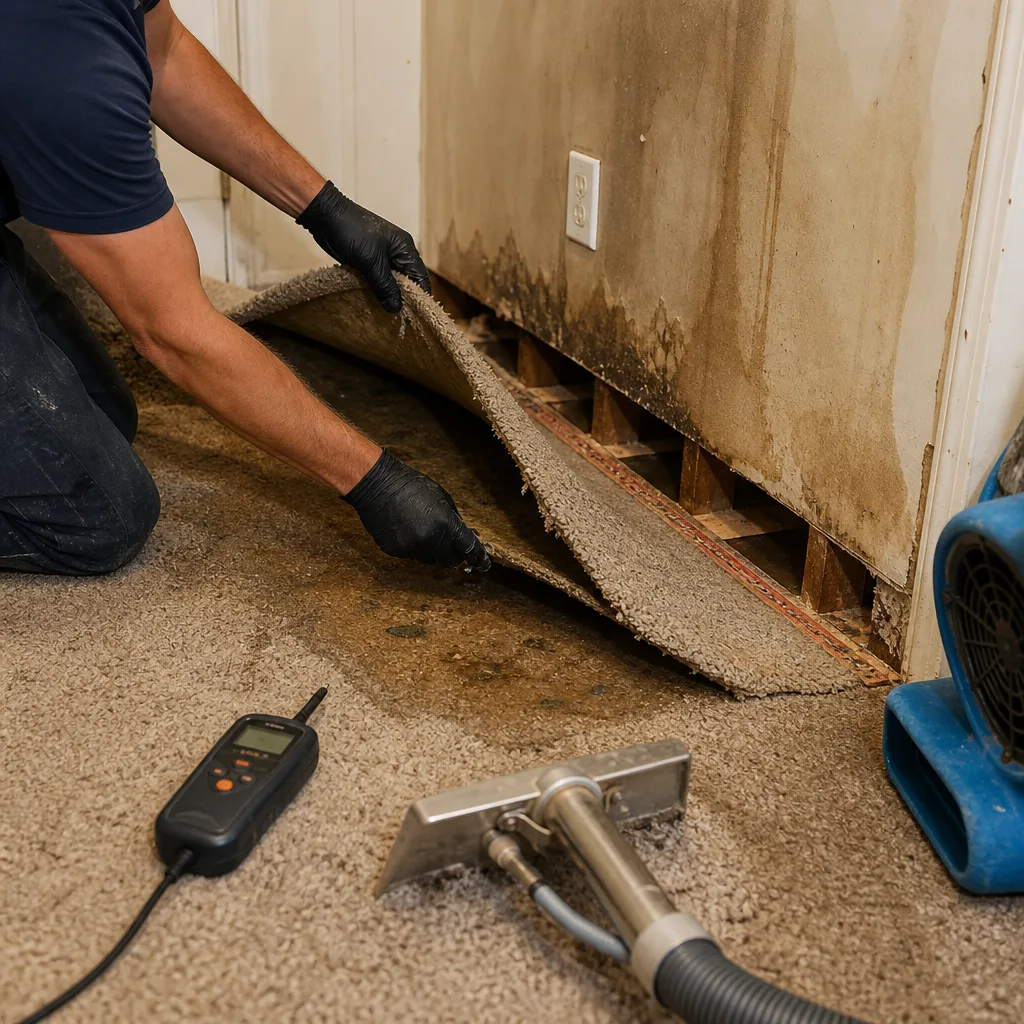
Structural Drying & Dehumidification
Drying a pre-war brick tenement is not the same as drying a new Hudson Yards tower. Plaster walls hold moisture differently than drywall. Original hardwood floors warp if dried too fast with uncontrolled air movement. We size our Phoenix and Dri-Eaz desiccant rigs to the actual cubic footage of the space, place air movers to create the right airflow pattern, and monitor daily with hygrometers. You get the drying log when we’re done. Every reading, every day.
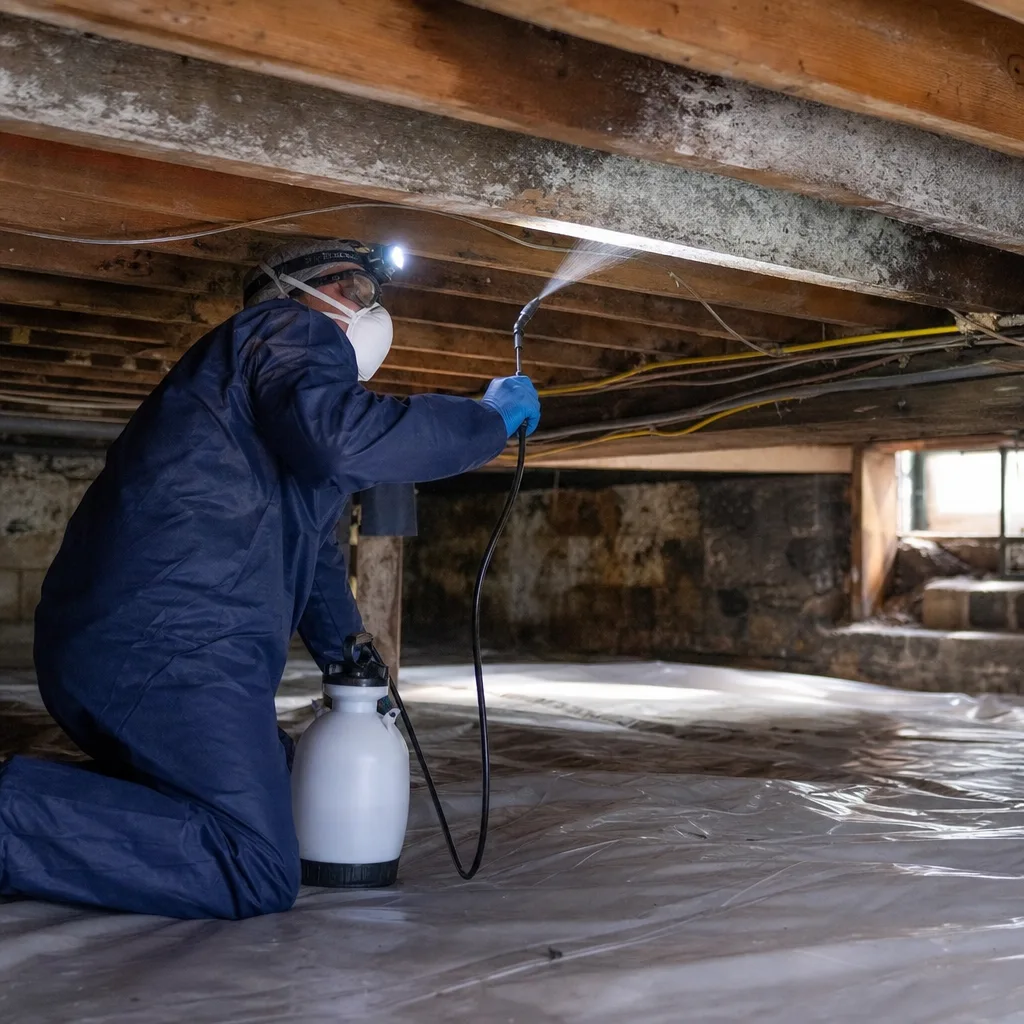
Burst Pipe Restoration
In Hell’s Kitchen’s 5 to 7 story walk-ups, a burst galvanized supply line rarely affects just one apartment. Water migrates down through pipe chases and stack walls, soaking multiple floors and the units below. We map the full migration path before cutting. That’s the difference between a repair that lasts and a hidden mold problem that shows up in six weeks. Asbestos testing on materials in pre-1940 buildings gets scheduled before any demolition begins, so permits don’t stall.
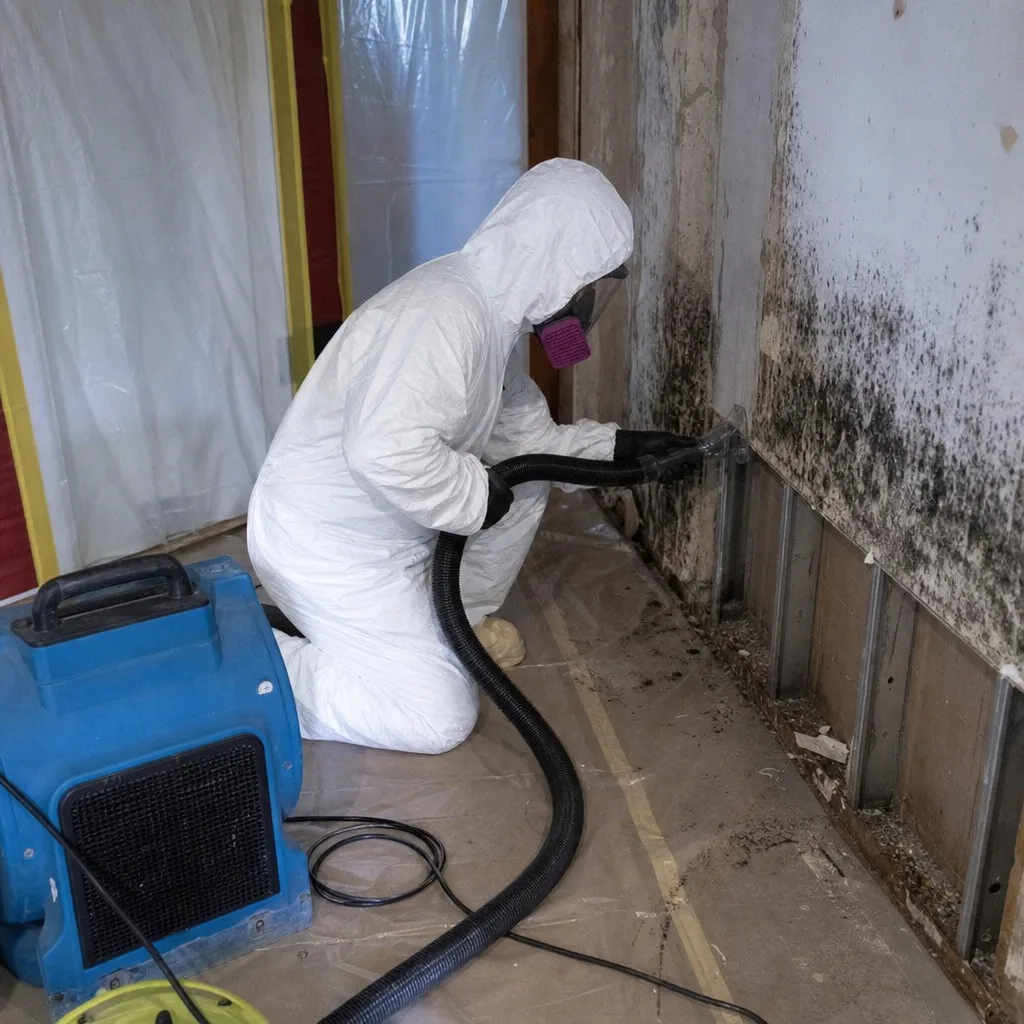
Basement Water Removal
Midtown West basements sit at or below the old shoreline, and many flooded during Sandy. When a nor’easter pushes surge into sub-grade mechanical rooms or a light well drain backs up, the water is usually Category 3. We extract, contain, sanitize, and dry. More importantly, we document everything for your insurance carrier. A basement flood doesn’t have to turn into a month-long claim fight if the documentation is done right from hour one.
Flood Cleanup
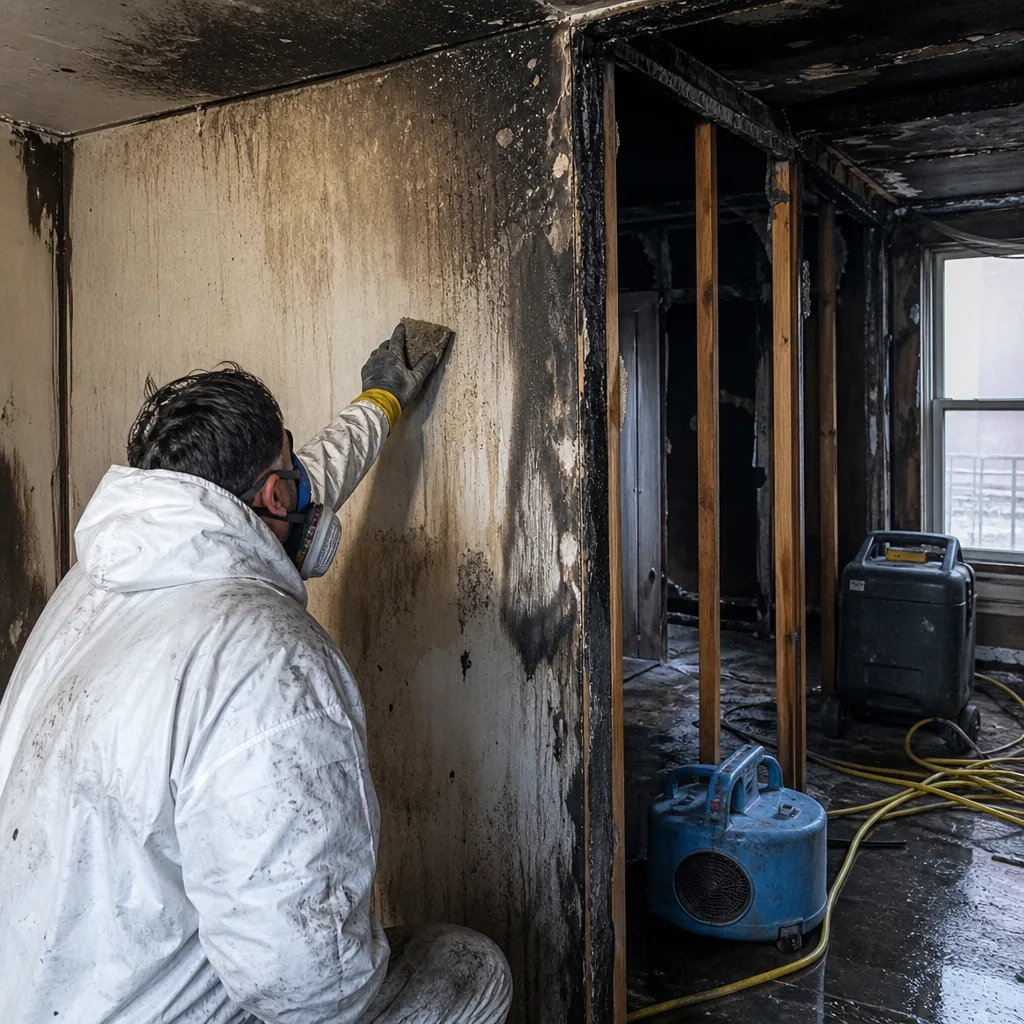
Floodwater in Midtown West carries whatever was on the street: oil, garbage, sewage, construction runoff. It’s never clean. We remove contaminated materials to the proper waste streams, sanitize salvageable structure, and dry the space to pre-loss moisture levels. The goal is a space that’s actually safe to occupy again, not just one that looks dry.
What happens when you call
- 1
A real person answersNo phone trees - you reach a local pro.
- 2
You get an upfront price rangeHonest numbers before anyone is dispatched.
- 3
A background-checked tech heads outLicensed & insured, dispatched right away.
- 4
You approve before work beginsNothing starts until you say go.
Water Damage Restoration Costs in Midtown West, NY
Honest pricing matters, and we’d rather give you real numbers than vague promises. In Midtown West, a typical Category 1 water loss from a burst pipe in a residential unit runs $2,800 to $5,500 for extraction, drying, and minor repairs. Move up to a multi-floor migration in a pre-war tenement and you’re looking at $8,000 to $18,000. Commercial losses in the Theater District or Hudson Yards vary widely depending on access constraints, after-hours work requirements, and the value of the finished surfaces involved. Sewage backups or Category 3 floods add containment and full sanitization, typically pushing totals $4,000 to $9,000 higher. What moves the price most: how far the water traveled, how long it sat, and whether asbestos testing or theater production constraints are in play. Most Midtown West claims are covered by insurance, subject to your deductible. We bill direct to your carrier where your policy allows. The free visual inspection means you get a firm written number before you commit. Call (607) 350-1550 and Wade will walk you through it.
We Also Serve Cities Near Midtown West
Wade’s Restoration crews work throughout Manhattan and the surrounding area. If you’re in Midtown West, Lower Manhattan, the Financial District, Astoria, or Midtown Manhattan, the same live-answer phone line and the same 45-minute response commitment apply. Water doesn’t respect neighborhood borders, and neither do we.
Serving Midtown West, NY - Our Local Coverage Area
We’re based in the Midtown West area and know this community well. Use the map below to see our service coverage - if you’re nearby, we can almost certainly help.
Midtown West Water Damage Restoration Questions, Answered
How do you dry out a Broadway theater without canceling the show?
We use silent desiccant drying systems instead of high-velocity air movers, which would violate the production manager’s noise limits and risk show cancellation. Our crews work around rehearsal and performance schedules, using hand-demo methods around sets, costumes, and rigging. Desiccant units pull moisture from the air without the roar of conventional fans. In active production spaces between 42nd and 54th Streets, we plan drying around the show’s hours, not ours. That’s the only way Water Damage Restoration in Midtown West works for theater clients. Call (607) 350-1550 to discuss your production schedule before the water spreads.
Do pre-war Midtown West buildings need asbestos testing before water damage work?
Yes, almost always. Buildings constructed before 1940 in Hell’s Kitchen and across Midtown West commonly used asbestos in plaster, pipe insulation, and flooring. Any demolition of affected materials legally requires testing. We schedule certified asbestos testing before cutting, which keeps permits on track and protects everyone on site. Skipping this step is the most common mistake less experienced crews make in Midtown West, and it causes permit delays and liability no one needs.
Why do Midtown West water losses often affect multiple floors at once?
In those 5 to 7 story pre-war walk-ups, original cast iron and galvanized steel supply lines run vertically through pipe chases and stack walls, serving stacked bathrooms floor after floor. When one section fails, water follows the pipe chase down through multiple apartments. That’s why we moisture-map the full chase, not just the room where water is visible. Hidden moisture in a stack wall turns into mold within 48 hours if it isn’t addressed as part of the same job.
How quickly can you respond to a burst pipe in a Hudson Yards high-rise?
We aim to have a crew on site inside 45 minutes anywhere in Midtown West, including Hudson Yards. High-rise access adds a step: we coordinate freight elevator reservations and building management protocols while the crew is en route, so extraction starts the moment we’re cleared to enter. Wade answers the phone live at (607) 350-1550, even at 2 a.m., and he can have extraction running while other companies are still trying to find a dispatcher.
What water category do I have if a Midtown West light well floods my basement?
Almost certainly Category 3. Light wells and areaways collect street runoff, which carries oil, garbage, sewage overflow, and whatever else is on the Midtown West pavement. That water is grossly contaminated and requires containment, full sanitization, and EPA-registered antimicrobial treatment. Do not attempt to clean it yourself. We can have a crew in your building fast, with the right protective equipment and sanitization protocols from the first hour.
How much does water damage restoration cost in Midtown West compared to other Manhattan neighborhoods?
Midtown West runs slightly above the Manhattan average for residential water losses, mostly due to access constraints in walk-ups, freight elevator scheduling in towers, and the asbestos testing requirements in pre-war buildings. A typical residential Category 1 loss runs $2,800 to $5,500. Category 3 floods or multi-floor migrations push higher. The free visual inspection gives you an exact written number for your specific situation.
Will my insurance cover water damage restoration in Midtown West?
Most standard homeowner and commercial policies cover sudden and accidental water damage, like a burst pipe or a failed supply line, minus your deductible. Gradual leaks are often excluded. Flooding from storm surge or rising groundwater typically requires separate flood insurance. We document everything from the first hour, bill direct to your carrier where allowed, and Wade will talk directly to your adjuster so you don’t have to play middleman.
Can I stay in my Midtown West apartment during the drying process?
Often, yes, for single-room Category 1 losses where containment isolates the affected area. For multi-floor migrations, Category 2 or 3 water, or where desiccant rigs are running in sleeping areas, we usually recommend temporary relocation. Being honest about this matters: force-drying a space while people live in it can compromise the drying and extend the job. We’ll tell you straight what your situation allows.
Written by Wade Ferris, Owner at Wade’s Restoration. Locally owned and owner-operated, serving Midtown West with water, fire, and mold restoration since 2007. 90-Day Done Right Promise on every job, in writing, no fine print.