
Free visual inspection and a written scope of work before any mitigation begins - photos, moisture readings, and drying logs go in your claim file
The scope we write is the scope we bill. Anything new gets shown to you, in writing, before we touch it.
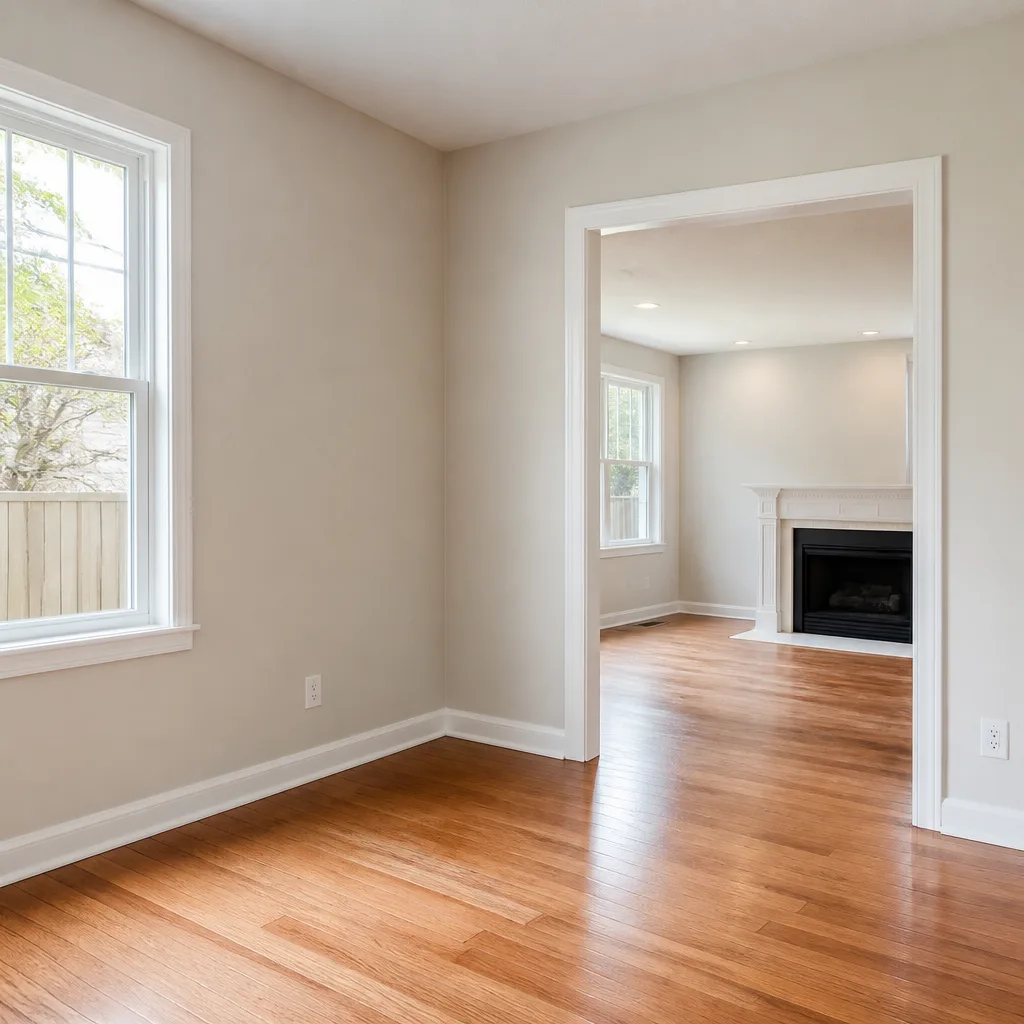
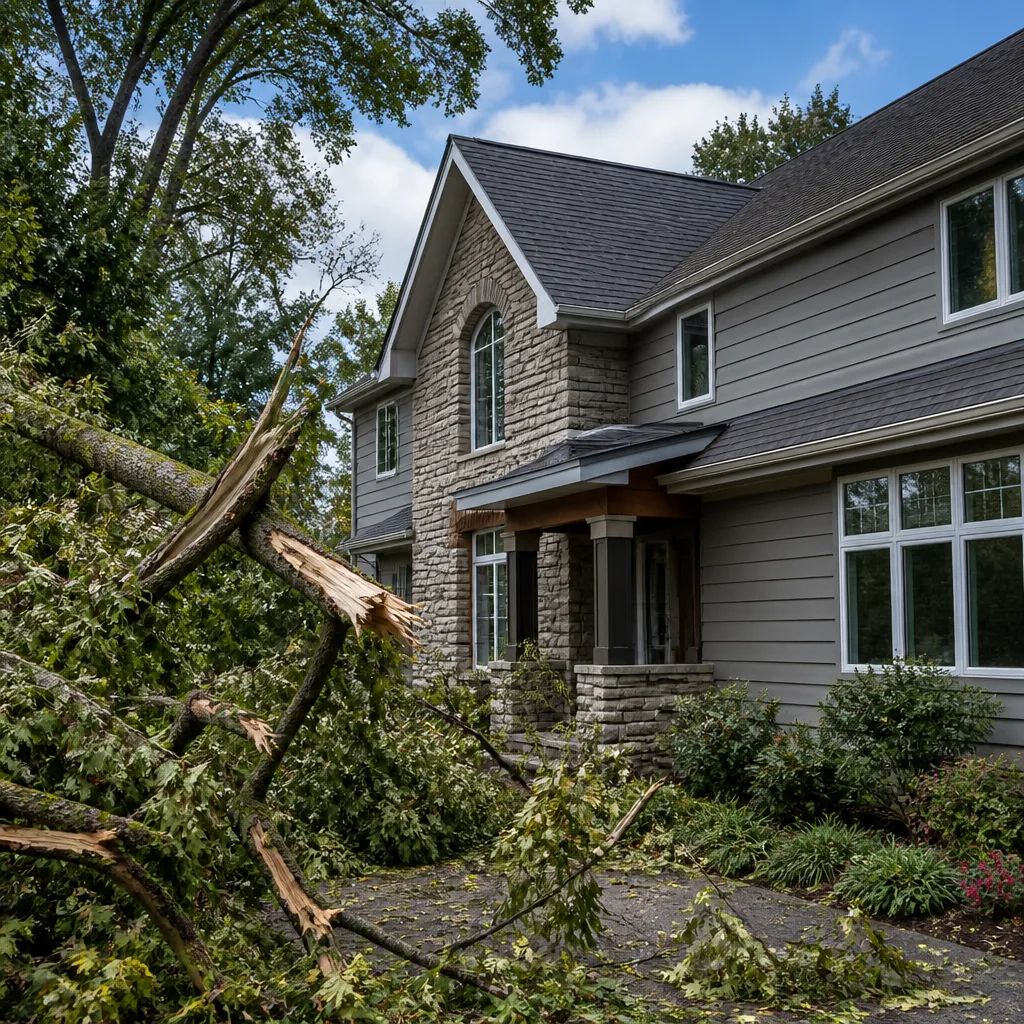
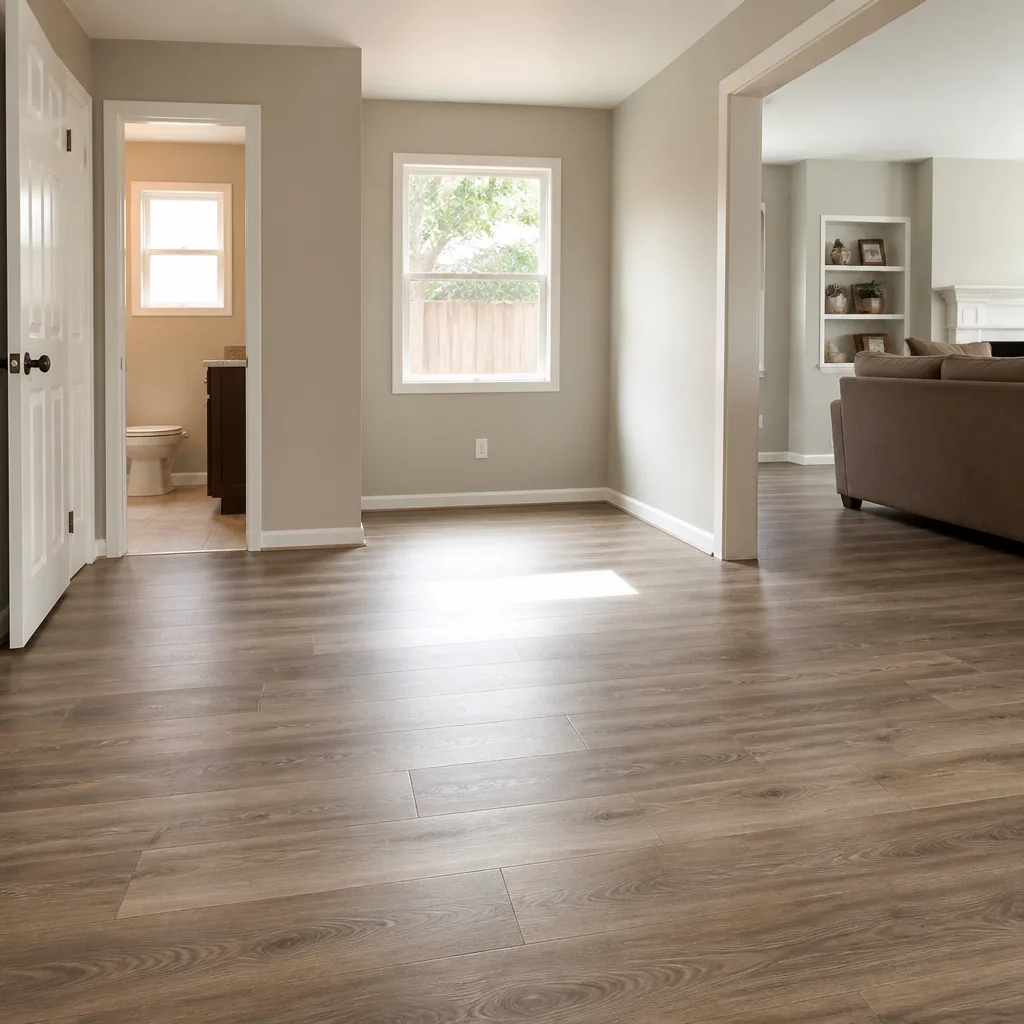

 Before
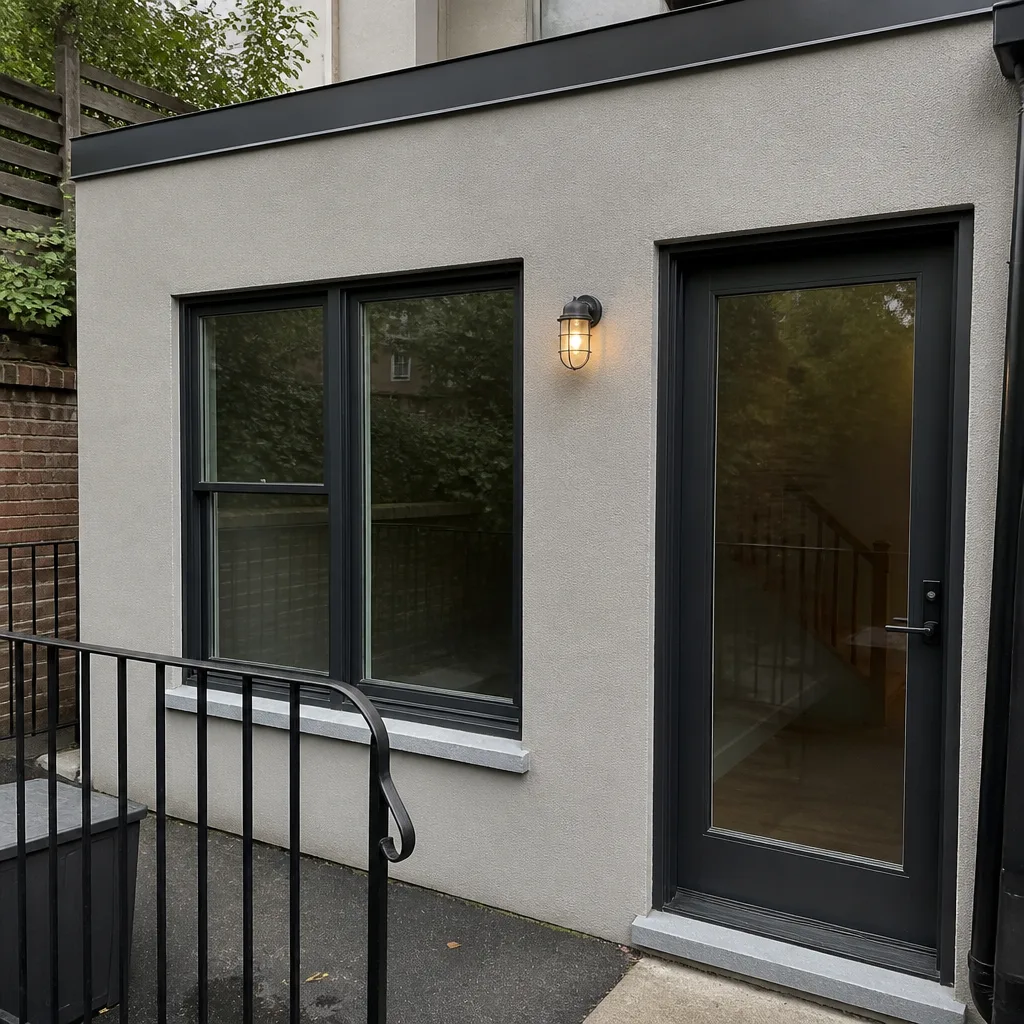 After
After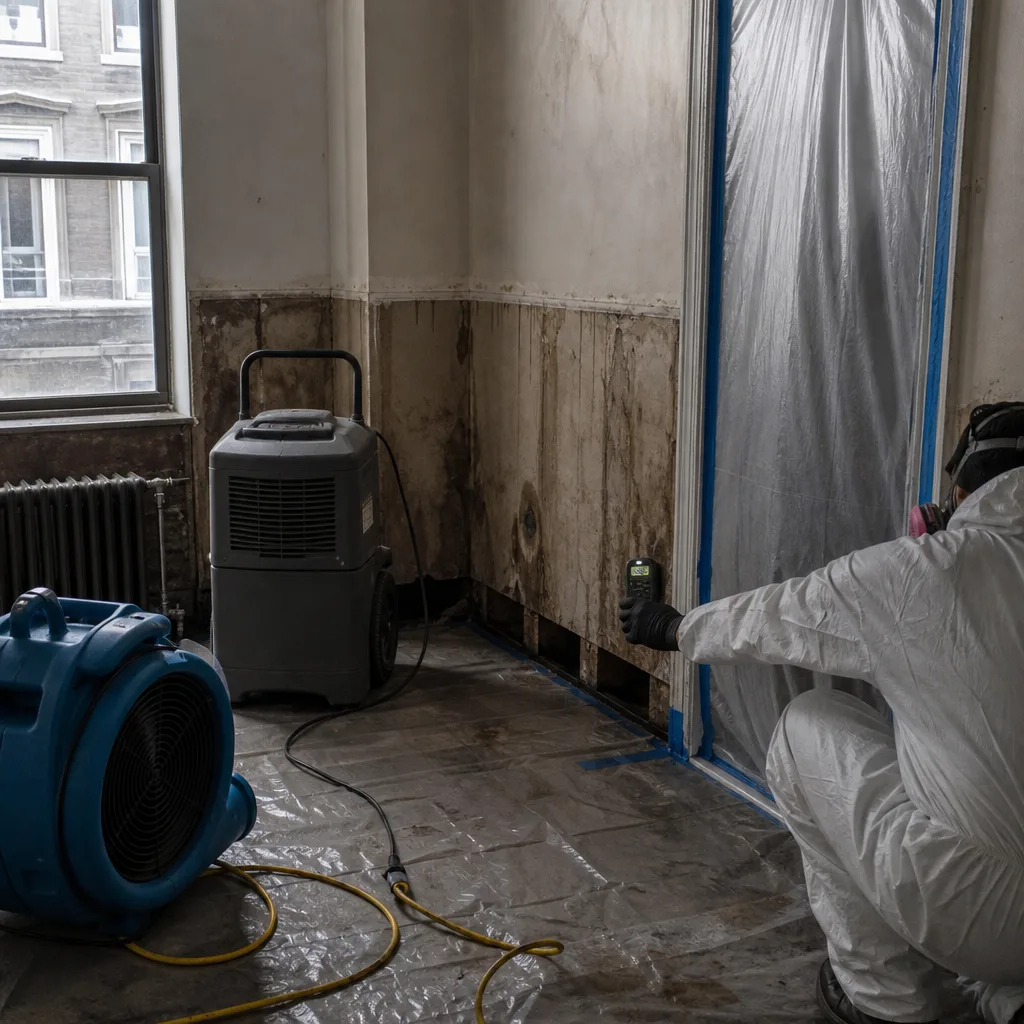 Before
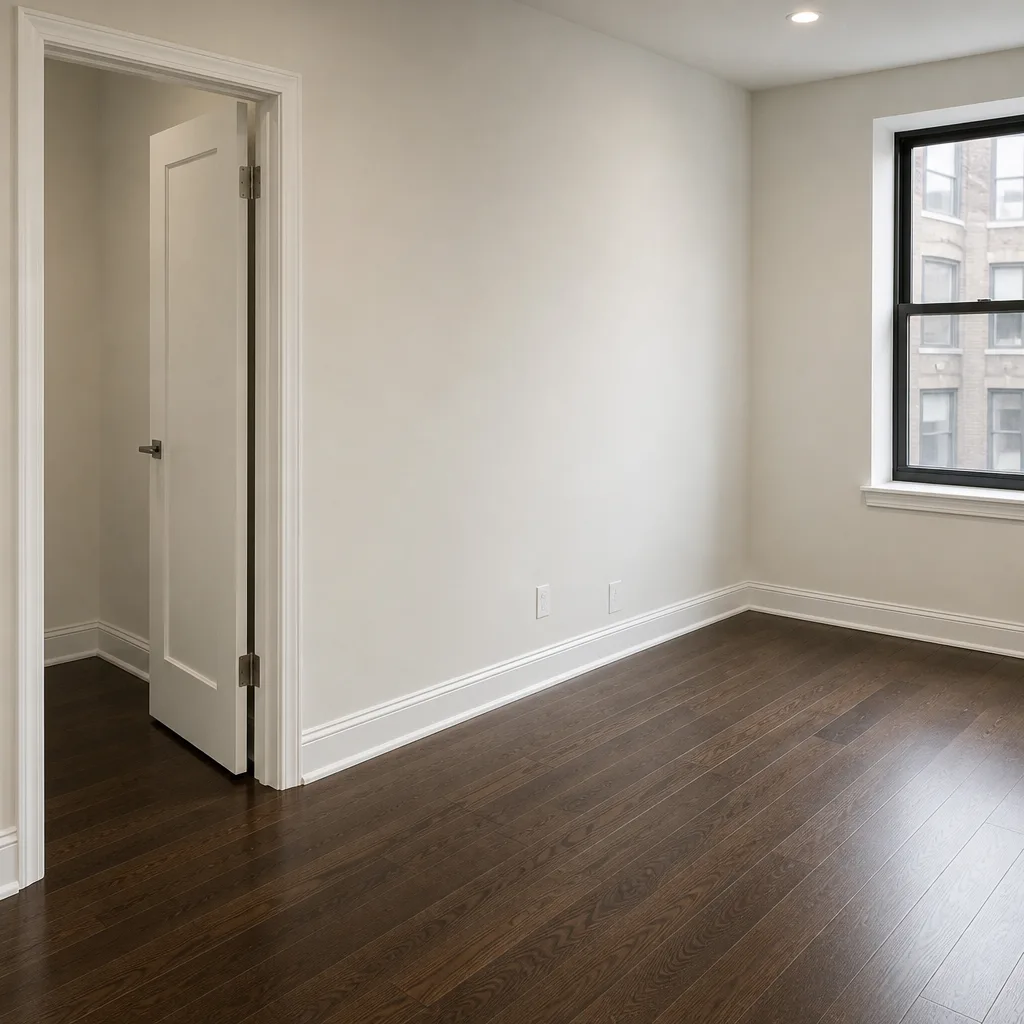 After
After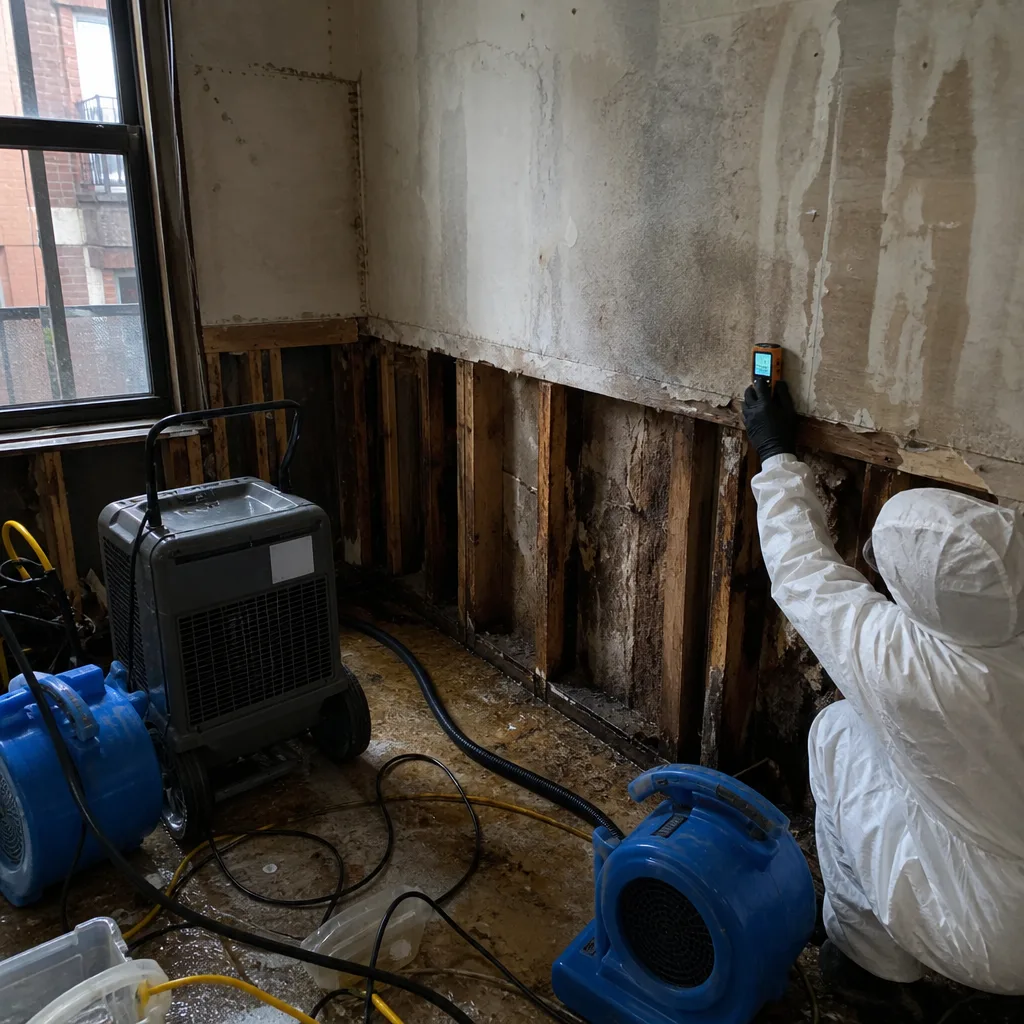 Before
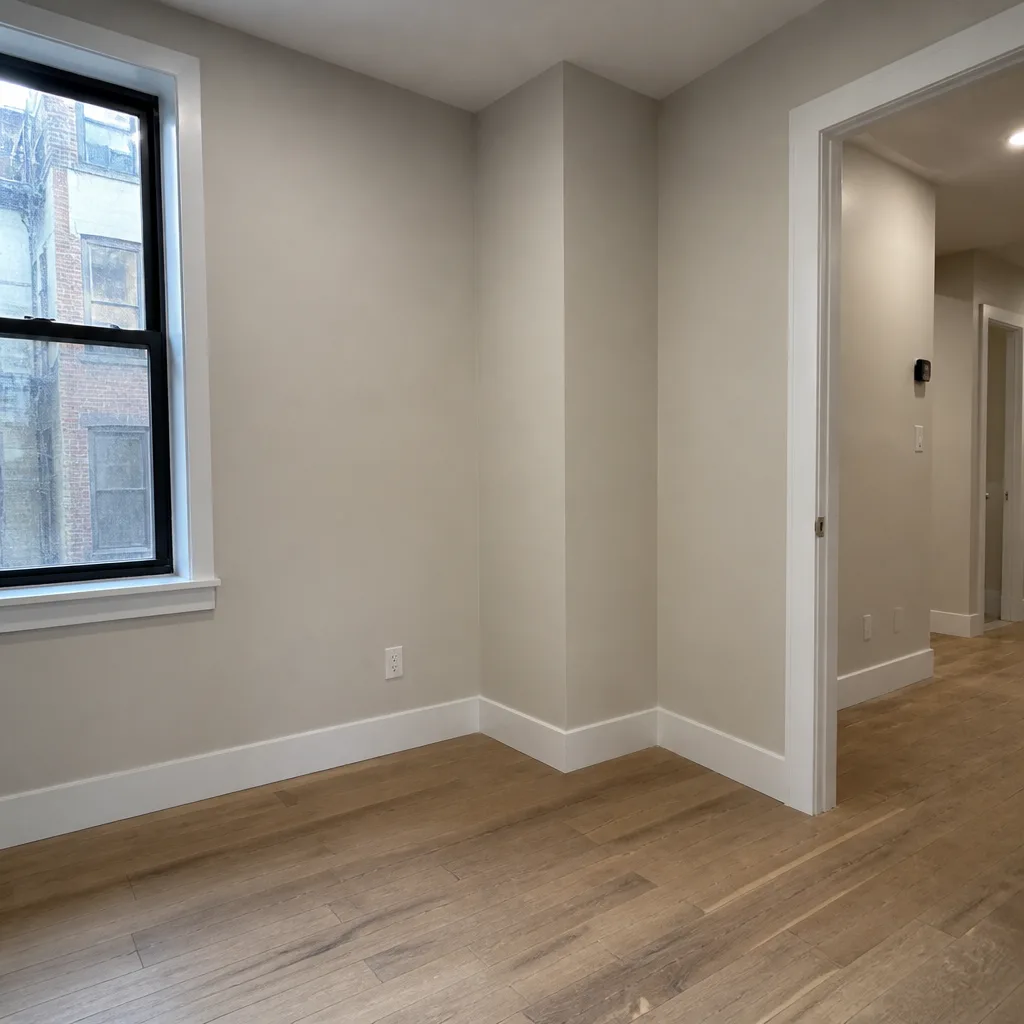 After
After24/7 Emergency Sewage Cleanup in Midtown West
We answer live around the clock at (607) 350-1550, and Wade heads out to Midtown West properties the moment a sewage backup is reported. Sewage cleanup in Midtown West starts with a free visual inspection so you know exactly what you’re dealing with before any work begins. The first hour matters most: Category 3 black water carries pathogens like E. coli, hepatitis A, and salmonella, and every minute it sits, it wicks deeper into drywall, subfloor, and framing. In a pre-war Midtown West walk-up, that means contamination spreading vertically through wall cavities and across multiple floors before you finish your coffee. Call now. Wade’s crew can be on site and extracting inside the hour.
Understanding Sewage Cleanup Severity in Midtown West Properties
Sewage cleanup is always a Category 3 water event, the most hazardous classification in the restoration trade. That means pathogenic, grossly unsanitary water containing human waste, bacteria, viruses, and parasites. There is no “mostly clean” sewage backup. In Midtown West, the severity compounds because of what the water hits. Pre-war tenements in Hell’s Kitchen, constructed between 1890 and 1940 with original cast iron and galvanized steel drain lines, absorb Category 3 water into plaster walls, wood lath, and the original hardwood underlayers that have been absorbing moisture for a century. Once saturated, those materials become a reservoir for bacterial growth that standard surface cleaning cannot reach. Newer Hudson Yards glass towers present the opposite problem: a sewage backup inside a high-end amenity space, mechanical room, or private residence means dealing with luxury finishes, computerized building systems, and property management teams that demand documented containment protocols before a crew even unloads equipment.
Most Midtown West sewage losses fall into two categories: drain line failures from corroded original piping, and storm-driven backups when the street canyon effect funnels heavy rainfall into light wells, areaways, and below-grade mechanical rooms already stressed by Manhattan’s combined sewer system. Both demand rapid extraction, containment, and full structural drying with moisture mapping to prevent secondary mold growth.
Why Midtown West Property Owners Choose Wade’s Restoration
- 45-minute response commitment: We move fast because Category 3 contamination spreads fast. Wade heads out as soon as you call, from a location minutes from Midtown West’s Theater District.
- 24/7 live answer, every call: You get a real person, including Wade himself, no voicemail, no answering service, no runaround. When a backstage sewage line fails during tech rehearsals at 11 p.m., someone answers.
- IICRC-certified crews: Wade’s team carries WRT and AMRT certifications, and every sewage job follows IICRC S500 water damage standards. That is the industry’s highest bar, applied to every Midtown West job.
- Free visual inspection: No charge to assess the damage and give you a straight answer on scope. If it is a small cleanup, we tell you that. If it is a full containment job, we show you why.
- Direct insurance billing: We work with your carrier directly, generate the estimate in their preferred format, and handle adjuster communication so you are not stuck relaying information between two sides.
- One team from extraction to reconstruction: The same crew that extracts sewage also handles the drying, sanitization, and any rebuild work. No handoffs, no finger-pointing. One name accountable: Wade’s.
Our Sewage Cleanup Process
Inspection & Assessment
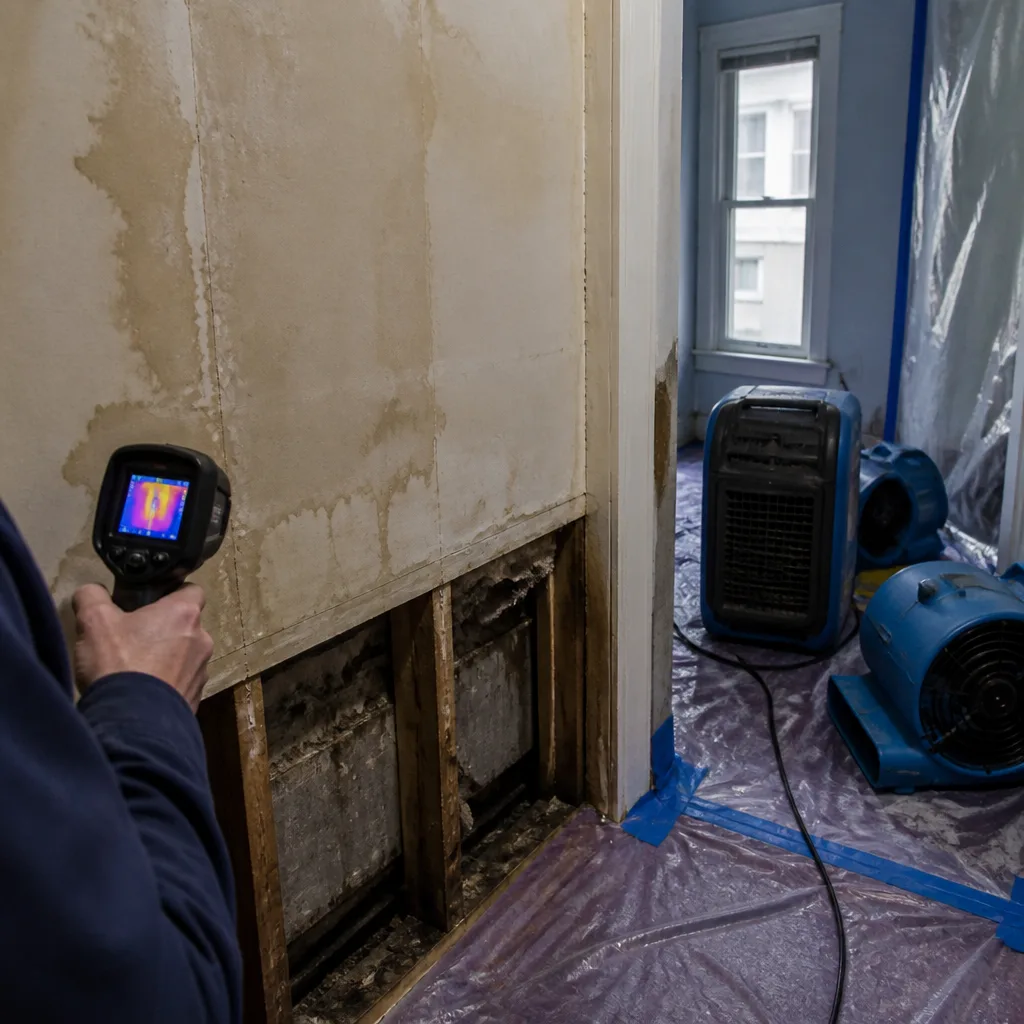
We walk the affected areas with a moisture meter and thermal imaging camera to map how far the sewage has traveled through flooring, walls, and cavities. In a Midtown West pre-war building, that often means checking adjacent floors and below-grade spaces, because original cast iron stacks fail in vertical runs, not just at one fixture.
Extraction & Stabilization
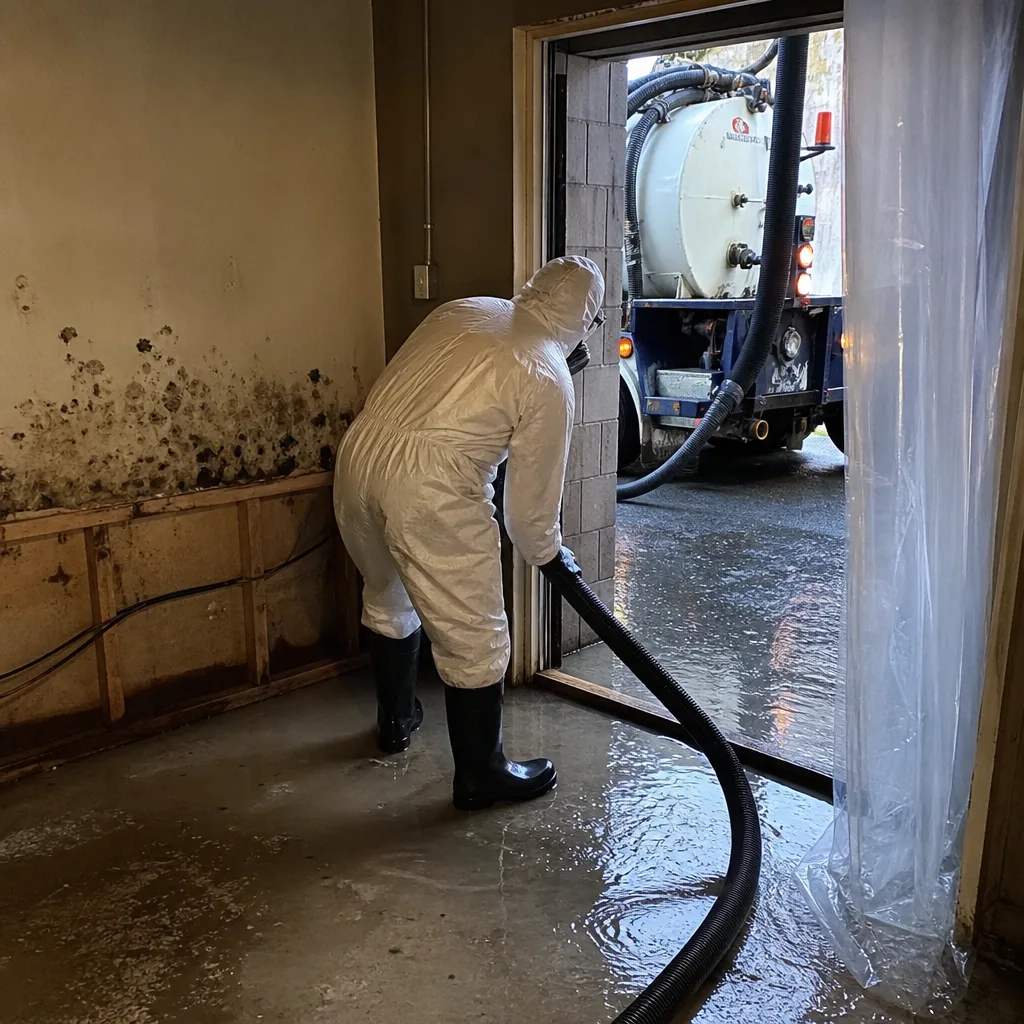
We remove standing Category 3 water using truck-mounted Dri-Eaz extraction units, including from crawl spaces, mechanical rooms, and light wells. We also identify and stop the source, whether that is a corroded waste stack, a failed ejector pump, or a storm-related sewer backflow through a floor drain.
Drying & Dehumidification
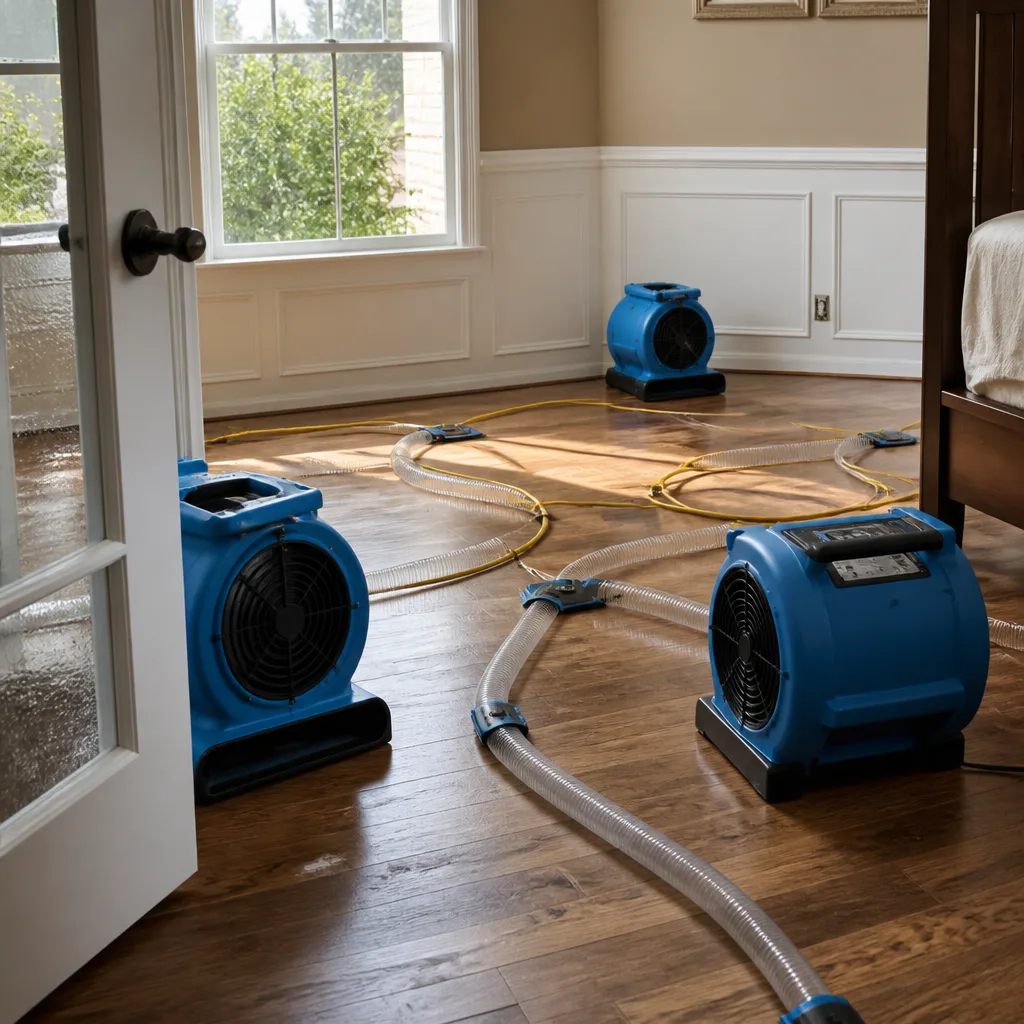
Phoenix LGR dehumidifiers and XPOWER air movers run around the clock, with moisture readings logged twice daily. Wade hands you the full drying log at job’s end, every reading, every day. Almost nobody else in this trade does that.
Cleaning & Sanitization
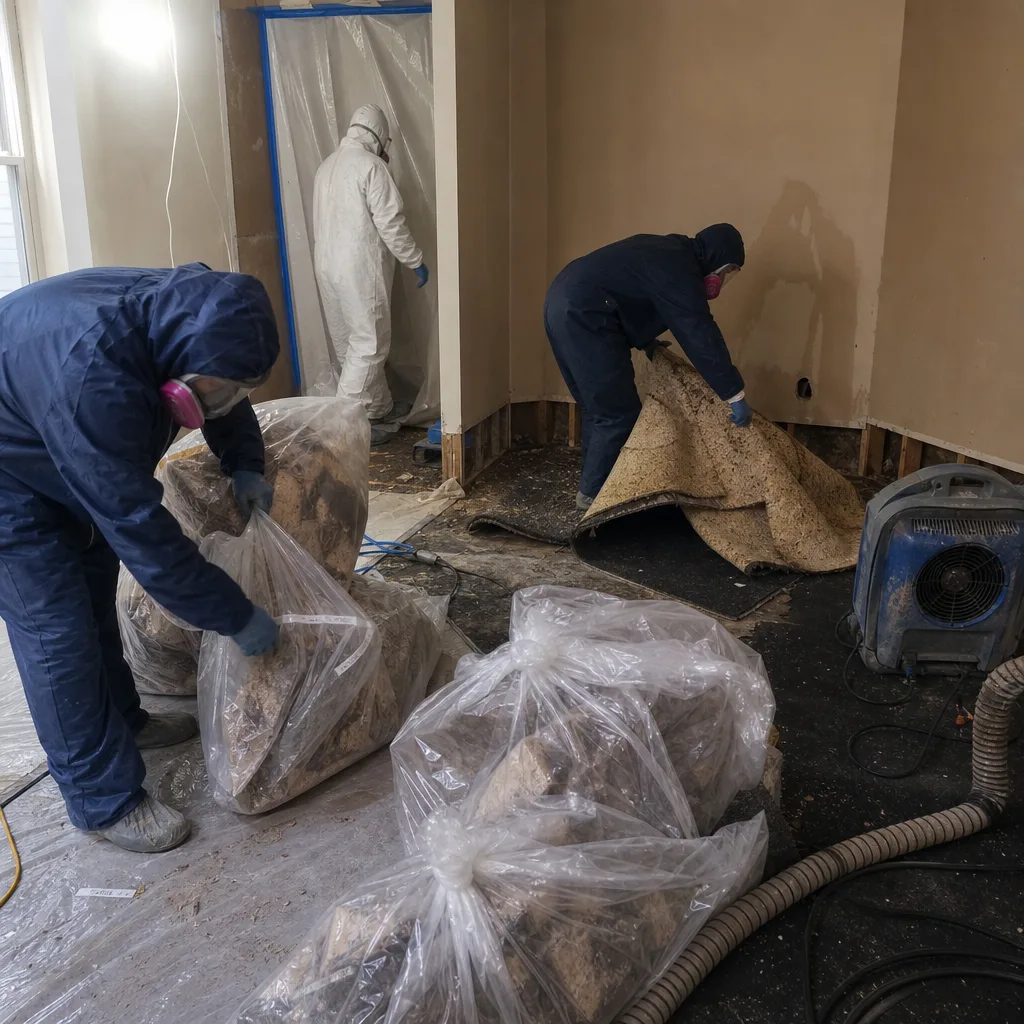
Saturated porous materials like carpet, pad, drywall, and insulation get removed and disposed of as contaminated waste. Non-porous surfaces get cleaned with an EPA-registered antimicrobial. We treat framing and subfloor that can be saved with hospital-grade sanitizers, not just bleach water.
Containment & Air Scrubbing
We set up physical containment barriers on each affected floor and run HEPA air scrubbers to prevent sewage-borne bacteria and mold spores from migrating through shared stairwells, hallways, and adjacent units. In a Midtown West walk-up, that containment plan is the difference between a one-unit loss and a building-wide contamination event.
Repairs & Restoration
We rebuild what we removed, from drywall and plaster to flooring and trim, matching the original character of pre-war Midtown West interiors or the modern finishes of newer Hudson Yards buildouts. The 90-Day Done Right Promise applies to every sewage restoration job, in writing.
Need Emergency Sewage Cleanup in Midtown West Now?
Crews minutes away, answering live 24 hours a day. The sooner we start, the less it costs.
Working With Your Insurance Company
Sewage backup claims in Midtown West are handled differently by each carrier, and the difference between coverage and denial often comes down to documentation. We photograph every affected room before demolition begins, log moisture readings from the first hour through final clearance, and generate line-item estimates in the exact format your adjuster expects. Wade talks to the adjuster directly, so you are not the one stuck explaining why a corroded 1927 cast iron waste stack produced a Category 3 event across three floors. If your policy includes sewer backup coverage, our documentation makes the claim straightforward. If it does not, we give you an honest out-of-pocket price before work begins, no surprises.
What We Provide Your Insurer
- Thorough documentation of the loss
- Photos of all damage, room by room
- Moisture readings and drying logs
- A detailed, line-item scope of work
- Direct coordination with your carrier
Built for Midtown West’s Loss Calendar
Sewage cleanup in Midtown West follows a seasonal pattern that any long-time building owner recognizes. Deep freezes in January and February send ice through exposed drain lines and unheated mechanical shafts, cracking original cast iron and galvanized pipe that has been hanging since the Roosevelt administration. Spring thaw, combined with heavy rains, overwhelms the combined sewer system that serves Manhattan’s west side, pushing stormwater and sewage back through floor drains in below-grade spaces. Summer thunderstorms hit fast and hard: the street canyon effect between 8th and 11th Avenues funnels runoff into light wells and areaways faster than building drainage can handle it. And nor’easters in fall and early winter repeat the surge risk that Hurricane Sandy exposed in Hudson River waterfront mechanical rooms and parking structures. Each season brings a different failure mode, and each failure mode demands a different extraction and containment approach.
Sewage Cleanup Across Midtown West’s Neighborhoods
We know the blocks we work on. Hell’s Kitchen, the residential heart of Midtown West between 34th and 59th Streets west of 8th Avenue, is dominated by five- to seven-story pre-war brick tenements and walk-ups. Those buildings share a common failure pattern: original cast iron drain stacks that corrode from the inside out and fail across multiple floors simultaneously. When a waste line lets go on West 49th Street between 9th and 10th Avenues, we are typically setting up containment on three or more floors, not one bathroom.
The Theater District, concentrated between 42nd and 54th Streets, adds a completely different constraint. A sewage backup backstage during a production run is a revenue emergency. Sewage Cleanup crews working Broadway and Off-Broadway theaters quickly learn that standard demolition tools are often prohibited by production managers. Hand-demo is the only option around irreplaceable hand-painted sets, period costumes, and computerized rigging systems.
Hudson Yards and the far west side present the newest building stock in Midtown West: glass towers with below-grade mechanical rooms, private amenity spaces, and building management teams that require documented containment protocols before any restoration work proceeds. A sewage backup in one of these buildings often involves coordinating with property management, building engineers, and insurance adjusters simultaneously.
Along the Hudson River waterfront, buildings that took on storm surge during Hurricane Sandy still carry below-grade vulnerabilities. Parking structures, Con Ed vaults, and mechanical spaces in this corridor see sewage backups compounded by stormwater intrusion during major weather events, which means the extraction plan has to account for both sources of water at once.
Specialized Sewage Cleanup Services We Offer in Midtown West
Sewage Backup Cleanup
When a floor drain backs up in a Midtown West brownstone or walk-up, the contamination spreads along the path of least resistance: under baseboards, through cracked tile grout, down wall cavities. We trace that path with thermal imaging and moisture meters, extract the Category 3 water, and remove every saturated porous material before it becomes a mold reservoir.
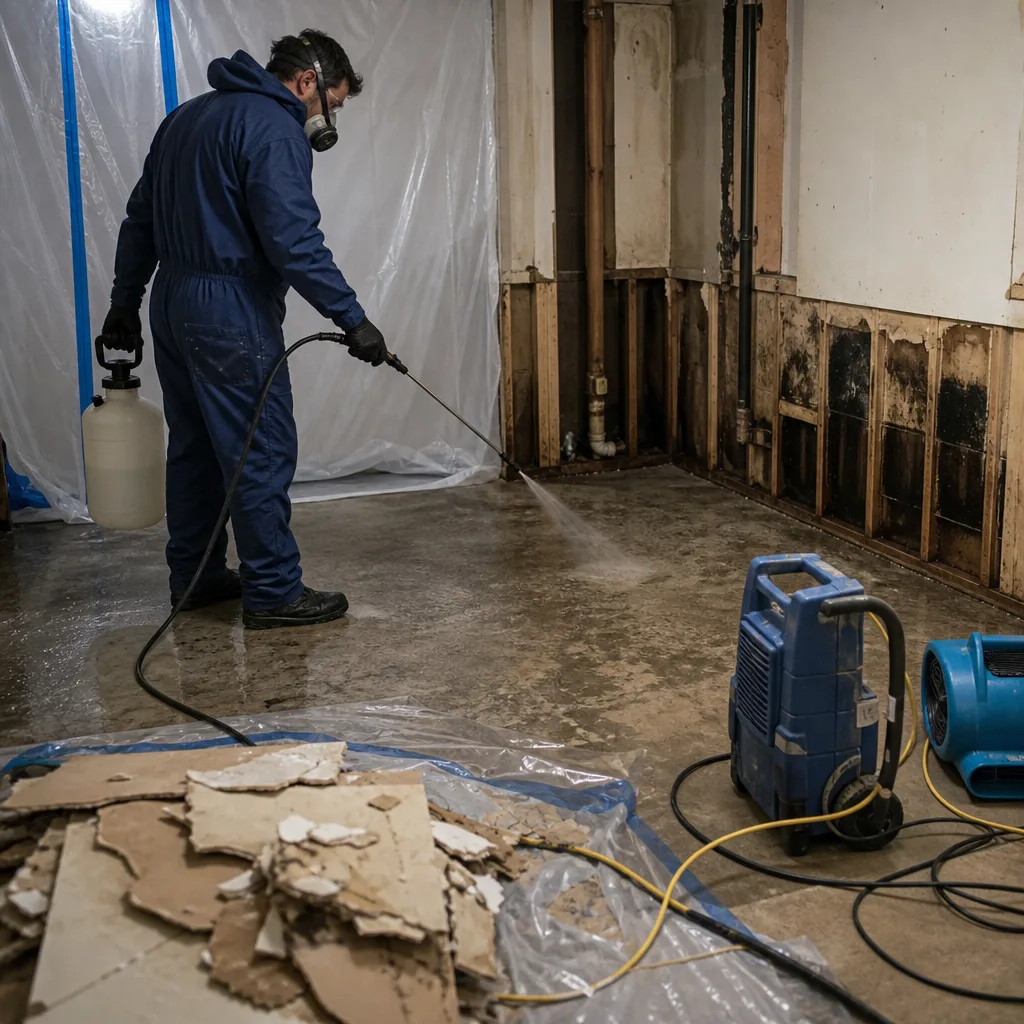
Toilet Overflow Cleanup
Toilet overflows in Midtown West apartments are rarely contained to one unit. Original galvanized supply lines and aging wax rings mean a failed toilet on the fifth floor often sends water through the ceiling of the fourth and into the walls of the third. We respond as a multi-floor containment job, not a single-bathroom mop-up.
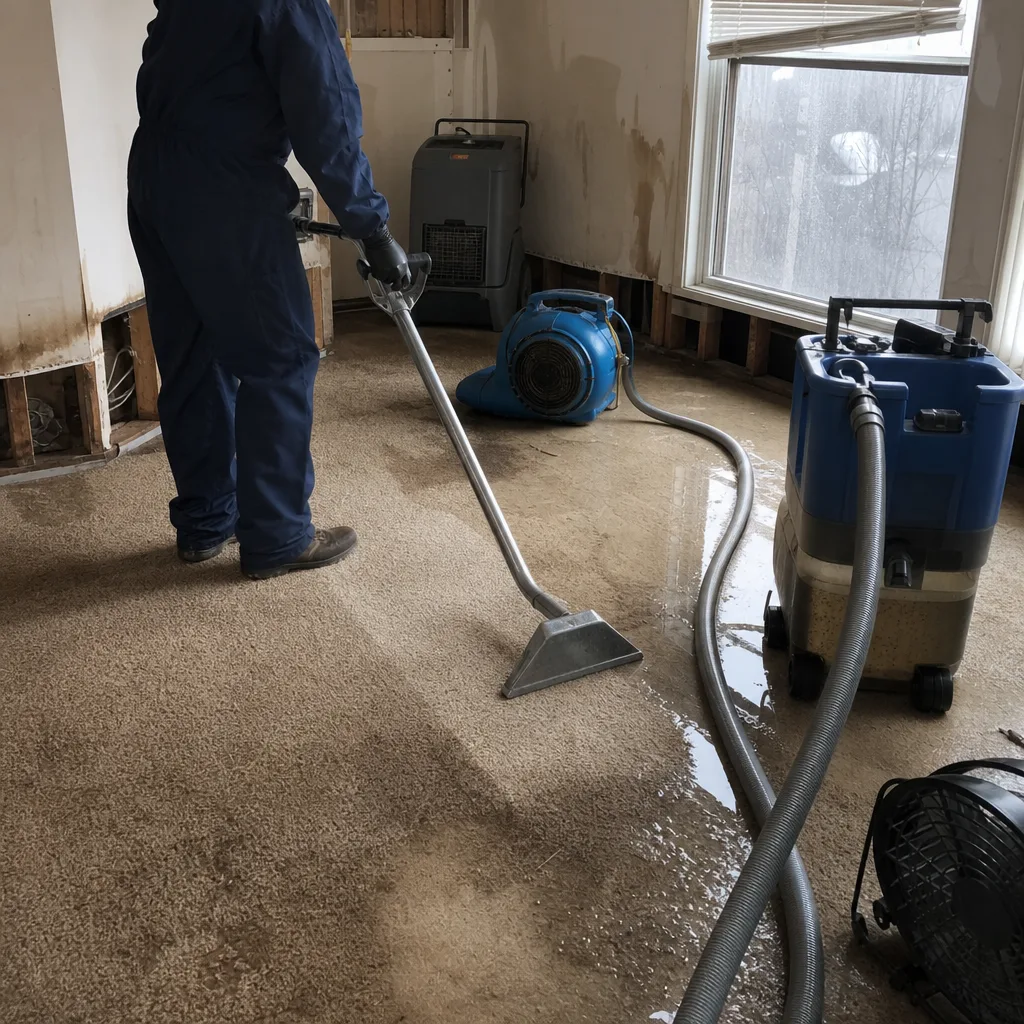
Septic Failure Cleanup
While most of Midtown West is served by the city sewer system, some older properties and converted buildings still maintain private septic components, particularly in below-grade commercial spaces and long-established storefronts. We handle ejector pump failures, septic line breaks, and the associated black water cleanup with the same category-level containment and sanitization protocols.
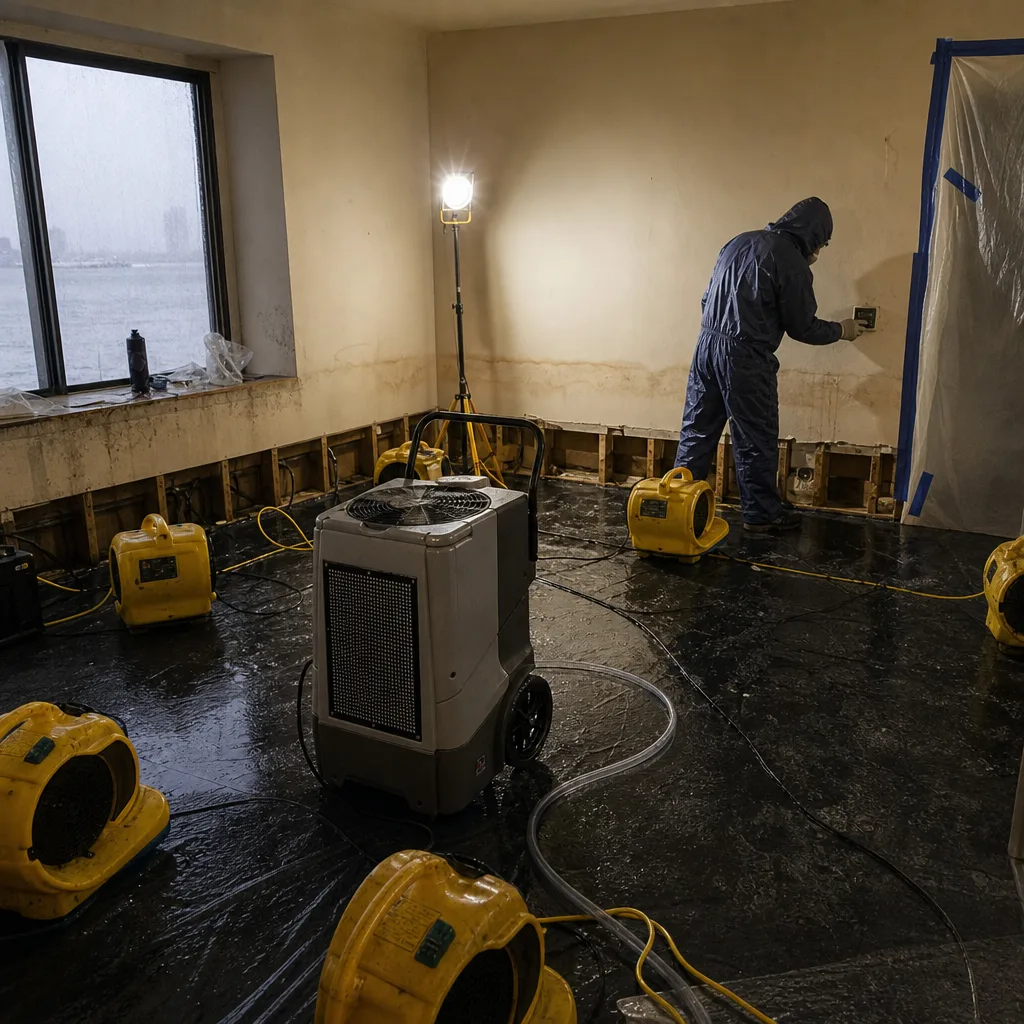
Black Water Extraction
Black water extraction is the foundation of all sewage cleanup work. We use truck-mounted Dri-Eaz units and submersible pumps to remove standing sewage from mechanical rooms, crawl spaces, areaways, and finished living spaces. In Theater District buildings, we often use low-profile extraction rigs that operate quietly enough to avoid disrupting a performance above or a tech rehearsal next door.
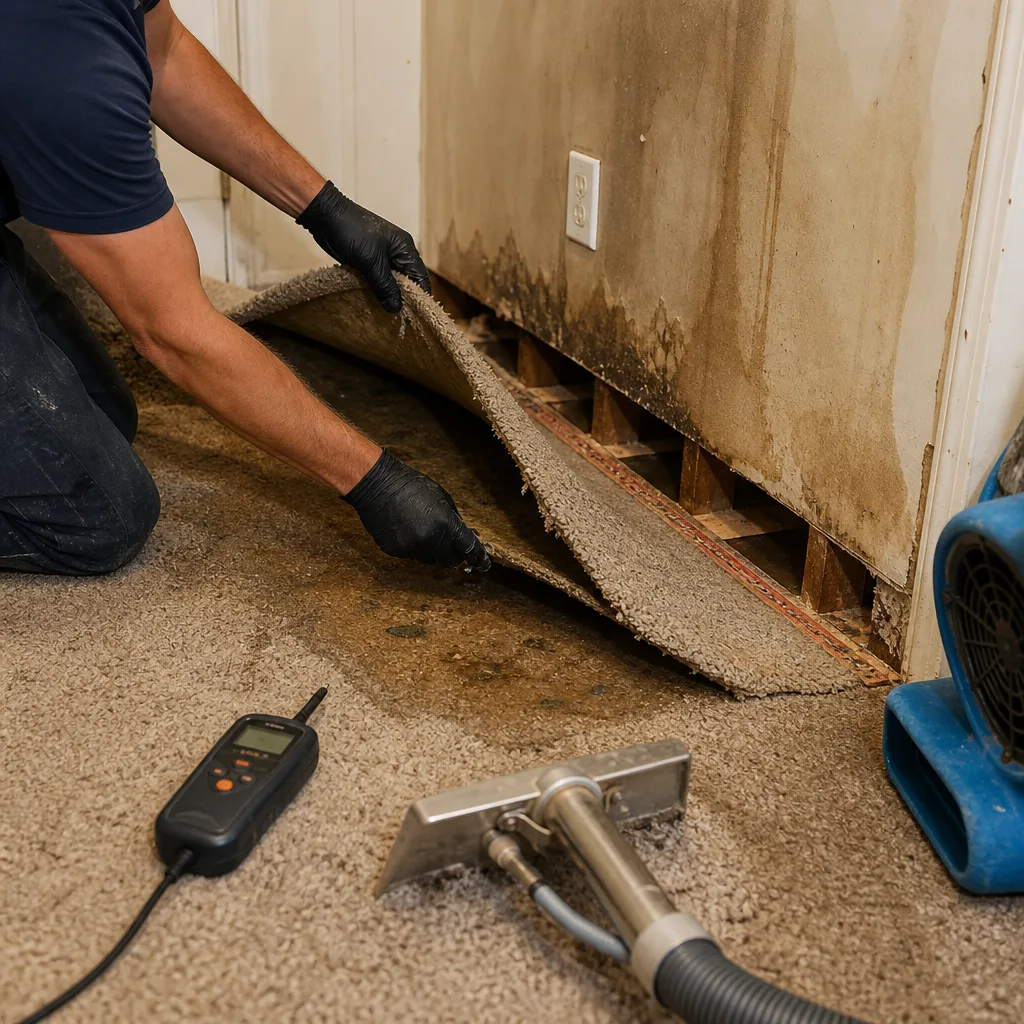
Sanitization & Disinfection
After extraction and demolition, every affected surface gets treated with an EPA-registered antimicrobial. We use hospital-grade sanitizers on framing, subfloor, and any non-porous surface the sewage touched. In pre-war Midtown West buildings, that treatment has to account for lath, plaster, and original wood that has been absorbing moisture for a hundred years.
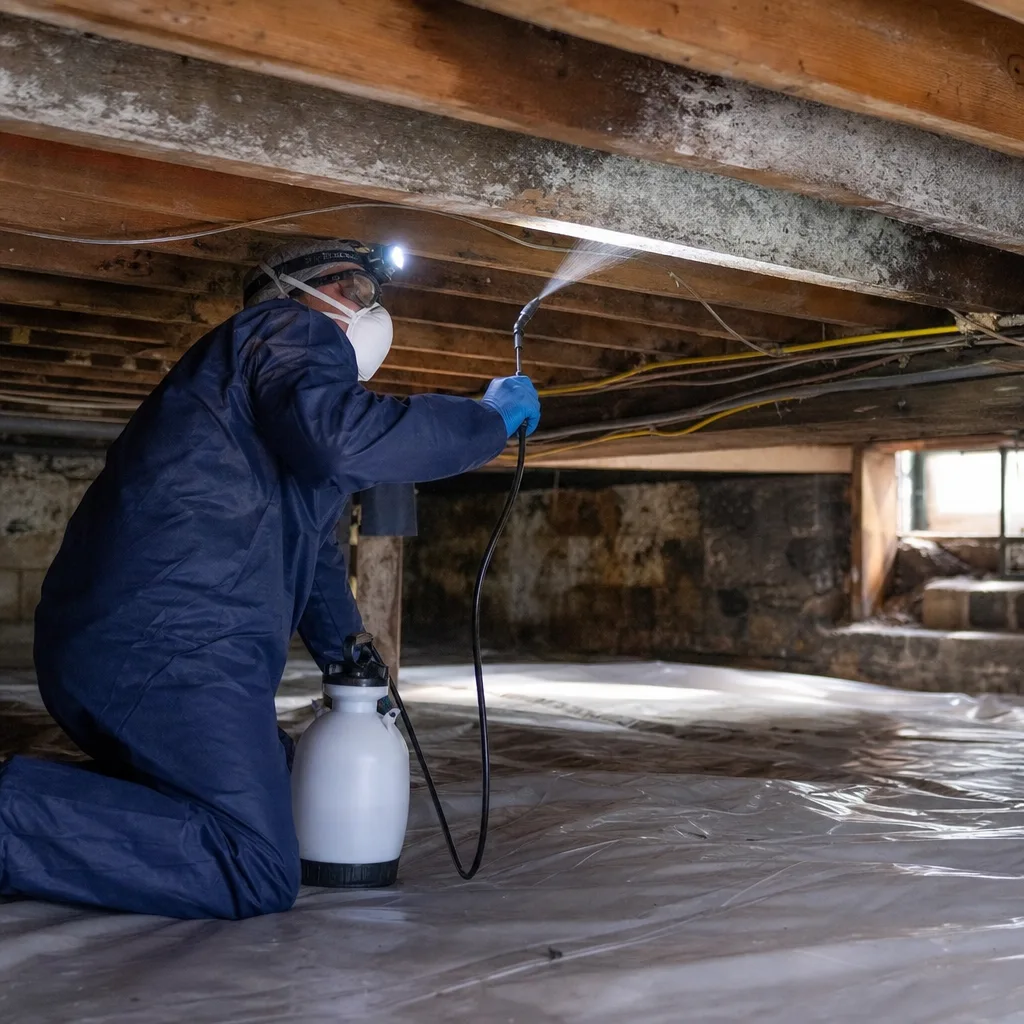
Crawl Space Sewage Removal
Many Midtown West row buildings and converted commercial spaces have shallow crawl spaces under the first floor. When sewage collects there, it is often the first time anyone has looked in that space in years. We extract, dry, sanitize, and install or repair vapor barriers where needed. The goal is not just removal, it is keeping that crawl space from becoming a recurring problem.
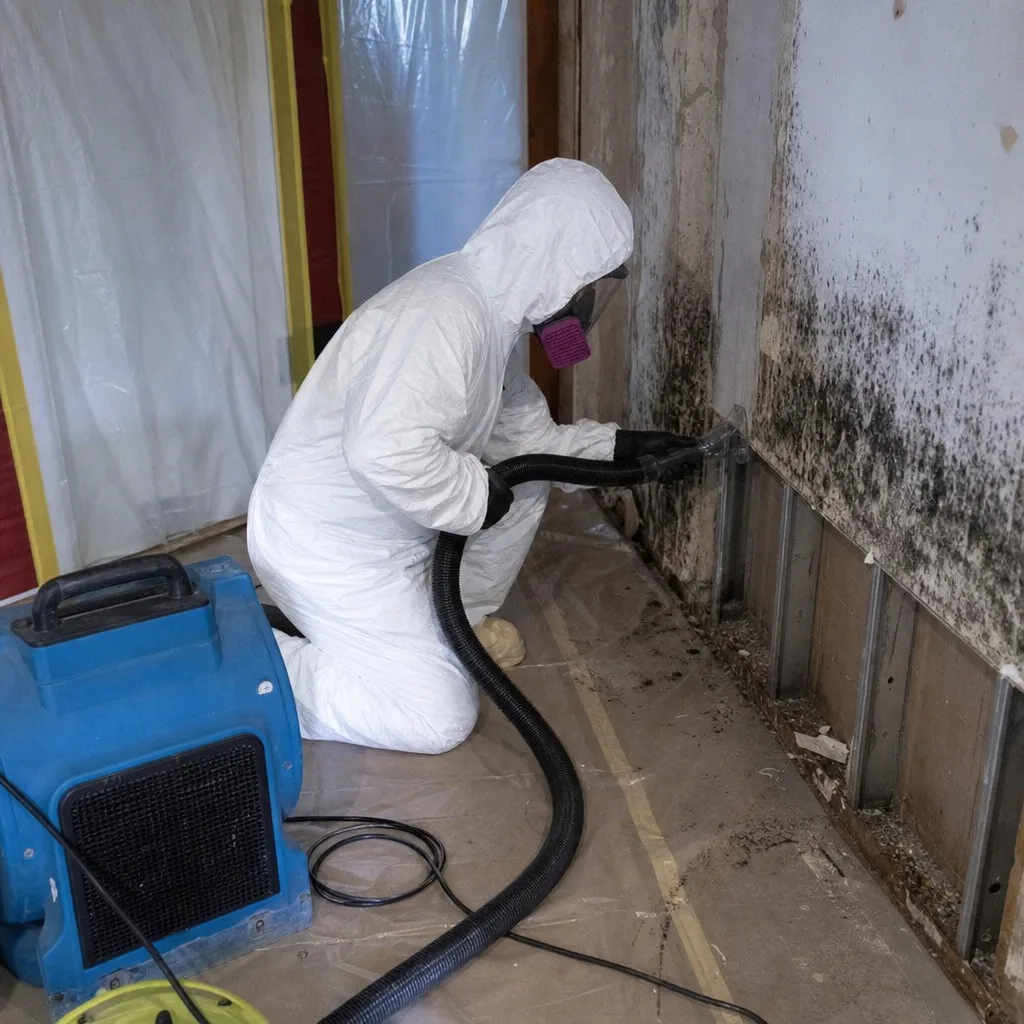
What happens when you call
- 1
A real person answersNo phone trees - you reach a local pro.
- 2
You get an upfront price rangeHonest numbers before anyone is dispatched.
- 3
A background-checked tech heads outLicensed & insured, dispatched right away.
- 4
You approve before work beginsNothing starts until you say go.
Sewage Cleanup Costs in Midtown West, NY
A typical sewage cleanup in Midtown West runs between $2,800 and $7,500 for a single-room backup involving extraction, demolition of saturated drywall and flooring, antimicrobial treatment, and drying. Multi-floor pre-war walk-up jobs, where a failed cast iron stack affects three or more floors, commonly run $8,000 to $25,000 depending on the square footage and the condition of original materials. Black water extraction as a standalone service in a crawl space or mechanical room starts around $1,200 and climbs with square footage and accessibility. The main cost drivers are how far the sewage has traveled, whether asbestos-bearing materials like original plaster require hand-demo and specialized disposal, and whether pack-out of contents like costumes or set pieces is required. Insurance often covers sewage backup under a specific endorsement; if the loss is from a failed original drain line, the cause of failure determines claim coverage. Call (607) 350-1550 for a free visual inspection and a firm, written scope. We also offer a free second opinion on any written estimate from another company, and a Senior and Veteran 10% discount on every job, always.
We Also Serve Cities Near Midtown West
Our crews respond to sewage cleanup calls across Lower Manhattan, the Financial District, Astoria, and Midtown Manhattan. If your property is within 15 minutes of our Midtown West response routes, we can be on site fast.
Serving Midtown West, NY - Our Local Coverage Area
We’re based in the Midtown West area and know this community well. Use the map below to see our service coverage - if you’re nearby, we can almost certainly help.
Midtown West Sewage Cleanup Questions, Answered
How do you handle a sewage backup in a Midtown West pre-war walk-up where multiple floors are affected?
We treat it as a building-wide containment job, not a single-unit cleanup. That means setting up physical containment on each affected floor, running HEPA air scrubbers in common stairwells and hallways, and extracting sewage from all impacted areas before demolition begins. The goal is stopping vertical spread through wall cavities and shared plumbing chases before it reaches unaffected units.
Will your sewage cleanup disrupt a Broadway production if the backup happens backstage during tech rehearsals?
No, and that is not a guarantee every restoration company can make. We use hand-demo methods around sets, costumes, and rigging systems, low-profile drying equipment instead of loud industrial blowers, and schedule noisy extraction work around rehearsal and performance hours whenever possible. Production managers who have worked with us know we treat the show as part of the job.
Can you restore a below-grade mechanical room in a Hudson Yards tower after a sewage backup without creating mold?
Yes. The key is rapid extraction, full moisture mapping of every surface including concrete walls and slab, and aggressive dehumidification with Phoenix LGR units until readings return to dry standard. We document every reading in a daily log, and we do not stop until the structural materials are actually dry, not just looking dry.
What happens to contaminated costumes or set pieces if a sewage line breaks backstage?
Category 3 water contaminates porous materials instantly. Fabrics, costumes, paper props, and upholstered set pieces that absorbed sewage water generally cannot be safely restored and must be disposed of as contaminated waste. Non-porous items can sometimes be sanitized. We document everything photographically for insurance purposes before any disposal decision is made, and we coordinate directly with your adjuster on valuation.
How do you keep sewage contamination from spreading through a Midtown West brownstone’s shared stairwell during extraction?
We lay containment barriers and negative air pressure at every exit from the affected area before extraction begins. HEPA air scrubbers run continuously to capture airborne bacteria and any aerosolized sewage particles. Crew members use dedicated egress paths that do not cross through clean areas, and all equipment leaving the contaminated zone is bagged or wiped down before it enters shared spaces.
How fast can you get to Midtown West?
Our crews are based minutes from Midtown West and Wade heads out as soon as you call. Most of our Midtown West sewage jobs see a crew on site within 45 minutes of the first phone call, and extraction running inside the hour. Call (607) 350-1550. A live person answers, always.
Is sewage cleanup covered by insurance?
It depends on your policy and the source of the backup. Many Midtown West building owners carry sewer backup endorsements, which cover this type of loss. If the backup was caused by a failed original drain line rather than a storm event, coverage depends on the specific cause of failure. We document everything from the first hour and work directly with your adjuster to maximize a legitimate claim.
What should I do in the first 30 minutes after discovering a sewage backup?
Stop using all water in the building, shut off the main water valve if you can reach it safely, and keep people and pets away from the affected area. Do not flush toilets or run sinks, which can worsen the backup. Call (607) 350-1550. Do not attempt to clean sewage yourself; without proper PPE and containment, you risk spreading contamination and exposing yourself to serious pathogens. Wade will talk you through what to do before the crew arrives.
On West 45th Street between 8th and 9th Avenues, a six-story pre-war walk-up had a Category 3 black water backup from a corroded cast iron waste stack that failed across three floors. Our crew set up containment on each affected floor, used a Dri-Eaz truck-mount for water extraction, and demoed saturated plaster and lath by hand to avoid disturbing asbestos-bearing original materials. We applied antimicrobial treatment to all framing, ran Phoenix LGR dehumidifiers and XPOWER air movers for five days with moisture mapping logged twice daily, and restored the building to pre-loss condition before the landlord’s next tenant walkthrough.
If you have a sewage backup in Midtown West, whether it is a Hell’s Kitchen walk-up, a Theater District stage, or a Hudson Yards mechanical room, call (607) 350-1550. Wade answers his own phone, and he will be there himself.
Written by Wade Ferris, Owner at Wade’s Restoration, serving Midtown West since 2007.