
Free visual inspection and a written scope of work before any mitigation begins - photos, moisture readings, and drying logs go in your claim file
The scope we write is the scope we bill. Anything new gets shown to you, in writing, before we touch it.
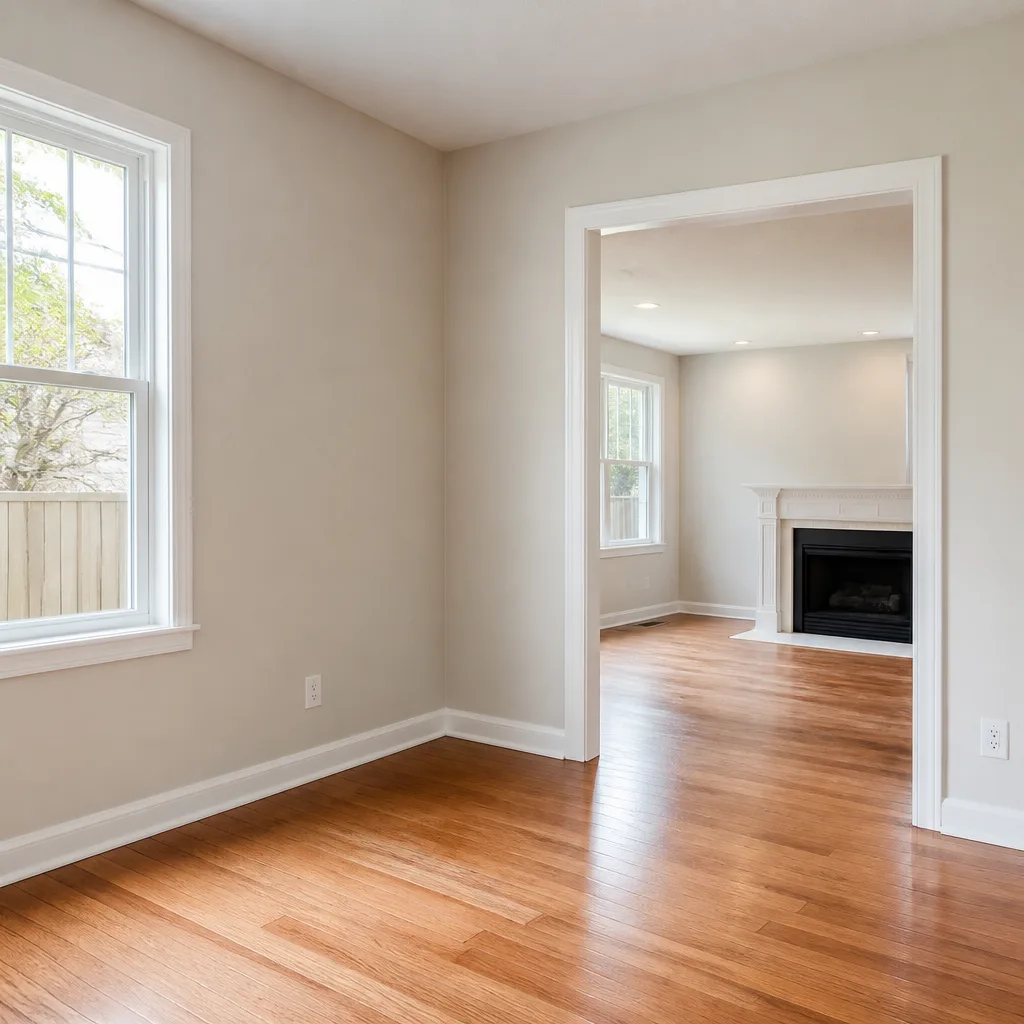
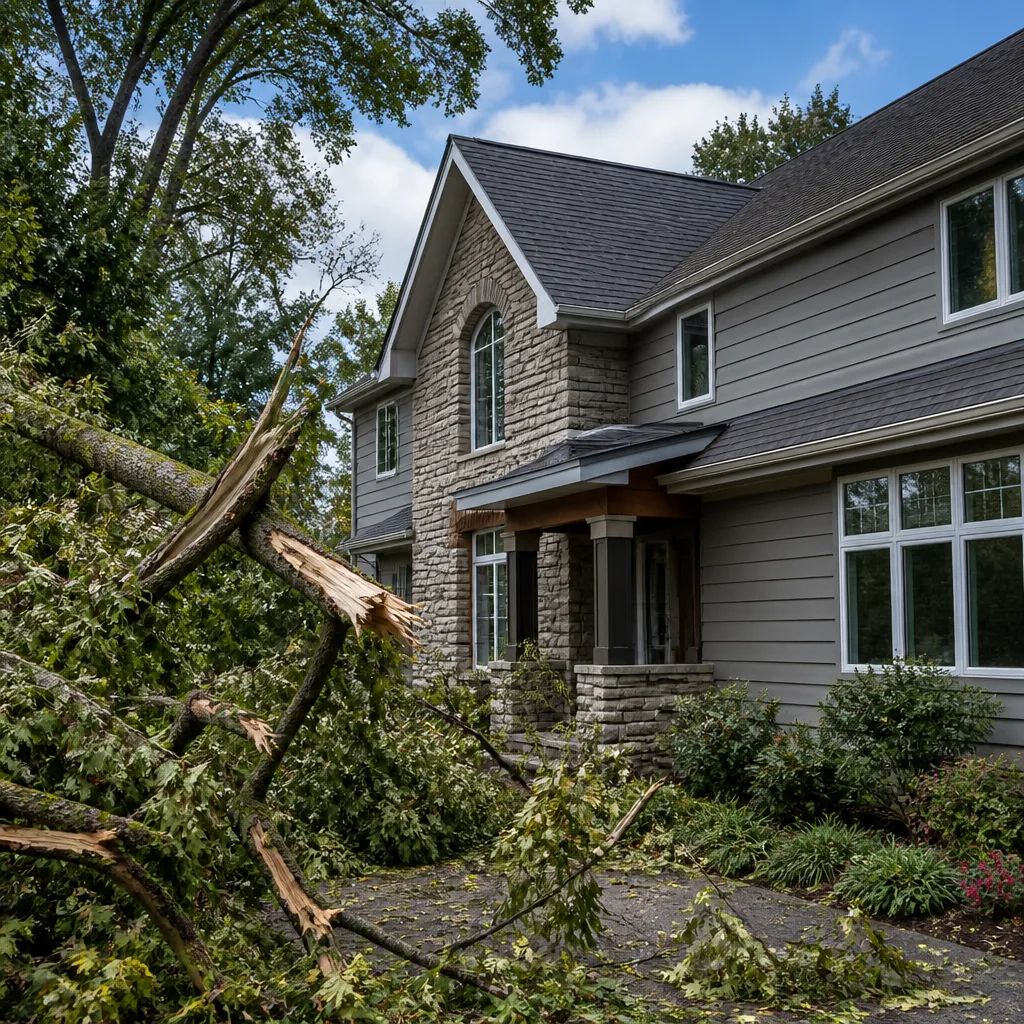
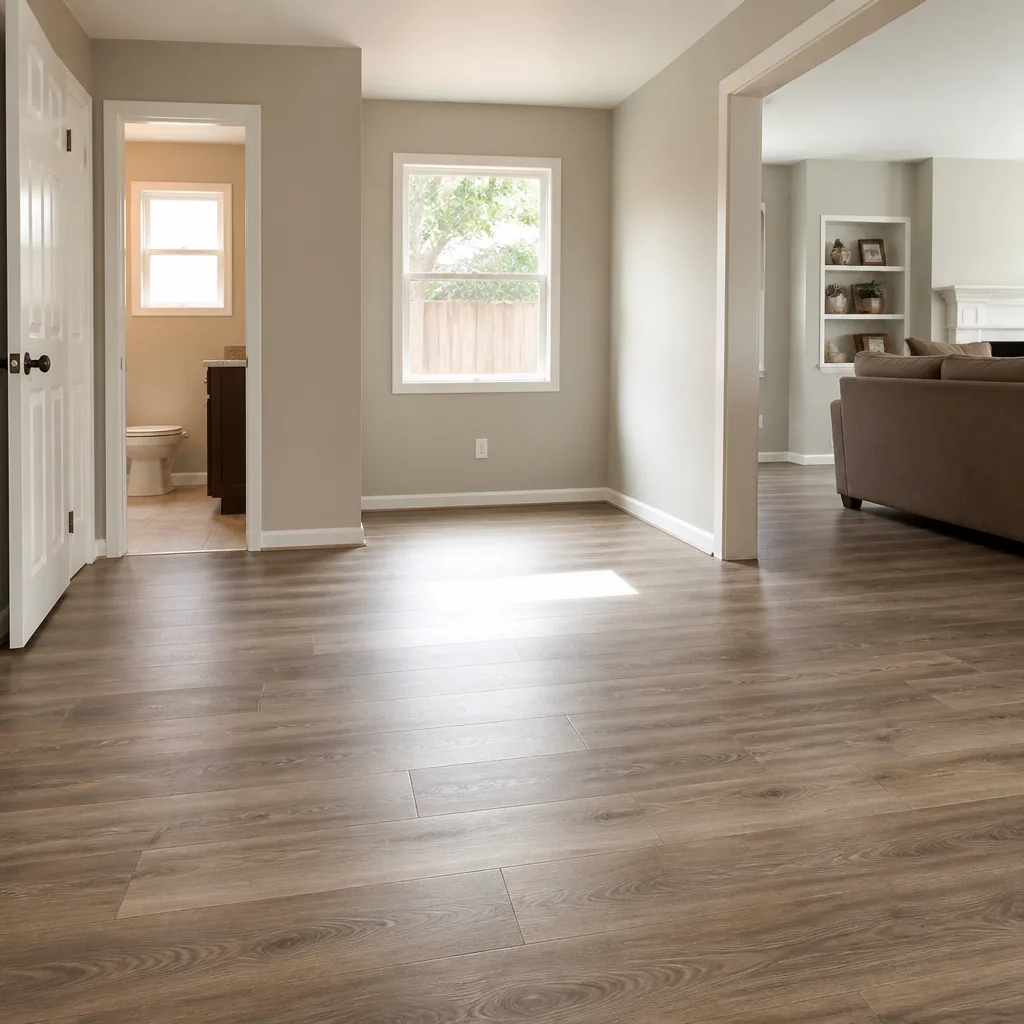

 Before
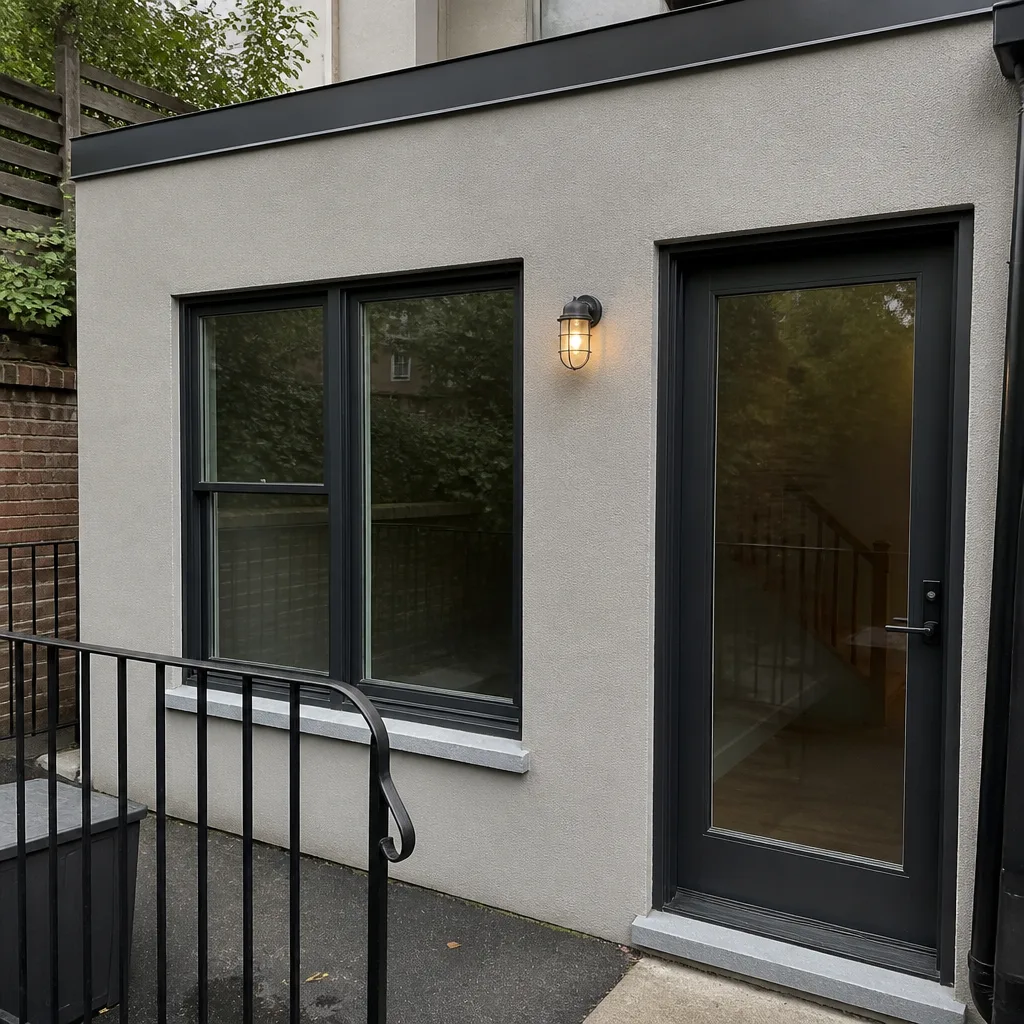 After
After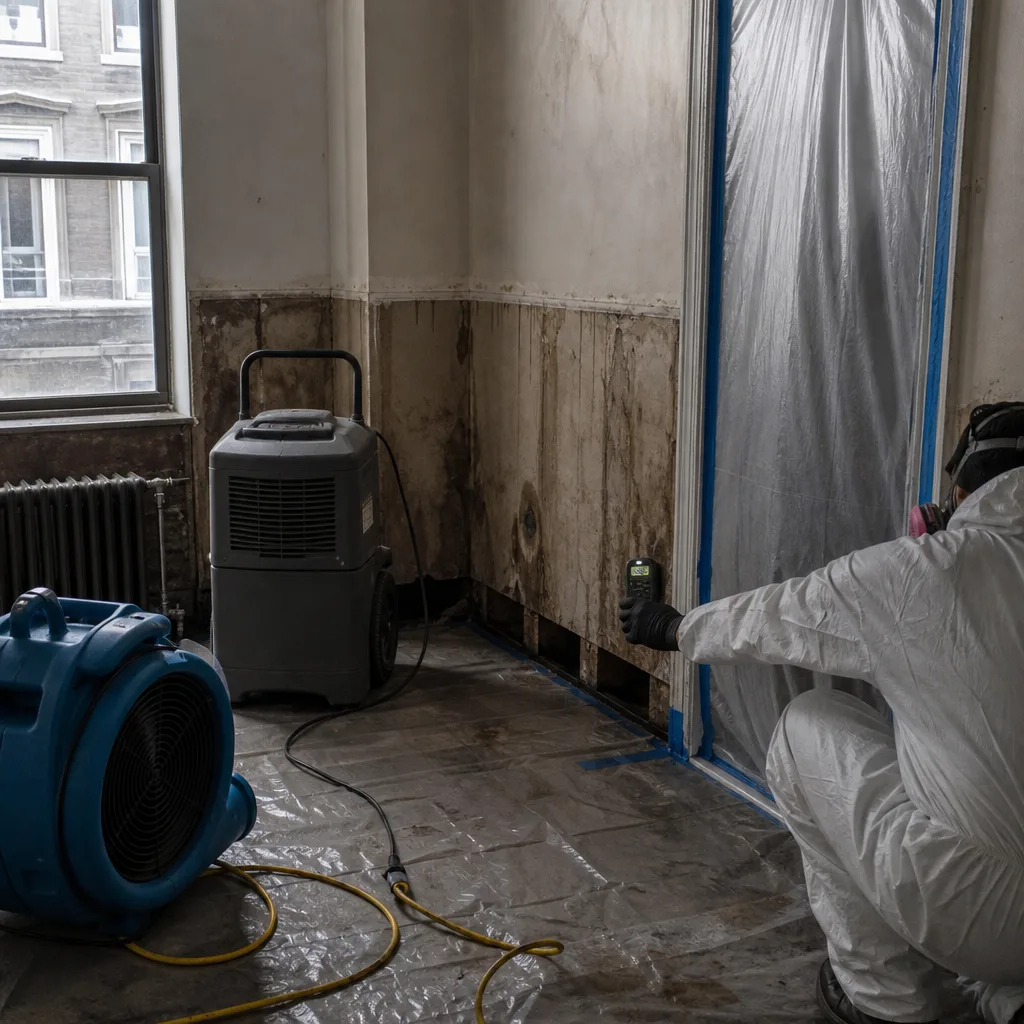 Before
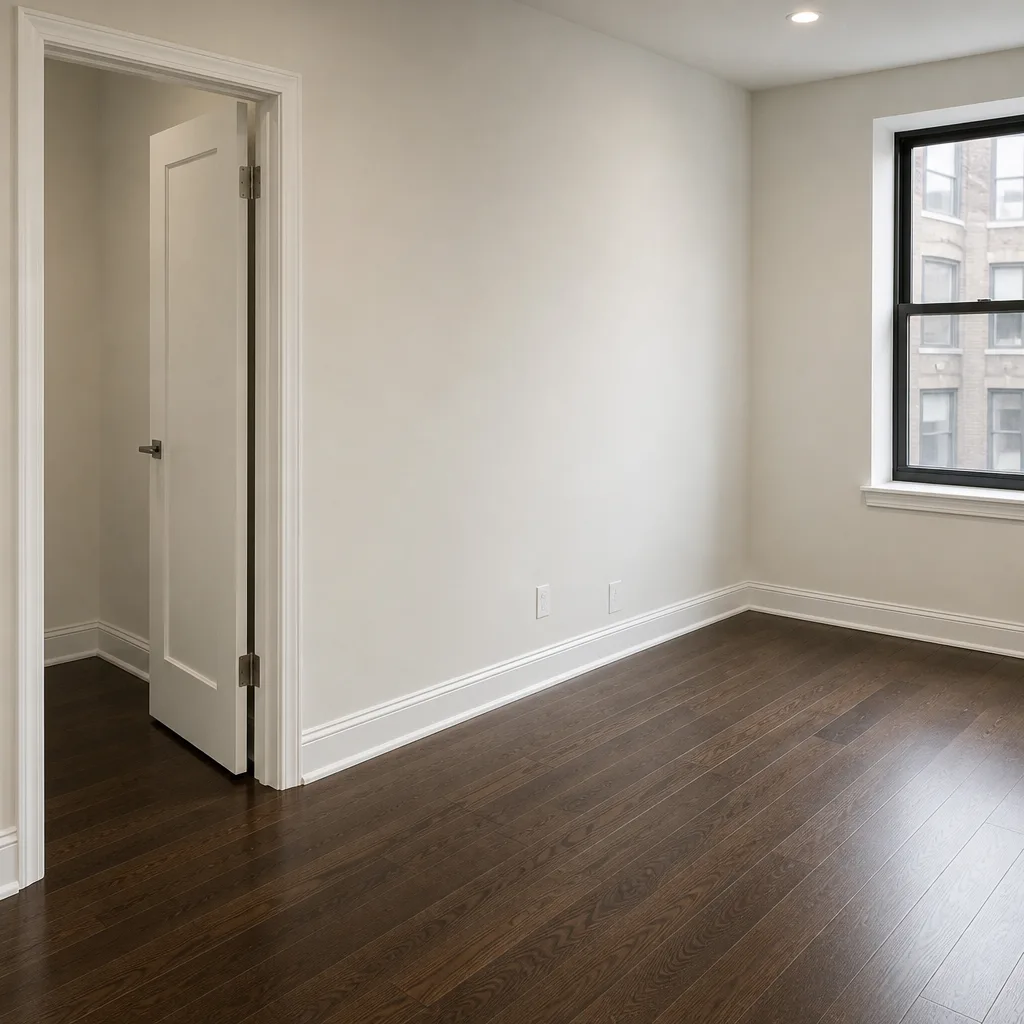 After
After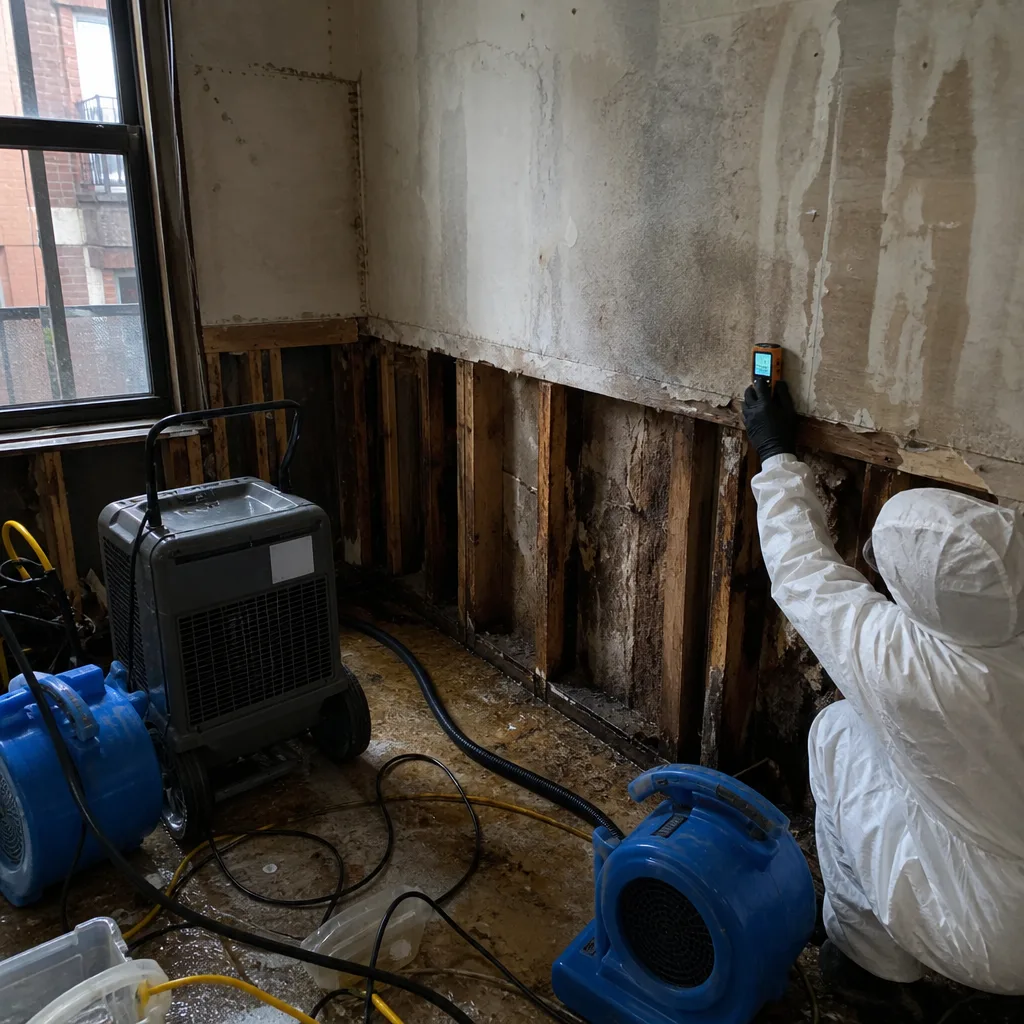 Before
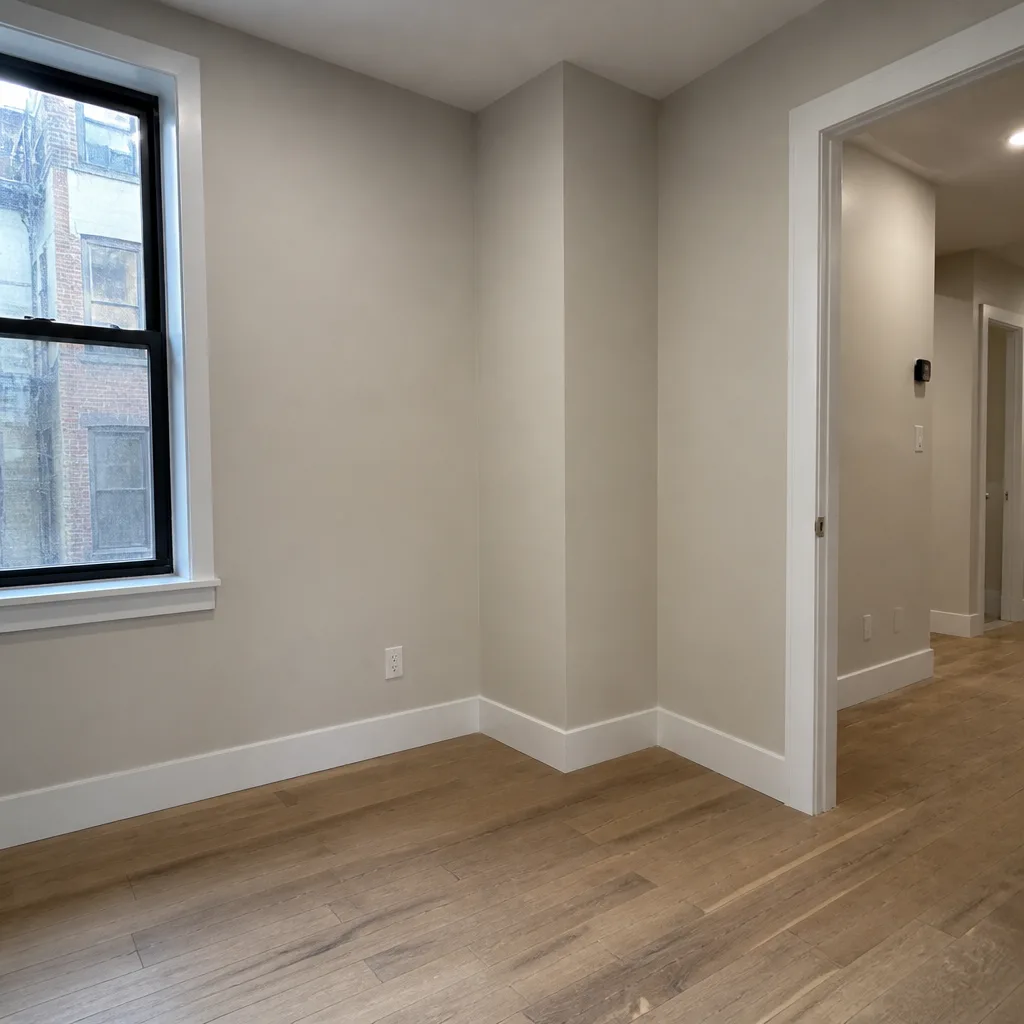 After
After24/7 Emergency Storm & Disaster Restoration in Upper West Side
Storm damage in Upper West Side moves fast. A nor’easter rips a section of roof membrane off a Riverside Drive co-op at 2 a.m., and by 6 a.m. water has traveled through three floors of horsehair plaster before anyone notices the stain spreading across a ceiling. Wade’s Restoration answers live around the clock. Not a call center. A person. Call (607) 350-1550 and Wade or a member of his crew picks up. We can have extraction equipment running inside the hour for most Upper West Side addresses, because once water starts moving through a pre-war building’s shared walls and pipe chases, every hour adds square footage to the loss and zeros to the claim. First hour matters. Free visual inspection, straight answers, and no trip charge inside our county.
Understanding Storm & Disaster Restoration Severity in Upper West Side Properties
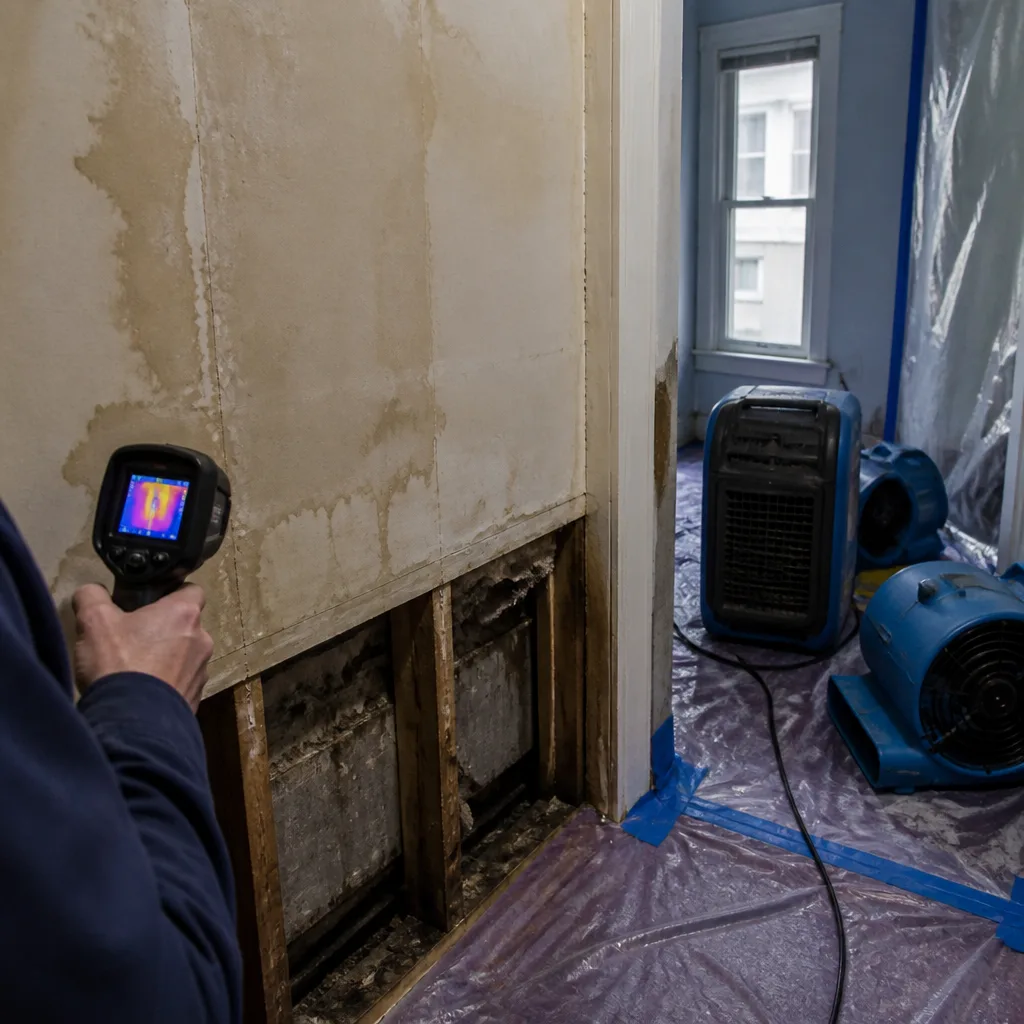
Upper West Side buildings don’t fail the way suburban houses do. A 1915 co-op on West End Avenue has cast-iron supply risers wrapped in original insulation that’s often friable asbestos, horsehair-and-plaster walls that hold moisture differently than gypsum board, and gravity-fed steam systems that knock and surge through shared interior chases. When storm water enters, we’re dealing with Category 2 or Category 3 water fast: rain-driven infiltration picks up decades of dust, lead paint residue, and whatever lives in century-old wall cavities. Moisture mapping matters more than visible staining here. We use thermal imaging and penetrating moisture meters to trace water migration through plaster, because on west-facing Riverside Drive buildings, wind-driven rain saturates interior walls behind intact paint and a wall that feels dry to the touch is busy growing mold inside the plaster matrix. Structural drying in pre-war co-ops requires understanding that these walls don’t dry the way modern drywall does: they need lower humidity targets, longer dwell times, and daily moisture readings logged and handed to you at the end.
Why Upper West Side Property Owners Choose Wade’s Restoration
- 45-minute response commitment: Wade heads out the moment you call. We can typically have a crew at your building within 45 minutes for Upper West Side addresses, and extraction gear running shortly after.
- Live answer, 24/7: A real person picks up every call, day or night. Wade answers his own phone. No voicemail, no answering service, no runaround.
- IICRC-certified crews: Our people hold WRT, FSRT, and AMRT certifications. That matters when storm water in a pre-war co-op means Category 3 contamination and possible asbestos in the same wall cavity.
- Free visual inspection: We’ll come look, tell you exactly what’s happening, and give you a written scope before any work starts. No charge for that.
- Direct insurance billing: We bill your carrier directly and document everything from the first hour: photos, moisture readings, equipment logs, line-item scope.
- One team, start to finish: Emergency extraction, structural drying, plaster repair, reconstruction. Same crew, same Wade. Not three subcontractors who’ve never met each other.
Our Storm & Disaster Restoration Process
Inspection & Assessment
We start with thermal imaging and moisture mapping across all affected areas. In Upper West Side pre-war buildings, this means checking not just the visible damage but the wall cavities, pipe chases, and floors below. We identify whether the water is Category 1, 2, or 3 before we set drying targets.
Extraction & Stabilization
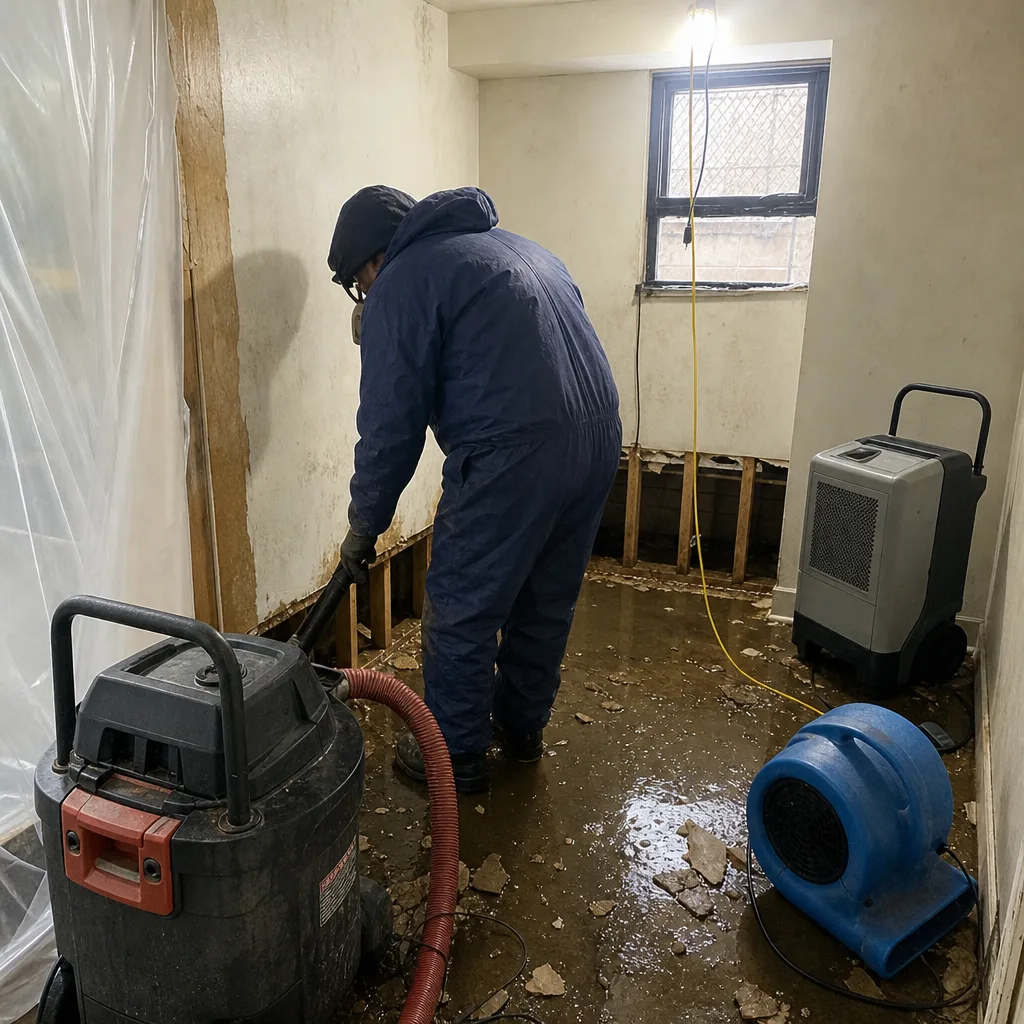
Truck-mounted and portable extraction units, starting with the deepest water first. We also stabilize any structural risks: sagging plaster, compromised ceiling sections, areas where water has saturated lathe and plaster to the point of failure.
Drying & Dehumidification
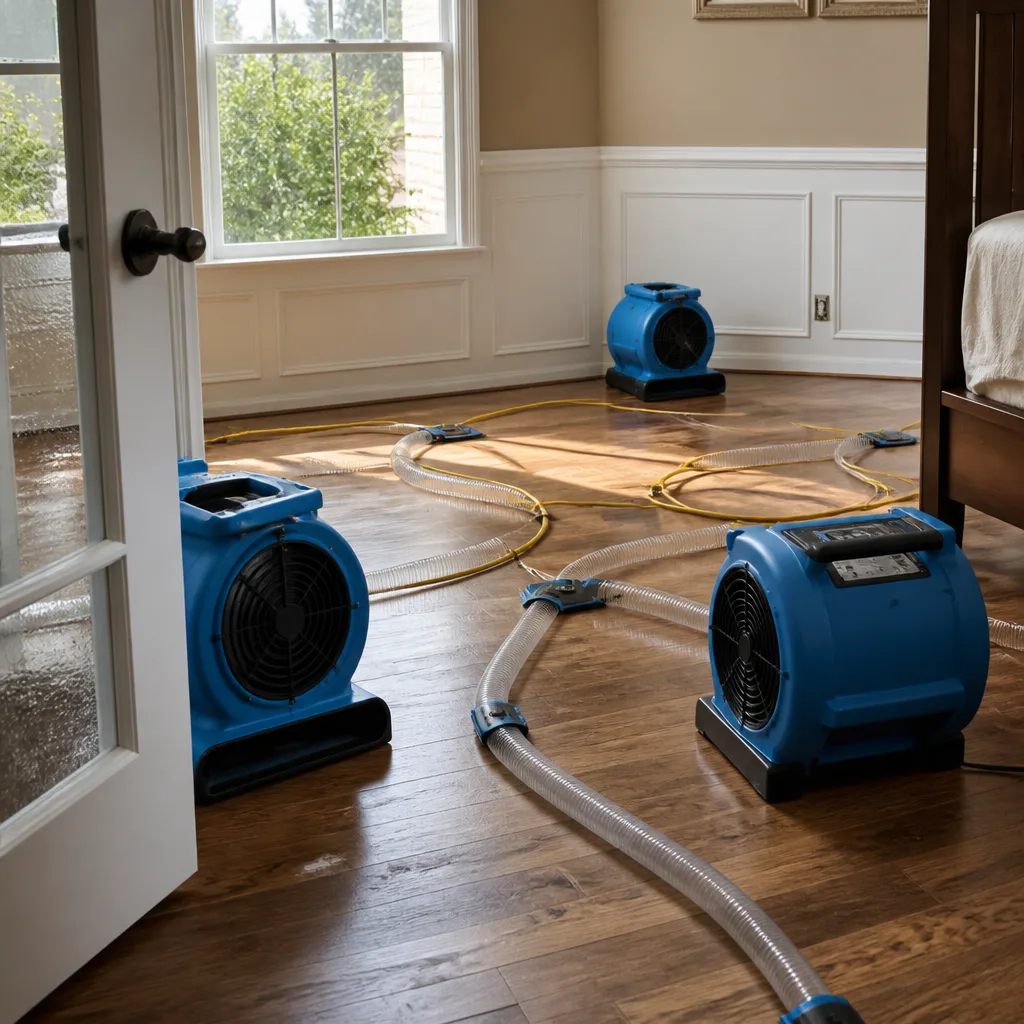
Dri-Eaz dehumidifiers and Phoenix air movers placed for cross-flow, with drying chambers built where the building’s layout allows. Daily moisture readings taken on site and logged. In pre-war plaster, drying takes longer than drywall and we set targets accordingly, never rushing a surface that’s still wet underneath.
Cleaning & Sanitization
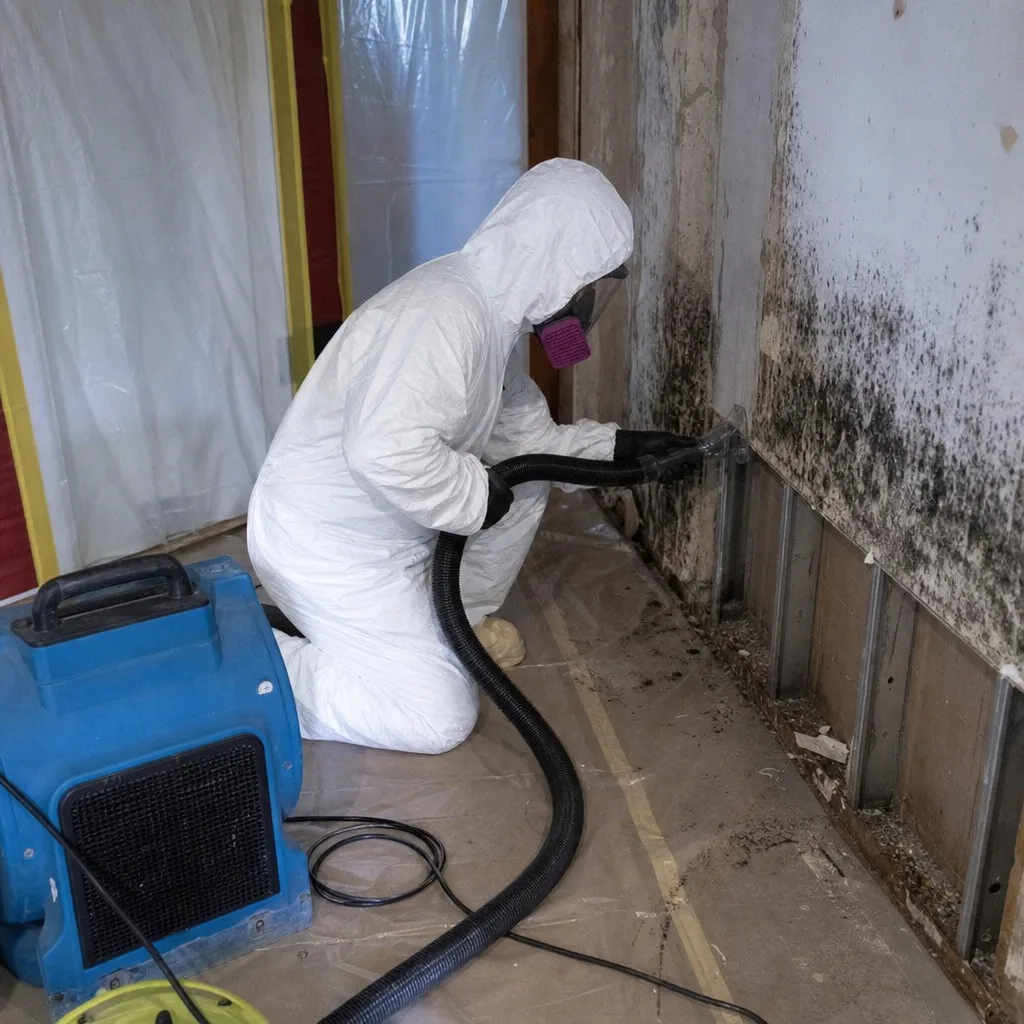
HEPA air scrubbers run throughout, and affected surfaces are cleaned with appropriate antimicrobial treatments. In Category 3 situations we set containment under negative air pressure, remove contaminated porous materials, and document everything for your insurer.
Specialty Treatment
For Upper West Side co-ops, this often means coordinating with an abatement contractor if original pipe insulation tests positive for asbestos, or a landmarks consultant if replacement materials need LPC sign-off. We sequence the specialty work into the overall dry-down so the project doesn’t stall.
Repairs & Restoration
Plaster matching, trim replication, floor refinishing, paint matching to building-standard specifications. We restore pre-war details properly, working from photos and material samples so the repair disappears into the original.
Need Emergency Storm & Disaster Restoration in Upper West Side Now?
Crews minutes away, answering live 24 hours a day. The sooner we start, the less it costs.
Working With Your Insurance Company
Upper West Side storm and flood claims get complicated fast, especially in co-ops where the master policy, individual HO-6 policy, and proprietary lease all point at each other. We’ve handled enough of these to know the difference between what a master carrier covers and what falls on the shareholder, and we document accordingly from the first hour. Photos of every affected room. Daily moisture readings with time stamps. Equipment logs. A line-item scope that uses industry-standard estimating software your adjuster can read without translation. Wade deals with the adjuster directly, so you’re not stuck relaying messages between two sides who’ve never met. For co-op claims especially, having a restoration company that speaks adjuster and understands proprietary leases is the difference between a claim that settles in weeks and one that drags for months.
What We Provide Your Insurer
- Thorough documentation of the loss
- Photos of all damage, room by room
- Moisture readings and drying logs
- A detailed, line-item scope of work
- Direct coordination with your carrier
Built for Upper West Side’s Loss Calendar
Upper West Side has a storm and water damage rhythm that follows the seasons, and we plan our local crews around it. January and February deep freezes burst supply risers in pre-war co-ops along West End Avenue and Riverside Drive, where original cast-iron piping has been expanding and contracting for a century. Nor’easters from November through March drive rain horizontally into west-facing masonry, saturating interior plaster on Riverside Drive and finding every failed window lintel and open mortar joint. Summer thunderstorm season brings flash flooding to basement and cellar levels, many of which sit in century-old masonry foundations with no modern waterproofing membrane. Then there’s the seasonal thaw, when ice dams on older roof structures and clogged drainage on setback terraces send water down through shared walls. Each season has a signature loss pattern here, and knowing them means we arrive already familiar with your building’s likely failure points.
Storm & Disaster Restoration Across Upper West Side’s Neighborhoods
Response routing matters in Upper West Side, where Manhattan gridlock and road closures can turn a ten-minute drive into forty. We know the quick cuts from Amsterdam to Columbus, the west-side access points that stay open during storm events, and which blocks have DOB street closures active. In the West 80s and 90s, we’re often in pre-war co-ops with single elevator banks and narrow stairwells, where moving drying equipment means coordinating with building staff and working around move-in/move-out hours. Along Central Park West, landmarked co-ops with strict material requirements mean every repair gets documented for LPC compliance. Riverside Drive and West End Avenue buildings are our most frequent nor’easter calls: wind-driven rain pushing through masonry, soaking the plaster behind intact paint. Down in the West 70s and the Columbus Avenue corridor, dense townhouse-and-co-op mixes mean access through service entrances, tight basements, and water that travels sideways through shared party walls. Each block has a rhythm and a building type, and restoration work here means knowing which one you’re walking into before the truck parks.
Specialized Storm & Disaster Restoration Services We Offer in Upper West Side
Storm Damage Cleanup
When a nor’easter blows out a window on a high floor or wind-driven rain gets behind masonry, the mess isn’t just water: it’s broken glass, plaster debris, soaked insulation, and whatever the storm carried in. We handle the full cleanup, including protected material handling where lead paint or asbestos-containing materials are present. In Upper West Side co-ops, cleanup often means coordinating with building staff and maintaining containment in occupied, shared hallways.
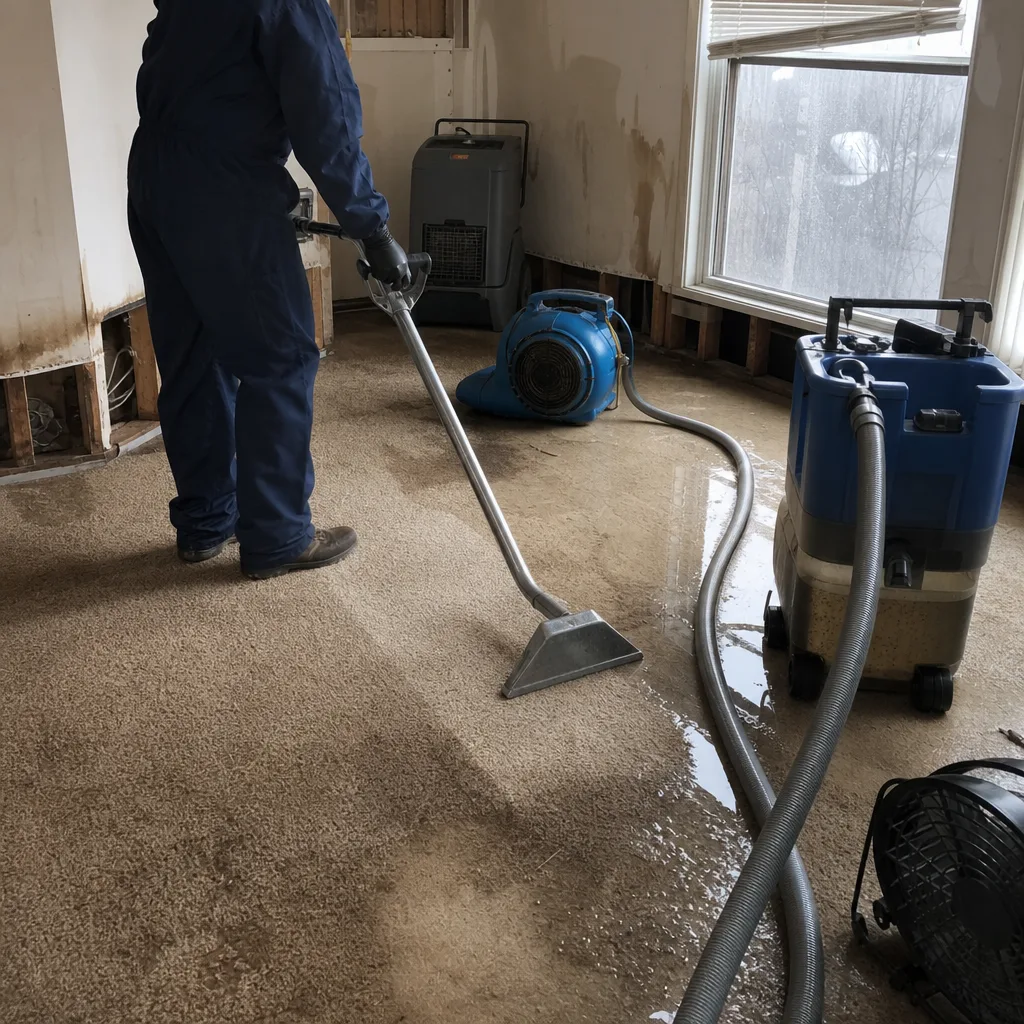
Flood Damage Restoration
Whether it’s a burst riser that cascaded through ten floors or storm surge backing up cellar drains, flood water in a pre-war Manhattan building is rarely clean. Our Storm & Disaster Restoration team handles Category 2 and 3 water with full containment, antimicrobial treatment, and structural drying. In Upper West Side basements with century-old masonry foundations, we map moisture far beyond the visible puddle because water wicks laterally through lime mortar and resettles where you can’t see it.
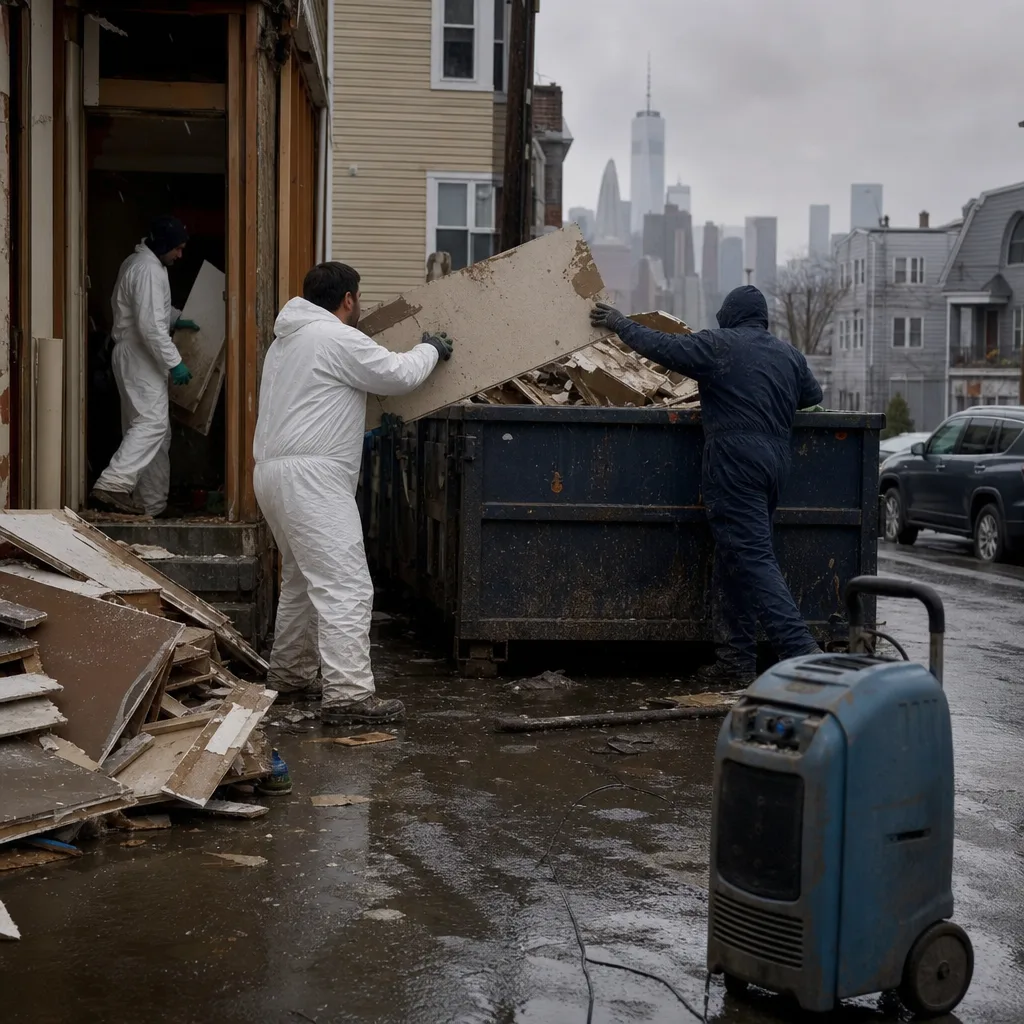
Emergency Board-Up
Storm-broken windows and compromised entry doors on Upper West Side buildings leave occupied apartments exposed. We board up with weathering-grade materials cut to fit the original openings, keeping the building secure and preventing further water entry while permanent repairs get scheduled. For landmarked buildings, we document the temporary condition thoroughly since LPC may require matching replacements for the permanent fix.
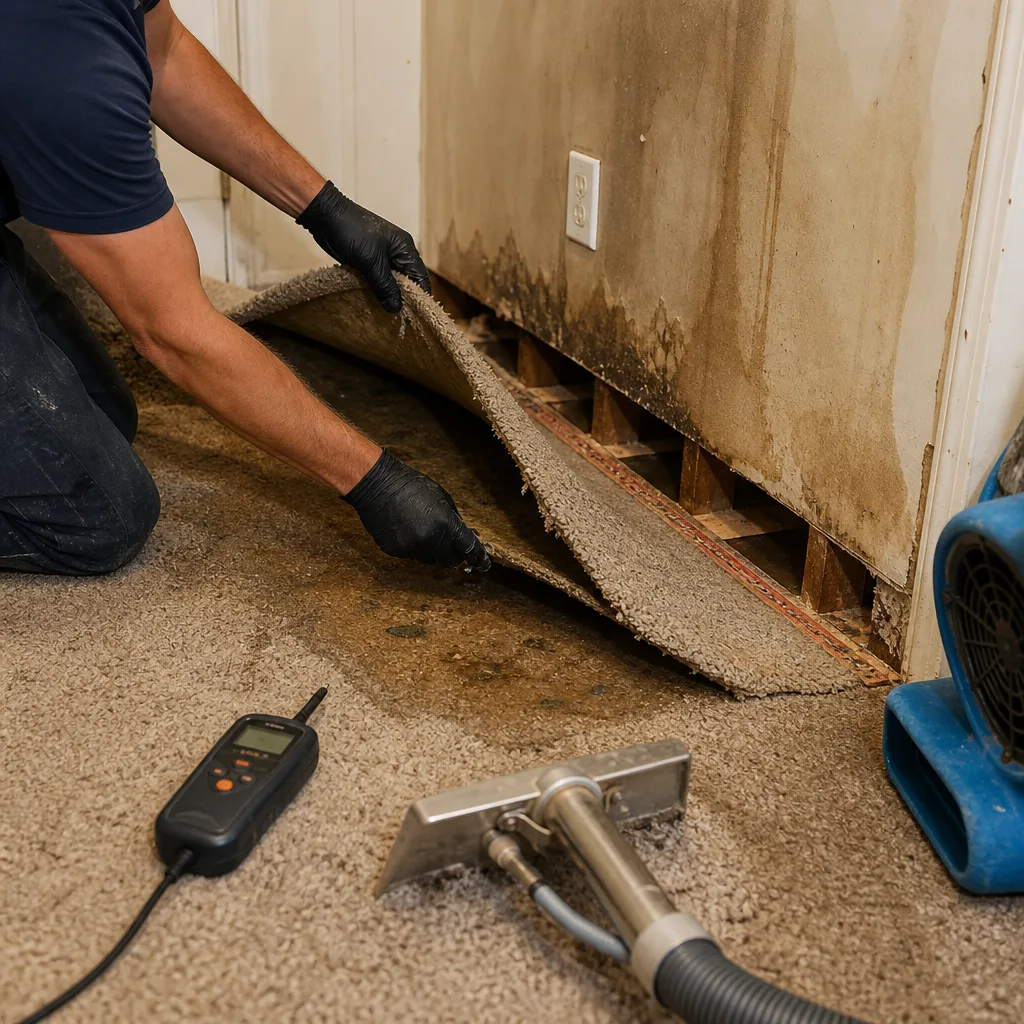
Roof Tarping
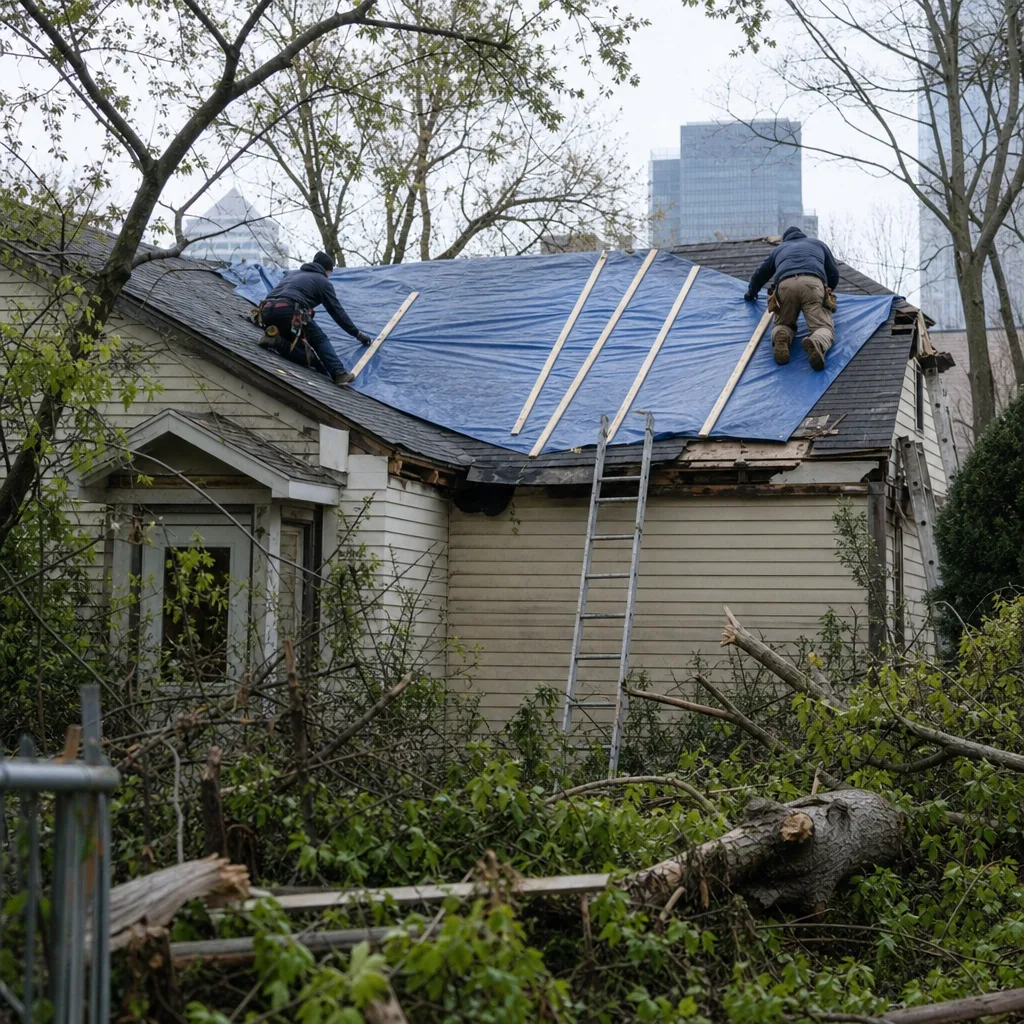
When a nor’easter peels back roof membrane on a pre-war building with original steam risers below, waiting isn’t an option. We tarp roofs and terraces to stop active water entry, using systems weighted and secured against Manhattan wind loads. We’ve tarped everything from small townhome rooftops to sections of larger co-op buildings near Upper West Side landmark districts, always with documentation for the master carrier.
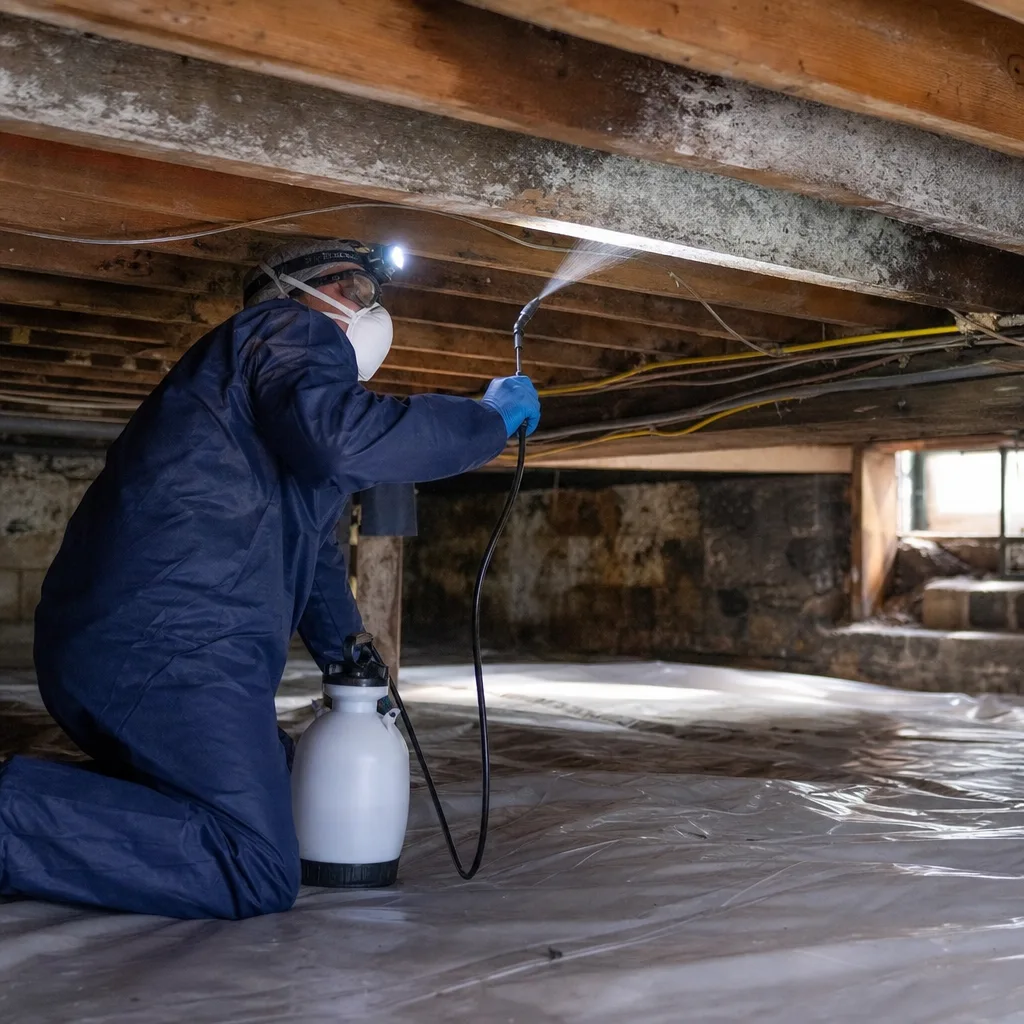
Debris Removal
Storm debris in Manhattan isn’t just tree branches; it’s shattered terra cotta, broken slate, sections of cornice, and whatever the wind picked up off a neighboring roof. We remove and dispose of storm debris with proper classification, including any material that tests positive for lead or asbestos containing materials. In dense Upper West Side blocks, debris removal needs to happen fast so building entrances, sidewalks, and service areas reopen.
What happens when you call
- 1
A real person answersNo phone trees - you reach a local pro.
- 2
You get an upfront price rangeHonest numbers before anyone is dispatched.
- 3
A background-checked tech heads outLicensed & insured, dispatched right away.
- 4
You approve before work beginsNothing starts until you say go.
Storm & Disaster Restoration Costs in Upper West Side, NY
Storm damage restoration in Upper West Side typically runs $2,500 to $8,000 for a contained single-apartment water event: extraction, drying, and plaster repair with repainting. Full-floor flood events in pre-war co-ops with asbestos abatement pause points commonly land between $15,000 and $45,000. Emergency board-up and roof tarping runs $600 to $2,500 depending on access and building height. Category 3 water with full containment and debris removal pushes costs higher: $8,000 to $25,000 for a single compromised line. Landmarked buildings with LPC-required material matching can add 15-30% to the repair scope. What moves the price: asbestos in the wall cavity, whether the proprietary lease assigns the loss to the co-op or the shareholder, how many floors the water traveled, and whether drying requires building-wide access coordination. Our free visual inspection turns all of this into a firm, written scope before any work starts. Ask anyone on your street: that’s how Wade has always done it.
We Also Serve Cities Near Upper West Side
Wade’s Restoration serves storm damage calls throughout the surrounding area, including Lower Manhattan, Financial District, Astoria, and Midtown Manhattan. Same live answer, same 45-minute response commitment, same written scope before work starts.
Upper West Side Storm & Disaster Restoration Questions, Answered
Does NYC Landmarks Preservation Commission review apply to water-damage repairs inside a landmarked Upper West Side co-op, or only to the exterior?
LPC review applies primarily to exterior work and interior features visible from the street, but interior repairs in individually landmarked buildings or within historic districts can trigger review if the work affects protected interior elements, which many pre-war lobbies, stair halls, and even some apartment interiors feature. For most interior water-damage restoration, replacement of in-kind materials to match what existed requires documentation but not a hearing; when we’re working in a protected space, we coordinate with the building’s landmarks consultant and sequence repair approvals into the drying schedule so the project doesn’t stall. Call (607) 350-1550 and we’ll tell you where your building stands.
How do you handle a steam-riser leak in an Upper West Side pre-war building where the pipe chase contains asbestos insulation?
First step is stopping the water, then we set containment around the affected chase immediately. If the original pipe insulation is suspected asbestos, we do not cut into it; we bring in a licensed NYC asbestos contractor to sample and, if positive, clear the area before structural drying or plaster repair proceeds. We document the abatement pause in our drying logs for the co-op’s master carrier, because that delay affects claim timelines and drying targets. Call (607) 350-1550 for an exact scope.
Can you really dry out horsehair plaster walls in a 1910 Upper West Side co-op without tearing them all out?
Yes, in most cases. Horsehair plaster can have its structural integrity preserved with controlled drying, but only if the water event is caught before the lime binder breaks down. We use penetrating moisture meters to map the wall cavity, set lower humidity targets and longer dwell times than drywall requires, and take daily readings. When the plaster matrix is too far gone, we do surgical removal of only the compromised sections and patch with compatible materials.
When a nor’easter drives rain through a Riverside Drive co-op’s masonry and soaks an interior wall, what’s the difference between you and a regular water damage company?
Most companies dry the visible stain and leave. We moisture-map behind the plaster, because Riverside Drive’s west-facing masonry holds wind-driven rain differently than typical leakage: the water saturates the plaster matrix behind intact paint and travels along concealed surfaces for feet in any direction. In these buildings, the source isn’t always a failed window; it’s often open mortar joints or missing flashing that lets water in far above the visible damage. We find the actual source, not just the symptom, and we’ve been through enough of these to know where to look first.
If storm water from an Upper West Side co-op unit floods the apartment below, who actually hires and pays for the restoration - the co-op, the upstairs shareholder, or the downstairs shareholder?
It depends on the proprietary lease and the insurance structure, and we’ve seen all three arrangements. In some buildings the master policy carries interior coverage; in others the affected shareholder’s HO-6 policy responds; in many pre-war co-ops, the proprietary lease assigns maintenance responsibility for portions of the risers and interior walls differently than standard condo statutes. We’ve handled enough of these to help identify who owes what, document everything for whichever policy responds, and keep the restoration moving while the parties sort it out. Call (607) 350-1550 and we’ll walk you through how your building works.
How fast can someone actually get here if we have water moving through our Upper West Side apartment?
We answer live, 24 hours a day, and for Upper West Side addresses we can typically have a crew on scene in under 45 minutes. Extraction equipment follows in the same trip. That speed matters in pre-war buildings, where water travels through shared wall cavities and pipe chases and soaks multiple apartments before the stain shows.
What should I do in the first 30 minutes after discovering storm water damage in my Upper West Side apartment?
Shut the water off if the source is a burst pipe; for storm entry, do what you can to stop or divert the water. Move what you can to dry areas. Do not cut into walls, especially in pre-war buildings where asbestos may lurk in pipe chases. Call us at (607) 350-1550 immediately. Photos help for the claim, but speed beats documentation in the first hour.
What certifications do you carry for this kind of work?
We’re IICRC-certified with WRT, FSRT, and AMRT credentials, RIA-affiliated, and IFA-recognized. Our equipment runs Dri-Eaz, Phoenix, and XPOWER professional units. The certifications matter most when things go sideways, which is exactly what storm damage in a Manhattan pre-war building does.
Serving Upper West Side, NY - Our Local Coverage Area
We’re based in the Upper West Side area and know this community well. Use the map below to see our service coverage - if you’re nearby, we can almost certainly help.
Storm & Disaster Restoration in Upper West Side: The Pre-War Reality
In Upper West Side pre-war co-ops, a single burst steam riser can cascade water through 10 or more floors, triggering simultaneous claims under the co-op’s master policy, affected shareholders’ HO-6 policies, and the proprietary lease, and if the building is landmarked, the NYC Landmarks Preservation Commission must approve replacement materials before restoration can close. That’s not an academic description. It’s the actual operating environment for restoration work here, and it’s why a company that treats Upper West Side like any other zip code gets eaten alive. Cutting into a wall without an asbestos survey turns a routine water-damage call into a DEP-notification abatement halt, leaving tenants without heat and drywall for weeks. Relying on visible staining instead of moisture mapping means a Riverside Drive co-op gets signed off as dry while mold colonizes behind intact paint. And assuming standard condo bylaws apply when the proprietary lease says otherwise triggers a three-way coverage dispute that stalls mitigation and leaves the affected shareholder footing costs that should have been master-policy claims. Last winter we responded to a burst supply riser in a 1928 co-op on West End Avenue. Our techs began with emergency water extraction and set up containment around the affected chase while moisture mapping traced the migration through horsehair plaster across three floors. Because the original pipe insulation tested positive for friable asbestos, structural drying and plaster repair paused until a licensed NYC abatement firm cleared the area, and our drying logs documented the delay for the co-op’s master carrier. That’s the job. Understanding it before the first cut is the difference between a restoration that runs smoothly and one that turns into a legal fight.
Written by Wade Ferris, Owner at Wade’s Restoration, serving Upper West Side since 2007.