
Free visual inspection and a written scope of work before any mitigation begins - photos, moisture readings, and drying logs go in your claim file
The scope we write is the scope we bill. Anything new gets shown to you, in writing, before we touch it.
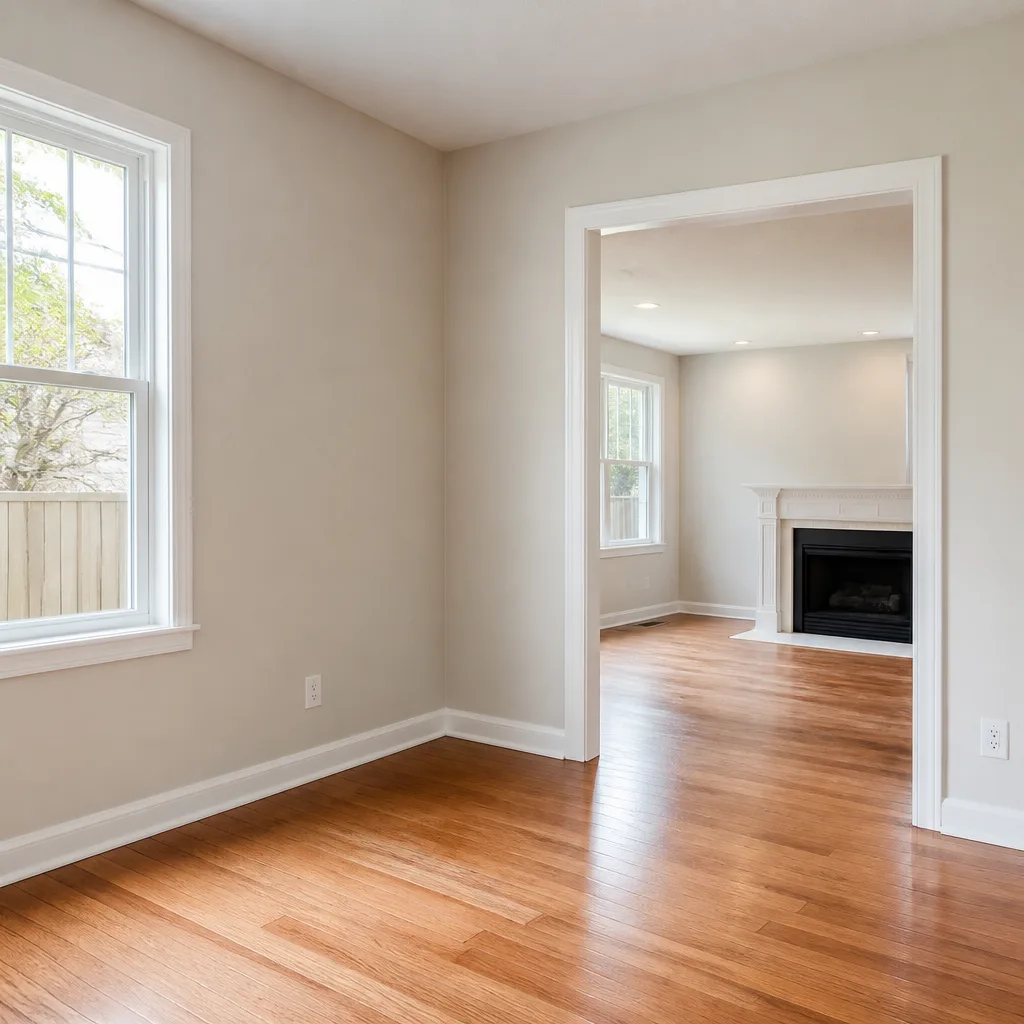
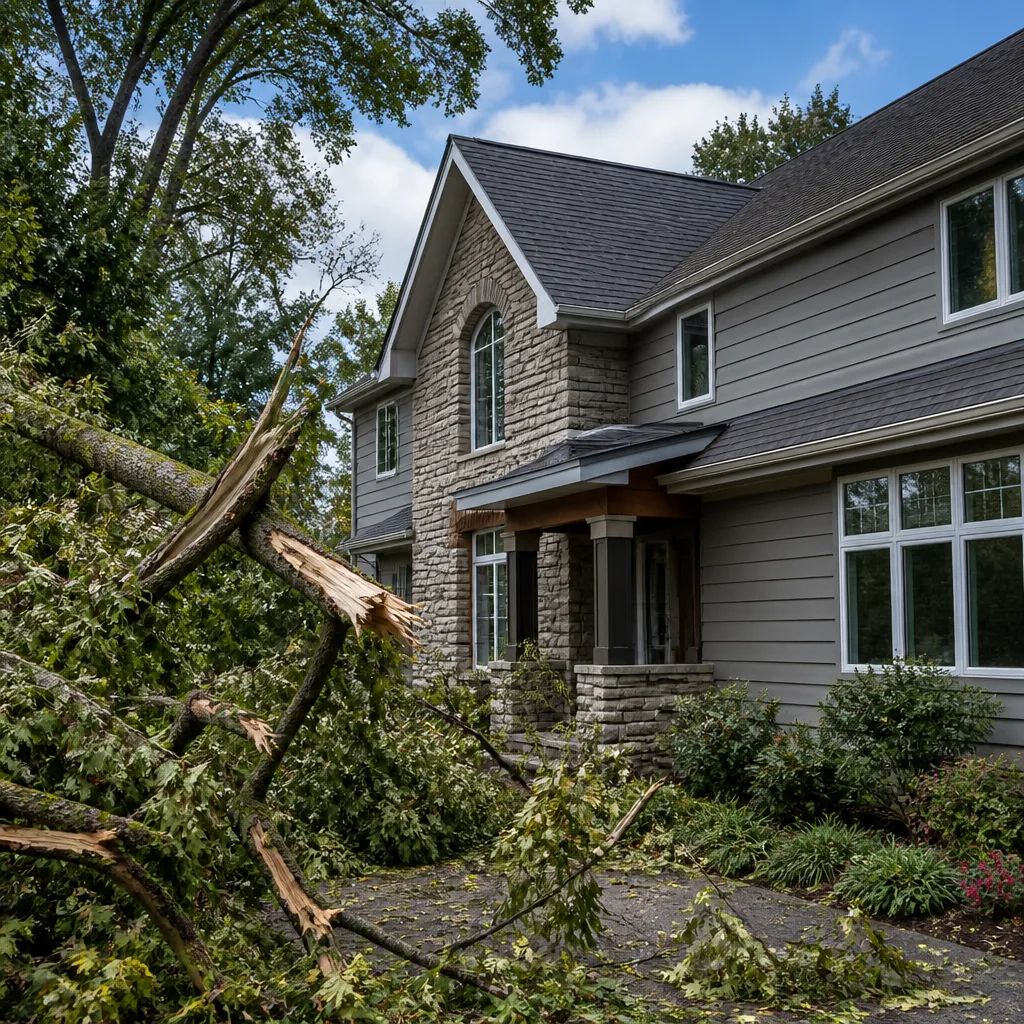
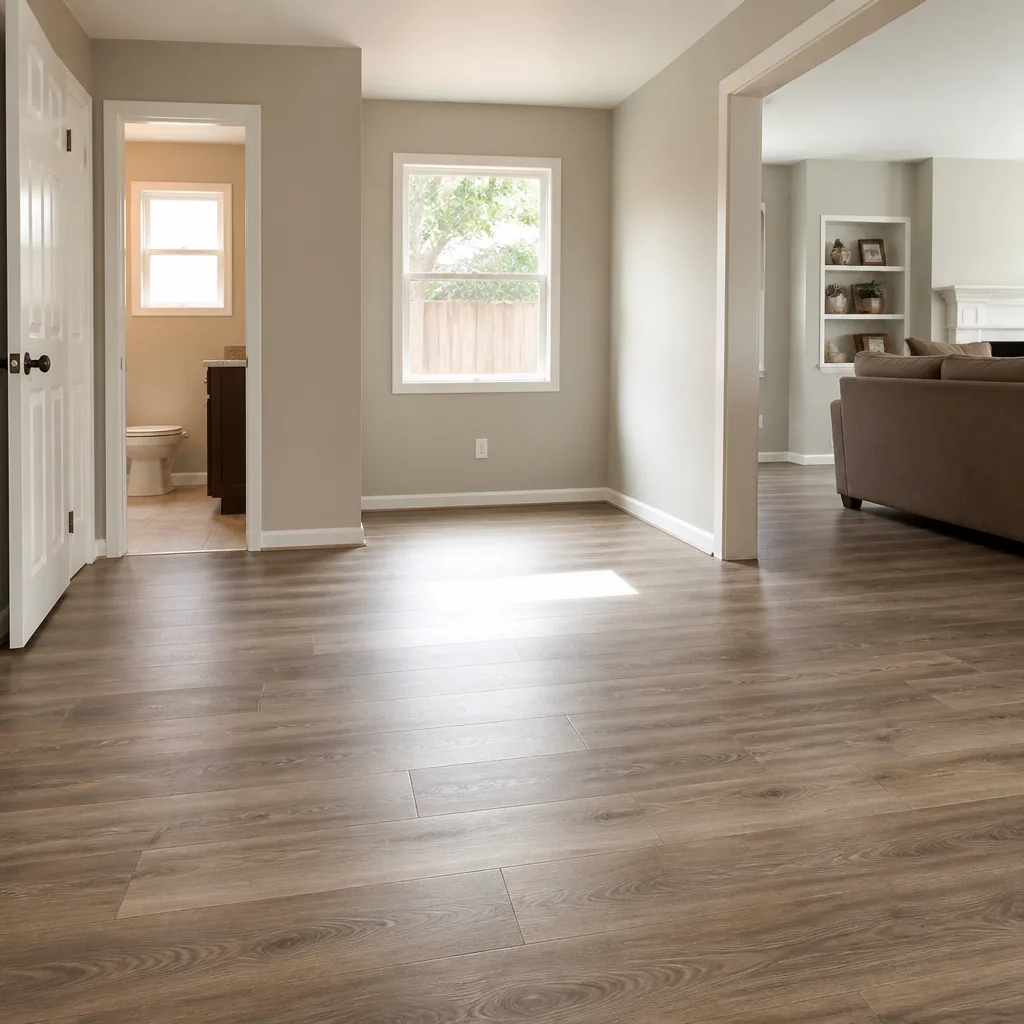

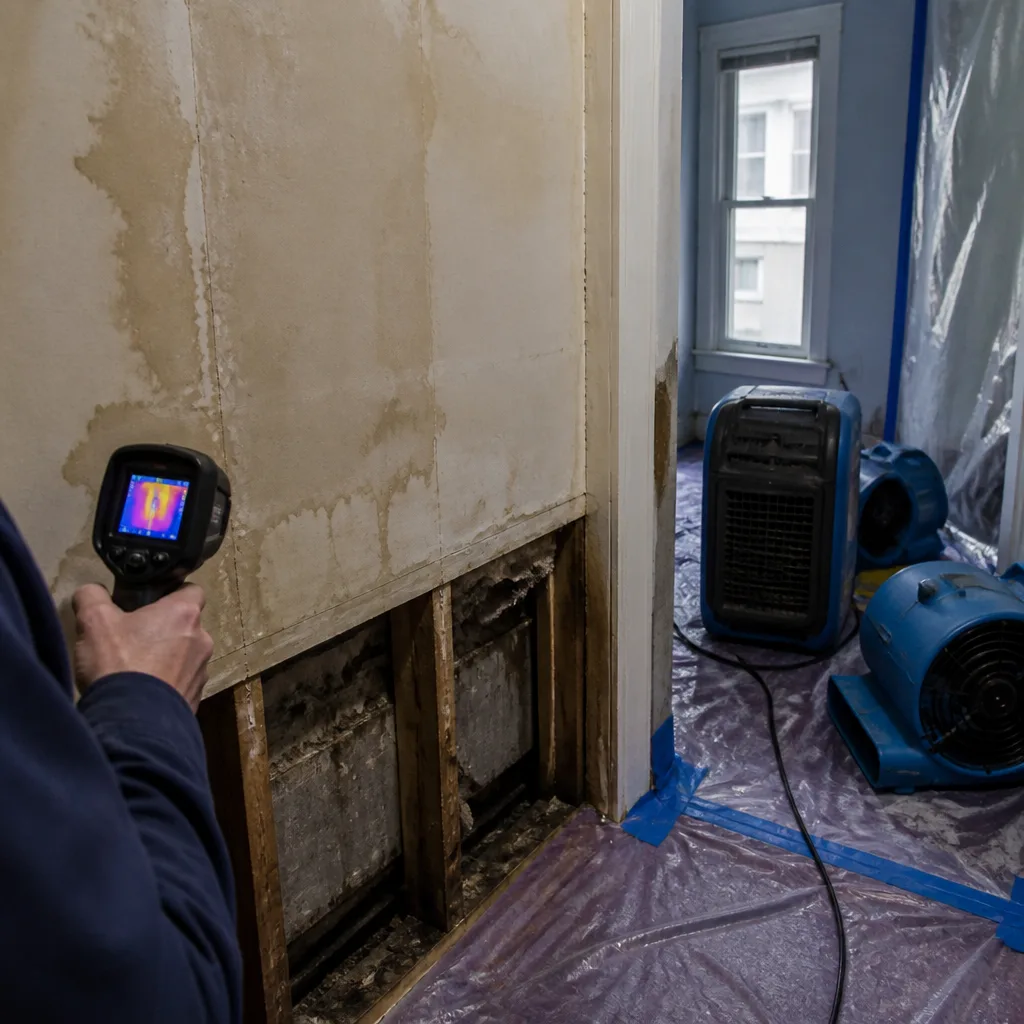 Before
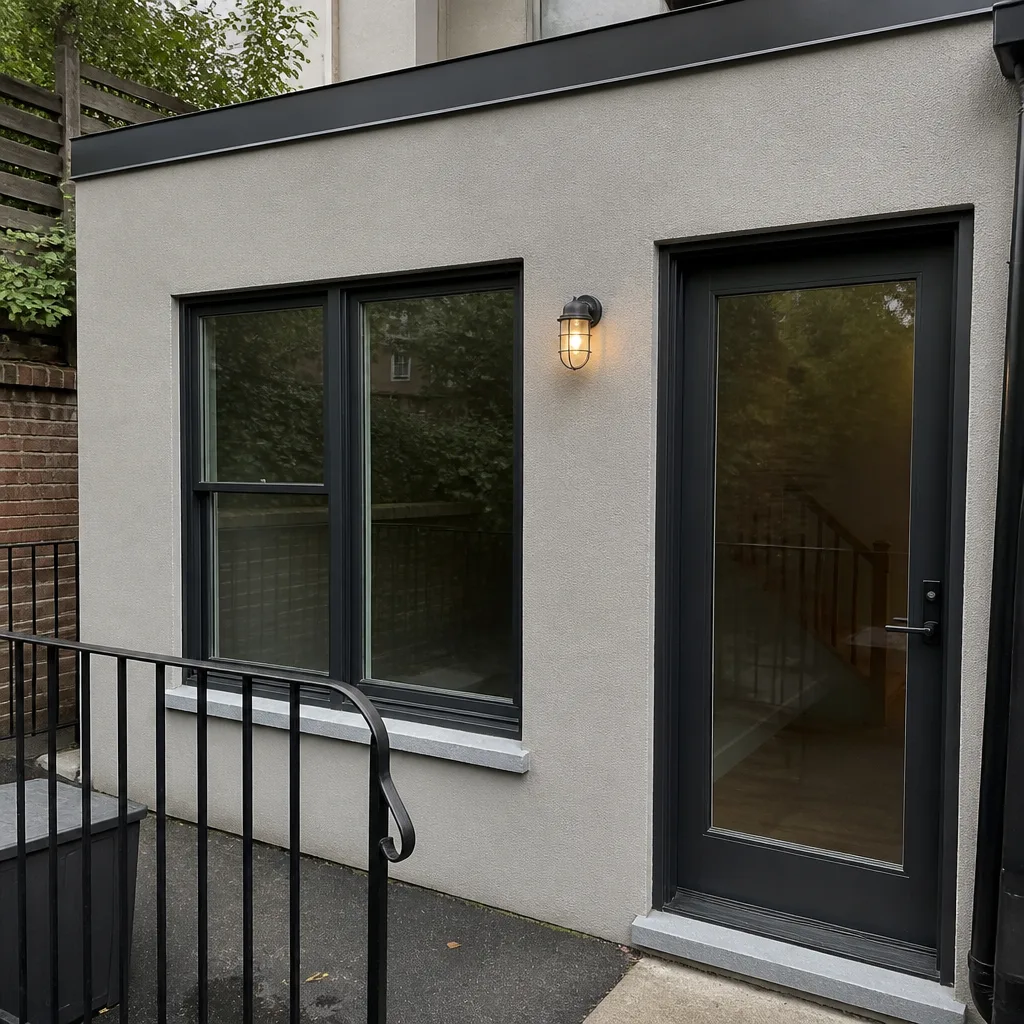 After
After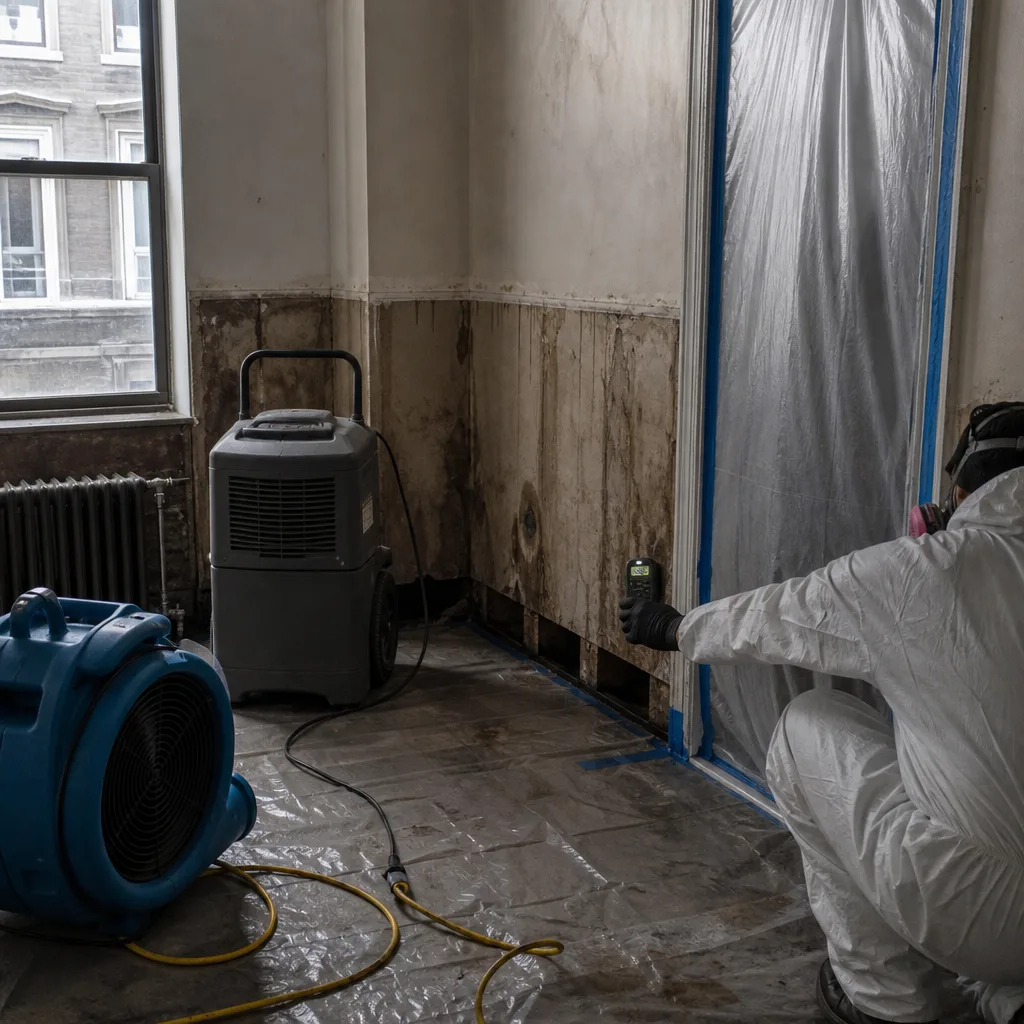 Before
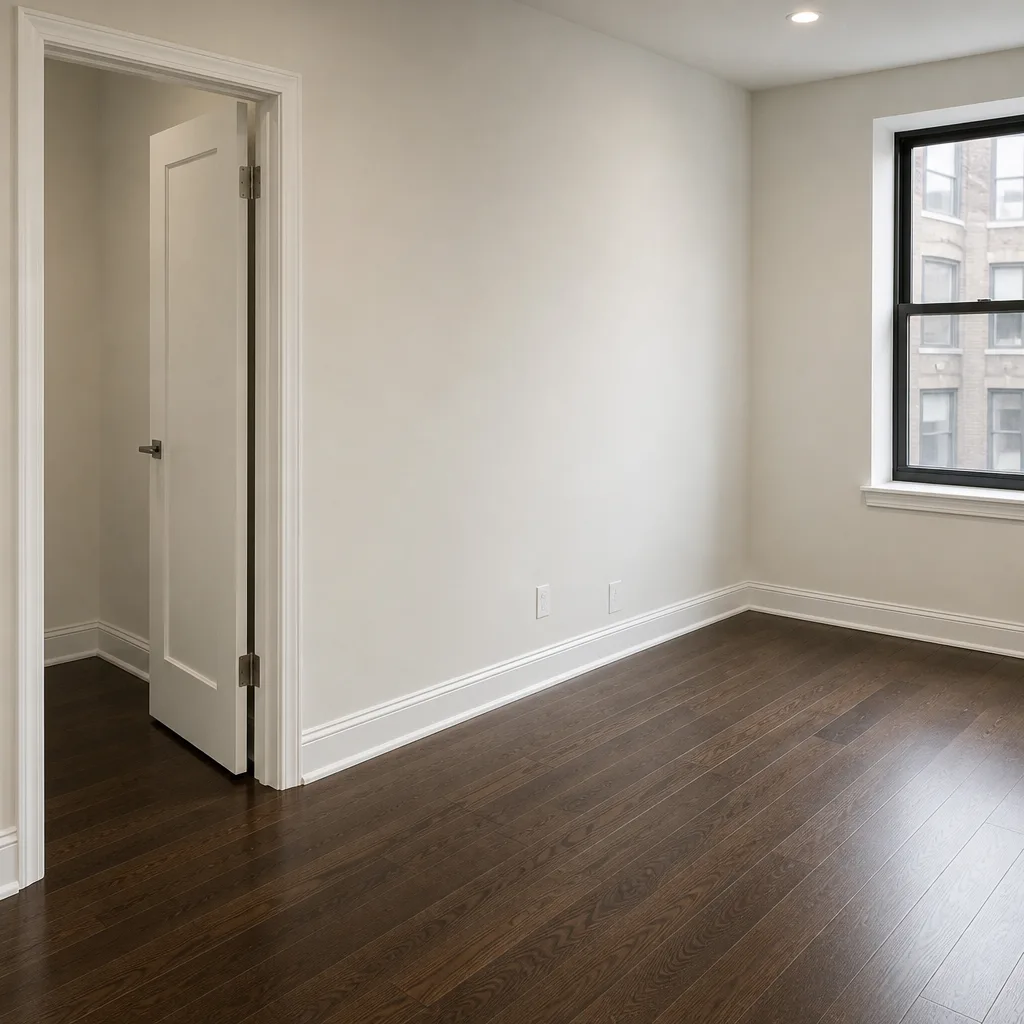 After
After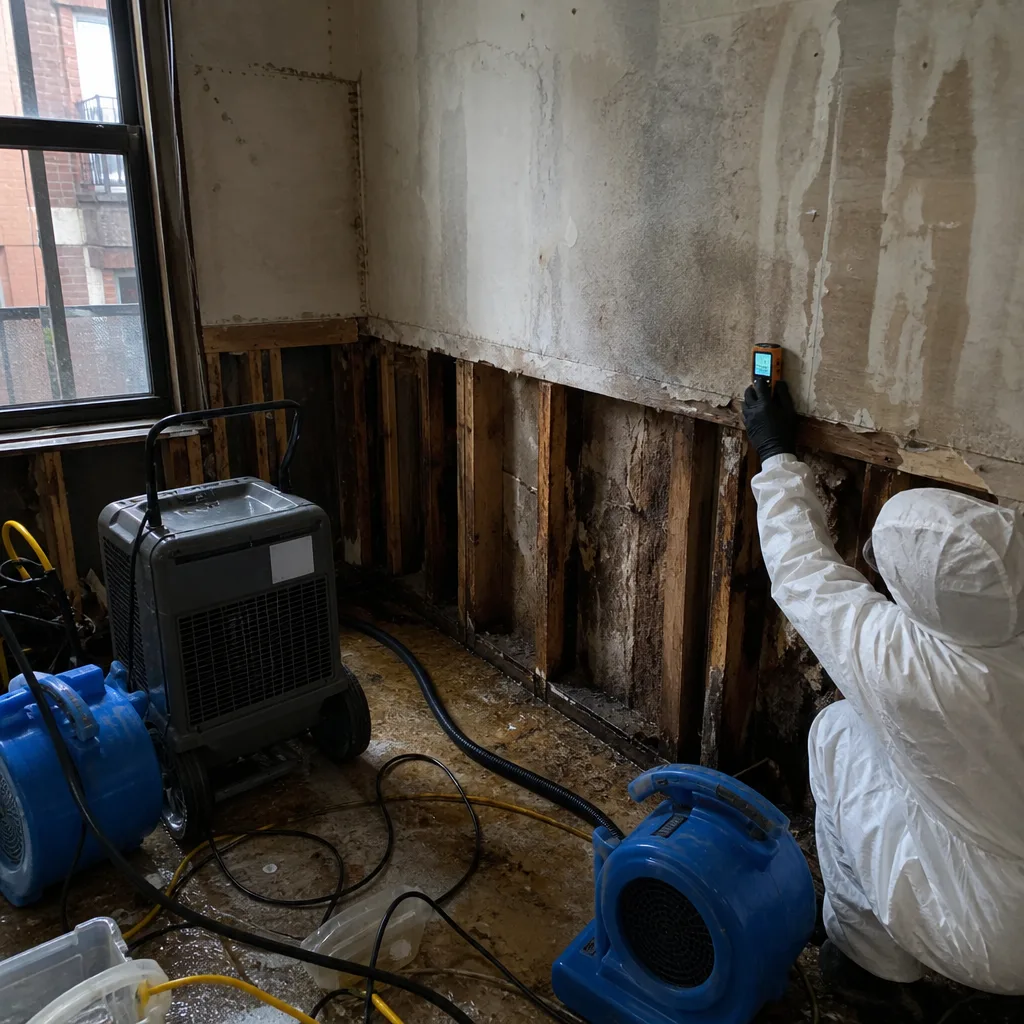 Before
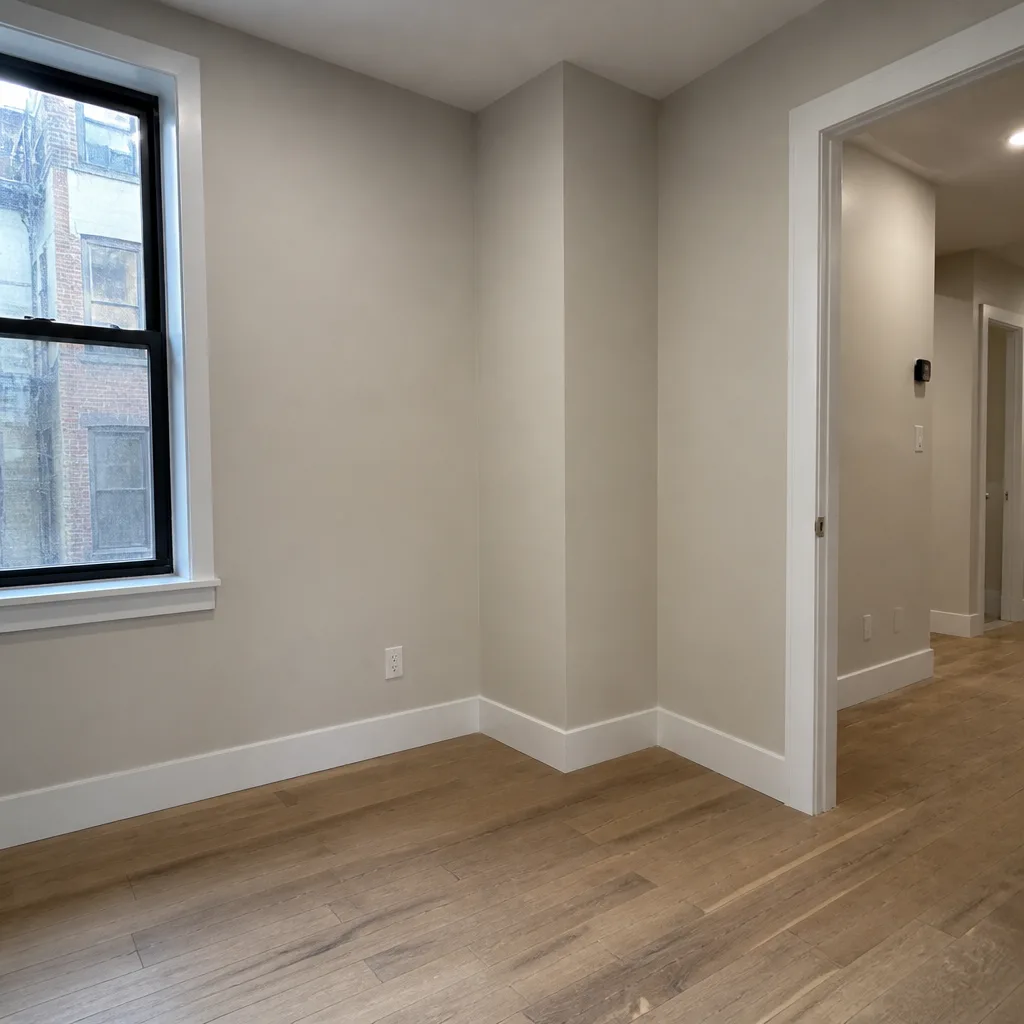 After
After24/7 Emergency Biohazard & Crime Scene Cleanup in Upper West Side
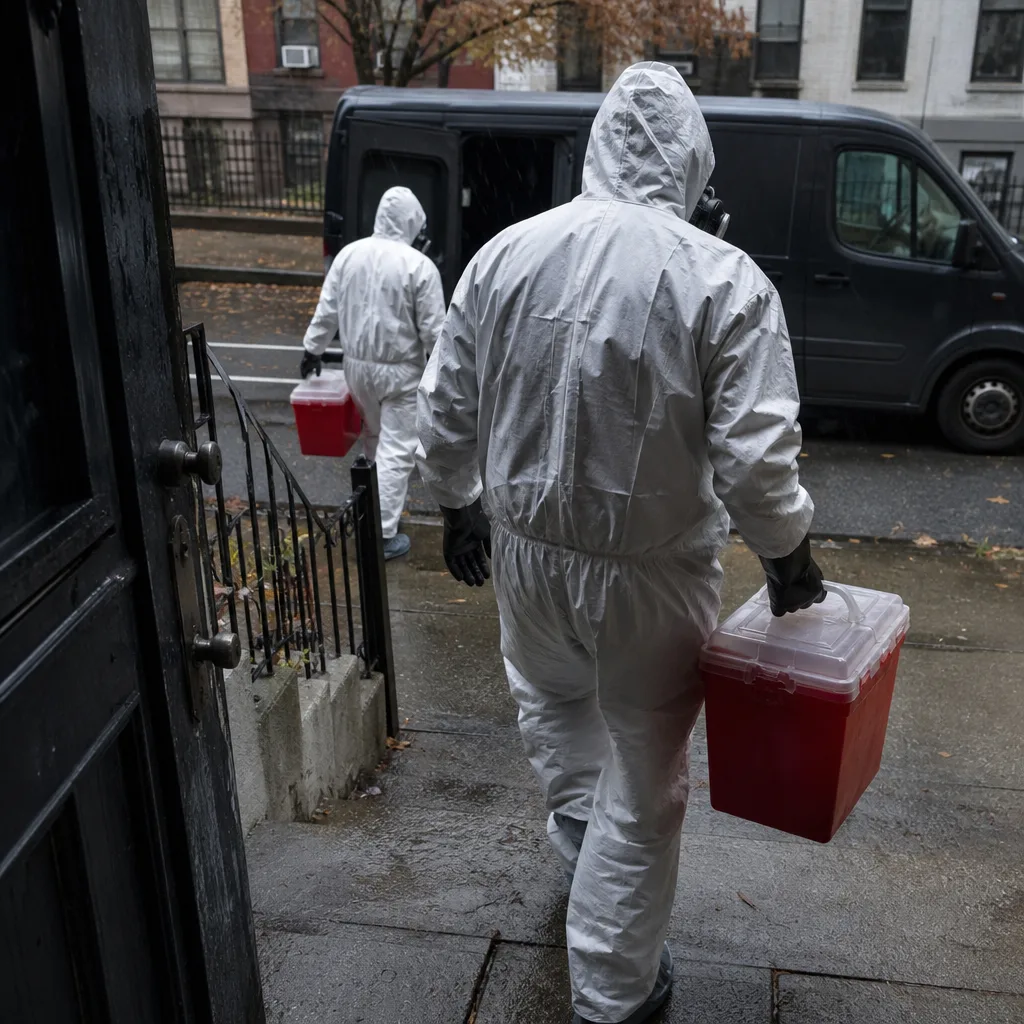
When you need biohazard cleanup in Upper West Side, a real person answers our phone at (607) 350-1550, any hour, any day. Wade Ferris runs the crews himself, and he doesn’t route you through a call center in another state. For trauma scenes, unattended deaths, or blood cleanup in a pre-war co-op on West End Avenue or Central Park West, we send a crew into the Upper West Side area right away because every hour that passes makes biological material harder to fully remove and more likely to migrate through shared walls and pipe chases. We do a free visual inspection, give you a written scope before any work starts, and coordinate with your co-op board’s managing agent so we’re not standing outside a locked lobby with equipment while a proprietary lease deadline ticks past.
Understanding Biohazard & Crime Scene Cleanup Severity in Upper West Side Properties
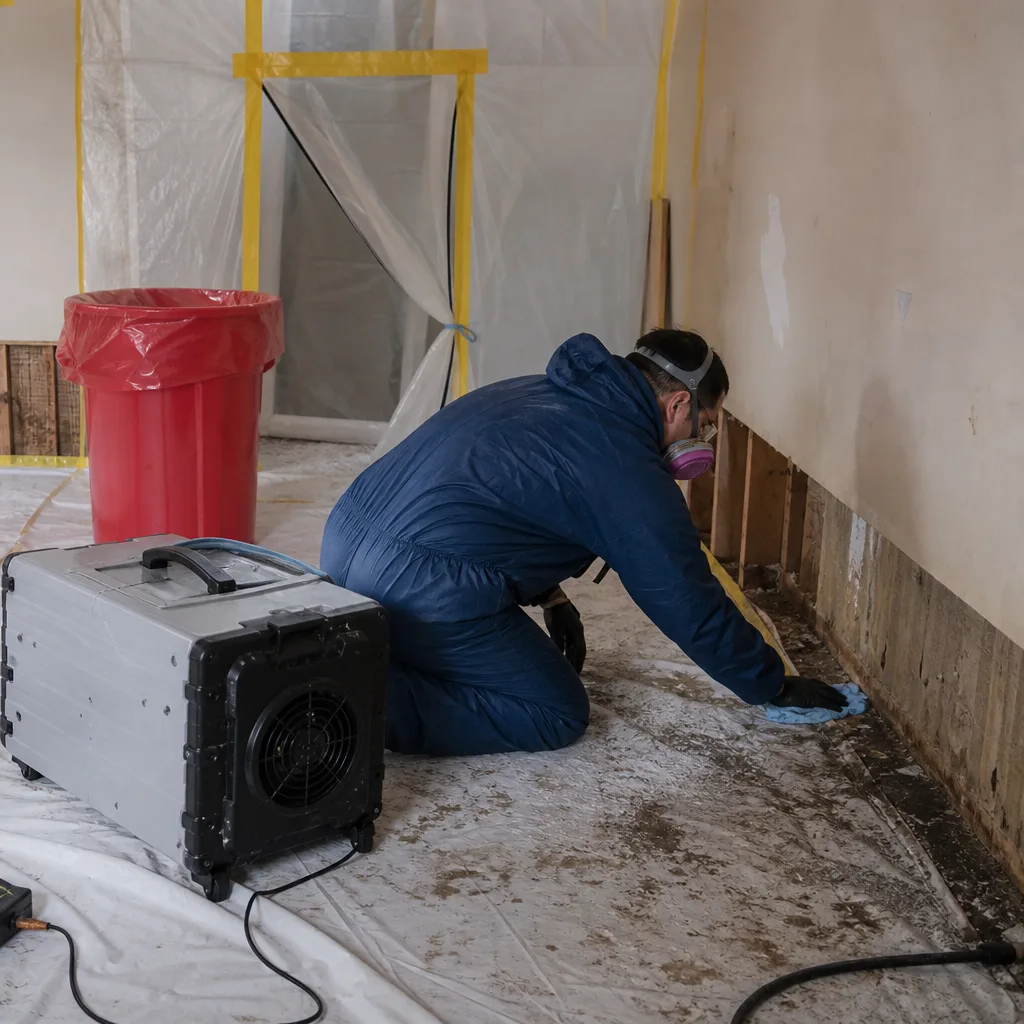
Biohazard work in Upper West Side is not the same job as it is in a suburban single-family home. The housing stock here is overwhelmingly pre-war co-op towers built between 1900 and 1940, with original horsehair-and-plaster walls and shared steam-pipe chases running vertically through dozens of units. A trauma scene in a sixth-floor Riverside Drive apartment means blood and bodily fluid can seep into plaster that has been absorbing moisture and particulate for ninety years. That plaster is porous in ways modern drywall is not, so containment has to be set up before anyone disturbs the wall. The same holds for infectious disease disinfection in a brownstone on a landmarked block off Columbus Avenue: negative air pressure in the work area, HEPA air scrubbers running continuously, and antimicrobial treatment applied to surfaces you cannot see, not just the ones you can. Severity here is a building-system question, not just a square-footage question. Tight hallways, original wood floors, and steam risers wrapped in insulation that may test positive for asbestos all change how a cleanup is sequenced, and a contractor who guesses wrong creates a liability event for the whole co-op, not just the affected shareholder.
Why Upper West Side Property Owners Choose Wade’s Restoration
- 45-minute response commitment. For active biohazard scenes in Upper West Side, we commit to having a crew onsite within 45 minutes of your call, because biological material does not wait for a scheduler.
- A live person answers 24/7. No automated system, no answering service. Wade answers his own phone, including at two in the morning when a family gets the worst news.
- IICRC-certified crews. Our techs hold IICRC credentials for biohazard and infectious disease work, and use professional-grade equipment from Dri-Eaz and Phoenix, not rental-store fans.
- Free visual inspection. Before we touch anything, we walk the affected unit and the common areas with you or the managing agent, so there is a written understanding of what is actually there.
- Direct insurance billing. Whether the claim runs through the co-op’s master policy, a shareholder’s HO-6, or an estate, we work with the adjuster directly so nobody is stuck relaying information between two sides.
- One team from first call to final clearance. We do not hand you off to a different company for repairs after the biohazard work. The same crew that sets containment handles the restoration.
Our Biohazard & Crime Scene Cleanup Process
Inspection & Assessment
We walk the unit and the building’s access routes first, documenting what is visible and what is likely hidden in plaster, flooring, and pipe chases. In an Upper West Side pre-war co-op, this includes checking whether the proprietary lease requires managing agent sign-off before any contractor enters.
Containment & Stabilization
We set up containment barriers with negative air pressure so airborne pathogens cannot migrate through hallways, stairwells, or shared steam-pipe chases into neighboring units. Stabilization means stopping the active biological spread before any cleaning begins.
Removal & Disposal
Affected materials are removed under NYC Department of Health protocols for regulated waste. That means compliant packaging, proper labeling, and transport documentation, so the co-op does not get fined for a shortcut.
Cleaning & Sanitization
Every affected surface gets cleaned with hospital-grade antimicrobials, then disinfected. We take surface swabs or ATP readings as needed so you know the unit is actually clean, not just visually clean.
Specialty Treatment for Biohazard & Crime Scene Cleanup
Depending on the scene, this includes odor neutralization with hydroxyl or ozone treatment, tear gas residue decontamination, or infectious disease disinfection to a level that satisfies NYC Department of Health expectations.
Repairs & Restoration
After the biohazard work, we repair or replace flooring, plaster, and finishes, matching pre-war details where the building requires it. On landmarked properties, we coordinate with NYC Landmarks Preservation Commission on replacement materials.
Need Emergency Biohazard & Crime Scene Cleanup in Upper West Side Now?
Crews minutes away, answering live 24 hours a day. The sooner we start, the less it costs.
Working With Your Insurance Company
Biohazard and crime scene cleanup claims in Upper West Side are a different animal from a standard water damage claim. They frequently involve three parties: the co-op corporation’s master policy, the affected shareholder’s HO-6 policy, and sometimes a third party whose actions caused the loss. We have handled enough of these to know that the adjuster needs documentation from hour one, not a summary written a week later. Wade deals with the adjuster directly, so you are not the one stuck relaying information between the co-op board, the carrier, and the contractor.
What We Provide Your Insurer
- Thorough documentation of the loss
- Photos of all damage, room by room
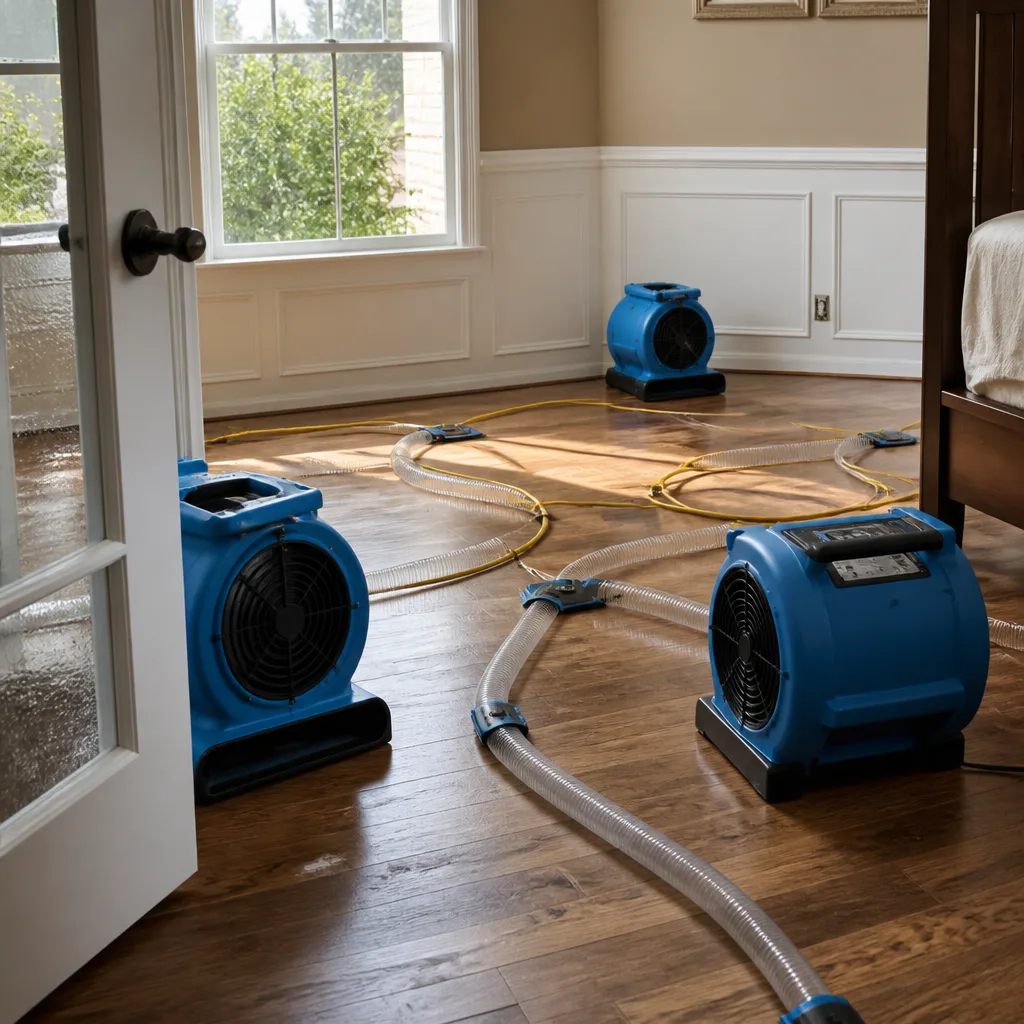
- Moisture readings and drying logs
- A detailed, line-item scope of work
- Direct coordination with your carrier
Built for Upper West Side’s Loss Calendar
Biohazard and trauma cleanup in Upper West Side does not follow a simple seasonal calendar, but the building conditions that make scenes worse do. January deep freezes have burst supply lines in pre-war towers along West End Avenue, and when a unit goes unoccupied after a death, that water sits and accelerates the biological problem. Summer humidity off the Hudson River makes basement and cellar levels, common in these century-old masonry buildings, colonize mold faster after a spill or a sewage backup. Nor’easter season brings wind-driven rain into west-facing units on Riverside Drive, and if an apartment has been unoccupied, an unattended death scene becomes a water-and-biohazard scene at the same time. The one constant is age: cast-iron risers, original plaster, and horsehair wall construction mean a small biological release can spread through shared cavities faster than in any modern building. We know what these buildings hide because we open them up week after week in Upper West Side.
Biohazard & Crime Scene Cleanup Across Upper West Side’s Neighborhoods
Upper West Side is not one kind of building or one kind of access problem. On Riverside Drive and West End Avenue, the pre-war elevator buildings have service entrances and freight elevators that co-op boards control tightly, and we coordinate with the managing agent to move equipment without disrupting residents. In the brownstone blocks off Amsterdam Avenue and Columbus Avenue, narrow stoops and tight interior stairs mean every piece of equipment has to be carried up, and containment has to be set up in spaces that were built before anyone imagined HEPA scrubbers. Around Broadway and the West 70s through 90s, many buildings are mixed-use with commercial spaces at street level, which adds a layer of coordination when a scene is above a restaurant or a retail space. Near Central Park West, landmarked facades and historic district rules can limit what may be replaced, and we already know how to document materials for the Landmarks Preservation Commission. The point is we do not show up to an Upper West Side address and treat it like a generic apartment. We already know the building type, the access constraints, and the co-op dynamic before we knock on the door.
Specialized Biohazard & Crime Scene Cleanup Services We Offer in Upper West Side
Crime Scene Cleanup
Crime scenes in Upper West Side apartments require immediate containment because shared walls and pipe chases mean biological material can affect neighbors who had nothing to do with the incident. We work with NYPD, the medical examiner, and your co-op board so that the scene is released and cleaned without a chain of miscommunication. Once we begin, our Biohazard & Crime Scene Cleanup team handles blood, bodily fluid, and any chemical residue left by law enforcement processing.
Trauma & Unattended Death Cleanup
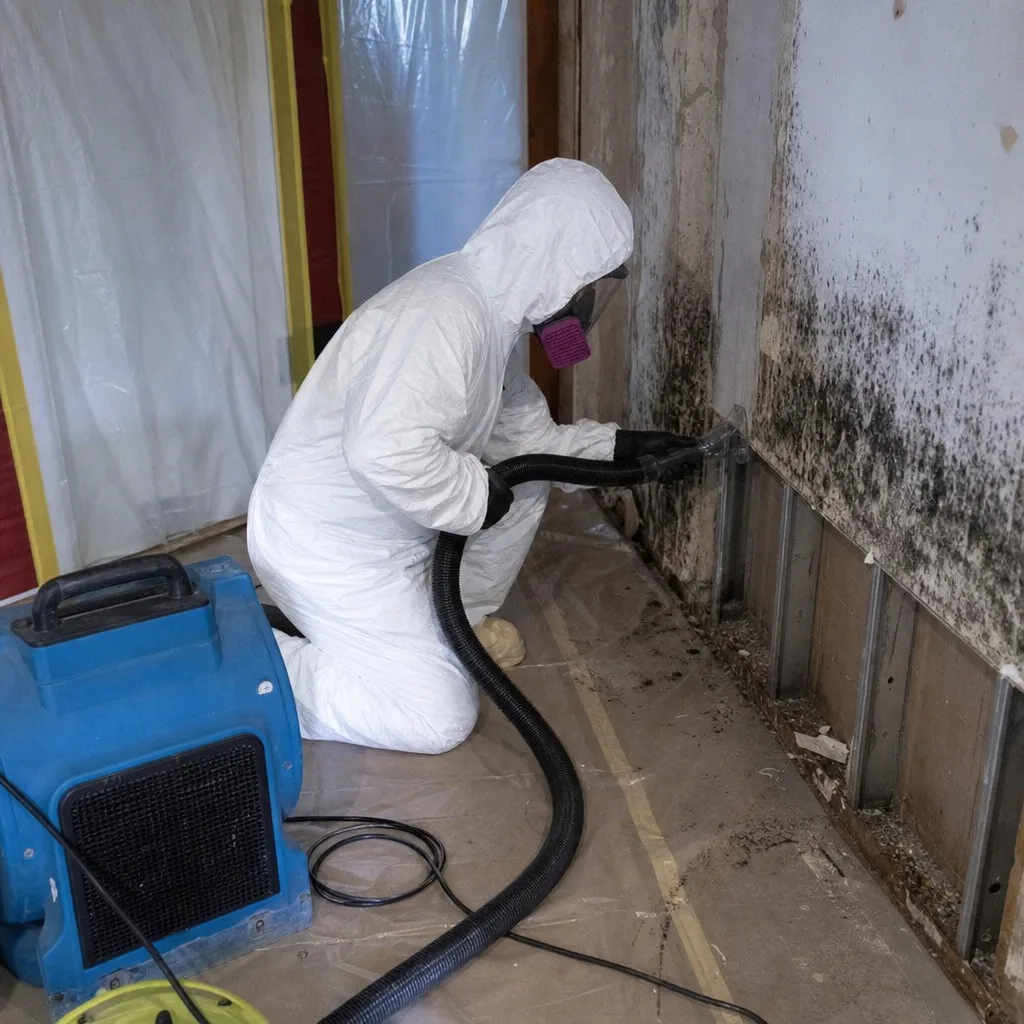
An unattended death in a pre-war co-op on Central Park West or Riverside Drive is a biohazard event, not just a tragic loss. Bodily fluids may have been present for days or weeks, and in buildings with original plaster and wood floors, they have soaked into materials that cannot simply be wiped down. We handle the removal, disinfection, and restoration, and we coordinate with the estate and the managing agent so deadlines in the proprietary lease get met. We were called to a Riverside Drive co-op after an unattended death in a sixth-floor unit. Our techs coordinated with the co-op board’s managing agent to access the service elevator during off-peak hours, set up containment in the hallway with negative air pressure, and used HEPA air scrubbers from Dri-Eaz to prevent cross-contamination through the building’s original horsehair-plaster walls. We completed the cleanup and antimicrobial treatment before the co-op’s proprietary lease deadline, so the shareholder’s estate didn’t face daily fines.
Hoarding Cleanup
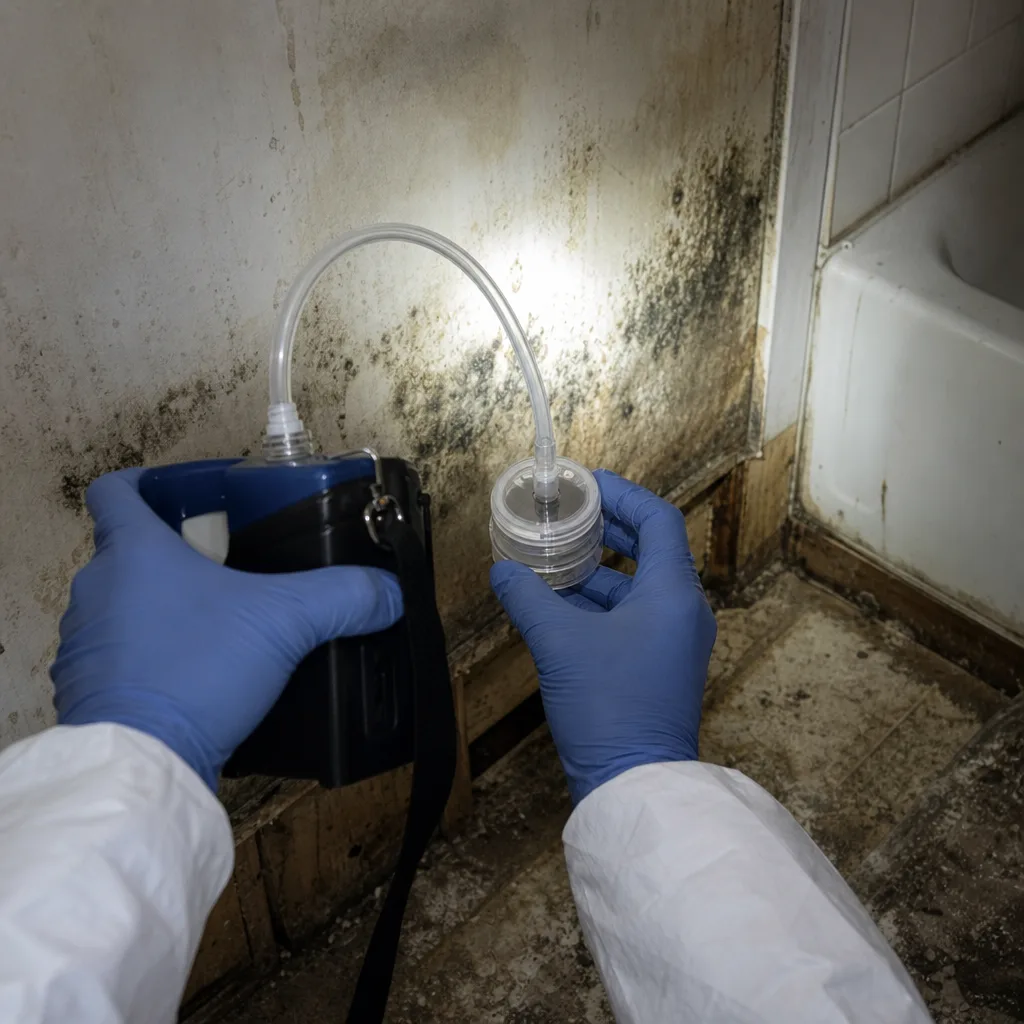
Hoarding cleanup in Upper West Side townhomes and pre-war apartments is a different kind of job because the accumulated material is often sitting on original floors that have been absorbing moisture for decades. Many of these units also have original insulation somewhere in the walls, and before we disturb those walls, an asbestos survey is often required. We sort, remove, disinfect, and restore, working with family members and social workers when they are involved.
Blood & Bodily Fluid Cleanup
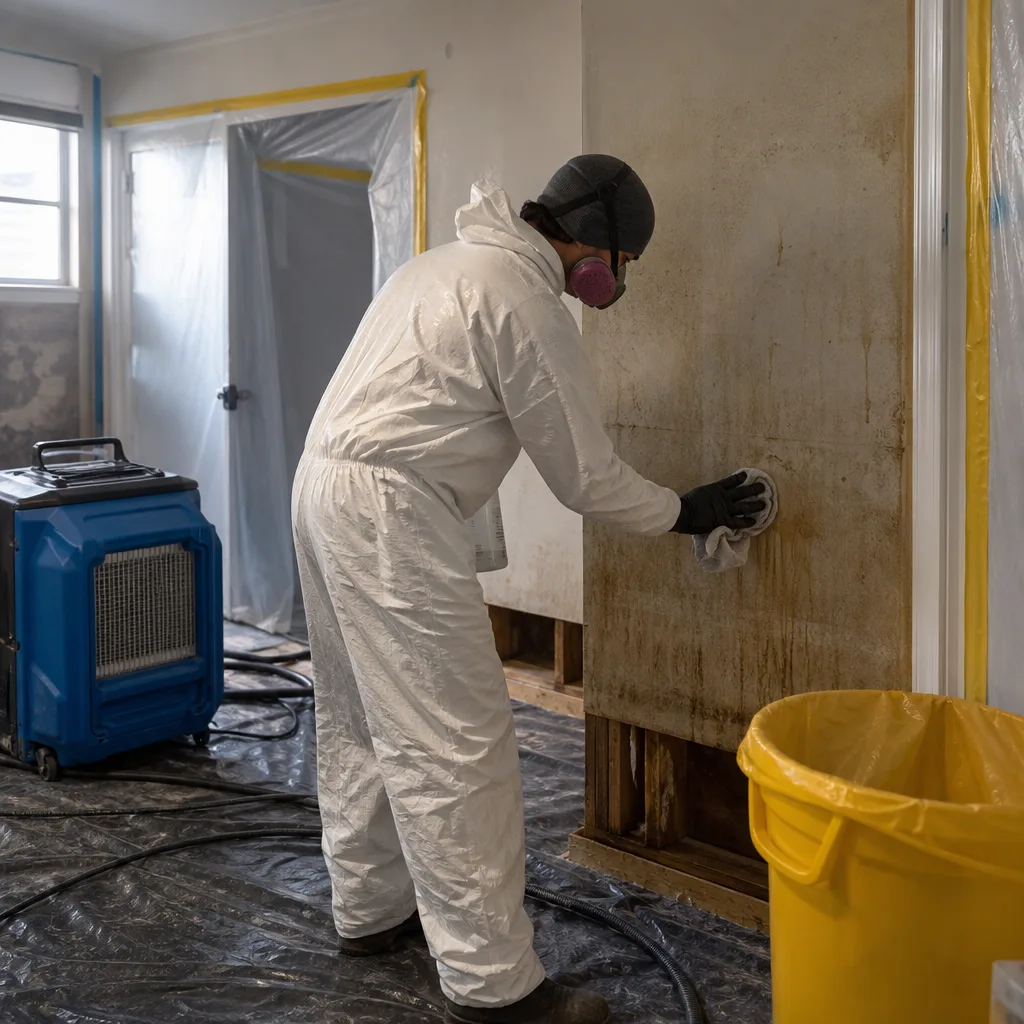
A blood spill is not a housekeeping problem. In an Upper West Side co-op, blood that seeps through a floor can reach a neighbor’s ceiling, which means containment is not optional and the affected area is larger than the stain you can see. We use ATP testing to verify that surfaces are biologically clean after treatment, not just visually clean, and we document every reading for the insurance file.
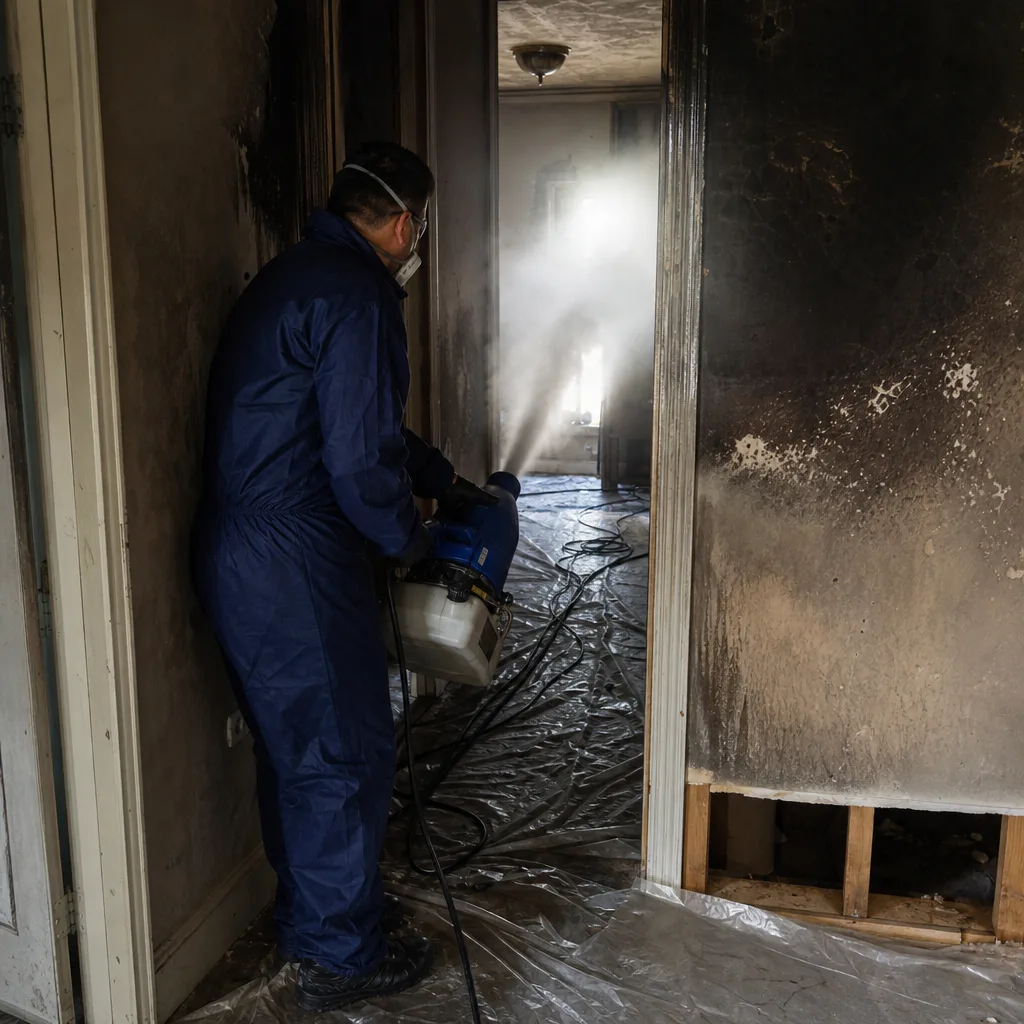
Infectious Disease Disinfection
When a resident in an Upper West Side building has a serious infectious disease, the co-op board and neighbors want to know the unit and common areas are actually disinfected, not fogged with a spray bottle. We follow IICRC protocols for infectious disease work, use hospital-grade antimicrobials, and run HEPA air scrubbers during and after the work. For brownstones and townhomes, we pay special attention to shared stairwells and entryways where cross-contamination is most likely.
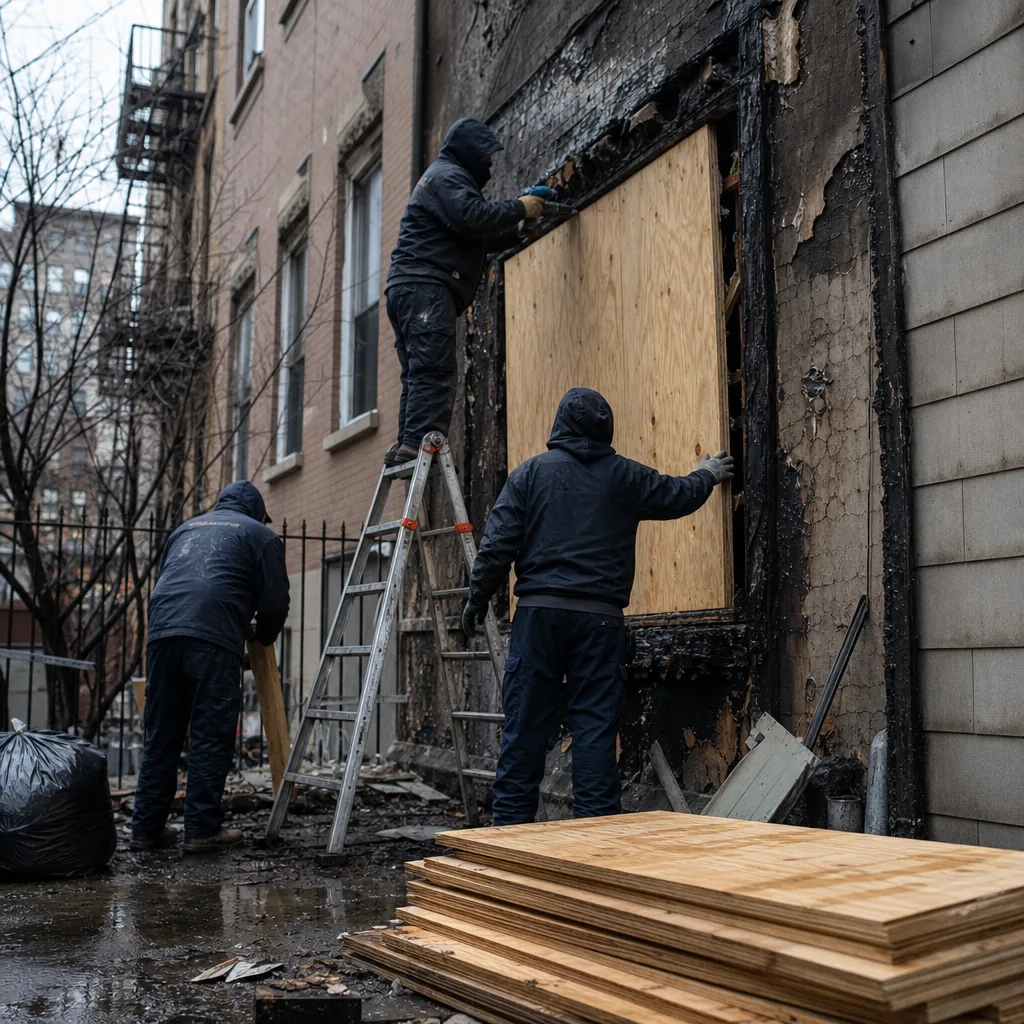
Tear Gas & Chemical Cleanup
Tear gas residue in an apartment or a commercial space is not something you can air out over a weekend. The chemical binds to walls, fabrics, and HVAC systems, and in an Upper West Side pre-war building, it can migrate through shared ventilation into neighboring units. We decontaminate the affected space and verify it with post-treatment testing.
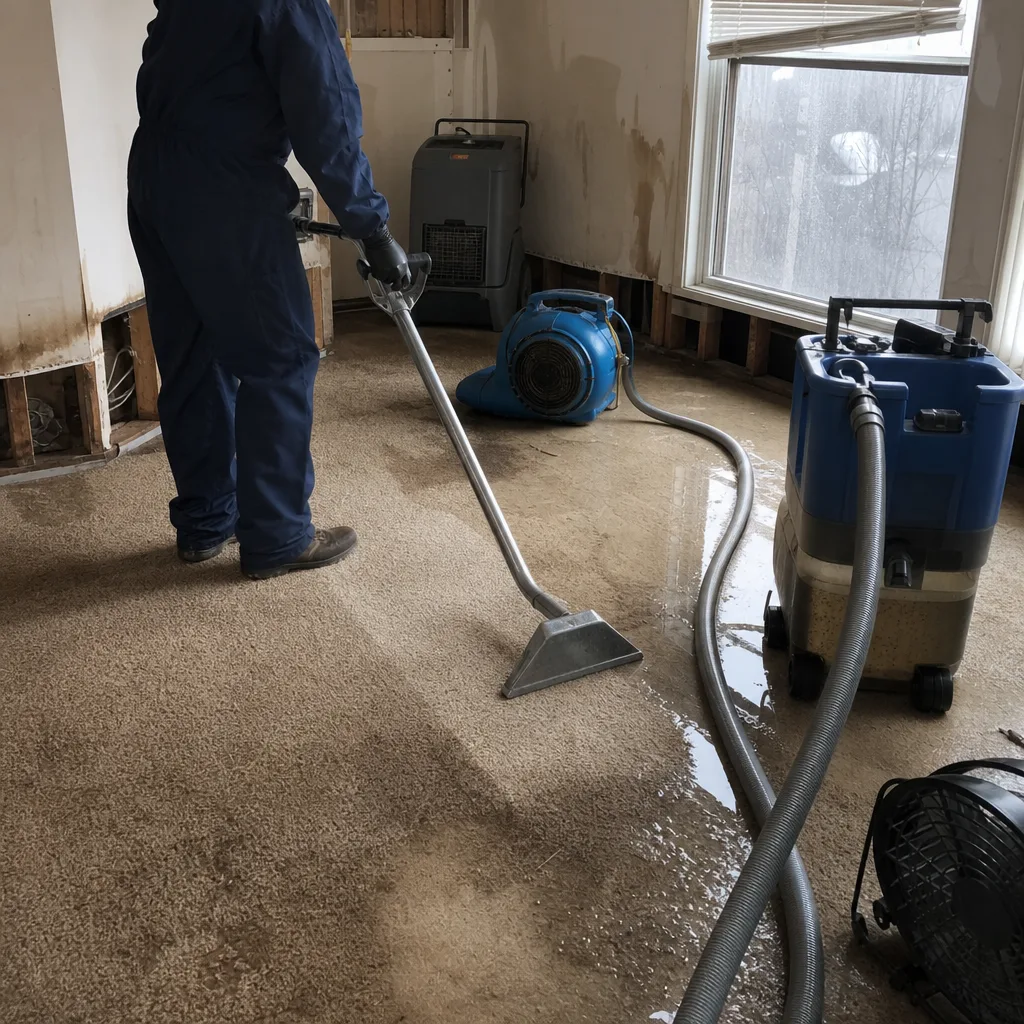
What happens when you call
- 1
A real person answersNo phone trees - you reach a local pro.
- 2
You get an upfront price rangeHonest numbers before anyone is dispatched.
- 3
A background-checked tech heads outLicensed & insured, dispatched right away.
- 4
You approve before work beginsNothing starts until you say go.
Biohazard & Crime Scene Cleanup Costs in Upper West Side, NY
Biohazard and crime scene cleanup in Upper West Side typically runs from $1,500 to $5,000 for a contained scene like a single-room blood cleanup, and $5,000 to $15,000 or more for an unattended death with weeks of decomposition or a hoarding situation that requires multiple dumpsters and days of labor. Infectious disease disinfection of a single pre-war unit usually falls between $2,000 and $8,000 depending on square footage and how many shared surfaces need treatment. What moves the price in this neighborhood specifically is access: freight elevator availability, co-op board sign-off delays, and whether the proprietary lease requires a managing agent to be present during the work. A free visual inspection lets us give you a written scope with firm numbers before any work begins, and we walk the unit with you or the estate’s representative so there is no phone-quote-to-door-quote surprise. Insurance often covers the bulk of biohazard cleanup, especially in crime scenes and unattended deaths, because the loss is sudden and biological in nature. Call (607) 350-1550 and we will walk you through what your policy is likely to cover.
We Also Serve Cities Near Upper West Side
Wade’s Restoration is based in the New York City metro area and serves Upper West Side along with Upper West Side neighbors including Lower Manhattan, the Financial District, Astoria, and Midtown Manhattan. Same standards, same owner answering the phone, same written scope before work begins.
Upper West Side Biohazard & Crime Scene Cleanup Questions, Answered
Does the Upper West Side co-op board or the shareholder’s insurance pay for crime scene cleanup in a unit?
In most Upper West Side pre-war co-ops, the answer depends on the proprietary lease, not standard condo statutes. If the biohazard affects the unit itself, the shareholder’s HO-6 policy typically responds first. If it affects common areas or shared building systems like pipe chases and hallways, the co-op corporation’s master policy often covers the cleanup. But many proprietary leases have specific clauses about contractor access, notice requirements, and who bears the cost when a shareholder’s unit causes damage to common areas. We have handled enough of these to read the relevant lease language with you and point the adjuster to the right section before work starts, which prevents a claim denial that would land on the shareholder’s desk weeks later.
How quickly can Wade’s Restoration respond to an unattended death in a pre-war Central Park West co-op?
We commit to a 45-minute response time for active biohazard scenes anywhere in Upper West Side, including Central Park West co-ops. For an unattended death, the scene has usually been static for days or weeks already, so the urgency is about preventing further spread through shared plaster walls and steam-pipe chases once the body is removed. Our crew can arrive, set up containment, and begin work the same day, provided the managing agent or building access protocol allows entry. If a proprietary lease requires board sign-off first, we help you get that moving immediately so the clock does not run out.
Are there special asbestos concerns during hoarding cleanup in Upper West Side townhomes?
Yes, and this is one of the most under-recognized issues in Upper West Side townhome hoarding cleanups. These buildings are overwhelmingly pre-war, and original insulation around steam risers and in wall cavities tests positive for friable asbestos more often than not. If we have to open a wall to address biological contamination behind it, the job becomes a regulated abatement project under NYC DEP rules, which means a licensed asbestos contractor has to clear the area before plaster and structural restoration can resume. We identify this risk during the inspection so you aren’t surprised by a stop-work order mid-job.
Do you handle tear gas cleanup in Upper West Side apartment buildings?
Yes. Tear gas residue is not just an odor; it’s a chemical contaminant that binds to walls, textiles, and ventilation surfaces, and in pre-war Upper West Side buildings with shared ventilation and pipe chases, it can migrate into neighboring units. We set up containment, decontaminate the affected space with appropriate agents, run HEPA air scrubbers, and do post-treatment verification so co-op neighbors and the managing agent have documentation that the space is clean. If the residue has reached common areas, we coordinate with the board on scope and access.
How do you protect neighboring units during infectious disease disinfection in a brownstone?
In a brownstone, shared stairwells, shared walls, and shared ventilation are the main cross-contamination paths. We set up containment at the unit entrance with negative air pressure, so air flows into the work area from outside rather than out of it into the building. HEPA air scrubbers run continuously during and after disinfection. We treat not just the unit’s surfaces but the shared entry, stair handrails, and common door hardware when the building layout calls for it. Post-treatment surface testing is available, and we hand the results to the co-op board or landlord.
How long does biohazard cleanup take in an Upper West Side apartment?
A contained blood cleanup in a single room often takes four to eight hours including setup and teardown. An unattended death with decomposition, especially in a pre-war unit where fluids have penetrated original plaster and wood floors, usually takes one to three days. Hoarding cleanup can run a week or more depending on volume and access. The limiting factor in Upper West Side is rarely the labor itself; it’s freight elevator scheduling, managing agent availability, and whether asbestos abatement pauses the work after a wall is opened.
Can I stay in my Upper West Side unit during biohazard cleanup?
Generally no for the affected unit during active cleanup and disinfection. The work involves removing biological material, applying hospital-grade antimicrobials, and running negative air pressure, which means the space is not safe to occupy until we have completed treatment and verified results. In many Upper West Side co-ops, staying anyway would violate the proprietary lease’s habitability clause, and the co-op board may require a clearance letter before reoccupancy. We provide that letter and can coordinate with the managing agent on timing.
What should I do in the first 30 minutes after discovering a biohazard scene in Upper West Side?
Do not touch anything, do not try to clean it yourself, and do not let neighbors or building staff enter the area. Blood, bodily fluids, and decomposition material carry pathogens you cannot see. Shut the door to the affected room or unit, and if the scene is in a common area, keep people away and notify the co-op board or managing agent. Then call us at (607) 350-1550. We will walk you through what to do while the crew is on the way, and we coordinate access with the building so you’re not handling that alone.
Upper West Side’s Pre-War Co-op Challenge: Why Local Knowledge Decides the Job
Here is the thing most generic biohazard companies don’t understand until they’re already losing: Upper West Side pre-war co-ops are governed by proprietary leases, not standard condo statutes. In Battery Park City or any newer condo conversion, the condo bylaws usually make the unit owner responsible for interior cleanup and let a contractor in once the owner signs. In a Riverside Drive or West End Avenue co-op, the proprietary lease is a 60- or 80-page document that often requires the managing agent’s written approval before any contractor enters an affected unit, and sometimes before equipment can be moved through common hallways or a service elevator. We have seen national franchises send a crew at 3 a.m. only to have the doorman refuse access because the lease clause wasn’t satisfied, leaving equipment loaded on a truck and a family waiting. That does not happen on our jobs. We read the lease language before we schedule, get the managing agent’s sign-off, and document everything the board will ask for afterward. On top of that, dozens of buildings along Central Park West, Riverside Drive, and West End Avenue are individually landmarked or sit in historic districts, which means replacement materials often need Landmarks Preservation Commission approval. A biohazard cleanup that turns into a restoration job can stall for weeks if the contractor doesn’t know that. We do know that, because we work those buildings regularly. Nobody needs this kind of work to be harder than it already is.
Serving Upper West Side, NY - Our Local Coverage Area
We’re based in the Upper West Side area and know this community well. Use the map below to see our service coverage - if you’re nearby, we can almost certainly help.
Call Wade’s Restoration for Biohazard & Crime Scene Cleanup in Upper West Side
If you’re dealing with a biohazard situation in Upper West Side, call (607) 350-1550. A live person answers, day or night. We’ll walk the scene with you or the managing agent, give you a written scope before any work starts, and handle the insurance coordination so you’re not the middleman. Wade Ferris owns this company and still answers his own phone. He will be the one making sure the job gets done right, not a project manager you never see again.
Written by Wade Ferris, Owner at Wade’s Restoration, serving Upper West Side since 2007.