
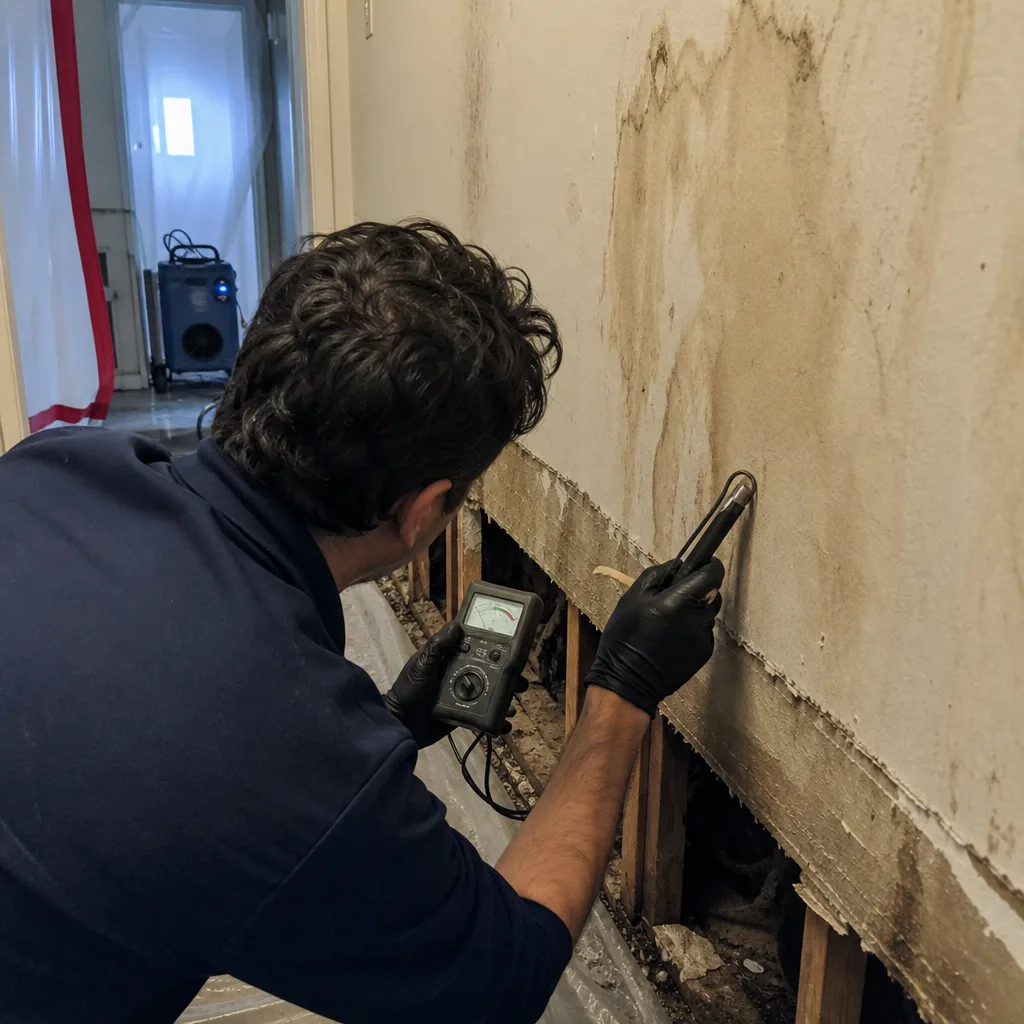
Free visual inspection and a written scope of work before any mitigation begins - photos, moisture readings, and drying logs go in your claim file
The scope we write is the scope we bill. Anything new gets shown to you, in writing, before we touch it.
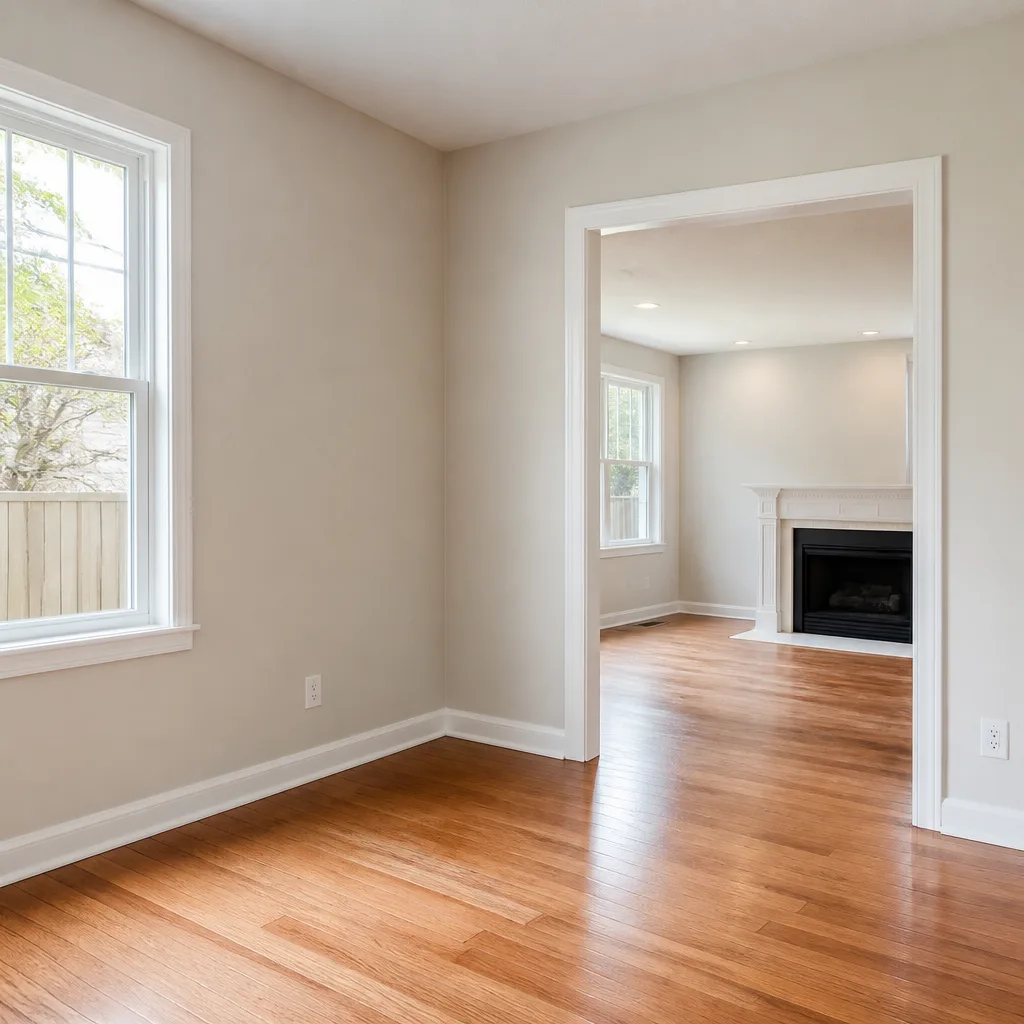
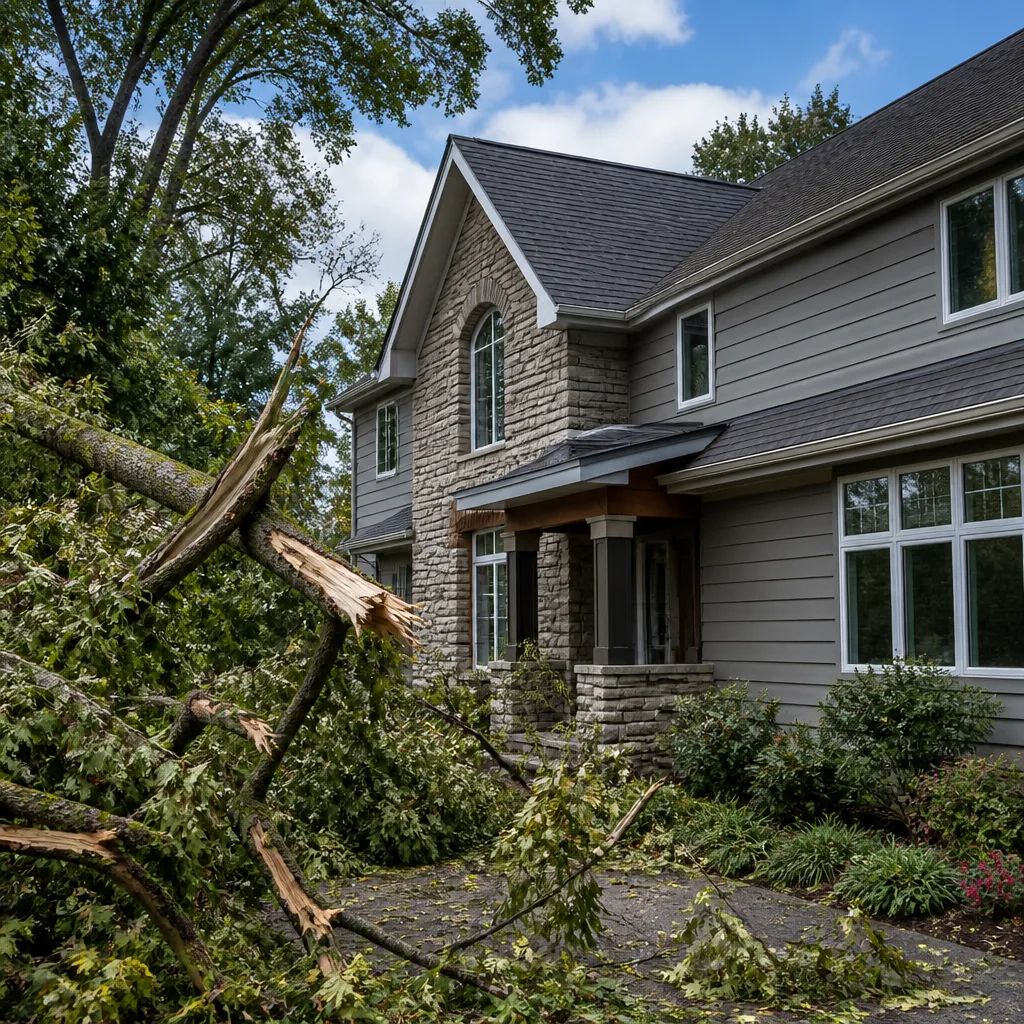
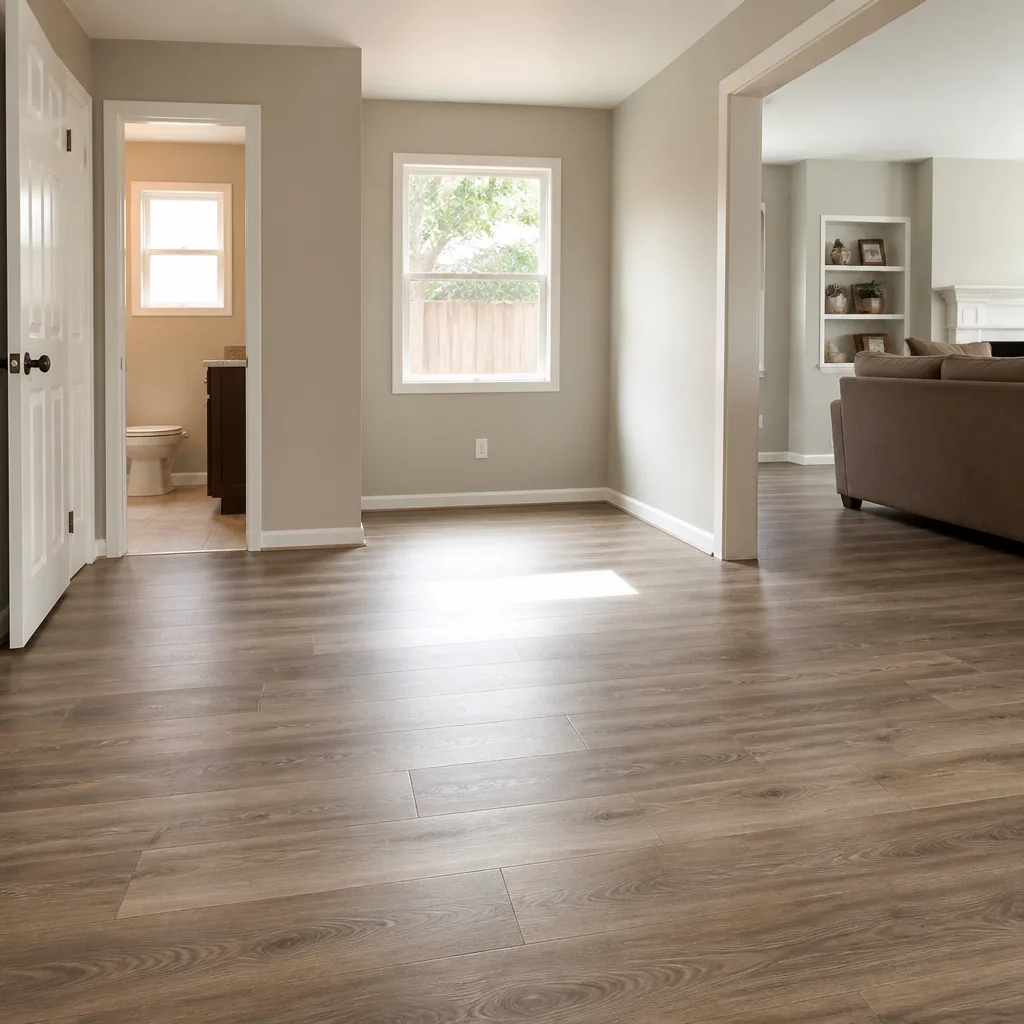

 Before
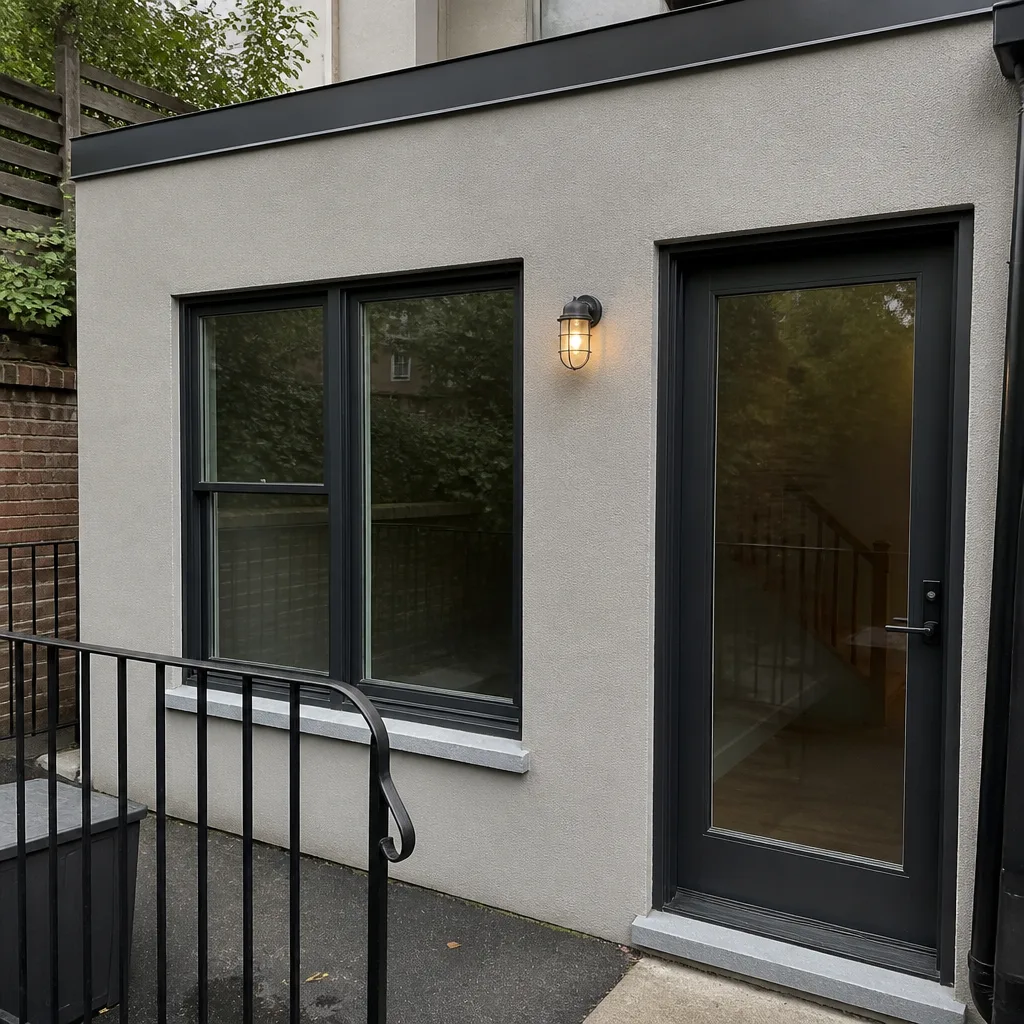 After
After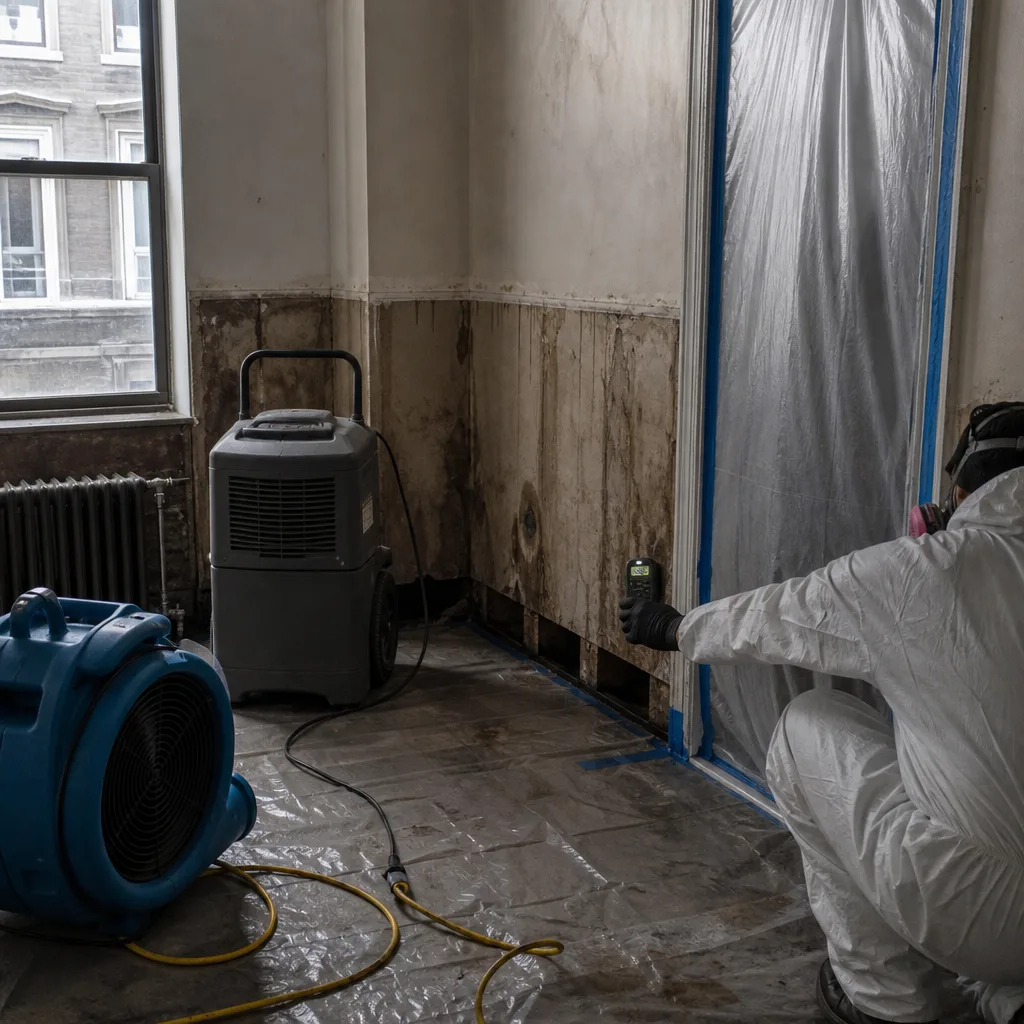 Before
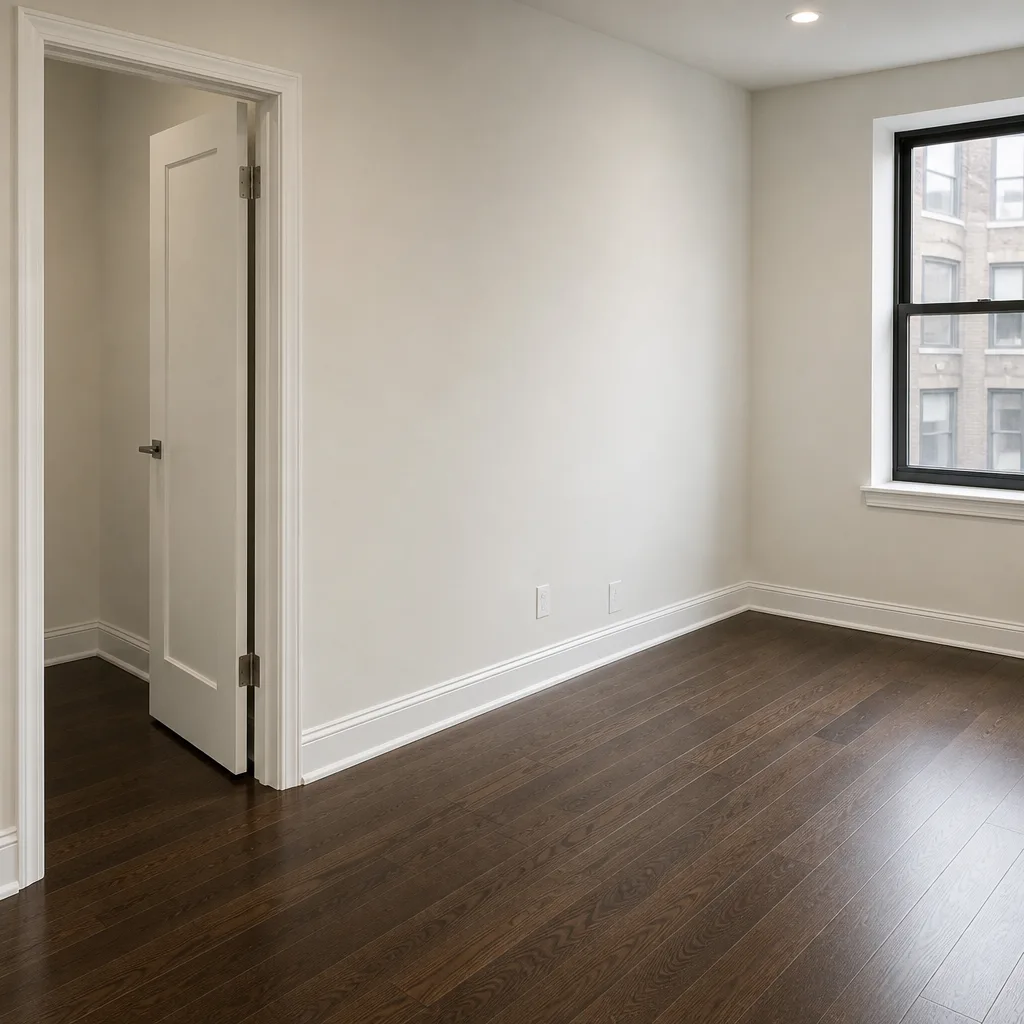 After
After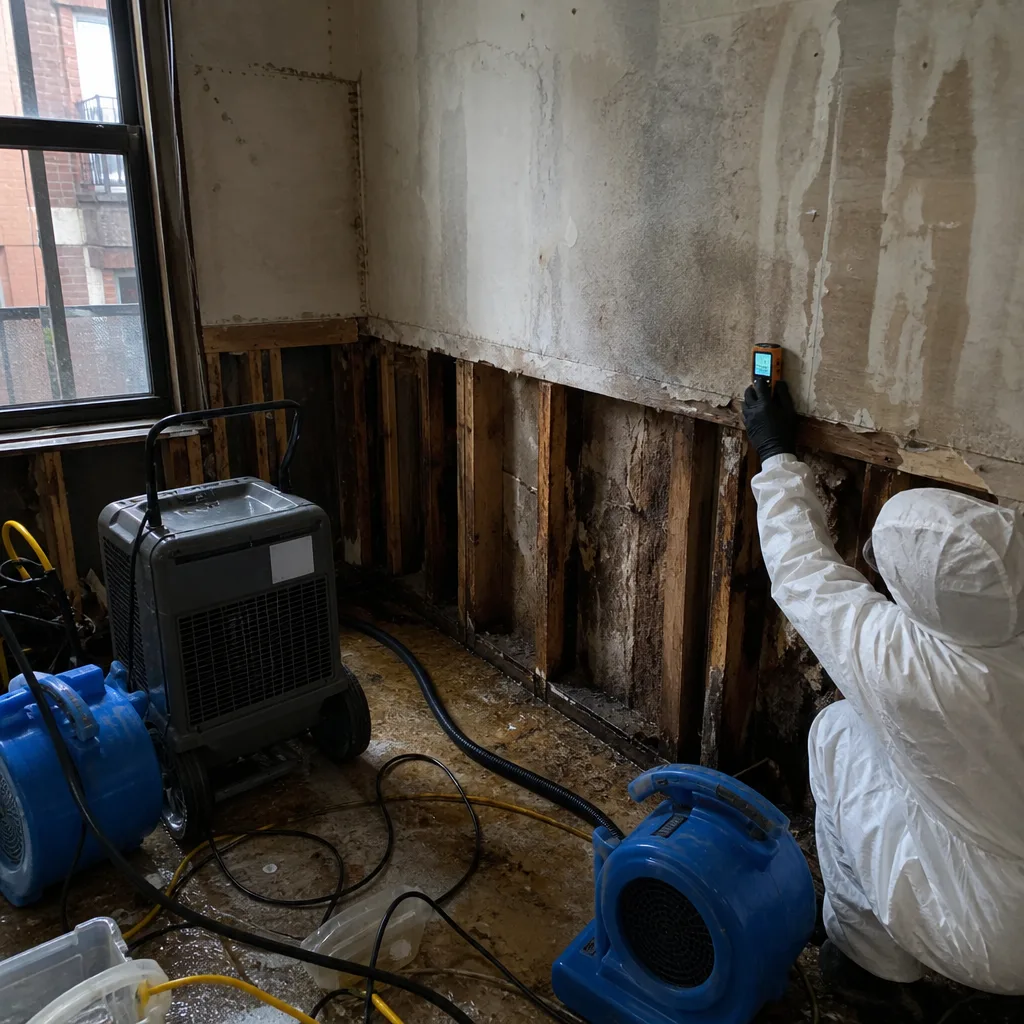 Before
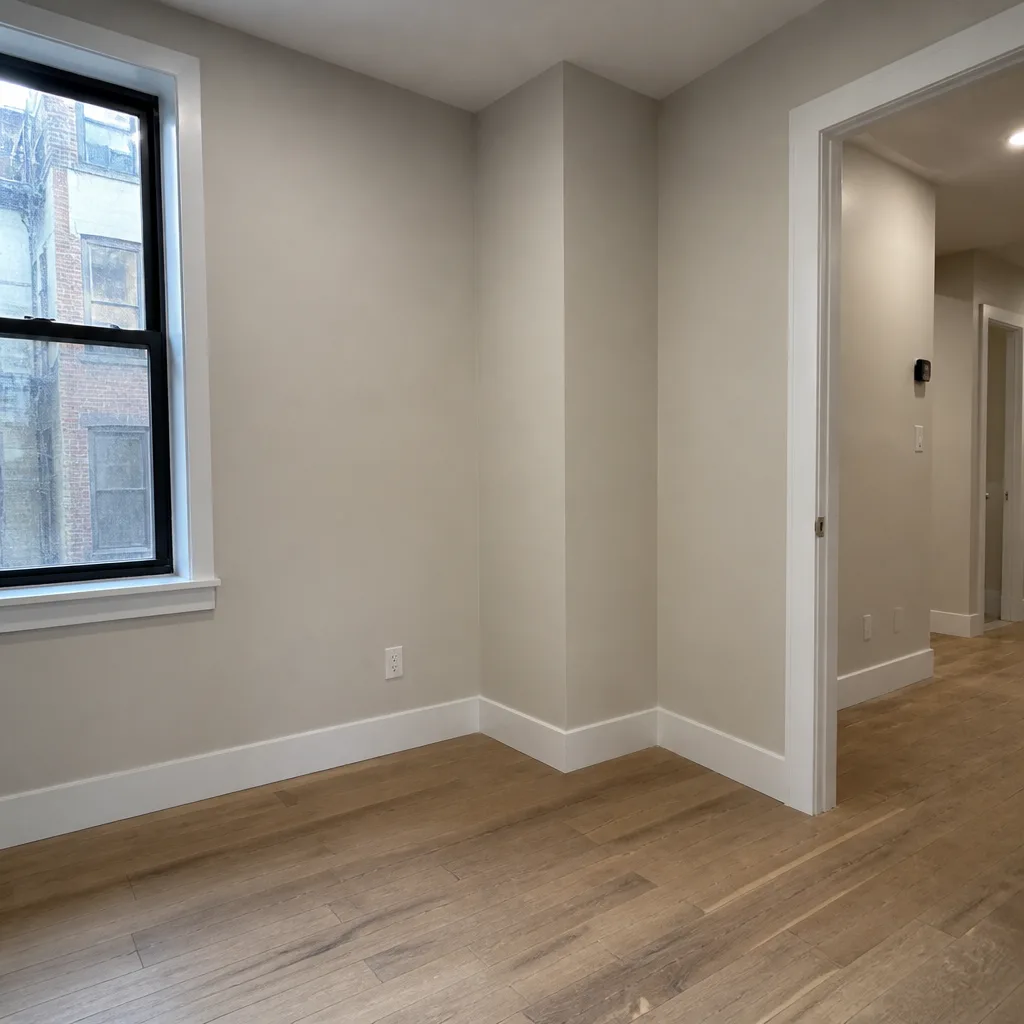 After
After24/7 Emergency Commercial Restoration in Upper West Side
A burst steam riser in a pre-war Upper West Side co-op at 10 p.m. doesn’t wait for business hours, and neither do we. When water is cascading through seven floors of original horsehair-and-plaster walls, the first hour determines whether you’re looking at extraction and drying or a full gut renovation with abatement complications. Call (607) 350-1550 any time, day or night. Wade answers his own phone. Not a call center, not a voicemail tree. A real person who understands Upper West Side building systems and can have a crew at your building inside the hour.
Key Takeaways:
- Live answer, 24/7, from Wade himself. No answering service.
- Crews dispatched to Upper West Side within 45 minutes on emergency calls.
- Free visual inspection. We walk the loss before you commit to anything.
- Direct insurance coordination, including co-op master policy and HO-6 claims.
- 90-Day Done Right Promise in writing on every commercial restoration job.
Understanding Commercial Restoration Severity in Upper West Side Properties
Commercial restoration in Upper West Side buildings runs on a different severity scale than most of the country. The neighborhood’s co-op towers were built between 1900 and 1940, with original cast-iron and galvanized supply risers, gravity-fed steam heat, and walls that predate modern moisture barriers. A Category 1 water loss (clean supply water) can degrade to Category 2 or 3 within 48 to 72 hours if it saturates horsehair plaster, lathe, and century-old wood framing. That’s where moisture mapping becomes the difference between a $15,000 dry-out and a $150,000 rebuild. We don’t guess where moisture traveled. We trace it with thermal imaging and hygrometers, floor by floor, unit by unit, and we hand you the daily log at the end of the job. Almost nobody in the trade does that. For fire losses, Upper West Side buildings carry decades of layered paint, shellac, and original finishes that produce a dense, oily soot requiring specialized cleaning and odor removal rather than simple sponge-and-wipe. For mold, the pre-war cellar and sub-cellar levels with no modern waterproofing membrane are prime candidates for full containment, HEPA air scrubbing, and clearance testing before anyone reoccupies the space. In short, assume severity is one notch above what visible damage suggests. Assumption is cheap. Underestimation is not.
Why Upper West Side Property Owners Choose Wade’s Restoration
Co-op boards, managing agents, and commercial tenants in Upper West Side buildings call us for the same reasons year after year. The reasons are specific, not slogans:
- Wade shows up himself. Not a rotating cast of subcontractors. The owner’s name is on the truck, his address is published, and he’s going to run into you again on Broadway.
- 24/7 live answer. No voicemail, no answering service, no “press 1 for emergencies.” You call, a person answers, and if Wade’s not on the road already, he’s in the truck.
- IICRC-certified crews. Our technicians carry WRT (water damage restoration), FSRT (fire and smoke restoration), and AMRT (applied microbial remediation) certifications, plus RIA and IFA affiliation. Credentials you can verify, not just words on a website.
- Free visual inspection. We walk the space, show you what we see, and put our scope in writing before any work starts. No obligation, no pressure.
- Direct insurance billing. We document everything from the first hour, bill your carrier directly, and deal with the adjuster so you’re not the one stuck relaying messages between two sides.
- One team from extraction to reconstruction. The crew that pulls the water is the crew that hangs the drywall (or rather, the plaster). No handoffs, no finger-pointing.
Our Commercial Restoration Process
Inspection & Assessment
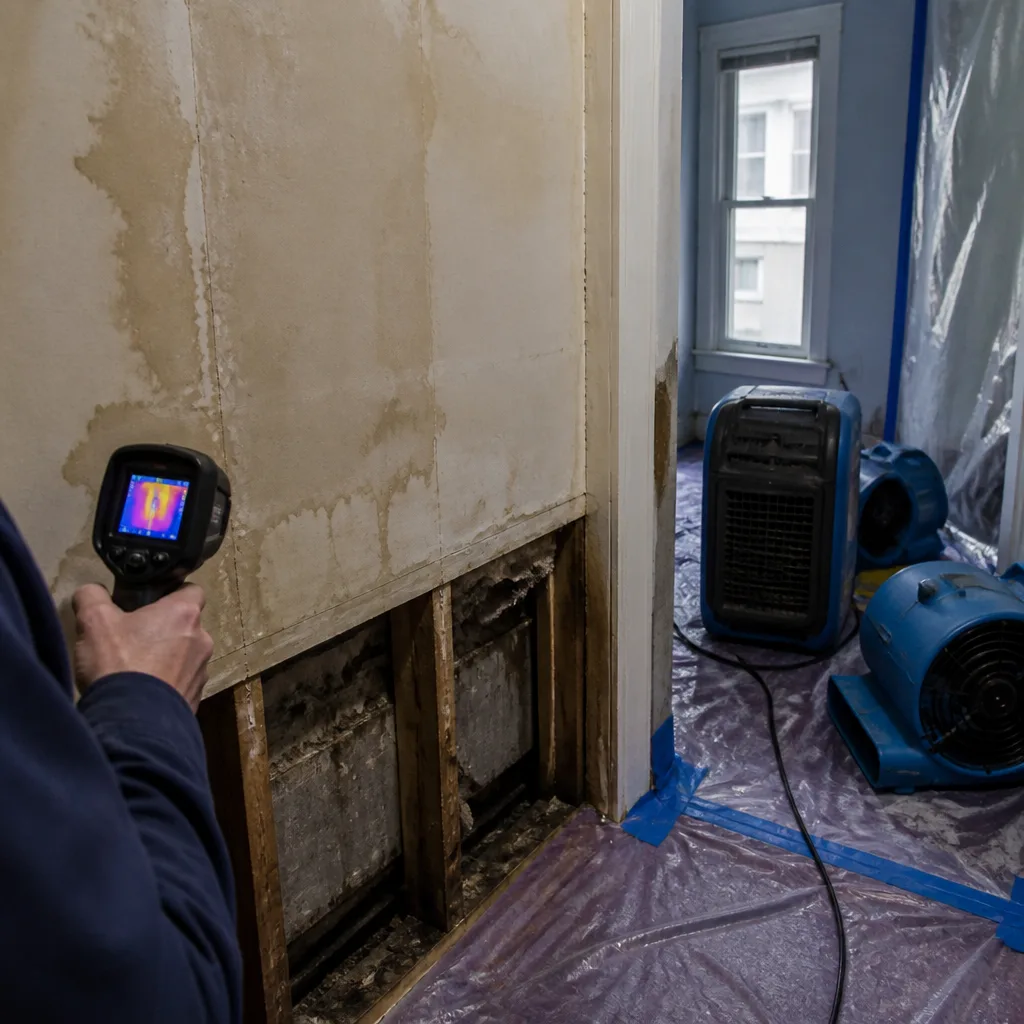
We arrive, we walk, we map. Thermal imaging and moisture meters tell us where the water actually went, not just where it’s visible. In Upper West Side pre-wars, that’s rarely the same thing. We also flag asbestos and lead-paint concerns before anyone cuts into a wall.
Extraction & Stabilization
We pull standing water with truck-mounted and portable extraction units, stabilize affected surfaces, and stop the spread. The sooner we get water out of horsehair plaster, the more of the original material we can save. On commercial losses, we also secure the space and protect inventory and records.
Drying & Dehumidification
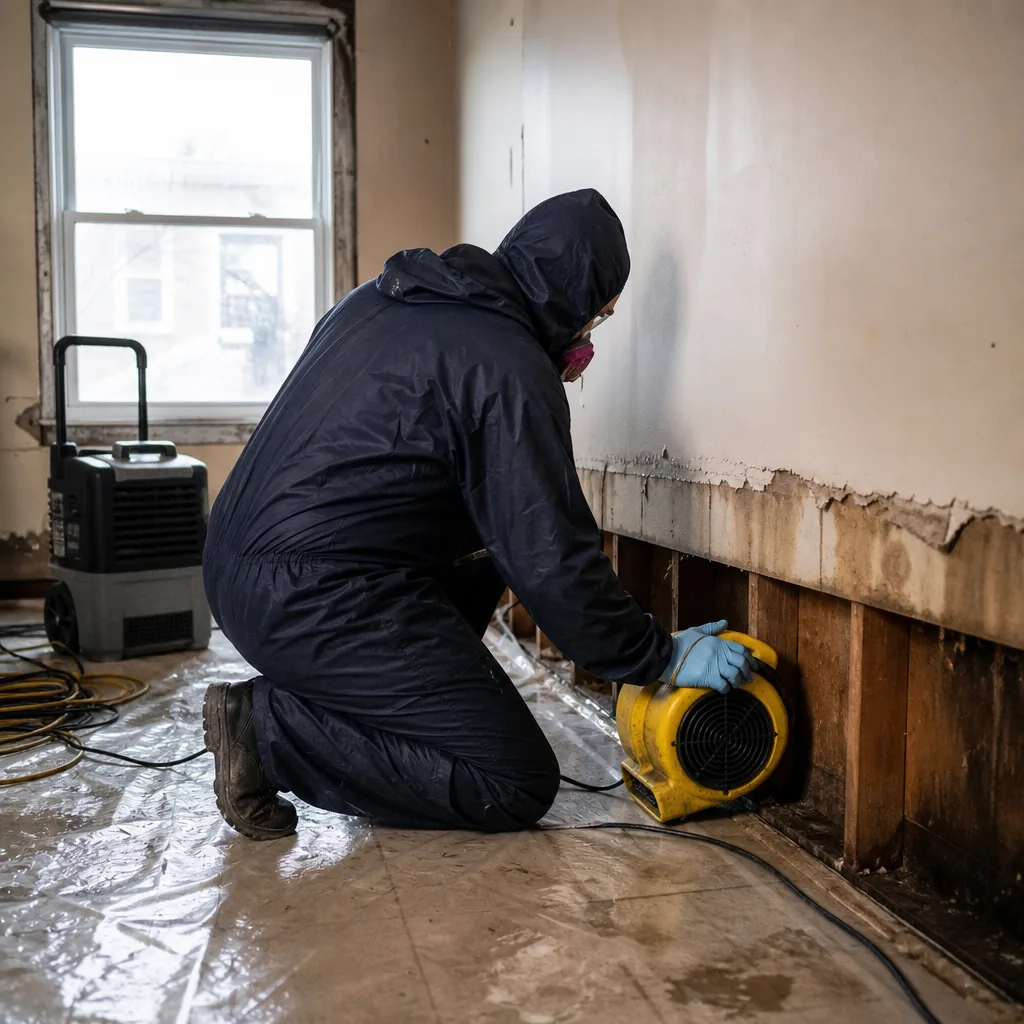
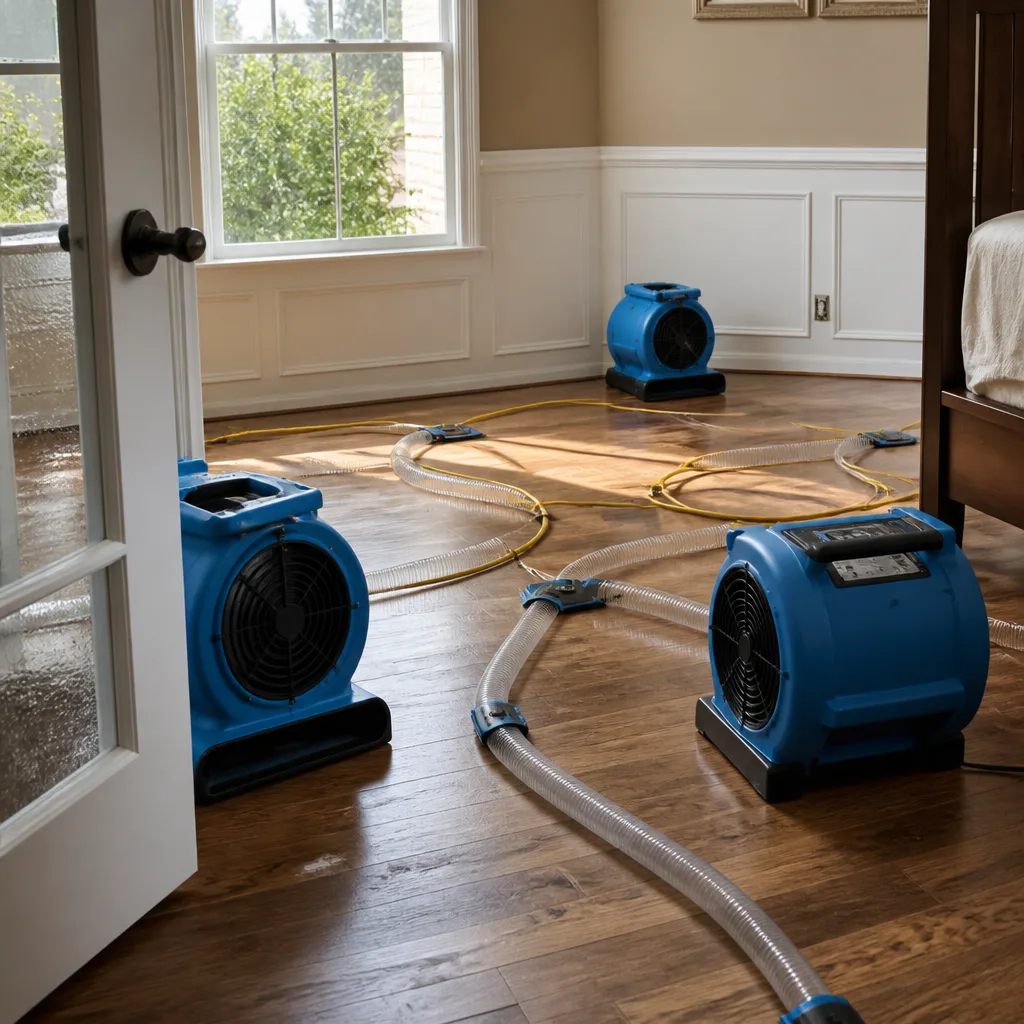
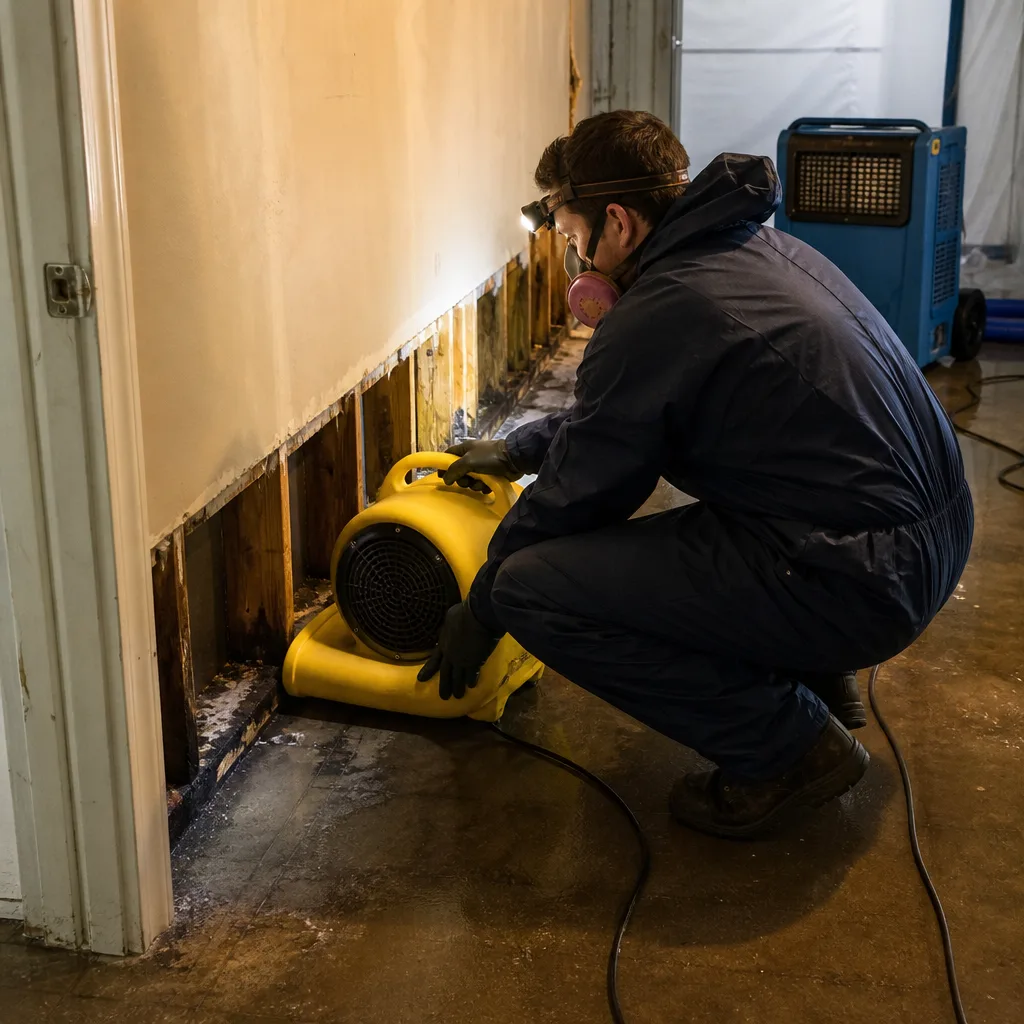
Dri-Eaz dehumidifiers and Phoenix air movers run on a calculated layout based on moisture readings we take every single day. You get the log. Adjusters get the log. Nobody guesses, and nobody skips a day.
Cleaning & Sanitization
For water losses, we apply antimicrobial treatment and clean salvageable materials. For fire losses, we remove soot residues and run HEPA air scrubbers to clear smoke particulates. We’re not done until the air clearance testing says we’re done.
Specialty Treatment for Commercial Spaces
Upper West Side commercial spaces demand more than residential techniques. Shared amenities, retail frontage, and office build-outs require containment that keeps adjacent tenants operational. We set negative-air containment, protect common hallways, and document everything for the co-op’s insurance file.
Repairs & Restoration
From plaster matching to floor refinishing to full tenant build-back, we handle it as one team. No “restoration company” that disappears after drying and hands you to a stranger with a different bill. Wade oversees the repairs, personally.
Need Emergency Commercial Restoration in Upper West Side Now?
Crews minutes away, answering live 24 hours a day. The sooner we start, the less it costs.
Working With Your Insurance Company
When a commercial loss hits an Upper West Side co-op, there aren’t two insurance parties. There are often three: the co-op corporation’s master policy, each affected shareholder’s individual HO-6 policy, and the policy held by the unit where the loss originated. The proprietary lease governs who pays for what, and getting that wrong means weeks of delay. We deal with adjusters directly. We document from the first hour, photograph room by room, log moisture readings daily, and provide a line-item scope of work that insurance carriers accept because we’ve done this in Upper West Side buildings for years. When asked, we coordinate with the co-op board, their property manager, and the master insurer simultaneously. You’re not the messenger. We are.
What We Provide Your Insurer
- Thorough documentation of the loss, from the first response
- Photos of all damage, room by room, floor by floor
- Moisture readings and daily drying logs, handed to you and the adjuster
- A detailed, line-item scope of work with firm pricing
- Direct coordination with your carrier, master policy, and HO-6 adjusters
Built for Upper West Side’s Loss Calendar
Upper West Side commercial losses follow a predictable rhythm. January deep freezes split cast-iron supply risers in uninsulated pipe chases, sending water down shared walls for hours before anyone notices. Spring thaw and heavy April rain find every open mortar joint on century-old brick facades, soaking interior plaster from the outside in. Summer thunderstorms, especially the quick-hitting ones that overwhelm street drainage, push flash flood water into cellar-level retail and office spaces. And from September through March, nor’easters hammer the west-facing facades along Riverside Drive with wind-driven rain that saturates masonry, migrates behind plaster, and hides there until mold shows up weeks later. Add in aging steam systems with steam traps that fail, original plumbing that’s been patched for 90 years, and gravity-fed radiators that don’t announce a leak until it’s three floors deep, and the lesson is simple: the calendar doesn’t cause these losses. The calendar just tells you which one is coming next.
Commercial Restoration Across Upper West Side’s Neighborhoods
The Upper West Side isn’t one building type. It’s a chain of distinct corridors, each with its own restoration profile. Along Central Park West, landmarked co-ops with decorative plaster ceilings and original mahogany doors dominate. Water losses there require Landmarks Preservation Commission documentation before any replacement materials get ordered, which is a process we’ve managed enough times to move quickly. On West End Avenue, the pre-war co-op towers run deep, with basement amenity spaces, building gyms, and laundry rooms that can’t be out of commission for weeks without residents raising hell. Riverside Drive buildings take the weather head-on, with west-facing storm-driven leaks and chronic masonry infiltration. And east of Broadway, mixed-use storefronts under residential units mean a restaurant flood becomes a retail interruption and an upstairs condo problem in one event. Each corridor has its own access constraints, its own building management style, and its own failure modes. We know the difference.
Specialized Commercial Restoration Services We Offer in Upper West Side
Multi-Unit & HOA Restoration
Upper West Side co-ops and condos have shared risers, shared walls, and shared liability. When a riser bursts in apartment 7C, the water doesn’t respect the proprietary lease. We’ve restored dozens of multi-floor Upper West Side losses, coordinating between the board, the managing agent, affected shareholders, and three insurance policies without losing a week to finger-pointing.
Large-Loss Response
When water cascades through seven floors or fire takes out a commercial kitchen on Columbus Avenue, this isn’t a two-tech job. We scale crews, bring additional drying capacity, and manage the logistics of restoring a large space while keeping adjacent tenants operational. We’ve done it in Upper West Side towers and storefronts, and we know what triggers a DEP or DOB stop-work order before it happens.
Business Interruption Minimization
A restaurant on Amsterdam Avenue closed for a week loses thousands and maybe a staff. A retail tenant on Broadway loses walk-in traffic the second the door’s boarded. Our goal on every Upper West Side commercial loss is to get your doors back open as fast as the building systems will allow. That means fast containment, phased restoration, and a scope that’s designed around your revenue, not just our work order. Call (607) 350-1550 the minute you know something’s wrong. The clock starts before we get there.
What happens when you call
- 1
A real person answersNo phone trees - you reach a local pro.
- 2
You get an upfront price rangeHonest numbers before anyone is dispatched.
- 3
A background-checked tech heads outLicensed & insured, dispatched right away.
- 4
You approve before work beginsNothing starts until you say go.
Commercial Restoration Costs in Upper West Side, NY
Commercial restoration in Upper West Side is more expensive than in the rest of the country, and it’s not because contractors here charge more. It’s because the buildings are pre-war, the walls are plaster, the risers are shared, and the asbestos and Landmarks realities layer on cost at every step. A small, contained water extraction in a single retail unit with no asbestos involvement typically runs $4,000 to $9,000. A multi-floor riser burst that requires drying behind plaster, opening walls, asbestos survey coordination, and full restoration in a landmarked co-op runs $40,000 to $150,000 or more, depending on how far the water migrated and how many units are involved. A commercial fire with smoke migration through shared hallways and ductwork can easily push past $100,000 when abatement and LPC approvals are required. What moves the price most: how fast the water was stopped, whether walls have to be cut at all, and whether the building has a generic drywall contractor trying to apply suburban methods to horsehair plaster. Free insurance estimates are available. Call (607) 350-1550 and ask for a free second opinion on any written estimate: we’ll walk the job and show you what we see, no charge for that.
We Also Serve Cities Near Upper West Side
Our Upper West Side crews also serve commercial clients in Upper West Side adjacent areas, including Lower Manhattan, the Financial District, Astoria, and Midtown Manhattan. You get the same team, the same 24/7 live answer, and the same written 90-Day Done Right Promise.
Upper West Side Commercial Restoration Questions, Answered
Does the Upper West Side’s Landmarks Preservation Commission process slow down commercial water restoration?
Yes, and it can add weeks if you don’t start the LPC documentation immediately. The LPC requires sign-off on any replacement materials for the exterior or for interior features that are part of the landmark designation. We handle the documentation from day one, and we’ve cut LPC-related delays dramatically by submitting scopes that anticipate their requirements. On many interior water losses, the LPC review applies mainly to the facade or designated interior elements, while drying and cleaning can proceed. We know the difference, and we’ll tell you upfront what needs their sign-off and what doesn’t. Call (607) 350-1550 for an exact read on your building’s situation.
How do you handle business interruption for a restaurant or retail tenant when a burst riser floods the space at 10 p.m.?
We treat business interruption as part of the loss from the first phone call. That means immediate extraction, containment that isolates the affected area from the rest of the space, phased drying that doesn’t wall off your front door or seating area more than necessary, and a scope that prioritizes reopening over everything else. We document every day of closure in detail for your business interruption claim. For a 10 p.m. restaurant flood in Upper West Side, our goal is to have you open for the next dinner service if the building’s systems allow it, and to document exactly why if they don’t. Call (607) 350-1550 the moment you see water.
What’s different about moisture mapping in pre-war Upper West Side buildings?
In a pre-war Upper West Side building, water doesn’t behave the way it does in modern drywall construction. Horsehair plaster absorbs and hides water behind lath. Gravity-fed risers carry water down chases that don’t drain. Century-old masonry wicks moisture from the exterior face inward. Moisture mapping here isn’t a quick check with a pin meter. It’s a systematic survey using thermal imaging, penetrating and non-penetrating moisture meters, and daily readings logged throughout the dry-down. We hand you the full log when we’re done. Almost nobody in the restoration trade does that on a commercial loss, and in Upper West Side buildings, that log is the difference between a closed claim and a dispute. Call (607) 350-1550 for a free visual inspection.
Can you restore a building’s shared laundry room or gym without shutting down the whole amenity for weeks?
Usually, yes. We set negative-air containment around the affected area, run HEPA air scrubbers to keep air quality safe, and phase the work so part of the amenity remains usable while the other part dries or gets reconstructed. In Upper West Side co-ops where the laundry room serves 200 units, we know a total shutdown is a board-level crisis. We design the scope around minimizing downtime, and we communicate the phasing clearly to the building manager before work starts. Call (607) 350-1550 to walk through your building’s specific amenity challenge.
How fast can you actually get to an Upper West Side commercial property?
On an emergency call, our goal is 45 minutes to most Upper West Side addresses. Wade answers his phone live, 24/7, and heads out as soon as he knows what you’re describing. The first hour matters because once water sits in horsehair plaster for more than 48 to 72 hours, you’re likely dealing with Category 2 or 3 water and mold colonization on top of the original loss. Fast response is the cheapest insurance policy you’ll never buy. Call (607) 350-1550 now.
Will insurance cover this, and who deals with the adjuster?
Yes, in most Upper West Side commercial losses, insurance covers the restoration. But the claim can get tangled fast, because you’re often dealing with a co-op master policy, individual HO-6 policies, and the unit where the loss originated. The proprietary lease decides who pays, and the adjusters all have different scopes. We deal with the adjuster directly, provide photos and daily drying logs from the first hour, and bill your carrier directly. You’re not the one stuck relaying information between two sides. Call (607) 350-1550 and let us sort the claim while you sort your business.
Do I really need full restoration, or can someone just clean and dry the space?
It depends on what the moisture mapping shows. If water stayed within modern, non-porous materials and was extracted within hours, a thorough cleaning and drying may be sufficient. But in Upper West Side pre-war buildings, water rarely stays where you can see it. Horsehair plaster, shared chases, and original wood framing hide moisture far from the visible stain. If the mapping shows elevated moisture behind walls or under flooring, we’ll show you the readings and explain why full restoration is necessary. And if it’s not necessary, we’ll tell you that too. We’re not here to invent work. Call (607) 350-1550 for a free visual inspection.
What certifications do your crews hold, and why does that matter in Upper West Side?
Our technicians carry IICRC WRT, FSRT, and AMRT certifications, and we’re affiliated with RIA and IFA. In Upper West Side buildings, that matters because the work involves pre-war materials, possible asbestos, possible lead paint, and Landmarks Preservation Commission requirements. A crew that only knows drywall and modern plumbing is under-equipped here. Our certifications mean we understand Category 3 water containment, microbial remediation protocols, fire residue chemistry, and the documentation required by insurers and regulators alike. Call (607) 350-1550 and ask about certifications before you hire anyone.
What to Do in the First 30 Minutes of an Upper West Side Commercial Water Loss
The first 30 minutes after a burst riser or wind-driven leak in Upper West Side can save you tens of thousands. Here’s what matters:
- Kill the water at the source if you can safely reach the shutoff. If you don’t know where the riser valve is, call the super or building manager immediately. Do not wait for the plumber to arrive first.
- Call (607) 350-1550. A live person answers, 24/7. Tell us the building, the floor, the type of water (clean supply, steam condensate, or gray), and whether any ceilings are bulging.
- Don’t cut into any wall. Not even to “see how bad it is.” In Upper West Side pre-wars, that wall likely contains original insulation that tests positive for friable asbestos, and cutting into it triggers a DEP notification and a stop-work order before you’ve even started.
- Move inventory, documents, and electronics out of the affected area if you can do it safely. If ceilings are bulging, stay out and wait for us.
- Take photos from a safe distance, especially if you’re a commercial tenant whose landlord’s policy may also be involved. The first photos often determine the claim.
- Document the timeline. Insurance adjusters ask when it started, when it was found, and when the response began. Write it down while it’s fresh.
Upper West Side’s Most Dangerous Restoration Trap: The Asbestos Wall
Here’s the thing that separates Upper West Side commercial restoration from every other market we serve: in most pre-war co-ops, the steam-pipe risers run through shared interior walls and are wrapped in original insulation that almost invariably tests positive for friable asbestos. That means what dispatches as a routine water-damage call becomes a regulated DEP-notification abatement project the moment a technician cuts into the wall to chase the moisture. Any contractor who doesn’t know this scores his first Upper West Side job, starts demo, and gets hit with a DEP stop-work order, fines for the building, and a co-op board that’s now furious at the contractor, the managing agent, and the tenant simultaneously. We know this because we’ve been called in to fix exactly that situation more times than we can count. The lesson: before any wall gets opened in a pre-war Upper West Side building, we do the asbestos survey. It adds a day up front and saves three weeks and a legal headache on the back end. Our team also knows when Landmarks Preservation Commission documentation must run in parallel. In Upper West Side, you don’t choose restoration. You choose restoration that anticipates the building’s constraints before the first blade goes in.
A Field Note From a Landmarked Upper West Side Co-op
At a landmarked co-op on Central Park West, a gravity-fed steam riser burst and cascaded Category 2 water through seven floors before containment could be set. Our techs used moisture mapping to trace migration behind original horsehair-and-plaster walls, then coordinated with the building’s asbestos surveyor before cutting access for structural drying with Dri-Eaz dehumidifiers and Phoenix air movers. Throughout, we kept the Landmarks Preservation Commission documentation moving so the repairs could proceed without a stop-work order. The building manager later told us the thing that surprised him most wasn’t the technical work. It was that the daily moisture log showed up every day, on time, with no one asking for it. That’s how we work in Upper West Side.
Serving Upper West Side, NY - Our Local Coverage Area
We’re based in the Upper West Side area and know this community well. Use the map below to see our service coverage - if you’re nearby, we can almost certainly help.
Need Commercial Restoration in Upper West Side? Call Now.
If you’re standing in water, staring at a bulging ceiling, or wondering whether the smoke smell is going to clear, stop reading and call (607) 350-1550. Wade answers his own phone. He’ll tell you what he thinks, he’ll head to your building, and he’ll put a scope in writing before any work starts. Free visual inspection. Free second opinion on any written estimate. Senior and veteran discount, 10%, always. No trip charge inside the county. And if it’s not done right, we make it right in writing. That’s the 90-Day Done Right Promise, and it applies to every commercial restoration job we do in Upper West Side.
Call (607) 350-1550 now. Or, if you’re reading this at midnight and your building is flooding, call now and then finish reading. The phone’s on.
Written by Wade Ferris, Owner at Wade’s Restoration, serving Commercial Restoration clients across Upper West Side since 2007.