
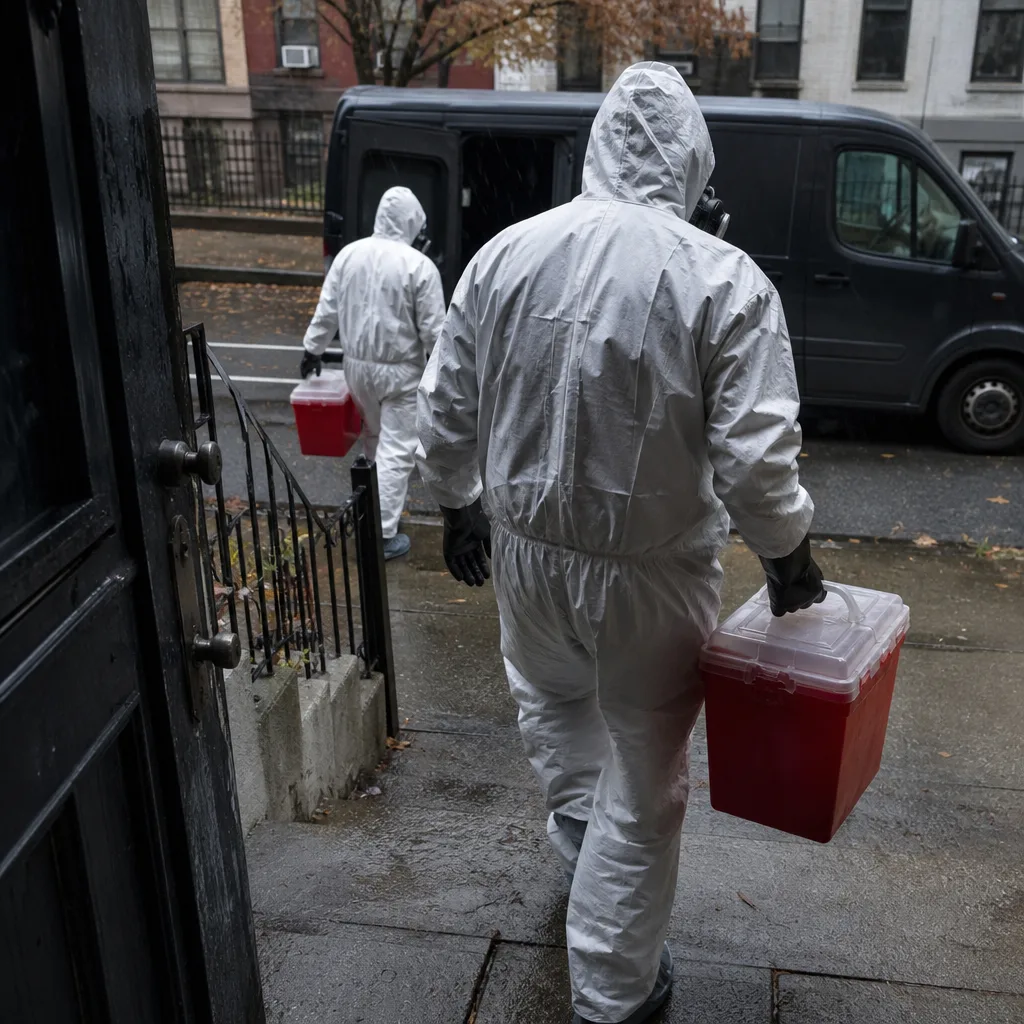
Free visual inspection and a written scope of work before any mitigation begins - photos, moisture readings, and drying logs go in your claim file
The scope we write is the scope we bill. Anything new gets shown to you, in writing, before we touch it.
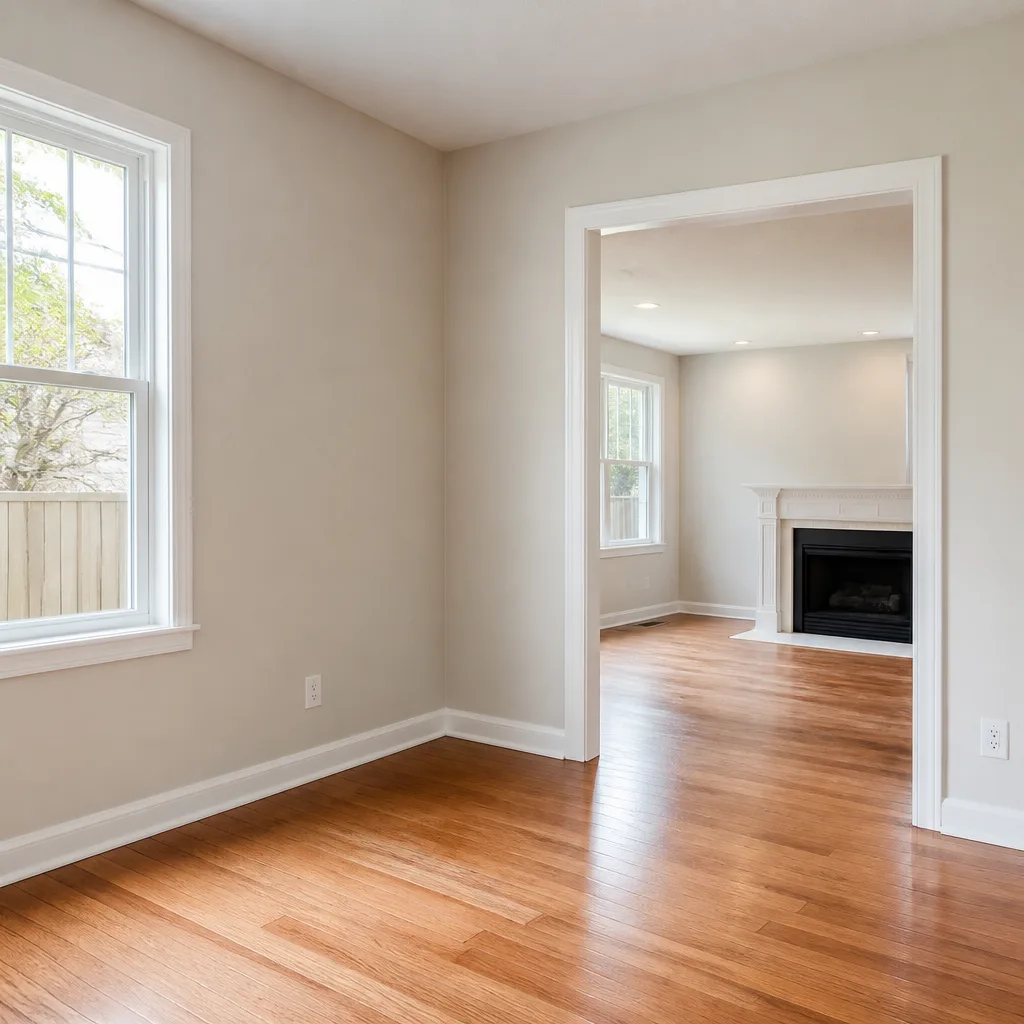
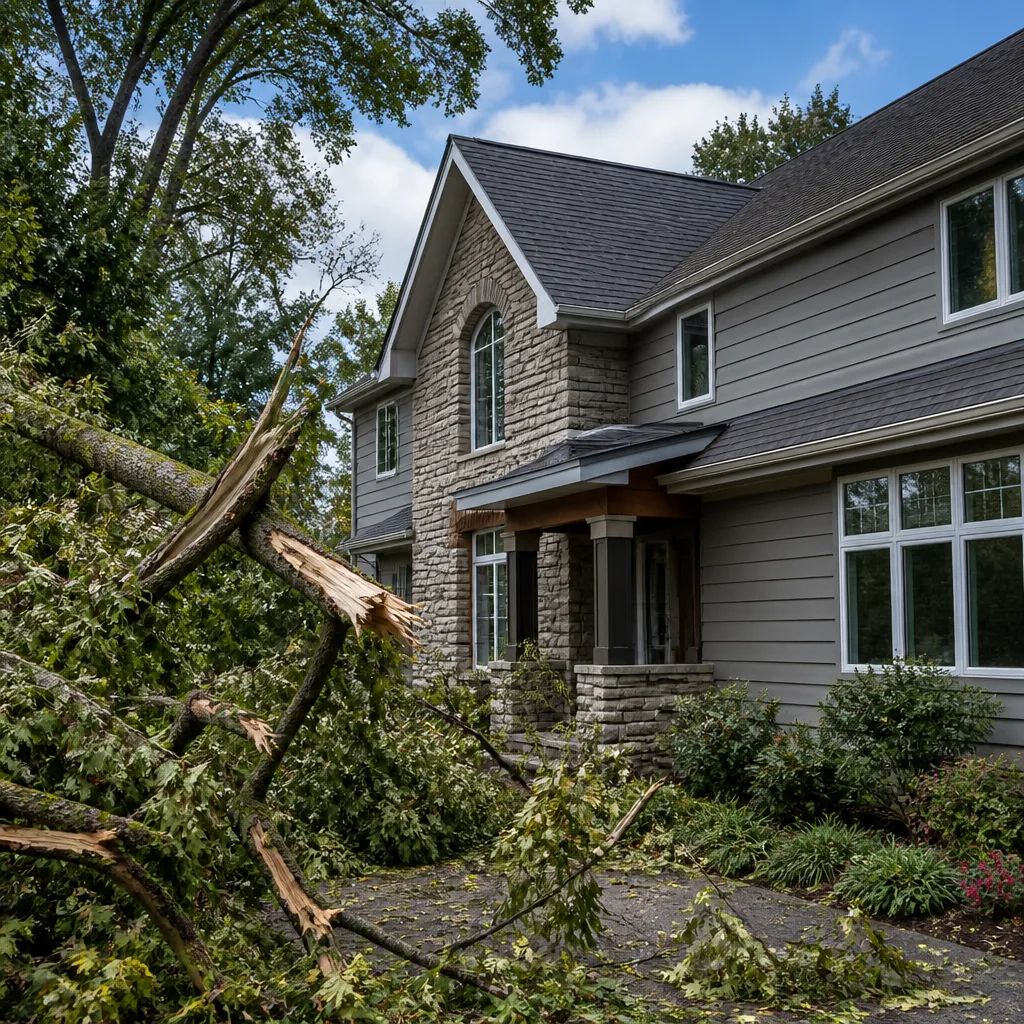
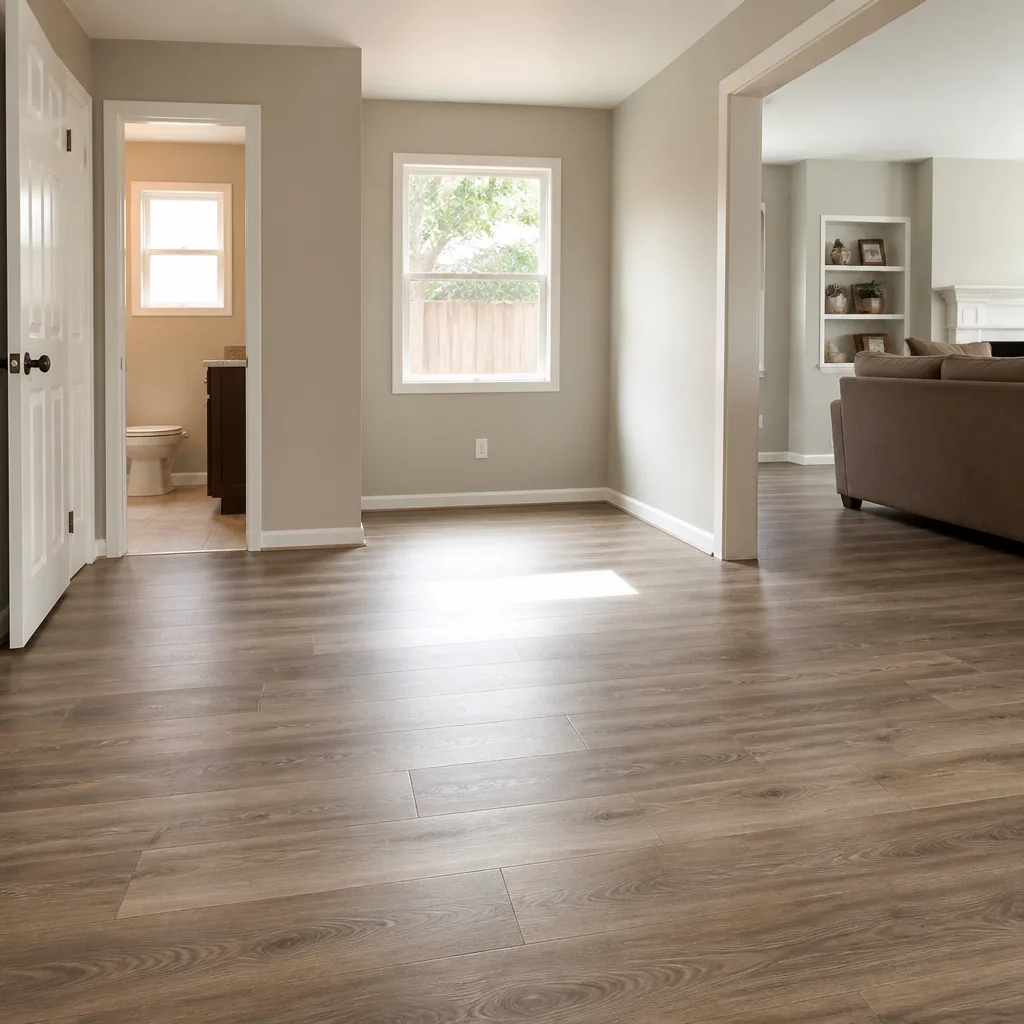
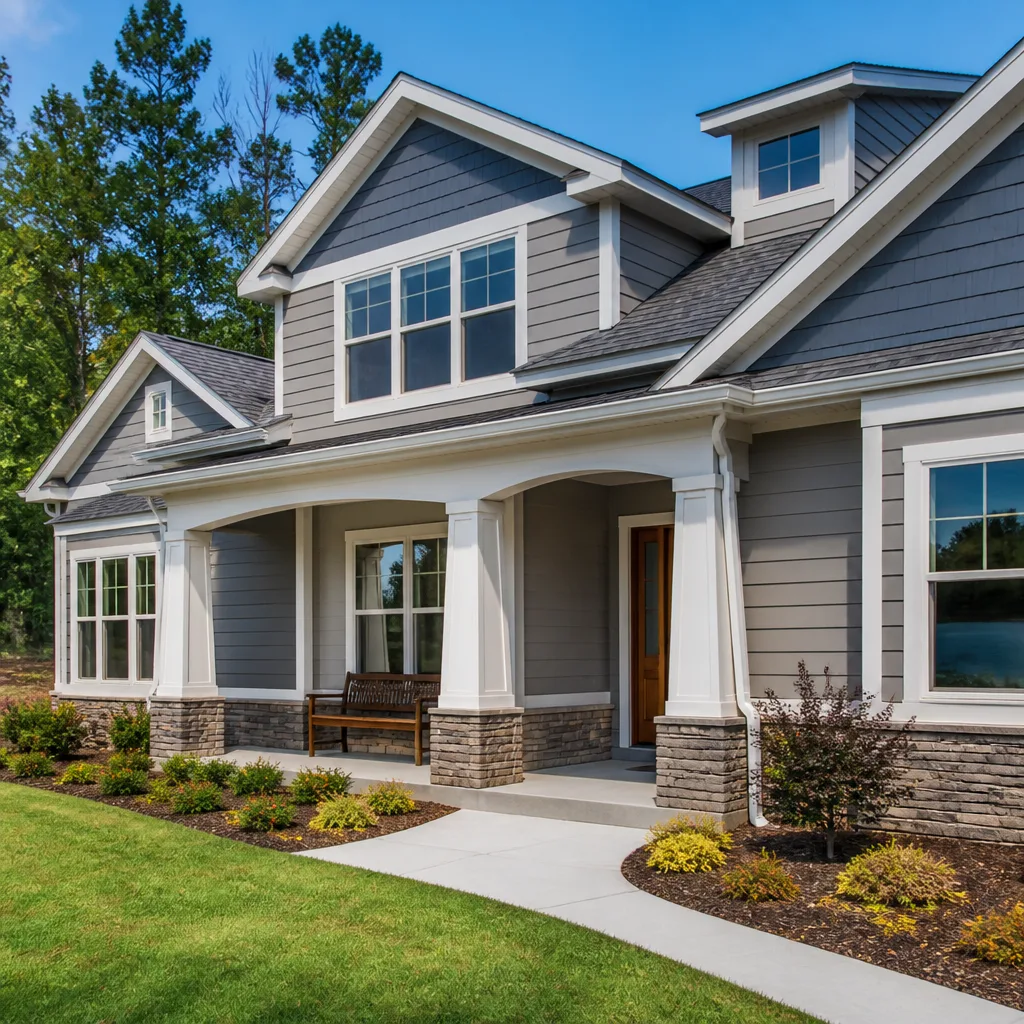
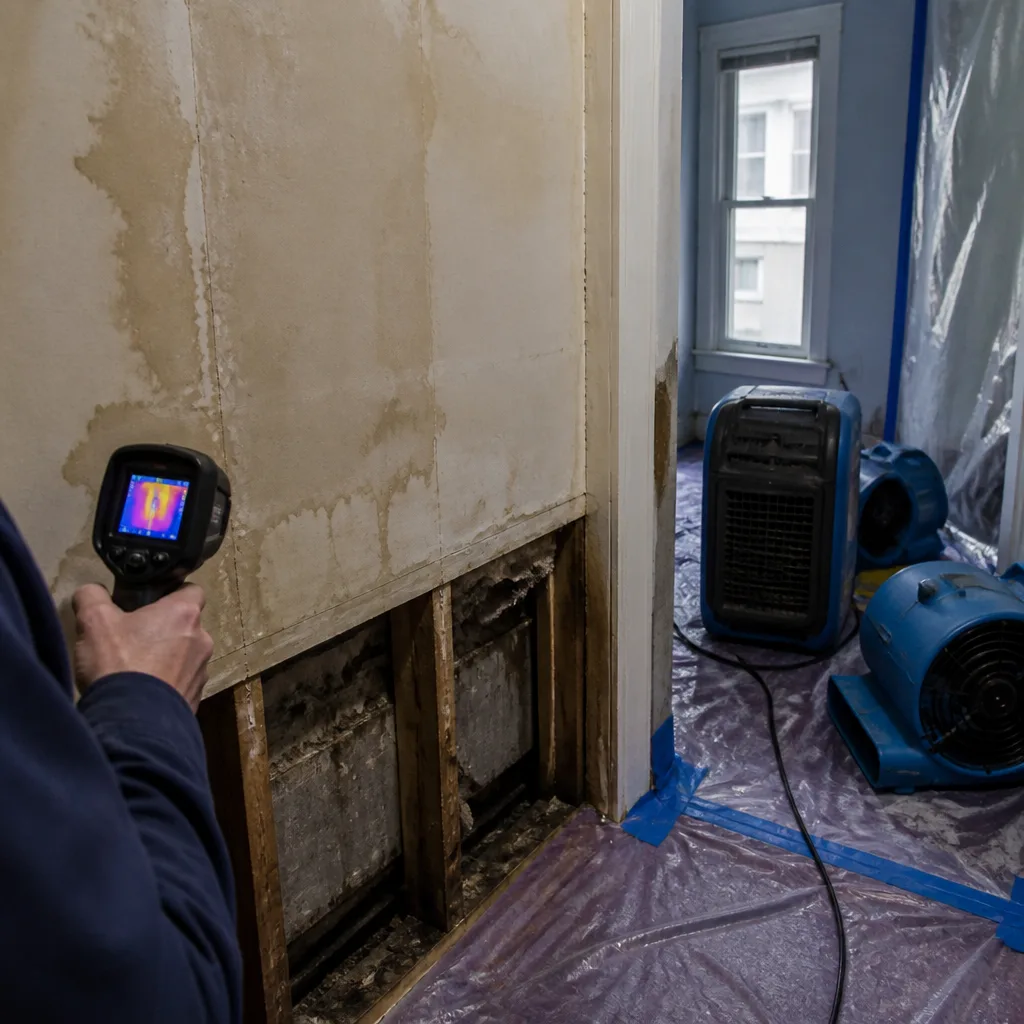 Before
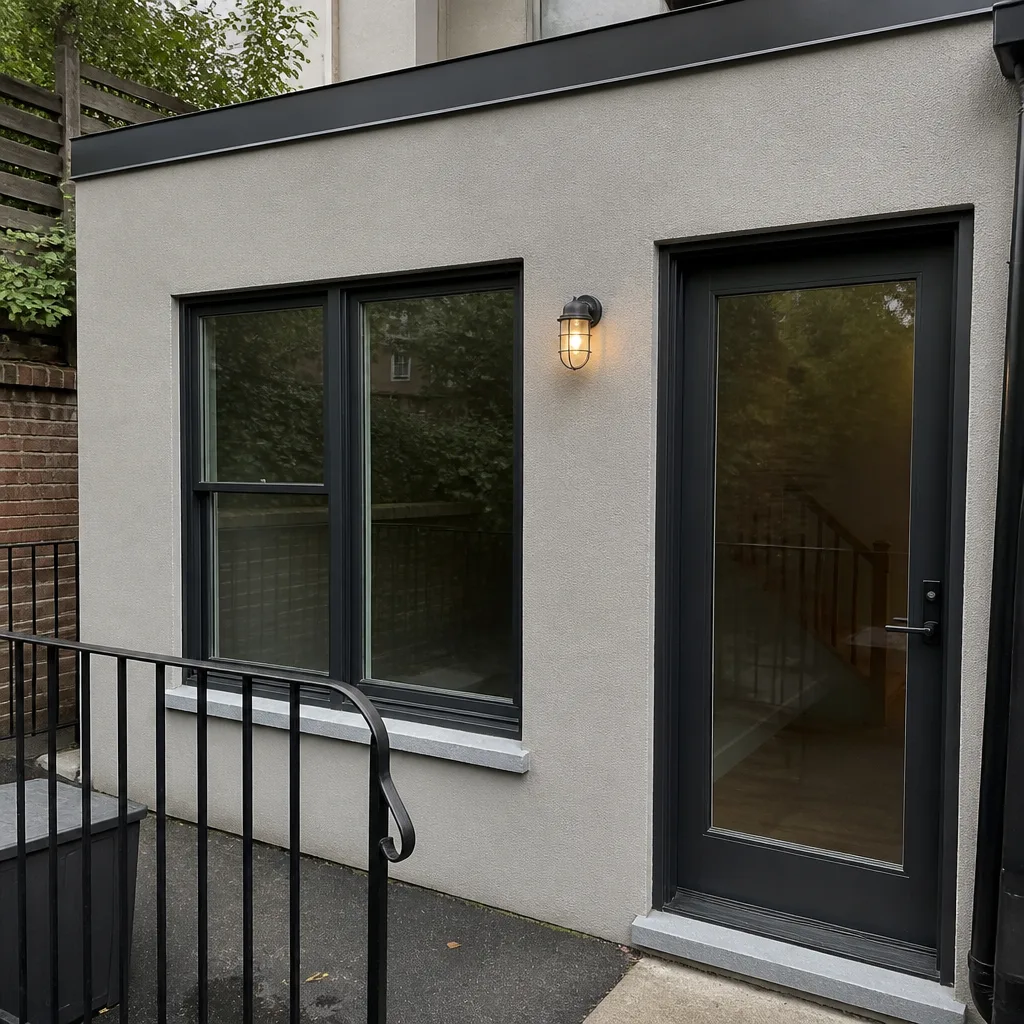 After
After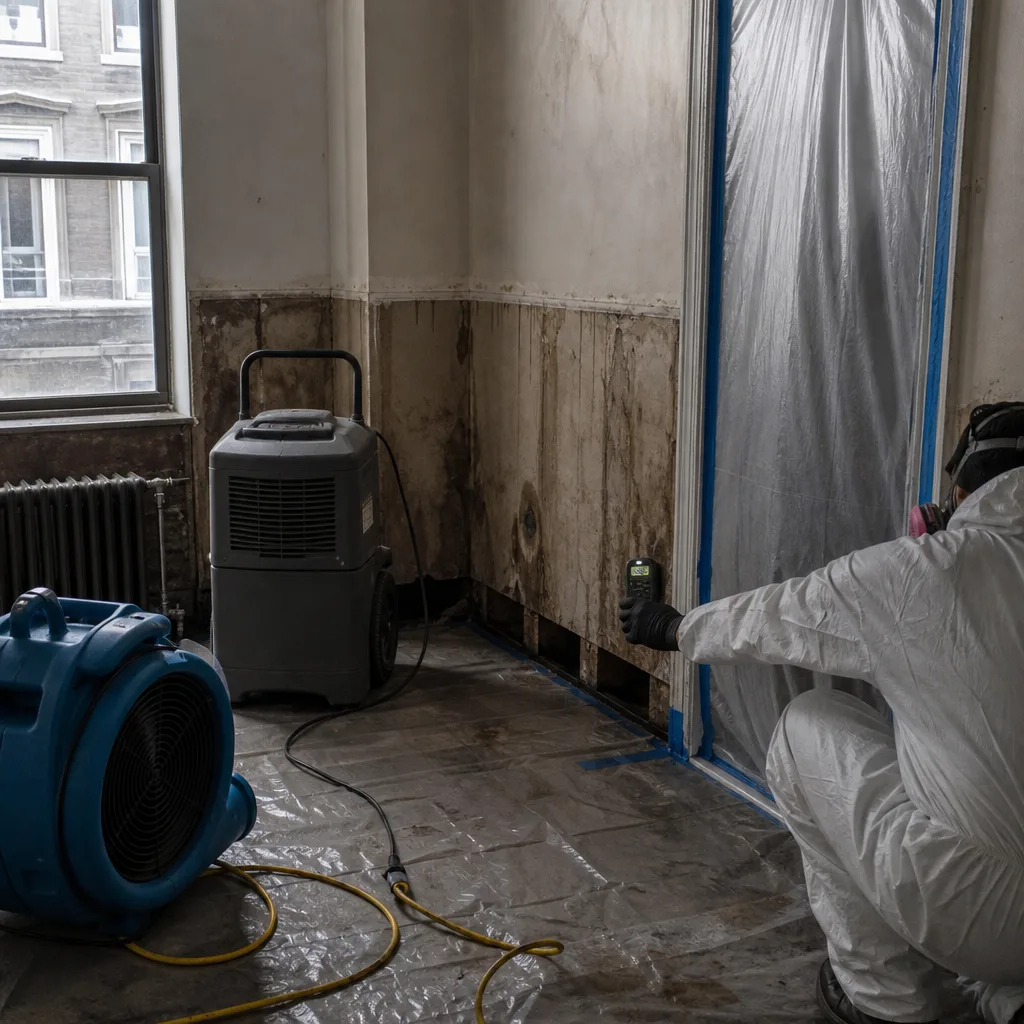 Before
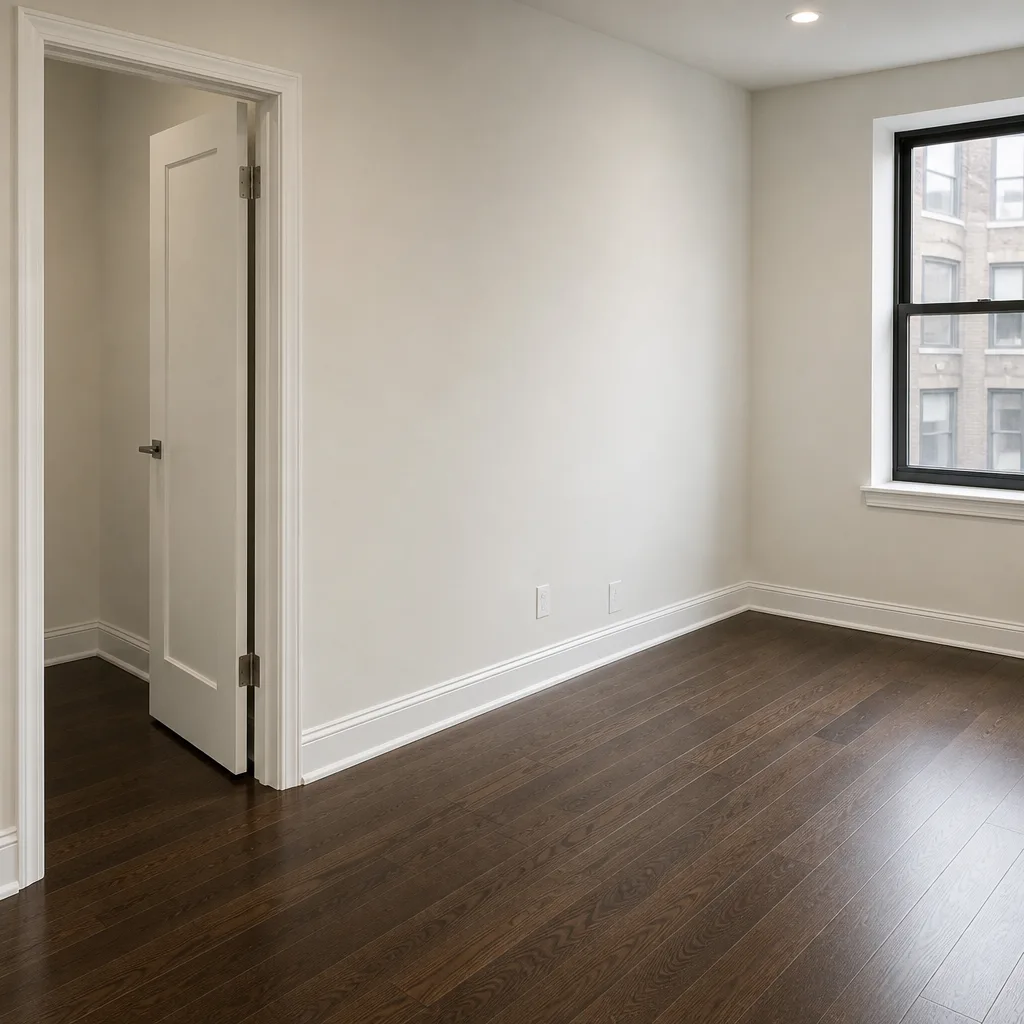 After
After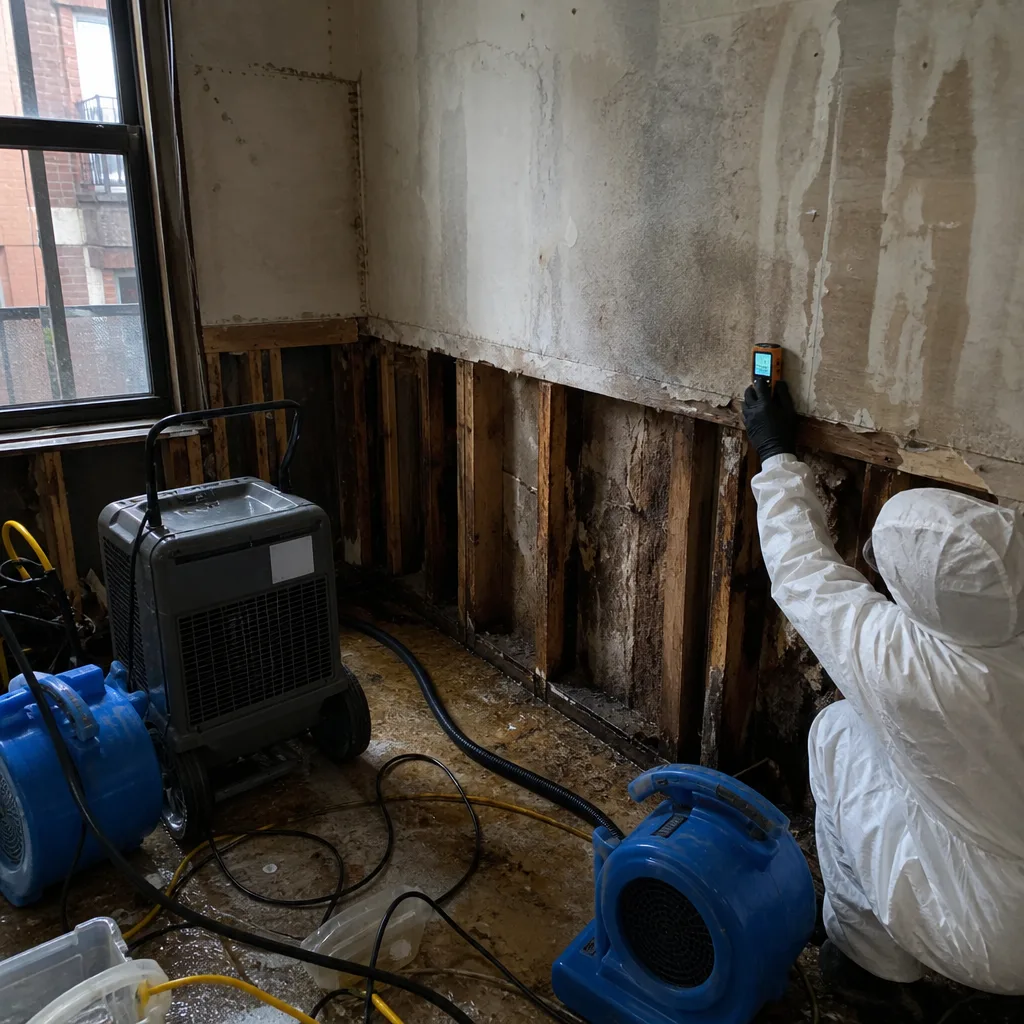 Before
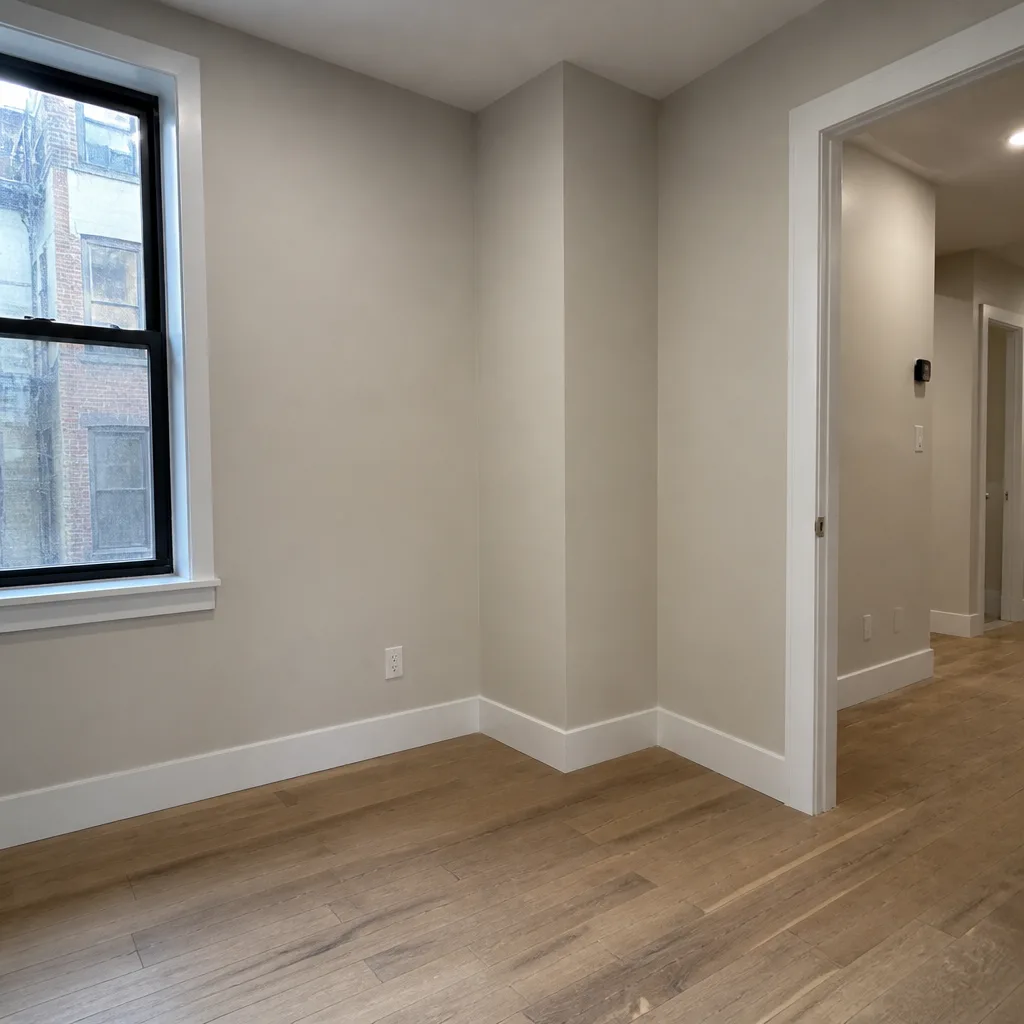 After
After24/7 Emergency Biohazard & Crime Scene Cleanup in Glendale
Biohazard and crime scene cleanup in Glendale runs $1,400 to $6,000 for a typical trauma or unattended death scene, and $2,800 to $9,000 when sewage contamination or hoarding conditions require full gut remediation of a converted basement. Most Glendale jobs start the same day we get the call. If you’re standing in a home right now with blood, bodily fluids, sewage, or decomposition odor, call (607) 350-1550 and Wade or a crew member will answer. Not an answering service. A person who can actually do something about it.
We head out to Glendale within 45 minutes, 24 hours a day. The first hour matters because pathogens don’t wait. Bloodborne bacteria multiply, decomposition odor penetrates plaster and floor joists, and sewage from Glendale’s combined sewer system wicks through shared party walls into the neighbor’s side. Every hour of delay means more surface area, more removal, and a bigger number on the written scope. Call first. We’ll figure out the rest together.
Understanding Biohazard & Crime Scene Cleanup Severity in Glendale Properties
Glendale’s housing stock is almost entirely attached and semi-detached rowhouses built between 1920 and 1945. That changes everything about how a biohazard job is classified and contained. In a detached house, a Category 3 sewage backup stays in one building. In a Glendale two-family on 73rd Place or 67th Street, black water and the aerosols it produces migrate through shared joist bays, plumbing chases, and the gap between party walls. We don’t just clean the unit where the event happened. We treat the building envelope as one interconnected space, because that’s what it is.
Severity levels matter. Category 1 water is clean, Category 2 carries some contamination, and Category 3 means sewage, blood, or decomposition fluids where pathogens are presumed present. Category 3 requires full containment with negative air pressure, HEPA filtration, antimicrobial treatment, and disposal of affected porous materials, not just a scrub-down. Original plaster walls in Glendale rowhouses absorb decomposition odor differently than modern drywall. Cast-iron waste lines corroded by Queens’ moderately hard water fail at the joints. Knob-and-tube wiring found during gut-out work has to be evaluated before anyone runs a saw through a wall. None of this is visible from the front door, which is why a real assessment matters more than a phone quote.
Why Glendale Property Owners Choose Wade’s Restoration
- 45-minute response commitment to Glendale. We don’t put you on a list. Wade heads out when you call, and he drives like someone who knows the neighborhood.
- A live person answers, 24/7. Not a script, not a voicemail, not a call center three time zones away. Wade carries his own phone.
- IICRC-certified crews. Biohazard work is done to IICRC S540 standards for trauma and crime scene cleanup. We hold WRT, FSRT, and AMRT certifications as the job requires.
- Free visual inspection. We look at the damage, we tell you what we see, and we put the scope in writing before work starts. No charge for that. Ever.
- Direct insurance billing. We deal with your adjuster. You don’t get stuck relaying information between two sides.
- One team from first call to final coat of paint. The people who do the mitigation are the same people who come back for the reconstruction. Nobody hands your job off to a subcontractor who’s never seen the site.
Our Biohazard & Crime Scene Cleanup Process
Inspection & Assessment
We walk the entire property, not just the affected room. In Glendale, that means checking the shared wall cavity, the basement drain line, and any converted living space for signs of migration. Thermal imaging shows what’s wet behind original plaster. We take photos and document everything for your insurer from minute one.
Containment & Stabilization
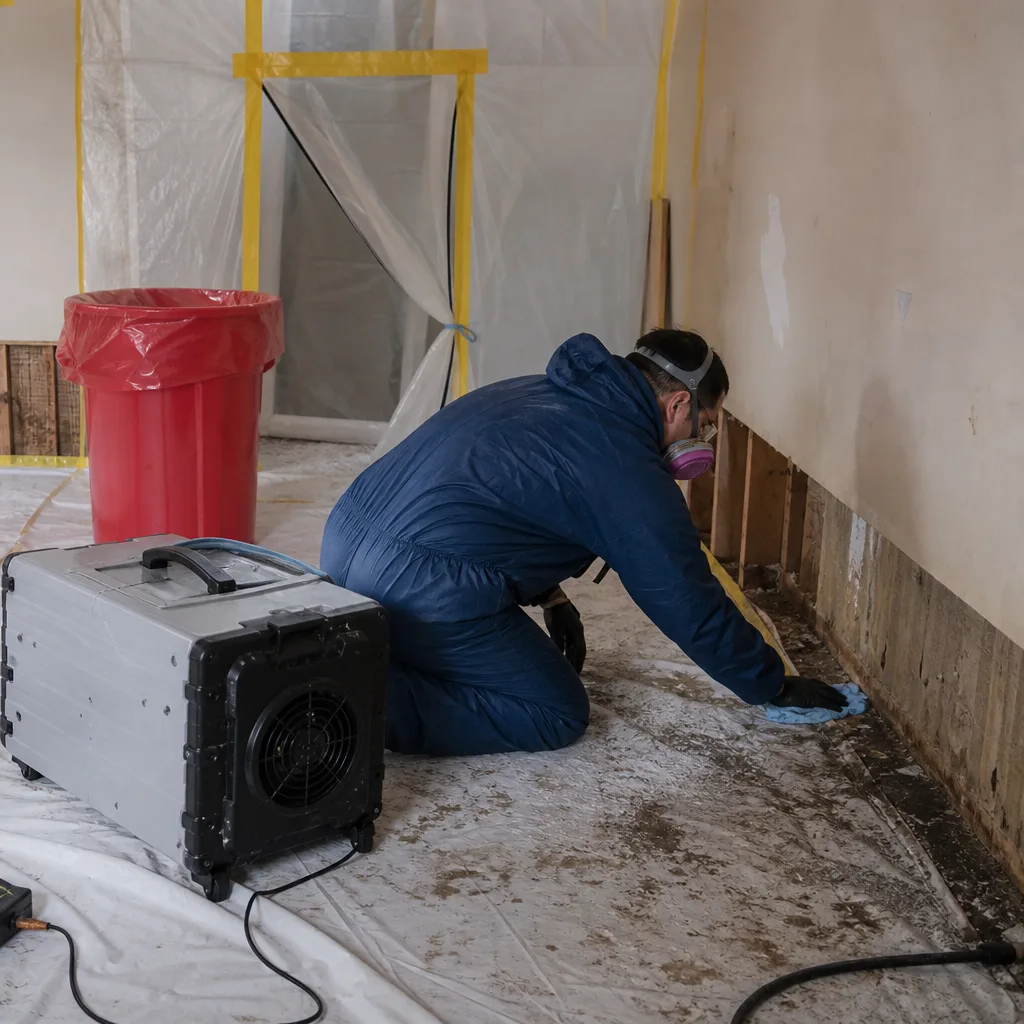
For any Category 3 event, we set up full containment with negative air pressure and HEPA air scrubbers before disturbing anything. That stops biohazardous aerosols from moving through party walls into the adjoining unit. In attached Glendale rowhouses, this step is non-negotiable.
Removal & Extraction
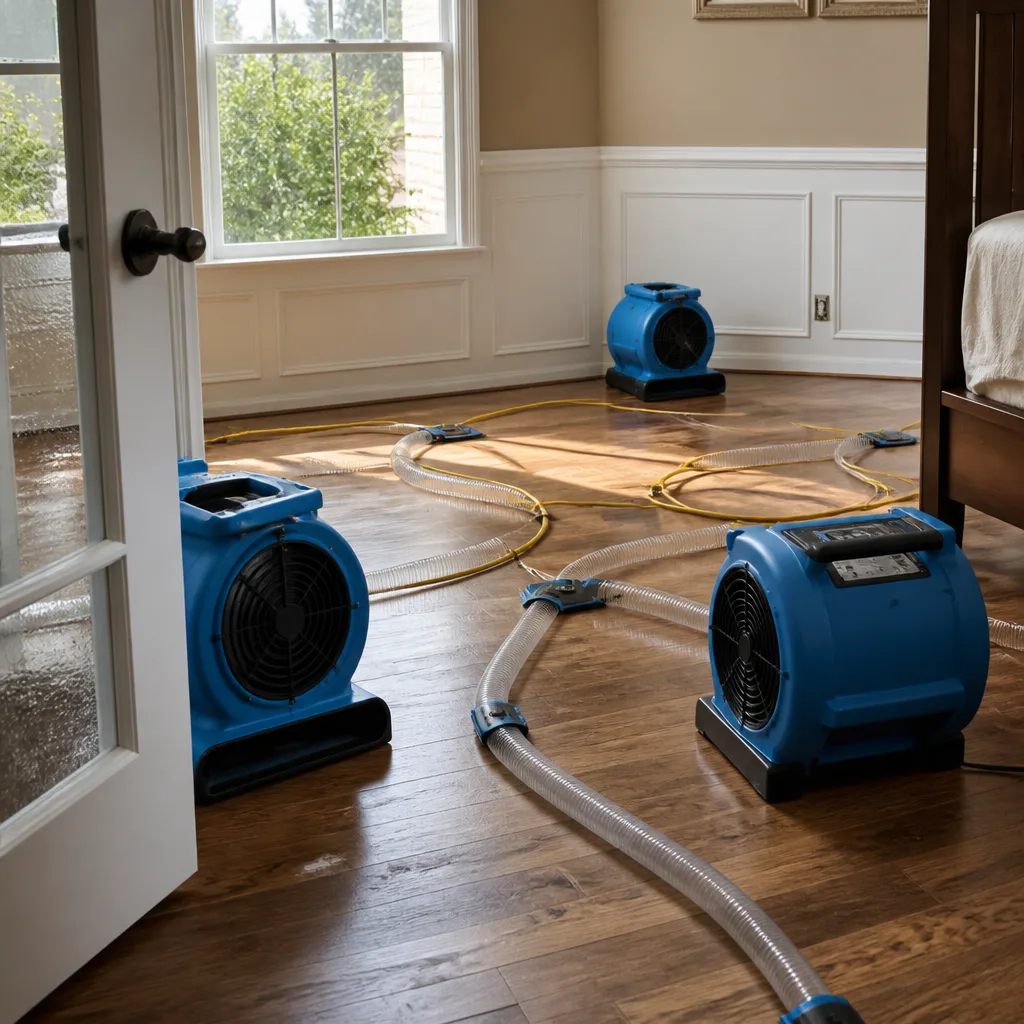
Blood-soaked materials, sewage-saturated carpet, affected drywall, and any porous surface that can’t be fully sanitized comes out and is disposed of under regulated medical waste protocols. We use commercial extraction equipment and heavy-duty dehumidifiers to pull standing water and moisture from the structure.
Cleaning & Antimicrobial Treatment
Every affected surface is cleaned with hospital-grade antimicrobials. We treat the shared wall cavity, the floor system, and connected drain lines, because pathogens don’t respect property lines. This is where Glendale’s rowhouses demand more work than a detached house in Suffolk County.
Odor Neutralization & Clearance Verification
Decomposition odor and sewage smell linger in plaster, wood, and ductwork. We use ozone and hydroxyl generation where appropriate, then run clearance testing to verify the space is safe. You get the documentation. So does your insurance company.
Repairs & Reconstruction
Once mitigation is complete, we rebuild. That may mean re-framing a bathroom, replacing floor joists, or coordinating with NYC DOB on a code compliance issue before finish work can legally proceed. We handle the permits, the filings, and the rebuild.
Need Emergency Biohazard & Crime Scene Cleanup in Glendale Now?
Crews minutes away, answering live 24 hours a day. The sooner we start, the less it costs.
Working With Your Insurance Company
Biohazard and trauma cleanup is covered by most homeowners policies, but the claim goes smoother when the documentation is solid from the first hour. We photograph every step, log moisture readings, and write a line-item scope that your adjuster can actually read. We call your carrier directly and handle the back-and-forth so you’re not stuck answering questions you shouldn’t have to answer. Here’s what lands on the adjuster’s desk:
What We Provide Your Insurer
- Thorough documentation of the loss, including cause and category
- Photos of all damage, room by room, including the shared wall cavity
- Moisture readings and daily drying logs
- A detailed, line-item scope of work with pricing
- Direct coordination with your carrier so you don’t have to translate
Built for Glendale’s Loss Calendar
Most Glendale biohazard calls trace back to one of two seasonal patterns. Summer thunderstorm season overwhelms NYC’s combined sewer infrastructure, sending sewage backflow into basement drains across the neighborhood. Those converted basement apartments with finished sheetrock and carpet become Category 3 contamination zones overnight. Winter brings a quieter version of the same problem when deep freezes crack aging cast-iron waste lines inside rowhouse walls and sewage seeps into finished spaces over days or weeks before anyone notices the smell. Crime scene and trauma calls don’t follow a calendar. Unattended death discoveries happen in every season, and Glendale’s older population means neighbors often notice something wrong days after it happens. That means one type of contamination has been working into plaster and flooring for a week before we get the call. We plan for that reality with equipment staged for fast deployment to Queens, and we don’t schedule Glendale visits like we’re driving to a spread-out suburb. The BQE, Woodhaven Boulevard, and Myrtle Avenue all connect to the neighborhood, and our crews know the routes. We serve Glendale specifically, not as one stop on a route that also covers three other boroughs in a day. If you’re in Glendale, you’re not waiting behind a job in Astoria because we don’t run crews that far apart.
Biohazard & Crime Scene Cleanup Across Glendale’s Neighborhoods
We work every part of Glendale. The blocks around Dry Harbor Road and Myrtle Avenue have some of the densest attached two-family housing in the neighborhood, which means party-wall containment is standard protocol on nearly every job there. The section near Forest Park, including parts of 80th Street and Trotting Course Lane, has a mix of semi-detached brick homes and a few fully detached houses, but the shared wall problem is still common. Up near Metropolitan Avenue, small commercial storefronts sit above basements that often have illegal finishes, and we’ve had calls where a sewage backup in one storefront’s basement pushed contaminated water into a neighboring property through the shared foundation. The blocks around 69th Street and 67th Street have older pre-war rowhouses with original cast-iron waste lines and plenty of unpermitted basement conversions. Across the ZIP codes that cover Glendale, 11385 especially, cleanup work here has to account for dense housing, shared structure, and the fact that you can’t always legally rebuild what a flood or crime scene damaged without filing with NYC DOB first.
Specialized Biohazard & Crime Scene Cleanup Services We Offer in Glendale
This is the work that most restoration companies in Queens won’t touch. We do. Here’s what we handle in Glendale:
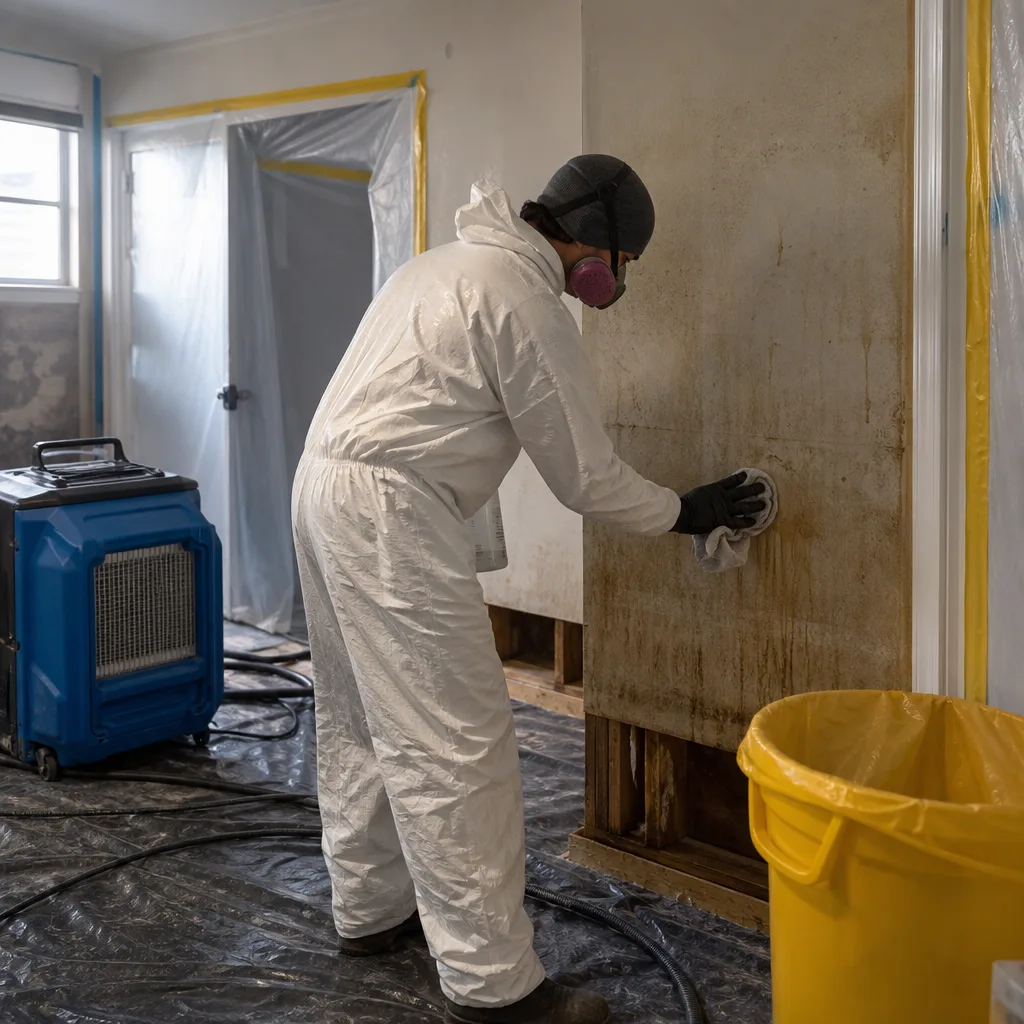
Crime Scene Cleanup
We remove blood, bodily fluids, and any material contaminated by a violent event. That means disposing of affected carpet, drywall, and trim under regulated medical waste rules, then sanitizing every surface the scene touched. In a Glendale rowhouse, the scene isn’t always contained to one room. Blood travels through floor gaps, baseboard seams, and sometimes into the wall cavity itself. We find it and we remove it.
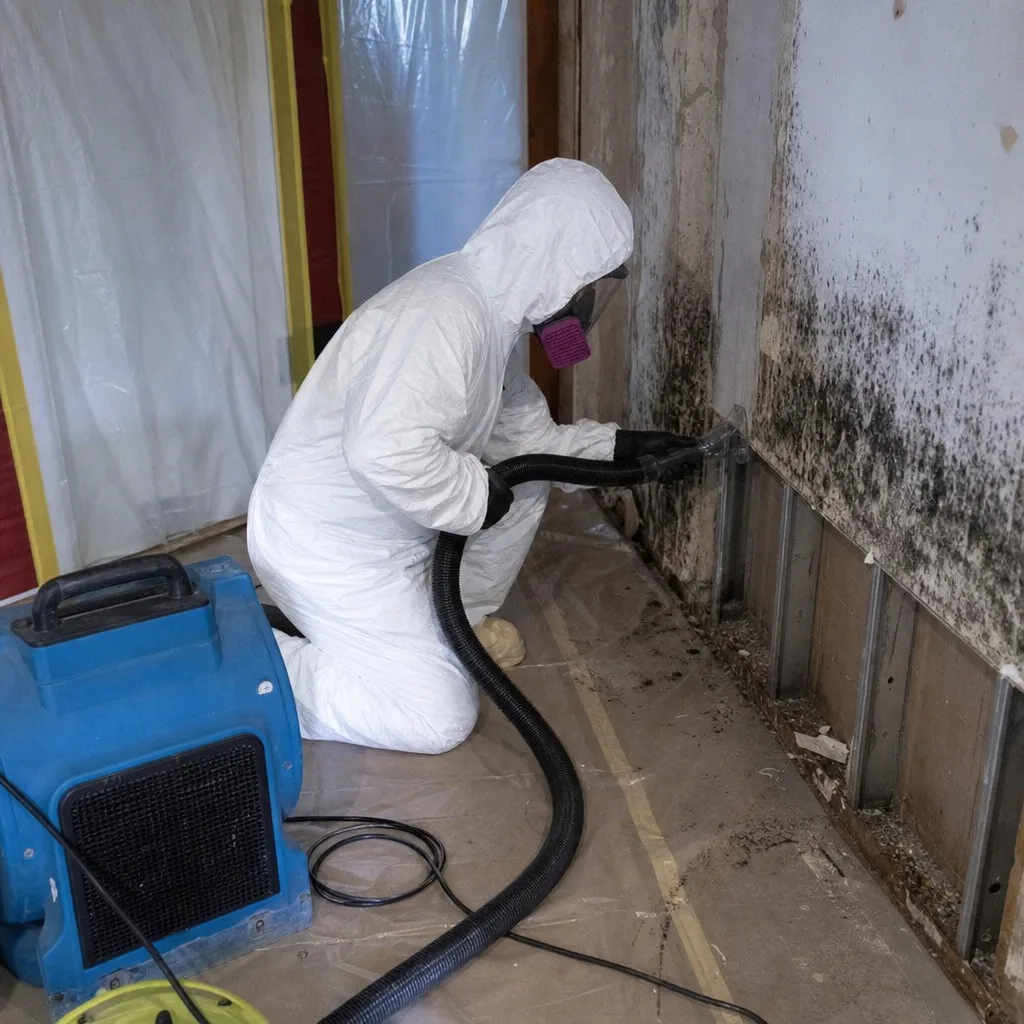
Trauma & Unattended Death Cleanup
Decomposition produces fluids, odor, and biological material that penetrate porous surfaces deeply. In a 1930s Glendale rowhouse with original plaster walls and hardwood floors, that means removing flooring, treating the subfloor, and often cutting into the wall cavity to stop odor migration into the adjoining unit. We work quickly and quietly, and we treat the family’s privacy as part of the job description.
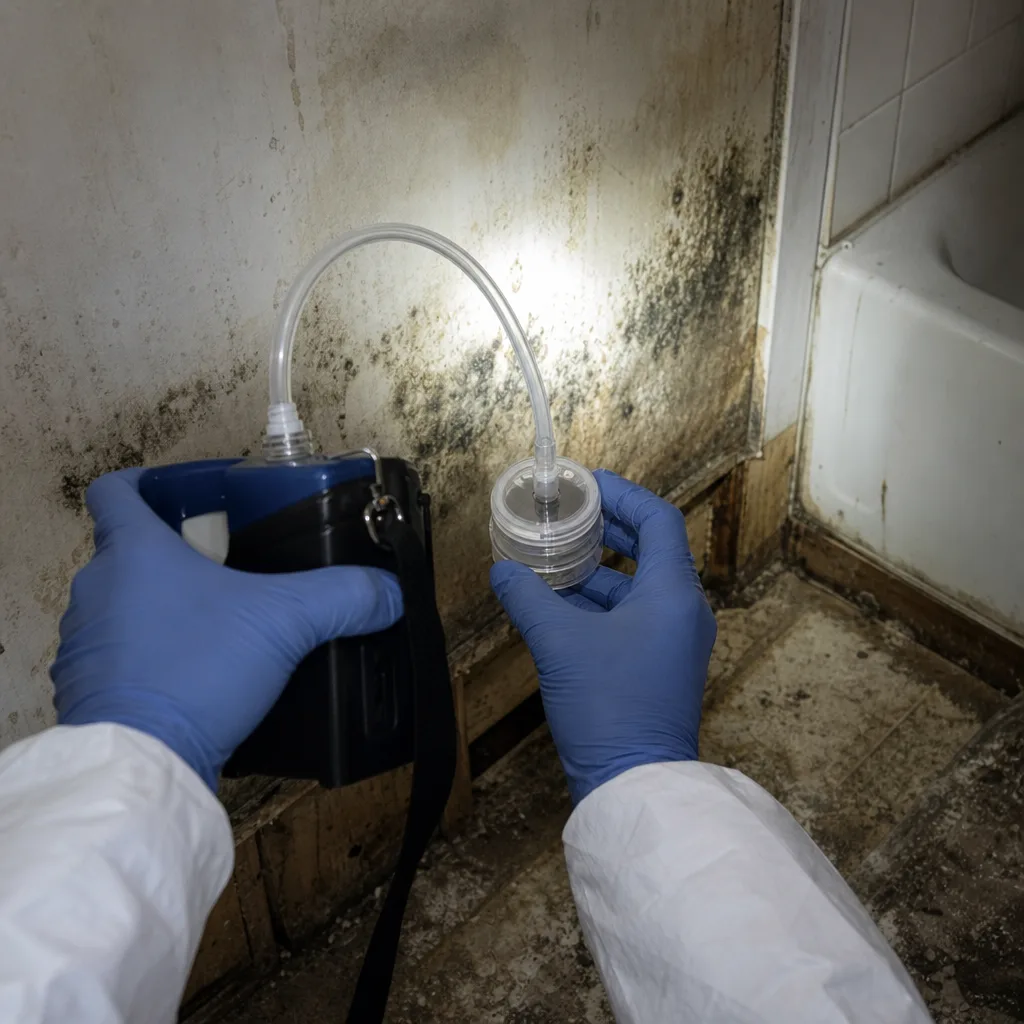
Hoarding Cleanup
Hoarding conditions complicate everything. We sort through contents, separate what’s salvageable from what’s contaminated, and work with the family on a plan that respects their involvement without compromising the cleanup standard. In Glendale’s attached homes, hoarding often hides structural damage and severe pest issues that have to be addressed before the space is livable again.
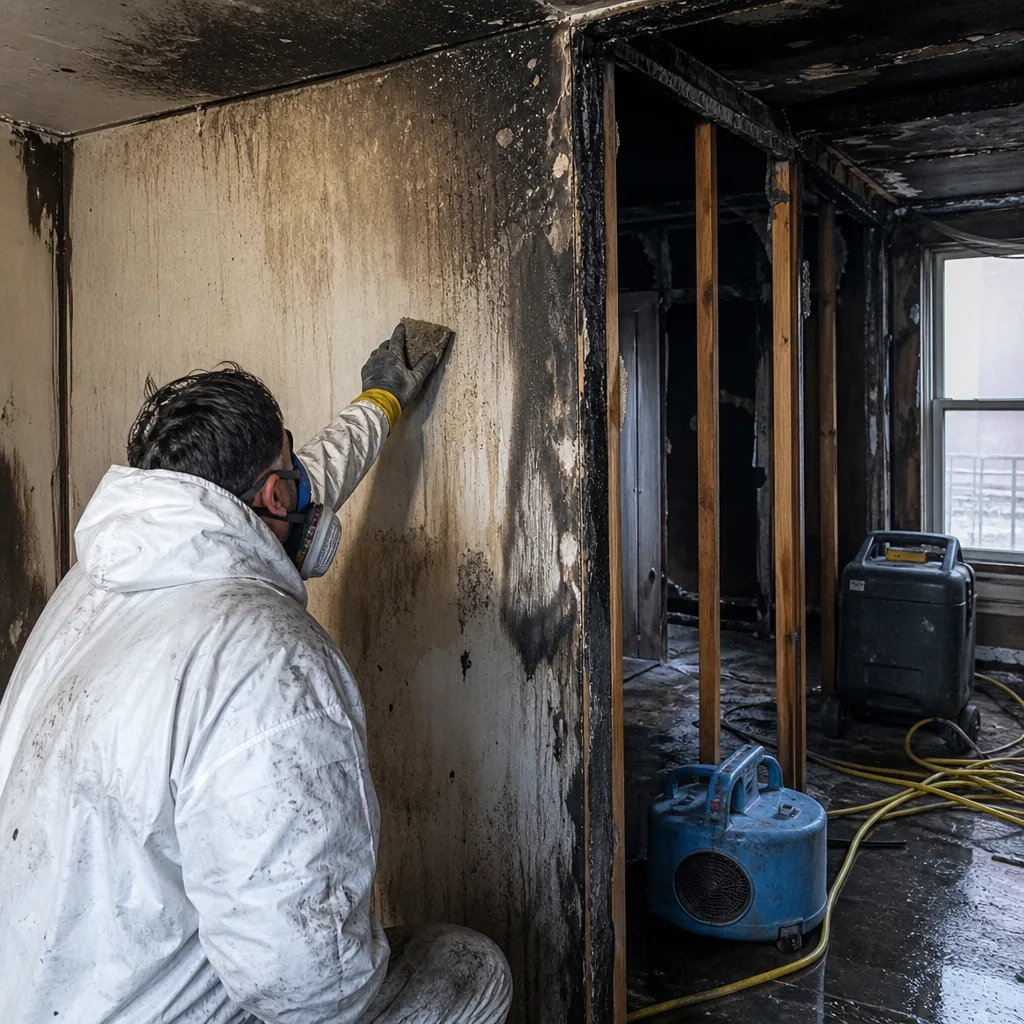
Blood & Bodily Fluid Cleanup
Any time blood is present, we assume pathogens are present. We treat it that way even when the source looks minor. That means full PPE, containment, antimicrobial treatment, and verification testing. We don’t just clean until it looks fine. We clean until it tests clean.
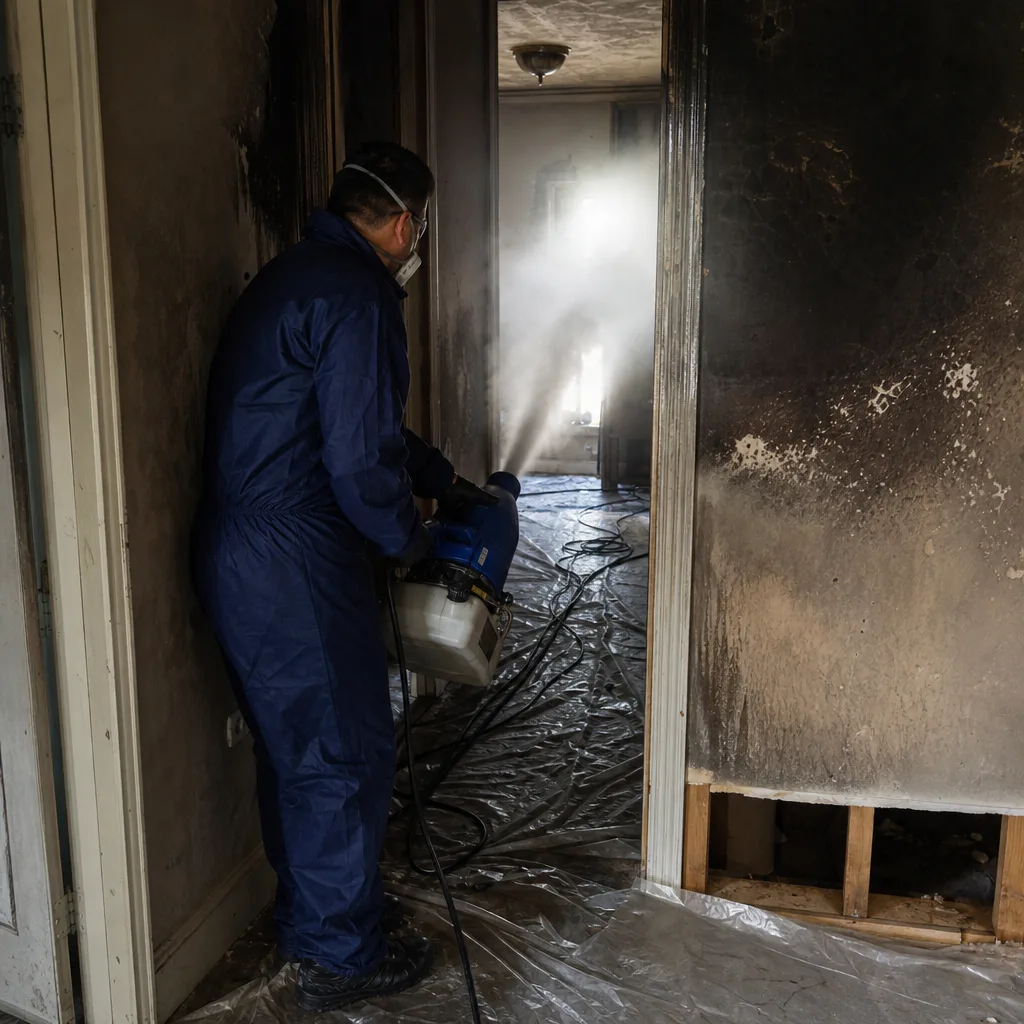
Infectious Disease Disinfection
After a confirmed illness inside a home, or potential exposure to a bloodborne pathogen, we disinfect the entire affected area using EPA-registered products appropriate for the specific pathogen. In Glendale’s attached housing, that means surfaces, air handlers, and any shared building system we can reasonably access. We document the process so you have a record for insurance or for peace of mind.
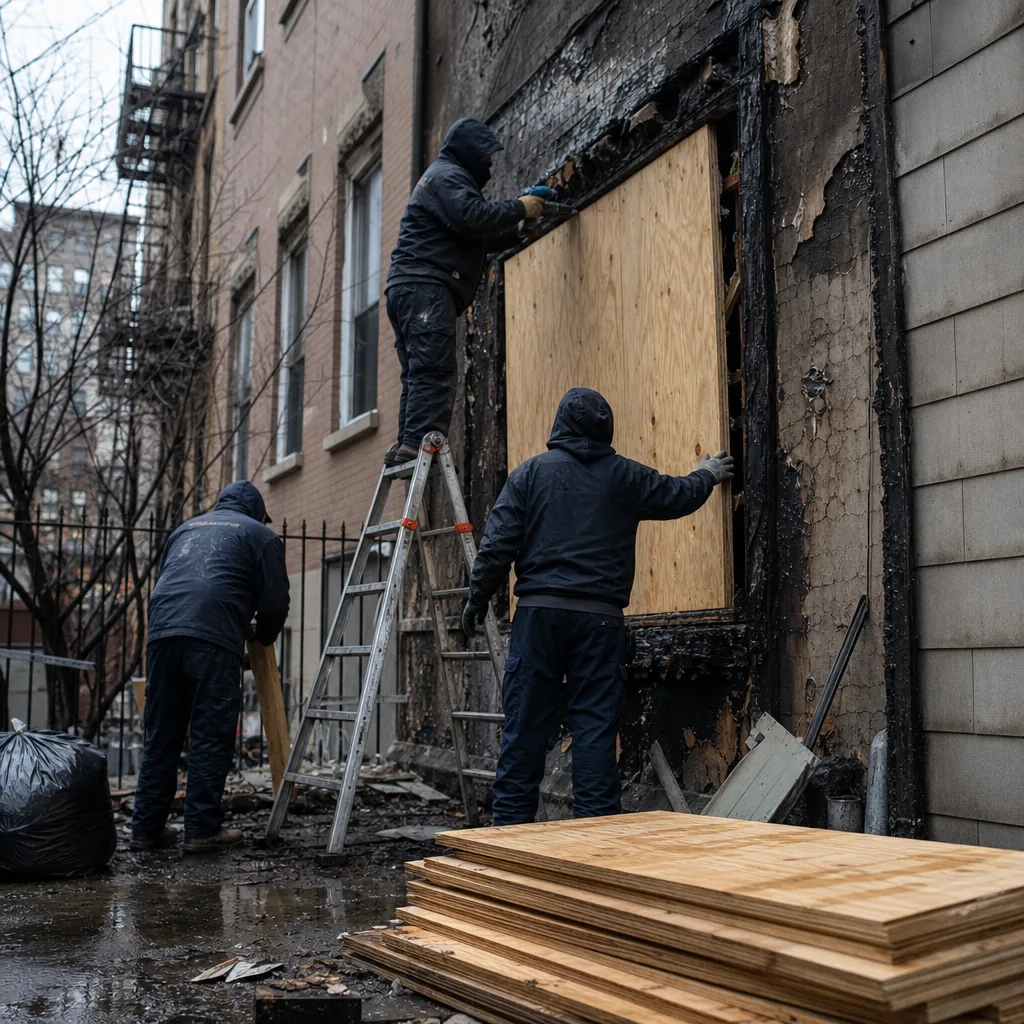
What happens when you call
- 1
A real person answersNo phone trees - you reach a local pro.
- 2
You get an upfront price rangeHonest numbers before anyone is dispatched.
- 3
A background-checked tech heads outLicensed & insured, dispatched right away.
- 4
You approve before work beginsNothing starts until you say go.
Biohazard & Crime Scene Cleanup Costs in Glendale, NY
A straightforward blood cleanup from a minor injury with no structural damage runs $1,400 to $2,800 in Glendale. A trauma or unattended death scene with floor removal, wall cavity work, and odor treatment typically lands between $2,500 and $6,000. If sewage backflow from Glendale’s combined sewer system has saturated a converted basement and pushed through a party wall, expect $4,500 to $9,000 or more depending on how much finished space has to come out and whether the unpermitted finish triggers a DOB review. Insurance covers most of these events under homeowners policies, but the unpermitted basement complication is real: if the space wasn’t legally finished, your carrier may limit coverage and DOB may require compliance work before reconstruction. We flag that early and help you navigate it. The fastest way to a firm number is a free visual inspection. We walk the site, we write the scope, and you see the number before any work starts. Call (607) 350-1550 to set it up.
We Also Serve Cities Near Glendale
Our Biohazard & Crime Scene Cleanup team serves Glendale and the surrounding areas, including Lower Manhattan, Financial District, Astoria, and Midtown Manhattan. If you’re just outside Glendale and need the same fast response, call us. We’ll tell you straight if we can get there quickly enough to matter.
Serving Glendale, NY - Our Local Coverage Area
We’re based in the Glendale area and know this community well. Use the map below to see our service coverage - if you’re nearby, we can almost certainly help.
Glendale Biohazard & Crime Scene Cleanup Questions, Answered
How does Glendale’s attached housing stock change the containment plan for a biohazard cleanup?
In attached and semi-detached rowhouses, we treat the shared party wall and joist bays as part of the affected area, not just the unit where the event happened. That means full containment with negative air pressure before any work begins, treating the wall cavity itself, and often coordinating with the neighbor’s insurance carrier. In Glendale, skipping this step means contamination returns days later through the shared structure.
What happens if my Glendale basement rental wasn’t legally permitted and a crime scene or trauma cleanup is needed there?
We flag it early. NYC DOB requires that unpermitted finishes be addressed before reconstruction can legally proceed, which can add weeks and significant cost to the job. We handle the filing and the coordination, but you should know upfront that the unpermitted status doesn’t stop mitigation, it stops the rebuild. Call (607) 350-1550 and we’ll walk you through what applies to your property.
After a sewage backup in Glendale, what determines whether my floors and drywall can be saved?
Category 3 sewage water saturates porous materials quickly, and in a converted basement with finished sheetrock and carpet, those materials usually can’t be saved. Hardwood flooring sometimes can be dried and refinished if the contamination was caught within hours. Drywall almost never survives direct sewage contact. We test and tell you what has to go versus what can stay; we don’t remove materials just to inflate a scope.
Why do Glendale restoration jobs so often require coordination with multiple insurance carriers?
Because a biohazard release in one attached unit almost always touches the neighbor’s property through the party wall or shared drain lines. That means two homeowners, two policies, and two adjusters. We handle both sides so neither owner is stuck relaying information. It’s common in Glendale precisely because the housing stock is so tightly connected.
Can mold from a biohazard event start growing before you finish the mitigation?
Yes, and in Glendale’s older rowhouses with original plaster and hardwood, it moves fast. Blood and sewage both introduce moisture and organic material, which is exactly what mold needs. That’s why we don’t pause between mitigation steps. We can install containment, start drying, and treat antimicrobial surfaces in the same visit. Delays cost money and square footage.
How fast can you actually get to Glendale?
Normally within 45 minutes of your call, any time of day. We stage equipment for fast deployment to Queens and our crews know the routes into the neighborhood. Call (607) 350-1550 and you’ll get a person, not a phone tree.
Will my insurance cover biohazard cleanup?
Most homeowners policies cover trauma, crime scene, and sewage contamination cleanup, but coverage limits and exclusions vary. The unpermitted basement issue can reduce what’s covered. We document everything, deal directly with your adjuster, and if you want a second opinion on any written estimate, that’s free too. No trip charge inside the county, either.
What should I do in the first 30 minutes after a biohazard event in my Glendale home?
Close the door to the affected area, keep people and pets out, and don’t attempt to clean blood or sewage yourself. Pathogens are real and PPE matters. Turn off any fans that could spread aerosols. Then call us. The first 30 minutes determine whether the contamination stays in one room or spreads through the building envelope. (607) 350-1550, any hour.
Written by Wade Ferris, Owner at Wade’s Restoration, serving Glendale and the surrounding boroughs. Founded in 2007, locally owned, and owner-operated with a published address and license number.