
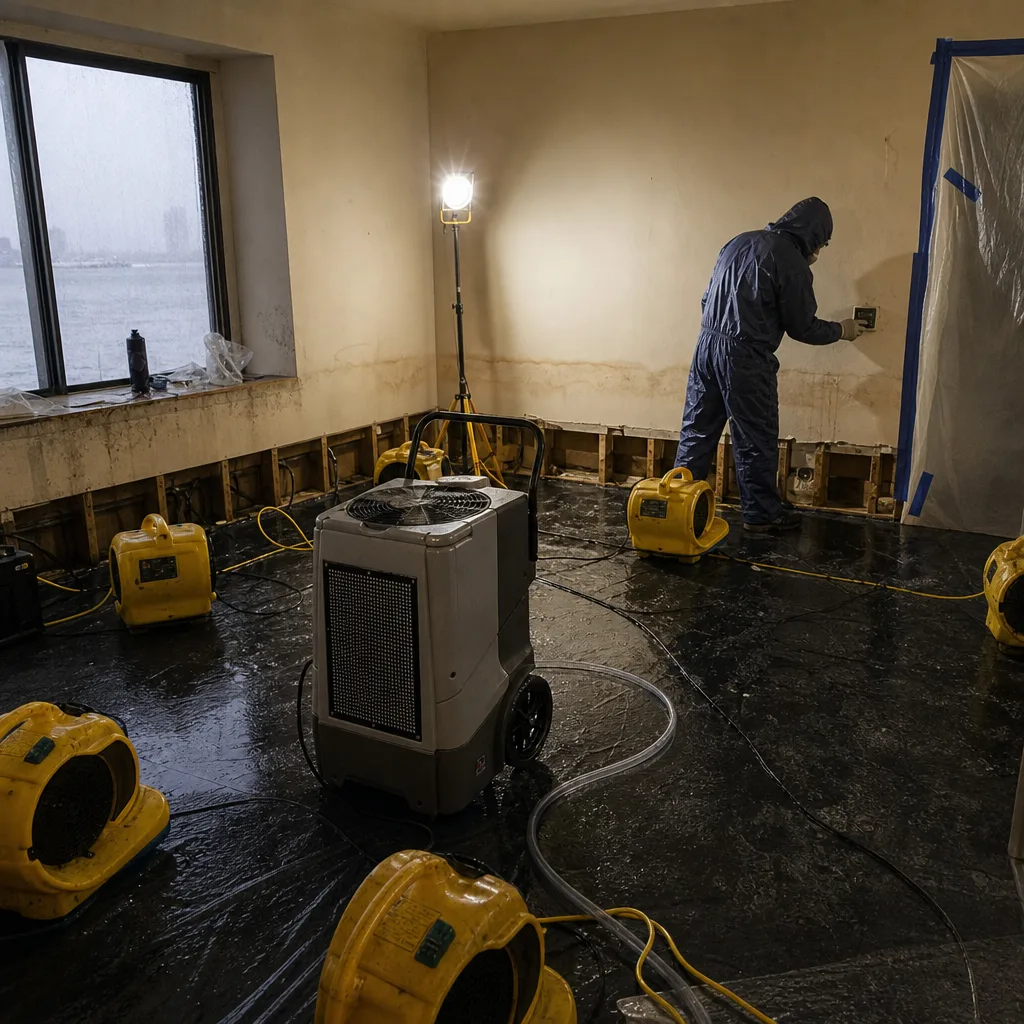
Free visual inspection and a written scope of work before any mitigation begins - photos, moisture readings, and drying logs go in your claim file
The scope we write is the scope we bill. Anything new gets shown to you, in writing, before we touch it.
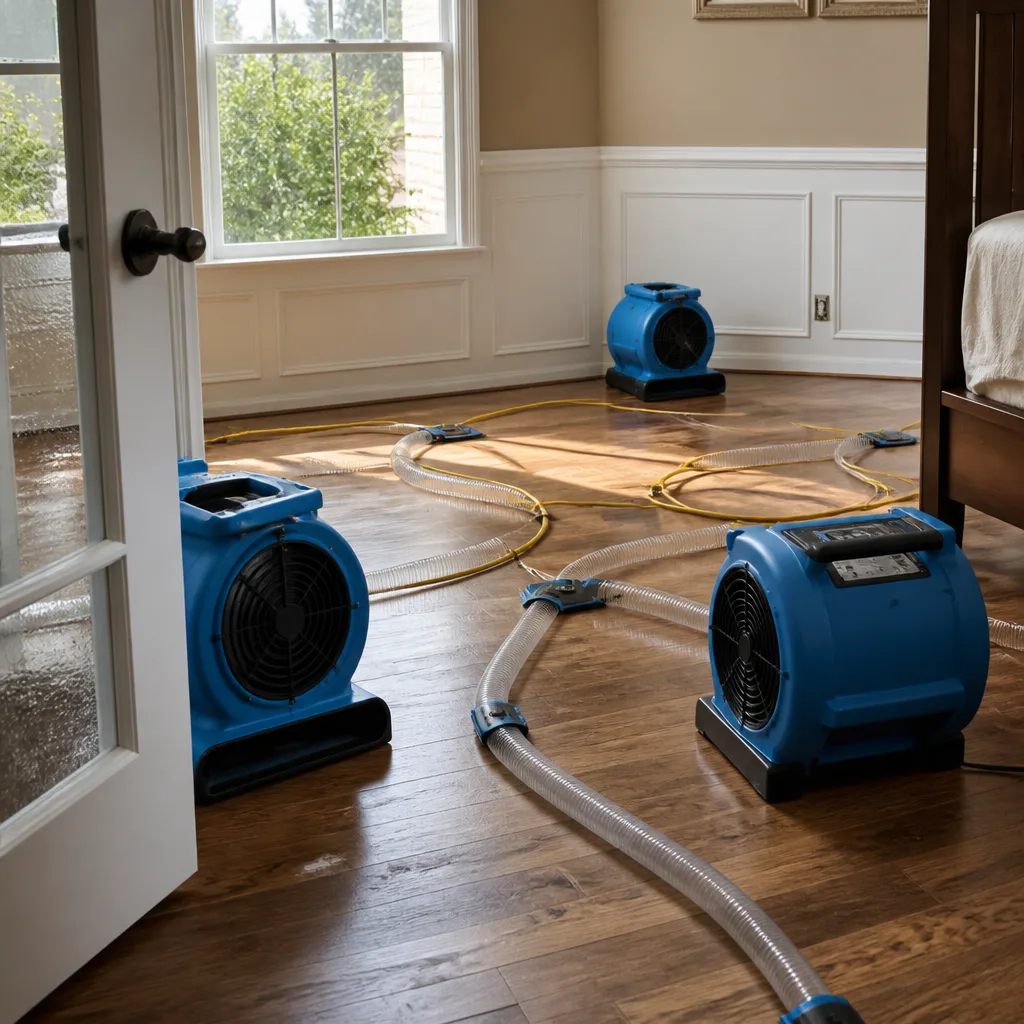
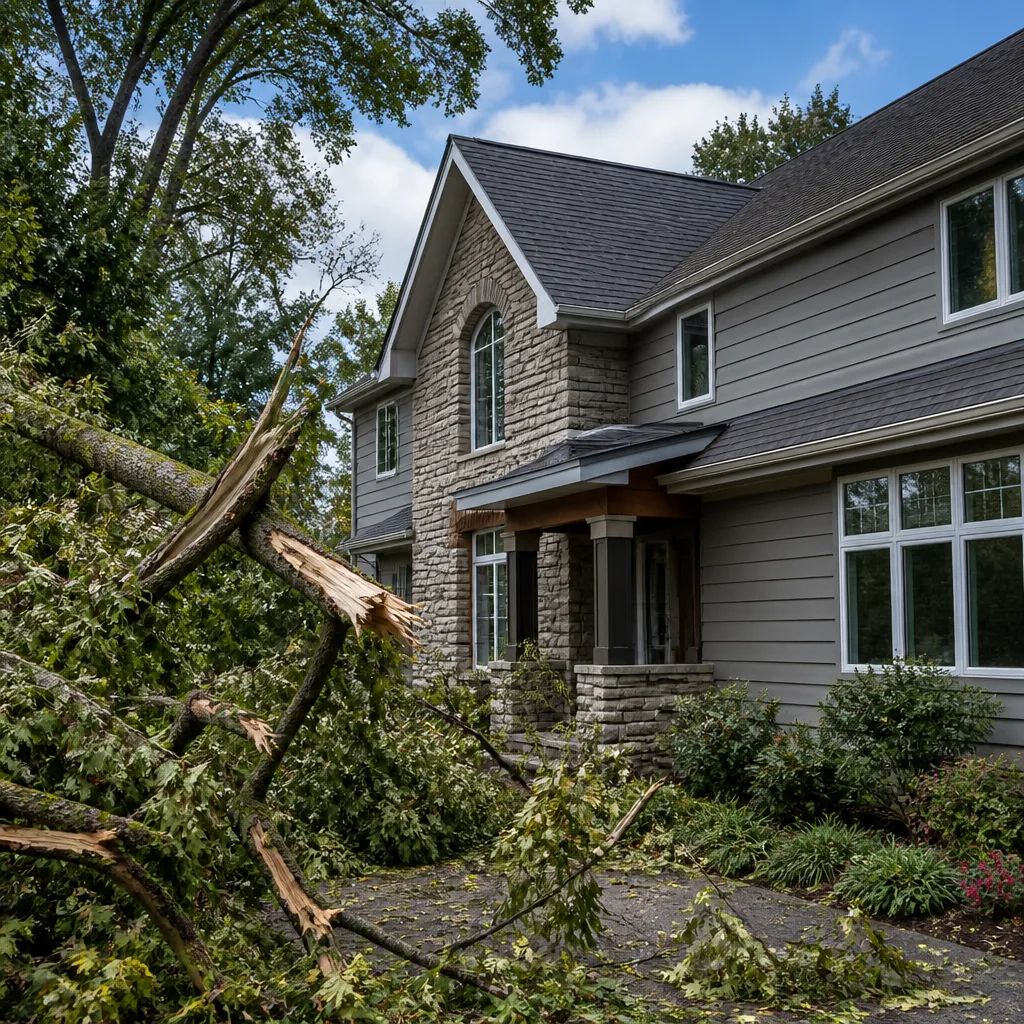
 Before
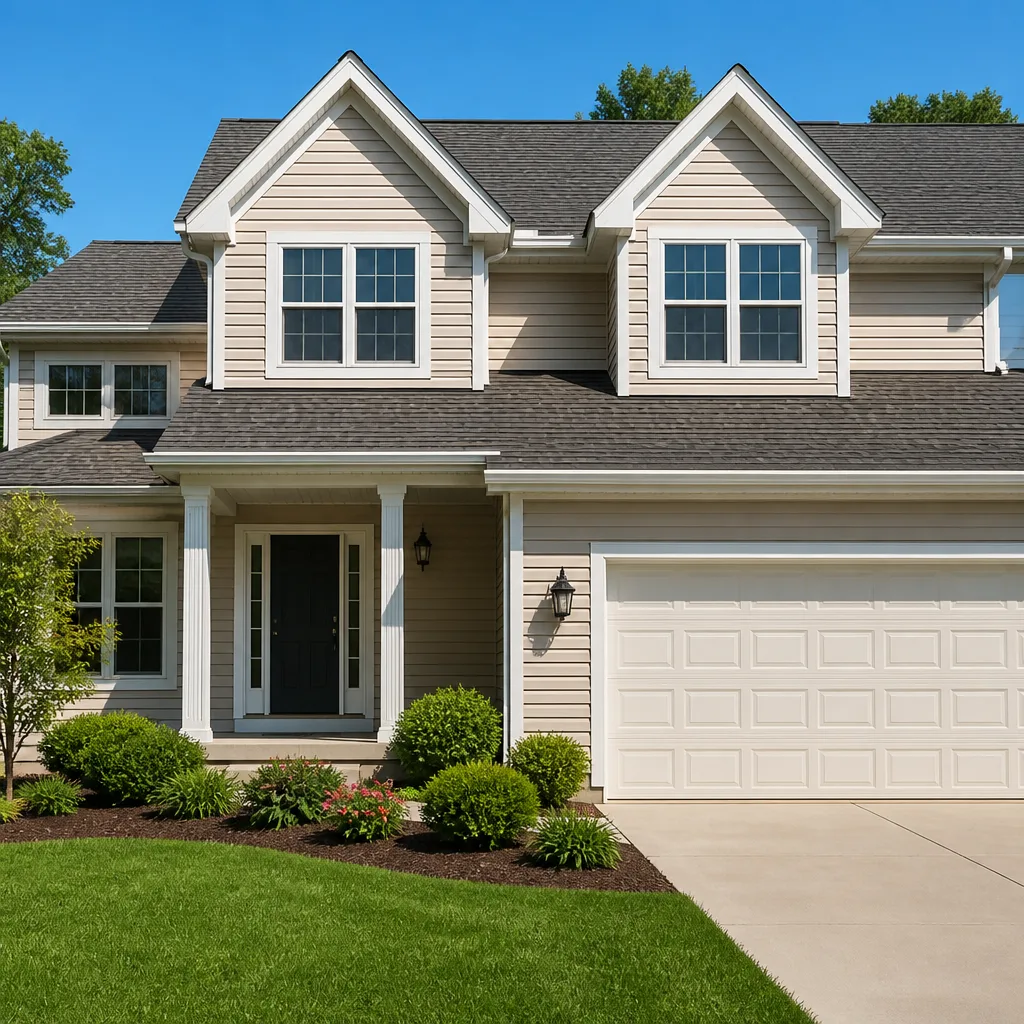
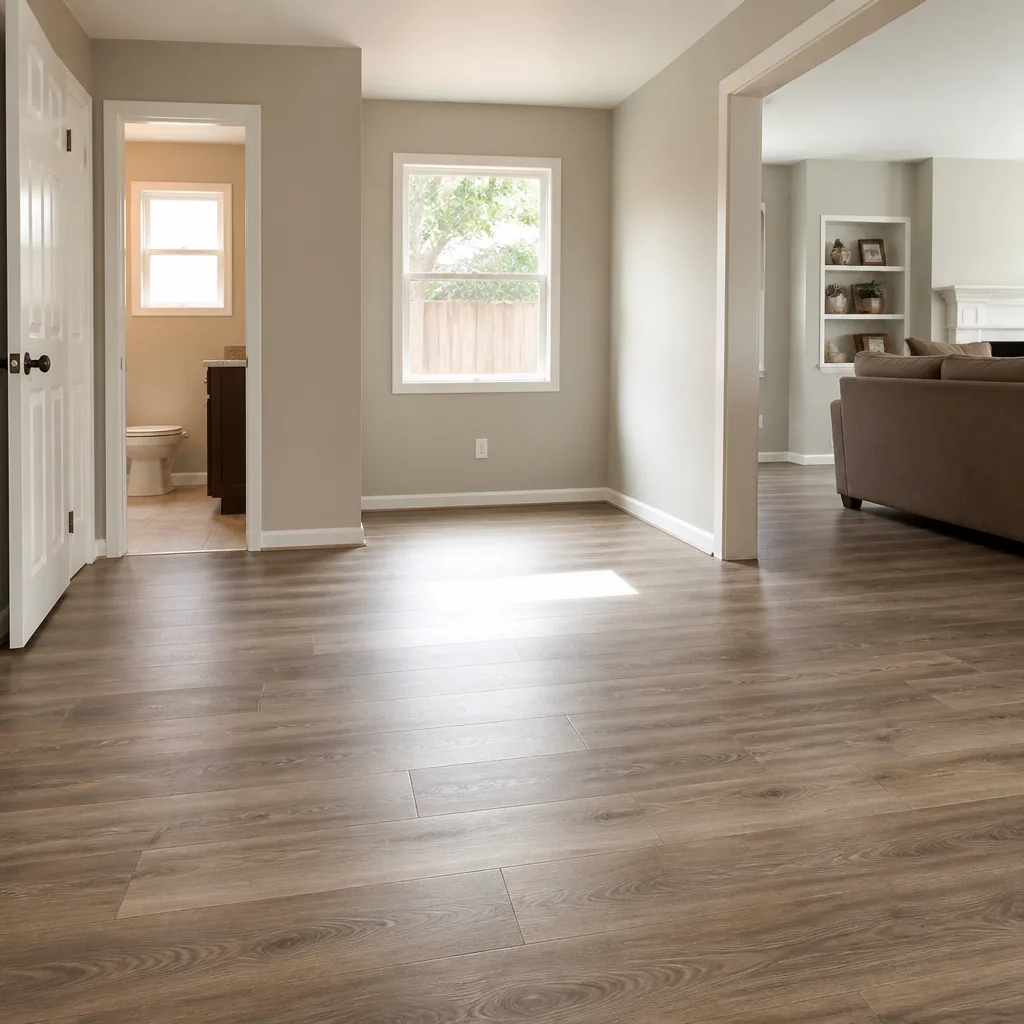
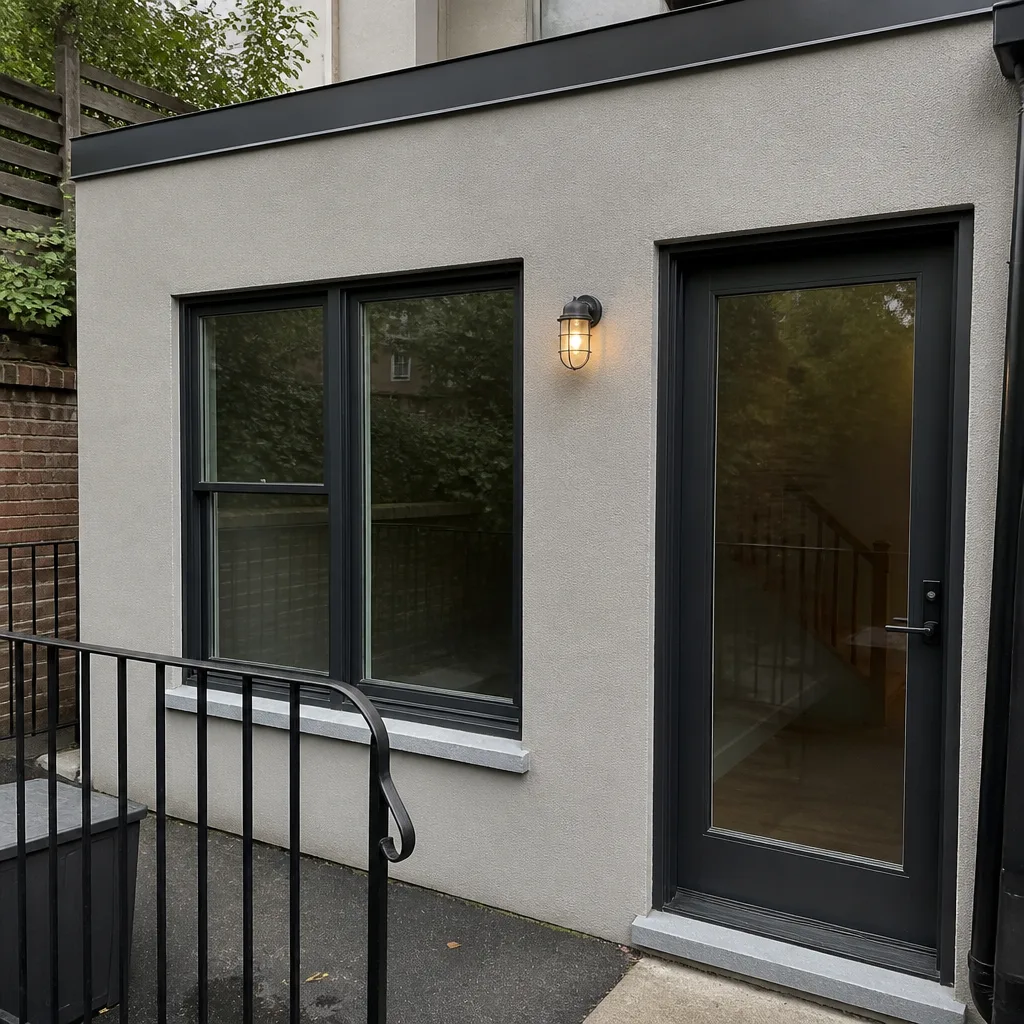 After
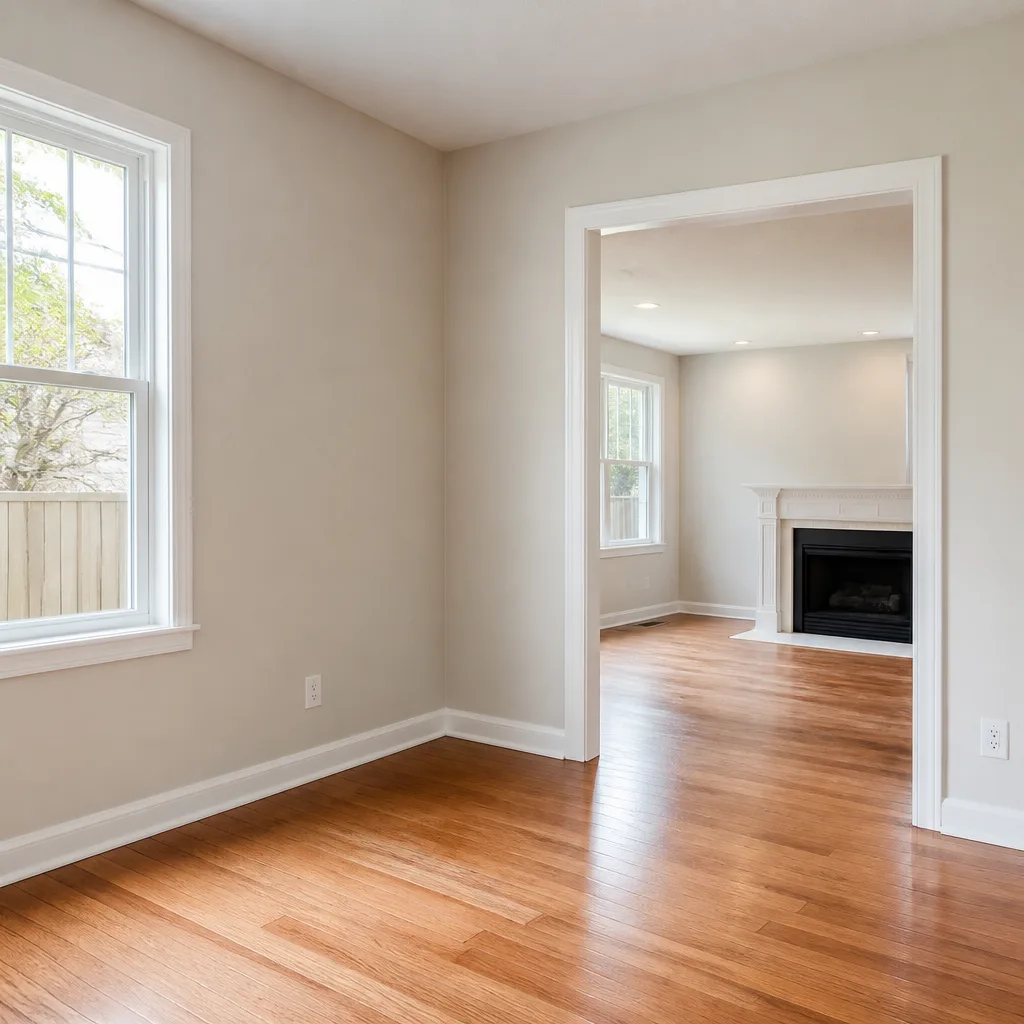
After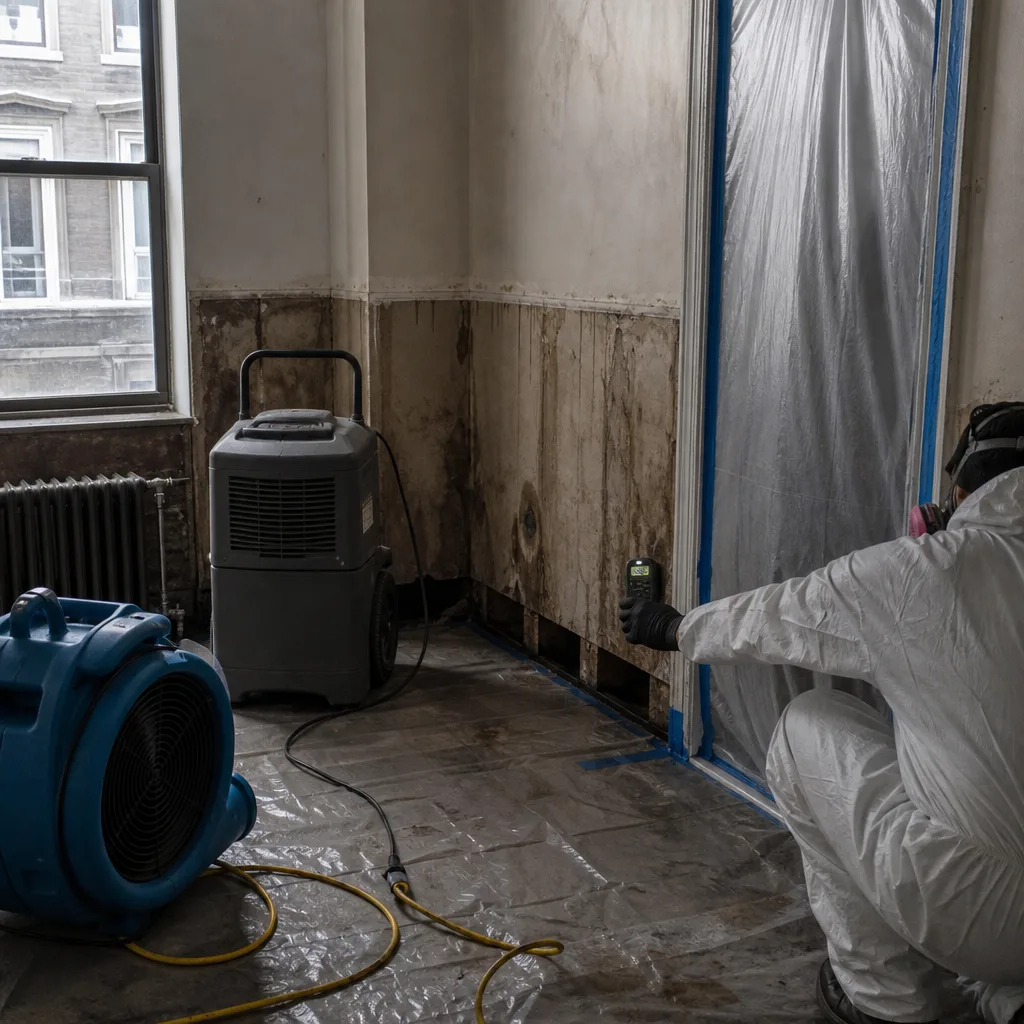 Before
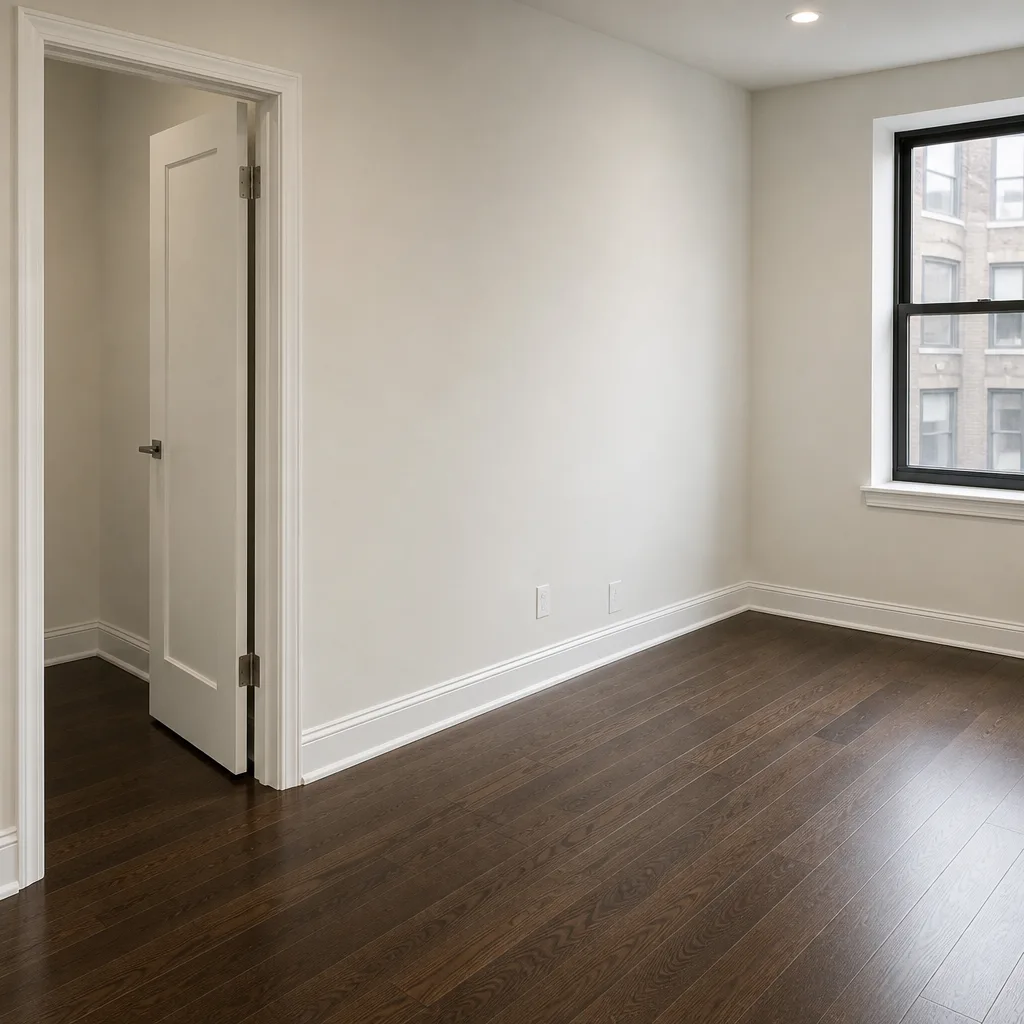 After
After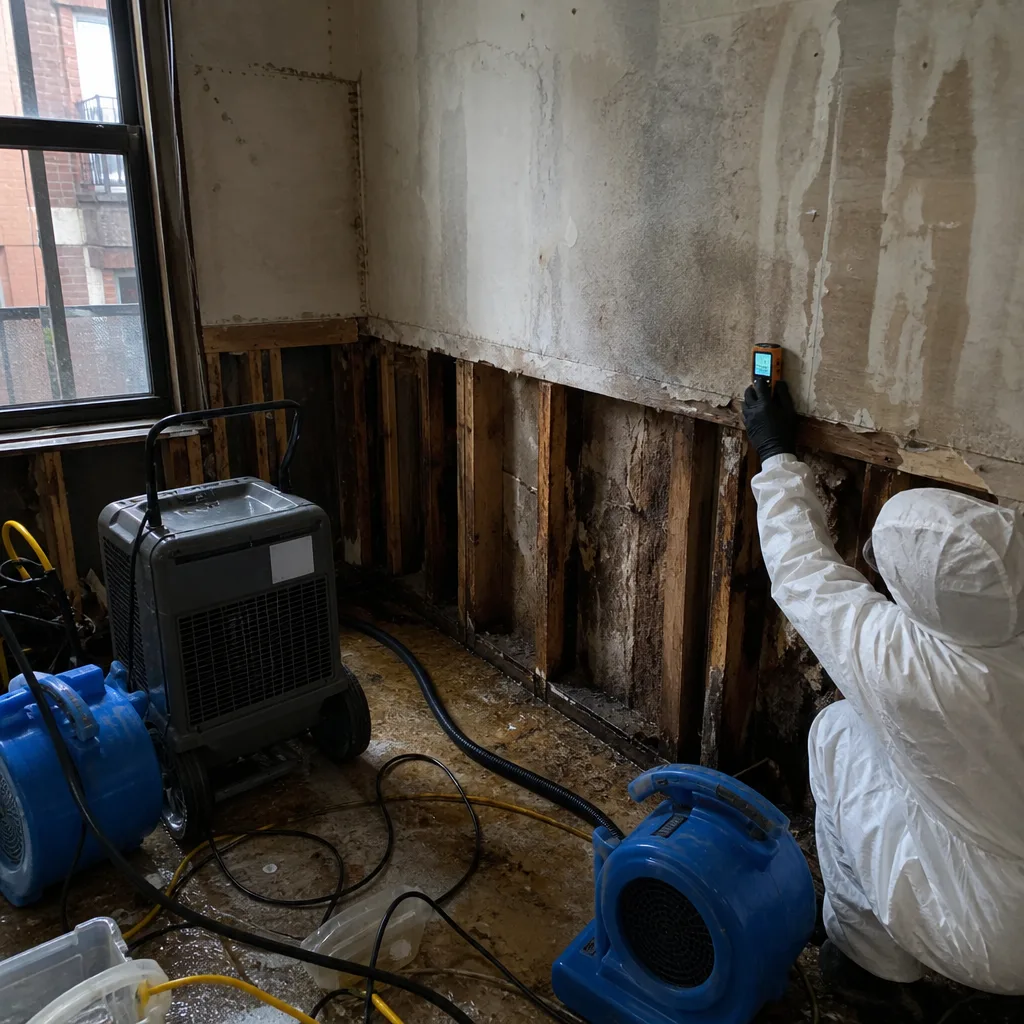 Before
 After
AfterWater Damage Restoration in Glendale Starts With One Call: (607) 350-1550
Water damage restoration in Glendale typically costs between $2,800 and $7,500 for a standard basement or ceiling intrusion, and Wade’s Restoration can have extraction running inside the hour, any hour. We answer the phone live at (607) 350-1550, 24 hours a day, and we don’t charge for the visual inspection inside our own county. The first hour matters more in Glendale than in a detached-home market because water inside a 1920s semi-detached brick row house doesn’t just soak your joists, it chases the party wall into your neighbor’s side before you have finished calling around.
Key Takeaways
- Glendale’s party-wall problem is the rule, not the exception. Most water losses here touch more than one property owner, and containment has to be set on both sides of a shared wall before demolition starts.
- Category 3 sewage backups are disproportionately common because Glendale sits on NYC’s combined sewer system, and summer thunderstorms overload it. Biohazard protocols are mandatory, not optional.
- Unpermitted basement apartments are endemic. If the water found one, we flag the illegal finish to NYC DOB before reconstruction, and yes, that changes the timeline.
- We hand you the moisture log. Every day’s readings, written down, yours at the end. Almost nobody in this trade does that.
- Call (607) 350-1550 now. Wade answers his own phone, and he heads out fast.
24/7 Emergency Water Damage Restoration in Glendale
When a supply line lets go at 2 a.m. above a finished basement on 78th Street, you need someone on the road, not a call center taking a message. Wade’s Restoration answers live around the clock and aims to have someone walking your property within the hour. The slower water sits inside a Glendale row house, the more it migrates into shared wall cavities and original plaster, and the mold clock starts ticking at 24 to 48 hours on wet drywall. We bring a free visual inspection first, so you get a straight read on the damage before anyone writes a scope. Call (607) 350-1550, day or night. A real person picks up.
Understanding Water Damage Restoration Severity in Glendale Properties
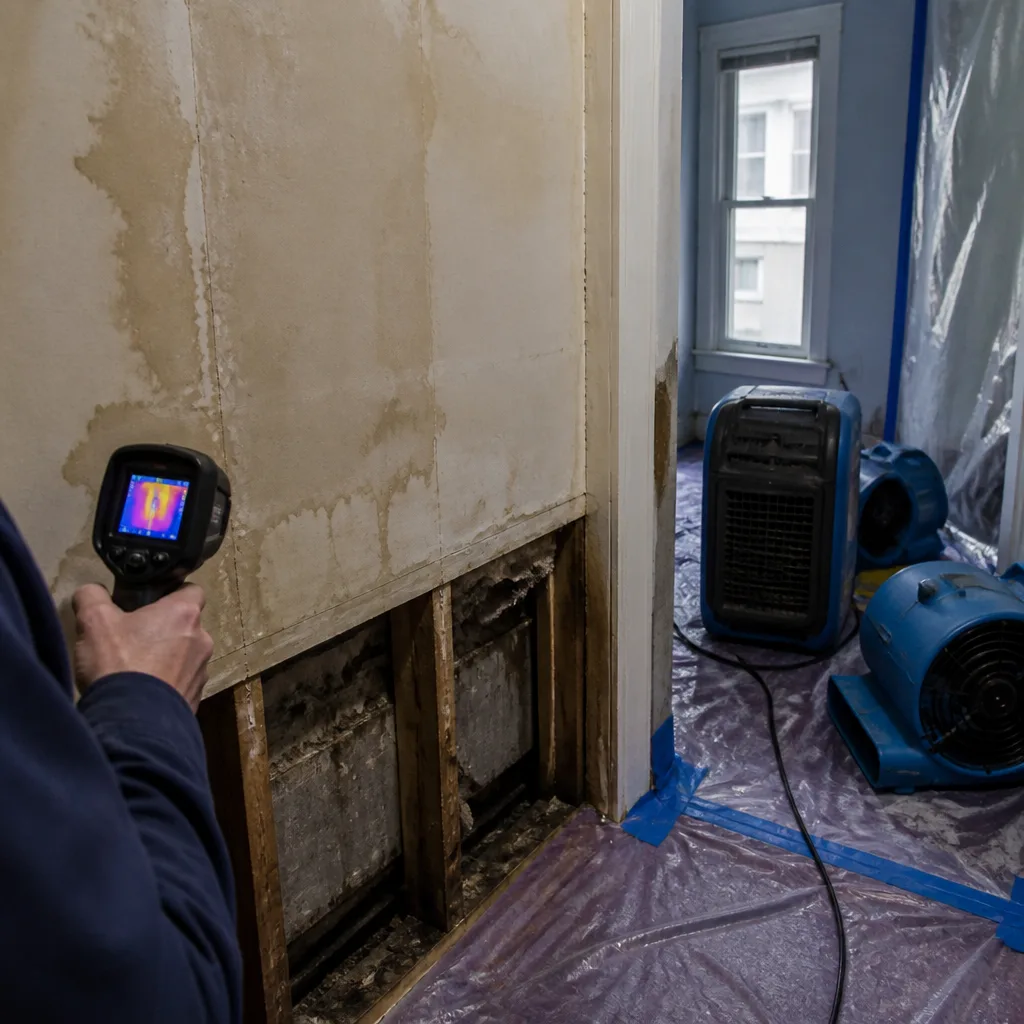
Not all water is the same, and the difference dictates the entire job. Category 1 water comes from a clean source, like a burst supply line or an overflowing tub. It is safe to handle with standard extraction and structural drying, but only if you catch it before it passes through building materials. Category 2 carries contaminants, think washing machine discharge or a slow drain leak. Category 3 is black water, and in Glendale that most often means sewage backflowing from the combined sewer system during a hard summer thunderstorm. That water carries pathogens and requires full containment, HEPA air scrubbing, and disposal of porous materials. We map moisture with thermal imaging and hygrometers, and in a 1920s row house with original plaster and lath, the moisture readings matter more than what is visible on the surface. Water hides behind baseboards and inside shared wall cavities. If we do not map it, we do not know where it went, and neither does your insurer.
Why Glendale Property Owners Choose Water Damage Restoration From Wade’s Restoration
- 45-minute response commitment: We are not a national franchise with a two-hour dispatch window. Wade heads out from the moment you hang up, and he is usually inside your block within the hour.
- 24/7 live answer, never an automated system: You call, Wade or a member of his team answers. At 2 a.m. on a Tuesday, that is the difference between drywall you save and drywall you replace.
- IICRC-certified crews: The people who walk your home hold WRT, FSRT, and AMRT certifications. They know the water classes, the drying physics, and the antimicrobial protocols. No shortcuts.
- Free visual inspection inside our county: No trip charge. Wade looks at the damage, tells you what he sees, and gives you a written scope before any work starts.
- Direct insurance billing: We deal with your adjuster, not the other way around. You should not be the one translating moisture logs over the phone.
- One team from extraction to reconstruction: The same people who pull the water run the drying and handle the rebuild. No handoffs to a subcontractor you never met.
Our Water Damage Restoration Process
Inspection & Assessment
We walk every affected room with thermal imaging and moisture meters, not just a flashlight. In a Glendale semi-detached, we check both sides of the party wall even if only one unit shows visible damage, because water migrates sideways long before it shows up on the surface.
Extraction & Stabilization
Standing water comes out fast with truck-mounted extractors and submersible pumps. If the water is Category 3 from a sewer backup, containment goes up first, and the extraction happens inside negative air pressure. No cross-contamination, no shortcuts.
Drying & Dehumidification
We set Dri-Eaz dehumidifiers and air movers in a calculated layout, not scattered at random. Moisture readings get logged every single day, and the log is yours at the end. In plaster-and-lath row houses, drying takes longer than drywall construction, and we account for that from day one.
Cleaning & Sanitization
Affected surfaces get cleaned and treated with antimicrobials appropriate to the water category. For sewage backups, that means disposal of porous materials and HEPA-vacuuming of every open surface before drying continues.
Structural Evaluation
In Glendale’s 1920s and 1930s housing stock, we check for secondary damage the water exposed: corroded cast-iron drains, galvanized supply lines that were already failing, and wiring that’s been wet. If an unpermitted basement finish is involved, we flag it to NYC DOB before any rebuild work proceeds.
Repairs & Restoration
We rebuild to a written scope you approve before any work begins. Drywall, trim, paint, flooring, electrical, whatever the job requires. The 90-Day Done Right Promise applies: if it’s not done right, Wade makes it right, in writing, on every water restoration contract.
Need Emergency Water Damage Restoration in Glendale Now?
Crews minutes away, answering live 24 hours a day. The sooner we start, the less it costs.
Working With Your Insurance Company
Nobody enjoys filing a water damage claim, but the way it gets handled determines whether you eat the cost or the carrier does. Wade’s Restoration documents everything from the first hour: photos of the damage room by room, moisture readings logged daily, and a line-item scope of work written in the format adjusters expect. Wade talks to your adjuster directly, so you are never stuck as the middleman relaying technical drying data you shouldn’t have to translate. The goal is simple: a fair settlement, a clear scope, and no surprises at the end. Our crews have done this in Glendale long enough to know which documentation your carrier will actually want, and we hand it over entirely, including the moisture log you keep at the end.
What We Provide Your Insurer
- Thorough documentation of the loss
- Photos of all damage, room by room
- Moisture readings and drying logs
- A detailed, line-item scope of work
- Direct coordination with your carrier
Built for Glendale’s Loss Calendar
What causes water damage in Water Damage Restoration in Glendale shifts with the season, and anyone who has lived here a while knows the rhythm. January and February deep freezes burst the aging galvanized supply lines that run inside uninsulated party walls in these 1920s row houses. Spring thaw and heavy rain find the basement drainage that hasn’t been upgraded since the house was built, and seepage starts along the foundation walls. Summer is the dangerous one here: hard thunderstorms slam the combined sewer system, and sewage backs up into basement drains all over the neighborhood. That is a Category 3 event, and it requires full biohazard containment, not just a mop. Fall nor’easters put water through aging roof flashing and around old window frames, and by the time the ceiling stain appears in the top-floor unit, the shared wall cavities below have been wet for days.
Water Damage Restoration Across Glendale’s Neighborhoods
The response pattern changes depending on which block you call from. Up around Myrtle Avenue, the mix of attached brick storefronts and two-family frame houses means commercial losses and residential losses happen side by side. On Cypress Hills Street, the semi-detached brick homes built in the 1930s have cast-iron waste stacks that have been corroding for 80 years, and we see slow drain leaks that go unnoticed until the ceiling below gives way. Over by Forest Park, the tree canopy drops leaves and branches onto roofs every fall, and clogged leaders send water down inside walls during Glendale storms and nor’easters. At the Glendale side near Cooper Avenue, the basements are frequently finished, and too many of them were done without permits, which changes what happens after the water is out. Each block has its own failure pattern, and we know them because we drive them every week.
Specialized Water Damage Restoration Services We Offer in Glendale
Emergency Water Extraction
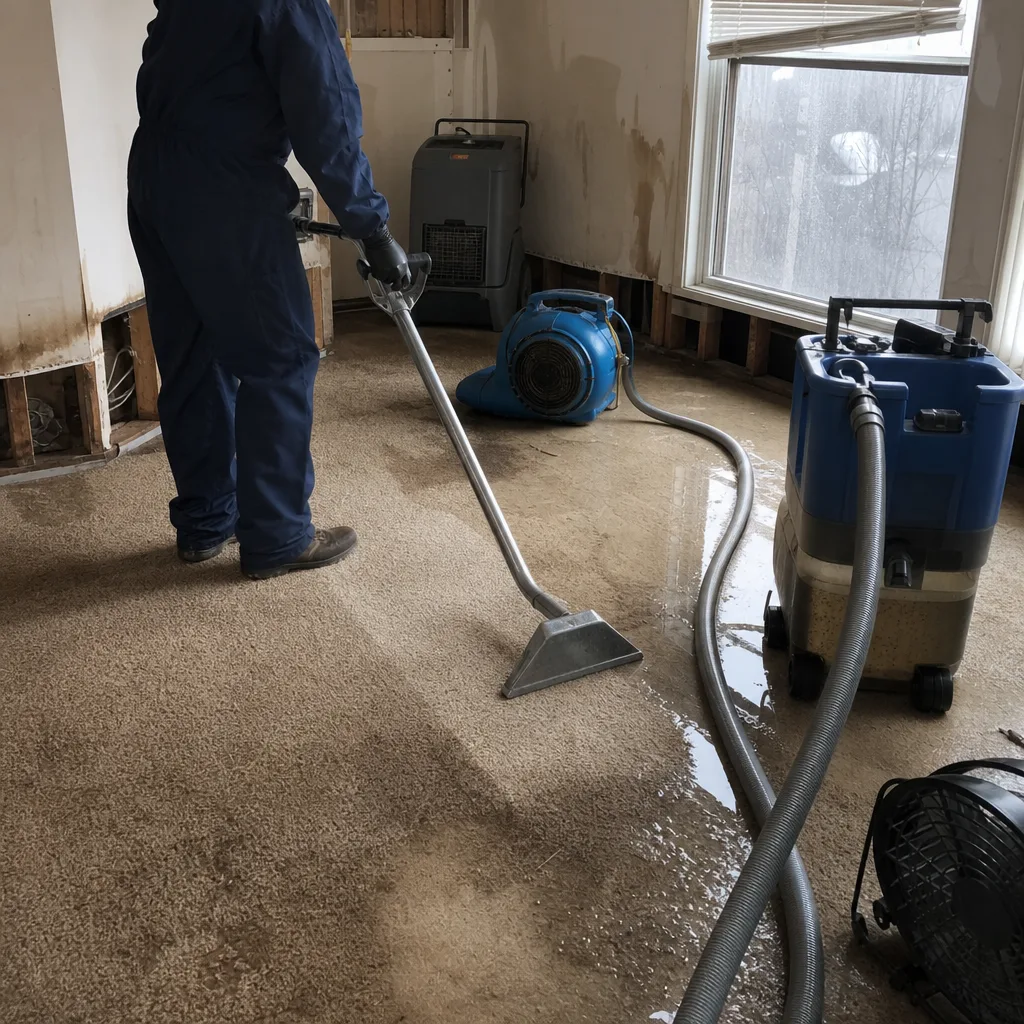
The first priority when water is standing in a Glendale basement is getting it out before it migrates into the adjoining unit. We run truck-mounted extraction units and submersible pumps immediately, and in finished basements with carpet or vinyl plank, we pull the flooring where it has wicked moisture. The clock is against you in a row house. Fast extraction saves the structure; slow extraction guarantees a full tear-out.
Structural Drying & Dehumidification
Drying a 1920s brick row house is fundamentally different from drying a 1990s drywall box. Original plaster and lath hold moisture longer, and the shared wall cavities between two attached homes create a reservoir effect that standard drying logs miss. We run Dri-Eaz and Phoenix dehumidifiers continuously, move air through the wall cavities with Injectidry systems where needed, and log moisture readings every single day until the materials reach their dry standard. Then we hand you the log.
Flood Cleanup
When a summer storm overwhelms the combined sewer and water comes up through a basement floor drain, that is not just water. It is Category 3 black water, and Glendale sees it more than most of Queens because of the sewer infrastructure. We set containment, remove affected porous materials, sanitize every surface, and run HEPA air scrubbers until the space tests clean. If an unpermitted basement apartment was caught in the flood, we flag the finish to NYC DOB before reconstruction can legally proceed, because rebuilding an illegal finish is not something we will do quietly.
Burst Pipe Restoration
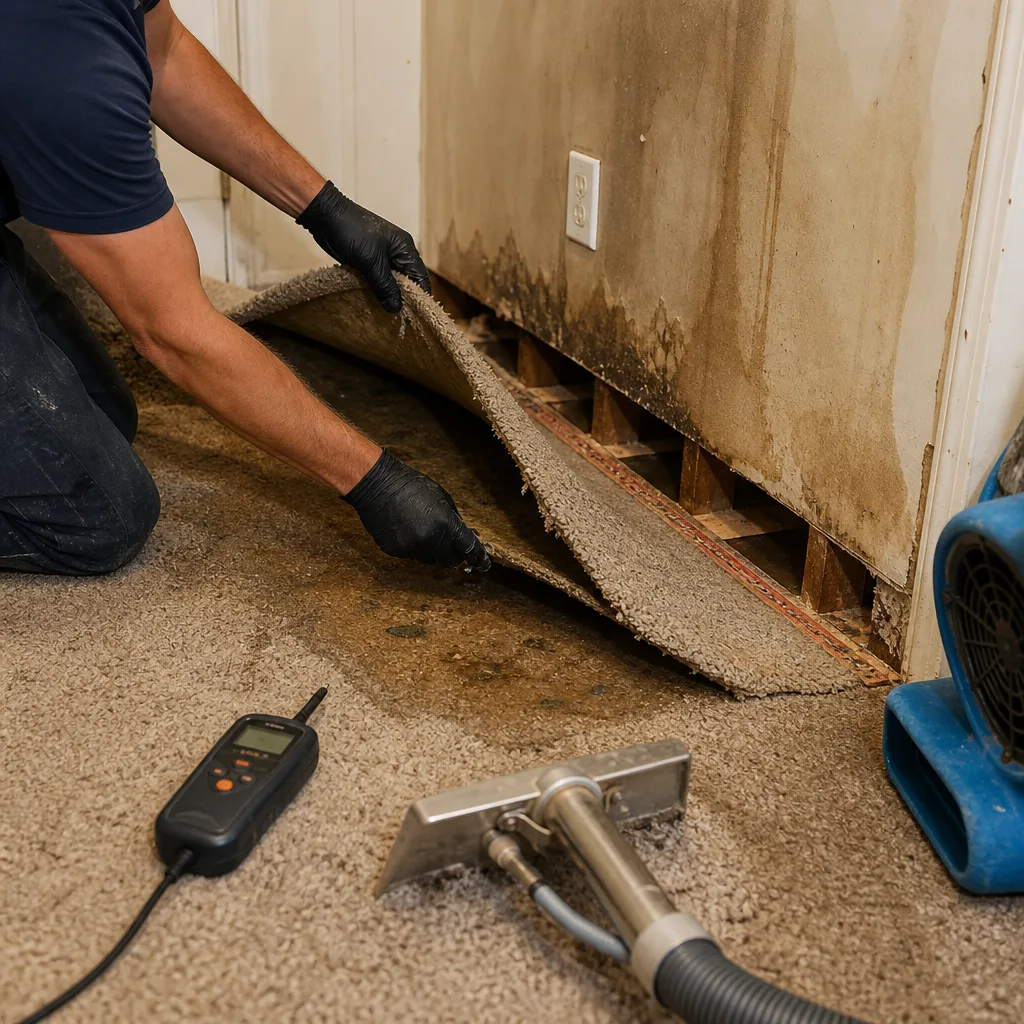
The galvanized supply lines inside Glendale’s party walls are original in many of these homes, and Queens’ moderately hard water has been eating at them from the inside for decades. When one finally lets go, the water runs down inside the wall cavity before it shows up on any finished surface. We trace the path with thermal imaging, open the wall where the moisture map says to, and dry the cavity from both sides where the party wall is shared. Then we replace the failed line with modern material so it doesn’t happen again next year.
Basement Water Removal
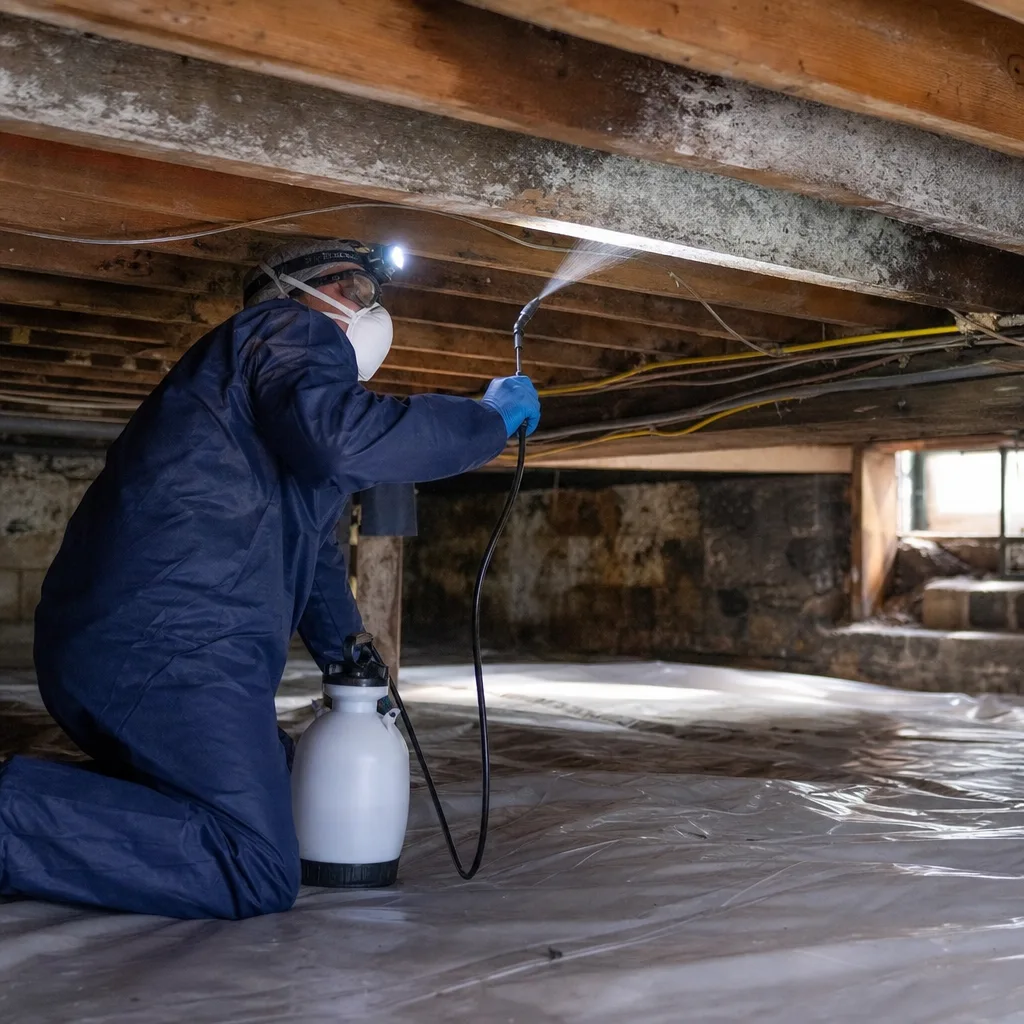
Full basements in Glendale are the norm, and too many have been converted into living space without permits. That changes how we work. The water comes out the same way, but the scope of restoration expands: the unpermitted finish has to be documented, the wiring and plumbing serving it have to be evaluated, and the NYC DOB paperwork has to be addressed before reconstruction. We handle that transparently, because hiding it only creates a bigger problem when the next buyer runs a title search.
Ceiling & Roof Leak Water Damage
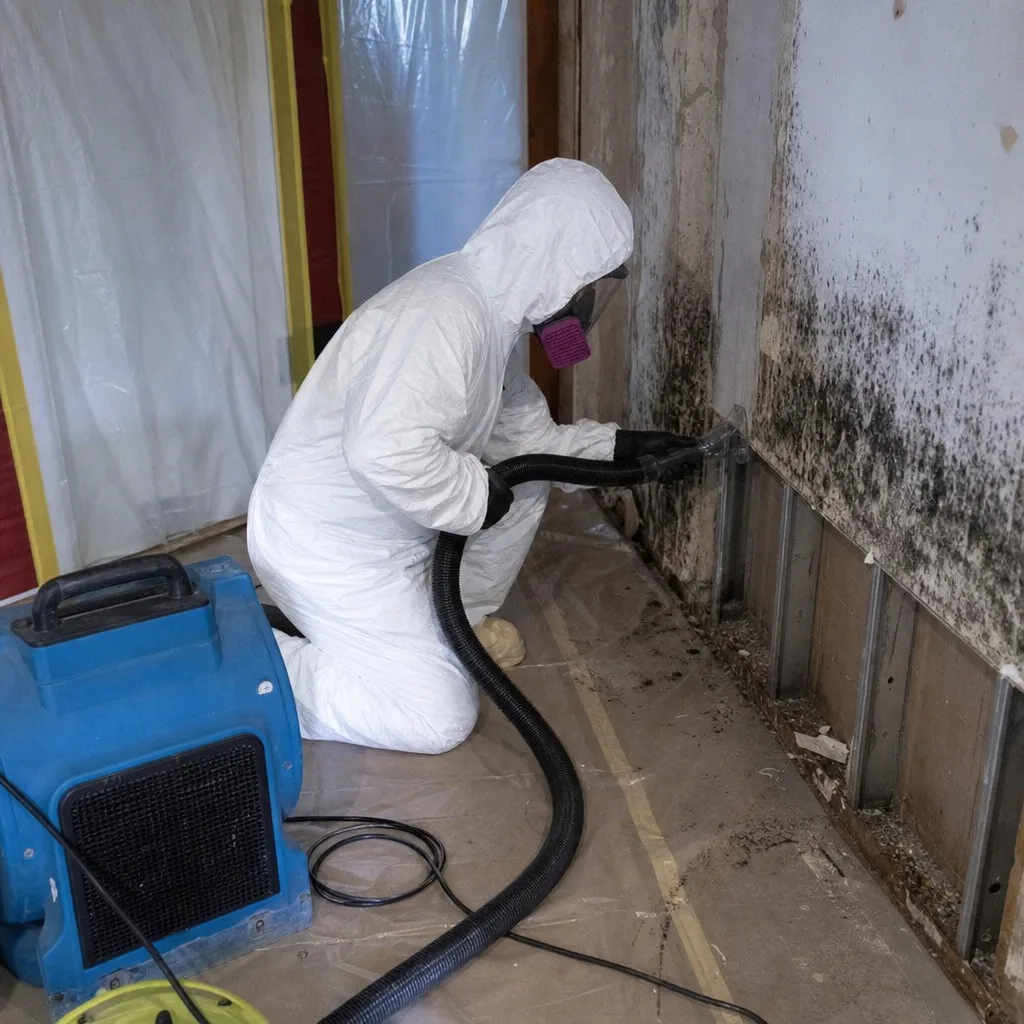
A nor’easter finds the weak point in a Glendale roof, water runs down inside the wall, and the first visible sign is a soft spot in the ceiling below. By then the shared wall cavities between the units have been wet for days. We extract what we can, open the ceiling where the moisture map tells us to, dry the wall cavities with targeted air movement, and repair the source so the next storm doesn’t repeat the same damage. Mold starts on wet drywall within 24 to 48 hours, so the faster we open the wall, the less full remediation the job requires.
What happens when you call
- 1
A real person answersNo phone trees - you reach a local pro.
- 2
You get an upfront price rangeHonest numbers before anyone is dispatched.
- 3
A background-checked tech heads outLicensed & insured, dispatched right away.
- 4
You approve before work beginsNothing starts until you say go.
Water Damage Restoration Costs in Glendale, NY
A typical basement water removal and structural drying job in Glendale runs $2,800 to $5,200 when the water is Category 1 and the damage is caught within the first day. A full ceiling and roof leak restoration with drywall replacement and repainting lands between $3,500 and $6,500 depending on how much of the ceiling has to come down. Add a Category 3 sewage backup with containment and biohazard disposal, and the range jumps to $5,500 to $9,000 or more, because the materials being disposed of include carpet, drywall, and sometimes finished basement surfaces. The factors that move the price: whether the party wall on the adjoining unit has to be opened and dried, whether the damaged basement was a permitted or unpermitted finish, and how far the moisture traveled before extraction started. Insurance covers most sudden and accidental water events; sewer backups only get covered if the policy includes a specific rider. Call (607) 350-1550 for a free visual inspection and a written scope before any work starts.
We Also Serve Cities Near Glendale
Wade’s Restoration runs the same crews, the same equipment, and the same Glendale standards into Lower Manhattan, the Financial District, Astoria, and Midtown Manhattan. Water damage does not respect city lines, and neither do we.
Serving Glendale, NY - Our Local Coverage Area
We’re based in the Glendale area and know this community well. Use the map below to see our service coverage - if you’re nearby, we can almost certainly help.
Glendale Water Damage Restoration Questions, Answered
How does water damage restoration in Glendale handle a shared party wall when only one unit shows damage?
When only one unit shows visible damage in a semi-detached or attached Glendale row house, we still set containment and take moisture readings on both sides of the party wall, because water migrates sideways through shared wall cavities long before it appears on the surface.
This is not optional. If we dry only the visibly wet side and leave the hidden moisture in the adjoining wall cavity, mold develops inside the shared structure, and the neighbor’s insurance company ends up involved months later. We coordinate with both property owners, document both sides, and bring the wall cavities to dry standard before any rebuild starts. It adds time, but it is the only way these buildings dry correctly. Call (607) 350-1550 if you are dealing with this right now, we have handled it hundreds of times in this exact housing stock.
Why does Glendale see so many Category 3 sewage backups in basements during summer storms?
Glendale is served by New York City’s combined sewer system, where stormwater and sanitary sewage flow through the same pipes, and intense summer thunderstorms overwhelm the capacity, sending black water backflowing into basement drains across the neighborhood.
The original cast-iron traps in these 1920s and 1930s basements were never designed for the volume of water a 2026 thunderstorm can deliver. When the system backs up, the lowest drains in the house become the relief valve. Category 3 water carries pathogens, so full containment, disposal of porous materials, and HEPA air scrubbing are required before the space is safe. If the basement was finished as an apartment, and many in Glendale were, the same event also triggers the unpermitted finish issue. Call (607) 350-1550 for a free assessment, we’ll tell you exactly what you’re dealing with.
How fast can someone actually get to my Glendale property?
We commit to having someone on site within 45 minutes of your call, and we answer the phone live 24 hours a day. Wade heads out himself; he is not dispatching a crew from an hour away.
Will my insurance cover water damage restoration in Glendale?
Sudden and accidental water events, like a burst pipe or a storm-driven roof leak, are typically covered by standard homeowners policies. Sewer backups usually require a specific endorsement, so if your basement flooded from a combined sewer backflow, you need to check your policy language for that rider. We document everything and work with your adjuster directly, so the claim gets filed correctly from the first day.
Do I really need full restoration or can I just clean and dry it myself?
For Category 1 water caught within hours, a homeowner with fans and a dehumidifier can sometimes manage a visible spill. For anything behind walls, inside a shared party wall cavity, or involving sewage, full restoration is not optional. Hidden moisture in a Glendale row house turns into mold inside 24 to 48 hours, and the adjoining unit is then at risk too. Call (607) 350-1550 for a free inspection before you commit to either path.
How much does water damage restoration cost in Glendale compared to nearby areas?
Glendale generally runs in the same range as Astoria and Midtown Manhattan for comparable damage, but the party-wall and unpermitted basement complications specific to this neighborhood frequently add containment and documentation costs that detached-home markets never see. A standard basement dryout here runs $2,800 to $5,200, while a Category 3 sewage backup with biohazard protocols lands between $5,500 and $9,000. The written scope you approve before work starts is the number that matters.
How long does structural drying take in a Glendale row house?
Three to five days is typical for Category 1 water in modern drywall, but original plaster and lath in a 1920s semi-detached can hold moisture for a week or more, especially inside shared wall cavities. We log moisture readings daily and keep the drying equipment running until the materials reach their dry standard, not until a timer runs out.
What should I do in the first 30 minutes after discovering water damage in my Glendale home?
Shut off the water source if you can do so safely. Kill the power to the affected area at the breaker if water is near outlets or wiring. Move valuables and furniture out of the wet area. Then call (607) 350-1550. Do not run a shop vac on water that may be contaminated, and do not pump a finished basement yourself if the water is over your shoes. The first call sets the timeline for everything else.
Written by Wade Ferris, Owner at Wade’s Restoration, serving Glendale since 2007.