
Free visual inspection and a written scope of work before any mitigation begins - photos, moisture readings, and drying logs go in your claim file
The scope we write is the scope we bill. Anything new gets shown to you, in writing, before we touch it.
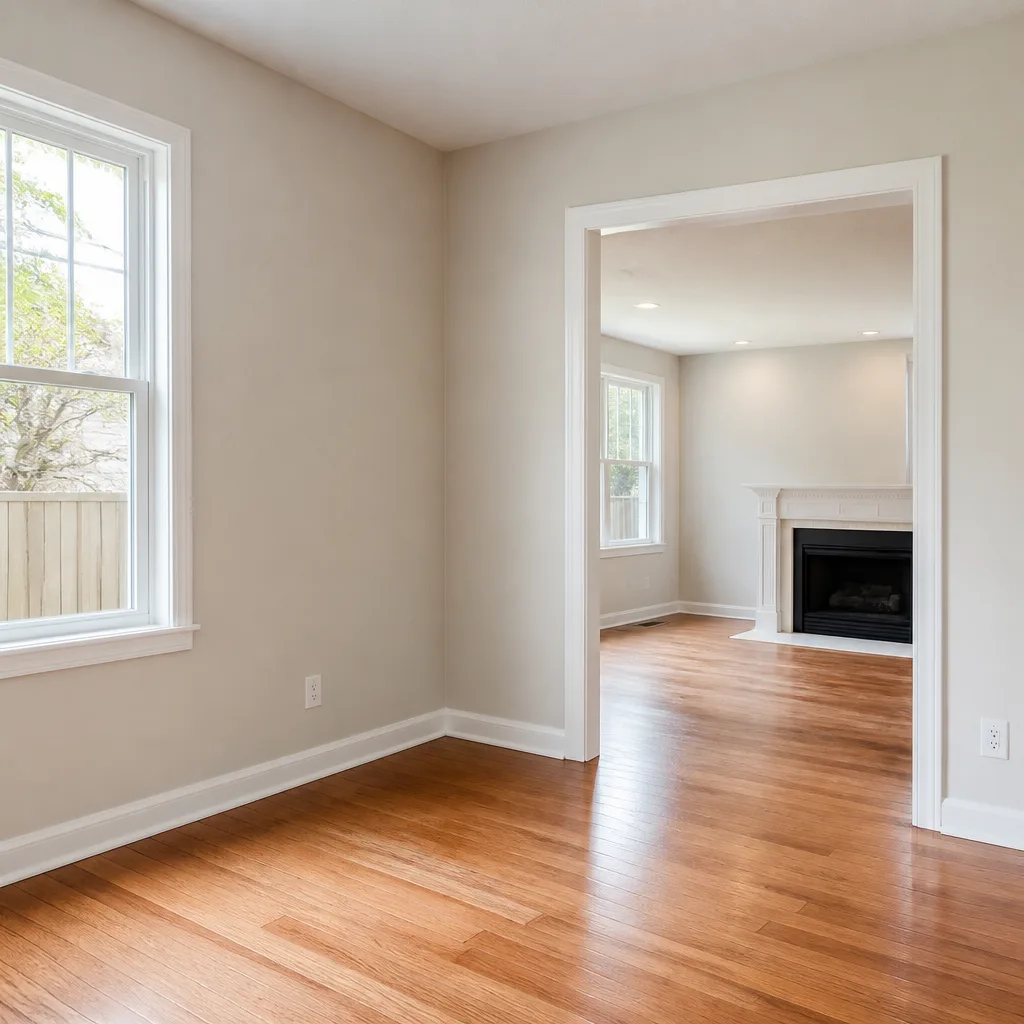
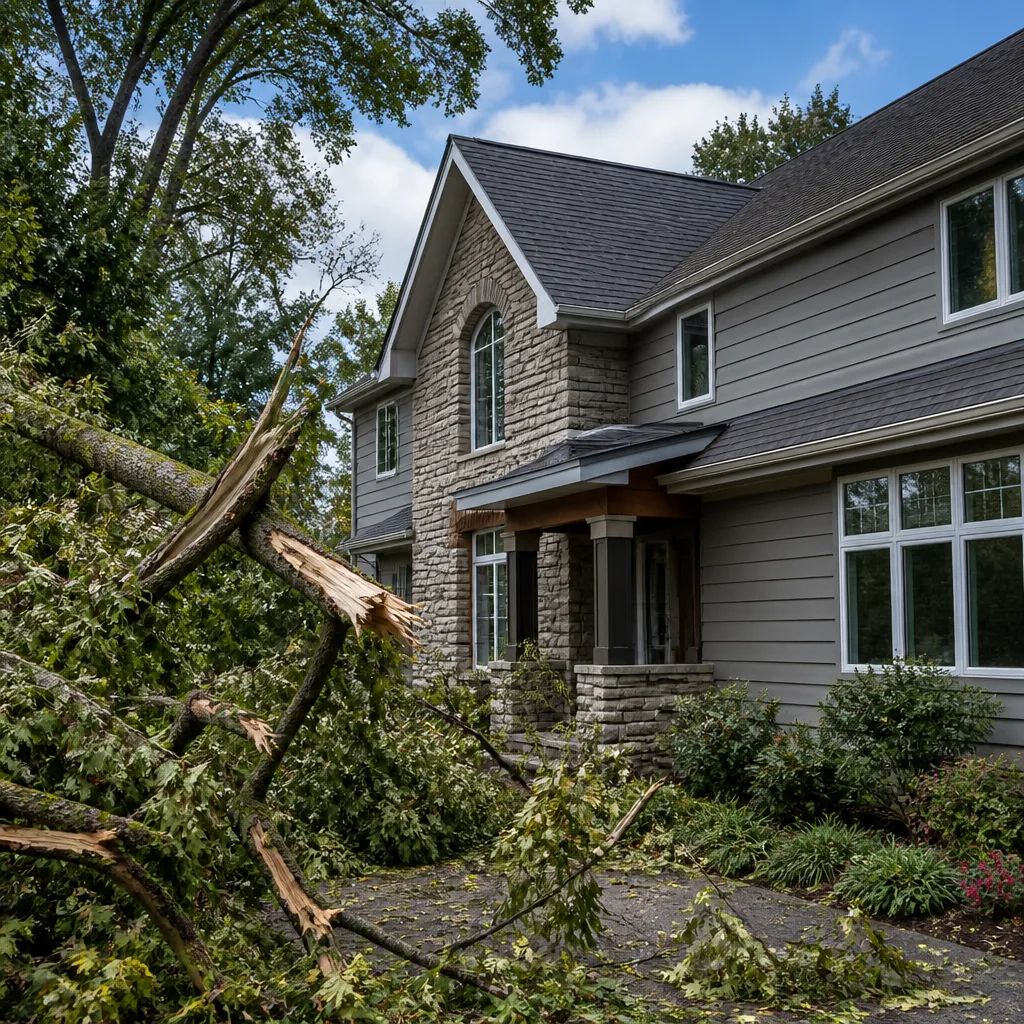
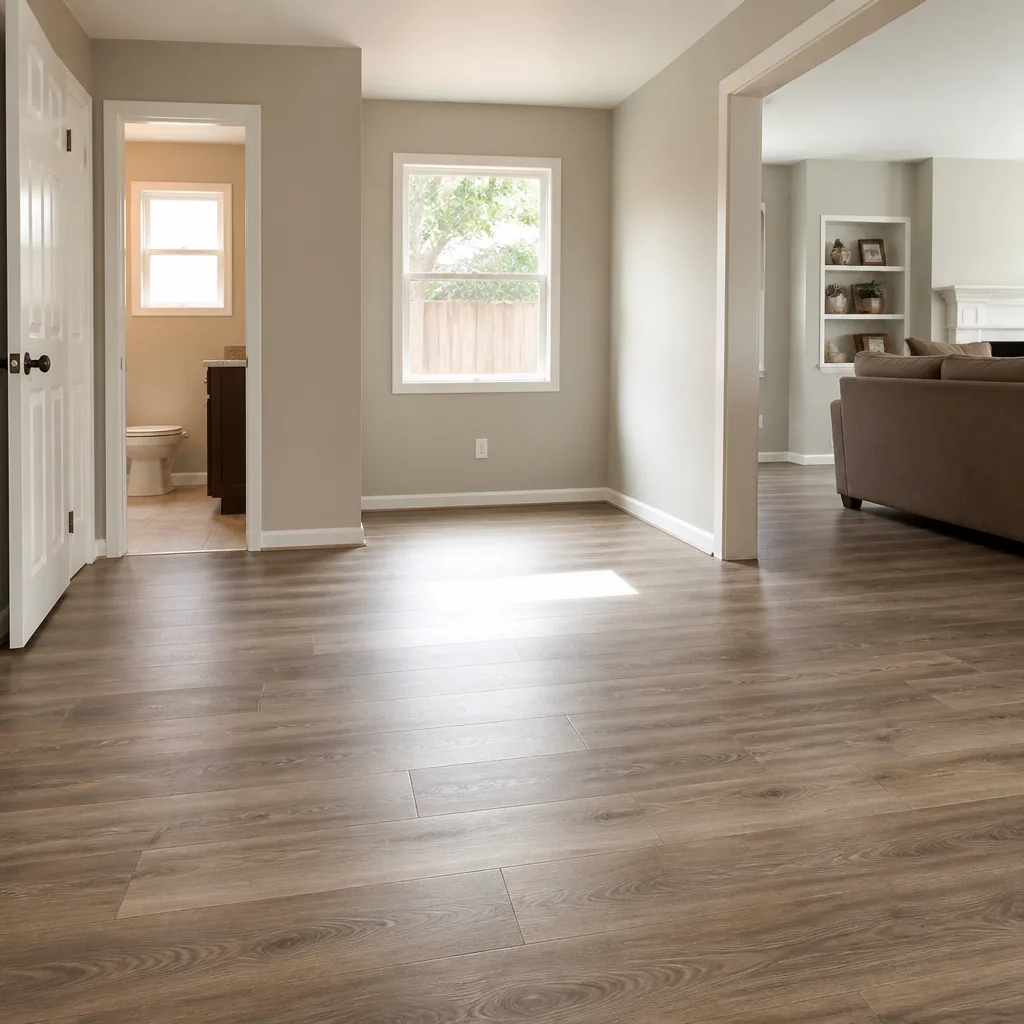

 Before
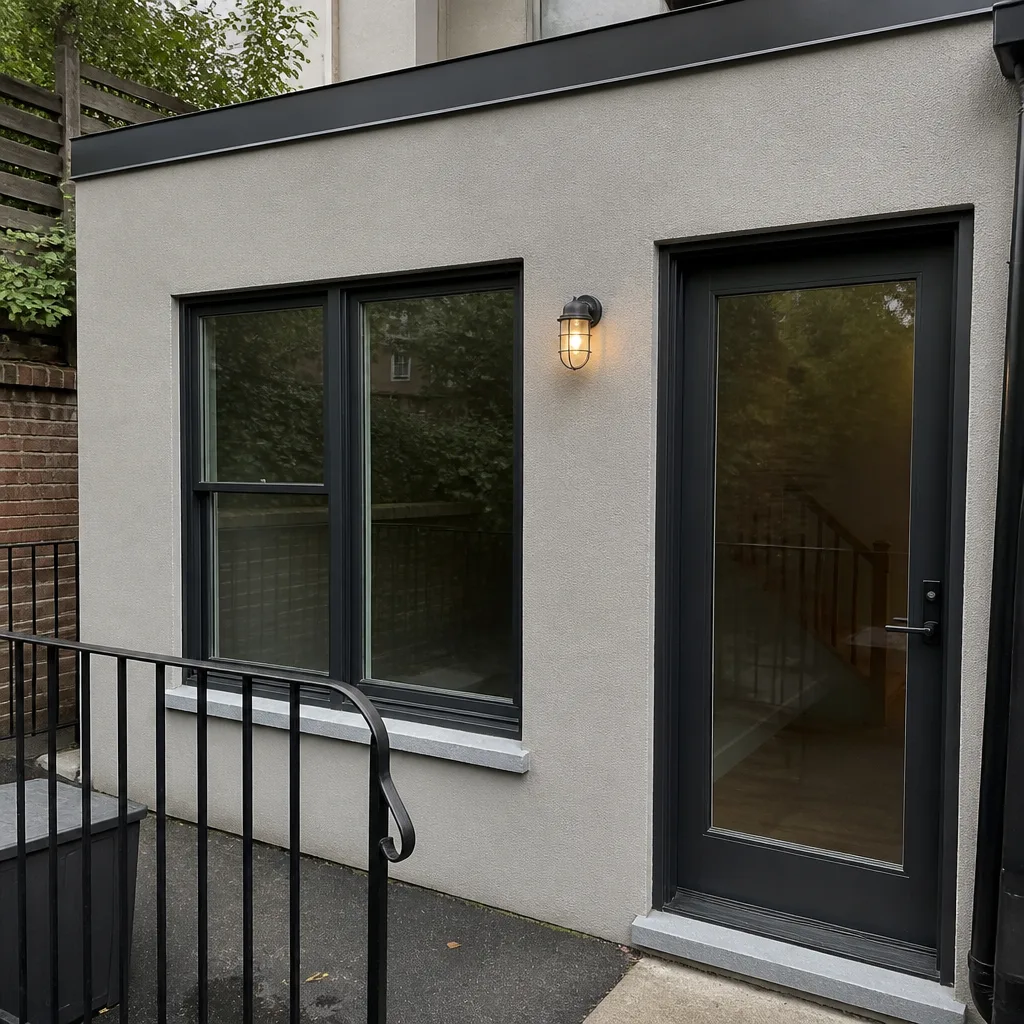 After
After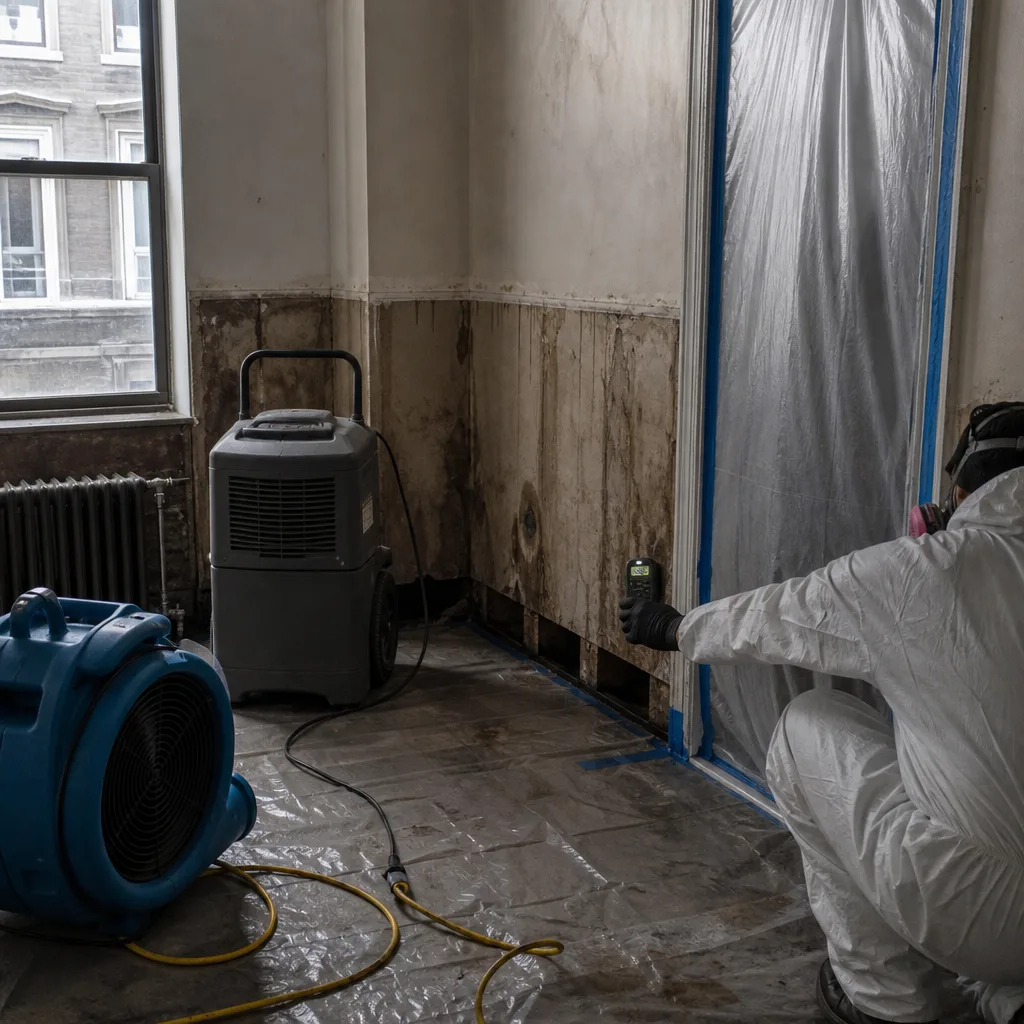 Before
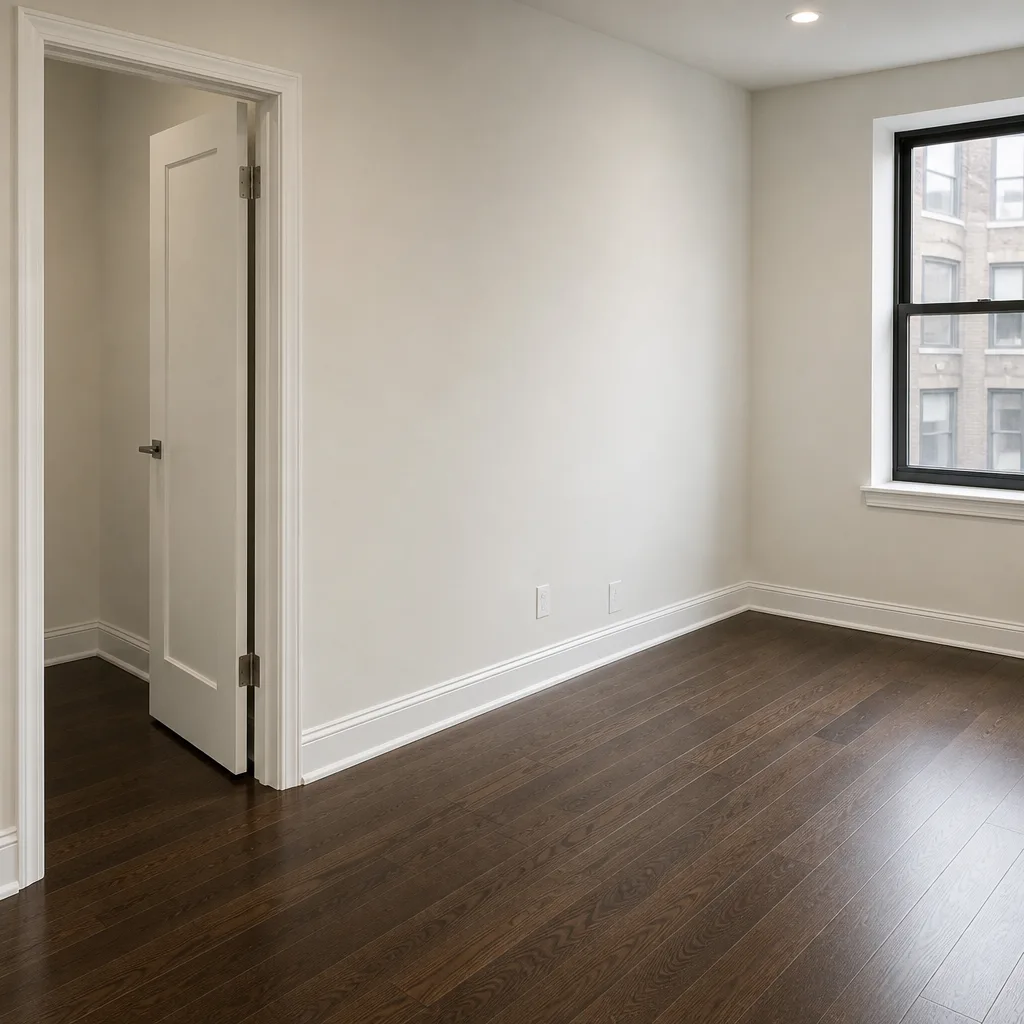 After
After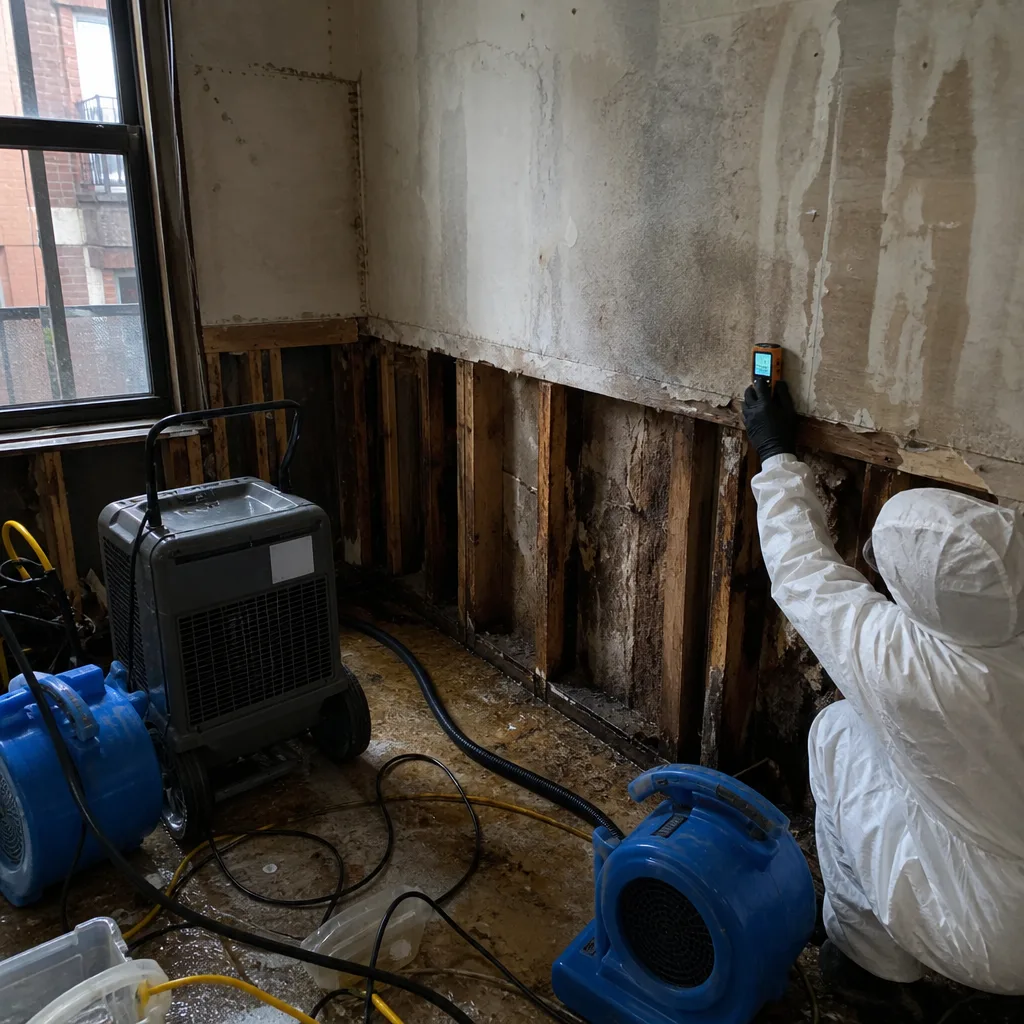 Before
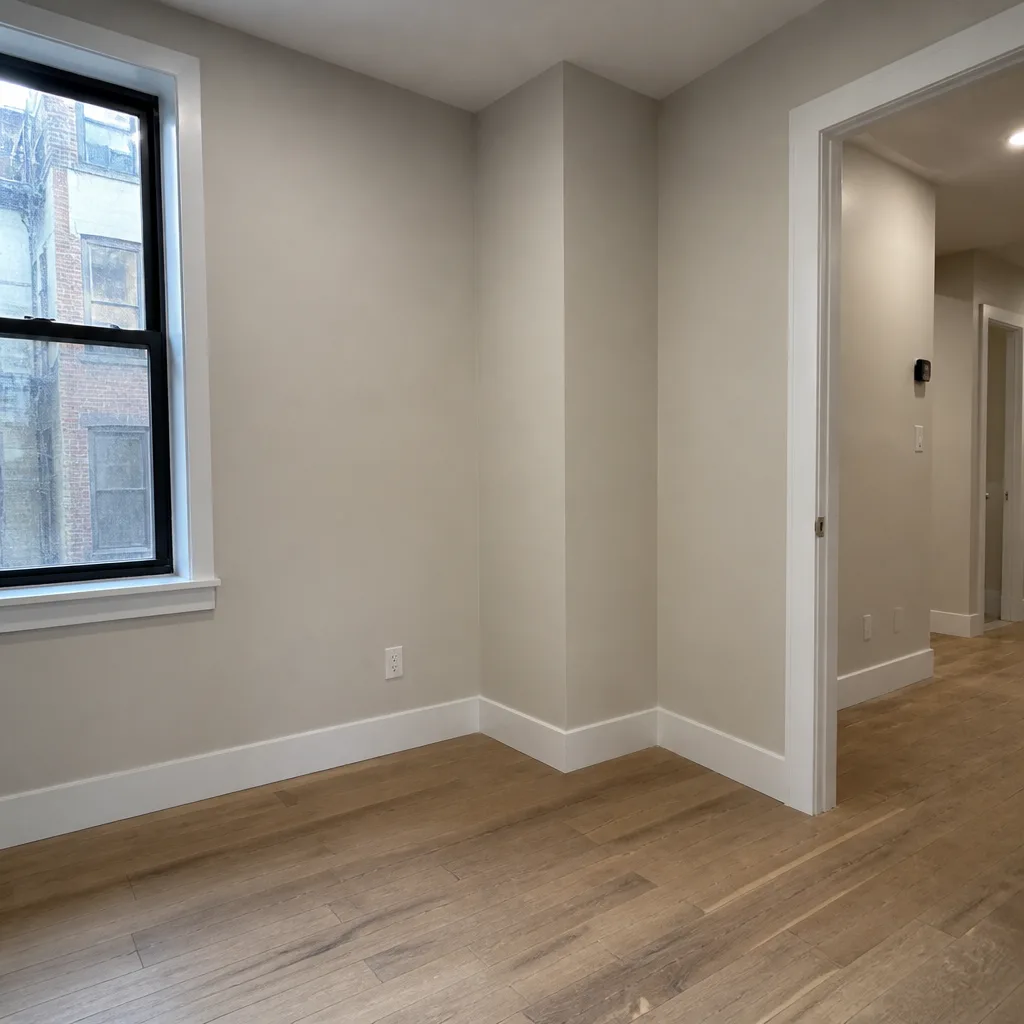 After
After24/7 Emergency Storm & Disaster Restoration in Jersey City
Storm and disaster restoration in Jersey City means getting water out, board-up done, and a real plan in motion before salt, sewage, or mold gets a foothold. Flood damage from storm surge or a backed-up sewer line gets worse by the hour, and wind-driven rain through old brick facades hides problems behind plaster where you can’t see them. We answer the phone live at (607) 350-1550, 24 hours a day. Wade Ferris himself picks up, and he can have extraction running inside the hour. The first hour matters because Category 3 water from a combined sewer backup in neighborhoods like Greenville or the Heights is already working its way into base plates and floor systems. Every minute that passes, the scope grows. Call now. We’re local, we’re owner-operated, and we don’t hide behind an answering service when a nor’easter tears through Jersey City.
Understanding Storm & Disaster Restoration Severity in Jersey City Properties
Storm damage in Jersey City is rarely just one problem. It’s water, wind, and often sewage, arriving together. We categorize water into three tiers. Category 1 is clean water from a burst supply line or roof leak before it touches anything dirty. Category 2 is gray water, meaning it has significant contamination, typically from washing machine overflow or sump pump failure after sustained rainfall. Category 3 is black water: raw sewage, river surge, or floodwater from the street. That last category is common across Jersey City because the combined sewer infrastructure backs up into basement units during heavy rainfall with notable regularity. In the Heights, where 19th-century brick row houses still carry original galvanized plumbing and lime-mortar masonry, we also track a failure mode most suburban restoration crews never see: horizontal water entry through windward brick facades, showing up as interior efflorescence and hidden mold behind plaster rather than ceiling stains. Moisture mapping with thermal imaging and hygrometers tells us what’s actually wet, not just what looks wet.
Why Jersey City Property Owners Choose Wade’s Restoration
- 45-minute response commitment to any Jersey City address. Wade heads out himself, and the truck carries extraction equipment, not just a clipboard.
- 24/7 live answer. A real person picks up at 2 a.m. Not a call center. Not a callback queue. Wade’s cell rings until someone answers.
- IICRC-certified crews. WRT, FSRT, and AMRT certifications back the work, and the equipment matches: Dri-Eaz dehumidifiers, XPOWER air movers, Phoenix moisture meters.
- Free visual inspection. No trip charge inside the county. If Wade walks your property and finds nothing urgent, that cost is on us. That’s the standing offer, always.
- Direct insurance billing. We document from hour one, send the adjuster a line-item scope, and talk to them so you don’t have to relay messages back and forth.
- One team from extraction to reconstruction. The same crew that pulls water out is the crew that puts walls back. No handoffs, no dropped details.
Our Storm & Disaster Restoration Process
Inspection & Assessment
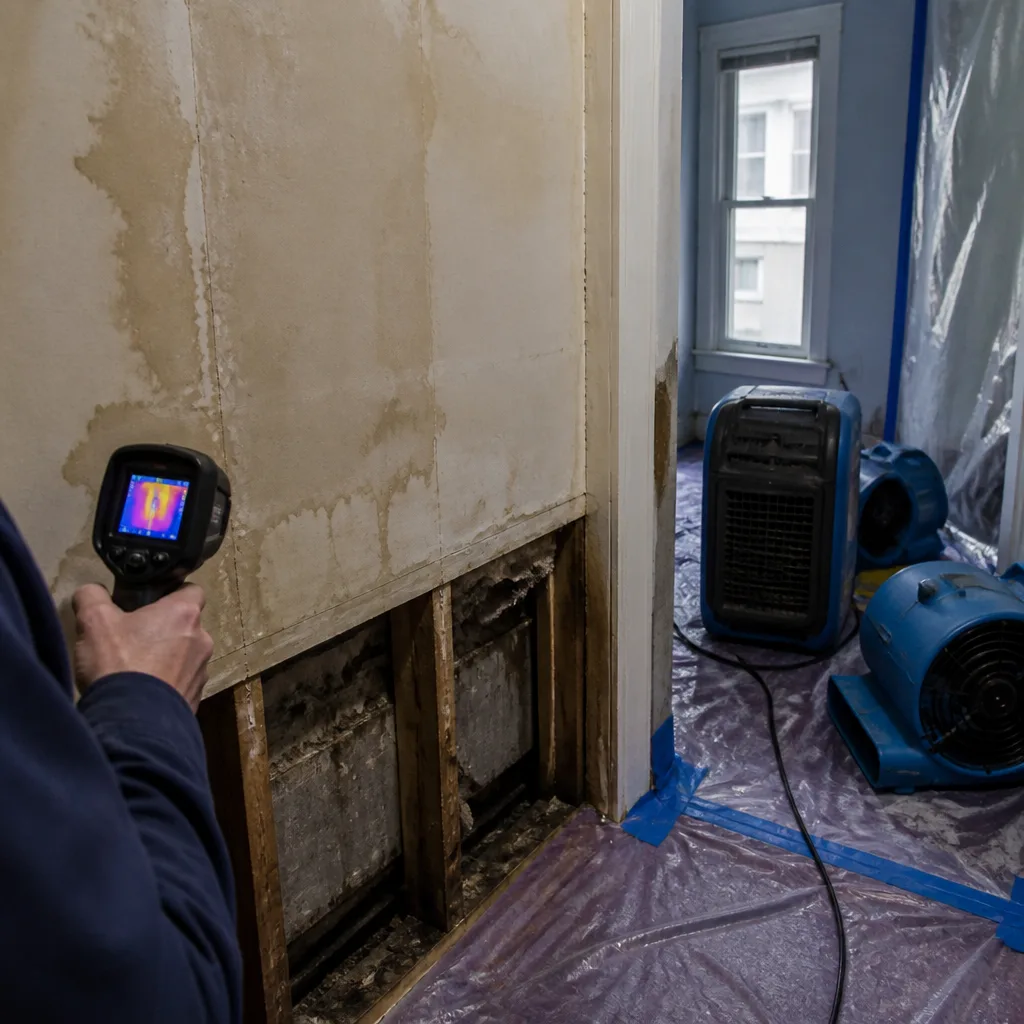
Wade walks the property with a moisture meter and thermal imaging camera. He maps every wet surface, every suspect wall cavity, every sign of salt efflorescence. You get a written scope before any work starts, not after.
Extraction & Stabilization
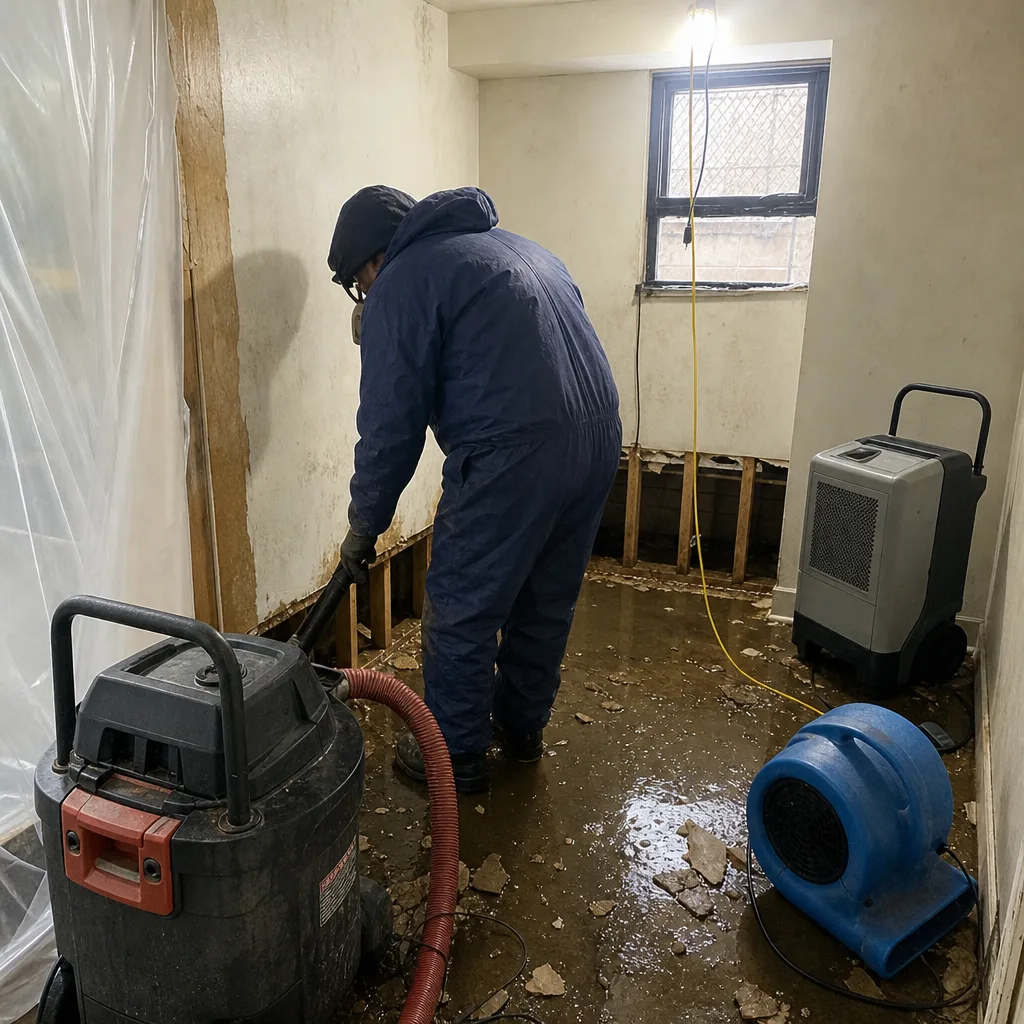
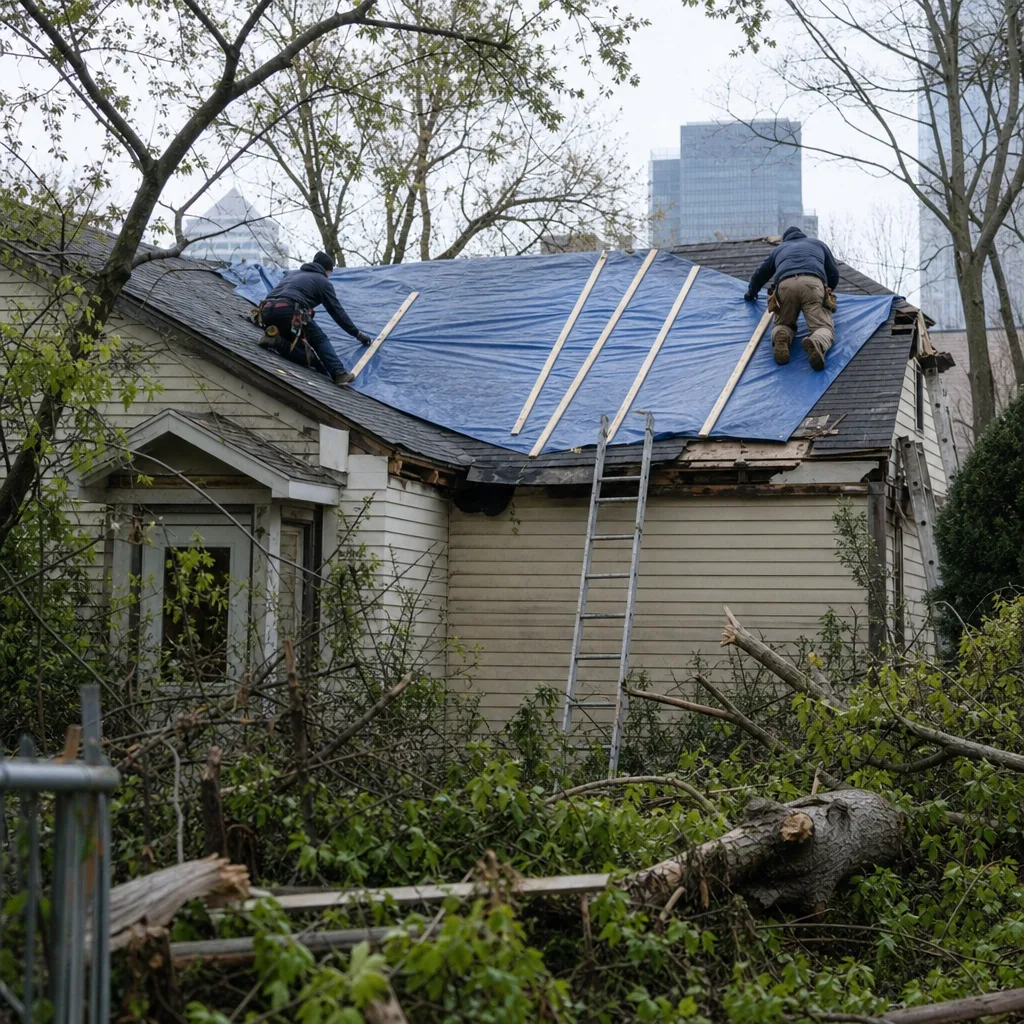
Standing water comes out first. Submersible pumps for deep floodwater, truck-mounted extraction for broad coverage. If wind has opened the envelope, we board up and tarp before moving inside.
Drying & Dehumidification
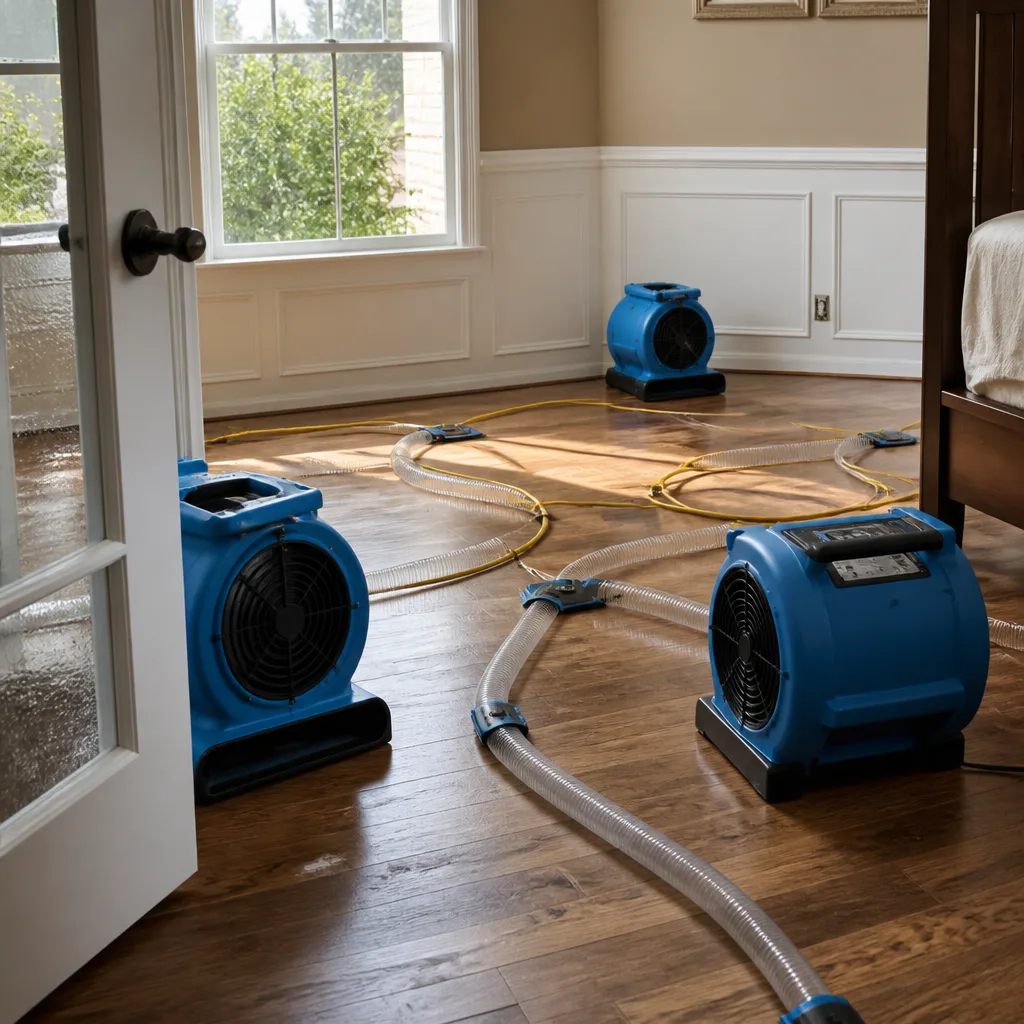
Air movers and Dri-Eaz dehumidifiers go in. For masonry walls, Injectidry panels pull moisture from deep inside brick and lime mortar, which standard fans can’t touch. Daily moisture readings with a written log.
Cleaning & Sanitization
Category 3 water means gutting affected materials: drywall, insulation, base plates, floor systems that absorbed sewage. We treat cavities with antimicrobial agents and document every step for the adjuster.
Salt & Contaminant Treatment
In flood zones like Paulus Hook and Newport, saltwater intrusion leaves crystalline salt deposits in masonry that keep wicking moisture long after drying. We treat those cavities specifically, because standard drying leaves them active.
Repairs & Restoration
Reconstruction follows the same team. Plaster repair, lime-mortar repointing, mechanical system replacement if salt corrosion got to it. The job isn’t done until the walls are closed, the trim is set, and the moisture log shows stable readings for three consecutive days.
Need Emergency Storm & Disaster Restoration in Jersey City Now?
Crews minutes away, answering live 24 hours a day. The sooner we start, the less it costs.
Working With Your Insurance Company
Insurance claims after a Jersey City storm are complicated. Was it flood surge or wind-driven rain? One policy covers it, the other might not. We’ve been doing this since 2007, and Wade has learned how to document a loss so the adjuster doesn’t question the scope. He takes photos room by room, logs moisture readings every day, and sends a line-item estimate the carrier can read without a translator. When the adjuster calls, Wade talks to them directly. You don’t become the middleman between your insurance company and a restoration crew. That’s the fastest way to lose a week, and you can’t afford a week when mold is already thinking about your baseboards.
What We Provide Your Insurer
- Thorough documentation of the loss
- Photos of all damage, room by room
- Moisture readings and drying logs
- A detailed, line-item scope of work
- Direct coordination with your carrier
Built for Jersey City’s Loss Calendar
Jersey City has a storm season, and it’s longer than people think. January deep freezes burst supply lines in unheated basements and crawl spaces across the Heights and Greenville, where original plumbing runs through exterior walls. Spring thaw pushes groundwater up through stone foundations and basement slabs, and the combined sewer system starts backing up into basement units as rainfall increases. Summer brings thunderstorm flash flooding, the kind that turns Newark Avenue into a creek and sends a foot of street water into ground-floor apartments on Journal Square. Fall and winter nor’easters drive wind and rain horizontally off the Hudson, punishing the brick facades of the Heights and the converted warehouses along the waterfront. We plan equipment staging and crew schedules around these patterns because we know Jersey City’s rhythm. A warm, wet December means we’re already checking inventory on extra dehumidifiers and board-up plywood in late November.
Storm & Disaster Restoration Across Jersey City’s Neighborhoods
Jersey City is six different building stock profiles crammed into 15 square miles, and a storm hits each one differently. In the Heights, those dense brick row-house blocks on Ogden Avenue and Summit Avenue take the full force of northeast winds off the Hudson, and lime-mortar joints cracked from decades of deferred repointing let water travel horizontally through walls. Bergen-Lafayette and Greenville have the same 19th-century brownstones but with more ground-floor basement units, which means combined sewer backups into living spaces, not just storage. Paulus Hook and Newport are landfill and flood-zone territory, where Sandy’s surge left salt deposits in masonry that kept wicking moisture for months after the water was gone. Downtown and Journal Square mix pre-war walk-ups with new high-rise construction, meaning a restoration crew has to switch from plaster and lath to steel framing and fire-rated assemblies within a single day’s work. We know the response routes: JFK Boulevard connecting the spine, Newark Avenue cutting through the center, Routes 1&9 for the eastern edge. When a storm hits Jersey City, we don’t sit at a dispatch board guessing which neighborhoods are worst. We already know.
Specialized Storm & Disaster Restoration Services We Offer in Jersey City
This is the full range of Storm & Disaster Restoration work Wade and his crew handle across the city. Three of these get called most often after the weather Jersey City actually gets.
Flood Damage Restoration
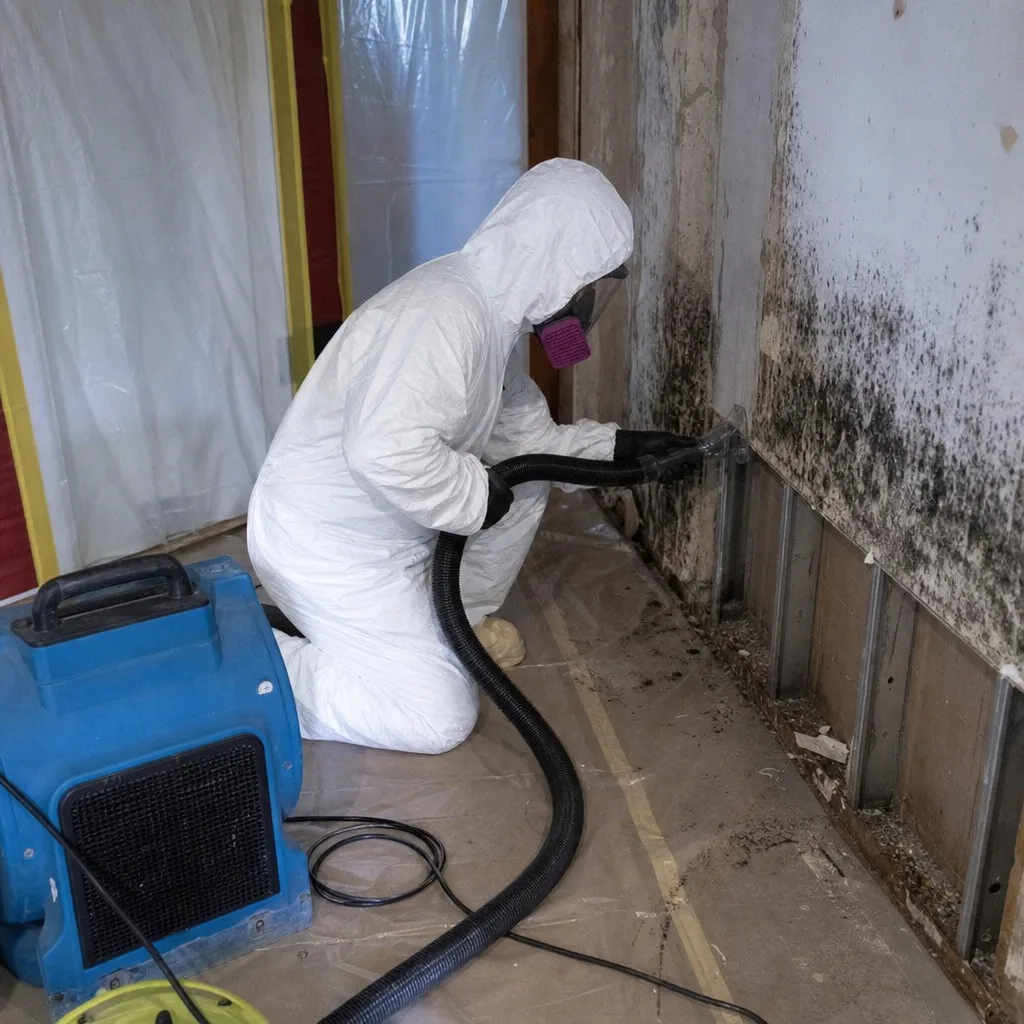
Floodwater in Jersey City is rarely clean. Storm surge from the Hudson or Newark Bay carries salt and debris. Combined sewer backups carry Category 3 black water. We treat these as contamination events, not just water events. That means gutting affected materials, treating cavities, and documenting everything for the insurance carrier. Saltwater intrusion gets special attention because crystalline salt deposits don’t dry out. They keep pulling moisture from the air and corroding rebar for years if you just run fans and call it done.
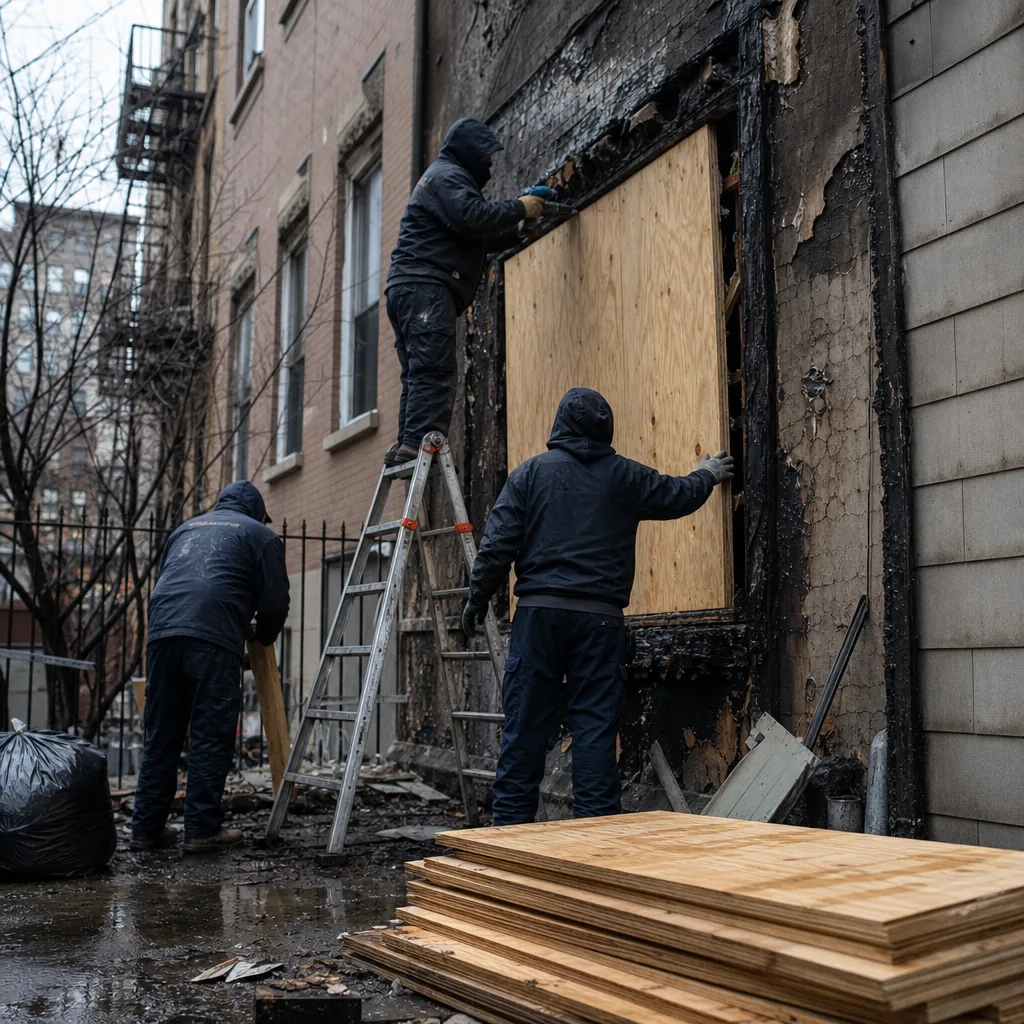
Emergency Board-Up
Broken windows and doors after a wind event leave your property open to two more problems: weather and people. We board up with plywood and fasteners that will hold through the next storm, not just until morning. For converted warehouses along the waterfront and ground-floor retail with large glass openings, we size the plywood to the opening and secure it to the structure, not just the trim.
Roof Tarping
A storm that tears shingles off a row house or punctures the membrane on a flat warehouse roof needs cover immediately. We tarp with heavy-duty material secured so a second wind event doesn’t turn it into a sail. Roof tarping buys you the time to schedule a proper repair without letting rainwater into the structure.
Storm Damage Cleanup
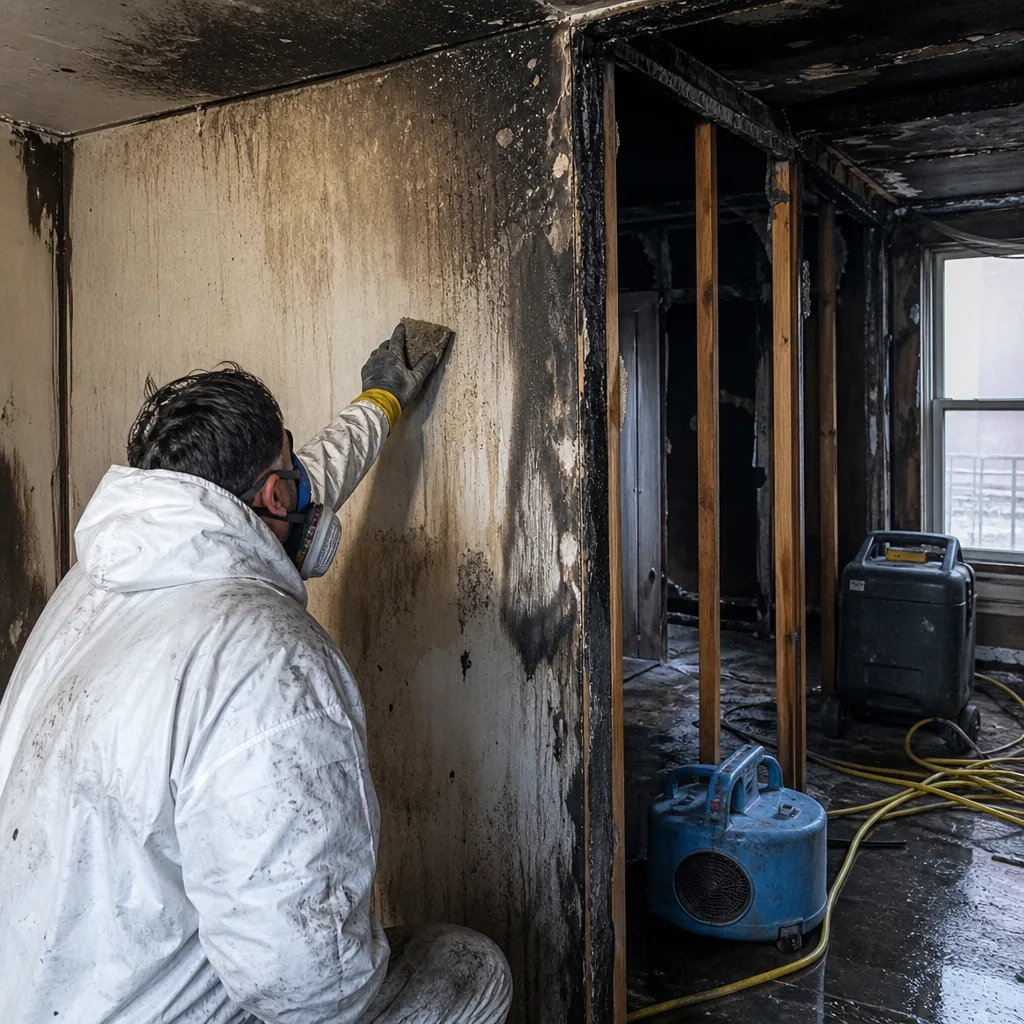
Fallen limbs, blown-in debris, shattered glass, and the mess a storm leaves behind. We clear the site, secure the structure, and start the drying process. Cleanup in Jersey City means coordinating with narrow streets, tight alley access, and building codes specific to historic districts and landmarked structures.
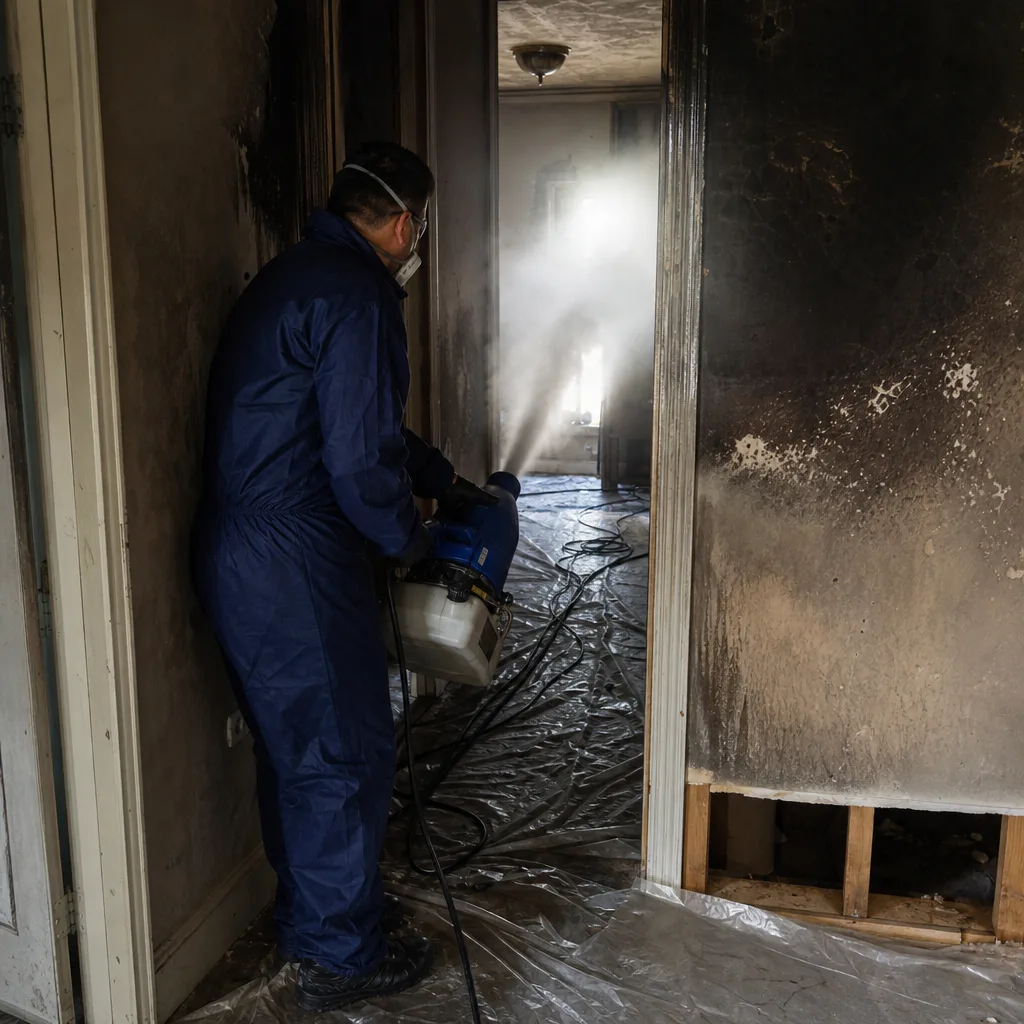
Debris Removal
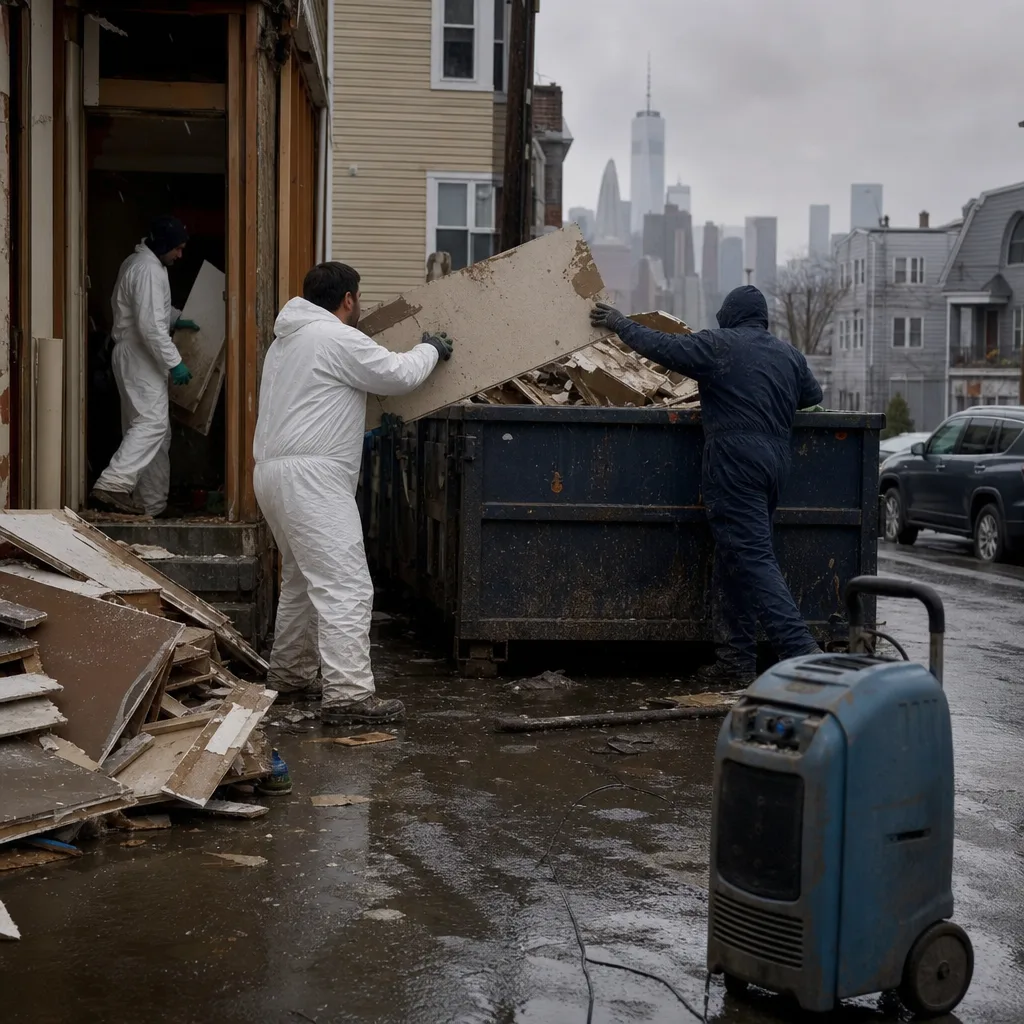
Storm debris isn’t just tree limbs. It’s waterlogged drywall, ruined insulation, damaged furniture, and whatever else a flood touched. We haul it out, separate what can be saved, and dispose of the rest properly. You don’t want Category 3-contaminated material sitting in a pile by the curb for a week.
What happens when you call
- 1
A real person answersNo phone trees - you reach a local pro.
- 2
You get an upfront price rangeHonest numbers before anyone is dispatched.
- 3
A background-checked tech heads outLicensed & insured, dispatched right away.
- 4
You approve before work beginsNothing starts until you say go.
Storm & Disaster Restoration Costs in Jersey City, NJ
A typical flood damage restoration job in Jersey City runs $2,800 to $8,500 for extraction, drying, and sanitization of a basement or ground-floor unit. Emergency board-up runs $350 to $900 for a single opening, more for a full storefront or warehouse. Roof tarping runs $550 to $1,800 depending on the roof type and access: a flat marble-and-tar roof on a converted warehouse costs more than a pitched shingle roof on a Heights row house. Full Category 3 sewage remediation with gutting and reconstruction in a Jersey City brownstone regularly hits $15,000 to $40,000 because original plaster, lath, and base plates all have to come out and go back. The free visual inspection gets you a written scope and firm number before any work begins. Insurance-covered losses follow the same scope; out-of-pocket jobs get the same written estimate and the same 90-Day Done Right Promise in writing.
We Also Serve Cities Near Jersey City
Wade’s Restoration works throughout Hudson County. The same crews that handle Storm & Disaster Restoration in Jersey City also cover Hoboken’s flood-prone basement units, Union City’s dense residential blocks, Weehawken’s waterfront exposure, and Secaucus’s low-lying commercial properties. Same live answer, same 45-minute response, same written scope before work starts.
Jersey City Storm & Disaster Restoration Questions, Answered
How do you handle saltwater intrusion from storm surge in low-lying Jersey City neighborhoods like Paulus Hook and Newport?
Saltwater intrusion requires treatment beyond standard drying because salt leaves crystalline deposits inside masonry that continuously pull moisture from the air and corrode embedded rebar. We treat salt-affected cavities with targeted washing and antimicrobial application before drying is considered complete, and we verify with ongoing moisture readings that the walls are staying dry. If your building took on Hudson surge water, call (607) 350-1550 and ask for a free inspection.
My Heights row house shows white powder and damp plaster on the windward wall after a nor’easter-no ceiling leak. What is that?
That white powder is efflorescence, and it means water is entering horizontally through deteriorated lime mortar joints on the brick facade, not through the roof. The water wicks through the masonry, hits the interior plaster, and deposits salts as it evaporates. This is a pre-war masonry failure mode that requires moisture mapping and Injectidry panel drying, not roof repair, and opening walls in the wrong sequence lets mold advance behind intact plaster. We see this on Ogden Avenue, Summit Avenue, and throughout the Heights. Call (607) 350-1550 for an assessment before you patch anything.
The sewers backed up into my basement during a heavy rainfall. What kind of restoration is required, and can I just dry it out?
No, you cannot just dry it out. That water is Category 3 black water: raw sewage, human waste, and pathogens. Affected drywall, insulation, base plates, and any porous flooring must be removed and replaced, then the remaining structure gets antimicrobial treatment and verified drying. In Jersey City’s combined sewer system, these backups are common in basement units across Greenville and Bergen-Lafayette. Drying without gutting leaves sewage contamination trapped in floor systems. Call (607) 350-1550 and we’ll start the scope.
How quickly does mold start after a flood in a Jersey City brownstone with original plaster and lath?
Mold spores germinate in 24 to 48 hours under the right conditions, and original plaster and lath are ideal hosts because they hold moisture deep inside wall cavities where air movement can’t reach. In a Jersey City brownstone, the lime plaster acts as a reservoir, and hidden mold behind plaster can be well established within three days. That’s why extraction and drying have to start immediately after a flood, not after the weekend. Call (607) 350-1550 and we can have equipment running within the hour.
What is involved in emergency board-up and roof tarping for a converted warehouse or high-rise unit on the Jersey City waterfront after a storm?
Board-up and tarping for waterfront properties means securing large openings with plywood cut and fastened to the structural frame, not just the trim, and tarping flat roofs with material tied down to withstand the next wind event off the Hudson. High-rise units often have fire-rated assemblies and specific material requirements, so we match the board-up to the building’s existing construction. A typical board-up for a warehouse loading opening runs $500 to $1,200. Call (607) 350-1550 and we’ll get a crew on the road.
How fast can you actually get to my Jersey City property during a storm event?
Our commitment is 45 minutes to any Jersey City address, and we answer the phone live 24 hours a day. Wade Ferris answers his own phone and heads out himself. During a major nor’easter or flooding event, call volume is heavy, but we stage crews and equipment based on Jersey City’s known loss patterns so response stays fast. Call (607) 350-1550 and we’ll be there.
Will my insurance cover storm damage from a nor’easter in Jersey City?
Wind damage from a nor’easter is typically covered under standard homeowner’s insurance, but flood surge from the Hudson or Newark Bay generally requires a separate flood policy. Sewer backup coverage is also a separate endorsement on most policies. We document every loss from hour one, provide the adjuster with photos, moisture logs, and a line-item scope, and talk to the carrier directly so you don’t have to interpret policy language alone. Call (607) 350-1550 and we’ll explain what you’re looking at.
Can my family stay in the house during storm damage restoration?
It depends on the water category and the extent of damage. Category 1 water damage with dry-out only often allows you to stay in the home. Category 3 sewage or floodwater contamination generally requires you to leave the affected areas while we gut, treat, and dry. In a multi-family brownstone, upper floors may remain habitable while we contain and remediate the basement. We’ll give you a straight answer during the initial assessment. Call (607) 350-1550 and Wade will tell you what’s safe.
Serving Jersey City, NJ - Our Local Coverage Area
We’re based in the Jersey City area and know this community well. Use the map below to see our service coverage - if you’re nearby, we can almost certainly help.
Call Wade’s Restoration for Storm & Disaster Restoration in Jersey City, NJ
When a storm hits Jersey City, you don’t want a national chain with a call center in another state. You want the guy whose name is on the truck, who publishes his address and license number, and who will run into you again at the hardware store. That’s Wade Ferris. He’s been doing restoration since 2007, and he answers his own phone. Free visual inspection, no trip charge inside the county, and a written 90-Day Done Right Promise on every storm restoration job. If it’s not done right, he makes it right. Call (607) 350-1550 now. The sooner we start, the less it costs.
Written by Wade Ferris, Owner at Wade’s Restoration, serving Jersey City and Hudson County since 2007.