
Free visual inspection and a written scope of work before any mitigation begins - photos, moisture readings, and drying logs go in your claim file
The scope we write is the scope we bill. Anything new gets shown to you, in writing, before we touch it.
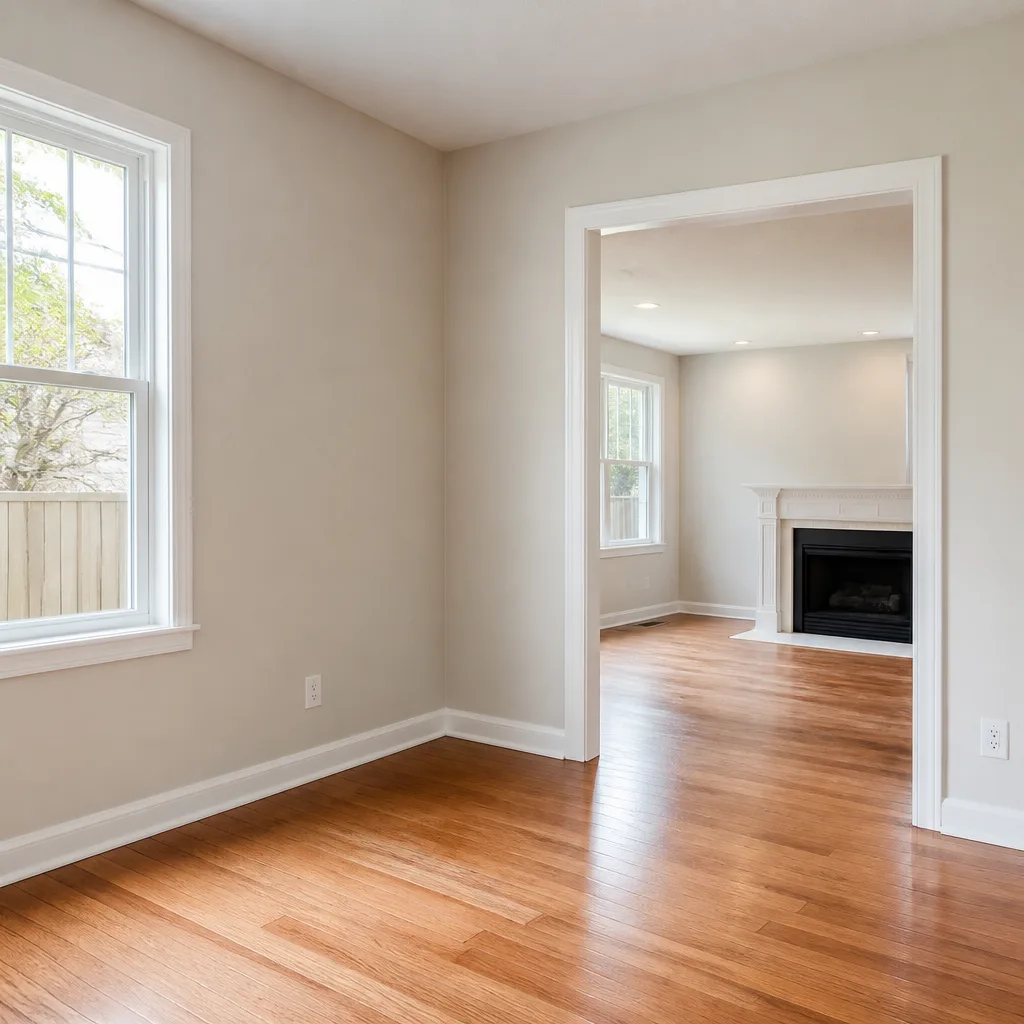
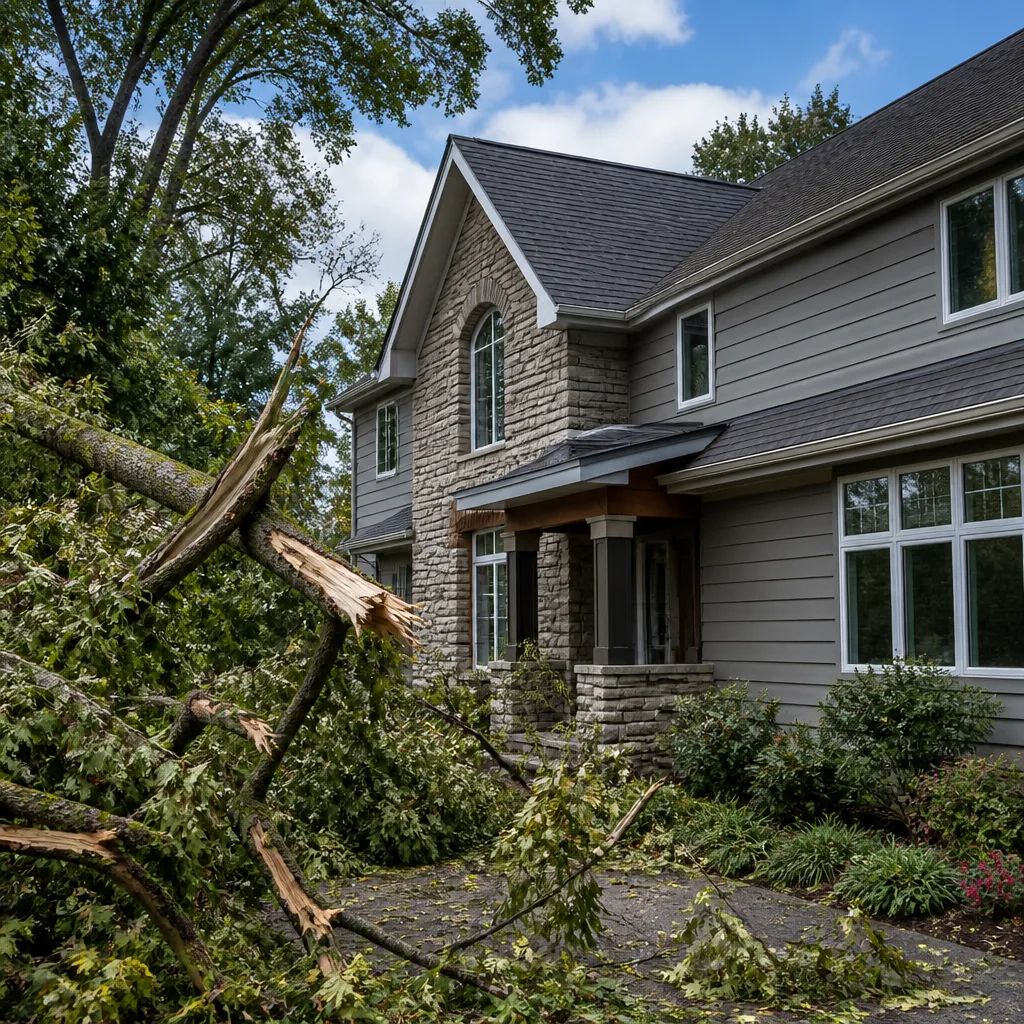
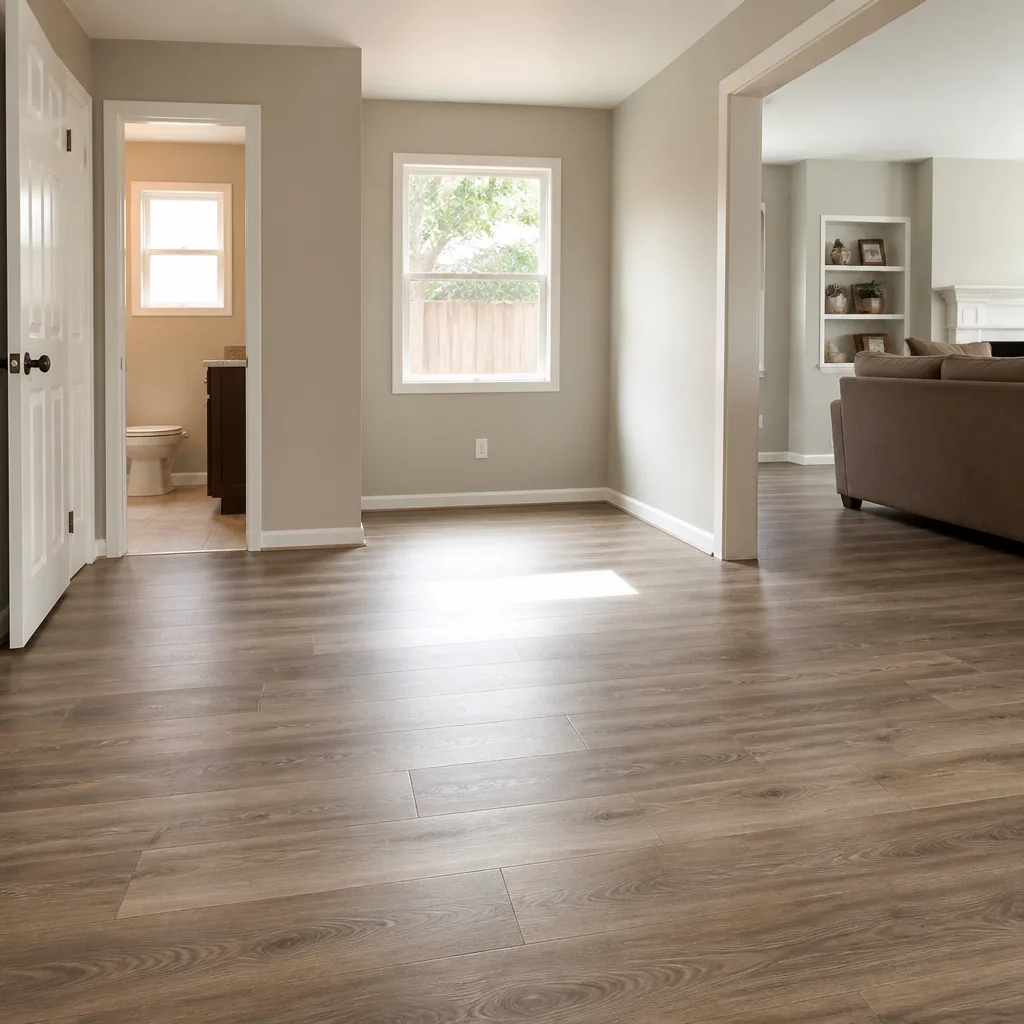
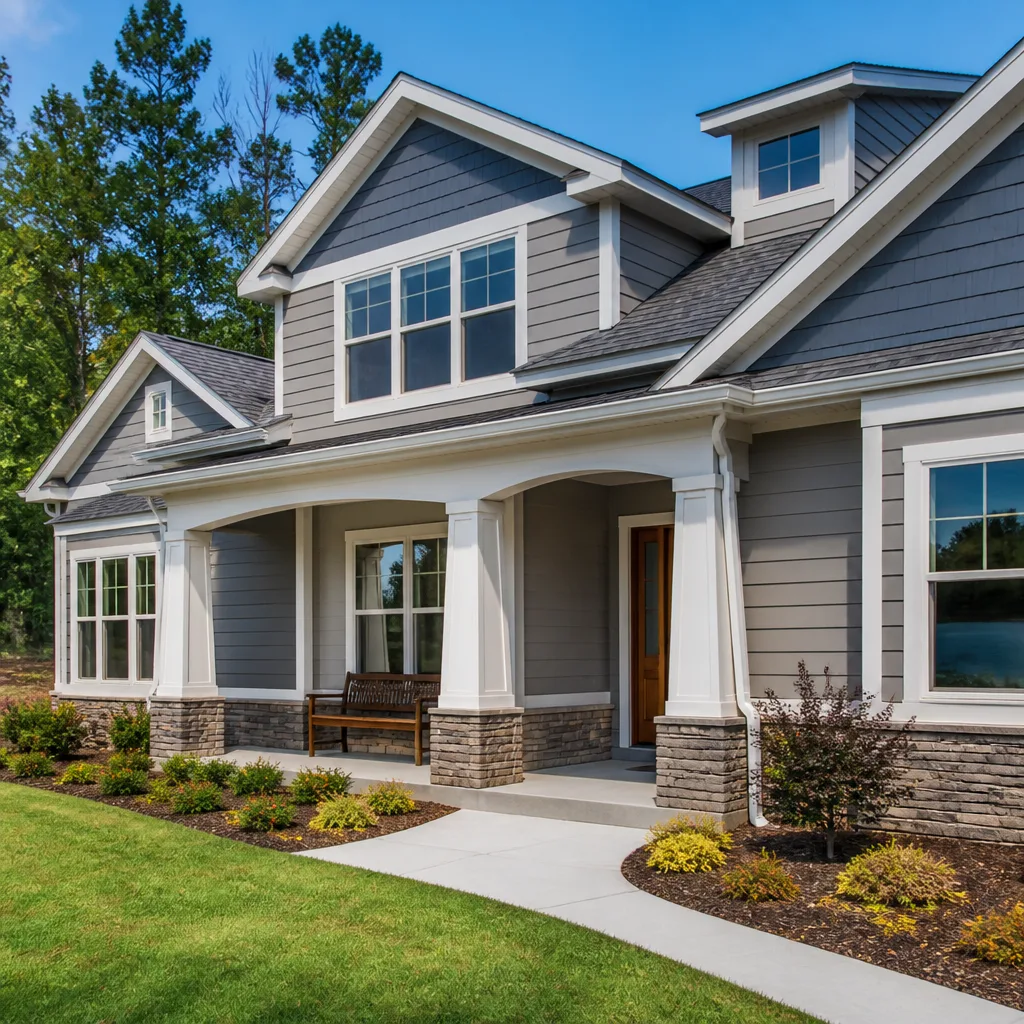
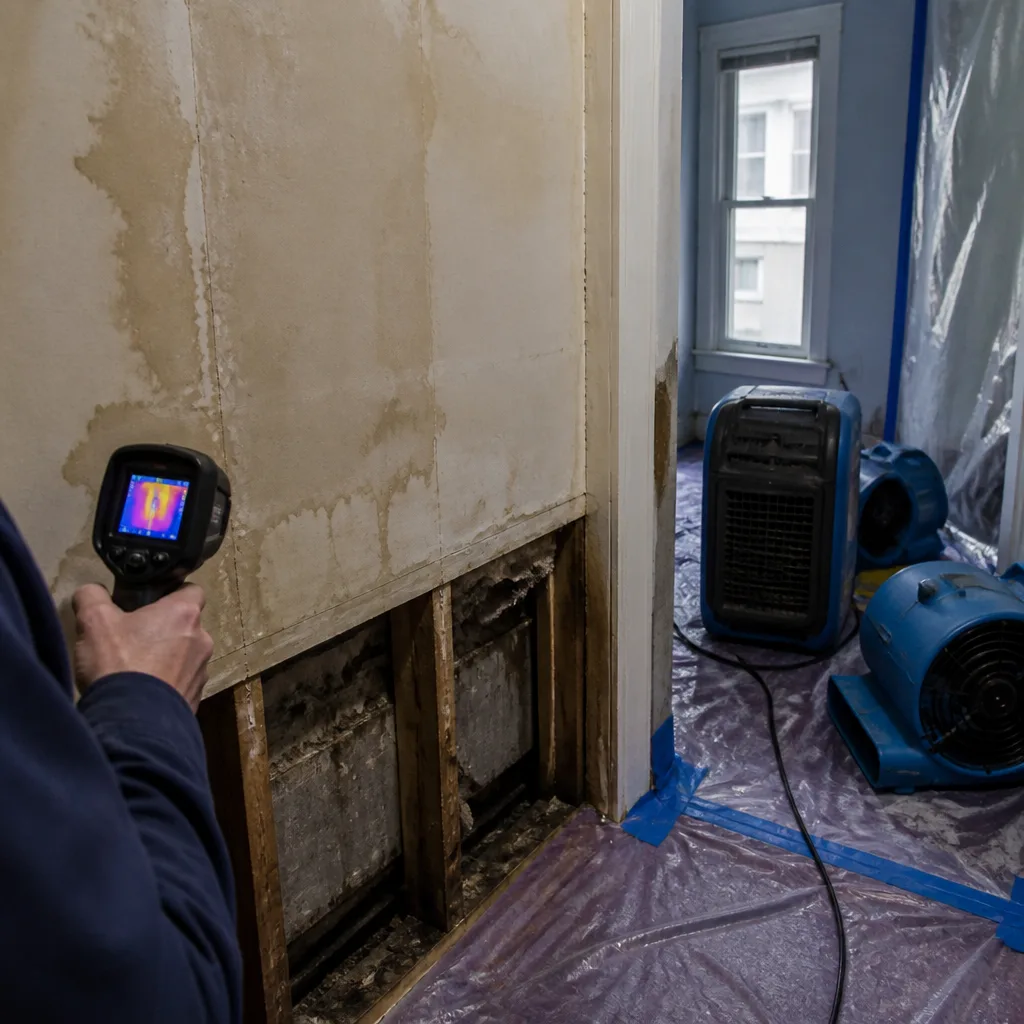 Before
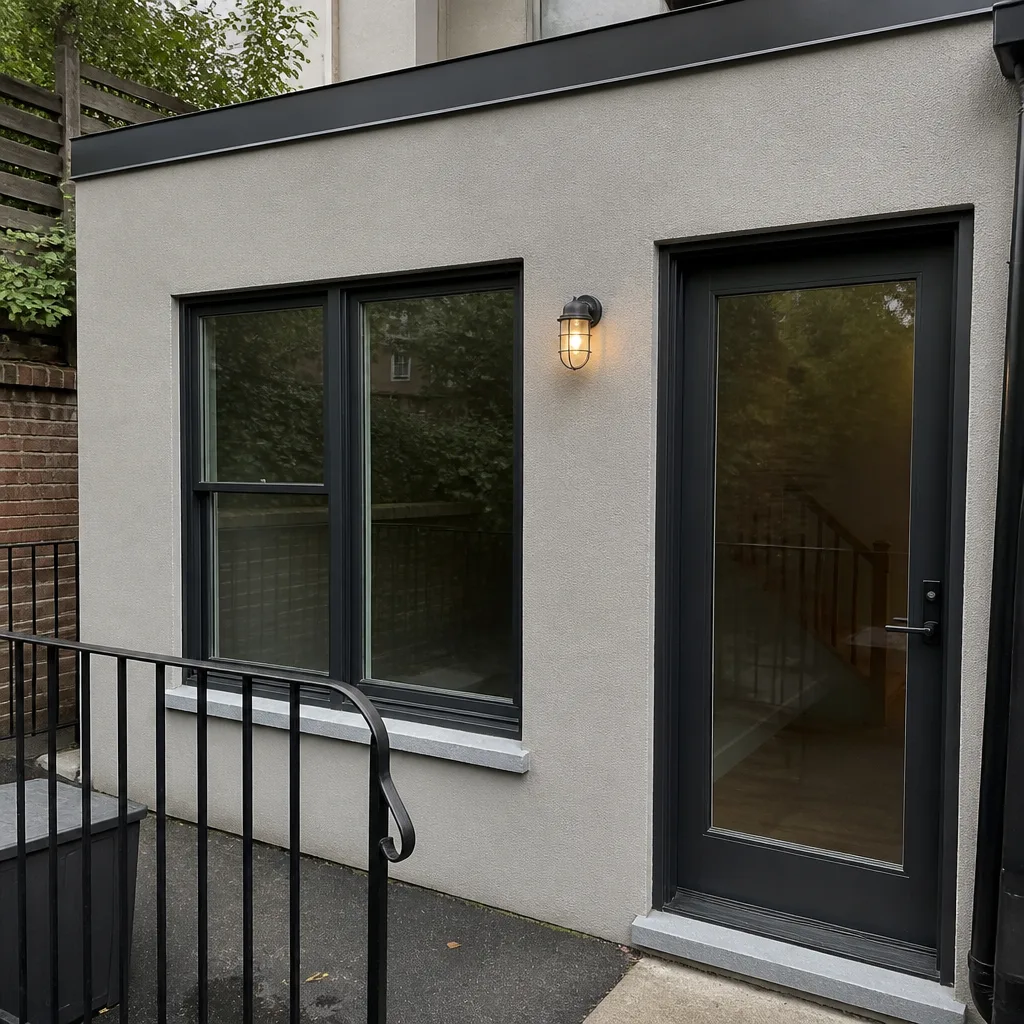 After
After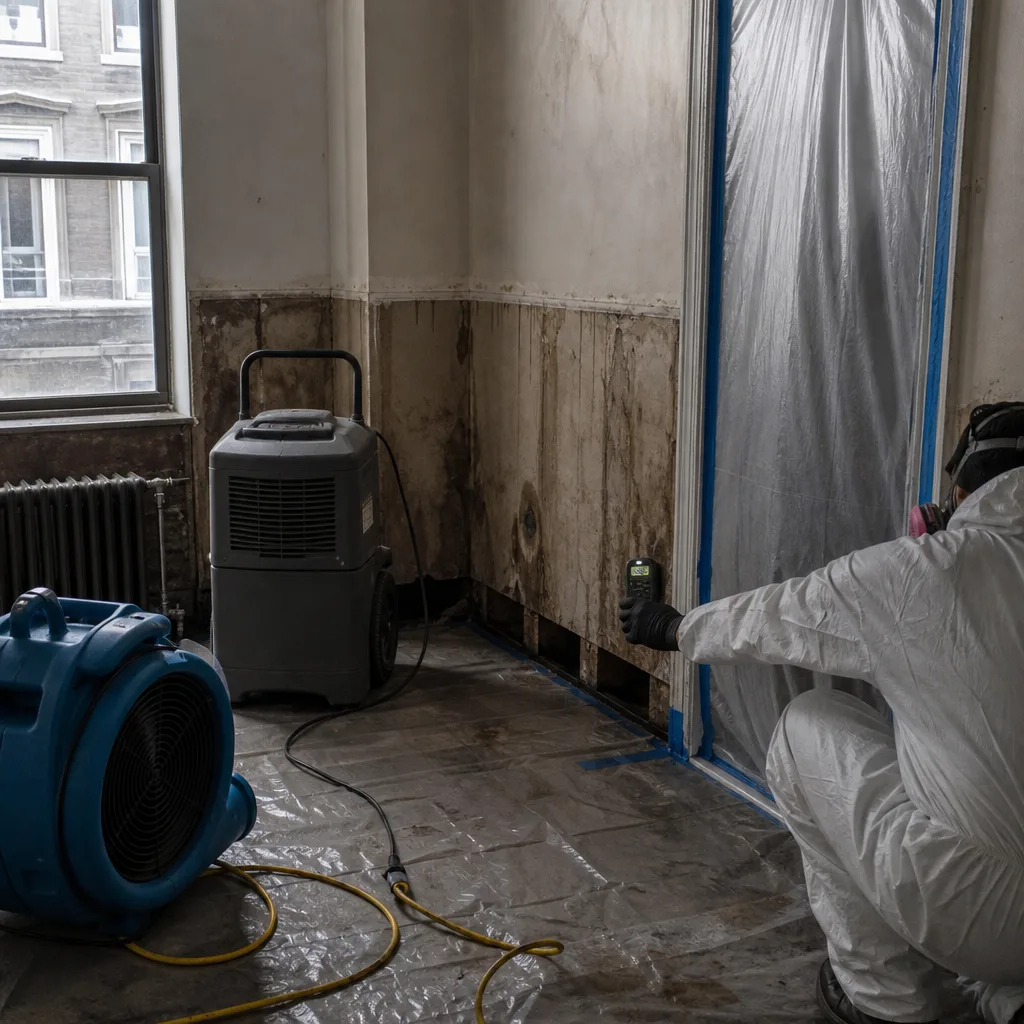 Before
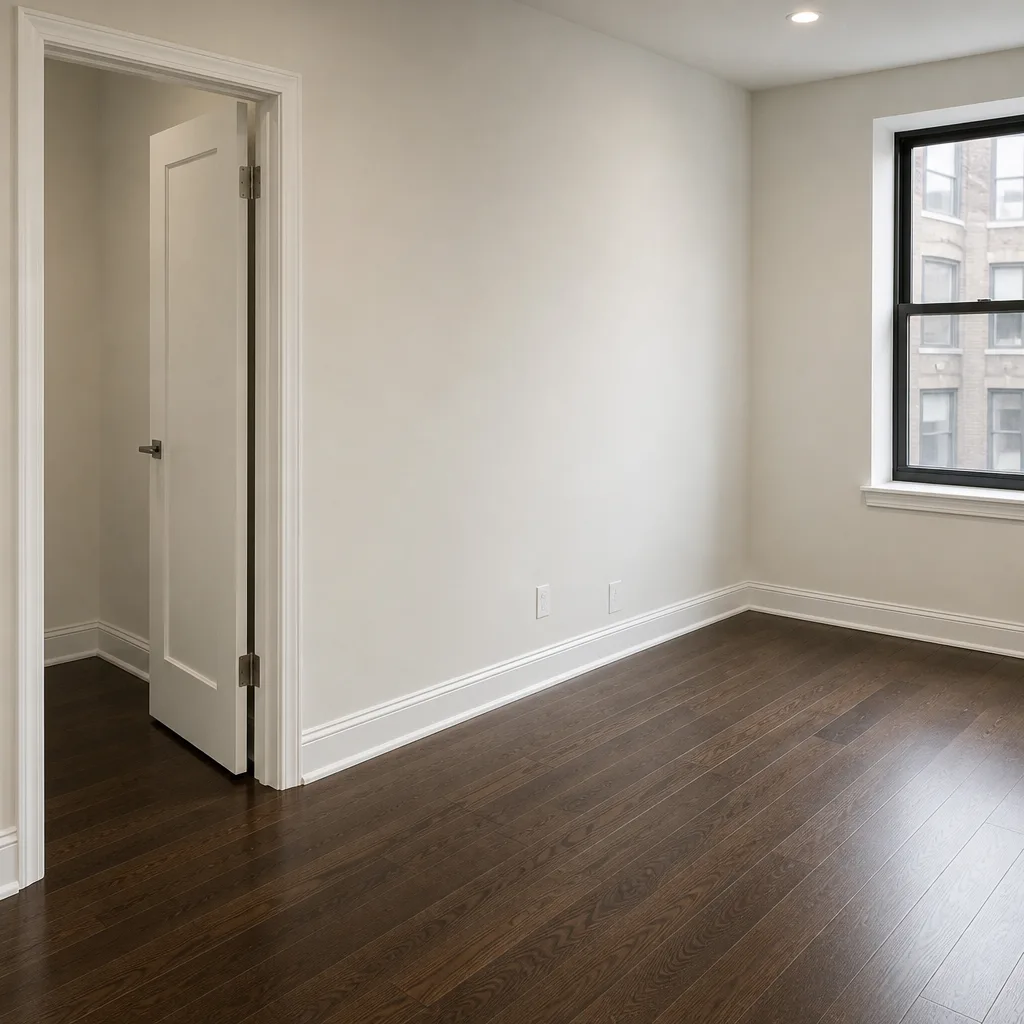 After
After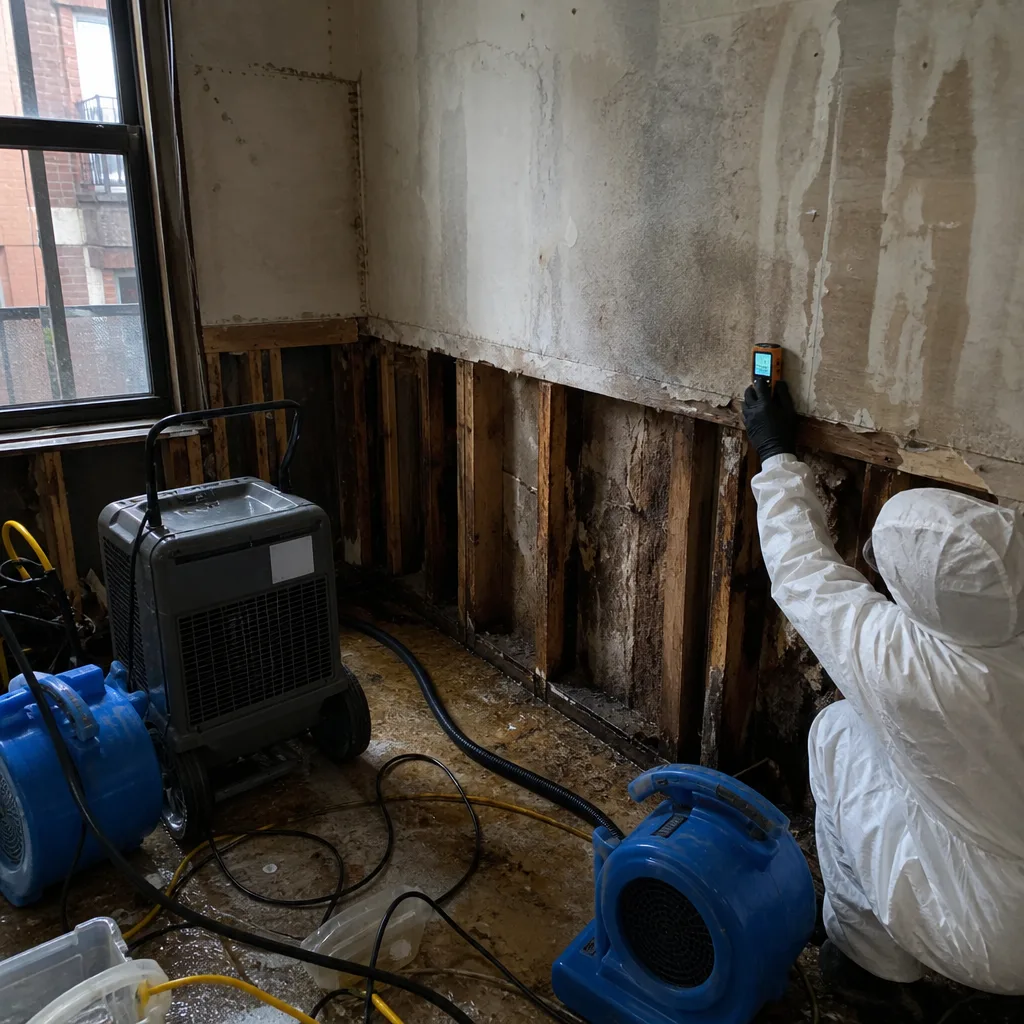 Before
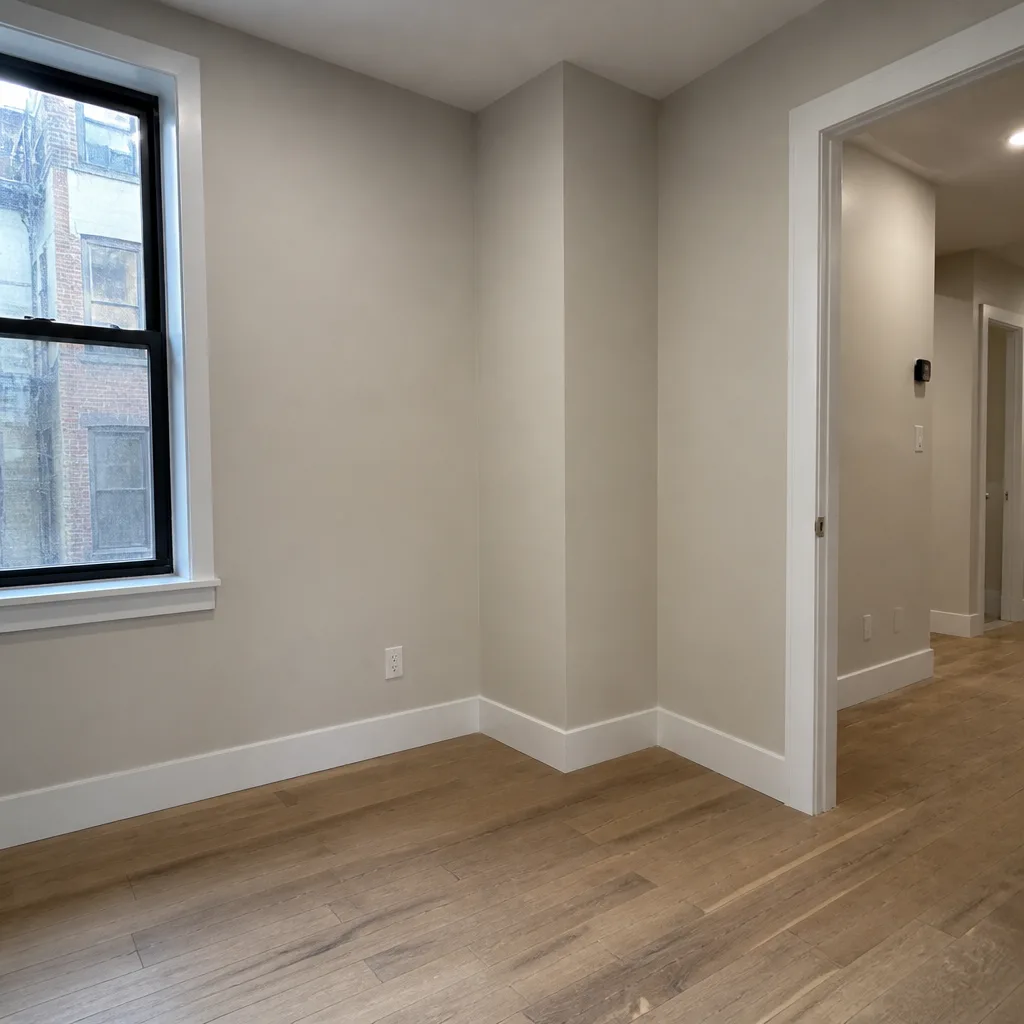 After
After24/7 Emergency Sewage Cleanup in West New York
Sewage backup in a West New York apartment building, storefront, or basement almost never stays a one-unit problem. Shared cast-iron stacks, combined drain lines, and below-grade spaces carved into the Palisades mean a Category 3 backup in one unit can push into five, eight, or a dozen more before anyone realizes how bad it is. If you’re standing in contaminated water right now, call (607) 350-1550. Wade Ferris answers his own phone around the clock, and he’ll have a crew headed to your building inside the hour. The first 24 hours decide whether you’re cleaning saturated drywall or replacing structural framing, and in West New York’s older brick buildings, that window closes fast.
We’re not a call center. You don’t sit on hold while a backup spreads into the unit below you. You talk to the owner, he tells you exactly who’s coming and when, and the crew arrives with containment, extraction pumps, and moisture meters already loaded. Free visual inspection, no trip charge inside our own county, and a written scope before any work starts.
Understanding Sewage Cleanup Severity in West New York Properties
Sewage work is Category 3 water, full stop. That means bacteria, viruses, parasites, and whatever else the building’s waste lines carry. In West New York’s 1920s through 1960s apartment buildings, the bigger issue is how fast Category 3 water travels. Shared cast-iron waste stacks run vertically through every floor. When one cracks or a basement floor drain backs up, the contamination doesn’t stay in a single apartment. It follows the same path as groundwater seepage into storage rooms, electrical closets, first-floor hallways, and the garage below the building.
We map moisture before we touch anything. Thermal imaging and penetrating meters tell us where the sewage actually went, not just where you can see it. In these old masonry buildings, water hides behind plaster, under tile, inside wall cavities that haven’t been opened since the Franklin D. Roosevelt administration. Drying sewage-soaked plaster and lath is not the same as drying a suburban drywall basement. Sometimes the wall has to come out. Sometimes the framing is salvageable if we get to it fast enough. West New York’s density means we’re usually running extraction in one unit while a property manager is still trying to reach tenants in the unit next door.
Why West New York Property Owners Choose Wade’s Restoration
- 45-minute response commitment for West New York calls. Wade’s crew stages out of metro dispatch and heads straight to your building. He doesn’t put you in a queue behind three other counties.
- Live answer, 24/7. Wade Ferris answers his own phone. Not a voicemail tree, not an answering service, not an app. You get a person who knows sewage work and makes decisions on the spot.
- IICRC-certified crews. WRT, FSRT, and AMRT certifications back the people who show up. They wear uniforms, they’re background-checked, and they know New Jersey’s tenant-access rules enough to work around them without stalling the job.
- Free visual inspection. We look, we photograph, we measure. You get a written assessment and a straight answer about scope before you spend a dollar.
- Direct insurance billing. Wade talks to the adjuster himself. You don’t relay paperwork back and forth between three parties while sewage-soaked drywall sits in a hallway.
- One team from extraction to reconstruction. Same crew, same owner, same written promise. No subs who’ve never seen your building and no “we only do the water part” handoffs.
Our Sewage Cleanup Process
Inspection & Assessment
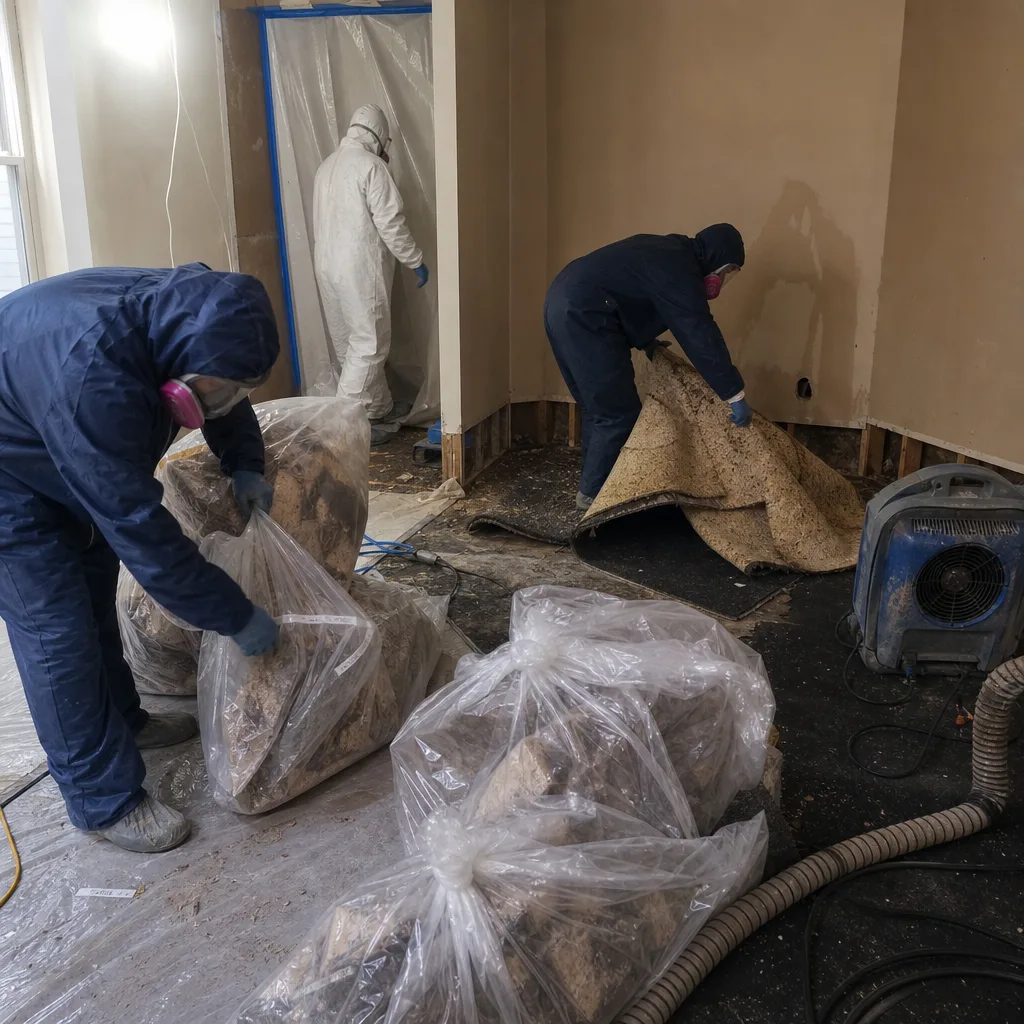
We walk the affected units, the basement, the mechanical room, and any adjacent hallways. Thermal imaging and penetrating moisture meters tell us how far the Category 3 water has traveled behind walls and under flooring. We photograph everything before any demolition starts.
Extraction & Stabilization
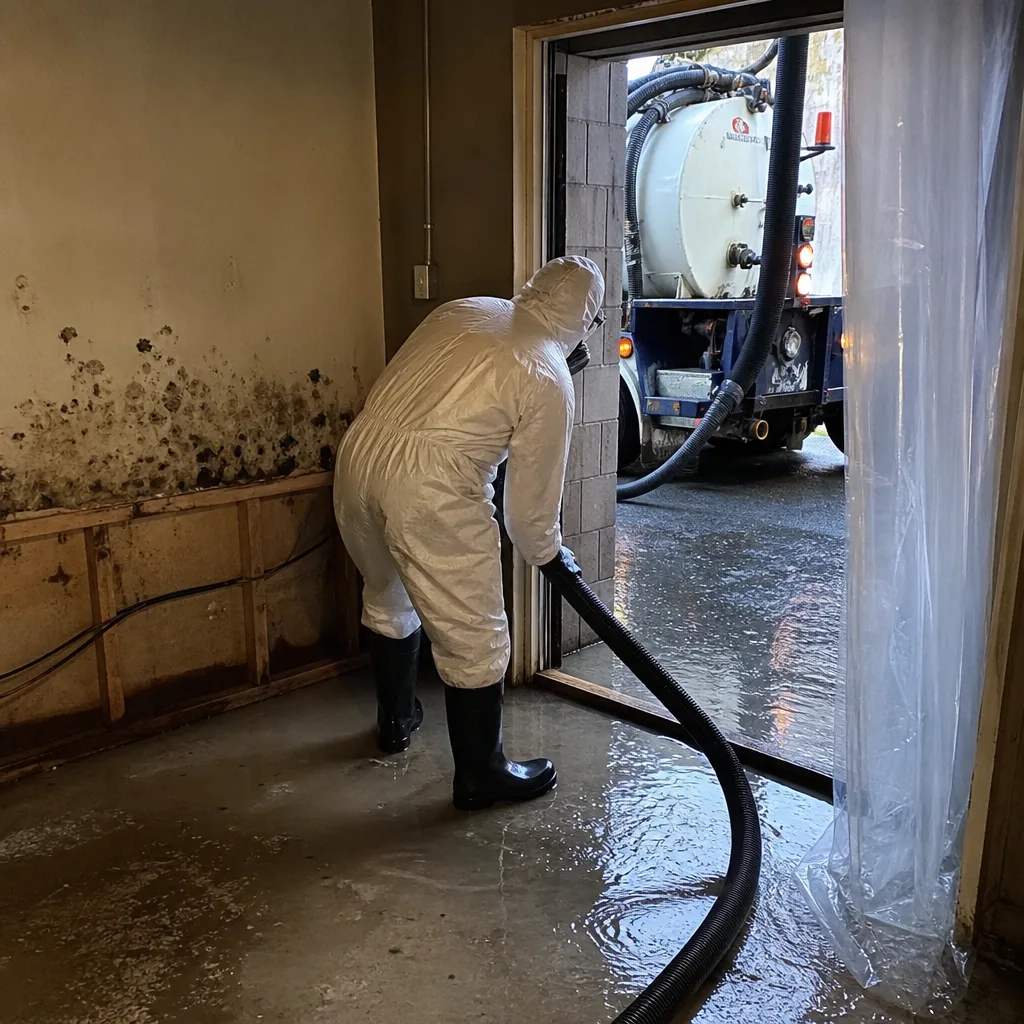
Truck-mounted and portable extraction units pull the standing sewage out fast. In a typical West New York basement backup, we’re often removing 800 to 2,500 gallons before the structural drying even begins. The sooner that water is gone, the fewer walls we’re opening.
Drying & Dehumidification
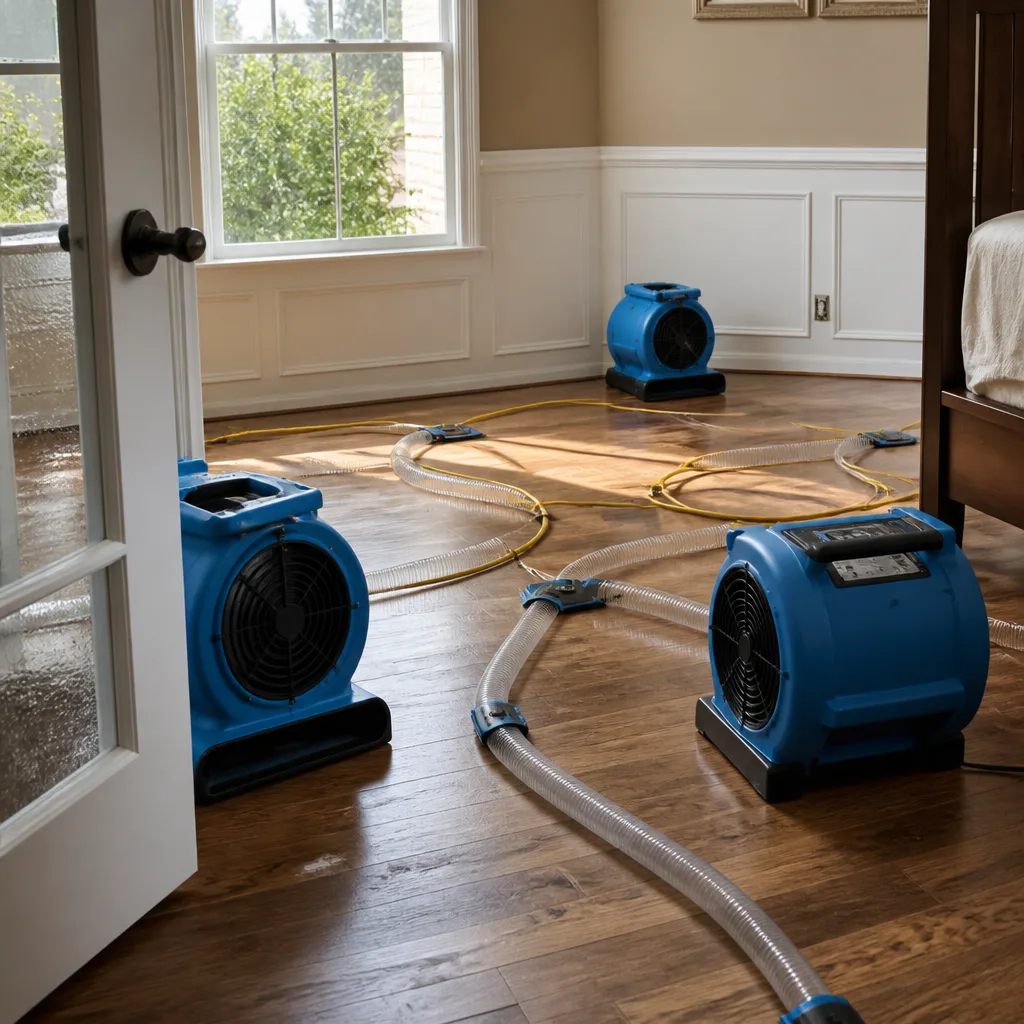
Low-grain refrigerant dehumidifiers and high-velocity air movers go in behind containment. We take daily moisture readings with a written log you see at the end. Given the masonry construction in most West New York buildings, we’re testing plaster, subfloor, and framing, not just surface-level drywall.
Cleaning & Sanitization
Our Sanitization Services in West New York include antimicrobial treatments applied to every contaminated surface, followed by HEPA air scrubbing to pull airborne particulates out of the air. In occupied buildings, we phase this work around tenant schedules and New Jersey notice requirements so no one is left waiting in a contaminated unit.
Crawl Space & Below-Grade Sewage Removal
West New York has a lot of below-grade spaces that sit below the street line. Sewage pools there after check-valve failures and combined-line overflows. We extract, dry, and sanitize these areas with the same containment discipline we use inside the units above.
Repairs & Restoration
After the drying logs show pre-loss moisture levels, we rebuild through our Reconstruction & Cleanup in West New York service. Drywall, baseboards, flooring, paint. One team handles it all, so you don’t restart the phone call cycle with a different contractor after the emergency is over.
Need Emergency Sewage Cleanup in West New York Now?
Crews minutes away, answering live 24 hours a day. The sooner we start, the less it costs.
Working With Your Insurance Company
Sewage backup claims in West New York almost always involve more than one policy. A basement backup in a co-op or rental building drags in the building’s master policy, the unit owner’s policy, the tenant’s renter’s insurance, and sometimes three different adjusters who’ve never spoken to each other. We handle that communication directly. Wade sends photos, moisture readings, and line-item scopes to every adjuster involved, in the format they actually accept. You don’t chase paperwork while sewage-soaked carpet is still in the hallway.
Our documentation starts in the first hour. Photos of the loss before anything is moved. Thermal imaging showing the full spread of contamination. Continuous moisture logs from the first reading to the final clearance. If your carrier disputes a line item, Wade gets on the phone with them. He’s been doing this since 2007 and he knows exactly what a defensible Category 3 scope looks like.
What We Provide Your Insurer
- Thorough documentation of the loss
- Photos of all damage, room by room
- Moisture readings and drying logs
- A detailed, line-item scope of work
- Direct coordination with your carrier
Built for West New York’s Loss Calendar
West New York sits on top of the Palisades, which means we don’t get the tidal flooding that hit Hoboken and the Jersey City waterfront during Sandy. What we do get is groundwater that doesn’t care about the elevation. Basements and parking garages carved into the bluffs collect seepage year-round, and that seepage follows the same path as the building’s sanitary drains. When a check valve fails, groundwater and raw sewage arrive together.
Winter brings its own version. The shared cast-iron supply and waste lines in 1920s and 1950s buildings freeze during deep cold snaps. When a line thaws, it can crack. That crack might sit unnoticed behind a wall or under a floor until the building’s waste system backs up on a February morning. Spring thaw pushes groundwater pressure even higher against those same below-grade walls. Summer thunderstorms overwhelm the combined storm and sanitary lines that some of these older buildings still run. Nor’easters dump water onto flat roofs, and when those roof drains tie into old combined lines, the overflow pushes back up through floor drains in first-floor units. The pattern is consistent: older infrastructure, dense housing, and water always finding the lowest point.
Sewage Cleanup Across West New York’s Neighborhoods
The apartment buildings along 60th Street and the streets climbing up from Boulevard East tend to be the older 1920s and 1930s brick construction, seven to ten stories, with shared cast-iron waste stacks and basements that sit below the street grade. When a soil stack cracks in one of those buildings, sewage moves vertically. A backup on the fourth floor becomes a first-floor hallway problem by morning.
Down by the lower-numbered streets closer to the waterfront, basement parking garages and storage rooms take the brunt of combined-line overflows during heavy rain. The elevation is lower there, closer to the Hudson, and the old combined storm and sanitary infrastructure has been patched for decades but not fully replaced. Buildings near Veterans Park and the main commercial corridors have the same issue, lots of foot traffic, lots of tenants, and very little room to stage equipment for West New York Commercial Restoration. Our crews know where they can park a truck without blocking the only entrance to a 200-unit building.
Over toward the Union City border, the transition streets mix older mid-rises with a few smaller multi-family buildings. The housing stock changes, but the below-grade water problem doesn’t. Groundwater seepage and sewage backups follow the same gravity path on every block.
Specialized Sewage Cleanup Services We Offer in West New York
Sewage Backup Cleanup
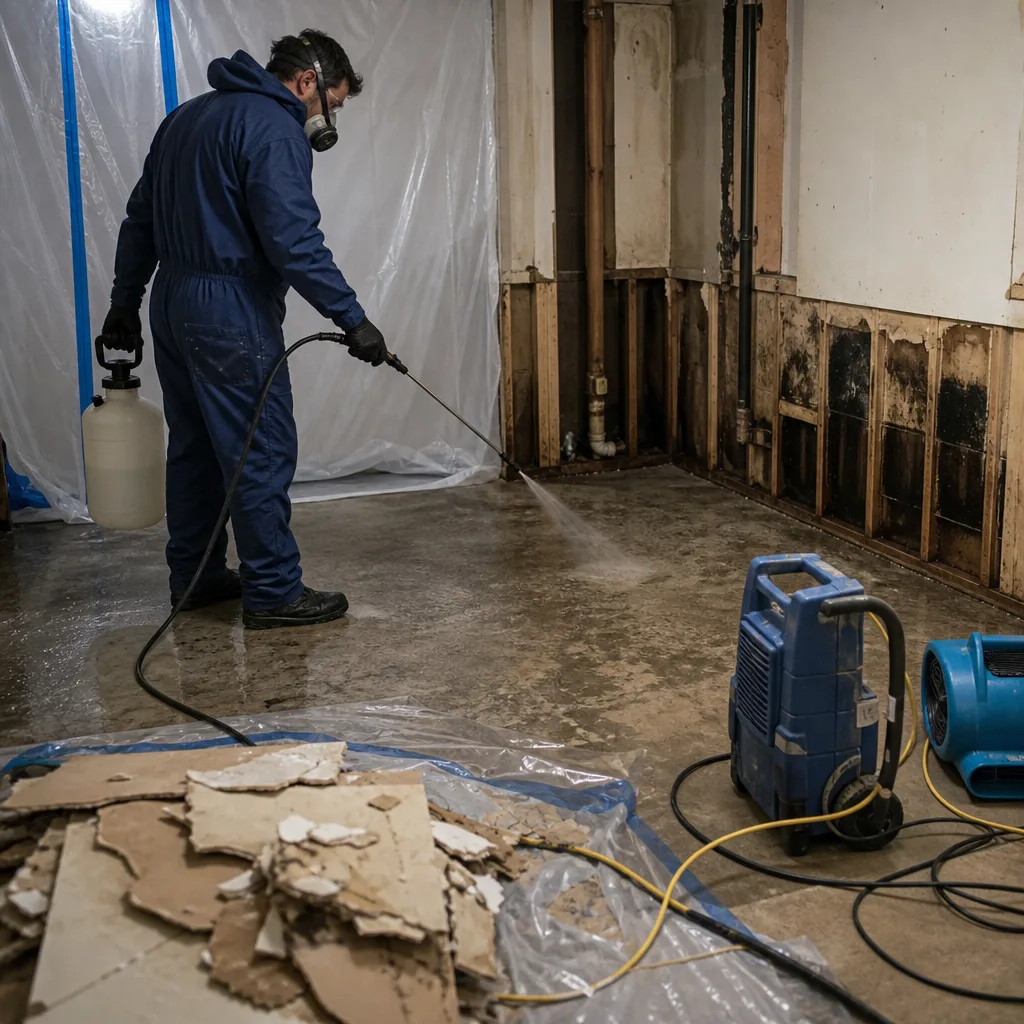
When a shared waste line backs up into a West New York basement, the first thing we do is find the source. Failed check valve, cracked cast-iron stack, a city main overloaded after a storm. Then we contain the area, extract the Category 3 water, and start the drying clock. The goal is always the same: remove saturated material before the 24 to 48 hour mold window closes.
Black Water Extraction
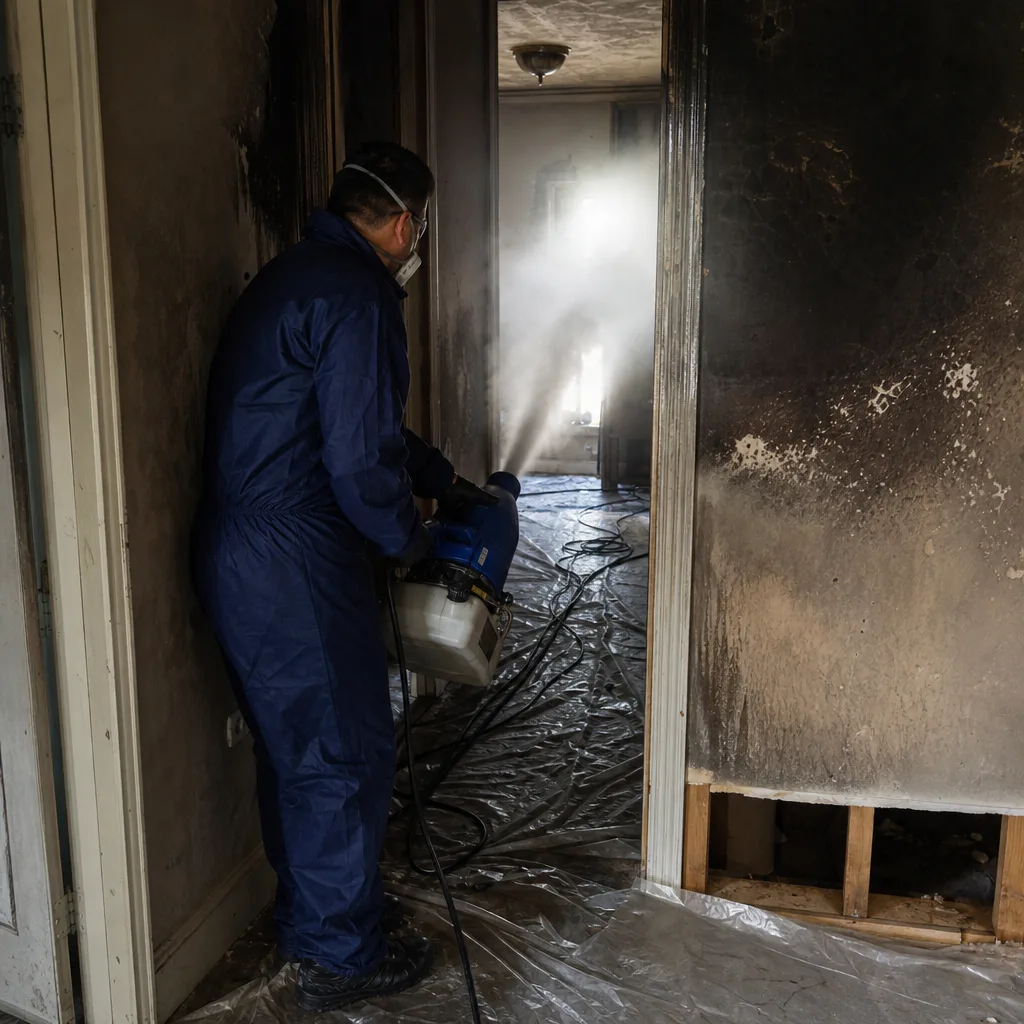
Category 3 water is a health hazard, full stop. We extract it with commercial pumps and truck-mounted systems, then remove every porous material it touched. Carpet, pad, some drywall, saturated insulation. In West New York’s older apartment buildings, we’re often cutting plaster and lath out of walls that absorbed sewage from the floor up. That material doesn’t dry safely. It comes out.
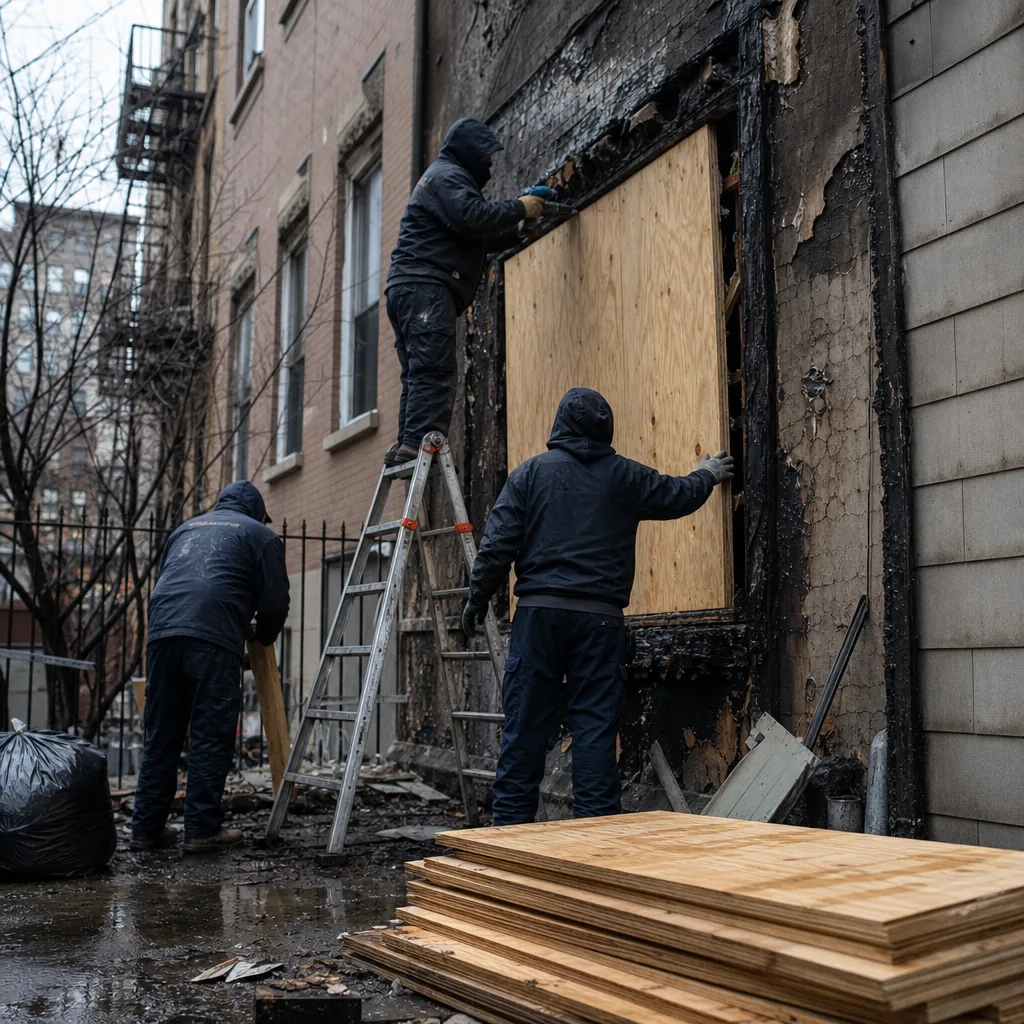
Crawl Space Sewage Removal
Some West New York buildings have crawl spaces and utility pits below the basement level. They’re dark, tight, and rarely inspected until there’s an odor. Sewage collects there from cracked waste lines and failed backflow preventers. We suit up, go in, pump it out, and sanitize the space. That work requires real containment and air monitoring, not a wet vac and a prayer. Our Sewage Cleanup team handles it with the same protocol as above-ground work.
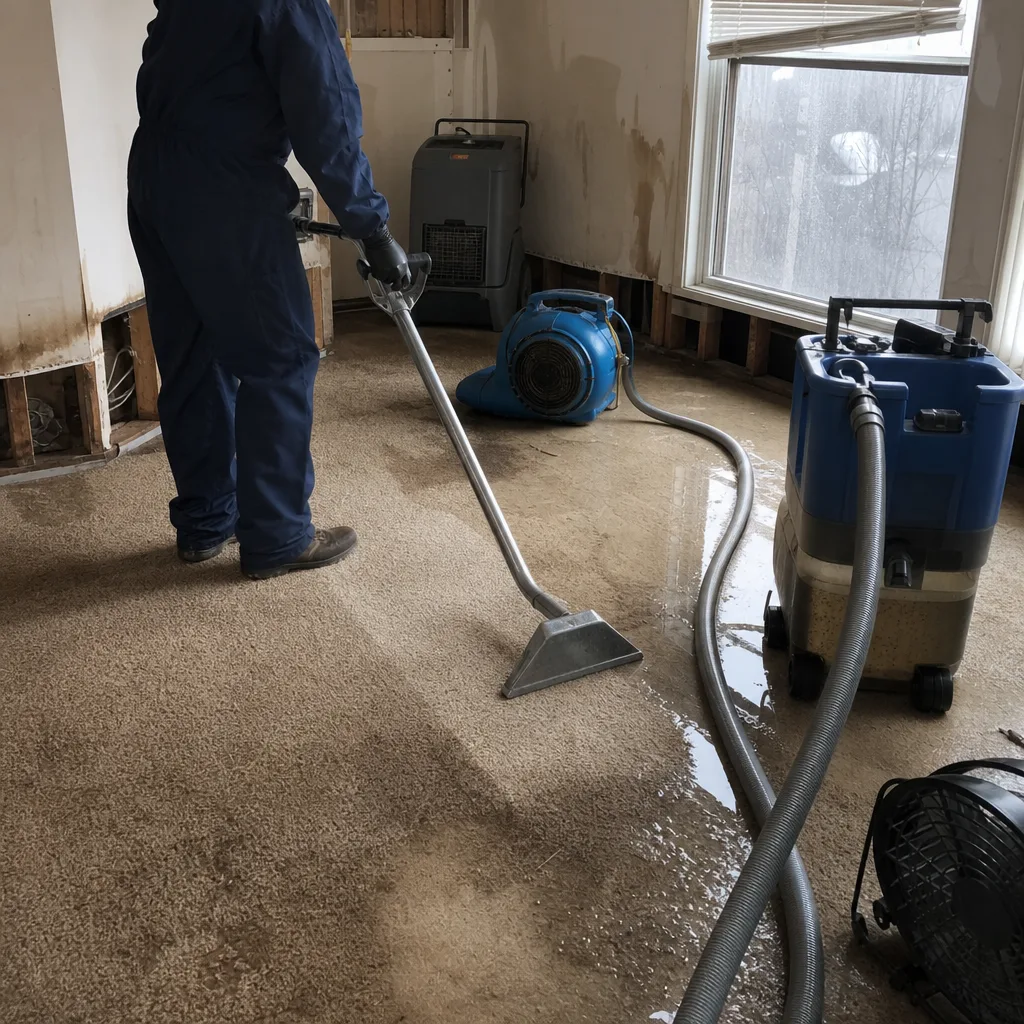
Toilet Overflow Cleanup
A toilet overflow in one unit may look small, but in a 60-year-old building, the water finds its way through the floor assembly to the ceiling below. We don’t just clean the bathroom floor. We check the unit below, the wall cavity, and the subfloor. If sewage soaked into the joists, it has to come out.
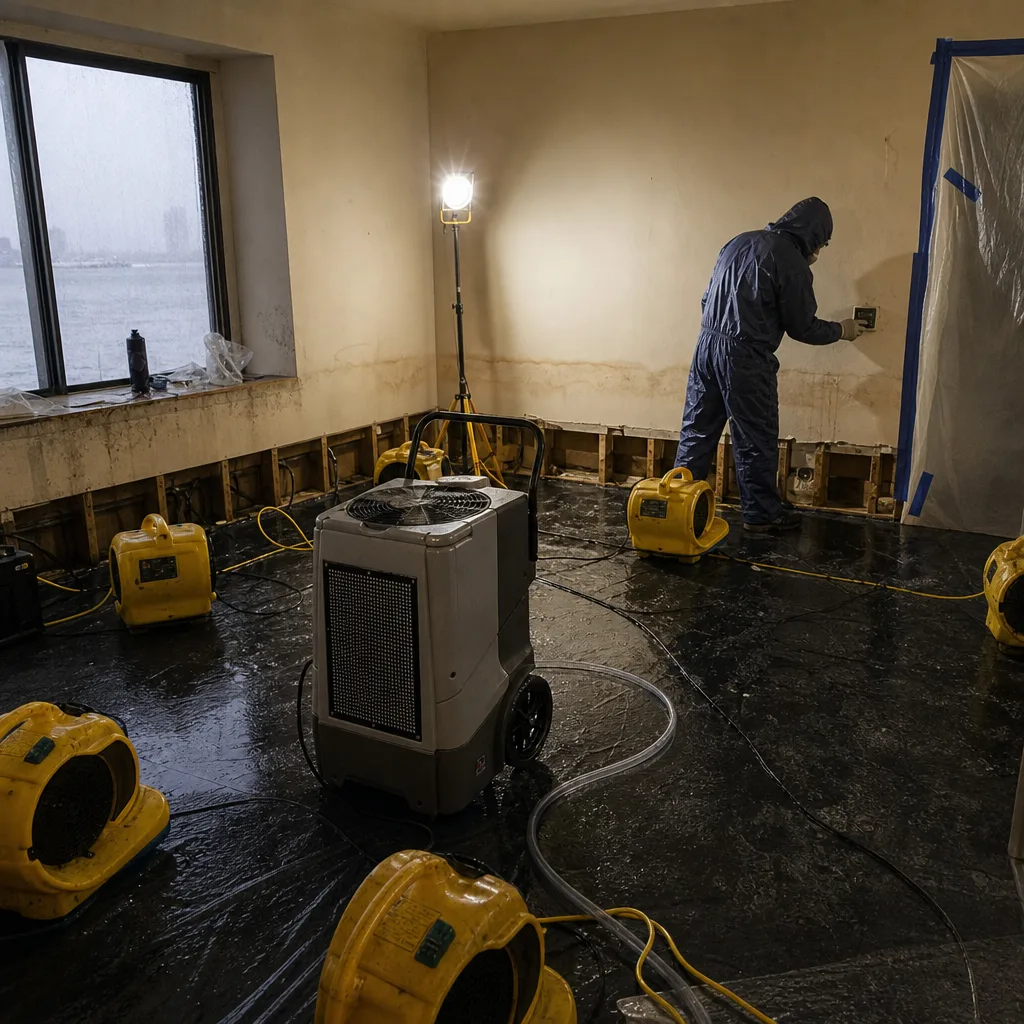
Sanitization & Disinfection
After extraction and removal, every affected surface gets antimicrobial treatment. Then we run HEPA air scrubbers to filter airborne spores and bacteria. For buildings with multiple affected units, we stage this work so occupied apartments can be re-entered as they’re cleared.
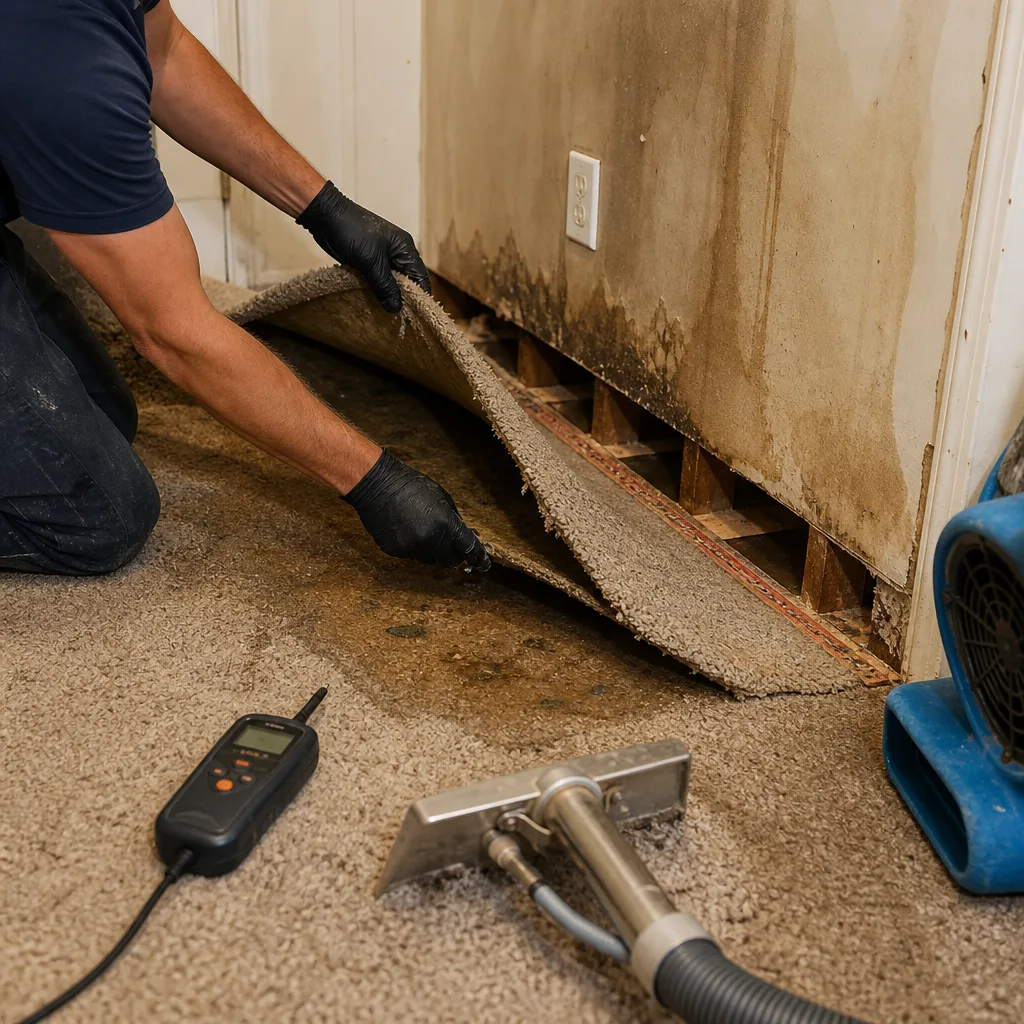
What happens when you call
- 1
A real person answersNo phone trees - you reach a local pro.
- 2
You get an upfront price rangeHonest numbers before anyone is dispatched.
- 3
A background-checked tech heads outLicensed & insured, dispatched right away.
- 4
You approve before work beginsNothing starts until you say go.
Sewage Cleanup Costs in West New York, NJ
Sewage cleanup in West New York runs higher than a single-family suburban job because the scope almost always involves multiple units, shared infrastructure, and older building materials. A small toilet overflow cleanup in one apartment might run $800 to $1,600. A basement backup with extraction, containment, drywall removal, and drying typically lands between $2,500 and $6,500. If the backup sat overnight and saturated structural framing, or sewage filled a parking garage with multiple storage rooms, that number goes to $8,000 to $20,000+. It depends on how many units are contaminated, whether plaster walls have to come out, and whether the building’s master policy covers the remediation or each unit files separately.
The free visual inspection gives you a firm number before any work starts. Wade doesn’t price low on the phone and high at the door. You get a written scope. If you already have a written estimate from another company, we’ll give a free second opinion on it. Senior and Veteran discount of 10% on every job, and $40 off any repair over $200. Those aren’t flash sale gimmicks. They’re standing rules.
Call (607) 350-1550 for an exact quote, and Wade will come out himself to look at the loss.
We Also Serve Cities Near West New York
We run sewage cleanup calls in West New York and the surrounding Hudson County towns, including Jersey City, Hoboken, Weehawken, and Union City. Same 45-minute response, same live answer, same owner on the phone.
West New York Sewage Cleanup Questions, Answered
Do West New York’s tenant-notice laws really affect how fast you can start a sewage cleanup?
Yes, they do, and any honest restoration company will tell you that. New Jersey tenant-protection laws require formal notice before a landlord or property manager can enter an occupied unit, even in an emergency from a neighboring apartment. That means sewage-soaked drywall in unit 4B may sit untouched for 24 hours while the property manager files the paperwork to access it. We work around this by phasing containment and treatment, starting in the common areas and below-grade spaces first, then moving into individual units as access is legally available. In buildings where the property manager has a standing emergency-access clause in the lease, we can move faster. If that clause isn’t there, we document everything while we wait so the insurance claim reflects the delay wasn’t ours.
Why is sewage cleanup in a West New York building often worse than a single-family home backup?
Because the pipes are shared and the building is old. A single-family home backup is typically one line, one toilet, one fail point. In a 1920s brick mid-rise on 60th Street, the waste stack serves every unit above and below. One crack in that cast-iron stack sends sewage through multiple floors. The building also sits on dense masonry construction that holds moisture longer and hides contamination behind plaster walls. And the below-grade spaces, parking garages, storage rooms, boiler rooms, they all sit below the street and collect whatever the combined lines push back during a storm. Our Sewage Cleanup crews here are dealing with a building-wide plumbing event, not a single bathroom overflow.
Can you dry out sewage-soaked plaster and lath walls in these old apartment buildings, or do they have to come out?
We can dry some of them. Plaster and lath are more tolerant of short-term moisture than drywall in certain circumstances, but sewage changes the math. Category 3 water introduces bacteria and pathogens into the plaster’s porous surface. If the plaster was only lightly wetted from below and we extract within the first few hours, we can often treat, sanitize, and dry it in place. If the sewage soaked through the lath and into the wall cavity, or if the plaster was submerged for more than a day, that wall comes out. No one likes removing original plaster in a 90-year-old building, but leaving sewage contaminants inside a wall cavity is not an option.
What happens to the drying logs and moisture readings when multiple insurance claims are involved in a West New York sewage backup?
We provide the same complete documentation to every carrier involved. That means the unit owner’s insurer gets the full drying log, the building’s master policy carrier gets the full drying log, and any tenant with renter’s insurance gets what they need for their claim. The readings are dated, time-stamped, and tied to specific units and common areas. Wade talks to each adjuster directly so you’re not the one forwarding emails between three parties. This matters in West New York because almost every building backup involves at least two policies, and a single inconsistent moisture reading can delay every claim in the building.
Will you need to cut into concrete below-grade floors in West New York to remove sewage?
Sometimes, yes. Below-grade spaces in West New York are often built on concrete slabs that sit against the Palisades bedrock. If a combined line backs up and sewage sits on that concrete for days, the porous surface can absorb contaminants. We first test for moisture and look for visible cracking. If the slab is saturated, we may need to saw-cut sections, remove the contaminated concrete, and repour. In parking garages and storage rooms where the slab is structurally part of the foundation, we do this carefully and document every cut for the building’s engineer and insurance carrier. If the slab is only surface-wet and we extract quickly, we can often clean and seal it without cutting. The free inspection answers that question with real numbers, not guesses.
How fast can you actually get to a West New York building in an emergency?
Wade answers the phone himself and can have a crew on the road within minutes. Dispatch is coordinated from the brand’s New York City office, and crews serve West New York locally. In practice, that means 45 minutes or less from the call to a truck at your building in most situations. If the loss is widespread, more equipment and crew members follow. The first priority is always extraction, because every hour of standing sewage increases the scope by hundreds or thousands of dollars.
Do I need full sewage remediation or just a cleaning?
If the water came from a toilet, waste line, or floor drain, that’s Category 3. A mop and bleach don’t solve it. You need extraction, removal of porous materials, antimicrobial treatment, and drying. A “cleaning only” approach that skips the wall and flooring removal leaves pathogens and moisture behind, and you’ll smell it in six weeks. We’ll tell you honestly what needs to come out and what can be saved. We don’t oversell, and we don’t under-scope a job just to win the bid. The written scope is based on moisture readings, not a sales pitch.
What should I do in the first 30 minutes after a sewage backup in West New York?
Turn off the water to the affected fixture if you can do it safely. Don’t flush anything, don’t run the sink, don’t use any drain connected to the same line. If water is rising near electrical outlets or panels, shut off power at the breaker if it’s safe to reach. Keep people and pets out of the contaminated area. Then call (607) 350-1550. Wade will tell you what to do next over the phone, and a crew will be on the way. Don’t try to shop-vac or clean it yourself. Sewage is Category 3 water, and without proper PPE and containment, you’re exposing yourself and your building to what’s in it.
Serving West New York, NJ - Our Local Coverage Area
We’re based in the West New York area and know this community well. Use the map below to see our service coverage - if you’re nearby, we can almost certainly help.
Call Wade’s Restoration for Sewage Cleanup in West New York
When a waste stack cracks in a 1930s co-op and sewage is running into the basement storage rooms, you don’t have time to call five companies and compare quotes. You need someone who answers the phone, knows exactly what these buildings are made of, and will show up with the right equipment. That’s what we do. Wade Ferris has been running restoration work since 2007, he answers his own cell, and he’ll be the one standing in your basement looking at the damage. Call (607) 350-1550 now for a free visual inspection and a straight answer about what it’ll take to fix this.
Written by Wade Ferris, Owner at Wade’s Restoration, serving West New York with sewage cleanup, black water extraction, and building-wide restoration since 2007.