
Free visual inspection and a written scope of work before any mitigation begins - photos, moisture readings, and drying logs go in your claim file
The scope we write is the scope we bill. Anything new gets shown to you, in writing, before we touch it.
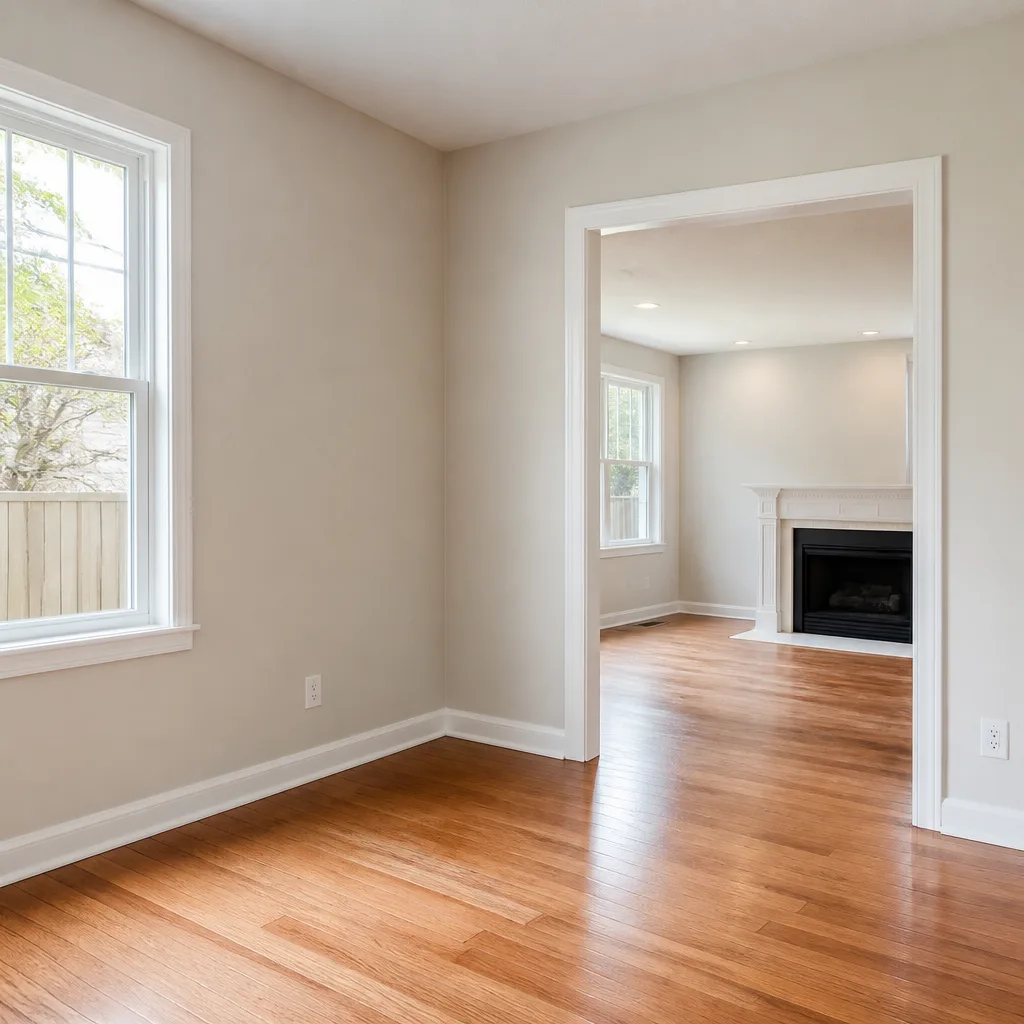
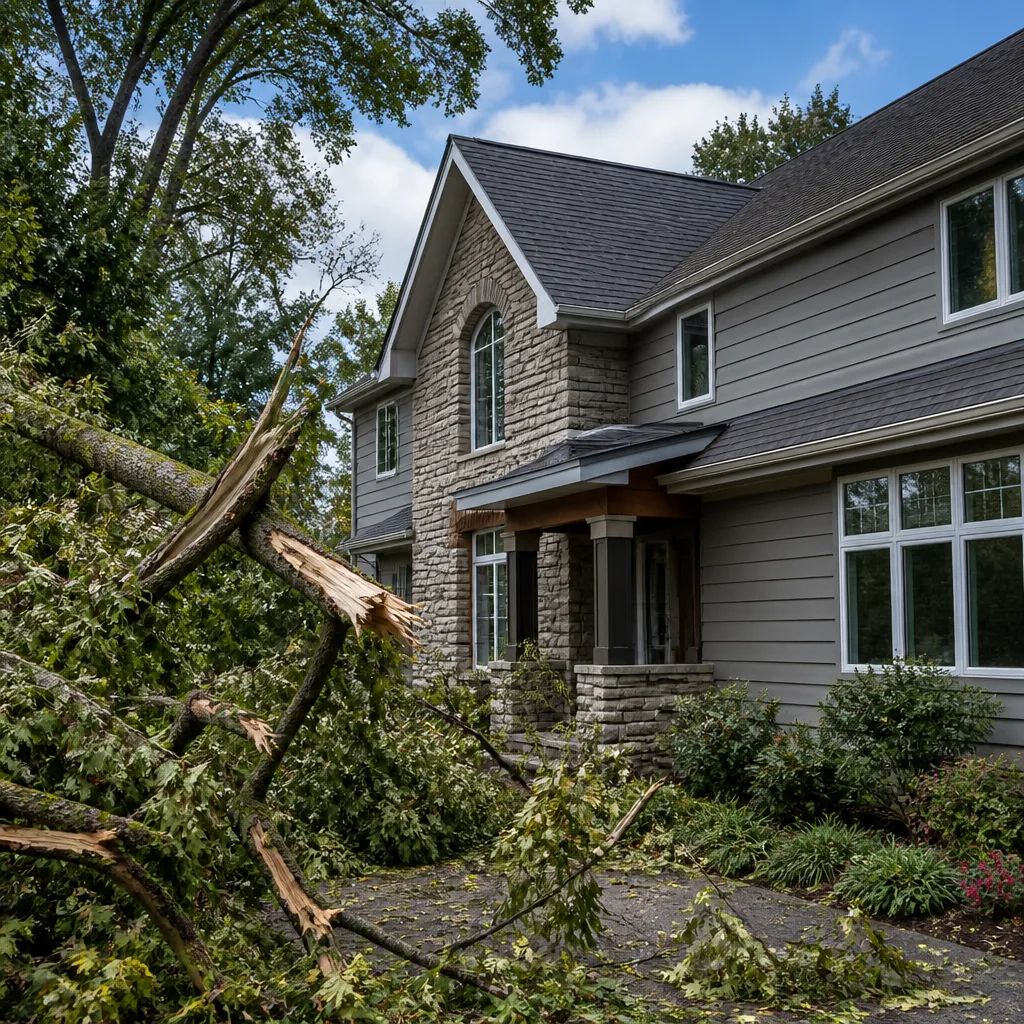
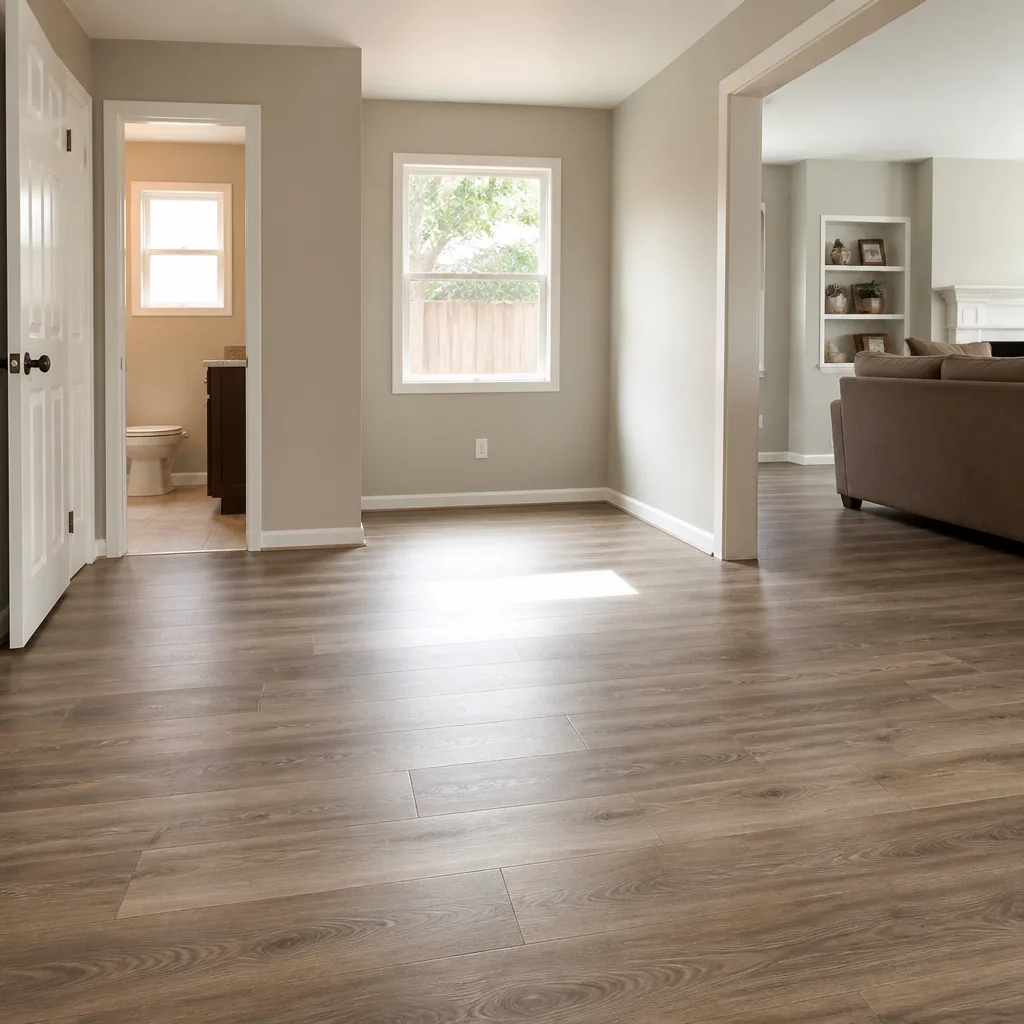

 Before
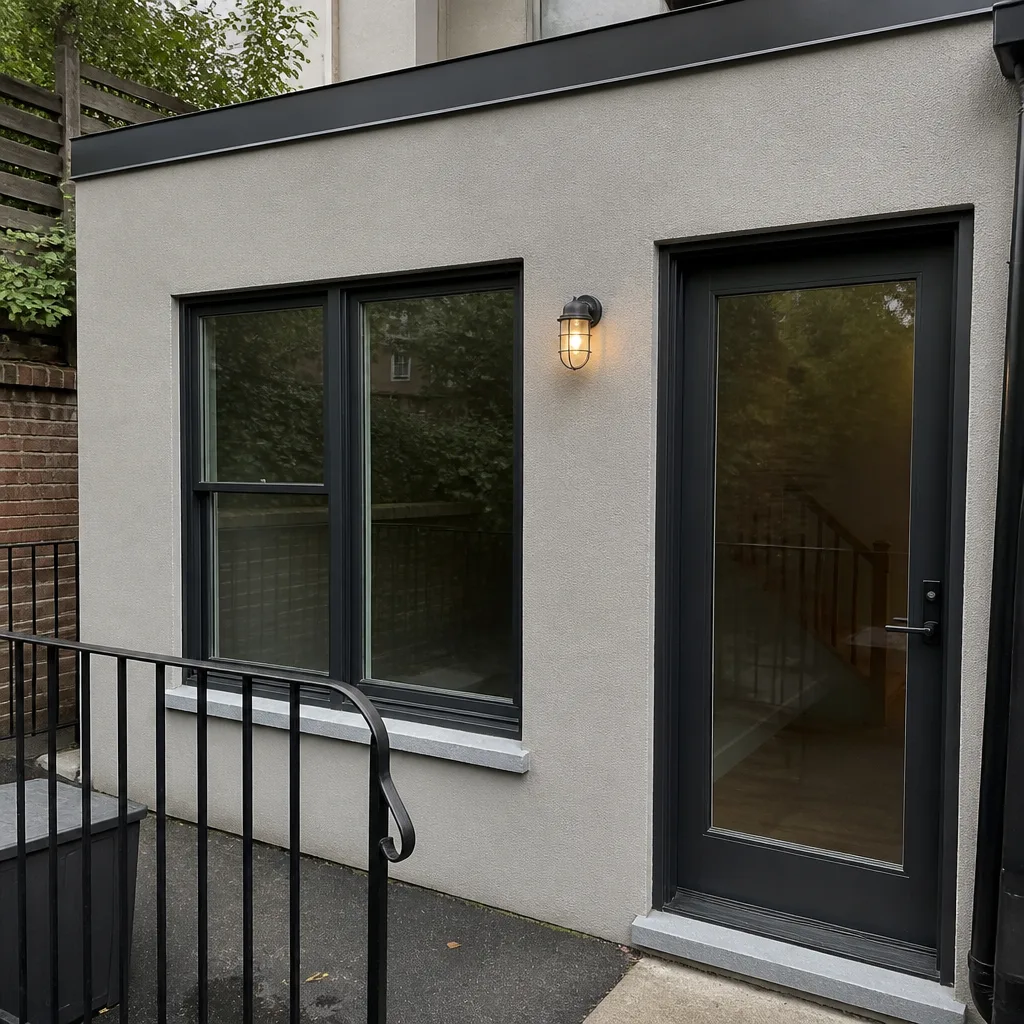 After
After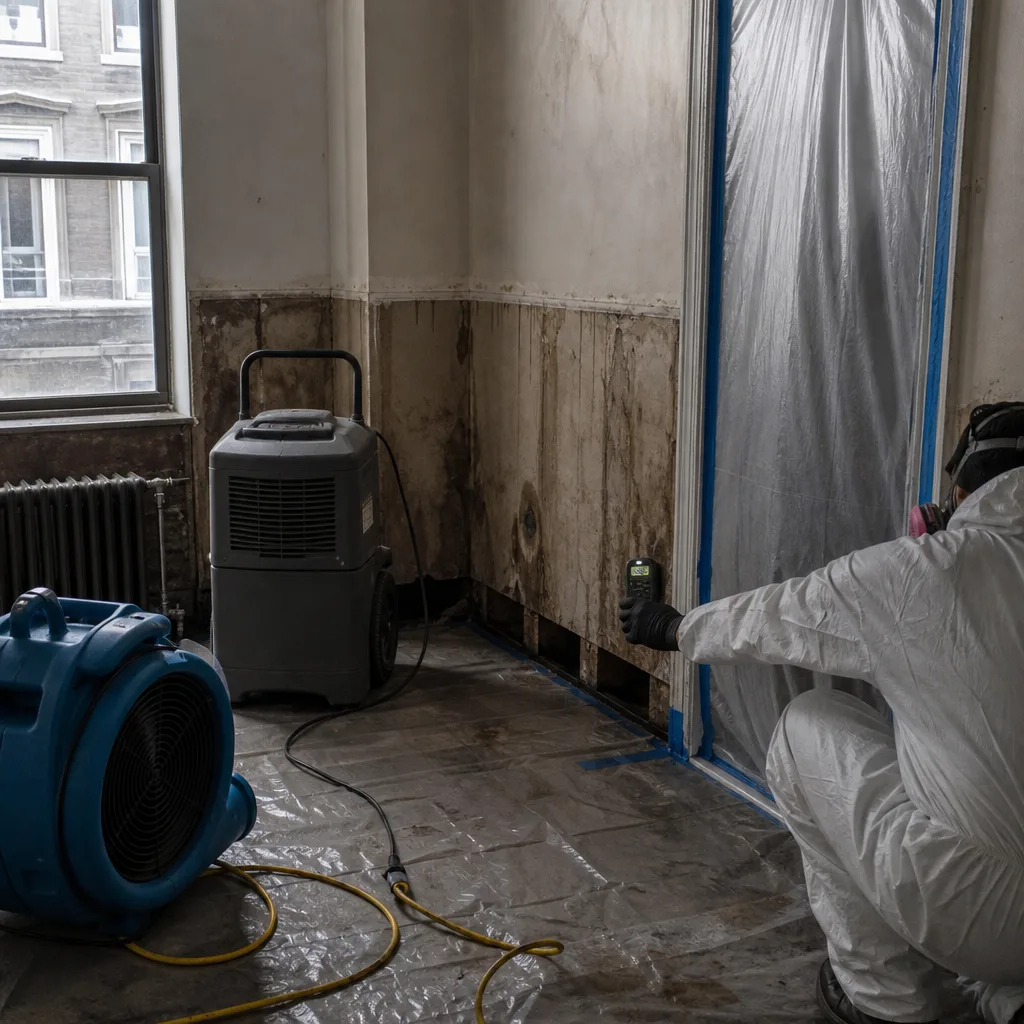 Before
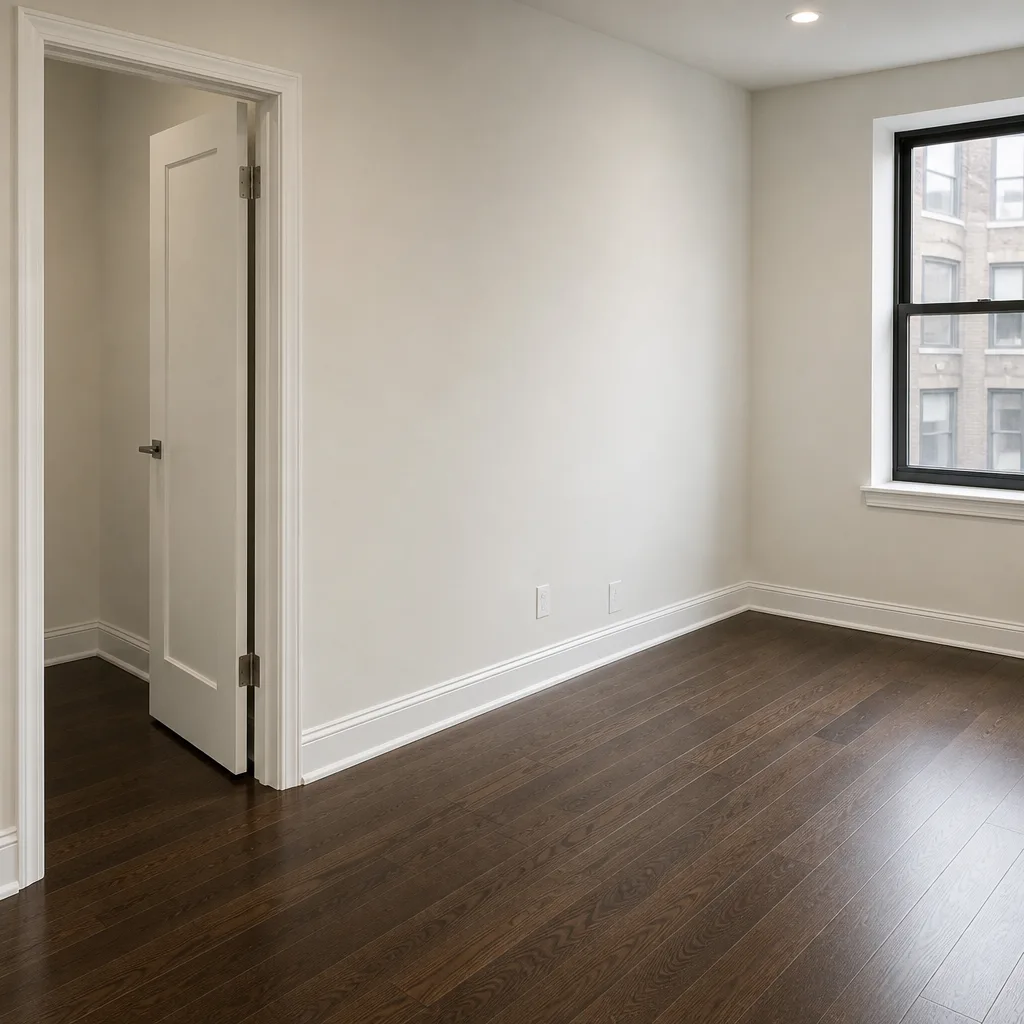 After
After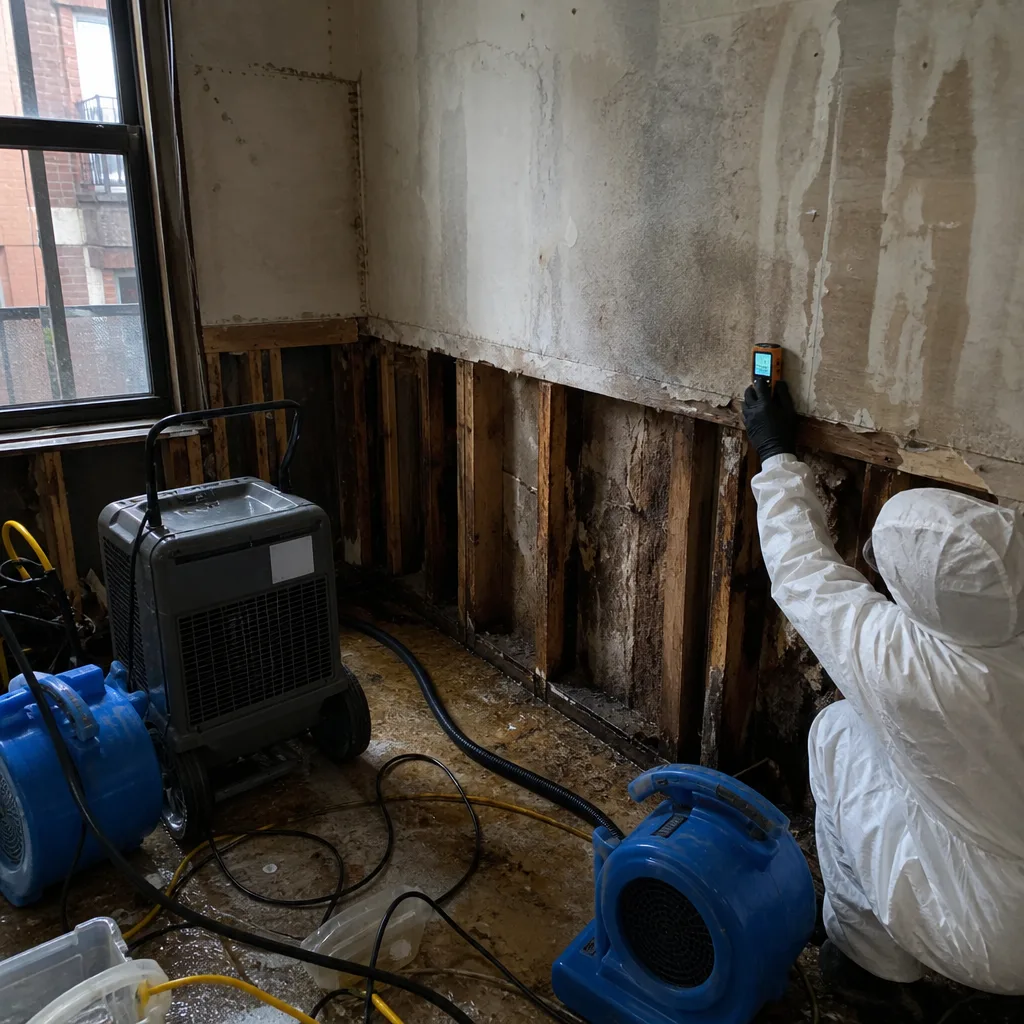 Before
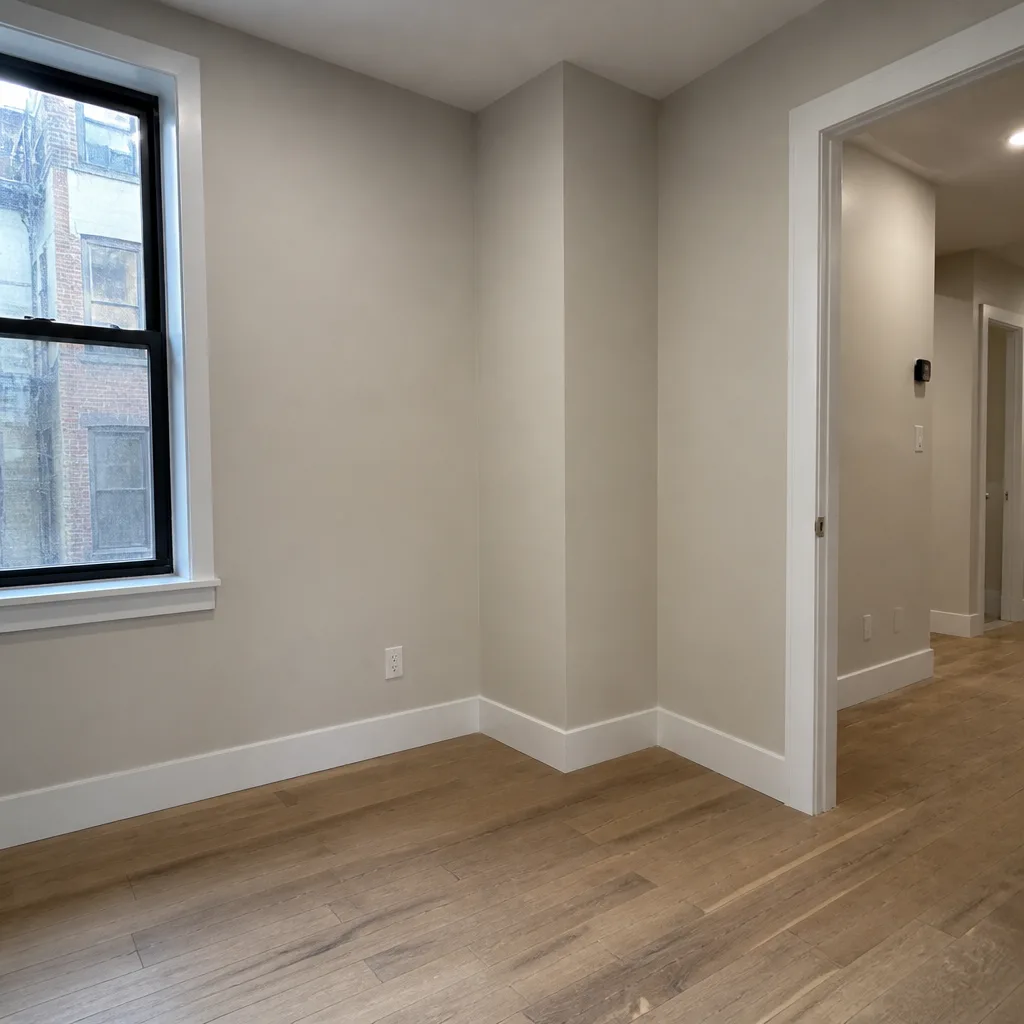 After
After24/7 Emergency Sewage Cleanup in Financial District
When sewage backs up into a Financial District condo or office conversion, the first hour determines how much of your space survives. We answer live at (607) 350-1550 around the clock, and a crew can be on-site in Financial District within 45 minutes for a free visual inspection. Sewage is Category 3 water: it carries bacteria, viruses, and parasites, and it does not wait for business hours. The sooner we start extraction and containment, the less drywall, flooring, and cabinetry you lose. Wade Ferris answers his own phone, and he will tell you straight what you are dealing with before anyone steps foot in your building. No voicemail, no answering service, no runaround.
Understanding Sewage Cleanup Severity in Financial District Properties
Sewage damage is classified by water categories, and in Financial District, almost every backup we respond to is Category 3 by the time we arrive. Category 1 is clean water from a supply line. Category 2 carries contaminants from washing machines or sump failures. Category 3 is black water: raw sewage, seawater, floodwater, or any water that has sat long enough to grow pathogens. In FiDi’s converted 1920s-1960s towers, black water moves through non-standard pipe chases and old chase walls in ways the original architects never planned for. We perform moisture mapping before we touch a wall, using thermal imaging and hygrometers to find where the water wicked, not just where it pooled. Saltwater intrusion from Hudson River storm surge changes the chemistry too; it corrodes metallic components and leaves residues that freshwater drying protocols simply do not address. In buildings like 70 Pine Street or 20 Exchange Place, where mechanical rooms sit in sub-basements below the waterline, we routinely find hidden saturation behind elevator shafts and foundation walls.
Why Financial District Property Owners Choose Wade’s Restoration
- 45-minute response commitment. We are already in and around Financial District every week, which means we are not driving in from another borough when your sub-basement is filling.
- 24/7 live answer, every time. Wade Ferris himself picks up the phone, even at 3 a.m. He will tell you what to do in the first 30 minutes and whether you need a full crew or a smaller team.
- IICRC-certified crews. Our technicians hold WRT and AMRT certifications in water restoration and microbial remediation, from an organization that sets the industry benchmark.
- Free visual inspection. We will assess the scope before any work begins, and the estimate is no charge. No trip charge inside our own county either.
- Direct insurance billing. We bill your carrier directly and send them photo documentation, moisture logs, and a line-item scope. You are not stuck acting as a messenger.
- One team from extraction to reconstruction. We do not hand your job off to a different company for rebuild. The same people who extract the sewage are the ones who put your walls back together.
Our Sewage Cleanup Process
Inspection & Assessment
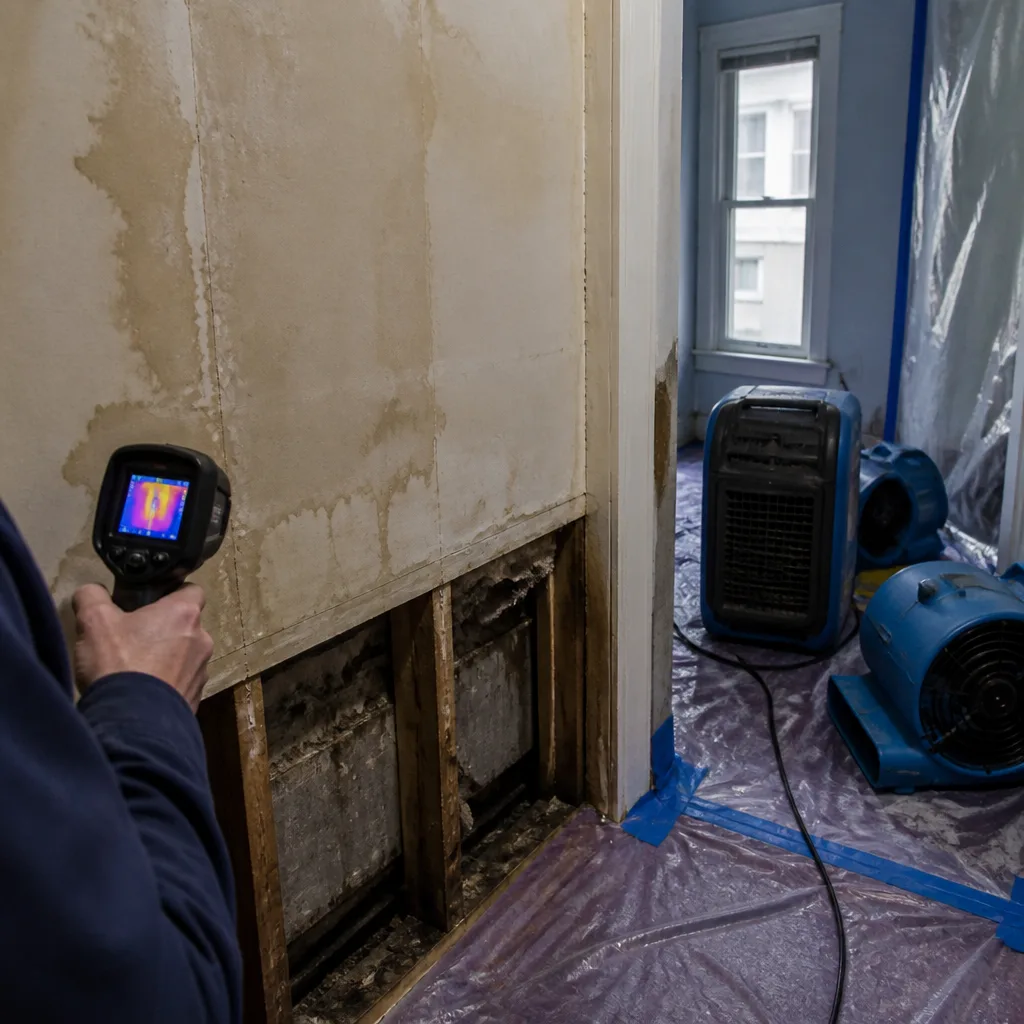
We start with a visual assessment and moisture mapping using thermal imaging cameras and hygrometers. In FiDi high-rises, this includes checking adjacent units and mechanical chases for hidden spread, then we give you a written scope before any equipment comes off the truck.
Extraction/Stabilization
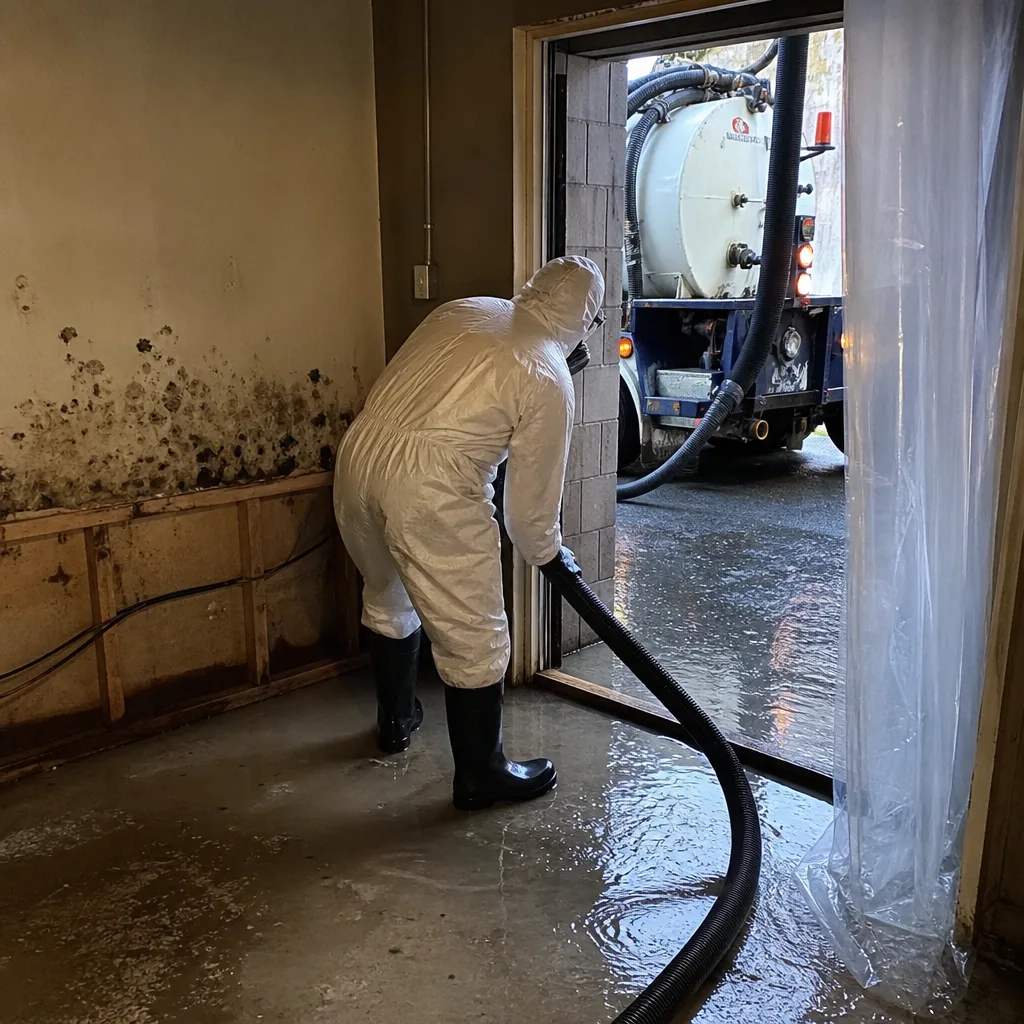
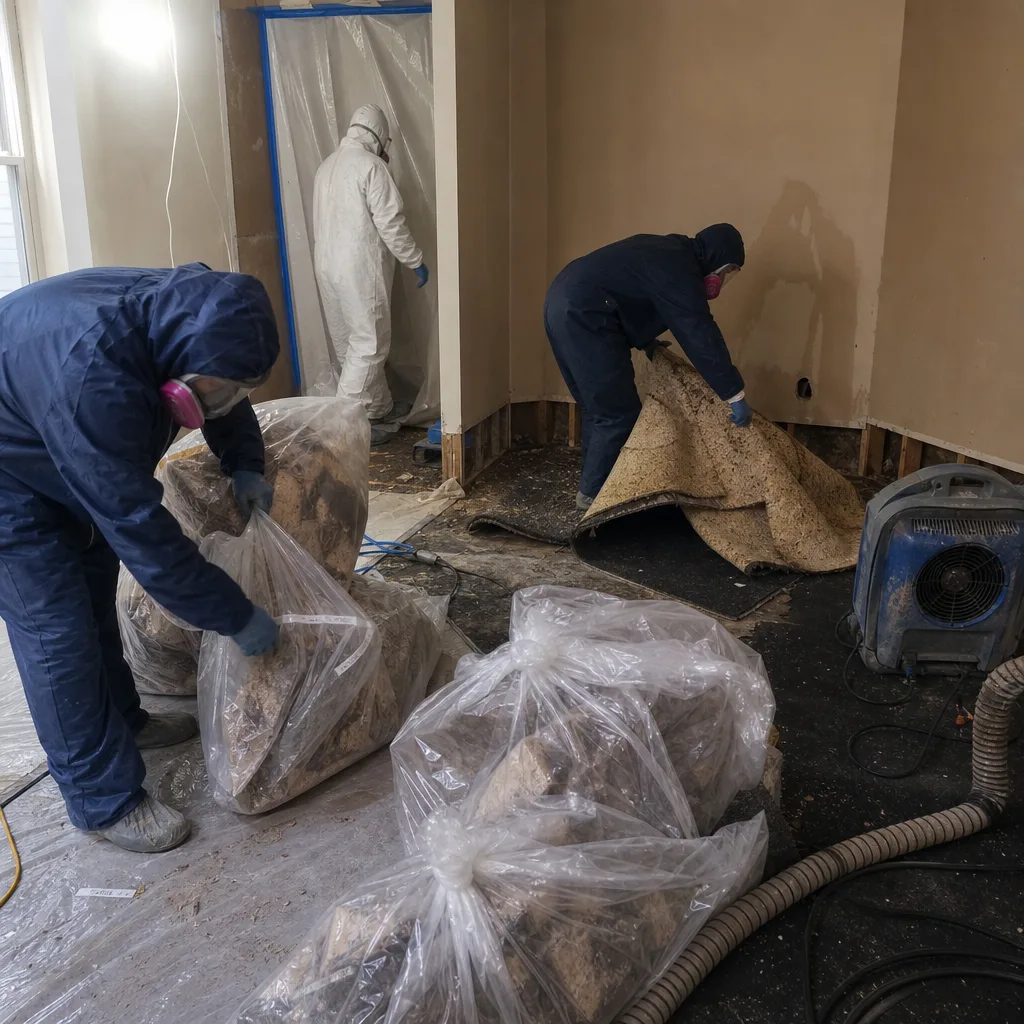
We remove standing black water with truck-mounted and portable extraction units, then contain the affected area with plastic sheeting and negative air pressure. Stabilization stops the bleed before it spreads to flooring, baseboards, and lower units.
Drying & Dehumidification
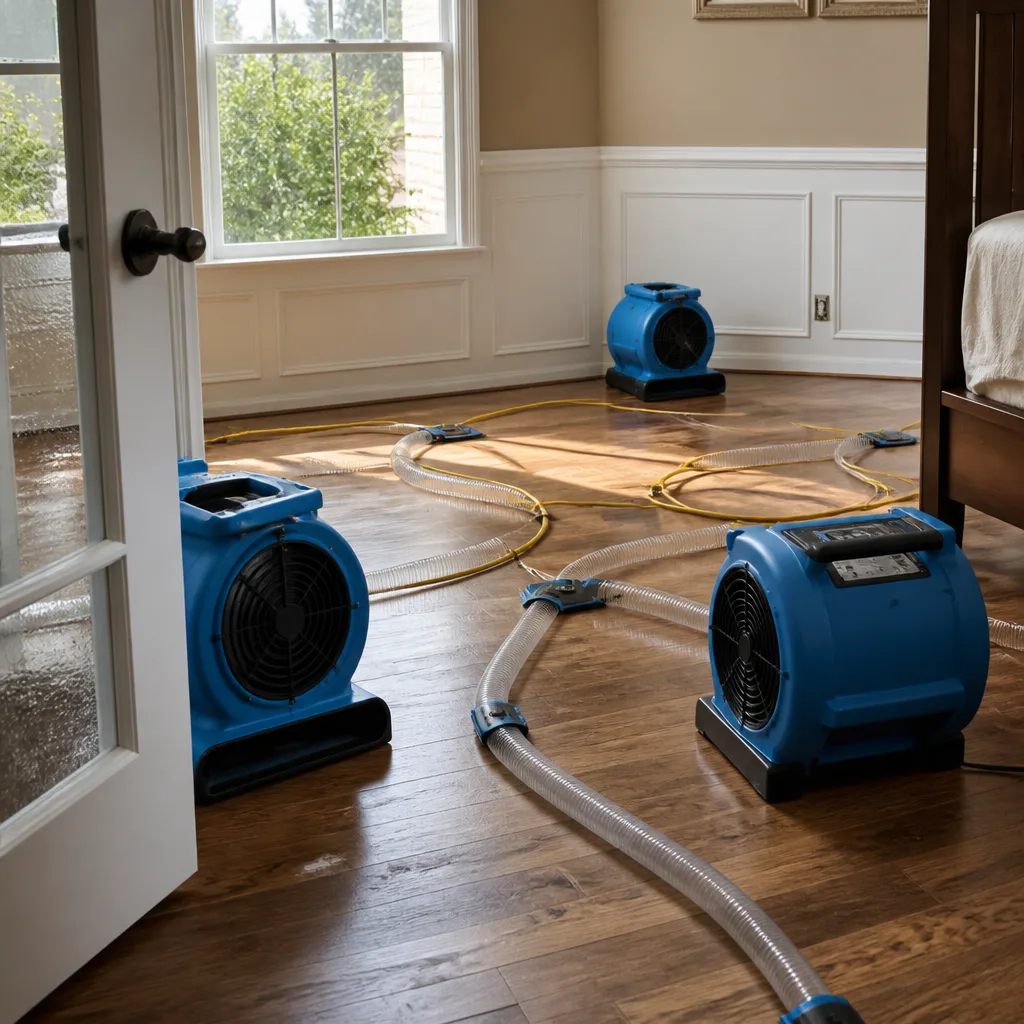
Dri-Eaz and Phoenix dehumidifiers plus XPOWER air movers run around the clock, with moisture readings logged daily. In saltwater-affected spaces, we extend drying cycles because seawater evaporates slower than freshwater and leaves corrosive residue behind.
Cleaning & Sanitization
All affected surfaces are cleaned with EPA-registered antimicrobial treatments. HEPA air scrubbers filter the air to remove airborne pathogens, and we follow IICRC S500 standards for sewage remediation.
Specialty Treatment for FiDi Buildings
We treat saltwater intrusion with an extended antimicrobial protocol because salt accelerates metal corrosion and degrades drywall differently than freshwater. In converted towers, we also test wall cavities behind pipe chases for hidden contamination that could resurface in weeks.
Repairs & Restoration
We remove and replace drywall, insulation, and flooring that cannot be salvaged, then rebuild to pre-loss condition. You get one warranty from one company for the whole job, backed by the 90-Day Done Right Promise in writing.
Need Emergency Sewage Cleanup in Financial District Now?
Crews minutes away, answering live 24 hours a day. The sooner we start, the less it costs.
Working With Your Insurance Company
Most Financial District condo policies cover sudden sewage backup, but the claim succeeds when documentation is thorough from the first hour. We photograph every room before equipment goes in, log moisture readings daily, and write an itemized scope that aligns with how adjusters actually evaluate remediation claims. We send all of this directly to your carrier, and Wade deals with the adjuster when questions come up. You are never the one stuck relaying technical information between two sides. If you are in one of FiDi’s converted office towers, expect your building management or HOA to get involved; we coordinate with them too.
What We Provide Your Insurer
- Thorough documentation of the loss
- Photos of all damage, room by room
- Moisture readings and drying logs
- A detailed, line-item scope of work
- Direct coordination with your carrier
Built for Financial District’s Loss Calendar
FiDi’s sewage problems do not hit evenly through the year. January and February bring deep-freeze events that crack aging supply lines in buildings like 20 Exchange Place, sending clean water into drain lines and overwhelming them. March and April deliver nor’easters that push saltwater from New York Harbor into sub-basements and combined sewer lines, causing backflow through floor drains. July and August thunderstorm flash flooding overwhelms the combined sewer system, and the storm surge runs in from both the Hudson and East Rivers at once. This is the pincer effect: sewage-laden water rising from below while stormwater pours in from above. September through November is the anniversary of the worst coastal storm damage most FiDi buildings have ever seen, and building managers in Financial District often call us proactively before a major coastal event to pre-dry sub-basements and check existing water damage from prior seasons. Con Edison underground vaults run beneath many FiDi blocks, and after any major flood event, restoration work in sub-basements cannot legally begin until Con Ed has cleared and de-energized those vaults. That delay can stretch for days, and a contractor who doesn’t account for it is guessing.
Sewage Cleanup Across Financial District’s Neighborhoods
Financial District is not a uniform grid. The blocks around Wall Street and Broad Street contain some of the oldest high-rise sub-basements in the country, with mechanical rooms that sit below the historical waterline and pipe chases that were retrofitted during the 1990s condo conversion boom. Near the South Street Seaport on the East River side, converted warehouses face frequent saltwater intrusion through old freight entrances and loading docks that now serve as lobby floor drains. Over by Battery Park and Greenwich Street on the Hudson side, newer residential towers and older conversions coexist, but the flood risk from surge is just as real where the street slopes toward the river. Around Exchange Place, the deep 1920s tower basements create a unique challenge: sewage backups in one unit can travel down shared chases and emerge two floors below before anyone notices. Our crews know these buildings, and we know where to look first when a FiDi unit starts showing water where water should not be.
Specialized Sewage Cleanup Services We Offer in Financial District
Sewage Backup Cleanup
A sewage backup in a FiDi tower is rarely contained to one unit. We use moisture mapping to trace the spread through pipe chases and adjacent floors before we open any walls, so we can contain the contamination at its source instead of chasing it after the fact. In buildings with non-standard residential pipe routing, this containment step is the difference between a two-day job and a two-week rebuild.
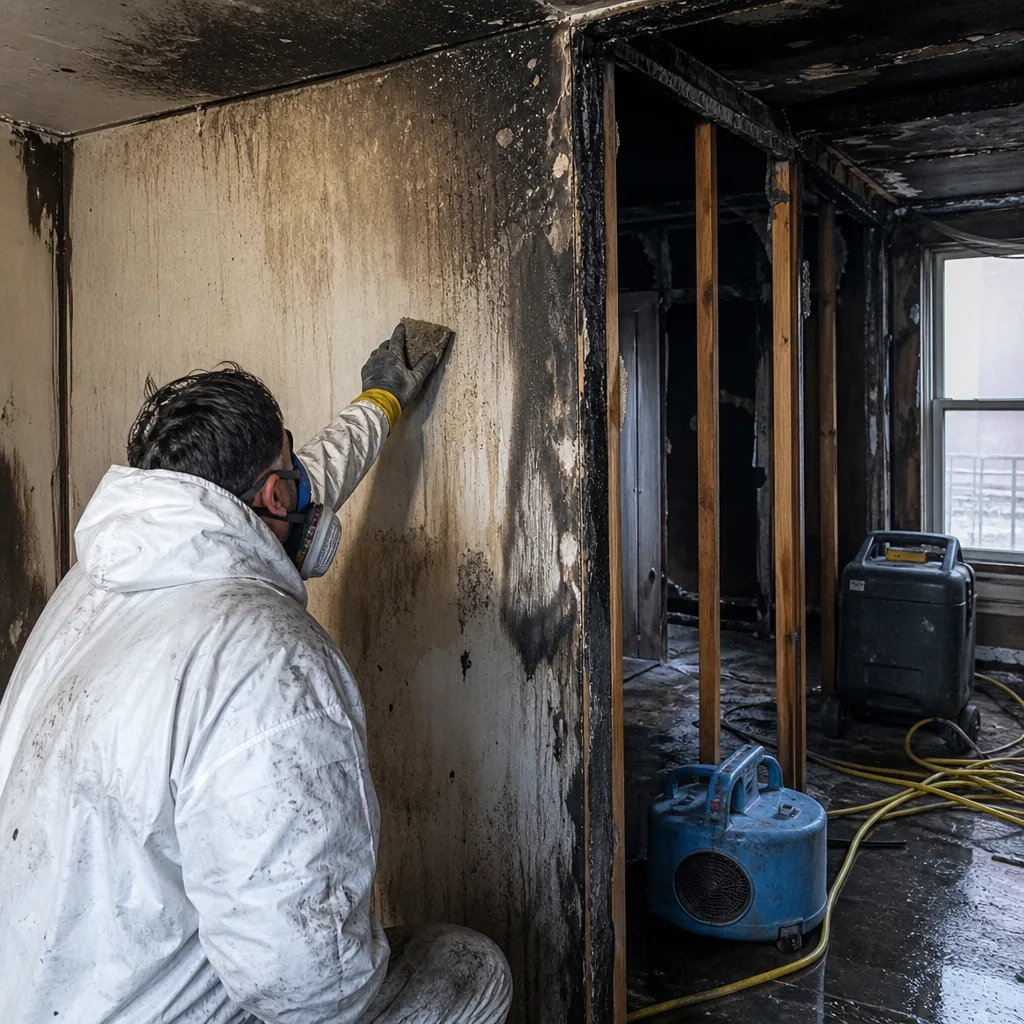
Black Water Extraction
Black water from sewage or flood surge requires extraction equipment rated for the job. We run Dri-Eaz and XPOWER extraction units calibrated for high-volume water removal, then follow with antimicrobial treatment and extended drying. Saltwater intrusion demands a longer protocol because the residue left behind will corrode studs, fasteners, and electrical boxes if it is not completely removed.
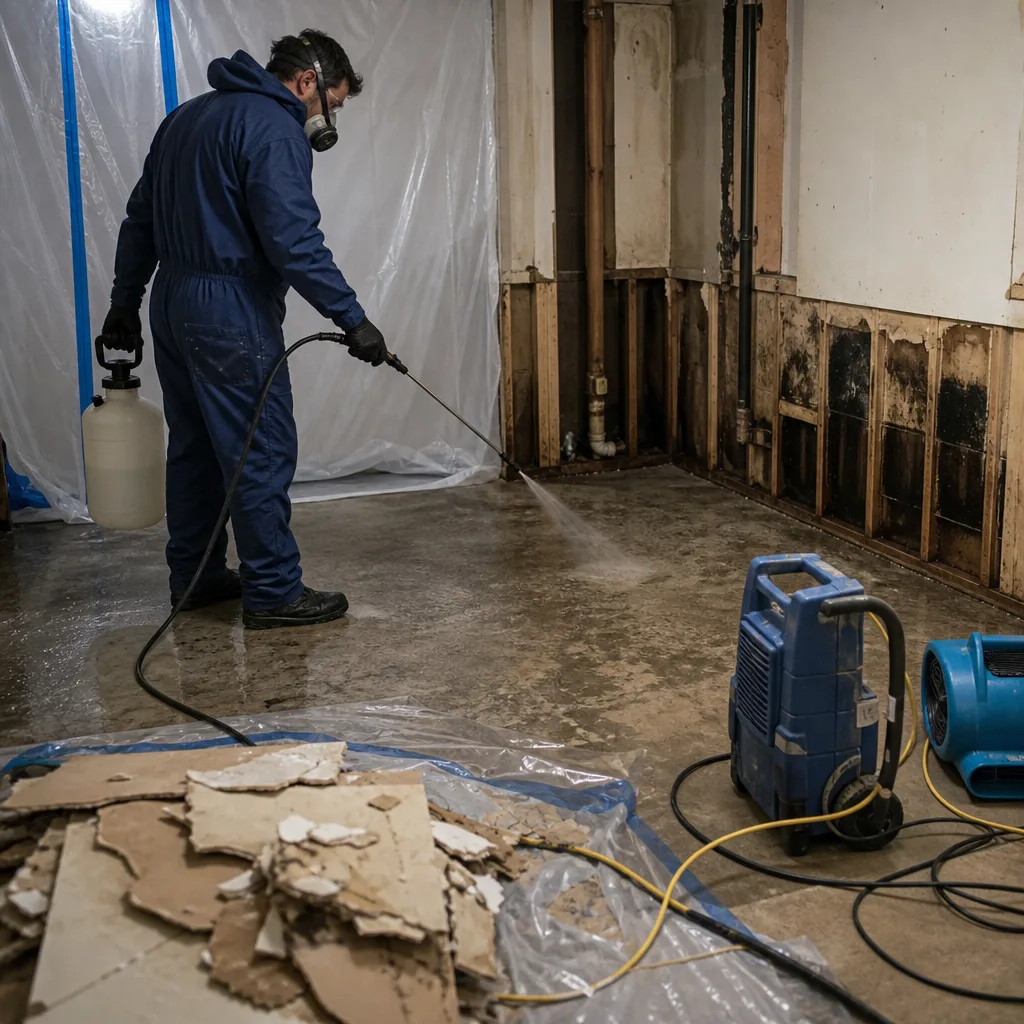
Sanitization & Disinfection
Category 3 water leaves behind pathogens that a standard cleaning will not eliminate. We apply EPA-registered antimicrobials to every affected surface, run HEPA air scrubbers to filter airborne contaminants, and verify our results with post-remediation moisture readings. In FiDi buildings where sewage flowed through wall cavities, we test behind the surface to make sure nothing is growing in the dark.
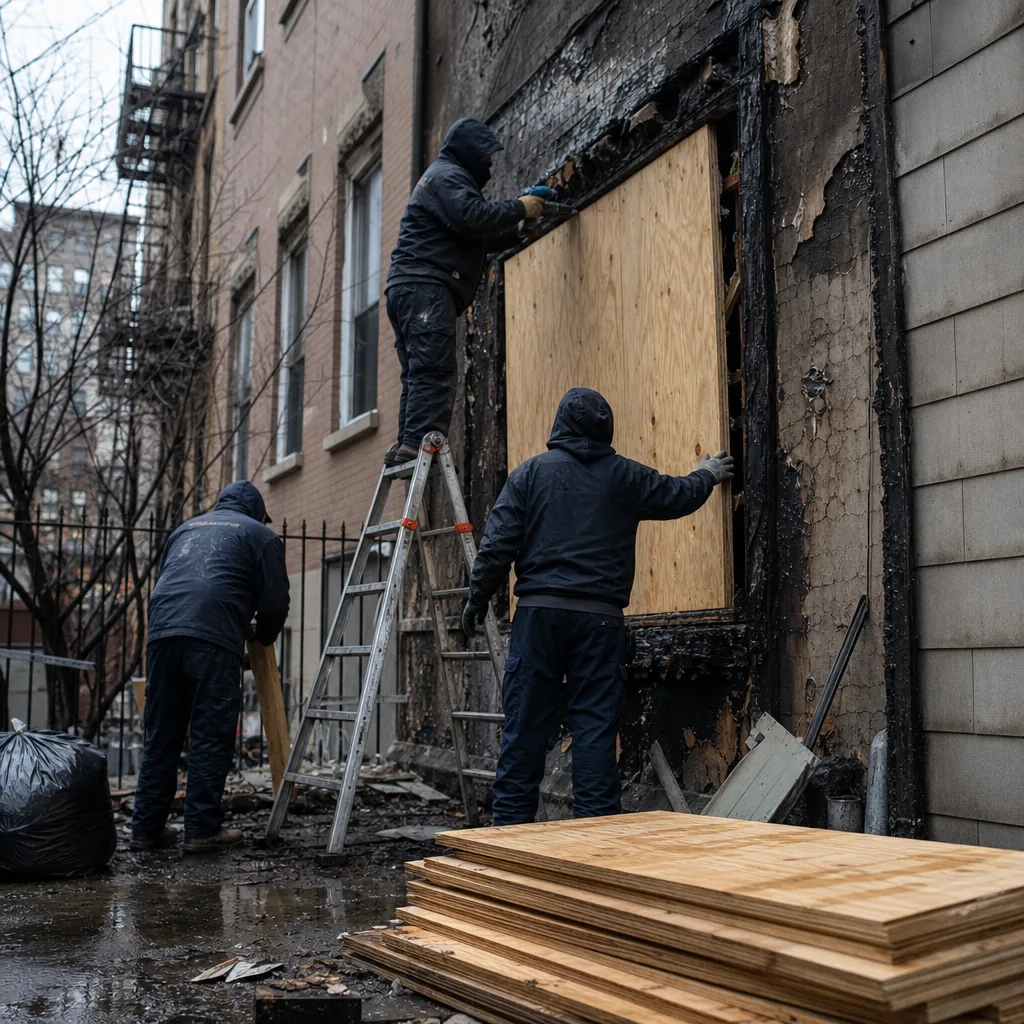
Toilet Overflow Cleanup
Toilet overflows are the most common FiDi sewage event, and they are usually confined to one bathroom and the floor beneath it. We extract, treat, and dry the affected area, then check for hidden spread through the chase walls that run between units in converted towers. If the overflow crossed into a neighboring unit, we handle that coordination with the building and the neighbors directly.
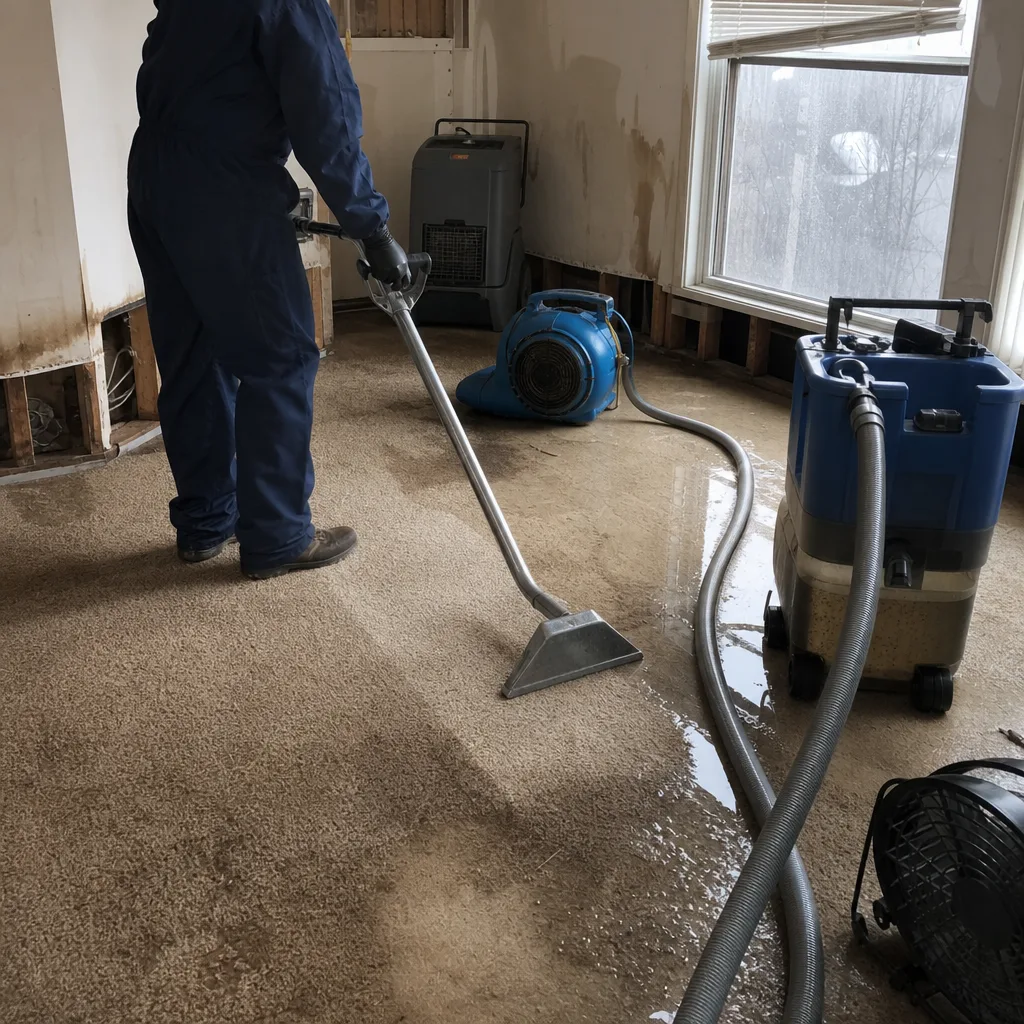
Septic Failure Cleanup
Septic systems are rare in Financial District itself, but nearby low-rise properties and converted industrial spaces occasionally use older holding systems that fail during coastal flood events. We respond to these failures the same way we do any Category 3 loss: extract, contain, sanitize, dry, and document everything for the insurer.
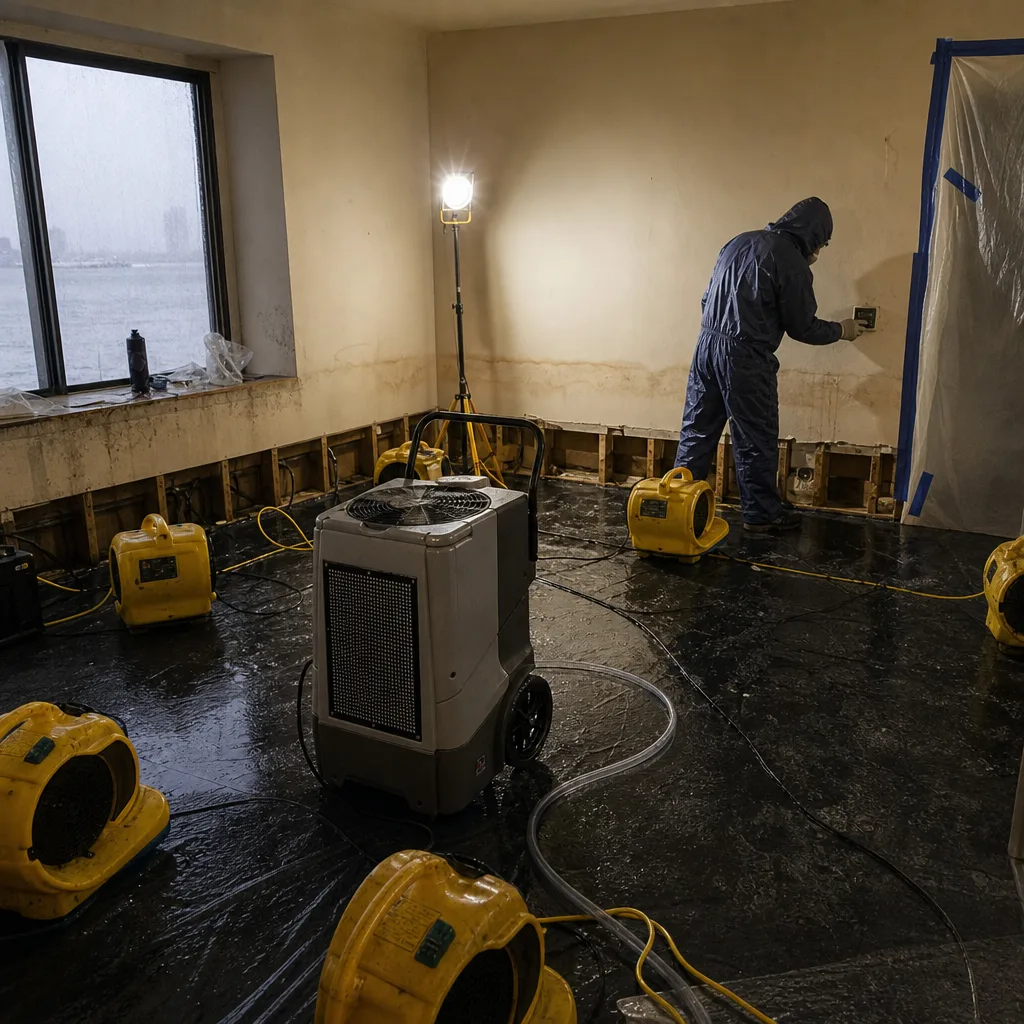
Crawl Space Sewage Removal
Some older FiDi structures, especially near the Seaport, have shallow crawl spaces or sub-floor utility areas that collect sewage during a backup or surge event. We gain access through existing entry points, extract the water, sanitize the space, and install temporary drying equipment to bring the area back to pre-loss condition.
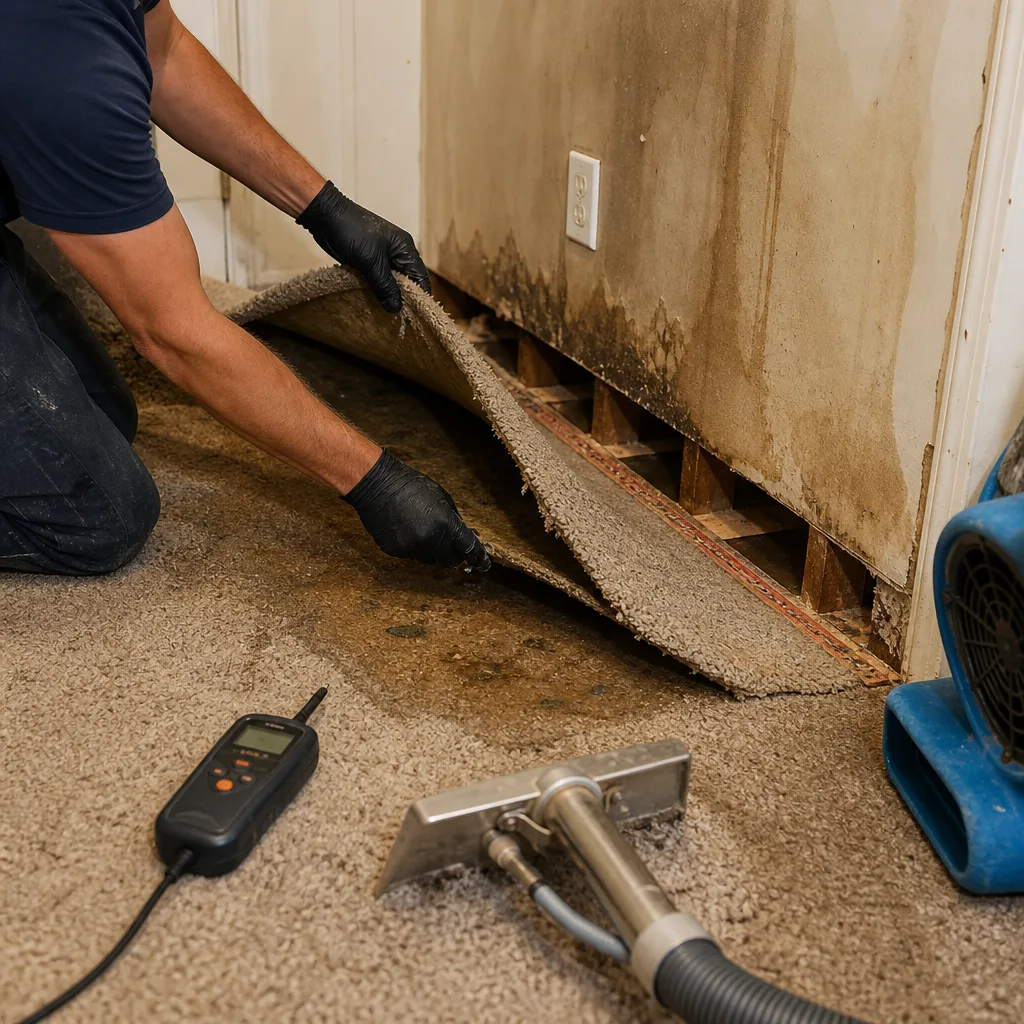
What happens when you call
- 1
A real person answersNo phone trees - you reach a local pro.
- 2
You get an upfront price rangeHonest numbers before anyone is dispatched.
- 3
A background-checked tech heads outLicensed & insured, dispatched right away.
- 4
You approve before work beginsNothing starts until you say go.
Sewage Cleanup Costs in Financial District, NY
Sewage cleanup in Financial District typically runs between $2,800 and $8,500 for a contained bathroom overflow, while a full sub-basement black water extraction and sanitization in a converted tower can run $12,000 to $40,000 depending on square footage, how far the water wicked through walls and chases, and whether Con Ed vault clearance added delay. Toilet overflow cleanup usually falls in the $1,800 to $4,200 range for a single-unit fix. Full sanitization and disinfection of a multi-room sewage loss in FiDi averages $6,000 to $18,000. What moves the price: the water category, how long it sat before extraction started, whether saltwater mixed in, and whether containment had to be extended into adjacent units. Most condo policies cover sudden and accidental sewage backup, but extended or recurring problems may involve your building’s master policy, which gets complicated. The free visual inspection gives you a firm written scope before you spend a dollar, and we handle the insurance billing so you are not fronting the whole cost out of pocket. Call (607) 350-1550 for an exact quote.
We Also Serve Cities Near Financial District
Our crews also respond across Financial District and the surrounding areas, including Lower Manhattan, Astoria, Midtown Manhattan, and Long Island City. If you are in one of those neighborhoods and dealing with a sewage backup, we can be there just as fast.
Serving Financial District, NY - Our Local Coverage Area
We’re based in the Financial District area and know this community well. Use the map below to see our service coverage - if you’re nearby, we can almost certainly help.
Financial District Sewage Cleanup Questions, Answered
Why does sewage cleanup in the Financial District require waiting for Con Edison to clear underground vaults?
Because many FiDi blocks sit directly above Con Edison’s high-voltage underground electrical vaults, and after a flood event, restoration crews cannot legally enter affected sub-basements until Con Ed has de-energized and cleared those vaults. This is a local coordination requirement that contractors in nearly every other Manhattan neighborhood never face, and it can add days to a job that would otherwise start immediately.
How does saltwater intrusion from the Hudson and East Rivers change sewage cleanup protocols in FiDi?
Saltwater corrodes metal studs, fasteners, and electrical components faster than freshwater, and it leaves behind crystalline residues that trap moisture and promote mold growth. Our extended antimicrobial protocol includes additional rinsing, longer drying cycles with Dri-Eaz and Phoenix equipment, and post-remediation verification that freshwater drying alone would miss.
Can a toilet overflow in a FiDi high-rise affect units on lower floors?
Yes, and it happens more often than people expect in converted 1920s-1960s towers. The non-standard pipe chases installed during the condo conversion era create pathways for water to travel down through walls and ceilings, so a toilet overflow on the 20th floor can show up as water damage on the 18th floor two days later. We moisture-map adjacent and lower units before we call a job complete.
What is the difference between Category 1 and Category 3 water in a FiDi sewage cleanup?
Category 1 is clean water from a supply line or faucet. Category 3, also called black water, contains raw sewage, floodwater, seawater, or any water that has sat long enough to grow bacteria and pathogens. Category 3 requires full extraction, sanitization, antimicrobial treatment, and often removal of porous materials, while Category 1 can often be dried and restored.
Why is mold a bigger risk after sewage cleanup in FiDi than in other Manhattan neighborhoods?
Because the saltwater that accompanies sewage in Financial District leaves behind residues that hold moisture longer and feed mold growth in the 24-48 hour window after a loss. The high-humidity environment of sub-basements near the waterfront, combined with the non-standard pipe chases that hide contamination, means standard freshwater drying protocols leave FiDi spaces vulnerable to recurring mold that other neighborhoods do not experience.
How fast can you actually get to Financial District?
Typically inside 45 minutes for a visual inspection, often faster if we already have a crew working nearby in Lower Manhattan. We keep teams staged around the Financial District area because the volume of high-rise sewage losses means we are almost always within a few blocks of someone’s building. Call (607) 350-1550 and we will give you a straight answer on ETA.
Will my insurance cover sewage cleanup in a Financial District condo?
Most condo and co-op policies cover sudden and accidental sewage backup through a rider or endorsement, but not all do by default. We help you understand what your policy says, document everything from the first hour, and bill your carrier directly. If your building’s master policy is involved, we coordinate with management and the HOA adjuster too.
What should I do in the first 30 minutes after a sewage backup in FiDi?
Shut off the water source if you can do so safely, move valuables out of the affected area, and call us at (607) 350-1550. Do not flush toilets or run water in the unit. Do not try to extract sewage yourself; Category 3 water requires protective equipment and proper disposal. The faster we start, the less you lose.
Written by Wade Ferris, Owner at Wade’s Restoration, serving Financial District with sewage cleanup and full Sewage Cleanup services.