
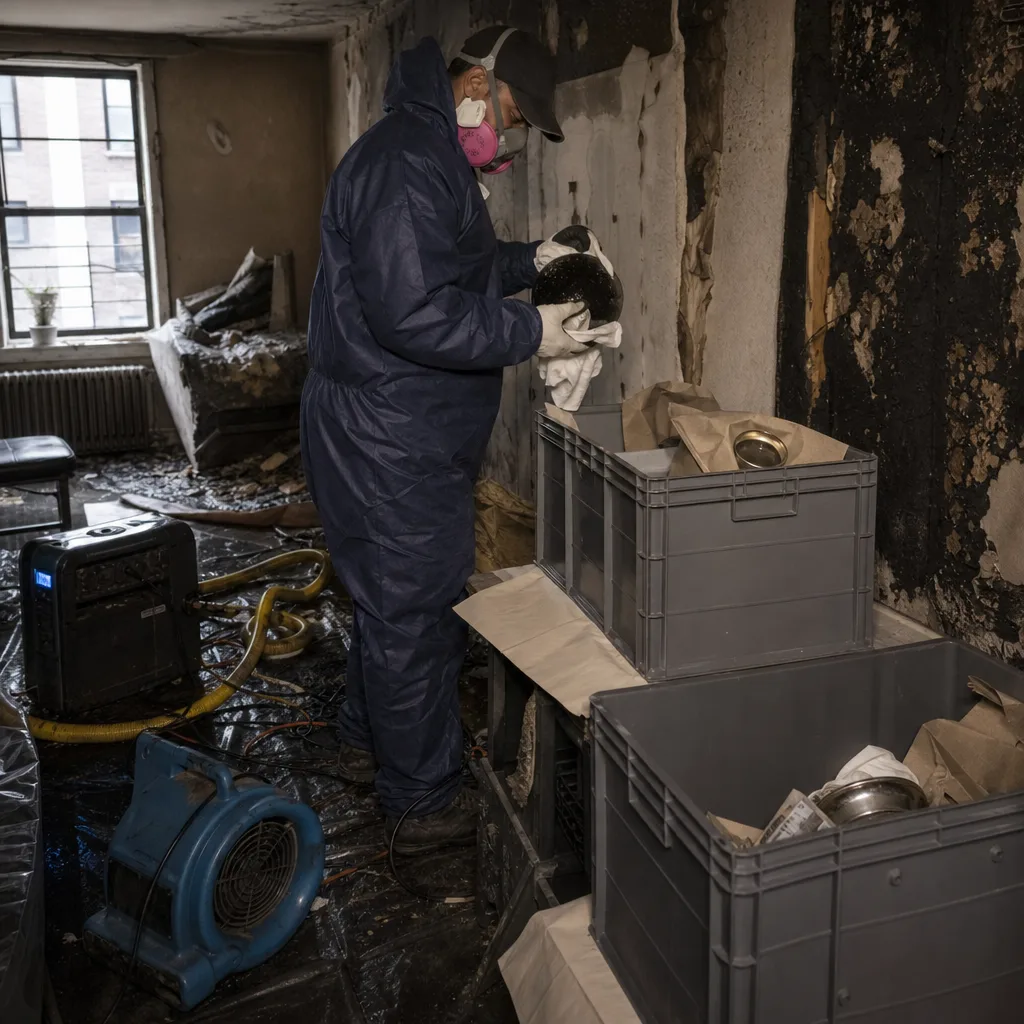
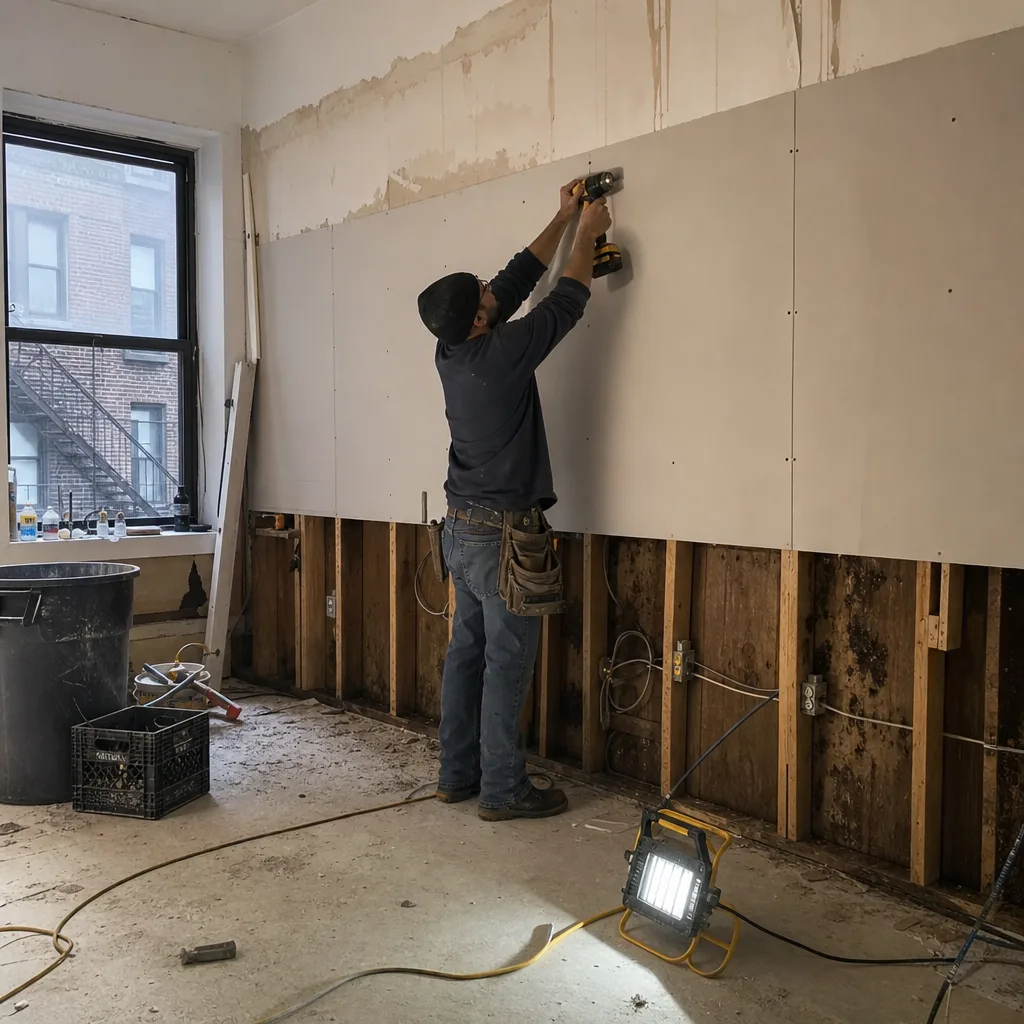
Free visual inspection and a written scope of work before any mitigation begins - photos, moisture readings, and drying logs go in your claim file
The scope we write is the scope we bill. Anything new gets shown to you, in writing, before we touch it.
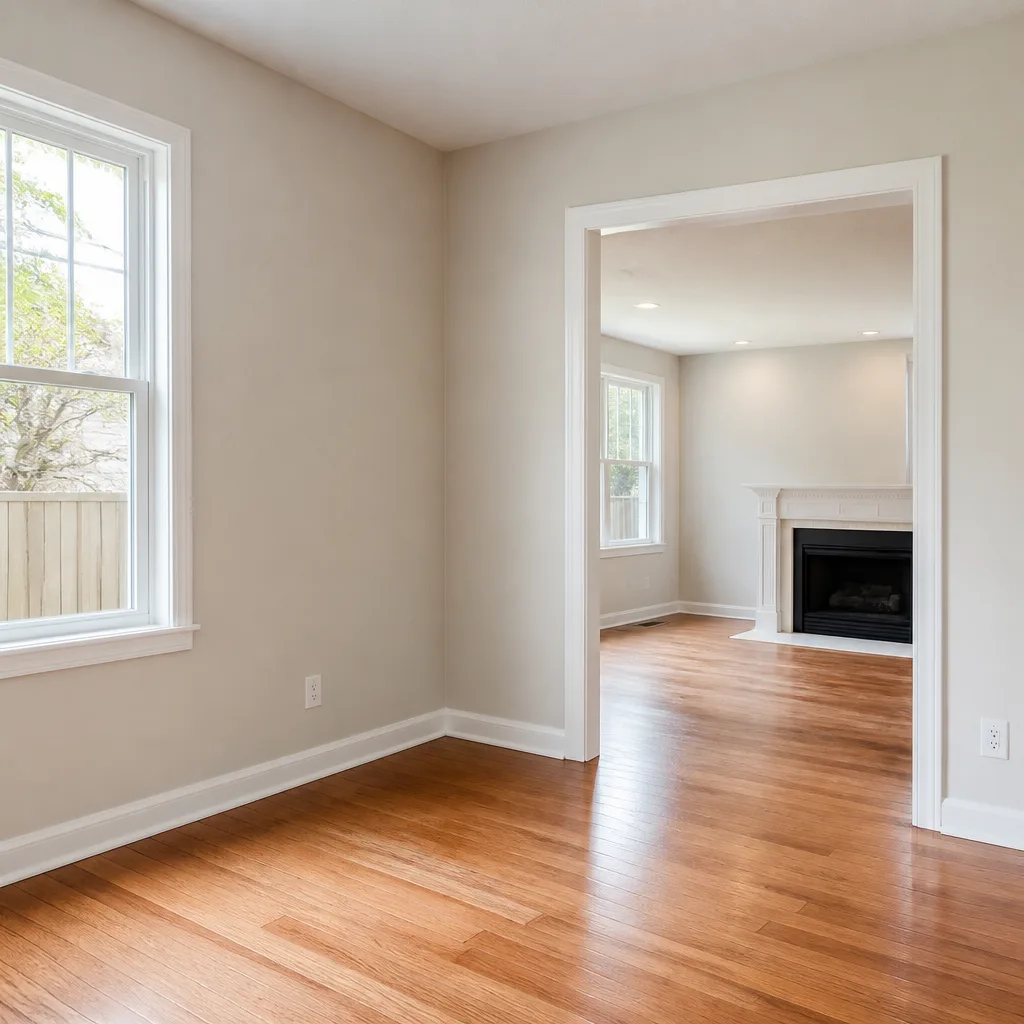
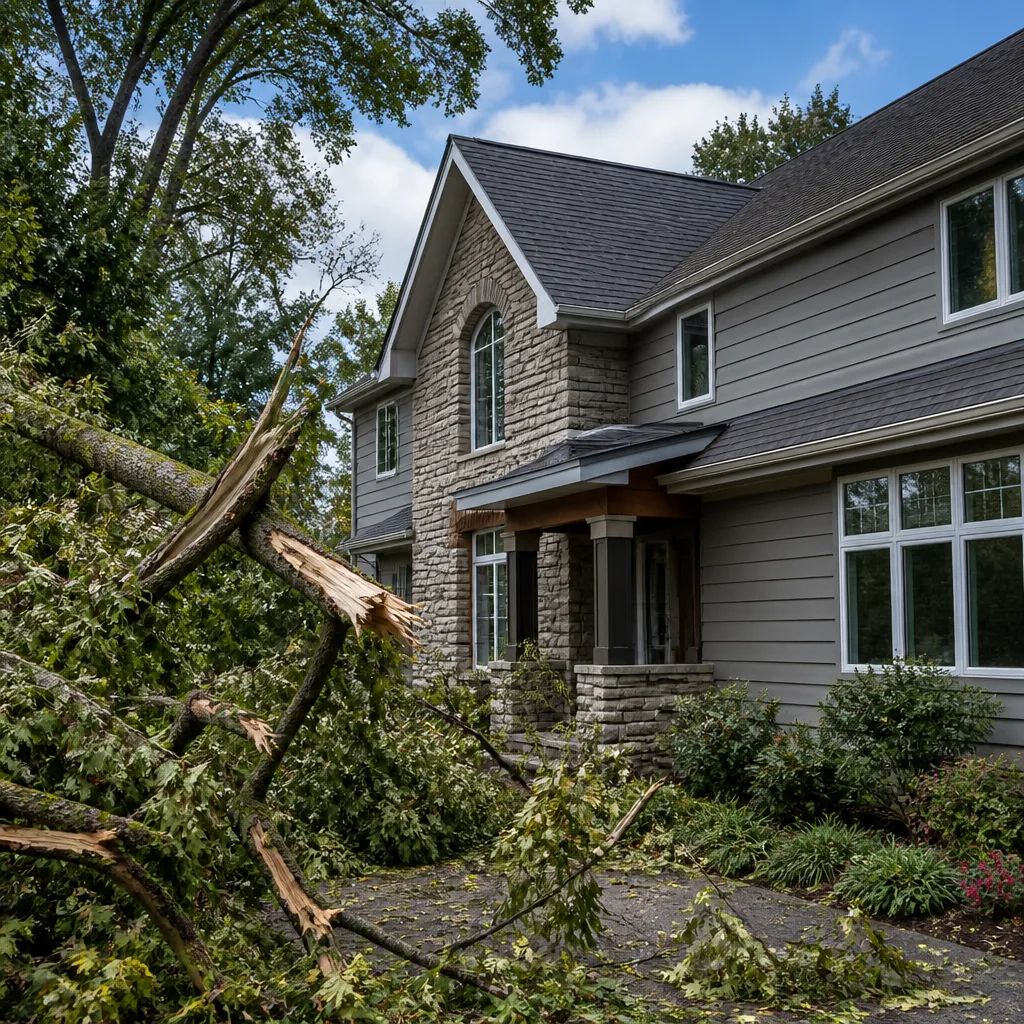


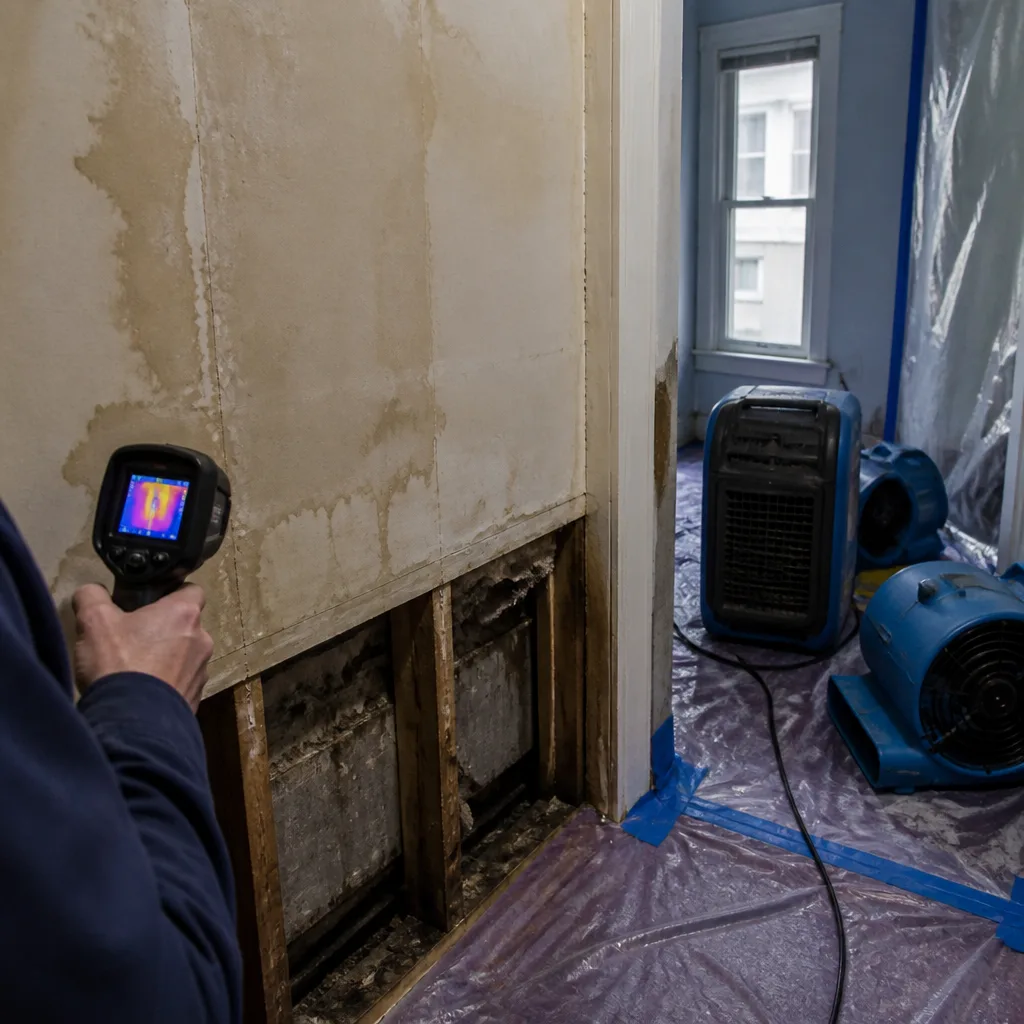 Before
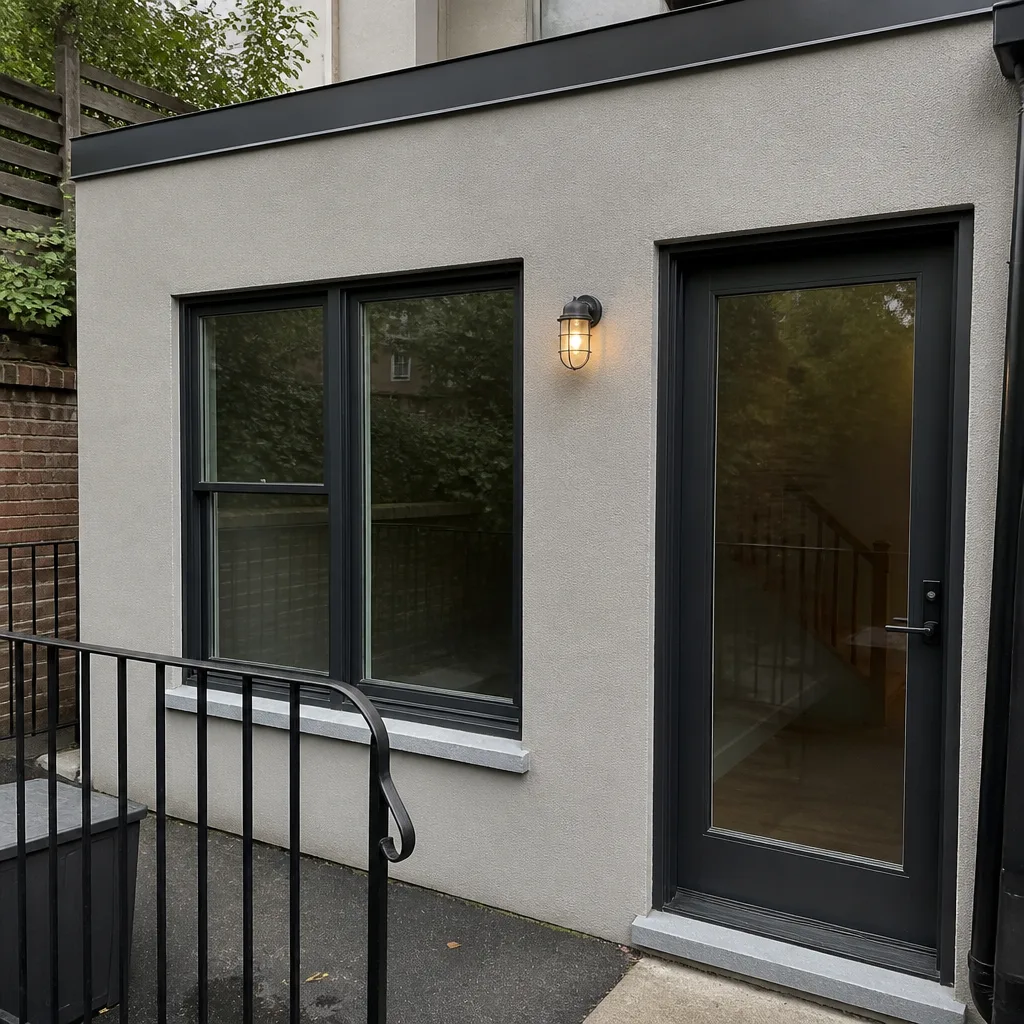 After
After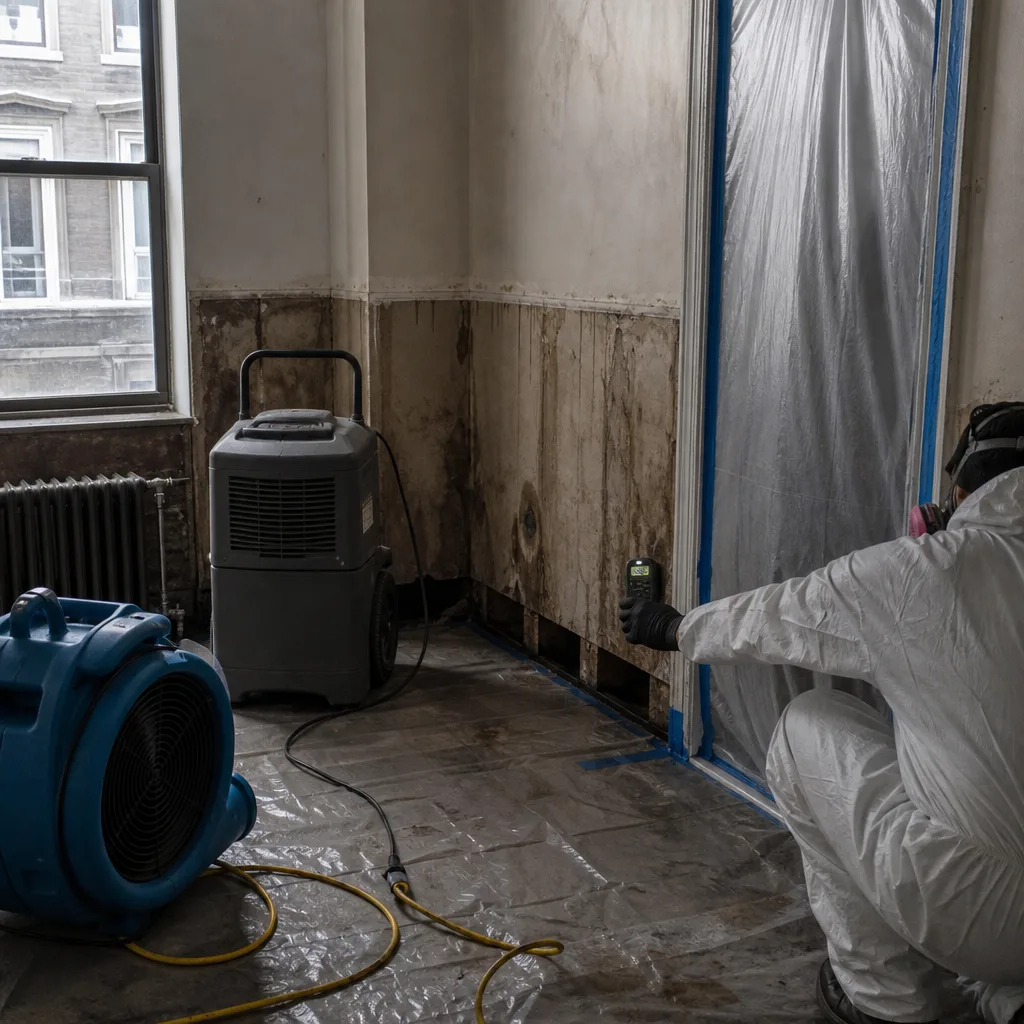 Before
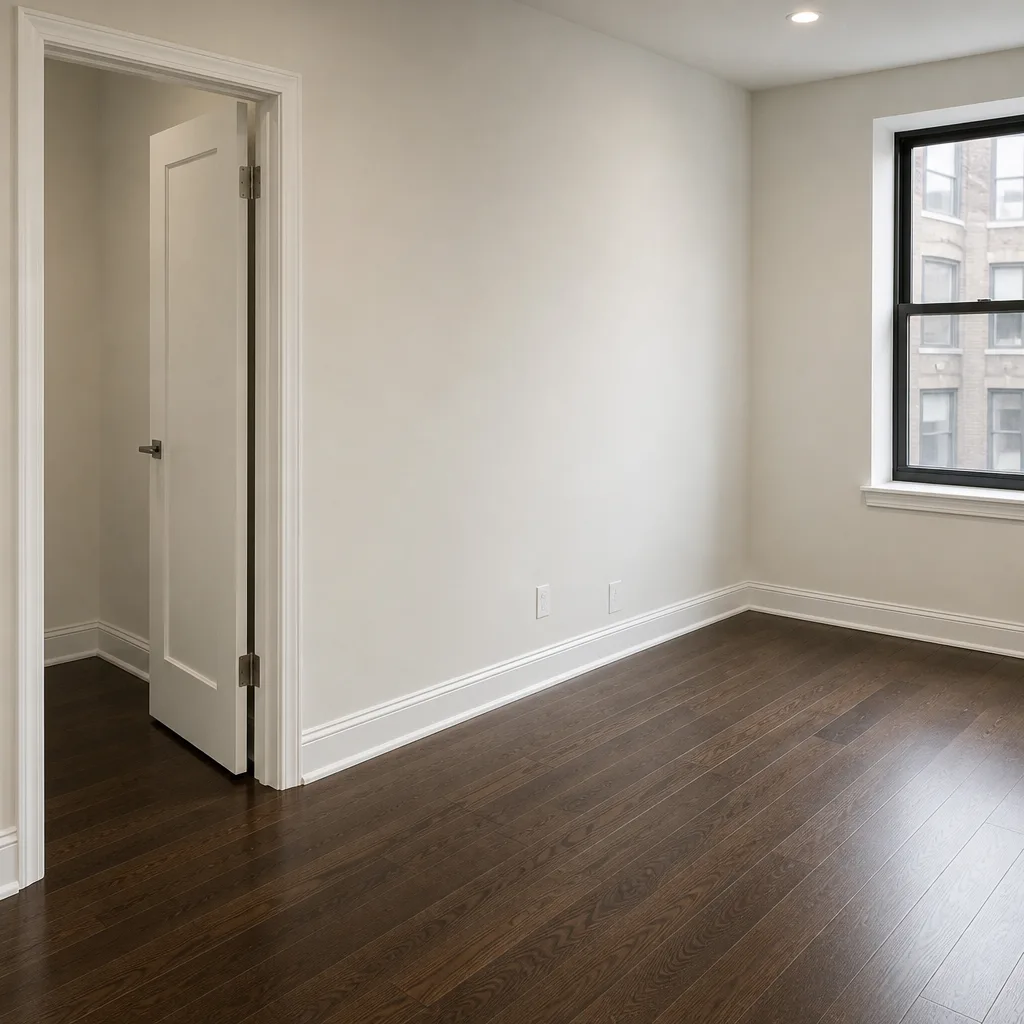 After
After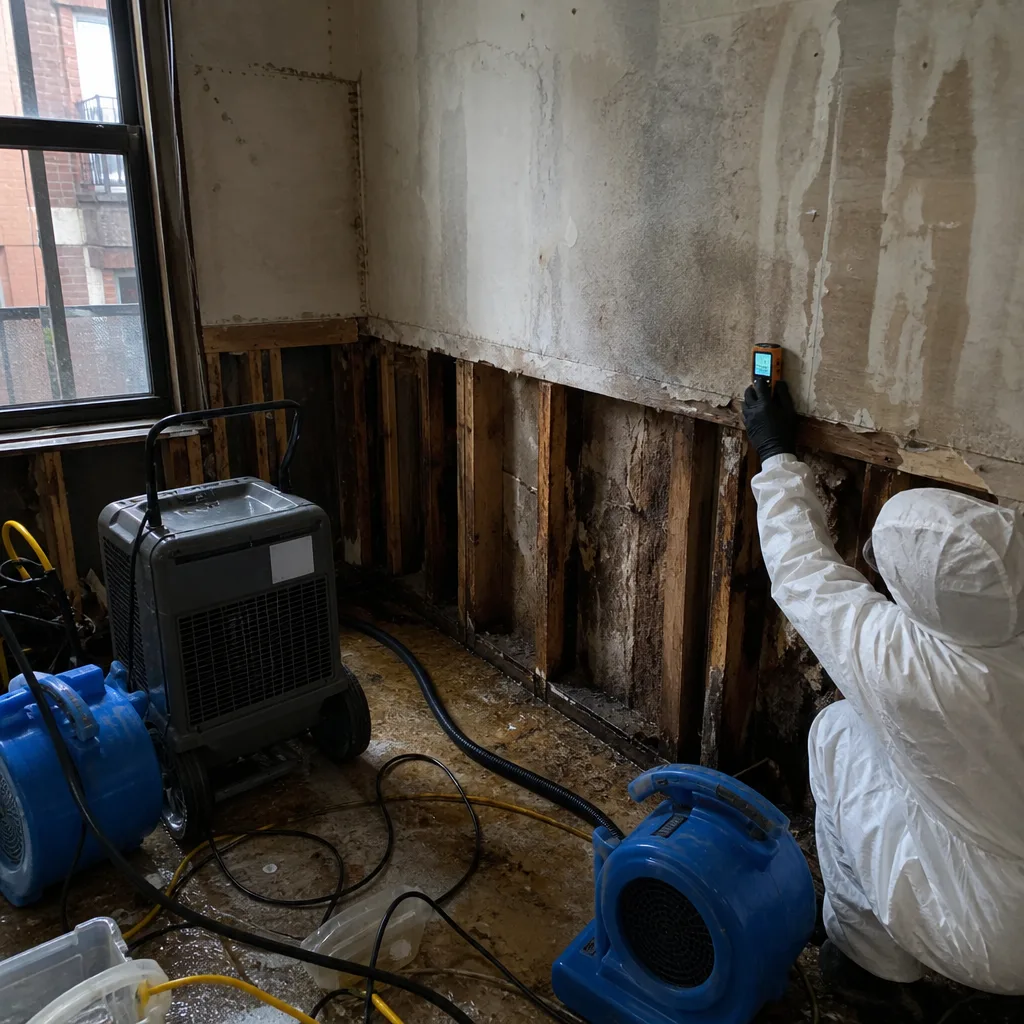 Before
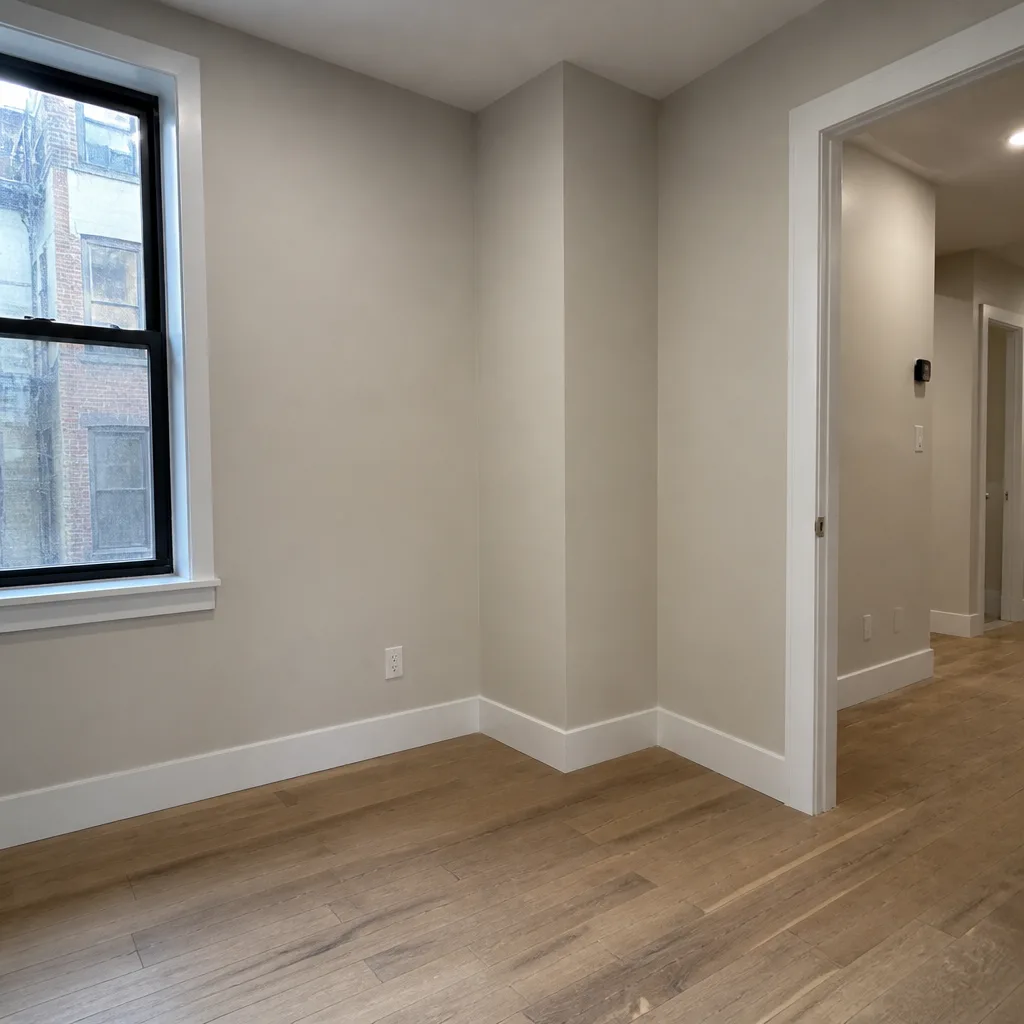 After
After24/7 Emergency Reconstruction & Cleanup in Hoboken
When a sewer line backs up into a basement on Washington Street or a burst supply line floods a brownstone near Church Square Park, the cleanup and reconstruction work can’t wait until Monday. We answer live around the clock, and we can have a crew in Hoboken within the hour. Call (607) 350-1550 the moment you see water or smell sewage. The first hour matters because water in a Hoboken basement with brick walls is already wicking upward, and mold colonization starts in as little as 48 hours. Our rapid response includes a free visual inspection and a written scope before any work begins, so you’re never standing over a pile of wet drywall wondering what the final bill will look like. That’s how we’ve run every cleanup and reconstruction job since Wade Ferris founded this company in 2007.
Understanding Reconstruction & Cleanup Severity in Hoboken Properties
Hoboken’s building stock forces a different kind of severity thinking. Most homes are 4 to 6 story brick rowhouses and brownstones built between the 1880s and 1920s. Brick is porous. When it sits in floodwater or sewage, it wicks moisture deep into the wall cavity and holds it for weeks after the visible water is gone. We classify water damage by category: Category 1 is clean water from a supply line, Category 2 is grey water from washing machines or dishwashers, and Category 3 is black water with sewage or river water. Most Hoboken basement floods fall into Category 3 because the city’s combined sewer system backs up through floor drains during heavy rain. That changes everything: the drywall must come out, the affected materials are disposed of under protocol, and the rebuild has to happen only after the cavity is dry to the studs. Skipping any step means the next flood finds the mold you didn’t remove the first time.
Why Hoboken Property Owners Choose Wade’s Restoration
- 45-minute response commitment to any Hoboken address, from the Shipyard towers to the walk-ups near Stevens Institute. Wade’s crew is staged to move fast.
- Live answer, 24/7. You call, a real person picks up. No answering service, no callback queue. Wade answers his own phone.
- IICRC-certified crews with WRT (Water Restoration Technician) and FSRT (Fire and Smoke Restoration Technician) credentials on every truck, plus AMRT for mold work.
- Free visual inspection before you commit to anything. We show up, assess the damage, and give you a written scope. No charge for driving into Hoboken.
- Direct insurance billing. We document the loss, photograph every affected room, and speak with your adjuster directly so you’re not stuck relaying messages.
- One team from extraction to reconstruction. The same crew that pumps out your basement rebuilds it. No handoffs to strangers. The walk-through at the end is with the same people who showed up first.
Our Reconstruction & Cleanup Process
Inspection & Assessment
We start by checking your address against the post-Sandy FEMA flood maps, because buildings in the AE zone below 4th Street have a higher probability of hidden mold behind walls from prior floods. Then we use thermal imaging and moisture meters to map the damage without opening every wall.
Extraction & Stabilization
For sewage back-ups and flooding, we pull standing water immediately using truck-mounted extraction equipment. We also remove wet contents to prevent further damage and begin triage on carpet, drywall, and flooring to decide what’s salvageable.
Drying & Dehumidification
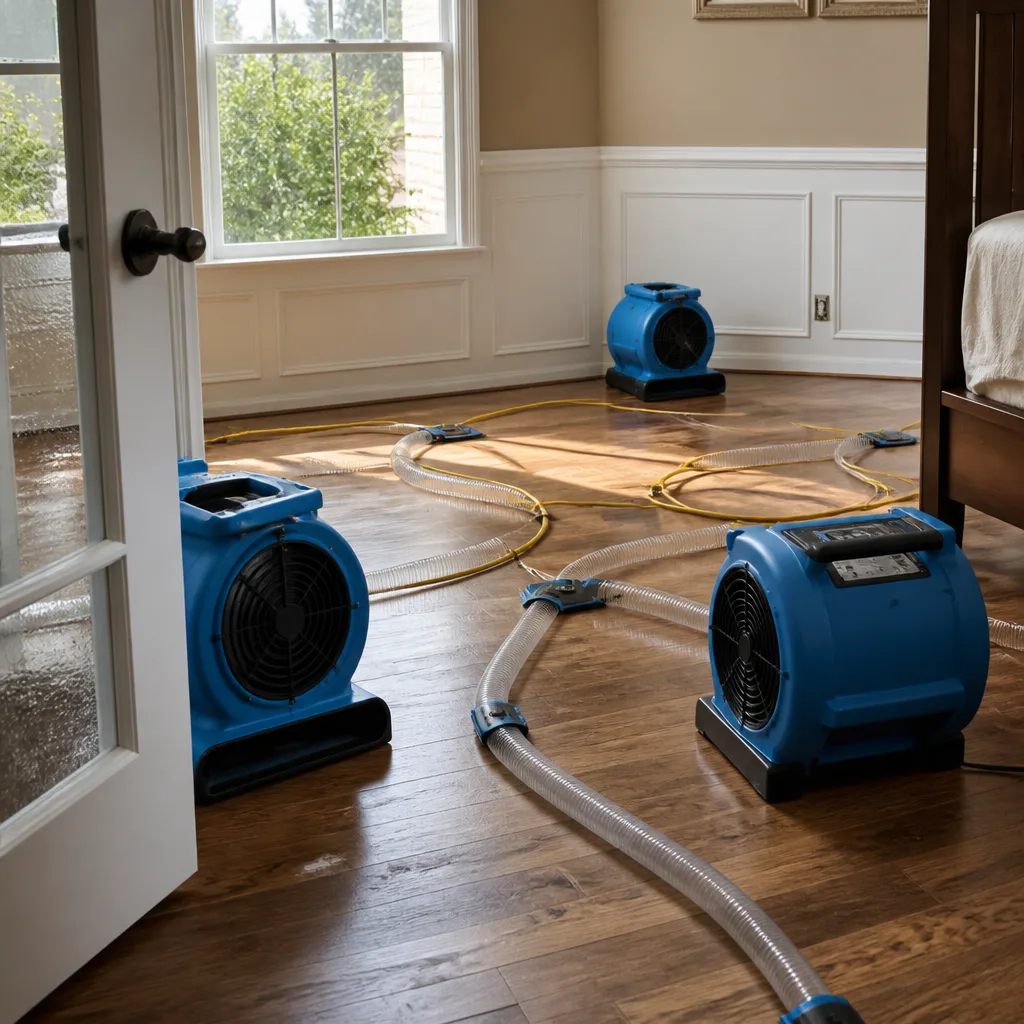
Dri-Eaz dehumidifiers and XPOWER air movers go in within hours, not days. In Hoboken’s brick buildings, drying is slower because masonry retains moisture, so we often leave equipment running longer and take daily moisture readings we log for you and your insurer.
Cleaning & Sanitization
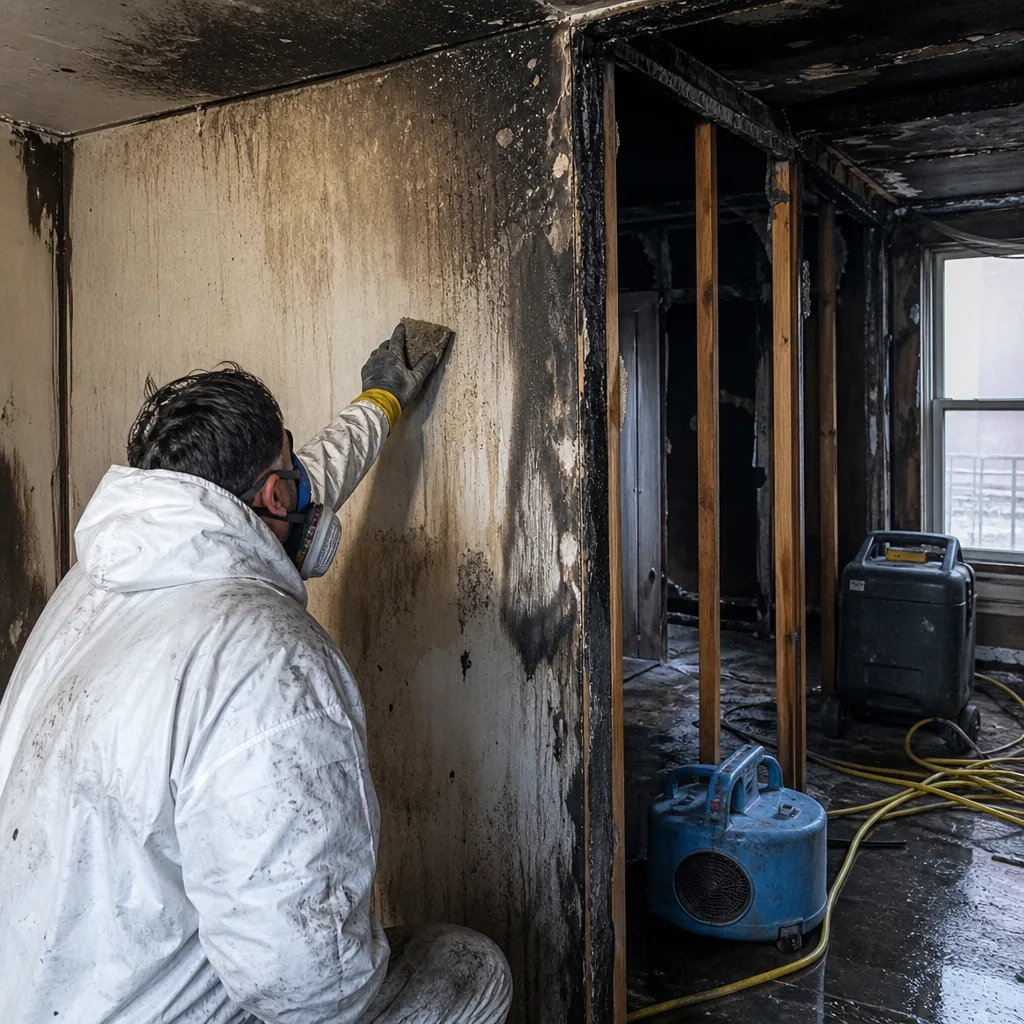
For Category 3 sewage water, we apply EPA-registered antimicrobials to all affected surfaces before any material goes back in. HEPA air scrubbers run during the entire contamination removal phase to keep airborne spores from spreading to the rest of the building.
Mold Remediation & Containment
If we find mold behind old patch layers or inside wall cavities, we set up full containment with negative air pressure before disturbing the material. We cut out affected drywall to the studs, treat the framing, and only then begin the rebuild.
Repairs & Restoration
Reconstruction starts with drywall replacement, then painting, flooring, trim, and any custom millwork your brownstone needs. We coordinate the entire process so the same team manages everything from the first pump-out to the final coat of paint.
Need Emergency Reconstruction & Cleanup in Hoboken Now?
Crews minutes away, answering live 24 hours a day. The sooner we start, the less it costs.
Working With Your Insurance Company
Most Hoboken flood claims involve FEMA flood policies, homeowners policies, or both, and the documentation burden is heavy. We handle it from the first hour. Wade deals with the adjuster directly, so you’re never the one trying to explain the difference between the flood policy limits and the sewer backup rider. Here’s what we give your carrier: a thorough narrative of the loss, photos taken room by room before and after demolition, daily moisture readings and drying logs, and a detailed line-item scope of work. That last piece is what prevents the insurance company from shorting your rebuild. In Hoboken especially, where every job seems to involve a post-Sandy flood zone designation and a Category 3 sewage claim, good documentation is the difference between a full rebuild and a partial patched-up job.
What We Provide Your Insurer
- Thorough documentation of the loss
- Photos of all damage, room by room
- Moisture readings and drying logs
- A detailed, line-item scope of work
- Direct coordination with your carrier
Built for Hoboken’s Loss Calendar
Hoboken’s disaster season is not one season. It runs all year. January deep freezes snap the uninsulated supply lines in century-old brownstones along Bloomfield Street and Garden Street, sending clean water through ceilings and finished basements. Spring thaw plus April rains push groundwater through the original brick foundation walls in every pre-war building on the west side of town. Summer thunderstorms overwhelm the combined sewer system, and that’s when the black water comes out of the floor drains in the blocks around the Hoboken Terminal. Fall brings nor’easters, the single most reliable source of sewage back-ups and structural flooding in Hoboken. The city’s bowl-shaped topography means stormwater has nowhere to go fast, and in some blocks below 4th Street, even a moderate storm sends Category 3 water into basements that have flooded a dozen times since Sandy. If you live anywhere in the floodplain that FEMA redrew after 2012, you know the spring and fall drill. We do too.
Reconstruction & Cleanup Across Hoboken’s Neighborhoods
Below 4th Street, everything changes. The AE and VE flood zones cover most of the ground-floor and basement units, and the FEMA maps are not theoretical. We routinely open walls in this zone and find multiple generations of mold that previous owners or insurance-scoped cleanups never fully removed. Near the Hoboken Terminal and along Observer Highway, the buildings sit lowest, so sewage back-ups hit hardest in the first thirty minutes of any heavy rain. Uptown, the blocks along Washington Street near 14th Street and the viaduct have a dense mix of mid-rise apartment buildings and converted brownstones, many with finished basements and narrow alley-load entryways where our smaller equipment and hand-carry setup keep us moving when other crews can’t fit through. Over by Church Square Park and Stevens Institute, the housing turns into century-old brick walk-ups with narrow stairwells and no elevators, which means any pack-out or reconstruction materials go up by hand. In the Shipyard development and the newer conversions near the waterfront, the construction is more modern but the flooding exposure is just as real when the Hudson swells. Each neighborhood needs a crew that knows the buildings, not just the zip code, and that’s the difference between a cleanup that lasts one season and a rebuild that ends the cycle.
Specialized Reconstruction & Cleanup Services We Offer in Hoboken
Full-Service Reconstruction
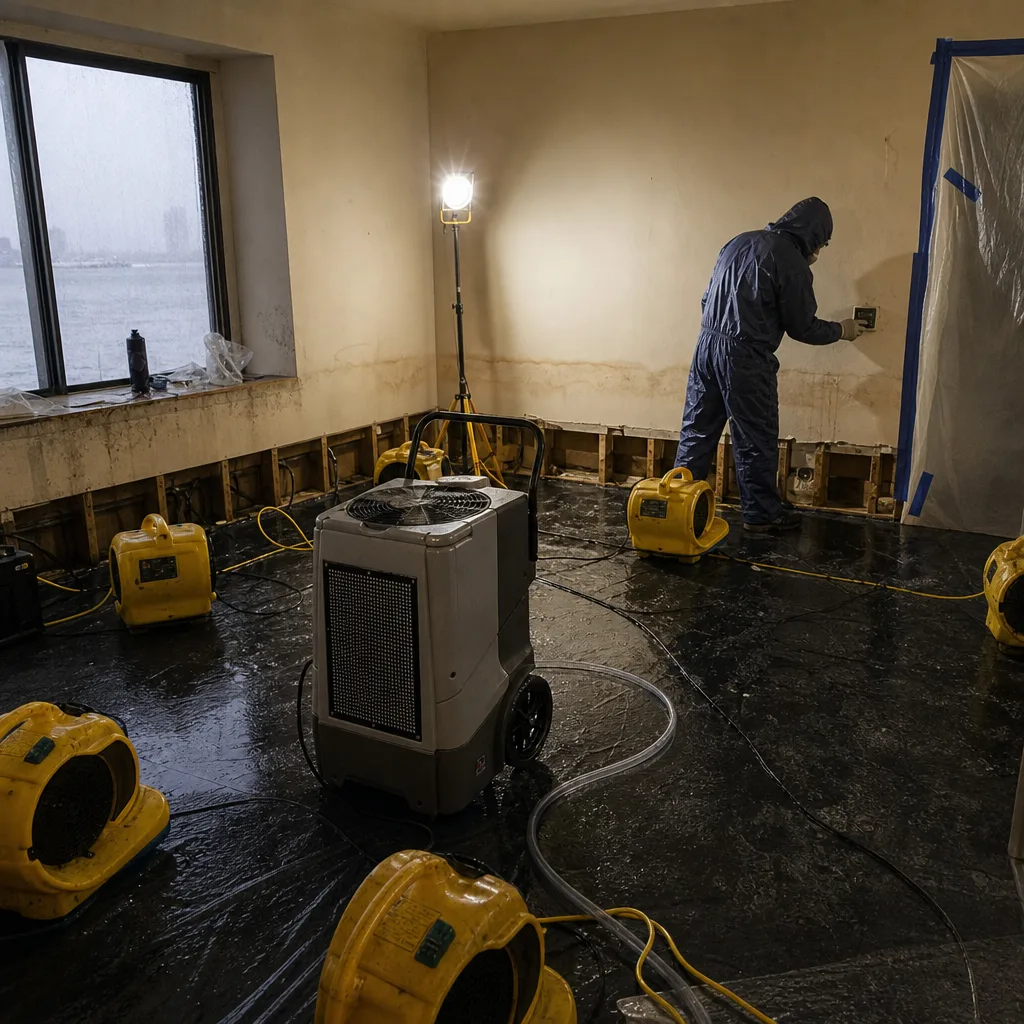
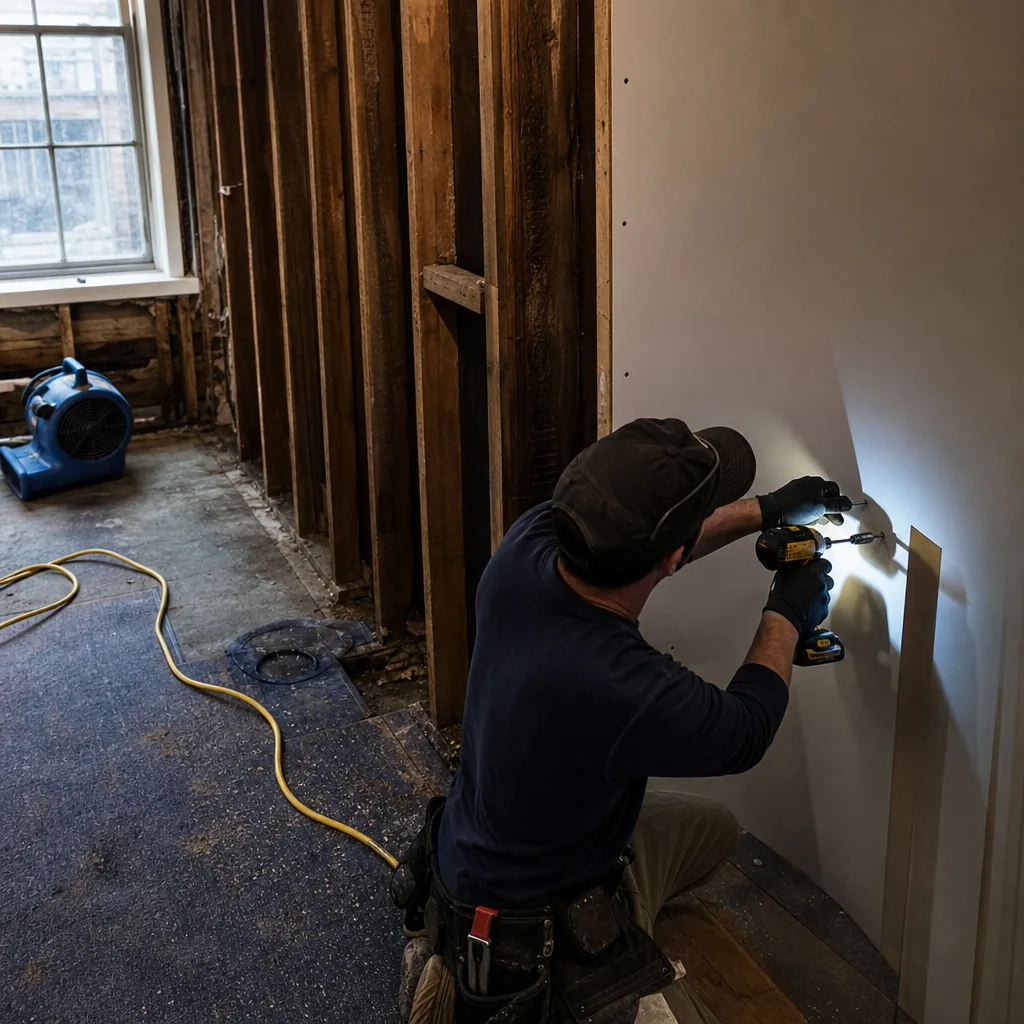
When your basement floods, the cleanup is only half the job. We rebuild from studs to finish: drywall, taping, paint, flooring, trim, and any built-in cabinetry or storage that came out. We work with your building’s dimensions, which in Hoboken often means hand-carrying materials through a narrow front door or alley entrance that a national crew would call impossible.
Drywall & Flooring Repair
Water and sewage migrate upward through Hoboken’s brick walls, so partial drywall patches rarely work. We cut back to the dry line, treat the framing, and replace full sheets rather than painting over a problem. For flooring, we match your existing hardwood, tile, or LVP so the repair disappears into the rest of the room.
Contents Restoration & Pack-Out
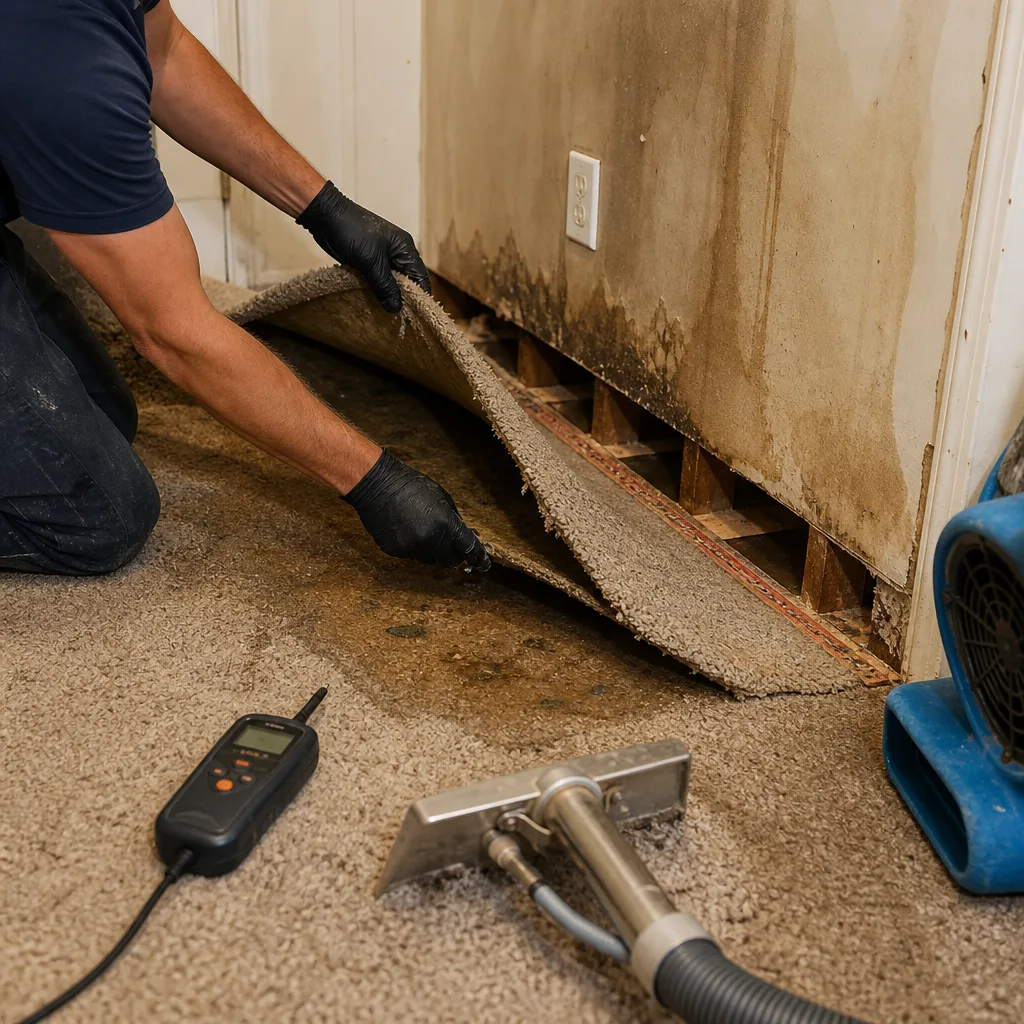
Anything that can be saved goes to a secured storage facility or our shop for cleaning and restoration. Anything that can’t be saved gets documented and inventoried for your claim. For fourth-floor walk-ups with no elevator, our crews pack out by hand and log every item onto your contents list, so the insurance adjuster has a line-item record instead of a vague estimate.
Carpet & Upholstery Cleaning
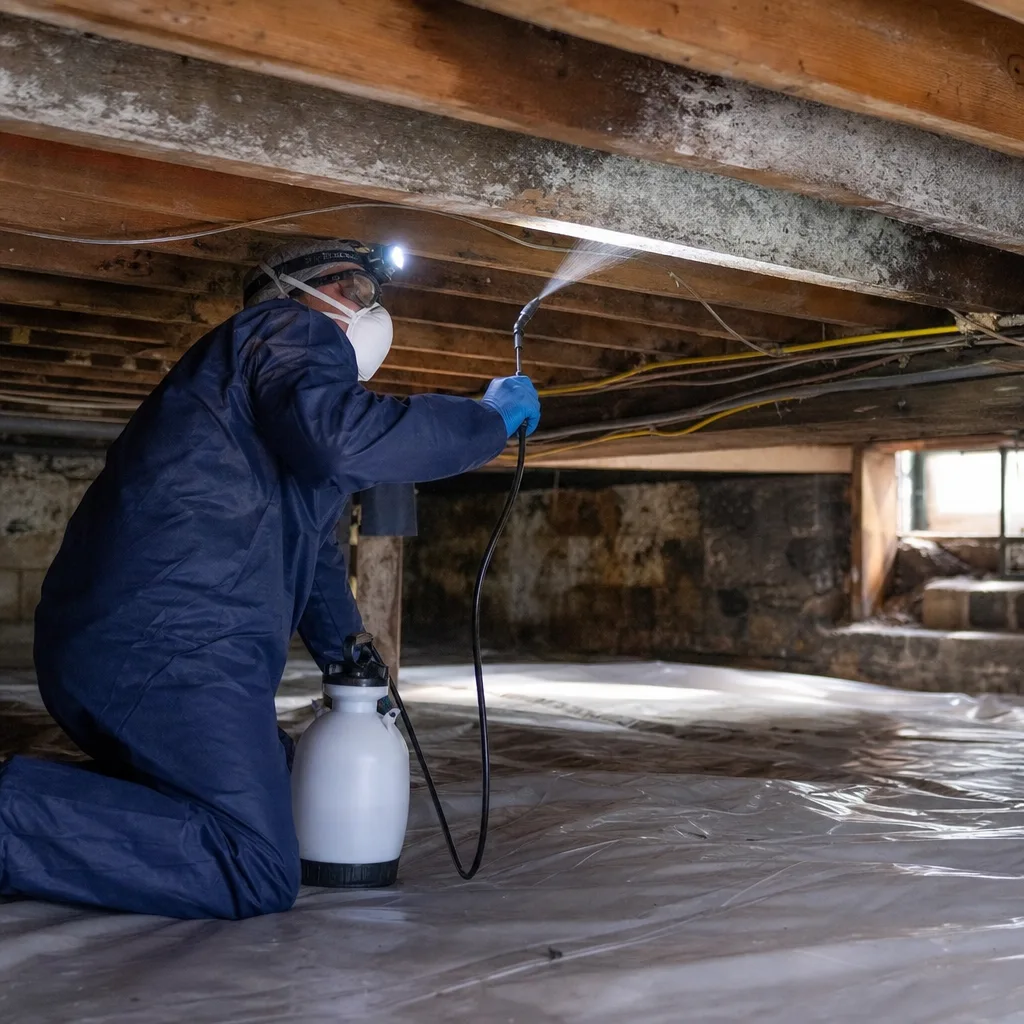
Category 3 water permanently damages carpet and pad, and attempting to clean sewage-soaked carpet is a health hazard. But clean-water floods and post-construction dust are different. We run professional-grade extraction and deodorization on salvageable carpet and furniture, saving you the replacement cost when the material is truly safe to keep.
Post-Construction Cleanup
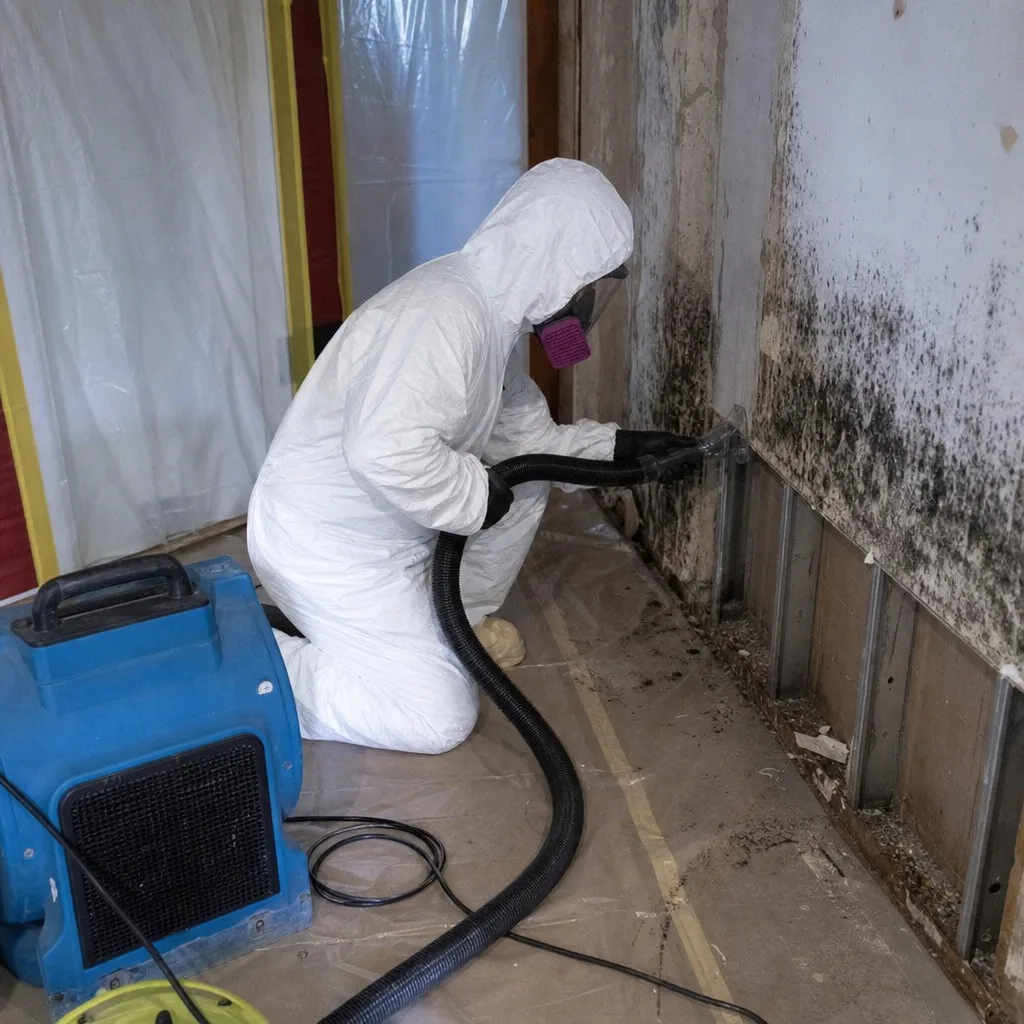
After the rebuild, we clear out the dust and debris so the space is livable again, not just structurally sound. HEPA-filtered vacuums pull the fine drywall dust that settles into every corner, and we wipe down surfaces, vents, and window sills before the final walk-through. The job is not done when the paint dries. It’s done when you can move back in.
Insurance Claim Documentation
Hoboken claims get scrutinized harder than almost anywhere else on the East Coast because the flood history and FEMA zone maps invite adjusters to look for reasons to deny or underpay. We build a claim file that includes before and after photos, moisture logs from day one, a line-item scope, and a narrative explanation of how the damage happened. We also speak with the adjuster directly, so you never have to explain what Category 3 water means or why the wall had to come out to the studs.
What happens when you call
- 1
A real person answersNo phone trees - you reach a local pro.
- 2
You get an upfront price rangeHonest numbers before anyone is dispatched.
- 3
A background-checked tech heads outLicensed & insured, dispatched right away.
- 4
You approve before work beginsNothing starts until you say go.
Reconstruction & Cleanup Costs in Hoboken, NJ
Straight numbers. A small clean-water drywall patch in a finished basement runs $1,200 to $2,400. A one-room sewage back-up removal with containment and drying typically lands between $3,800 and $9,000 depending on how far the water migrated up the brick. Full basement rehabilitation after Category 3 flooding, including gutting below 4th Street, mold remediation, and reconstruction, commonly runs $18,000 to $45,000 or more in Hoboken’s housing stock, because the brick wicking and compartmentalized floor plans require more cutting and drying time than a suburban drywall box. Insurance covers most of these costs when the claim is documented properly, but the coverage depends heavily on whether the water came from a covered sewer backup, a FEMA flood event, or an uncovered gradual seepage. The fastest way to a firm number is the free inspection: we show up, map the damage, check your flood zone, and give you a written scope before anything gets opened up. No trip charge inside the county, and a free second opinion on any written estimate you already have.
We Also Serve Cities Near Hoboken
Regular crew coverage and 24/7 dispatch extend to every neighboring community. We handle reconstruction and cleanup jobs in Union City, Weehawken, Jersey City, and North Bergen, with the same live answer, same written scope, and the same direct insurance coordination. Call (607) 350-1550 and we’ll send a crew to any of these areas fast.
Serving Hoboken, NJ - Our Local Coverage Area
We’re based in the Hoboken area and know this community well. Use the map below to see our service coverage - if you’re nearby, we can almost certainly help.
Hoboken Reconstruction & Cleanup Questions, Answered
Does every basement flood in Hoboken count as Category 3 black water?
In Hoboken, most basement floods during rain events are Category 3 because the water comes from the combined sewer system backing up through floor drains, and that carries sewage and river water. If the water came from a clean supply line break, it’s Category 1. But if you’re not sure which one you have, treat it as contaminated until we test.
How quickly can you get crew and equipment into a Hoboken brownstone with no parking or alley access?
Our typical response in Hoboken is 45 minutes to an hour. We keep smaller extraction units and hand-carry equipment on the trucks for narrow entries and alley-load buildings, so we are not waiting on a standard trailer setup that won’t fit through a brownstone door. We make it work, fast.
Do I need a flood zone check before you quote reconstruction below 4th Street?
Yes, and we do it for you. Below 4th Street, the FEMA AE and VE flood zones have enough claim history that any quote without a zone check is probably under-scoped. We check the address, account for past flood exposure, and quote the work that actually needs to happen, not just the visible damage.
Will your reconstruction crew remove the original brick wall material if it has wicked sewage?
We don’t remove structural brick, but we do remove all contaminated drywall, plaster, and insulation in contact with it. Then we clean the brick surface, apply antimicrobial treatment, and allow the masonry to dry before we rebuild. In Hoboken, leaving brick unsealed and wet behind new drywall is the most common cause of repeat mold claims, so we handle it properly.
Can you do a pack-out from a fourth-floor walk-up with no elevator?
Yes. We pack out contents by hand and document every item for your claim as we go. Hoboken walk-ups are common, and our crews carry furniture, boxes, and equipment up and down those stairwells on a regular basis. It’s slower than a freight elevator, but we build the labor into the scope honestly.
How long does full reconstruction take after a sewage flood in a Hoboken basement?
For a typical finished basement in a brownstone, expect 5 to 10 business days from extraction to final paint, depending on how long the brick masonry takes to dry. Drying alone is often 3 to 5 days in Hoboken’s brick buildings, and we log moisture readings daily so you can see exactly where the drying stands. The rebuild itself is usually 4 to 6 days.
Will insurance cover my Hoboken flood rebuild, or am I paying out of pocket?
Most Hoboken rebuilds are covered, but the coverage depends on the source of the water and your specific policy. Sewer backup coverage is often a separate rider. FEMA flood policies cover flood events but not gradual seepage. We work with your adjuster directly and document everything so the claim has the best chance of full coverage. Call us and we’ll help you figure out what applies.
What should I do in the first 30 minutes after a basement flood in Hoboken?
Turn off electricity to the affected area if you can do so safely, stay out of the water if it came from a floor drain, and call us at (607) 350-1550. Do not attempt to pump sewage water yourself with a shop vac, and do not open walls that might contain mold from a prior flood. The first call sets the timeline, and fast response means less demolition and lower final cost.
When water or sewage hits a Hoboken basement, every hour of delay adds cost and demolition. Our crew knows the city’s flood zones, its brick buildings, and its narrow entries. We have been through enough nor’easters and sewer back-ups on these blocks to know that the hidden problem is usually the one behind the last patch job. Call (607) 350-1550 for a free inspection and a written scope before you spend a dollar. We answer live, day or night, and we will be there fast.
Written by Wade Ferris, Owner at Wade’s Restoration.