
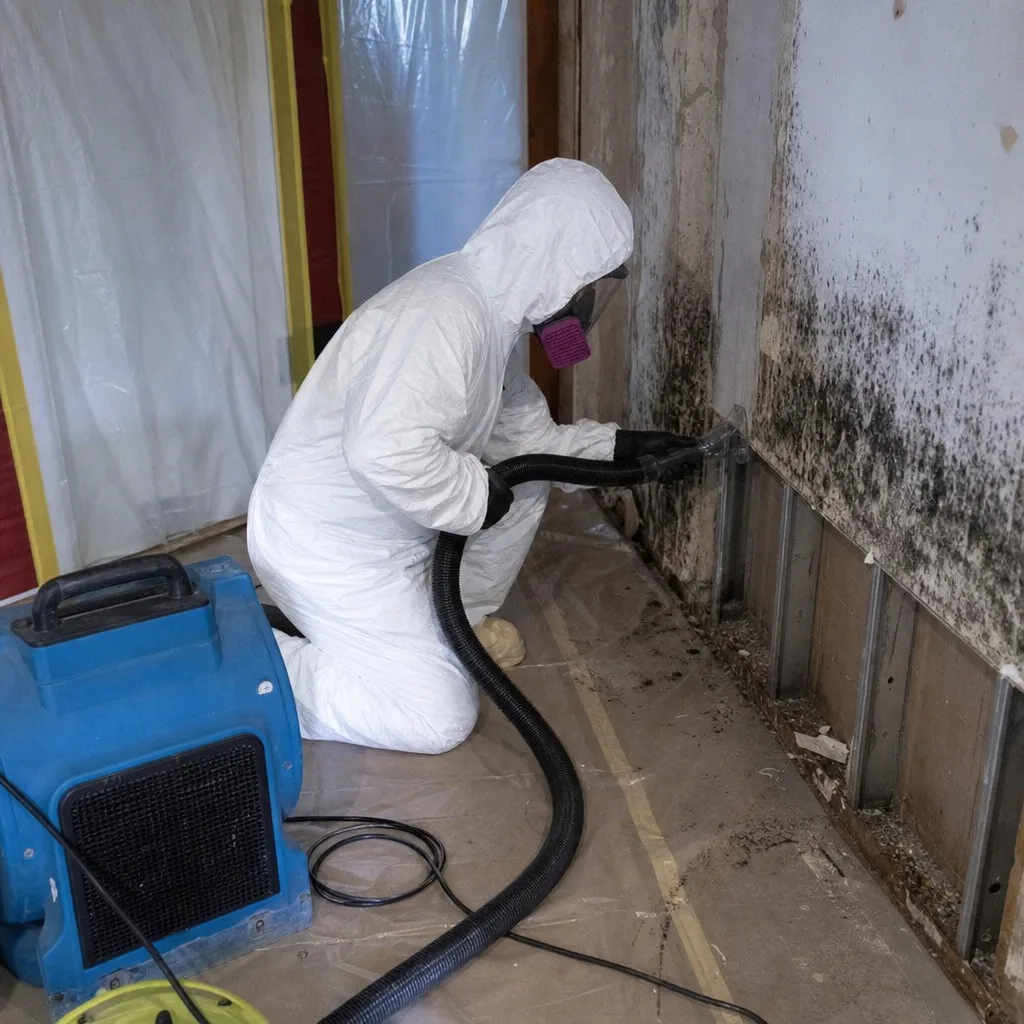
Free visual inspection and a written scope of work before any mitigation begins - photos, moisture readings, and drying logs go in your claim file
The scope we write is the scope we bill. Anything new gets shown to you, in writing, before we touch it.
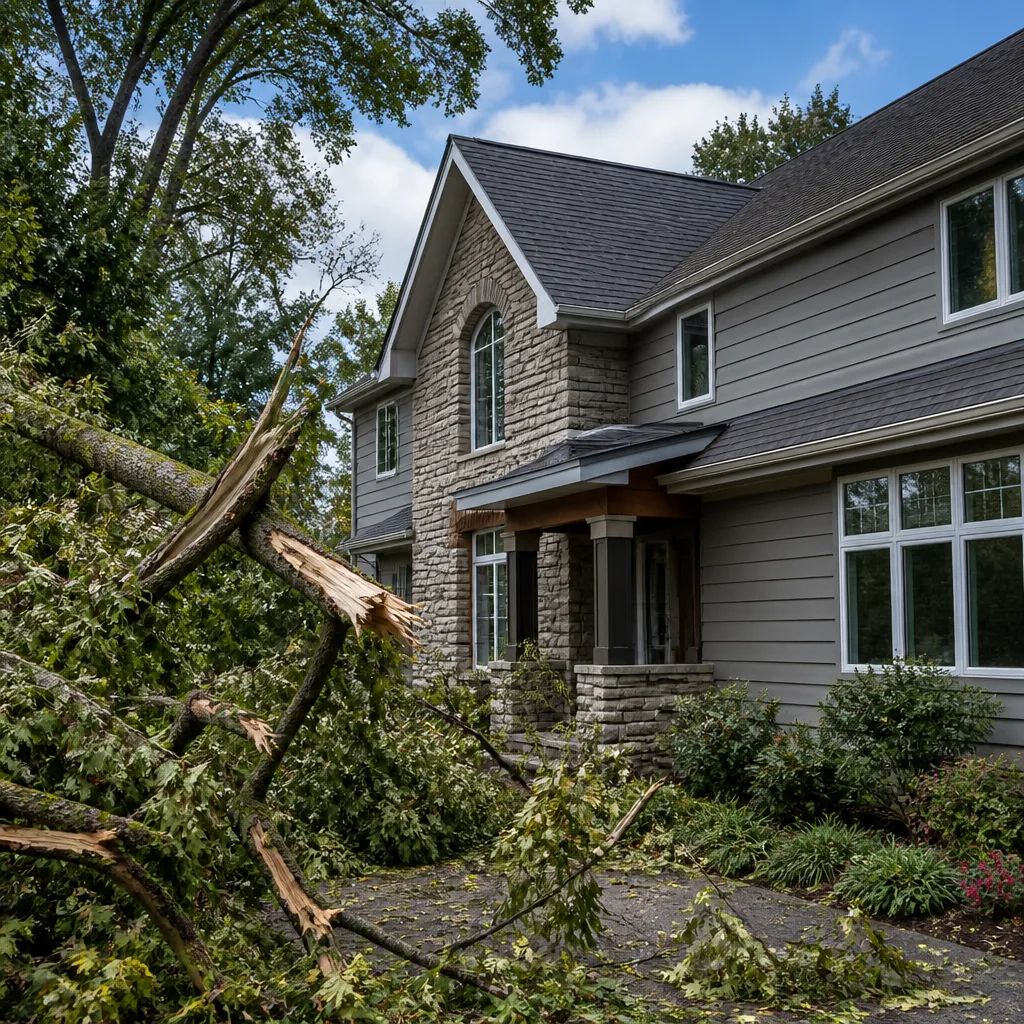
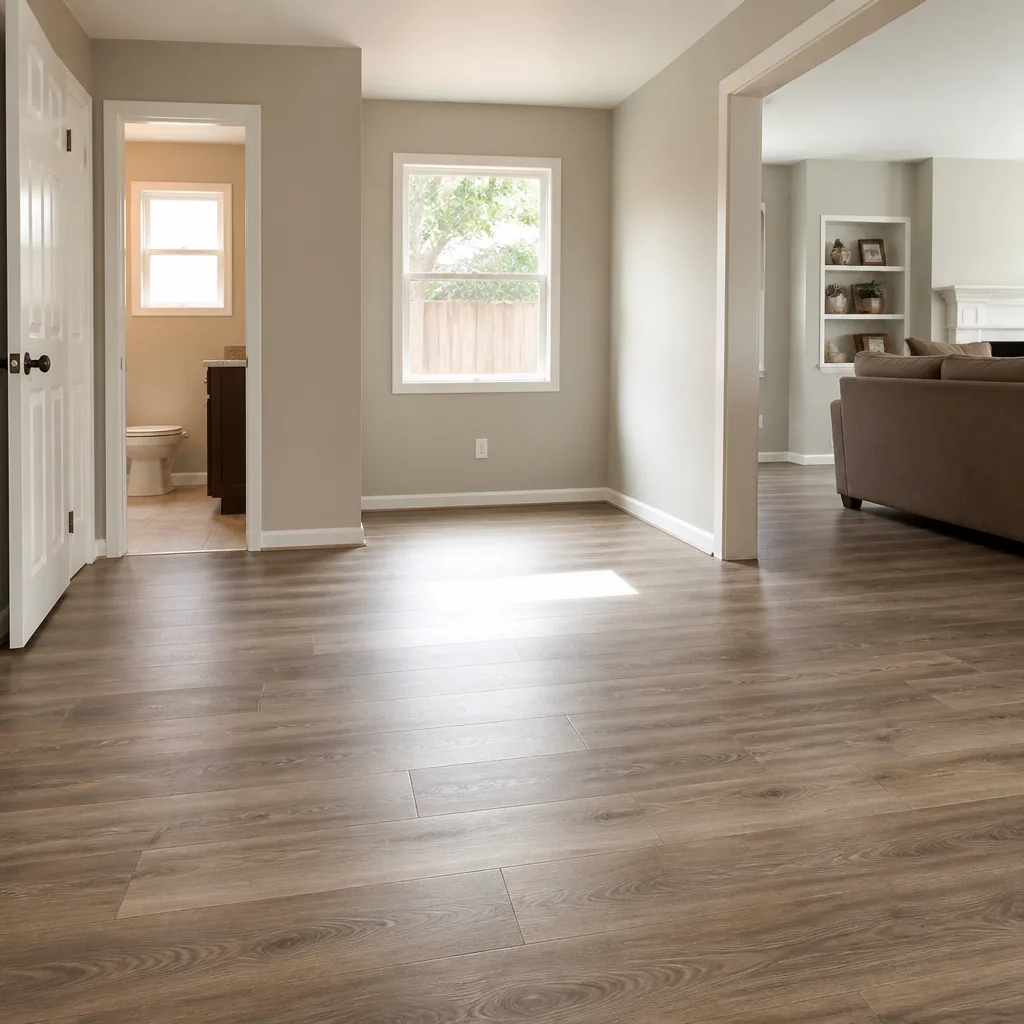

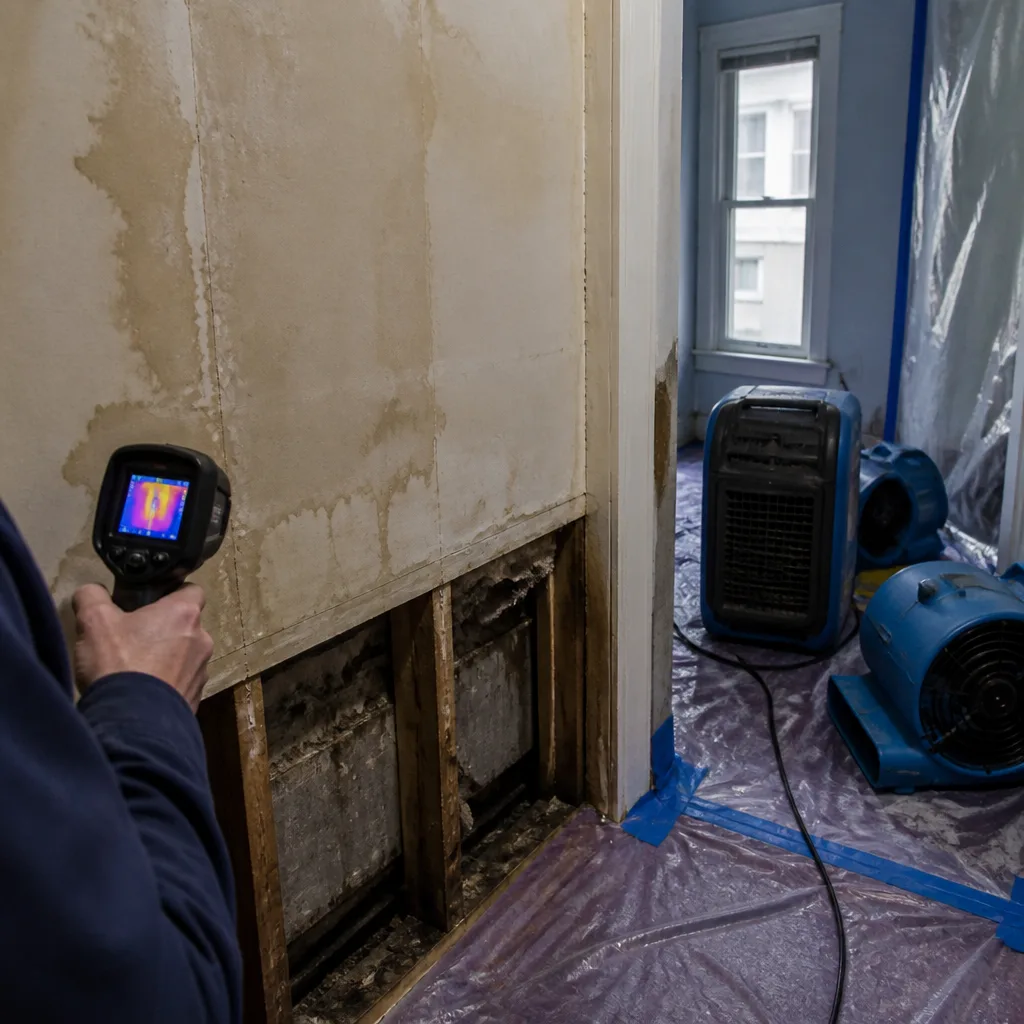 Before
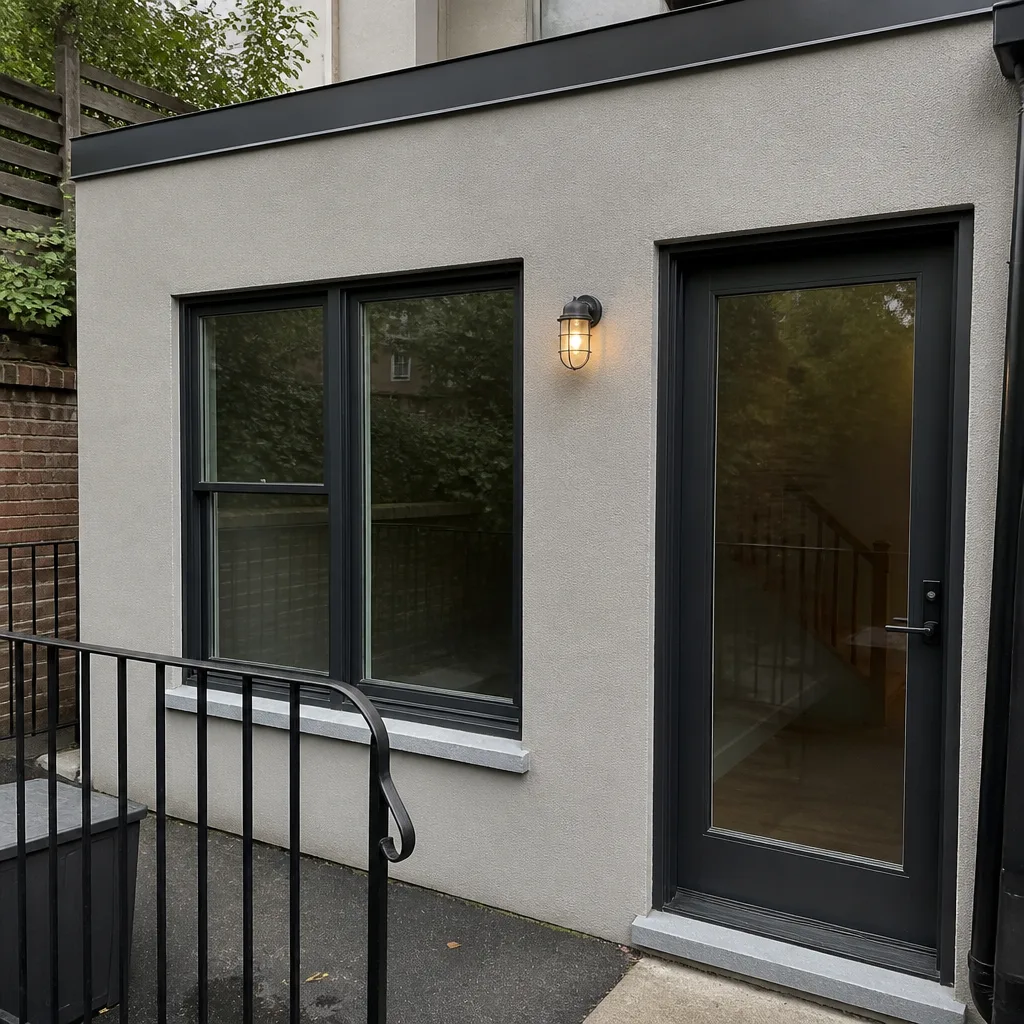 After
After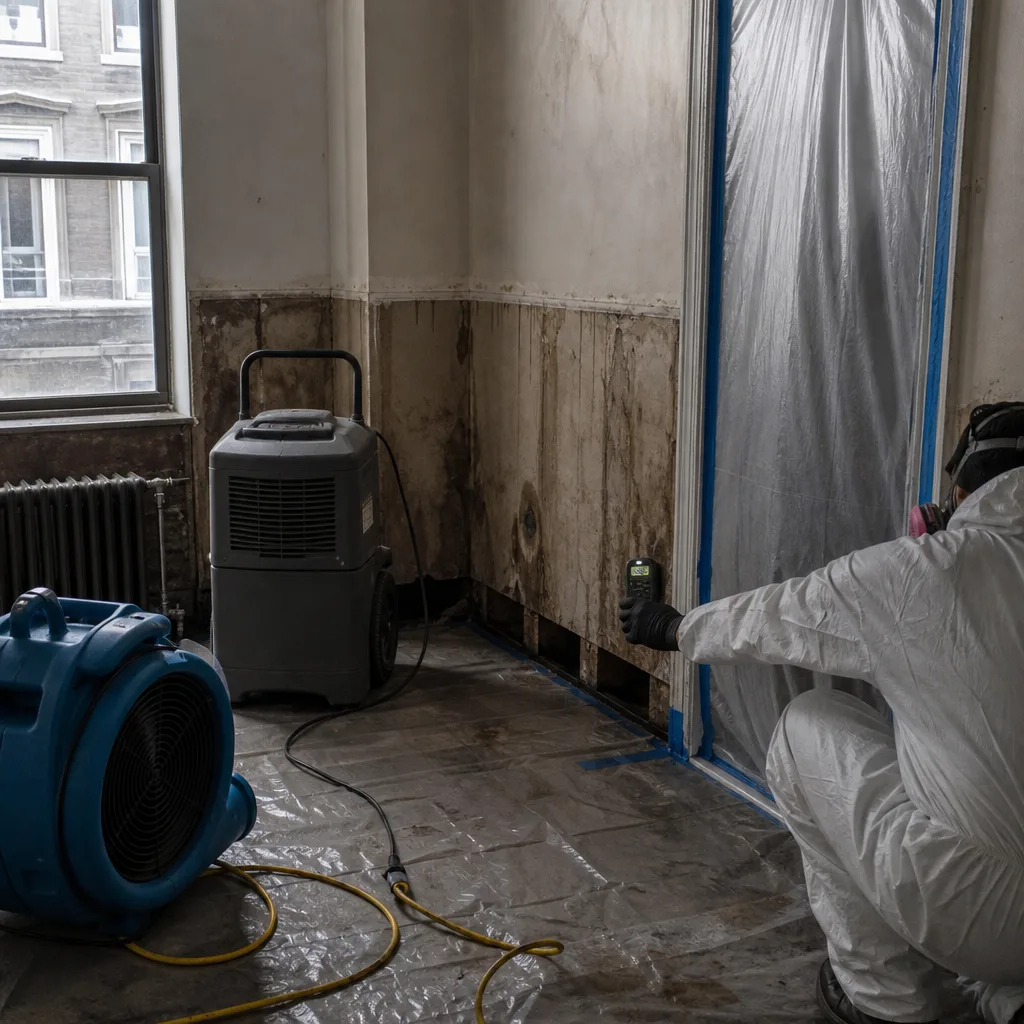 Before
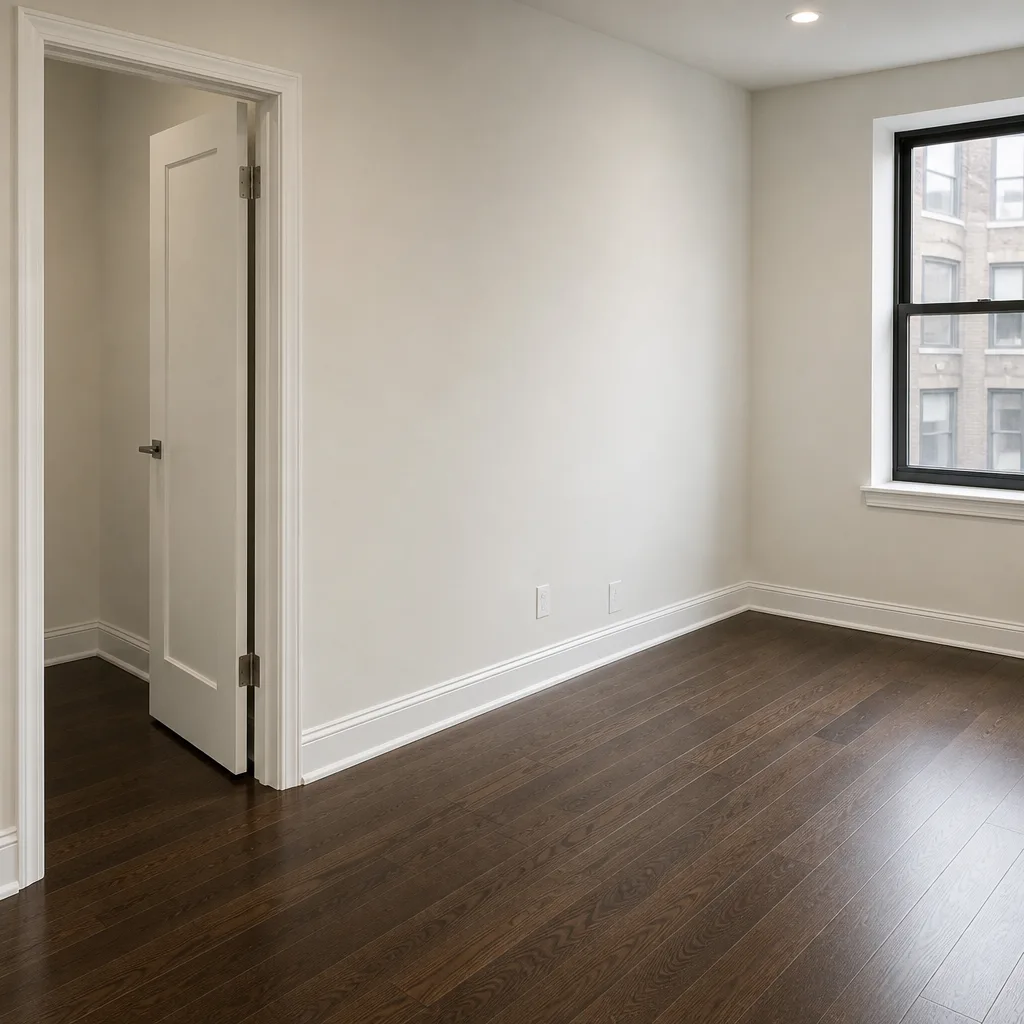 After
After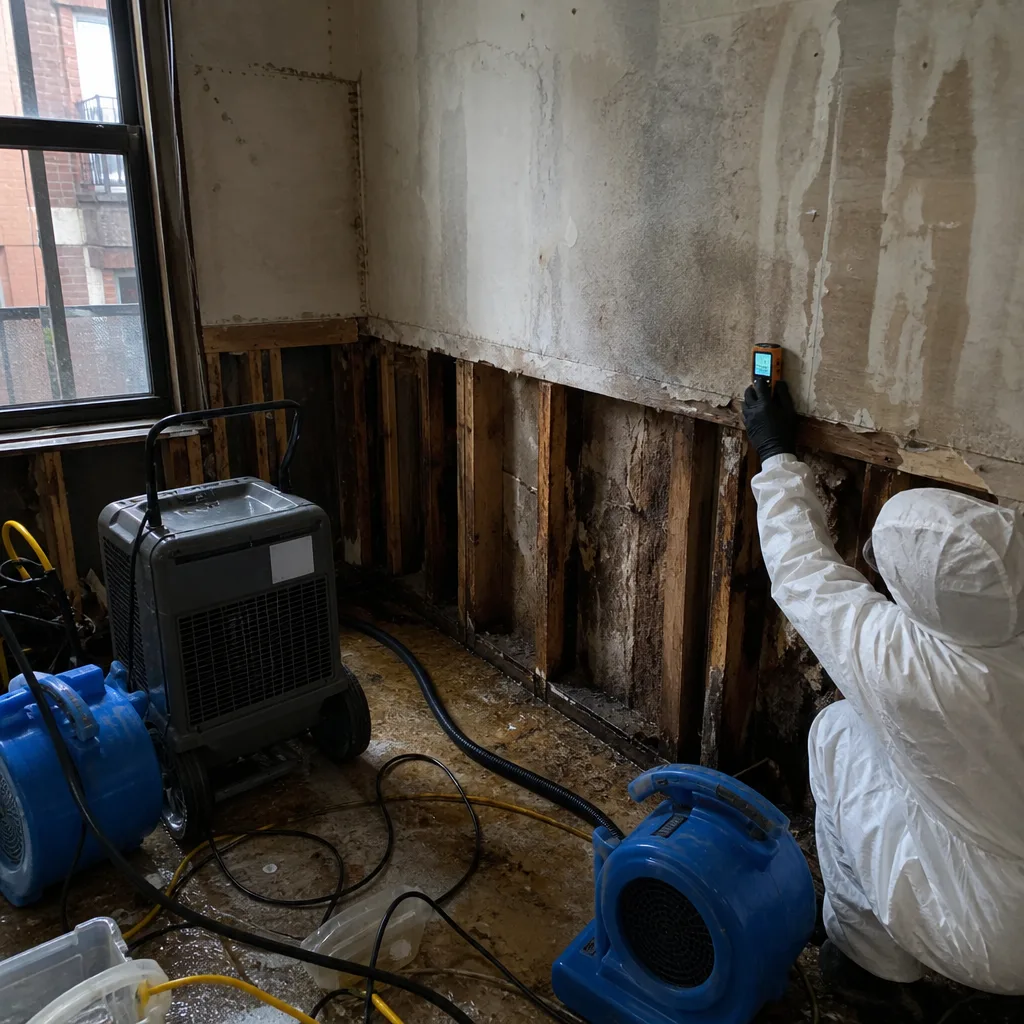 Before
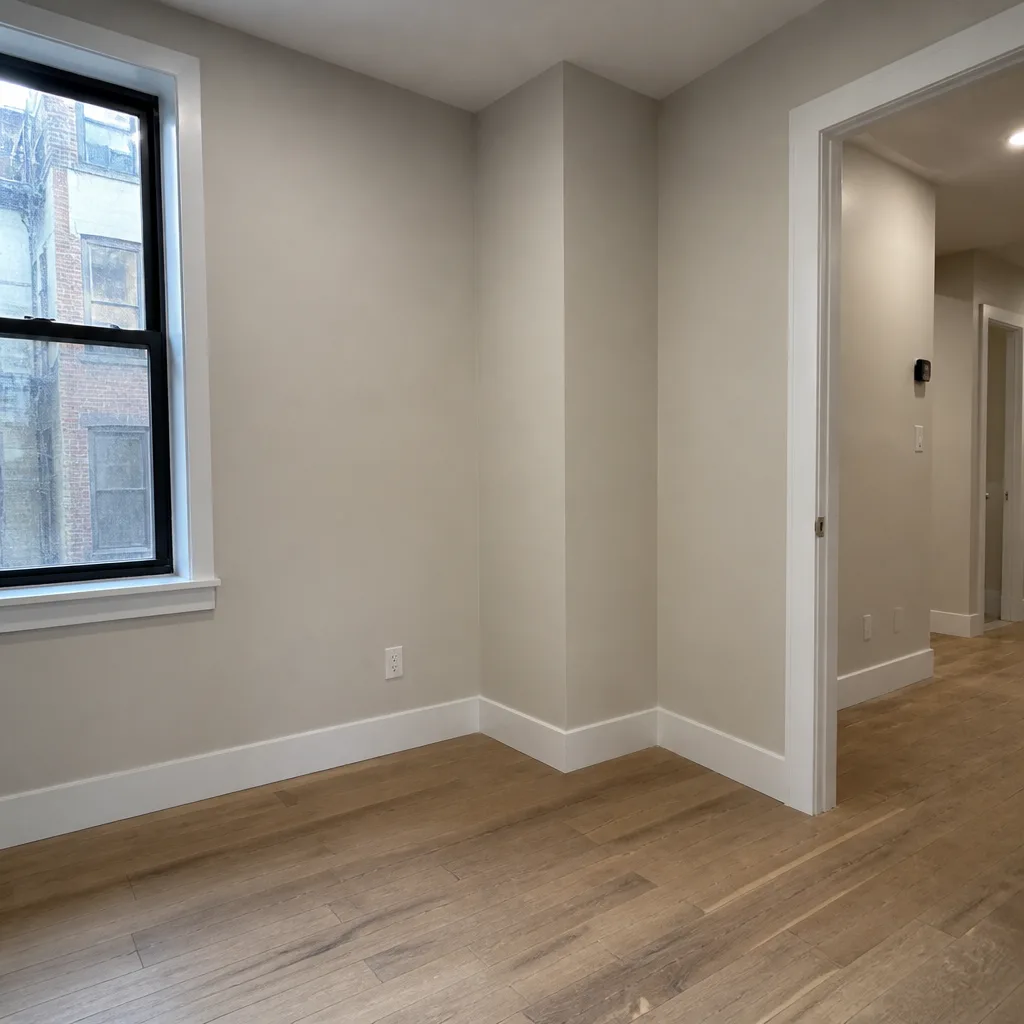 After
After24/7 Emergency Mold Remediation in Hoboken
Mold remediation in Hoboken runs $1,800-$6,500 for a typical basement job, and most of what we see isn’t the result of a single bad storm. It’s the same finished basement flooding for the third time in eighteen months because the combined sewer backed up again at an inch of rain per hour. When that happens, you need someone who answers the phone at 2 a.m. and gets equipment running before the mold has another day to colonize your drywall. Call (607) 350-1550 and Wade himself will pick up. He’ll have a crew headed toward your block inside the hour, free visual inspection included, because the first twenty-four hours decide whether this is a cleanup or a gut-to-the-studs rebuild.
Understanding Mold Remediation Severity in Hoboken Properties
Not every mold problem in Hoboken is the same animal. The severity ladder here starts with surface mold on painted drywall from trapped humidity, climbs through Category 2 gray water intrusions from a failed water heater or washing machine, and tops out at Category 3 black water from the combined sewer system pushing up through your floor drain. That last one is the Hoboken signature. Century-old brick brownstones along Washington Street and the numbered side streets wick moisture into masonry that never fully dries on its own. When we open a wall cavity in a basement below 4th Street, we usually find mold behind mold, layer after layer, because the previous remediation never got to the studs. Our job is containment, air scrubbing, removal of impacted material, and clearance testing before anyone hangs new drywall. If you smell must but see nothing, the problem is almost certainly inside the walls, not on them.
Why Hoboken Property Owners Choose Wade’s Restoration
- 45-minute response commitment for water and mold emergencies in Hoboken. Wade has crews staged across the metro and he answers his own phone, so there’s no dispatch queue between you and help.
- 24/7 live answer, always a real person. Not an answering service, not a callback list. Wade Ferris picks up at midnight because that’s when basements flood.
- IICRC-certified crews with AMRT (Applied Microbial Remediation Technician) and WRT (Water Restoration Technician) credentials on every mold job. We know the difference between cleaning and removing.
- Free visual inspection before you commit to anything. Wade walks the space, takes moisture readings, and tells you honestly what needs to happen. No charge for that.
- Direct insurance billing and adjuster communication. We photograph everything, log every moisture reading, and talk to your carrier so you don’t have to relay information between two sides.
- One team from first extraction to final paint. The same crew that tears out the moldy drywall is the crew that rebuilds. No handoffs, no finger-pointing.
Our Mold Remediation Process
Inspection & Assessment
We start by walking the entire property, not just the room that smells. Wade takes moisture readings from every wall, floor, and ceiling cavity with penetrating and non-penetrating meters. In Hoboken basements, we also check against post-Sandy FEMA flood maps to understand the building’s flood history before quoting a scope.
Extraction & Stabilization
If standing water or sewage is present, we extract it immediately using truck-mounted and portable extraction units. In a Hoboken brownstone, this usually means pulling Category 3 water out of a finished basement floor and checking the floor drain that backed up. Stabilization stops the water from migrating into adjacent walls and under baseboards.
Containment & Air Scrubbing
We seal the work area with 6-mil polyethylene and run negative air pressure through HEPA air scrubbers. This is non-negotiable on mold jobs. In the tight rowhouse basements along Hoboken’s numbered streets, containment keeps spores from drifting up into the living floors while we work.
Drying & Dehumidification
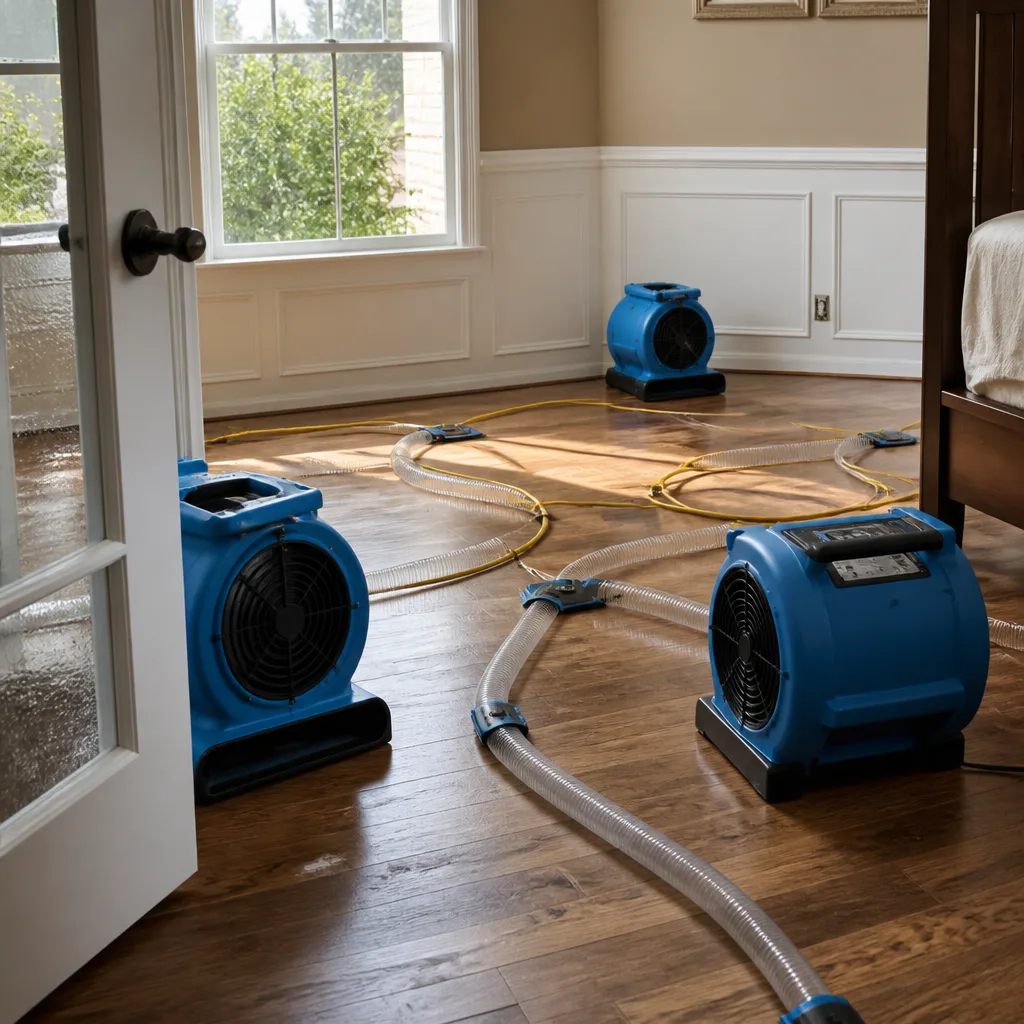
Dri-Eaz dehumidifiers and XPOWER air movers run continuously until moisture readings on century-old brick walls return to pre-loss levels. We take daily readings and hand you the full log at the end of the job. Almost no one else in this trade does that, and it matters when your insurer asks for proof.
Antimicrobial Treatment & Cleaning
After demolition of impacted material, we apply EPA-registered antimicrobials to all remaining structural surfaces. Then HEPA-vacuum every exposed joist, stud, and concrete surface. For mold remediation in Hoboken, this step is where the difference between done and done-right shows up six months later.
Repairs & Restoration
We hang new drywall, install moisture-resistant materials where the flood zone dictates, and rebuild to a finish-ready state. The same crew that tore it out puts it back, and the 90-Day Done Right Promise covers the whole job in writing.
Need Emergency Mold Remediation in Hoboken Now?
Crews minutes away, answering live 24 hours a day. The sooner we start, the less it costs.
Working With Your Insurance Company
Mold claims are where insurers get picky, and Hoboken’s flood history makes documentation everything. From the first hour, we photograph every affected surface, log moisture readings in writing, and build a line-item scope of work that matches industry estimating standards. We communicate with your adjuster directly, so you’re not the one stuck explaining why the wall cavity needed opened. If your policy has mold limits or exclusions, Wade will tell you that before work starts, not after. And if you’re in one of the post-Sandy AE flood zone blocks below 4th Street, we know exactly what your carrier’s flood documentation requirements look like, because we’ve done this in this neighborhood many times.
What We Provide Your Insurer
- Thorough documentation of the loss
- Photos of all damage, room by room
- Moisture readings and drying logs
- A detailed, line-item scope of work
- Direct coordination with your carrier
Built for Hoboken’s Loss Calendar
Hoboken’s mold season isn’t one season, it’s every season with a different trigger. January deep freezes burst supply lines in uninsulated exterior walls of pre-war rowhouses, and the water runs down into finished basements before anyone notices. Spring thaw saturates the ground around century-old foundations, and hydrostatic pressure pushes groundwater through brick walls that were never waterproofed. Summer convective thunderstorms are the big one: an inch of rain an hour overwhelms the combined sewer, and Category 3 water comes up through floor drains across the low-lying blocks near the Hoboken Terminal. Fall Nor’easters bring the same thing with wind. Every one of these events creates the same mold risk, and every one of them is a job we’ve done dozens of times in Hoboken specifically. The pattern is so consistent that when we get a call from a basement below 4th Street after heavy rain, we already know what we’re going to find before we open the door.
Mold Remediation Across Hoboken’s Neighborhoods
The buildings change block to block, and so does the damage. Along Washington Street and the commercial corridors, we work in 4 to 6 story brick mixed-use buildings where a basement flood doesn’t just damage one apartment. It seeps into the restaurant downstairs, the storage room behind it, and the mechanical room that serves the whole building. In the residential rows west of Washington toward Adams and Jefferson, the brownstones have full basements that generations of owners finished into family rooms, home offices, and rental units. Those finished surfaces are where mold hides longest, behind baseboards and inside drywall cavities that never got properly opened after the last flood. Near the Hoboken Terminal and the low-lying blocks, the flood frequency is highest, and we see basements that have been remediated three or four times by other companies, each time without full gutting. The neighborhood isn’t just a location to us, it’s the diagnosis.
Specialized Mold Remediation Services We Offer in Hoboken
Mold Inspection & Testing
Before we remediate, we figure out what’s actually there. Our inspection includes visual assessment, moisture mapping with penetrating meters, and air or surface sampling when the situation calls for it. In Hoboken, an inspection that doesn’t check behind finished basement walls isn’t an inspection, it’s a guess. We send samples to an independent lab and give you the report in plain language.
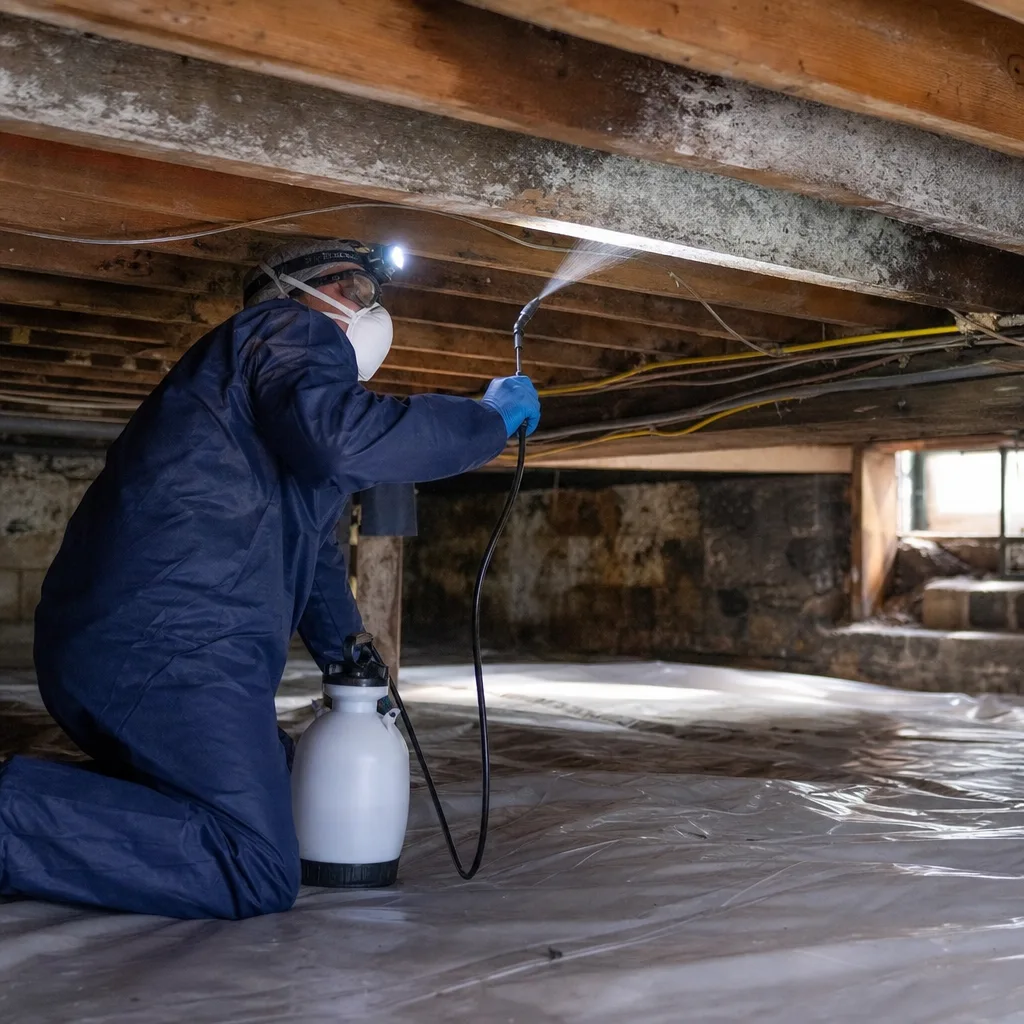
Mold Removal
Removal means removal. Physical removal of impacted drywall, insulation, carpet, and any porous material that has been colonized. In a Hoboken brownstone basement, that often means opening every wall cavity in the affected zone, not just the one with visible staining. We set containment before any demolition so we’re not spreading spores up into your kitchen.
Black Mold Remediation
Stachybotrys, the one people call black mold, loves the cellulose in drywall and the constant moisture from Hoboken’s recurring basement floods. It’s not automatically more dangerous than other indoor molds, but it’s definitely a sign of long-term water exposure. We treat it with full containment, negative air, physical removal, antimicrobial application, and clearance testing before anyone moves back into the space.
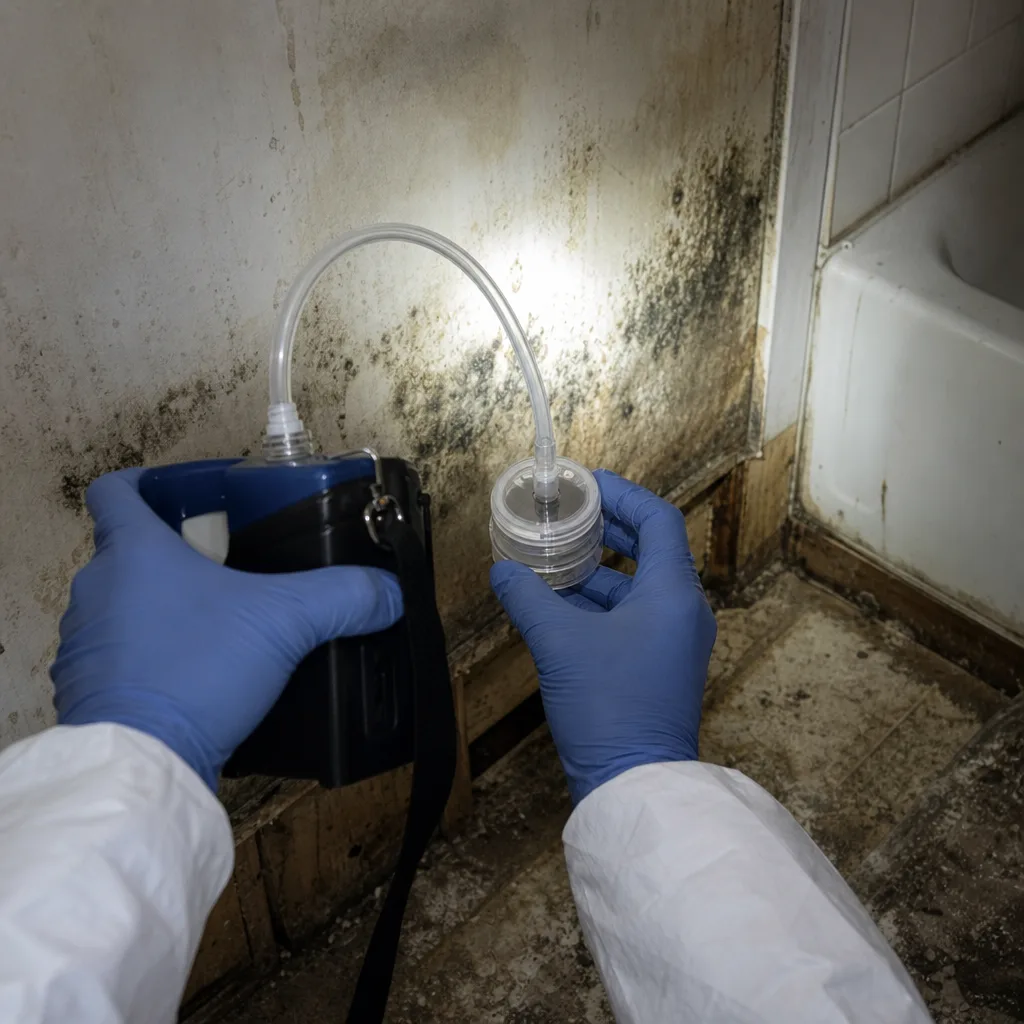
Air Quality Restoration
After the physical work is done, the air inside your basement still carries spores and particulates from the demolition. We run HEPA air scrubbers during the entire remediation and finish with a thorough HEPA vacuum of every horizontal surface. For Hoboken homes with forced-air HVAC, we inspect the system and replace inline filters so we’re not recirculating spore-laden air through the whole house.
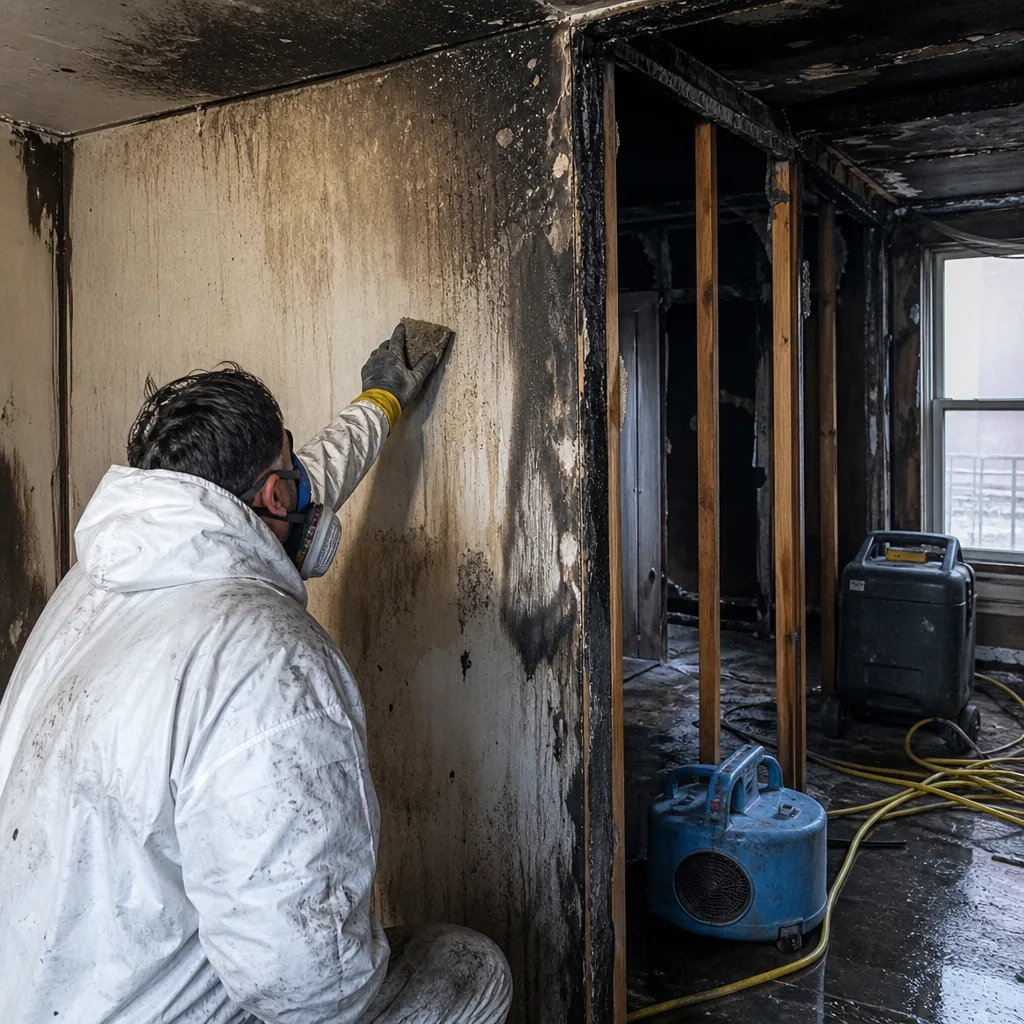
Crawl Space Treatment
Some of Hoboken’s older buildings have shallow crawl spaces under the front parlor floor or the rear extension. These spaces sit directly on damp soil and vent into the basement air. We install vapor barriers, seal rim joists, and treat any mold growth we find with antimicrobials. In a flood-prone zone, an untreated crawl space is just a mold factory feeding the living space above it.
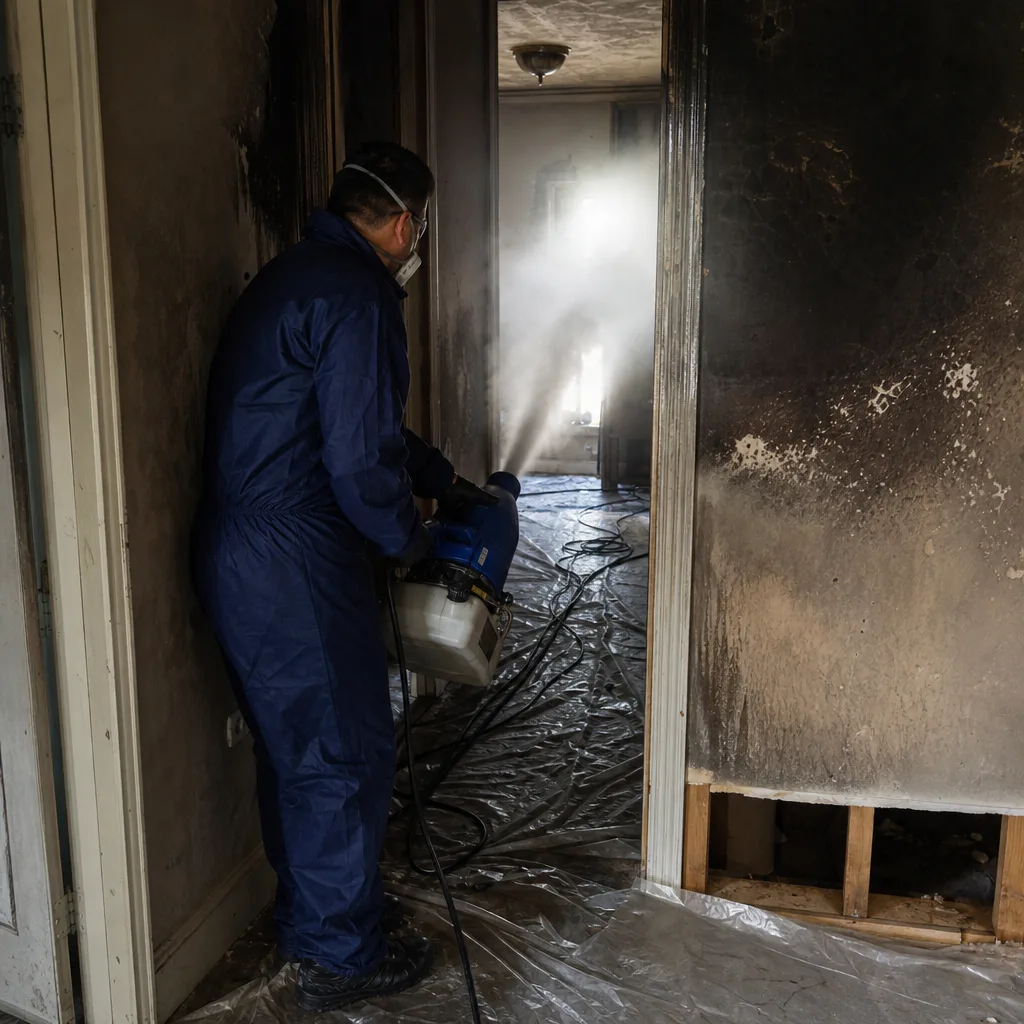
Moisture & Humidity Control
Mold can’t grow without moisture, so the long-term fix in Hoboken isn’t just killing the mold that’s there today, it’s controlling the humidity that will bring it back. We install and configure dehumidifiers sized for the actual square footage, seal foundation cracks, and recommend drainage improvements where the building’s lot grading allows. On a block that floods twice a year, a properly sized dehumidifier is not optional equipment.
What happens when you call
- 1
A real person answersNo phone trees - you reach a local pro.
- 2
You get an upfront price rangeHonest numbers before anyone is dispatched.
- 3
A background-checked tech heads outLicensed & insured, dispatched right away.
- 4
You approve before work beginsNothing starts until you say go.
Mold Remediation Costs in Hoboken, NJ
Here’s what you can expect to pay in Hoboken right now. A basic mold inspection with air sampling runs $300-$650 depending on the number of samples. Surface mold removal on a single wall with containment and antimicrobial treatment typically costs $900-$2,200. Full basement mold remediation with drywall removal, structural drying, and rebuild-ready finish runs $2,800-$6,500 for the typical Hoboken rowhouse basement. Black mold remediation that requires full containment, HEPA air scrubbing, and clearance testing usually lands between $3,500 and $8,000. What moves the price is the square footage of demo, the depth of the water damage behind the walls, and whether the space below 4th Street has flooded before and needs complete rebuild-ready work. Insurance covers the water damage portion of the claim in almost all cases; mold coverage depends on your specific policy. The free visual inspection gives us a chance to give you a written scope before any money changes hands. Call (607) 350-1550 and we’ll come look.
We Also Serve Cities Near Hoboken
Our mold remediation team works across Union City, Weehawken, Jersey City, and North Bergen. Same 45-minute response, same local knowledge of century-old masonry buildings and combined sewer flooding. If you’re in one of those towns and your basement just backed up, call (607) 350-1550.
Serving Hoboken, NJ - Our Local Coverage Area
We’re based in the Hoboken area and know this community well. Use the map below to see our service coverage - if you’re nearby, we can almost certainly help.
Hoboken Mold Remediation Questions, Answered
How does Hoboken’s combined sewer system affect mold growth in basements?
Hoboken’s combined sewer system carries stormwater and sewage in the same pipes, and when rain exceeds about one inch per hour, the system backs up into basements through floor drains and toilets. That water is Category 3 black water, loaded with bacteria and organic matter that feeds mold growth within 24-48 hours. The recurrent nature of these backups means basements that flood once typically flood again, which is why we recommend full mold inspection after every Category 3 event. Call (607) 350-1550 to schedule a free visual inspection after your next backup.
Why do finished basements in Hoboken brownstones have recurring mold problems?
Hoboken brownstones are century-old masonry buildings without modern waterproof membranes, and their brick walls wick and hold moisture long after a flood event. When a finished basement floods, the drywall, insulation, and framing absorb that moisture, and if the drywall isn’t removed to the studs, the mold inside the wall cavity regrows after the next flood. We regularly find multiple generations of mold behind walls that were never fully gutted. The fix is complete tear-out of impacted material and moisture-resistant rebuild in flood-prone zones.
What is the difference between Category 1, 2, and 3 water in Hoboken basement floods?
Category 1 is clean water from a supply line or faucet. Category 2 is gray water with some contamination, from sources like washing machine discharge or sump pump failure. Category 3 is black water, meaning sewage or floodwater that has picked up contaminants from outside. In Hoboken, any basement flood caused by a combined sewer backup is Category 3 by definition. Category 3 water requires full PPE, containment, antimicrobial treatment, and removal of all impacted porous materials. No shortcuts on Category 3, and that’s not negotiable.
Do I need mold testing after a Hoboken flood, or can I just see it?
Visible mold tells you where the problem is on the surface, but it doesn’t tell you what’s inside the wall cavities or what’s circulating in the air. In Hoboken’s flood-prone basements, we recommend air sampling and moisture mapping after any Category 3 water event, because the real damage is usually hidden behind finished walls. Testing also gives you a baseline for insurance documentation and clearance verification after remediation is complete. A visual inspection alone misses the mold that will regrow in six months.
How does FEMA flood zone mapping affect mold remediation scope in Hoboken?
Post-Sandy FEMA Advisory Base Flood Elevation changes put a large portion of Hoboken’s ground-floor and basement units inside AE and VE flood zones, mostly below 4th Street. That means buildings in those zones have flooded repeatedly, and many have drywall cavities with old remediation work that was never fully gutted. When we quote a job in those blocks, we check the address against the flood maps and look for evidence of prior mold treatment. Repeated flood history changes the scope: we usually recommend full tear-out and moisture-resistant rebuild instead of spot remediation, because the next backup is coming.
How fast can you actually get to my Hoboken basement?
Wade answers his own phone around the clock, and crews are staged across the metro. In Hoboken proper, we’re usually inside the house within 45 minutes of your call. On a rainy night with multiple basement backups happening at once, response may stretch to 60-90 minutes, but we’ll tell you that honestly when you call. The faster we get containment set and equipment running, the less drywall comes out. Call (607) 350-1550 and we’ll head your way.
How long does mold remediation take in a typical Hoboken brownstone basement?
For a typical finished basement with surface mold and moderate water damage, remediation runs 3-5 days from first containment to final clearance testing. That includes demo, structural drying, antimicrobial treatment, and HEPA vacuuming. If we find multiple generations of mold behind walls that require complete gutting, add 2-3 days for extended drying and rebuild preparation. We’ll give you a written timeline before work starts, and we’ll update it daily with moisture readings so you know exactly where things stand.
Can we stay in our home during Hoboken mold remediation?
Usually yes, if the affected area is the basement and we can maintain containment with negative air pressure. The living floors above stay habitable while we work below. If mold has spread through the HVAC system or contamination extends into main living areas, you may need temporary relocation for safety. We’ll tell you honestly after the inspection. Your health and your family’s health come before anyone’s schedule.
What credentials do your mold remediation crews have?
Wade’s Restoration carries IICRC certifications including AMRT (Applied Microbial Remediation Technician) and WRT (Water Restoration Technician). We’re affiliated with the RIA and recognized by the IFA. And on every mold job, Wade himself is on-site or reachable by phone. Ask anyone on your street who’s had a basement flood in Hoboken, they’ll tell you the same thing: the owner shows up.
What should I do in the first 30 minutes after my Hoboken basement floods?
First, don’t walk through standing water if there’s any chance it’s from the sewer, it’s contaminated and you don’t want it on your skin or tracked through the house. Second, shut off power to the basement at the breaker if you can do so safely. Third, call (607) 350-1550. Wade will tell you exactly what to do over the phone while the crew is on the way. Don’t run fans or a shop vac on Category 3 water. Don’t open walls yourself. And document everything with photos before anything gets moved.
Written by Wade Ferris, Owner at Wade’s Restoration. Wade answers his own phone, publishes his address and license number, and has been making things right since 2007. If you’re dealing with mold in Hoboken, call (607) 350-1550 and he’ll be there.