
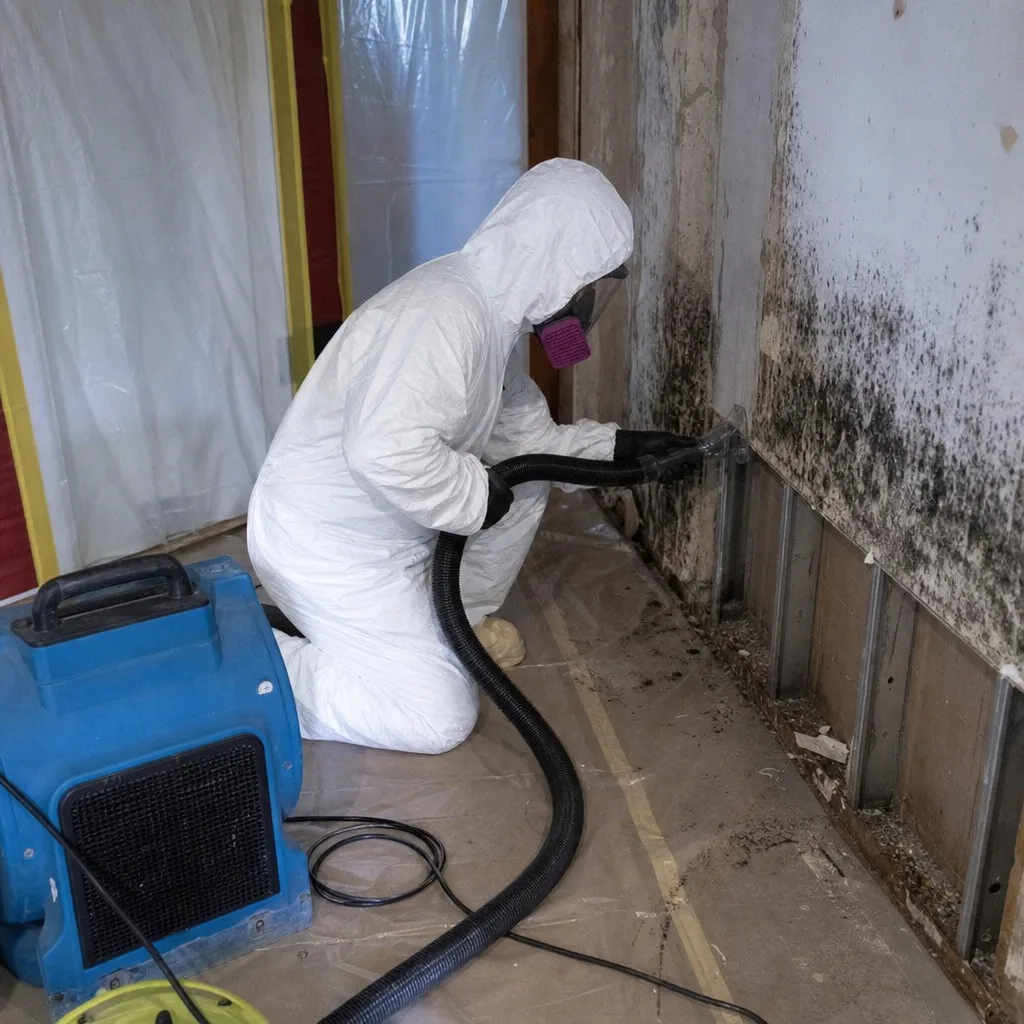
Free visual inspection and a written scope of work before any mitigation begins - photos, moisture readings, and drying logs go in your claim file
The scope we write is the scope we bill. Anything new gets shown to you, in writing, before we touch it.
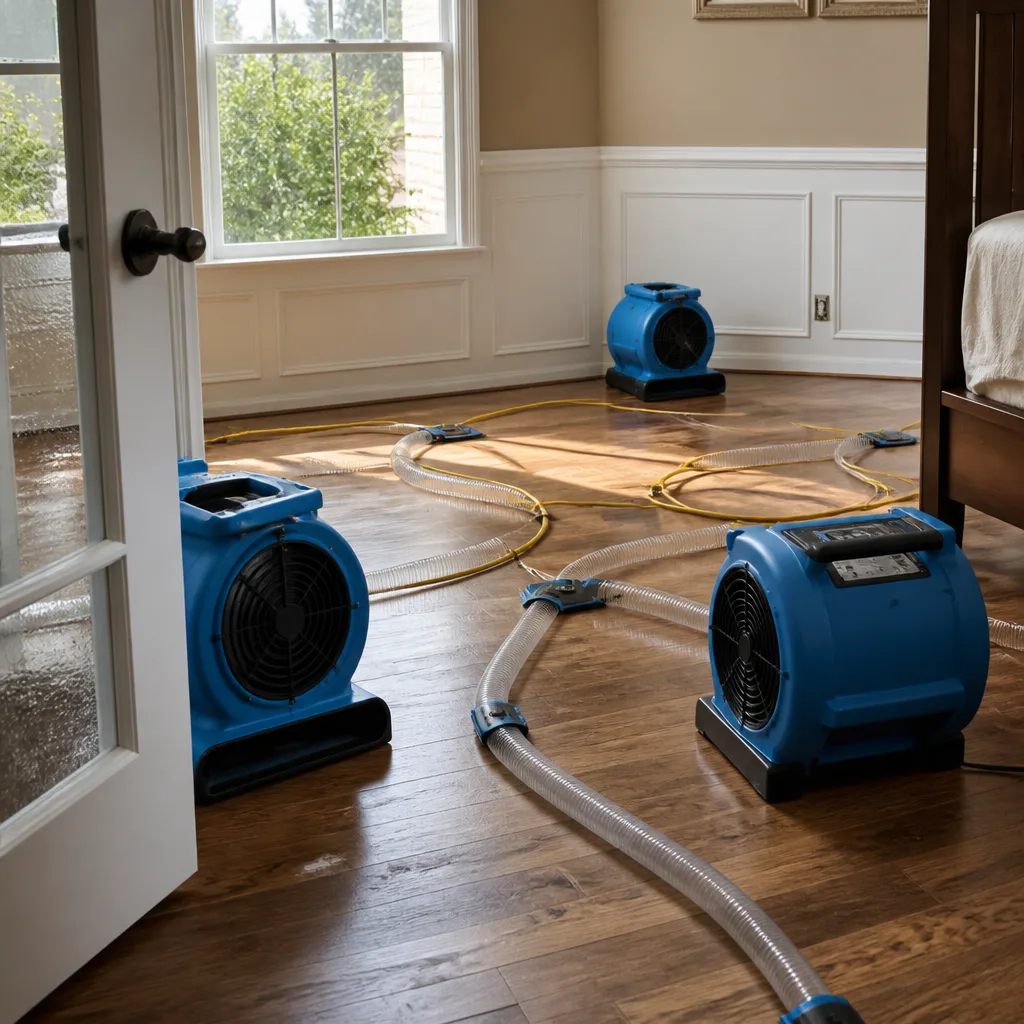
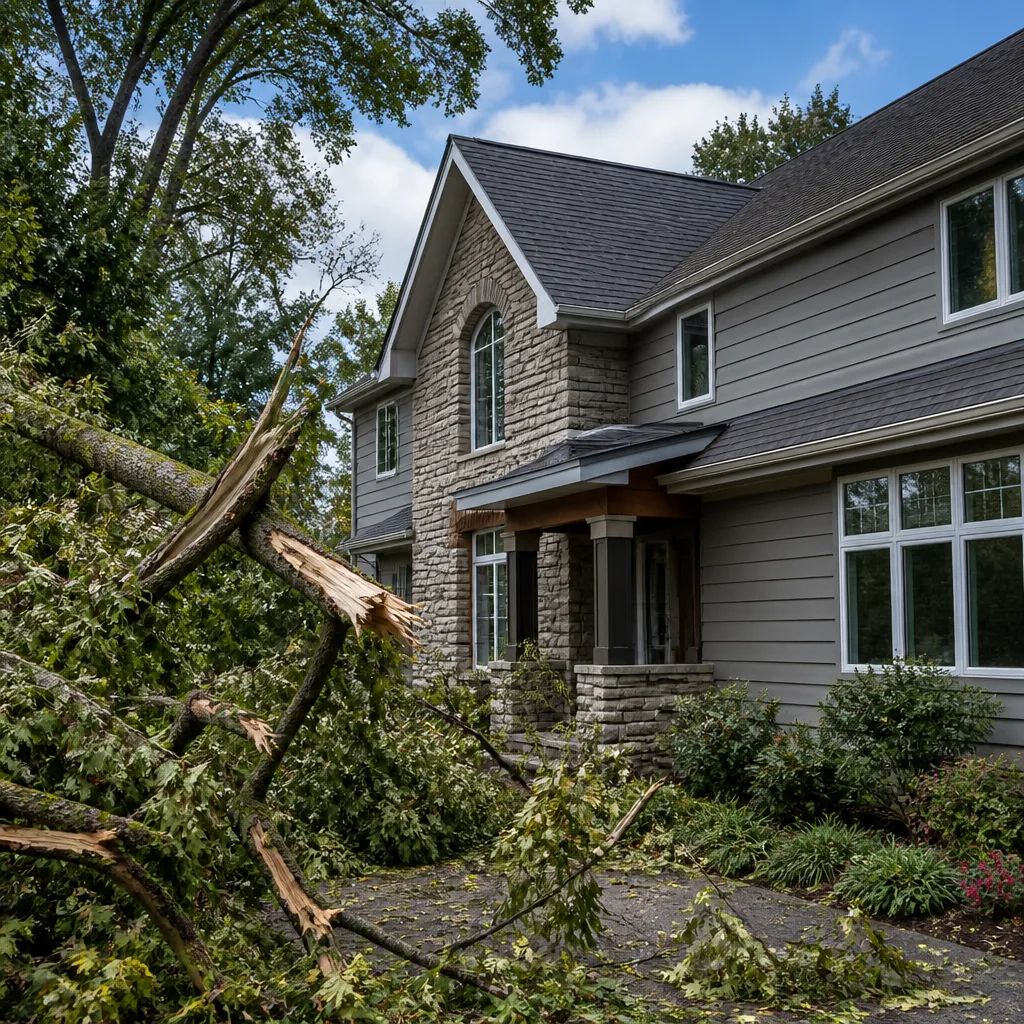
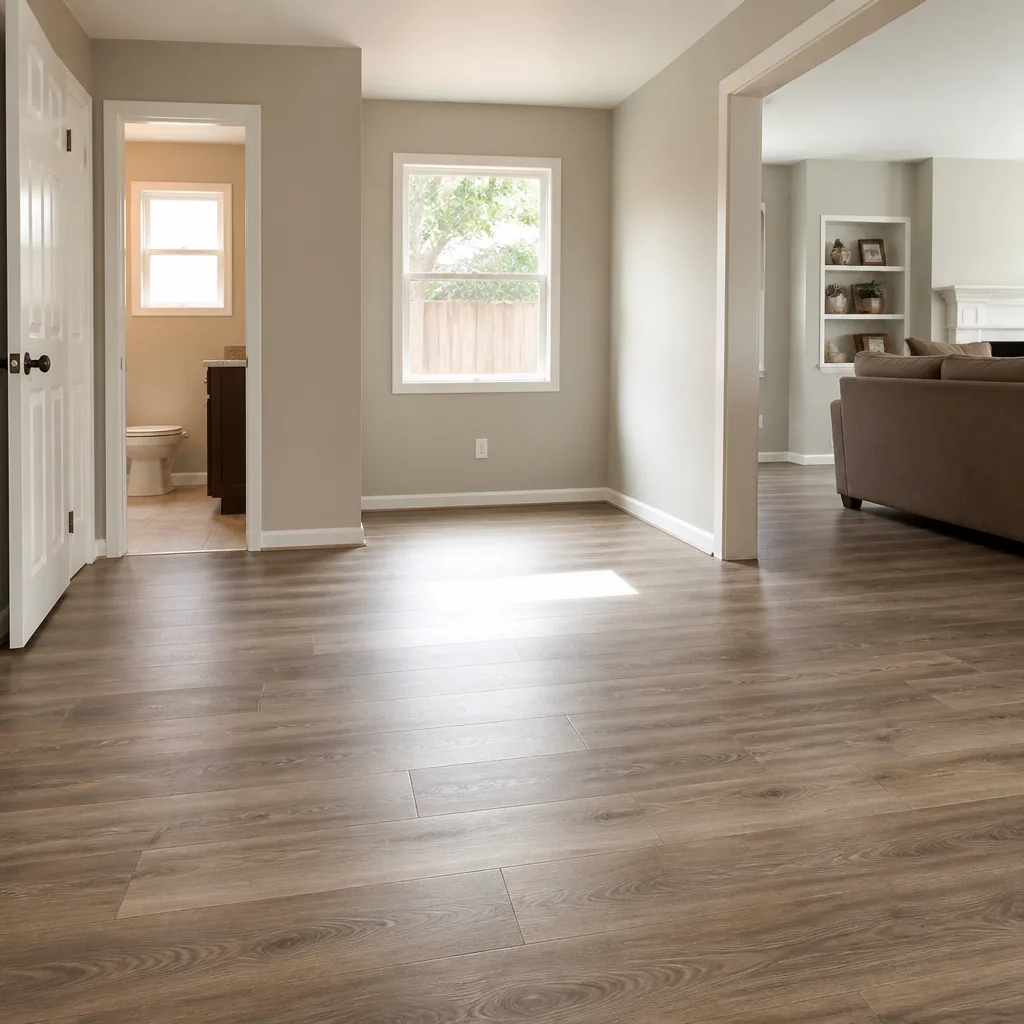

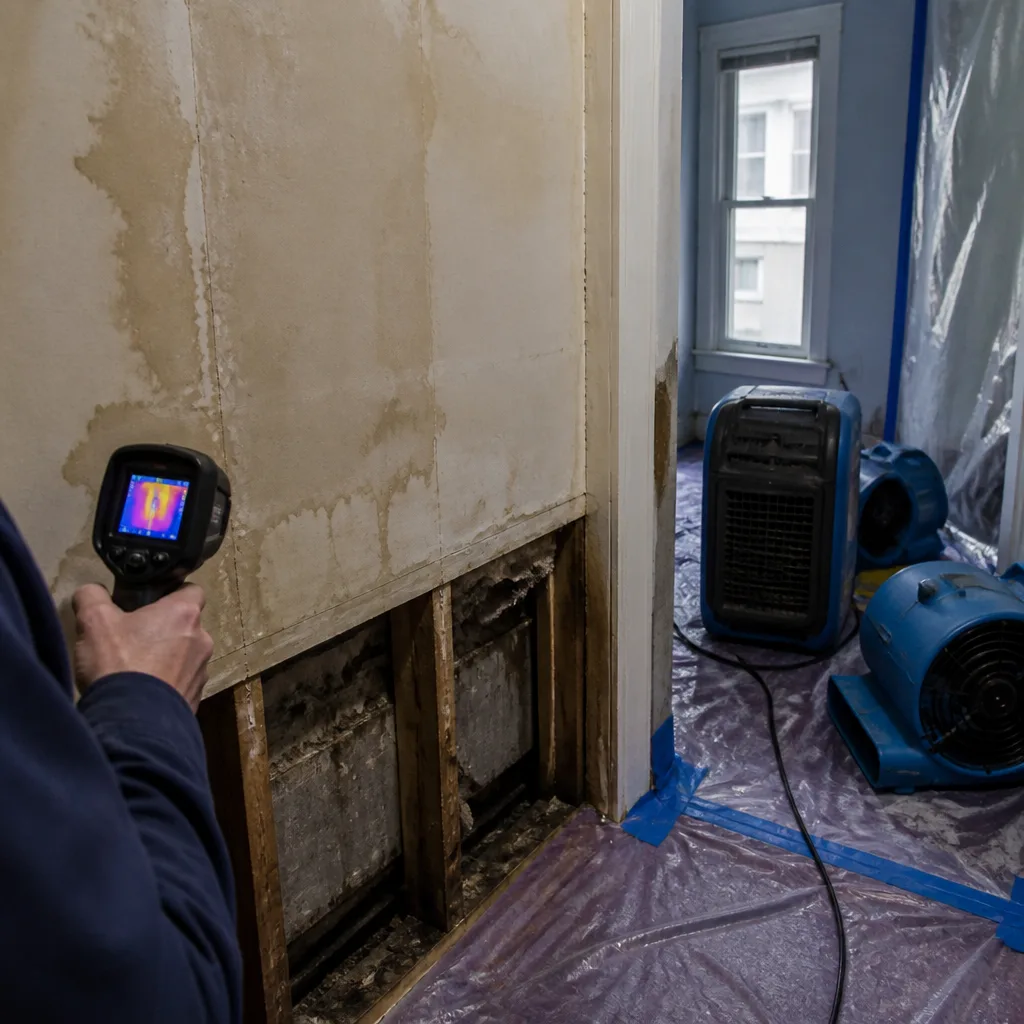 Before
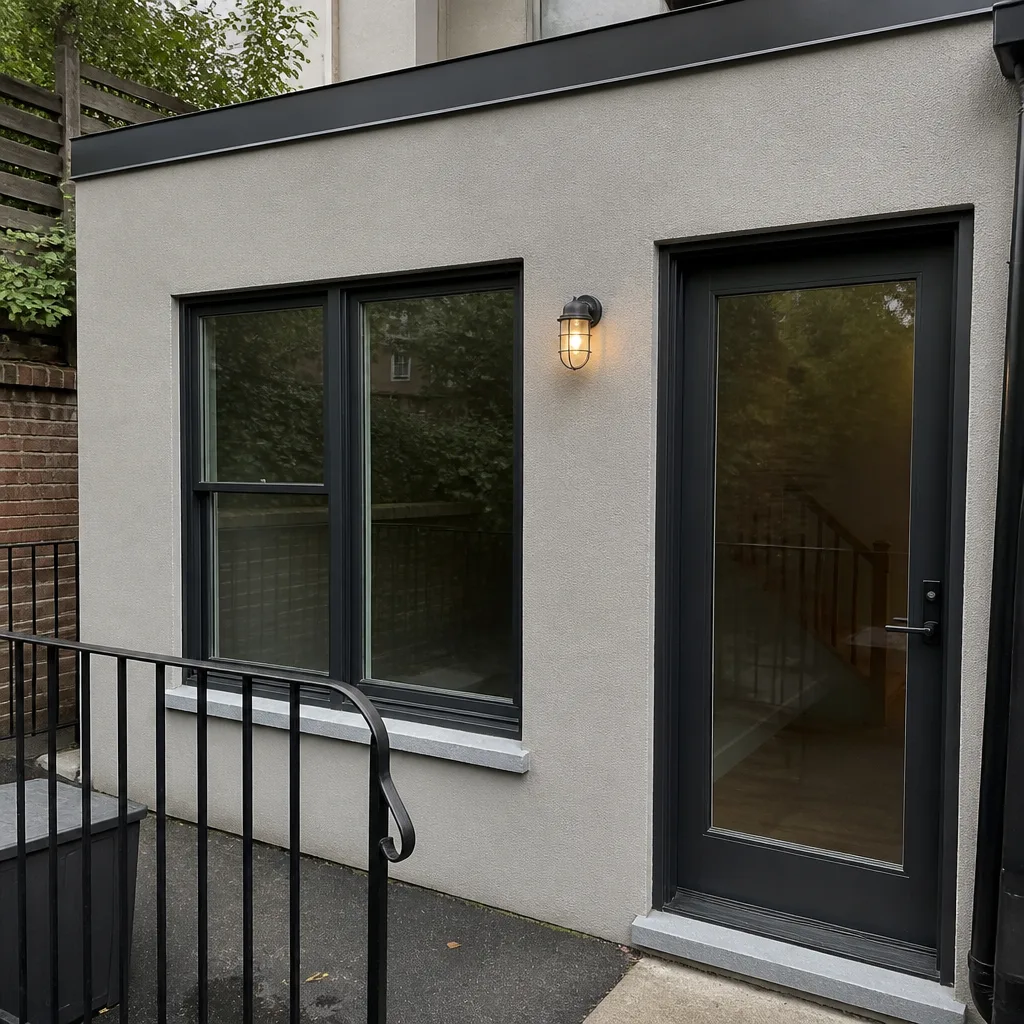 After
After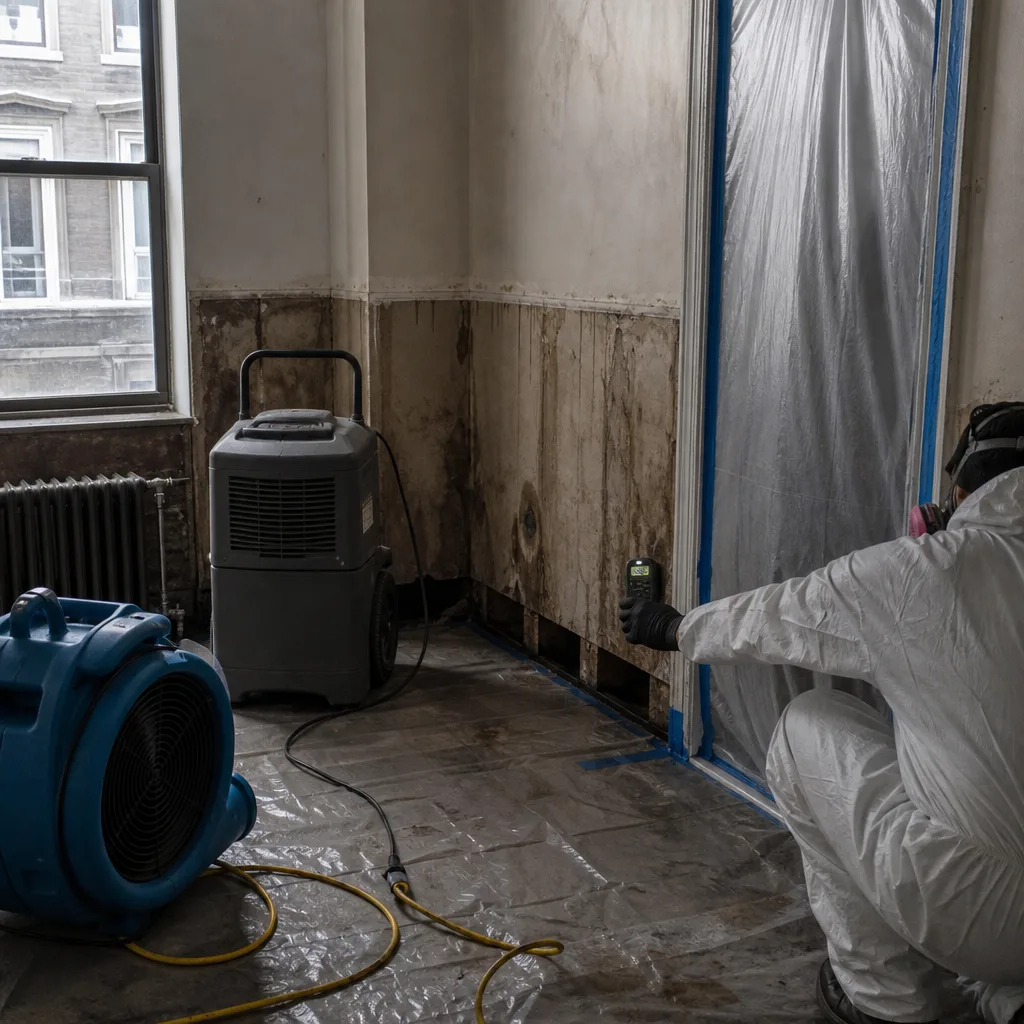 Before
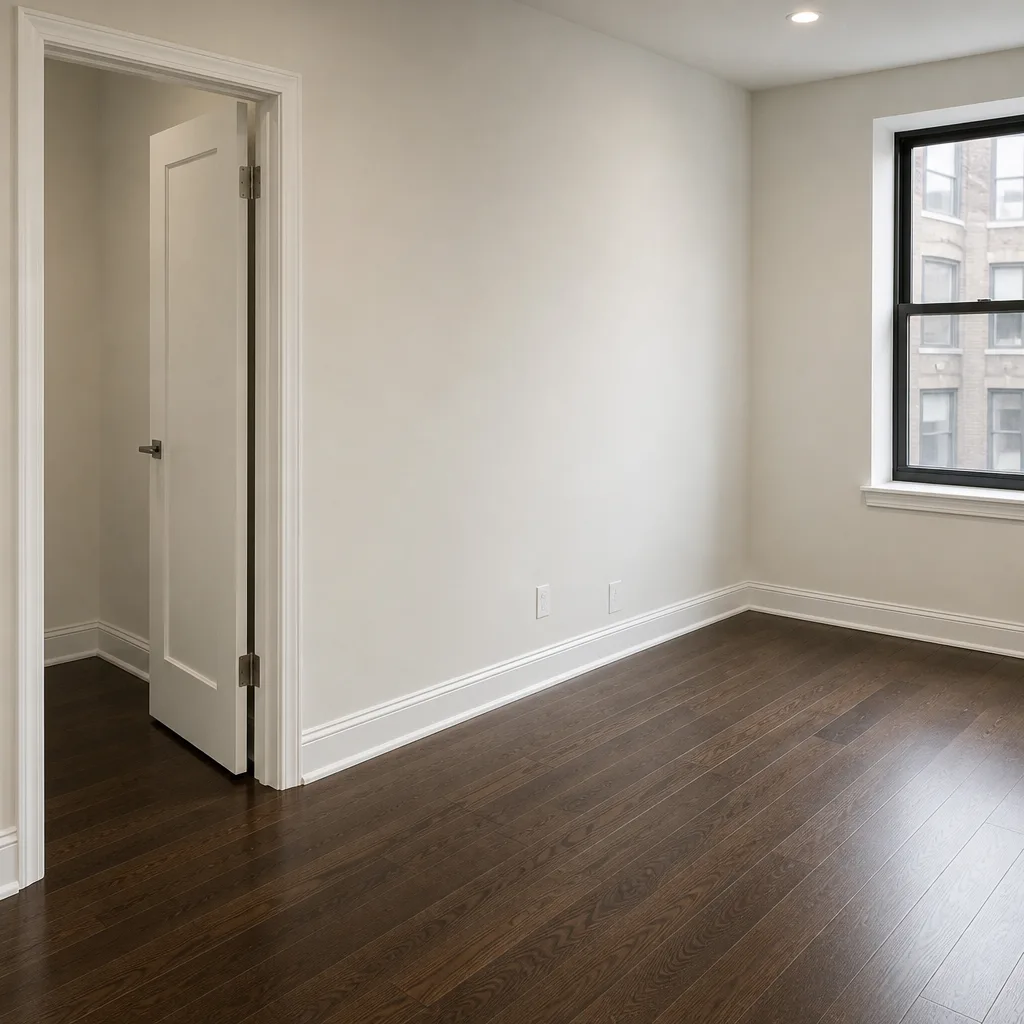 After
After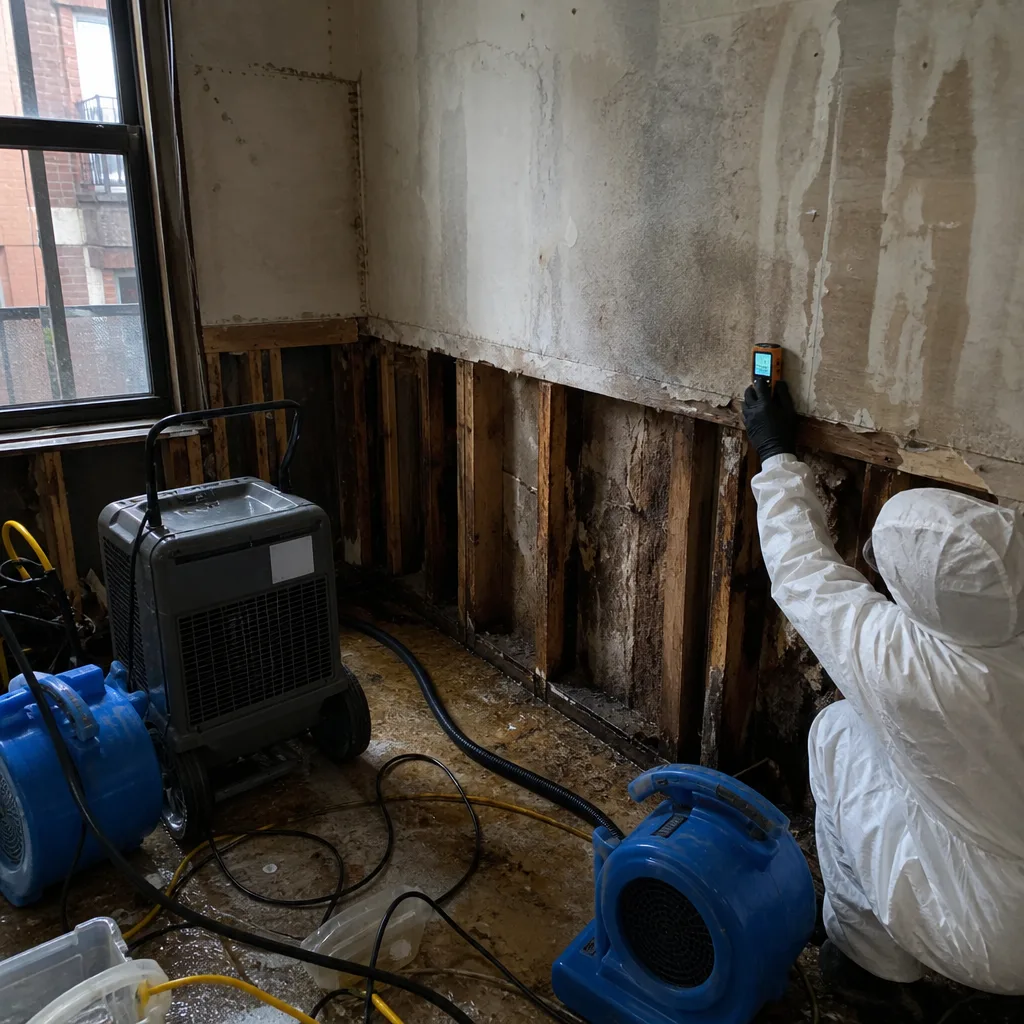 Before
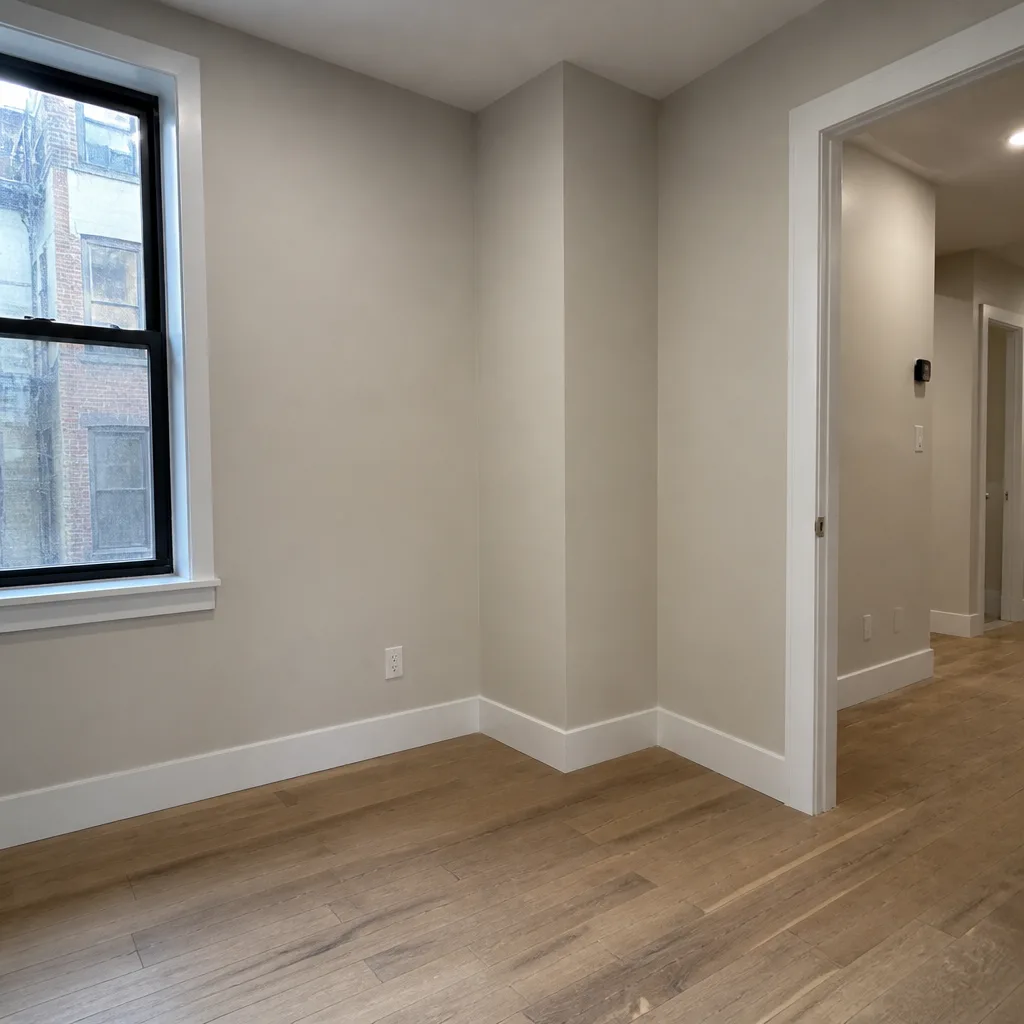 After
After24/7 Emergency Mold Remediation in Union City
Mold remediation in Union City typically runs $1,800-$6,500 for contained unit treatment and $8,000-$25,000+ when multiple floors or structural cavities are involved. We answer live at (607) 350-1550 around the clock, and Wade himself picks up. In a city where mold spreads through shared walls and stacked floor cavities faster than almost anywhere else in New Jersey, the first call matters.
Union City’s pre-war brick tenements don’t give you weeks to think it over. Moisture trapped behind original plaster feeds mold growth within 48 to 72 hours, and in a six-unit building, that means your neighbor’s problem becomes yours. Whether you smell something musty near a bathroom on Kennedy Boulevard or found black staining spreading across a bedroom wall in a 1920s walk-up off Bergenline Avenue, we can have a crew at your door the same day, usually inside an hour. No answering service. No runaround.
If you suspect mold after a leak, a roof failure, or rising groundwater in a basement, call now. We’ll walk the property, take moisture readings, and tell you exactly what you’re looking at before any work starts. A visual inspection costs you nothing.
Understanding Mold Remediation Severity in Union City Properties
Not all mold remediation is the same job. Severity in Union City breaks down by how far water traveled before you saw the first stain. A slow drip from a corroded galvanized supply line behind a kitchen wall in a 1930s row house off New York Avenue is a contained job: we set up containment, run HEPA air scrubbers, remove affected plaster, treat the framing, and get you back to normal in a day or two. Price range: $1,800-$4,500.
A Category 3 water event, meaning sewage-tainted water from a failed cast-iron stack, is a different animal. That’s black water. It saturates plaster, wicks into floor cavities, and pushes mold spores into adjacent units through floor penetrations and shared wall chases. Remediation then requires full containment on multiple floors, negative air pressure, demolition of saturated plaster and lath, antimicrobial treatment of every exposed surface, and clearance testing before anyone moves back in. In Union City’s dense multi-family stock, these jobs often run $12,000-$30,000 and take five to ten days.
The severity questions we hear most from building owners: how far did the water go, how long has it been wet, and what’s behind the wall? The answers come from moisture mapping with Protimeter meters and thermal imaging, not guesswork. In a 1900s tenement with original plaster-over-lath, the wall doesn’t dry on its own. It holds moisture and feeds the problem.
Why Union City Property Owners Choose Wade’s Restoration
- 45-minute response commitment: When you call with active water or mold, Wade’s crew is on the road within 45 minutes, not “sometime today.” In Union City, that means we’re walking your building before the damage spreads another floor.
- 24/7 live answer, always a real person: Wade answers his own phone. No answering service, no voicemail tree. At 2 a.m. with a wet basement off Palisade Avenue, you’ll talk to the owner, not a call center.
- IICRC-certified crews: Our team holds IICRC credentials including WRT (Water Damage Restoration Technician) and AMRT (Applied Microbial Remediation Technician). That matters when your building was built before modern plumbing codes existed.
- Free visual inspection: We’ll walk the property, take moisture readings, and tell you honestly whether you need full remediation or just a cleaning and dehumidification. No charge for that.
- Direct insurance billing: We bill your carrier directly and document every step with photos, moisture logs, and line-item scopes. You don’t translate between us and your adjuster. We handle it.
- One team from start to finish: The same crew that sets containment removes the mold, dries the structure, and handles the rebuild. No handoffs, no subcontractors you’ve never met.
Our Mold Remediation Process
Inspection & Assessment
We start with a full visual inspection and moisture mapping using Protimeter meters and thermal imaging. In Union City’s old buildings, we trace water migration through floor penetrations, wall chases, and party walls, because mold never stops at your unit’s drywall boundary.
Containment & Stabilization
Before touching any mold, we seal the affected area with 6-mil polyethylene and set up negative air pressure using HEPA air scrubbers. In multi-unit buildings, containment on each floor is essential, or spores travel through shared hallways and stairwells.
Drying & Dehumidification
We hand-carry commercial dehumidifiers like Dri-Eaz LGR 7000XLi units and Phoenix AirMax air movers up as many flights as needed. Basement jobs along the Palisades often require additional dehumidification capacity to pull moisture out of masonry foundation walls.
Removal & Cleaning
Affected plaster, lath, and insulation come out in sealed bags. We wire-brush and HEPA-vacuum framing, then apply antimicrobial treatment to all exposed cavities. Every surface gets cleaned before any new materials go in.
Specialty Treatment
For black mold and chronic moisture environments, we apply antimicrobial and encapsulant products appropriate for the specific substrate. In pre-1978 buildings, this step is coordinated with any required lead or asbestos abatement protocols under NJ DEP rules.
Repairs & Restoration
Once clearance testing confirms the air is clean, we rebuild: new drywall or plaster, insulation, trim, and paint. One crew handles it all, so you’re not juggling a remediation company and a separate contractor.
Need Emergency Mold Remediation in Union City Now?
Crews minutes away, answering live 24 hours a day. The sooner we start, the less it costs.
Working With Your Insurance Company
Mold claims in Union City get complicated fast because of the age of the buildings. Insurance carriers want proof that the mold was caused by a covered peril, like a sudden pipe burst rather than long-term humidity. That’s where documentation makes or breaks your claim. From hour one, we photograph every affected room, log moisture readings daily against the class of water involved, and write scopes that use industry-standard language your adjuster recognizes.
Wade deals with the adjuster directly. You’re not the one stuck relaying information between two sides while mold keeps spreading. He has been doing this since 2007 and knows how to present a claim so the carrier sees the full picture, not a trimmed-down version. When it’s covered, we bill insurance directly and you only handle your deductible.
What We Provide Your Insurer
- Thorough documentation of the loss
- Photos of all damage, room by room
- Moisture readings and drying logs
- A detailed, line-item scope of work
- Direct coordination with your carrier
Built for Union City’s Loss Calendar
Union City’s mold problems follow a seasonal rhythm, and knowing it helps you stay ahead. January and February bring deep freezes that split aging galvanized supply lines in unheated stairwells and basement utility rooms. When the thaw comes, water that has been sitting inside wall cavities for days or weeks finally migrates through plaster, and by spring, mold is blooming behind walls in dozens of units across the city.
Spring rain and nor’easters hit the Palisades hard. Basement foundations built into the cliff face take on groundwater through hydrostatic pressure, and we get calls from buildings along Palisade Avenue and Manhattan Avenue where seepage has turned storage rooms into mold incubators. A dehumidifier from the hardware store won’t fix that. The water has to be stopped at the source or the mold returns.
Summer is the sleeper season. Union City’s urban heat-island effect drives humidity sky-high inside old brick buildings with no mechanical ventilation. After any water event, hidden cavities stay damp longer than they would in the suburbs. We’ve measured relative humidity above 75% in closed rooms on 90-degree days in July. Mold doesn’t need a leak. It needs moisture, and summer humidity alone can push a borderline wall into active colonization.
Fall is when pre-war heating systems kick on for the first time in months. Old radiators bang, steam pipes leak at fittings, and pinhole leaks in original supply lines finally let go. Every landlord and homeowner in Union City should be checking for dampness around plumbing chases and beneath radiators before winter sets in.
Mold Remediation Across Union City’s Neighborhoods
Along Bergenline Avenue, the commercial spine of the city, we work mostly in mixed-use buildings where shops occupy the ground floor and apartments above. A roof leak over a third-floor kitchen migrates down through two floors of apartments before it shows up as a stain on the store’s ceiling. By then, mold is already feeding in the cavities between floors. Our crews have done more stairwell hand-carries here than anywhere else in Hudson County.
In the residential blocks west of Kennedy Boulevard, the housing stock is largely three to five story brick tenements from the 1920s and 1930s. These buildings have original cast-iron drain stacks that have been rusting from the inside for 80 years. A stack failure sends Category 3 water down through multiple units, and by the time a tenant reports it, three or four apartments are involved. Mold in these buildings almost always crosses party walls, which is why containment per floor is non-negotiable.
Near Washington Park and the Weehawken border, the buildings get slightly better ventilation but the foundations sit right up against the Palisades rock face. Groundwater seepage after heavy rain is a chronic issue in basement apartments and storage rooms. We treat these differently: mold removal alone doesn’t work if water keeps coming through the masonry. You have to address the moisture source, install proper drainage or vapor barriers, and then remediate what’s already there.
The area around Sacred Heart Church and Jerome Street has some of the oldest original structures in the city, including a few wood-frame row houses dating to before 1900. In these buildings, plaster walls are thicker, lath is rougher, and framing is old-growth timbers that hold moisture differently than modern studs. Mold remediation here requires longer drying times and more aggressive dehumidification because the wood itself was wet for a century before anyone touched it.
Specialized Mold Remediation Services We Offer in Union City
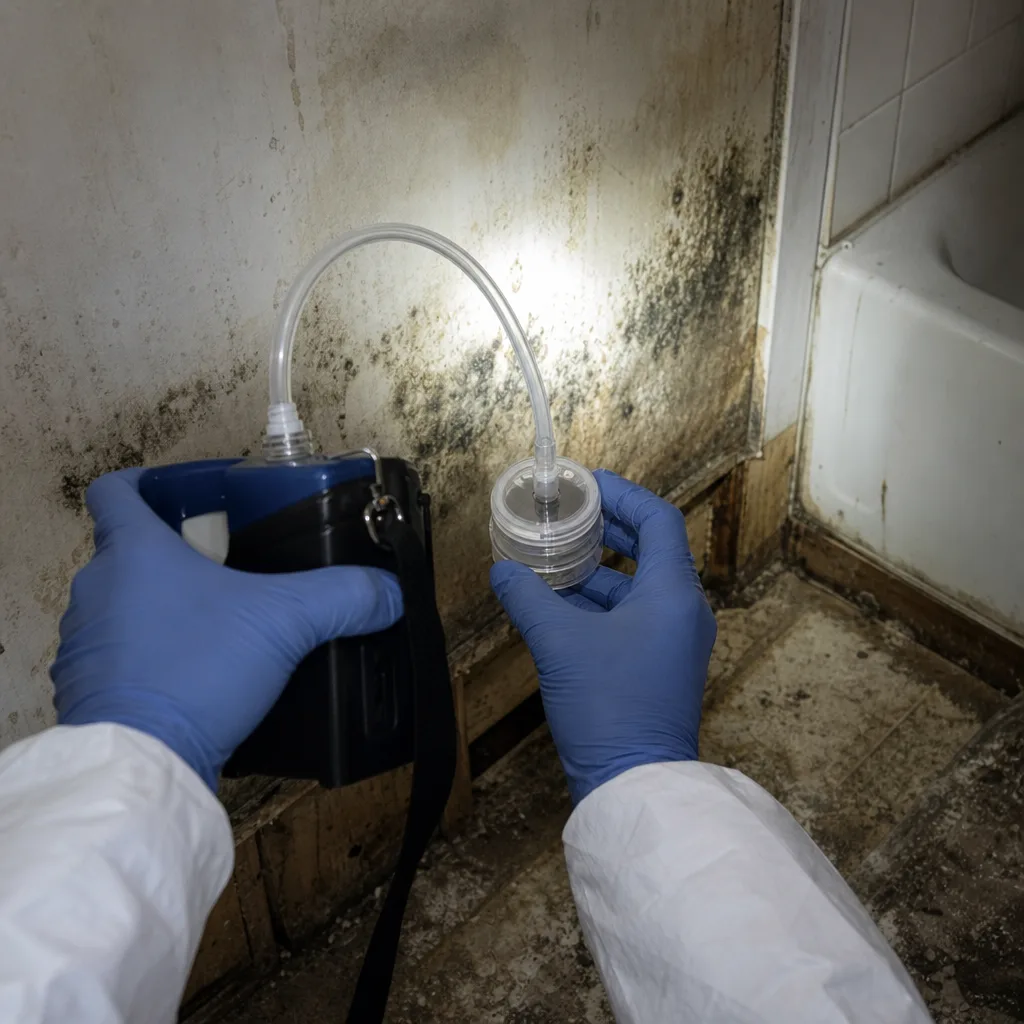
Mold Inspection & Testing
Before any remediation, we need to know what’s actually growing and how far it spread. We take air samples, surface samples, and moisture readings throughout the affected area. In Union City’s dense buildings, we also check adjacent units because mold spores travel through shared floor systems and wall chases. A typical inspection with lab results runs $450-$900, and we credit that cost toward remediation if we do the work.
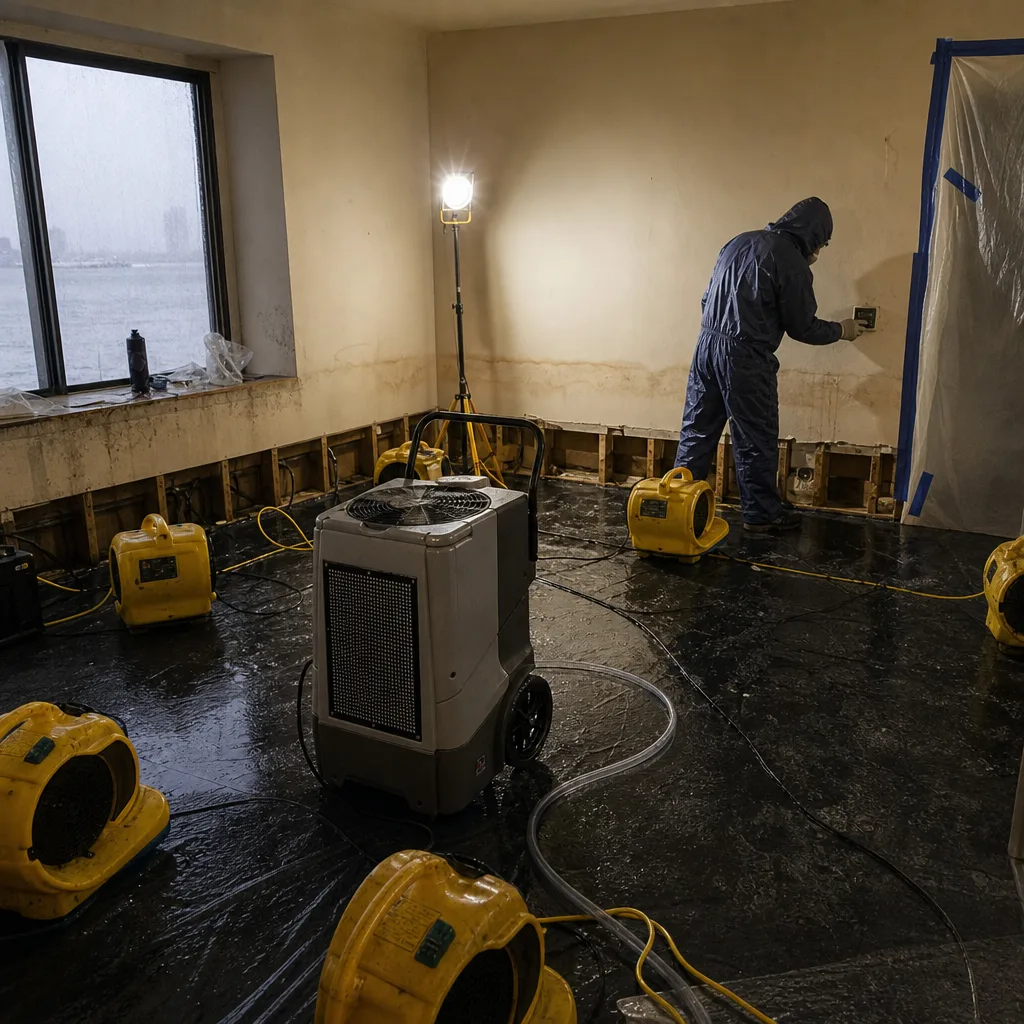
Mold Removal
This is the core work: setting containment, removing mold-affected materials, cleaning and treating framing, and verifying the result with clearance testing. In Union City tenements, removal often means opening plaster walls on multiple floors simultaneously. In a three-unit building, remediation typically costs $2,500-$6,000 per unit when the mold is contained to one or two rooms.
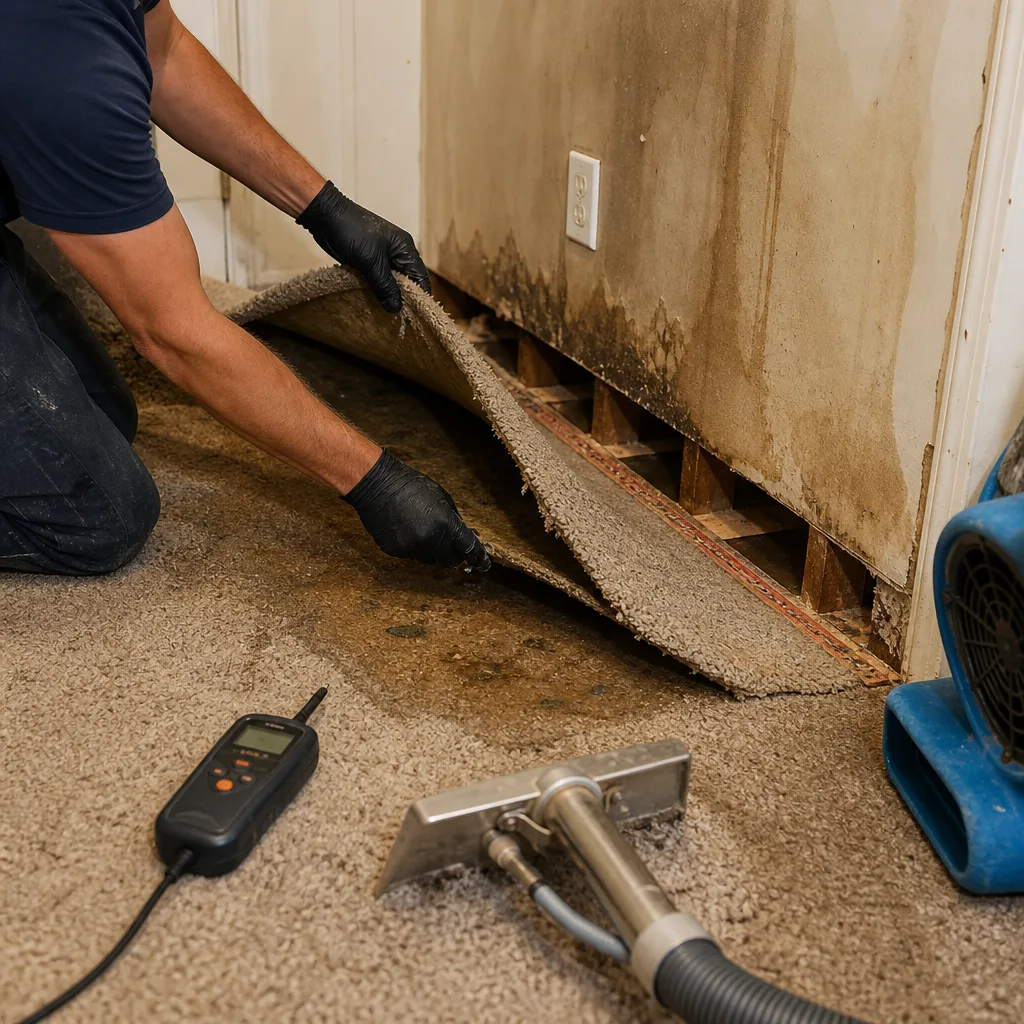
Black Mold Remediation
Stachybotrys, the “black mold” everyone worries about, loves chronically wet cellulose, and Union City’s plaster-over-lath walls are exactly that. When we find black mold, we don’t just cut out the visibly stained material. We treat the entire cavity with EPA-registered antimicrobials, then encapsulate the framing to prevent regrowth. Black mold remediation typically runs 30-50% more than standard mold removal because of the extra treatment and verification steps.
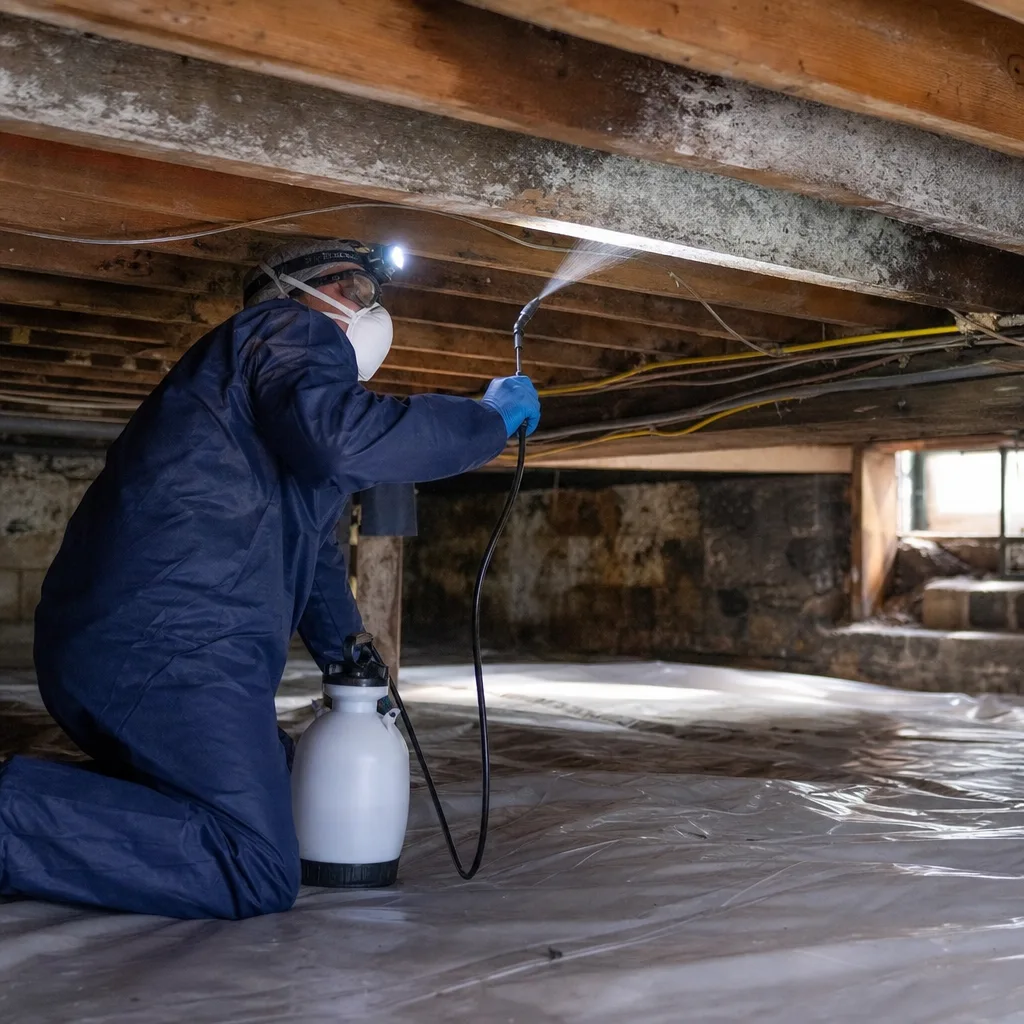
Air Quality Restoration
After physical mold removal, the air inside a building can still carry spore counts far above what’s safe. We run HEPA air scrubbers during the project and may run them for additional days after. Before we close a wall back up, we conduct air sampling to verify spore counts are within acceptable ranges. For mold-sensitive residents, we can also recommend and install permanent dehumidification systems that keep humidity below the 55% threshold where mold grows.
Crawl Space Treatment
Union City has fewer crawl spaces than the suburbs, but older wood-frame buildings near the Weehawken border have them. Crawl spaces here accumulate moisture from both groundwater and poor ventilation, and mold underneath the house migrates up through floor joists into living areas. We address the moisture source first, then remove mold from joists, treat the wood, and install vapor barriers. Typical crawl space mold treatment in Union City runs $1,800-$4,000 depending on the access challenges.
Moisture & Humidity Control
The biggest lesson in Union City mold remediation is this: remove the moisture and the mold doesn’t come back. We install dehumidification systems, improve ventilation in bathrooms and kitchens, repair failed waterproofing, and fix plumbing at the source. In these old brick buildings, controlling humidity is the difference between a one-time remediation and a recurring nightmare.
What happens when you call
- 1
A real person answersNo phone trees - you reach a local pro.
- 2
You get an upfront price rangeHonest numbers before anyone is dispatched.
- 3
A background-checked tech heads outLicensed & insured, dispatched right away.
- 4
You approve before work beginsNothing starts until you say go.
Mold Remediation Costs in Union City, NJ
Here are honest numbers for Union City’s market. Nothing vague, no “prices vary” without a range. A contained bathroom mold job in a single apartment runs $1,800-$3,500. Full apartment remediation behind multiple walls: $4,000-$8,000. Multi-unit, multi-floor mold contamination from a stack failure or long-term leak: $12,000-$30,000. Basement mold with groundwater issues: $3,500-$9,000 depending on whether waterproofing work is needed.
What moves the price in Union City specifically is labor hours. Hand-carrying commercial dehumidifiers, air movers, and HEPA scrubbers up five flights of stairs in a building with no freight elevator can add $500-$1,500 to a job. Required lead and asbestos abatement coordination in pre-1978 buildings can add significantly more. If your insurance covers the original water damage, the mold remediation is often covered too, because you couldn’t have prevented it without the first problem being fixed. If the mold came from long-term humidity or deferred maintenance, carriers often deny it. We’ll help you figure out which scenario you’re in. Call (607) 350-1550 for a free visual inspection, and we’ll give you a written scope with firm numbers before any work begins.
We Also Serve Cities Near Union City
Our crews work throughout Hudson County, so if you manage property in Weehawken, Hoboken, North Bergen, or Secaucus, we’re already nearby. The same trucks that work Union City’s narrow streets handle basements in Secaucus and brownstones in Hoboken. Call us and we’ll be there.
Union City Mold Remediation Questions, Answered
How does Union City’s dense multi-family housing affect the scope of a mold remediation project?
In dense multi-family buildings, mold almost never stays in one unit. Our crews regularly find mold that has spread through shared floor cavities, wall chases, and party walls into two, three, or more apartments before anyone gets the first call. That means the containment must happen on every affected floor, not just the unit where the stain appeared. It also means our inspection has to cover adjacent units before we can give an accurate scope.
Why do mold remediation crews need to hand-carry equipment in most Union City buildings?
Union City’s streets are among the tightest in New Jersey, perpetually double-parked, and most of the pre-war tenements have no freight elevator. We can’t stage a truck of equipment directly outside the door, so our techs hand-carry commercial dehumidifiers, HEPA scrubbers, and air movers up narrow stairwells. A Dri-Eaz LGR 7000XLi weighs over 100 pounds. Multiply that by six or eight units, and you understand why labor hours run high here.
Does mold removal in Union City trigger lead or asbestos abatement rules?
Yes, in most buildings constructed before 1978, including the vast majority of Union City’s housing stock, disturbing plaster, pipe insulation, or old flooring during mold remediation can trigger NJ DEP lead and asbestos abatement protocols. That doesn’t mean the project stalls; it means we coordinate with licensed abatement contractors and build those requirements into the scope from the start. Anyone who skips this is breaking the law and putting residents at risk.
How do you dry out a Union City basement with cliff-face groundwater seepage and mold?
You have to stop the water first. On Palisades-facing properties, groundwater seepage through masonry foundation walls won’t stop because you put a dehumidifier in the room. We address the source, whether that means installing a vapor barrier, improving drainage, or repairing failed waterproofing, and then we dry the structure, remove mold, and treat the affected surfaces. Skip the first step and the mold returns within months.
Can mold behind original plaster walls in a 1920s Union City row house be fully removed without gut renovation?
Sometimes, but not always. If the mold is surface-level or confined to the back side of the plaster, we can often contain the area, treat the plaster face with antimicrobials, and dry the cavity thoroughly without a full gut. If the mold has penetrated into the lath and framing, the affected plaster and lath have to come out. The good news: we rebuild what we remove, and we can blend new work with old plaster so you can’t tell anything happened.
How fast can you actually get here?
Wade answers his phone 24/7, and for active water or visible mold, he can have a crew at your Union City address within 45 minutes in most cases. If it’s a non-emergency inspection, we’ll schedule it around your availability, usually the same day or next morning.
Will insurance cover mold remediation?
If the mold was caused by a sudden and accidental covered event, like a burst pipe or a covered roof leak, many policies will cover the mold removal that results from it. If the mold developed over months from humidity or deferred maintenance, most carriers deny the claim. We’ll document the cause from the first hour and work directly with your adjuster to present the strongest case. Either way, you get a straight answer before any work starts.
What should I do in the first 30 minutes if I find mold in my Union City apartment or house?
Call us at (607) 350-1550. Don’t scrub it with bleach; that spreads spores and hides the visual evidence adjusters need. Don’t run a box fan, which blows spores into other rooms. Reduce the moisture source if you can see it, like shutting off a leaking valve, and keep people and pets out of the area. Take photos before anything is disturbed. Then wait for us to arrive.
Serving Union City, NJ - Our Local Coverage Area
We’re based in the Union City area and know this community well. Use the map below to see our service coverage - if you’re nearby, we can almost certainly help.
The One Thing Other Mold Companies Miss in Union City
Union City’s 3-to-6-story pre-1940 brick tenements hide mold behind original plaster-over-lath walls and cast-iron drain stacks, where chronic moisture from aging galvanized supply lines and cliff-face groundwater seepage goes undetected until multi-unit contamination is already severe.
That sentence matters because it’s what most national mold franchises never learn. They arrive with a truck-mounted unit and a checklist, expecting a typical single-family home scenario. Union City isn’t that. When a supply line fails inside a third-floor wall of a 1920s brick walk-up, the water doesn’t pool on the floor where you can see it. It travels down through the wall cavity, soaks the lath, drips into the second floor, and pools behind baseboards in the first-floor unit. By the time anyone notices a stain, mold has been growing behind walls on three floors for weeks.
We know because we’ve opened those walls. In a six-story brick walk-up near Bergenline Avenue, we responded to a Category 3 water event from a failed cast-iron stack that had saturated plaster walls in three stacked units. Our techs hand-carried Dri-Eaz LGR 7000XLi dehumidifiers and Phoenix AirMax air movers up five flights of stairs. No freight elevator. Double-parked trucks outside left only a narrow lane. We performed moisture mapping with Protimeter meters, established containment on each floor, and removed black mold from behind original lath before applying antimicrobial treatment to all affected cavities. That’s what mold remediation in Union City actually looks like.
At Wade’s Restoration, we’re not a national chain and we don’t pretend Union City is like anywhere else. We’re locally owned, owner-operated, and we’ve been doing the work in Hudson County since 2007. Wade Ferris puts his name on the work, answers his own phone, and shows up when he says he will. And if it’s not done right, the 90-Day Done Right Promise means he’ll make it right. In writing. That’s the whole point.
If you’ve got mold, moisture, or just a weird smell you can’t place, call (607) 350-1550. We’ll walk the building, take readings, and tell you the truth. Free inspection. No pressure. And if you’ve got a written estimate from another company, bring it to us for a free second opinion. We’ll tell you if it’s fair, if it’s padded, or if it’s missing something that’ll bite you later.
Wade’s Restoration handles Mold Remediation throughout Hudson County, including Union City, with crews that know these old buildings inside and out.
Written by Wade Ferris, Owner at Wade’s Restoration, serving Union City and the surrounding Hudson County communities since 2007.