
Last updated August 26, 2026
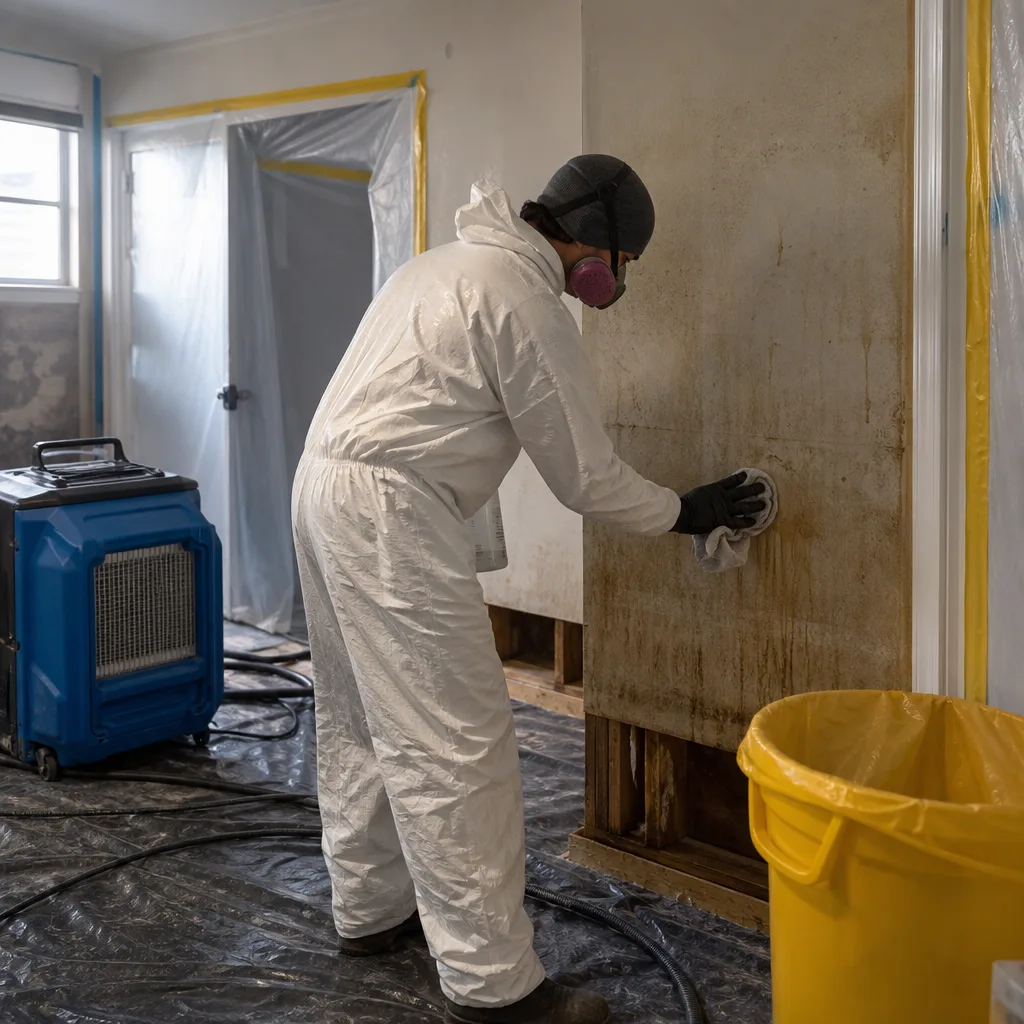
Free visual inspection and a written scope of work before any mitigation begins - photos, moisture readings, and drying logs go in your claim file
The scope we write is the scope we bill. Anything new gets shown to you, in writing, before we touch it.
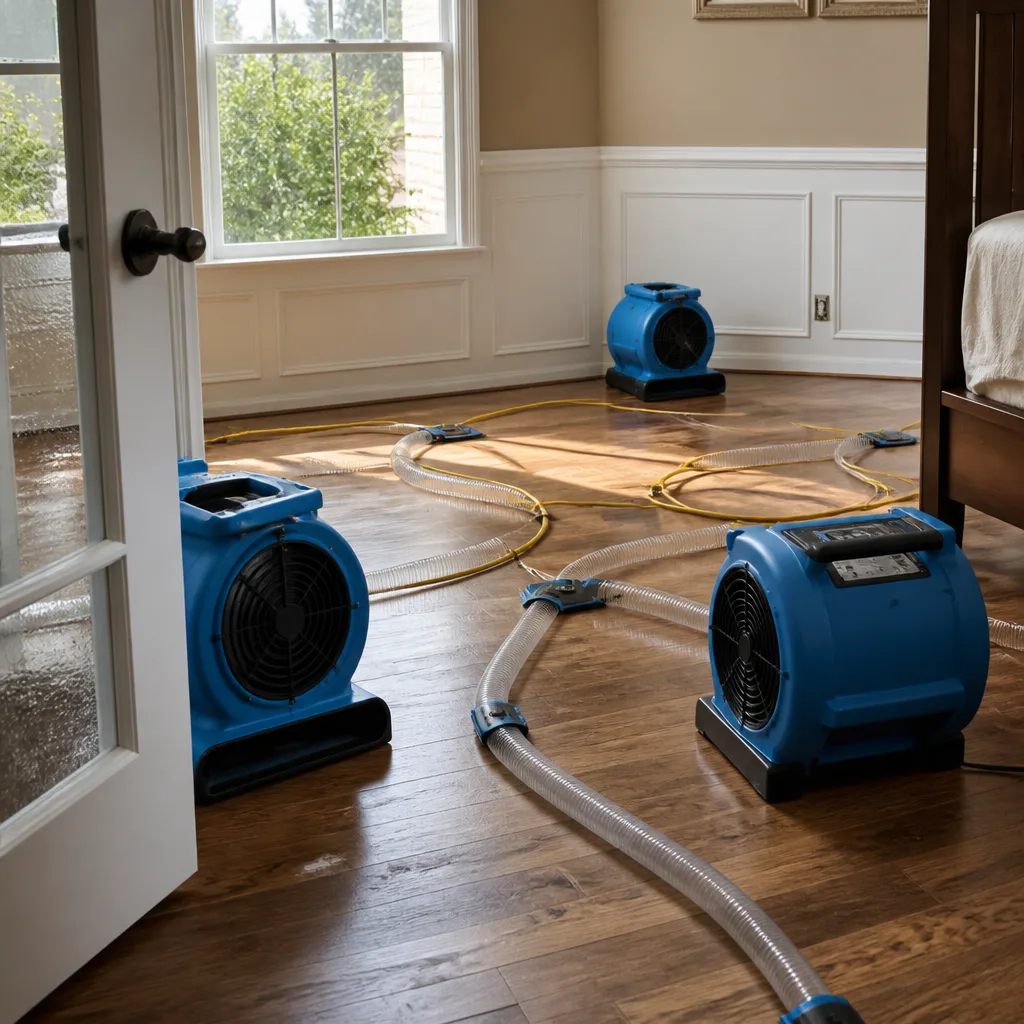
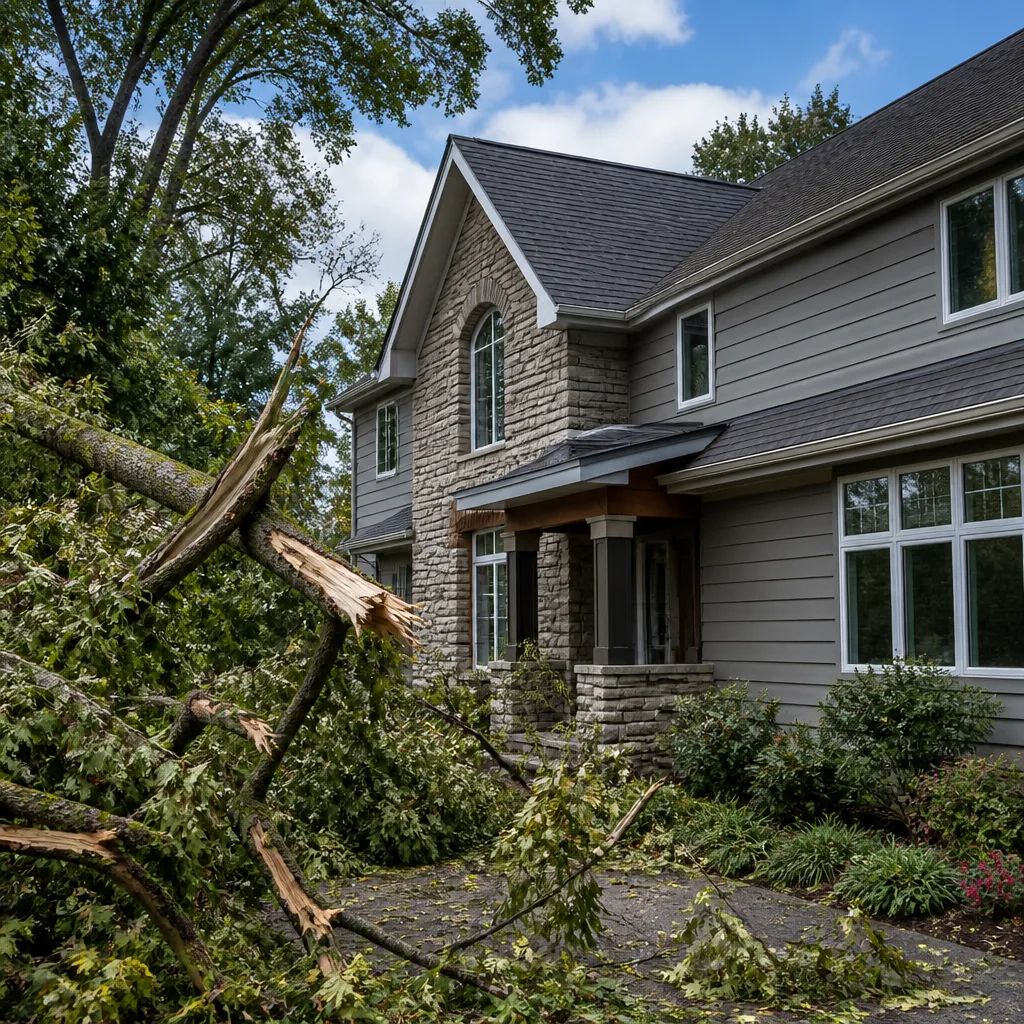
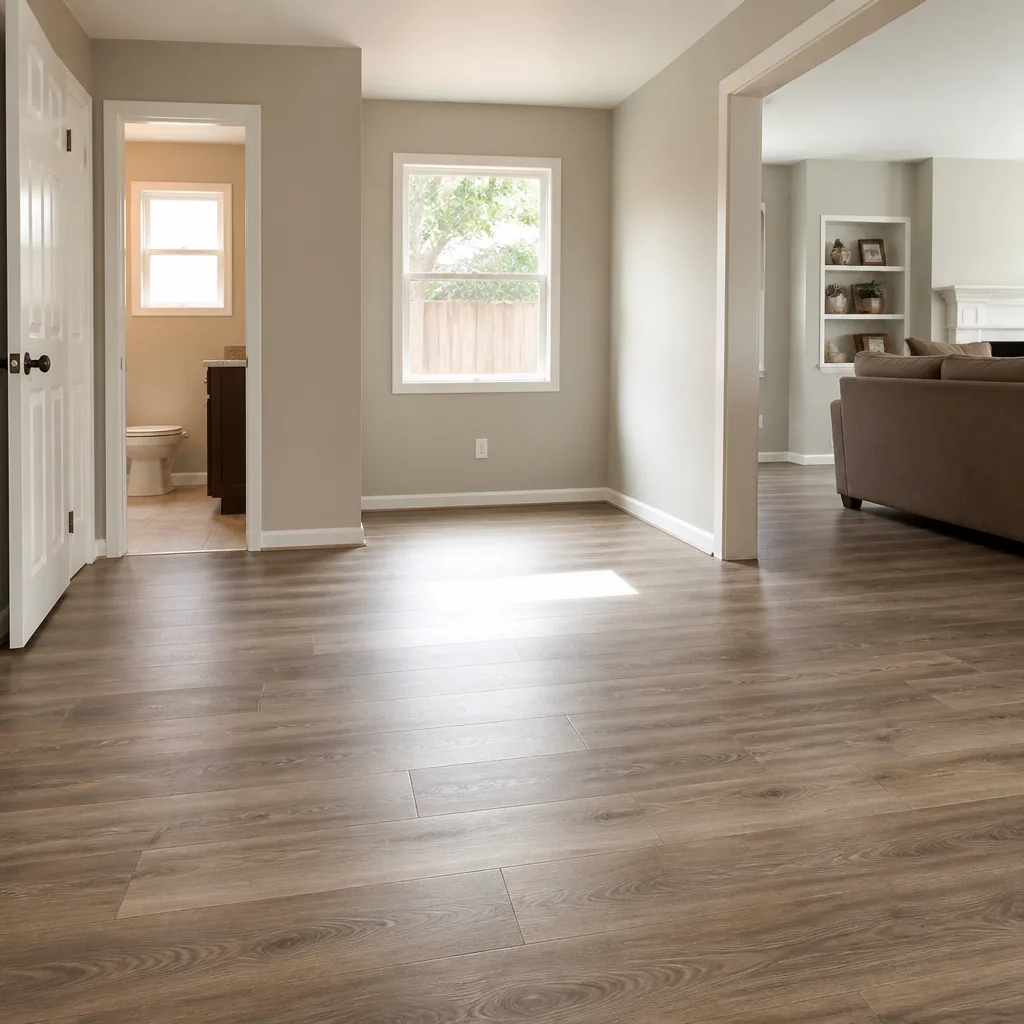

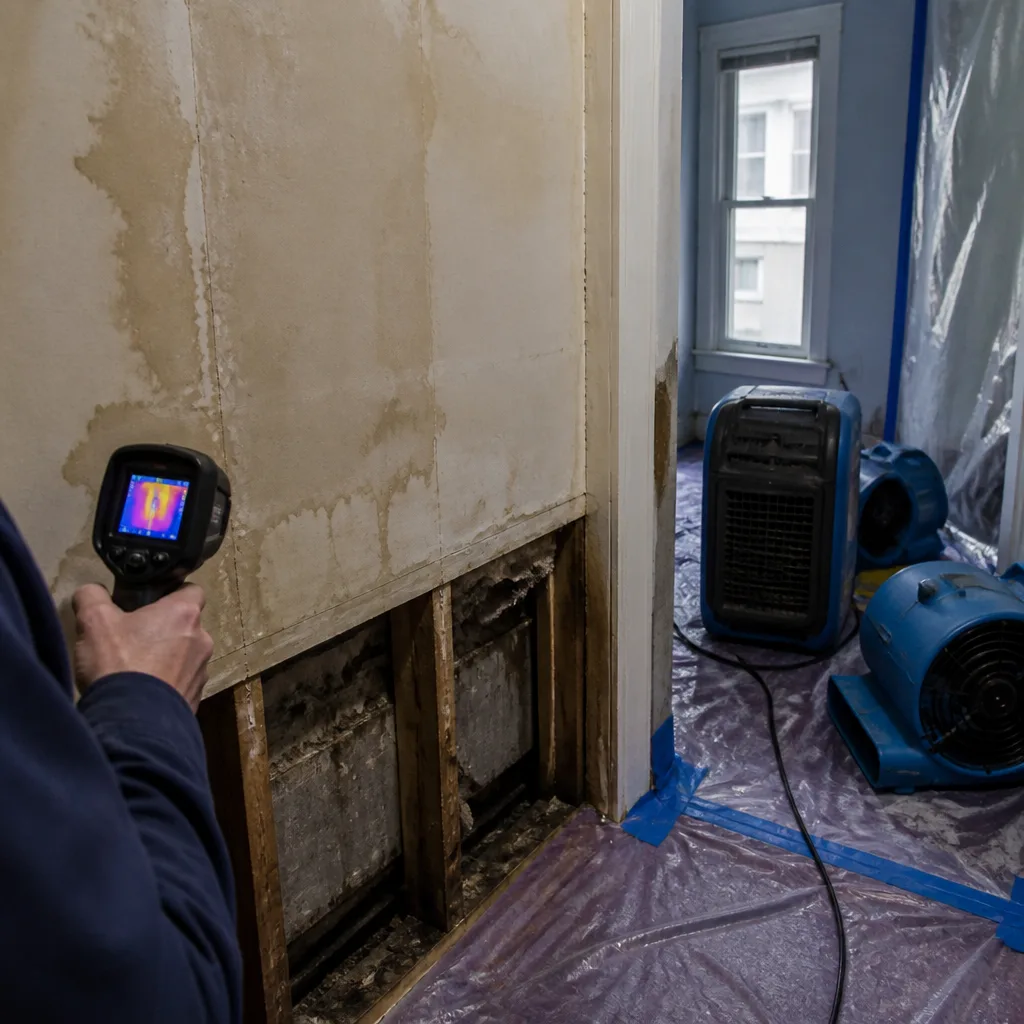 Before
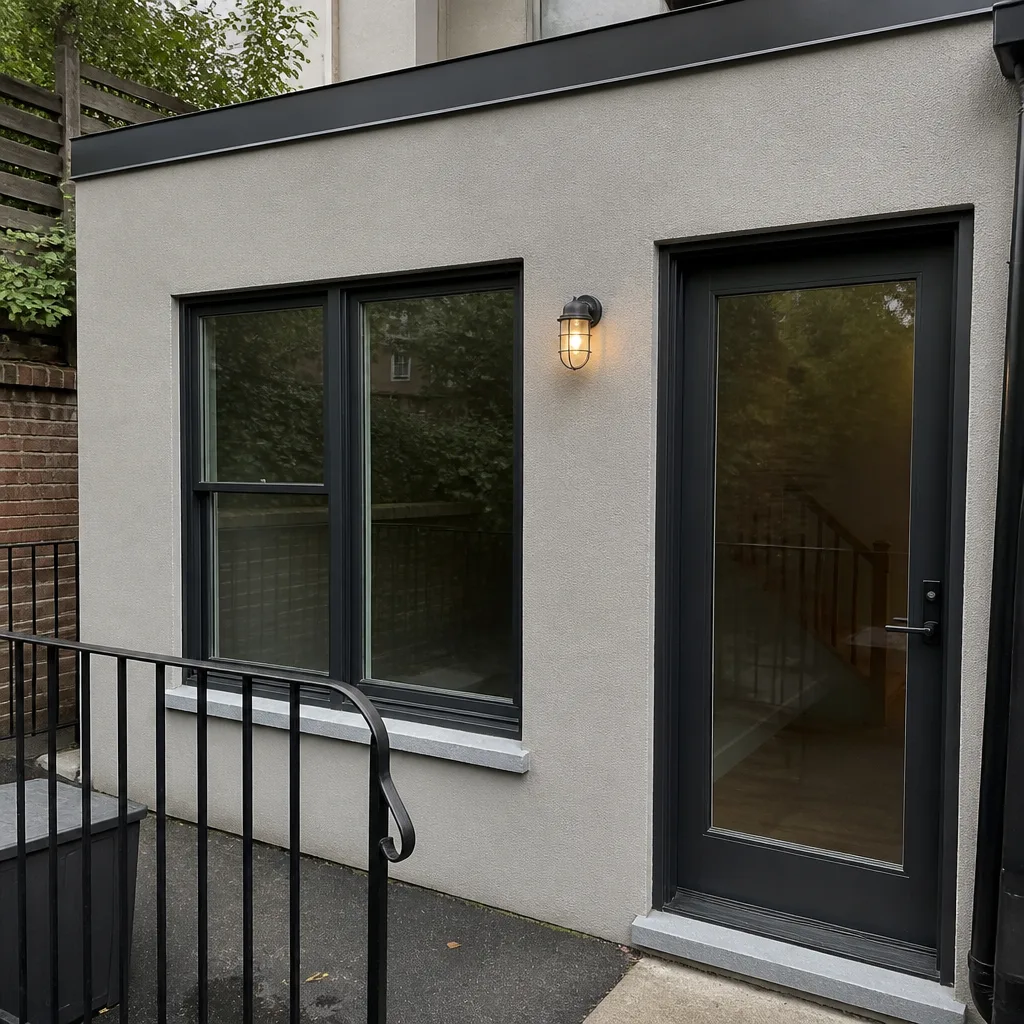 After
After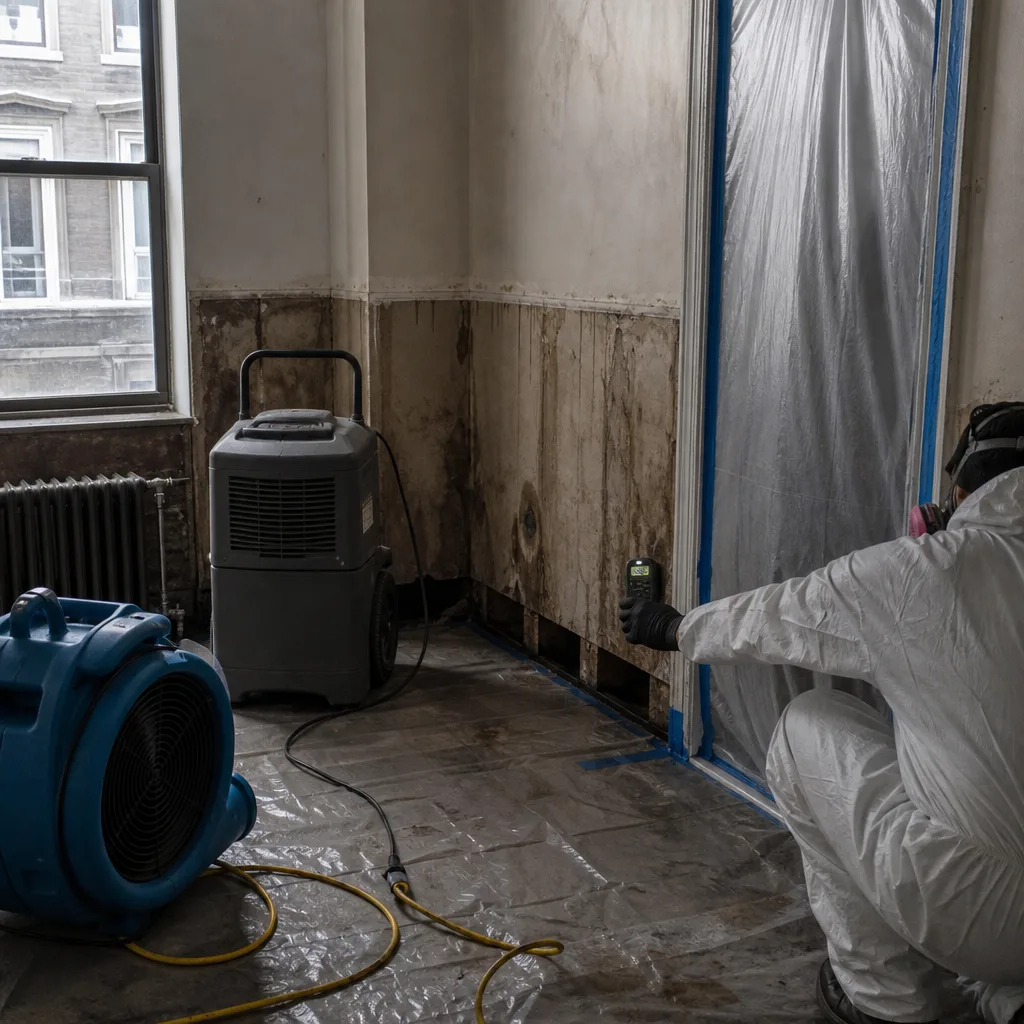 Before
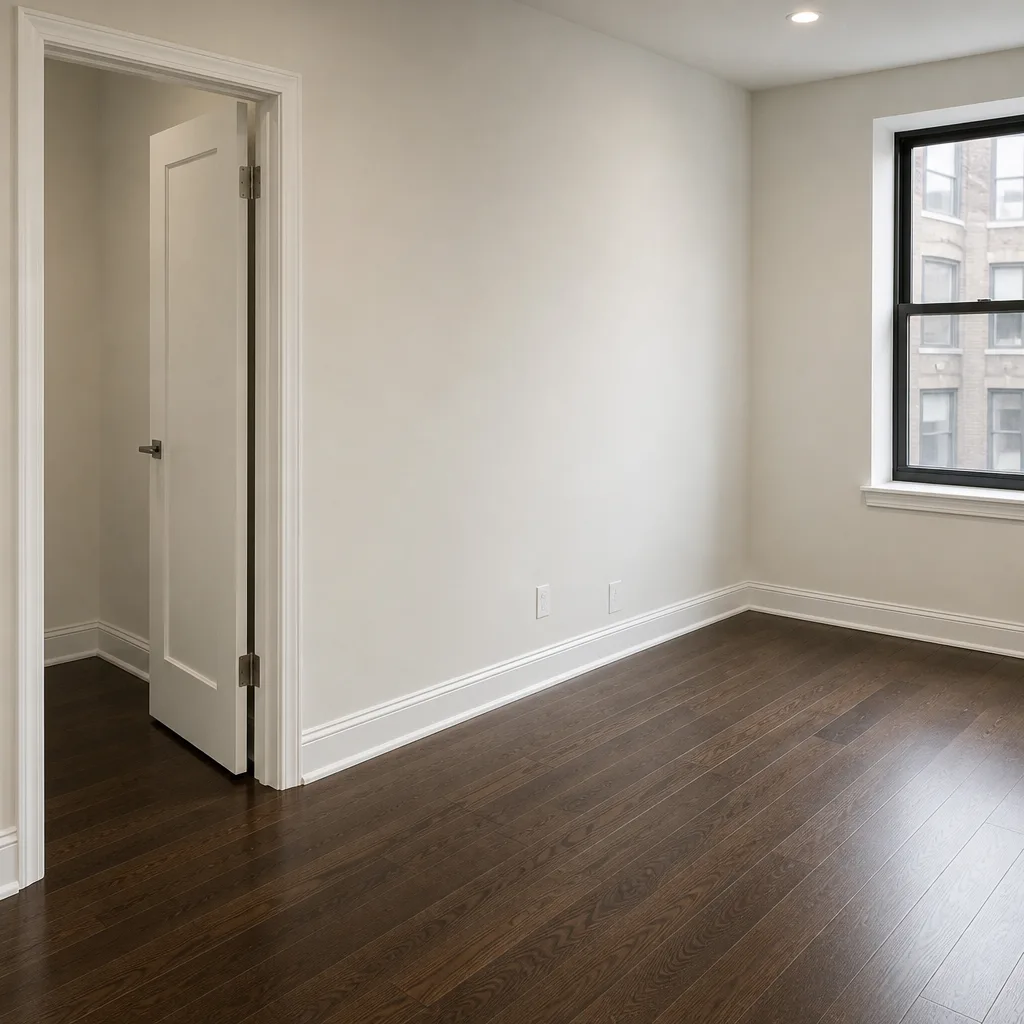 After
After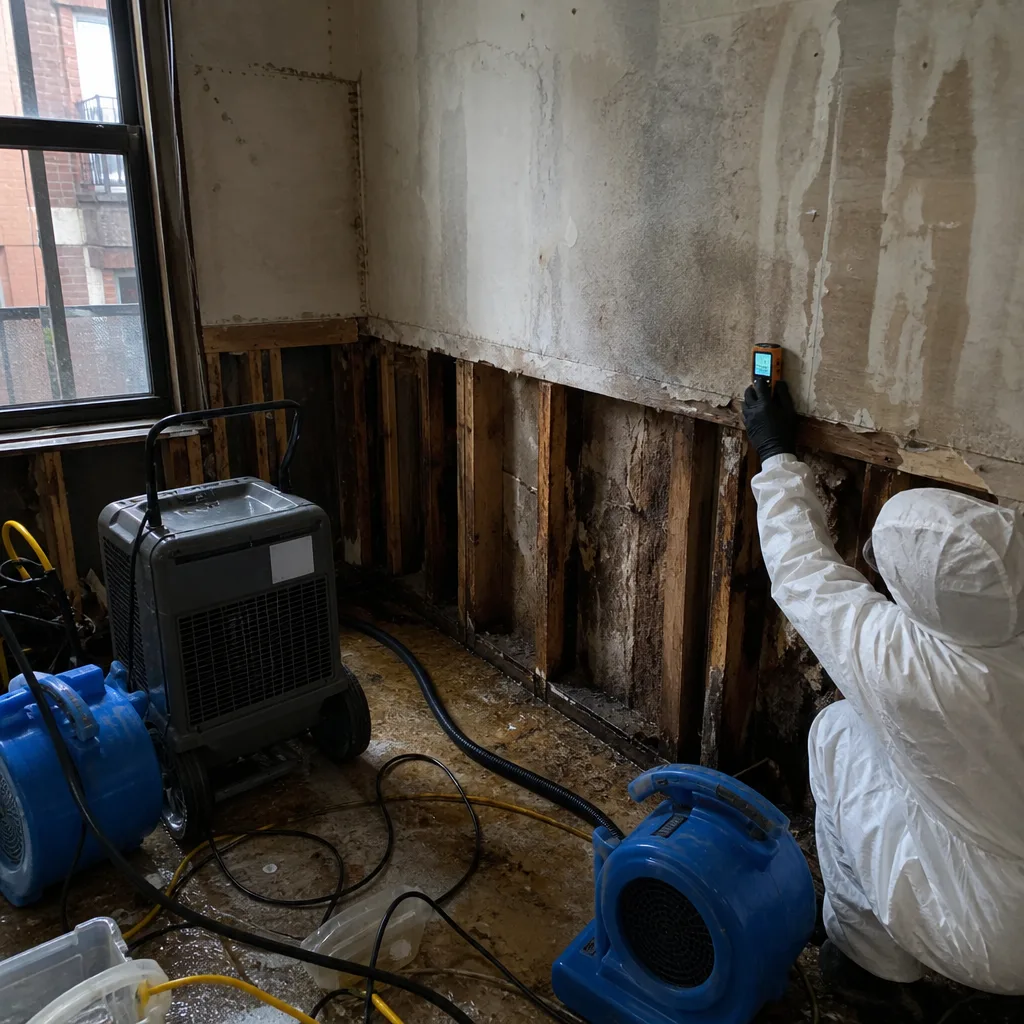 Before
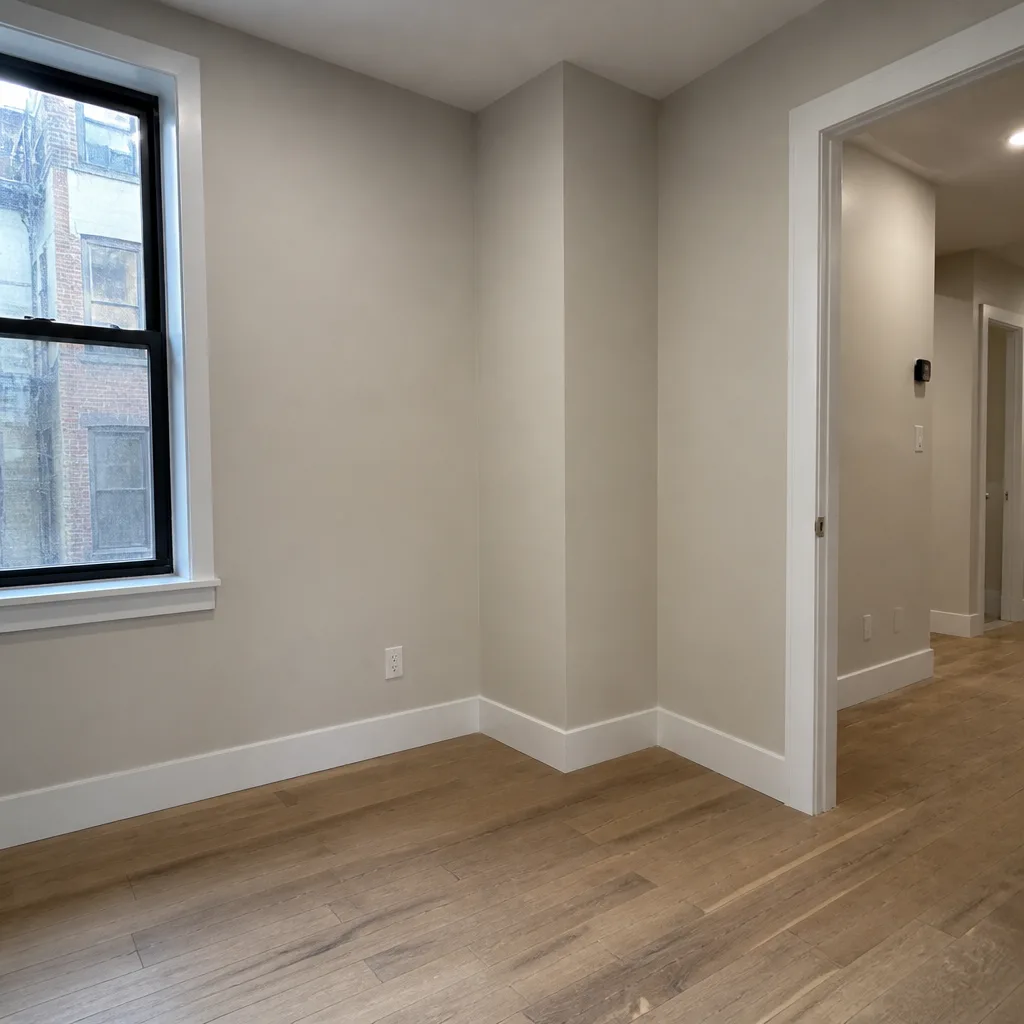 After
AfterDamage Restoration Permits, Codes & Inspections in NY: What You Need to Know
New York City has a category called “emergency work” that lets contractors begin restoration without a permit. But that permit must be filed within 24 hours, a requirement that gets quietly ignored more often than the DOB would like to admit. If you’re standing in a flooded apartment in Lower Manhattan at 2 a.m., paperwork is the last thing on your mind. And that’s exactly how homeowners end up with unpermitted work hiding inside their walls, waiting to surface when an insurance renewal, a refinance, or a sale comes due. For damage restoration warning signs every Lower Manhattan homeowner should know, plus more guides & resources, see our blog. This guide maps the actual permit triggers for restoration work in New York so you know what’s required before a contractor tells you it isn’t.
Quick Answer
Most structural restoration work in New York City, including water damage repair that involves framing, electrical, or plumbing changes, requires a Department of Buildings (DOB) permit or an emergency work filing within 24 hours. Ordinary repairs like patching drywall, replacing carpet, or swapping out a damaged vanity typically don’t. The line between those two categories is where homeowners get hurt, because the city’s definition and your insurance adjuster’s definition are not the same thing.
Table of Contents
- The 24-Hour Emergency Work Filing Most People Never Hear About
- What Triggers a DOB Permit vs. What Counts as Ordinary Repair
- Insurance Documentation vs. City Requirements: Two Different Standards
- Local Law 11 and How It Intersects with Exterior Water Damage
- Landmark and Historic District Rules in Lower Manhattan
- How to Check a Contractor’s Permit History on the DOB BIS Portal
- What Happens During and After a DOB Inspection
- Common Mistakes to Avoid
- When to Call a Professional
- Frequently Asked Questions
The 24-Hour Emergency Work Filing Most People Never Hear About
Here’s the scenario we see all the time in Lower Manhattan. A supply line bursts in a co-op on Grand Street at 11 p.m. Water is pouring through the ceiling of the unit below. Someone calls a restoration company, the crew shows up, tears out the soaked drywall, cuts the carpet, sets up fans and dehumidifiers. The emergency is handled. What doesn’t happen is the filing.
New York City’s Administrative Code lets contractors start “emergency work” without pulling a permit first. The catch is that the contractor must file an Emergency Work Notification (EWN) with the DOB within 24 hours. Not a week later. Not when the adjuster gets around to approving the estimate. Twenty-four hours. The filing describes what emergency work was performed and confirms it stopped once the hazard was stabilized. Anything beyond stabilization requires a full permit application.
When that 24-hour filing gets skipped, which happens more often than the DOB would like to admit, the homeowner now has undocumented work on the property. It doesn’t matter that the homeowner didn’t know the rule existed. The property owner is the one who carries the liability. We’ve walked into buildings in the Financial District where prior restoration work from years earlier was never filed, and it surfaced during a refinance inspection. The bank flagged it. The closing stalled. The homeowner had to pay an architect to document what was done retroactively. That’s a $3,000 problem on top of the original loss.
Before you hire anyone for water damage restoration in Lower Manhattan, read our step-by-step guide to hiring a damage restoration contractor, then ask one question: “Will you file the emergency work notification with the DOB?” Watch how they answer. If they look confused, or say it’s not necessary, or say they’ll handle it later, you’re talking to the wrong contractor.
What Triggers a DOB Permit vs. What Counts as Ordinary Repair
The DOB divides building work into categories, and understanding the line between them saves people real money. Here’s the breakdown as it applies to restoration specifically.
Work that generally requires a DOB permit
- Structural repairs: Any work on load-bearing walls, floor joists, roof rafters, or beams. If water damage rotted a joist in your Tribeca loft and a contractor cuts into the framing, that’s permit territory.
- Electrical work beyond device replacement: Replacing a water-damaged outlet is one thing. Replacing a panel that got flooded, or rewiring a circuit that fire damaged, requires an electrical permit filed by a licensed electrician.
- Plumbing beyond fixture replacement: Replacing a supply line is maintenance. Replacing a section of waste pipe behind a wall after a sewage backup is plumbing work the DOB cares about.
- Gas line work: If a fire or water event affected gas piping, a licensed master plumber must pull a permit. Period. Gas lines are never DIY territory, and no legitimate contractor will touch them without paperwork.
- Boiler or furnace replacement: Flood water reaching a boiler in a basement usually means replacement. That’s a DOB equipment permit plus a separate filing from the plumber.
- Roof replacement beyond patching: Wind damage that tore off a section of membrane in Lower Manhattan means a full roof replacement filing. Patching a small area doesn’t.
Work classified as ordinary repair, no permit needed
- Replacing drywall, plaster, or paneling in non-fire-rated walls
- Replacing carpet, flooring, or tile in a single unit
- Painting, trim, and finish work
- Replacing a damaged vanity, sink, or toilet where the plumbing connections are unchanged
- Replacing a section of roof membrane under a certain square footage (typically 25% or less of the roof area, but check with the DOB for current thresholds)
- Cabinet replacement, countertop replacement, and other cosmetic restoration
The important distinction: the trigger is not how much damage you had. It’s what got repaired. A flooded apartment might involve $40,000 in restoration work and zero permits if the damage stopped at drywall, flooring, and finishes. A small leak that rotted a single joist requires a permit because structural framing was touched. We’ve seen insurance adjusters write estimates that include structural repair work without any mention of DOB filings. The adjuster’s job is to estimate the cost. Yours is to make sure the work is legal. Those are different jobs.
Insurance Documentation vs. City Requirements: Two Different Standards
Here’s where conflation costs people money. Your insurance company and the City of New York both want documentation. They want different documentation, for different reasons, reviewed by different people. Assuming they’re interchangeable is how homeowners end up with an approved insurance claim and a DOB violation on the property at the same time.
Your insurance carrier wants:
- Photos of the damage before, during, and after mitigation
- Moisture readings and drying logs showing the property reached dry standard
- Itemized estimates for cleanup, mitigation, and repairs
- Proof that the cause of loss is covered under your policy
- Documentation that mitigation was reasonable and prevented further damage
The DOB wants:
- A permit application with drawings where required, filed by a licensed professional
- The Emergency Work Notification filed within 24 hours if emergency demolition or stabilization occurred
- An inspection sign-off once permitted work is complete
- A Certificate of Occupancy update if the work changes the use or egress of the space
We have walked into countless Lower Manhattan apartments where the insurance company paid the claim, the work got done, and the DOB file shows no record of any permit or filing. The homeowner holds an approved claim letter in one hand and a title problem in the other. That gap between what insurance requires and what the city requires is where unlicensed contractors make their money, because nobody is checking the DOB file until a sale, a refinance, or a DOB complaint brings it up.
One practical tip: when you file your claim, keep two folders. One for the carrier. One for the DOB. They are separate obligations. Never assume that a contractor who’s “insurance preferred” is automatically filing with the city. In our experience doing water damage restoration in Lower Manhattan for nearly two decades, maybe half the contractors on an insurance vendor list file the EWN on time. The rest were never asked to prove it.
Local Law 11 and How It Intersects with Exterior Water Damage
If you own or live in a building taller than six stories in New York City, you know about Local Law 11. Every five years, buildings in that height class must have their exterior walls and appurtenances inspected by a licensed engineer or architect, with a report filed to the DOB. The inspection cycle is grouped by block number, so your building’s cycle depends on where you are in Lower Manhattan.
Here’s the part restoration contractors often skip. Let’s say wind-driven rain penetrated a masonry wall during a storm, and water came through around a window frame on the 12th floor. The drywall remediation inside the unit is ordinary work. But the exterior wall condition that allowed the water in is a Local Law 11 issue. If the building’s most recent facade inspection report classified the wall as “SWARMP” (Safe With a Repair and Maintenance Program) or “unsafe,” and the leak was a known condition, the building owner now has a deficiency on file that wasn’t addressed. The water intrusion is evidence of it.
Conflating the interior remediation with the exterior repair creates two problems. First, the interior work gets done and the leak comes back because the facade was never repaired. Second, the building owner now has a paper trail showing they knew about a water intrusion issue and didn’t address the underlying condition, which is a liability problem when the next storm comes. Insurance carriers in Lower Manhattan are increasingly asking to see Local Law 11 reports on water damage claims in taller buildings. If the report shows an unrepaired condition, the claim gets denied or reduced.
If you’re dealing with water intrusion in a building above six stories, ask your contractor one question: “Is there a Local Law 11 condition on the facade that needs to be addressed, or is this an interior-only repair?” A straight answer means you’re talking to someone who understands New York City buildings. A blank stare is your answer anyway.
Landmark and Historic District Rules in Lower Manhattan
Lower Manhattan includes some of the most heavily landmarked real estate in the United States. The South Street Seaport Historic District, the Greenwich Village Historic District (which extends south of Houston Street), the SoHo-Cast Iron Historic District, and Tribeca’s cluster of individual landmarks cover a significant percentage of the building stock here. If your building has Landmarks Preservation Commission (LPC) designation, any exterior restoration work, and in some cases interior work that affects protected features, requires LPC approval in addition to DOB permits.
This is the third approval layer most contractors forget to mention. Here’s what you need to know:
- Exterior work on a landmarked building: If fire or storm damage affected a cornice, a facade element, a window frame, or a storefront in a landmarked building, you need LPC review. Not just a DOB permit. The LPC has jurisdiction over design, materials, and method. Replacing a wood window frame in a landmarked building with vinyl costs you an LPC violation.
- Interior work: LPC jurisdiction over interiors is limited, but it exists. If your building has a designated interior (rare but present in some institutional and grand residential buildings), even drywall replacement requires review. Most residential interiors are not landmarked, but the building envelope is.
- Emergency stabilization: The LPC has an emergency declaration process for landmarked buildings. Like the DOB, the filing must happen immediately. Unlike the DOB, LPC staff actually inspect landmarked properties quickly. Don’t assume a contractor who follows DOB rules knows anything about LPC rules. Most don’t.
For a homeowner in a landmarked Lower Manhattan building dealing with water damage from a burst pipe, the sequence is usually: stabilize the emergency, file the EWN with the DOB, then determine whether any of the repair work touches a protected feature. If it does, the LPC application runs parallel to the DOB permit. If you skip the LPC step and the work is visible from the street, you’ll find out when an LPC inspector opens a violation. We’ve helped homeowners through mold remediation in Lower Manhattan where the LPC required specific drying protocols to avoid damaging historic plaster. That’s not a hypothetical. That’s this neighborhood.
How to Check a Contractor’s Permit History on the DOB BIS Portal
Before you hire anyone for restoration work in New York City, spend 20 minutes on the DOB’s Building Information System (BIS). It’s free, it’s public, and it will tell you things a contractor will never volunteer.
Here’s how to do it:
- Go to the DOB BIS portal at nyc.gov (search “DOB BIS”).
- Enter the contractor’s business name or license number. Every licensed contractor in the city has a DOB registration number.
- Look at the “Violations” tab. This shows DOB violations issued against the contractor, whether they were resolved, and when.
- Look at the “Permits” tab. This shows the permit history: what they filed, when they filed it, and whether the permits were ever closed with a final inspection.
- Check the “License” tab to confirm the license is current and not expired or suspended.
What you’re looking for is a pattern. A contractor with 50 permits filed and 49 closed with final sign-off is someone who does the paperwork. A contractor with zero permits on file who claims to do “full restoration work” is a contractor who either never touched a structural job, or never filed a thing. Either way, that’s a red flag.
We have a published license number. It’s on our contract, on our truck, and on our marketing. If a contractor refuses to give you their DOB license number, or gives you a number that doesn’t show up on BIS, the conversation should end there. Not because they’re necessarily bad at the work. Because they’re hiding something, and in this trade, what’s hidden from the homeowner is usually the part that costs the homeowner later. For fire and smoke damage restoration in Lower Manhattan, the stakes are higher, because fire work almost always involves structural assessment whether the owner realizes it or not.
What Happens During and After a DOB Inspection
If your restoration project required a permit, the work has to be signed off by a DOB inspector. Here’s the sequence, and here’s where it goes wrong.
- Permit is issued: The contractor files the application, and the DOB assigns a permit number. Depending on the scope, this can take days or weeks. Emergency work has a different track.
- Work is performed: The contractor does the work according to the approved plan.
- Inspection is requested: The contractor requests an inspection through the DOB’s online system. This is where delays happen. If the contractor forgets, or waits, or does the work and disappears, the permit stays open.
- Inspector visits: The inspector reviews the work against the approved plans. If it passes, the permit gets a sign-off. If it fails, the DOB issues objections that must be corrected and re-inspected.
- Permit is closed: The final sign-off means the file is complete. This is what you want on record before you sell or refinance.
The failure point we see repeatedly in Lower Manhattan is step 3. A restoration contractor does the work, gets paid, and moves on to the next job. The permit sits open. The homeowner has no idea a permit is open. Five years later, a title search flags the open permit and the sale stalls. It costs $1,000 or more in filing fees and re-inspection scheduling to close it retroactively. And the contractor who left it open? Gone.
Here’s what you can do: when the work is done, ask for the DOB inspection report or the final sign-off. If the contractor can’t produce it, the job isn’t done, no matter how good the work looks. We hand homeowners a copy of every document: the filed EWN, the permit, the inspection report, the sign-off. It’s all in writing. That’s how you avoid the phone call nobody wants to make five years from now.
Common Mistakes to Avoid
- Believing the insurance company is handling the city paperwork. Your carrier approves claims. They don’t file DOB permits. Assuming otherwise is the most expensive mistake we see in Lower Manhattan.
- Hiring a contractor based on a low bid and no DOB record. A cheap quote on a restoration job usually means someone is skipping something. The paperwork is the first thing to go.
- Ignoring landmark designation until the work is done. In Lower Manhattan, a significant number of buildings are landmarked. Replacing exterior elements without LPC review gets you a violation that the contractor will not pay for.
- Treating all water damage as ordinary repair. If structural framing was touched, it’s a permit matter. If the contractor says otherwise, get a second opinion.
- Not pulling the contractor’s DOB history before signing. Twenty minutes on the BIS portal prevents years of headaches. Few homeowners do it.
- Assuming the building’s management handles everything if you own a co-op or condo. In many buildings, interior restoration inside your unit is your responsibility. Read your proprietary lease or offering plan.
- Waiting to file the emergency work notification. The 24-hour clock starts when the work begins, not when you get around to it.
When to Call a Professional
If your restoration involves structural framing, electrical panels, gas lines, or any work requiring a DOB permit, call someone who does the paperwork and the work. If your building is landmarked or in a historic district in Lower Manhattan, that’s a third layer of approval a novice will miss. And if you’re standing in water damage at 2 a.m., the first call is to a restoration company that answers the phone, not an answering service. Wade’s Restoration offers free estimates in Lower Manhattan, call (607) 350-1550. We’ll tell you straight whether your job needs a permit, a filing, or nothing at all. The estimate is free, and the paperwork is handled.
Frequently Asked Questions
No. Water damage restoration that stops at drywall, flooring, paint, and finish work is classified as ordinary repair and needs no permit. The moment structural framing, electrical, plumbing, or gas work enters the scope, a DOB permit is required. Emergency stabilization work requires an Emergency Work Notification filed within 24 hours.
A DOB complaint or an inspection triggered by a building violation could result in a stop-work order, fines, and a requirement to file the correct documentation retroactively. The bigger problem is often the one that surfaces later: an open permit or undocumented work flagged during a title search before a sale or refinance, which can stall your closing for weeks or months.
No. Your insurance company approves the claim and pays for covered restoration work. The city’s permit and filing requirements are separate obligations that fall on the property owner. An approved claim and a DOB violation can coexist on the same property because they are governed by different agencies with different standards.
Search the LPC’s Landmark Search tool on the NYC Landmarks Preservation Commission website using your address or block and lot number. Large portions of Lower Manhattan, including the SoHo-Cast Iron Historic District and the South Street Seaport Historic District, are covered. If your building is landmarked, exterior restoration work requires LPC review in addition to any DOB permit.
An Emergency Work Notification (EWN) is a filing that tells the DOB emergency work was performed to stabilize a hazardous condition, and it must be filed within 24 hours of the work starting. A permit is the full application and review process required for the permanent repair work that follows stabilization. One does not substitute for the other.
Yes. The DOB’s BIS portal is free and public. Enter the contractor’s name or license number and review their permit history, violation history, and license status. A contractor who won’t provide a DOB license number, or whose number doesn’t appear on BIS, is a red flag you should not ignore.
Mold remediation itself typically does not require a DOB permit unless it involves structural or plumbing work beyond the remediation scope. However, New York State requires mold assessment and remediation contractors to be licensed under Article 32 of the Labor Law. The remediation work must follow a written scope and clearance protocols. If the mold source requires repairing a plumbing leak or replacing structural framing, permit triggers apply to that repair work.
The Bottom Line
Restoration permits in New York City are not optional technicalities. They determine whether your insurance claim survives a title search, whether your building stays compliant with Local Law 11, and whether the work you paid for is legal. The 24-hour emergency filing rule is routinely ignored, which is exactly why homeowners need to know it exists. Check the BIS portal before you hire. Ask about landmark status if you’re in Lower Manhattan. And never assume the insurance company or the building management is handling the city paperwork. They aren’t. You are. For more guides & resources on protecting your property, visit our blog. The good news is that a licensed, IICRC-certified contractor handles all of it for you. Ask for the filing. Demand the sign-off. Get the work done right the first time, and get it in writing.
Written by Wade’s Restoration home owner Wade Ferris, serving Lower Manhattan since 2007.