
Last updated August 26, 2026
Free visual inspection and a written scope of work before any mitigation begins - photos, moisture readings, and drying logs go in your claim file
The scope we write is the scope we bill. Anything new gets shown to you, in writing, before we touch it.
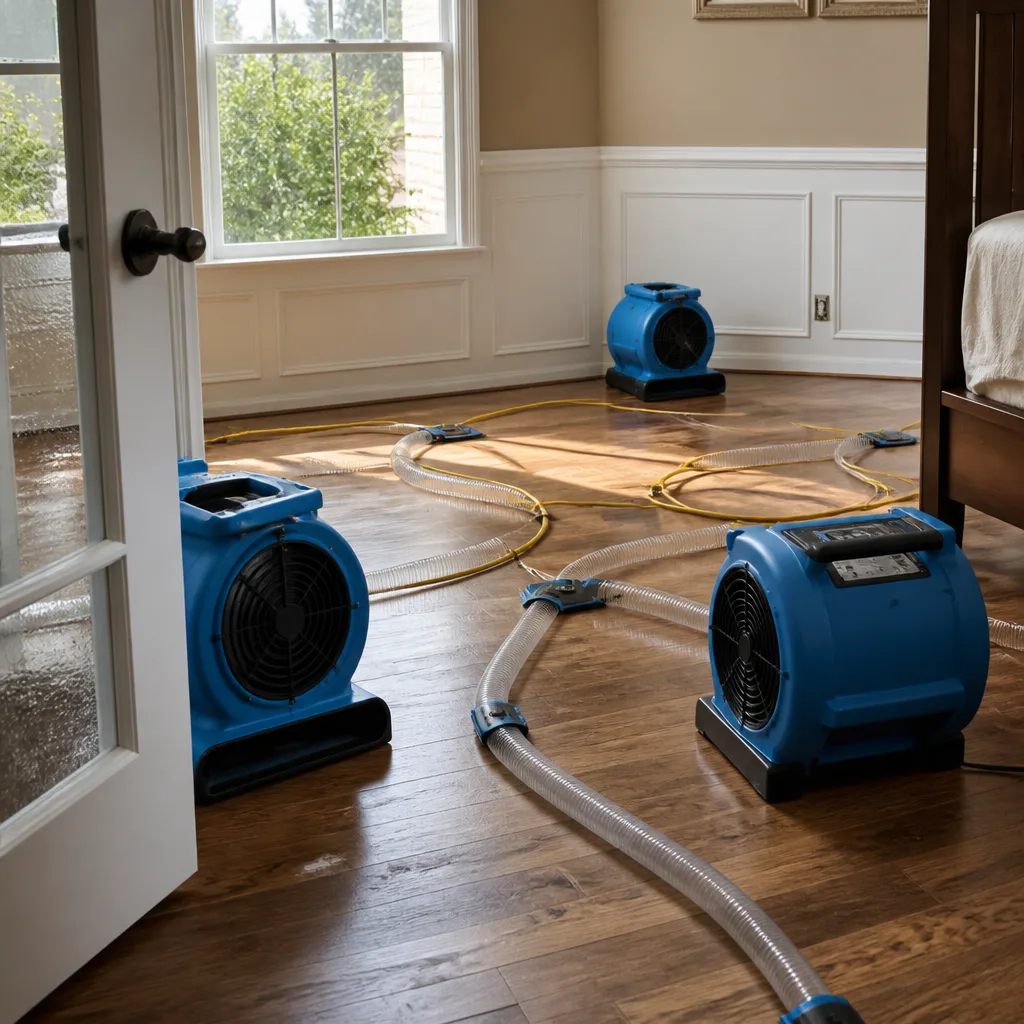


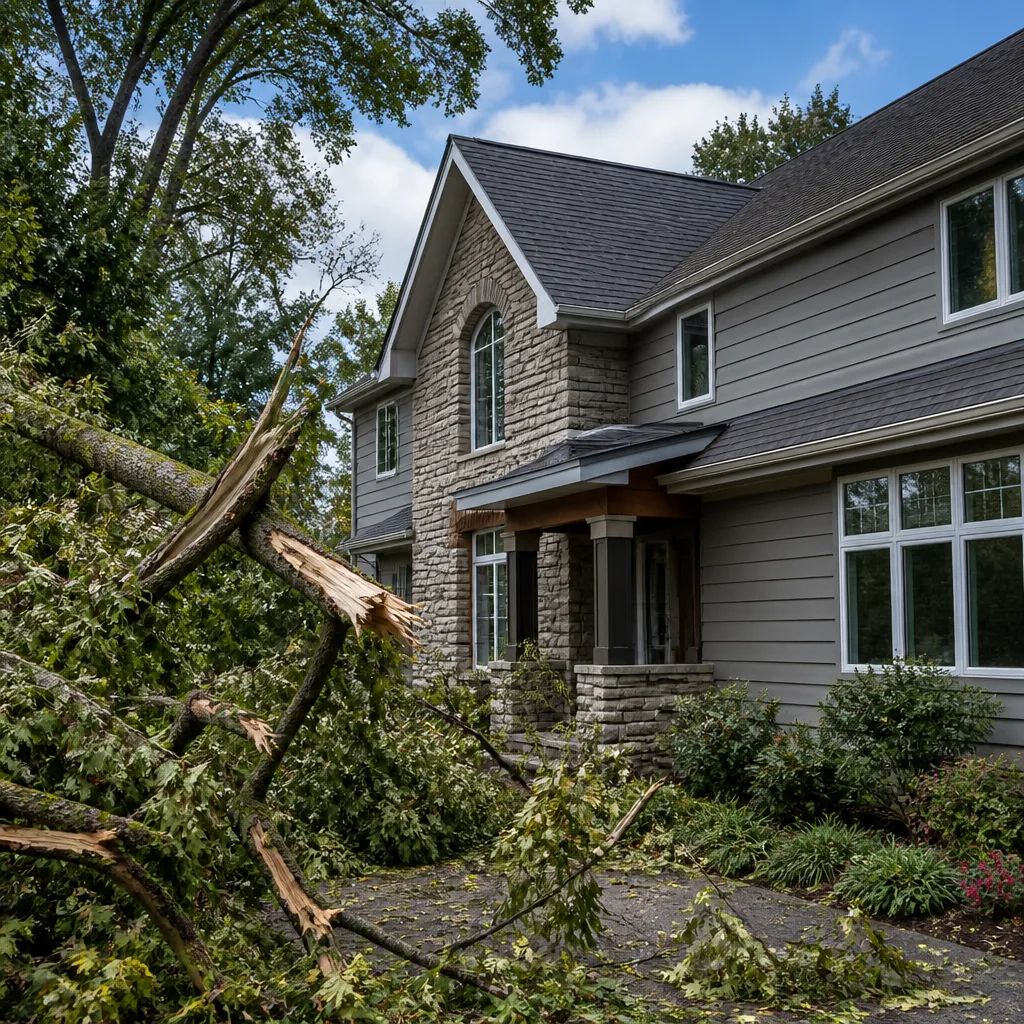


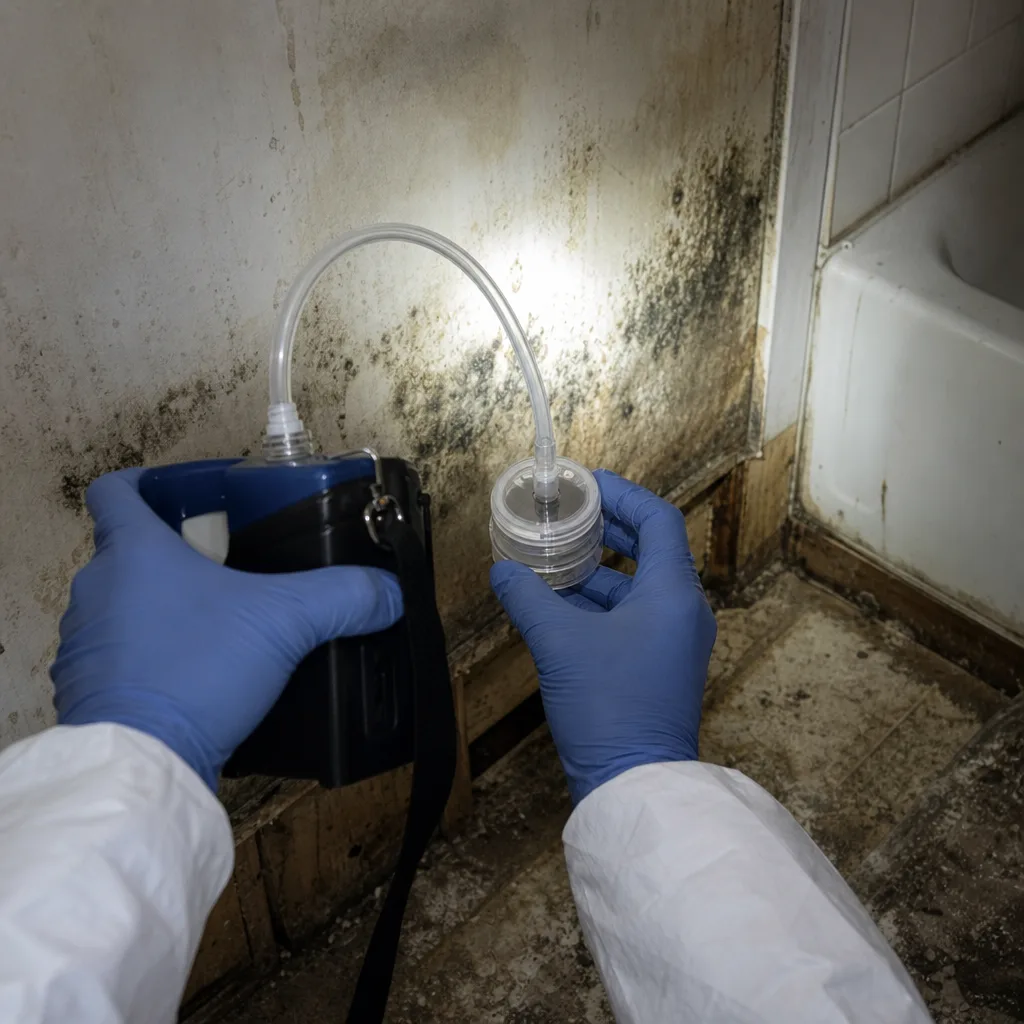
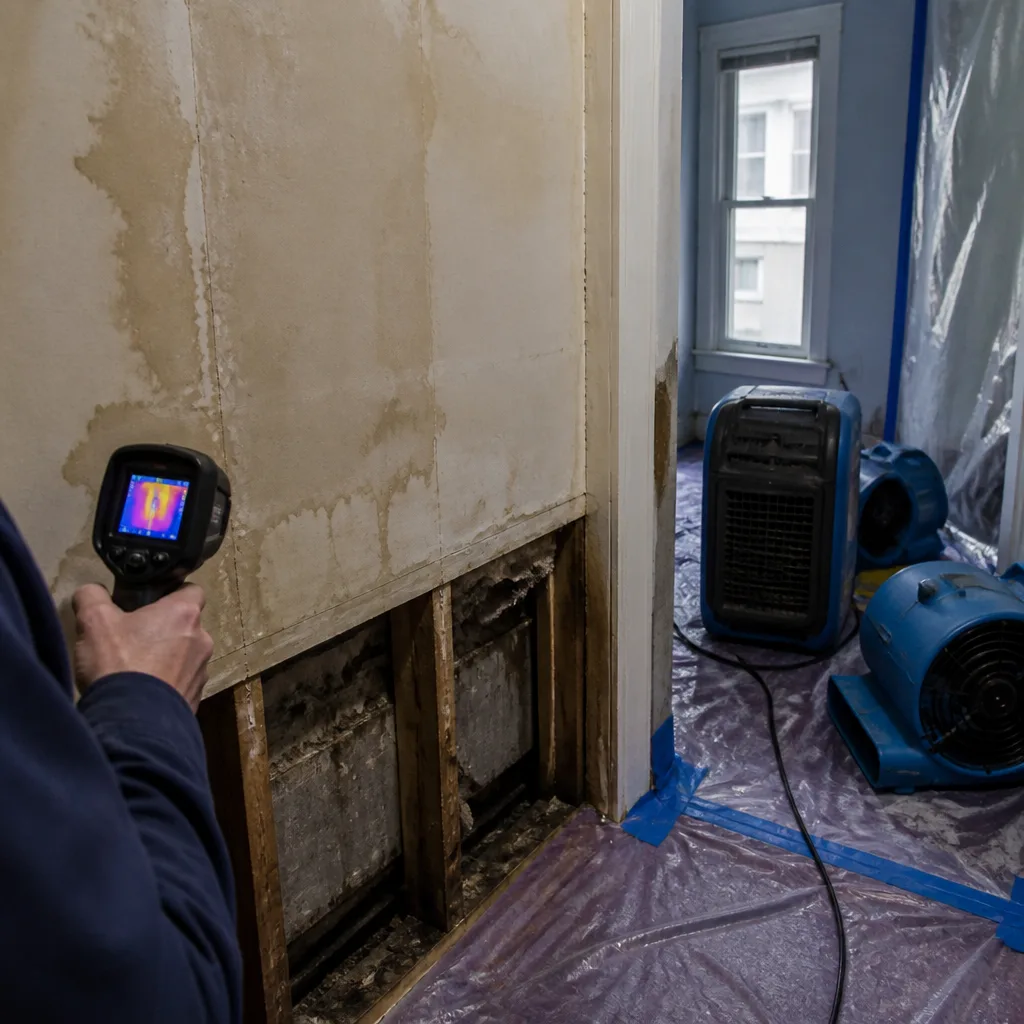 Before
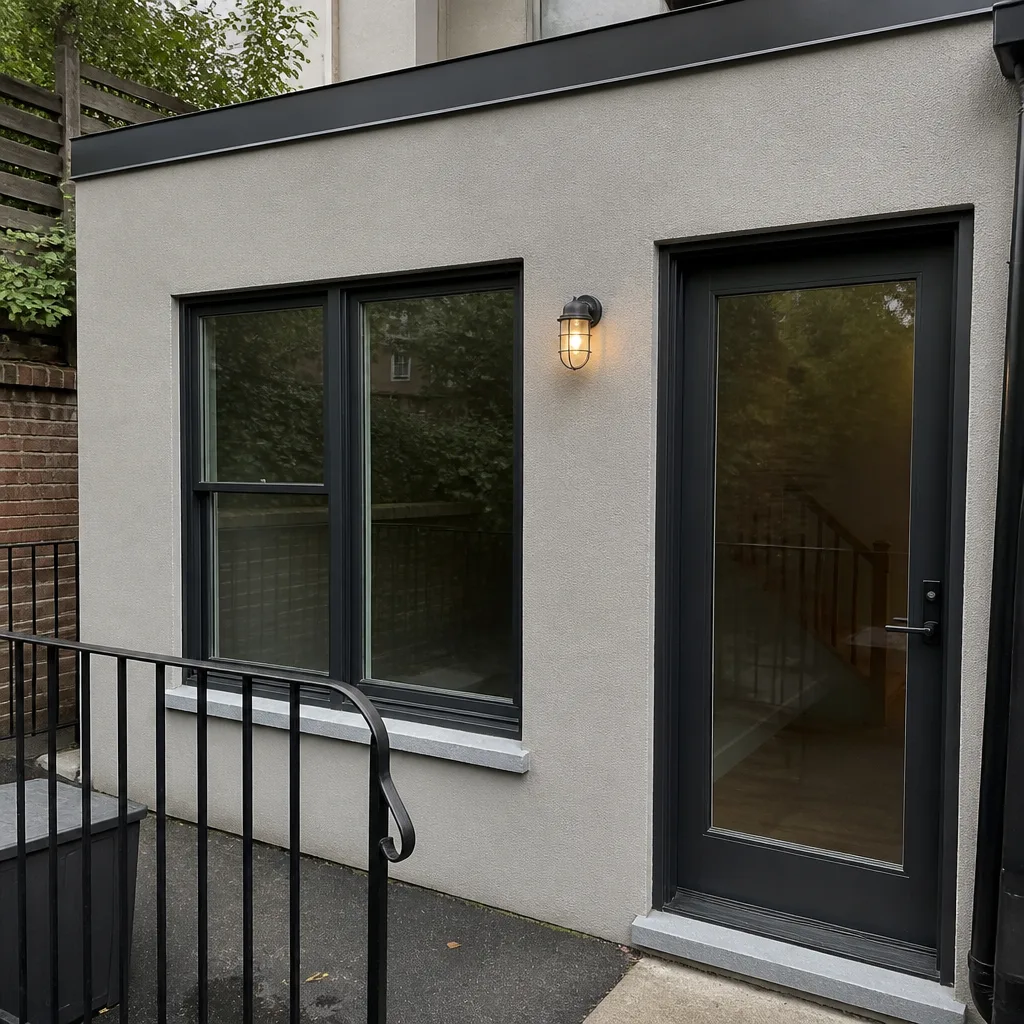 After
After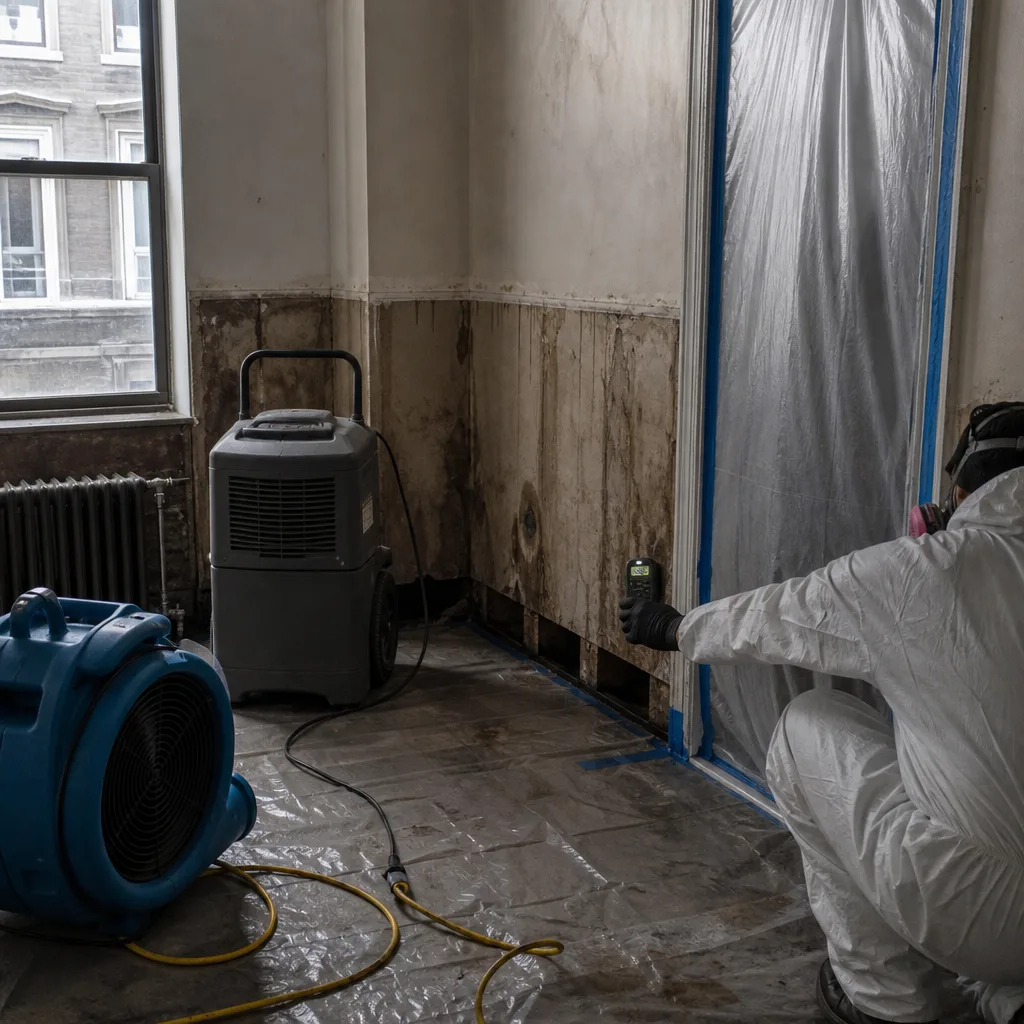 Before
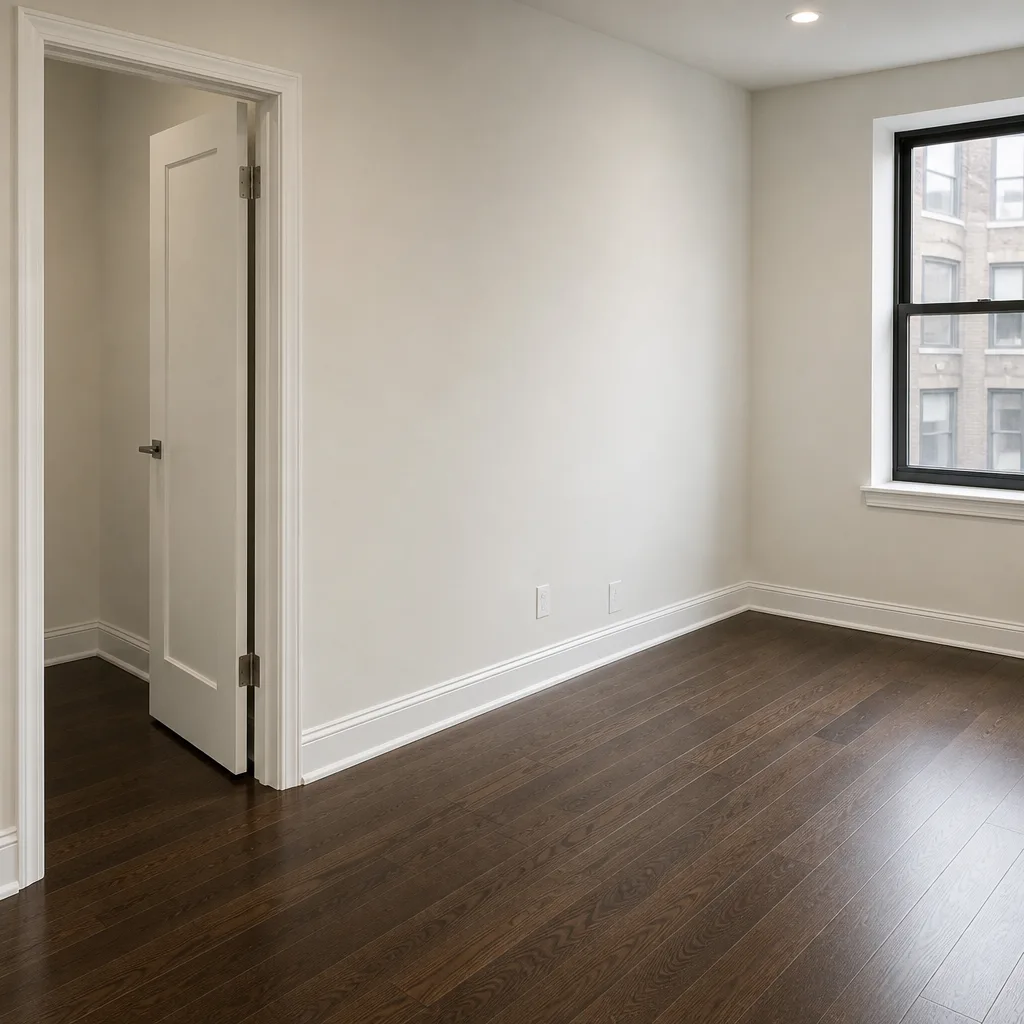 After
After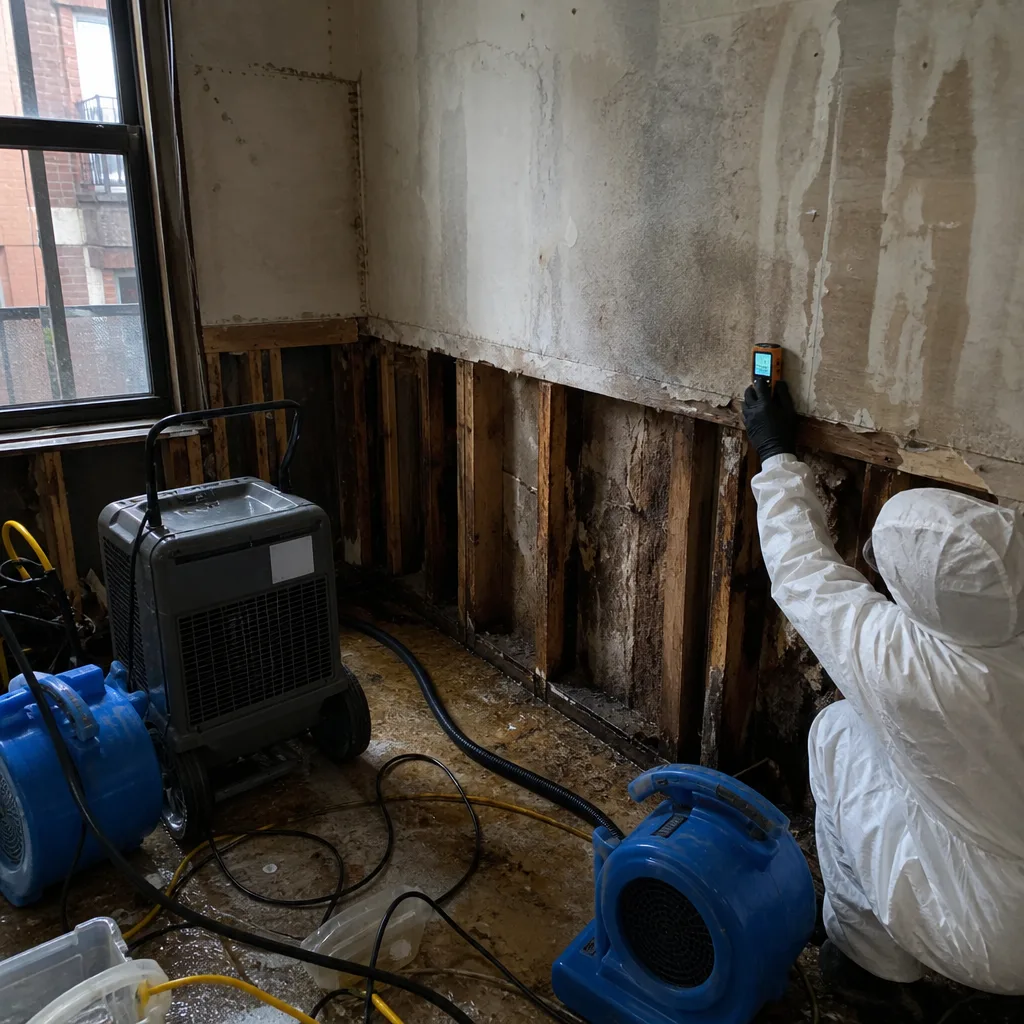 Before
 After
AfterHow to Hire a Damage Restoration Contractor in Lower Manhattan: A Step-by-Step Guide
After a major water event in a Manhattan high-rise, contractors have been known to work the lobby, literally standing in the building entrance offering deals before the super has even assessed what happened. That’s not hustle. That’s a warning sign. The worst time to make a five-figure decision is the moment you’re standing in six inches of water with a phone buzzing and a stranger telling you he can start tonight if you just sign here. This guide walks you through exactly how to hire a damage restoration contractor in Lower Manhattan without getting taken, what questions to ask before anyone pulls out a contract, and what the industry knows about that moment that you don’t. For a deeper dive, see The Complete Guide to Damage Restoration in Lower Manhattan.
Quick Answer
Hiring a damage restoration contractor in Lower Manhattan means slowing down even when everything feels urgent. Verify the contractor is IICRC-certified and that the certification is current, never sign an Assignment of Benefits form under pressure, check that they’ve pulled permits in Manhattan before, demand a written scope with line-item pricing before work starts, and confirm they’ll document moisture readings daily and deal with your insurance adjuster directly. A good contractor will welcome all five questions; a bad one will try to rush you past them.
Table of Contents
- The Moment You’re Targeted
- Five Questions Before Anyone Pulls Out a Contract
- The Assignment of Benefits Trap
- Permits in Manhattan: Why They Matter
- How to Read a Restoration Estimate Line by Line
- What Transparency Should Look Like
- Red Flags and Warning Signs
The Moment You’re Targeted
Damage restoration is one of the few industries where the customer doesn’t go looking for the contractor. The contractor finds the customer. In Lower Manhattan, that happens fast. High-rise buildings mean one burst pipe on the 14th floor sends water through thirteen other units, and every restoration company that monitors fire and water dispatch alerts knows about it within minutes. Some of those companies are legitimate and genuinely want to help. Some are not.
We’ve been doing this since 2007, and we’ve watched the lobby phenomenon up close. A crew shows up before the building super has even shut off the water, walks the floors handing out flyers, and starts signing people up for work that hasn’t been scoped yet. They’re not there because they’re the best option. They’re there because they’re the first option, and they know that in the panic of the moment, being first feels a lot like being right.
The industry knows something you don’t: your judgment is compromised for about the first 48 hours after a water, fire, or sewage event. The adrenaline, the loss, the pressure from your building management to act, the fear of mold setting in. Every decision you make during that window is reactive. The contractors who exploit that window are counting on it. The ones who respect you will tell you to take a breath and read what you’re signing. Here’s what to do instead of signing while wet.
Five Questions Before Anyone Pulls Out a Contract
Ask these five questions in order. Every legitimate restoration contractor in Lower Manhattan will answer all of them without hesitation. Every contractor you should avoid will try to skip, deflect, or rush you past them.
- “Are you IICRC-certified, and can I see the current certificate?” The IICRC, the Institute of Inspection, Cleaning and Restoration Certification, is the industry standard for restoration work. But here’s what competitors rarely explain: IICRC certifications expire. They’re valid for a specific window, typically two years, and a contractor can let them lapse while still claiming the credential on marketing materials. Ask to see the certificate. Check the date. Then verify it directly on the IICRC website, which maintains a searchable directory of certified firms and technicians by name and location. If the contractor hesitates, that’s your answer. We hold IICRC certifications and we’ll show you the paperwork without being asked. That’s the baseline.
- “Will you give me a written scope of work with line-item pricing before I sign anything?” A real contractor scopes the job before quoting the job. That means walking the affected area, taking moisture readings, checking what’s wet behind the walls, and then writing down exactly what will be done, line by line, with a dollar figure attached to each line. A contractor who gives you a lump sum without a scope is guessing. Worse, a contractor who wants you to sign a work authorization before providing a written scope is setting you up for a blank check. The work authorization is different from a contract, and it’s designed to get around the written-estimate requirement. Don’t sign it without a scope attached.
- “Who will be in my home, and are they background-checked?” In Lower Manhattan, you’re not just letting a contractor into a house. You’re letting them into a high-rise unit, often in a building with a doorman, neighbors on every side, and building rules about who’s allowed on the premises. You have every right to know who’s coming. Ask whether the technicians are employees or subcontractors, whether they’re background-checked, and whether they’ll arrive in uniform with identification. Wade’s Restoration sends background-checked, uniformed technicians. If a company can’t answer this question clearly, don’t let them through the door.
- “Will you deal with my insurance adjuster directly?” This one separates the professionals from the opportunists. A restoration contractor who has been doing this in New York for years will have a working relationship with insurance adjusters and will know how to document a claim properly. They’ll coordinate estimates, provide photo documentation, and communicate directly with the adjuster so you’re not stuck in the middle translating technical language between two parties. A contractor who tells you to handle the insurance company yourself and just pay them out of pocket is signaling that their documentation won’t survive adjuster scrutiny. Wade deals with the adjuster directly. That’s the standard you should demand.
- “What’s your actual address and license number?” This sounds basic, but you’d be surprised how many restoration contractors in New York City operate without a published street address or a verifiable license number. A contractor who gives you only a phone number and a website is making it impossible for you to find them later if the work fails. Wade Ferris publishes his name, his address, and his license number. You can look up the address on Google Maps and confirm it’s a real location, not a virtual mailbox. You can check the license number with the New York Department of Consumer Affairs. If a contractor won’t give you a street address, walk away.
The Assignment of Benefits Trap
This is the single most important document you’ll be asked to sign after a restoration event in Lower Manhattan, and almost nobody explains it. It’s called an Assignment of Benefits, usually shortened to AOB. What it does is simple: it transfers your right to receive insurance payouts from your policy directly to the contractor. Instead of your insurance company paying you, and you paying the contractor, the insurance company pays the contractor directly. The contractor then has the right to bill the insurance company, dispute any shortfalls, and in some cases file suit against your insurer, without your involvement.
Here’s what the contractor isn’t telling you when they slide that AOB across the table at 2 a.m. while your apartment is flooding. Once you sign it, you have given up control of your claim. The contractor can bill the insurance company whatever they want, and if the insurance company disputes it, the contractor can sue. You’re still the policyholder, but you’ve signed away your right to make decisions about the claim. And in New York, the AOB is a legally binding document. It doesn’t expire when the job ends. It doesn’t expire when the check clears. It transfers the full claim authority for that event, permanently.
Why are contractors pushing AOBs? Because they’re profitable. A contractor with an AOB can inflate the scope of work and know that the insurance company has to deal with them directly. In some states, AOB abuse has been so rampant that legislators have had to step in. Florida essentially rewrote its AOB laws because abuse drove insurance premiums up by double digits. New York hasn’t gone that far yet, and in Lower Manhattan, high-rise water damage claims are common enough that AOB-pushing contractors make a living off them.
What should you do instead? You should never sign an AOB under pressure. If a contractor tells you the AOB is “standard” or “required for the insurance to pay,” that’s a red flag. Insurance companies will pay you directly for covered losses. You can then pay the contractor. That’s how it works by default. You don’t need an AOB. If a contractor insists on one, ask why. If the answer is anything other than “we want to make sure we get paid directly,” which is true but not your problem, walk away. The local restoration companies you can trust in Manhattan, the ones who’ve been working the same neighborhoods for years, mostly don’t use AOBs because they don’t need to. They rely on doing the job right and getting paid the normal way.
Wade’s Restoration doesn’t use AOBs. We bill the insurance company directly when that’s the arrangement, but we never ask you to sign over your rights. Your claim stays yours. Your money stays yours. That’s how it should work.
Permits in Manhattan: Why They Matter
Manhattan is not like the rest of the country when it comes to building permits. The New York City Department of Buildings has one of the most rigorous permitting systems in the United States, and for good reason. This is a city of prewar buildings, landmark districts, shared walls, and structural systems that don’t respond predictably to water. A restoration project in a Lower Manhattan high-rise is not the same as a restoration project in a single-family home upstate.
Here’s what a permit actually does. It requires the contractor to file plans with the Department of Buildings, get those plans reviewed by a licensed professional, and then have the work inspected by a city inspector at defined points during the project. The permit is a public record. It’s verifiable. It holds the contractor accountable to a standard that isn’t set by the contractor.
Now here’s what a contractor who avoids permits in Manhattan saves themselves: time and oversight. No permit means no DOB inspector walking through the job. No permit means no record that the work was ever done when you try to sell the unit or when your building’s insurance company asks what happened. No permit means the contractor can cut structural corners and walk away before anyone finds out. If unpermitted work is discovered later, you’re the one on the hook. Not the contractor. You’re the owner. The DOB violation is in your name.
How do you check if a contractor has ever pulled a permit in Manhattan? The New York City Department of Buildings maintains a public database. Search the DOB’s Building Information System, often called BIS, by the contractor’s name. You can see every permit application, every sign-off, and every violation on record. It’s free, it’s public, and it takes about ten minutes. If the contractor has no permit history in Manhattan at all, that’s not automatically a disqualifier, some legitimate restoration companies work primarily in unincorporated areas where permits aren’t required. But if they claim years of Manhattan experience and have no Manhattan permits on record, something doesn’t add up.
At minimum, ask the contractor directly: “Will this work require a permit, and will you pull it?” If the answer is no and the scope involves structural drying, wall replacement, or any reconfiguration of the unit, be suspicious. Permits exist to protect the property owner. A contractor who avoids them is saving themselves time at your expense.
How to Read a Restoration Estimate Line by Line
The restoration estimate you get in Lower Manhattan will look different from a typical contractor quote. It uses line items from standard estimating software. Most companies use Xactimate or a similar platform, which means the estimate is printed out in numbered lines with codes and descriptions. If you don’t know what those lines mean, you’re signing a contract blind. Here’s a translation guide for the terms that show up on nearly every restoration estimate.
- “Applied Structural Drying (ASD)” This is the big-ticket item on most water damage estimates. It refers to the process of placing air movers and dehumidifiers in the affected area and running them continuously until the structural materials reach their original moisture content. The line item typically includes equipment rental, electricity, and the contractor’s daily monitoring visits. The most common trick here is padding the drying time. A competent contractor takes moisture readings daily. If the equipment runs for five days but the structure was dry in three, ask why two extra days of equipment rental are on the bill. Wade Ferris takes moisture readings every single day and hands the homeowner the full log at job’s end. If your contractor can’t show you the daily readings to justify the drying time, don’t pay for the days you can’t verify.
- “Antimicrobial Treatment” This line covers the application of a chemical agent designed to prevent mold growth after a water event. It’s a legitimate step, but it’s also one of the most inflated line items in the industry. The material cost is minimal, and the labor is usually a one-pass spray application. If the estimate shows thousands of dollars for antimicrobial treatment, ask what product they’re using, how many square feet they’re treating, and how many passes they’re making. A reputable company will tell you without blinking. A company padding the bill will mumble.
- “Content Manipulation” This is restoration-speak for moving your furniture out of the way. It’s a real labor cost, but it should be itemized as a separate line with a reasonable hourly rate, not rolled into a lump sum. If you see “content manipulation” with a large dollar figure and no explanation, that’s a signal the estimate may have been generated by software without anyone ever walking your apartment.
- “Emergency Service Call” or “After-Hours Rate” This is the charge for the initial response, usually in the first 24 hours. If the damage happened at 2 a.m. and a crew came out, an after-hours surcharge is legitimate. What’s not legitimate is charging after-hours rates for work that could have been done the next morning. Ask what time the crew arrived and what time they left, then compare it to the after-hours window on the estimate. Some companies put the entire billing code in the after-hours column because the initial call came in after hours, even if the actual work was done during business hours.
- “Demolition and Debris Removal” This covers tearing out wet drywall, flooring, and insulation, and hauling it away. The pricing should be itemized by room or by square footage. In Lower Manhattan, debris removal has a specific complication: high-rise buildings often require contractors to use the service elevator, coordinate with building management, and in some cases use a dedicated trash chute or a third-party hauling service. Those coordination costs are real, but they should be listed. If the estimate says “debris removal” as a single line with no breakdown, ask how they’re getting the debris out of a high-rise and what that costs.
The most important thing about reading an estimate is this: every line should be explainable in plain English. If the contractor can’t or won’t explain a line item, don’t sign it. A good restoration estimate is not a mystery. It’s a document that tells you exactly what happened, exactly what’s being done about it, and exactly what it costs. If it reads like a code you’re not allowed to decrypt, that’s a feature, not a bug, and it’s designed to keep you from asking questions.
What Transparency Should Look Like
Here’s what we publish on every page of our site, and what you should demand from any restoration contractor you’re considering in Lower Manhattan.
Wade Ferris puts his name on the company. Not a brand name with a person buried somewhere in the legal filings. His name is on the truck. His address is on the website: a real location you can drive past and see the name on the building. His license number is published. His phone number rings to a phone he answers himself, 24 hours a day. That’s not a marketing line. That’s accountability.
Every water damage restoration in Lower Manhattan project we take on includes the 90-Day Done Right Promise, in writing, on the contract. If it’s not done right, we make it right. No fine print. No exclusions written by a lawyer. The promise is simple and it’s stamped on the paperwork. We’ve been offering it since 2007, and we’ve honored it every time.
We hand you the moisture log. Every day. Not a summary at the end that says “drying completed.” The actual readings, dated, showing the moisture content in each affected area over time. Almost nobody in the trade does this. It’s the single most valuable document you can have in an insurance claim, because it proves the work was done, and it’s the document most contractors won’t show you because it proves when the work was actually done.
We’re IICRC-certified, RIA-affiliated, and IFA-recognized. Our crew runs professional-grade equipment from Dri-Eaz, Phoenix, Injectidry, XPOWER, and B-Air. Those aren’t brand names we’re dropping to impress you. They’re tools that matter. A contractor using rental-store dehumidifiers from a big-box chain is not doing the same work as a contractor using commercial drying systems designed for structural restoration. The equipment is the difference between a job that dries in three days and a job that dries in ten and molds in between.
We’re the Wade’s Restoration home team, and we’ve been doing this in New York since 2007. Ask anyone on your street. That’s not a star rating from a stranger on the internet. That’s social proof rooted in the neighborhood. You’ll see us at the hardware store on Saturday. You’ll see the truck parked outside the building next month. That’s the oldest accountability mechanism there is, and it works.
Red Flags and Warning Signs
Here’s a list of specific things to watch for when hiring a restoration contractor in Lower Manhattan. Any one of these is a warning sign. Two or more, and you should end the conversation.
- The contractor is working the lobby. As mentioned earlier, companies that show up unsolicited at a building after a water or fire event are not being helpful. They’re being predatory. Legitimate contractors in Manhattan don’t need to work the lobby.
- They won’t give you a street address. A contractor who operates with only a phone number and a website is hiding something. Ask for the address. Then check it on Google Street View. If it’s a UPS store, a virtual office, or a vacant lot, you have your answer.
- They want you to sign before they scope. A written scope of work must exist before any legally binding agreement is signed. If the contractor’s paperwork says “work authorization” and there’s no scope attached, you’re being asked to sign a blank check. In a Manhattan high-rise, that blank check can reach six figures fast.
- They tell you not to call your insurance company. This is the biggest red flag there is. A contractor who tells you to keep the claim small or not to file at all is either hiding from insurance scrutiny or planning to overcharge you personally. You should always call your insurance company. Always. Wade deals with the adjuster directly, and we want the adjuster involved from the start. The insurance company is not your enemy in a restoration situation. A contractor who treats them like one is not working for you.
- Their IICRC certification is expired. We covered this earlier, but it bears repeating: the IICRC certifies technicians for a specific period, usually two years. An expired certification is not a certification. Check the current date on the certificate and verify it against the IICRC directory.
- They quote one price on the phone and another at the door. This is the classic bait and switch. The phone quote is designed to get you to say yes. The door quote is designed to make money. By the time the door quote arrives, the water is already spreading and you’re less likely to push back. A reputable contractor in Lower Manhattan will quote you a price and stick to it unless the scope changes. If the scope changes, the price changes, and you’ll know exactly why, in writing, before the work continues.
Common Mistakes to Avoid
- Hiring the first company that shows up. In Lower Manhattan, speed is not a proxy for quality. The first company through the door is often the one with the most aggressive marketing, not the best work. Take thirty minutes to check their credentials. That thirty minutes will not make your damage worse.
- Signing an AOB without reading it. We covered this in detail above. The Assignment of Benefits transfers your insurance claim rights to the contractor. Never sign one under pressure. Never sign one at all unless you fully understand what you’re giving up.
- Paying a large deposit up front. Some restoration work requires a partial payment, especially for materials. But a contractor asking for 50% or more before any work starts is a problem. The standard practice is progress payments tied to completed milestones. If they want it all up front, find someone else.
- Not documenting the damage before work starts. Take photos. Take videos. Before any demolition, before any drying equipment goes in, before anything moves. Your phone is the single most important tool you own in a restoration situation. This documentation will determine what your insurance covers.
- Assuming your building’s insurance will cover it. In a Manhattan high-rise, water damage from a neighboring unit is a complex insurance question. Sometimes your policy covers it, sometimes the neighbor’s policy covers it, sometimes the building’s policy covers it. Don’t assume. Call your agent. And don’t let a contractor tell you how the insurance will pay out. That’s not their job.
- Waiting too long to start drying. This cuts the other direction. While you shouldn’t rush into signing a contract, you also shouldn’t wait a week to start structural drying. Mold starts growing in 24 to 48 hours in a warm, humid environment. In a Manhattan apartment after a pipe burst, that environment exists almost immediately. You need to move fast, but not blindly. Call a few contractors, ask the five questions, and get the best one moving as soon as possible.
When to Call a Professional
You should call a professional restoration contractor in Lower Manhattan the moment you have standing water, visible mold growth, smoke damage from a fire, or sewage backup. These are not DIY situations, and they get worse by the hour. A professional will arrive with the equipment to extract water immediately, start structural drying before mold takes hold, and document everything for your insurance claim. If the damage is in a high-rise unit, the stakes are even higher, water can travel through floors and affect neighbors below, and the building management will want a professional on record. Mold remediation in Lower Manhattan is specialized work that requires containment, negative air pressure, and professional-grade antimicrobials. Don’t attempt it yourself. Wade’s Restoration offers free estimates in Lower Manhattan. Call (607) 350-1550 and we’ll be there.
Frequently Asked Questions
A responsive contractor can have extraction equipment running within an hour of your call, assuming they’re based in the city and maintain a 24/7 emergency response. Wade answers his own phone 24/7, so there’s no voicemail, no answering service, no runaround. If you call at 2 a.m., you get Wade, and Wade heads out.
Most homeowner and condo insurance policies cover sudden and accidental water damage, fire, and smoke, but coverage depends on the source of the water and your specific policy. Sewage backup and flood damage often require separate endorsements. The best way to know is to file a claim immediately and have a restoration contractor who will work directly with your adjuster. Fire and smoke damage restoration in Lower Manhattan claims are usually more straightforward because fire is a covered peril in nearly every policy.
Go to the IICRC website and use their locator tool to search for the contractor by name or company. The directory shows certified firms and technicians with their current certification status and expiration dates. It’s free and takes about five minutes. If a contractor claims IICRC certification but doesn’t appear in the directory, that’s a problem.
A professional restoration contractor uses commercial drying equipment and moisture meters to verify that structural materials, not just surfaces, have returned to their proper moisture content. Surface drying feels dry to the touch but can still hold moisture behind walls and under flooring. That trapped moisture leads to mold, warping, and long-term structural problems. A professional will also document everything for your insurance claim, which is work you can’t do yourself. Use our Water Damage Restoration Maintenance Checklist for Lower Manhattan Homeowners to stay prepared.
If the water was clean, the affected area is small, and you caught it immediately, a thorough cleaning and drying might suffice. But if the water was contaminated, soaked into walls or flooring, or sat for more than a few hours, you need professional restoration. Sewage backup and gray water from appliances require antimicrobial treatment and often containment. A cleaning company simply does not have the equipment or expertise to handle this.
A reputable restoration contractor deals with the adjuster directly, providing photo documentation, moisture logs, and line-item estimates in the format the insurance company recognizes. Wade deals with the adjuster directly on every job, so the homeowner is never stuck relaying information between two sides. If your contractor expects you to manage the insurance communication, that’s a sign they don’t have the documentation to support their estimate. Call (607) 350-1550 for a free estimate and a contractor who will handle the adjuster from the start.
The Bottom Line
Hiring a damage restoration contractor in Lower Manhattan comes down to five questions: Are you IICRC-certified and current? Will you give me a written scope with line-item pricing? Who’s coming into my home? Will you deal with my adjuster directly? What’s your address and license number? Ask them all. Never sign an AOB under pressure. Never sign anything without a scope. Check permits, read the estimate line by line, and demand the transparency that legitimate contractors offer willingly. The work is too expensive and too consequential to leave to the first person who shows up in the lobby. Take the thirty minutes. Ask the questions. Then make the call. For additional more guides & resources, visit our blog.
If you’re in Lower Manhattan and dealing with water, fire, mold, or storm damage, call Wade’s Restoration at (607) 350-1550. Wade Ferris answers his own phone, day or night. He’ll come out, assess the damage, and give you a written scope with honest pricing. Free estimates, no trip charge inside our own county, and a Senior and Veteran 10% discount, always. To wade is what you do through a flooded basement at two in the morning. And it happens to be his name.
Written by Wade Ferris, Owner at Wade’s Restoration, serving Lower Manhattan since 2007.