
Last updated August 26, 2026
Free visual inspection and a written scope of work before any mitigation begins - photos, moisture readings, and drying logs go in your claim file
The scope we write is the scope we bill. Anything new gets shown to you, in writing, before we touch it.
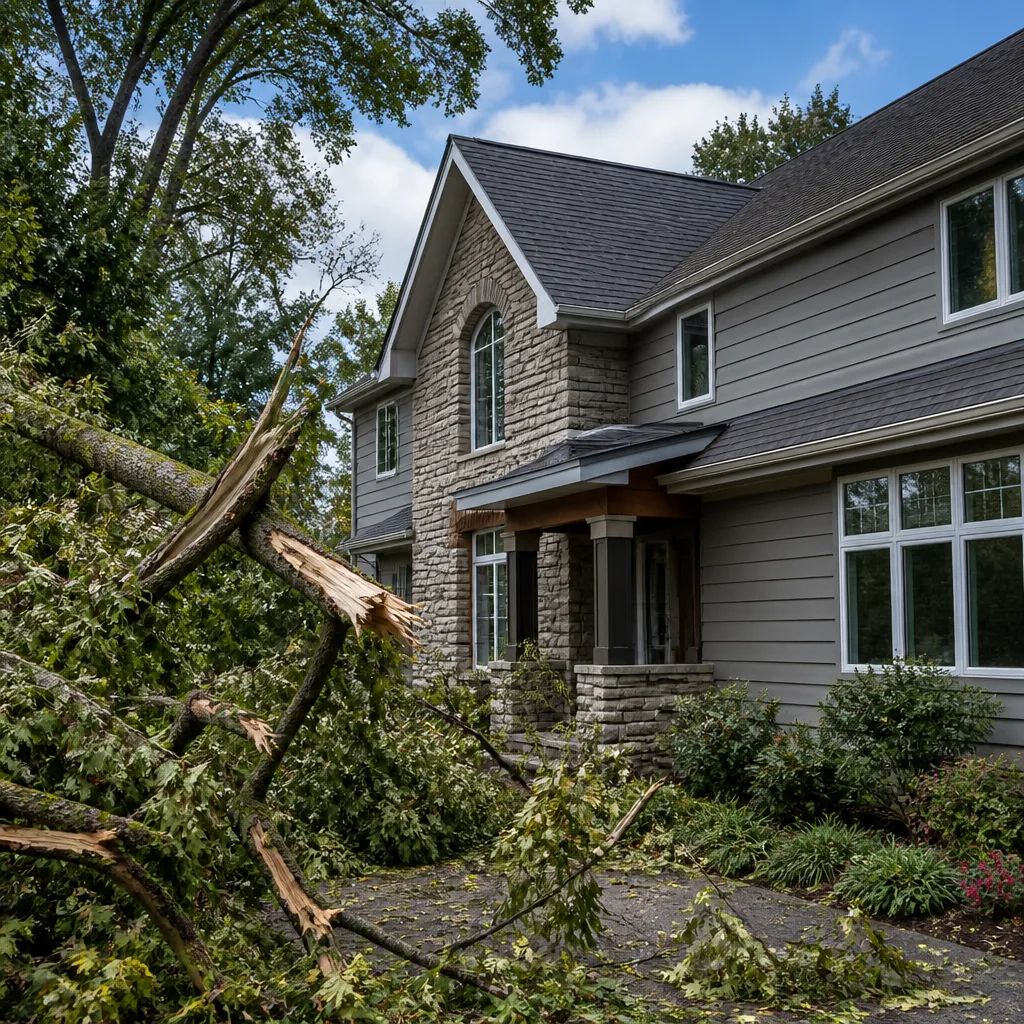
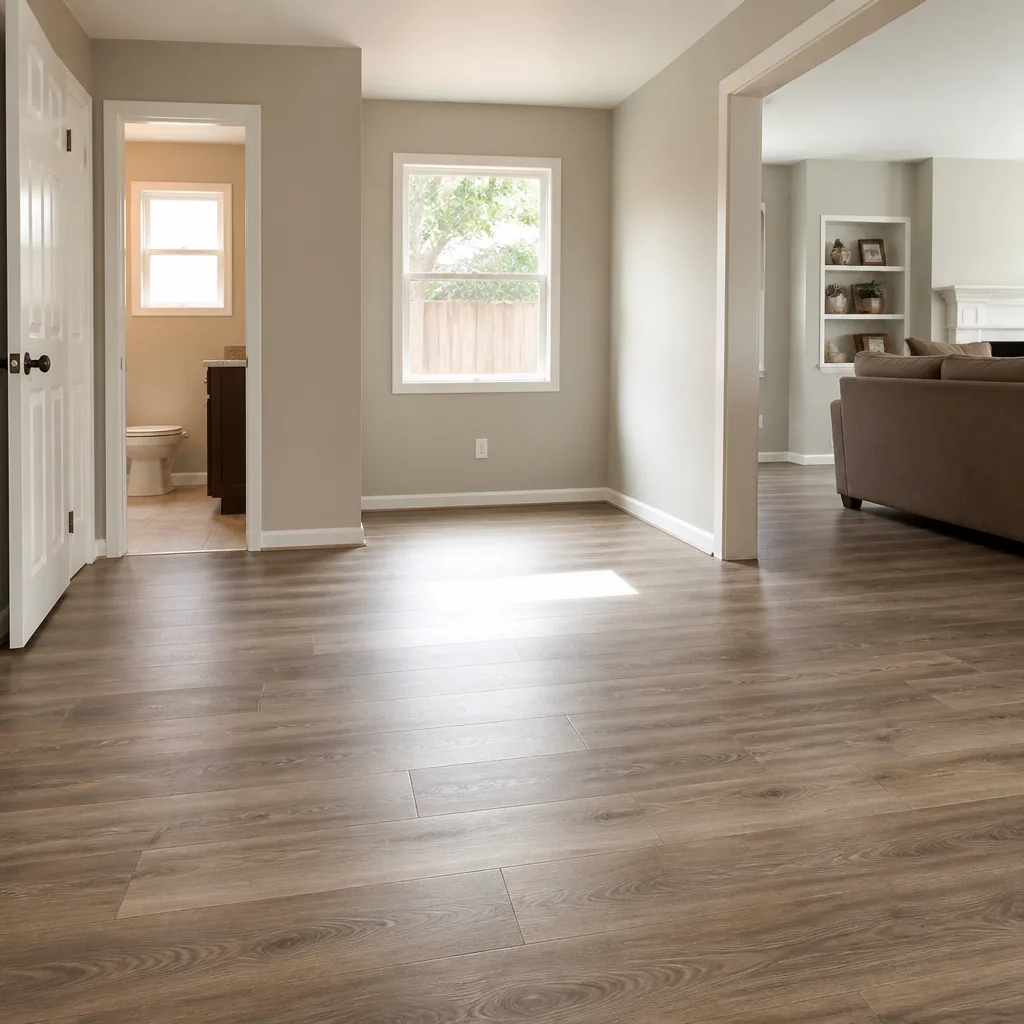
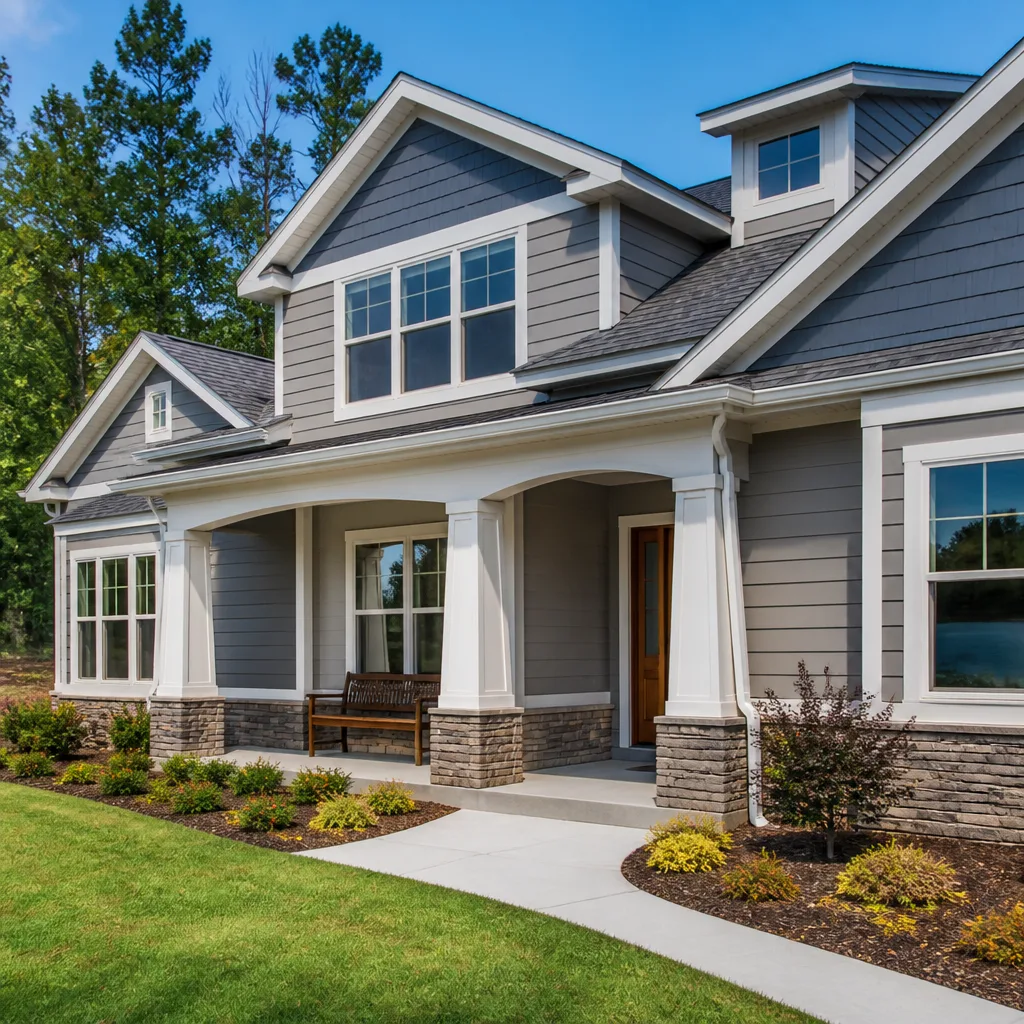
 Before
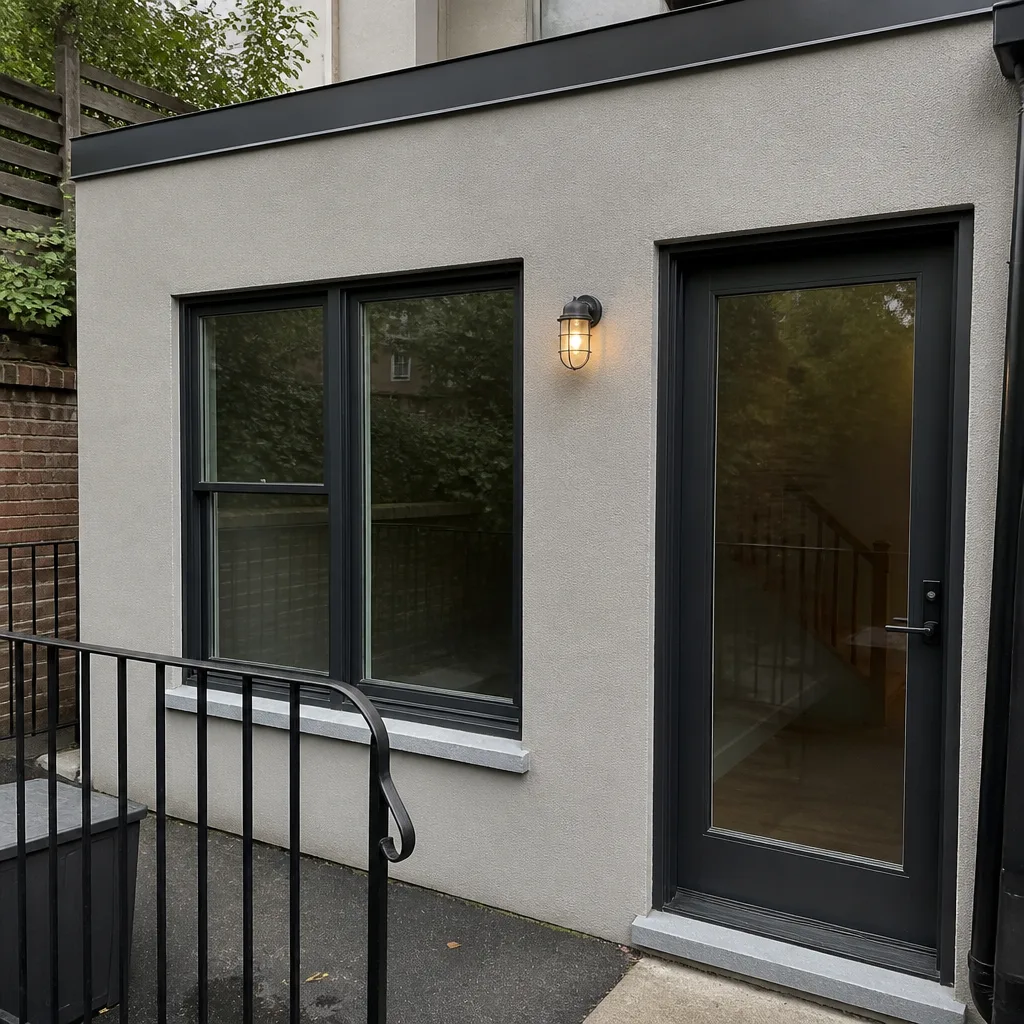 After
After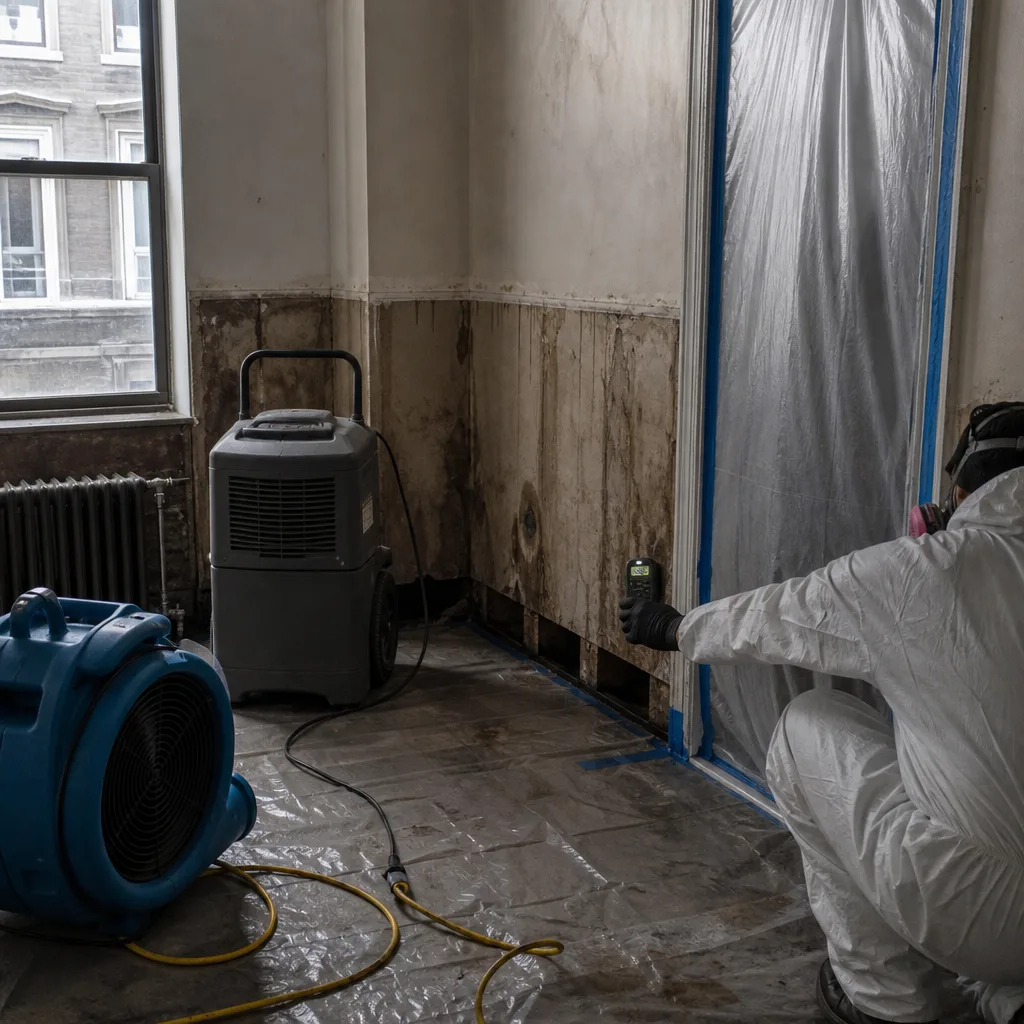 Before
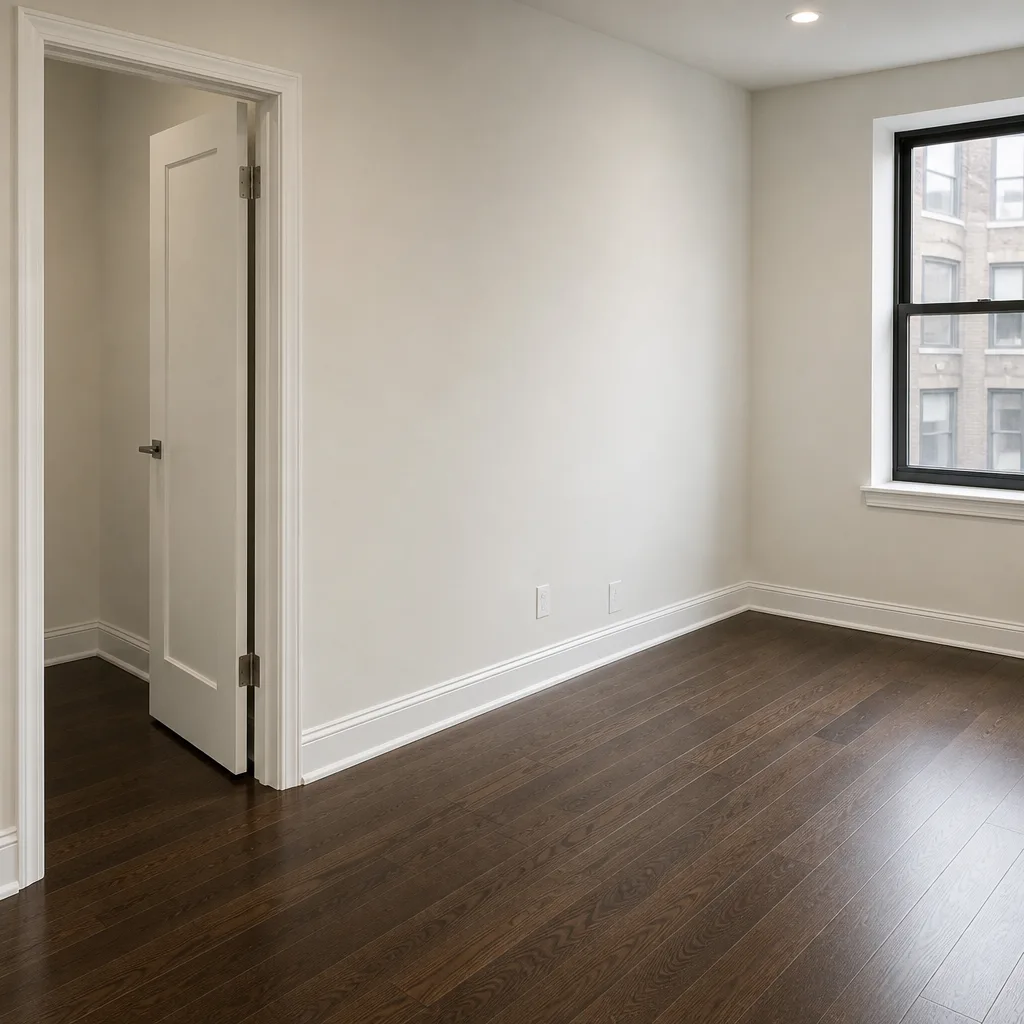 After
After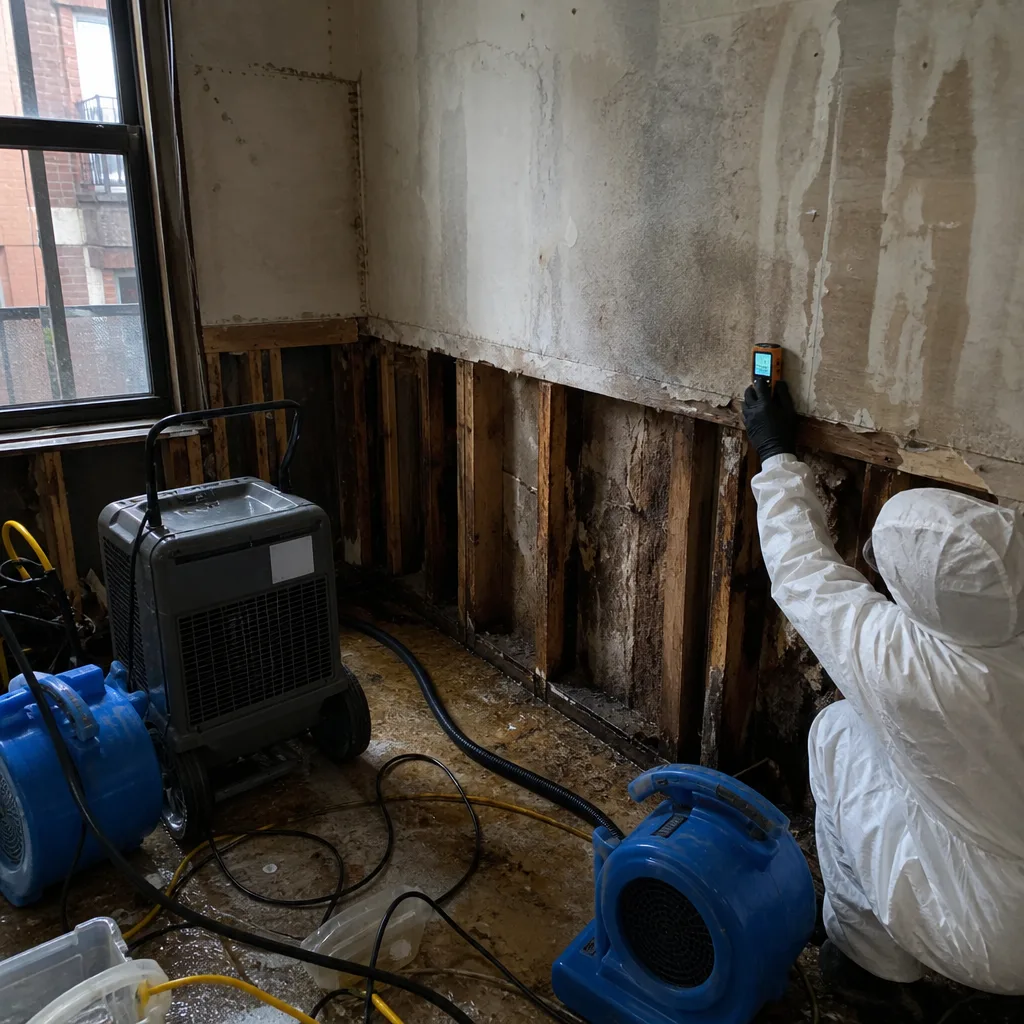 Before
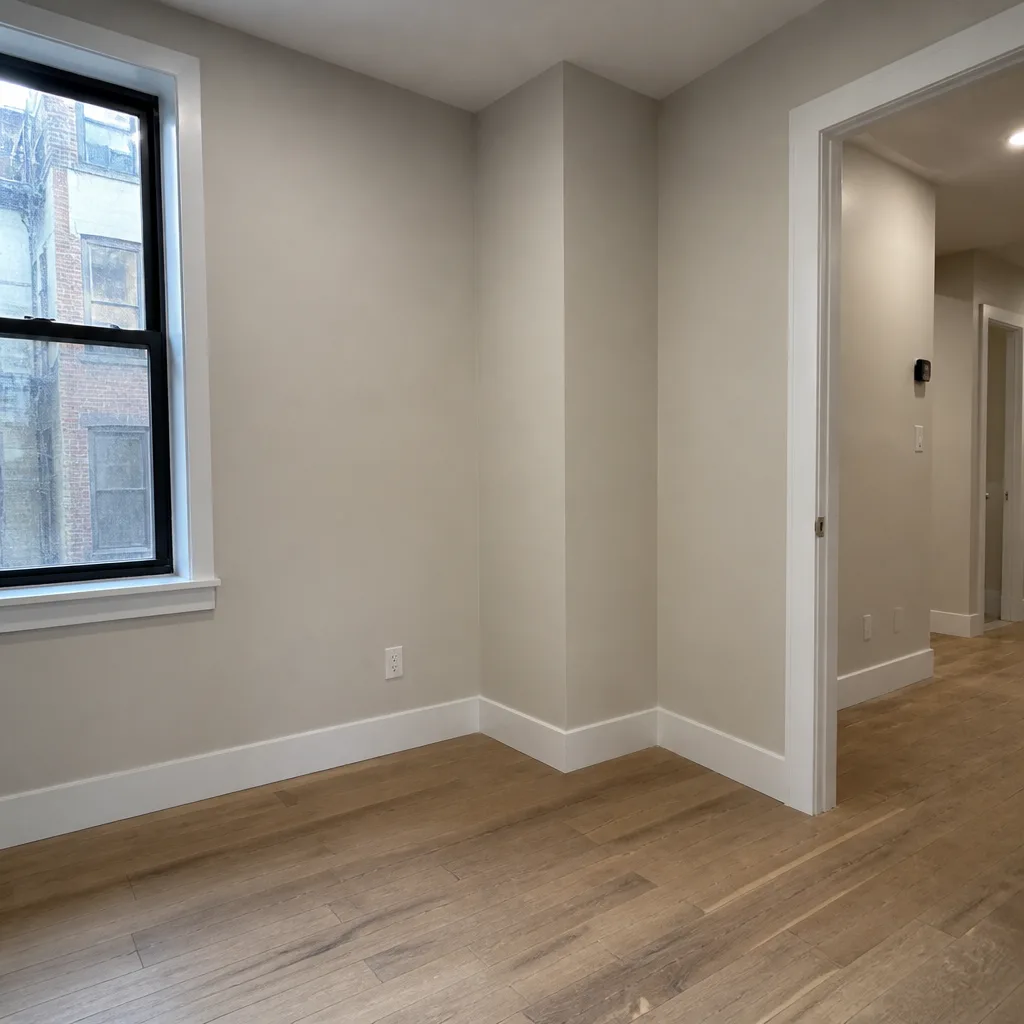 After
AfterThe Complete Guide to Damage Restoration in Lower Manhattan
Lower Manhattan sits on landfill in many sections. That’s not trivia. It’s the single most important fact about damage restoration in this neighborhood, because landfill extended into the Hudson over centuries behaves differently after a water event than almost any other ground in the country. Water doesn’t drain the way it does uptown on bedrock. It pools. It migrates laterally. It finds its way into foundation seams that have been shifting since the 1800s. This guide is written for the homeowner or co-op shareholder who needs to understand what actually happens when water, fire, or mold hits a building below Canal Street, and why the standard restoration advice you’ll find online doesn’t account for how Lower Manhattan actually works. For Damage Restoration Warning Signs: A Lower Manhattan Homeowner’s Reference Guide, see our companion post.
Quick Answer
For a detailed look at pricing, see our Damage Restoration Cost Breakdown: The Lower Manhattan Homeowner’s Reference for 2026. Damage restoration in Lower Manhattan typically costs $2,500-$9,000 for water extraction and drying, $4,000-$15,000 for full mold remediation, and $8,000-$40,000 for fire and smoke restoration, depending on square footage and whether shared walls are involved. Your first call should be to a restoration company that knows the neighborhood, because co-op board rules, post-Sandy infrastructure, and salt-air corrosion all change the timeline and the method. The sooner extraction starts, the less likely you are to face a full remediation.
Table of Contents
- Why Lower Manhattan Is Different From Every Other Restoration Market
- The Three Neighborhoods: Battery Park City, Tribeca, and the Financial District
- The Co-op and Condo Board Layer Most Guides Miss
- Salt-Air Corrosion and the Secondary Damage Clock
- Post-Sandy Infrastructure: Flood Vents, Backflow Preventers, and What They Change
- Shared Walls and Utility Stacks: Why Your Neighbor’s Problem Is Your Problem
- The Step-by-Step Restoration Process in Lower Manhattan
- Common Mistakes to Avoid
- When to Call a Professional
- Frequently Asked Questions
- The Bottom Line
Why Lower Manhattan Is Different From Every Other Restoration Market
Most restoration guides are written as if every building responds to water the same way. That assumption falls apart below Canal Street. Lower Manhattan is a patchwork of colonial-era foundations, mid-century concrete towers, and 19th-century cast-iron loft buildings, all compressed into the highest-density square mileage in the city. When water enters a Tribeca loft conversion, it doesn’t just soak the floor. It follows the original timber joists into a party wall that hasn’t been opened since 1904. When a sprinkler head fails on the 18th floor of a Financial District high-rise, the water column drops through 17 floors of electrical closets, elevator shafts, and stacked bathrooms before it pools anywhere visible.
The soil question matters too. Large portions of Battery Park City were built on fill dredged from the harbor and placed over the original shoreline. That fill is porous. It holds water. After heavy rain or a river surge, groundwater in these sections rises faster and recedes slower than on the island’s natural bedrock. For a ground-floor unit, that means a “minor” flood can keep feeding moisture back through the slab for weeks after the visible water is gone. Standard drying equipment placed without accounting for this will produce a surface reading that looks fine while the underside of the slab stays wet.
In our experience on water damage restoration in Lower Manhattan, the jobs that go sideways are almost never the dramatic ones. They’re the small leaks that were treated with a shop vac and a fan, in a building where the hygroscopic load, the shared wall configuration, and the groundwater pressure all worked against standard drying timelines.
The Three Neighborhoods: Battery Park City, Tribeca, and the Financial District
If you gave three restoration crews the same water event and put one in each of these neighborhoods, you’d get three different plans. The physical building stock is that distinct.
Battery Park City is the youngest construction in Lower Manhattan, mostly built between 1980 and 2000 on the aforementioned landfill. The buildings are modern, but they sit on some of the most water-reactive ground in the borough. Condo boards here are also the most likely to have detailed restoration protocols written into their bylaws after Sandy, which means the board may already have a preferred vendor list and a mandatory drying standard. If you own here, pull your board’s flood response protocol before you call anyone. It may specify equipment types, humidity targets, or documentation requirements that a generic vendor won’t meet. Salt-air exposure is highest in the buildings directly facing the Hudson, and we’ll get to what that means in a moment.
Tribeca is the wildcard. The landmarked cast-iron facades hide interiors that have been gut-renovated, partially renovated, or left original, sometimes within the same floor plate. A single water event can cross three different construction eras in 40 feet. Original wood joists behave completely differently from steel I-beams with concrete decking. The restoration challenge in Tribeca is mapping the building’s mixed anatomy before you start cutting. Opening the wrong wall in a Tribeca loft can mean hitting a structural column wrapped in a material that wasn’t designed to be exposed to drying airflow.
The Financial District presents vertical problems. The office-to-residential conversions that define the neighborhood were built for commercial plumbing stacks and electrical risers, which means residential water events travel farther and through more complicated infrastructure than they would in a purpose-built apartment building. We’ve seen a dishwasher supply line failure on the 12th floor of a FiDi conversion present as a ceiling stain in the lobby and a buckled floor in unit 6B, with no visible damage on the floors in between. The water found a chase. Water always finds a chase.
Knowing which neighborhood you’re in, and what’s behind the wall, changes the drying plan. It changes the number of air movers. It changes the decision to open the ceiling or inject dry air through small access points. This is where local knowledge stops being a marketing phrase and becomes a material difference in outcomes.
The Co-op and Condo Board Layer Most Guides Miss
Here’s the part that out-of-town or generic restoration companies don’t tell you: in much of Lower Manhattan, you cannot legally start a restoration project without board approval. For the full legal picture, read Damage Restoration Permits, Codes & Inspections in NY: What You Need to Know. Not because the board is difficult, but because your building’s governing documents say so. In a co-op, you don’t own the walls. You own shares in a corporation that owns the building. That means any work behind the walls, and sometimes any work involving the plumbing risers, requires written approval from the board or its managing agent.
This creates a third layer of coordination that most restoration timelines don’t account for. You have the homeowner’s schedule. You have the restoration company’s schedule. And then you have the board’s approval process, which can add anywhere from 24 hours to two weeks depending on whether the managing agent has an emergency provision in place. Some buildings have a standing emergency authorization for water mitigation. Others require a board vote, even for extraction. If you’re in a condo in Battery Park City, your association may also carry a master insurance policy with its own adjuster and its own claims process that runs parallel to yours.
Wade deals with this every week. The practical advice: call your managing agent at the same time you call a restoration company. Don’t wait for one to approve the other. The 24 hours after a water event is the highest-leverage period for preventing secondary damage, and waiting for an email chain to resolve while the moisture spreads is how a $4,000 extraction becomes a $19,000 mold remediation. Ask your board, before anything happens, what their emergency restoration policy is. If they don’t have one, suggest they create one. It will save someone in your building a lot of money.
Salt-Air Corrosion and the Secondary Damage Clock
Here’s a factor unique to waterfront-adjacent Lower Manhattan: the air is salty. Not beach-town salty, but measurable, and it concentrates in the buildings closest to the rivers. Inside a wall cavity or under a floor, that salt residue sits on electrical connections, plumbing fittings, and metal studs. When water enters, the salt goes into solution and becomes an electrolyte. The result is accelerated corrosion. Galvanic reactions that would take weeks in a dry, inland building start within days here.
This matters for two reasons. First, the window for “extract and dry only” is shorter in Lower Manhattan than in, say, Park Slope. The secondary damage clock, the time before water becomes mold and corrosion, runs faster. Second, the restoration decisions are different. A wiring junction that got wet in a Tribeca loft with salt residue on the conductors may need replacement, not just drying. A cast-iron drain line that sat wet for a week in a Battery Park City mechanical room may need sectioning, not just de-scaling. A contractor who has never worked near the harbor won’t look for those things.
If the water event was saltwater intrusion, which is possible in the lowest-lying sections during storm surge, the equation changes completely. Saltwater restoration is a different discipline. Everything the water touched, every wire, every fitting, every metal surface, is now a corrosion liability for the life of the building. That’s not a scare tactic. It’s why post-Sandy restoration in this neighborhood ran into the tens of billions, and why the most expensive mistakes were the ones where saltwater was treated like freshwater and dried in place.
Post-Sandy Infrastructure: Flood Vents, Backflow Preventers, and What They Change
After 2012, Lower Manhattan buildings were retrofitted with flood mitigation infrastructure that didn’t exist when most restoration protocols were written. Flood vents, designed to let water pass through foundation walls rather than build up hydrostatic pressure against them, are now common in the flood zones. Backflow preventers on sewer lines are mandatory in many buildings. Sump pumps in subgrade mechanical rooms are the norm. This infrastructure changes the restoration calculus in ways that matter.
A flood vent that does its job means water moves through the subgrade and exits. But it also means whatever came in with the floodwater, silt, sewage, harbor contamination, is now distributed across the entire subgrade floor, not pooled in one corner. Drying the slab is just the start. The contamination layer has to be removed and the surfaces sanitized, or the building will smell like the harbor every time it rains for the next decade. A backflow preventer that activated during a sewer backup meant the sewage stayed out of the building, which is good, but it also means the pressure that would have pushed the sewage somewhere else is now sitting in your lateral line. Those need inspection after any significant event.
The practical takeaway: if your building has post-Sandy infrastructure, it was designed to protect the building, not to make restoration easier. A restoration plan in Lower Manhattan has to account for where the water went, where the water was prevented from going, and what got left behind in the process. We routinely find contamination spread through the entire flood-vent path while the visible damage was confined to one room.
Shared Walls and Utility Stacks: Why Your Neighbor’s Problem Is Your Problem
Lower Manhattan is dense. Not just dense by American standards. Dense by any standard. Party walls are shared. Floor assemblies are shared. Utility stacks run vertically through multiple units, and the space around those stacks is often a continuous, interconnected cavity that spans the entire building. One unit’s bathroom leak is, structurally speaking, every unit’s problem in the vertical stack.
Here’s the scenario we see most often: a supply line fails in unit 9A’s bathroom. Water runs down the stack and collects in the ceiling of 7B. The owner of 7B sees the water and calls a restoration company. They open the ceiling, dry it out, patch it, and everyone moves on. Six months later, 7B calls again. The ceiling is stained in a different spot. This time the mold has bloomed inside the stack cavity, where it’s been feeding on the residual moisture from the original event, plus the condensation from the stack pipe itself. The restoration wasn’t wrong. It was incomplete. It treated 7B’s unit as if it were a standalone structure, but in Lower Manhattan, no unit is standalone.
This is why, when we do mold remediation in Lower Manhattan, we always scope the adjacent units and the stack chase. Not because we’re looking for more work. Because if we don’t, the mold we didn’t address in the cavity will reintroduce spores into the unit we just remediated, and we’ll be back. The 90-Day Done Right Promise isn’t just a piece of paper. It’s a forcing function: if we’re going to warrant the work for 90 days, we have to be sure the moisture source is actually gone, not just the visible result.
The Step-by-Step Restoration Process in Lower Manhattan
Knowing what to expect removes the panic from the first hour. Here’s the sequence, step by step, as we run it. Your specific situation may vary, but this is the shape of a proper restoration in this neighborhood.
- Call your restoration company first. Not your insurance agent. Not the handyman. The restoration company. The clock starts when the water stops or the fire is out. Every hour of delay increases the secondary damage. If you’re a co-op owner, call your managing agent immediately after. The board approval can run parallel to the response, not ahead of it.
- Stop the source. If it’s a plumbing failure, shut the valve. If it’s a roof leak and you can safely tarp it, do so. If it’s a sprinkler system, the building staff will likely handle the shutoff. If you don’t know where the valve is, find out now, before you need to, and write it down somewhere you’ll remember.
- Document before anything moves. Photograph everything. The water line. The affected contents. The condition of the surrounding surfaces. Your insurance claim will depend on this. If you have a Wade’s Restoration crew on the way, they’ll photograph as part of the initial assessment, but your own photos from minute one are invaluable.
- Extraction. Removal of standing water with professional extraction equipment. The goal is to remove as much water as possible before the drying phase. This is where speed matters most. Wade will have extraction running inside the hour in Lower Manhattan, which is exactly what you want.
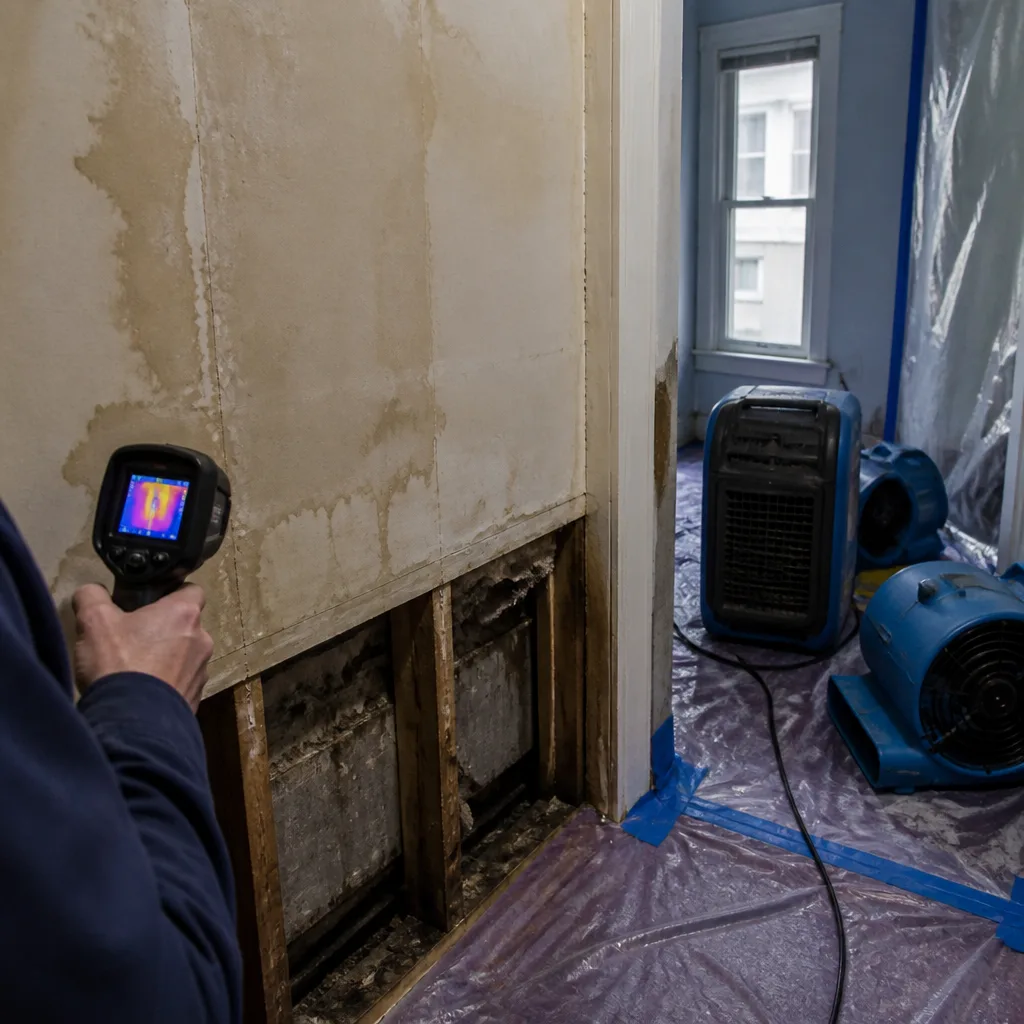
- Scope and mapping. This is the step that separates serious restoration from water clean-up. Moisture meters, thermal imaging, and visual inspection to map the full extent of the water migration. In a Lower Manhattan building with shared walls and mixed construction, this step is more complex than it looks. The water may have moved 30 feet from the visible damage.
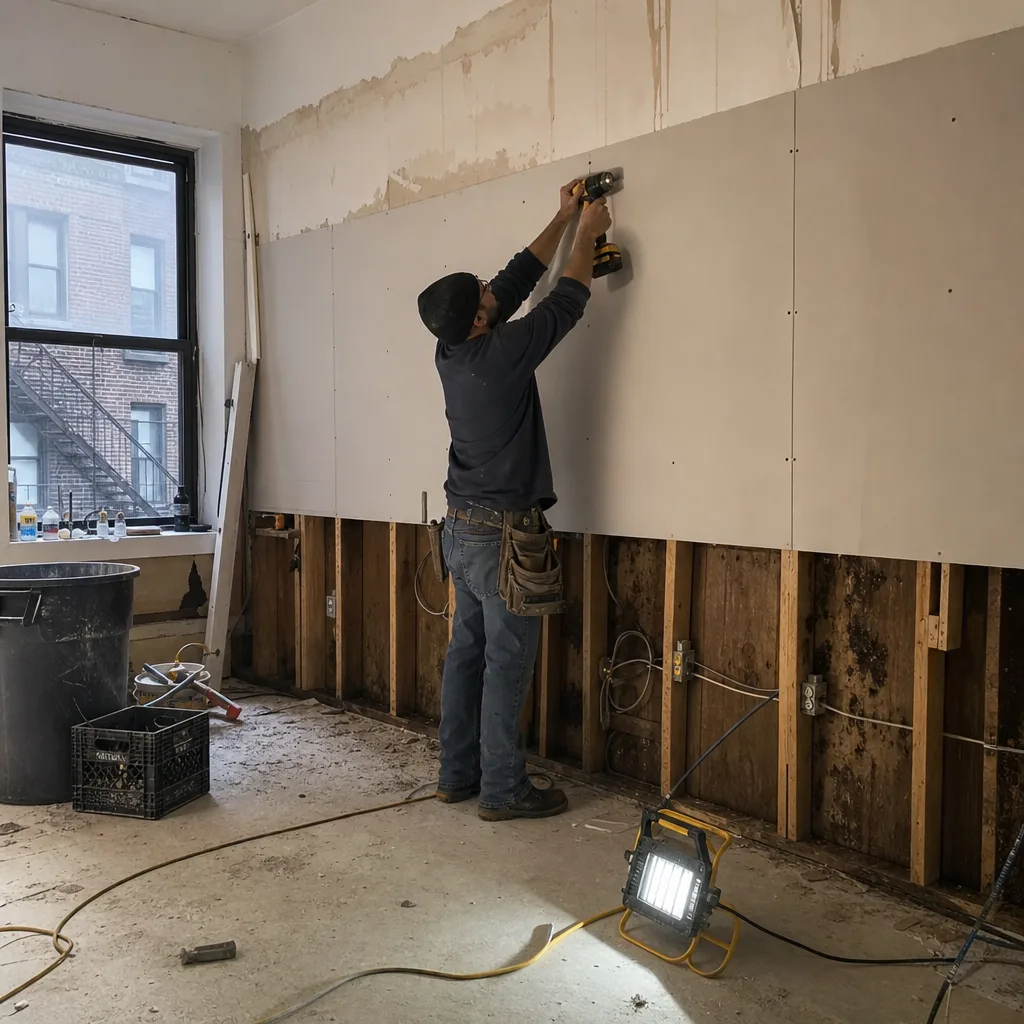
- Containment and demolition. The removal of wet drywall, insulation, carpet, and other unsalvageable materials. The goal is to expose the affected structural members and create a drying chamber. In a co-op, this is often where board approval comes in, since it involves work behind the walls.
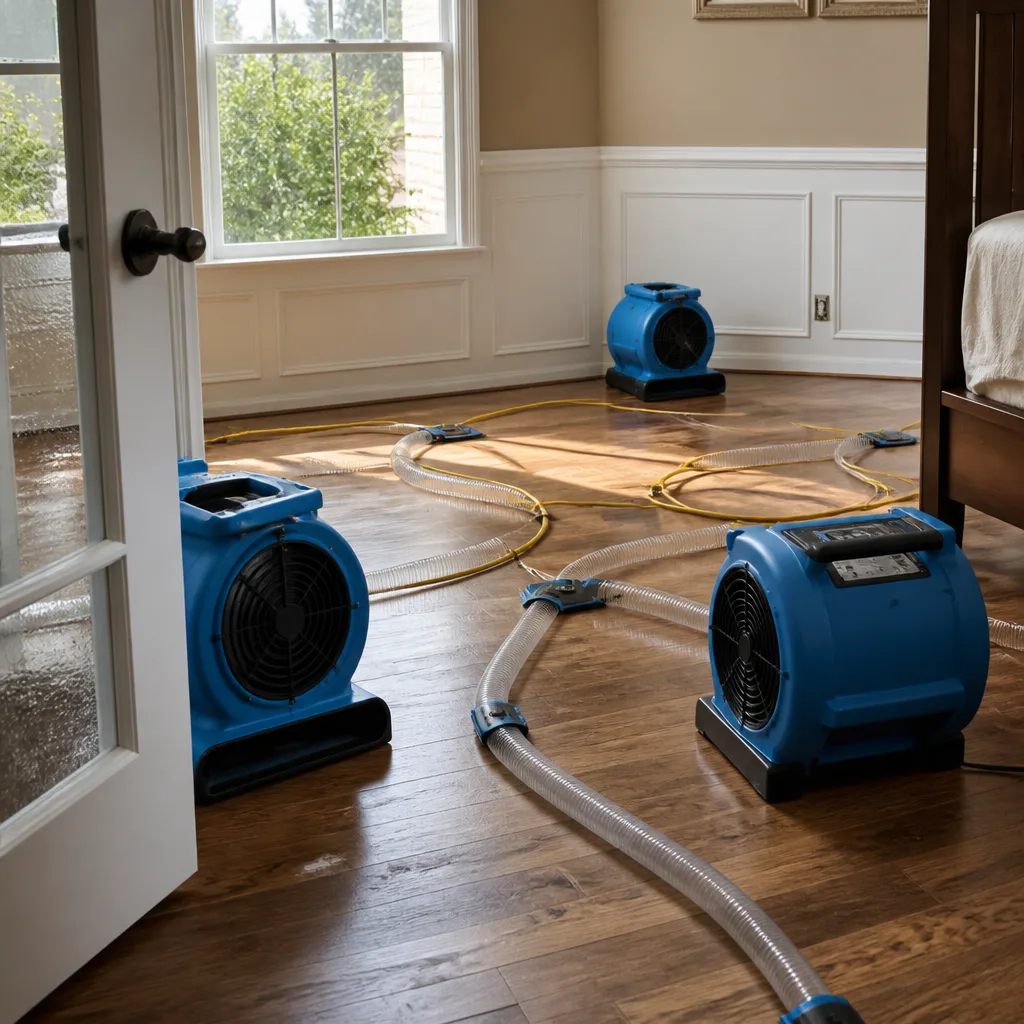
- Structural drying. The professional-grade equipment, Dri-Eaz, Phoenix, and XPOWER units, plus dehumidifiers and air movers, placed according to the moisture map. This phase takes 3 to 7 days in most Lower Manhattan buildings. The salt-air factor means we watch for corrosion during this phase and adjust accordingly. Wade takes moisture readings every single day and hands the homeowner the full log at job’s end. Almost nobody in the trade does this, and it’s the only way you’ll actually know the job was done.
- Mold assessment and remediation. If the moisture event exceeded 48 hours, or if the moisture map shows elevated readings in a cavity, mold is a real possibility. This is the point where we bring in IICRC-standard remediation protocols. In Lower Manhattan’s older buildings, the original materials often include horsehair plaster and old-growth timber that behave differently than modern gypsum and pine. Remediation has to account for that.
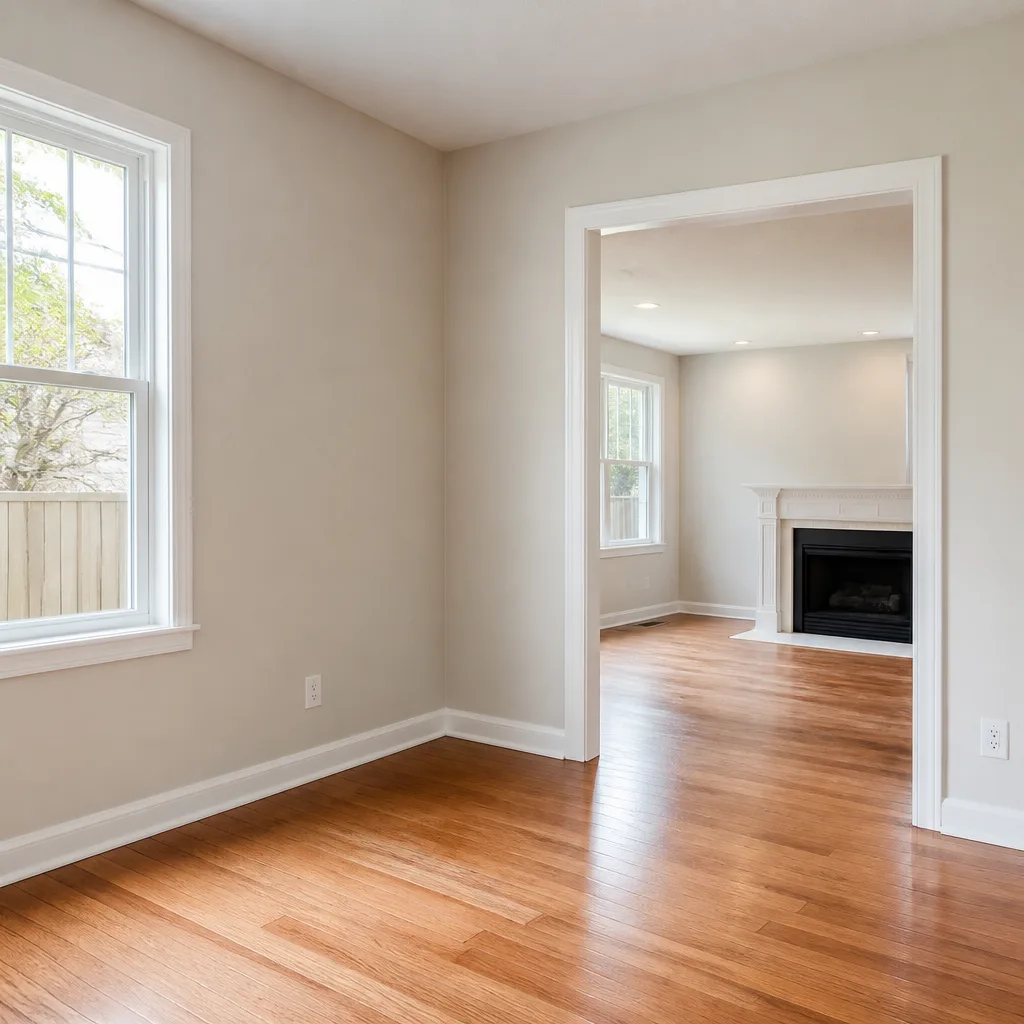
- Reconstruction. The final phase, returning the space to pre-loss condition. New sheetrock, new flooring, new paint. This is scoped, scheduled, and priced in writing, like a remodel. Not a same-day job.
Common Mistakes to Avoid
- Waiting to call because you think it’s “not that bad.” In Lower Manhattan, the shared wall and stack cavities turn small leaks into building-wide problems. What looks like a corner stain is often the visible tip of water that has already migrated three floors down the chase. Call early.
- Treating a water event with household fans and a dehumidifier from the hardware store. Those units are not designed for structural drying. They’ll get the surface dry while the wall cavity stays wet, which is where the mold will grow. This is the most expensive mistake we see in the neighborhood, because the homeowner thinks they’ve handled it and doesn’t call until the smell appears.
- Assuming the co-op board’s insurance covers everything. In most co-ops, the building’s master policy covers the building’s walls and common areas, not your interior finishes. Your shareholder’s policy covers your unit’s contents and improvements. The gap between the two is where claims die. Know what you’re responsible for before you need to know.
- Opening walls without knowing what’s inside. Lower Manhattan’s mixed construction age means walls can conceal structural elements, asbestos-wrapped pipes, original cast-iron risers, and wiring that predates the modern code. Opening a wall is not a DIY job in this neighborhood.
- Hiring a company with no local experience. A restoration crew from out of town won’t know the board approval process, won’t know the salt-air corrosion pattern, and won’t know which buildings have post-Sandy flood mitigation infrastructure. They’ll apply a generic protocol to a non-generic problem.
- Signing an assignment of benefits without reading it. Some restoration companies will ask you to sign over your insurance claim rights as a condition of starting work. Never do this. A legitimate professional works with your adjuster directly, which is what Wade does, and doesn’t need to own your claim to get paid.
- Forgetting that odor is data. If you smell must or harbor or smoke weeks after the event, something is still wet or contaminated. Don’t mask it. Find it. The 90-day window on a proper restoration is exactly when a job that wasn’t fully dried will start to announce itself.
When to Call a Professional
Call a professional if the water has been present for more than 24 hours, if the affected area is larger than a single room, if the water came from sewage or storm surge, if you can see the water migrating into walls or ceilings, if you smell mold or a persistent musty odor, or if the event involved a shared wall or utility stack. In Lower Manhattan, that last condition applies to almost every residential water event. Also call if your co-op or condo board requires professional restoration documentation as part of your claim. Wade’s Restoration offers free estimates in Lower Manhattan - call (607) 350-1550. If it’s an emergency, Wade answers his own phone.
Frequently Asked Questions
Water extraction and structural drying typically runs $2,500-$9,000 depending on the size of the affected area and whether demolition is required. Mold remediation in Lower Manhattan runs $4,000-$15,000 for a typical unit. Fire and smoke restoration starts around $8,000 and can exceed $40,000 for full unit reconstruction. These are mid-range figures for this neighborhood, where shared walls, landmark requirements, and board oversight add cost. Call (607) 350-1550 for an exact quote. Estimates are free.
In Lower Manhattan, Wade can have extraction running inside the hour. He answers his own phone, 24/7, no answering service, no voicemail, no runaround. If you’re calling at 2 a.m. with a flooded basement, you get Wade.
In most cases, yes, but the specifics depend on your policy and how the board’s master policy interacts with your unit coverage. Wade deals with the insurance adjuster directly, so you’re never stuck relaying information between two sides. He also provides photo documentation of everything, which is what the adjuster will ask for.
If the water was clean, the event was recent, and the affected area is accessible, a proper extraction and drying may be all you need. If the water was contaminated, the event was more than 48 hours ago, or the moisture has migrated into a wall cavity, you need remediation. In Lower Manhattan, the salt air and shared cavity configuration mean we recommend assessment even when the visible damage looks minor.
Most Lower Manhattan boards have an emergency provision for water mitigation. If yours doesn’t, talk to your managing agent about the building’s insurance obligations. The building’s master policy often requires mitigation to protect the common elements, which can create pressure for faster approval. Wade can provide the documentation the board will request.
It’s simple. If the restoration isn’t done right, we make it right, in writing, on every water, fire, and mold job. If you notice an odor, a stain, or a recurring problem within 90 days, one call brings Wade back. No argument. No runaround. That’s the whole promise.
The Bottom Line
Damage restoration in Lower Manhattan is a different discipline than it is anywhere else. The landfill soil, the salt air, the shared walls, the co-op boards, and the post-Sandy infrastructure all change what actually works. The single best thing you can do is act fast and call someone who knows the neighborhood, not a generic vendor with a website that could be from anywhere. For more guides & resources on protecting your home, visit our blog. Wade Ferris has been doing this work since 2007. He publishes his address, his license number, and his cell phone. He takes moisture readings every day and hands you the log. He deals with your adjuster directly. He puts the 90-Day Done Right Promise in writing. If something goes wrong in a Lower Manhattan building tonight, Wade answers the phone. Call (607) 350-1550.
Written by Wade Ferris, Owner at Wade’s Restoration, serving Lower Manhattan since 2007.