
Last updated August 26, 2026
Free visual inspection and a written scope of work before any mitigation begins - photos, moisture readings, and drying logs go in your claim file
The scope we write is the scope we bill. Anything new gets shown to you, in writing, before we touch it.
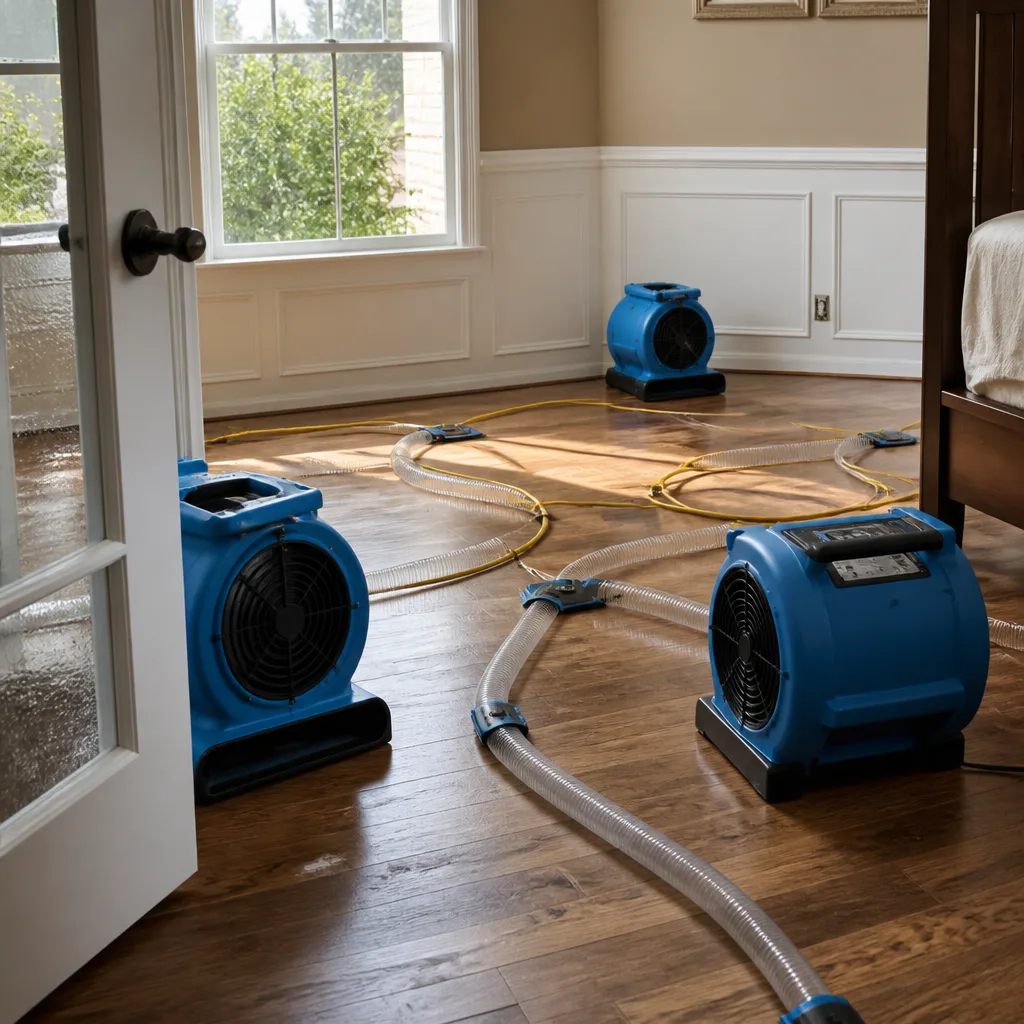
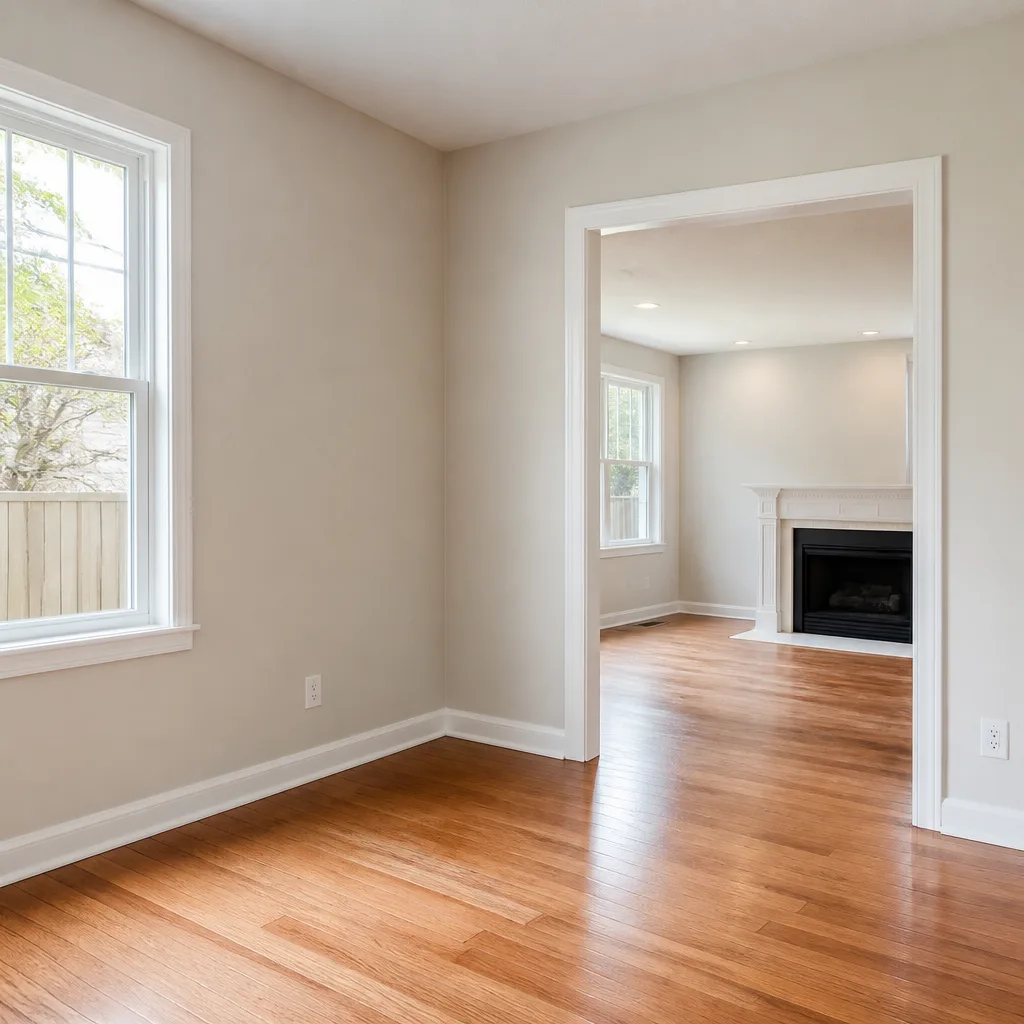
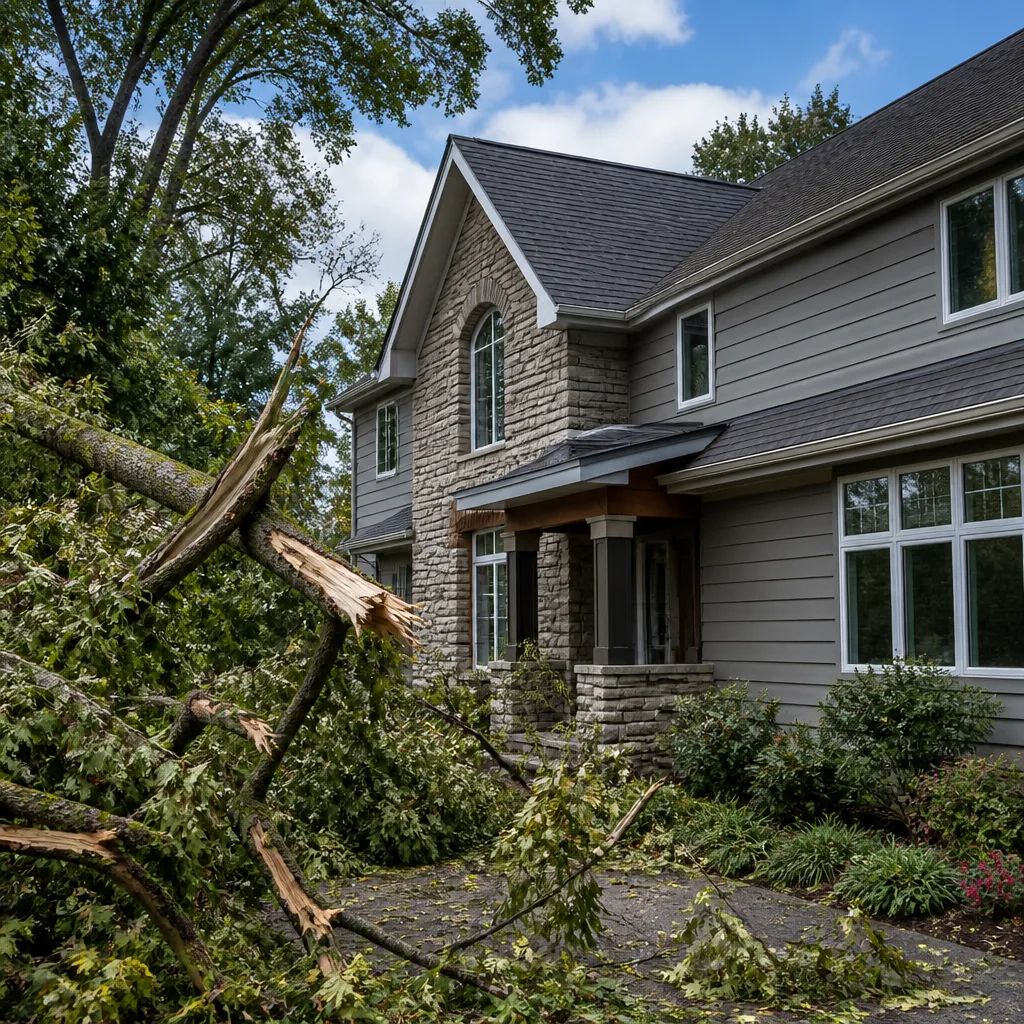
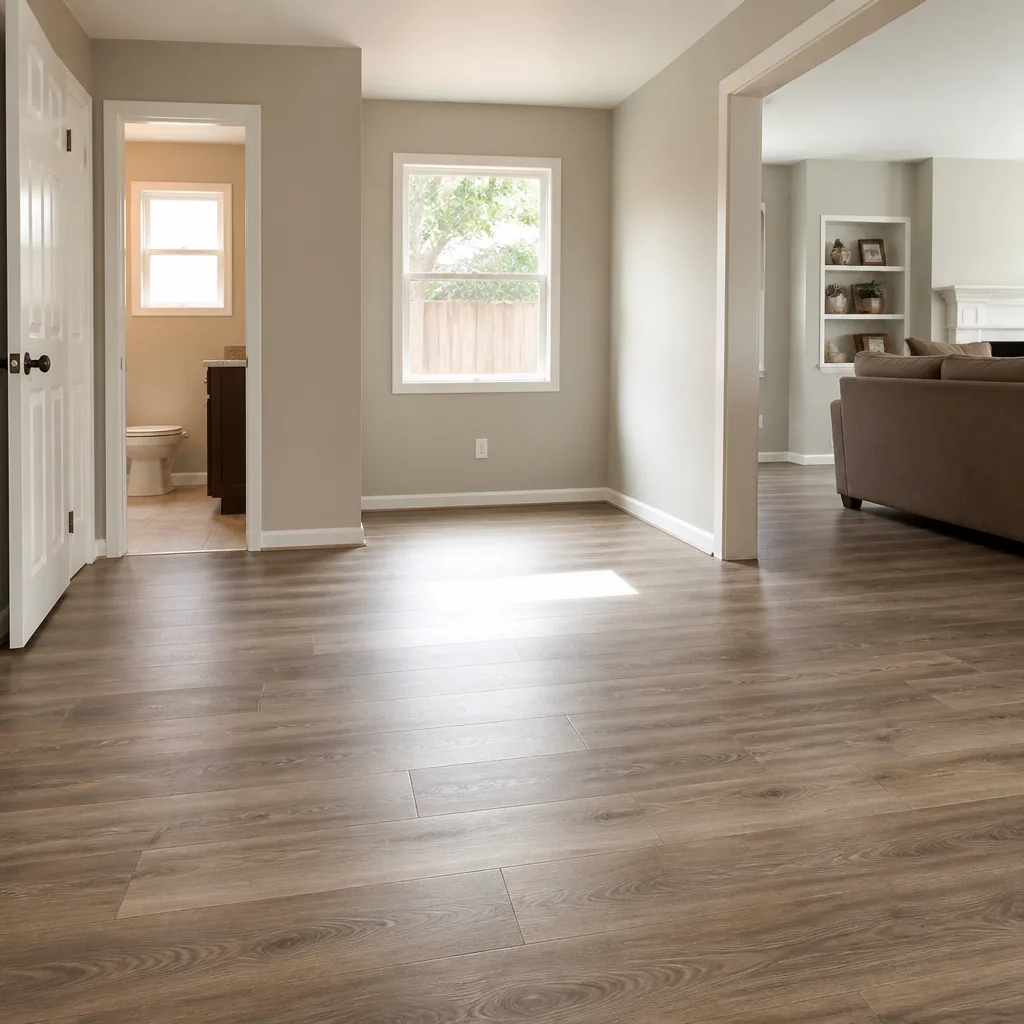

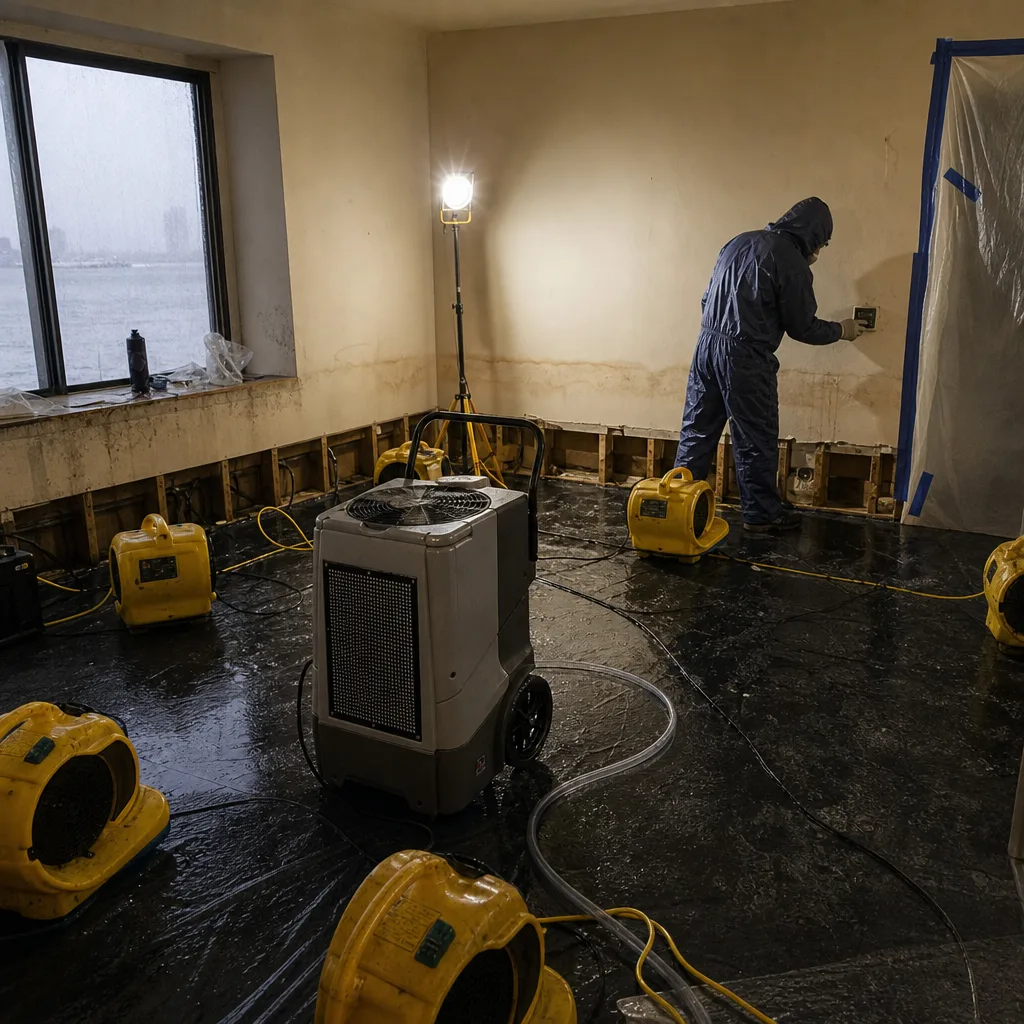
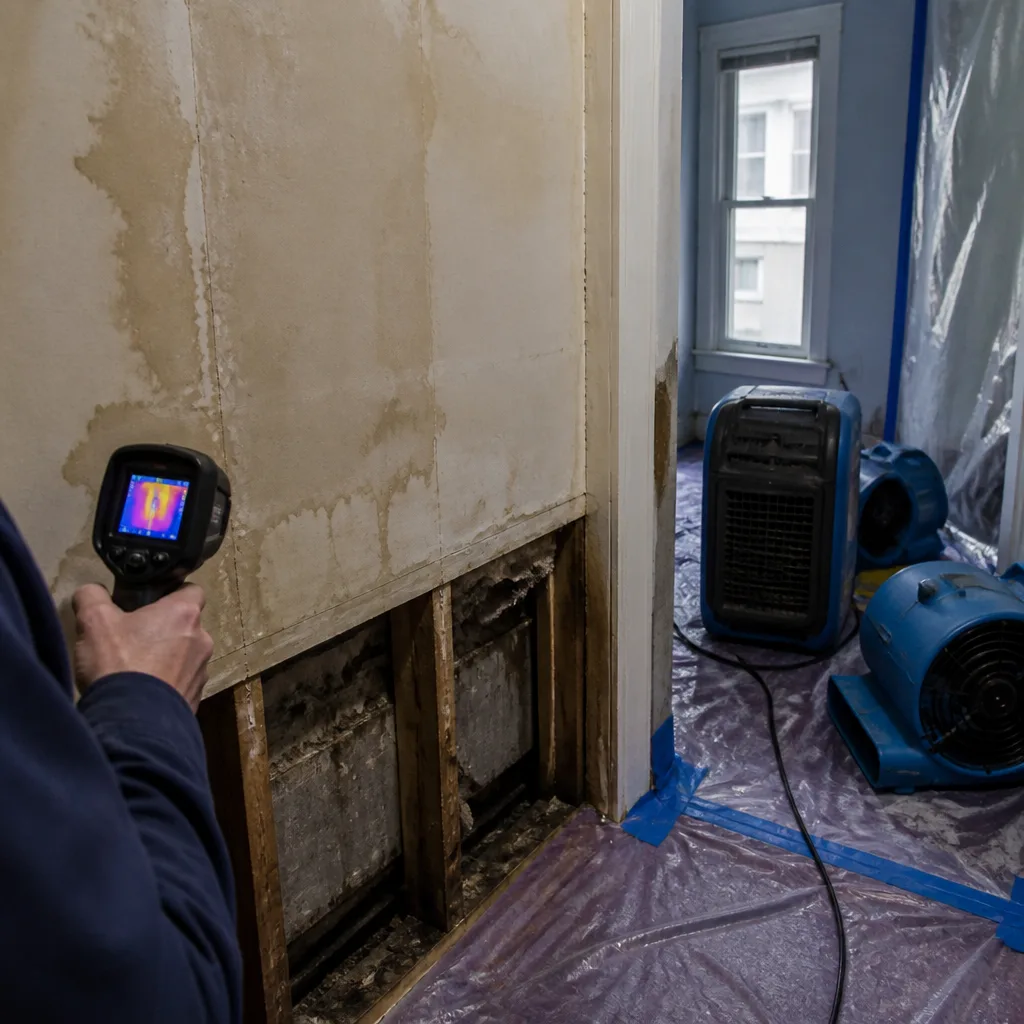 Before
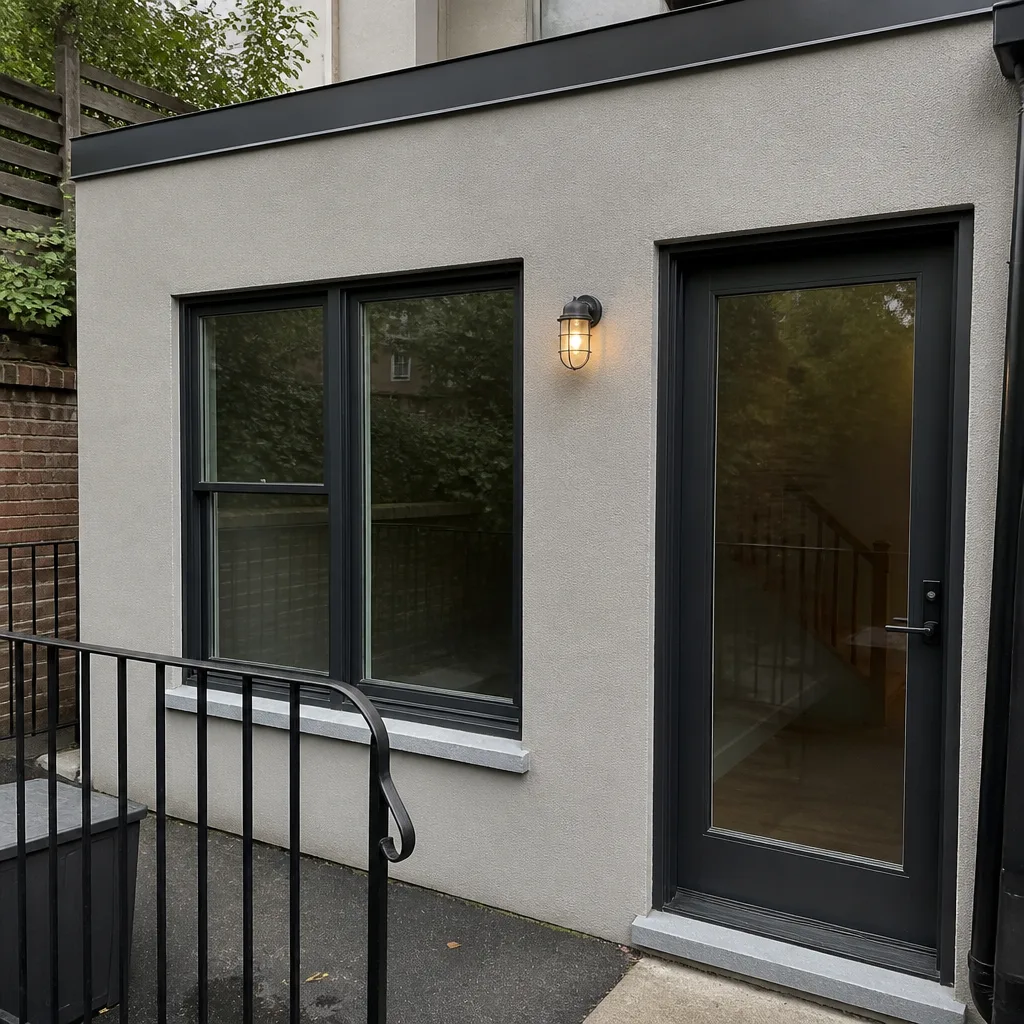 After
After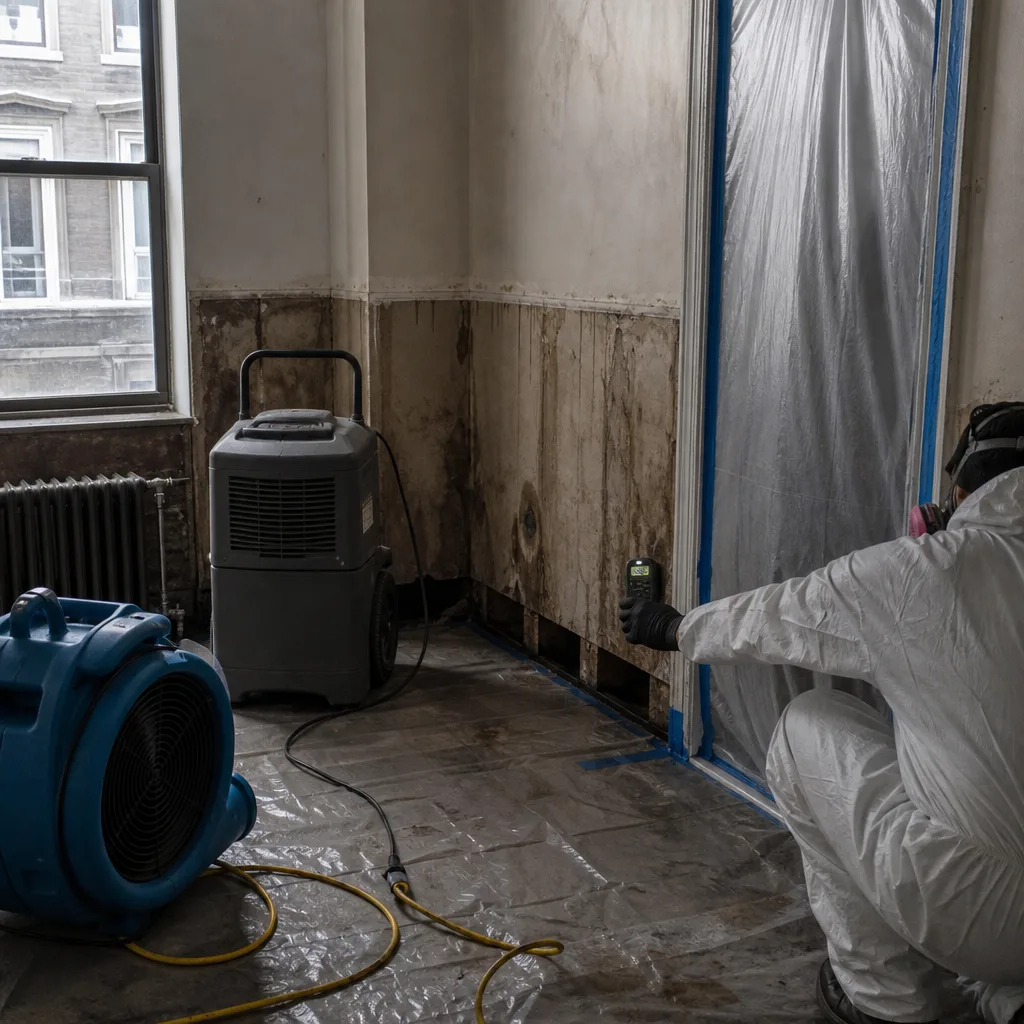 Before
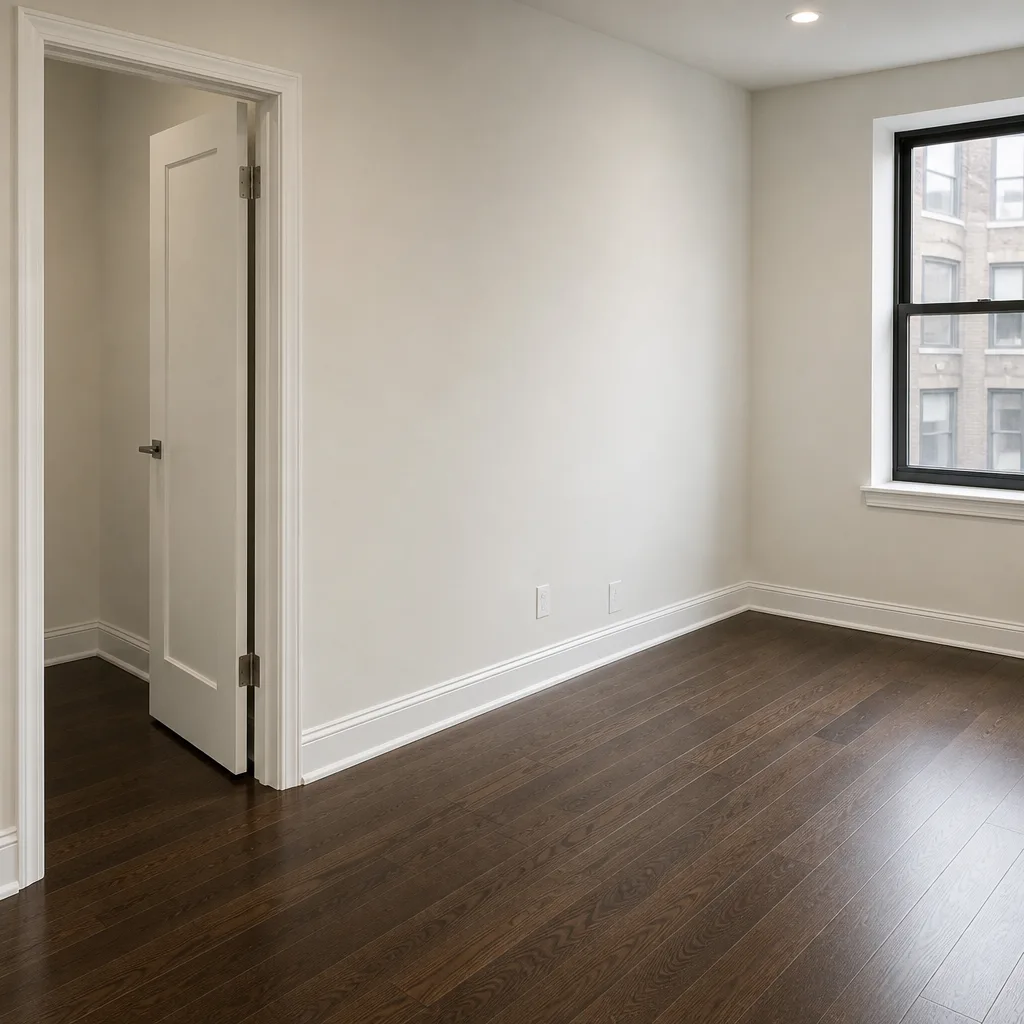 After
After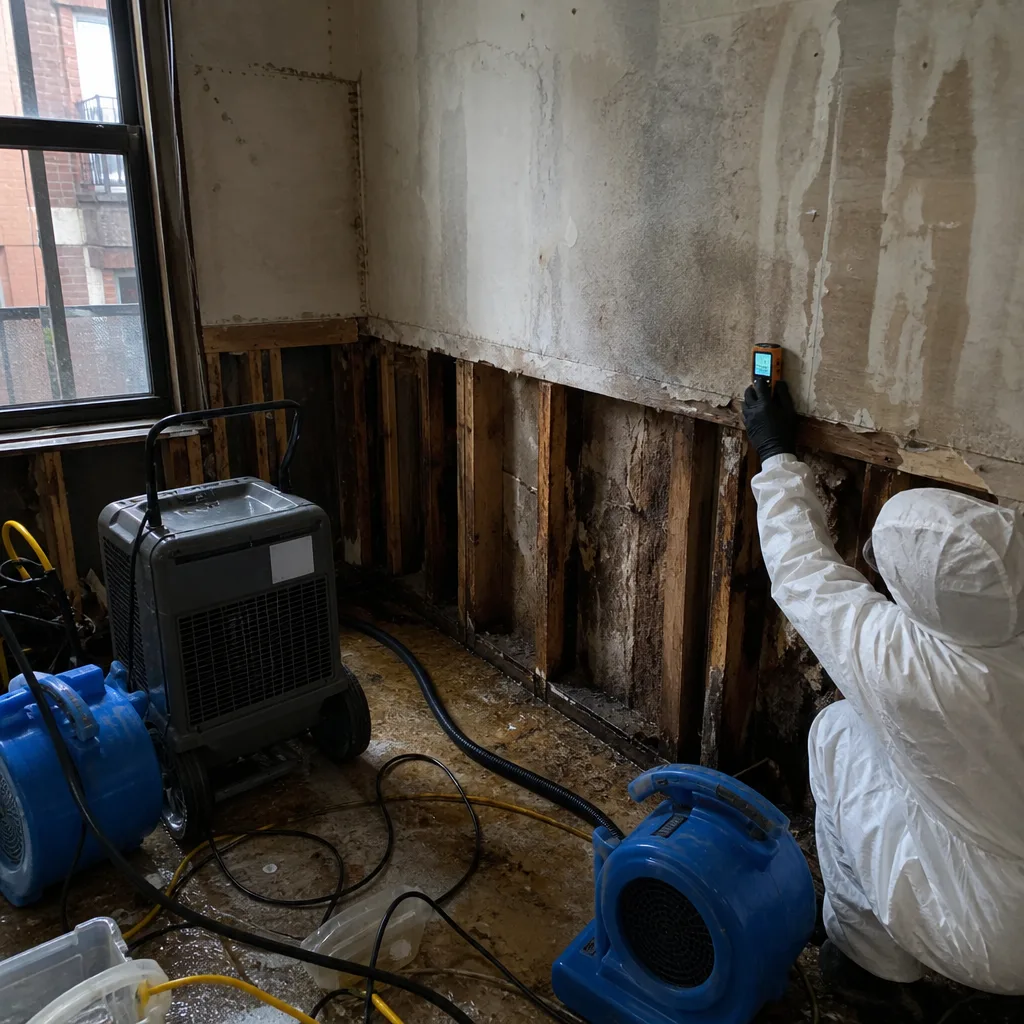 Before
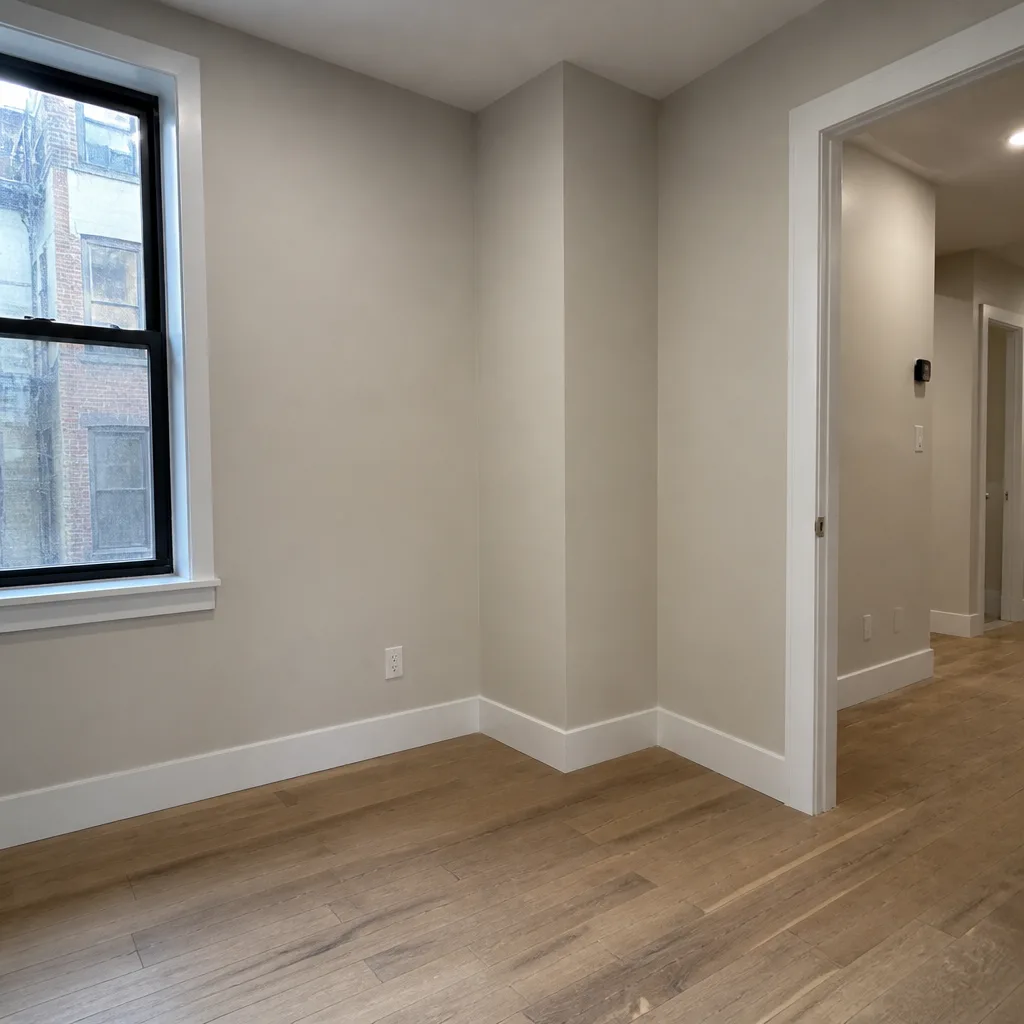 After
AfterDamage Restoration Cost Breakdown: The Lower Manhattan Homeowner’s Reference for 2026
Here’s a number most national cost guides won’t tell you: the average water damage restoration job in Lower Manhattan runs 40 to 60 percent higher than the identical job would in, say, Stamford or Jersey City. Some of that difference is real and defensible. You’re paying for elevator operators, parking permits for equipment trucks, and union labor in certain buildings. But a meaningful chunk of that markup is padding, and the single most useful financial skill a homeowner can develop before a pipe bursts is knowing which line items are legitimate Lower Manhattan costs and which ones are negotiable. This guide names what the invoice buries.
Quick Answer
Water damage restoration in Lower Manhattan typically costs between $2,800 and $8,500 for a standard pipe burst affecting one or two rooms, with sewage backups running higher at $4,000 to $12,000 due to contamination protocols. Mold remediation following water intrusion ranges from $1,800 to $6,000 depending on square footage affected. But the invoice total is only half the story: you need to understand which surcharges are real Lower Manhattan costs, which are negotiable, and how your insurance policy’s ACV or RCV structure affects what you actually pay out of pocket.
Table of Contents
- The Five Most Common Restoration Scopes: Real 2026 Numbers
- Lower Manhattan Surcharges: What’s Real and What’s Padding
- How Insurance Payouts Work in New York: ACV vs. RCV
- How Documentation Protects Your Claim Amount
- How to Read a Competing Estimate and Spot Scope Gaps
- Change Orders: The Profit Center Hidden in Your Invoice
- Seasonal Cost Factors Specific to Lower Manhattan
- Common Mistakes to Avoid
- When to Call a Professional
- Frequently Asked Questions
The Five Most Common Restoration Scopes: Real 2026 Numbers
Here’s what we actually see on invoices in Lower Manhattan in 2026, broken down by the five situations that generate most restoration calls. These ranges reflect current labor rates, material costs, and the specific access conditions of high-rise and walk-up buildings below 14th Street.
Pipe Burst (Single Room, Category 1 Water)
Expect $2,800 to $6,500 for a supply line failure affecting one room with drywall removal, extraction, drying, and basic reconstruction. Category 1 water comes from a clean source, so contamination isn’t the driver here. The cost spreads across labor: extraction with a truck-mounted or portable unit runs $150 to $300 per hour, and drying equipment rental through companies like Injectidry or XPOWER units runs $50 to $80 per day per air mover. A one-room job typically needs 3 to 5 days of drying.
Appliance Leak (Kitchen or Laundry, Category 1 or 2)
Running $2,200 to $5,800. The spread depends on whether the leak sat overnight before discovery, because that determines whether water wicked into cabinets and subfloor. Lower Manhattan kitchens are small, which helps containment, but the flooring underneath is often original subfloor from pre-war construction, and that material is thirstier than modern plywood. We frequently find the water traveled along the joist and soaked into the adjacent room’s flooring, which adds $400 to $900.
Sewage Backup (Category 3 Water)
This is the expensive one: $4,000 to $12,000. Category 3 water carries pathogens, so everything porous gets cut out and disposed of, including drywall, insulation, carpet, and sometimes base cabinetry. Disposal costs in Lower Manhattan run higher than elsewhere because waste hauling from buildings requires carting service coordination and sometimes street permits. For details on regulatory requirements, see our guide to Damage Restoration Permits, Codes & Inspections in NY: What You Need to Know. The IICRC standards govern how this work must be performed, and any contractor who skips the antimicrobial step after sewage extraction is not doing it right.
Storm Infiltration (Roof, Window, or Foundation)
Running $3,000 to $9,000 depending on entry point and how long water ran. Lower Manhattan’s older masonry buildings handle wind-driven rain differently than modern construction. Water enters through parapet cracks, window frame gaps, or roofline penetrations that have been patched for decades. The restoration cost includes the drying, but the repair component often requires masonry work or roofing that falls outside restoration scope, which means a second contractor. We coordinate that so the homeowner isn’t juggling vendors.
Roof Leak (Multi-Floor Travel)
Running $3,500 to $10,000. A roof leak in a Lower Manhattan building rarely stays on one floor. Water travels down chase walls, through light fixtures, and along beams before it finds a ceiling to pool in. That means the drying footprint is larger than the visible damage suggests, and the invoice reflects multiple rooms on multiple levels. The access challenge compounds: getting equipment to the upper floors in a walk-up building is labor, and labor is the dominant cost in this trade.
What matters here isn’t the range itself. What matters is that each of these scopes has a defensible low end and a defensible high end, and the difference is usually driven by three things: how long water sat before extraction started, how far it traveled through building cavities, and what access obstacles existed for equipment. We’ll talk about the third one next, because that’s uniquely a Lower Manhattan problem.
Lower Manhattan Surcharges: What’s Real and What’s Padding
This section is why this guide exists. You will see line items on a Lower Manhattan restoration invoice that simply don’t appear on a suburban invoice. Some are legitimate. Some are not. Knowing which is which is the difference between negotiating and just paying.
Real and Defensible Surcharges
- Elevator operator fees: Many pre-war buildings in Lower Manhattan require a building employee to operate the freight elevator. That person’s hourly rate gets billed to the contractor, who passes it to you. Expect $100 to $250 per day. This is a real cost, and you can verify it with your building management.
- After-hours building access: If restoration starts at 11 p.m., the building charges an access fee. That fee is real, and it’s worth paying because every hour water sits, the damage spreads.
- Street parking permits for equipment trucks: A box truck needs a parking permit in commercial districts. These cost $50 to $150 per day depending on location. Real cost, non-negotiable, but the contractor should show you the permit.
- Union labor on certain buildings: Some co-ops and commercial buildings have union requirements. The labor rate jumps from roughly $75 to $120 per hour to $140 to $200 per hour. That’s a real cost the contractor doesn’t control.
Inflated or Questionable Surcharges
- “Emergency dispatch fees” of $500 or more: We don’t charge a dispatch fee for emergency response inside our county. Some national franchises do, and it’s negotiable. Ask directly.
- “Congestion zone surcharges” above the actual congestion pricing toll: The toll is a fixed cost around $9 to $15 depending on vehicle class and time. Some invoices inflate this to $100. Ask for the receipt.
- “Fuel surcharges” on local jobs: A restoration contractor working a 2-mile radius doesn’t need a fuel surcharge. This line item is old habit from long-haul trucking, and it’s padding.
- “Administrative processing fees” over $100: Running a restoration business involves paperwork. That’s overhead, not a line item. If they’re billing you separately for processing your own invoice, that’s creative accounting.
Wade Ferris has operated in Lower Manhattan since 2007, and he gives his customers the same advice every time: read every line item on the estimate before signing, and ask what any fee means in plain English. If the answer sounds rehearsed, that’s your answer.
How Insurance Payouts Work in New York: ACV vs. RCV
Here’s where many Lower Manhattan homeowners discover the gap between what their policy pays and what restoration actually costs. New York allows two types of replacement coverage on homeowners policies: Actual Cash Value and Replacement Cost Value.
Actual Cash Value (ACV) pays you the depreciated value of damaged items. A 12-year-old water heater with a 15-year lifespan pays out roughly 20 percent of its original cost. For restoration work, ACV policies apply depreciation to materials like drywall, flooring, and trim, which can reduce a $6,000 restoration invoice to a $4,200 payout. The homeowner covers the difference.
Replacement Cost Value (RCV) pays the full cost to replace or restore damaged property with materials of like kind and quality, without depreciation. Most standard homeowners policies in New York are RCV, but many condo and co-op policies in Lower Manhattan have ACV clauses buried in the rider language. Read your policy. Specifically, look for the phrase “actual cash value” in your declarations page and any endorsements. If it’s there, your out-of-pocket exposure is higher than you think.
And here’s why the Manhattan gap is wider than anywhere else: labor rates in Lower Manhattan exceed the national average your insurer’s adjuster often uses in their initial calculation. The adjuster’s software says drywall replacement costs $2.10 per square foot. The actual invoice from a Lower Manhattan contractor says $3.80 per square foot, driven by union labor, elevator access, and carting requirements. When the adjuster’s numbers and the contractor’s numbers diverge, the difference comes out of your pocket unless someone pushes back.
That’s where documentation changes the math. We’ll get to that, but first understand this: in New York, the insurer must respond to your claim within 15 business days and pay or deny within 30 business days of receiving proof of loss. If they lowball you, you can dispute, but the dispute only works if you have documentation that justifies the higher number.
How Documentation Protects Your Claim Amount
The single biggest reason homeowners lose money on restoration claims is not that their insurer is unreasonable. It’s that they can’t prove what happened. An adjuster sitting in an office looking at photos can’t smell the water, can’t see the wicking line moving up the drywall, and can’t feel the humidity in the air. The contractor’s documentation becomes the evidence file, and the quality of that file determines the claim amount.
At Wade’s Restoration, Wade Ferris takes moisture readings every single day on water jobs and hands the homeowner the full log at the end of the job. That log shows the drying curve: what the moisture content was in each affected area on day one, what it was on day three, and what it was on day six when the final reading confirmed the material was dry. When an adjuster questions whether that far wall really needed to come out, the log answers: the moisture reading in that wall was 28 percent on day three, and drywall at 28 percent moisture cannot be salvaged.
Most restoration companies, and especially the national franchises that run volume through Lower Manhattan, don’t do this. They take a few readings, write down numbers, and move on. When the adjuster pushes back, the homeowner has nothing to stand on. The scope gets reduced, the claim gets reduced, and the homeowner pays the difference.
The same principle applies to fire and smoke damage restoration in Lower Manhattan. Photos taken immediately after the fire show soot deposition patterns that fade once cleaning starts. If you can’t document where the soot was, you can’t claim for cleaning it. Photo documentation is evidence, and evidence is money.
How to Read a Competing Estimate and Spot Scope Gaps
Here’s how to evaluate an estimate before you sign it, not after the change order arrives. Scope gaps are the restoration industry’s quiet profit center. A contractor quotes low to win the job, then discovers that the scope needs to expand once walls are open. The change order is where the money gets reclaimed.
Follow this process:
- Look for the line item “containment” or “isolation barriers.” If it’s not on the estimate for a water job involving drywall removal, the quote is incomplete. Containment is required under IICRC standards to prevent mold spores and dust from migrating to unaffected rooms. If it’s not there, it will be a change order later.
- Check the drying equipment count. A single room with saturated drywall typically needs 3 to 5 air movers and at least one dehumidifier, with units from brands like XPOWER or B-Air. If the estimate says 2 air movers and no dehumidifier, the job will not dry properly, and either the contractor will add equipment mid-job at a change order rate, or you’ll get mold in 3 months.
- Ask about the antimicrobial application. IICRC standards require antimicrobial treatment on all Category 2 and Category 3 water jobs. If the estimate doesn’t mention it, that’s a scope gap that will become a change order, or the contractor will skip it, which is worse.
- Look for reconstruction costs. A restoration estimate often covers extraction and drying but not putting the walls back. Ask explicitly what the estimate includes for drywall replacement, trim, paint, and flooring repair. If the answer is unclear, assume it’s a change order.
- Compare line item granularity. A reputable estimate lists equipment days, labor hours, material quantities, and disposal. A vague estimate that says “drying services: $4,200” with no breakdown is designed to be flexible upward. The more granular the estimate, the harder it is to pad.
And one more thing: a legitimate contractor has no problem with you getting a second opinion. We actively encourage it. Wade offers a free second opinion on any written estimate, and that’s not a gimmick. It’s the only way to know whether the first guy was honest with you.
Change Orders: The Profit Center Hidden in Your Invoice
Here’s the uncomfortable truth about restoration contracting in Lower Manhattan: the most profitable part of the job is sometimes the change order. A contractor quotes $4,800, gets the job, opens the wall, and discovers that the water actually traveled further than expected. That’s legitimate. The scope genuinely expanded. But sometimes the change order is for work that should have been in the original scope, and the contractor knew it.
The test is simple: was the condition identifiable before the wall was opened? If the restoration company had access to the same information before quoting, and a competent contractor should have anticipated it, then the change order is padding. If the wall was opened and revealed a condition that no one could have anticipated, like a cracked pipe inside an inaccessible cavity that wasn’t leaking until pressure shifted, that’s a legitimate change.
The best defense is a written scope of work agreed to before any tools come out. When Wade Ferris handles water damage restoration in Lower Manhattan, the homeowner gets a written scope before work starts, and any change order comes with photographic documentation of the newly discovered condition, an explanation of why it wasn’t in the original scope, and a specific price for the additional work. You’d be amazed how quickly vague change orders disappear when documentation is required.
Seasonal Cost Factors Specific to Lower Manhattan
Restoration pricing in Lower Manhattan varies by season, and not in the way most homeowners expect. Winter freeze-thaw cycles stress pipes in pre-war buildings, driving pipe burst calls up in January and February. Summer humidity drives mold growth in buildings with poorly sealed basements and facade water intrusion, pushing mold remediation demand up in July and August.
Here’s what that means for pricing:
- Peak demand surcharges are real in winter. When a cold snap hits, every restoration company in the city is running. Labor costs spike because crews work overtime, and equipment rental rates climb with demand. A pipe burst in February costs 15 to 25 percent more than the same job in May, and that’s legitimate market pricing.
- Mold remediation pricing is steadier than you’d think. The seasonality affects volume more than pricing, because the labor and containment protocols are consistent. What varies is scheduling: in August, you might wait 3 days for a mold crew. In November, same-day service is common.
- Storm season adds a wildcard. Nor’easters and hurricane remnants that hit Lower Manhattan in late summer and fall create simultaneous demand across the whole island. Prices climb, but so does the risk of hiring someone who isn’t busy for good reasons. During storm surge events, fly-by-night operators appear. Check licensing before you sign anything.
Lower Manhattan’s specific geography matters here. The neighborhood sits at the southern tip of an island with sea-level exposure on three sides. Storm infiltration in Battery Park City looks different from storm infiltration in the East Village, and the drying strategies differ. A contractor who’s been working these blocks for nearly two decades knows which buildings flood in which rainfall events and what the drying profile looks like before they even walk in.
Common Mistakes to Avoid
- Waiting to call because you want to compare quotes first. Every hour water sits, the damage footprint expands. Call for extraction immediately, then negotiate the drying scope. Extraction is time-critical; pricing negotiations are not.
- Assuming your building’s insurance covers the damage. In Lower Manhattan co-ops and condos, the building’s master policy often covers common areas and building systems, but not the interior of your unit. Your individual policy covers your walls in, and the deductible is yours to pay. Read your policy’s unit-owner coverage clauses now, before something happens.
- Letting the contractor bill your insurer directly without oversight. Some contractors inflate the invoice when they know insurance is paying. You should see every line item before it goes to your adjuster, and you should understand what it says.
- Skipping the containment step to save money. Containment is not optional. If a contractor offers to skip it to save you $500, they’re offering to spread mold spores through your home. That $500 savings becomes a $5,000 mold remediation in six months.
- Believing the “24-hour dry” claim. No competent restorer promises a full dry in 24 hours on a saturated room. Drying takes 3 to 7 days depending on materials and airflow. Anyone promising faster is either lying or planning to under-dry the space, which leads to mold.
- Paying in full before the job is complete. Legitimate restoration contractors bill in milestones: mobilization, drying complete, reconstruction complete. Full payment upfront is a red flag in any trade, and restoration is no exception.
- Assuming all “certified” contractors are equal. The IICRC certification is industry-recognized, and it matters. But it’s a floor, not a ceiling. Ask how many years the contractor has worked specifically in Lower Manhattan buildings, because a suburban house and a pre-war co-op are different animals.
When to Call a Professional
Any water event beyond a small spill that you can mop up in ten minutes warrants a professional assessment. The threshold is simple: if water touched drywall, baseboards, or flooring, the clock is running on saturation. Mold remediation should never be DIY’d. Fire and smoke damage requires professionals because the soot is carcinogenic. Sewage backups, obviously, require professional handling for health reasons.
If you’re in Lower Manhattan and you’re not sure whether you need restoration or just a good cleaning, call and ask. Wade’s Restoration offers free estimates in Lower Manhattan, and Wade Ferris handles mold remediation in Lower Manhattan with the same hands-on approach he’s used since 2007. The consultation costs nothing, and you’ll know what you’re dealing with. Call (607) 350-1550.
Frequently Asked Questions
Water damage restoration in Lower Manhattan typically costs between $2,800 and $8,500 for a standard pipe burst affecting one or two rooms, with costs varying based on the water category, drying time required, and access conditions like elevator fees and building labor requirements. Sewage backups run higher at $4,000 to $12,000 due to contamination protocols and disposal requirements. For an exact quote, call (607) 350-1550, and estimates are free.
Most standard homeowners policies in New York cover sudden and accidental water damage from burst pipes or appliance failures, but they typically exclude damage from gradual leaks, flooding from external sources without a separate flood policy, and sometimes sewer backups unless you have a specific endorsement. The payout amount depends on whether you have ACV or RCV coverage, and that’s the most important clause to check before you file. Wade deals with adjusters directly, so you’re never stuck relaying information between two sides.
We answer calls live 24 hours a day, and Wade Ferris can typically have extraction running inside the hour for emergency water jobs in Lower Manhattan. Speed matters because every hour of sitting water expands the damage footprint, and the first hour of extraction saves you money on drying time and reconstruction scope.
If visible mold covers more than about 10 square feet, or if the moisture source that caused it is still active, professional remediation is necessary, and IICRC standards require containment, air filtration, and source removal rather than surface cleaning. Bleach on visible mold doesn’t address mold inside wall cavities or the moisture that sustains it. A free consultation can tell you which situation you’re in.
You can, but you don’t have to. Wade’s Restoration communicates directly with your adjuster, providing moisture logs, daily photos, and scope documentation that supports your claim amount. When the adjuster has questions about why a wall needed to come out, the evidence answers. The homeowner stays informed but isn’t the one stuck in the middle.
Ask for a written scope of work, a line-item estimate, a drying plan with expected equipment counts and days, and a commitment to provide daily moisture readings during the job. If a contractor can’t or won’t provide these before work starts, that’s the answer to the question you’re asking. Call (607) 350-1550 and we’ll walk you through what a complete estimate looks like.
The Bottom Line
Restoration pricing in Lower Manhattan is more complex than a national cost calculator suggests, and the complexity is where money gets made and lost. The legitimate surcharges are real and defensible. The inflated ones are identifiable if you read every line item. The insurance gap between what your policy pays and what restoration costs is widest in this city, and the bridge across that gap is documentation. Ask for written scopes, daily moisture logs, and photo evidence. If you’re already looking at a restoration estimate and want someone to read it with you, call Wade’s Restoration at (607) 350-1550. The second opinion is free, and it’s the cheapest financial insurance you’ll ever buy in Lower Manhattan.
Written by Wade Ferris, Owner at Wade’s Restoration, serving Lower Manhattan since 2007.