
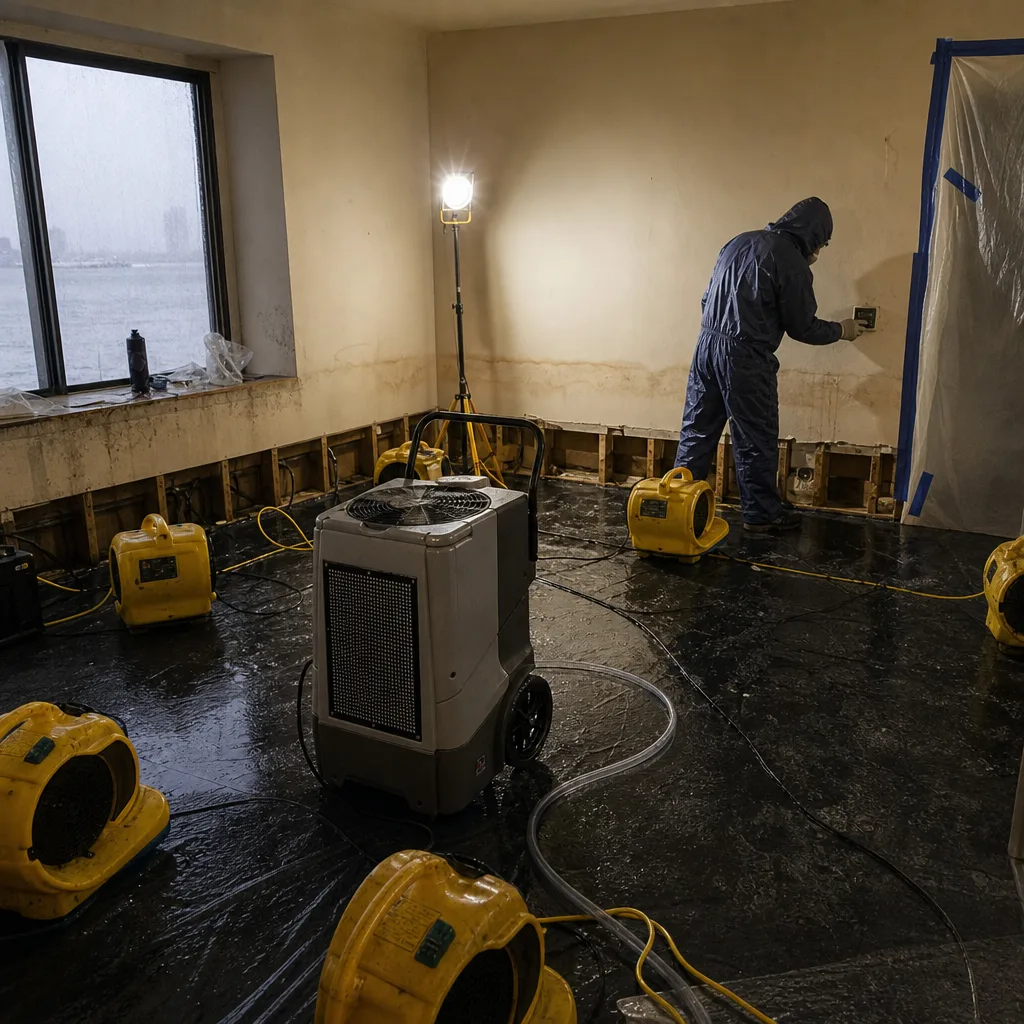
Free visual inspection and a written scope of work before any mitigation begins - photos, moisture readings, and drying logs go in your claim file
The scope we write is the scope we bill. Anything new gets shown to you, in writing, before we touch it.
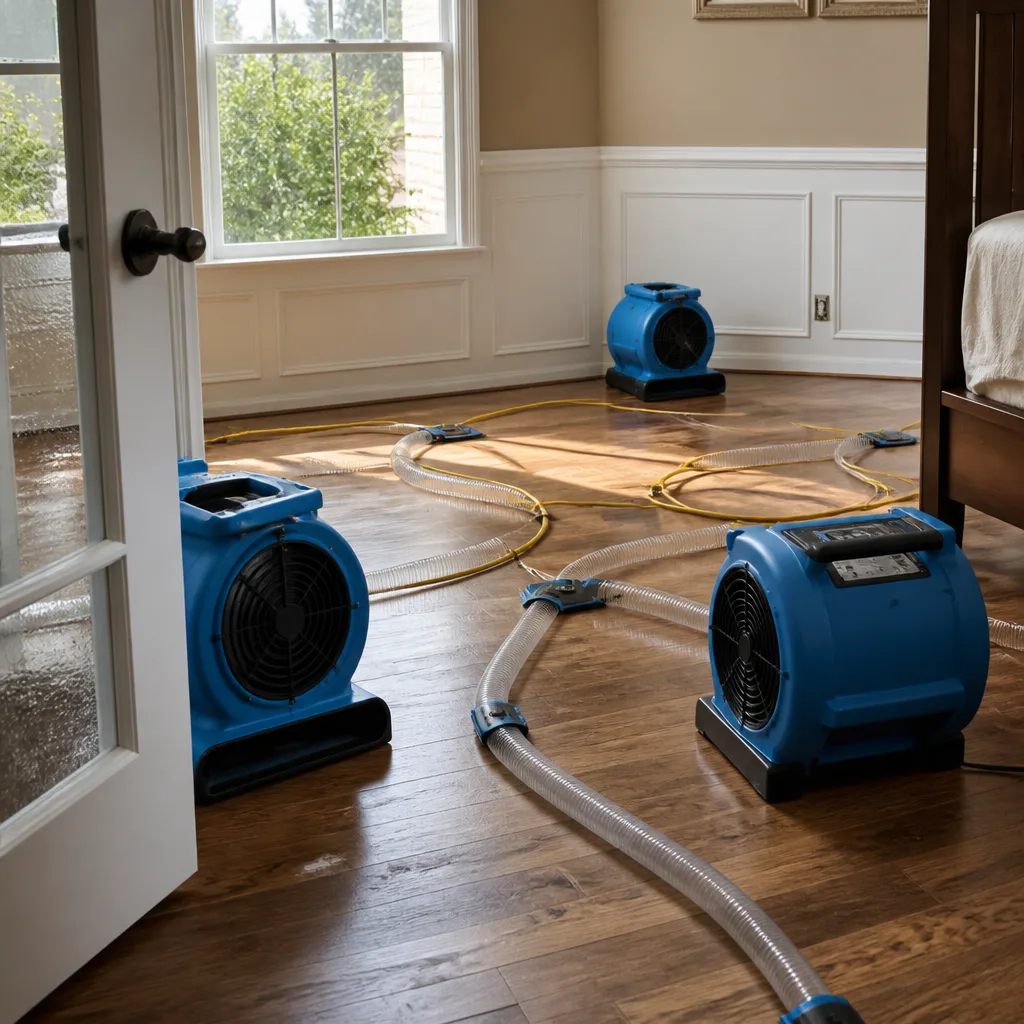
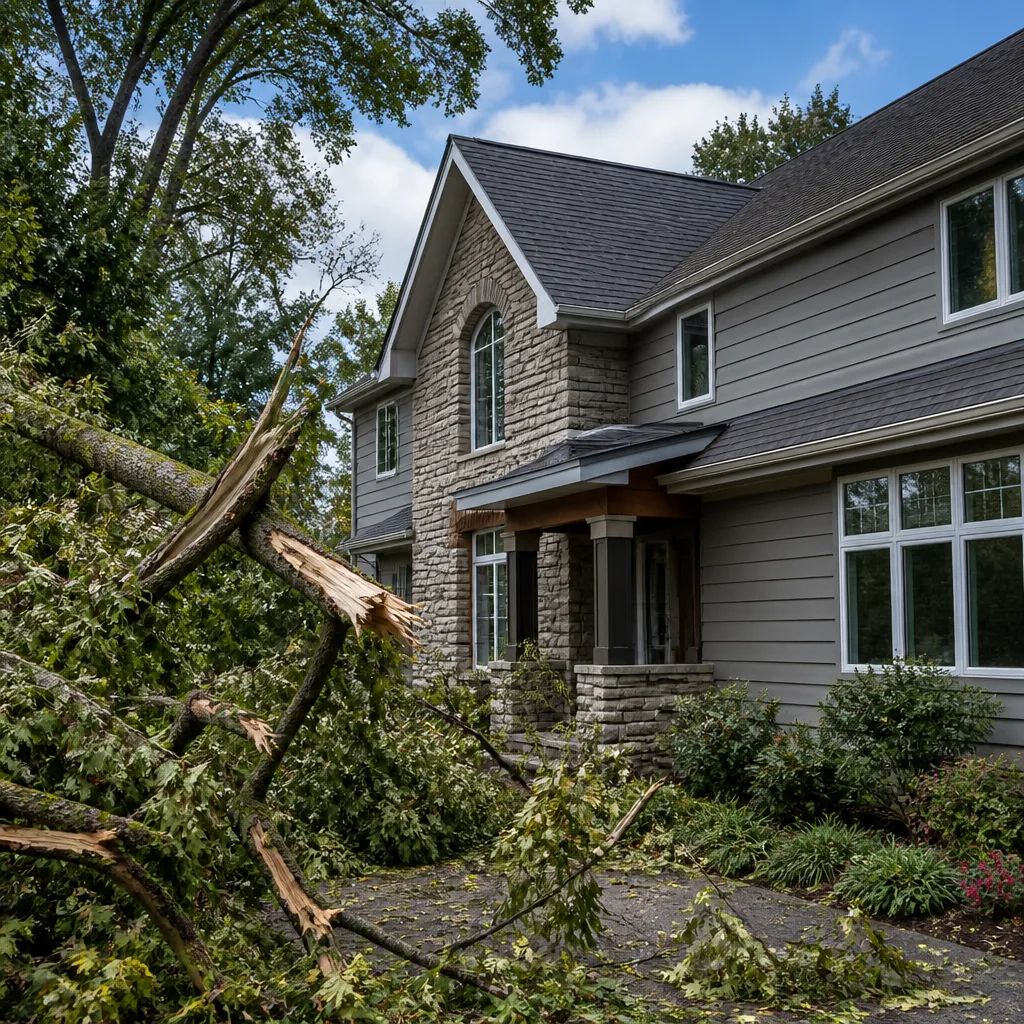
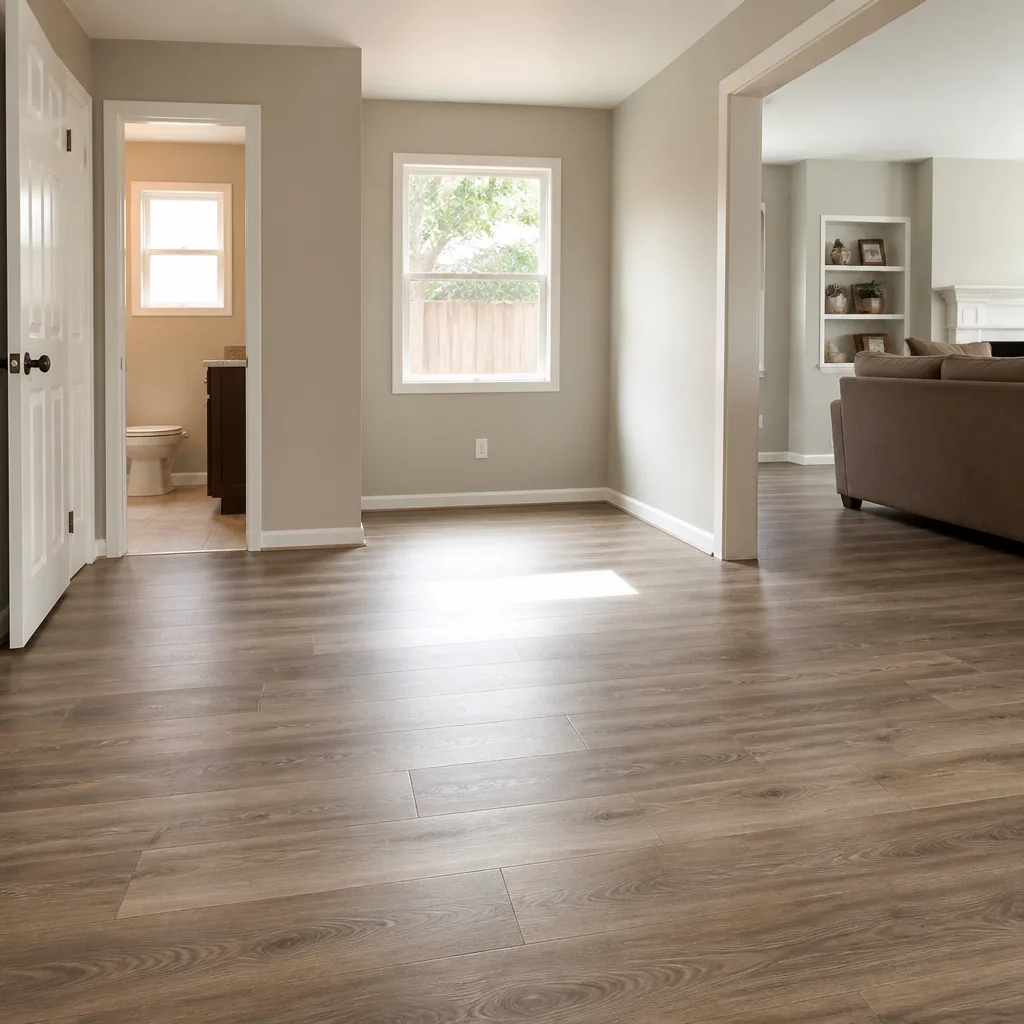

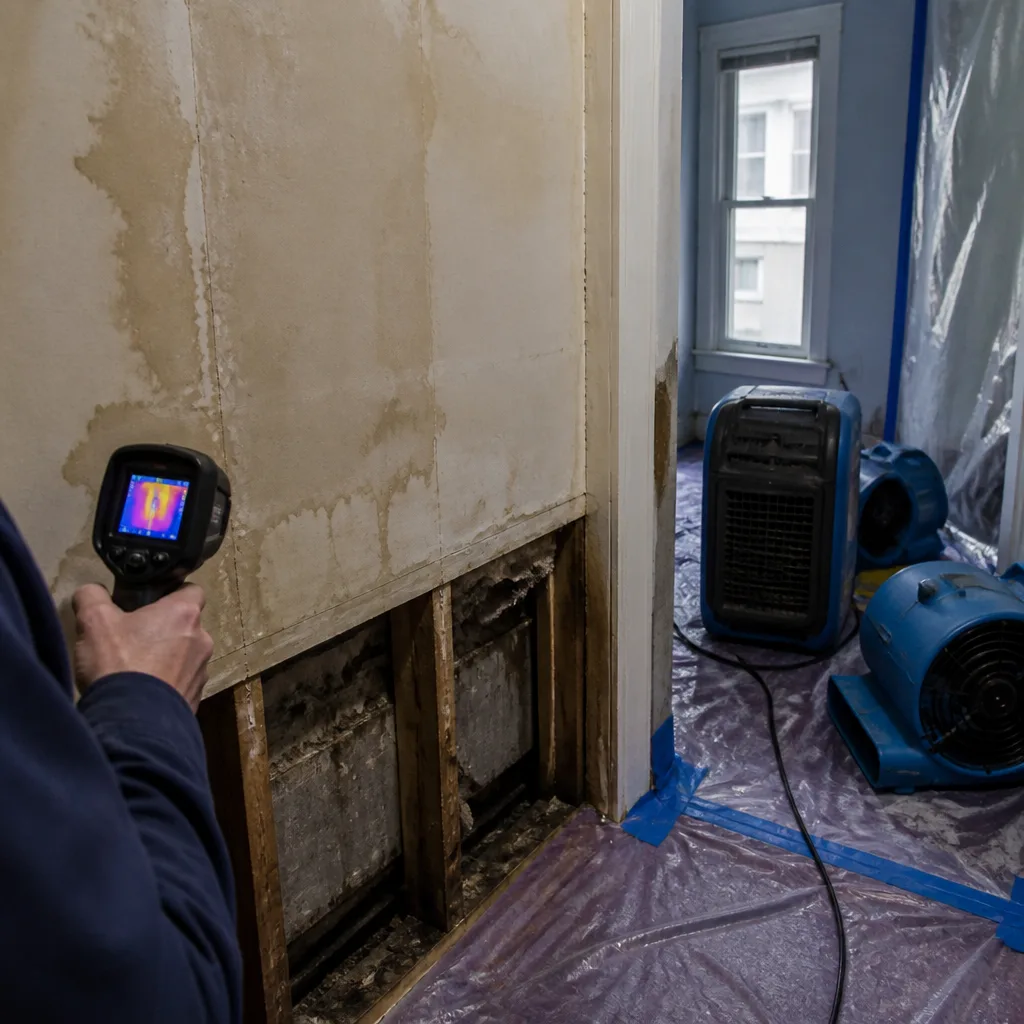 Before
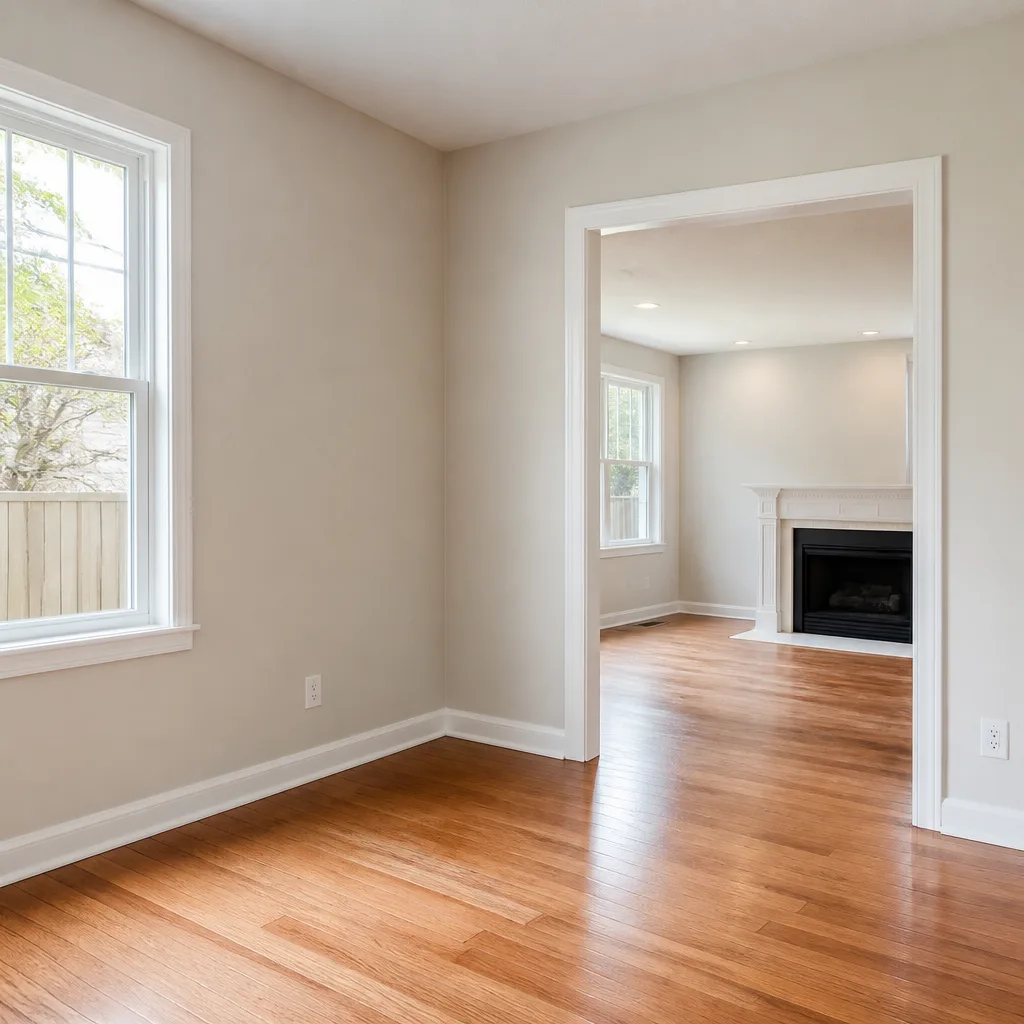
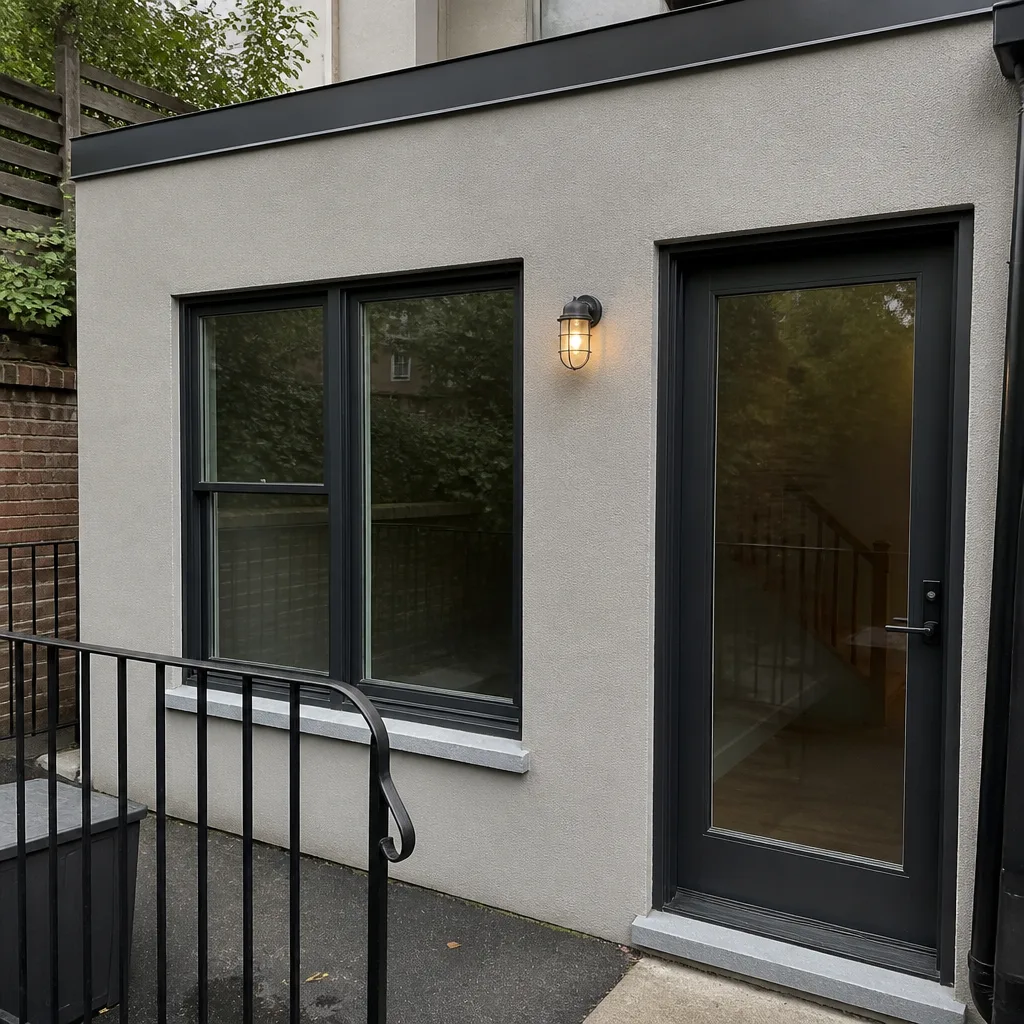 After
After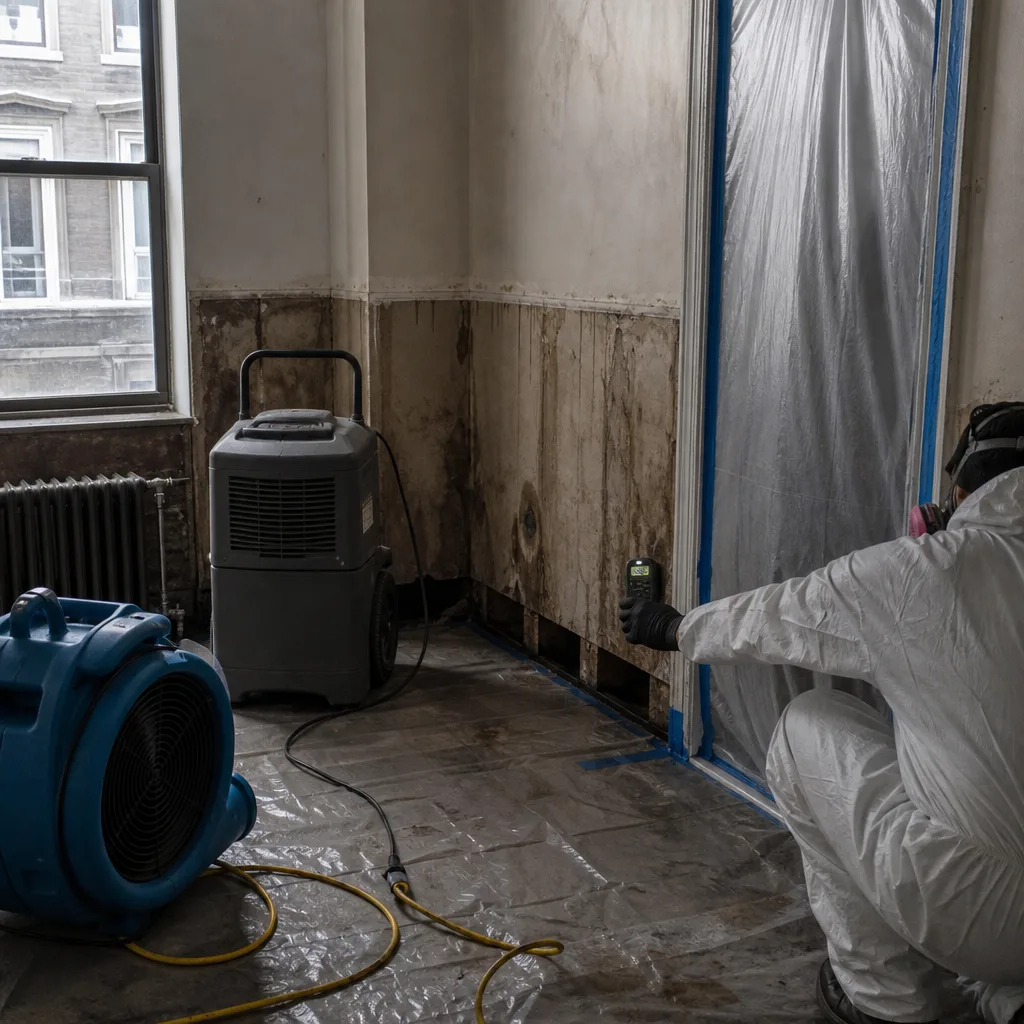 Before
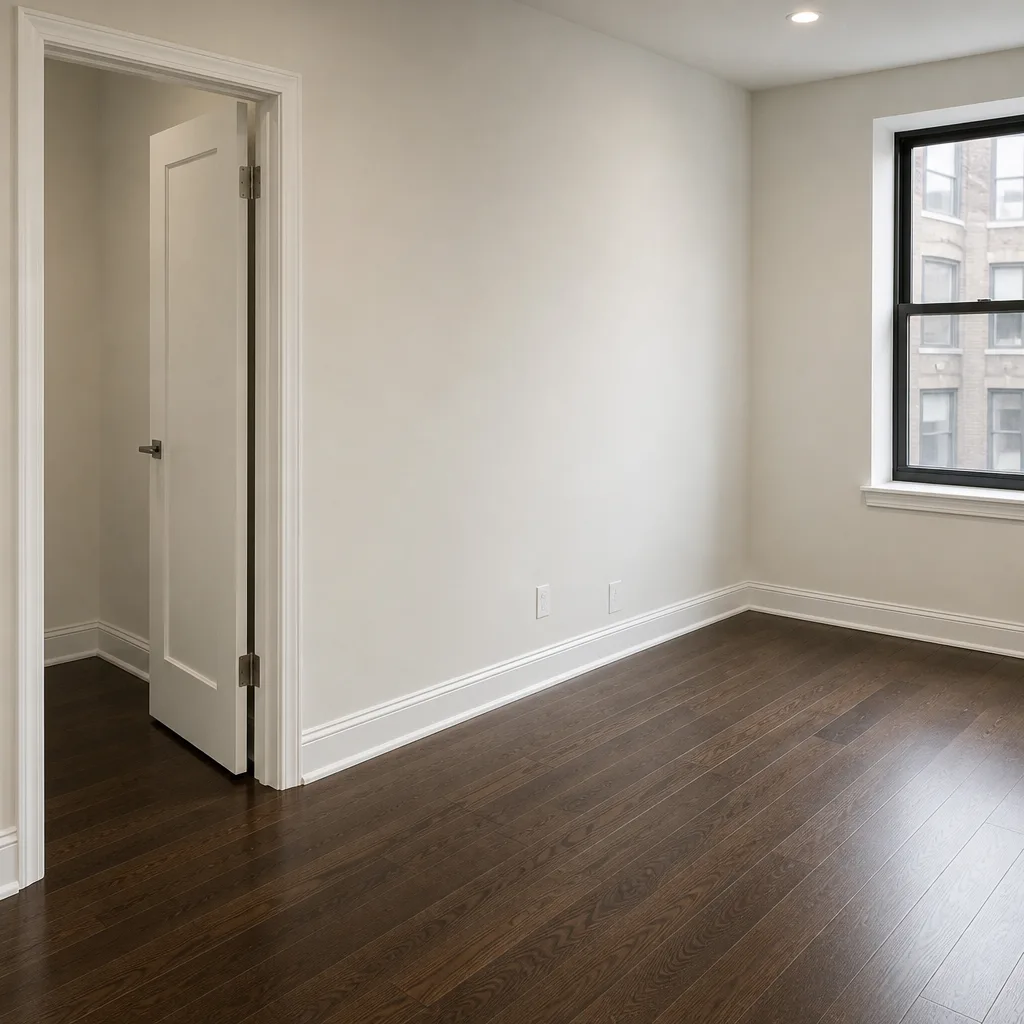 After
After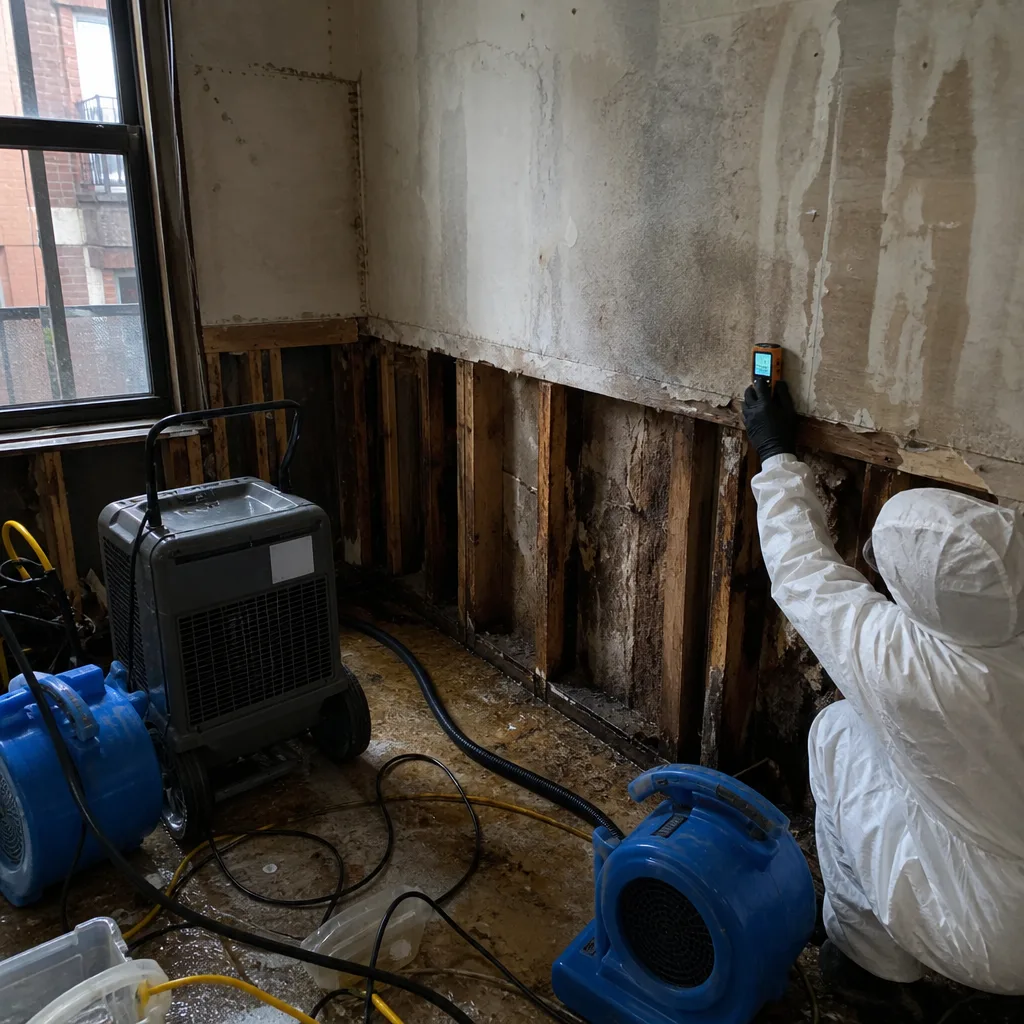 Before
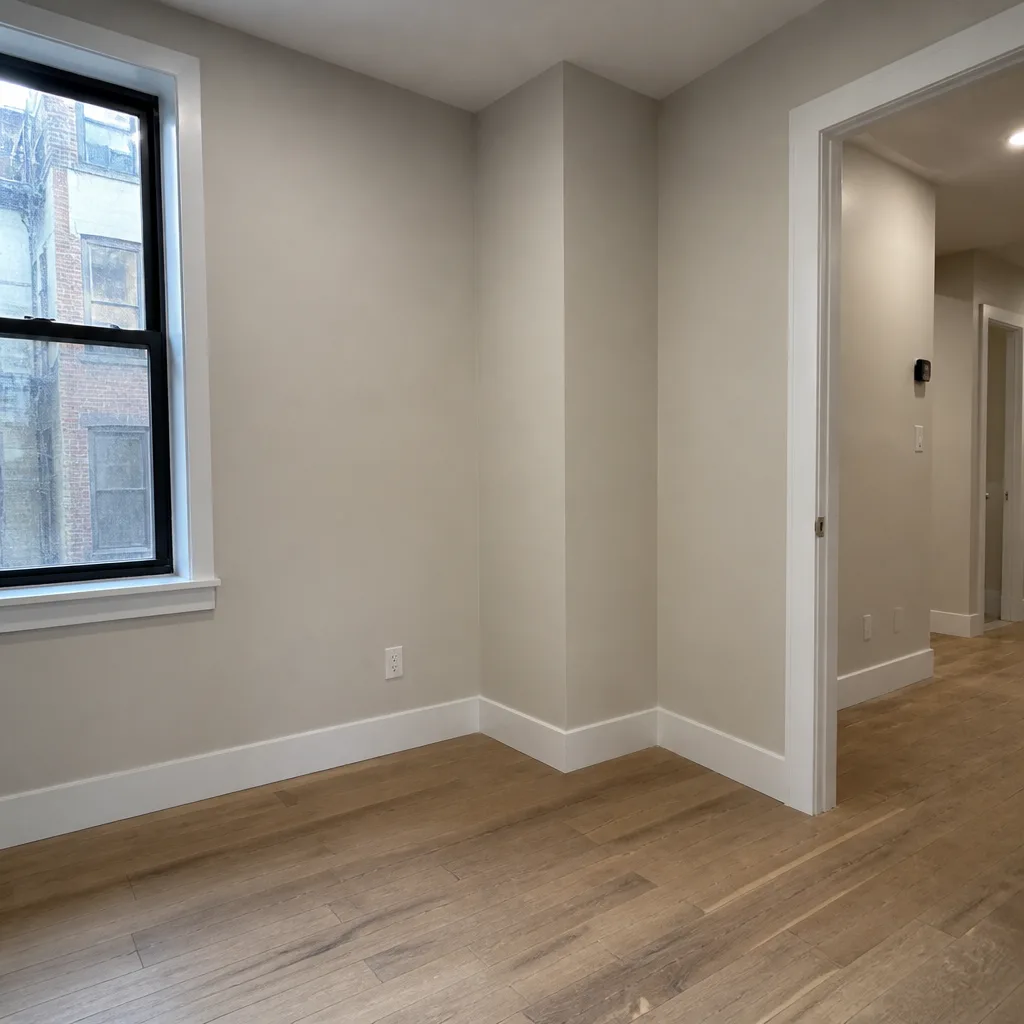 After
After24/7 Emergency Water Damage Restoration in Long Island City
Water damage in Long Island City rarely waits for business hours, and neither do we. Call (607) 350-1550 right now and you’ll get Wade or a member of his crew on the line, not a call center. We can have extraction running inside the hour for most Long Island City addresses, because every minute that water sits in flooring, drywall, or millwork pushes the repair bill higher and invites mold to take hold. The first hour decides whether this is a cleanup or a reconstruction.
We answer live 24 hours a day, seven days a week. No answering service, no “leave a message and someone will get back to you.” Wade himself has answered his own phone at two in the morning more times than he can count. If you’re standing in a flooded basement in Hunters Point or watching water seep through a ceiling on Vernon Boulevard, you call us. We head out. The visual inspection is free, and you’ll know exactly what you’re dealing with before any work begins.
Understanding Water Damage Restoration Severity in Long Island City Properties
Not all water damage is the same, and in Long Island City the differences matter more than in most places. Restoration professionals classify water into three categories. Category 1 is clean water from a broken supply line or sink overflow. Category 2 carries contaminants from sources like washing machine discharge or sump pump failures. Category 3 is the serious one: sewage backup, East River storm surge, or Newtown Creek floodwater. That water carries bacteria, heavy metals, and industrial chemicals, and it demands full hazmat-level protocols, not just drying.
Long Island City’s building stock makes classification and moisture mapping the linchpin of every job. The early-1900s brick warehouses converted into residential lofts hide moisture inside unreinforced masonry cavities that standard moisture meters miss entirely. The pre-war walkups along Vernon Boulevard and Jackson Avenue run on aging cast iron drain lines that fail from the inside out. And the post-2015 glass towers around Court Square have envelope failures in window-frame joints that let nor’easter-driven rain into wall cavities. Knowing which building type you’re in, and where water actually travels inside it, is what separates a restoration that holds from one that quietly rots.
Why Long Island City Property Owners Choose Wade’s Restoration
- 45-minute response commitment: For emergency water extraction in Long Island City, we aim to have equipment on site within 45 minutes of your call. When water is still moving, speed equals salvage.
- A real person answers, day or night: You call, Wade or a crew member picks up. No automated menus, no third-party dispatch service, no “we’ll route you to the nearest technician.”
- IICRC-certified crews: Our water damage technicians carry WRT (Water Restoration Technician) and ASD (Applied Structural Drying) certifications. That means moisture mapping, psychrometry, and drying science, not guesswork.
- Free visual inspection: We will look at the damage, tell you what’s actually wrong, and put a number on a scope of work before you commit to anything. No charge for that.
- Direct insurance billing: We bill your carrier directly and deal with the adjuster ourselves, so you’re not the one relaying messages between two sides.
- One crew from start to finish: Extraction, drying, cleaning, repairs, and reconstruction, all handled by the same team. You’ll see the same faces on day one and day twenty-one.
Our Water Damage Restoration Process
Inspection & Assessment
We start with a full walkthrough and moisture mapping of the affected areas. Thermal imaging and penetrating moisture meters give us a picture of where water has traveled, not just where it’s visible.
Extraction/Stabilization
Standing water comes out first, using truck-mounted and portable extraction units. We remove saturated materials that cannot be salvaged and set up containment if needed.
Drying & Dehumidification
We deploy commercial-grade dehumidifiers and high-velocity air movers, positioned according to a drying plan based on the building’s construction type. Daily moisture readings track progress until we hit dry standard.
Cleaning & Sanitization
All affected surfaces get cleaned and treated. For Category 3 events like East River or Newtown Creek flooding, this means full antimicrobial treatment and, where required, removal of porous materials that cannot be safely cleaned.
Specialized Structural Drying
In converted lofts and masonry buildings, we move beyond surface drying to address the cavities. Injectidry systems and specialized drying mats pull moisture from inside walls and under flooring where standard equipment cannot reach.
Repairs & Restoration
Once the structure is dry, we rebuild. The same crew that extracted the water handles the drywall, flooring, cabinetry, and finish work, so there’s no handoff to a different outfit halfway through.
Need Emergency Water Damage Restoration in Long Island City Now?
Crews minutes away, answering live 24 hours a day. The sooner we start, the less it costs.
Working With Your Insurance Company
Insurance claims for water damage in Long Island City come with a lot of moving parts, and the fastest way to get shortchanged is to have incomplete documentation. We handle the claim from the first hour. We photograph everything before we touch it, document moisture readings every single day, and produce a line-item scope of work that your adjuster can actually read. Then Wade talks to the adjuster directly. You’re not stuck explaining drying standards or arguing about whether a wall needs to be opened. We handle that conversation for you.
Here’s something most restoration companies won’t tell you: when you’re dealing with floodwater from the East River or Newtown Creek, your claim’s success often hinges on proving the water category. Our documentation, including daily moisture logs and photo evidence of contamination, gives your carrier what it needs to approve the full scope, not a patch job.
What We Provide Your Insurer
- Thorough documentation of the loss
- Photos of all damage, room by room
- Moisture readings and drying logs
- A detailed, line-item scope of work
- Direct coordination with your carrier
Built for Long Island City’s Loss Calendar
Long Island City’s water damage seasons are as predictable as the 7 train schedule, and we plan for them differently. January and February bring the deep freezes that split supply lines in older buildings along Vernon Boulevard and the Jackson Avenue corridor. When temperatures drop below freezing for a sustained stretch, we see a spike in burst pipes in pre-war walkups with original plumbing runs in exterior walls.
Spring thaw and heavy rainfall bring a different problem: basement seepage and sump pump failures in buildings where below-grade spaces sit close to the water table. In the blocks along the East River and Newtown Creek, high tide combined with heavy rain pushes contaminated water into below-grade areas. Summer thunderstorms dump inches of rain in an hour, overwhelming roof drains on flat-roofed industrial buildings and sending water down through ceilings. And nor’easters, whenever they hit, test every window-frame joint and facade seam on the newer towers around Court Square and Hunters Point South, which is why Long Island City Storm & Disaster Restoration must be ready year-round. Each season has a signature loss type, and we’ve seen them all enough times to know what we’re walking into before we arrive.
Water Damage Restoration Across Long Island City’s Neighborhoods
Hunters Point is where we see the most flood-related water damage, particularly in the waterfront blocks that took the brunt of Hurricane Sandy and remain squarely in the FEMA flood zone. Condo owners along Center Boulevard and the side streets off 50th Avenue call us for Category 3 flood events, not clean-water pipe breaks. The response here has to be faster and more thorough than anywhere else in the city, because East River storm surge brings contaminants that standard drying won’t address, making Fire & Smoke Damage Restoration in Long Island City just one of the specialized services property owners may need after major events.
The Court Square area presents a different set of challenges. Buildings along Jackson Avenue and up toward Queens Plaza are a mix of pre-war commercial structures and post-2015 glass towers. The newer buildings look indestructible, but their window-frame and facade joints are already failing in rain-driven wind, and we regularly find water intrusion in units on floors you’d never expect. Meanwhile, the old industrial conversions between 21st Street and the creek, many with vast open floor plates and retrofitted plumbing runs, can flood thousands of square feet before anyone even notices a leak. And up in the Dutch Kills stretch around the northern industrial corridor, the combination of aging infrastructure and proximity to Newtown Creek’s tidal influence means basement water and drainage backups are a recurring reality.
Specialized Water Damage Restoration Services We Offer in Long Island City
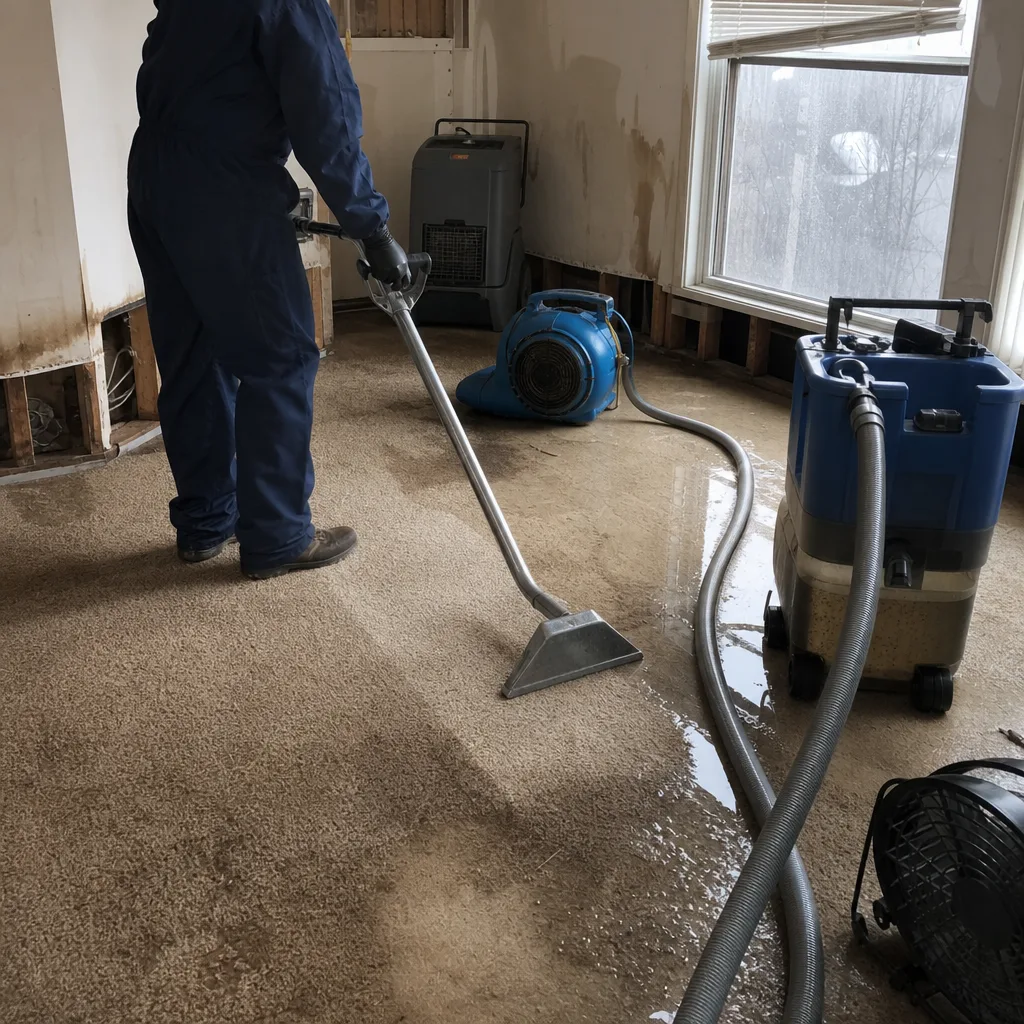
Emergency Water Extraction
Standing water in your Long Island City property comes out fast. We use truck-mounted extraction for larger floods and portable units for tight condo and loft spaces. The goal is simple: get the water out before it migrates into dry areas and turns a contained problem into a structural one.
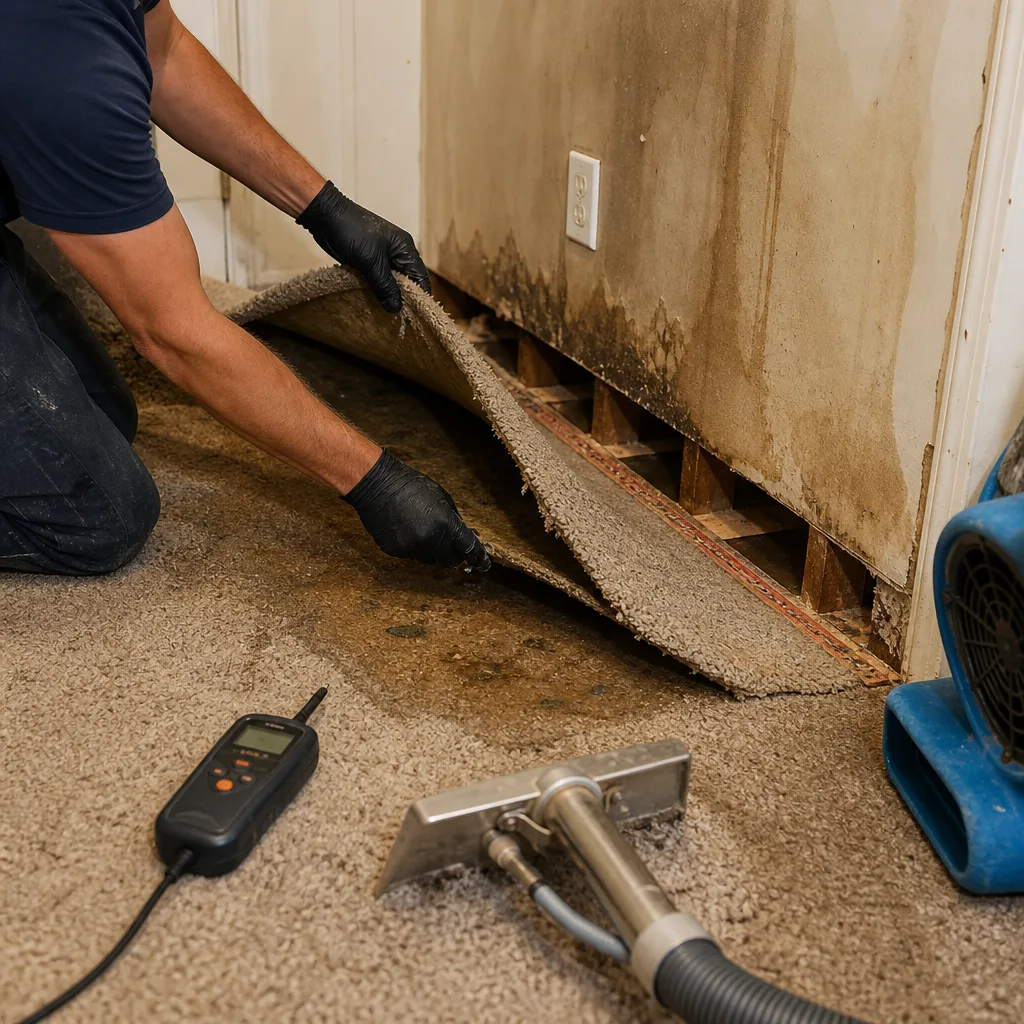
Structural Drying & Dehumidification
Drying a Hunters Point condo or a converted warehouse loft is not a matter of pointing fans at the floor. We calculate the drying load based on the building’s materials and the water category, then deploy equipment like Dri-Eaz LGR dehumidifiers, Phoenix axial air movers, and XPOWER units where they’ll actually work. Daily moisture readings are logged, and you get the full drying log when the job closes. Almost nobody does that. We do.
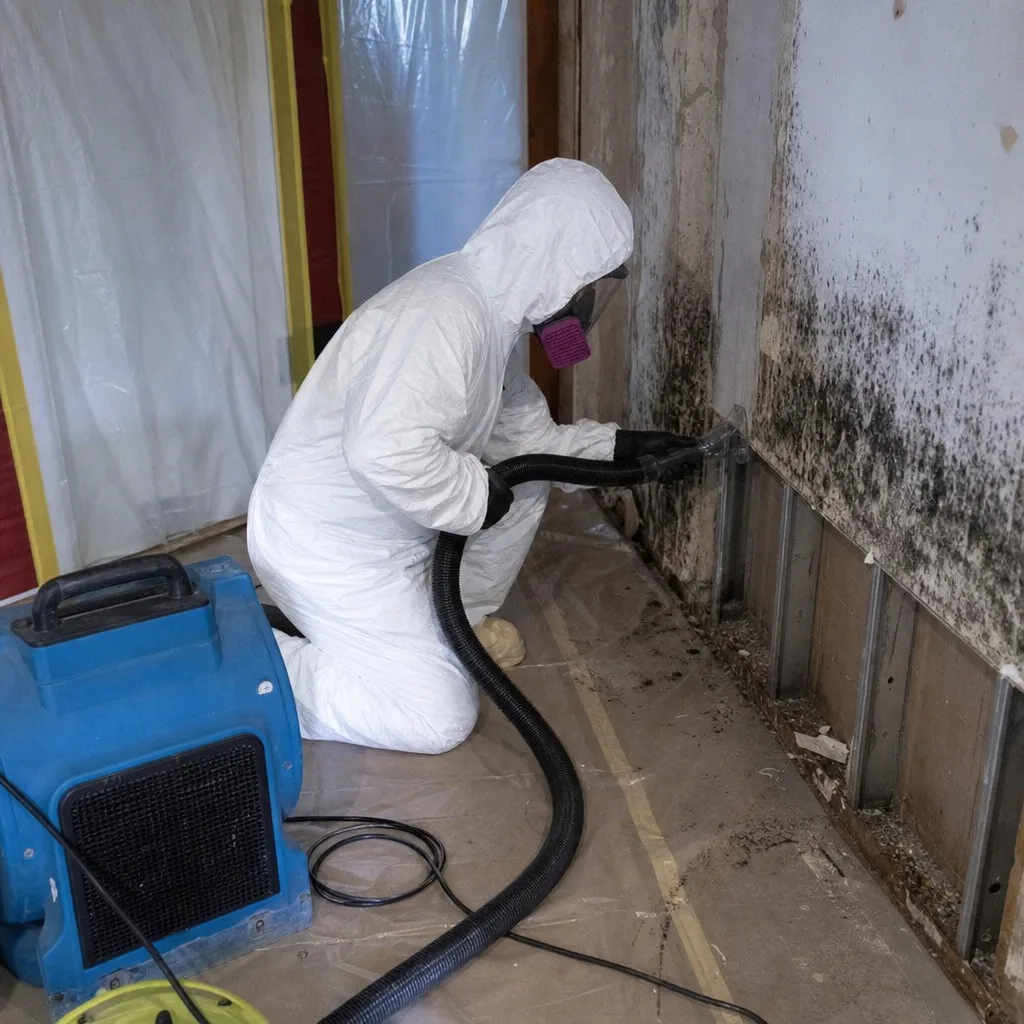
Flood Cleanup
Flood events in Long Island City, whether from storm surge or drainage backup, mean Category 3 water more often than not. That changes everything. We treat floodwater contamination as a biohazard, not a cleaning job, which means containment, antimicrobial treatment, and removal of porous materials that can’t be safely salvaged. If the water came from the East River or Newtown Creek, we’re not just drying your home. We’re making it safe to live in again.
Burst Pipe Restoration
When a supply line freezes and splits in a Long Island City building, the water is clean but the damage is often hidden. Water travels down wall cavities, under flooring, and through ceilings, wicking up into drywall and insulation far from the visible leak. We find it with thermal imaging and moisture meters, then dry it out completely before mold has a chance to set up shop.
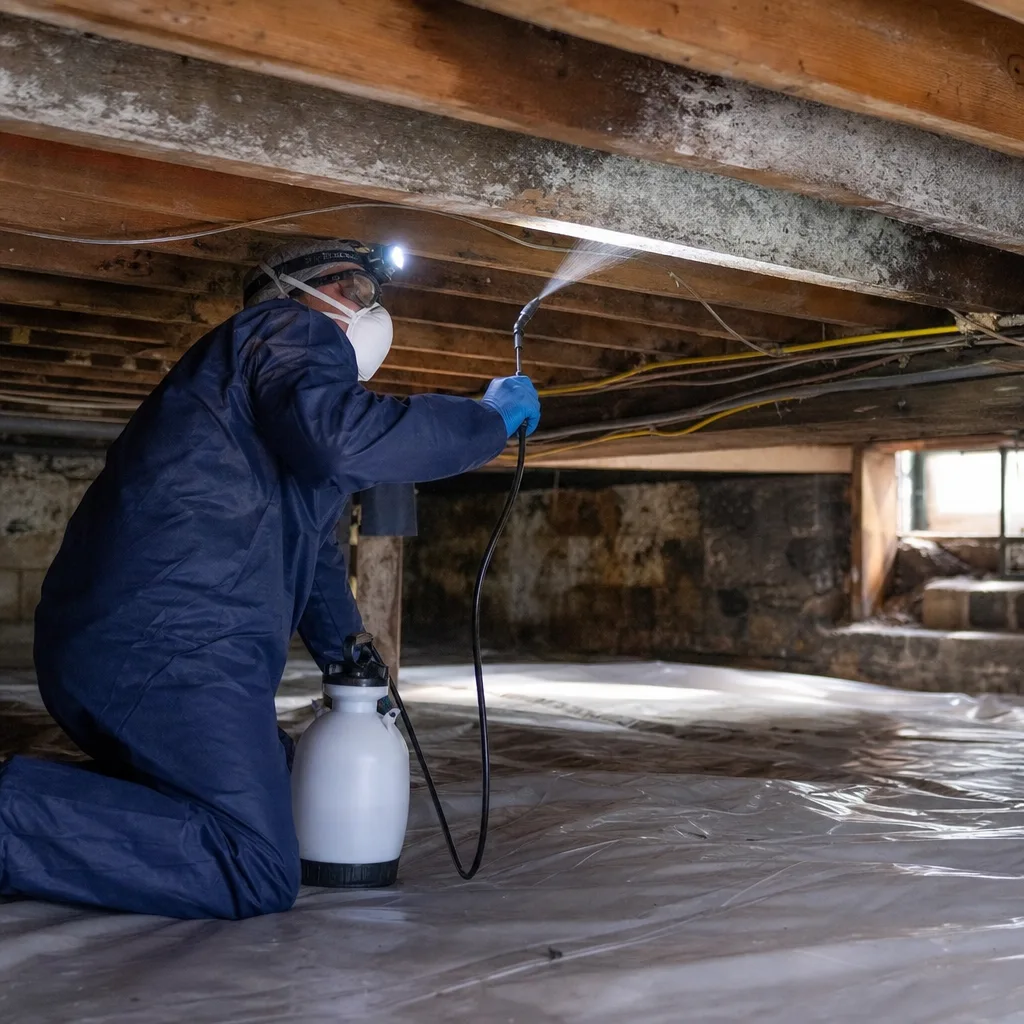
Basement Water Removal
Basements below grade in Long Island City sit close to the water table, and in the blocks near the creeks and the river, they sit below it at high tide. We pump out the water and then deal with the bigger problem: drying a below-grade space with no natural airflow and walls that hold moisture against the soil. It takes the right equipment and a real drying plan, not just a couple of fans left running over the weekend.
What happens when you call
- 1
A real person answersNo phone trees - you reach a local pro.
- 2
You get an upfront price rangeHonest numbers before anyone is dispatched.
- 3
A background-checked tech heads outLicensed & insured, dispatched right away.
- 4
You approve before work beginsNothing starts until you say go.
Water Damage Restoration Costs in Long Island City, NY
Here are honest numbers for Long Island City’s market. Emergency water extraction alone typically runs $500 to $1,200, depending on the square footage affected and the building type. Full structural drying with equipment placement and daily monitoring usually lands between $1,400 and $3,200 for a standard condo or rowhouse. Burst pipe restoration, including drywall removal, drying, and basic repairs, commonly falls in the $2,000 to $5,500 range. Flood cleanup involving Category 3 contamination runs higher: $3,500 to $8,000 or more, because it demands containment, antimicrobial treatment, and disposal of contaminated materials.
What moves the price is the water category, how far water has traveled, and the building’s construction. A clean-water pipe break in a modern tower is the least expensive scenario. A Newtown Creek drainage backup into a below-grade space in a converted loft is at the other end. Insurance covers most sudden and accidental water events, though flood insurance is a separate policy for actual flood events. Call (607) 350-1550 and we’ll give you a free visual inspection and a written scope before any work starts. No trip charge inside our own county. If you already have an estimate from another company, bring it. Wade will give you a free second opinion on it.
We Also Serve Cities Near Long Island City
We work across the full NYC metro area. In addition to Long Island City, our crews serve Astoria and the surrounding neighborhoods, including the waterfront and inland blocks.
Serving Long Island City, NY - Our Local Coverage Area
We’re based in the Long Island City area and know this community well. Use the map below to see our service coverage - if you’re nearby, we can almost certainly help.
Long Island City Water Damage Restoration Questions, Answered
Does water damage in Long Island City’s Hunters Point often involve Category 3 water, and what does that mean for restoration?
Yes. Much of Hunters Point and the western edge of Long Island City sits in FEMA flood zones along the East River and Newtown Creek, and Newtown Creek is an EPA Superfund site. When storm surge or drainage backup pushes that water into a building, it’s Category 3, meaning it carries sewage, industrial contaminants, and heavy metals. That requires full hazmat-level protocols: containment, antimicrobial treatment, and removal of porous materials that can’t be safely cleaned. Standard drying is not enough, and treating this water as clean is dangerous.
How do you handle water damage in LIC’s converted industrial lofts with retrofitted plumbing and masonry cavities?
Converted lofts from the early 1900s have three problems: retrofitted plumbing runs across huge open floor plates, masonry walls with unreinforced cavities that hold moisture invisibly, and materials that standard moisture meters miss. We use penetrating meters and thermal imaging to find water inside those cavities, then deploy Injectidry systems and specialty drying mats to pull moisture out of areas where ordinary equipment can’t reach. Then we log daily readings so you know when the structure actually hit dry standard, not just when the floor felt dry.
What special challenges do post-2015 glass-curtain-wall luxury towers in Court Square present for water damage restoration?
The glass towers around Court Square have a consistent failure point: window-frame and facade joints that leak during nor’easter-driven rain. We’ve handled water intrusion in buildings under ten years old where rain blew sideways through wall assemblies and traveled down into units several floors below. The challenge is that the water’s entry point is rarely where the damage shows up, and the building’s mechanical rooms and parking garages often sit below grade in the flood plain. We trace the water path, not just the wet spot on the wall.
Can mold really start growing within 24 hours in a Long Island City basement after a flood?
Yes, and in humid summer conditions it can be even faster. Mold needs moisture, organic material, and time, and a flooded basement supplies all three. The clock starts when the water arrives, not when you discover it. That’s why we push for extraction inside the hour and structural drying started the same day. In Long Island City’s below-grade spaces, where humidity sits high anyway, every day of delay is a gamble.
Do you provide a detailed scope of work and drying logs for insurance claims in Long Island City?
Yes, on every job. You get a documented scope of work before we start, photos of all damage, daily moisture readings throughout the drying process, and the full drying log when we’re done. Your adjuster gets the same documentation, and Wade talks to them directly. That’s the only way we work.
How fast can you actually get to a water damage emergency in Long Island City?
For active water emergencies in Long Island City, we commit to a 45-minute response with equipment. Crews are dispatched from our New York City office, and we know the streets here: the bridges, the one-ways around Queens Plaza, the construction detours. Call (607) 350-1550 and we’re on the road.
Will insurance cover my water damage restoration in Long Island City?
Most sudden and accidental water events are covered under standard homeowner policies: a burst pipe, a failed water heater, an overflowing appliance. Flood events from storm surge or rising water are typically a separate flood insurance policy, especially in Hunters Point and other FEMA flood zone areas. We document everything and work directly with your adjuster to maximize your claim either way.
What should I do in the first 30 minutes after discovering water damage?
If it’s safe to do so, shut off the water source. Turn off electricity to affected areas if water has reached outlets or appliances. Move valuables and furniture out of standing water if you can do it safely. Don’t use a household vacuum to pick up water. Then call (607) 350-1550. The first hour is when we can save flooring, drywall, and cabinetry that will be unsalvageable by tomorrow.
We were called to a Hunters Point waterfront condo after a nor’easter drove East River storm surge through a failed window-frame joint on a post-2015 glass-curtain-wall tower. Using Dri-Eaz LGR 7000XLi dehumidifiers and XPOWER air movers, we set containment, performed antimicrobial treatment, and completed structural drying in 72 hours. We salvaged the custom walnut cabinetry and returned the space to pre-loss condition before mold could set in.
Long Island City’s western edge lies within FEMA flood zones AE along both the East River and Newtown Creek, and Newtown Creek is a federally designated EPA Superfund site. That means flood and water intrusion events here routinely involve Category 3 contaminated water rather than clean water, mandating full hazmat-level remediation protocols that go far beyond standard drying. This was demonstrated during Hurricane Sandy, when East River storm surge inundated the Hunters Point waterfront blocks, and it remains the defining risk that sets LIC restoration work apart from neighboring Astoria.
Most water damage restoration companies in Long Island City do not publish their moisture readings. We do. Wade takes readings every single day and hands you the full log at the end of the job. Ask anyone on your street, or in your building, whether their restoration company did that. Then call us. Water Damage Restoration from Wade’s Restoration is built on transparency: a documented scope before work starts, direct adjuster communication, and a 90-Day Done Right Promise in writing. If it’s not done right, Wade makes it right. That’s the deal, and it’s been the deal since 2007.
For more about our local coverage and how we serve this specific part of the borough, see Water Damage Restoration in Long Island City. And if you’re standing in water right now, call (607) 350-1550. Wade will be there himself.
Written by Wade Ferris, Owner at Wade’s Restoration, serving Long Island City since 2007.