
Free visual inspection and a written scope of work before any mitigation begins - photos, moisture readings, and drying logs go in your claim file
The scope we write is the scope we bill. Anything new gets shown to you, in writing, before we touch it.
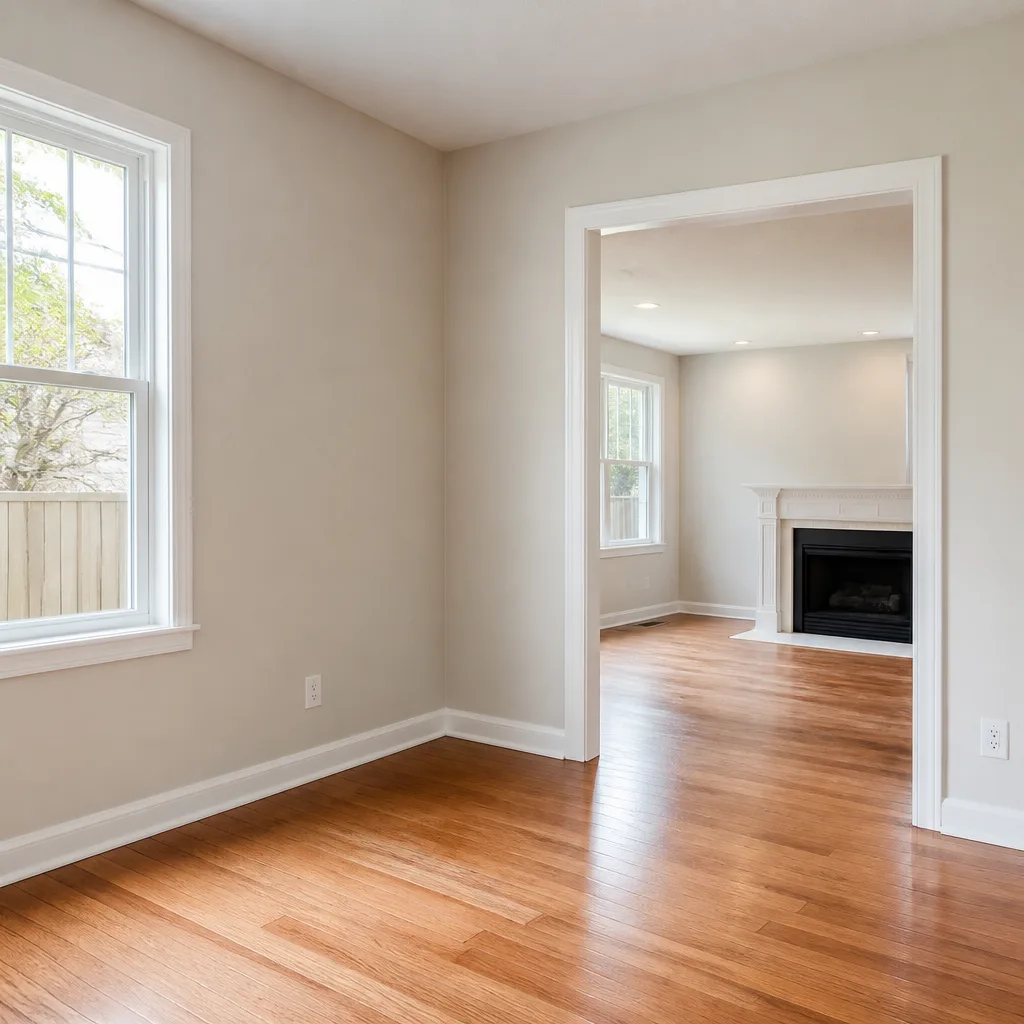
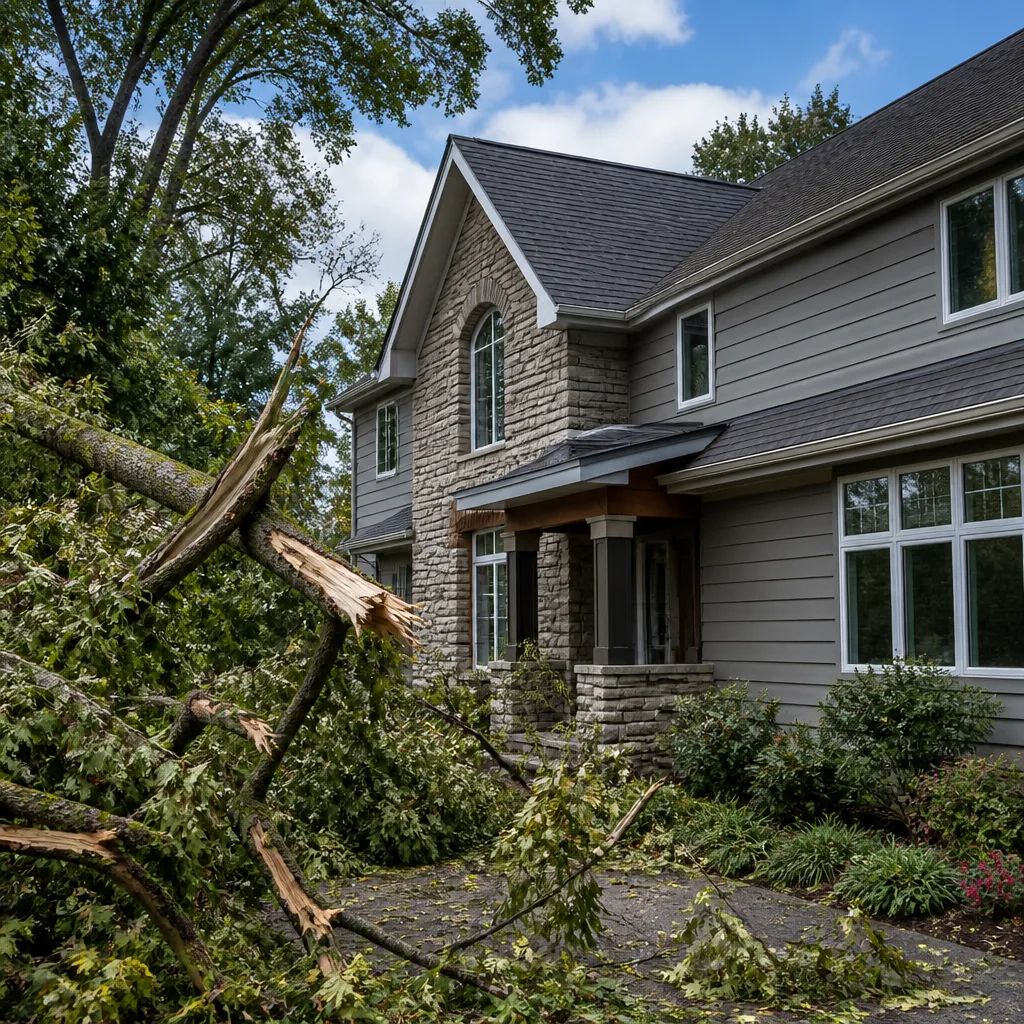
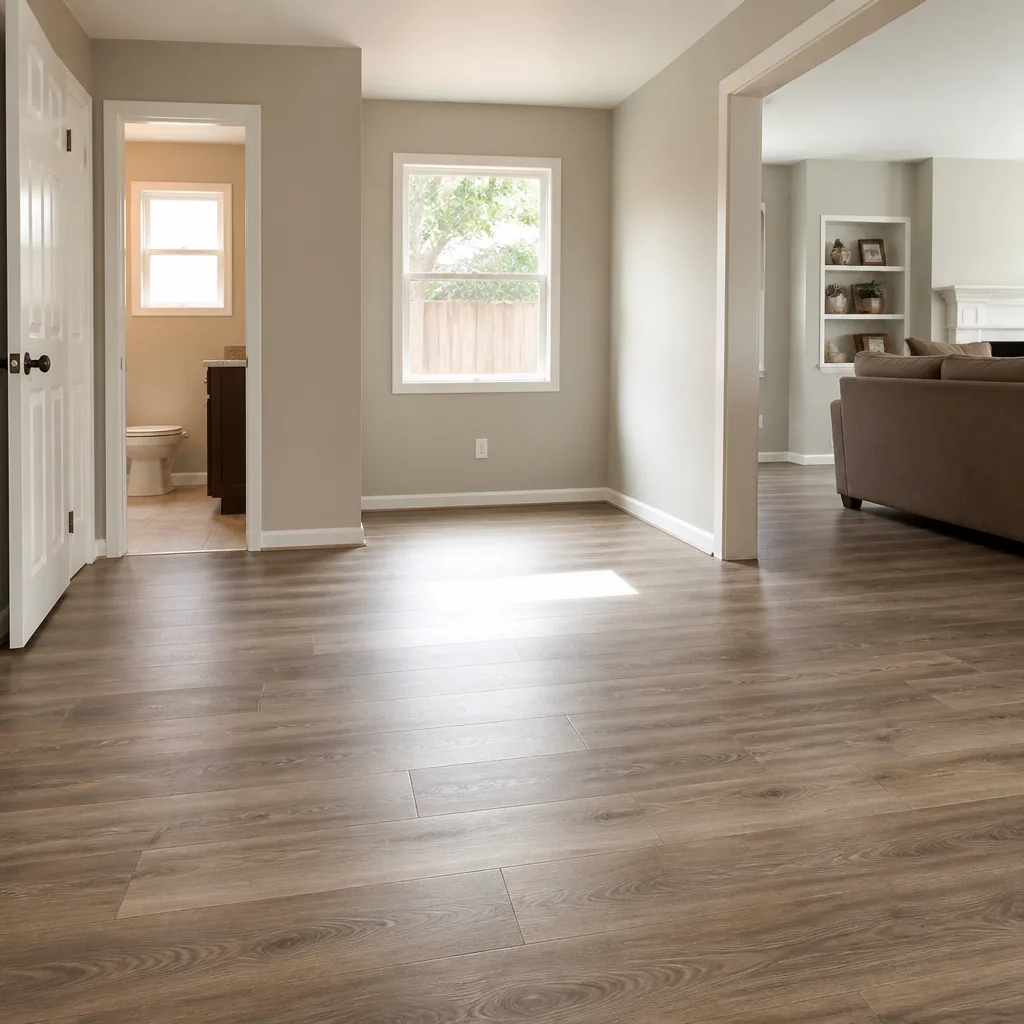
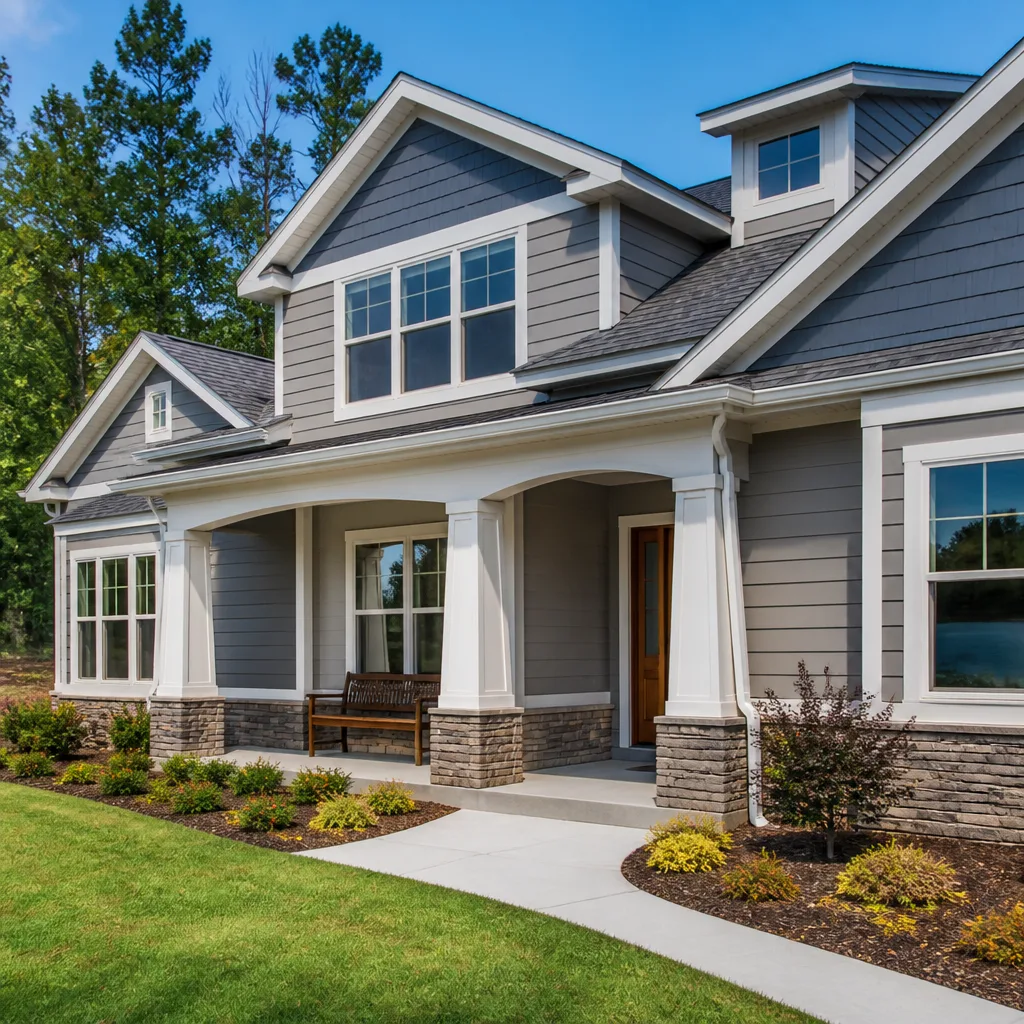
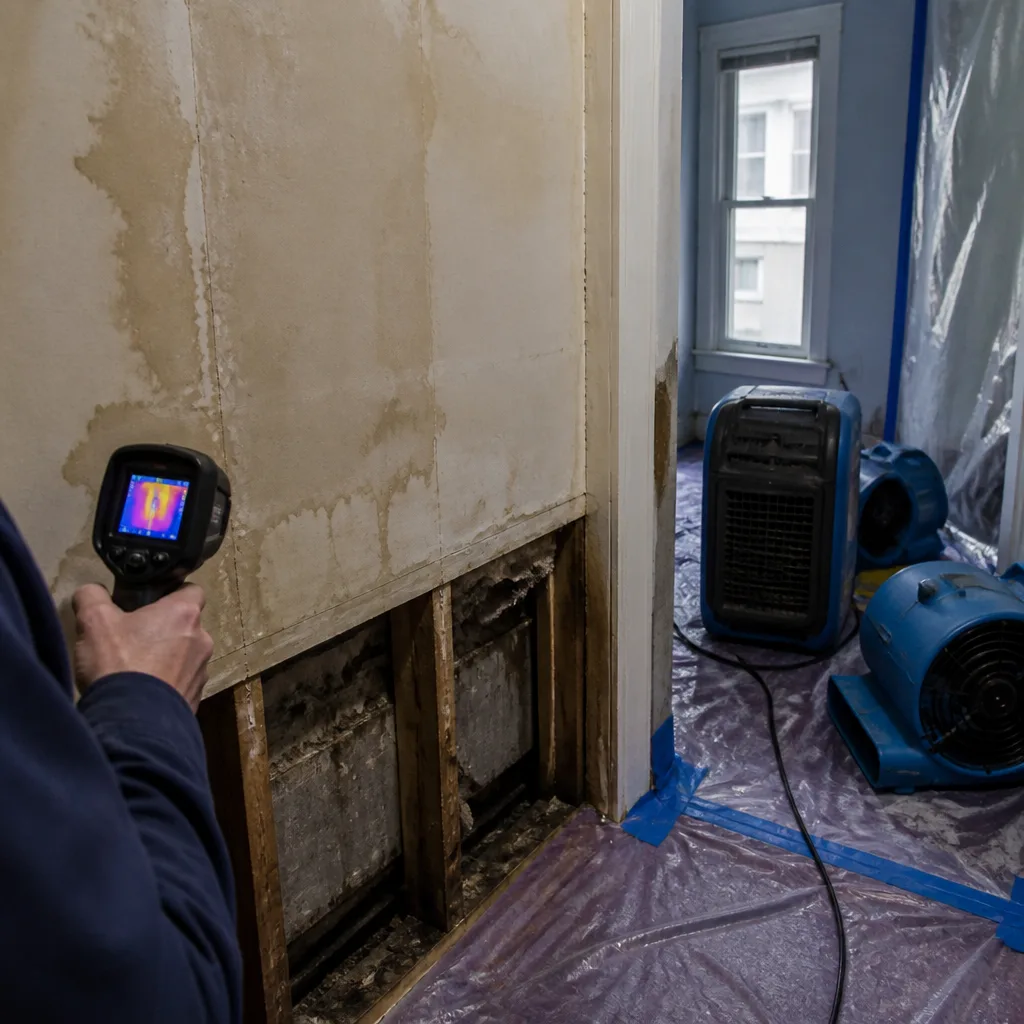 Before
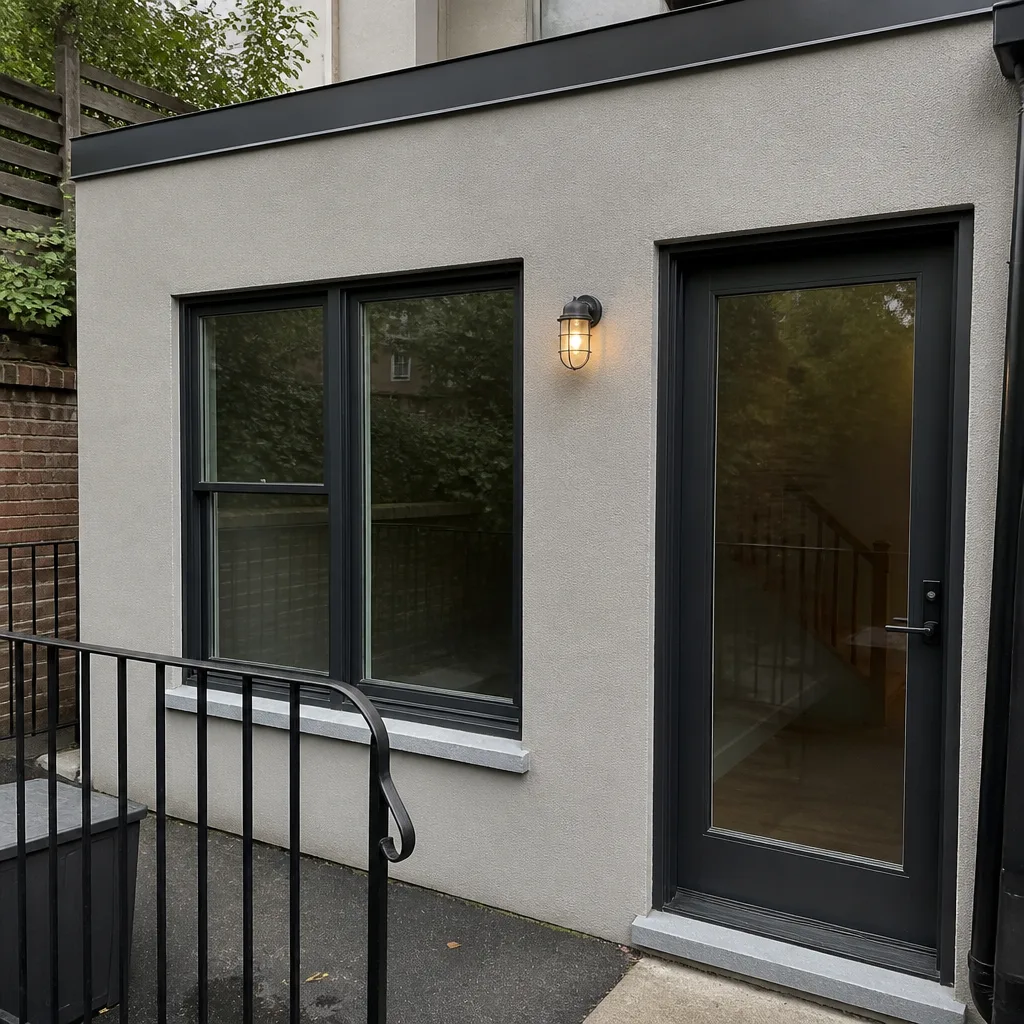 After
After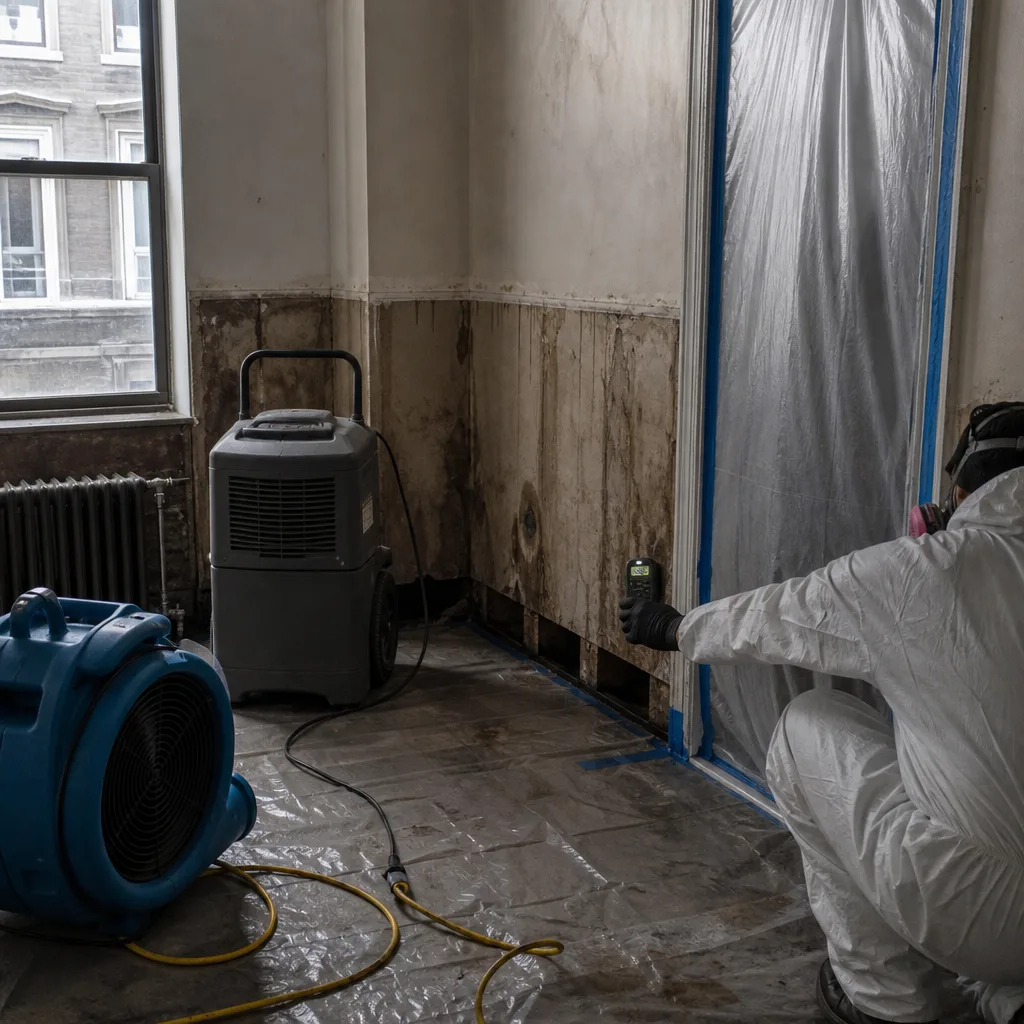 Before
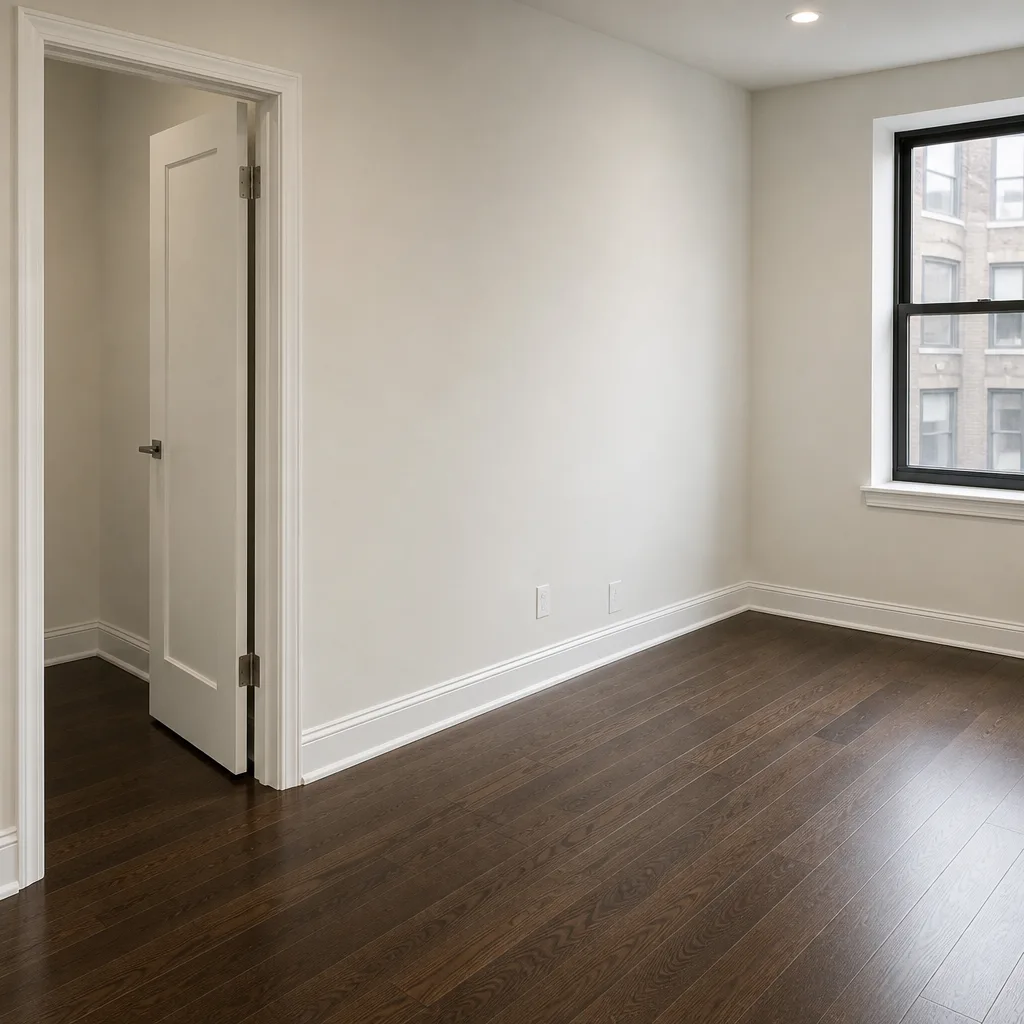 After
After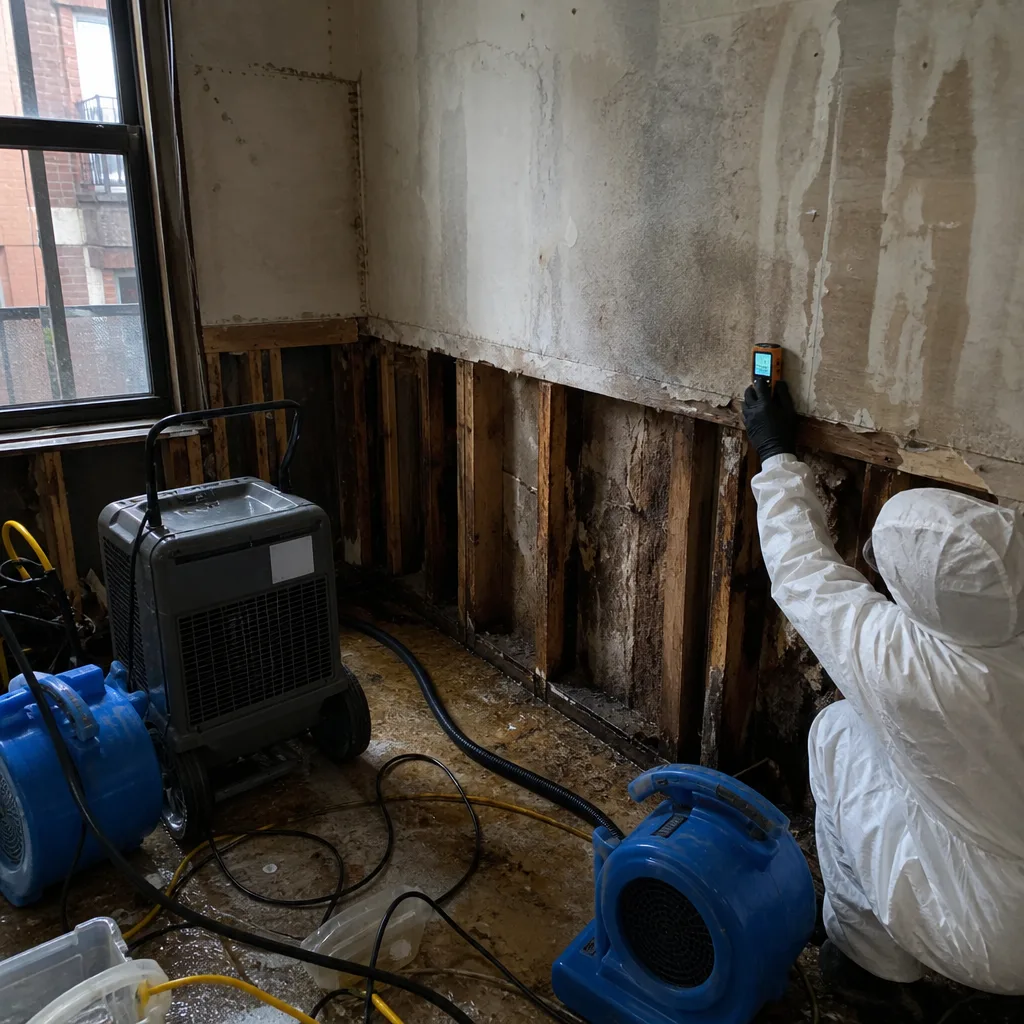 Before
 After
After24/7 Emergency Storm & Disaster Restoration in Glendale
When a nor’easter tears through Glendale or a summer thunderstorm overwhelms the sewers on Myrtle Avenue, you need someone who answers at 2 a.m. and actually shows up. That’s us. Wade’s Restoration has crews working in Glendale right now, and we answer live around the clock. Call (607) 350-1550 and Wade Ferris himself picks up. No answering service, no call center, no voicemail. The first hour after a storm matters because water is already wicking up drywall, into hardwood, and through the shared party walls that connect so many of Glendale’s attached homes. The faster we start extraction, the less demolition you’ll need and the lower your final bill. We do free visual inspections, we photograph everything from the first minute, and we work directly with your insurance adjuster so you’re not stuck relaying messages between two sides.
Understanding Storm & Disaster Restoration Severity in Glendale Properties
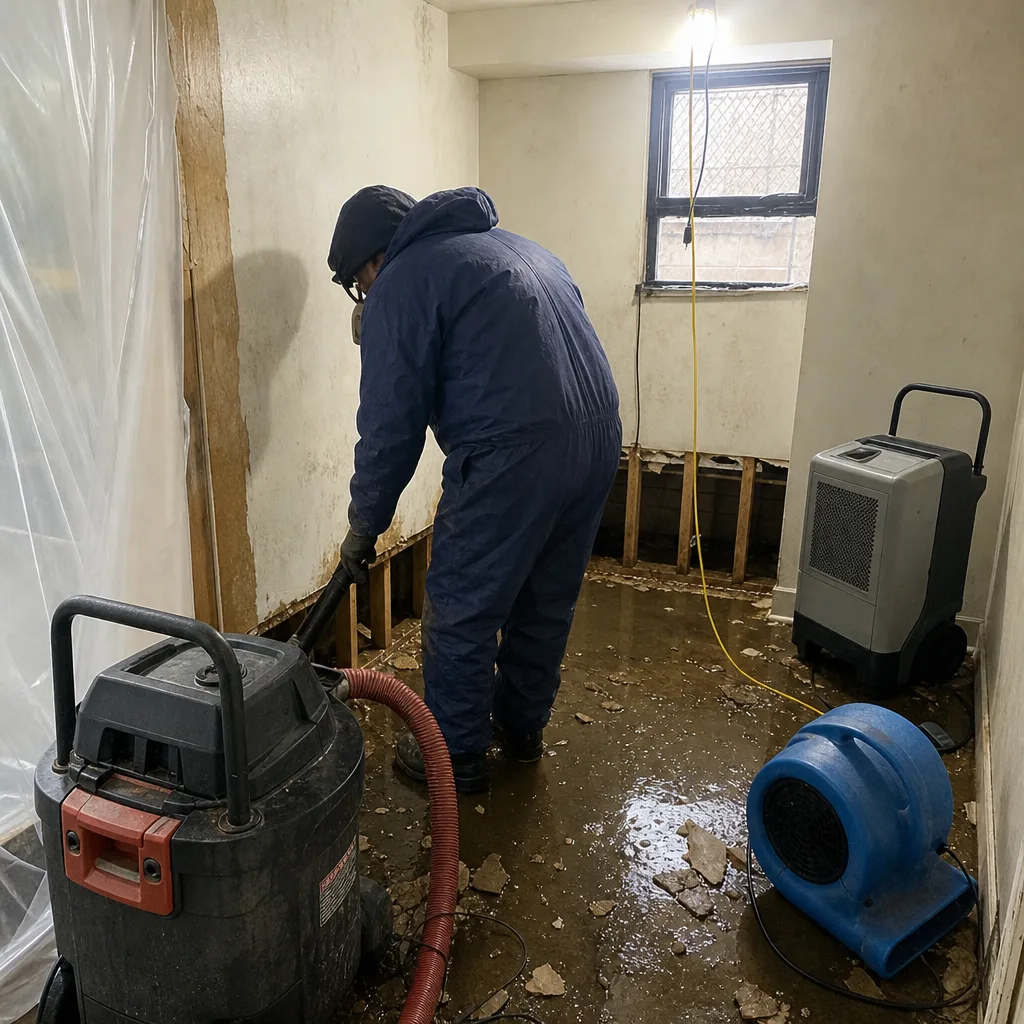
Not all storm water is the same, and in Glendale the difference matters more than in most places. Category 1 water is clean, like a supply line or roof leak. Category 2 has some contamination, like a sump pit overflow or washing machine discharge. Category 3 is sewage, and Glendale sees far too much of it. Because the neighborhood is served by New York City’s aging combined sewer system, a hard rainstorm doesn’t just flood basements. It backs raw sewage up through floor drains, and that changes everything about the job. Category 3 water requires full containment, antimicrobial treatment, and removal of any porous material it touched. In a 1930s semi-detached brick row home with original plaster walls and a finished basement, that often means gutting drywall, pulling vinyl flooring, and running negative air pressure before structural drying can begin. We use moisture mapping with thermal imaging and hygrometers to find water that traveled into shared wall cavities. That’s the part most crews skip. In Glendale, skipping it means mold in the neighbor’s side of the wall within 48 hours.
Why Glendale Property Owners Choose Wade’s Restoration
- We answer live, 24/7. Wade Ferris picks up his own phone. You’ll talk to the owner, not a scheduler reading a script.
- 45-minute response commitment. When your basement is filling or your roof is open to the rain, we move. Crews are staged near Glendale and headed out as soon as you call.
- IICRC-certified crews. WRT, FSRT, and AMRT certified technicians run every job. That’s the industry’s real standard, not a training video.
- Free visual inspection. No trip charge inside our county. We show up, look, and give you a straight answer about what needs doing.
- Direct insurance billing. We file the claim paperwork, send the photos, and talk to your adjuster directly. You don’t become the middleman.
- One team from start to finish. Extraction, drying, board-up, tarping, and reconstruction all handled by the same crew that first walked your door.
Our Storm & Disaster Restoration Process
Inspection & Assessment
We arrive, walk the full property, and start with what’s urgent. Thermal imaging finds water behind walls and under floors. We photograph everything before touching anything, so your insurance file is complete from hour one.
Extraction & Stabilization
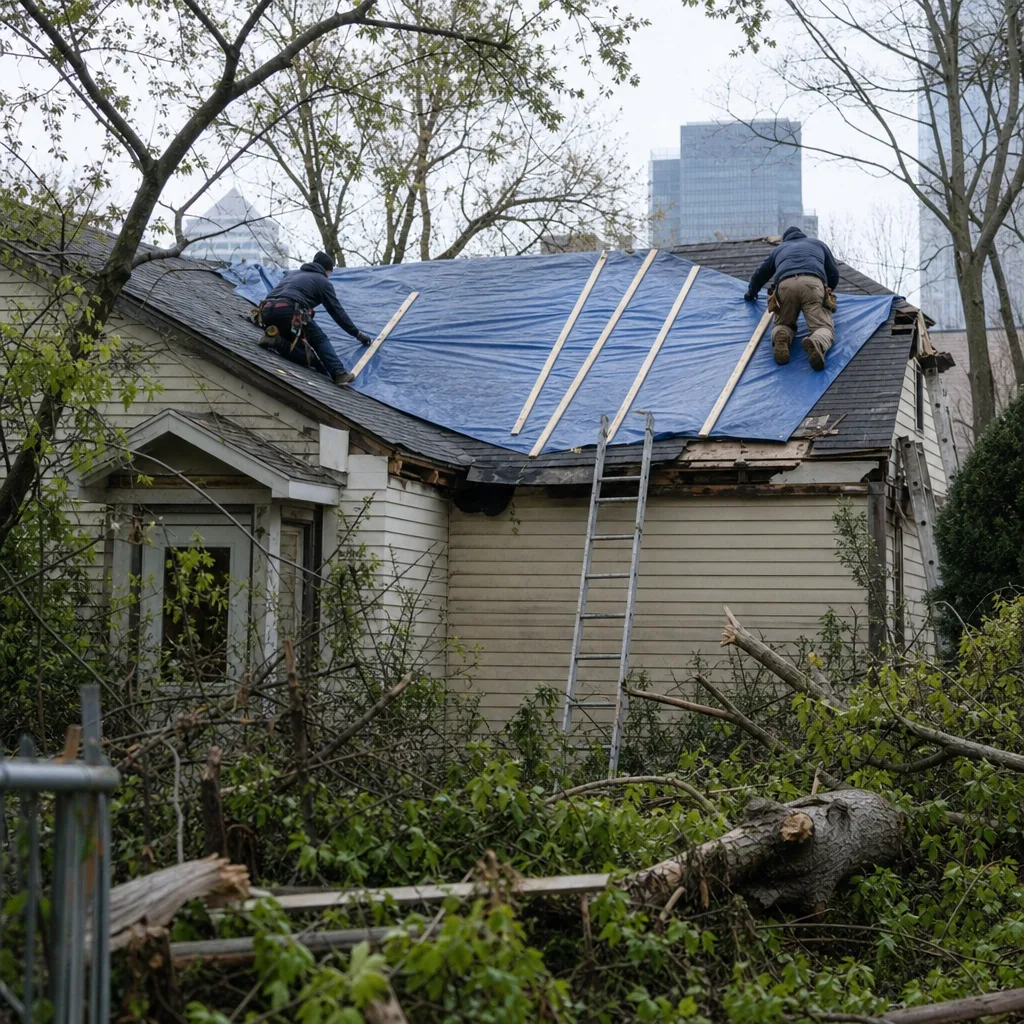
Submersible pumps and truck-mounted extractors pull standing water out fast. We board up broken windows, tarp the roof, and shut down compromised electrical. Stabilization stops the loss from getting worse while we plan the dryout.
Drying & Dehumidification
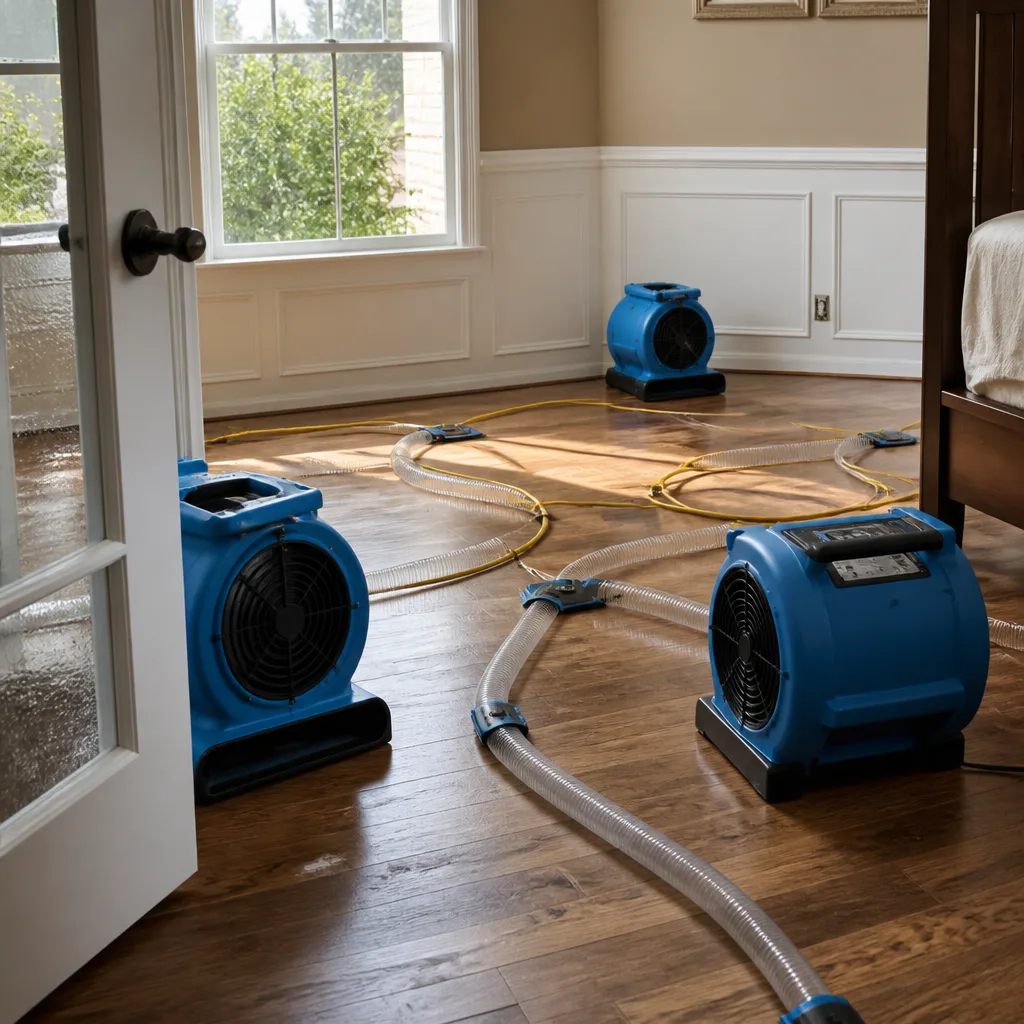
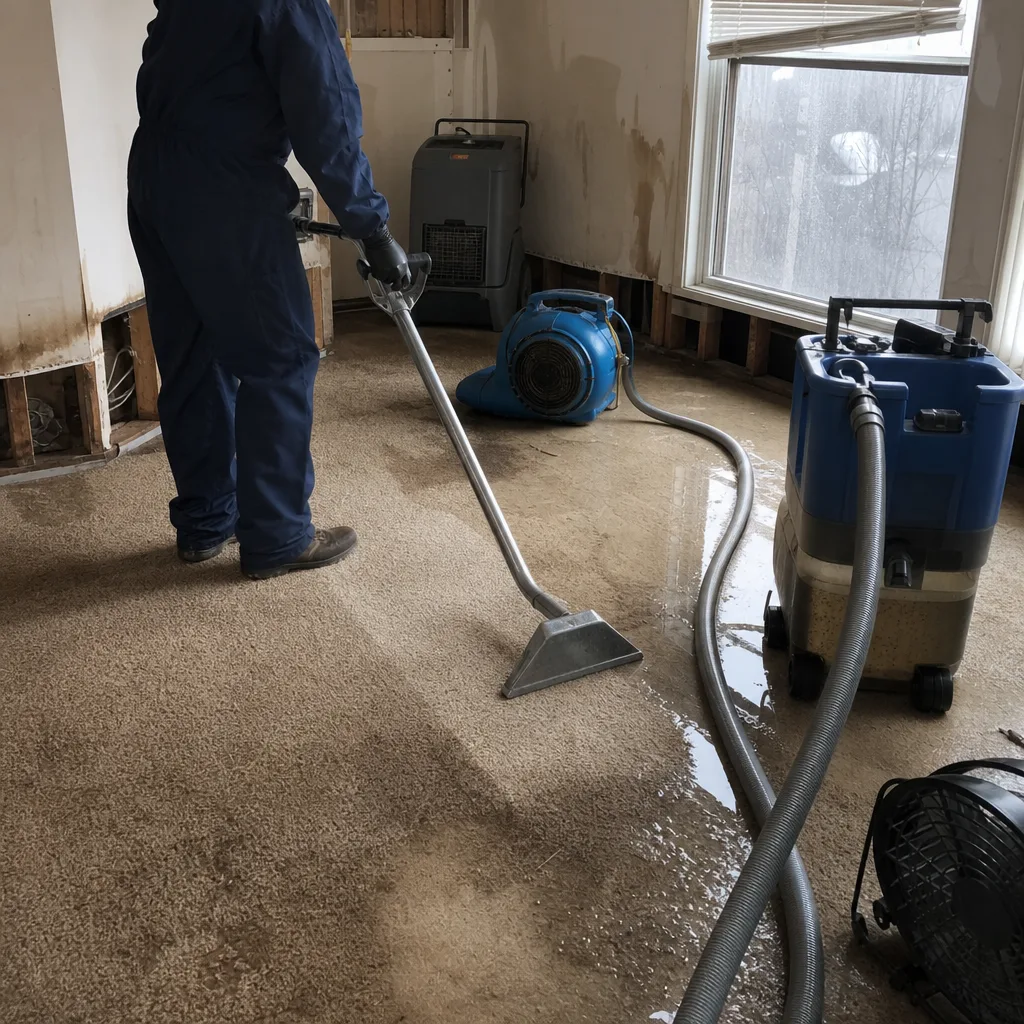
Dri-Eaz and Phoenix air movers plus commercial dehumidifiers run continuously. We take moisture readings every single day and hand you the full log at the end. Almost nobody else in the trade does that.
Cleaning & Sanitization
After drying, we clean and sanitize every affected surface. For Category 3 losses, that means full antimicrobial treatment and HEPA air scrubbing to remove airborne contaminants.
Specialty Treatment
For storm work in Glendale, this means addressing the party wall. We dry both sides, treat the shared cavity, and coordinate with the attached neighbor’s carrier. It also means checking garage doors for salt-air corrosion before we call the job done.
Repairs & Restoration
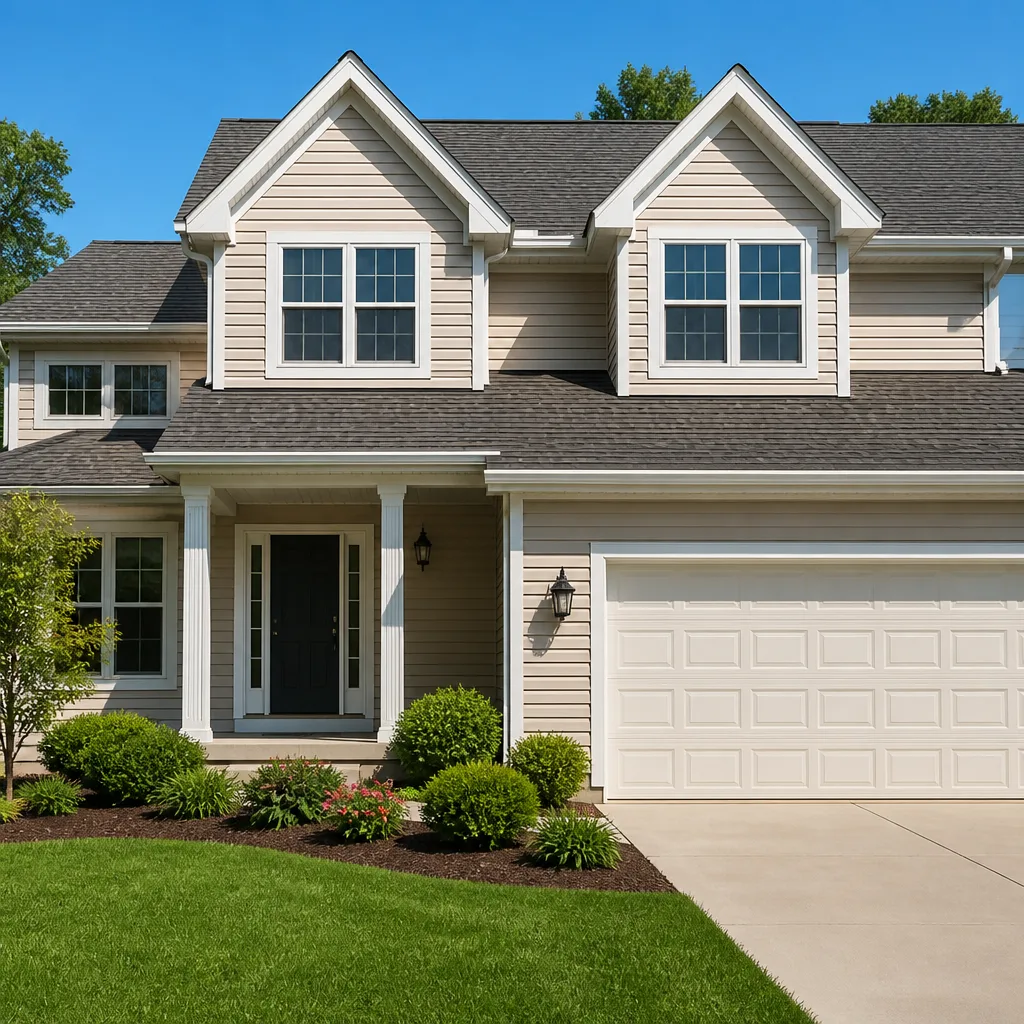
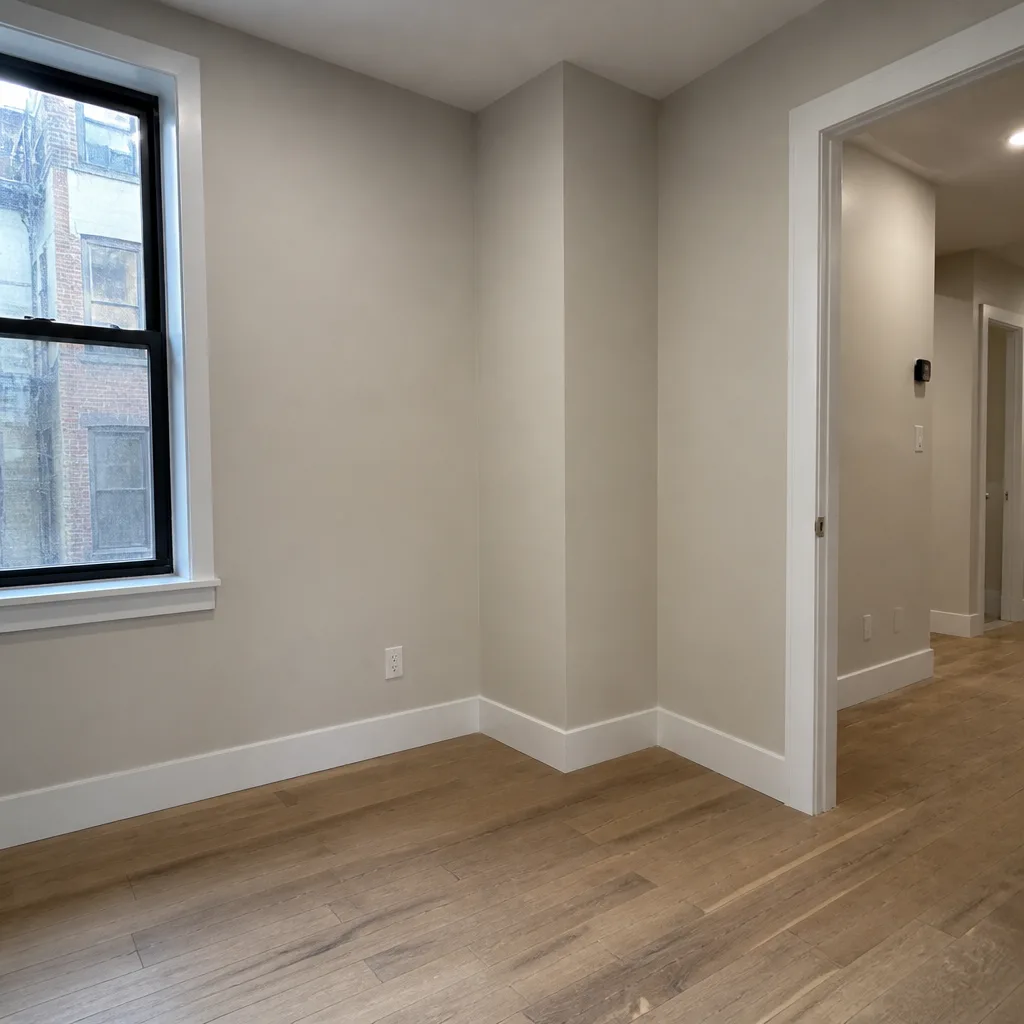
We rebuild walls, replace flooring, repair roofs, and restore your home to pre-loss condition. The same crew that dried it does the reconstruction. You get one warranty, one phone number, one name on the contract.
Need Emergency Storm & Disaster Restoration in Glendale Now?
Crews minutes away, answering live 24 hours a day. The sooner we start, the less it costs.
Working With Your Insurance Company
Insurance is almost always in the room after a storm loss, even when nobody’s said it aloud yet. We handle adjuster communication so you don’t have to. From the first hour, we’re building your file: photos of every room, moisture readings from every wall, a line-item scope of work written in the format carriers accept. We bill your insurance directly when coverage applies, and we fight for the full scope when an adjuster tries to lowball the party-wall work or the Category 3 protocols. Wade deals with the adjuster directly. That’s been how we work since 2007, and it’s saved Glendale homeowners thousands of dollars on contested claims.
What We Provide Your Insurer
- Thorough documentation of the loss
- Photos of all damage, room by room
- Moisture readings and drying logs
- A detailed, line-item scope of work
- Direct coordination with your carrier
Built for Glendale’s Loss Calendar
Glendale’s storm season has a rhythm, and we’ve learned it over nearly two decades. January and February bring deep freezes that burst supply lines in unheated basements and cause ice dams on flat row-home roofs. March and April mean snowmelt plus spring rain saturating the soil around 1920s foundations, and hydrostatic pressure pushes water through hairline cracks in basement walls. June through August are thunderstorm months. A hard downpour overwhelms the combined sewers under Myrtle Avenue and Cooper Avenue, and Category 3 backflow comes up through basement drains. September through November is nor’easter season, with wind-driven rain finding every gap in aging rooflines, around chimney flashing, and through decades-old window frames. The attached row homes that define Glendale share those walls, so one roof leak doesn’t stay one roof leak for long. It becomes two units, two insurance policies, and one complicated dryout.
Storm & Disaster Restoration Across Glendale’s Neighborhoods
Glendale isn’t one housing market. It’s block after block of semi-detached and attached homes built in different decades, each with its own failure patterns. Around Myrtle Avenue, the commercial corridor, we see a lot of storm damage from flat-roof drainage failures on mixed-use buildings where shops occupy the ground floor and families live above. Water travels down through the store ceiling and into the shared wall before anyone notices. Over by Forest Park, the larger detached homes and 1940s-era semis deal with tree damage during nor’easters, and roof tarping is often the first call. In the blocks north of Cooper Avenue, close-set brick row homes from the 1920s and 1930s mean party-wall water migration on nearly every basement flood. We know that when we get a call about one flooded basement on 88th Street, we’re probably about to find moisture in the attached neighbor’s wall too. The job isn’t done until both sides of that wall are dry.
Specialized Storm & Disaster Restoration Services We Offer in Glendale
Flood Damage Restoration
A flooded basement in Glendale is rarely just rainwater. It’s often Category 3 sewage backflow from the combined sewer system, and that changes the protocol completely. We run containment, remove contaminated materials, and dry both sides of any shared party wall. If you’ve got a finished basement apartment that flooded, we’ll walk you through what’s salvageable and what has to go before we discuss the permit situation with NYC DOB.
Emergency Board-Up
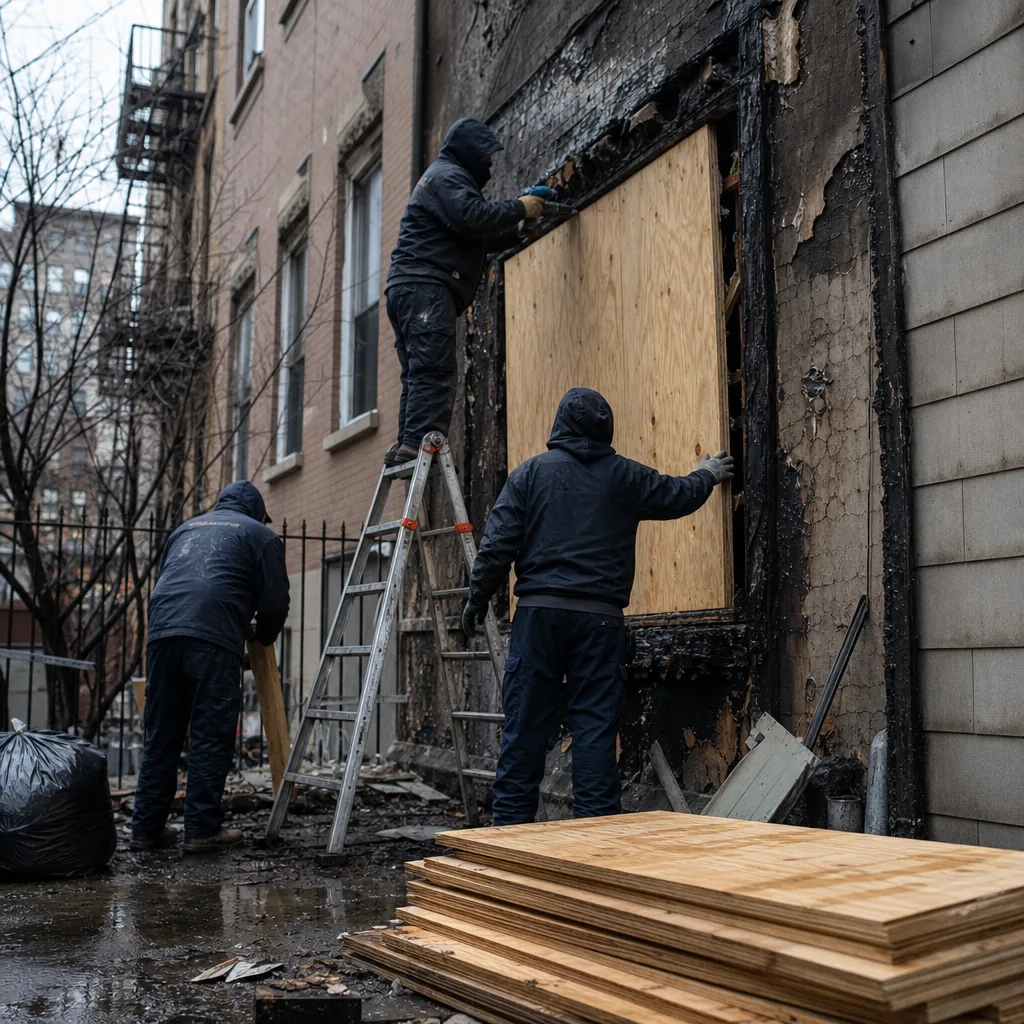
Board-up on an attached row home is different from a detached house. The window you’re boarding might be three inches from the neighbor’s window, and the plywood has to be anchored without damaging shared brick or the cornice work that runs across both properties. We board up fast, but we do it in a way that doesn’t create a new problem for the attached unit. That matters when two insurance carriers are looking at the same wall.
Storm Damage Cleanup
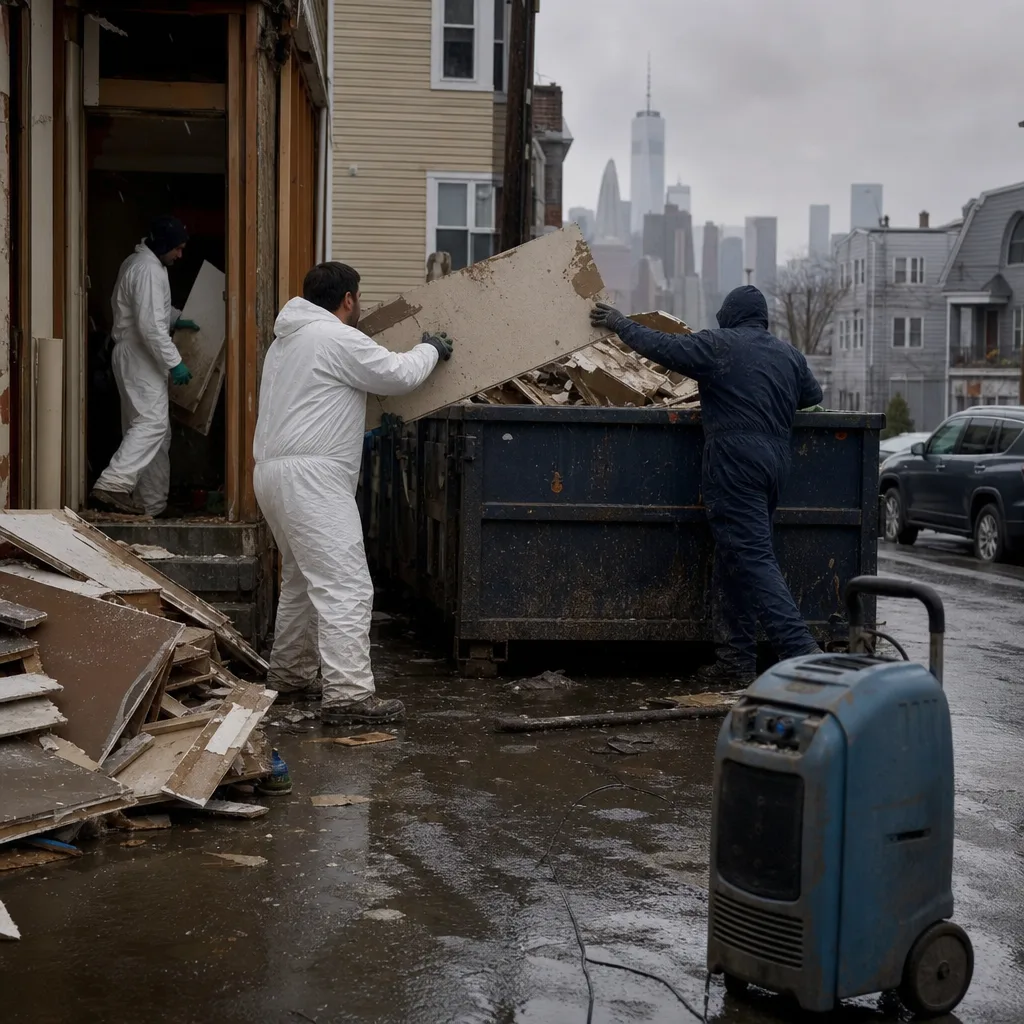
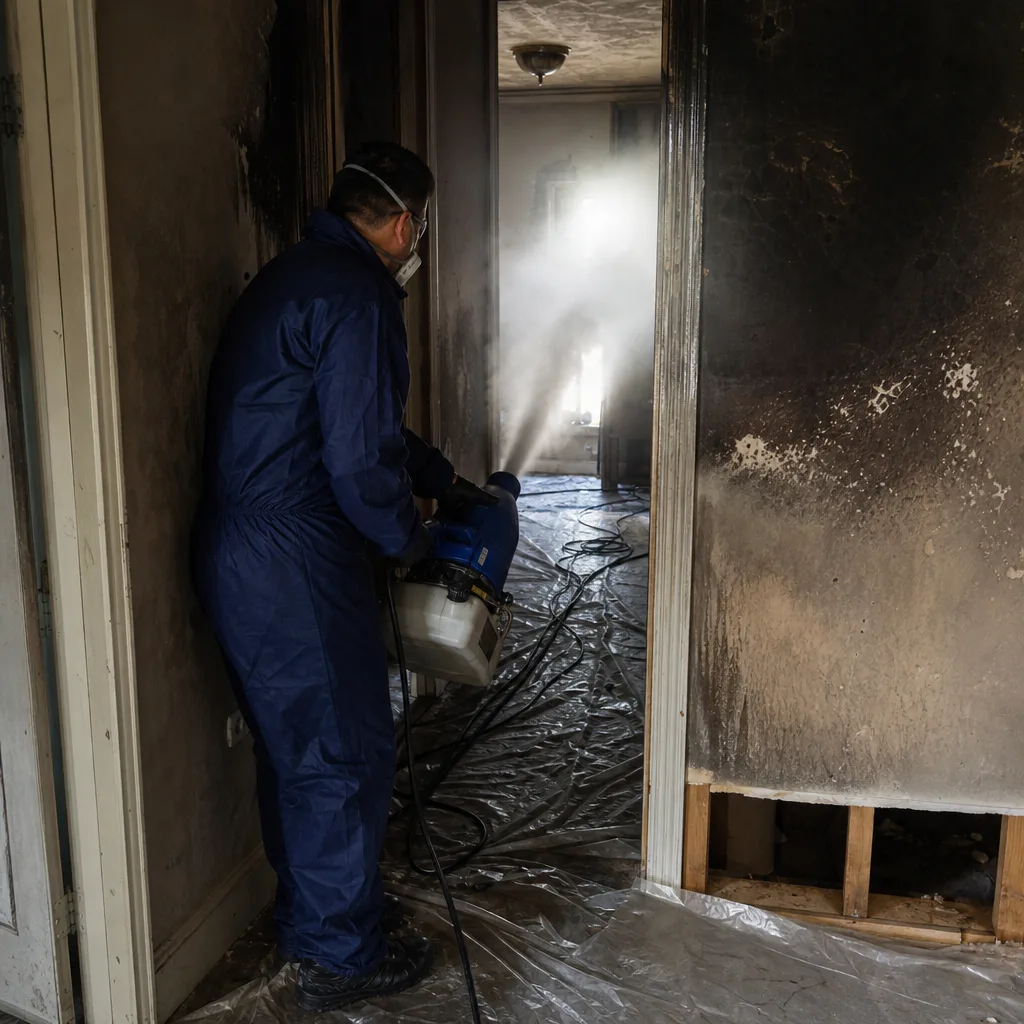
After the water is out, the real cleanup starts. We remove debris, strip damaged drywall, pull soaked insulation, and treat surfaces for contamination. We also check what other crews miss: garage-door springs and hinges corroded by salt air, torn roof flashing that will leak in the next rain, and gutters so clogged with storm debris they’ll overflow against your foundation. A cleanup that misses those isn’t a cleanup.
Roof Tarping
When wind tears shingles off a 1930s row-home roof and rain is coming through the ceiling, tarping has to happen within hours, not days. We tarp tight against the existing roofline, anchor it to prevent wind lift, and document everything for your adjuster. On attached homes, we check the shared roof line where the water might be entering the neighbor’s attic instead of yours.
Debris Removal
Nor’easters leave tree limbs on roofs, siding torn loose, and saturated insulation piled in basements. We remove it, document what was there for your claim, and haul it off. We don’t leave a dumpster sitting on your sidewalk for a month, and we don’t bury debris in the neighbor’s yard.
What happens when you call
- 1
A real person answersNo phone trees - you reach a local pro.
- 2
You get an upfront price rangeHonest numbers before anyone is dispatched.
- 3
A background-checked tech heads outLicensed & insured, dispatched right away.
- 4
You approve before work beginsNothing starts until you say go.
Storm & Disaster Restoration Costs in Glendale, NY
Storm damage restoration in Glendale runs a wide range because the housing stock is so varied. A straightforward basement extraction with drying in a small semi-detached home typically runs $3,500 to $7,000. When Category 3 sewage is involved, expect $8,000 to $15,000 because of the containment, antimicrobial treatment, and material removal required. Emergency board-up usually runs $500 to $1,500 depending on how many openings need covering. Roof tarping is typically $400 to $900 for a standard row-home roof section. What moves the price most in Glendale? The party wall. If water has migrated into the attached unit and both sides need drying, the job is inherently bigger. The same applies to unpermitted basement finishes, where the full work can run $15,000 to $35,000 once demolition, drying, and code-compliant rebuild are factored in. The free visual inspection is how you get a firm number before committing. Call (607) 350-1550 and Wade will walk your property and tell you exactly what he’d do and what it costs. No pressure, no phone-number price games.
We Also Serve Cities Near Glendale
Our storm and disaster restoration crews work throughout the surrounding area, including Storm & Disaster Restoration in Lower Manhattan, the Financial District, Astoria, and Midtown Manhattan. If you’re just outside Glendale, call and ask. If we can get there fast, we’ll come.
Serving Glendale, NY - Our Local Coverage Area
We’re based in the Glendale area and know this community well. Use the map below to see our service coverage - if you’re nearby, we can almost certainly help.
Glendale Storm & Disaster Restoration Questions, Answered
Why does a single storm-water loss in Glendale so often require work in the neighboring attached home?
Because most of Glendale’s housing stock was built between 1920 and 1945 as semi-detached or attached row homes, and the walls between units are shared structural walls. When water enters one unit, it travels horizontally through the party wall cavity into the adjoining unit. We moisture-map both sides on every storm loss. If we skip that, mold grows in the shared cavity within 48 hours and you’re back to square one. Call (607) 350-1550 and we’ll inspect both sides before drying starts.
How does Glendale’s combined sewer system turn a summer thunderstorm into a Category 3 biohazard job?
Glendale is served by New York City’s combined sewer system, which carries stormwater and sewage in the same pipes. During a hard thunderstorm, the system backs up and raw sewage flows through basement floor drains. That’s Category 3 water, and it requires full containment, removal of porous materials, and antimicrobial treatment. If you see dark water backing up through a basement drain during a storm, call us immediately. Do not walk through it, and call (607) 350-1550.
What should I do if my Glendale basement apartment is flooded but was never permitted?
First, we stop the water. Then we have an honest conversation. Unpermitted basement finishes are common in Glendale, and when they flood, NYC DOB requires the illegal finish to be flagged before reconstruction can legally proceed. We handle that conversation with the owners, and we document everything for insurance. You won’t be the one making the code-compliance call alone. Wade’s been through this dozens of times. Call (607) 350-1550 and we’ll walk you through it.
Why is emergency board-up more complicated on Glendale’s attached row homes than on detached houses in Queens?
Because the window or door you’re boarding is often directly adjacent to the neighbor’s property, and the wall is shared. The plywood has to be anchored securely without cracking shared brick, damaging cornice work, or creating a liability issue with the attached unit’s carrier. We board up on attached Glendale row homes every week, and we know how to do it without making your neighbor’s problem worse. That’s not a small thing when two adjusters are involved.
How quickly can mold set in after a storm leaks through a Glendale party wall?
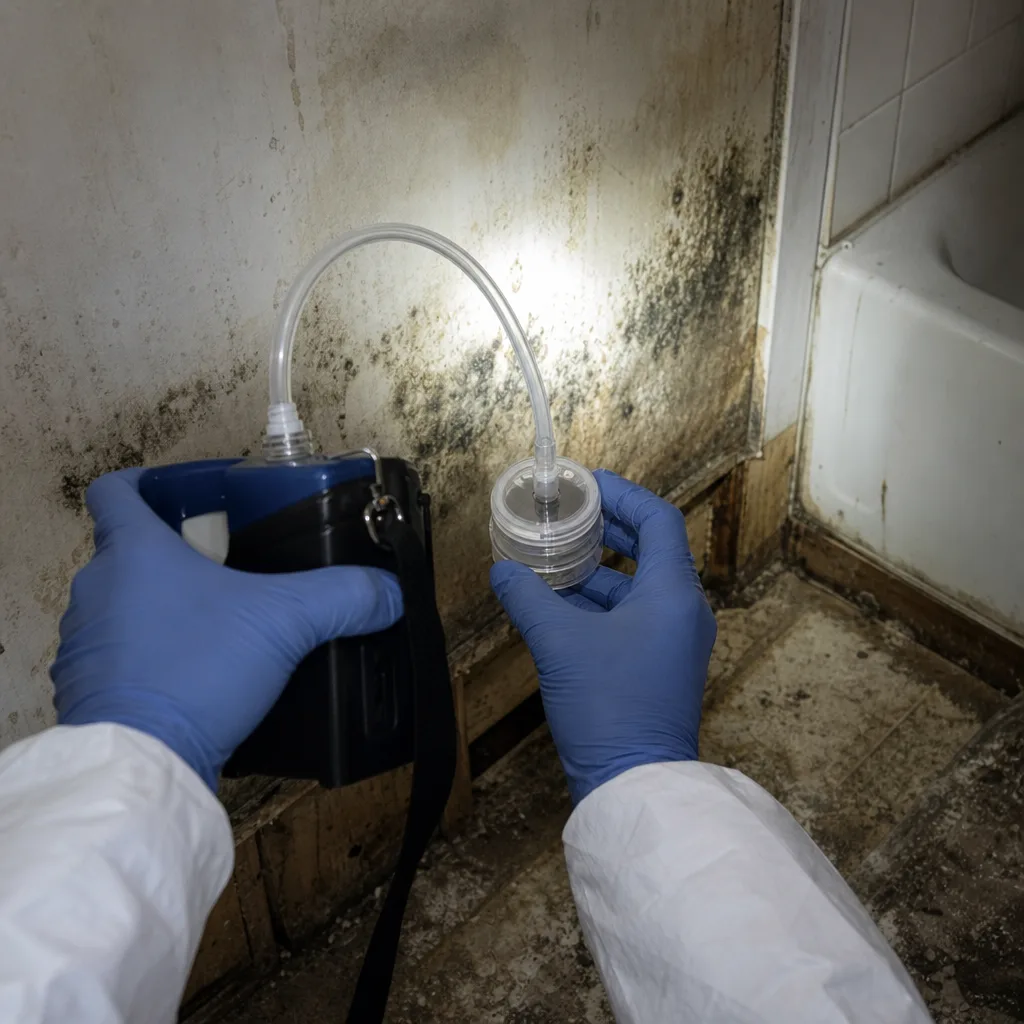
Within 24 to 48 hours under the right conditions. Glendale’s attached row homes often have original plaster walls and old insulation, and once water gets into a shared wall cavity, it’s dark, warm, and damp. Mold doesn’t wait. That’s why we moisture-map the party wall on every single storm loss, even when the visible damage is only on one side. If you suspect water got into a shared wall, call (607) 350-1550. We’ll check both sides, free.
How fast can your crew get to a Glendale home after a storm?
We’re usually on site within 45 minutes for emergency calls in Glendale. Wade answers the phone himself, and crews are staged in the area during storm season. Extraction running inside the hour isn’t a slogan, it’s what we do. Call (607) 350-1550 and find out.
Will my insurance cover storm damage restoration in Glendale?
Most homeowner policies cover storm-related water and wind damage, including sewage backflow if you carry that endorsement. The party-wall complication can complicate claims when two carriers are involved, which is why we document from the first hour and talk to your adjuster directly. We bill insurance directly when coverage applies, and we provide the photos, moisture logs, and line-item scope your carrier requires. Call (607) 350-1550 for a free assessment, and we’ll tell you what your policy likely covers before any work starts.
What should I do in the first 30 minutes after a storm damages my Glendale home?
Get everyone to safety first. If there’s standing water, don’t walk through it. It may be contaminated. Shut off power to the affected area if you can do so safely. Don’t try to board up or tarp the roof yourself on a damaged attached home. Then call us at (607) 350-1550. The first 30 minutes won’t undo the storm, but documenting what happened and starting extraction fast will save you thousands and keep a small loss from becoming a full remediation.
Written by Wade Ferris, Owner at Wade’s Restoration, serving Glendale since 2007.