
Free visual inspection and a written scope of work before any mitigation begins - photos, moisture readings, and drying logs go in your claim file
The scope we write is the scope we bill. Anything new gets shown to you, in writing, before we touch it.
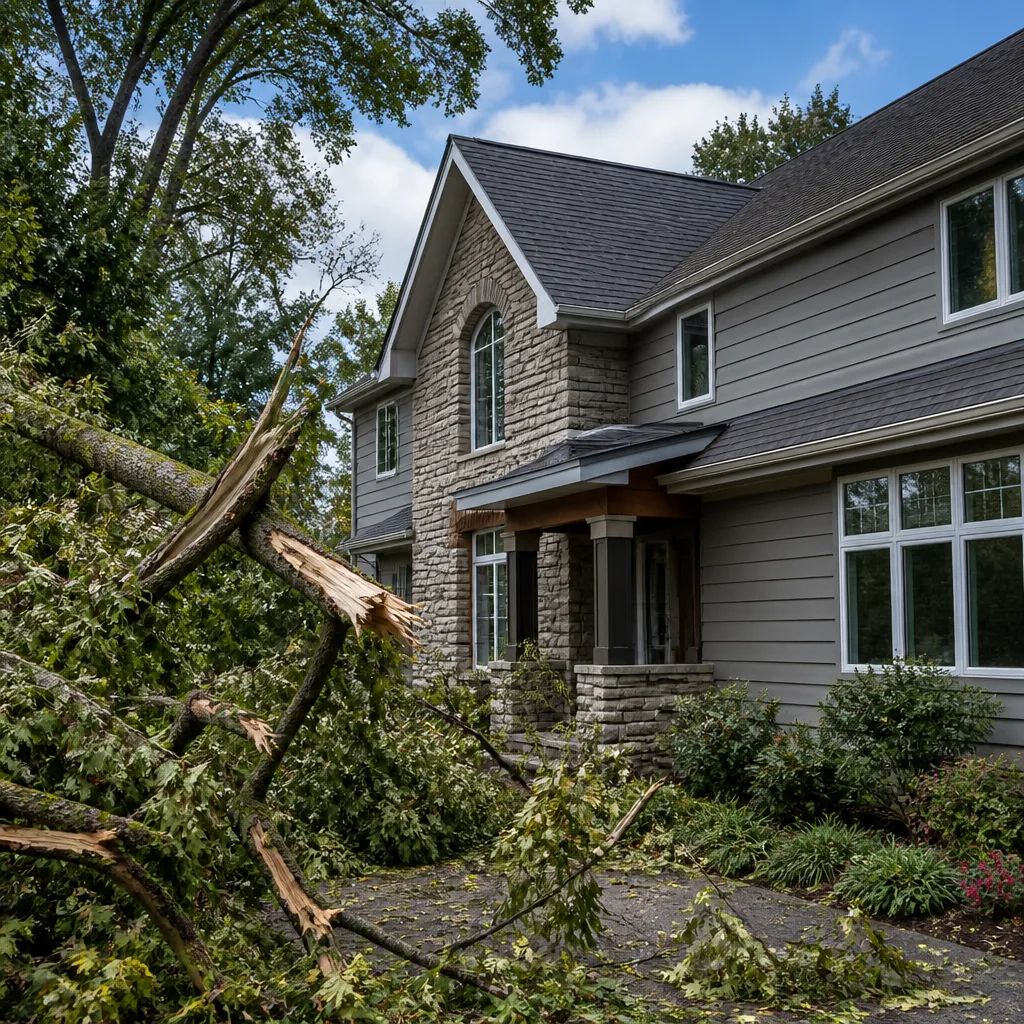
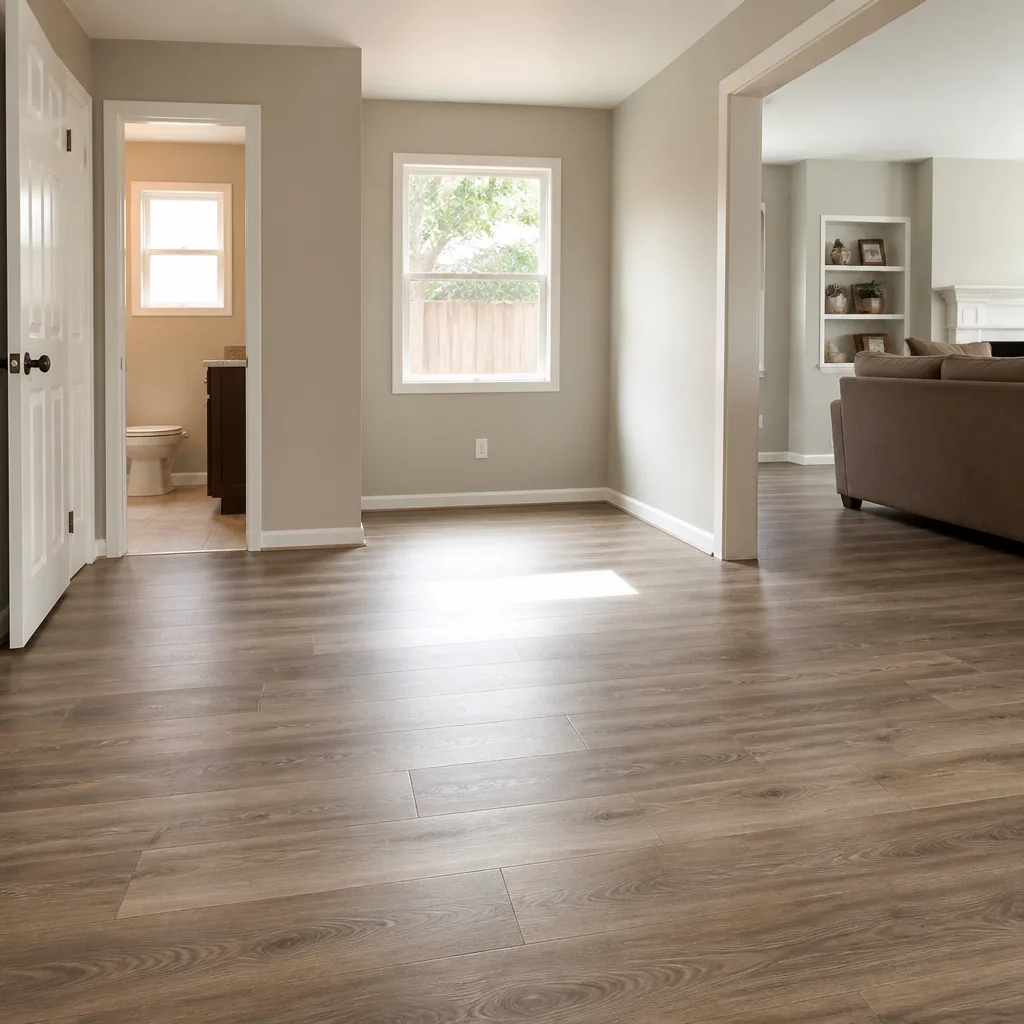
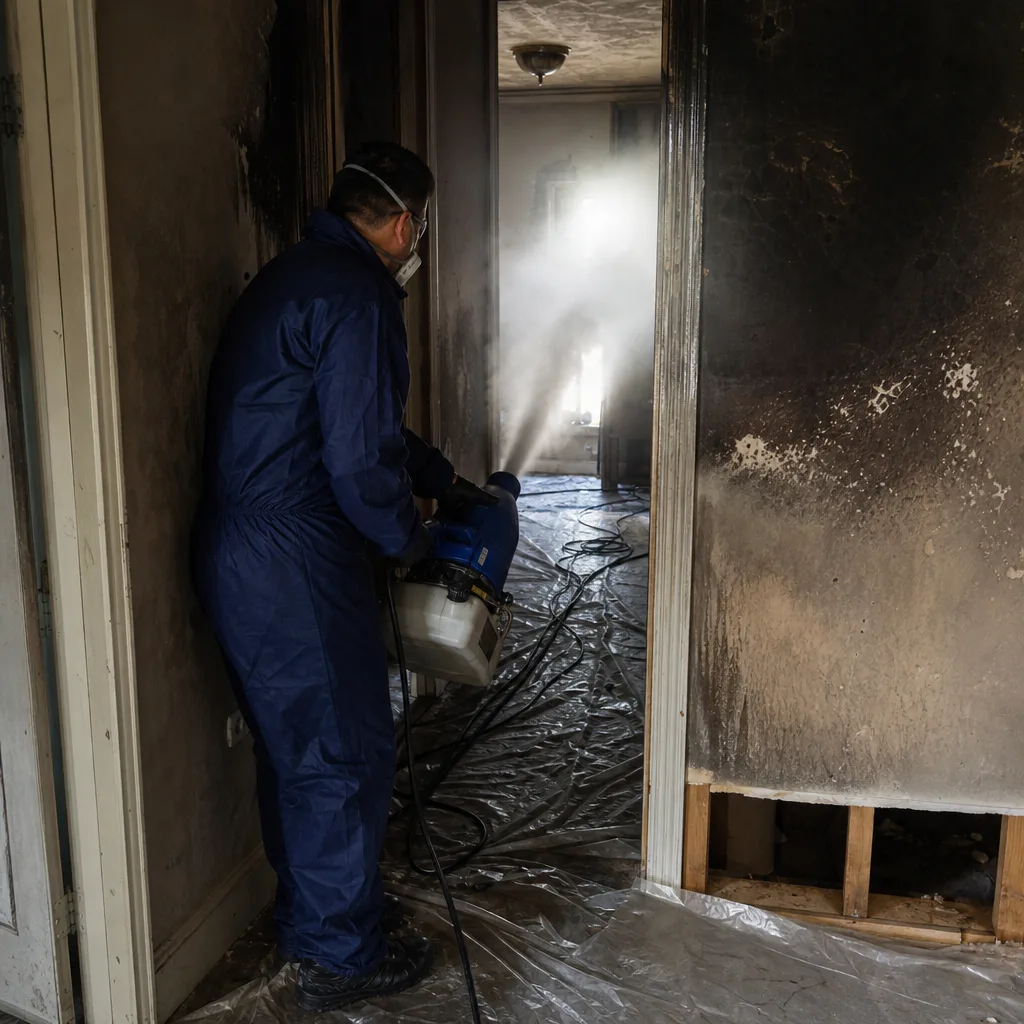
 Before
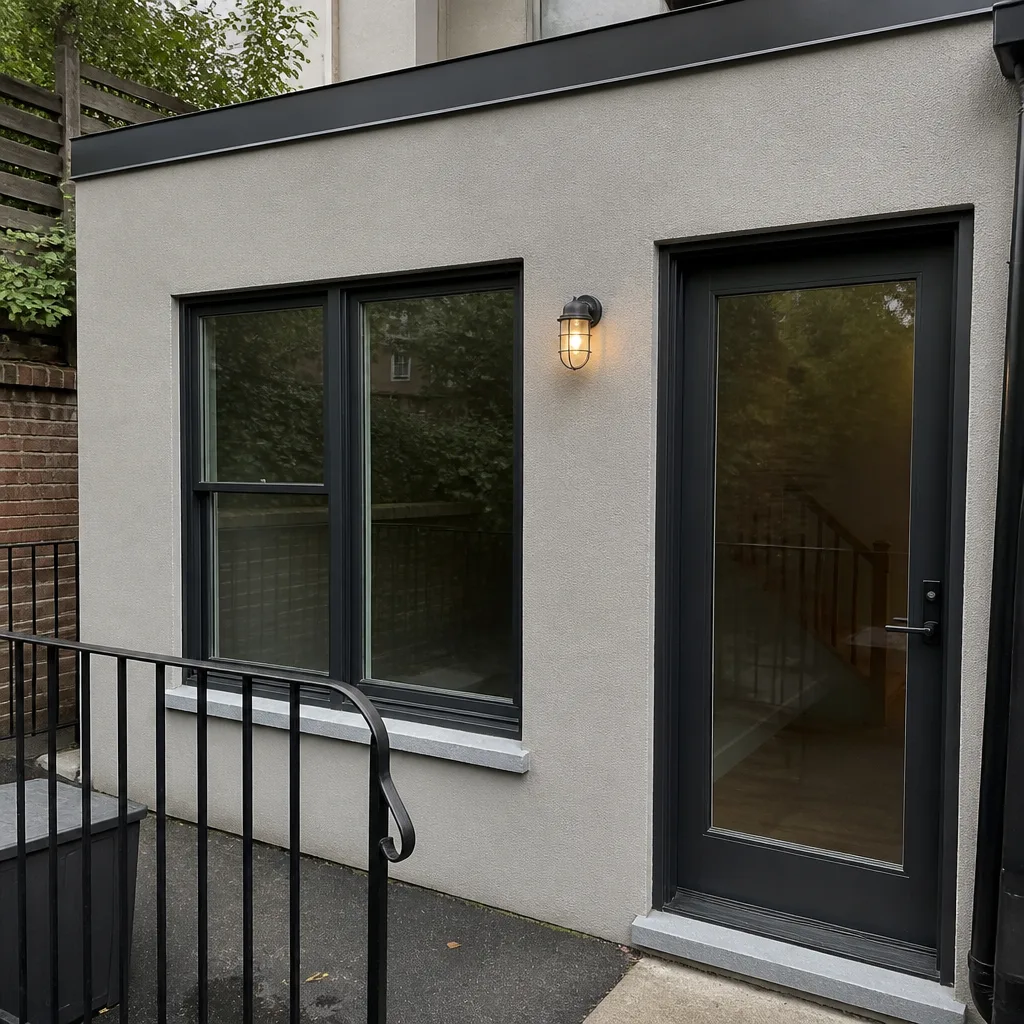 After
After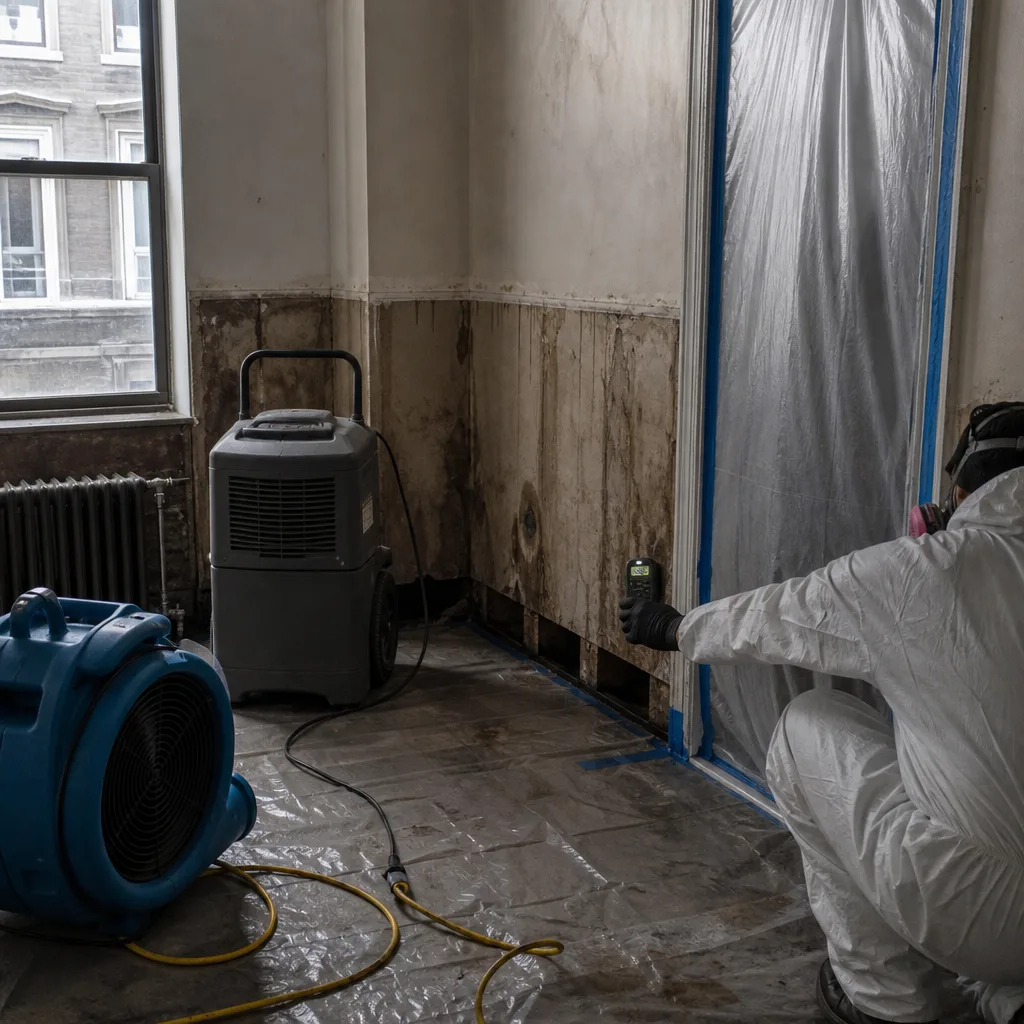 Before
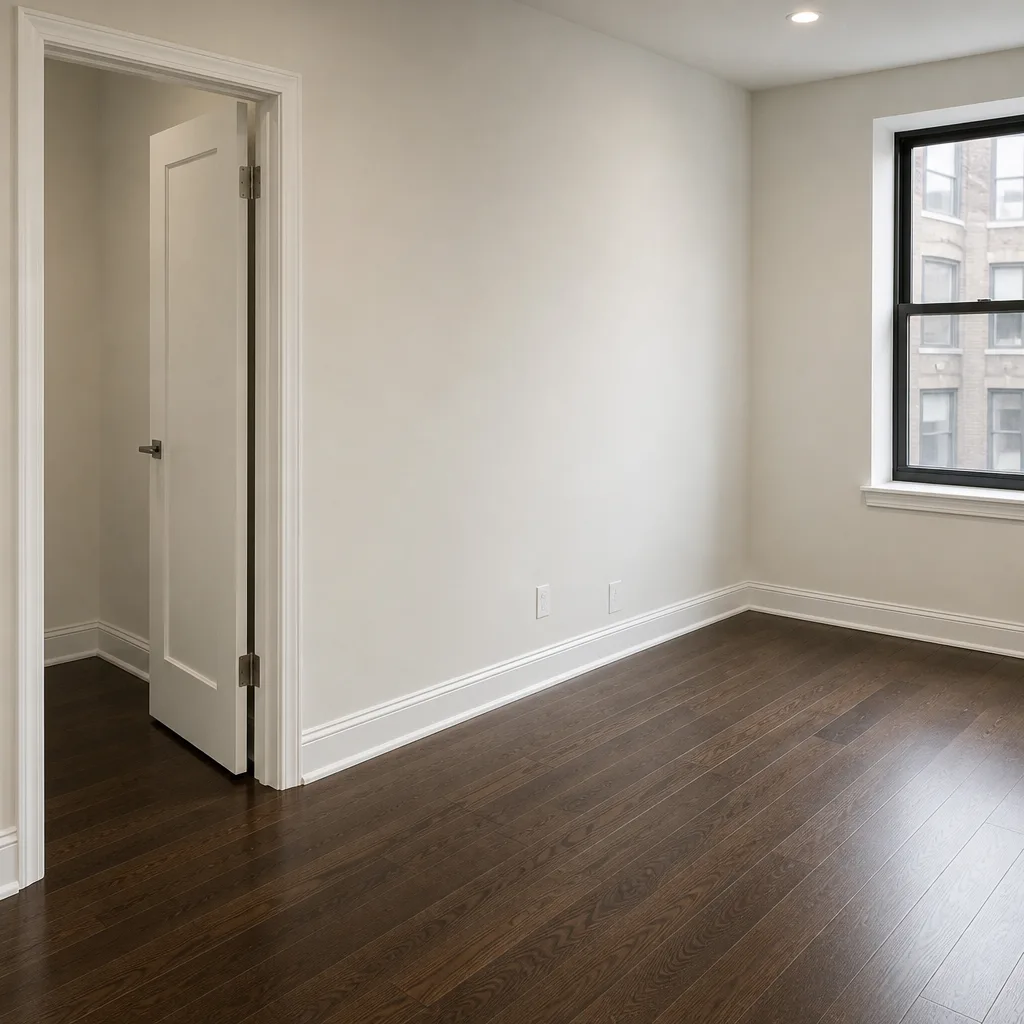 After
After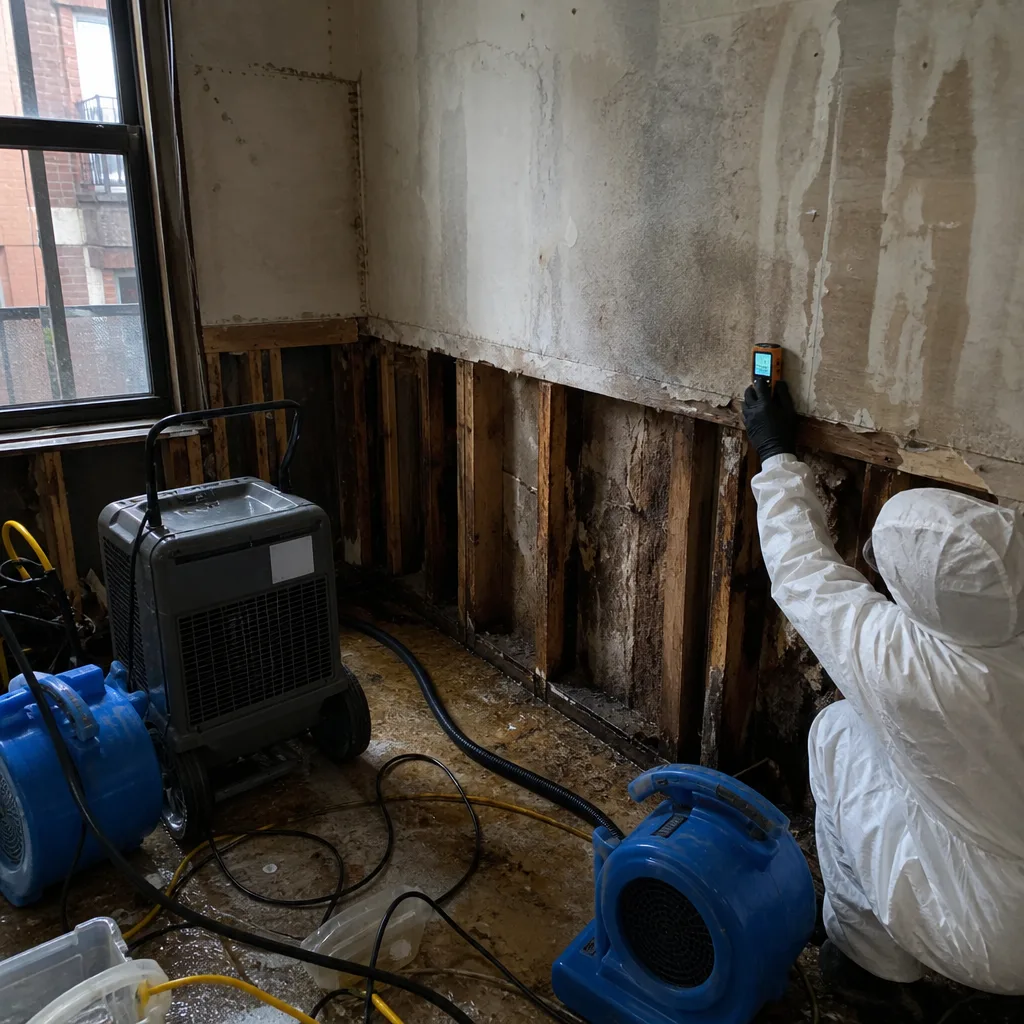 Before
 After
After24/7 Emergency Fire & Smoke Damage Restoration in Glendale
A small kitchen fire in a Glendale row house becomes a structural problem fast. Smoke pushes through shared attic knee walls, water from the fire department’s hoses pools in the basement below, and soot settles into every plaster pore of a 1930s interior. We answer the phone at (607) 350-1550 around the clock. Wade Ferris himself picks up, often on the second ring, and he’ll have a crew rolling toward Glendale within the hour. The first 60 minutes matter because soot turns acidic as it sits, etching glass and corroding metal fixtures. And water from suppression keeps migrating down through flooring and into the shared basement. Every hour that passes widens the scope of work. We’ll do a free visual inspection, walk the whole loss with you, and hand you a written plan before anyone touches a stud. You’ll know what we found, what it’ll cost, and who’s paying for it – your insurer or you. No mystery line items later.
Understanding Fire & Smoke Damage Restoration Severity in Glendale Properties
Not all fire losses behave the same way. In Glendale’s 1920s-1940s brick-and-frame two-family homes, we separate the work into three severity bands. A contained kitchen fire that gets knocked down fast leaves light-to-moderate soot residue on surfaces, maybe some water damage below. That’s a cleanup and deodorization job. A fire that burns hot enough to breach a shared party wall or burn into original plaster and lathe leaves heavy char, deep smoke migration through wall cavities, and water damage in both units. That’s a full removal and structural repair. The third category involves synthetic soot – burned plastics, foam insulation, vinyl flooring – which produces an oily, stubborn residue that ordinary wet-wiping just smears around. We use dry chemical sponges first, then HEPA vacuuming, then specialized cleaning agents matched to the soot type. If smoke hit the shared attic or knee wall, we open it and inspect both sides of the party wall. Glendale’s attached housing stock means the neighbor’s unit is part of your loss, whether you like it or not.
Why Glendale Property Owners Choose Wade’s Restoration
- 45-minute response commitment. When you call from Glendale, Wade heads out from the metro office and is typically on-site, checking the scope himself, within 45 minutes. Not a franchise dispatch, not a call center transfer. The owner.
- 24/7 live answer. You call, a person answers. That person is usually Wade. If he’s on another job, his crew chief picks up. No voicemail tree, no “press 2 for emergencies.”
- IICRC-certified crews. Wade’s team carries WRT (Water Damage Restoration), FSRT (Fire & Smoke Restoration), and AMRT (Applied Microbial Remediation) certifications. The work is done to the industry’s highest standard, not to whatever the insurance adjuster hopes it’ll cost.
- Free visual inspection. No charge to walk the loss, open a wall if needed, and tell you what you’re actually dealing with. And if you already got a written estimate from someone else, bring it – we’ll give you a free second opinion.
- Direct insurance billing. We bill your carrier directly, with photos, moisture logs, and a line-item scope of work. You don’t get stuck playing messenger between two parties who won’t talk to each other.
- One crew, start to finish. The same people who board up your Glendale row house and tear out the charred plaster are the people who rebuild it. That continuity is the difference between a job that’s done right and a job that’s just done.
Our Fire & Smoke Damage Restoration Process
1. Inspection & Assessment
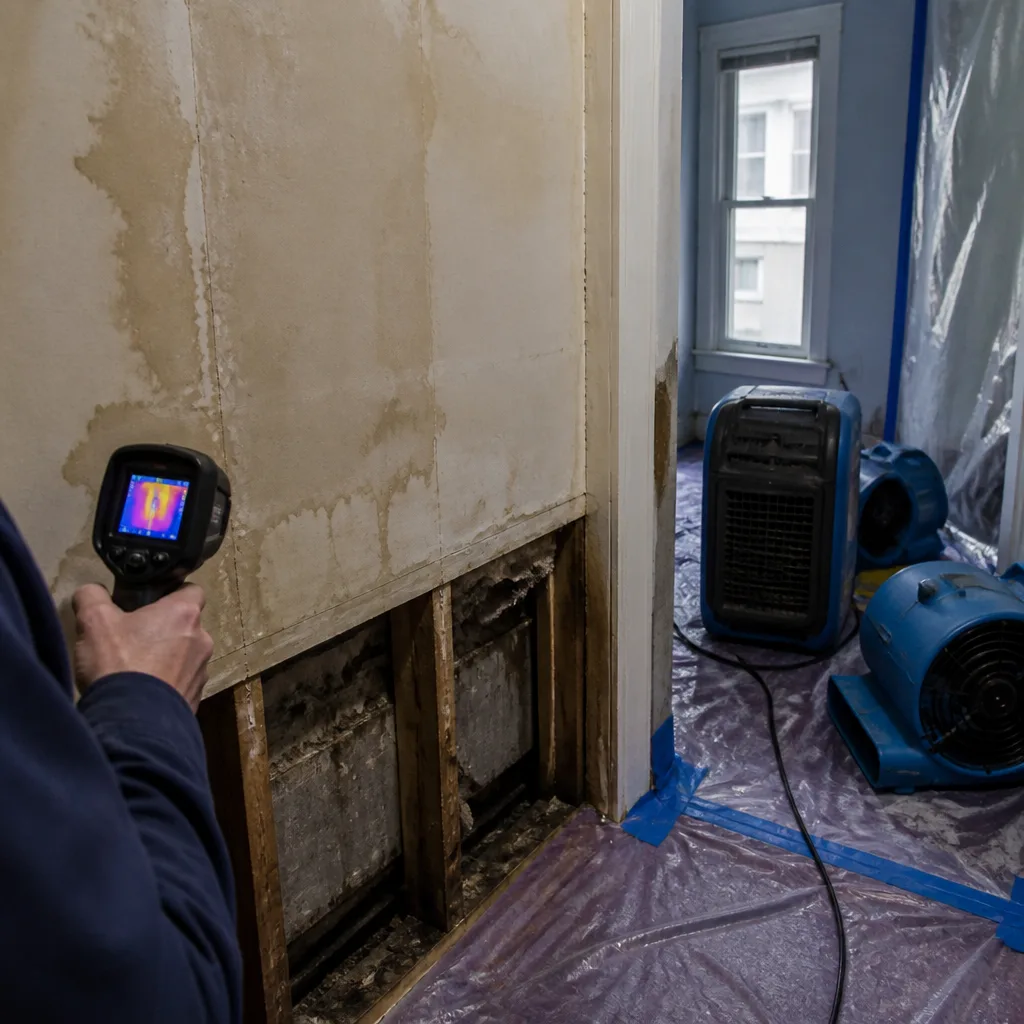
We walk the full loss, including the adjoining unit when a party wall is involved. Thermal imaging finds heat migration, moisture meters map the water from suppression, and we document everything with photos before a single tool comes off the truck.
2. Stabilization & Emergency Board-Up
If the fire burned through a window or breached the roof, we board and tarp the openings that day. A Glendale semi-detached home can’t sit open overnight – not with the weather we get, and not with theft risk on a vacant unit.
3. Drying & Dehumidification
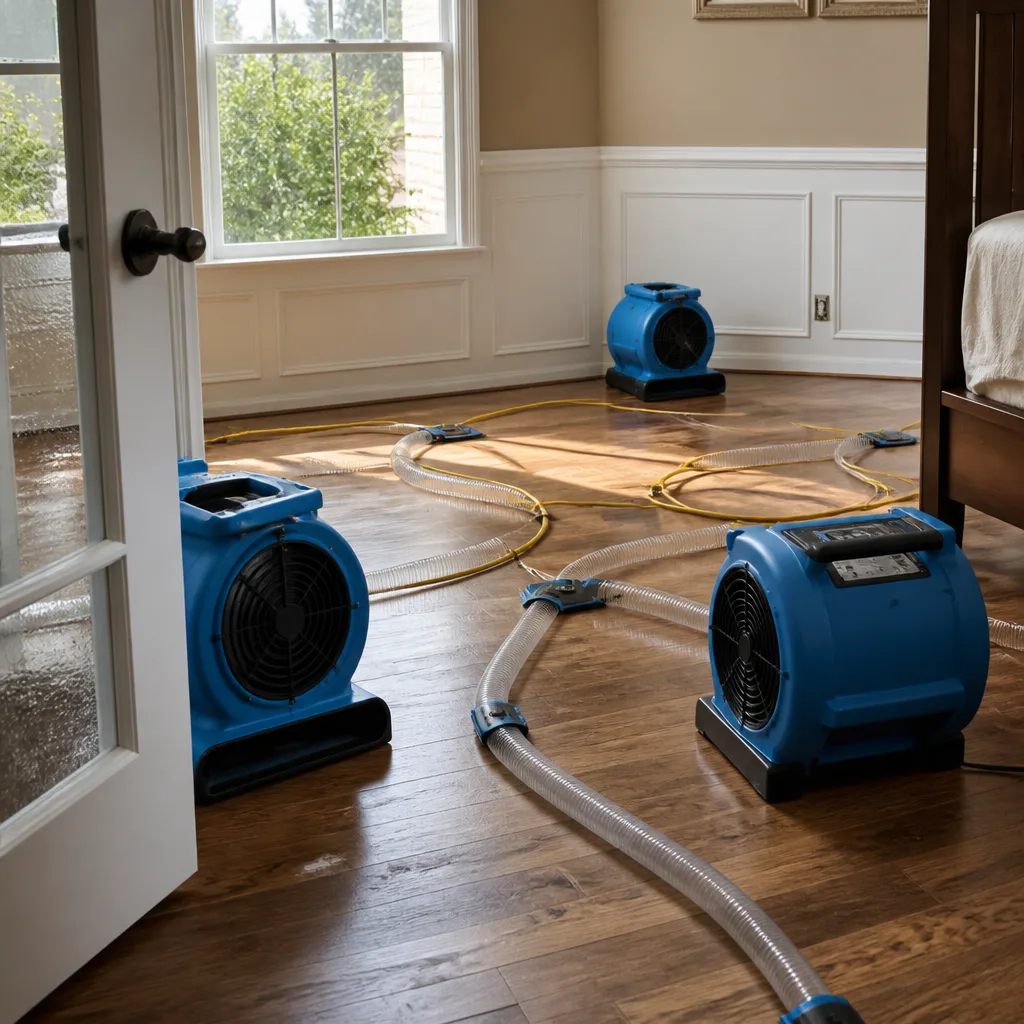
Fire suppression water soaks the same way a pipe burst does. On 73rd Street near Myrtle Avenue, we ran a Phoenix desiccant dehumidifier for four days to dry the structural framing behind a shared attic knee wall. Air movers and daily moisture readings – logged, dated, handed to you at the end.
4. Smoke & Soot Removal
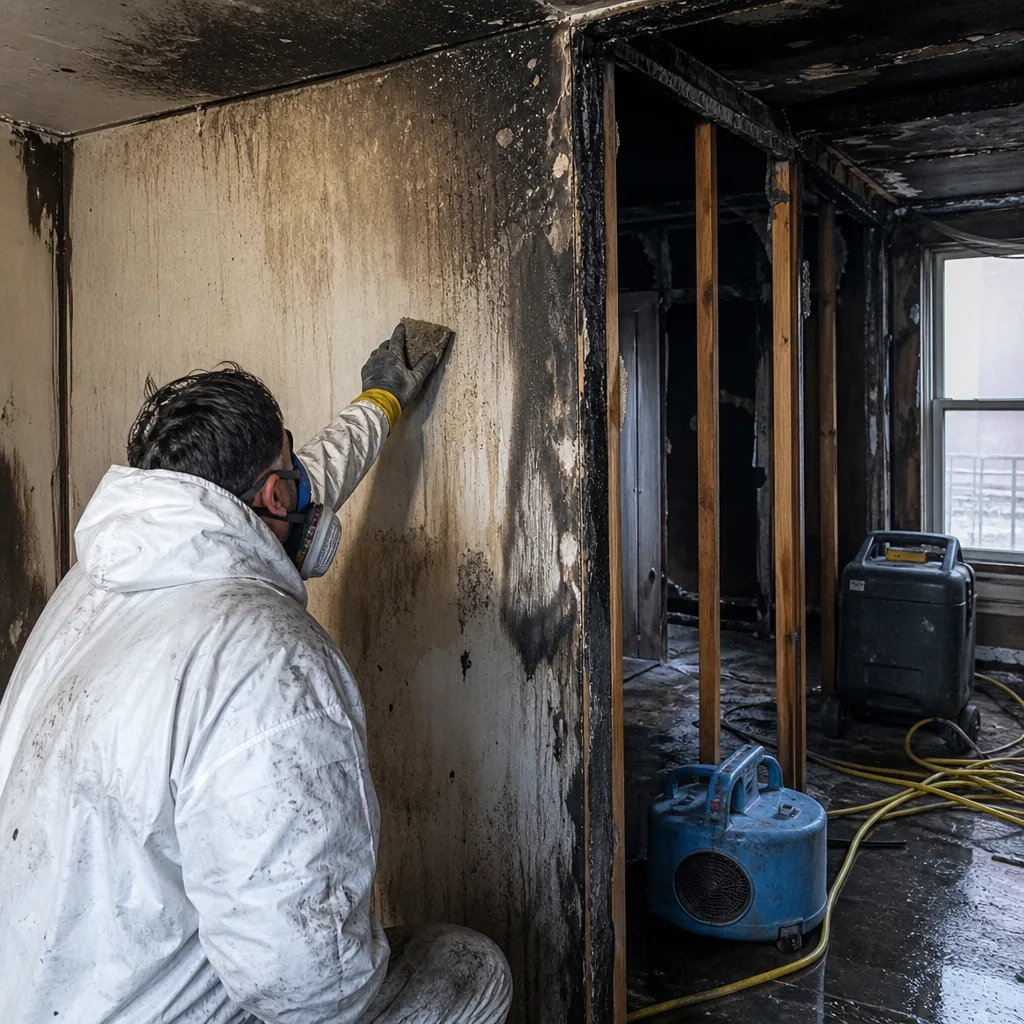
We match the cleaning method to the soot type – dry sponging for light residue, HEPA vacuuming for settled soot, and wet cleaning with the right agent for synthetic, oily deposits. Every surface gets treated: walls, ceilings, inside cabinets, behind outlet plates.
5. Deodorization & Containment
HEPA air scrubbers run continuously in both units when a party wall is breached. We use thermal fogging or hydroxyl generators to neutralize smoke odor at the molecular level, not just mask it. If we don’t kill the odor, it comes back through the shared wall in three weeks and you’re calling us again.
6. Repairs & Structural Restoration
Once the space is dry and deodorized, we rebuild – framing, drywall, plaster matching, flooring, paint. If knob-and-tube wiring was charred inside a wall cavity, it gets evaluated and replaced before the drywall goes back up. That’s not optional in a 1930s Glendale home.
Need Emergency Fire & Smoke Damage Restoration in Glendale Now?
Crews minutes away, answering live 24 hours a day. The sooner we start, the less it costs.
Working With Your Insurance Company
Most Glendale fire losses are covered claims, but the claim only works if the documentation holds up. We photograph everything before we touch it. We log moisture readings daily. We write a line-item scope of work that uses the same software your adjuster’s carrier recognizes. And Wade talks to the adjuster directly – often meeting them on-site, pointing out the char behind the party wall, explaining why the unpermitted basement finish changes the code picture. You shouldn’t have to explain restoration to an insurance professional. That’s our job. If the carrier pushes back on something, we’re the ones on the phone, not you.
What We Provide Your Insurer
- Thorough documentation of the loss
- Photos of all damage, room by room
- Moisture readings and drying logs
- A detailed, line-item scope of work
- Direct coordination with your carrier
Built for Glendale’s Loss Calendar
Glendale’s fire calls follow a seasonal rhythm. December through February, space heaters and overloaded circuits in aging two-family homes start fires – often in rooms with original wiring untouched since the Roosevelt administration. The knob-and-tube in those walls doesn’t like the load a 2026 family puts on it. Spring brings rain and sump pump failures, but for us it brings the aftermath: fires started by water meeting old electrical, and the mold that follows the suppression water. Summer is grill and grease fire season – kitchens in Glendale row houses are small, and a hot pan of oil goes up fast. August thunderstorms overload the combined sewer lines; a basement fire plus sewage backup is a Category 3 biohazard on top of a fire loss. Fall is quieter, but it’s when homeowners tackle renovation projects and discover old wiring issues mid-demo. Whatever the month, the shared-wall reality of Glendale’s attached housing stock means the scope is always bigger than the fire itself.
Fire & Smoke Damage Restoration Across Glendale’s Neighborhoods
Response time depends on where you are in Glendale. If you’re off Myrtle Avenue near 73rd Street, we’re threading through local traffic, but we know the cut-throughs. The blocks around Forest Park to the west tend to have larger semi-detached homes with deeper basements – more water to pump after suppression, more finish to tear out. Up by Cooper Avenue, the homes are older, some pre-1920, and we see more original plaster that has to be matched, not just replaced with drywall. Near Mafera Park, the homes sit tight against each other, and a roof fire on one means tarping your neighbor’s side the same day. Down along the Fresh Pond Road corridor, the commercial mix means occasional restaurant fires with heavy grease smoke that travels through shared ductwork. We know these blocks. We know which homes share rooflines, which basements have been illegally finished, which blocks have newer wiring and which don’t. That’s the information you can’t get from a national franchise that shows up, looks at a map, and starts ripping out drywall.
Specialized Fire & Smoke Damage Restoration Services We Offer in Glendale
Fire Damage Cleanup
Structural debris removal, charred material tear-out, and full cleaning of every surface the smoke touched. In Glendale’s semi-detached homes, we open the party wall and inspect the firestop – the framing that should have stopped the fire from traveling between units. If it’s compromised, we document it, flag it for the structural repair, and contain it before we do anything else.
Smoke & Soot Removal
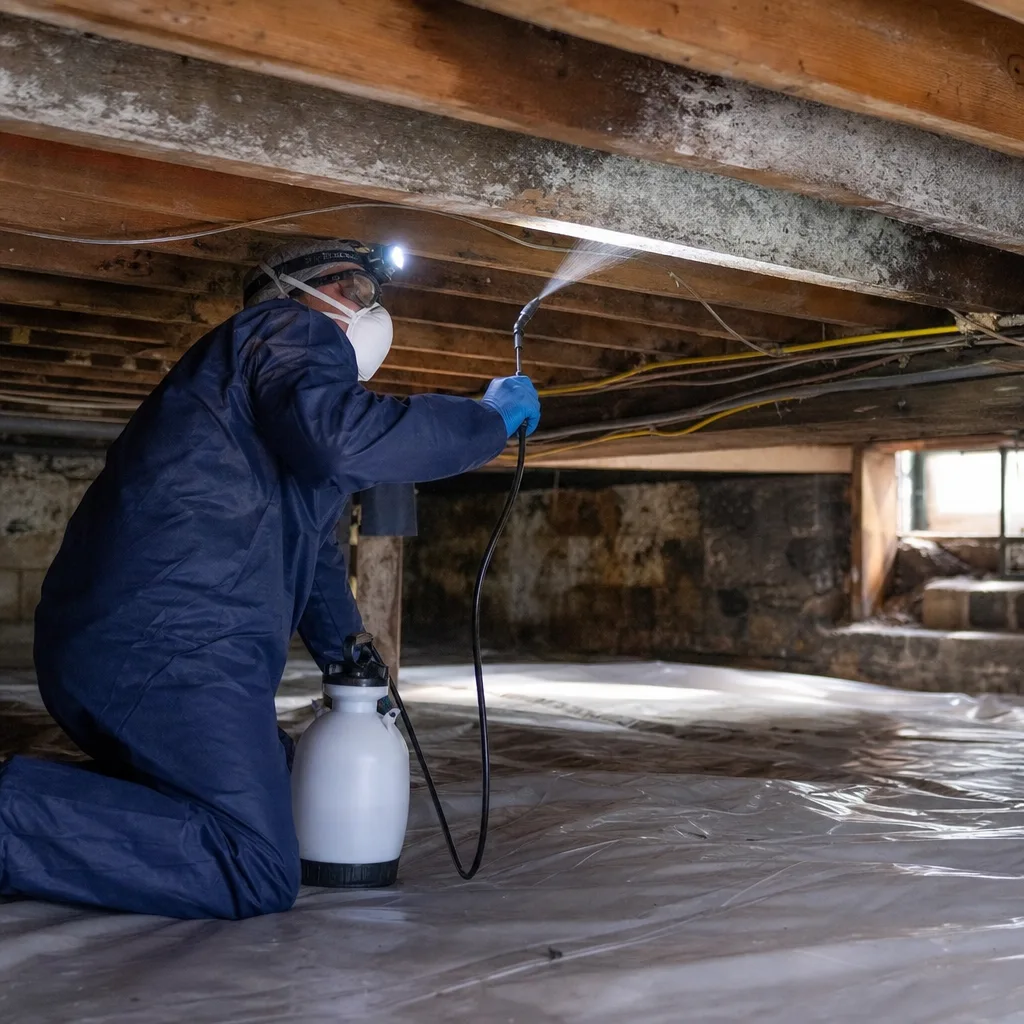
The visible black film is only part of the problem. Soot gets behind outlet plates, inside cabinet voids, and into the spaces between floor joists. We clean what you can see and what you can’t, using HEPA vacuums, dry chemical sponges, and wet cleaning agents matched to the soot chemistry. Glendale homes with original plaster need special care – you can’t just scrub it like drywall.
Odor Removal & Deodorization
Smoke odor molecules are tiny and they embed in porous surfaces – plaster, hardwood, fabric, insulation. We use hydroxyl generators and thermal fogging to neutralize the odor, not cover it with fragrance. The shared-wall problem in Glendale means we treat both units. If you only deodorize one side of a party wall, the smell comes back through in three weeks.
Contents Cleaning & Pack-Out
Furniture, clothing, dishes, books – smoke gets into everything. We inventory, pack out, clean, and store your contents, then bring them back when the structure is done. Our crews use professional-grade equipment from Phoenix and XPOWER for contents drying and air cleaning. We photograph everything for the insurance claim, so you’re not arguing later about what was there.
Emergency Board-Up & Tarping
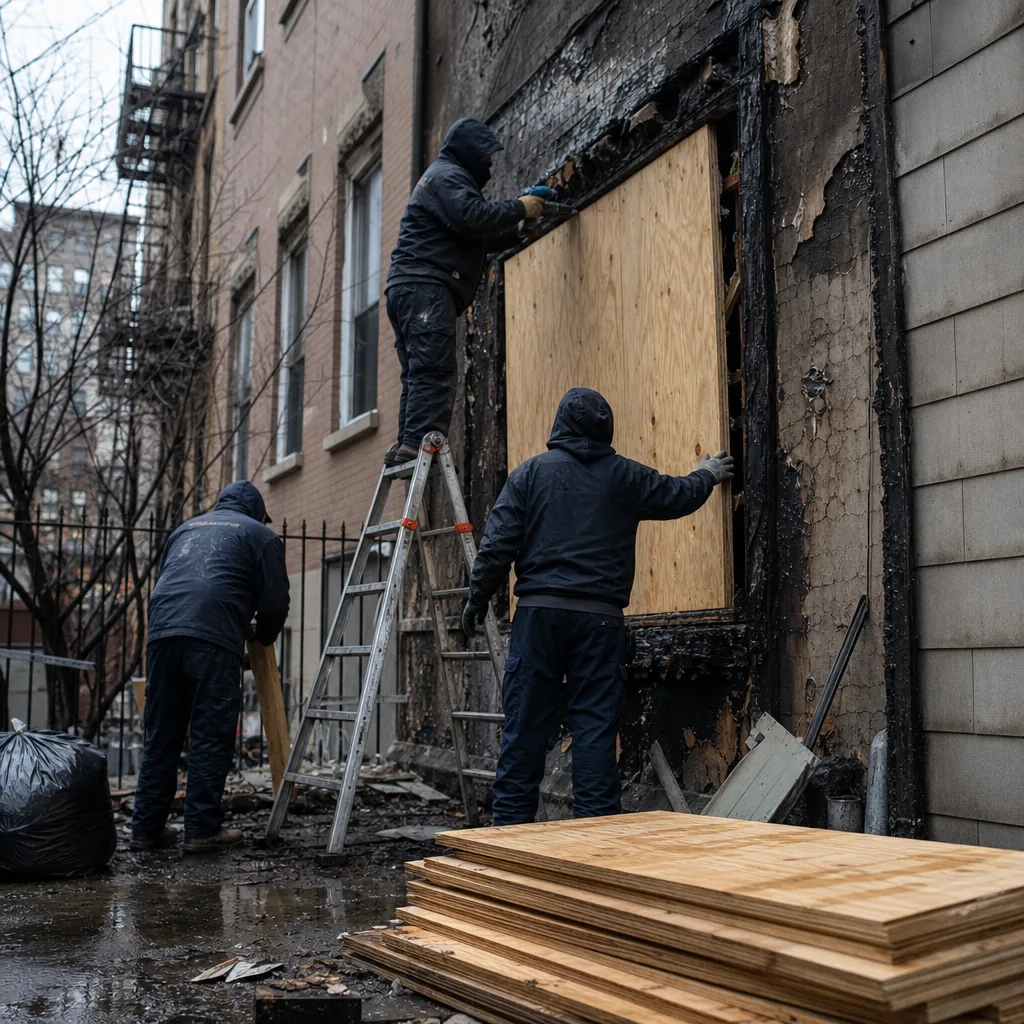
A burnt window or a roof hole in a Glendale attached home is an open invitation. We board and tarp the same day, securing both your unit and the adjoining one if the roofline is shared. This is the first line of defense against weather, theft, and further damage – and it’s billable to your insurance carrier as part of the loss.
What happens when you call
- 1
A real person answersNo phone trees - you reach a local pro.
- 2
You get an upfront price rangeHonest numbers before anyone is dispatched.
- 3
A background-checked tech heads outLicensed & insured, dispatched right away.
- 4
You approve before work beginsNothing starts until you say go.
Fire & Smoke Damage Restoration Costs in Glendale, NY
Here’s what we see in Glendale, honestly. Light smoke cleanup in a single room runs $900-$1,800. A full kitchen fire with moderate water damage, soot throughout the first floor, and deodorization runs $4,500-$9,500. A fire that breaches a party wall, requires structural repair, and affects two units runs $18,000-$45,000, depending on the extent of framing damage and whether knob-and-tube wiring replacement is triggered. Unpermitted basement finishes complicate the picture – if DOB gets involved, you’re looking at additional code compliance work that can add $5,000-$15,000 to the scope. Most of these costs are covered by homeowner’s insurance. The free visual inspection gives you a firm written scope before you commit to anything, and if you have an estimate from another company, we’ll review it at no charge.
We Also Serve Cities Near Glendale
Our crews cover the surrounding metro area, including Glendale and the nearby neighborhoods of Lower Manhattan, Financial District, Astoria, and Midtown Manhattan. Same 45-minute response commitment, same owner oversight, same documentation standard. Wherever the fire happened, the process doesn’t change.
Glendale Fire & Smoke Damage Restoration Questions, Answered
In Glendale’s attached row homes, when a fire damages a shared party wall, who is responsible for the restoration – and how do you coordinate between two owners?
In almost every case we handle, each owner’s insurance policy covers the damage on their own side of the party wall. Our job is to document both sides, open the wall once, and write scopes that each carrier can approve independently. We coordinate directly with both adjusters so neither owner gets stuck as the messenger. Wade has done this on 73rd Street, on Cooper Avenue, and on blocks all over Glendale. Call (607) 350-1550 and we’ll walk you through how it works on your specific wall.
How do you handle fire restoration in a Glendale basement that was illegally converted to an apartment?
We flag it to NYC DOB before reconstruction starts. That sounds scary, but it’s the only legal path. If you restore an unpermitted basement finish without DOB involvement and there’s another fire, your carrier can deny the next claim. We walk you through the process, help you understand the timeline and the cost, and handle the DOB permit filings ourselves. The alternative – restoring it and hoping nobody notices – creates a liability that will eventually find you.
After a fire in our 1930s two-family home, the smoke smell keeps coming back through the shared wall into our neighbor’s unit. What’s causing it?
Someone cleaned the surface but didn’t open the party wall. Smoke traveled through the wall cavity into the neighbor’s side, and the soot and odor remained trapped in the framing, insulation, and back side of the plaster. Until that cavity is opened, cleaned, deodorized, and properly firestopped, the smell will keep coming back. We see this on Glendale jobs where a handyman did the cleanup and the insurance company only paid for surface work. The fix is to open the wall, treat both sides, and rebuild.
Does Glendale require a permit for structural fire repair on a party wall in a semi-detached home?
Yes. NYC DOB requires a permit for structural repair on any party wall, and Glendale’s attached housing stock means party-wall work is common here. The permit triggers an inspection, and if the inspector finds charred knob-and-tube wiring or an unpermitted basement finish, those items have to be addressed before the permit is signed off. We file the permit, schedule the inspection, and handle the code compliance work ourselves. That’s the only way to get the job closed legally.
What’s the biggest mistake restoration crews make on Glendale fire jobs involving knob-and-tube wiring?
They restore the surface without replacing the charred wiring. Original knob-and-tube in a 1930s wall cavity that got hot during a fire is a re-fire waiting to happen, and a DOB inspector will fail it. We pull the old wiring, install modern Romex to code, and then close the wall. Yes, it adds to the scope. It’s also the difference between a restoration and a second fire six months later.
How fast can someone actually get to my Glendale home after a fire?
Within 45 minutes, usually faster. Wade answers his own phone, 24/7, and heads out from the metro office as soon as he hangs up. If you’re near Myrtle Avenue or Forest Park, he might be ringing your doorbell in half an hour. Call (607) 350-1550 right now and find out.
Will my homeowner’s insurance cover fire and smoke restoration in Glendale?
In most cases, yes. Fire is a named peril on every standard homeowner’s policy, and smoke damage is typically included. What matters is documentation – photos, moisture logs, a line-item scope. We provide all of that and bill your carrier directly. The exception is intentionally set fires or unpermitted work that violates code. If you’re not sure where your specific loss falls, call us and we’ll tell you honestly.
Can we stay in our Glendale home during fire restoration?
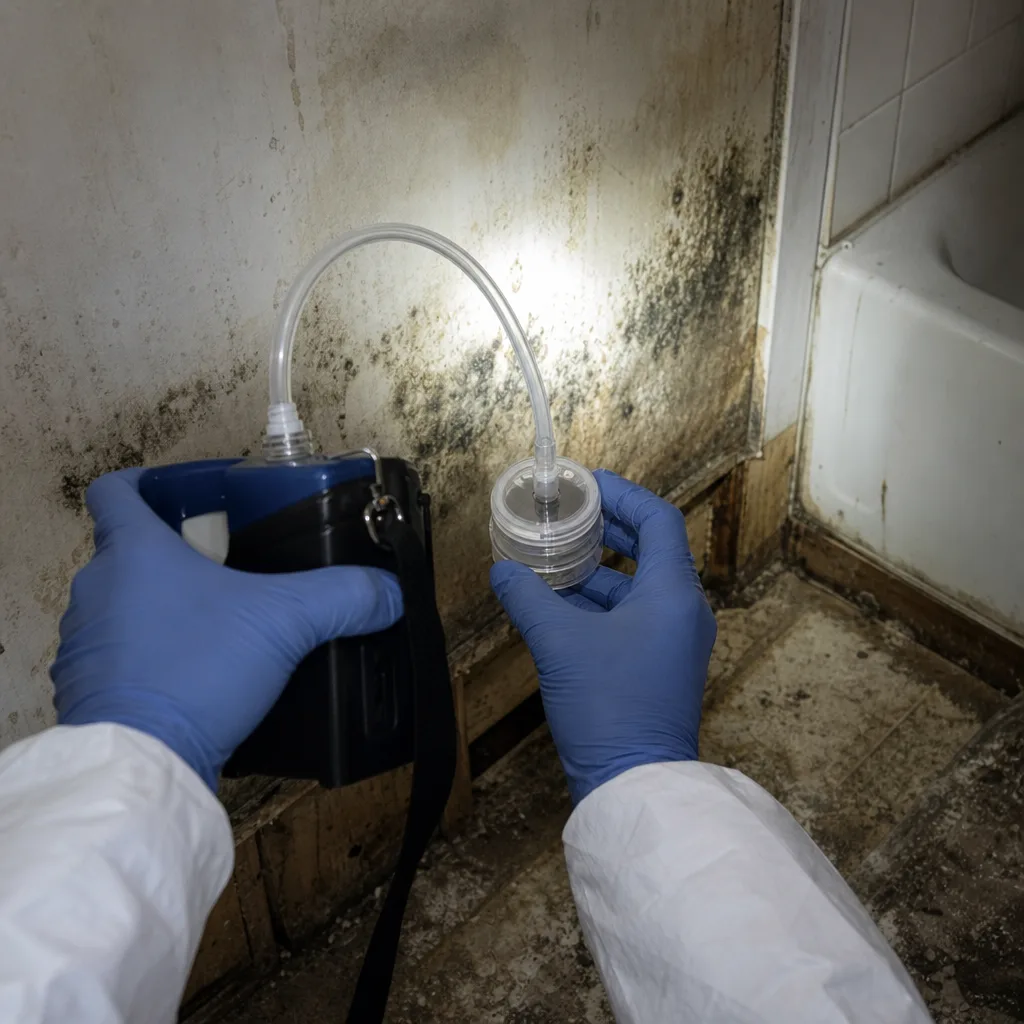
If the fire was contained to one room and the smoke didn’t spread through the HVAC system, you can often stay with containment set up around the work area. But if the loss breached a party wall, hit a basement, or produced heavy synthetic soot, we recommend you relocate until air quality testing comes back clean. We use HEPA air scrubbers and hydroxyl generators to clean the air, but it takes time, and you don’t want to breathe the particles that get stirred up during tear-out.
Written by Wade Ferris, Owner at Wade’s Restoration. Wade founded the company in 2007 and still answers his own phone, still shows up on job sites, and still stands behind every job with the 90-Day Done Right Promise in writing. If it’s not done right, he makes it right. That’s the whole deal.
Serving Glendale, NY - Our Local Coverage Area
We’re based in the Glendale area and know this community well. Use the map below to see our service coverage - if you’re nearby, we can almost certainly help.
Free Visual Inspection for Fire & Smoke Damage in Glendale
You’ve got enough on your plate without sorting through contractor estimates and insurance paperwork. Call (607) 350-1550 now and Wade will walk the loss with you, show you exactly what he sees, and hand you a written plan before any work starts. There’s no charge for the inspection, no charge for a second opinion on another company’s estimate, and a permanent 10% discount for seniors and veterans in Glendale. And ask anyone on your street who’s had a fire in this neighborhood – word gets around fast about who actually shows up and does the job right. Fire & Smoke Damage Restoration in an attached row house is a different animal. You want the company that’s seen it before, on this block, in this housing stock. That’s us.