
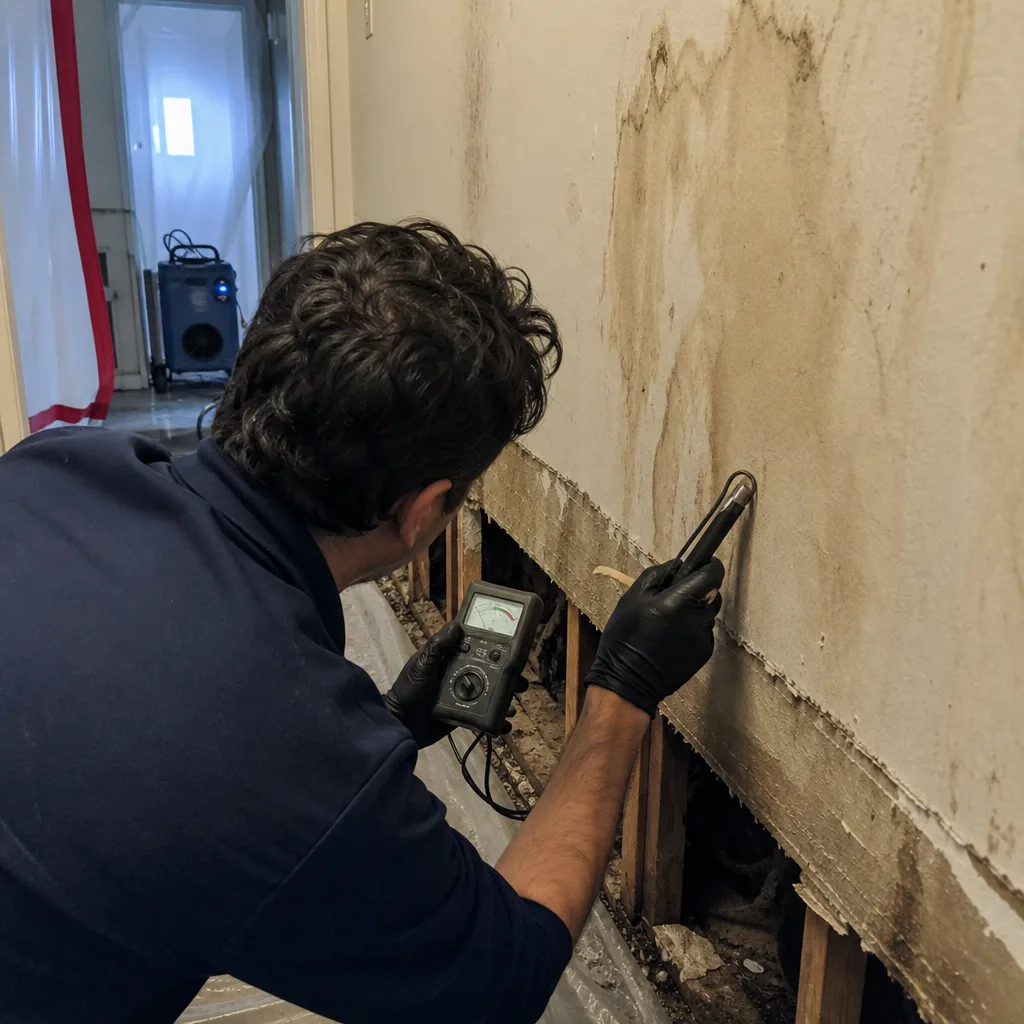
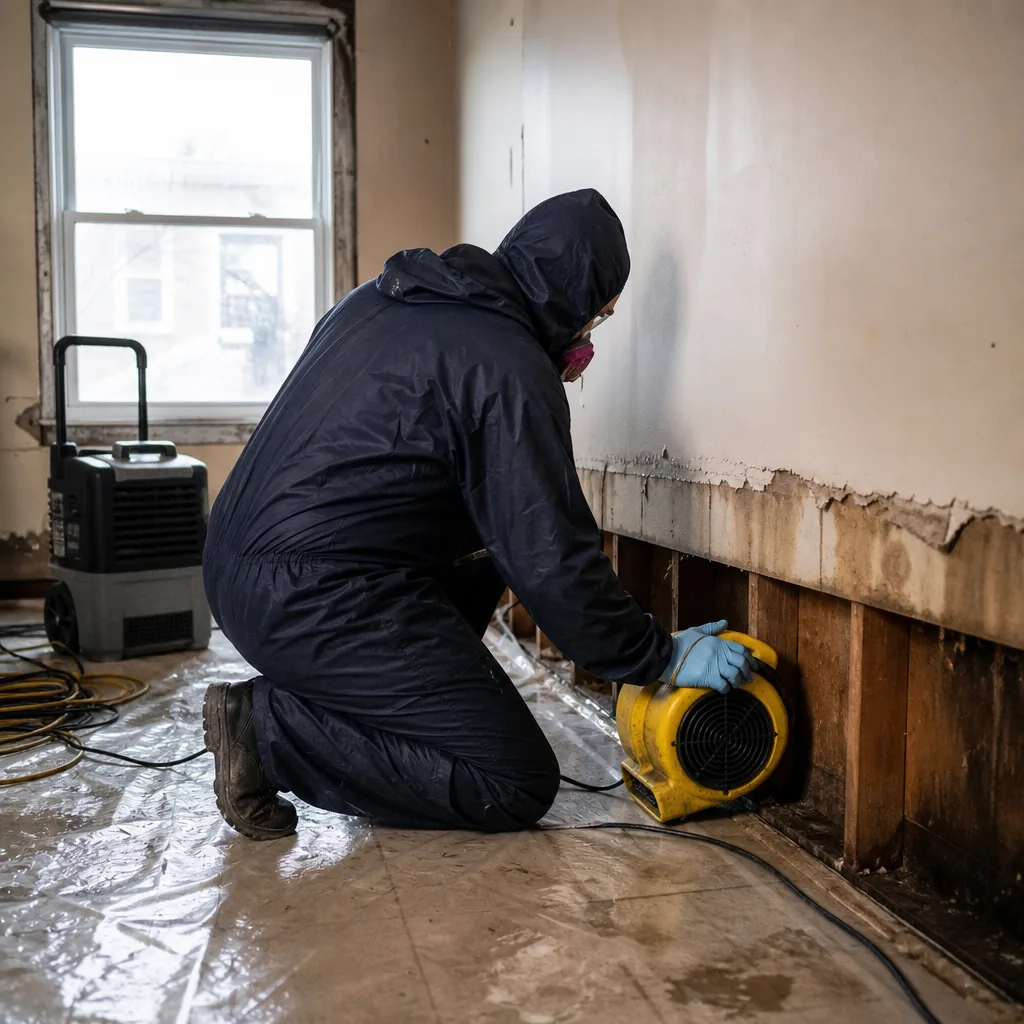
Free visual inspection and a written scope of work before any mitigation begins - photos, moisture readings, and drying logs go in your claim file
The scope we write is the scope we bill. Anything new gets shown to you, in writing, before we touch it.
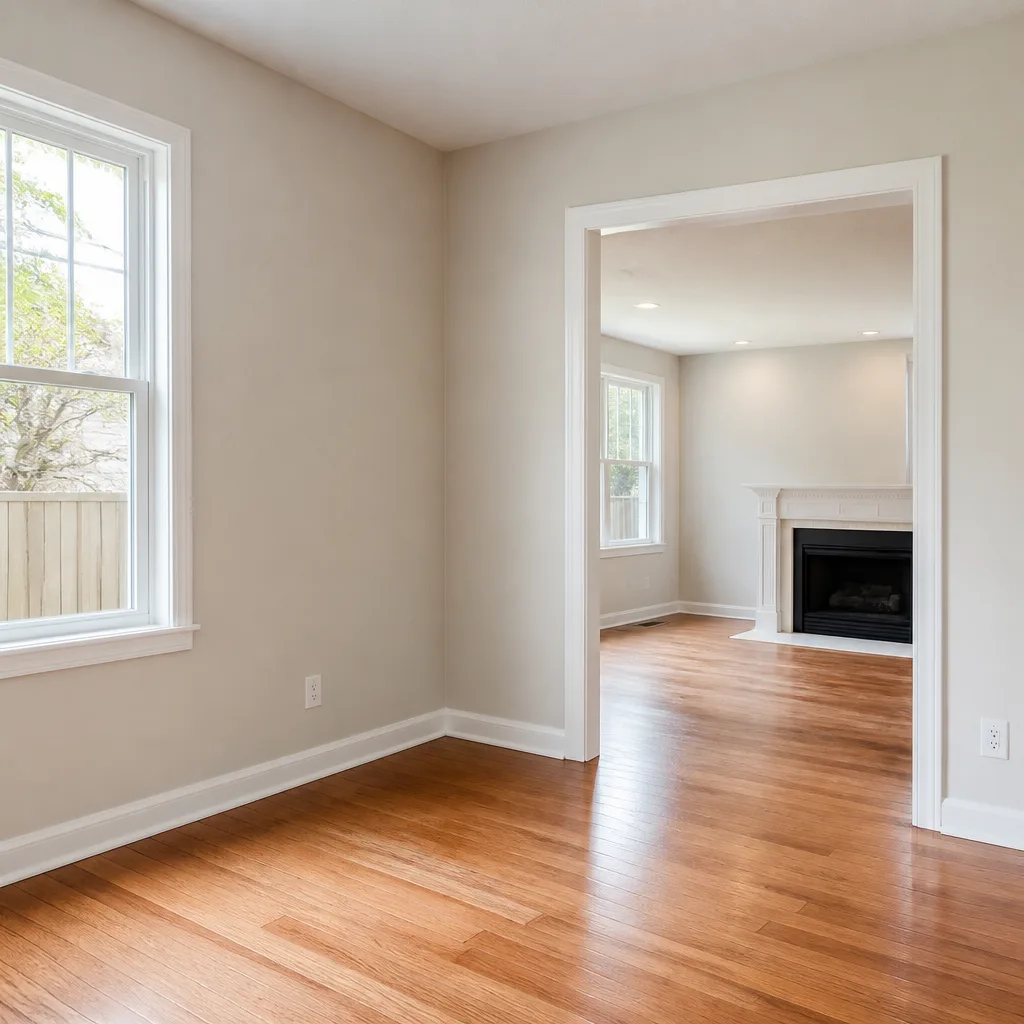
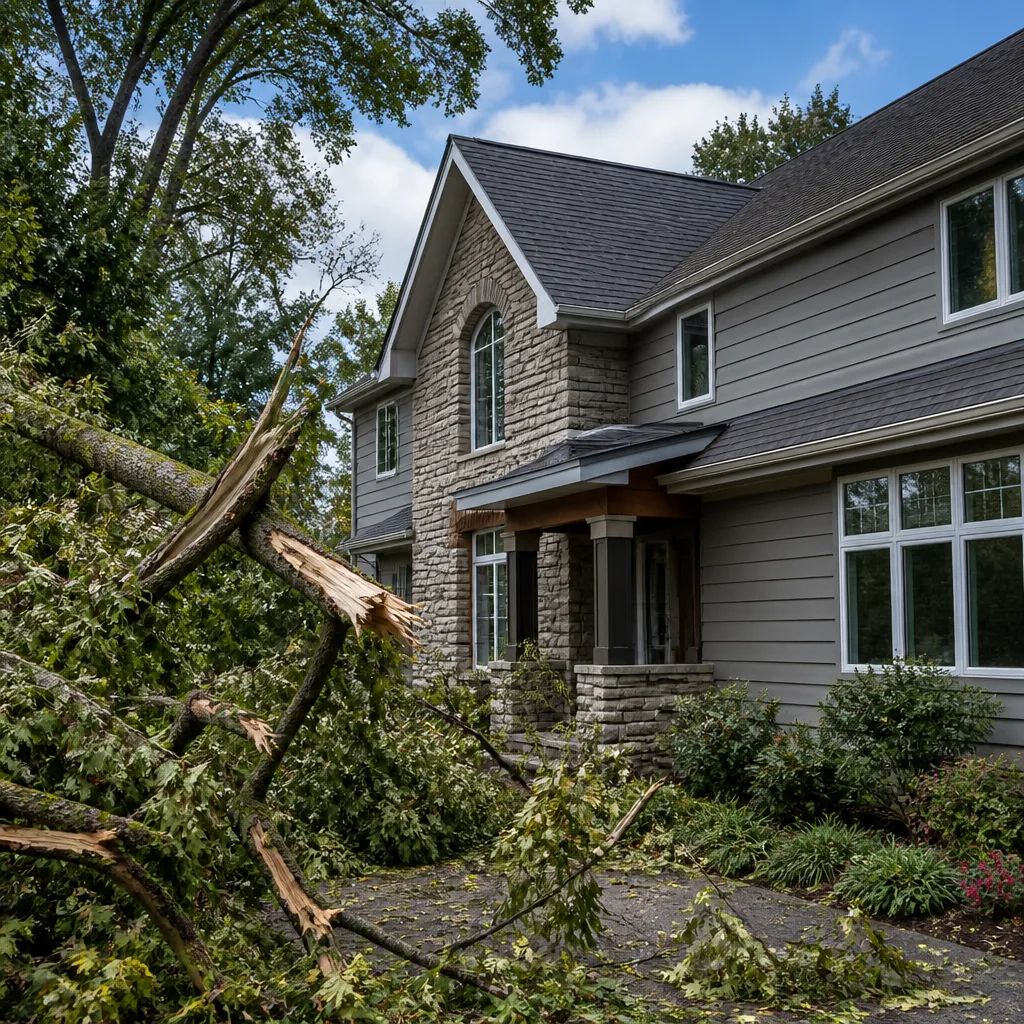
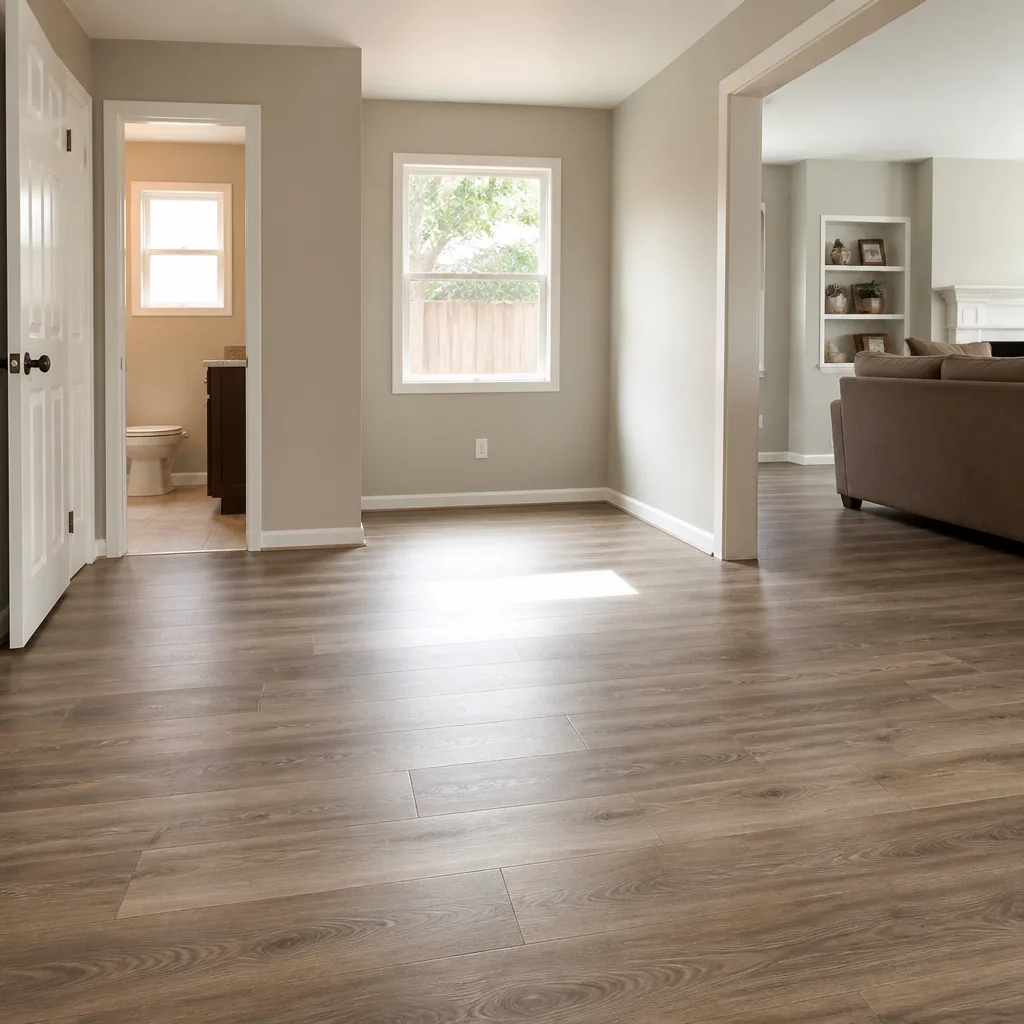

 Before
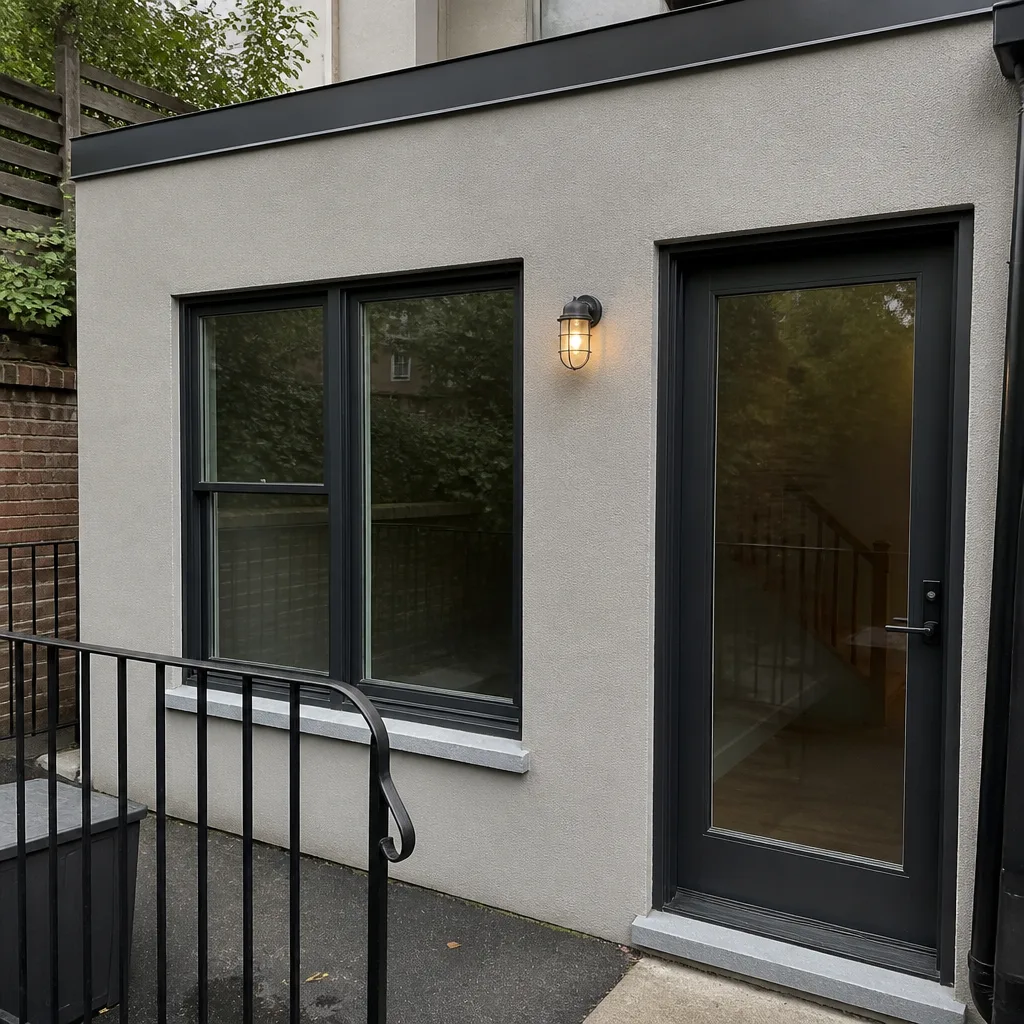 After
After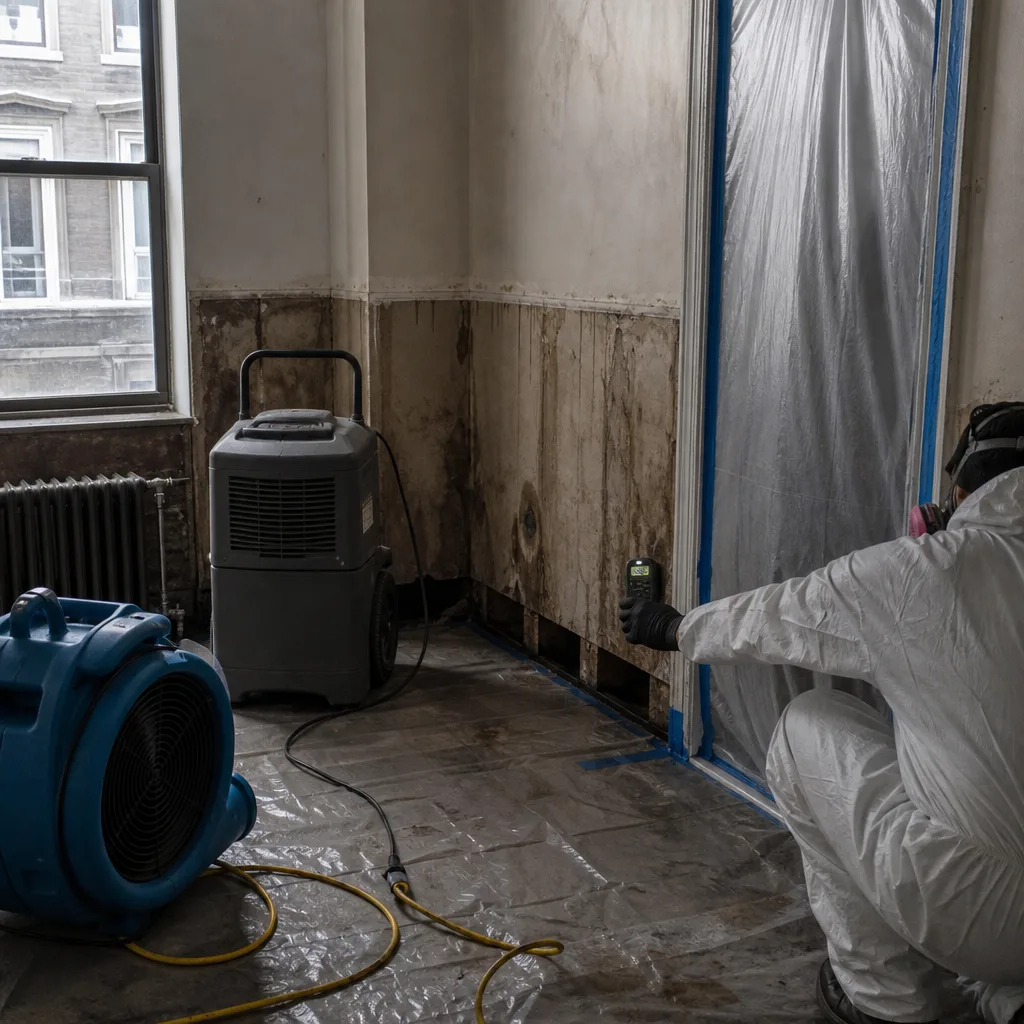 Before
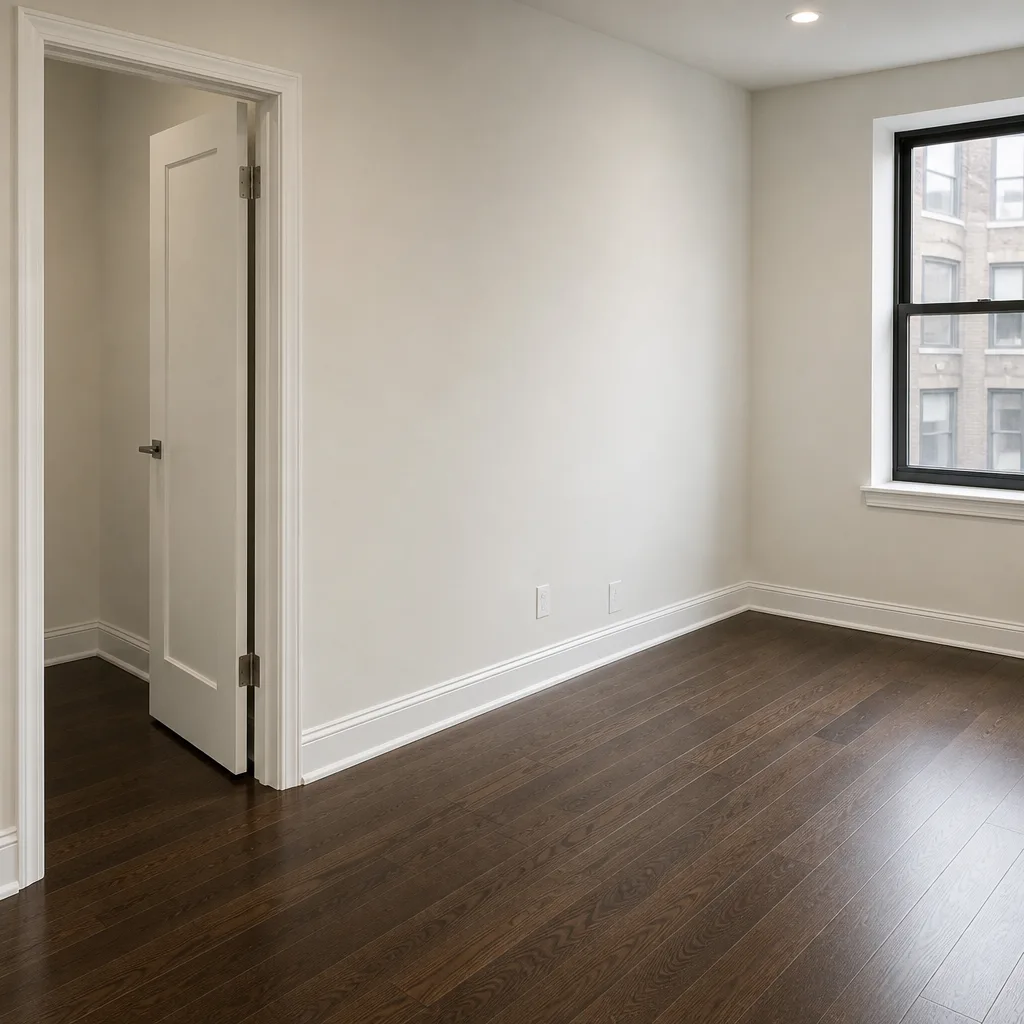 After
After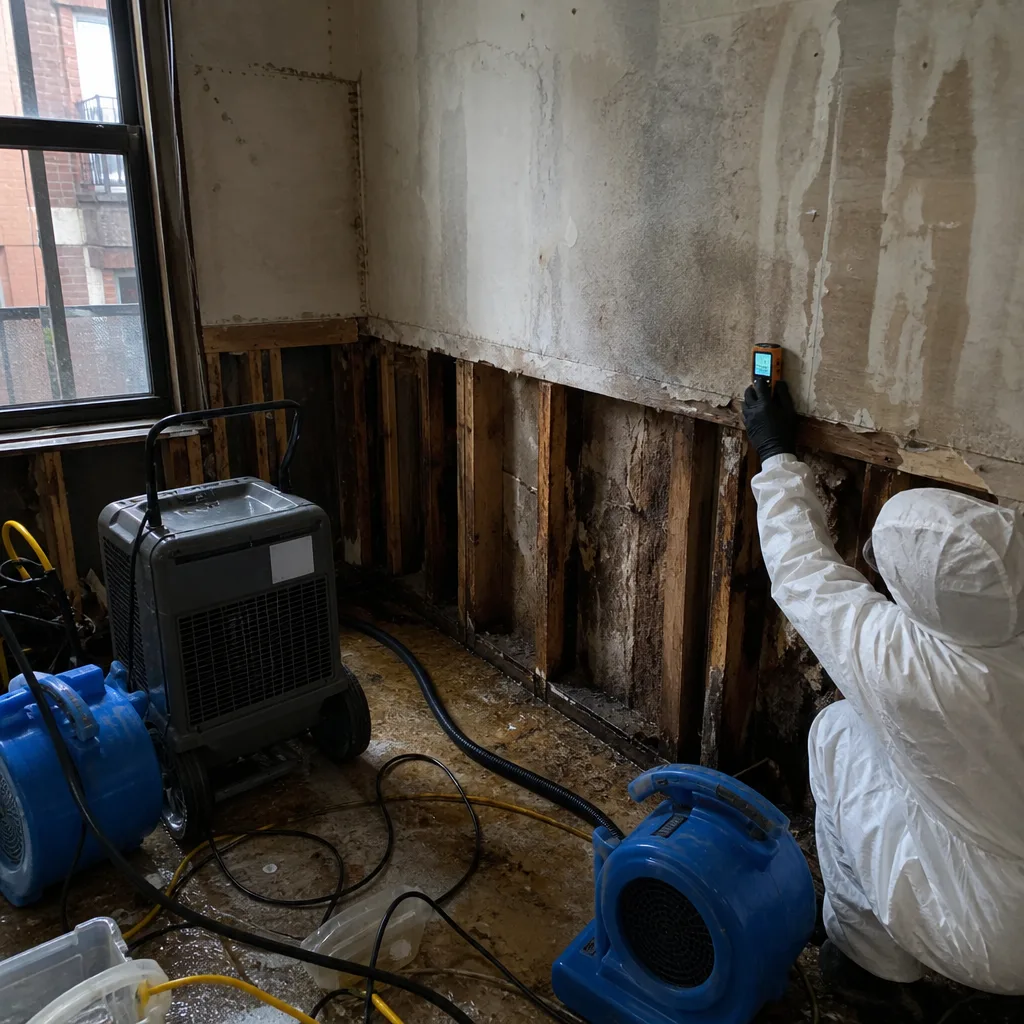 Before
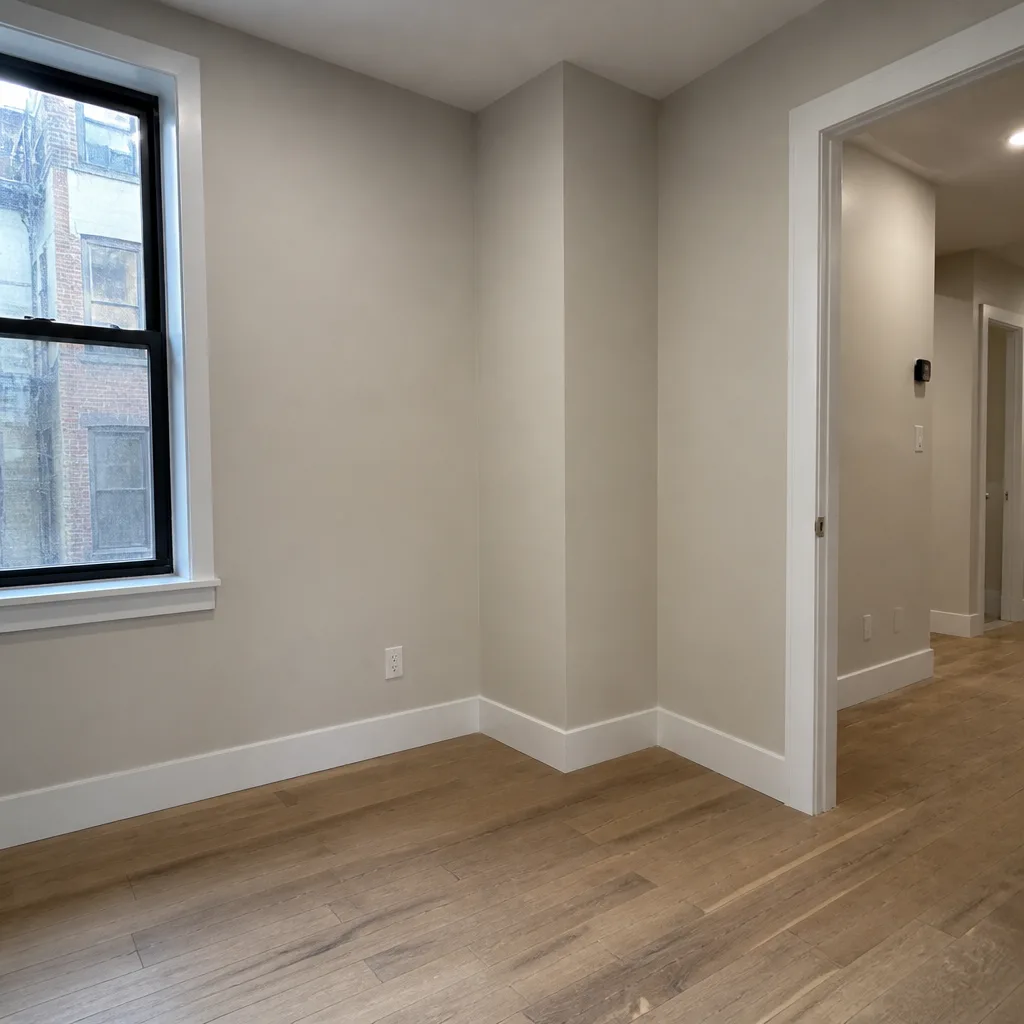 After
After24/7 Emergency Commercial Restoration in Long Island City
Commercial water damage in Long Island City doesn’t wait for business hours, and neither do we. Wade’s Restoration answers live around the clock and can have crews heading to your property within 45 minutes of your call to (607) 350-1550. When a supply line bursts in a Court Square tower or storm surge backs up Newtown Creek into a Hunters Point basement, the first 60 minutes determine whether you’re looking at drying or demolition. We do free visual inspections with no trip charge in the county, so the call costs you nothing. Wade Ferris puts his name on the truck and answers his own phone at midnight. That’s the difference between a neighbor and a national call center.
Understanding Commercial Restoration Severity in Long Island City Properties
Long Island City’s commercial buildings break down into three distinct restoration challenges, and treating all three the same way is how jobs go wrong. The converted early-1900s brick warehouses along 44th Drive and Jackson Avenue carry unreinforced masonry cavities that trap moisture behind brick walls, invisible to surface moisture meters. The pre-war walkup apartment buildings that dot the 11101 zip have aging cast iron drain lines that fail slowly and spread water through floor plates before anyone notices a stain. And the post-2015 glass curtain wall towers around Court Square and Hunters Point South already show envelope failures in nor’easter-driven rain, sending water into mechanical rooms and below-grade parking garages that sit directly in FEMA flood zones AE. Each of these building types demands a different moisture mapping and drying strategy, and the big franchises send the same playbook to all three. We don’t.
Why Long Island City Property Owners Choose Wade’s Restoration
- 45-minute response commitment for commercial properties in the Long Island City area, because Category 3 water left sitting past 48 hours becomes a mold remediation job.
- 24/7 live answer from a real person, never an automated system. Wade answers his own phone, and his crew is who shows up at the door.
- IICRC-certified crews with WRT and AMRT certifications applied to every Category 3 water job along the East River and Newtown Creek.
- Free visual inspection with no trip charge inside the county, and a written scope before any work begins.
- Direct insurance billing and adjuster communication, including photo documentation and drying logs your carrier can verify.
- One team from extraction through reconstruction, so the crew that pulls water at 2 a.m. is the same crew that handles your rebuild.
Our Commercial Restoration Process
Inspection & Assessment
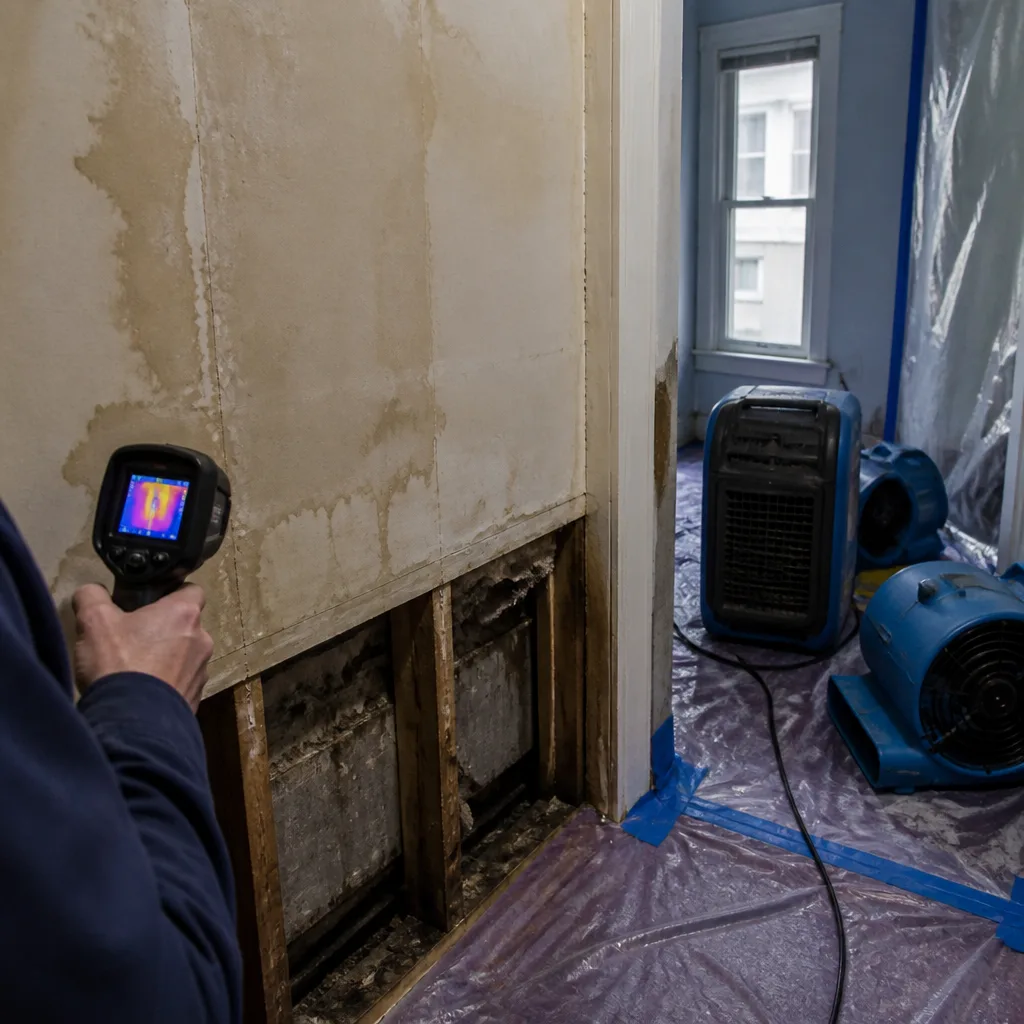
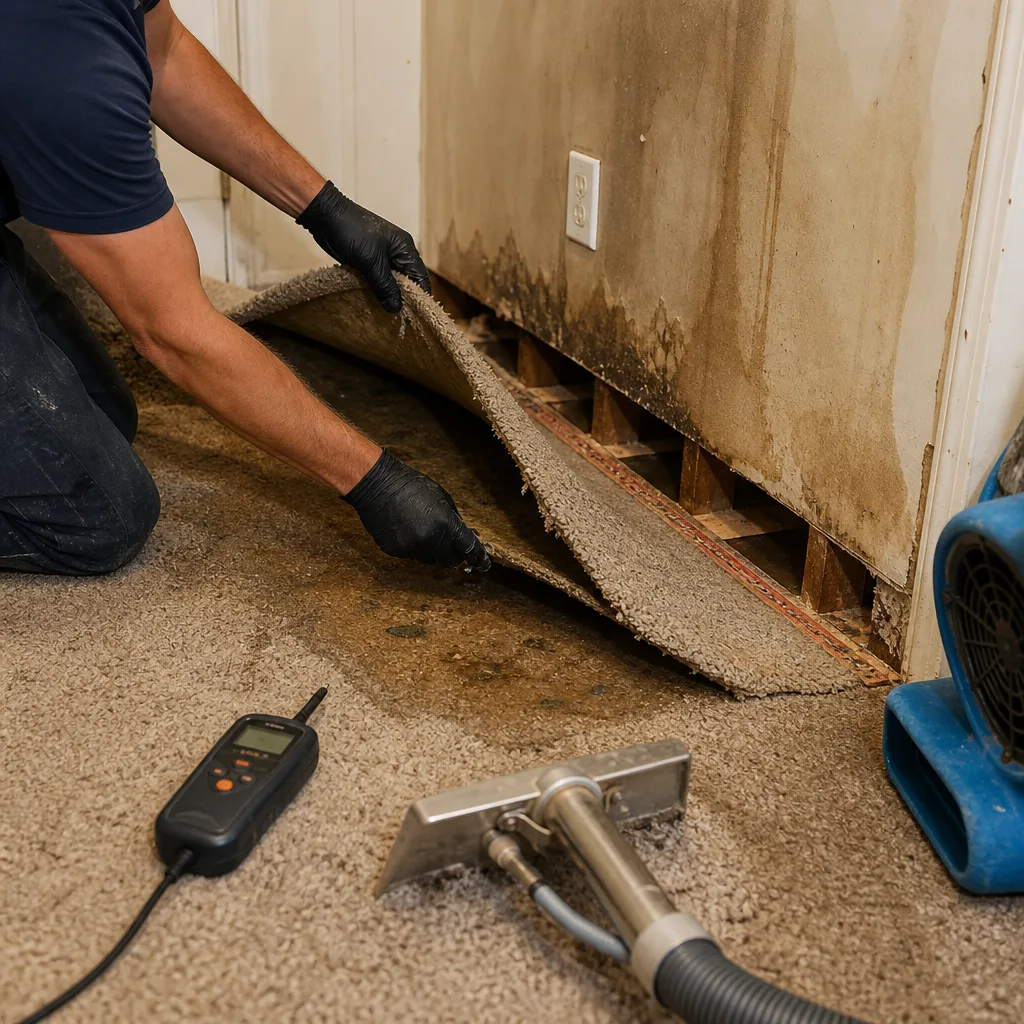
We start with thermal imaging and moisture mapping across every affected surface, including the masonry cavities standard meters miss. You get a written scope and a firm number before we touch a wall.
Extraction & Stabilization
If the water is Category 3, meaning sewage or Newtown Creek backwater, we contain the area and extract with hazmat protocols in place. High-volume pumps and truck-mounted extraction handle large-loss commercial flooding.
Drying & Dehumidification
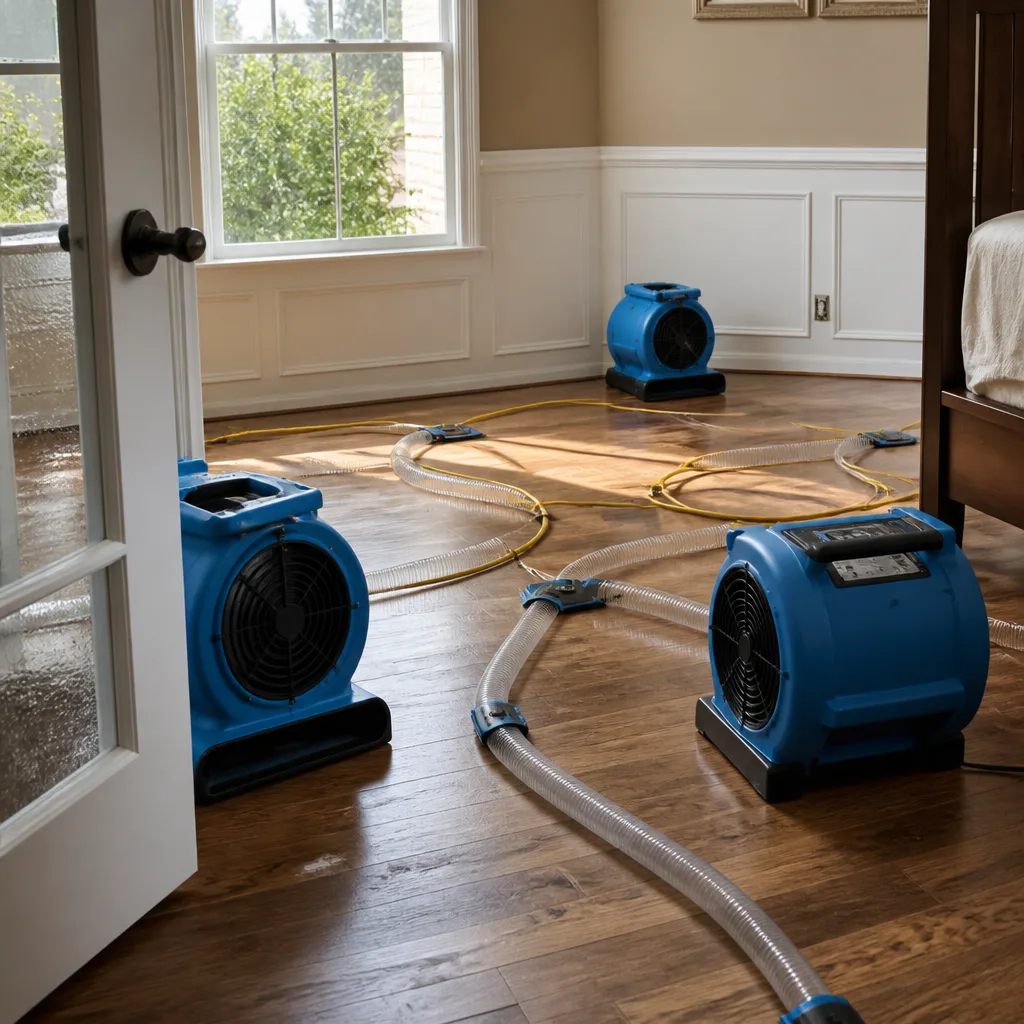
Dri-Eaz LGR dehumidifiers and XPOWER air movers run 24 hours a day, with hygrometers and daily moisture readings tracking the drying curve. Wade hands you the full moisture log at job’s end. Almost nobody else does that.
Cleaning & Sanitization
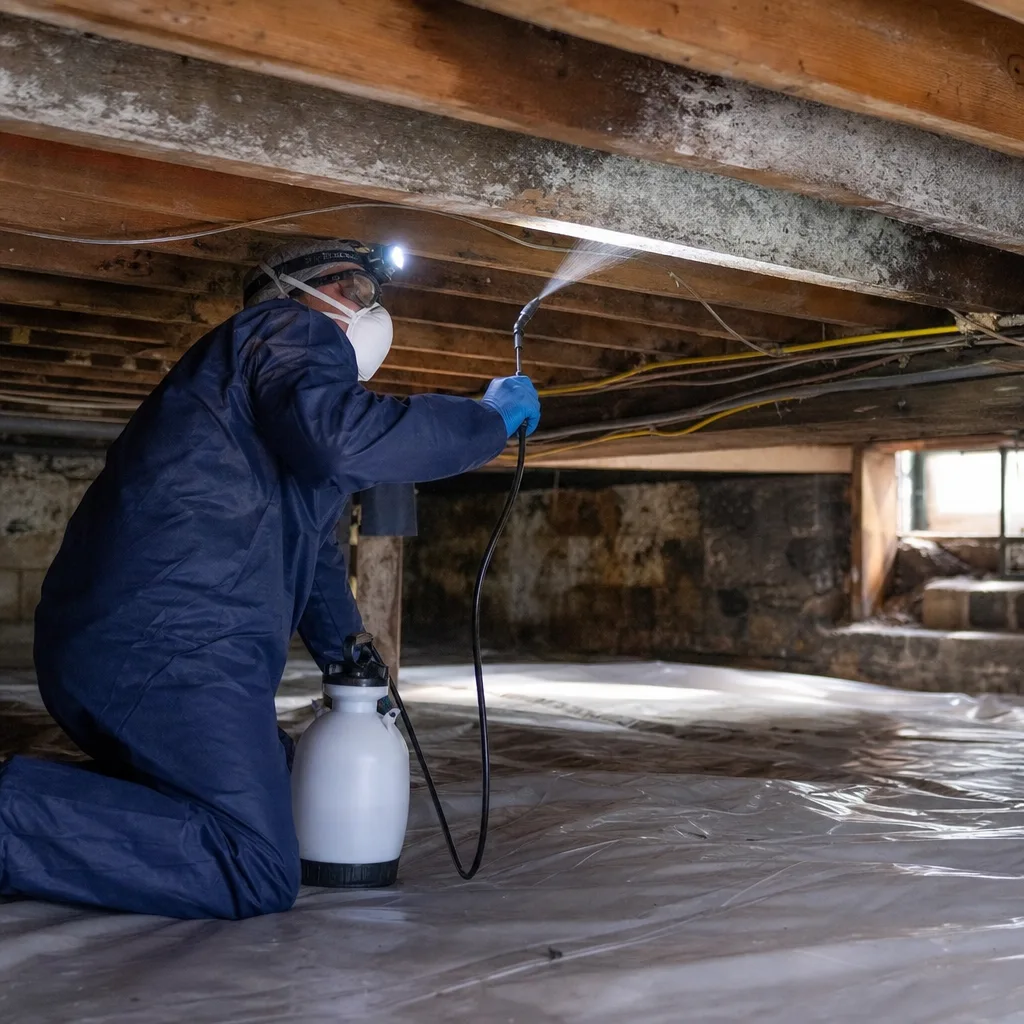
HEPA air scrubbers run during and after the work, and all affected surfaces get antimicrobial treatment appropriate for the contamination category. For Category 3 water, that means full hazmat-level sanitization, not just a mop.
Specialty Treatment
Document recovery, inventory drying, electronics stabilization, and structural drying of masonry cavities that standard equipment can’t reach. This is where Long Island City’s converted warehouses need more than a fan and a prayer.
Repairs & Restoration
We rebuild to pre-loss condition using code-compliant materials, and the 90-Day Done Right Promise covers every water, fire, and mold job in writing, including Mold Remediation in Long Island City. If it’s not done right, Wade makes it right.
Need Emergency Commercial Restoration in Long Island City Now?
Crews minutes away, answering live 24 hours a day. The sooner we start, the less it costs.
Working With Your Insurance Company
We’ve handled hundreds of Long Island City commercial claims, and the pattern is always the same: the policyholder gets stuck relaying messages between an adjuster in a call center and a crew that shows up late. Wade deals with your adjuster directly. From the first hour on site, we document everything with photos, moisture readings, and a line-item scope built to industry standards like Xactimate, so your carrier sees exactly what we see. When your adjuster has questions, they call Wade, not you. This saves commercial property owners more time and more of their payout than any equipment list ever will.
What We Provide Your Insurer
- Thorough documentation of the loss
- Photos of all damage, room by room
- Moisture readings and drying logs
- A detailed, line-item scope of work
- Direct coordination with your carrier
Built for Long Island City’s Loss Calendar
Long Island City’s commercial restoration losses follow a season, and we plan our equipment staging around it. January and February bring deep freezes that burst supply lines in unheated mechanical rooms of pre-war walkups along Vernon Boulevard, and the resulting water flows down through empty commercial storefronts on the ground floor. April’s spring thaw combines with rising East River levels to push groundwater into below-grade spaces through foundation cracks in older brick buildings closer to the waterfront. Summer thunderstorms can drop three inches in an hour, overwhelming storm drains and backing up Newtown Creek into basements along the northern industrial corridor around 21st Street. And nor’easter season, from October through March, drives storm surge up the estuary and into the Hunters Point waterfront, a documented and recurring event since Hurricane Sandy. This is the loss calendar we plan for, because we live here too. Our Commercial Restoration team runs on this schedule, not a generic national template.
Commercial Restoration Across Long Island City’s Neighborhoods
Response routes matter in Long Island City because a crew stuck on the Pulaski Bridge costs you money. We plan for the northern industrial corridor from 21st Street up to the Newtown Creek shoreline, where below-grade manufacturing and storage spaces face the highest Category 3 water risk in the borough. Court Square’s commercial storefronts and lobbies sit on active construction schedules, so we coordinate loading dock and freight elevator access with building supers before equipment ever leaves our shop. Hunters Point South’s new residential towers have below-grade parking garages and mechanical rooms that flood during storm surge, and we’ve handled enough of those calls to know the building management routes and access points. Over near Queens Plaza, the conversion loft buildings along Jackson Avenue hide moisture in masonry cavities behind brick facade walls, and our thermal imaging catches what standard meters miss. The point is we know these blocks, their building quirks, and their failure modes.
Specialized Commercial Restoration Services We Offer in Long Island City
Office & Retail Restoration
A burst pipe in a Court Square office doesn’t just damage carpet, it takes your business offline. We document the loss, extract, dry, and rebuild with a single crew, and we work nights and weekends around your operating hours when possible. For retail spaces, reopening fast is the only metric that matters, and our drying strategy targets the shortest possible downtime.
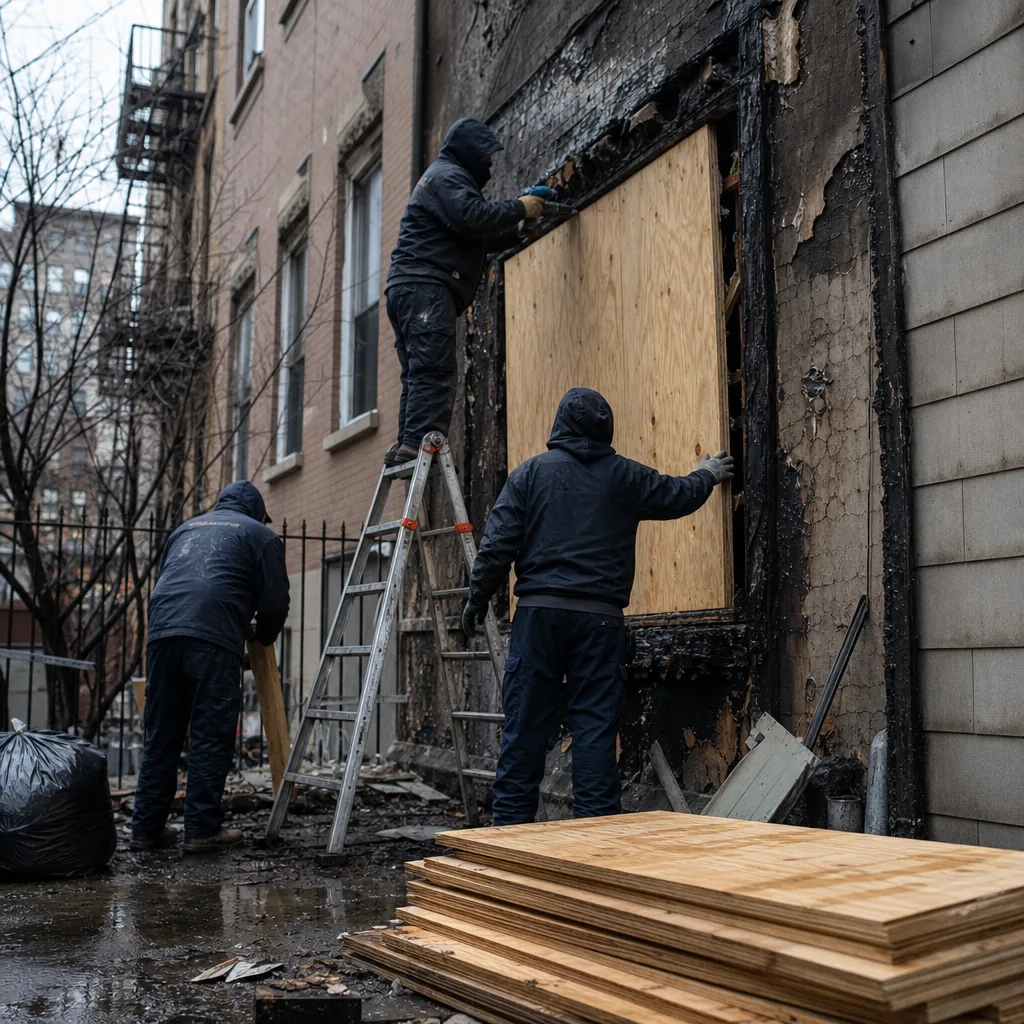
Multi-Unit & HOA Restoration
The worst Long Island City jobs we see are in multi-unit buildings where a pipe failure on an upper floor floods units below before anyone notices. We handle full building-wide water loss, including containment between units, moisture mapping across fire-rated floor assemblies, and documentation that satisfies HOA boards and insurance carriers alike. Coordination with your property manager happens from hour one.
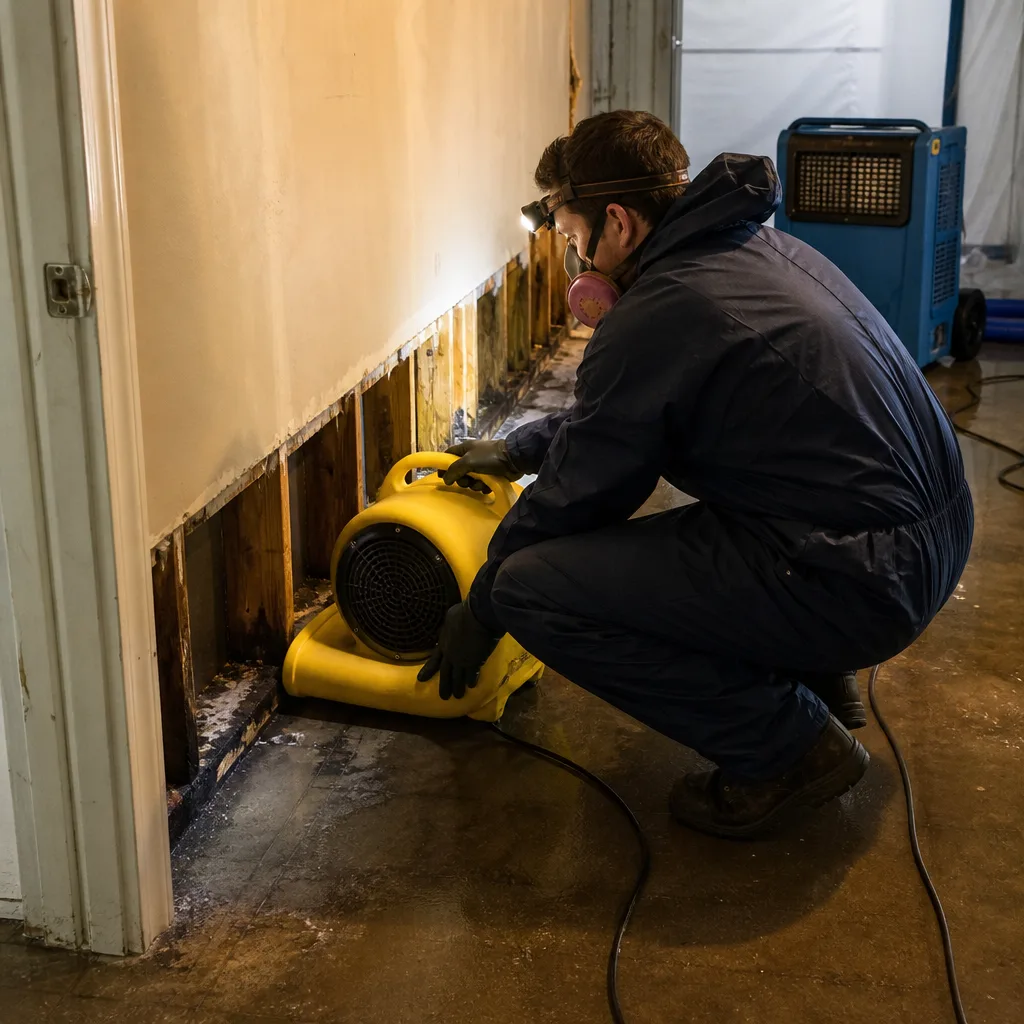
Industrial Facility Cleanup
The Newtown Creek industrial corridor demands a different level of restoration. When wastewater backs up into a below-grade manufacturing floor on the northern edge of the 11101 zip, you’re not dealing with clean water. We run Category 3 protocols from the first extraction, with containment, hazmat sanitization, and clearance testing before we call the space safe to reoccupy.
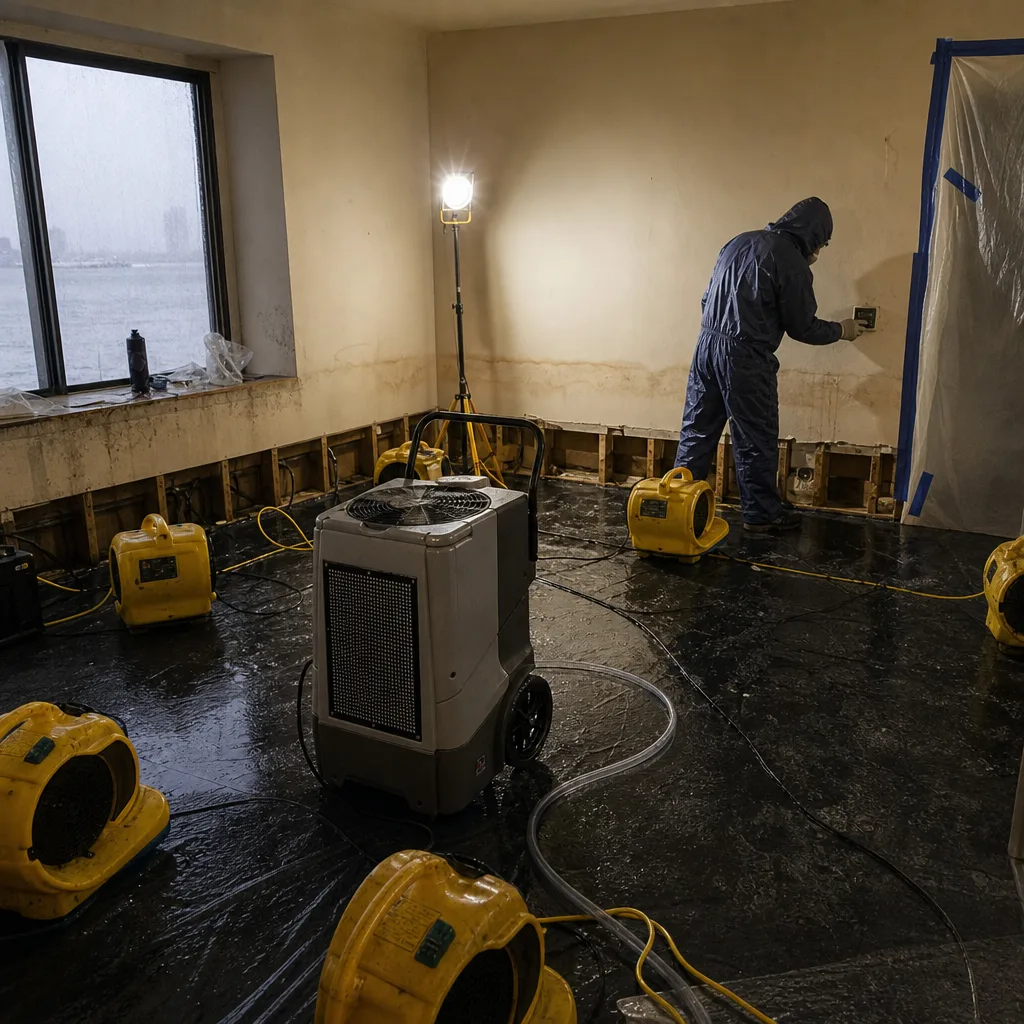
Large-Loss Response
When a full floor in a converted warehouse on 44th Drive floods, standard equipment won’t cut it. We stage multiple truck-mounted extraction units, dozens of Dri-Eaz LGR dehumidifiers, and Phoenix air movers, and we run the drying curve with daily moisture logs. Large-loss commercial jobs in Long Island City happen more often than people think, because retrofitted plumbing in a century-old open floor plate can let a single pipe failure run for hours before detection.
Business Interruption Minimization
Every day your space is closed is revenue you don’t get back. We prioritize the areas that let you reopen fastest, segregate unaffected sections with containment, and work a schedule that gets you operational while we finish the rest. For a Hunters Point restaurant after storm surge, that means getting the kitchen and dining room online fast, then finishing the back-of-house work around your service hours. When storms hit, our Storm & Disaster Restoration - Long Island City team prioritizes the areas that keep you open.
What happens when you call
- 1
A real person answersNo phone trees - you reach a local pro.
- 2
You get an upfront price rangeHonest numbers before anyone is dispatched.
- 3
A background-checked tech heads outLicensed & insured, dispatched right away.
- 4
You approve before work beginsNothing starts until you say go.
Commercial Restoration Costs in Long Island City, NY
Commercial water extraction and drying in Long Island City typically runs between $4 and $8 per square foot for clean water, with Category 3 jobs pushing $8 to $14 per square foot because of the hazmat protocols involved. For a small retail shop around 1,000 square feet, expect roughly $4,000 to $8,000 for clean-water drying. A large-loss multi-unit flood can run $30,000 to $75,000 and up depending on structural drying needs. Structural repairs and reconstruction are scoped separately in writing after the drying phase. Insurance coverage depends on the cause, and we’ll walk your policy language with you line by line. The free visual inspection is the path to a firm number, without obligation. Call (607) 350-1550 and Wade will tell you what it costs before you spend a nickel.
We Also Serve Cities Near Long Island City
Beyond Long Island City, our commercial restoration crews respond throughout western Queens. We regularly serve commercial properties in Astoria, including the commercial corridors along 31st and Steinway Streets and the industrial zones near the East River.
Serving Long Island City, NY - Our Local Coverage Area
We’re based in the Long Island City area and know this community well. Use the map below to see our service coverage - if you’re nearby, we can almost certainly help.
Long Island City Commercial Restoration Questions, Answered
How does working along Newtown Creek change commercial water extraction in Long Island City?
Newtown Creek is a federally designated EPA Superfund site, which means any water intrusion connected to the creek, whether from high-tide backflow or storm runoff, is treated as Category 3 contaminated water, not clean water. This requires full hazmat-level extraction and sanitization protocols, containment, and clearance testing before the space can be reoccupied, which adds time and cost compared to standard drying.
Why do converted warehouse lofts in LIC need different moisture mapping than standard office buildings?
Converted early-1900s industrial buildings in Long Island City have unreinforced masonry cavities behind brick facade walls. Water trapped in these cavities doesn’t register on surface moisture meters, so a technician reading only the surface can declare a space dry while mold grows inside the walls. We use thermal imaging and deep-probe readings to map moisture inside these cavities before we call any converted warehouse dry.
What’s the fastest way to reopen a Court Square retail space after a pipe burst?
The fastest path is calling us within the first hour. We extract immediately, contain the affected area so the rest of your space stays operational, and run drying equipment around your open-for-business hours where possible. Our drop-off point for retail jobs is reopening the sales floor within days, not weeks, and the free inspection at (607) 350-1550 starts that clock running.
Can you handle large-loss commercial restoration in a LIC high-rise with underground parking?
Yes. We’ve handled large-loss jobs in Hunters Point South and Court Square towers where below-grade parking garages and mechanical rooms flooded during nor’easter storm surge, and our Long Island City Fire & Smoke Damage Restoration crews are equally prepared for the confined-space hazards in these buildings. We coordinate freight elevator access and loading dock scheduling with building management before equipment arrives, and our crews are trained for the confined-space and electrical hazards that come with high-rise mechanical rooms.
How do you minimize business interruption for a Hunters Point waterfront restaurant after storm surge?
We segment the space with containment so unaffected areas, especially the kitchen and dining room, can reopen while we dry and sanitize the damaged sections. We work nights and early mornings around your service hours, and we document everything for your adjuster so the business interruption claim is clean from the start.
How long does commercial drying and remediation take in Long Island City?
Clean-water drying in a commercial space typically runs 3 to 5 days. Category 3 jobs with full sanitization and clearance testing run 5 to 10 days. Large-loss jobs in converted warehouses with structural drying of masonry cavities can run 2 weeks or more. We give you a written drying schedule on day one, and we update it daily with your moisture log.
Can we stay open during commercial restoration?
In many cases, yes. For office and retail jobs where the affected area can be contained, we run drying equipment behind containment barriers while your business continues operating in the rest of the space. For Category 3 water jobs, the affected area must remain sealed off until clearance testing passes, but adjacent areas can often continue operating.
What certifications does your Long Island City commercial crew carry?
Our crews are IICRC-certified with WRT and AMRT certifications, and we’re affiliated with the RIA and recognized by the IFA. For Long Island City’s Category 3 water jobs, the AMRT certification, meaning Applied Microbial Remediation Technician, is the one that matters most, and it’s the certification the big franchises don’t always send. Call (607) 350-1550 for a free visual inspection.
What should I do in the first 30 minutes after commercial water damage in LIC?
Shut off the water at the main valve, cut power to the affected area at the breaker panel if water is near outlets or electrical equipment, and call us at (607) 350-1550. Then photograph everything you can safely see. Don’t walk through standing water you can’t confirm is clean, especially in basement spaces near Newtown Creek or the East River. The first call you make determines the course of the whole job.
Written by Wade Ferris, Owner at Wade’s Restoration, a locally owned and owner-operated restoration company serving Long Island City and western Queens since 2007.