
Free visual inspection and a written scope of work before any mitigation begins - photos, moisture readings, and drying logs go in your claim file
The scope we write is the scope we bill. Anything new gets shown to you, in writing, before we touch it.
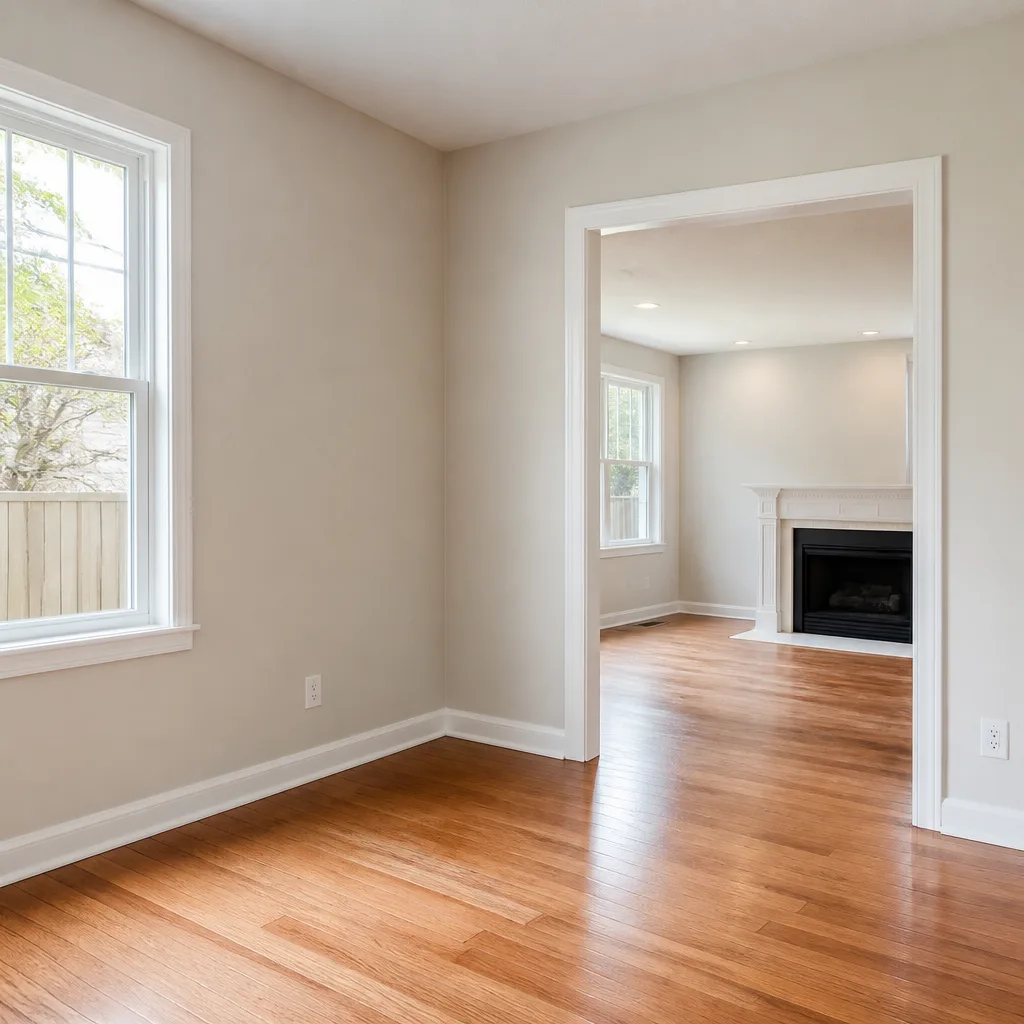
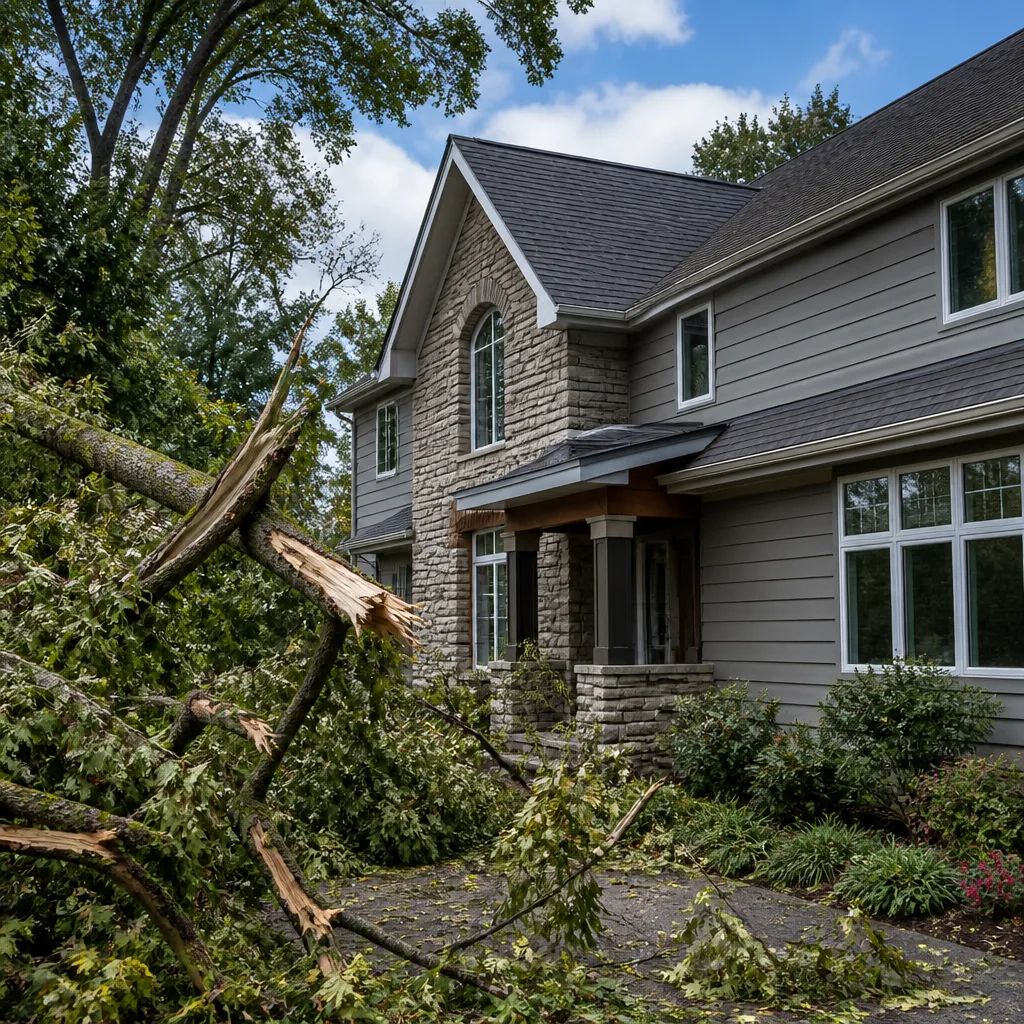
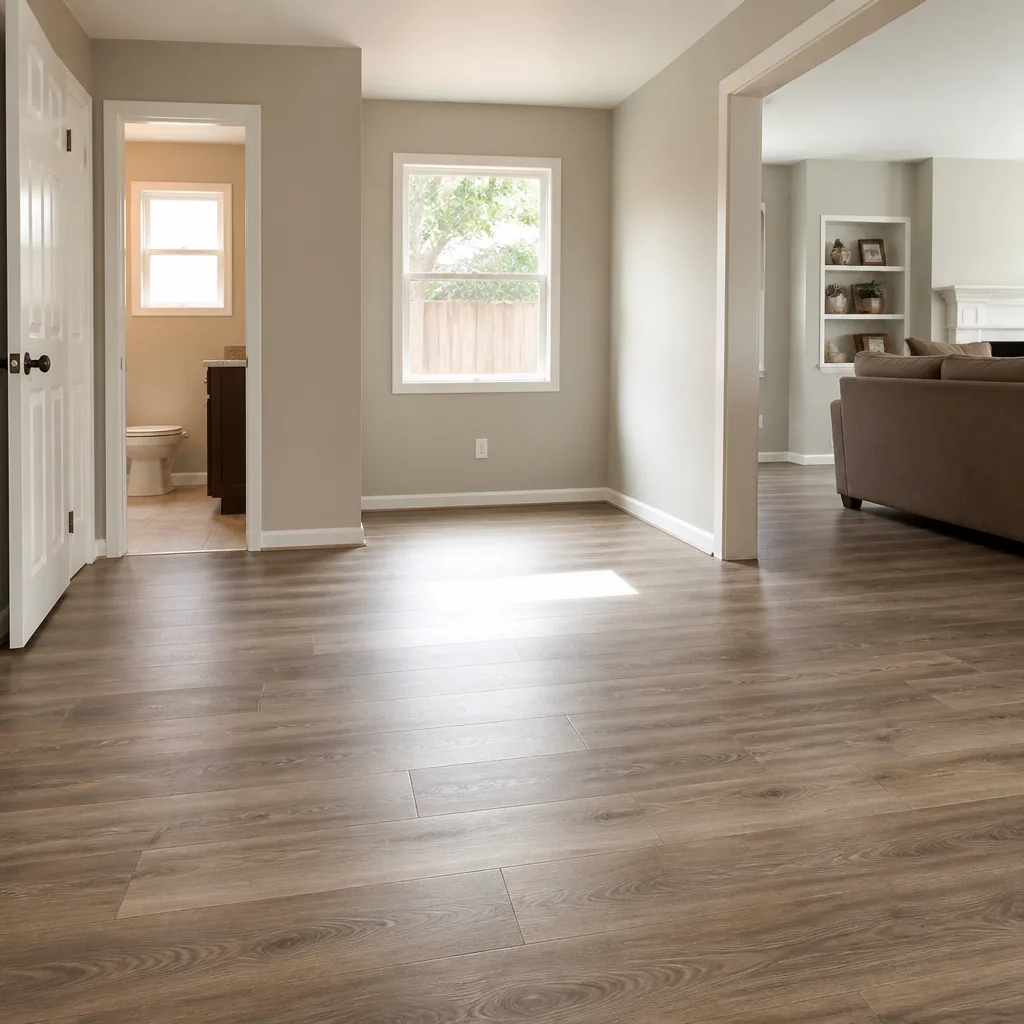

 Before
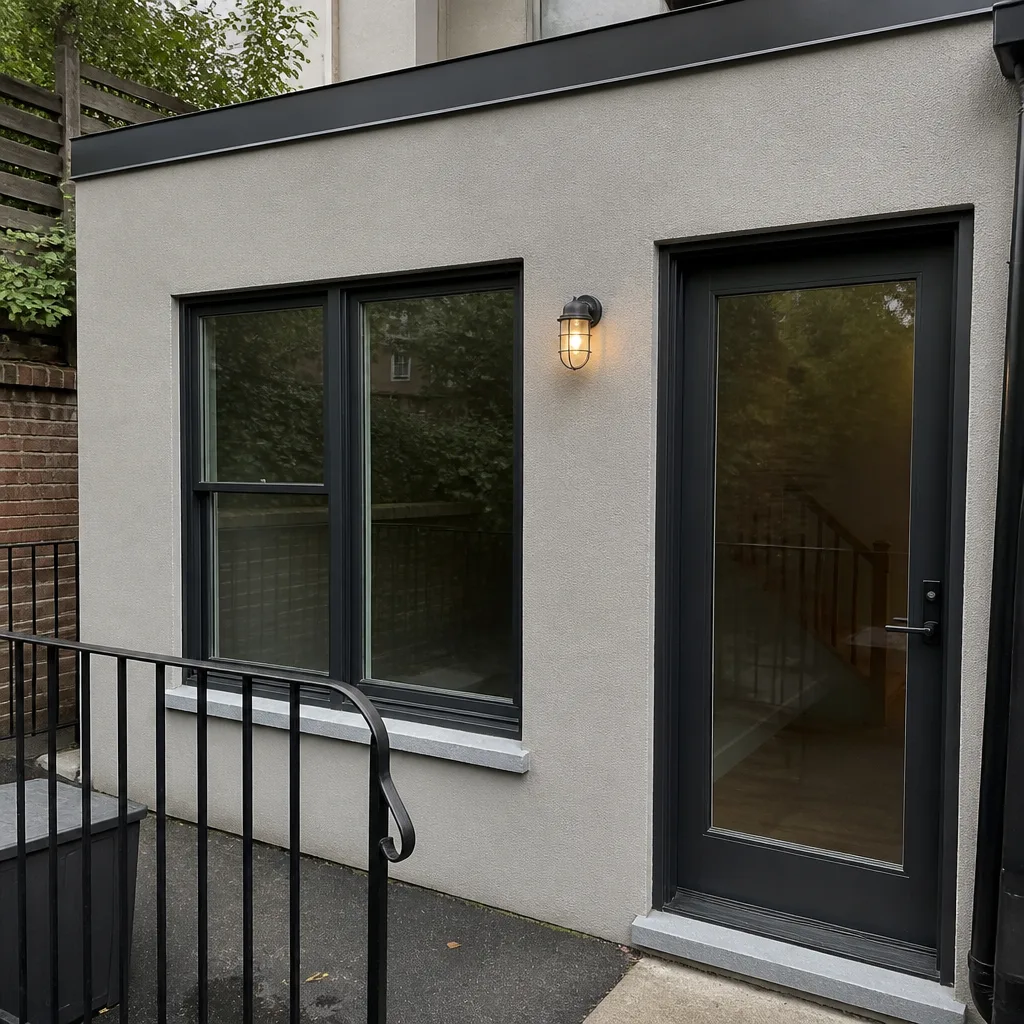 After
After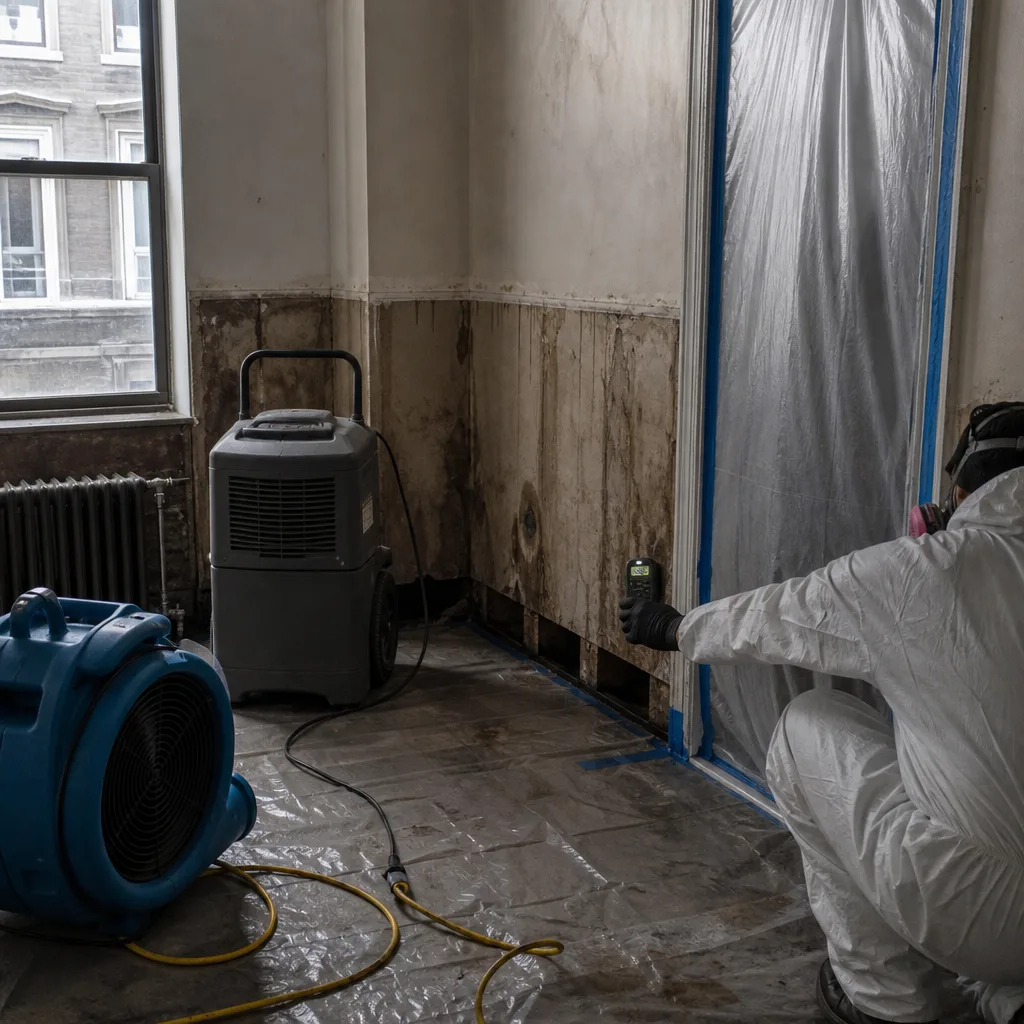 Before
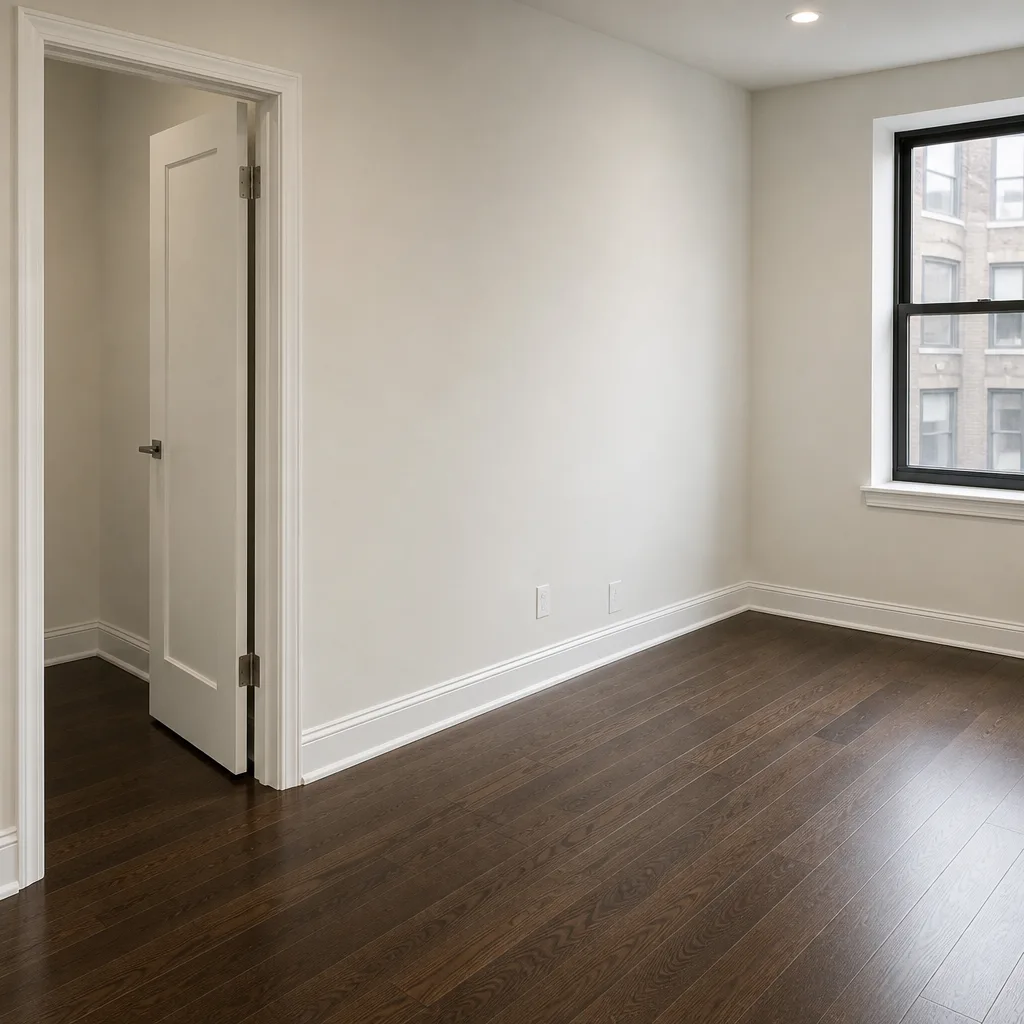 After
After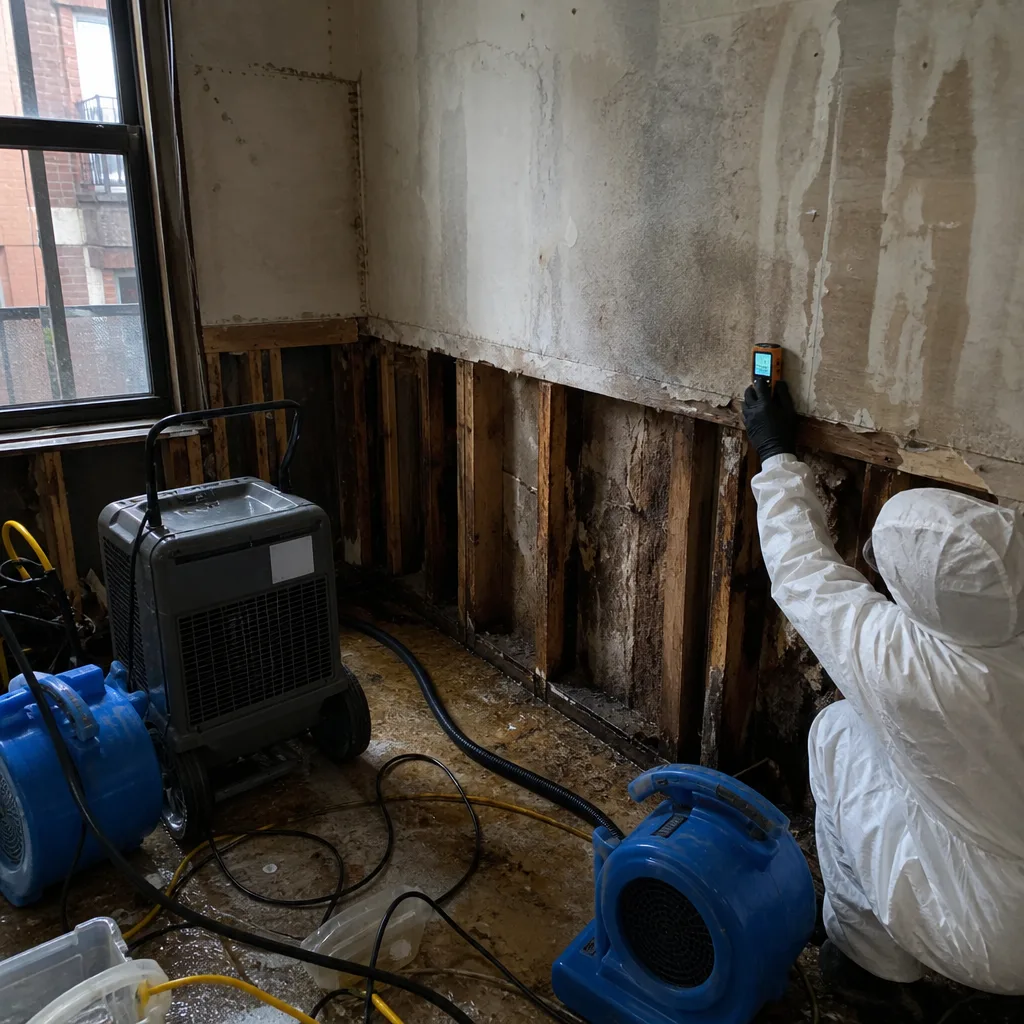 Before
 After
After24/7 Emergency Sewage Cleanup in Upper West Side
Sewage backup in an Upper West Side pre-war building is a Category 3 water event, which means pathogens, bacteria, and raw waste are actively spreading through your apartment. Our crews are on call around the clock and can be inside Upper West Side buildings fast, usually within an hour of your call. Call (607) 350-1550 right now and you’ll get a real person, not a voicemail tree. The first hour matters: sewage keeps soaking into original plaster, oak parquet, and the spaces between floors, and every hour it sits, the restoration scope expands and the cost climbs.
Understanding Sewage Cleanup Severity in Upper West Side Properties
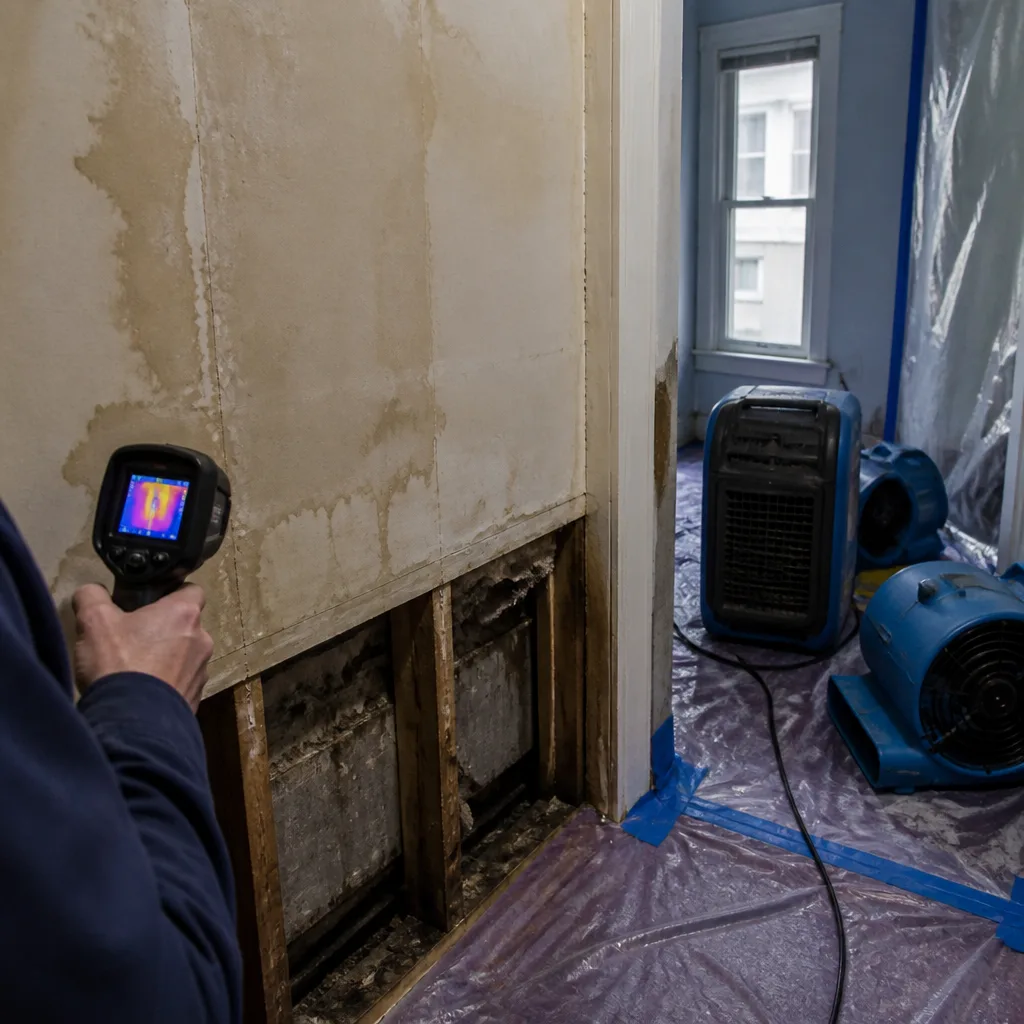
All sewage cleanup is Category 3 water, the most contaminated classification there is. It contains bacteria, viruses, and whatever else came out of the waste line. There’s no “mostly clean” sewage backup. But severity still varies by volume, by how far the black water traveled, and by what it soaked into. In Upper West Side co-ops, that last part gets complicated fast. Horsehair-and-plaster walls from the 1920s absorb water like a sponge and hold it against original lath, which stays wet long after the surface looks dry. Cast-iron waste lines, many of them a century old, don’t fail in predictable ways either, a slow weep behind a wall can cause as much hidden damage as an outright overflow across a bathroom floor. Moisture mapping with thermal imaging and penetrating meters is the only way to know where the contamination actually stopped, because in these buildings, what you can see is never the full story.
Why Upper West Side Property Owners Choose Wade’s Restoration
- 45-minute response commitment – Wade heads out himself or sends a crew from our New York City office, and we move fast because we know sewage waits for no one in a co-op.
- 24/7 live answer, every time – Wade answers his own phone. No answering service, no “press 2 for emergencies,” no call center in another state.
- IICRC-certified crews with WRT and ASD credentials – The people who walk into your apartment know exactly what Category 3 water does to pre-war construction.
- Free visual inspection – Before anyone cuts into a wall or quotes a restoration price, you’ll know what you’re dealing with and whether it’s actually as bad as it looks.
- Direct insurance billing – Wade deals with your adjuster directly. You don’t become the middleman between two parties who speak different languages.
- One team from extraction to reconstruction – The same crew that extracts the sewage stays with the job through drying, plaster repair, and flooring replacement. No handoffs.
Our Sewage Cleanup Process
Inspection & Assessment
We arrive, walk the affected areas, and document everything before any demolition or extraction begins. This includes a written scope, photographs, and moisture readings, and in Upper West Side pre-war buildings, we check for what’s behind the walls before we open them.
Extraction & Stabilization
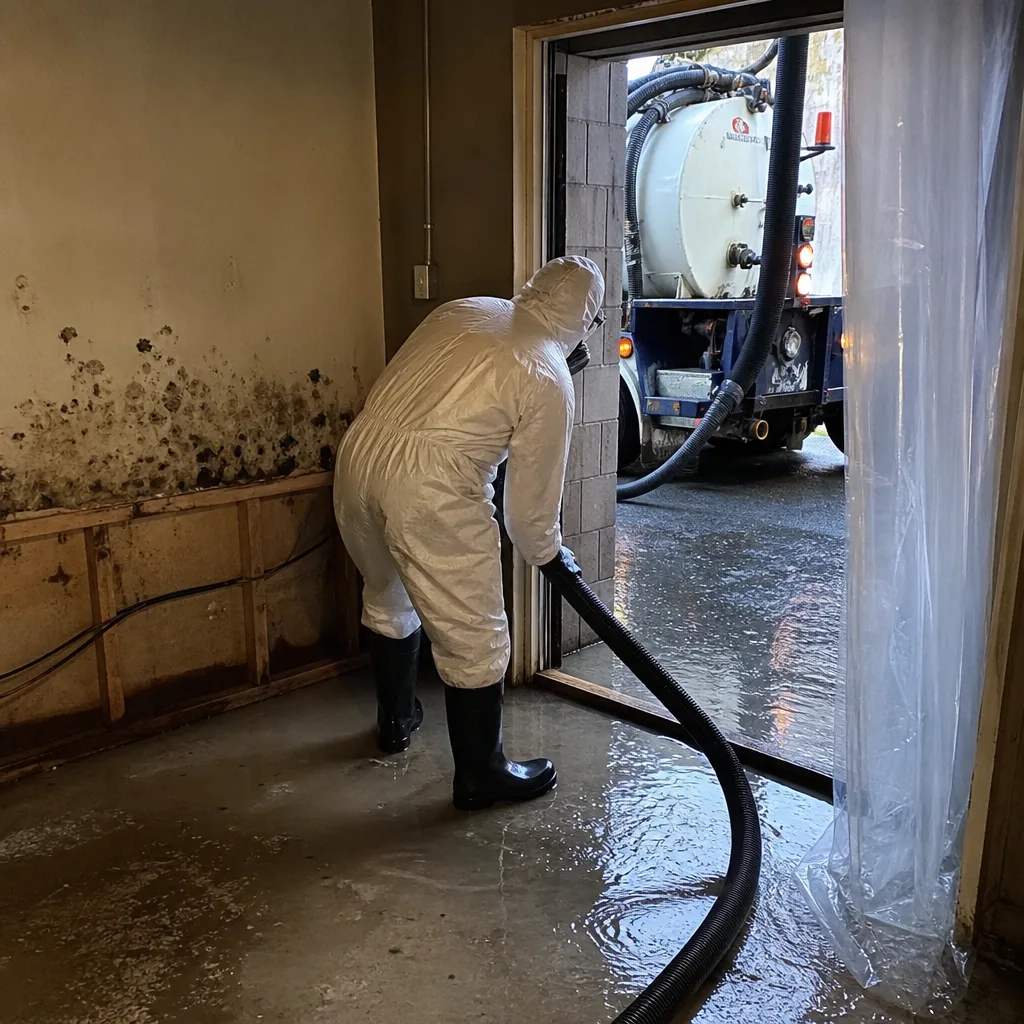
Standing black water comes out first using truck-mounted or portable extraction equipment sized for the tight access these buildings typically have. We stop the source, whether that’s a backed-up waste line, a failed ejector pump, or an overflowing toilet.
Drying & Dehumidification
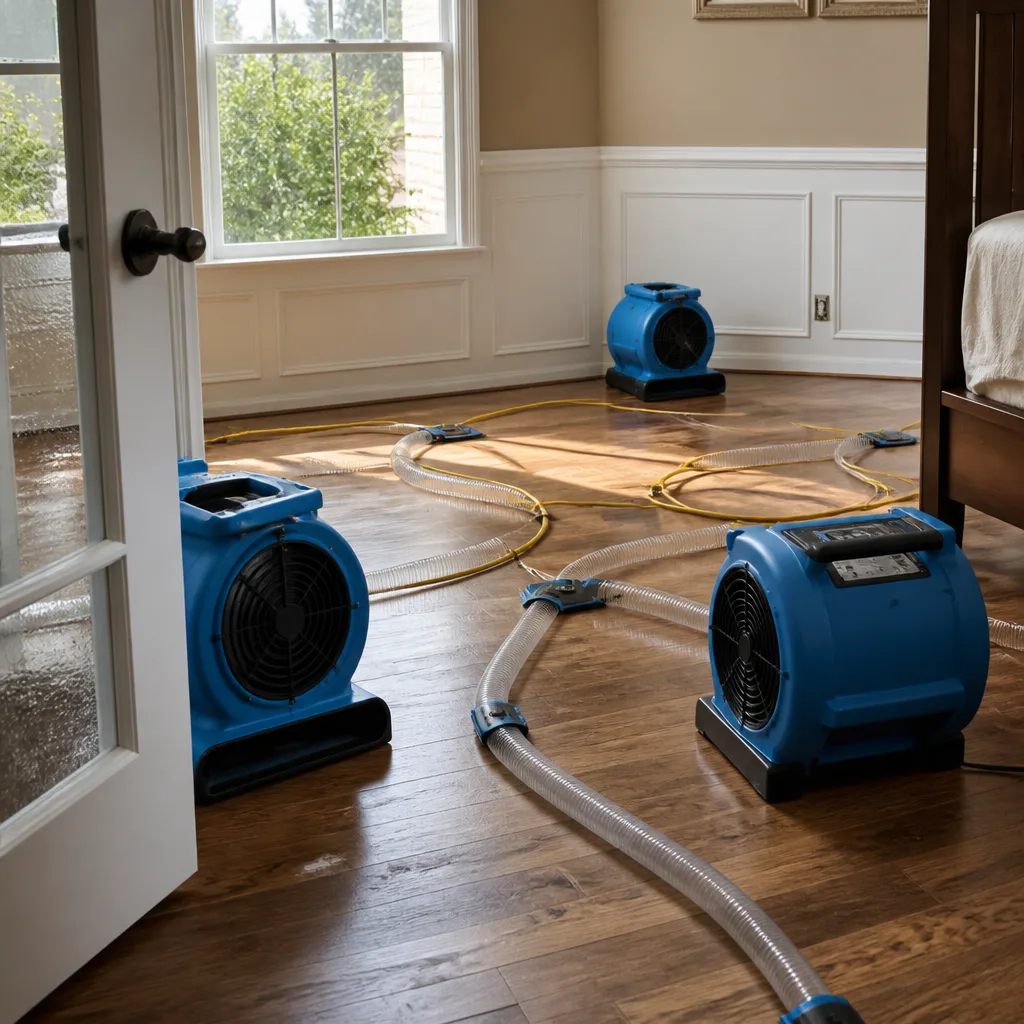
Phoenix 200 Max LGR dehumidifiers and XPOWER air movers go in, positioned for the room layout and monitored daily. We log moisture readings every visit and hand you the complete log at the end, so you can see the drying curve yourself.
Cleaning & Sanitization
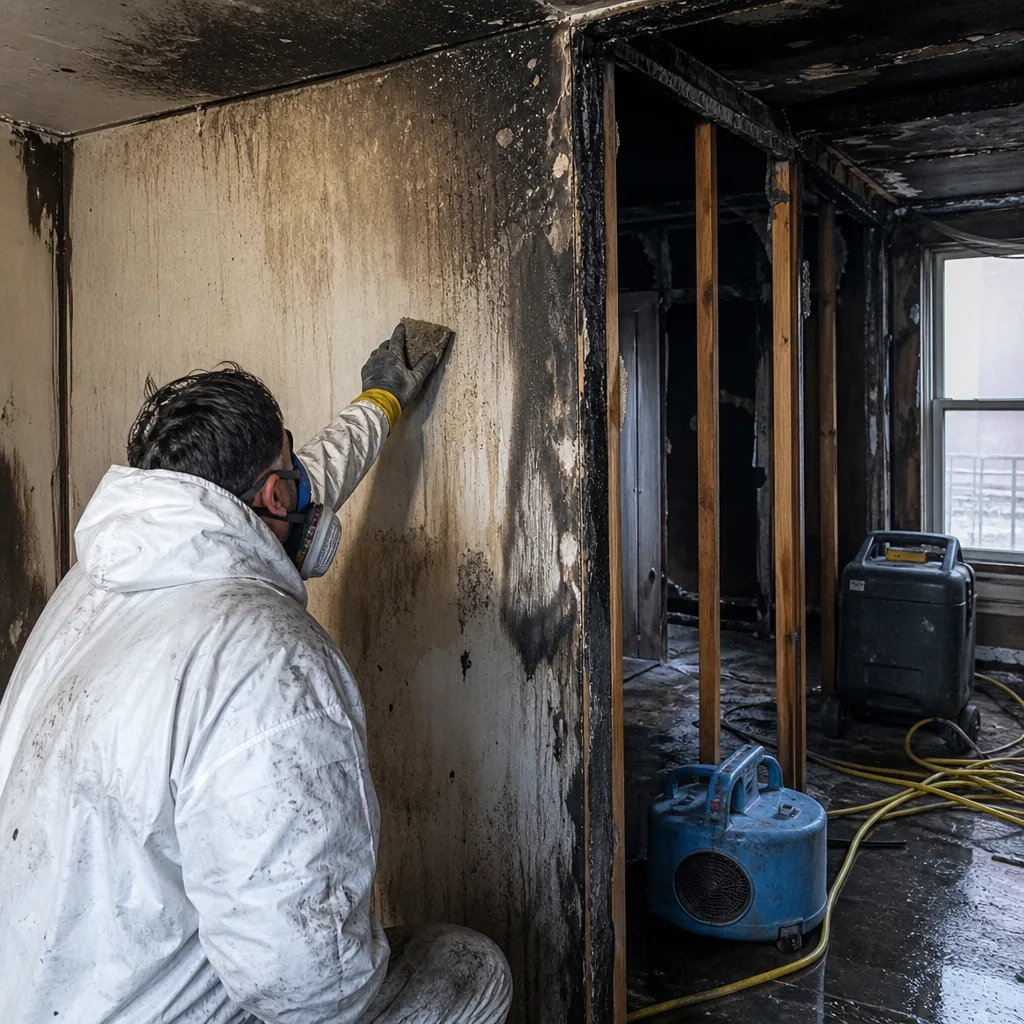
Every surface touched by Category 3 water gets cleaned and disinfected with hospital-grade antimicrobials. This includes subfloor, joists, wall cavities, and anything the water wicked into, not just what’s visible on top.
Containment & Air Scrubbing
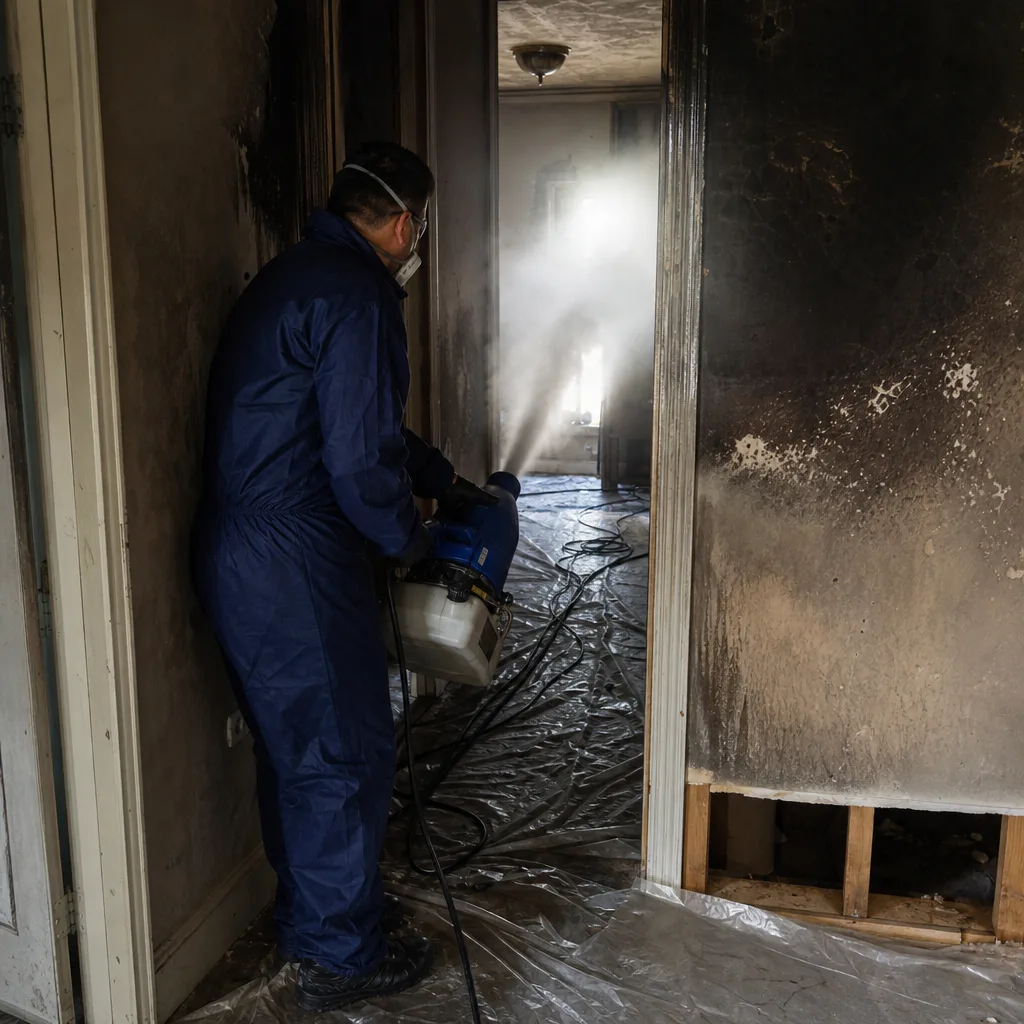
We run Dri-Eaz HEPA 500 air scrubbers during the work to capture aerosolized pathogens and prevent cross-contamination to unaffected rooms. In a pre-war co-op hallway, that’s the difference between a contained loss and a building-wide issue.
Repairs & Restoration
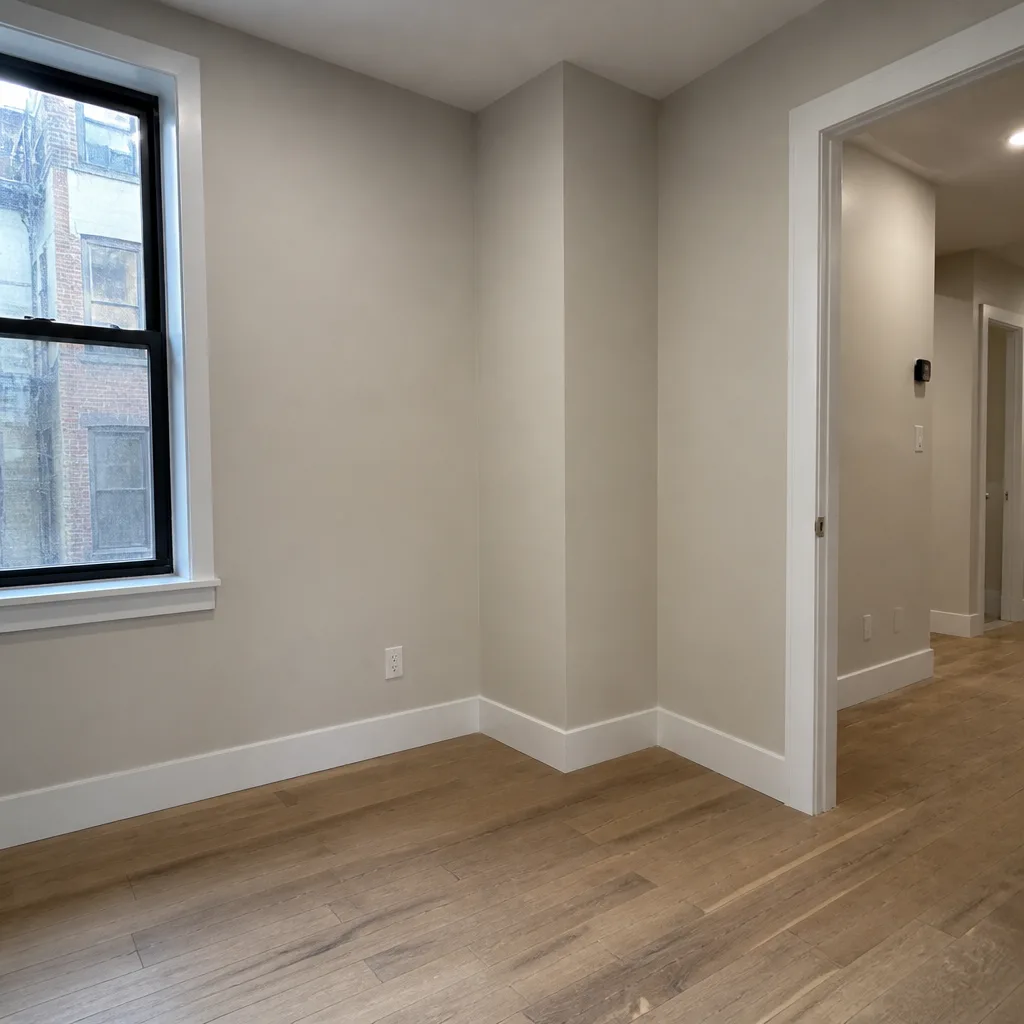
We rebuild what was removed: plaster patching to match original textures, subfloor replacement under oak parquet, trim and baseboard replacement. If the building is landmarked, we coordinate material choices with the appropriate approvals before we finish.
Need Emergency Sewage Cleanup in Upper West Side Now?
Crews minutes away, answering live 24 hours a day. The sooner we start, the less it costs.
Working With Your Insurance Company
Sewage backup claims in Upper West Side are rarely straightforward. Co-op shareholders usually carry HO-6 policies, the co-op corporation carries a master policy, and the proprietary lease decides who pays for what, often before your adjuster even returns your first call. We handle that. From the first hour on site, we photograph every affected surface, document the source of the loss, and create a line-item scope of work written in the format insurers expect. Wade communicates directly with your adjuster, so the claim doesn’t stall because someone couldn’t reach the right person. If the backup originated from a neighbor’s line or a building riser, the paperwork trail we create is the thing that protects you from paying for someone else’s loss.
What We Provide Your Insurer
- Thorough documentation of the loss
- Photos of all damage, room by room
- Moisture readings and drying logs
- A detailed, line-item scope of work
- Direct coordination with your carrier
Built for Upper West Side’s Loss Calendar
Sewage backups in Upper West Side don’t follow a single season, but they do cluster. Heavy summer thunderstorms overwhelm the city’s combined sewer system, and when the municipal lines back up, so do the waste lines in basements and cellar-level apartments. Nor’easters push the same problem from the other direction, saturating the ground around old building foundations and putting pressure on century-old drain tiles that were never designed for this much water. Cold snaps in January and February freeze and crack the cast-iron vent stacks on rooftops, which sounds minor but sends sewage gas and slow leaks down through the wall cavities. And in buildings where the original waste stacks haven’t been replaced since the Coolidge administration, failures happen year-round, with no warning and no weather pattern to blame. What stays consistent is that the buildings are dense, the access is tight, and the plaster is old. That’s the job our Sewage Cleanup team is built for.
Sewage Cleanup Across Upper West Side’s Neighborhoods
We navigate the whole stretch of the Upper West Side, from the Riverside Drive co-ops facing the Hudson to the brownstone blocks east of Broadway. Along West End Avenue, we’re typically in elevator buildings where the service entrance is barely wide enough for a hand truck, so compact extraction equipment and careful staging are non-negotiable. Over near Central Park West, the buildings are grander but the problems are the same: original waste stacks, shared riser chases, and hallways where containment has to be set up without blocking fire egress. In the West 70s and 80s, we see a lot of conversions from single-family rowhouses to multi-unit rentals, which means old plumbing repurposed in ways it was never intended to be, and backups that travel through three apartments before anyone notices. Up by Columbia and Morningside Heights, steam-heat riser walls run through bathrooms and kitchens, compounding a sewage loss with an asbestos question. Each corridor has its own rhythm, but they all share pre-war bones and nowhere to hide a mistake.
Specialized Sewage Cleanup Services We Offer in Upper West Side
Sewage Backup Cleanup
When a waste line backs up through a floor drain, a toilet, or a shower pan, the cleanup has to happen in the right order: extract, contain, remove what’s unsalvageable, and then dry what’s left. In an Upper West Side co-op, we also check the building’s waste stack before we assume the problem is isolated to your unit. It’s not uncommon for a backup on the fourth floor to originate from a clog six floors below.
Black Water Extraction
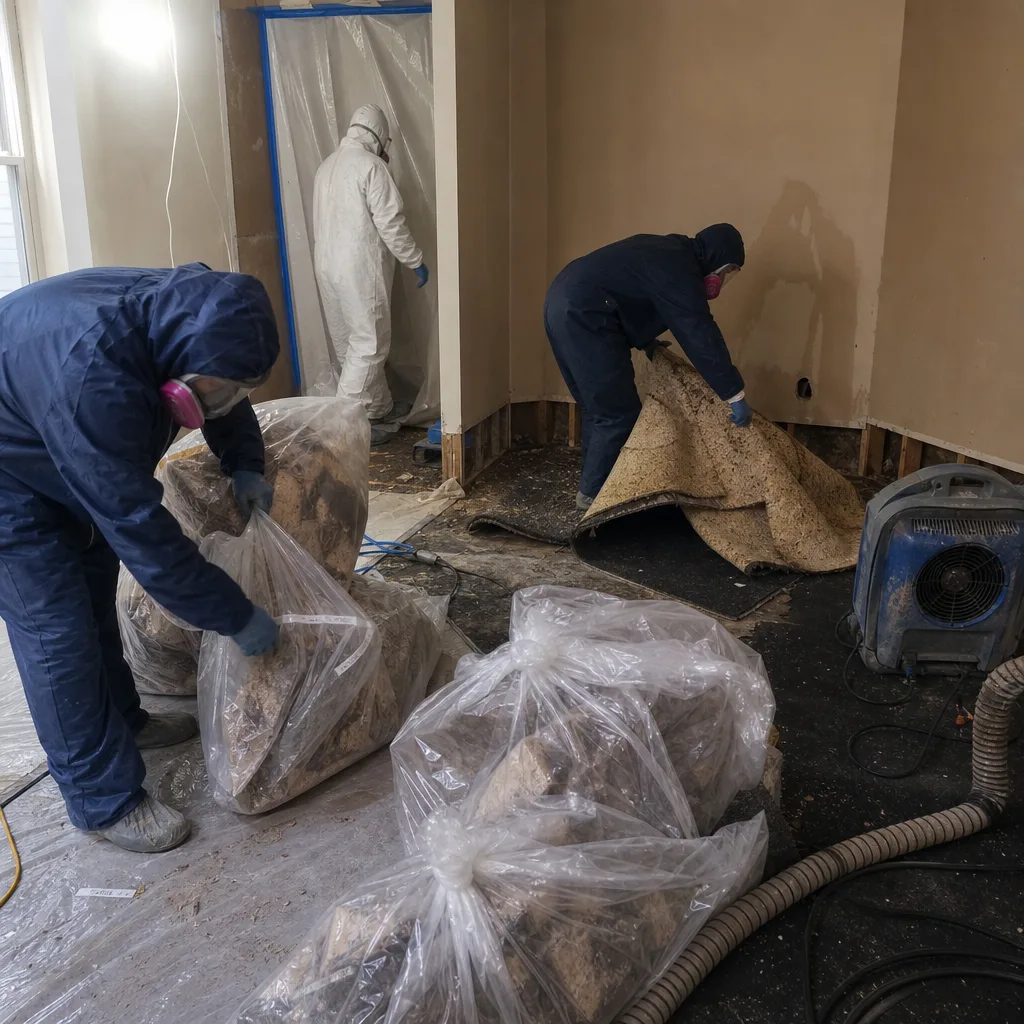
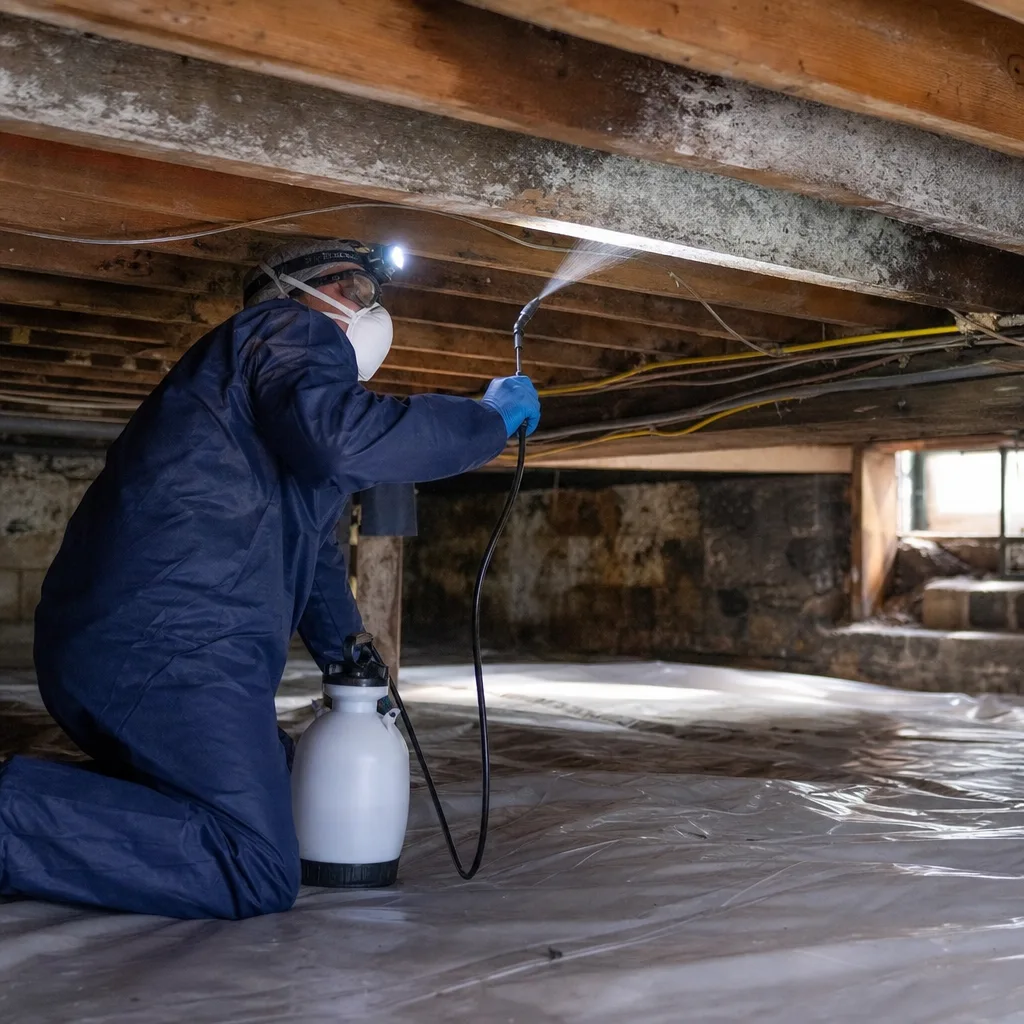
Category 3 water doesn’t get “cleaned up” by mopping. It requires extraction equipment, full containment, and removal of saturated porous materials like carpet, padding, and in many Upper West Side apartments, the bottom sections of plaster walls. We use Dri-Eaz extraction units sized for apartment interiors and tight hallway turns, because the equipment that fits a suburban basement simply won’t clear some of these service entrances.
Sanitization & Disinfection
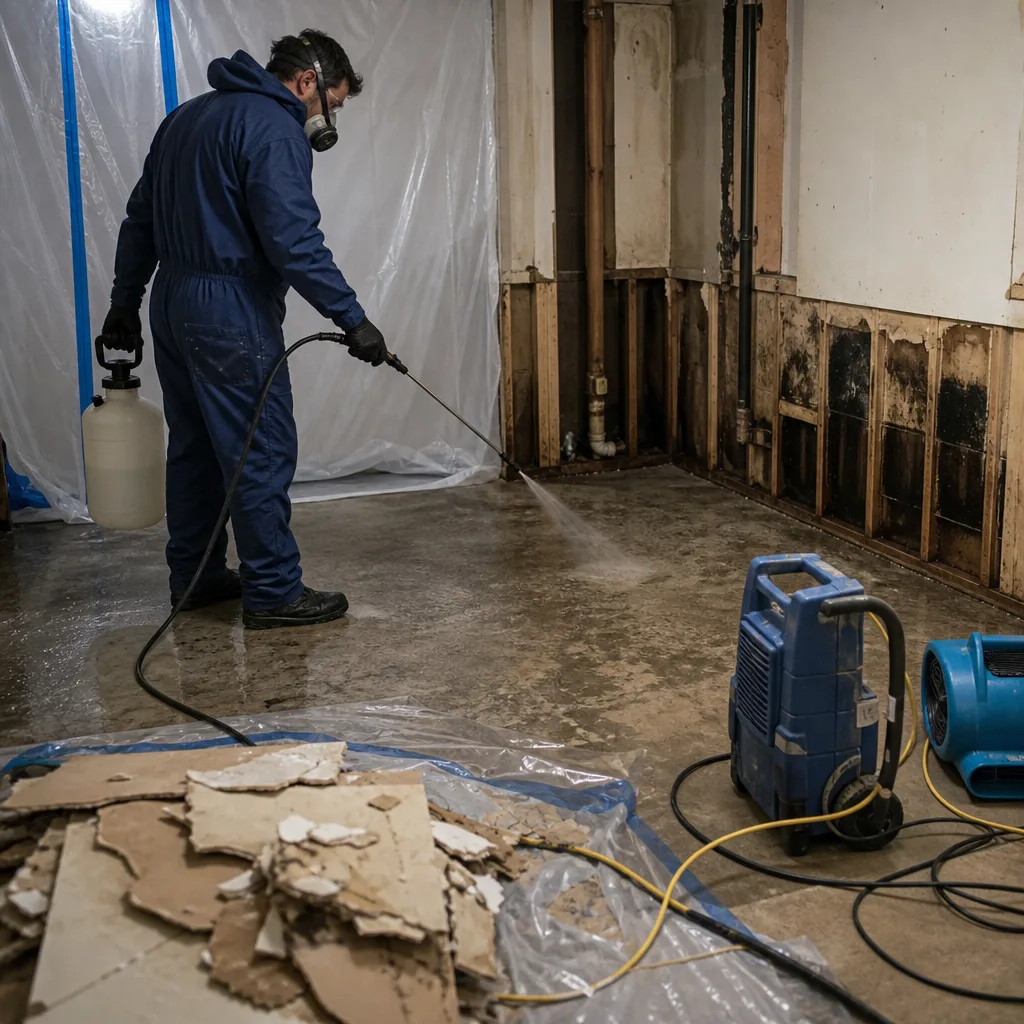
After the water and the damaged materials are gone, what remains is a surface area problem: subfloors, wall cavities, baseboards, and the air itself. We apply hospital-grade antimicrobials to every surface the sewage touched and run HEPA air scrubbers long enough to clear what the water left in the air. In a pre-war building with original plaster and wood lath, that’s not a quick spray-and-wipe, it’s methodical work that respects the building’s age while making the space safe to inhabit again.
Toilet Overflow Cleanup
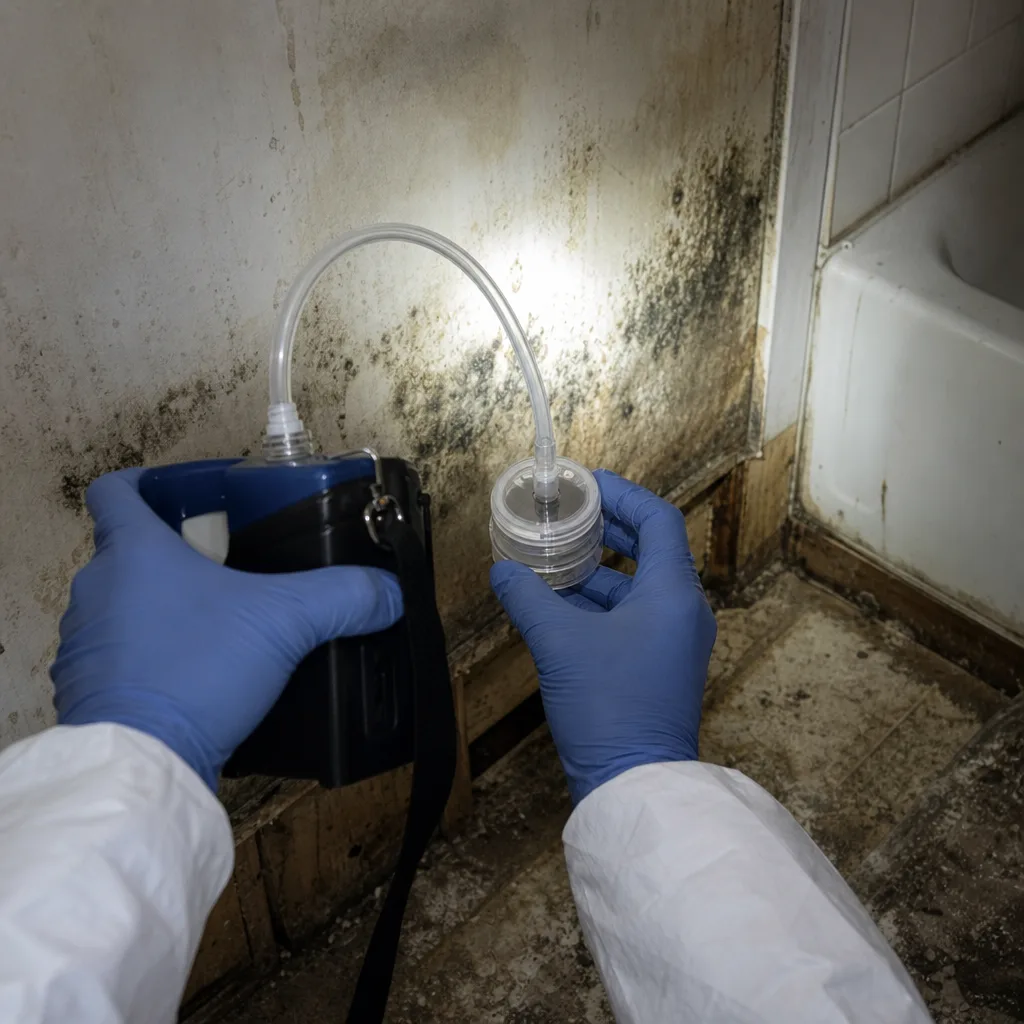
A toilet that overflows once and is caught immediately is a smaller loss than a backup that runs for hours behind a closed door. We treat every toilet overflow as a potential Category 3 event until proven otherwise, because the water that comes out of a toilet bowl is never clean. The difference in cost between a quick extraction and a full plaster removal usually comes down to how long the water sat.
Crawl Space Sewage Removal
Fewer Upper West Side buildings have true crawl spaces than brownstone Brooklyn, but the ones that do, mostly older townhouses and some garden-level units, are uniquely bad for sewage. Low clearance, poor ventilation, and original dirt floors mean contamination spreads sideways before it spreads downward. We bring compact extraction equipment and treat the enclosed air space as its own containment zone, which it is.
What happens when you call
- 1
A real person answersNo phone trees - you reach a local pro.
- 2
You get an upfront price rangeHonest numbers before anyone is dispatched.
- 3
A background-checked tech heads outLicensed & insured, dispatched right away.
- 4
You approve before work beginsNothing starts until you say go.
Sewage Cleanup Costs in Upper West Side, NY
For a contained toilet overflow caught quickly in an Upper West Side apartment, expect to pay between $900 and $1,800 for extraction, sanitization, and structural drying. A sewage backup that spreads through multiple rooms and requires removing saturated plaster, original flooring, and built-in cabinetry typically runs $3,500 to $7,500. When the loss involves a building riser, a landmarked interior, or an asbestos survey before wall work can proceed, the total can reach $12,000 or more, most of which is usually covered under the applicable insurance policy. The fastest way to a real number is a free on-site inspection. We write a firm scope before any work starts, and you’ll see every line item before we touch a wall. Call (607) 350-1550 for an exact quote, estimates are free.
We Also Serve Cities Near Upper West Side
Our crews cover the surrounding area too: Lower Manhattan, Financial District, Astoria, and Midtown Manhattan. If you need sewage cleanup anywhere in those neighborhoods, the same 24/7 live answer applies.
Serving Upper West Side, NY - Our Local Coverage Area
We’re based in the Upper West Side area and know this community well. Use the map below to see our service coverage - if you’re nearby, we can almost certainly help.
Upper West Side Sewage Cleanup Questions, Answered
Does the Upper West Side co-op’s proprietary lease change how sewage cleanup gets paid for compared to a condo?
Yes, significantly. A proprietary lease, not state condo statutes, usually determines whether the co-op corporation, the affected shareholder, or the unit that caused the backup pays for mitigation and restoration, and the answer varies building by building. Some leases make the corporation responsible for anything inside the walls; others make the shareholder responsible for everything from the walls in. We document the loss and the source in a way that supports whichever party is actually liable, and we’ll work with the corporation’s master policy and your HO-6 policy at the same time. Call (607) 350-1550 if you’re not sure where your building’s lease puts you.
How does landmarking on Central Park West or Riverside Drive affect a sewage cleanup?
Individually landmarked buildings and those within historic districts may need NYC Landmarks Preservation Commission approval before certain replacement materials are installed. If original plaster, flooring, or millwork has to come out due to sewage damage, the replacement needs to match the approved historic character. We coordinate that process so the restoration doesn’t stall halfway through. Get in touch early, before the demo happens, and we’ll map out what needs LPC sign-off on your specific building.
Why is an asbestos survey needed before cutting into a wall during a sewage backup in an Upper West Side pre-war building?
Because in most pre-war UWS steam-heat buildings, the riser pipes run through shared wall chases wrapped in original insulation that commonly tests positive for friable asbestos. The moment a technician cuts into that wall, the project becomes a regulated DEP-notification abatement, and no plaster or structural restoration can proceed until a licensed NYC asbestos contractor clears the area. Skipping the survey puts everyone at risk and stops the job cold. We order the survey before any cutting begins.
Can you dry out the original horsehair-and-plaster walls after a Category 3 sewage backup, or do they have to be removed?
Category 3 water saturation in horsehair-and-plaster walls almost always requires removal to the lath. The plaster is porous, the horsehair binding holds moisture, and the contamination can’t be adequately disinfected inside the wall cavity. What can sometimes be saved is the original lath itself, which we assess case by case. If the lath is intact and the building requires plaster matching, we patch with compatible materials and texture to match the original finish.
Do you provide pack-out and content cleaning for apartments with antique furniture and rugs in a UWS sewage backup?
We do. Contents that can be salvaged get documented, packed out, and cleaned off-site, including antique furniture, Oriental rugs, and art. Pieces that can’t be restored get itemized on the claim with full documentation. We coordinate the pack-out with your insurance adjuster so there’s no dispute later about what left the apartment and why.
How fast can you actually get to an Upper West Side co-op for a sewage backup?
Most nights, under an hour. Wade answers his own phone, and our New York City office keeps crews ready to move. Parking and service entrance logistics in this neighborhood can add time, but we’re familiar with the buildings and the access points. Call (607) 350-1550 and you’ll get a real answer on arrival time, not a callback promise.
Will insurance cover sewage backup cleanup in my apartment?
In many UWS co-ops, yes, but the path is different than in a single-family home. Your HO-6 policy typically covers damage inside your unit from a covered cause, but the proprietary lease and the building’s master policy may shift responsibility depending on where the backup originated. We provide the documentation and direct adjuster communication that makes the claim resolvable. Bring us in early and we’ll help sort out who’s actually on the hook before any checks get written.
What should I do in the first 30 minutes after a sewage backup in my Upper West Side apartment?
Stop using all water fixtures in the unit, shut off electrical power to the affected area if you can do so safely, move any furniture or belongings out of the standing water, and call us. Don’t try to mop black water yourself, and don’t run fans or open windows in an attempt to dry it, that spreads pathogens. Call (607) 350-1550 and we’ll talk you through the next steps while Wade heads out.
Written by Wade Ferris, Owner at Wade’s Restoration, serving the Upper West Side.