
Quick Summary
Severe waterfront flood risks and sudden plumbing failures create urgent moisture hazards across Hudson County, making rapid emergency water damage restoration in Jersey City essential to prevent mold growth and structural degradation. Wade's Restoration provides elite 24/7 rapid-response services, deploying industrial water extraction, specialized in-place structural drying, and comprehensive insurance claim support under one roof. Property owners can mitigate secondary damage and accelerate recovery by requesting immediate emergency dispatch and scheduling a free visual inspection with a transparent, written scope of work.
Emergency Water Damage Restoration in Jersey City
When water enters a property, prompt extraction and drying may help limit additional damage. Restoration services in Jersey City work to pump out standing water, dry saturated building assemblies, and mitigate structural deterioration, though response times vary based on technician availability, traffic, weather, and incident location. With approximately 77% of Jersey City’s perimeter (roughly 30.7 miles) bordered by tidal and riverine waters, local properties face distinct environmental risks. According to the Hudson County 2025 Hazard Mitigation Plan, an analysis of 38,336 local properties showed that 5,445 buildings, representing roughly $8.12 billion in property value, sit within analyzed flood-risk areas.[4]
Restoration approaches, such as those utilized by Wade’s Restoration, often emphasize drying structural materials in place when feasible. Using commercial dehumidifiers and specialized airflow systems, technicians evaluate whether materials can be preserved before considering removal. The mitigation process focuses on moisture assessment, containment, and structural drying. See also Water Damage Restoration in Lower Manhattan | Call Now-10% Off | Same-Day Service | Free Estimate.
Response Considerations for Jersey City Water Emergencies
Professional emergency water damage restoration in Jersey City helps address moisture intrusion, microbial growth, and saturated building materials. Mold can grow on wet materials within about 24 hours under favorable conditions. Response times vary based on technician availability, traffic, weather, and incident location.
Once on-site, technicians can use moisture meters and thermal imaging tools to assess the path of water intrusion through walls, ceilings, and flooring. Removing standing water promptly helps mitigate damage to structural framing and subfloors.
Arrival Factors for Water Extraction in Jersey City
Need emergency water damage restoration in Jersey City?
We’re available now - call for a fast, free estimate.
In a water emergency, response times vary based on technician availability, traffic, weather, and incident location across Hudson County. Mobilization aims to address water spread into lower structural levels, wall cavities, and adjacent units.
The Critical Window to Mitigate Mold and Structural Loss
Mold prevention requires beginning the drying process as early as possible. Technicians deploy extraction units and dehumidifiers to remove water from affected structural components. While waiting for a crew to arrive, property owners can take several immediate steps if it is safe to do so:
- Shut off the building’s main water supply valve immediately to stop ongoing supply line leaks.
- Avoid all standing water near electrical panels, low wall outlets, or submerged appliances.
- Elevate vulnerable furniture, area rugs, drapes, and high-value belongings above the water level.
- Turn off the central HVAC system if water has entered supply or return air ducts to avoid spreading moisture and contaminants.
Waterfront Exposure and Tidal Flood Risks
Jersey City’s geography creates serious water exposure along both the Hudson River and Hackensack River waterfronts. FEMA identifies areas with at least a 1% annual chance of flooding as high-risk flood zones, and the FEMA Flood Map Service Center serves as the official public source for flood-hazard information. Data from the Hudson County 2025 Hazard Mitigation Plan shows 162 repetitive-loss properties across the city, accounting for approximately $409.7 million in associated property value. When severe storms or tidal surges push water into basements and ground floors, prompt extraction and drying may help limit structural saturation.[1]
What Does Emergency Water Damage Restoration Cost in Jersey City?
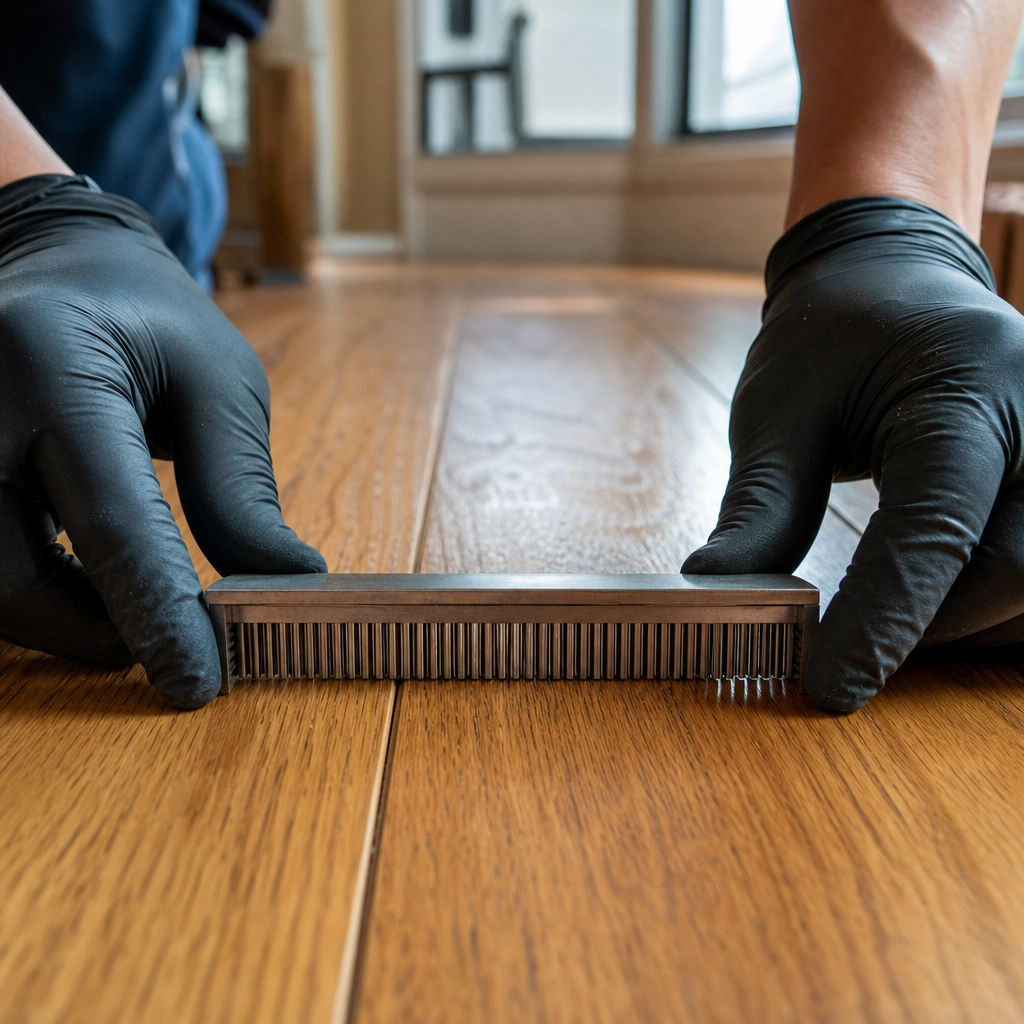
Water restoration costs vary widely based on the square footage affected, how long materials remained submerged, the source of the water (clean supply line, gray water, or black water sewage), and whether materials can be dried in place or require removal. The research brief found no independently verified Jersey City-specific cost estimate. Because each incident is unique, restoration professionals provide written estimates after completing an on-site physical inspection and moisture assessment.
Jersey City Restoration Pricing Factors
Flooding and plumbing failures present financial risks across Jersey City. Beyond FEMA flood zones, municipal planning data highlights wide infrastructure exposure; for example, Hudson Reporter coverage of Rebuild by Design modeling noted that roughly 41% of surveyed public assets (281 of 686) were identified within current flood zones. For private property owners, actual restoration pricing is determined by general on-site factors:[3]
- Water Category: Category 1 (clean supply water) requires less intensive decontamination than Category 3 (sewage backups or river floodwaters).
- Class of Water: Reflects the rate of evaporation required based on how deeply moisture has penetrated materials such as carpet, subfloors, concrete, and wall cavities.
- Equipment Deployment: The type and quantity of dehumidifiers, air movers, and specialized drying systems required to achieve dry standards.
Insurance Coordination and Adjuster Support
Navigating property insurance after a flood or major plumbing failure can be challenging. Restoration teams, including the professionals at Wade’s Restoration, typically document moisture readings, capture photos, and compile itemized logs to assist property owners and insurance adjusters during the claims process.
Drying Methods for Hardwood and Drywall
Need emergency water damage restoration in Jersey City?
We’re available now - call for a fast, free estimate.
Specialized drying techniques use commercial dehumidifiers and airflow equipment to extract moisture from assemblies without necessarily removing sound materials. When conditions allow, this approach addresses trapped water within subfloors, wall studs, and plaster.
Drying Hardwood and Subfloors
When hardwood floors get wet, moisture can become trapped between the floorboards and the subfloor. Specialized floor drying systems apply targeted airflow to extract moisture vapor. When the wood has not suffered irreversible structural degradation and the water source is sanitary, in-place drying can sometimes restore planks to acceptable moisture levels without requiring full replacement.
Cavity Drying for Drywall and Framing
Water running down inside walls can collect on sill plates and soak the lower portions of drywall. Technicians may remove baseboards and create small access points beneath the trim line to direct dry air into stud cavities, assisting in drying framing and insulation while reducing the need for extensive drywall removal.
Addressing Mold Growth and Sewage Contamination
Mitigating mold and biological hazards involves containment, air filtration, and the application of EPA-registered antimicrobial treatments to help manage microbial spread in affected areas.
Managing Category 3 Black Water and Sewer Backups
Category 3 water, including municipal sewer backups and tidal storm surge, contains bacteria and other contaminants. Severe weather events have historically challenged local drainage systems; during Superstorm Sandy, storm surge inundated approximately 3,688 acres (roughly 39% of Jersey City’s land area), affecting properties across the eastern and western sides of the city. When dealing with Category 3 water, technicians establish containment barriers, extract contaminated water, and clean affected structural surfaces with appropriate disinfectants.[2]
Air Filtration and Sanitization
Decontamination procedures commonly include:
- Containment and Air Management: Air scrubbers equipped with HEPA filters help reduce the movement of airborne particles and odors outside the work area.
- Air Filtration: Filtration units process air to capture airborne particulate matter.
- Antimicrobial Application: Technicians apply EPA-registered antimicrobials to treat salvageable structural elements and inhibit mold growth.
Frequently Asked Questions About Jersey City Water Damage Restoration
Does standard homeowners insurance cover water intrusion and flooding?
Coverage depends on the cause of the loss and the terms of the specific policy. Standard homeowners and commercial property policies generally cover sudden and accidental internal water releases, such as a burst supply pipe. However, standard policies typically exclude external flood events, storm surges, or rising surface water. Flood coverage generally requires a separate policy through the National Flood Insurance Program (NFIP) or a private insurer. According to the City of Jersey City Strategic Recovery Planning Report, approximately 40% of the city’s land area (3,782 acres) was located within proposed FEMA Special Flood Hazard Areas.[5]
Can saturated hardwood floors be saved instead of replaced?
Some saturated hardwood floors can be saved if mitigation begins before permanent warping, buckling, or delamination occurs. If the water is from a clean source and the flooring remains securely bonded to the subfloor, specialized drying systems may extract trapped moisture and return the wood to acceptable moisture levels.
How long does the structural drying process take?
Drying timelines vary based on material density, the volume of water, and how long moisture remained before extraction began. Technicians monitor progress using moisture meters until materials reach established drying goals.
When should you contact an emergency restoration team in Jersey City?
Contacting a restoration professional like Wade’s Restoration promptly after discovering standing water or leaks is advisable. Mold can grow on wet materials within about 24 hours under favorable conditions, and timely extraction and drying help minimize secondary structural damage.
Need emergency water damage restoration in Jersey City?
We’re available now - call for a fast, free estimate.
Sources
- [PDF] Section 3 – NJ.gov – nj.gov (2023)
- Microsoft Word – Jersey City Strategic Recovery Planning Report.docx – data.jerseycitynj.gov (2013)
- [PDF] a third of new jersey's public infrastructure at flood risk by 2050 – rebuildbydesign.org (2050)
- Jersey Strategic Flood Risk Assessment – gov.je
- hudsoncountynjhmp.com › 06 › Chapter-9-FloodHudson County 2025 Hazard Mitigation Plan – hudsoncountynjhmp.com (2025)
Related reading: Water Damage Restoration in Hoboken – 10% Off & Free Estimate – Same-Day Service
Related reading: Water Damage Restoration in Astoria – 10% Off & Free Estimate – Same-Day Service
Related reading: Water Damage Restoration in Glendale | Call Now-10% Off | Same-Day Service | Free Estimate
Emergency Water Damage Restoration in Nearby Cities
We also serve the communities around Jersey City:
- Emergency Water Damage Restoration in Lower Manhattan
- Emergency Water Damage Restoration in Astoria
- Emergency Water Damage Restoration in Financial District
- Emergency Water Damage Restoration in Glendale
- Emergency Water Damage Restoration in Hoboken
Frequently Asked Questions
How does Wade's Restoration assist with property insurance claims during a water emergency?
Wade's Restoration provides end-to-end documentation by capturing thermal imaging maps, daily moisture readings, and itemized damage logs that match insurance industry standards. The team collaborates directly with your insurance adjuster to ensure all mitigation steps are justified and covered under your policy terms.
What specific protocols are required when dealing with Category 3 sewage or tidal floodwaters?
Category 3 water requires setting up physical containment zones, specialized wastewater extraction, and the immediate disposal of contaminated porous materials. Technicians then sanitize structural framing with EPA-registered antimicrobial agents and operate HEPA air scrubbers to eliminate airborne biohazards and odors.
How do restoration technicians verify that hidden moisture behind walls is fully eliminated?
Certified technicians utilize non-invasive moisture meters, deep-wall pin probes, and thermal imaging to track moisture evaporation inside framing and subfloors. Structural drying is only complete once monitored readings reach predetermined dry standards compared against unaffected materials in the building.
About the author
 |
Christopher Vance Christopher Vance brings over 12 years of hands-on experience in emergency property restoration to his writing. Holding an IICRC certification in Water Damage Restoration and a degree in Environmental Science from Rutgers University, he specializes in creating actionable, expert guides for property owners facing critical damage. His work focuses on providing clear, practical advice to help Lower Manhattan residents navigate the complexities of water and flood recovery. |
Water damage, flood, or mold emergency?
We’re available now - call for a fast, free estimate.
Call Now - Free Estimate