
Quick Summary
When plumbing failures or storm flooding threaten local properties, rapid water damage restoration in Astoria is critical to prevent severe structural decay and mold colonization within 24 to 48 hours. Wade's Restoration provides 24/7 emergency mitigation using specialized non-invasive cavity drying to preserve historic prewar plaster and hardwood floors, managing everything from water extraction to complete structural rebuilds. Readers will understand how to navigate seamless insurance claim documentation and can call Wade's Restoration 24/7 for immediate emergency water extraction and a free visual inspection with a written scope of work.
Water Damage Restoration in Astoria – Fast 24/7 Cleanup
When water strikes an Astoria home or commercial building, fast action makes all the difference. Wade’s Restoration provides 24/7 emergency water extraction across Astoria, with crews dispatching promptly to your property. Water damage restoration costs vary depending on the severity of the leak, water category, and building materials affected. In older Queens buildings, letting water sit inside historic horsehair plaster walls or century-old oak subfloors quickly leads to warped framing and mold blooms. Our IICRC-certified technicians bring industrial Dri-Eaz and Phoenix drying systems directly to your property to dry structural assemblies in place rather than gutting them down to the studs.
We manage your entire project under one roof, handling emergency extraction, deep structural drying, and full repairs. Through our Claim Clarity Program, our team tracks daily moisture levels with infrared thermal imaging and works directly with your insurance adjuster so your claim is documented and settled without unnecessary friction. Contact our live dispatch team 24/7 for immediate emergency water extraction and to schedule a visual inspection with a written scope of work. See also Water Damage Restoration in Lower Manhattan | Call Now-10% Off | Same-Day Service | Free Estimate.
Quick Summary: Emergency Water Mitigation in Astoria
Fast Overview: Effective water damage restoration in Astoria requires rapid standing-water removal, cavity dehumidification, and antimicrobial sanitization within 24 to 48 hours to stop mold growth. Certified technicians use commercial desiccant dehumidifiers and high-velocity air movers to salvage original plaster, drywall, and hardwood, providing complete moisture documentation directly to your insurance carrier.
For urgent leaks, burst pipes, and storm flooding throughout Astoria and Western Queens, Wade’s Restoration runs live dispatch around the clock, providing rapid on-site mitigation. Instead of defaulting to aggressive demolition, our technicians set up specialized Phoenix and Dri-Eaz cavity drying systems designed to save prewar plaster, lath, and original hardwood flooring.
Following the IICRC S500 Standard, starting controlled extraction and dehumidification within 24 to 48 hours stops fungal growth and prevents permanent warping. We manage every stage of recovery, from initial water removal to final reconstruction, recording daily moisture readings to secure direct insurance carrier approval.
What Does Water Damage Restoration Cost in Astoria?
Cost Summary: Water damage restoration pricing in Astoria varies based on project scope, contamination levels, square footage, and whether older materials like lath and plaster require non-invasive cavity drying. Total costs depend heavily on structural drying requirements and any necessary reconstruction.
Mitigation costs vary based on the volume of water, its source (clean supply lines versus dirty sewer backups), and the structural makeup of the building. Acting quickly keeps water from degrading into a biohazard and prevents costly structural replacements.
Price Breakdown by Service Category
| Service Type | Estimated Cost Scope | Primary Scope |
|---|---|---|
| Emergency Water Extraction | Varies by water volume | Standing water removal, surface pump-outs |
| Non-Invasive Structural Drying | Varies by room size/materials | Lath, plaster, and hardwood cavity dehumidification |
| Category 3 / Sewage Decontamination | Varies by contamination level | Biohazard sanitization, antimicrobial treatments |
| Complete Structural Reconstruction | Varies by structural damage | Drywall, flooring, and structural rebuilds |
Factors Influencing Astoria Restoration Pricing
Clean Category 1 water from a broken supply pipe can degrade into contaminated Category 3 water over time, significantly raising cleanup costs. In Astoria’s prewar apartment buildings and multi-family homes, building materials also dictate the restoration approach. Large franchise chains often default to sledgehammers, tearing out historic lath and plaster immediately. Our team uses targeted airflow injection and desiccant dehumidification to dry original materials where they stand, keeping your rebuild expenses down. Multistory leaks from aging steam risers and storm-driven basement floods also require specialized equipment setups. Every property owner receives an on-site inspection, a line-item estimate, and direct insurance billing through our Claim Clarity Program.
How Can Non-Invasive Drying Salvage Astoria’s Prewar Hardwood and Plaster?
Need water damage restoration in Astoria?
We’re available now - call for a fast, free estimate.
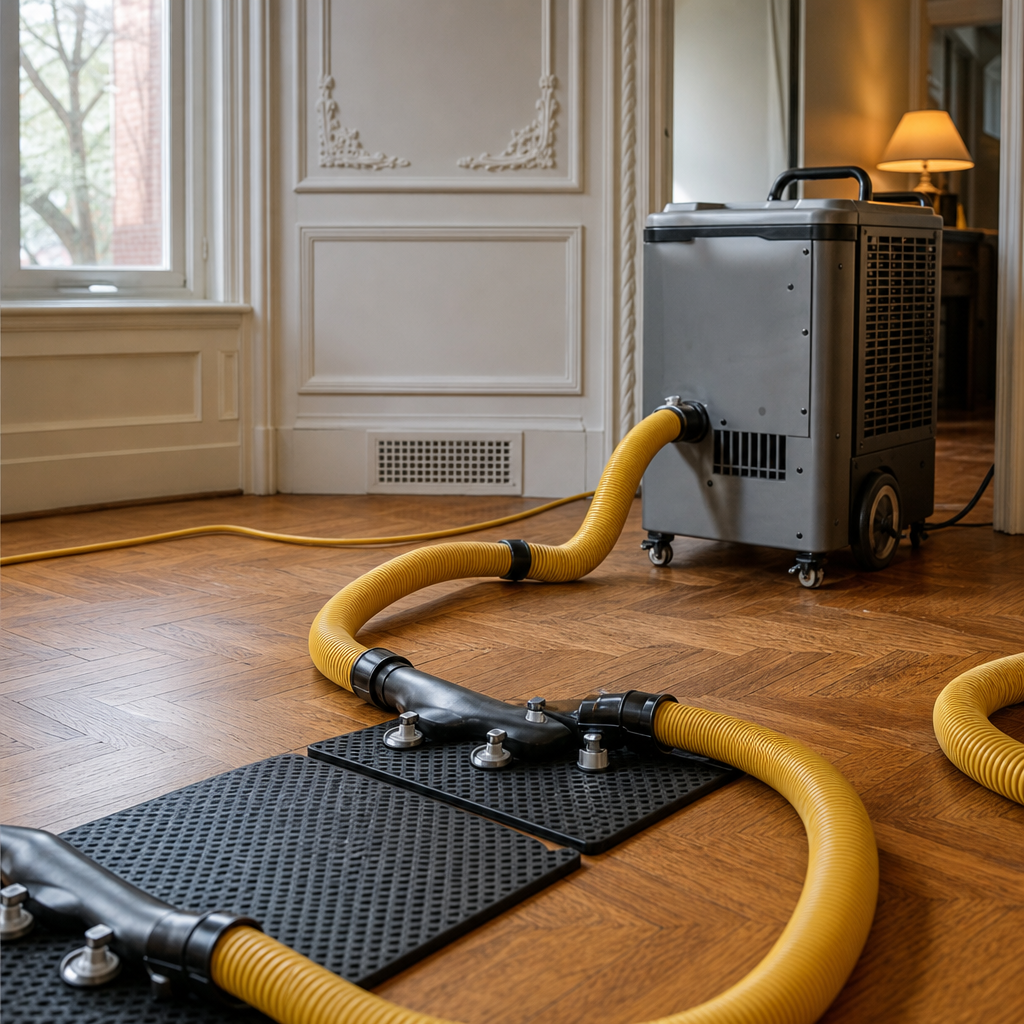
Non-invasive structural drying protects prewar plaster and vintage hardwood by drawing out trapped water with negative pressure and industrial desiccant dehumidifiers instead of tearing down walls. Wade’s Restoration deploys specialized floor-mat systems and wall cavity injectors to pull moisture through building materials, stabilizing original architectural woodwork and preventing expensive reconstruction.
The Problem with ‘Tear-Out-First’ Demolition
Many contractors strip wet plaster to the bare studs and rip out century-old oak flooring simply because demolition is easy to bill. This approach destroys irreplaceable historic craftsmanship, runs up rebuilding costs, and spreads dust throughout your home. Preservation-focused drying stabilizes your property and protects original construction while meeting all safety and structural standards.
| Feature | Standard Franchise Demolition | Basic Surface Fan Drying | Wade’s Precision Injection Drying |
|---|---|---|---|
| Historic Preservation | ✗ Gutted to studs | ✗ Warps hardwood | ✓ Non-invasive focus |
| Cavity Moisture Extraction | ✓ Via wall removal | ✗ Ineffective | ✓ Deep negative pressure |
| Hidden Mold Prevention | ✓ High disruption | ✗ High bloom risk | ✓ High efficiency |
| Rebuild Downtime | Extended rebuild | Unpredictable | Reduced downtime |
Preserving Historic Lath, Plaster, and Hardwood Subfloors
Dense horsehair plaster and multi-layered tongue-and-groove subfloors trap water deep within wall and floor cavities. Under the IICRC S500 Standard for Professional Water Damage Restoration, structural materials must be brought to established dry standards within a controlled timeframe to prevent fungal growth.
To safely dry these older assemblies during water damage restoration in Astoria, Wade’s Restoration pairs commercial desiccant dehumidifiers with negative-pressure floor panels. This draws moisture out through the wood grain and plaster pores, preventing mold from colonizing behind baseboards and wall framing without requiring structural tear-outs.
How Does the Step-by-Step Restoration and Insurance Claims Process Work?
A reliable restoration project follows three distinct stages: emergency water extraction, scientific structural drying, and full repairs with direct insurance claim coordination. Rather than managing separate contractors for cleanup and carpentry, property owners work with one dedicated team from the initial call through the final coat of paint.
-
Phase 1: Emergency Water Extraction and Containment
Rapid response allows our team to extract standing water before it migrates into subflooring or leaks through ceilings into neighboring units below. Wade’s Restoration operates 24/7 live dispatch with certified technicians ready to mobilize across Astoria at a moment’s notice.
-
Phase 2: Scientific Moisture Mapping and Cavity Dehumidification
Technicians use thermal imaging cameras and deep-probe moisture meters to trace hidden water paths inside plaster and floor cavities without unnecessary demolition. We set up Dri-Eaz and Phoenix dehumidifiers alongside targeted air injectors to pull trapped moisture out. Professional drying systems work to return all structural components to certified dry standards, stopping mold before it starts.
-
Phase 3: Reconstruction, Sanitization, and Claim Settlement
Our team handles the transition from antimicrobial sanitization straight into drywall repair, trim carpentry, and floor refinishing. Through our Claim Clarity Program, we submit daily psychrometric logs and photographic evidence directly to your insurance adjuster, ensuring your claim is fully supported with no administrative hold-ups.
If you are facing sudden property flooding or an active pipe leak, contact Wade’s Restoration 24/7 for rapid emergency water extraction and an inspection with a written scope of work.
Frequently Asked Questions About Astoria Water Damage Cleanup
Water cleanup in Queens requires fast response times, proper documentation for insurance carriers, and drying methods that protect historic building structures. Wade’s Restoration provides 24/7 emergency mitigation across Astoria to halt water migration and protect your property.
How quickly can an emergency crew arrive, and what does it cost?
Our certified technicians mobilize rapidly across Astoria. Water damage restoration costs depend on the water category, building materials, and the square footage affected, with itemized estimates provided following an initial inspection.
Does property insurance cover water and flood damage restoration?
Standard homeowners and commercial property policies cover sudden and accidental internal leaks, such as ruptured supply lines or failed water heaters. Overland street flooding and storm surges require dedicated flood insurance policies. Wade’s Restoration works directly with your insurance provider, submitting complete moisture logs and itemized estimates to keep your claim moving.
How do technicians prevent mold while salvaging historic building materials?
Rather than gutting damp materials immediately, technicians deploy industrial desiccant dehumidifiers, negative-pressure floor mats, and EPA-registered antimicrobial treatments within 24 to 48 hours. This process pulls bound moisture out of plaster, lath, and subfloors before mold spores can colonize. For plumbing emergencies, steam pipe leaks, or storm cleanup, contact Wade’s Restoration 24/7 to arrange an on-site inspection.
Need water damage restoration in Astoria?
We’re available now - call for a fast, free estimate.
Frequently Asked Questions
How long does the structural drying and restoration process typically take in an Astoria property?
Complete structural drying usually takes between 3 to 5 days, depending on whether dense materials like historic lath, plaster, or hardwood subfloors absorbed the water. Wade's Restoration tracks daily moisture and thermal readings to ensure materials meet certified dry standards before reconstruction begins.
Can I stay in my home while Wade's Restoration performs water mitigation and structural drying?
Occupants can often remain in unaffected areas of the home while Wade's Restoration runs non-invasive drying systems for clean water leaks. However, temporary relocation may be recommended if the water is contaminated (Category 2 or 3) or if equipment noise and power needs disrupt essential living spaces.
What specific documentation does Wade's Restoration provide to ensure insurance claim approval?
Through the Claim Clarity Program, Wade's Restoration provides insurance adjusters with comprehensive itemized estimates, thermal imaging reports, and daily psychrometric drying logs. This detailed proof aligns with IICRC S500 standards, establishing an indisputable record of water damage to prevent claim delays or underpayments.
About the author
 |
Christopher Vance Christopher Vance brings over 12 years of hands-on experience in emergency property restoration to his writing. Holding an IICRC certification in Water Damage Restoration and a degree in Environmental Science from Rutgers University, he specializes in creating actionable, expert guides for property owners facing critical damage. His work focuses on providing clear, practical advice to help Lower Manhattan residents navigate the complexities of water and flood recovery. |
Water damage, flood, or mold emergency?
We’re available now - call for a fast, free estimate.
Call Now - Free Estimate