
Free visual inspection and a written scope of work before any mitigation begins - photos, moisture readings, and drying logs go in your claim file
The scope we write is the scope we bill. Anything new gets shown to you, in writing, before we touch it.
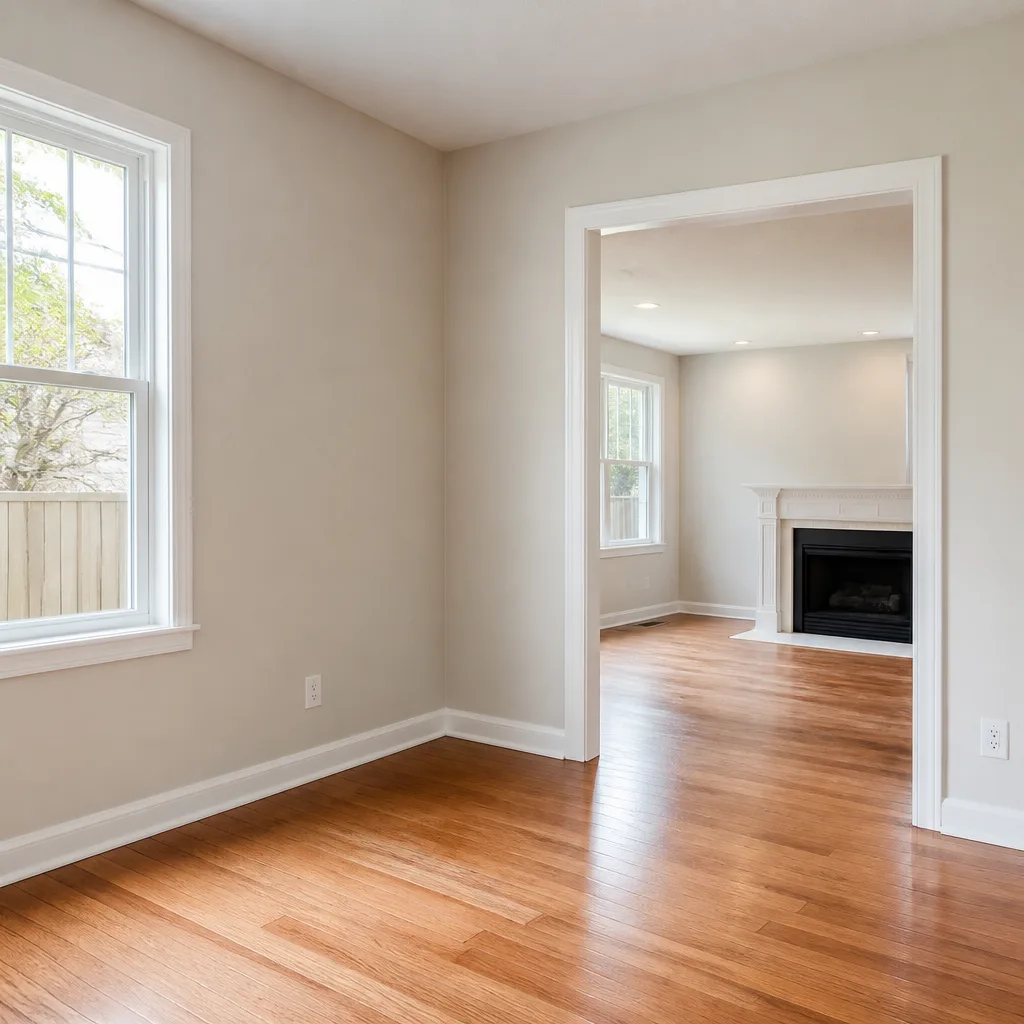
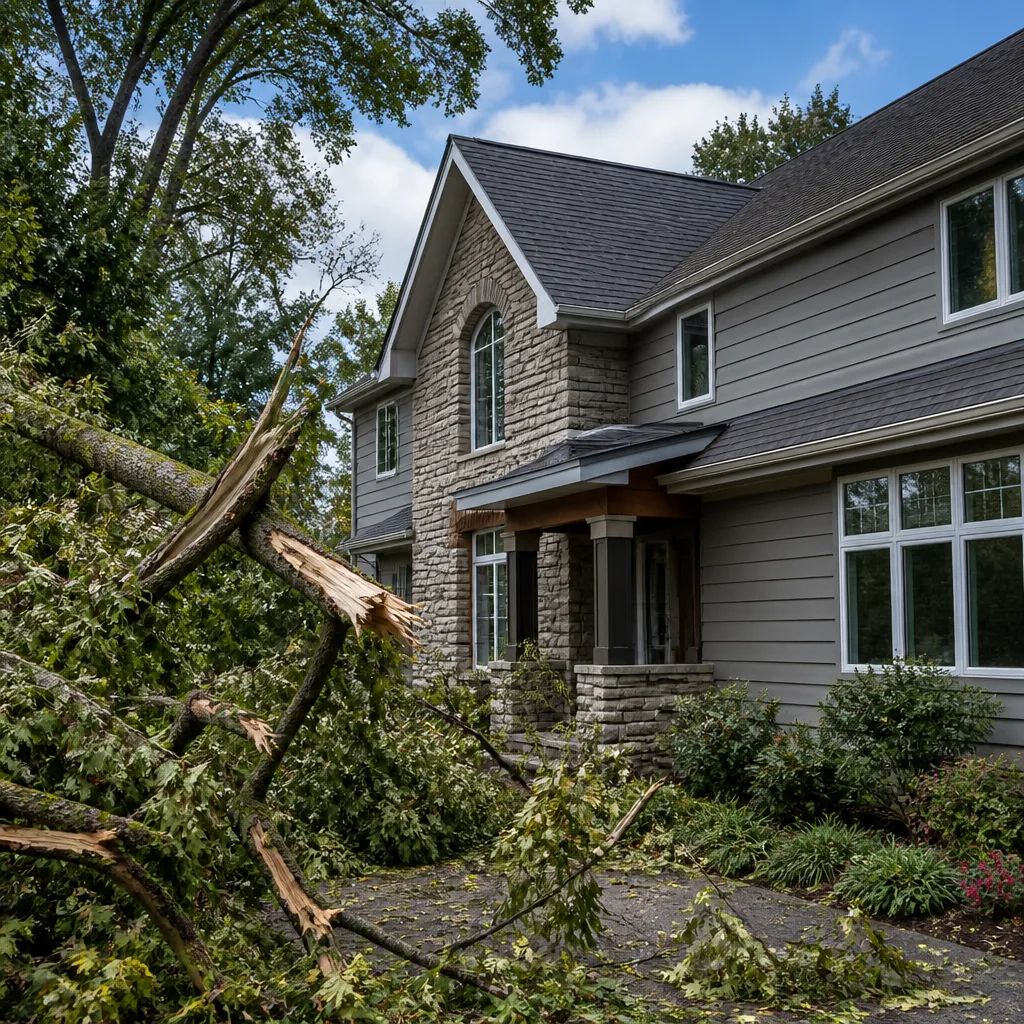


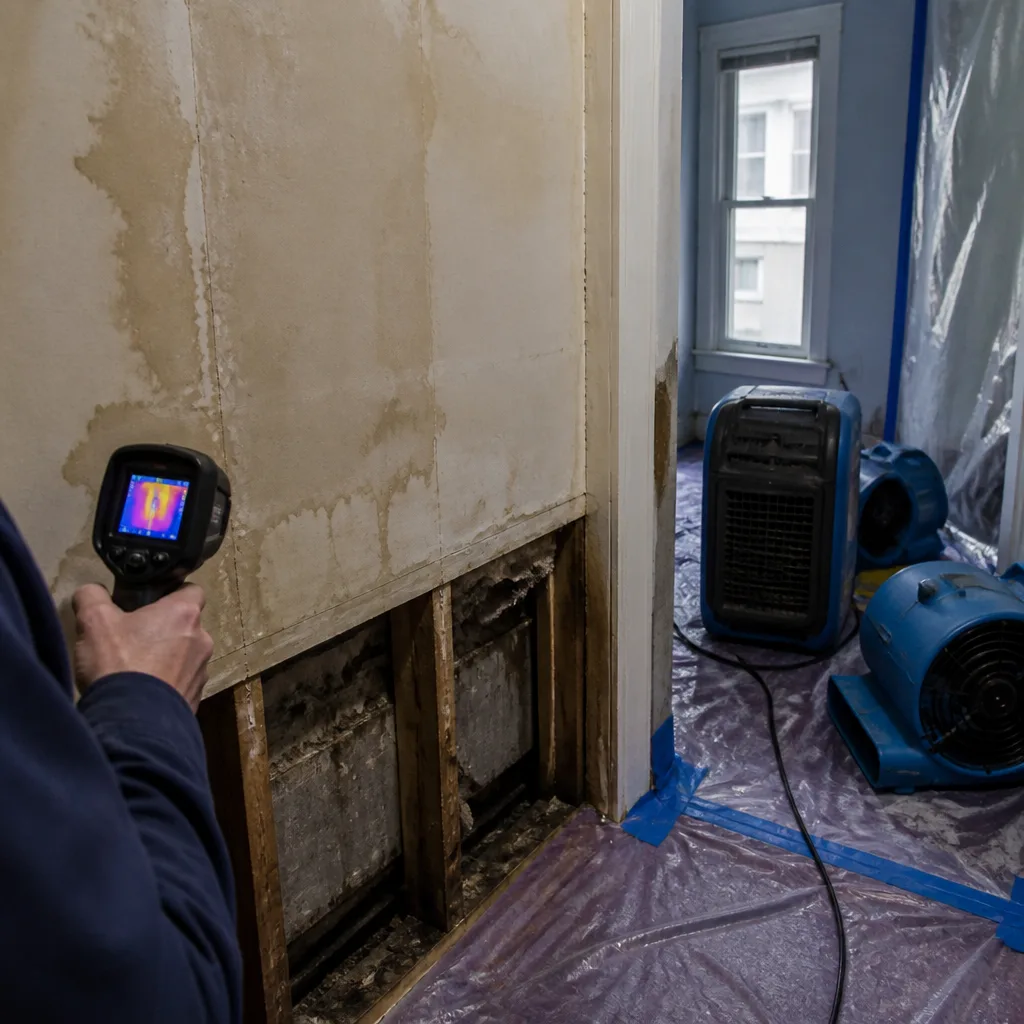 Before
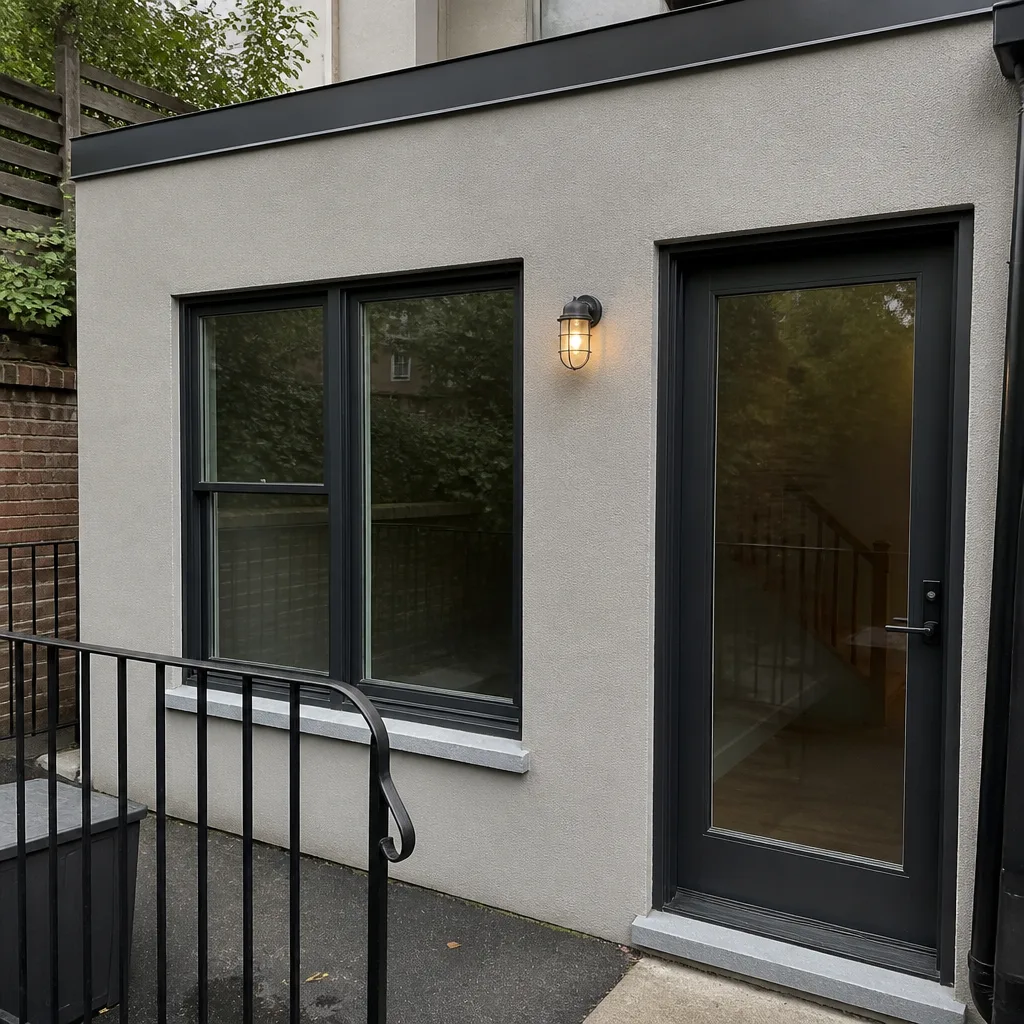 After
After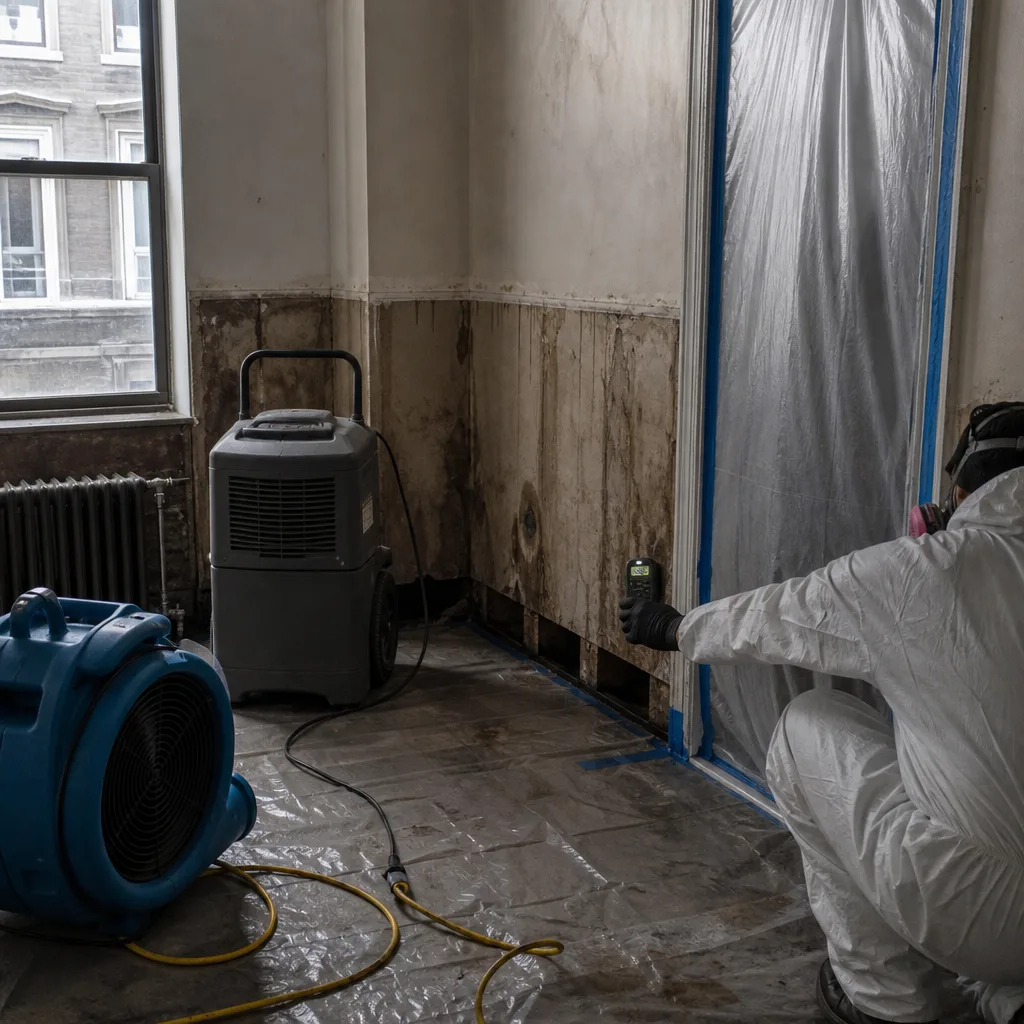 Before
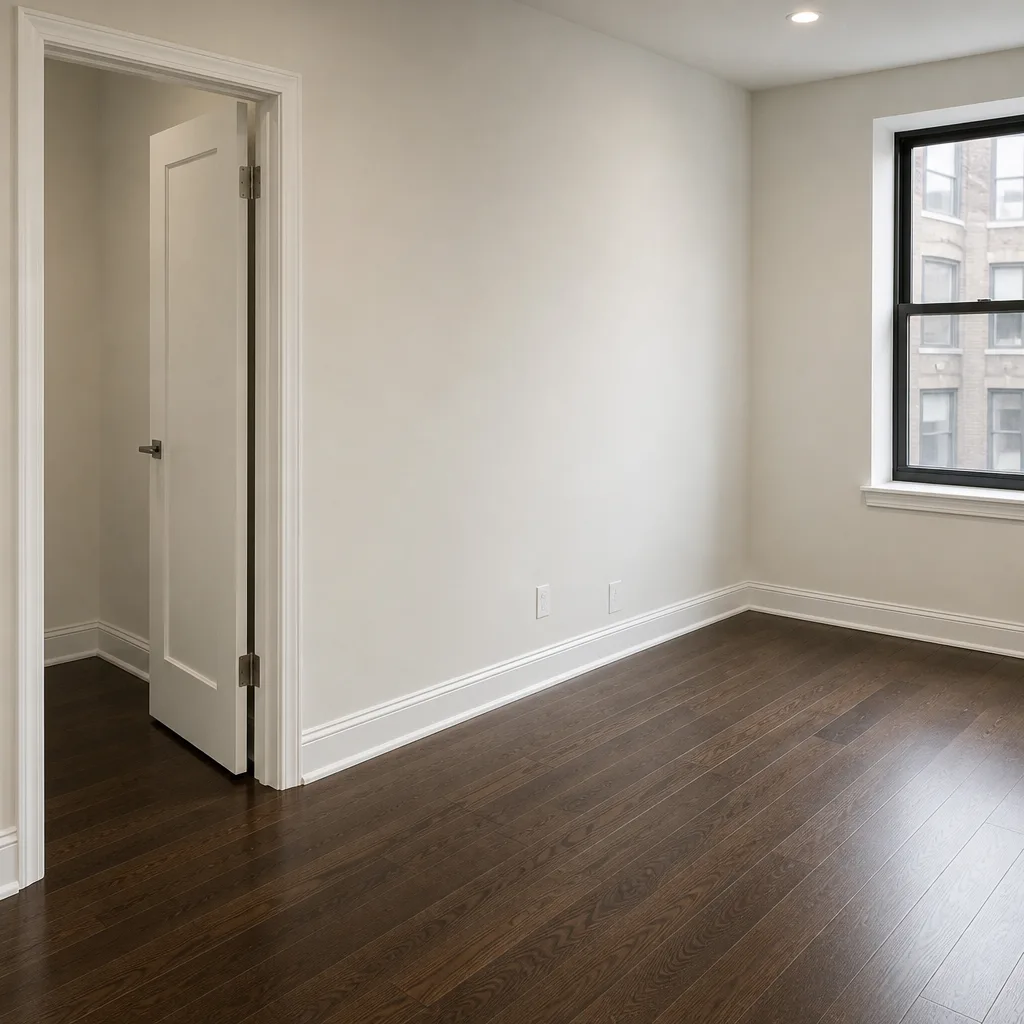 After
After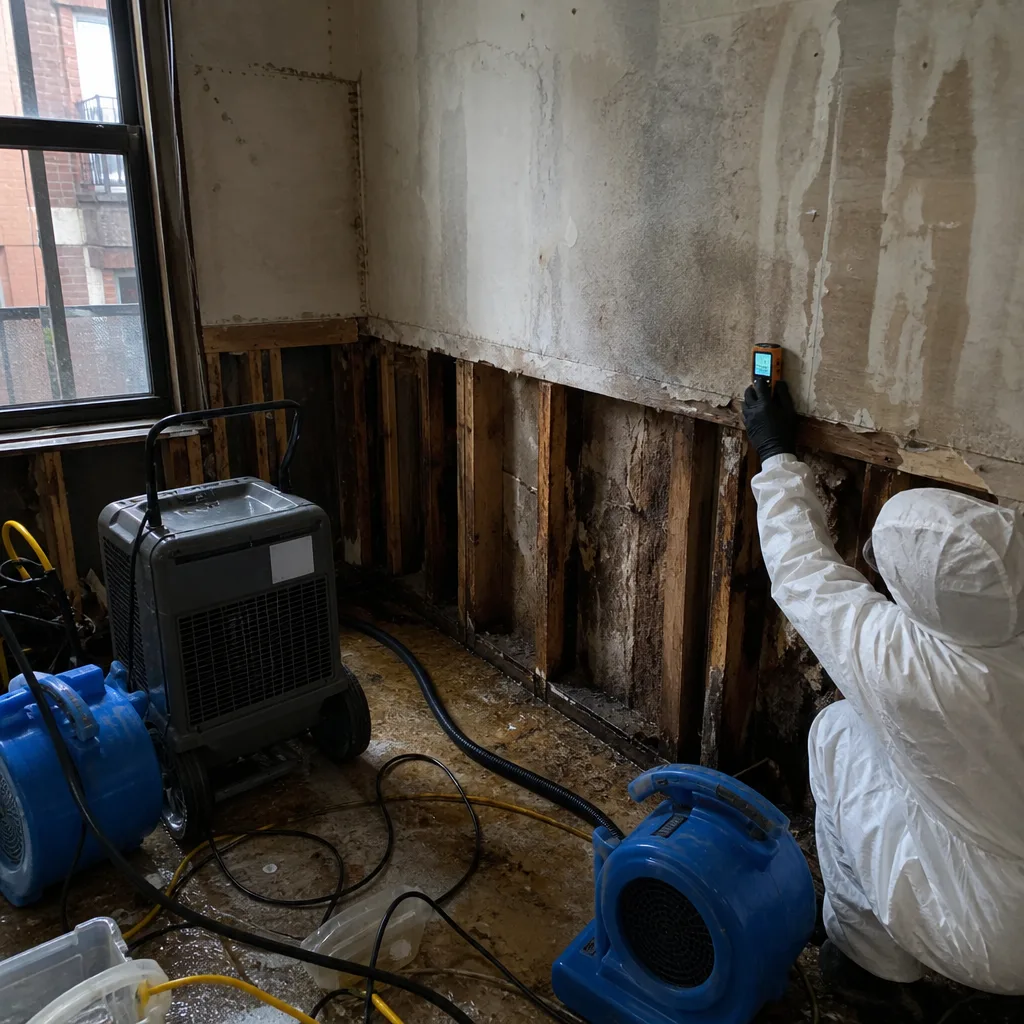 Before
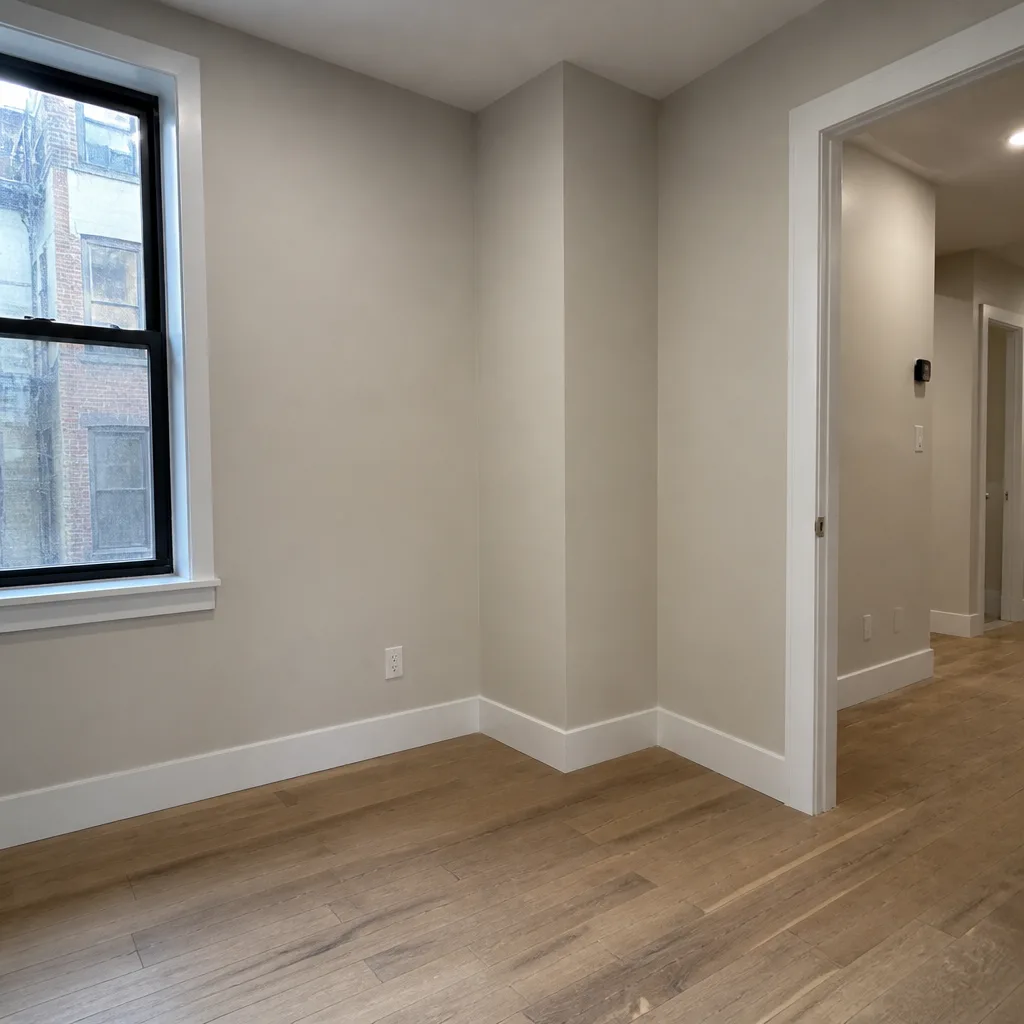 After
After24/7 Emergency Storm & Disaster Restoration in Midtown Manhattan
Storm and disaster restoration in Midtown Manhattan is fundamentally different from anywhere else in the country. When water is cascading through 30 floors of a high-rise at 2 a.m., or a nor’easter has blown out a curtain-wall seal on West 50th Street, you need a crew that understands freight-elevator windows, building COI requirements, and steam-main hazards, not just someone with a wet vac. Call (607) 350-1550 and you’ll get Wade or someone on his crew, awake and answering, ready to get equipment staged before the building’s freight elevator closes for the night. The first hour after water hits a Midtown high-rise matters more than it does anywhere else, because every minute of delay lets water travel down elevator shafts, through chase walls, and into the occupied floors below.
Understanding Storm & Disaster Restoration Severity in Midtown Manhattan Properties
We classify water damage by contamination level: Category 1 is clean water from a burst supply line or sprinkler; Category 2 carries significant contaminants, like a roof drain backing up; Category 3 is grossly unsanitary, including floodwater, sewage, and anything that comes up from a Midtown sub-basement after a steam-main failure. For storm damage in Midtown Manhattan, we rarely deal with just one category. A nor’easter roof breach on a pre-war co-op means Category 1 rain coming through the roof membrane, but by the time it passes through a 1928 plaster ceiling with asbestos pipe insulation above it, that water has picked up decades of accumulated debris and moves into Category 2 or 3 territory. Our moisture mapping and structural drying protocols are built for Midtown’s pre-war stock: plaster absorbs differently than drywall, cast-iron risers sweat for weeks after a flood, and concrete floors over occupied spaces demand desiccant drying rather than standard air movers. This is not guesswork. It’s IICRC standards applied to buildings that predate the IICRC by six decades.
Why Midtown Manhattan Property Owners Choose Wade’s Restoration
- 45-minute response commitment: We will be inside the freight entrance of a Midtown building within 45 minutes of your call, assuming building access is granted. Wade himself often arrives first with thermal imaging in hand.
- 24/7 live answer: When you call (607) 350-1550 at 3 a.m., a human picks up. Wade answers his own phone. No call center, no answering service, no “leave a message and we’ll get back to you.”
- IICRC-certified crews: Our team holds WRT (Water Damage Restoration Technician), FSRT (Fire & Smoke Restoration Technician), and AMRT (Applied Microbial Remediation Technician) certifications. The building manager at a Midtown high-rise should demand nothing less.
- Free visual inspection: We will come out, assess the damage, and give you a written scope before any work begins. No charge for that. No pressure, either.
- Direct insurance billing: We bill your carrier directly and coordinate with the adjuster ourselves, so you’re never stuck relaying messages between two parties.
- One team from extraction to reconstruction: The same crew that extracts the water and dries the structure is the crew that rebuilds your space. No hand-offs, no subcontracted strangers showing up at your door.
Our Storm & Disaster Restoration Process
Inspection & Assessment
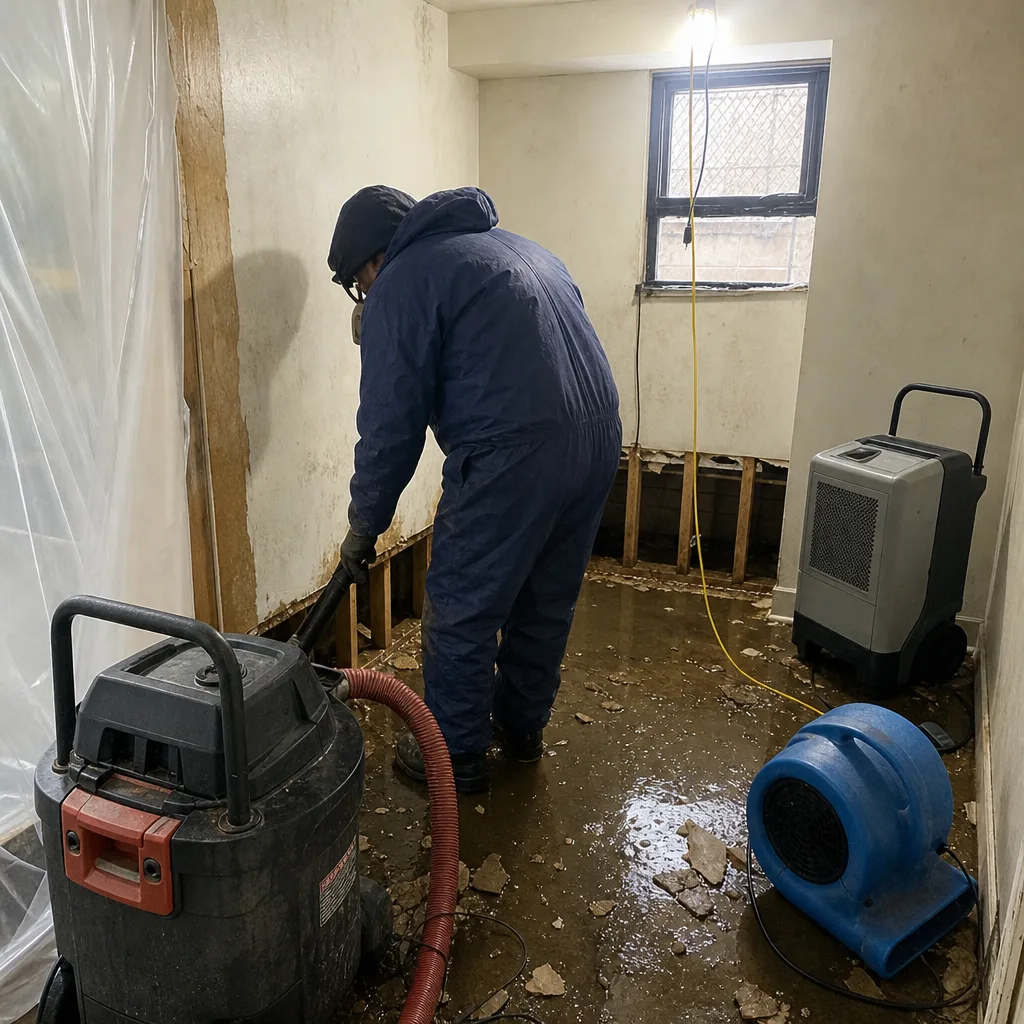
We arrive with thermal imaging and moisture meters, map the full extent of the damage behind walls and under floors, and document everything photographically. You get a written scope of work before anyone moves a single piece of equipment.
Extraction/Stabilization
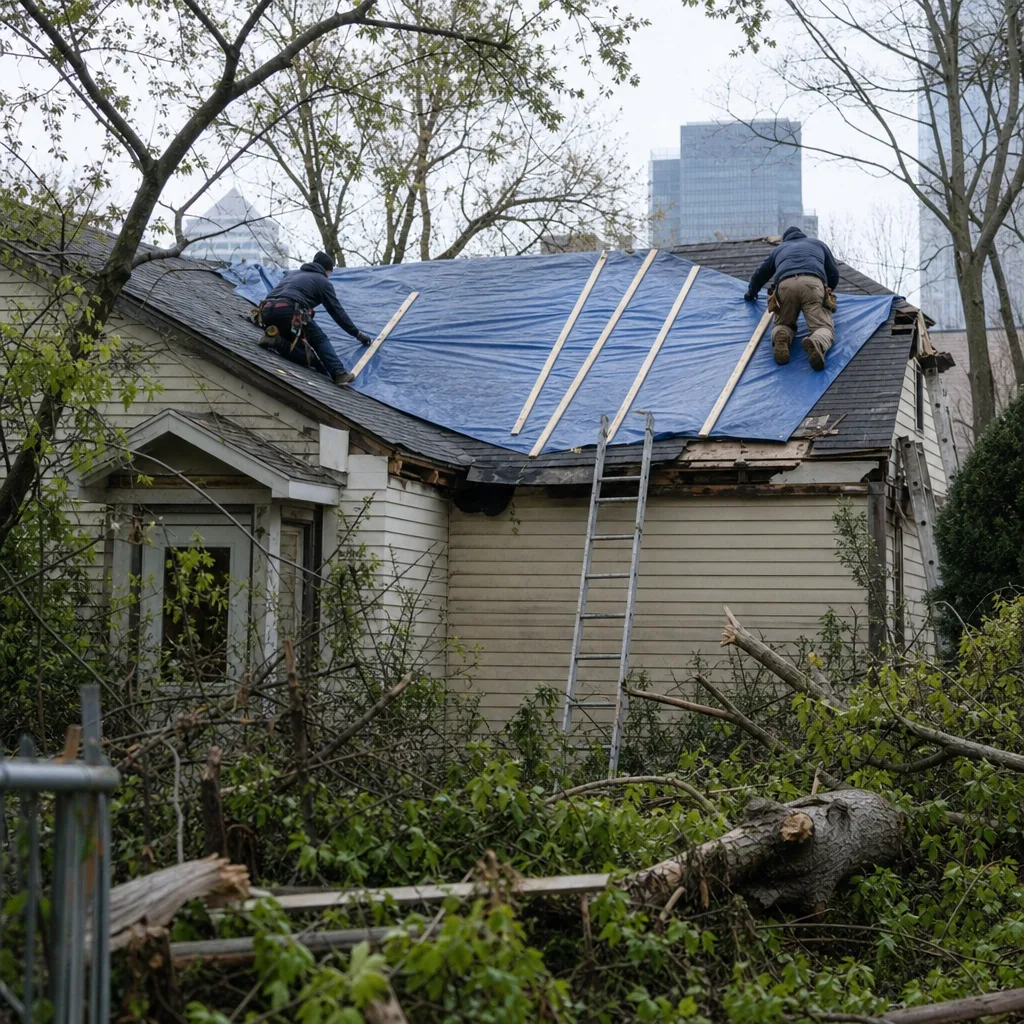
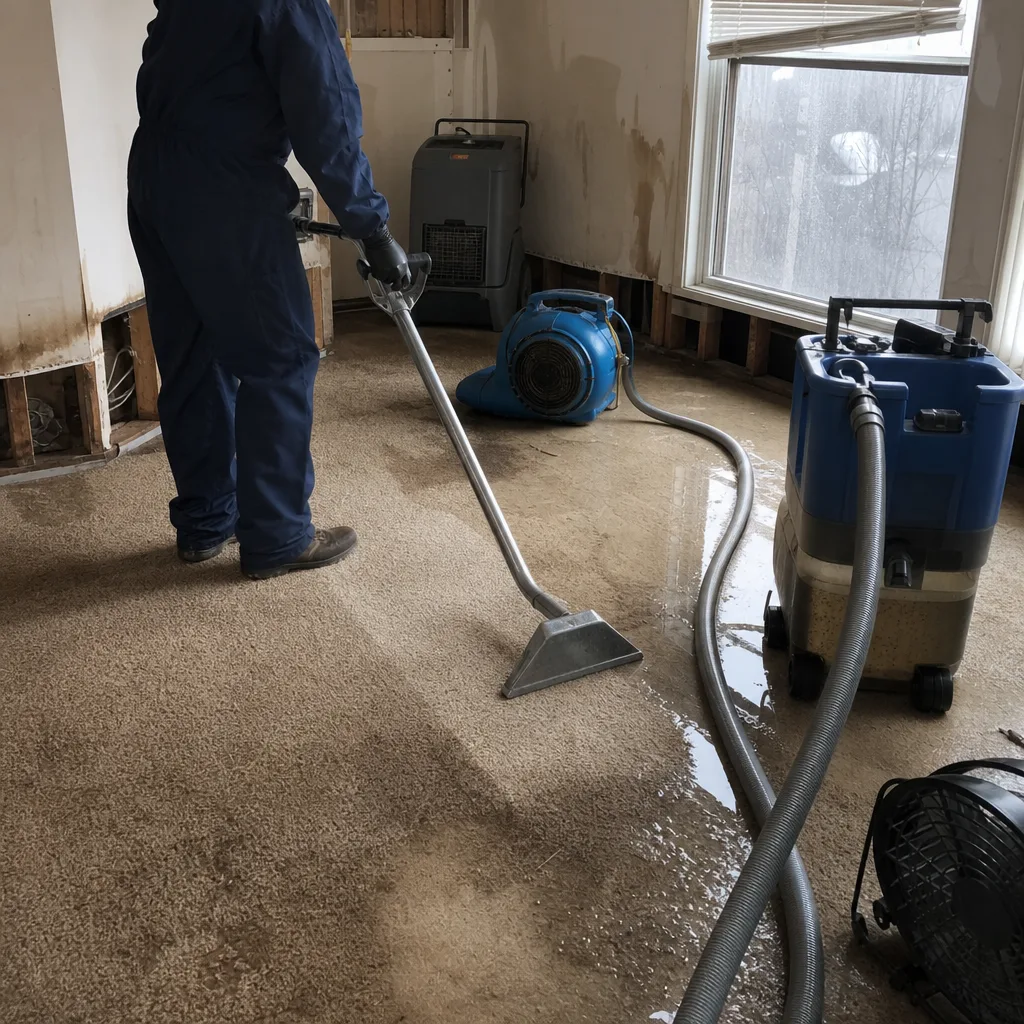
Standing water comes out first, using truck-mounted extraction units where building access allows, or portable XPOWER and Phoenix extractors when a freight-elevator schedule limits us. Emergency board-up and roof tarping happen at this stage if the building envelope is breached.
Drying & Dehumidification
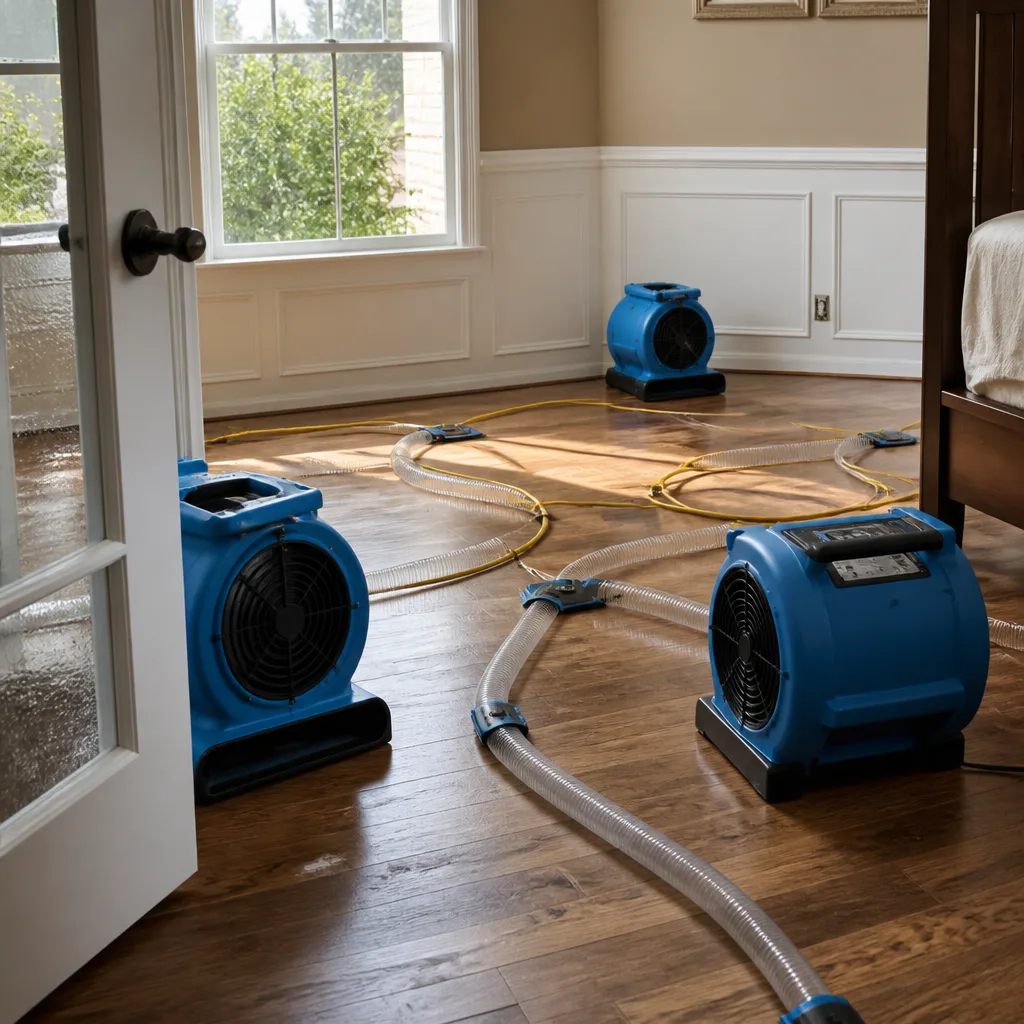
We deploy Dri-Eaz and Phoenix dehumidifiers with air movers configured specifically for the space. In dense Midtown high-rises, we favor desiccant units that can run on building power without tripping breakers shared by occupied neighboring units.
Cleaning & Sanitization
All affected surfaces get cleaned and treated with antimicrobial solutions through our Sanitization Services in Midtown Manhattan, matched to the contamination category. HEPA air scrubbers run throughout this phase to capture airborne particulates, especially where storm debris or sub-basement contamination is involved.
Containment & Testing
For any Category 3 loss or where asbestos and lead are present in a pre-war building, we set negative-air containment and coordinate with certified testing firms before, during, and after remediation. In Midtown, this is not optional. It’s standard operating procedure.
Repairs & Restoration
We rebuild to pre-loss condition through Reconstruction & Cleanup - Midtown Manhattan: drywall, plaster, custom millwork, hardwood floors, electrical. The same Wade’s Restoration crew sees the job through, and the same 90-Day Done Right Promise covers the work, in writing.
Need Emergency Storm & Disaster Restoration in Midtown Manhattan Now?
Crews minutes away, answering live 24 hours a day. The sooner we start, the less it costs.
Working With Your Insurance Company
We have been doing direct adjuster communication since Wade founded this company in 2007. The adjuster hears it from us, not from you. We start documenting from the very first hour: moisture readings, thermal images, photos of every damaged room and every piece of damaged equipment. Our estimates follow industry-standard line-item formats that carriers recognize, which speeds approval and cuts down on back-and-forth. In Midtown Manhattan, most storm damage claims also involve the building’s master policy, a tenant’s own policy, and sometimes a third party like a neighboring unit that was the source of the water. We will sort through that with you. You will never be the one stuck making phone calls between your insurer and your building’s insurance carrier.
What We Provide Your Insurer
- Thorough documentation of the loss
- Photos of all damage, room by room
- Moisture readings and drying logs
- A detailed, line-item scope of work
- Direct coordination with your carrier
Built for Midtown Manhattan’s Loss Calendar
Midtown Manhattan’s storm season is not a summer event. It’s year-round. January and February bring deep freezes that burst supply lines inside rooftop mechanical rooms perched on 40- and 50-story towers, sending water down through elevator shafts and interior chase walls for hours before anyone notices. March and April bring nor’easter after nor’easter, with horizontal rain driving against the glass curtain-wall facades of buildings in the west 40s and 50s, blowing out seals and flooding corner offices in towers along Eighth and Ninth Avenues. Summer brings thunderstorm flash flooding that overwhelms Midtown’s aging storm drains near low-lying intersections, pushing Category 3 water into sub-basements and mechanical rooms. Fall is the calm before the winter cycle starts again. And underneath all of it sits Con Edison’s district steam network, the largest in the world, running beneath Midtown streets and capable of failing any month of the year. The result: a damage calendar that no other neighborhood in this city shares.
Storm & Disaster Restoration Across Midtown Manhattan’s Neighborhoods
Response routes and building types shift block by block here. In Hell’s Kitchen, we work a lot of pre-war walk-ups and five-story tenements where roof scuttles let rain pour down one interior stairwell and into the units below. Over in Murray Hill, the stock runs to mid-century co-ops with interior riser closets that carry water straight down through every floor once a pipe lets go. The Garment District has industrial-era buildings with freight elevators that shut down at 6 p.m., meaning an emergency at 8 p.m. means we stage equipment on the sidewalk and start at 6 a.m. sharp. Times Square properties see a mix of everything: hotels, office towers, retail below, residential above, all sharing the same elevator banks. And on the far west side near Hudson Yards and the Javits Center, newer glass towers mean curtain-wall failures rather than roof failures. If the building is on the east side near Fifth Avenue and Central Park, we are often dealing with pre-war co-ops where any demolition triggers asbestos and lead testing before a single wall is opened. We know these buildings. We know the freight entrances, the managing agents, and the security desks.
Specialized Storm & Disaster Restoration Services We Offer in Midtown Manhattan
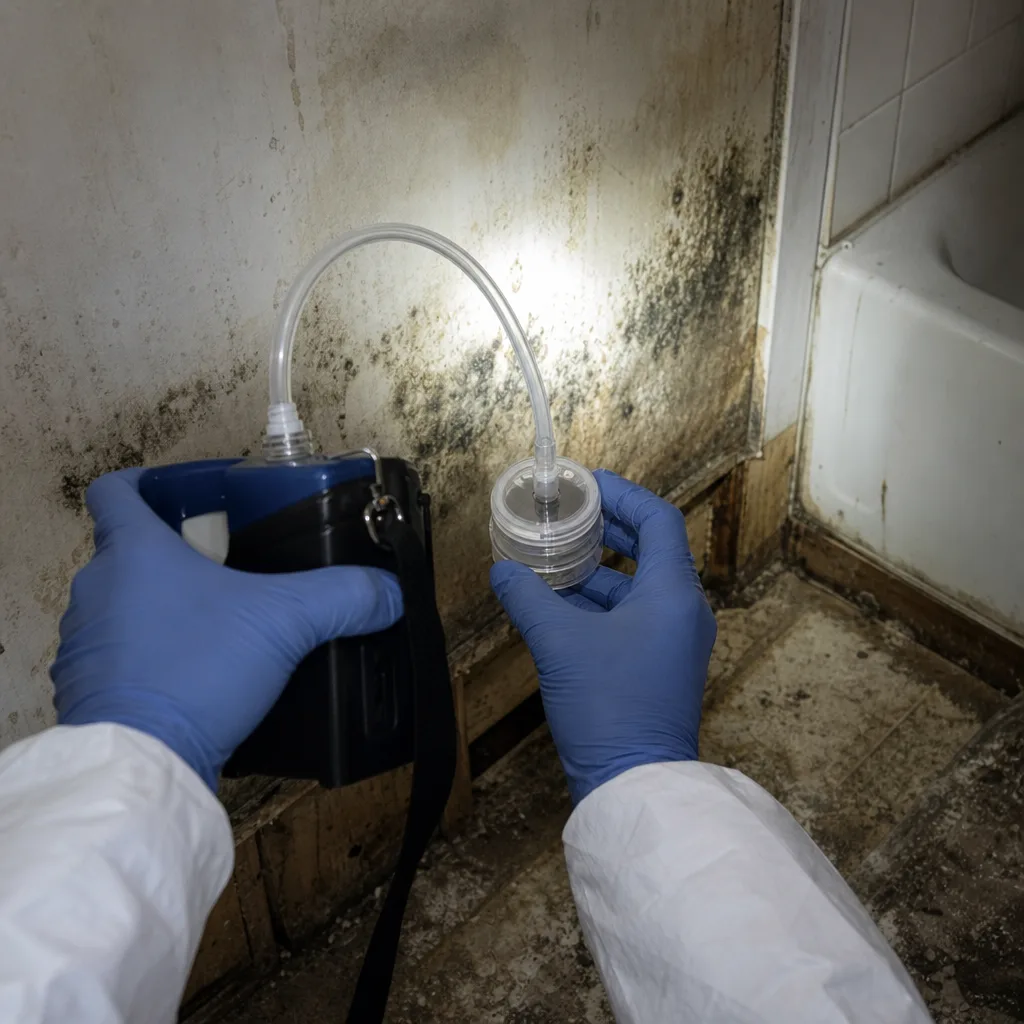
Storm Damage Cleanup
Storm damage cleanup in Midtown Manhattan usually starts with a facade breach. Water blows in through a curtain-wall seal, a broken window on a high floor, or a roof drain that backed up. We remove standing water, cut away saturated drywall and plaster, and treat the envelope itself so the problem doesn’t come back on the next storm. Cleanup includes demolition, debris removal, antimicrobial treatment, and the start of the drying process, all done with freight-elevator logistics and building COI requirements handled before we arrive.
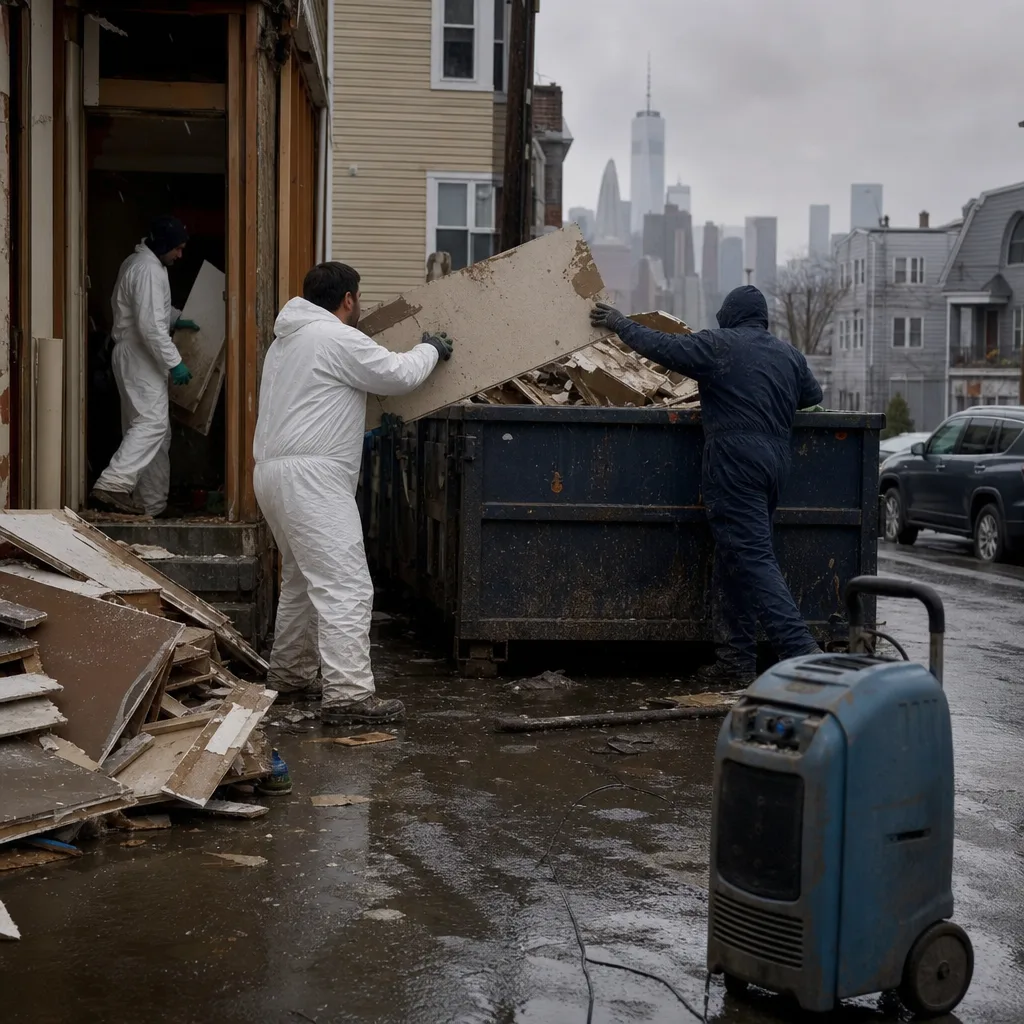
Flood Damage Restoration
Flood damage in Midtown means one of three things: a storm drain surcharge pushing Category 3 water into a sub-basement, a Con Edison steam-main failure depositing hot contaminated debris, or a plumbing failure that sat undiscovered while water pooled on a concrete slab. Our Storm & Disaster Restoration team responds with full extraction, contamination assessment, and structural drying. In a Midtown high-rise, the drying timeline stretches because every dehumidifier has to ride a freight elevator, and every piece of equipment has to run on circuits shared with tenants who are still living above and below the loss site.
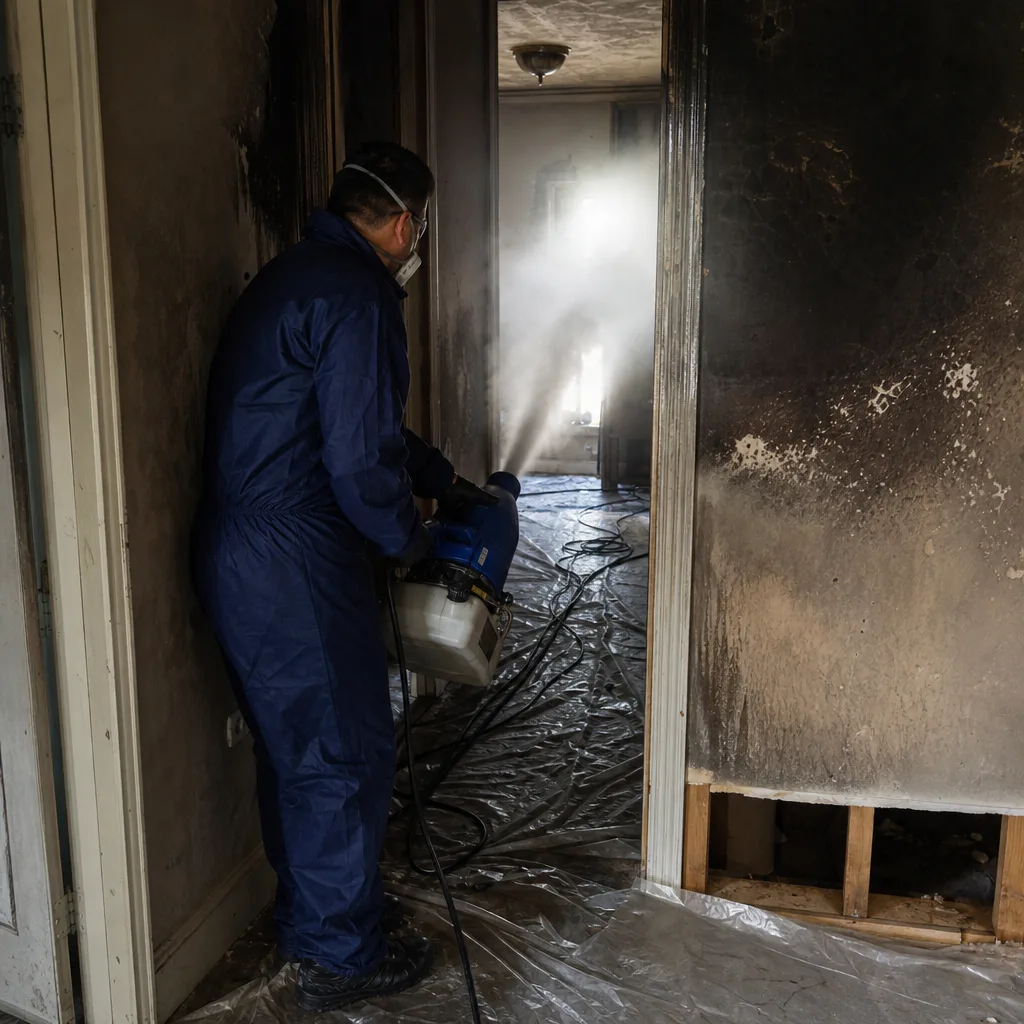
Emergency Board-Up
When a storm tears a window out of a 30th-floor corner office or a facade panel fails on a pre-war tower, the opening stays open until someone secures it. We handle emergency board-up in Midtown Manhattan with materials appropriate to the building’s height and exposure, working with building management to schedule access and meet safety requirements. On high floors, that means harnessed crews, not a ladder and a sheet of plywood.
Roof Tarping
Midtown roofs are not like suburban rooftops. They hold mechanical rooms, cooling towers, elevator machinery, and communication arrays, all sitting on membrane roofs over occupied space. When a storm opens a tear, we tarp it fast, using ballasted systems that will not blow off in the next nor’easter. Temporary does not mean flimsy, and on a 50-story tower, flimsy is dangerous.
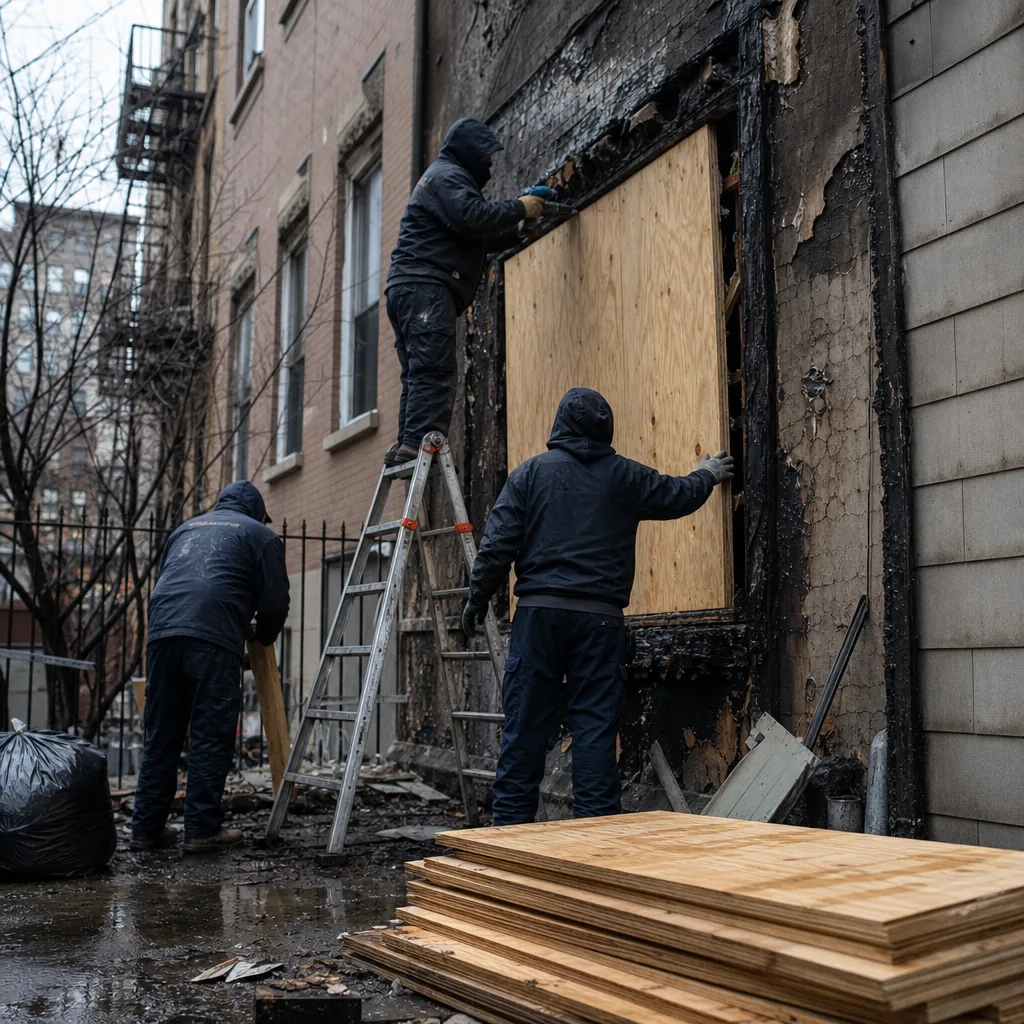
Debris Removal
Storm debris in Midtown gets complicated. It’s not just branches and leaves. It’s glass from blown-out curtain-wall panels, saturated insulation, plaster from collapsed ceilings, and sometimes contaminated material from a steam-main event. Every load leaves the building through the freight elevator on the building’s schedule, not ours, and every truck has to navigate Midtown’s loading zones. We handle the logistics and the disposal paperwork. All of our storm and disaster cleanup work in Midtown Manhattan is done by the same owner-operated team from start to finish.
What happens when you call
- 1
A real person answersNo phone trees - you reach a local pro.
- 2
You get an upfront price rangeHonest numbers before anyone is dispatched.
- 3
A background-checked tech heads outLicensed & insured, dispatched right away.
- 4
You approve before work beginsNothing starts until you say go.
Storm & Disaster Restoration Costs in Midtown Manhattan, NY
Storm damage pricing in Midtown Manhattan runs higher than the boroughs or the suburbs, and the reasons are structural: freight-elevator windows add days, COI requirements add paperwork time, and building rules about after-hours work add labor premiums. A typical storm damage cleanup in a Midtown apartment or office suite runs $3,500-$9,000. Flood damage restoration with full extraction and structural drying in a high-rise unit typically lands between $6,000 and $18,000, depending on how many floors are involved and whether the building’s freight elevator runs only during limited hours. Emergency board-up on a street-level commercial space runs $500-$1,200; high-floor work with rope access can run $2,500 and up. Roof tarping on a Midtown tower runs $1,500-$5,000 depending on roof access, parapet configuration, and wind exposure. The fastest way to a firm number is a free visual inspection. We will write the scope, itemize it, and you decide before anything gets started. Call (607) 350-1550 to schedule that inspection today.
We Also Serve Cities Near Midtown Manhattan
Wade’s Restoration serves all of Midtown Manhattan and the surrounding neighborhoods: Lower Manhattan, the Financial District, Astoria, and Long Island City. If you’re in a high-rise, a walk-up, or a mixed-use building anywhere in the area, the same crew, the same speed, and the same owner-accountability applies.
Midtown Manhattan Storm & Disaster Restoration Questions, Answered
What happens when a Con Edison steam main fails beneath our Midtown street?
When a steam main fails under a Midtown street, the immediate issues are heat, pressure, and contamination. Steam forces hot water and debris upward, sometimes breaching basements and sub-basements with water that can carry asbestos from old pipe insulation and decades of accumulated street grime. The first step is evacuation and securing the affected area, then we assess the contamination level and determine if Biohazard & Crime Scene Cleanup in Midtown Manhattan protocols are needed before any drying begins. This is a Category 3 situation every time, requiring full containment, HEPA air scrubbing, and coordination with Con Edison and your building’s managing agent. Call (607) 350-1550 the moment you suspect a steam-main issue near your building.
Why does a water-loss job in a Midtown high-rise take longer than in a house?
Because every piece of equipment, every technician, and every bag of debris must move through a freight elevator on a schedule set by the building. Freight windows in Midtown run typically 6-8 a.m. and after 10 p.m. Equipment that would take 20 minutes to load into a suburban house takes hours when it has to ride a freight car up 40 floors in dedicated time slots. Add COI paperwork requirements, mandatory asbestos testing in pre-war buildings, and the need to keep power loads low enough not to trip breakers shared with occupied neighboring units, and a two-day suburban dry-out becomes a six-day Midtown job. This is the reality of our Storm & Disaster Restoration in Midtown Manhattan service area, and it’s why we plan logistics before we ever show up.
Can you start drying before asbestos testing results come back?
No. In Midtown Manhattan’s pre-war buildings, we will not cut open a wall or set up demolition before asbestos and lead testing clears the affected materials. Starting drying early on a contaminated area spreads asbestos fibers through air movement, creating a cross-contamination claim and a much bigger problem. We will set containment, we will document, we will stage equipment, and we will wait for the lab results. A few hours of delay is far cheaper than an abatement order.
What insurance paperwork does our Midtown building management require before you enter?
Most Midtown buildings require a Certificate of Insurance naming the building’s managing LLC as additionally insured, with specific coverage limits that vary by building. Some larger commercial towers require $5 million or more in general liability, plus workers’ comp documentation. We carry the coverage and can produce the COI within hours, not days. You should ask for this document from any restoration company before they send a crew to your building. If they hesitate, call us instead.
How do you handle a sprinkler activation on an upper floor that cascades through 20 occupied floors?
This is a Midtown-specific emergency that suburban restoration companies never see. A single sprinkler head going off on floor 35 sends water down through chase walls, elevator shafts, and electrical rooms, hitting 20 or more occupied floors with varying degrees of damage. We handle this with a top-down approach: stop the source first, then deploy moisture mapping on every affected floor simultaneously. Multiple crews work stairwells and freight elevators in parallel, with desiccant drying units on the floors hit hardest and air movers on the periphery. Coordination with building management and all affected tenants is a full-time job during these events, and we do it as part of the restoration, not as an afterthought.
How fast can you actually get to Midtown Manhattan?
Within 45 minutes, assuming the building grants access. Wade often answers his own phone and heads out himself with thermal imaging and a moisture meter to start the assessment. For storm emergencies where a building facade is breached or water is actively cascading, we prioritize immediately. Call (607) 350-1550. A live person answers, 24 hours a day, every day.
Do I really need full remediation, or can I just clean it up myself?
If you had a small amount of Category 1 water from a burst supply line that was caught within minutes, a basic clean-and-dry might be enough. If you had storm floodwater, any sub-basement water, or water that sat for more than a few hours, the answer is almost always full remediation. Category 3 water carries pathogens that cleaning will not remove, and hidden moisture behind walls and under floors will grow mold within 48 to 72 hours. The cost of full remediation now is typically a fraction of what mold remediation and structural repair will cost six months from now.
Are you certified to work in Midtown high-rises?
Yes. Wade’s Restoration holds IICRC certifications including WRT, FSRT, and AMRT, and our crews are experienced with high-rise safety, rope access, and building-specific access protocols. We provide Certificates of Insurance to building management before work begins, and we carry the RIA and IFA affiliations that Midtown’s commercial landlords expect. Ask for documentation. We will hand it over without hesitation.
Serving Midtown Manhattan, NY - Our Local Coverage Area
We’re based in the Midtown Manhattan area and know this community well. Use the map below to see our service coverage - if you’re nearby, we can almost certainly help.
On West 45th Street: A Field Note
On West 45th Street, a nor’easter drove horizontal rain through the curtain-wall facade of a 38-story glass tower, flooding three corner offices on the 26th floor. We scheduled freight elevator access for 6 a.m., set containment before anyone arrived for work, and deployed Dri-Eaz desiccant units to dry the custom oak paneling without warping it. The building’s managing LLC and co-op board were involved from the first hour. We delivered pre-loss condition in five days without displacing a single tenant. That’s the job in Midtown Manhattan: precise, logistics-heavy, and invisible to everyone except the people who live and work above and below the loss.
Written by Wade Ferris, Owner at Wade’s Restoration, serving Storm & Disaster Restoration in Midtown Manhattan with emergency response 24 hours a day.