
Free visual inspection and a written scope of work before any mitigation begins - photos, moisture readings, and drying logs go in your claim file
The scope we write is the scope we bill. Anything new gets shown to you, in writing, before we touch it.
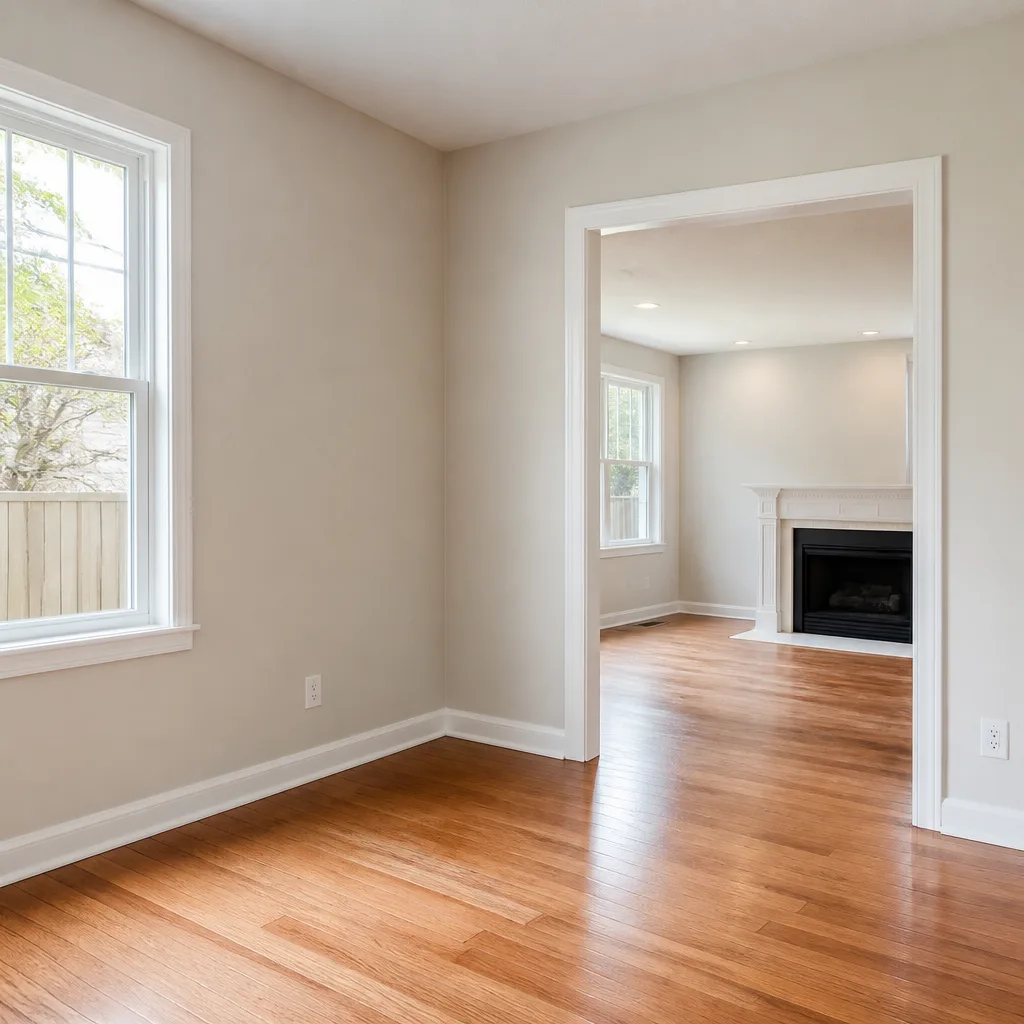
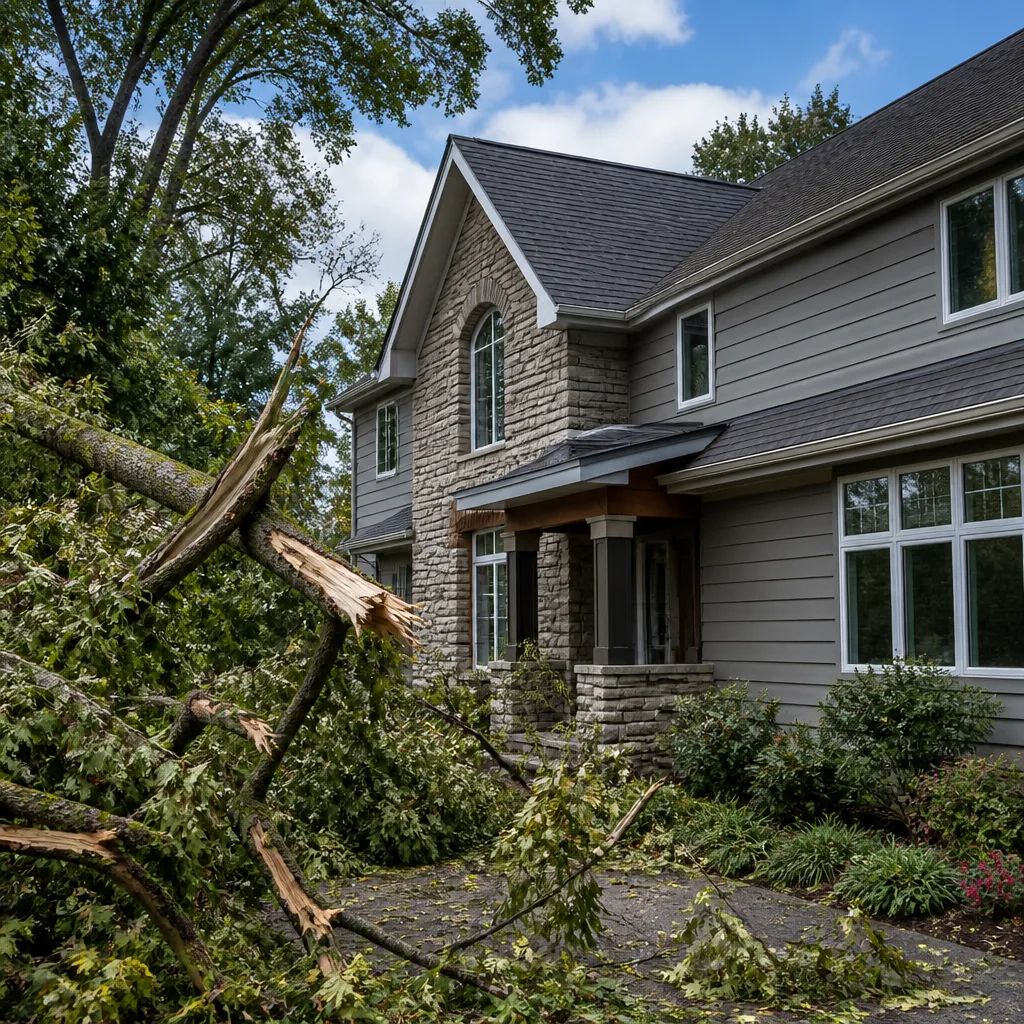

 Before
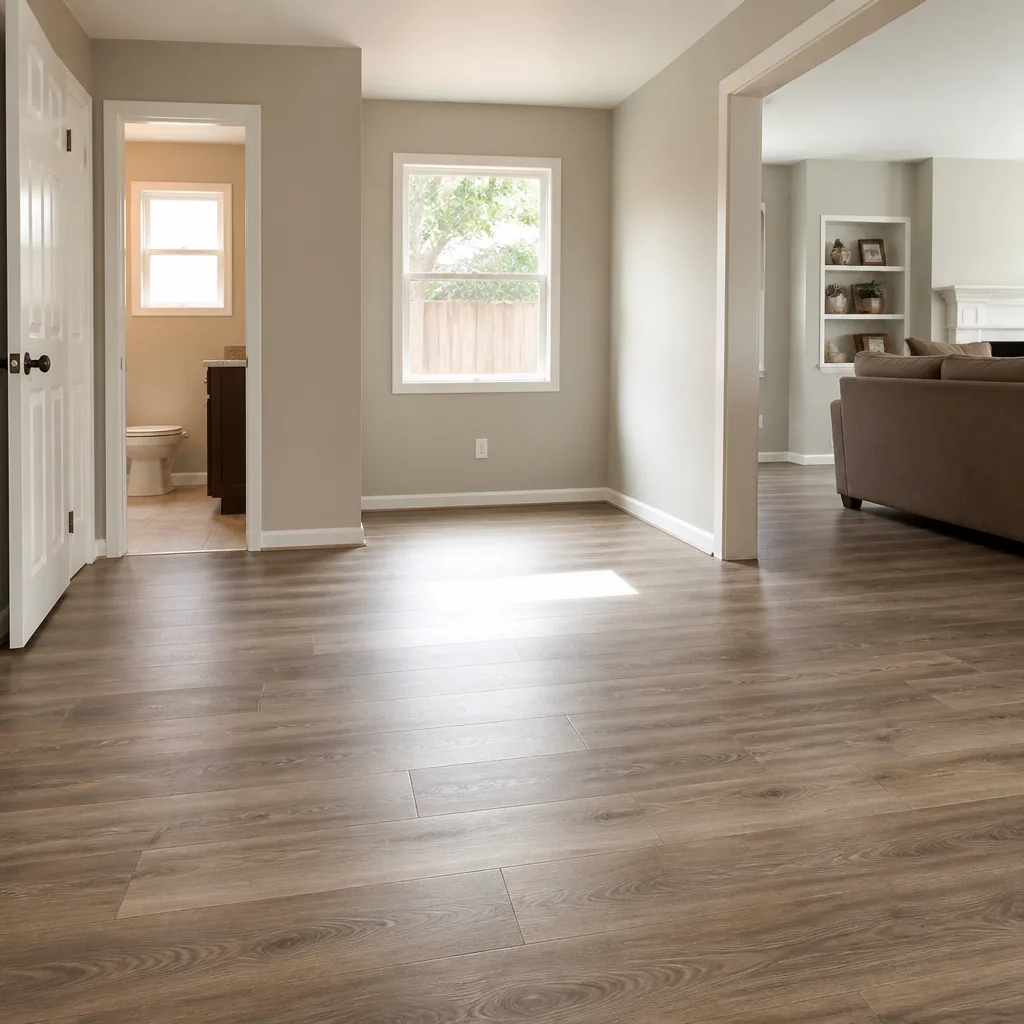
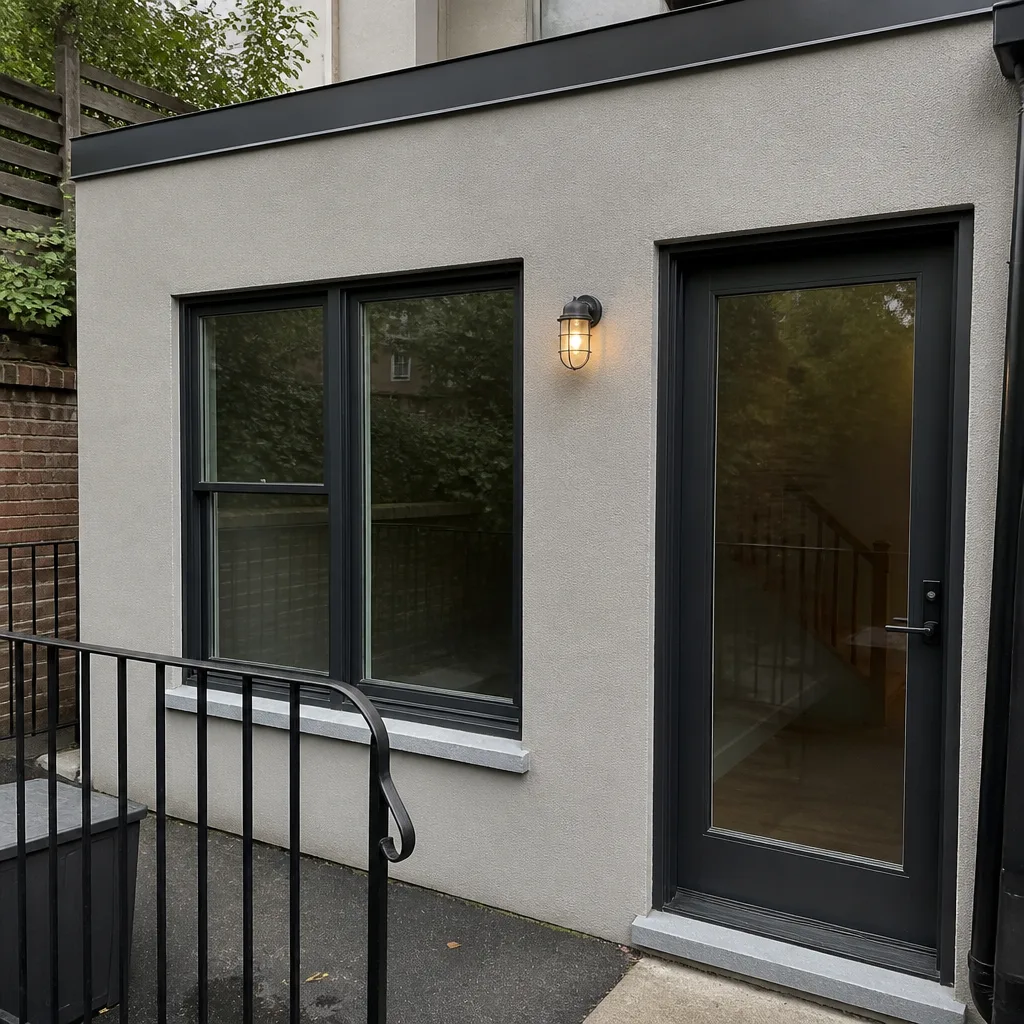 After
After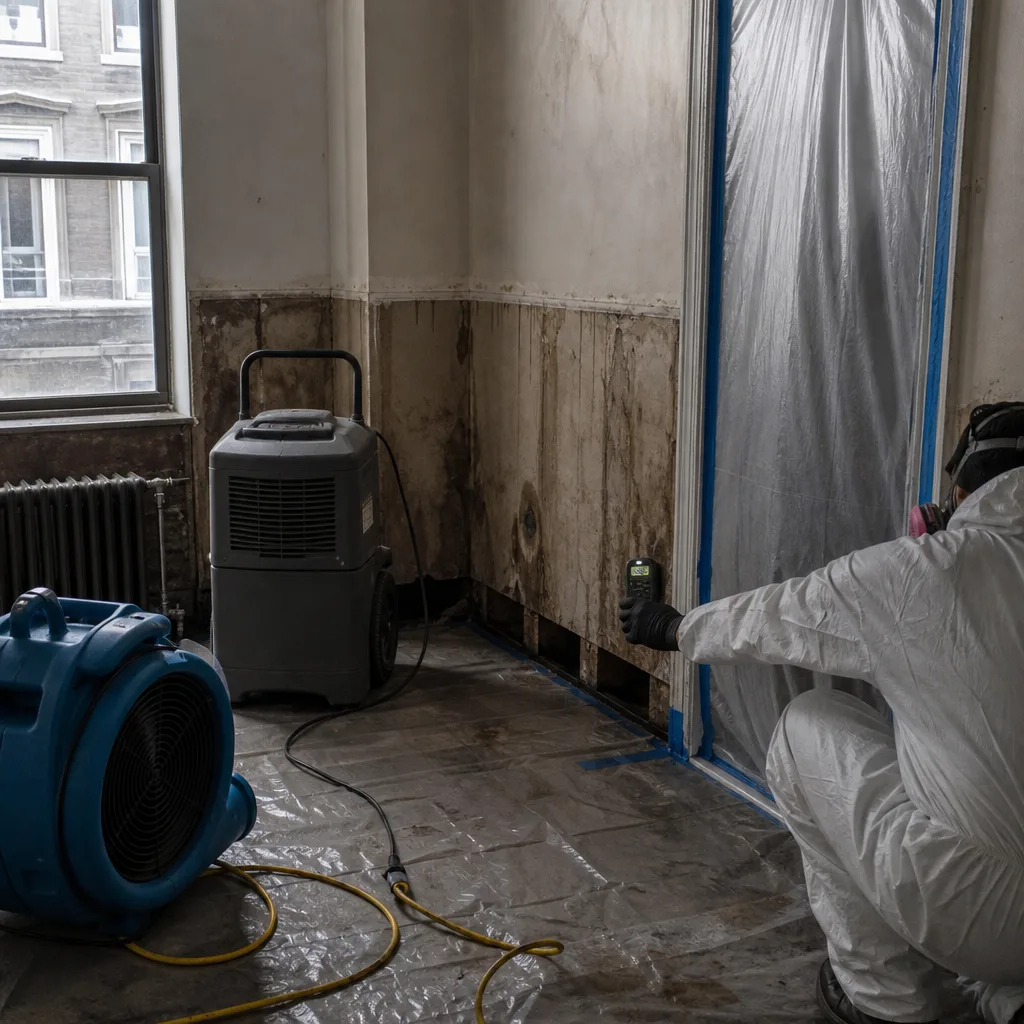 Before
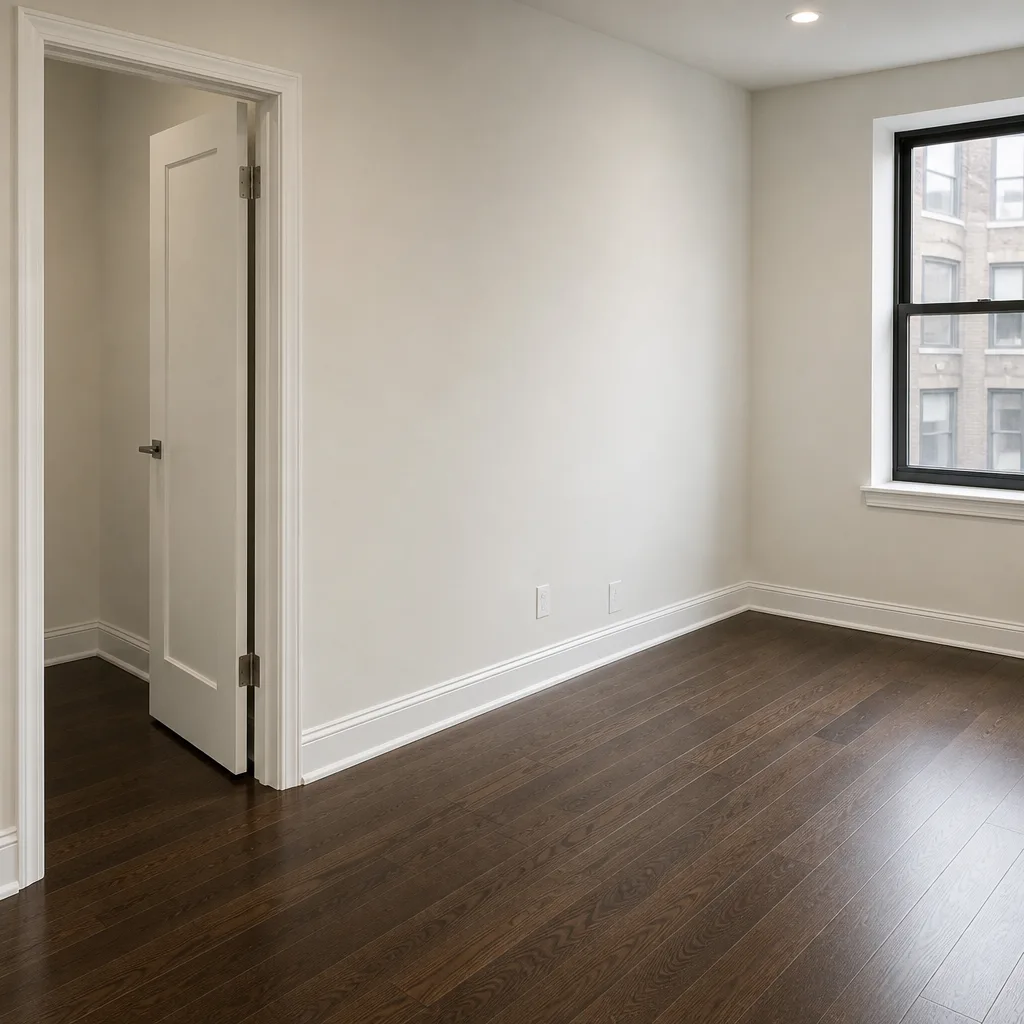 After
After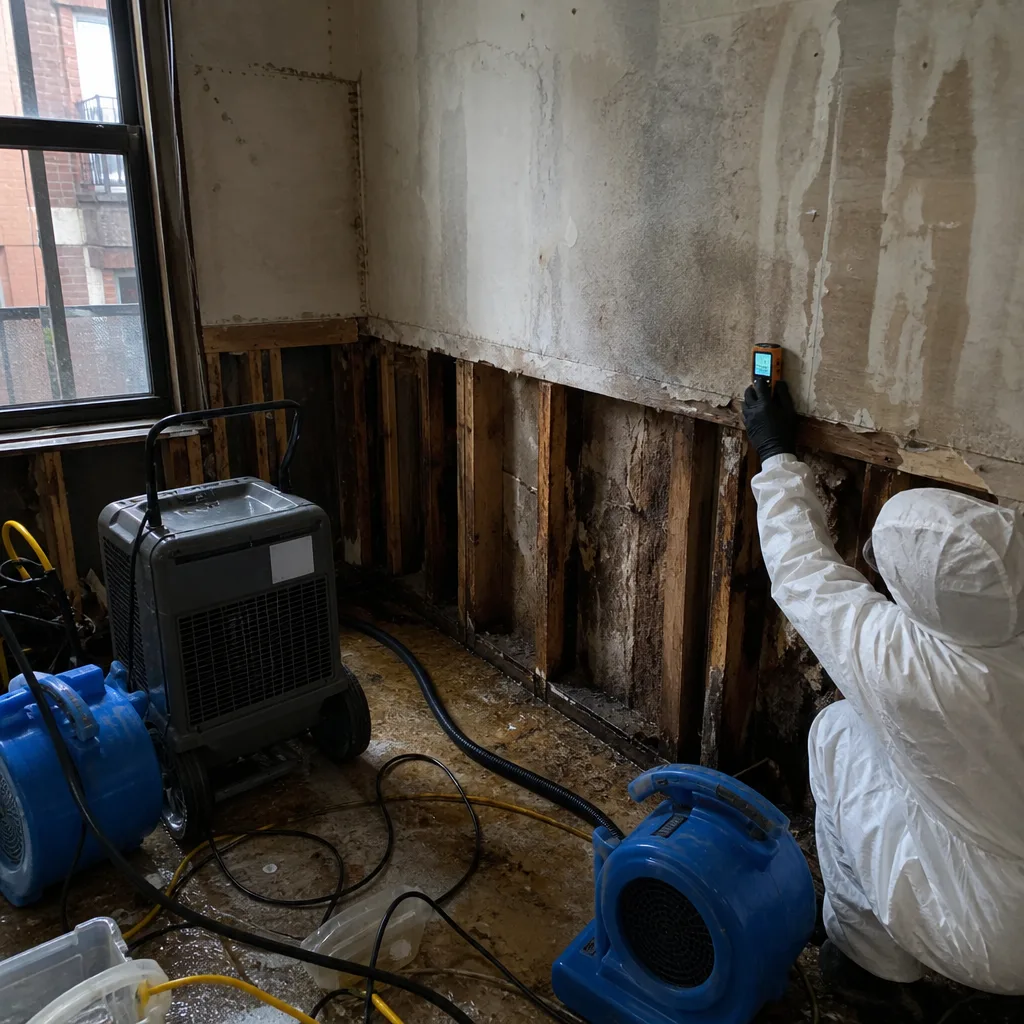 Before
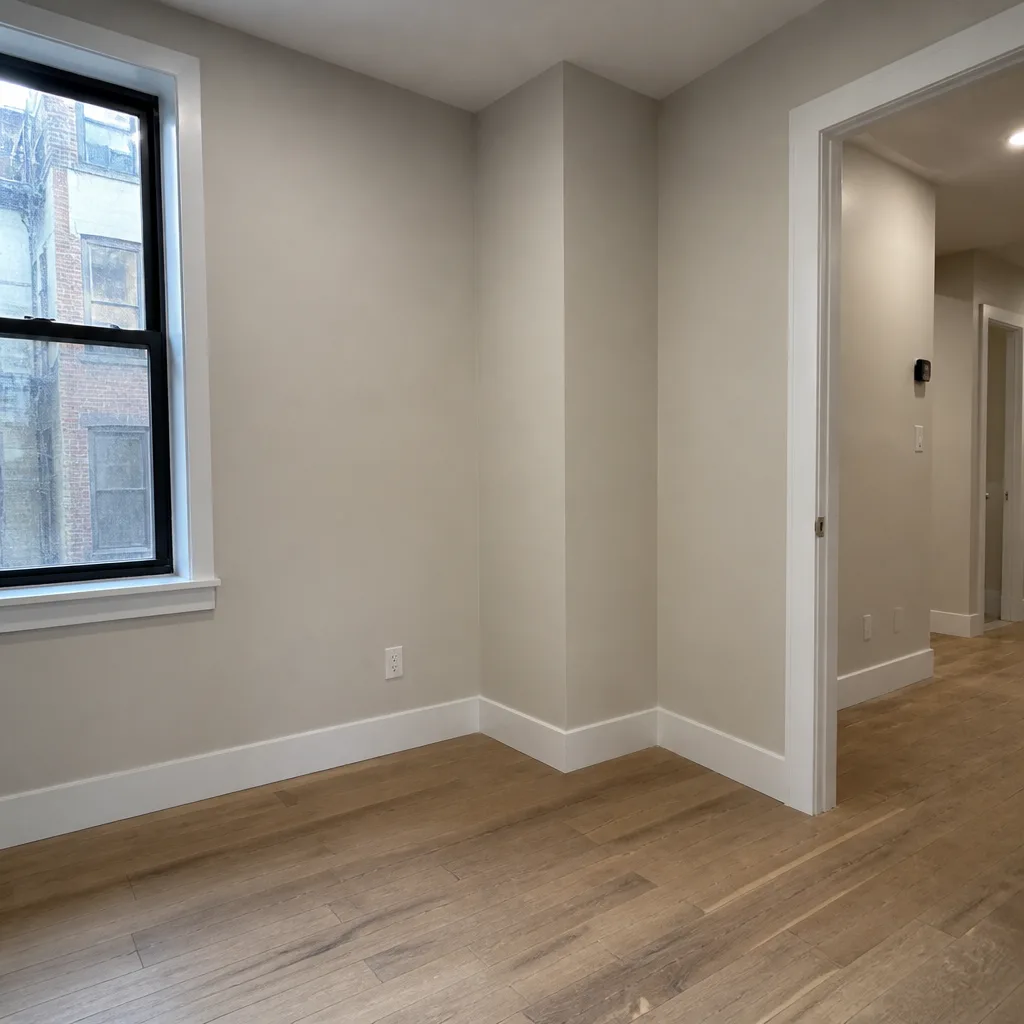 After
After24/7 Emergency Sewage Cleanup in Glendale
Sewage backup in a Glendale basement is a Category 3 black water event, and it gets worse by the hour. The longer raw sewage sits against the porous brick foundations and original plaster walls common in this neighborhood’s 1920s-1940s row houses, the deeper the contamination wicks, the higher the cost climbs, and the greater the chance it migrates through the shared party wall into the adjoining unit. When a toilet overflows, a floor drain backs up, or the combined sewer sends black water surging into your finished basement at 2 a.m., Wade Ferris answers the phone himself and can have extraction running inside the hour. Call (607) 350-1550 right now and a real person picks up, not a voicemail. We serve the full Glendale area and never charge a trip fee inside the county.
Understanding Sewage Cleanup Severity in Glendale Properties
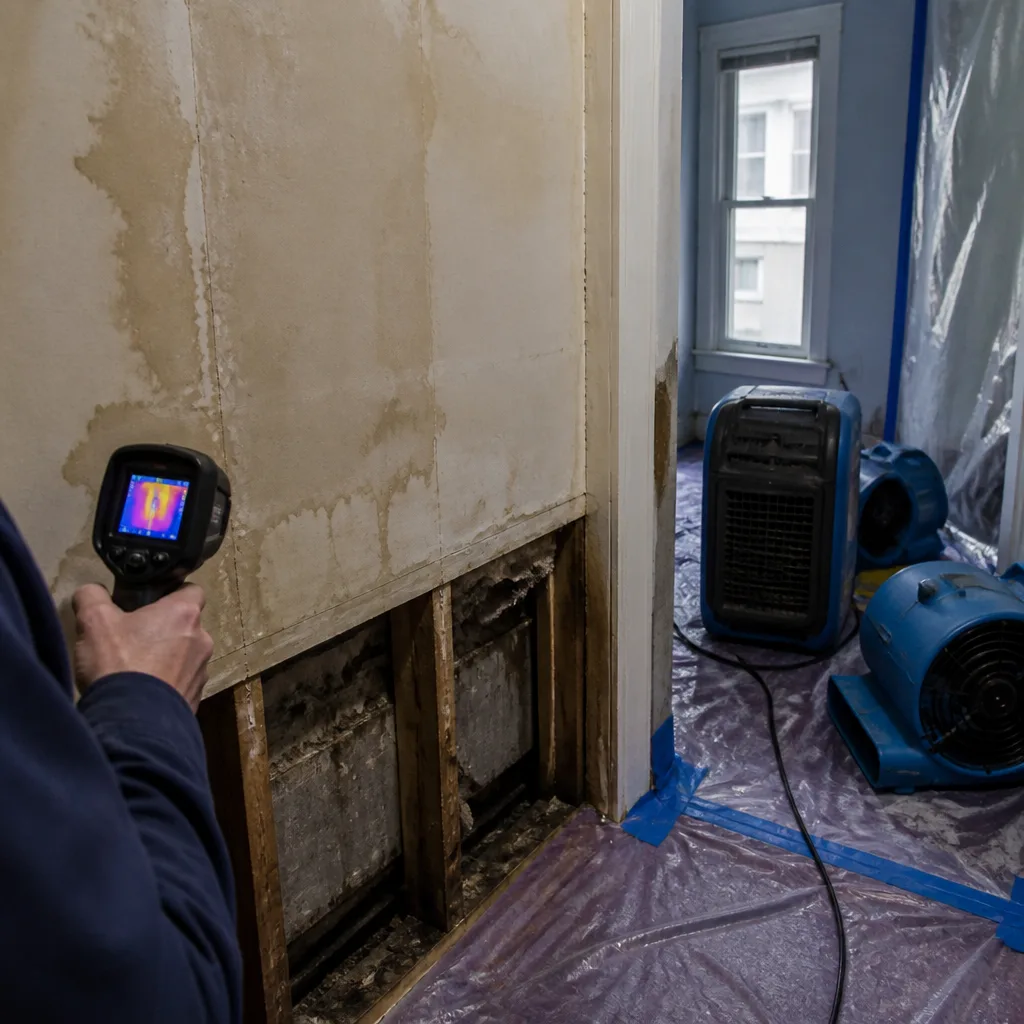
Every water loss gets classified, and sewage is never a gray area. Category 1 is clean water from a supply line. Category 2 carries soap, detergent, or minor contaminants. But sewage is Category 3: black water, meaning it contains human waste, bacteria, viruses, and parasites. Pathogens like E. coli, Salmonella, and Hepatitis A are not hypothetical in a Glendale basement backup; they are what the techs suit up against. In Glendale’s semi-detached and attached brick-and-frame construction, the classification has a second layer of urgency: Category 3 water doesn’t stop at the property line. It follows the common soil stacks and the shared party wall into the neighbor’s home, which means the affected area is often twice what the homeowner first reports. Our crews use moisture mapping, thermal imaging, and hygrometers to track exactly how far the contamination has spread through the plaster, the floor joists, and the porous foundation blocks before we start removing anything. In a neighborhood built roughly between 1920 and 1945, the framing and masonry have had 80 to 100 years to absorb, crack, and create pathways that a newer detached home simply doesn’t have. That’s why we treat every Glendale sewage backup as a structure-wide contamination event, not a basement-only cleanup. Our Sewage Cleanup team follows IICRC S500 standards for Category 3 water, which means full containment, HEPA air scrubbing, and antimicrobial treatment, not just mop-up and deodorizer.
Why Glendale Property Owners Choose Wade’s Restoration
- Wade answers his own phone, 24/7. Not an answering service. Not a call center. When a sewage line backs up at midnight, Wade Ferris picks up and tells you what he’s sending and when.
- 45-minute response commitment. Our crews stage out of the metro area and head straight to Glendale’s blocks between Myrtle Avenue, Cooper Avenue, and 80th Street as soon as the call comes in.
- IICRC-certified and RIA-affiliated. Our techs carry WRT and ASD certifications, and the company holds IICRC, RIA, and IFA credentials. Black water work is done to S500 standard, full stop.
- Free visual inspection, no trip charge inside the county. You’ll see the scope in writing before any work begins, and there’s no charge for us to come look.
- Direct insurance billing. We document the loss from hour one, handle the adjuster communication ourselves, and send the insurer the full moisture log at the end.
- One team from extraction to reconstruction. The same crew that pumps the sewage out is the crew that re-frames, boards, and finishes. No passing you to a “reconstruction partner.”
Our Sewage Cleanup Process
Inspection & Assessment
Wade or his lead tech walks the Glendale property, classifies the water, and maps the affected area including any suspected migration through party walls. We test with a moisture meter and document everything before anyone touches a pump.
Extraction & Stabilization
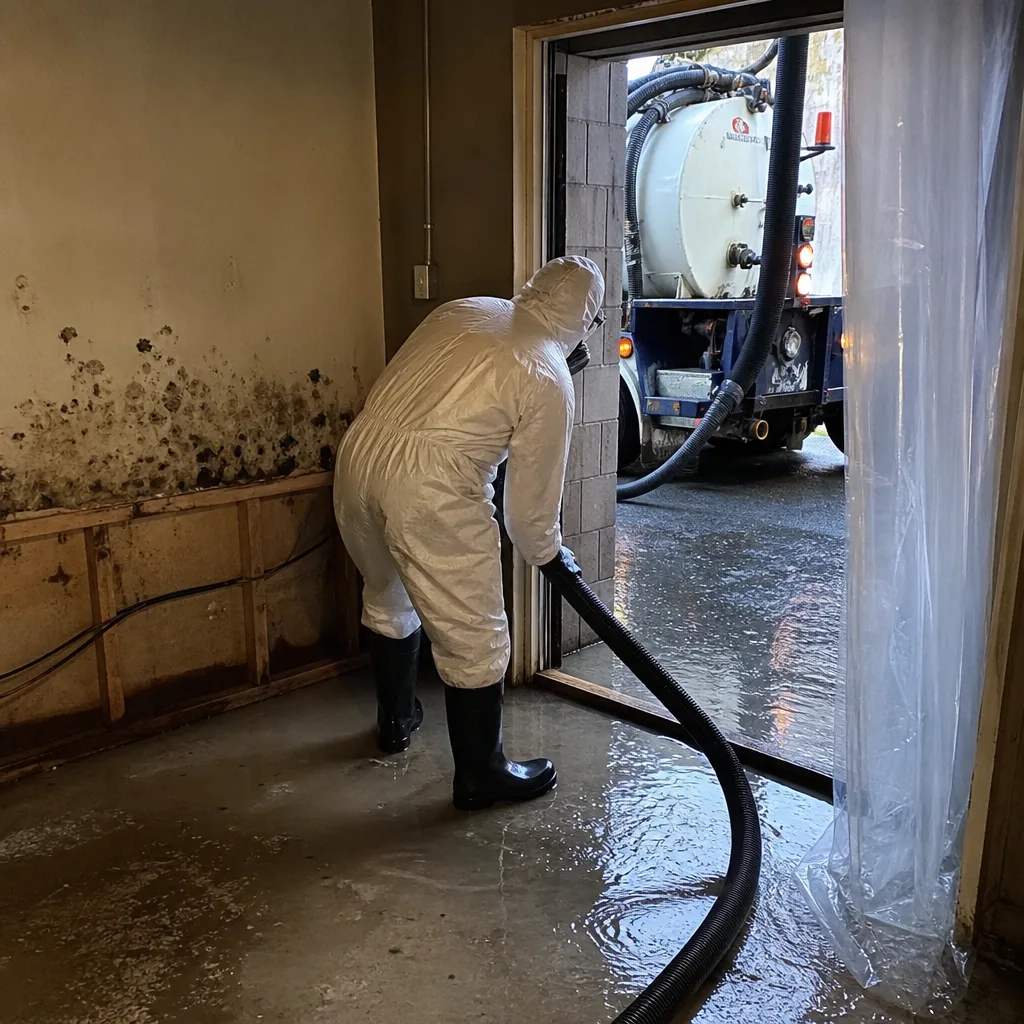
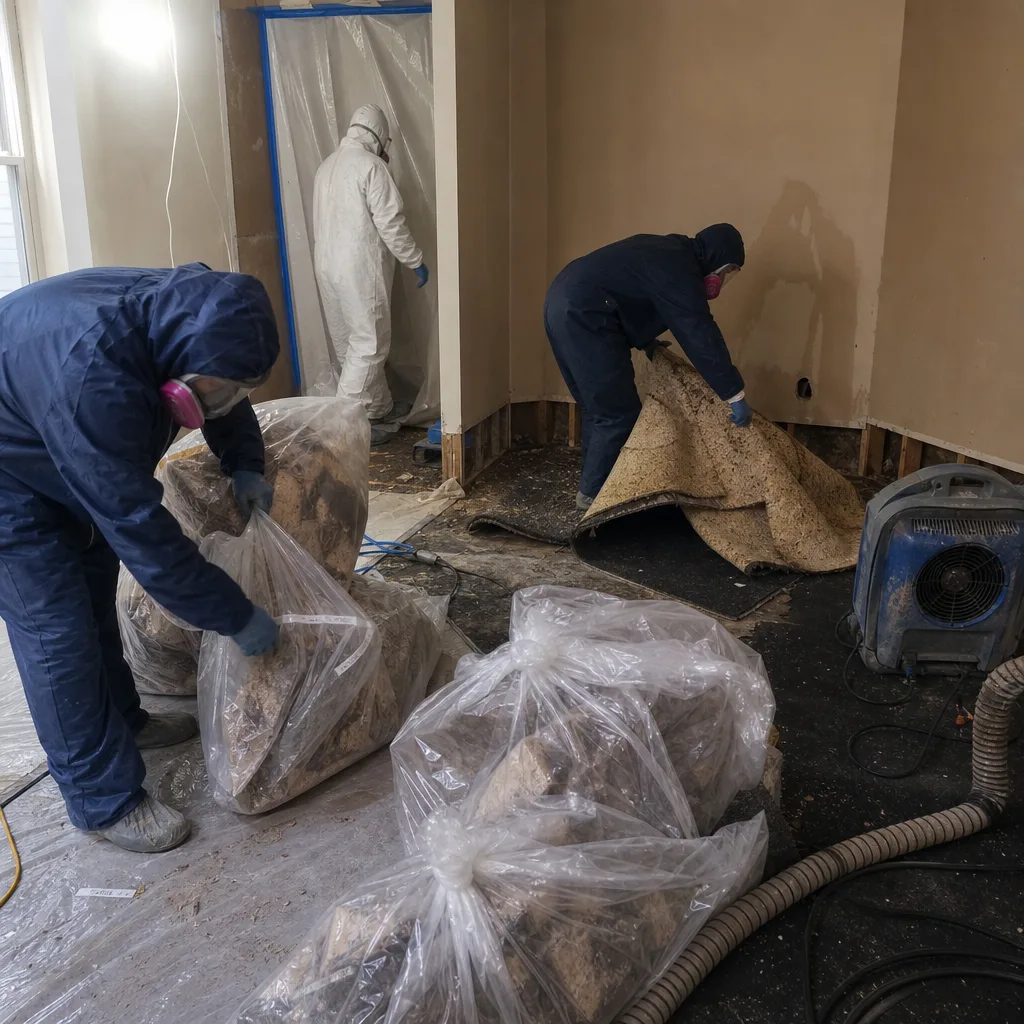
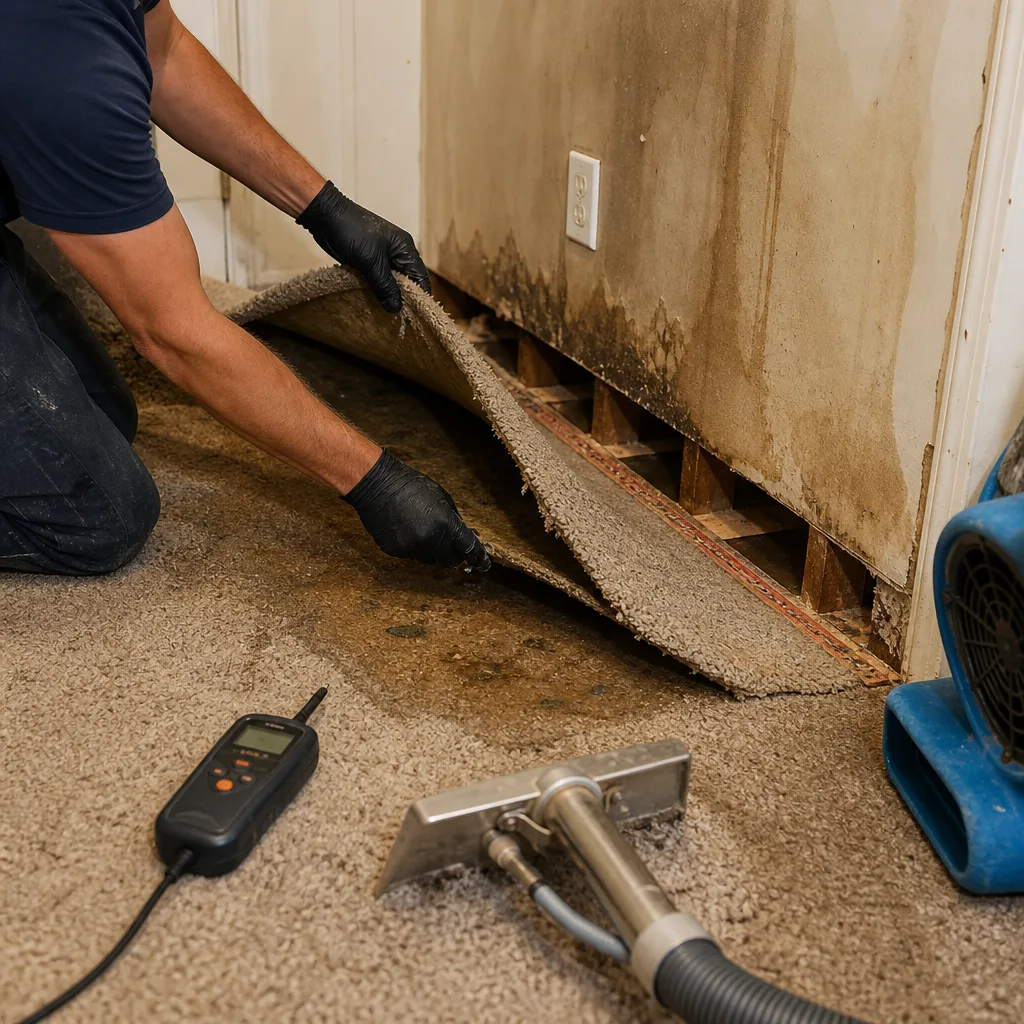
We stop the source, pump the black water using a Dri-Eaz truckmount or XPOWER heavy-duty extractors, and cut away any sewage-saturated carpet, pad, and drywall that cannot be salvaged. In Glendale’s attached homes, this step includes containment on the shared wall before extraction begins.
Drying & Dehumidification
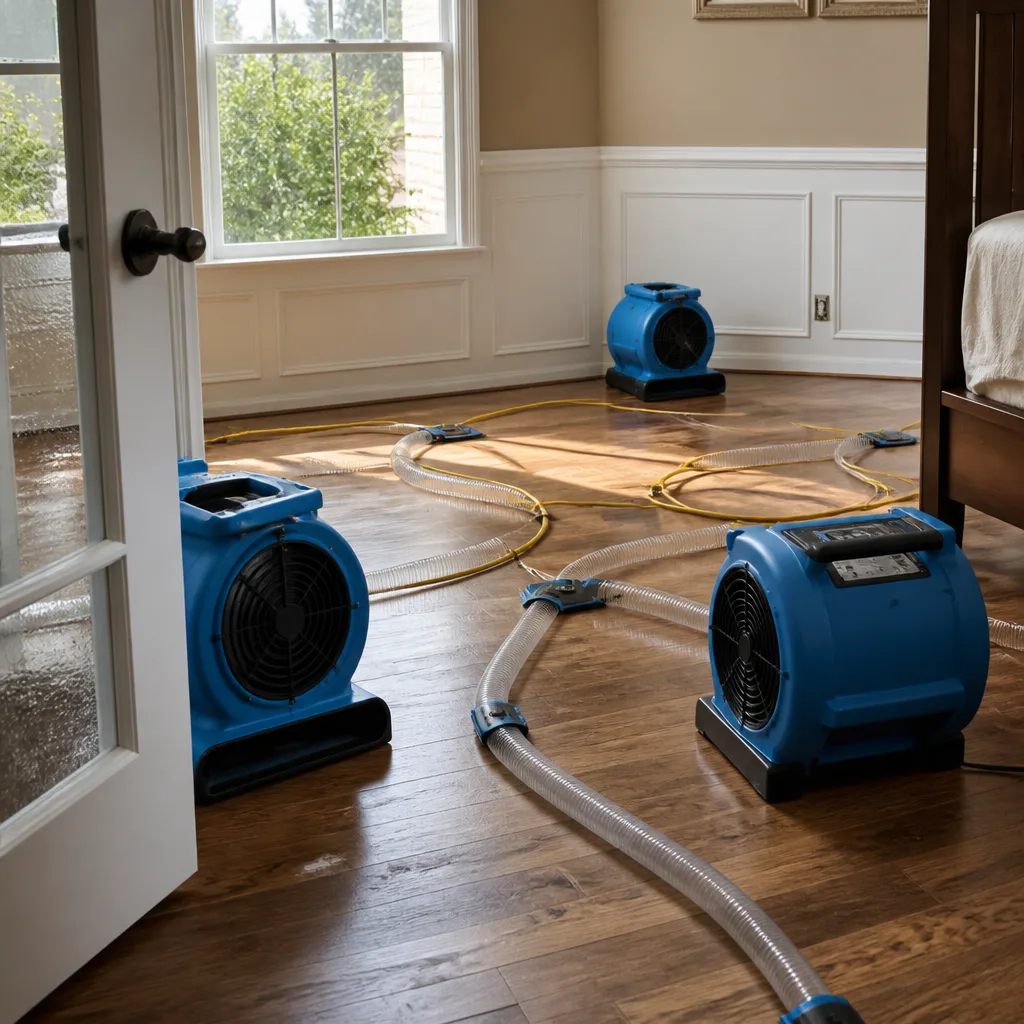
Commercial air movers and Phoenix dehumidifiers go in after the standing water is gone. We take moisture readings daily and hand you the full drying log at completion, unlike most outfits that set equipment and vanish.
Cleaning & Sanitization
Every hard surface in the affected area gets washed, then treated with EPA-registered antimicrobial and disinfectant. This isn’t bleach-and-hope. It’s a documented protocol for removing the pathogens black water leaves behind.
Crawl Space & Hidden Cavity Treatment
In Glendale’s older homes, sewage seeps into crawl spaces, under stairs, and into the voids between floor joists. We open those cavities, assess, clean, and treat them or the odor comes back in three weeks.
Repairs & Restoration
Once the drying log shows the structure is stable, we rebuild. New baseboards, drywall, flooring, paint. We can work with your Glendale contractor or handle the whole job from sewage puddle to repainted wall.
Need Emergency Sewage Cleanup in Glendale Now?
Crews minutes away, answering live 24 hours a day. The sooner we start, the less it costs.
Working With Your Insurance Company
Most Glendale homeowners’ policies cover sudden and accidental sewage backup, either through a standard water endorsement or a specific backup rider. You won’t know which you have until the adjuster reviews it, and that’s exactly where we step in. From the first hour, we photograph the damage, log moisture levels, and document the full scope of work in line-item detail. When the adjuster calls, we talk to them directly, so you’re never stuck in the middle relaying “what the restoration guy said” to someone at a desk. The written scope, the drying log, and the before-and-after photos go straight to your carrier. Every water, fire, and mold restoration job here carries the 90-Day Done Right Promise in writing, and sewage cleanup is no different.
What We Provide Your Insurer
- Thorough documentation of the loss
- Photos of all damage, room by room
- Moisture readings and drying logs
- A detailed, line-item scope of work
- Direct coordination with your carrier
Built for Glendale’s Loss Calendar
Glendale doesn’t have a single sewage season. It has four of them, each with its own trigger. In January and February, deep freezes stress cast-iron and galvanized supply lines in 1920s-era homes, and when a pipe fails, it puts clean water where sewage should be, overwhelming the waste lines. Spring thaw saturates the soil around foundation walls and pushes groundwater into cracked floor drains. But the big one in Glendale is summer. Intense thunderstorms roll through Queens, and the combined sewer system, the same aging infrastructure that dates to the early 20th century, simply can’t take the volume. Raw sewage backs up into basement drains, floor drains, and toilets in a wave of Category 3 water. The July and August calls are the worst. Then come the fall nor’easters, dumping rain for days at a time and doing the same thing more slowly. In a neighborhood this dense, one backed-up lateral can affect two, three, or four attached homes. That’s why we keep crews staged close to Glendale’s ZIP codes and answer live around the clock, year-round.
Sewage Cleanup Across Glendale’s Neighborhoods
The housing stock changes little from block to block in Glendale, but the response routes and failure patterns shift enough that it matters. Near Myrtle Avenue, the mixed commercial-and-residential buildings often have deeper cellars and older waste stacks, which makes vertical contamination spread faster and extraction trickier. Over by Cooper Avenue and Atlas Park, the semi-detached two-family homes are nearly identical in age and framing, which means what we find in one basement tells us what to expect in the one next door. The blocks south of 80th Street toward Juniper Valley Park see more of the converted basement apartments, and those come with a specific complication: unpermitted finishes mean an illegal occupancy code issue on top of the black water. And on the eastern edge, where Glendale blends into Forest Hills and Ridgewood, the attached brick rowhouses share more than walls; they share soil stacks, which means one clog can back up two kitchens at once. Wade’s teams carry the same extraction equipment into every block, but the containment plan changes based on what we’re walking into.
Specialized Sewage Cleanup Services We Offer in Glendale
Sewage Backup Cleanup
This is the most common Glendale call. A building drain line backs up, usually from a combined sewer overflow or a root-blocked lateral, and black water pours out of the floor drain. We handle the full IICRC S500 Category 3 protocol: containment, extraction, removal of saturated materials, antimicrobial treatment, and structural drying with daily moisture logs. In attached homes, we seal the party wall before we start pumping, because that sewage is already looking for a way into the unit next door.
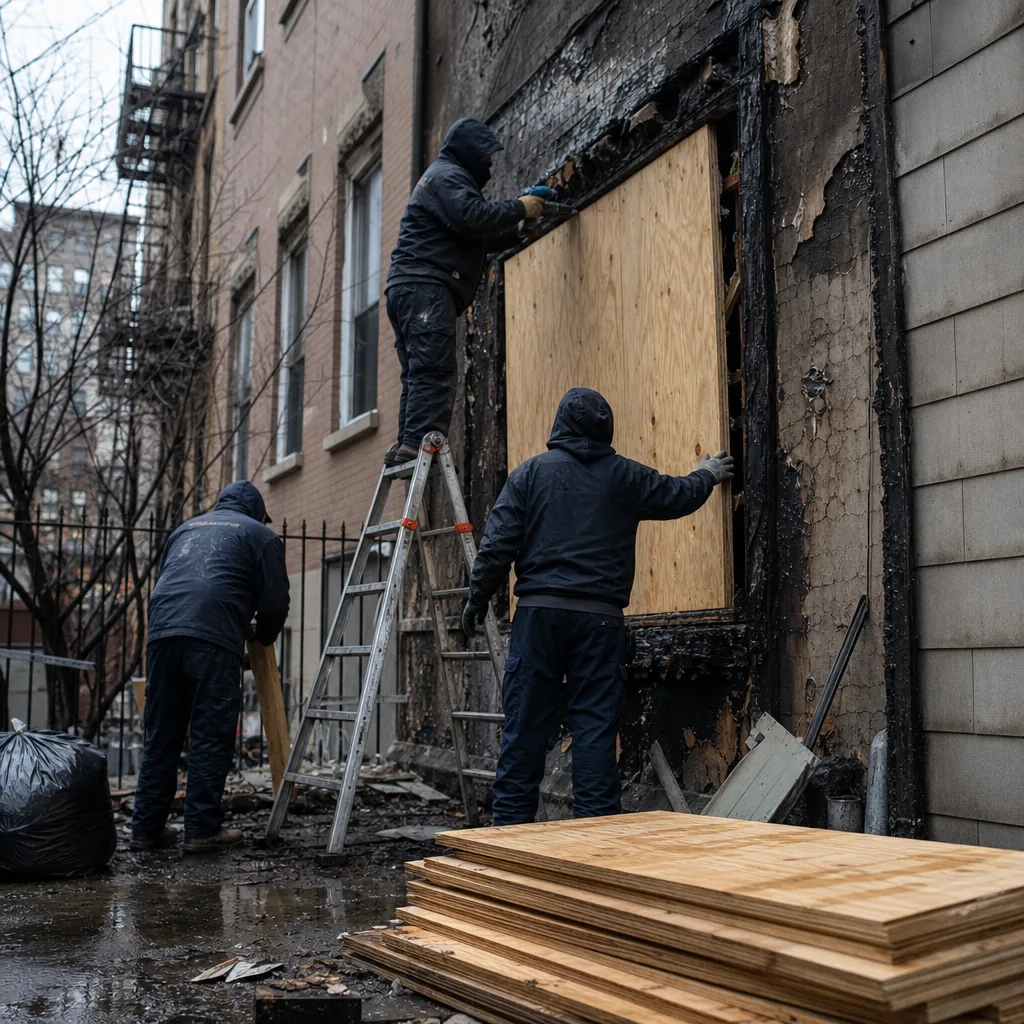
Toilet Overflow Cleanup
A single overflowing toilet in a Glendale bathroom sends contaminated water through the floor into the ceiling below, through the joist bays, and down interior walls. We extract, open the affected cavities, dry the structure, and sanitize the entire path. If the overflow happened on a second floor of a two-family home, the water usually ends up in the first-floor kitchen, which is exactly what we plan for.
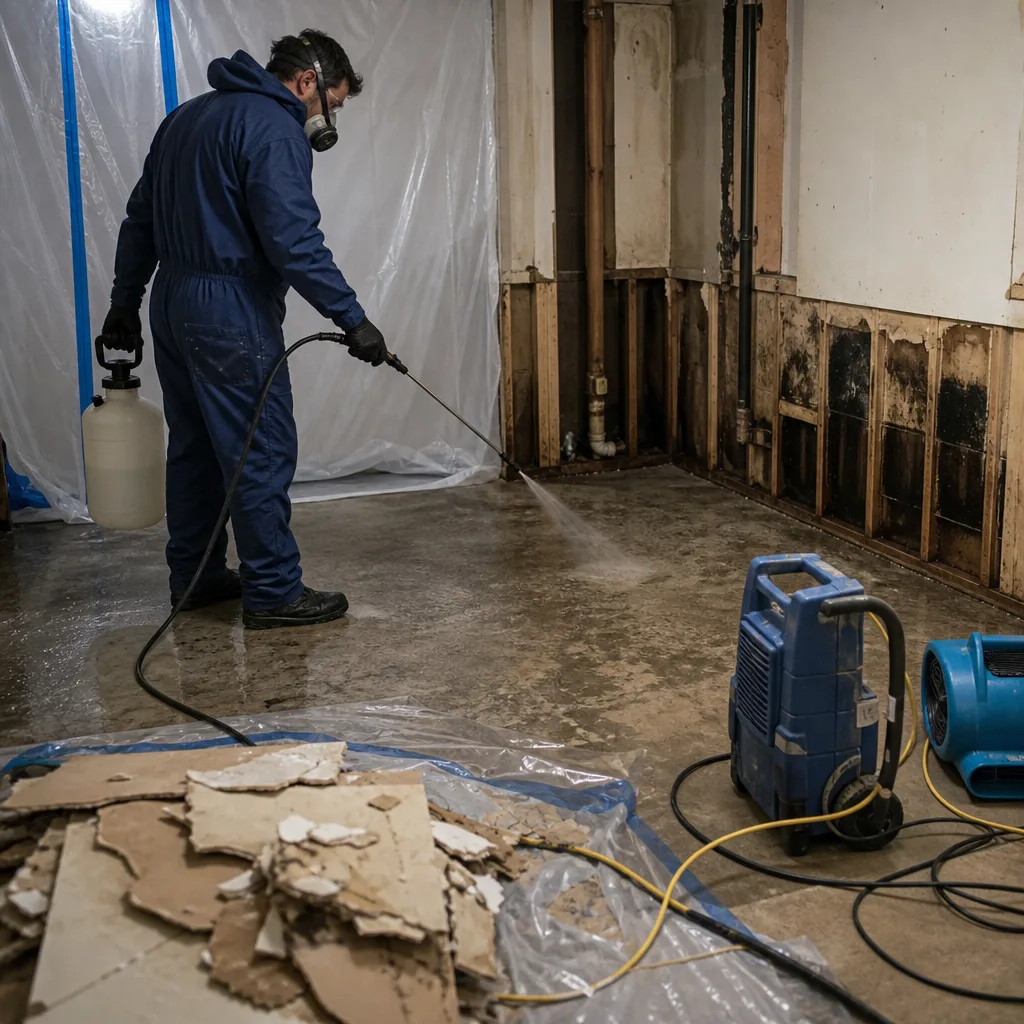
Septic Failure Cleanup
Less common in central Glendale than in the outer fringes, but when a septic line collapses or a cesspool fails, the result is sewage surfacing in the yard and seeping back toward the foundation. The protocol still applies: black water classification, full PPE, containment, and antimicrobial treatment. We’ll also coordinate with the plumber who excavates the line so the cleanup and the repair happen in the right sequence.
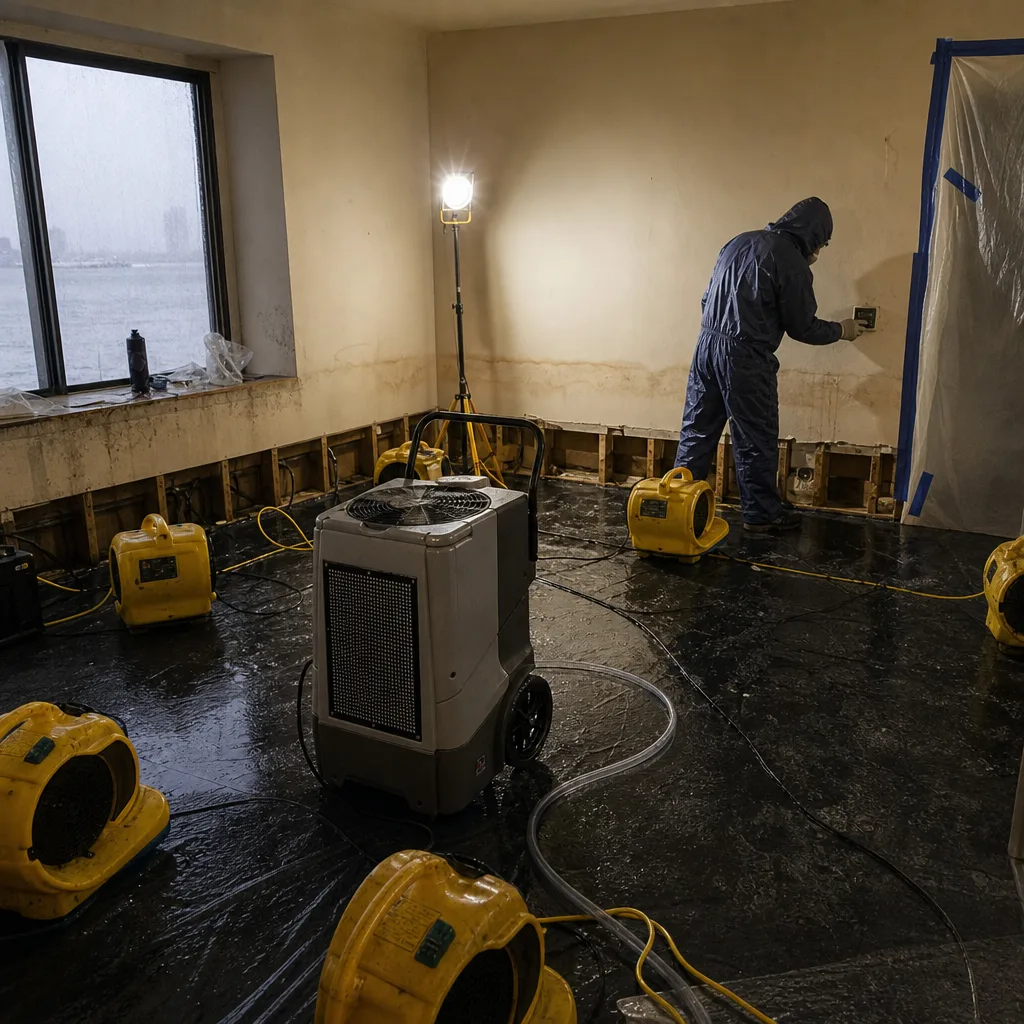
Black Water Extraction
This is the core of the emergency response. We use a Dri-Eaz truckmount for high-volume removal and XPOWER units for tighter access areas like crawl spaces and stairwell voids. The goal isn’t just to remove water; it’s to remove the sewage and the contaminants it carries, fast enough that they don’t permanently absorb into the porous materials Glendale homes are built with.
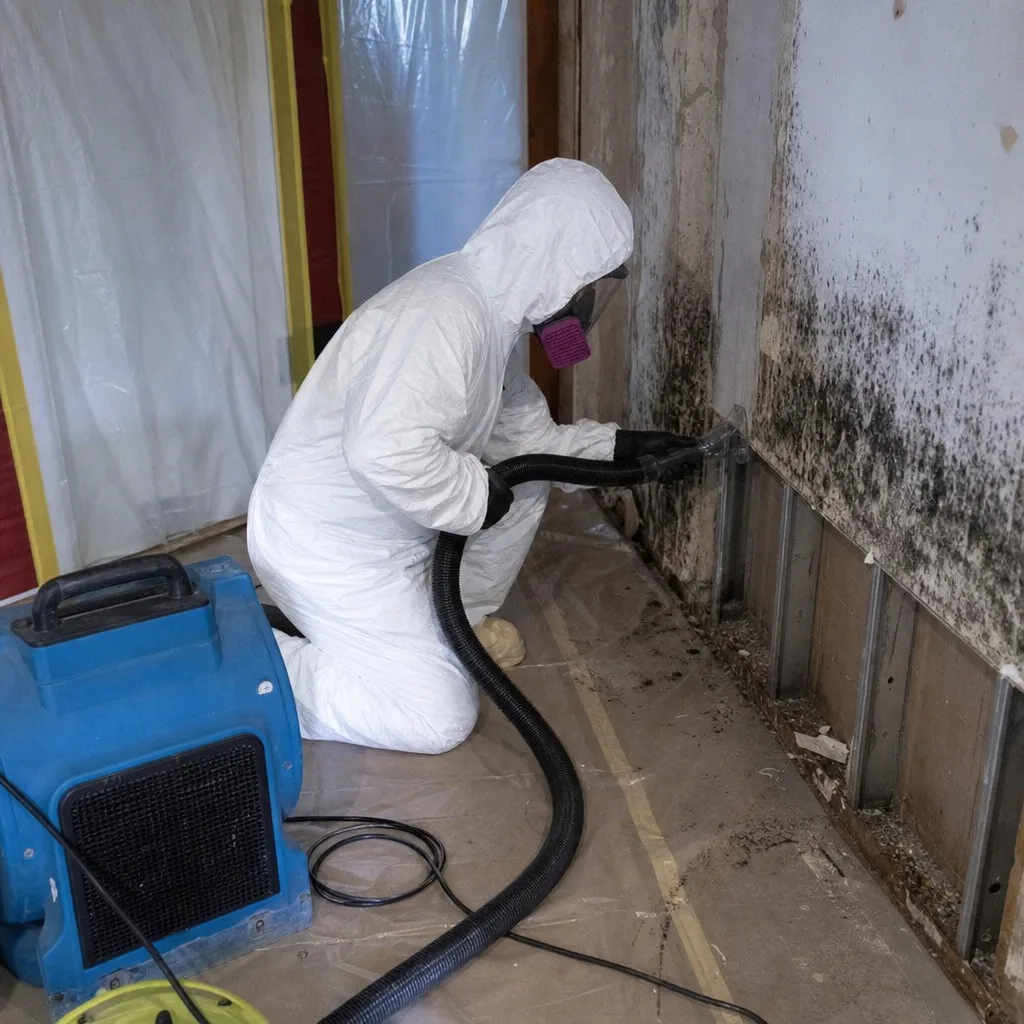
Sanitization & Disinfection
After every extraction, every surface in the affected area, plus the tools and equipment we used, gets cleaned and treated with EPA-registered disinfectants formulated for black water pathogens. We fog the contained area where needed and run HEPA air scrubbers to pull aerosolized contaminants from the air. If the crawl space was involved, it gets the same treatment.
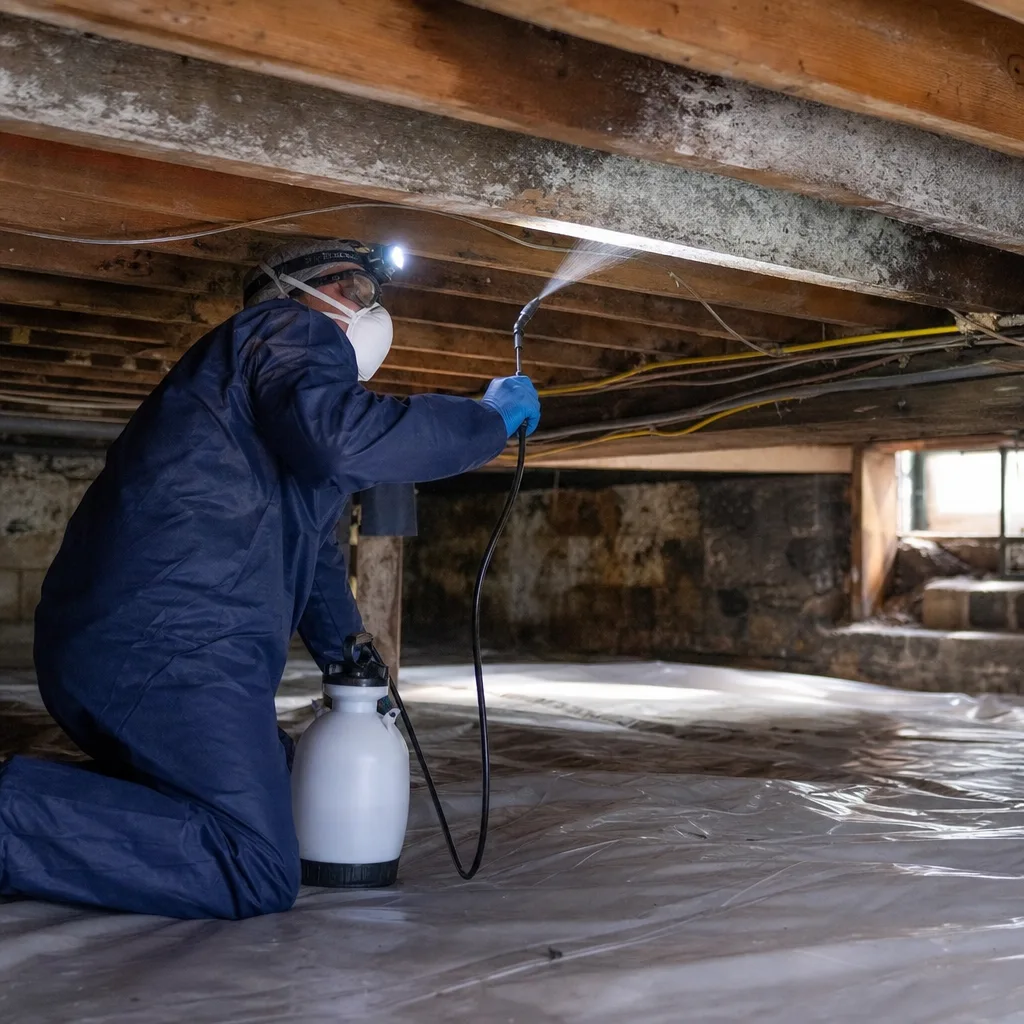
Crawl Space Sewage Removal
Glendale’s row houses often have shallow crawl spaces under the front or rear extensions, and sewage follows the low point. We send techs in with PPE, extract, remove contaminated soil, and treat the space. Skipping the crawl space is the number one way a “finished” sewage cleanup ends up stinking again in August.
What happens when you call
- 1
A real person answersNo phone trees - you reach a local pro.
- 2
You get an upfront price rangeHonest numbers before anyone is dispatched.
- 3
A background-checked tech heads outLicensed & insured, dispatched right away.
- 4
You approve before work beginsNothing starts until you say go.
Sewage Cleanup Costs in Glendale, NY
A straightforward sewage backup cleanup in a Glendale basement typically runs $1,800 to $4,500 depending on the square footage affected, how long the water sat, and whether finished materials like drywall and vinyl flooring need to come out. Toilet overflow cleanup on a single floor usually lands between $1,200 and $2,800. Full black water extraction with containment across a shared party wall, opening wall cavities, and treating the adjoining unit’s side can push the total to $5,000 to $9,000. If an unpermitted basement apartment is involved, the reconstruction side of the job adds significant cost and time because of the DOB compliance piece. Most homeowners’ policies cover the cleanup portion when the backup was sudden and accidental. The free visual inspection gives us a chance to give you a written, line-item scope before anyone starts tearing anything out. Call (607) 350-1550 and we’ll come look, at no charge, and tell you exactly what it costs.
We Also Serve Cities Near Glendale
Our crews cover Glendale and the neighborhoods around it, including Lower Manhattan, Financial District, Astoria, and Midtown Manhattan. If you’re in one of those areas and dealing with a sewage backup, call the same number: (607) 350-1550.
Serving Glendale, NY - Our Local Coverage Area
We’re based in the Glendale area and know this community well. Use the map below to see our service coverage - if you’re nearby, we can almost certainly help.
Glendale Sewage Cleanup Questions, Answered
Why does a sewage backup in one Glendale row house always involve the neighbor’s property?
Because the homes share party walls and often share common soil stacks. Category 3 water follows the path of least resistance, and in a semi-detached or attached home built in the 1920s-1940s, that path runs right through the wall into the adjoining unit. In Glendale, a backup rarely stops at one address. That’s why our protocol includes sealing and containing the party wall before extraction starts, and why we coordinate with multiple property owners and insurance carriers from day one.
Does Glendale’s combined sewer system make basement backups worse in summer?
Yes. Glendale is served by NYC’s combined sewer system, which carries stormwater and sewage in the same pipes. When a summer thunderstorm dumps heavy rain in a short time, the system overloads and sends the combined flow back into basement drains as black water. July and August are our busiest months for sewage backup calls in Glendale, and the pattern is consistent year after year.
What happens if my Glendale basement is an unpermitted apartment and it floods with sewage?
We can clean the sewage regardless, but before any reconstruction work begins, the unpermitted finish has to be flagged to NYC DOB. That’s not optional. The code-compliance process can add weeks to the timeline and significant cost to the scope, but trying to rebuild around it creates a legal and insurance liability that’s worse. Wade and his team have managed this exact situation in Glendale repeatedly and will walk you through what it means for your specific basement.
How quickly can mold start after a sewage backup in a Glendale basement?
Mold can begin colonizing porous building materials within 24 to 48 hours of a sewage backup, especially in a Glendale basement where humidity stays high and ventilation is poor. The Category 3 water itself doesn’t cause mold; the moisture it leaves behind does. That’s why we get extraction running within 45 minutes of a Glendale call and why the drying log matters more than the pump-out.
Are cast-iron or galvanized supply lines in old Glendale homes a problem during sewage cleanup?
Yes, in two ways. First, the waste lines in Glendale’s 1920s-1940s homes are often cast-iron, and they’ve been corroding from the inside for decades. That corrosion is frequently the root cause of the backup itself. Second, when we open walls to dry and sanitize, we can see the condition of the supply lines and wiring. If we find corroded galvanized pipe or knob-and-tube wiring still live, it has to be addressed before we close the wall back up, or you’re rebuilding on top of the next failure.
How fast can someone actually get to Glendale for a sewage backup?
Within 45 minutes, most of the time. Wade Ferris answers his own phone, 24/7, and dispatches crews staged near Glendale. If you’re calling at 2 a.m. with black water in the basement, you’ll talk to a real person and have someone at your door inside the hour. Call (607) 350-1550 and see for yourself.
Will my insurance cover sewage cleanup in Glendale?
Most homeowners’ policies cover sudden and accidental sewage backup, but the exact terms depend on your policy’s water endorsement or backup rider. We photograph the damage from the first hour, provide the adjuster with a line-item scope, moisture logs, and room-by-room documentation, and talk to the carrier directly. You don’t have to play middleman. The free inspection gives us the information we need to tell you what your policy will likely cover.
What should I do in the first 30 minutes after a sewage backup in Glendale?
Shut off anything that’s feeding the line if you can without wading into the water. Keep people and pets out of the affected area. Don’t run the HVAC, because aerosolized contaminants can spread through the ductwork. Don’t flush. Don’t pour drain cleaner. Call a Category 3 cleanup team. Call (607) 350-1550. The first hour is the difference between a $2,000 cleanup and a $7,000 one.
Written by Wade Ferris, Owner at Wade’s Restoration, serving Glendale and the surrounding Queens communities.