
Free visual inspection and a written scope of work before any mitigation begins - photos, moisture readings, and drying logs go in your claim file
The scope we write is the scope we bill. Anything new gets shown to you, in writing, before we touch it.
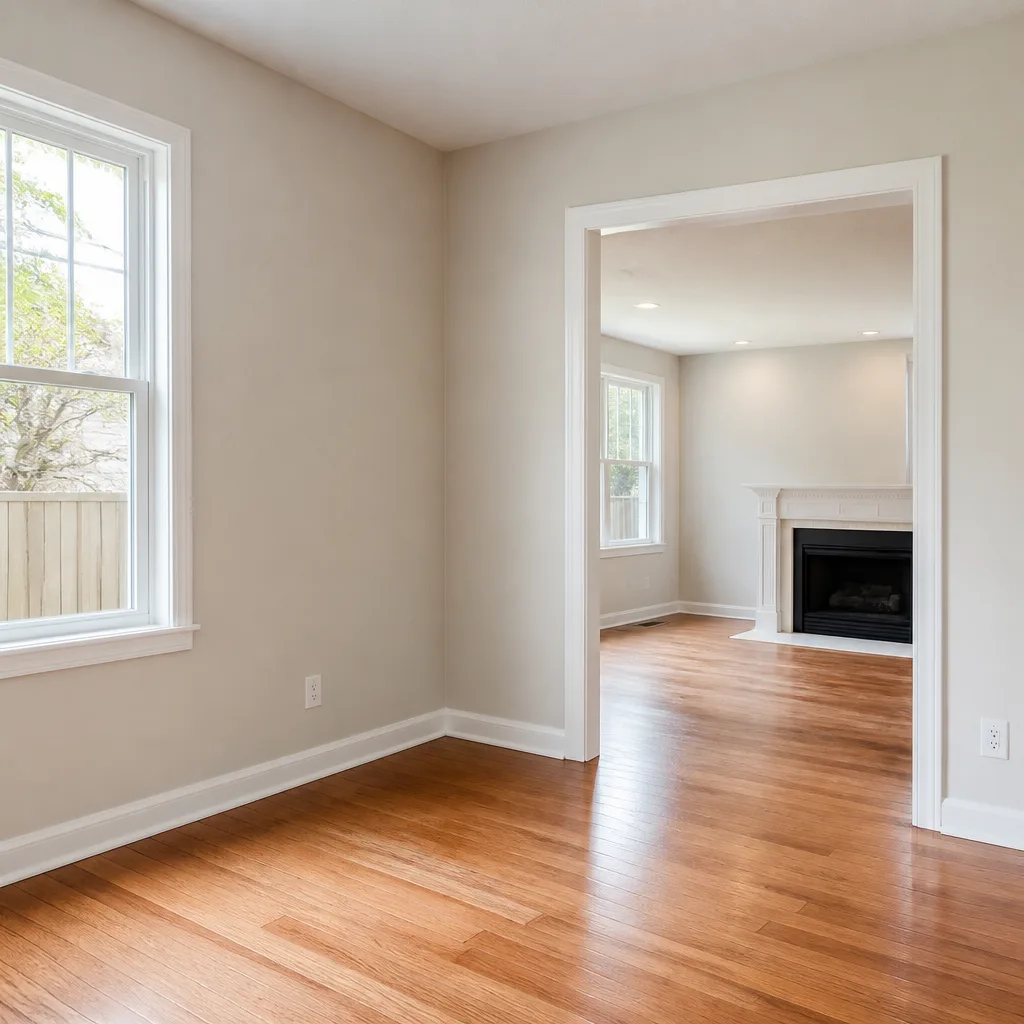
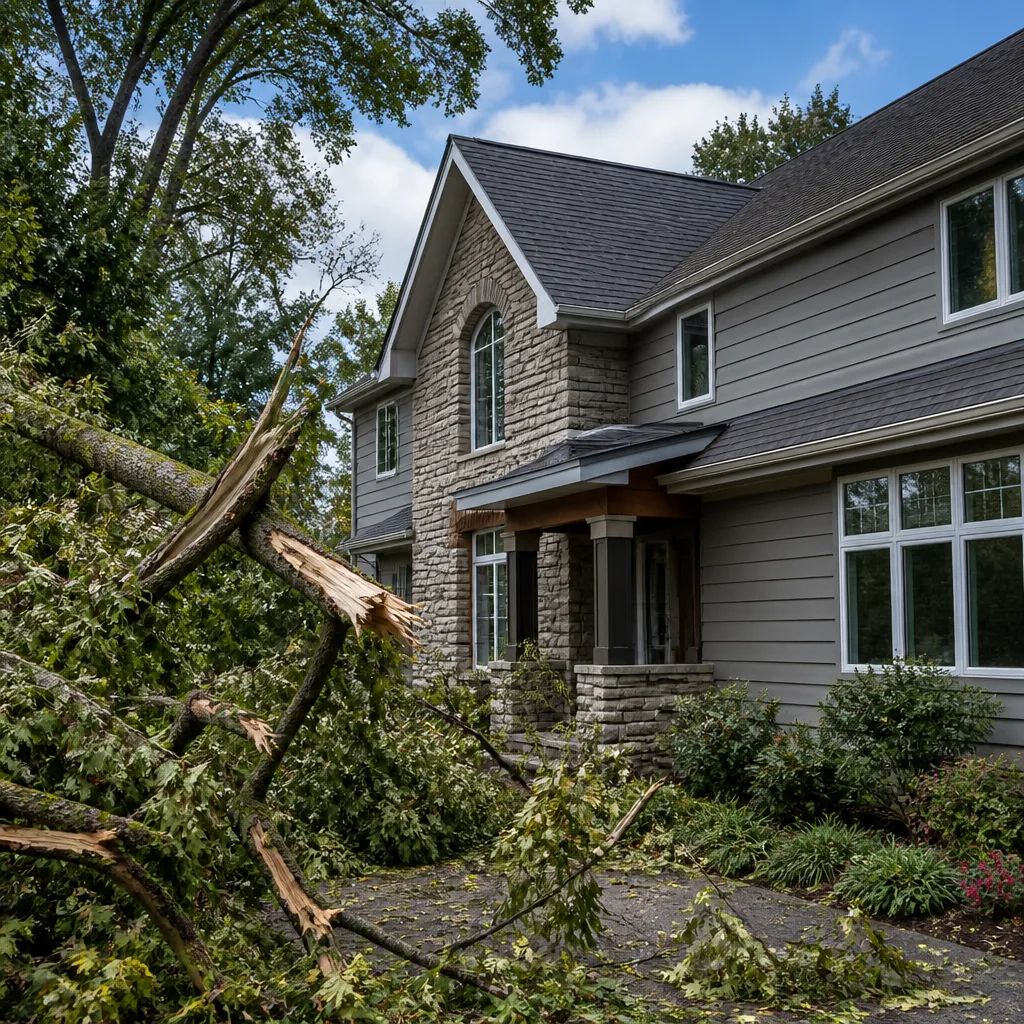
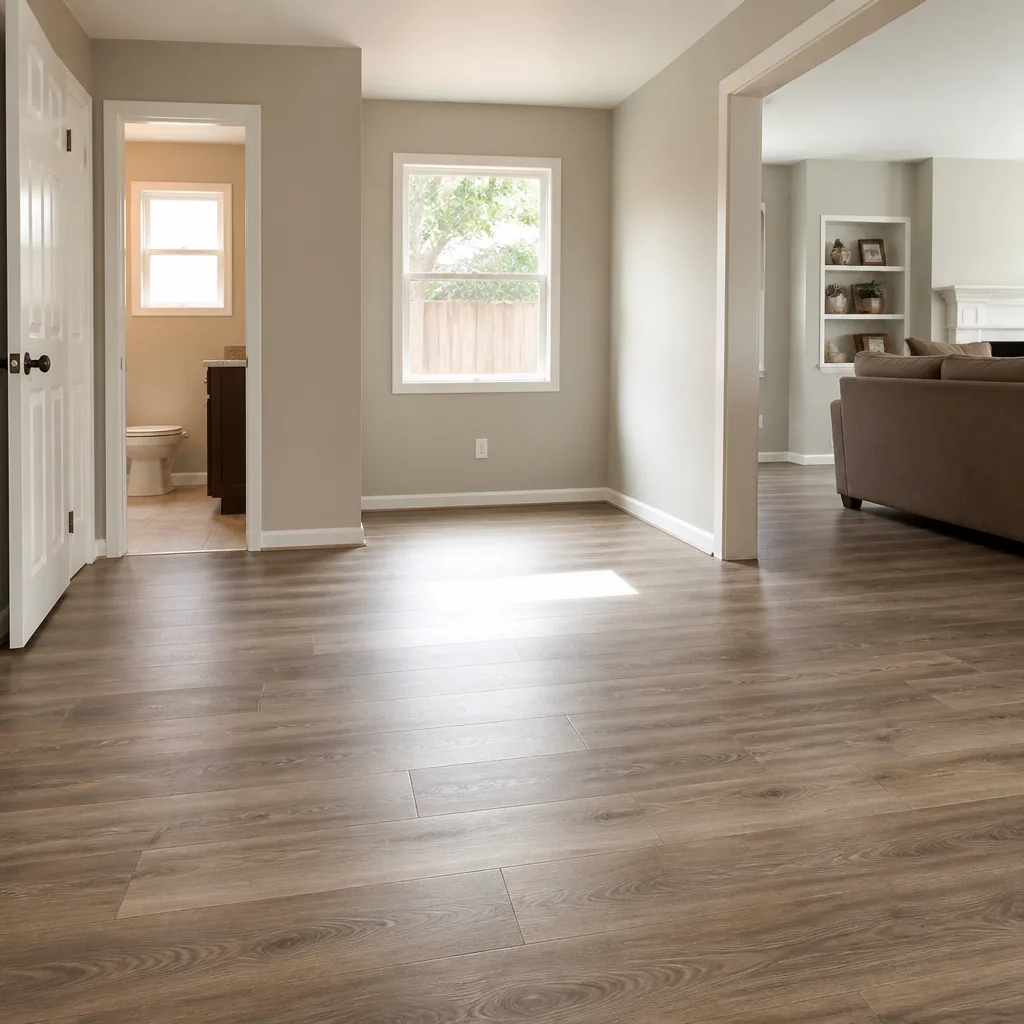

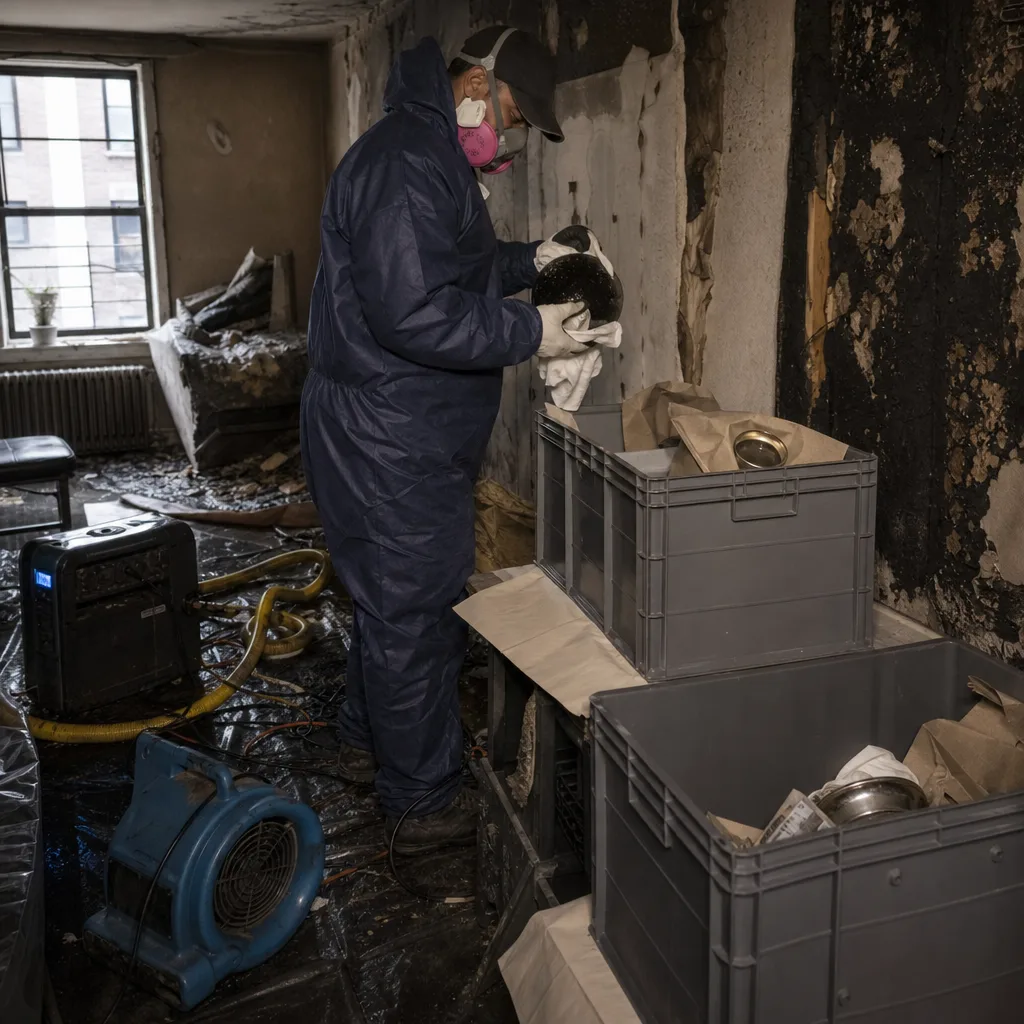
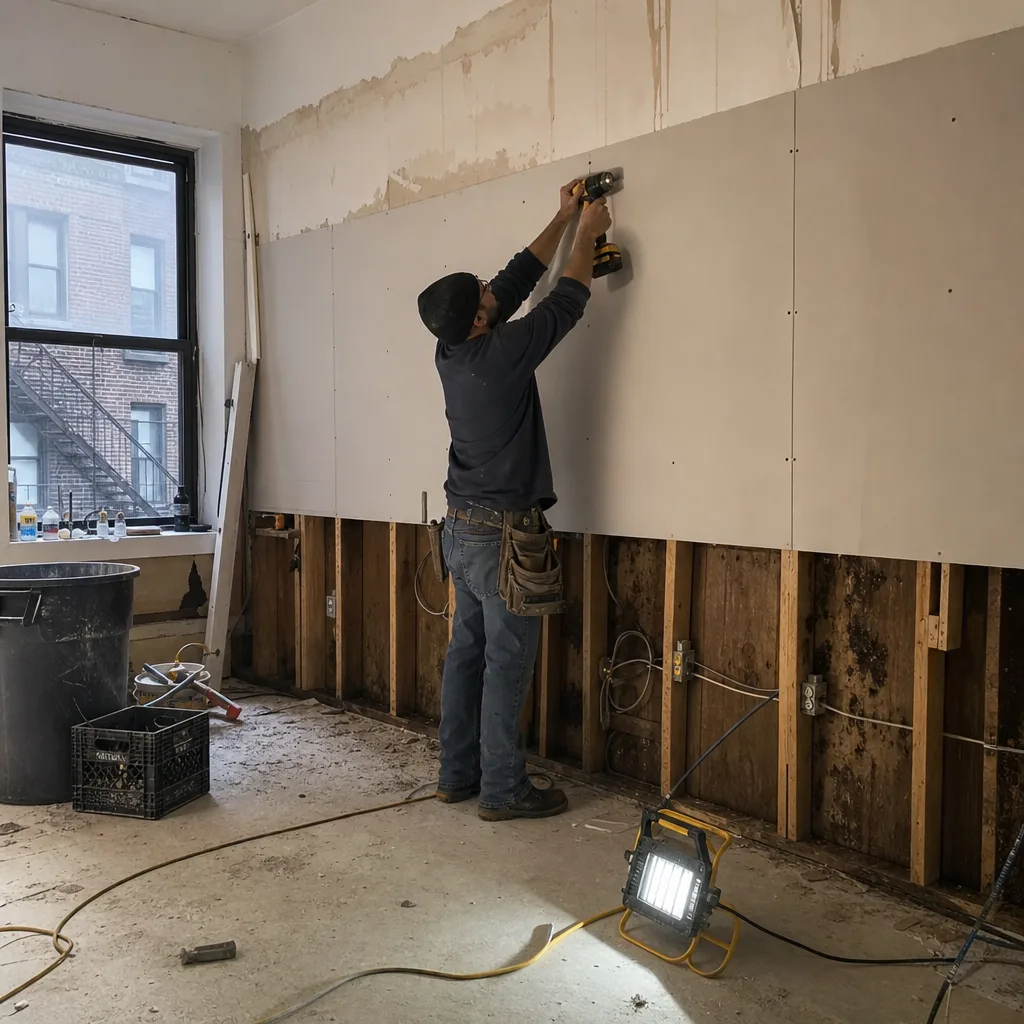
 Before
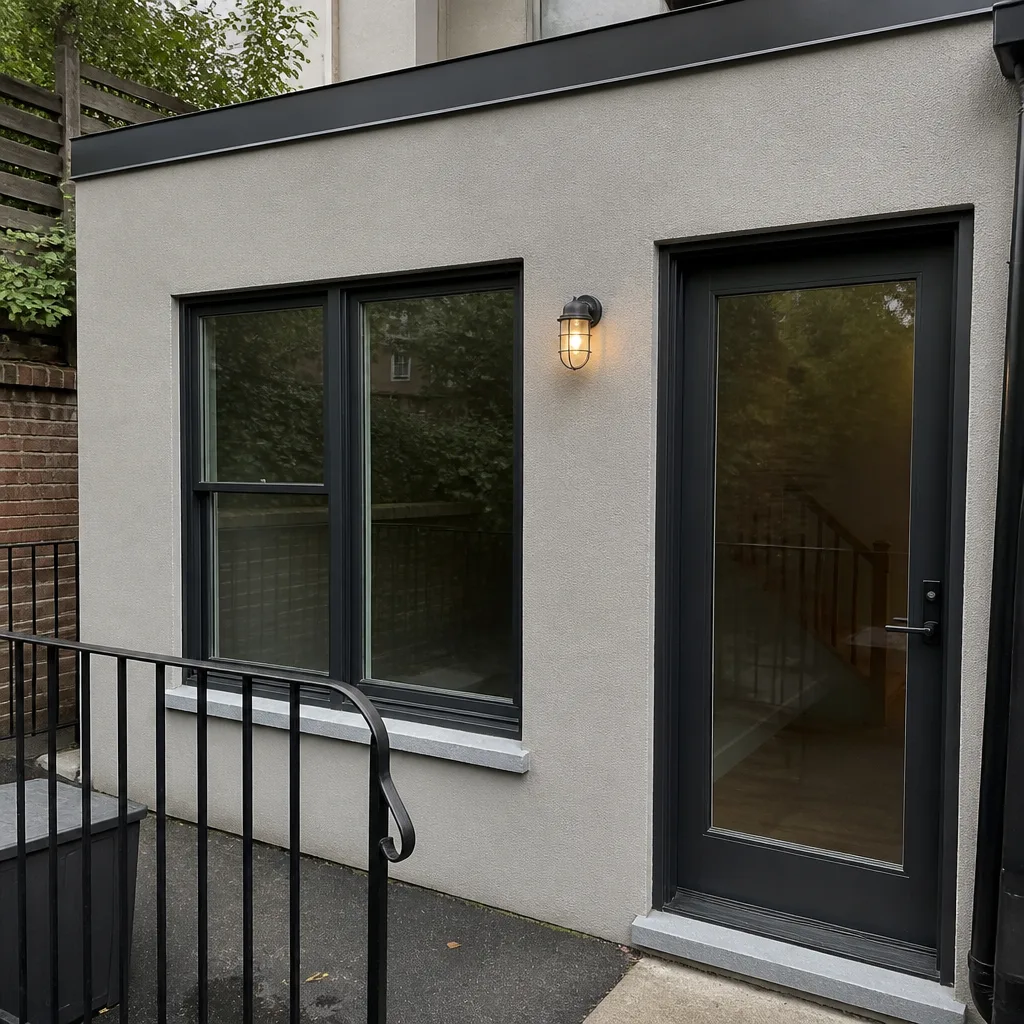 After
After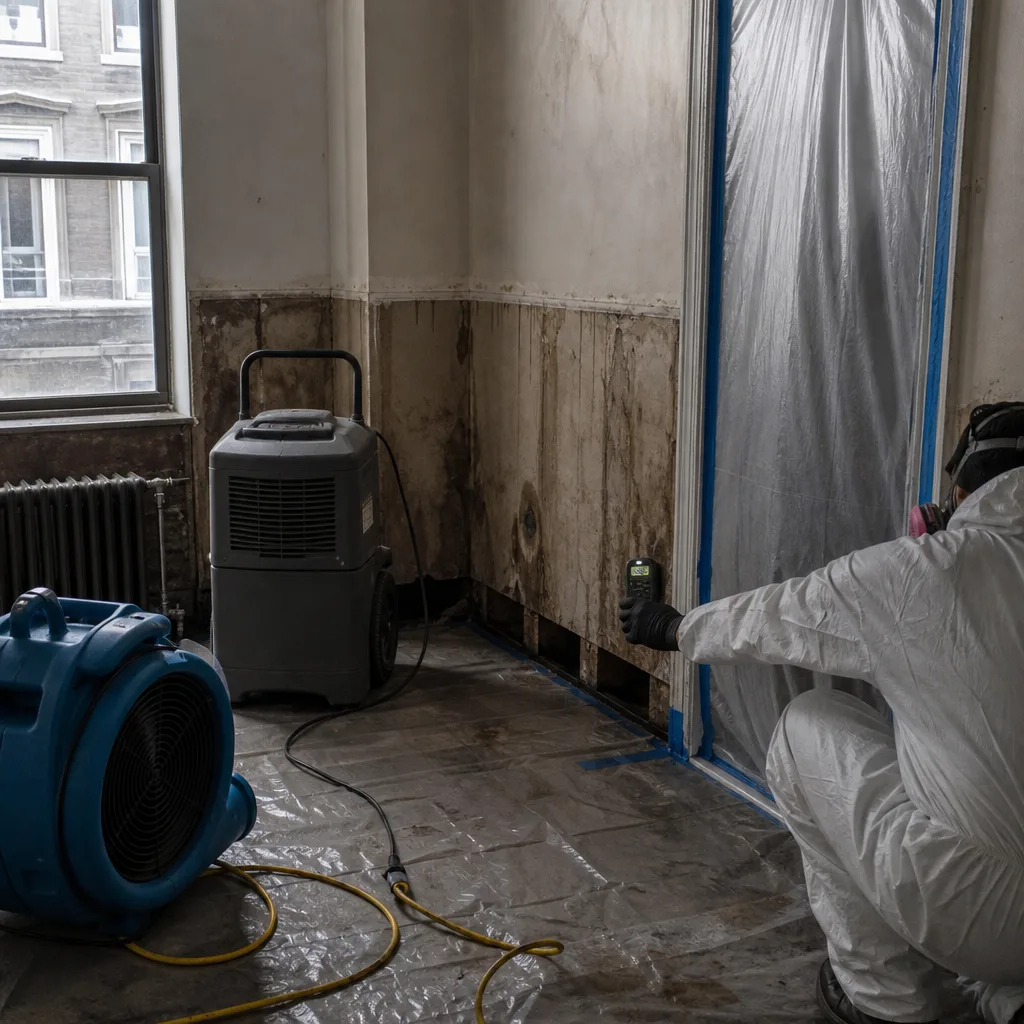 Before
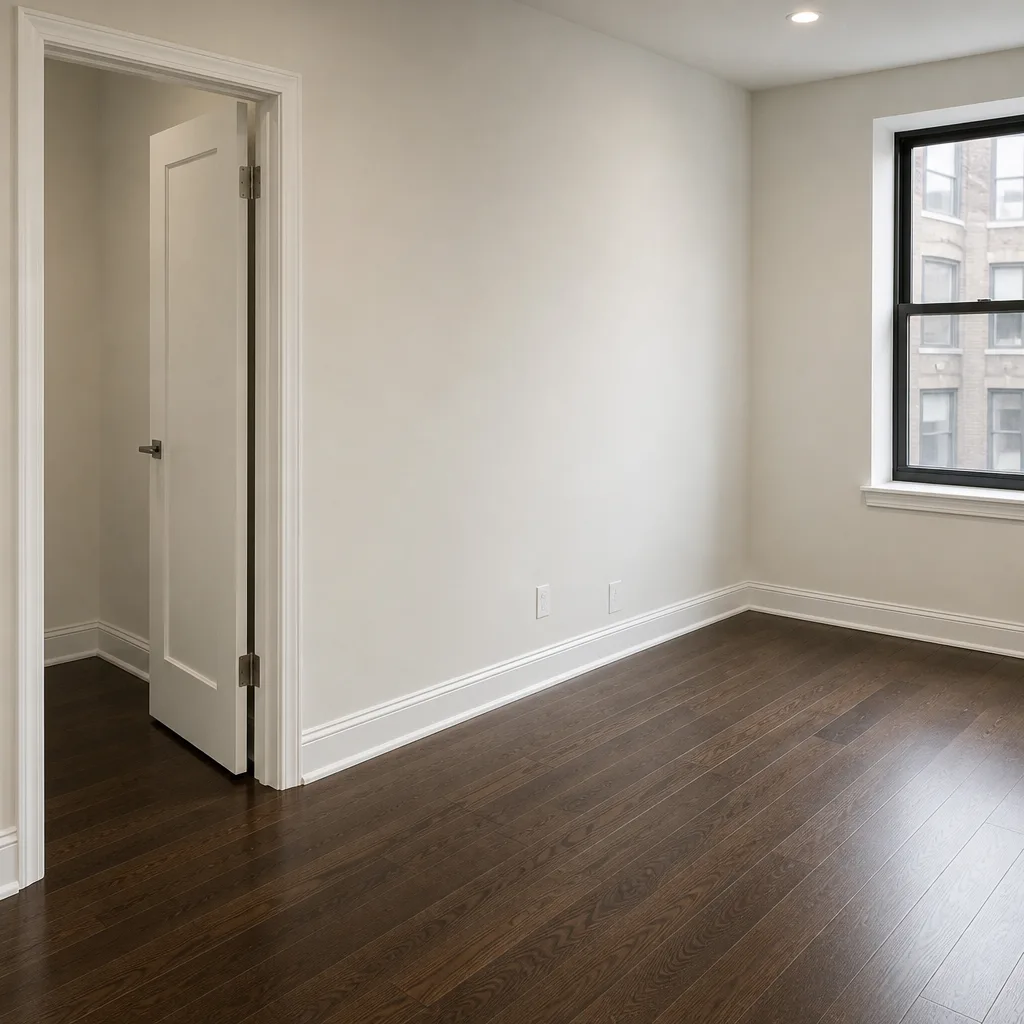 After
After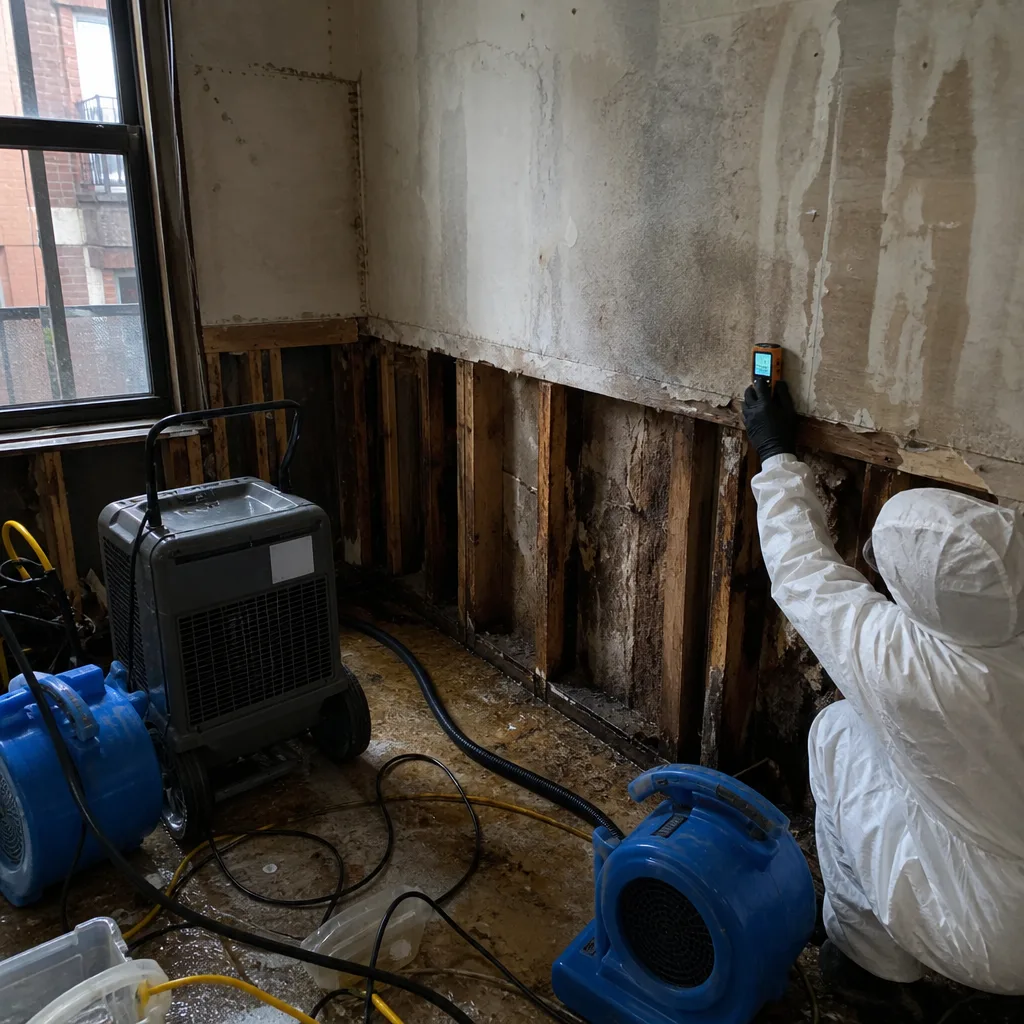 Before
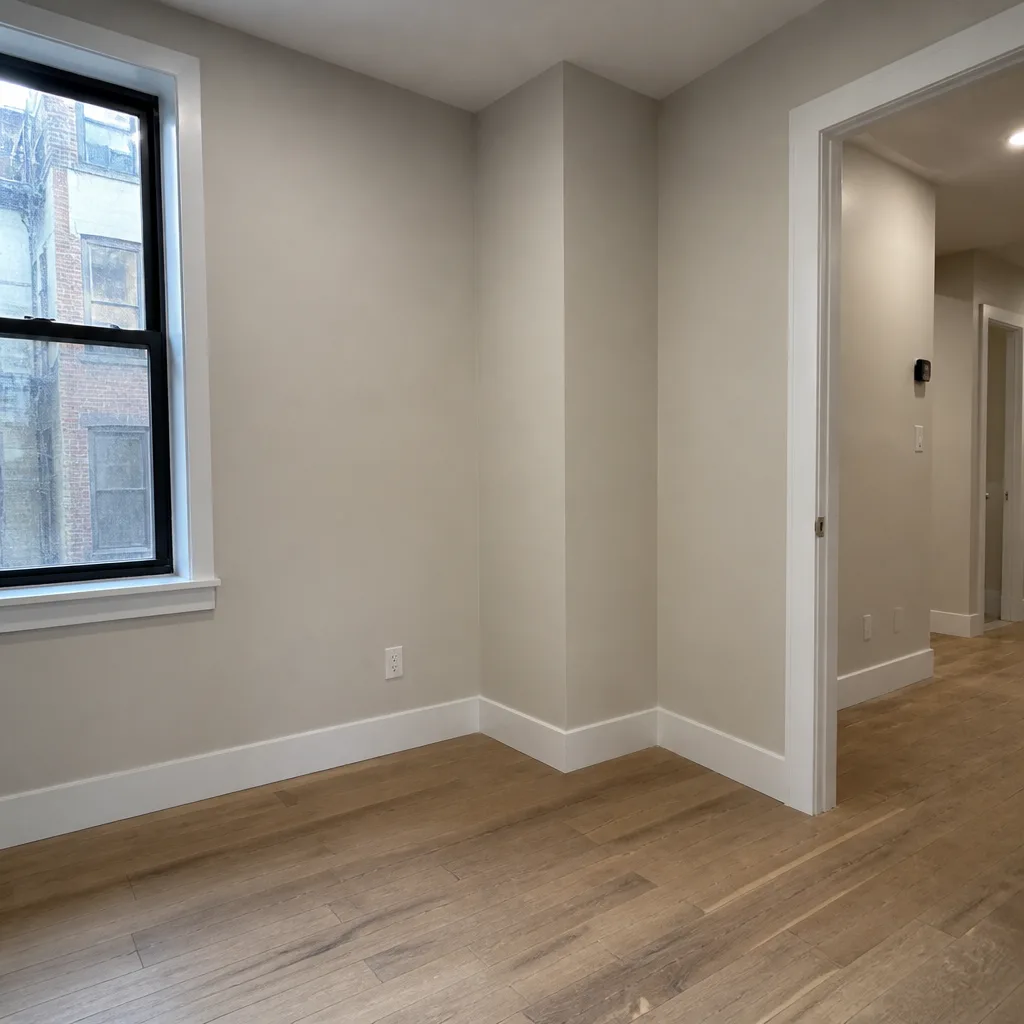 After
After24/7 Emergency Reconstruction & Cleanup in Long Island City
When a nor’easter drives water through a failed window frame in Hunters Point, or a pipe bursts in a converted Vernon Boulevard loft, you need a crew that answers at 2 a.m. and starts work before sunrise. Wade’s Restoration has crews staged near Long Island City around the clock. Call (607) 350-1550 and a real person picks up. Not a call center, not a voicemail. We schedule a free visual inspection inside the hour, because the difference between a $4,000 drywall repair and a $40,000 structural drying job here often comes down to the first 90 minutes. Long Island City sits at sea level. Water moves fast through these buildings once it gets in, and the longer it sits, the further it travels through floor assemblies, masonry cavities, and mechanical chases. We know the building stock. We know the flood-zone boundaries. And we know exactly where water hides in a converted industrial loft versus a brand-new glass tower.
Understanding Reconstruction & Cleanup Severity in Long Island City Properties
Reconstruction and cleanup after water, fire, or storm damage runs a wide range of severity, and Long Island City’s building mix means almost every job involves something most restoration companies never see. Water damage gets classified as Category 1, 2, or 3 based on contamination. Category 1 is clean water, say a supply line break in a high-rise condo. Category 2 is grey water, what you see when a washing machine overflows through a floor assembly. Category 3 is simply grossly contaminated water: East River storm surge, Newtown Creek backup, or sewage. Here’s what matters for anyone living in LIC: once floodwater enters your building from the East River or the Creek, it is Category 3. Not maybe. Not probably. Always. That means full hazmat-level remediation, not just extraction and drying. The early-1900s brick warehouses converted to lofts pose a separate problem: retrofitted plumbing runs across enormous open floor plates, so a single supply line failure can soak thousands of square feet before anyone notices. And those unreinforced masonry cavities hold moisture in ways standard moisture meters simply cannot read. We carry side-scanning and penetrating meters specifically for those walls.
Why Long Island City Property Owners Choose Wade’s Restoration
- 45-minute response commitment for Long Island City addresses. Wade’s crew stages equipment near LIC so extraction can start before your insurance adjuster even returns your call.
- A live person answers, 24/7. Wade Ferris himself answers his phone at 3 a.m. No answering service, no automated routing. You get the owner’s voice, and he is the one who shows up.
- IICRC-certified crews. WRT, FSRT, and AMRT certifications mean the work meets the standard your insurer expects to see in the file.
- Free visual inspection. We come out, look at the damage, and tell you what you actually need. No charge for that, ever.
- Direct insurance billing. We handle the claim paperwork and talk to your adjuster directly so you are not the one relaying messages between two sides.
- One team from first water to final paint. Extraction, drying, demolition, rebuild, flooring, trim. Same crew, same accountability, no handoffs to unknown subs.
Our Reconstruction & Cleanup Process
1. Inspection & Assessment
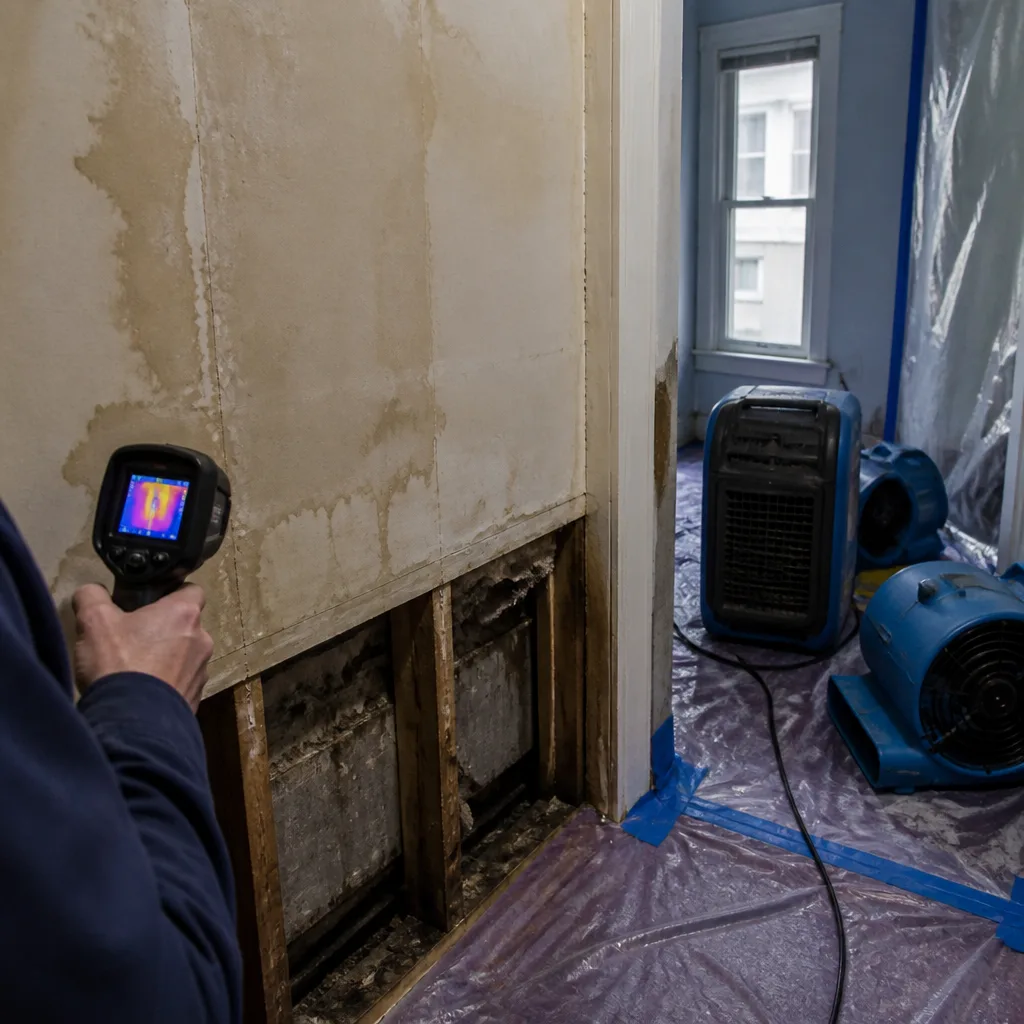
We map the full extent of the damage using thermal imaging, penetrating moisture meters, and hygrometers. In converted lofts, we check masonry cavities behind drywall. In towers, we trace envelope failures back to the source. You get a written scope before any work starts.
2. Extraction & Stabilization
Category 3 water from the East River or Newtown Creek gets extracted with submersible pumps and truck-mounted vacuums as part of our Water Damage Restoration in Long Island City process. We set up containment and begin hazmat protocols immediately. For Category 1 or 2, we remove standing water and salvage what can be saved.
3. Drying & Dehumidification
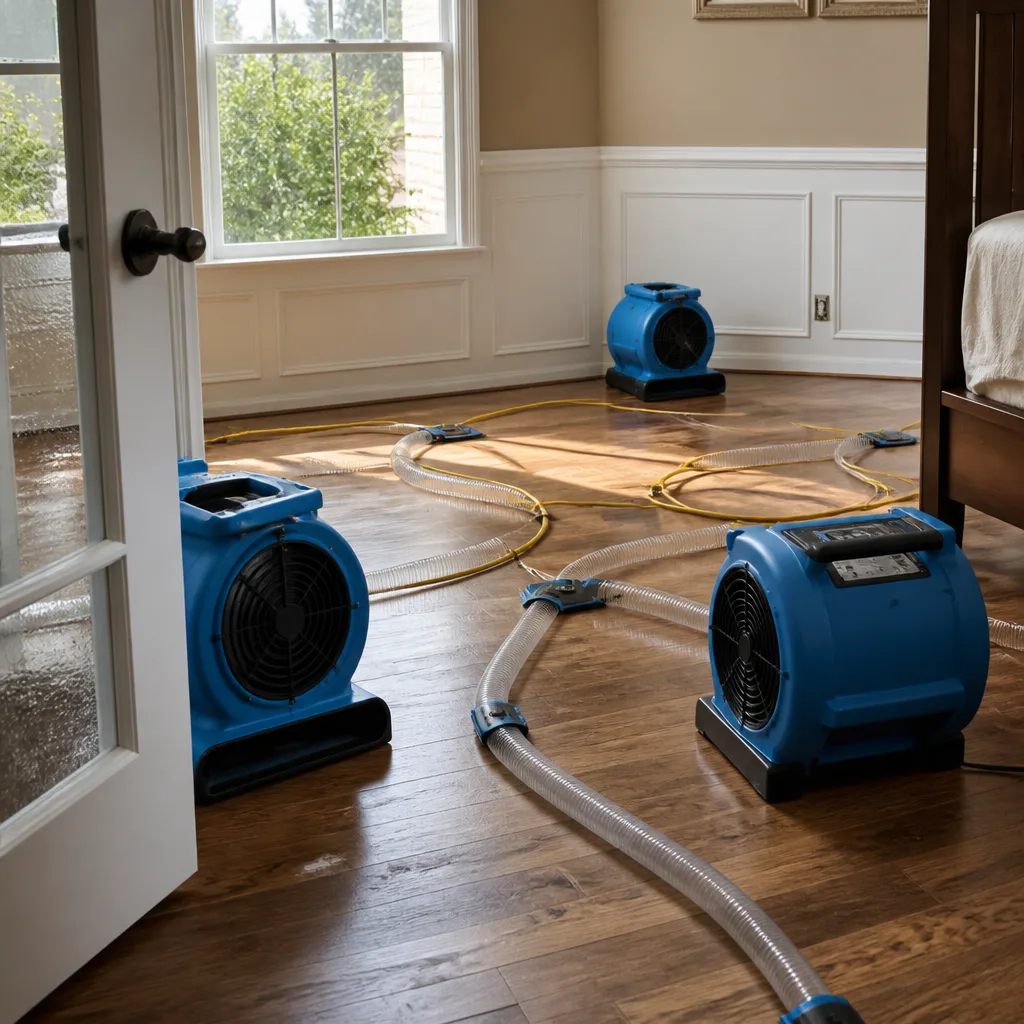
Dri-Eaz air movers, Phoenix dehumidifiers, and Injectidry systems run 24 hours a day. Wade takes moisture readings every single day and hands you the full log at the end, dated and time-stamped. Almost nobody in this trade does that.
4. Cleaning & Sanitization
HEPA air scrubbers run continuously during Mold Remediation - Long Island City. We sanitize every affected surface with EPA-registered antimicrobials. In Superfund-adjacent floodwater jobs, this step is not optional. It is the difference between a safe rebuild and a hidden contamination problem.
5. Structural Drying & Clearance Testing
We do not start rebuilding until moisture readings in every affected material are back to pre-loss levels. For walls we could not see into, we verify with penetrating meters. Then we document it all for your claim file.
6. Repairs & Restoration
Drywall, flooring, paint, trim, doors. Our Long Island City Commercial Restoration team rebuilds to match the original, including wind-load reinforcement on exterior doors where the envelope failed. The 90-Day Done Right Promise applies, in writing.
Need Emergency Reconstruction & Cleanup in Long Island City Now?
Crews minutes away, answering live 24 hours a day. The sooner we start, the less it costs.
Working With Your Insurance Company
Insurance claims after water or storm damage in Long Island City live or die on documentation. We start building your file from the first hour: photos of every affected room before anything gets moved, moisture readings at set intervals, and a line-item scope of work your adjuster can actually read. Wade deals with the adjuster directly. You should not be the one explaining drying standards to someone at a desk. When the claim involves Newtown Creek floodwater or East River surge, the Category 3 designation matters for coverage, and we document exactly how the water entered, where it traveled, and what it touched. If your carrier pushes back on anything, we walk them through the technical details.
What We Provide Your Insurer
- Thorough documentation of the loss from hour one
- Photos of all damage, room by room, before and during mitigation
- Moisture readings and daily drying logs with dates and times
- A detailed, line-item scope of work following industry-standard pricing
- Direct coordination with your carrier and adjuster
Built for Long Island City’s Loss Calendar
January and February in Long Island City are when supply lines freeze and burst in older walkups along 21st Street and Jackson Avenue. The cold snap hits a cast-iron riser in a pre-war building, and suddenly three floors are getting water. Spring brings the thaw, and with it, groundwater seepage into below-grade spaces in the industrial conversions near the Creek, where old foundations were never waterproofed. Summer thunderstorms dump two inches of rain in an hour, overwhelming local drainage, and when that happens at high tide, Newtown Creek backs up into basements along the northern industrial corridor. That water is Category 3. Then comes nor’easter season. October through April, storm surge pushes up the East River and over the bulkheads in Hunters Point. Glass-curtain-wall towers built after 2015 start leaking at failed window joints. Every one of those seasons has a signature loss type here, and our crews prepare for each one.
Reconstruction & Cleanup Across Long Island City’s Neighborhoods
Hunters Point South, where the newer riverfront towers stand, sees the most nor’easter-driven envelope failures. Window frames leak. Facade joints open up. Water drives sideways into walls and migrates down into below-grade parking garages, and by the time you see a stain on the ceiling, it has already traveled three floors. Court Square’s converted bank and office buildings have a different problem: retrofitted plumbing crossing vast open floor plates. One pinhole leak in the wrong spot floods thousands of square feet before the first drop shows through. Along Vernon Boulevard, the older pre-war walkups run on cast-iron drains that are sixty to eighty years old and failing from the inside out. And over near Newtown Creek, where the FEMA flood zone sits squarely over blocks of industrial conversions, any heavy rain event at high tide can push contaminated creek water into below-grade spaces. Each area needs a different response. We know the routes, the building types, and where the water comes from.
Specialized Reconstruction & Cleanup Services We Offer in Long Island City
Full-Service Reconstruction
We handle the entire rebuild after any disaster. Demolition, framing, insulation, drywall, paint, trim, flooring, doors. In Long Island City’s converted lofts, we match materials to the original character where possible. In the towers, we rebuild to current wind-load standards so the next nor’easter does not find the same weak point.
Drywall & Flooring Repair
Water-soaked drywall in an LIC loft is not just wet; it is often hiding moisture in the masonry cavity behind it. We remove the damaged sections, dry the cavity properly, then replace drywall, tape, mud, and texture. Flooring runs from engineered wood in the condo conversions to solid oak in pre-war units, and we restore or replace to match.
Contents Restoration & Pack-Out
When a converted loft floods, your furniture, rugs, books, and personal property need to be moved, cleaned, and stored while structural drying happens. We pack out carefully, inventory everything, restore what can be restored, and store the rest in climate-controlled space until your unit is ready.
Carpet & Upholstery Cleaning
Post-disaster, carpets and upholstery hold odor, contaminants, and mold spores even when they look fine. We extract, steam-clean, deodorize, and apply antimicrobial treatments. Category 3 water means carpet is almost always a loss. Category 1 or 2, we can often save it.
Post-Construction Cleanup
After the rebuild, we leave your unit clean enough to live in. Dust from drywall sanding, debris from demolition, and construction residue all get removed. We run HEPA air scrubbers to pull fine particulates out of the air. The goal is not just repaired. It is livable.
What happens when you call
- 1
A real person answersNo phone trees - you reach a local pro.
- 2
You get an upfront price rangeHonest numbers before anyone is dispatched.
- 3
A background-checked tech heads outLicensed & insured, dispatched right away.
- 4
You approve before work beginsNothing starts until you say go.
Reconstruction & Cleanup Costs in Long Island City, NY
Real numbers for the Long Island City market, because you should know what you are walking into before you call anyone. A straightforward drywall patch and paint after a minor water leak runs $450 to $1,200. A full drying and rebuild after a Category 1 supply line break in a condo typically lands between $4,000 and $12,000 depending on square footage. Nor’easter envelope failures in the glass towers, with structural drying and facade-joint repair, usually run $15,000 to $45,000. Category 3 floodwater remediation from East River surge or Newtown Creek backup, including hazmat protocols and full reconstruction, starts around $25,000 and can exceed $100,000 for large below-grade spaces. What moves the price: square footage, water category, how long it sat, what got demolished, and whether contents need pack-out. Insurance covers most of this when documented properly. That is what our Reconstruction & Cleanup team does from day one. The free inspection is the fastest way to get a firm number, because we come out, look, and put the scope in writing. No charge for that.
We Also Serve Cities Near Long Island City
When storms hit the western Queens waterfront, they rarely stop at the LIC border. We serve Long Island City and the surrounding area, including Astoria, where the flood-zone exposure is lower but older housing stock comes with its own set of water and fire damage patterns.
Long Island City Reconstruction & Cleanup Questions, Answered
How does the Newtown Creek Superfund designation affect Reconstruction & Cleanup in Long Island City?
The Newtown Creek Superfund designation means floodwater from the creek carries industrial contaminants alongside sewage and stormwater, so any intrusion from it is Category 3 by definition and requires hazmat-level remediation before rebuilding can start. Standard drying is not enough, and skipping the hazmat step creates a long-term contamination problem behind your walls. Call (607) 350-1550 and we will walk you through what a proper scope looks like for your specific address.
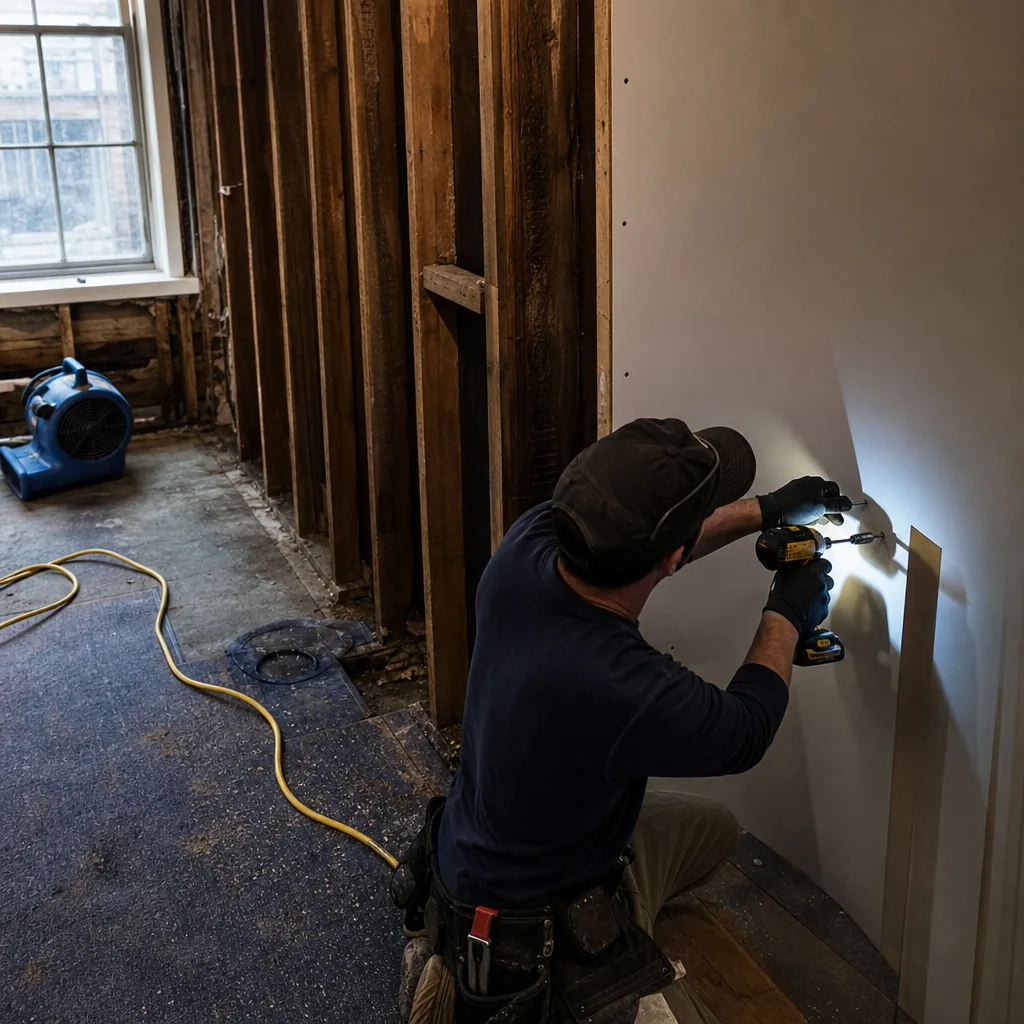
After a nor’easter causes water intrusion in a Hunters Point glass-curtain-wall tower, is structural drying enough before rebuilding?
No. Window-frame and facade-joint failures in the post-2015 curtain-wall towers let wind-driven rain migrate downward through wall cavities and floor assemblies, often into below-grade parking garages. Structural drying addresses the water you can see, but the envelope breach itself must be repaired or the next storm repeats the whole cycle. We document both the drying and the envelope failure for your claim.
What wind-load reinforcement do we recommend for doors in Long Island City’s newer towers before storm season?
Exterior doors in the glass towers should meet current New York City wind-load requirements for Zone 2 exposure, which often means impact-rated hardware, reinforced frames, and sealed thresholds. Many of the original post-2010 installations do not, and that is why we see repeated door failures during nor’easters. A pre-season inspection catches the problem before the storm does.
When a converted industrial loft in LIC has a pipe failure, why is a pack-out needed before Reconstruction?
Converted lofts run plumbing across enormous open floor plates, so a single pipe failure can soak thousands of square feet. Drying that much space properly means moving furniture, rugs, and personal property out of the way, cleaning what can be saved, and storing it while structural drying runs. Without a pack-out, drying is incomplete and mold takes hold inside 24 to 48 hours.
Can we document Category 3 water damage for an LIC insurance claim?
Yes. We photograph how the water entered, where the tide or creek channeled it, what it touched, and what we removed. We log moisture readings daily and provide everything to your adjuster in a format carriers accept. Direct adjuster coordination is part of the service.
How fast can you actually reach Long Island City?
We commit to 45 minutes for Long Island City addresses. Crews stage near the neighborhood specifically for this response time. The first hour determines how much of your unit can be saved, and we treat it that way.
Can we stay in our unit during reconstruction?
Depends on the water category and the extent of demolition. Category 1 or 2 water in a limited area usually allows you to stay with containment in place. Category 3 floodwater means moving out during hazmat remediation and structural drying, typically one to three weeks. We tell you straight, and we document the habitability question for your insurer.
What should I do in the first 30 minutes after water enters my Long Island City home or business?
Shut off the water if you can do it safely. Kill power to affected areas if they are wet. Move what you can lift to dry ground. Then call (607) 350-1550. Do not wait for the damage to show. By the time water is visible on the ceiling below, it has already traveled through the floor assembly. The first hour is the difference between a dry out and a rebuild.
One Local Insight: Why Long Island City Reconstruction Is Different
Long Island City’s western edge sits inside FEMA flood zones AE along both the East River and Newtown Creek. Newtown Creek is a federally designated EPA Superfund site. That single fact changes everything about how reconstruction work gets done here, and it is the thing a generic restoration chain will not tell you. Water entering your building from the creek carries industrial sediment, sewage, and decades of legacy contamination. It is Category 3 on arrival, every time, and it demands full hazmat protocols: containment, HEPA air scrubbing, antimicrobial treatment, and disposal of contaminated material. Skip that step and you are rebuilding over a hidden contamination problem that will smell, grow, and sicken people for years. We handled a post-storm Reconstruction & Cleanup job in a Hunters Point glass-curtain-wall tower where a nor’easter-driven rain breach at a failed window frame led to Category 2 water migration into a below-grade parking garage. We used moisture mapping to trace the envelope failure, set containment with Dri-Eaz air movers and dehumidifiers, and completed structural drying down to pre-loss moisture readings before rebuilding the affected drywall and flooring. That is the standard. Anything less and the job is not done right, which is the whole reason the 90-Day Done Right Promise exists in writing.
Serving Long Island City, NY - Our Local Coverage Area
We’re based in the Long Island City area and know this community well. Use the map below to see our service coverage - if you’re nearby, we can almost certainly help.
Call Wade’s Restoration for Reconstruction & Cleanup in Long Island City
Wade Ferris founded this company in 2007. He answers his own phone, and he shows up on the truck. No national chain. No call center. No crew you have never met. When your Long Island City building has water in it, or smoke, or the kind of storm damage that only western Queens sees, call (607) 350-1550. The inspection is free. The estimate is in writing before work begins. The 90-Day Done Right Promise is stamped on every contract, and it means what it says. Senior and veteran discount always applies. Ask anyone on your street.
Written by Wade Ferris, Owner at Wade’s Restoration, serving Long Island City and western Queens since 2007.