
Free visual inspection and a written scope of work before any mitigation begins - photos, moisture readings, and drying logs go in your claim file
The scope we write is the scope we bill. Anything new gets shown to you, in writing, before we touch it.
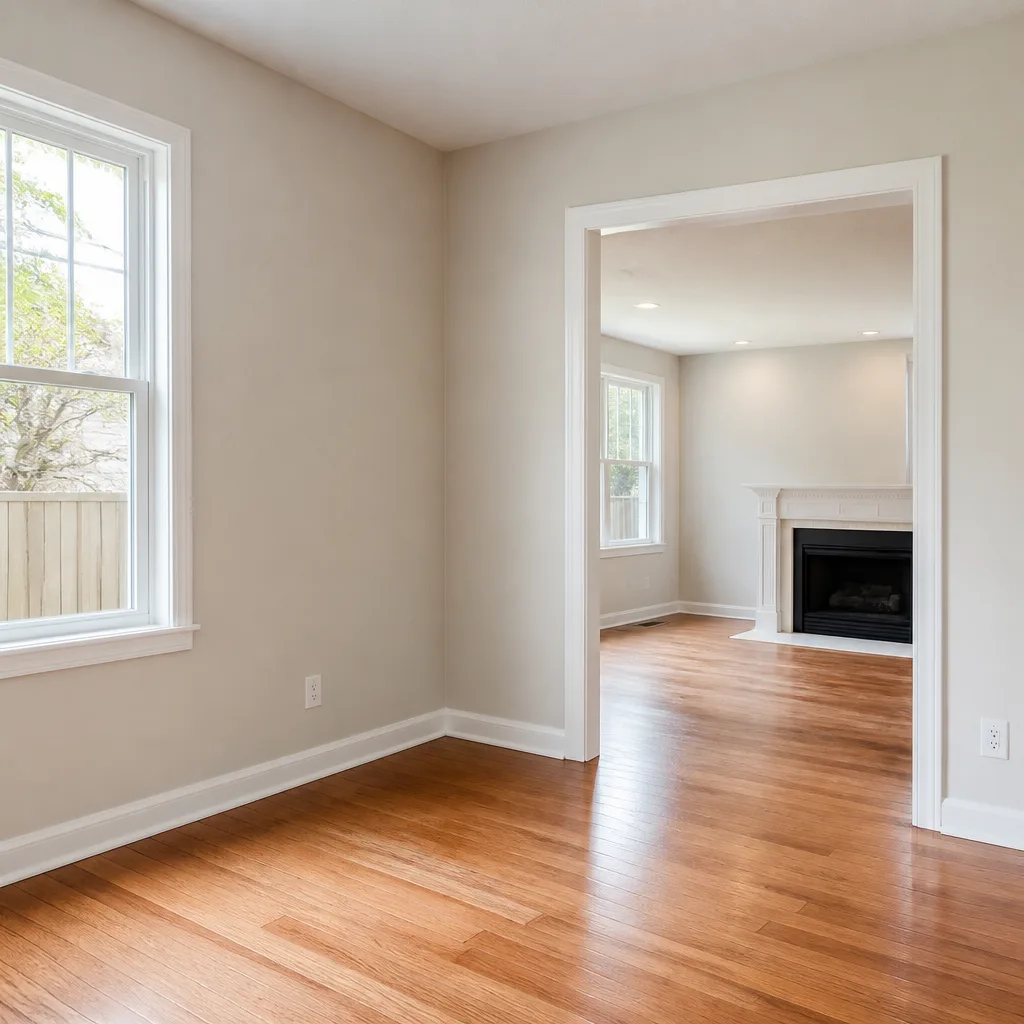
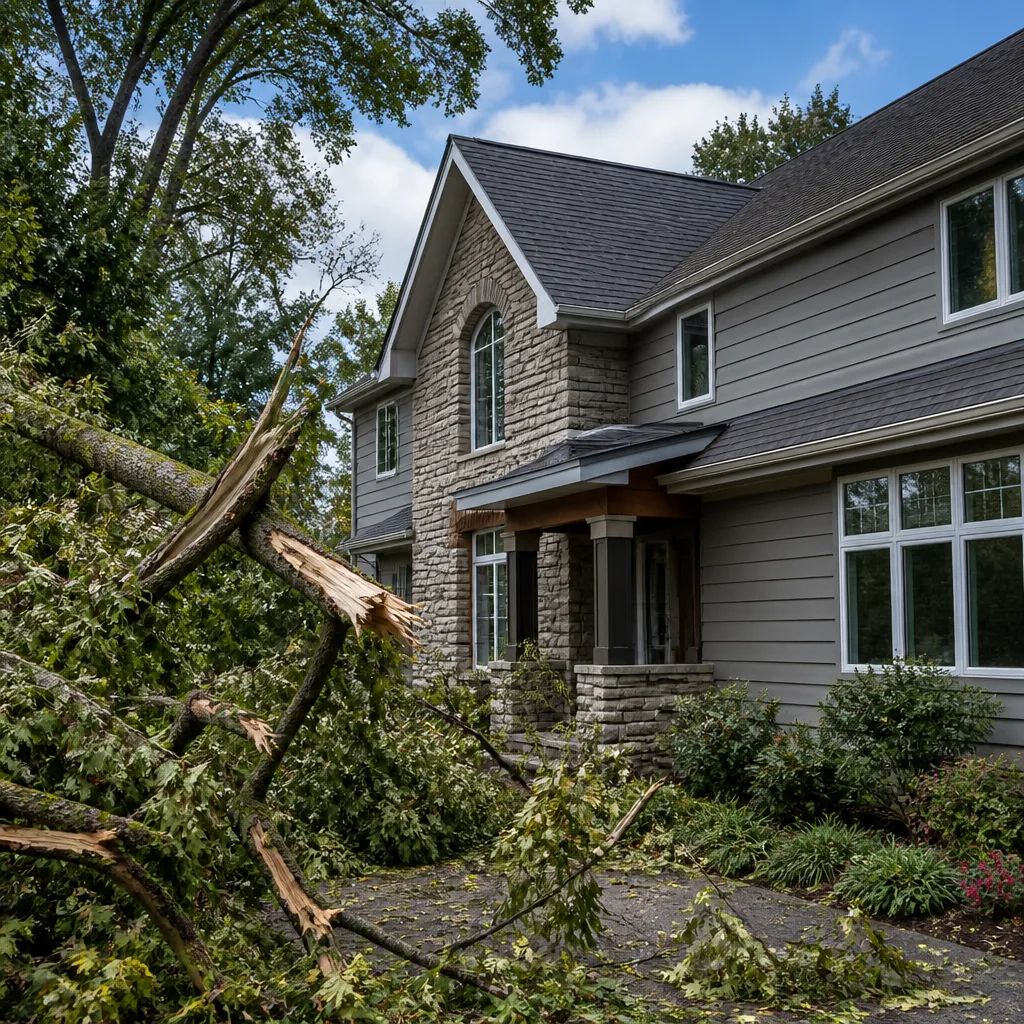
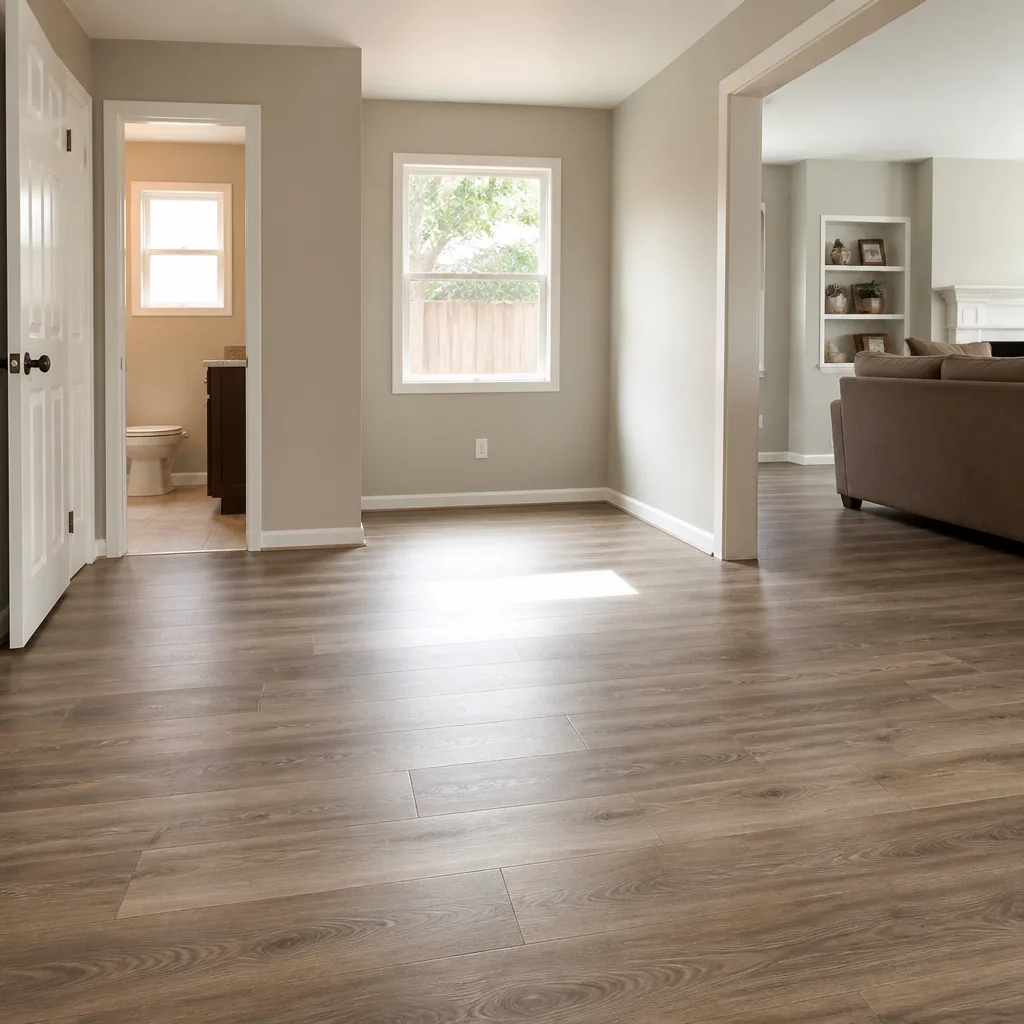

 Before
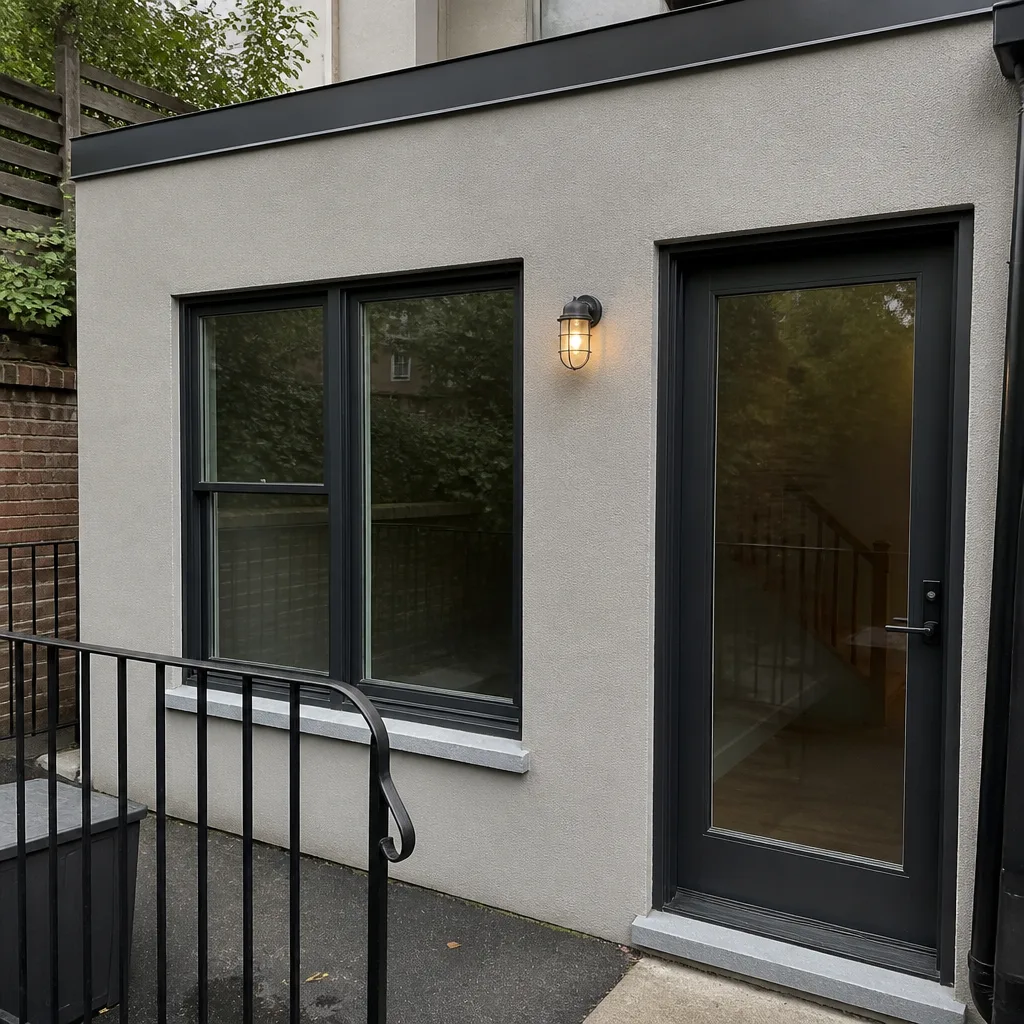 After
After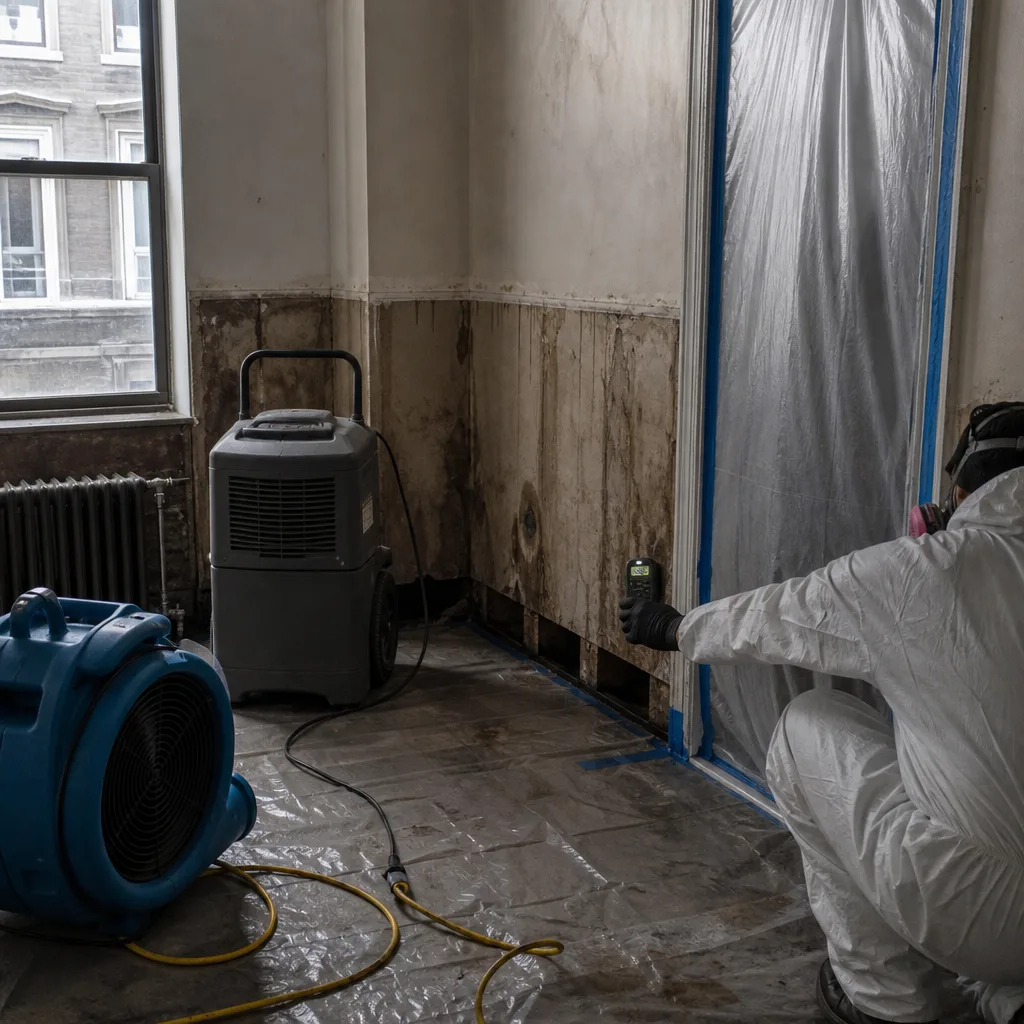 Before
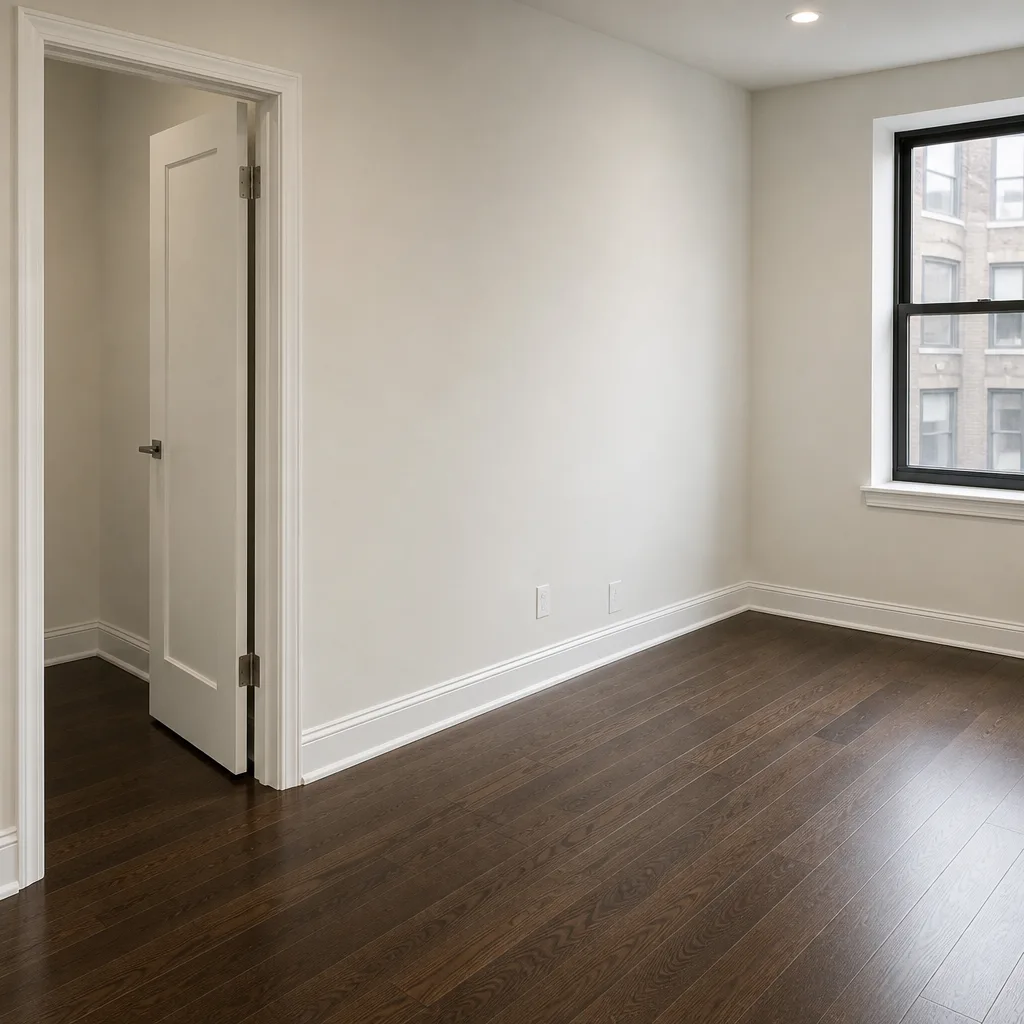 After
After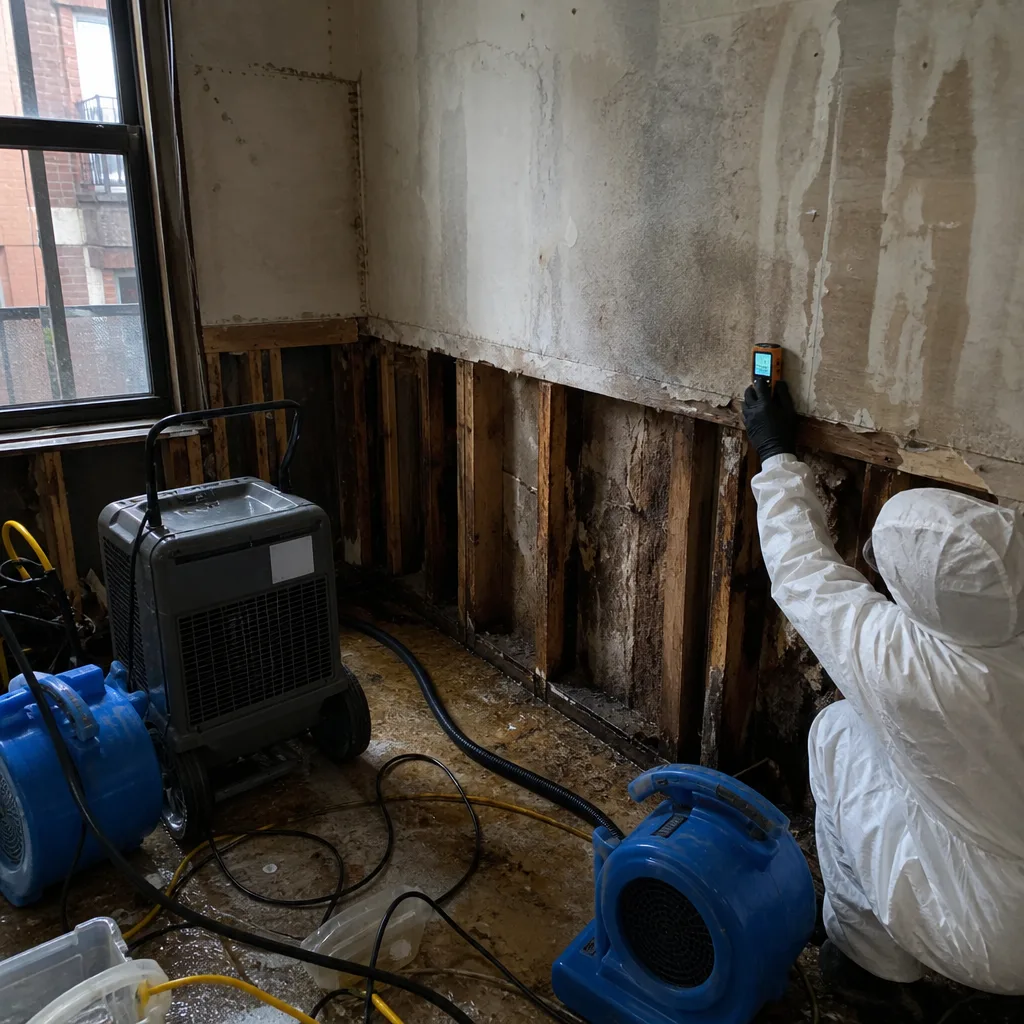 Before
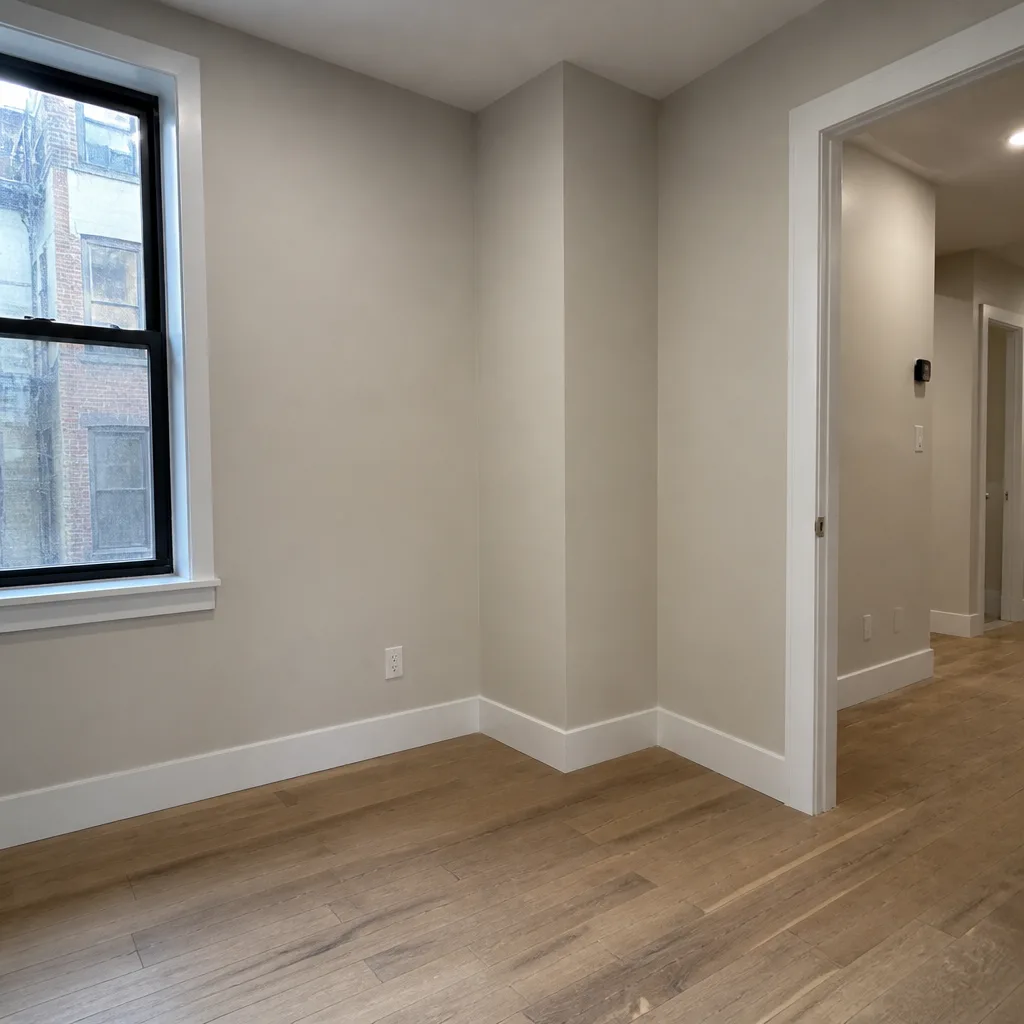 After
After24/7 Emergency Biohazard & Crime Scene Cleanup in West New York
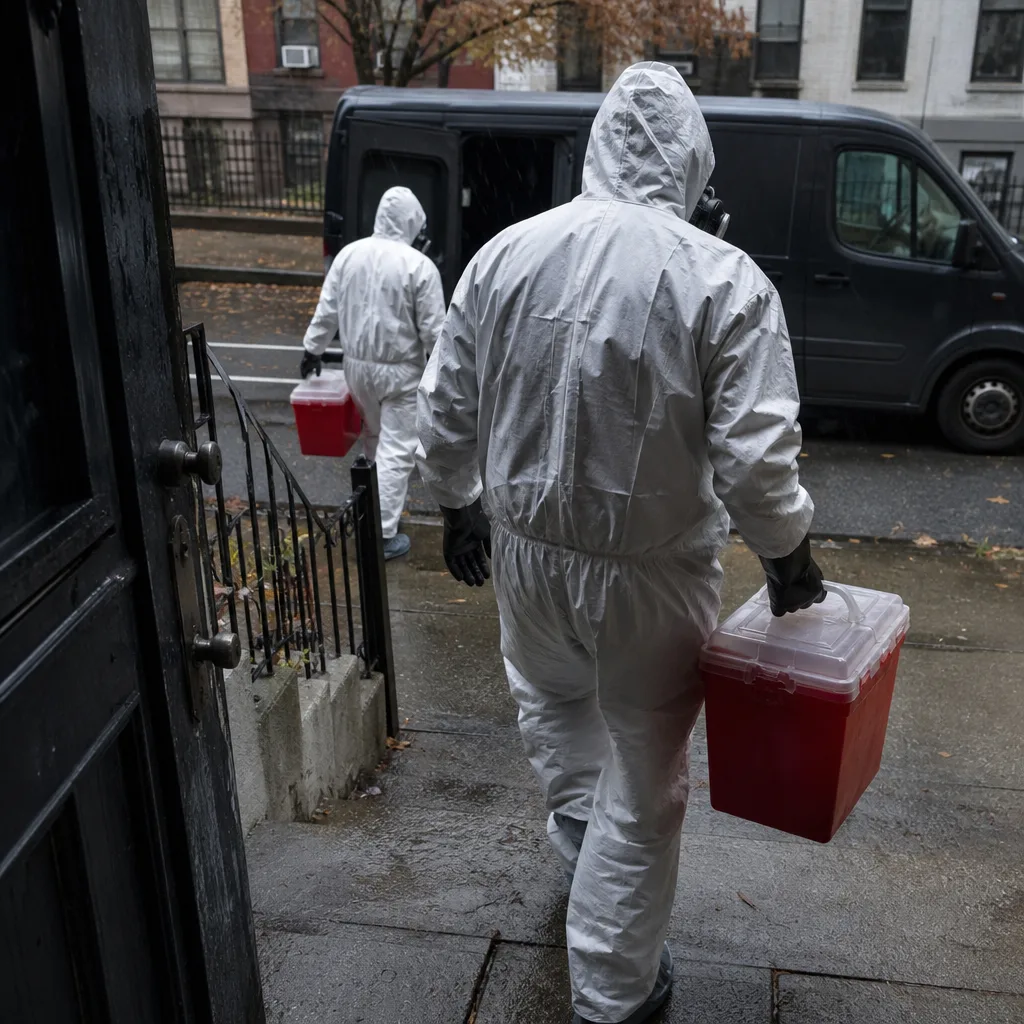
Biohazard and crime scene cleanup in West New York requires immediate response because contamination spreads fast in buildings where units share walls, hallways, and ventilation shafts. We answer live at (607) 350-1550 around the clock, and Wade’s crew can be inside a West New York walk-up or mid-rise within the hour. The first call is free, the visual inspection is free, and if you’re inside Hudson County, there’s no trip charge. Blood, bodily fluids, and decomposition fluids don’t wait, and neither do we. When an unattended death or crime scene happens in a pre-war building on the Palisades, every hour that passes pushes bioaerosols further into adjacent units through shared chase-ways, pipe sleeves, and stairwells. That’s the reality of density here, and it’s why we treat West New York jobs as building-wide containment problems from the first minute, not single-room cleanups.
Understanding Biohazard & Crime Scene Cleanup Severity in West New York Properties
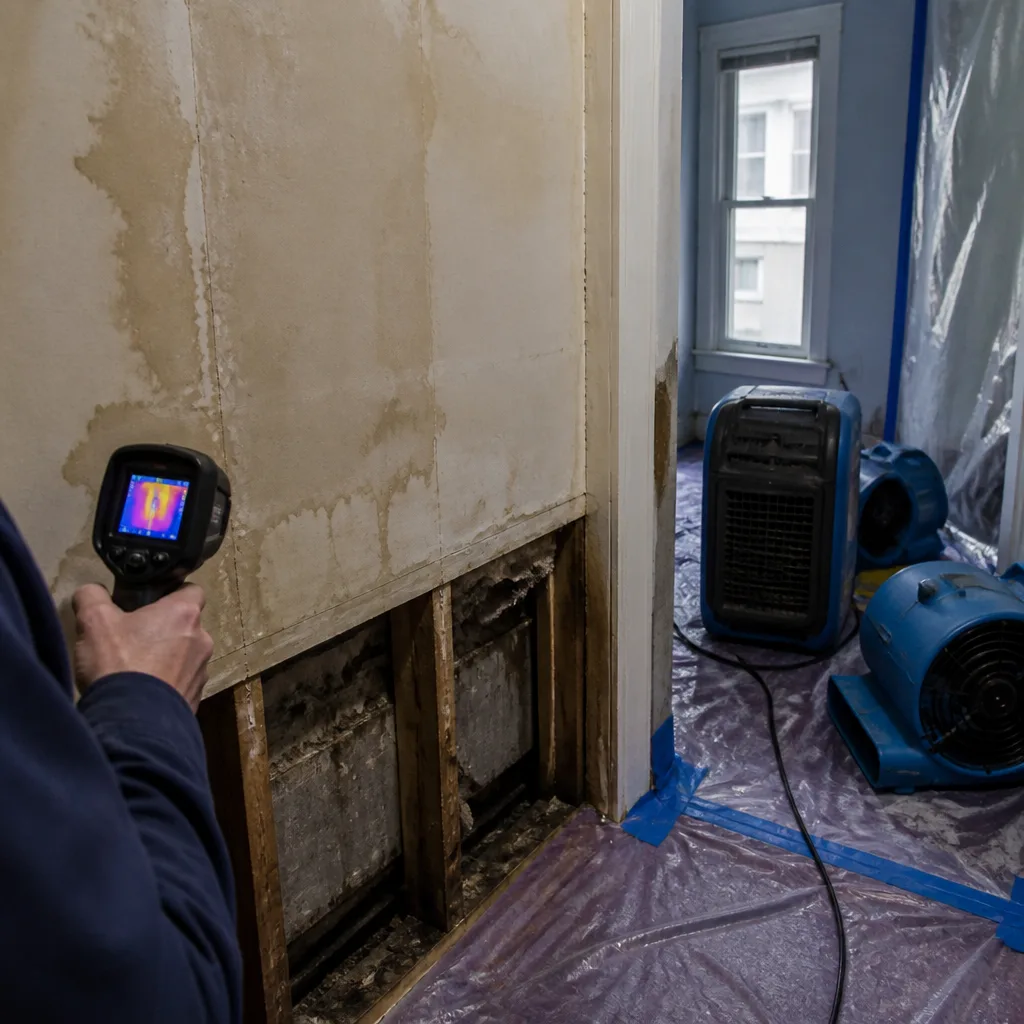
Biohazard work falls into categories the same way water damage does, and the severity level changes how we approach every West New York job. Category 1 biohazards might include uncontaminated blood from a minor accident. Category 2 involves blood, bodily fluids, or decomposing material that’s been sitting long enough for bacteria and pathogens to multiply. Category 3 is the serious one: decomposition fluids, sewage-adjacent contamination, infectious disease exposure, or scenes where fluids have penetrated porous building materials like lath-and-plaster walls, hardwood subfloors, or the shared structural elements common in 1920s and 1930s brick buildings throughout West New York. Most crime scene and unattended death work here falls into Category 2 or 3 because of the age of the housing stock. Pre-war construction means plaster over wood lath, not drywall. Fluids wick downward and sideways through those layers, and moisture readings get unreliable fast when you can’t see behind a wall. That’s where thermal imaging and inspection cameras help us find what’s hiding, but in a 90-year-old building, we also rely on experience: if the floor above a stain shows any sign of seepage around pipe penetrations, we open it. We don’t guess with biohazards.
Why West New York Property Owners Choose Wade’s Restoration
- 45-minute response commitment – when you call about a biohazard in West New York, Wade’s crew is on the road immediately. We know the traffic patterns on Bergenline Avenue and the side streets off Boulevard East, and we plan routes accordingly.
- 24/7 live answer, a real person – you get Wade or a member of his team on the phone. No automated phone tree, no call center in another state, no “leave a message.” At 3 a.m., a real human picks up.
- IICRC-certified crews – our people carry WRT, FSRT, and AMRT certifications, and they’re background-checked. This matters when we’re working in occupied buildings where tenants are already on edge.
- Free visual inspection – before any work starts, we walk the scene. You get an honest read on scope and cost before you commit to anything. No charge for this in West New York.
- Direct insurance billing – we handle the paperwork with your carrier, the landlord’s carrier, and whatever other parties are involved. You’re not the one faxing documents at midnight.
- One team from containment to reconstruction – biohazard cleanup often ends with damaged walls, floors, or ceilings that need rebuilding. We do both, so you’re not juggling a restoration crew and a carpenter.
Our Biohazard & Crime Scene Cleanup Process
Inspection & Assessment
We arrive at your West New York building and assess the full scene: what’s visible, what’s seeped into walls or flooring, and which adjacent units might be affected. We check shared walls, pipe chase-ways, and common hallways. You get a written scope before any work begins.
Containment & Air Pressure Management
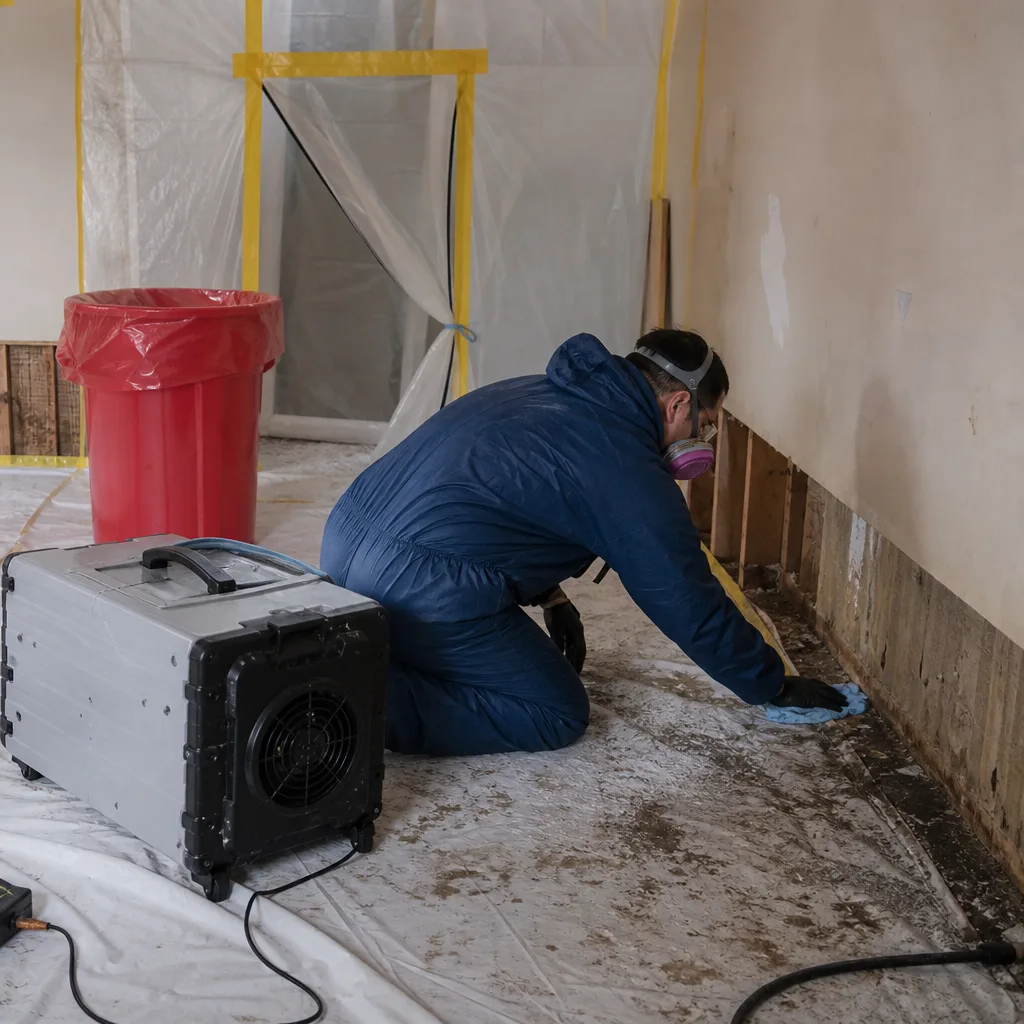
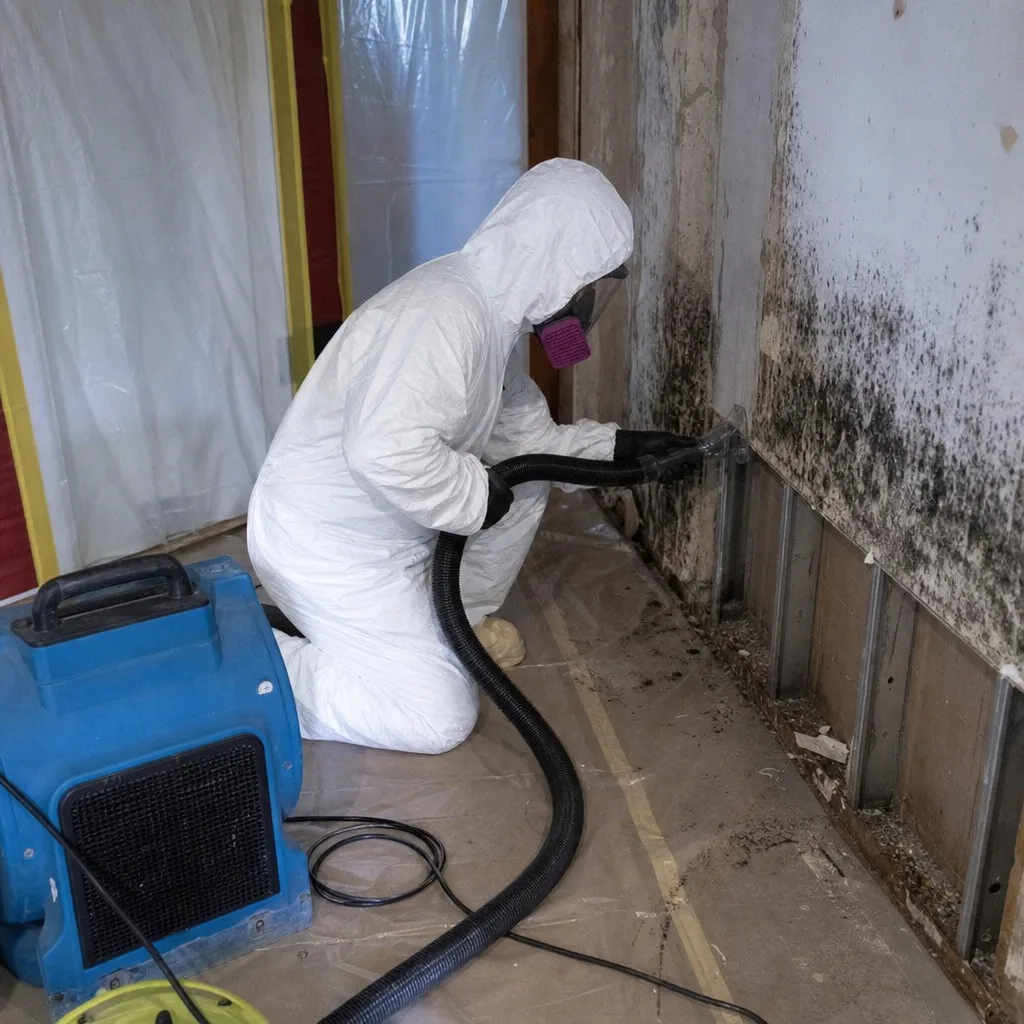
In a multi-unit building, this step is non-negotiable. We set up negative air pressure zones using HEPA-filtered air scrubbers, seal off shared corridors and ducts, and establish a controlled work area. This keeps contaminated air from drifting into a neighbor’s kitchen through an old riser chase.
Removal & Decontamination
We remove all biohazardous materials: contaminated carpet, drywall, plaster, trim, subflooring, or whatever has absorbed fluids. Porous materials that can’t be fully disinfected come out. Non-porous surfaces get hospital-grade antimicrobial treatment according to IICRC and OSHA standards.
Cleaning & Sanitization
Everything remaining gets cleaned with EPA-registered disinfectants appropriate for bloodborne pathogens. We take moisture readings throughout the process using hygrometers and thermal imaging to confirm no hidden pockets of contamination remain behind lath, under flooring, or inside wall cavities.
Odor Neutralization & Verification
Decomposition and biohazard scenes leave odors that bleach and surface cleaning won’t touch. We use air scrubbers with activated carbon filtration and run them until the apartment passes a final inspection. In older West New York buildings, that sometimes means multiple passes because smells embed in plaster, wood, and even brick.
Repairs & Restoration
Once the biohazard work is certified complete, we rebuild what we removed: drywall, plaster, trim, flooring, paint. The same crew that did the cleanup does the reconstruction, so you get one accountable team and one invoice, which your insurance carrier appreciates as much as you do.
Need Emergency Biohazard & Crime Scene Cleanup in West New York Now?
Crews minutes away, answering live 24 hours a day. The sooner we start, the less it costs.
Working With Your Insurance Company
Insurance claims for biohazard and crime scene cleanup in West New York are rarely simple because the town’s multi-unit buildings often mean multiple policies are in play: the unit owner’s, the landlord’s, the building master policy, and sometimes a neighboring tenant’s. We’ve handled all of them, and we deal with adjusters directly so you don’t have to spend your days on hold. From the first hour, we document everything: photos of every affected room, moisture readings, equipment logs, and the exact scope of materials we remove and replace. Our line-item estimates follow the same format insurers use, which cuts back-and-forth and gets claims approved faster. If your adjuster has questions, we answer them. If they want to send a second adjuster, fine. We’ve been through this dance hundreds of times.
What We Provide Your Insurer
- Thorough documentation of the loss
- Photos of all damage, room by room
- Moisture readings and drying logs
- A detailed, line-item scope of work
- Direct coordination with your carrier
Built for West New York’s Loss Calendar
West New York’s biohazard calendar is shaped by the same forces that drive its water damage calendar, because unattended death, hoarding, and contamination events rarely happen in isolation. In January and February, when deep freezes hit and shared steam pipes in pre-war buildings burst, below-grade units flood with Category 3 water, and mixed contamination with sewage becomes a biohazard job. Spring thaw brings groundwater seepage through the Palisades rock face into basement apartments and parking garages, where stagnant water breeds bacteria and creates conditions that complicate any existing biohazard scene. Summer humidity accelerates decomposition dramatically: an unattended death in a West New York apartment in July needs containment and odor mitigation far faster than the same event in February. Fall nor’easters dump rain on flat roofs and push water down through old brick parapets into top-floor units, mixing with dust, lead paint chips, and decades of accumulated interior grime. In a town this dense, one bad season can stack multiple claims in a single building within weeks. We’re set up for that. Our equipment stock and crew scheduling assume that West New York will have busy stretches, not just isolated calls.
Biohazard & Crime Scene Cleanup Across West New York’s Neighborhoods
West New York packs different building types into a small footprint, and each area has its own access and containment challenges. Along Boulevard East, the pre-war apartment buildings facing the Hudson are some of the oldest and most elegant in town, but their age means shared risers, plaster walls, and thick masonry that holds moisture and odor. A trauma scene in one of those buildings often means coordinating with superintendents who’ve managed the same building for thirty years. Over near 60th Street and the border with Union City, the mid-century apartment blocks have more drywall and newer plumbing, but they also have tighter parking and narrow service entrances that make equipment staging harder. The blocks around Bergenline Avenue, West New York’s main commercial spine, include mixed-use buildings where a biohazard on the second floor sits directly above a ground-floor restaurant or bodega, which means we’re not just containing a living space, we’re protecting a business and its customers. Down by 54th Street and the low-lying areas closer to Weehawken, below-grade units deal with persistent groundwater from the Palisades, and any unattended death or bodily fluid loss in those spaces compounds with existing damp conditions. Wade’s crew knows which buildings have freight elevators, which have only narrow stairwells, and which supers have the keys to the roof hatches we sometimes need for ventilation runs.
Specialized Biohazard & Crime Scene Cleanup Services We Offer in West New York
Crime Scene Cleanup
Crime scenes in West New York often involve blood that has seeped into hardwood floors, grout, and the gaps between floorboards. We remove affected porous materials, treat non-porous surfaces with EPA-registered disinfectants, and restore the unit so it looks like nothing happened. We coordinate with law enforcement, property managers, and victim services agencies when needed.
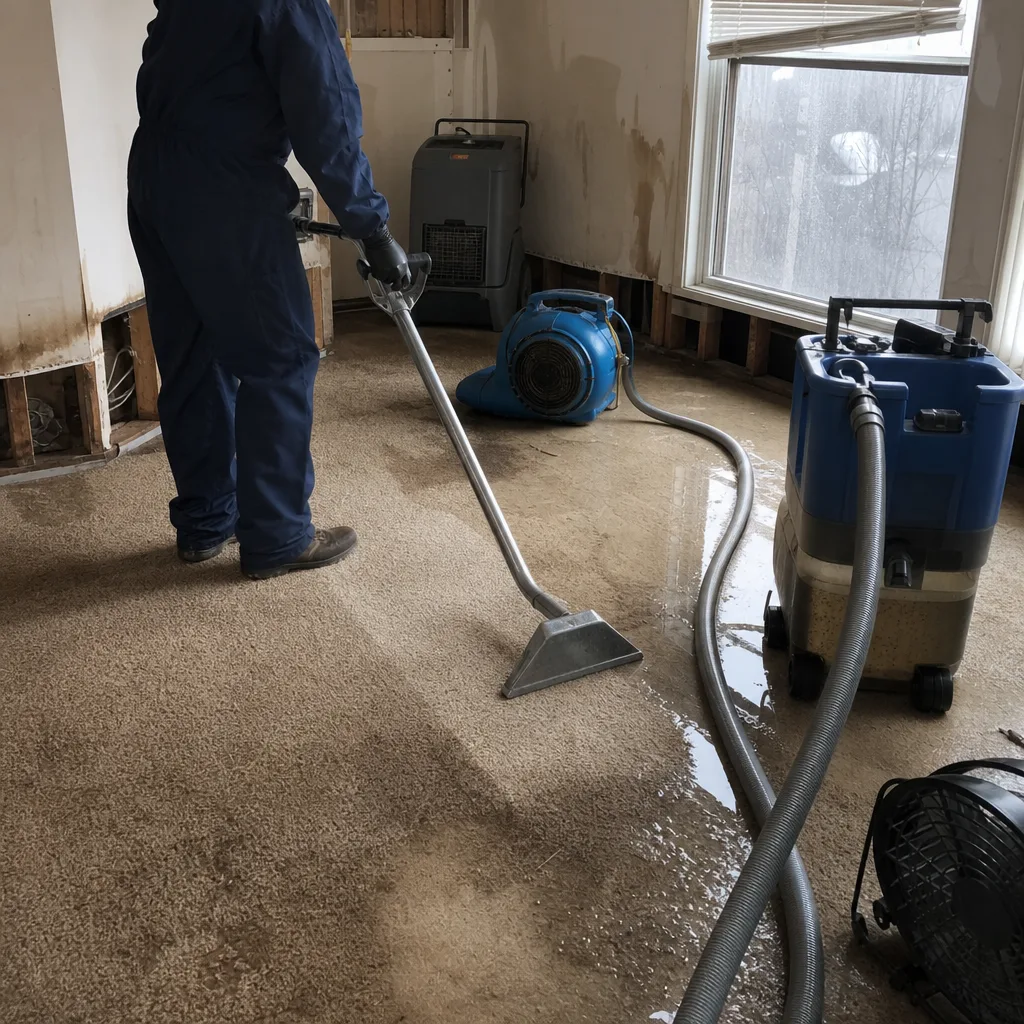
Trauma & Unattended Death Cleanup
Unattended death in a West New York apartment means decomposition fluids have had time to saturate flooring, subfloor, and sometimes the ceiling of the unit below. This is the service where our containment-first approach matters most: in a 1930s walk-up, a week-unnoticed death can expose every unit sharing a stairwell or riser to odor and aerosolized bacteria. We handle the scene, the neighbors’ concerns, and the insurance documentation.
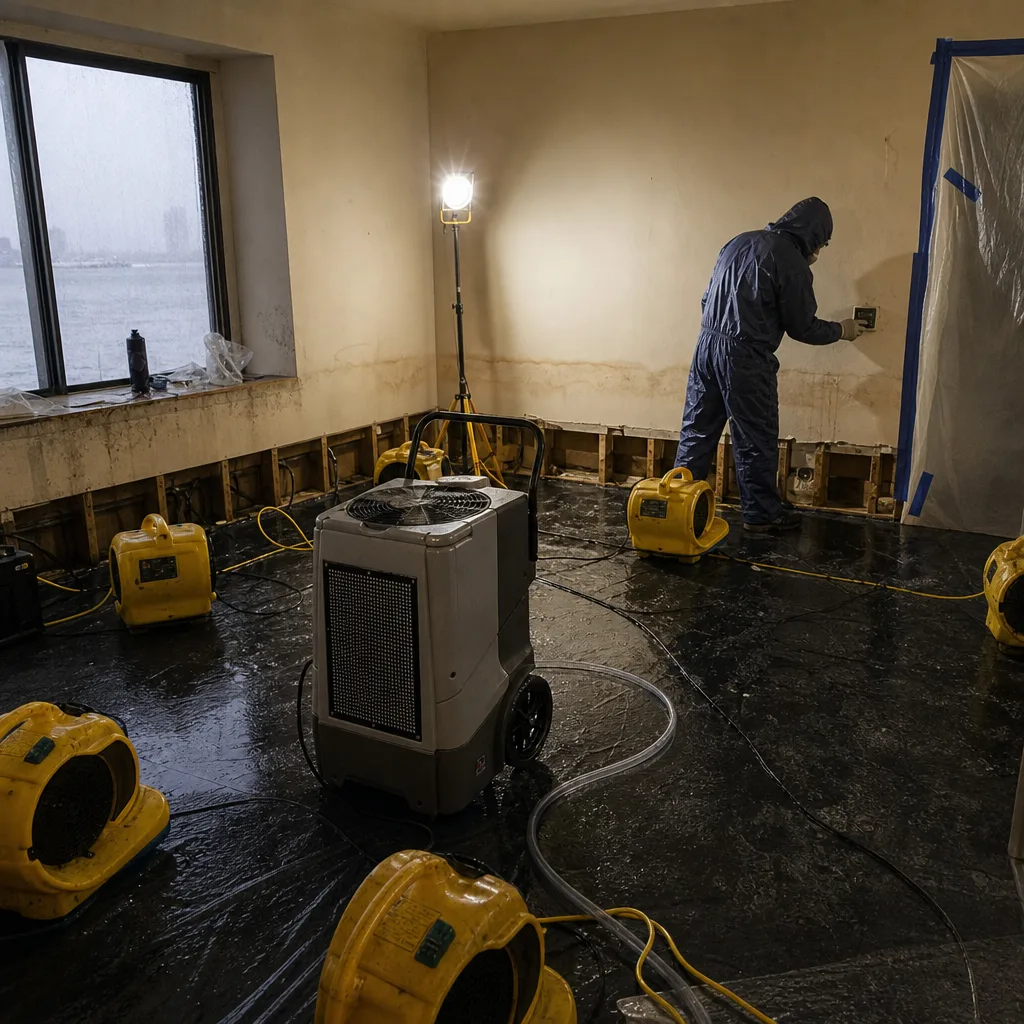
Hoarding Cleanup
Hoarding in a West New York apartment building is a shared-wall problem, not a private one. We work with tenants, landlords, social workers, and sometimes code enforcement to clear units, sort salvageable items, and deep-clean the space. Our people treat hoarding residents with dignity, and we contain the work so neighboring units are never exposed to dust, pests, or biohazards stirred up during cleanup.
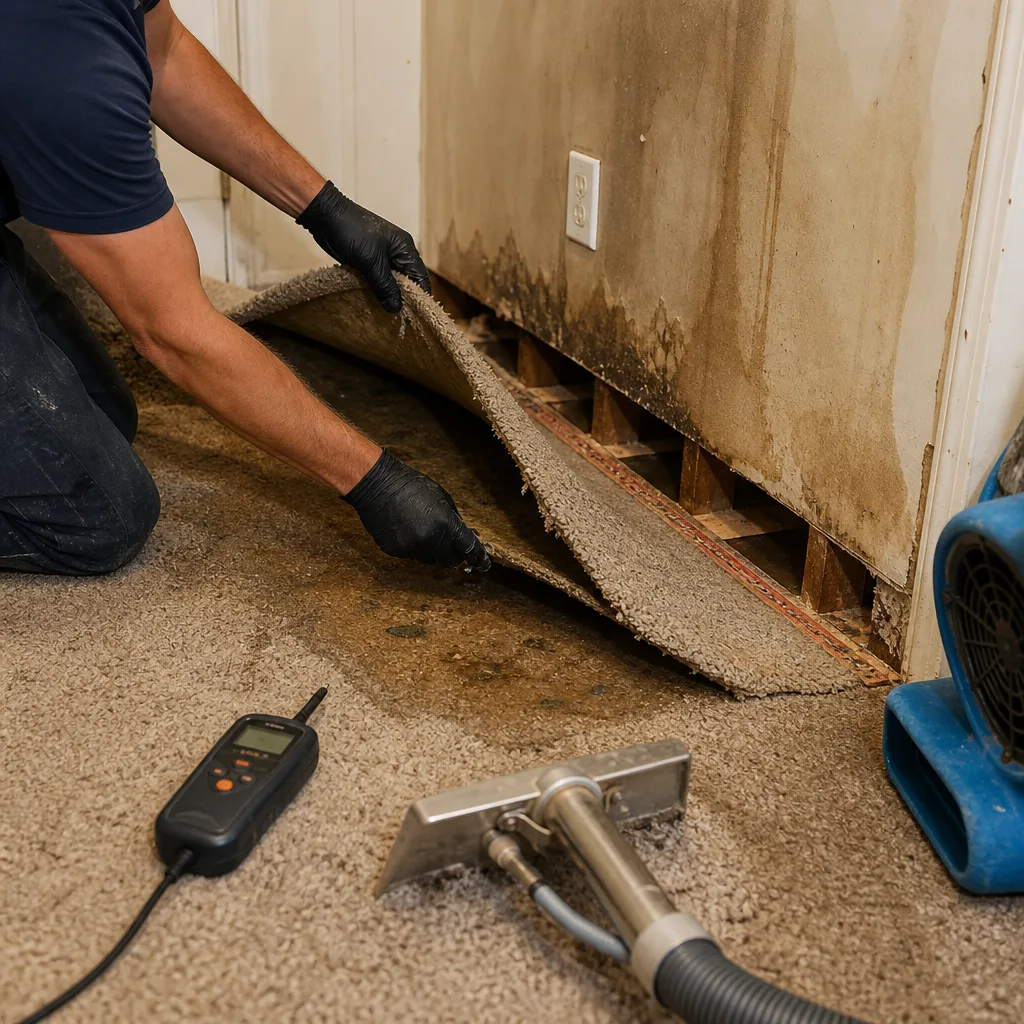
Blood & Bodily Fluid Cleanup
Blood carries bloodborne pathogens, and in older West New York buildings, it migrates fast through cracks, gaps around pipes, and the spaces behind baseboards. We trace fluid paths with moisture meters and thermal imaging, remove all contaminated porous material, and certify the unit safe for occupancy before we leave.
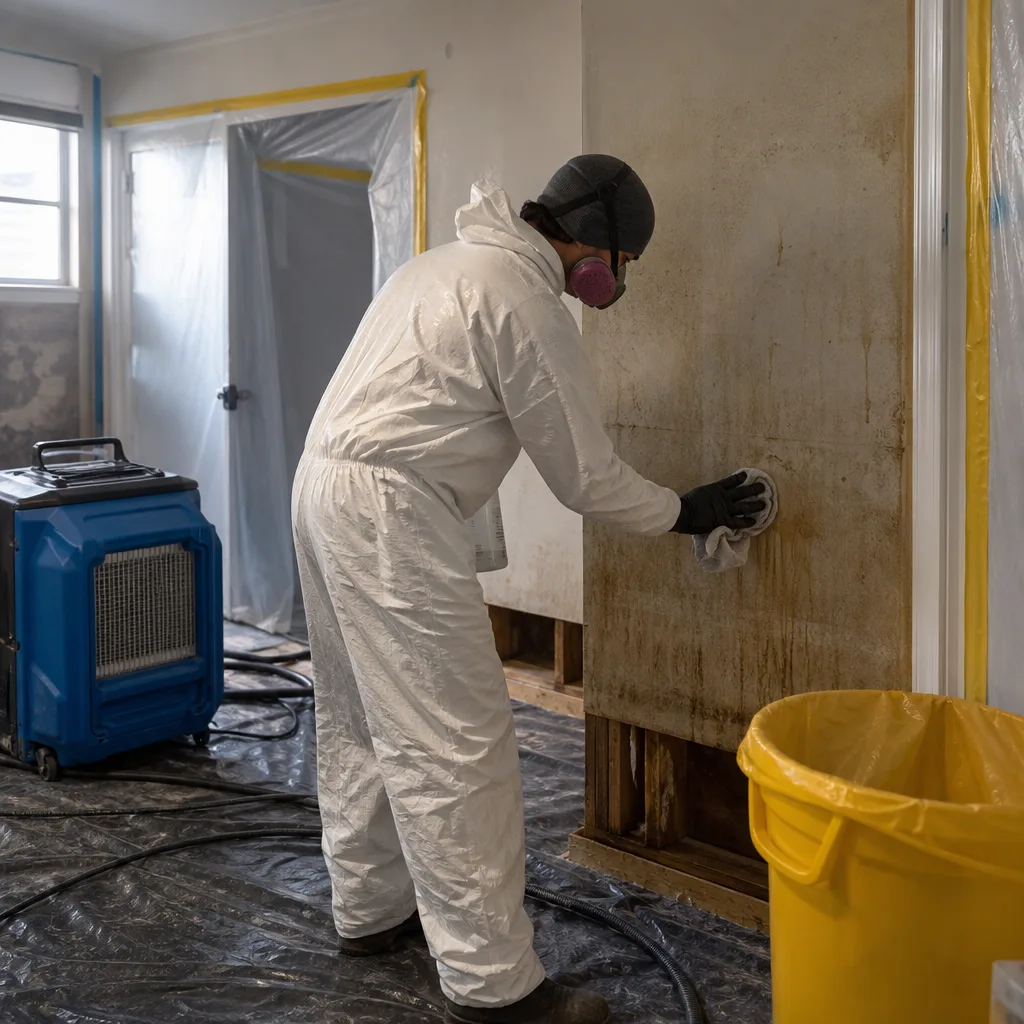
Infectious Disease Disinfection
After an infectious disease event, a West New York apartment or common area needs full-surface disinfection, not a wipe-down. We use EPA-registered, hospital-grade disinfectants with proper dwell times, and we pay attention to high-touch surfaces in shared building systems: stair rails, elevator buttons, laundry room equipment, and mailroom surfaces that serve dozens of households.
What happens when you call
- 1
A real person answersNo phone trees - you reach a local pro.
- 2
You get an upfront price rangeHonest numbers before anyone is dispatched.
- 3
A background-checked tech heads outLicensed & insured, dispatched right away.
- 4
You approve before work beginsNothing starts until you say go.
Biohazard & Crime Scene Cleanup Costs in West New York, NJ
Crime scene and unattended death cleanup in West New York typically runs $2,500 to $8,000 for a contained single-unit scene. A hoarding cleanup in a one-bedroom apartment usually lands between $3,000 and $10,000 depending on volume and the condition of the unit. Full infectious disease disinfection of an apartment or common area runs $1,200 to $3,500. What moves the price in West New York specifically is the building itself: pre-war plaster walls hold contamination and must be opened more often than drywall, shared risers and hallways require containment setup we wouldn’t need in a single-family house, and tenant-notice requirements can add time on site. Insurance covers most crime scene and unattended death claims under the property’s loss provisions, and we bill your carrier directly. Hoarding cleanup is sometimes out-of-pocket if no covered peril triggered it, but if water damage or fire led to the hoard, insurance often participates. The free visual inspection is the fastest way to get a firm number. Call (607) 350-1550 and we’ll walk the scene and write an exact scope, no charge inside Hudson County.
We Also Serve Cities Near West New York
Wade’s Restoration is based in the metro area and serves West New York along with nearby Jersey City, Hoboken, Weehawken, and Union City. Same live answer, same 45-minute response commitment, same crew standards. If you’re in one of those towns and dealing with a biohazard scene, call us. We know the buildings, the parking situations, and the supers.
Serving West New York, NJ - Our Local Coverage Area
We’re based in the West New York area and know this community well. Use the map below to see our service coverage - if you’re nearby, we can almost certainly help.
West New York Biohazard & Crime Scene Cleanup Questions, Answered
How does West New York’s dense apartment construction change biohazard cleanup compared to a single-family home?
In a single-family home, biohazard containment mostly means sealing one room or one floor. In a West New York apartment building, shared walls, pipe chase-ways, stairwells, and ventilation shafts all carry contaminated air and fluids beyond the original unit. We set up negative air pressure zones, seal shared openings, and often need to inspect adjacent units on multiple floors before the scene is fully contained. The cleanup scope expands from one room to a building system, which changes cost, time, and coordination with other tenants and landlords.
Does the salt air off the Hudson accelerate corrosion of my building’s pipes enough to trigger sudden biohazard releases?
Salt air alone doesn’t cause sudden failures, but it does accelerate corrosion on cast-iron and galvanized supply and drain lines, and many West New York pre-war buildings still run on those original pipes. The salt-laden air penetrates basements and unsealed utility rooms, eating at pipe exteriors from the outside while mineral buildup attacks from the inside. A drain line that’s been quietly corroding for decades lets go, and suddenly Category 3 water with sewage is running through multiple units. That’s when a simple pipe failure becomes a biohazard job.
What is your protocol for cleaning a hoarding situation in a West New York apartment building without contaminating neighboring units?
We treat hoarding cleanup like a contained biohazard operation even when no blood or bodily fluids are involved. The unit gets sealed from shared hallways and risers, negative air pressure runs throughout the job, and all debris that could carry dust, pests, or mold leaves through a single controlled exit. We use HEPA air scrubbers during the entire sort-and-remove process, and we never carry loose material through common areas. Neighboring tenants shouldn’t know we’re there except for the equipment in the hallway.
Can you legally start cleaning an unattended death in a West New York rental unit the moment the landlord calls?
No. New Jersey tenant-protection laws apply even to deceased tenants: the landlord needs proper notice or a lawful-entry basis before we can enter the unit. The landlord also needs legal authority over the scene. We start the moment we’re legally allowed, and we help landlords navigate the timing so cleanup begins as fast as the law permits. Every day of delay matters for decomposition and odor spread, so we usually have crews staged and ready to go the same day access is granted.
What distinguishes West New York’s below-grade biohazard risks from nearby Hoboken or Jersey City?
Hoboken and Jersey City both fight tidal and river flooding at sea level. West New York sits atop the Palisades bluffs, so we don’t get the same storm surge, but the rock-face topography drives constant groundwater seepage into below-grade units and parking garages. That persistent damp means any biohazard scene in a basement apartment is compounding with existing moisture, mold risk, and older drainage systems. A scene that would be straightforward in a dry Jersey City basement requires more drying, more moisture readings, and more aggressive antimicrobial treatment here.
How fast can someone actually get to my West New York apartment?
Our commitment is 45 minutes or less to any address in West New York, day or night. Wade answers the phone himself, and his crew is on the road as soon as you call. We know the town’s streets, the parking constraints, and which buildings have service entrances, so we’re not circling the block looking for access while contamination spreads.
Is biohazard cleanup covered by renters insurance or does the landlord pay?
It depends on the policy and the loss. A renter’s policy typically covers cleanup if the biohazard resulted from a covered peril like water damage or vandalism, but an unattended death without a covered cause may fall to the landlord’s building policy. We work with both. We’ll review what’s covered, bill the appropriate carrier directly, and handle adjuster communication so you’re not stuck solving the puzzle yourself.
What should I do in the first 30 minutes after discovering a biohazard scene in West New York?
Do not enter the unit and do not attempt to clean anything. Close the door, keep other tenants and family members away, and call (607) 350-1550. We’ll walk you through the immediate steps while the crew is en route. If the scene involves a death, we’ll also coordinate with the police and medical examiner as needed. The single most important thing is to limit air movement: don’t open windows, don’t turn on fans, and don’t run the building’s shared ventilation if you can avoid it. That keeps contamination from spreading to neighboring units while we get containment set up.
Written by Wade Ferris, Owner at Wade’s Restoration, serving West New York and surrounding Hudson County communities since 2007.