
Free visual inspection and a written scope of work before any mitigation begins - photos, moisture readings, and drying logs go in your claim file
The scope we write is the scope we bill. Anything new gets shown to you, in writing, before we touch it.
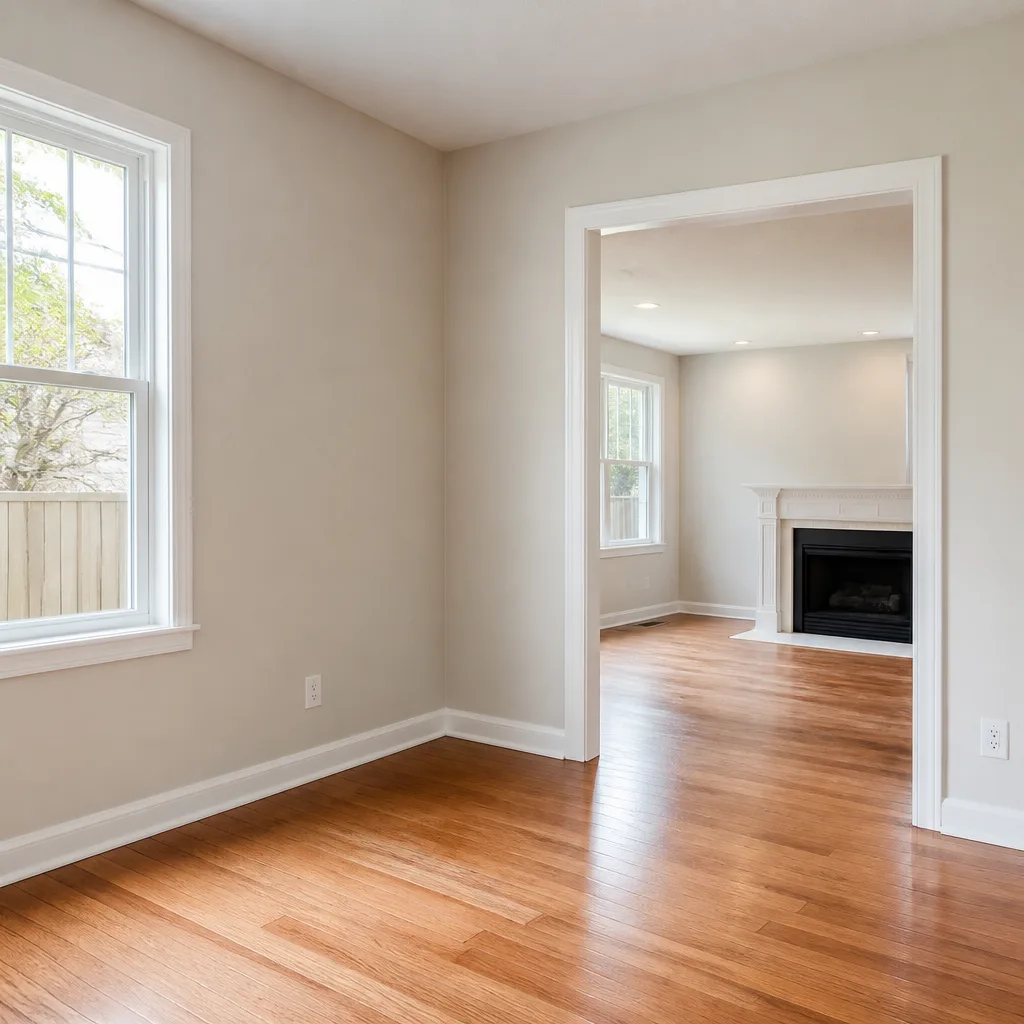
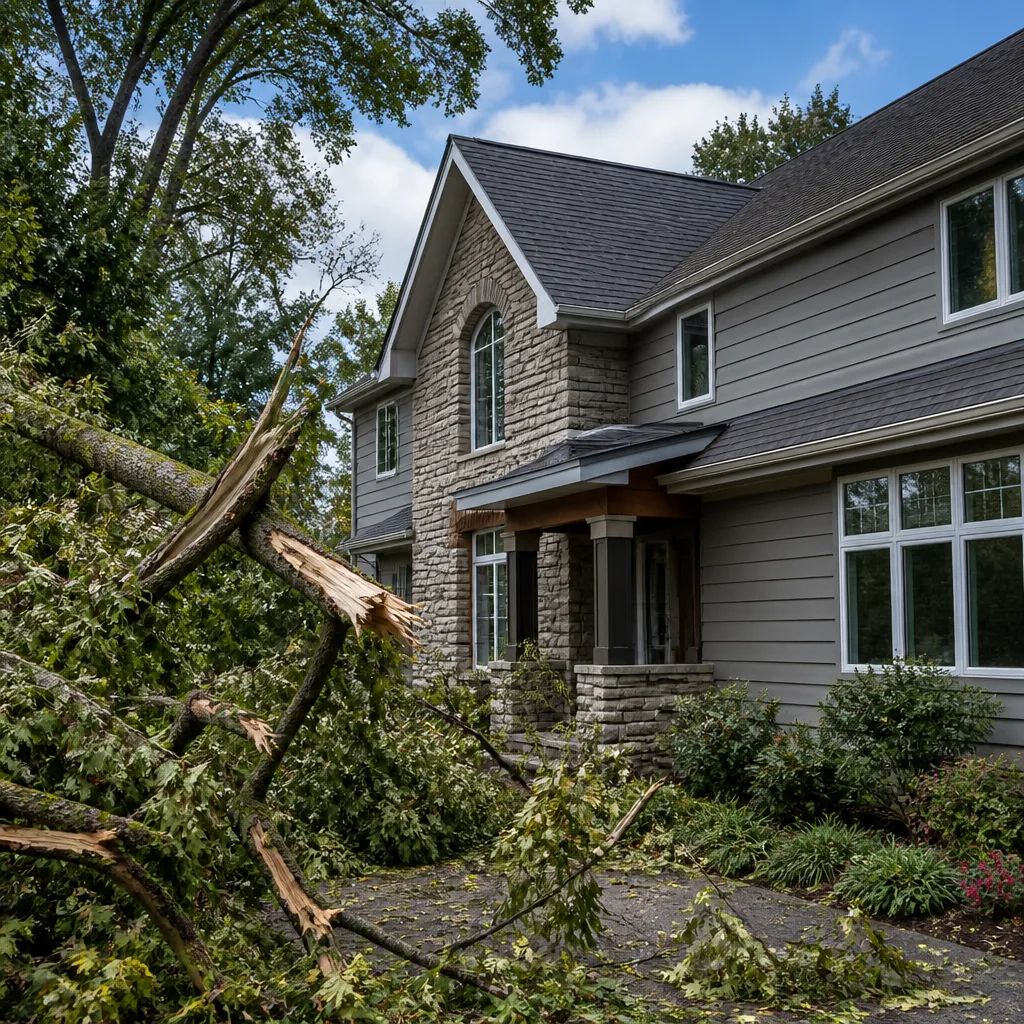
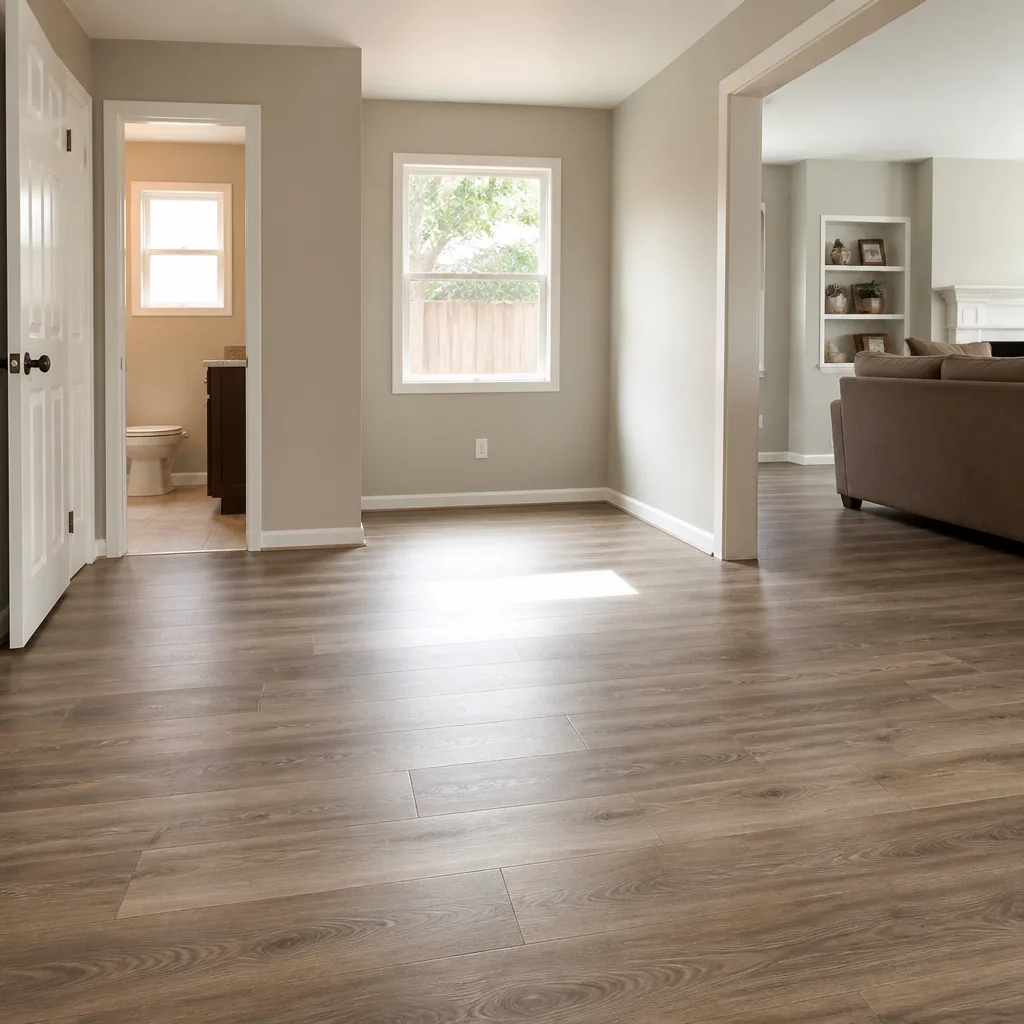

 Before
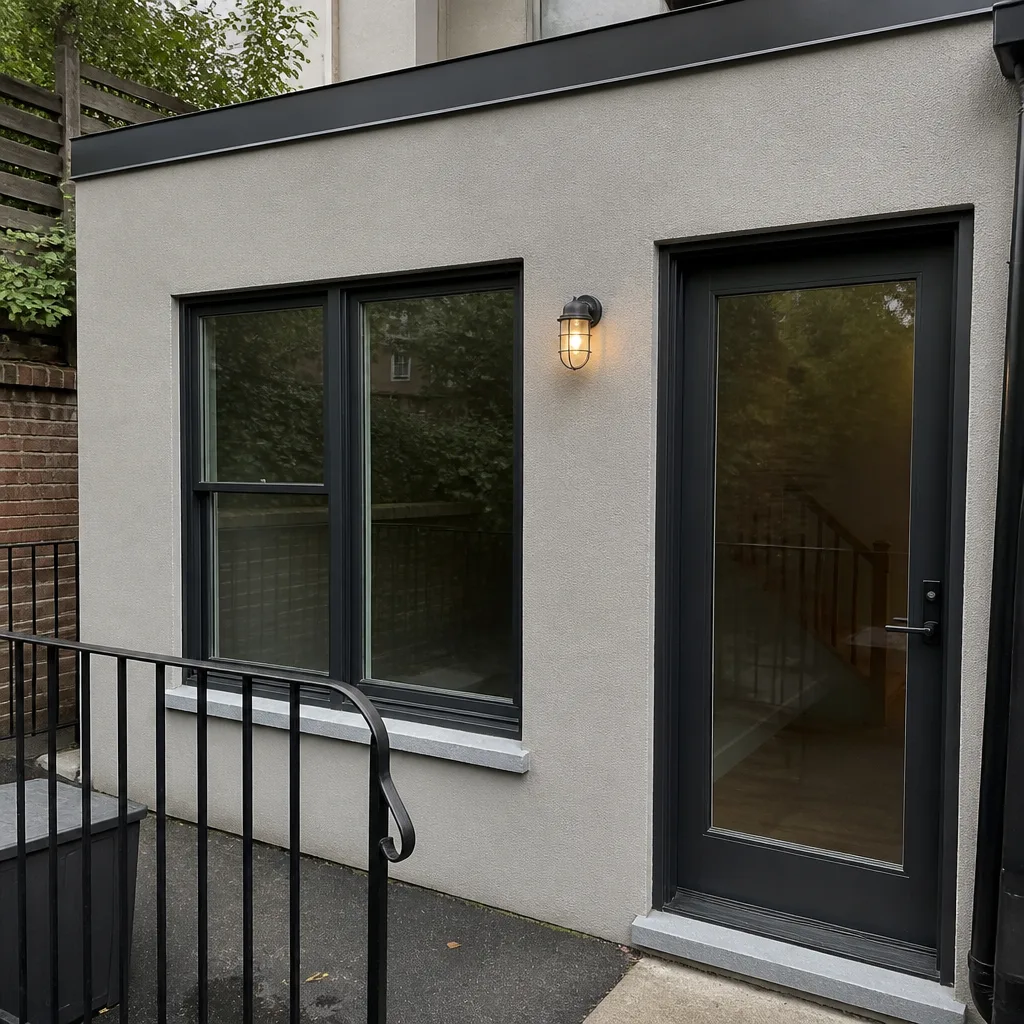 After
After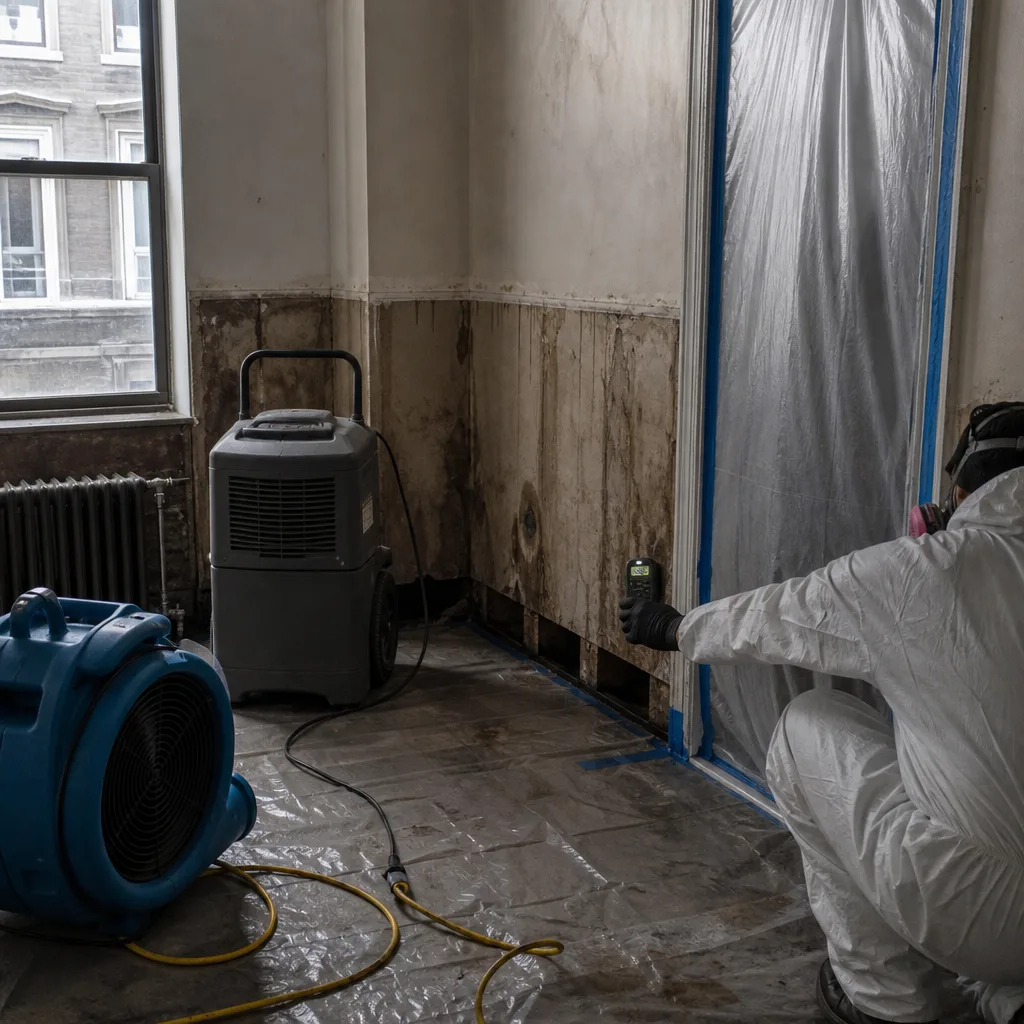 Before
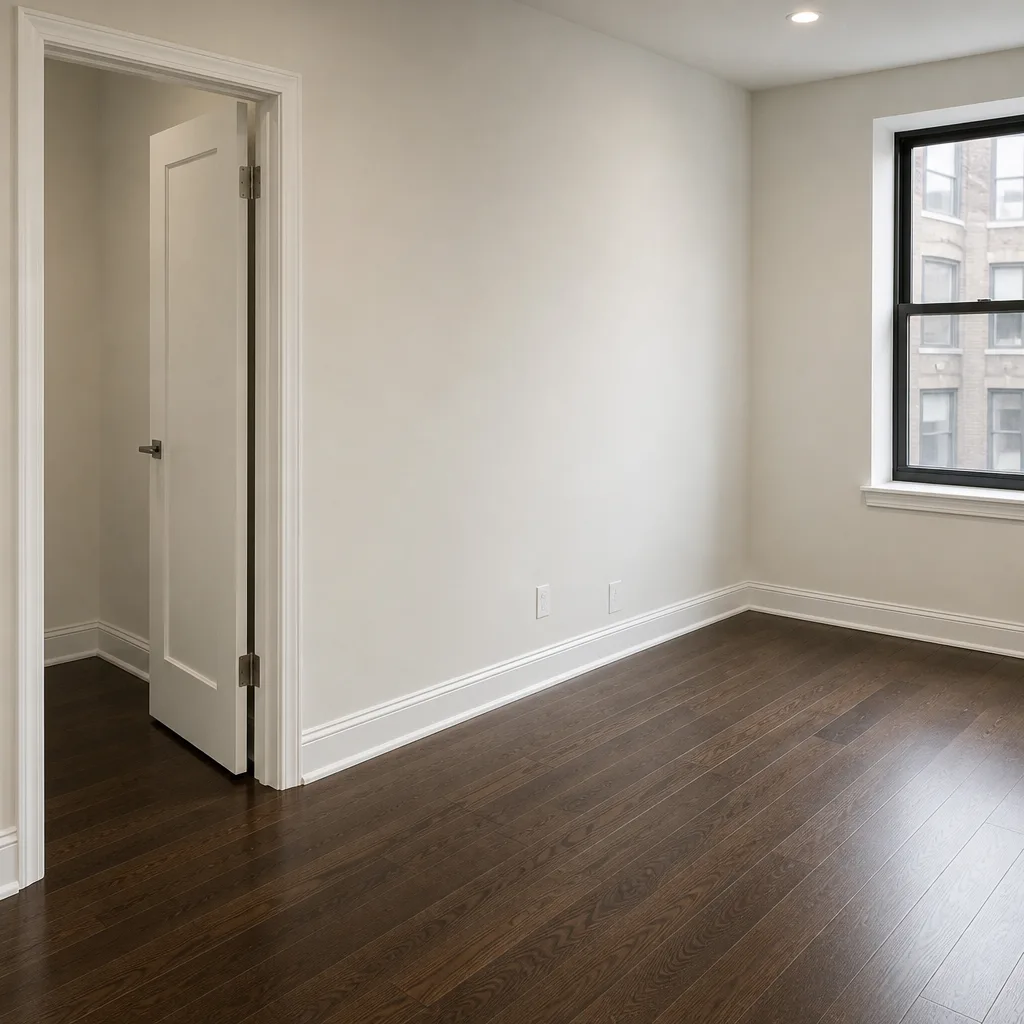 After
After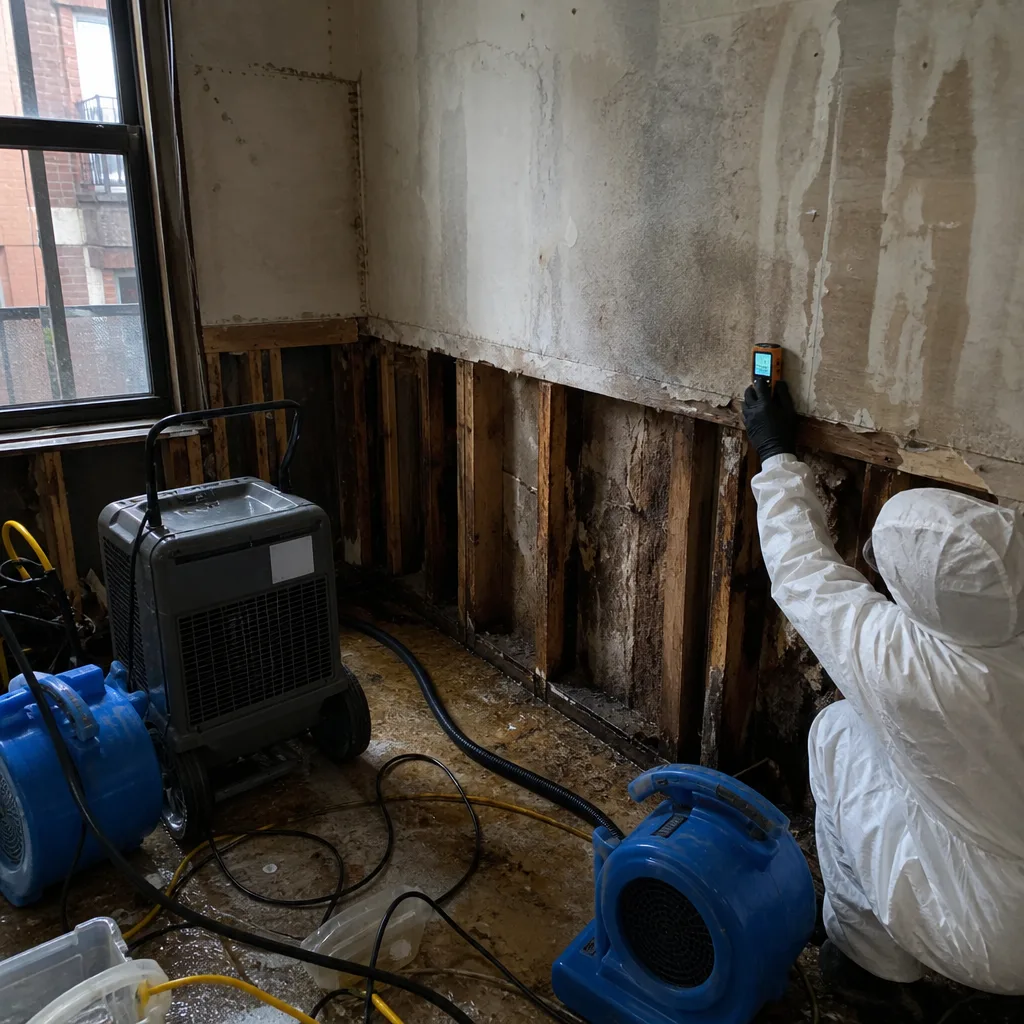 Before
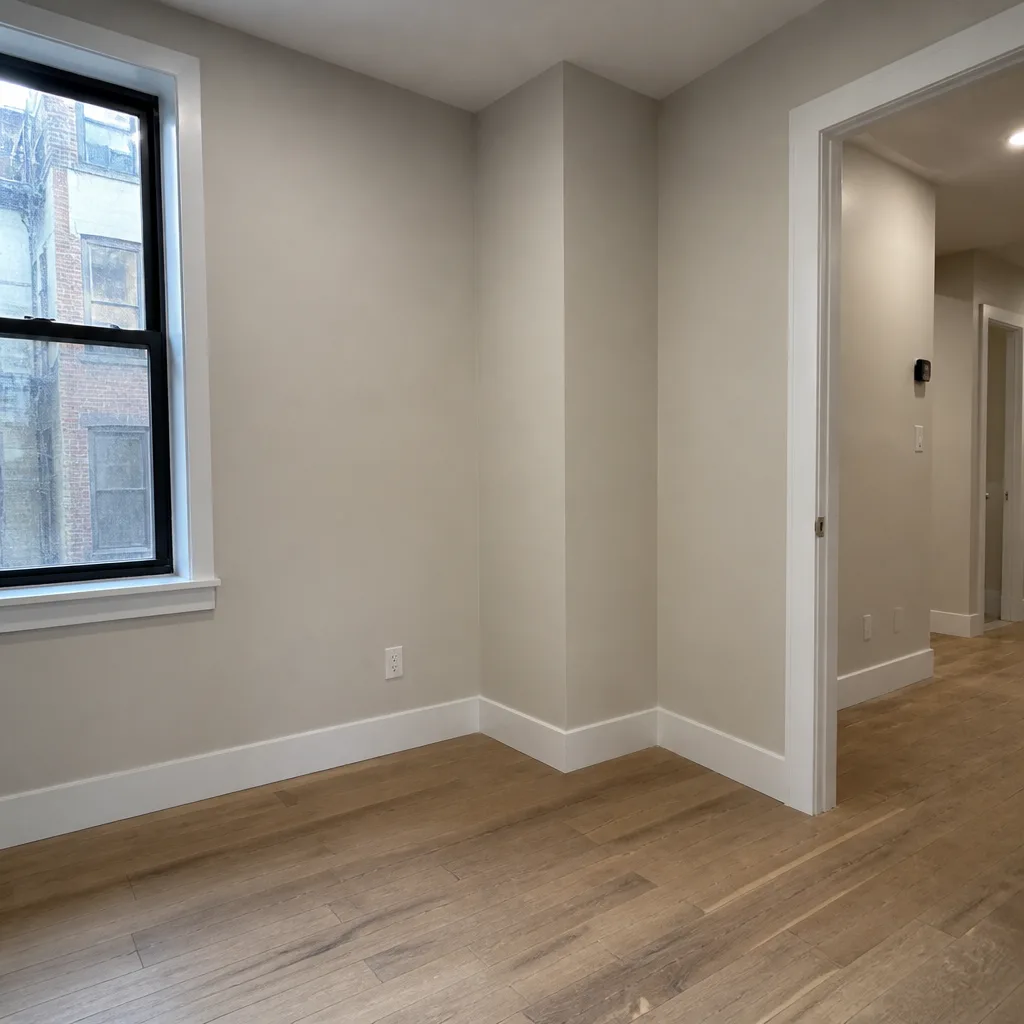 After
After24/7 Emergency Storm & Disaster Restoration in Long Island City
Storm and disaster restoration in Long Island City means dealing with floodwater that’s often contaminated before it even touches your building. If you’re standing in water right now, call (607) 350-1550. Wade Ferris answers his own phone, and he can have crews moving toward your block within the hour. The first 60 minutes determine whether you’re looking at a drying job or a full gut-and-rebuild, especially in Long Island City’s converted industrial lofts where water travels fast across open floor plates. We do a free visual inspection before any work starts. No charge for that, ever.
Understanding Storm & Disaster Restoration Severity in Long Island City Properties
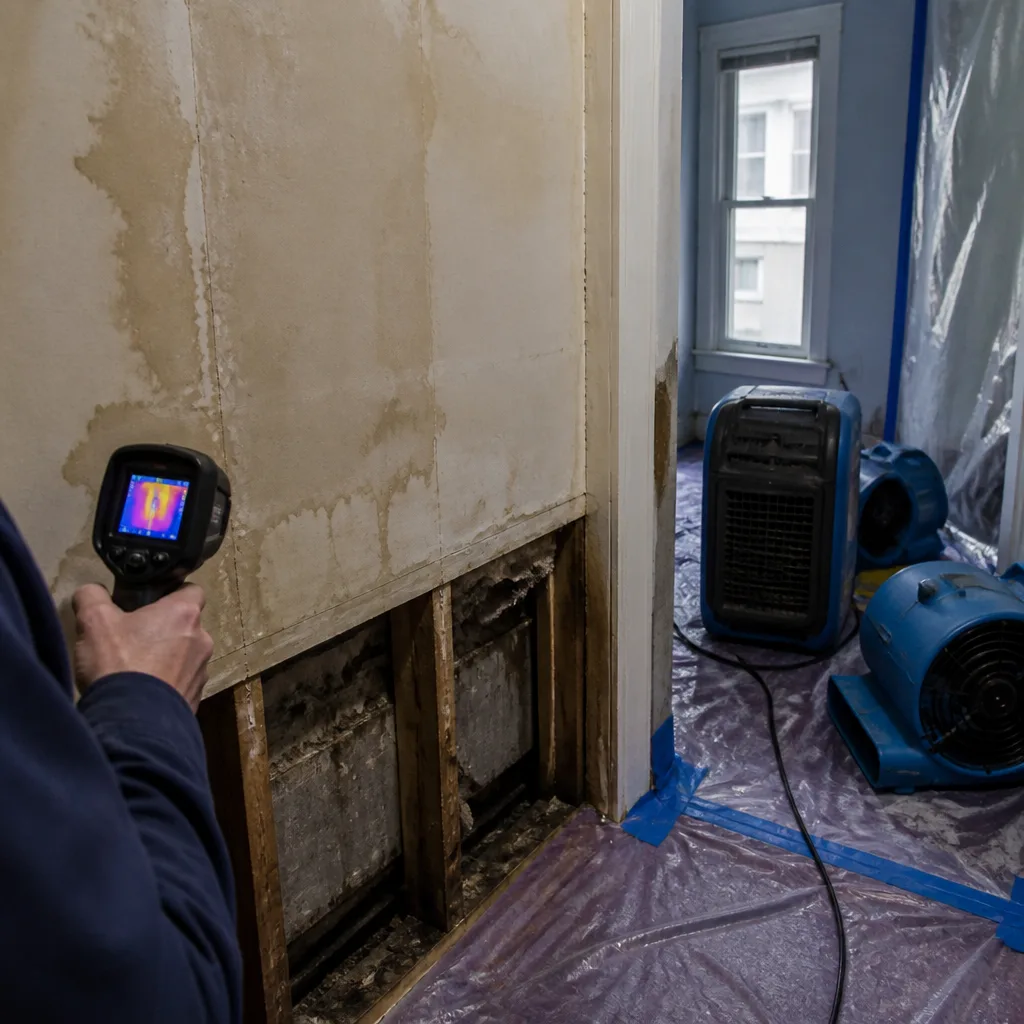
Long Island City’s building stock creates restoration challenges you won’t find in most of Queens. The pre-1900s brick warehouse conversions along Jackson Avenue and Vernon Boulevard have unreinforced masonry cavities that hide moisture behind brick faces. Standard moisture meters won’t catch it. We use thermal imaging and penetrating meters that read through masonry. Storm floodwater here falls into three IICRC categories: Category 1 is clean water from a broken supply line. Category 2 is grey water with some contaminants. Category 3 is what worries us most in Long Island City – water carrying sewage, industrial runoff, or creek water from Newtown Creek. That’s not a drying job. That’s a removal, containment, and sanitization job under full hazmat protocols. In the post-2010 glass towers around Court Square, meanwhile, the failure mode is different: window-frame joints leaking during nor’easter-driven rain, sending water into below-grade mechanical rooms and parking garages that already sit inside the FEMA flood zone. Different buildings, different restoration plans. One thing stays constant: the sooner we start, the less gets torn out.
Why Long Island City Property Owners Choose Wade’s Restoration
- Wade answers his own phone at 3 a.m. Not a call center, not an answering service. You get the owner, and he heads out himself.
- Crews reach Long Island City fast. We know the 59th Street Bridge backup, the Pulaski Bridge crawl, and the Hunters Point access routes. We’re local to this part of the city every day.
- IICRC-certified crews with WRT and ASD credentials. The people Wade sends understand Category 3 contamination, Superfund-area protocols, and structural drying science.
- Free visual inspection before anything gets signed. No trip charge inside our own county. You see the scope in writing before we start.
- Direct insurance billing and adjustor coordination. Wade deals with the adjuster directly. You’re not stuck relaying information between two sides.
- One team from extraction to reconstruction. Same crew, same accountability, same 90-Day Done Right Promise in writing.
Our Storm & Disaster Restoration Process
Inspection & Assessment
Wade walks the property himself. He’s looking at water category, building materials, floor plate layout, and whether the water traveled through masonry or drywall. Thermal imaging shows what the eye misses. You get a written scope with line-item pricing.
Extraction & Stabilization
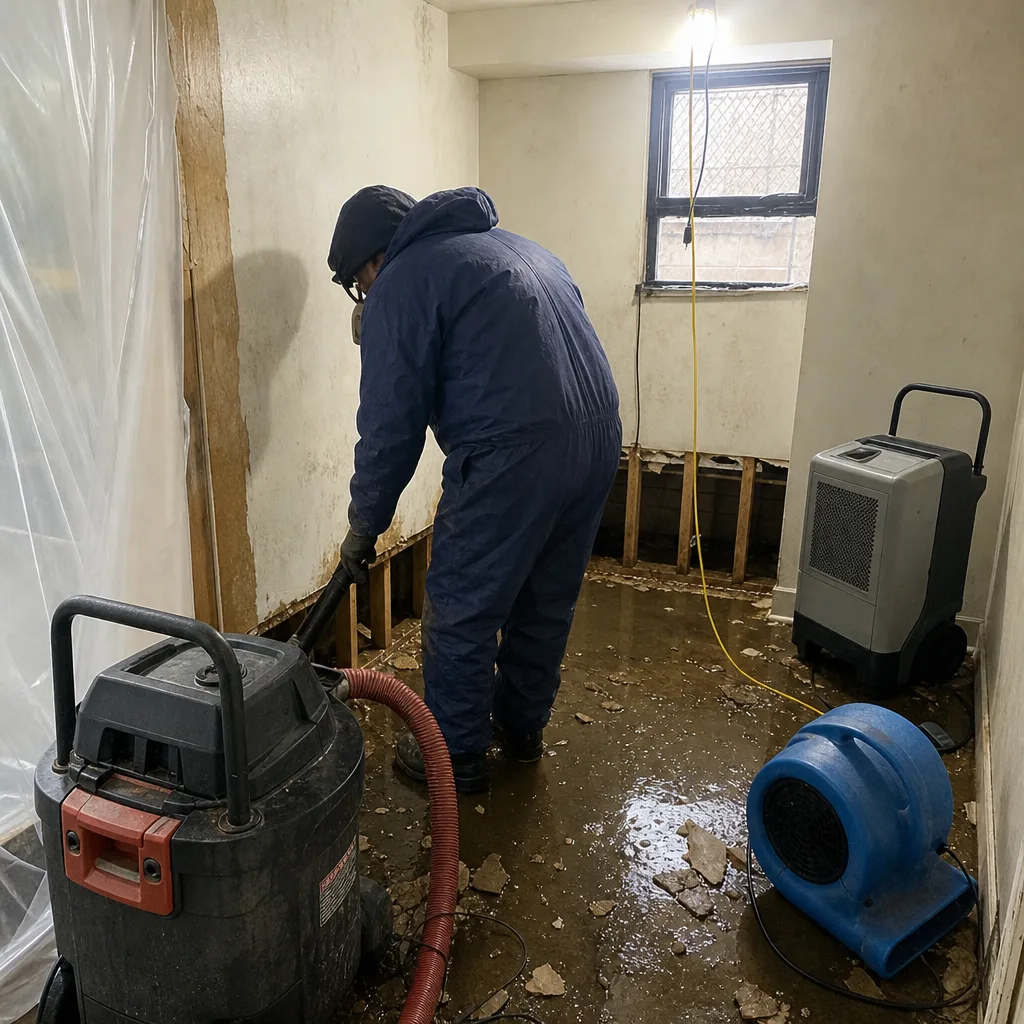
We pull standing water with truck-mounted and portable extraction units. For Category 3 water in flood-zone properties, we’re not just extracting – we’re setting up Biohazard & Crime Scene Cleanup - Long Island City containment so contaminated air and debris don’t spread through the building.
Flood Cuts & Material Removal
Drywall below the water line gets cut and removed. In LIC’s brick warehouse conversions, we open wall cavities and check behind the masonry face. What people miss in these buildings is what grows mold three weeks later.
Drying & Dehumidification
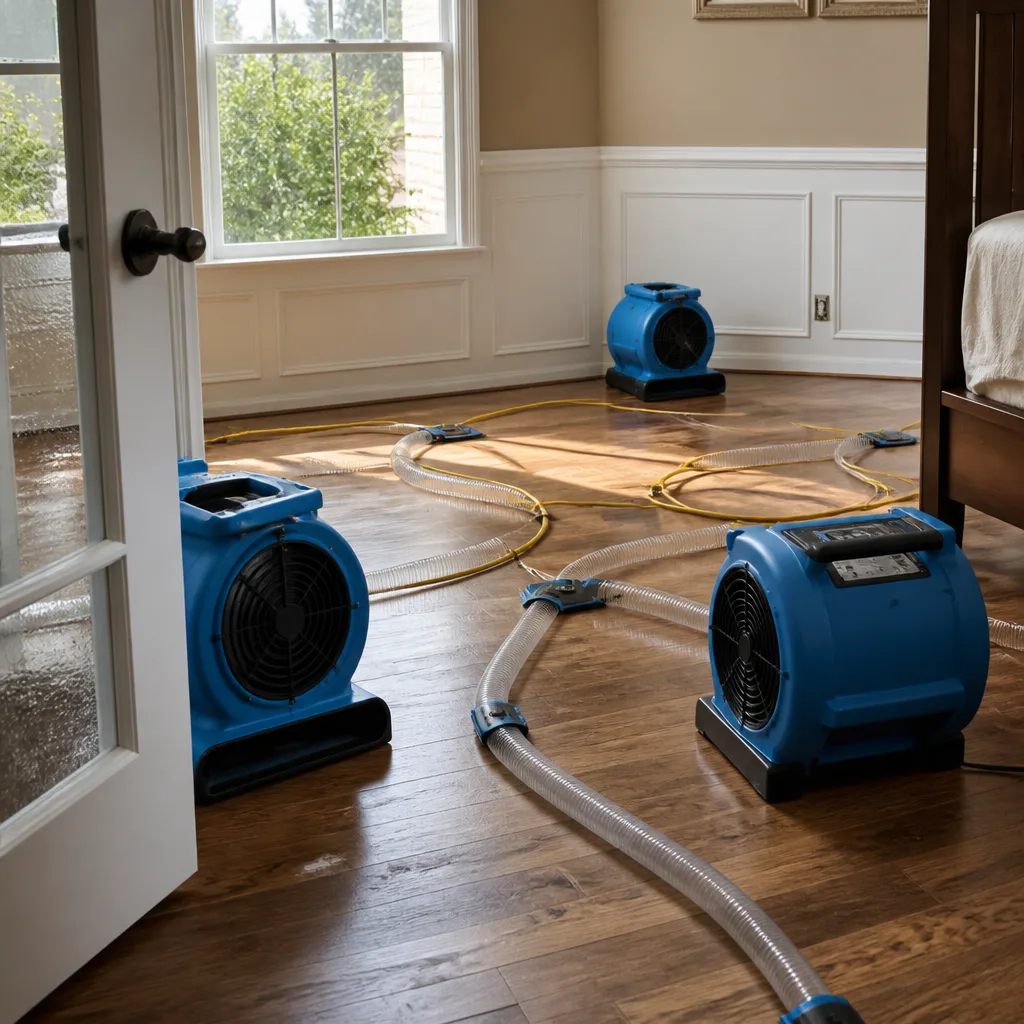
Dri-Eaz LGR dehumidifiers and Phoenix air movers run on a calculated drying plan, not just scattered around. We take moisture readings every single day and log them. At job’s end, the log is yours.
Cleaning, Sanitization & Antimicrobial Treatment
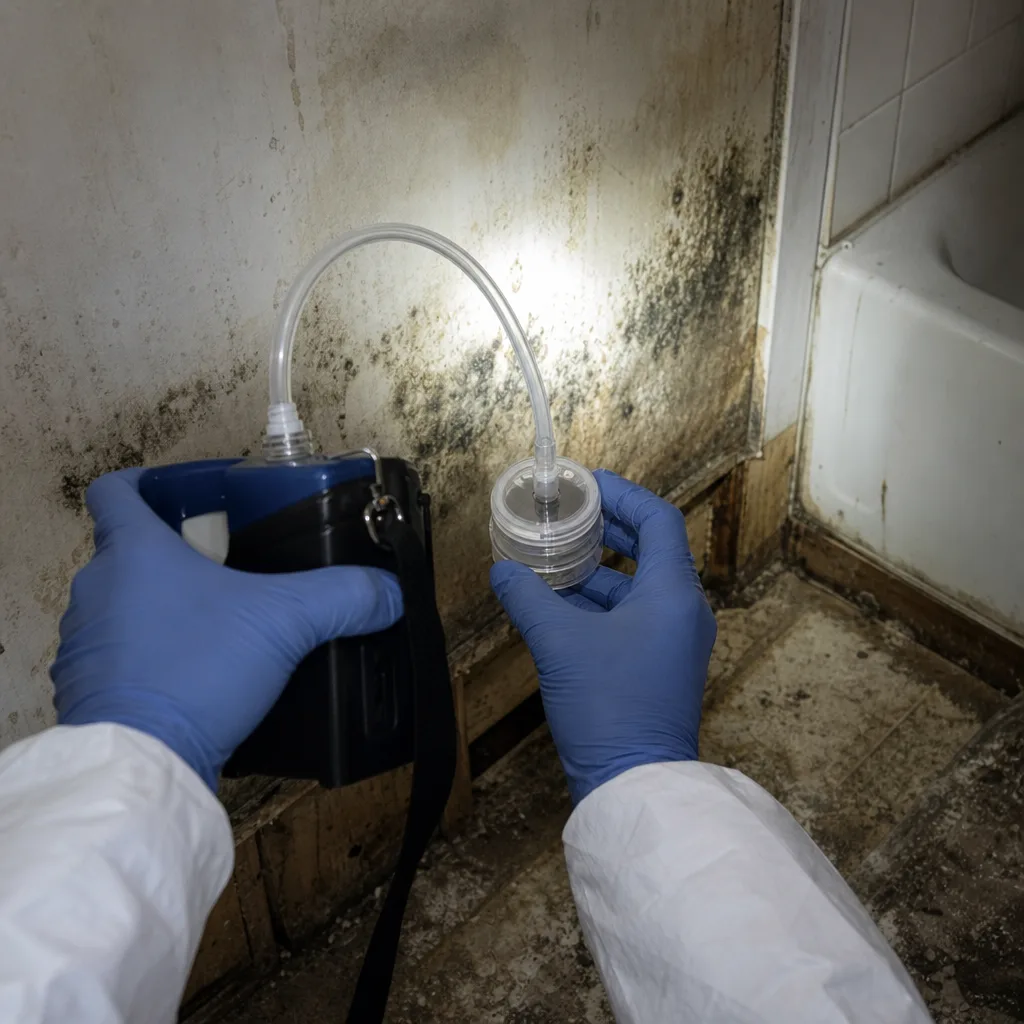
HEPA air scrubbers run during the entire process. We apply our Sanitization Services in Long Island City antimicrobial treatment to affected framing and surfaces. In Newtown Creek-adjacent blocks, this step is mandatory, not optional.
Repairs & Restoration
Once we’ve confirmed pre-loss moisture levels with documentation, we move to Reconstruction & Cleanup - Long Island City: drywall, insulation, flooring, finish work. The 90-Day Done Right Promise covers the entire job – if it’s not right, Wade comes back and makes it right.
Need Emergency Storm & Disaster Restoration in Long Island City Now?
Crews minutes away, answering live 24 hours a day. The sooner we start, the less it costs.
Working With Your Insurance Company
Wade has been dealing with insurance adjusters since 2007, and he’s learned the thing that matters most: documentation from the first hour. Before we pull a single piece of wet drywall, we’re photographing everything. Before we cut into a wall, we’re logging moisture readings. Your insurer wants a story with evidence, and we build that story as we work. Wade talks to your adjuster directly. No games, no inflated scopes, no surprise supplements. Just a line-item scope your carrier can actually read and approve. If you’ve got a written estimate from another company, we’ll give you a free second opinion on it. No charge.
What We Provide Your Insurer
- Thorough documentation of the loss
- Photos of all damage, room by room
- Moisture readings and drying logs
- A detailed, line-item scope of work
- Direct coordination with your carrier
Built for Long Island City’s Loss Calendar
Long Island City takes weather from three directions: nor’easters pushing storm surge up the East River, summer thunderstorms that dump an inch of rain in 20 minutes, and January deep freezes that snap aging supply lines in pre-war walkups. The block between Pulaski Bridge and Hunters Point South sits low enough that a full-moon high tide combined with heavy rain backs up drainage in streets like Borden Avenue. In the shoulder seasons, March and April thaws push water into old basements through cracked foundations and mortar joints that haven’t been repointed in decades. Summer brings the flash flooding that overwhelms old combined sewer lines along Vernon Boulevard. And the glass-curtain-wall towers built after 2015 keep developing window-joint leaks every time a nor’easter drives rain horizontally off the East River. This isn’t theoretical. We see these calls every year.
Storm & Disaster Restoration Across Long Island City’s Neighborhoods
Hunters Point and the waterfront blocks are the first to flood when the East River rises. These are the calls where we’re dealing with storm surge and Category 3 water, and where we’re setting up containment before anything else. Court Square and the area around Queens Plaza are dense with the newer glass towers, and the calls there tend to be envelope breaches, window-joint leaks, and below-grade parking garage floods. The industrial corridor along Newtown Creek, from Greenpoint Avenue up to Metropolitan, has a different risk profile entirely – creek water backs up into loading docks and sub-basements, and that water carries contamination from the Superfund site. Dutch Kills and the quieter residential blocks inland from the creek see more traditional storm damage: roof damage, debris, broken windows from wind-driven branches. Each area gets a different initial response from us because each area fails differently.
Specialized Storm & Disaster Restoration Services We Offer in Long Island City
Flood Damage Restoration
This is the big one in Long Island City. We handle East River surge in Hunters Point, Newtown Creek backup in the industrial corridor, and rain-fed flooding in older buildings along Vernon Boulevard. Category 3 water gets full containment, material removal, and antimicrobial treatment. Category 1 and 2 get a calculated drying plan with documented moisture readings. Call (607) 350-1550 the moment water is inside. The sooner we start extraction, the less wall we have to cut.
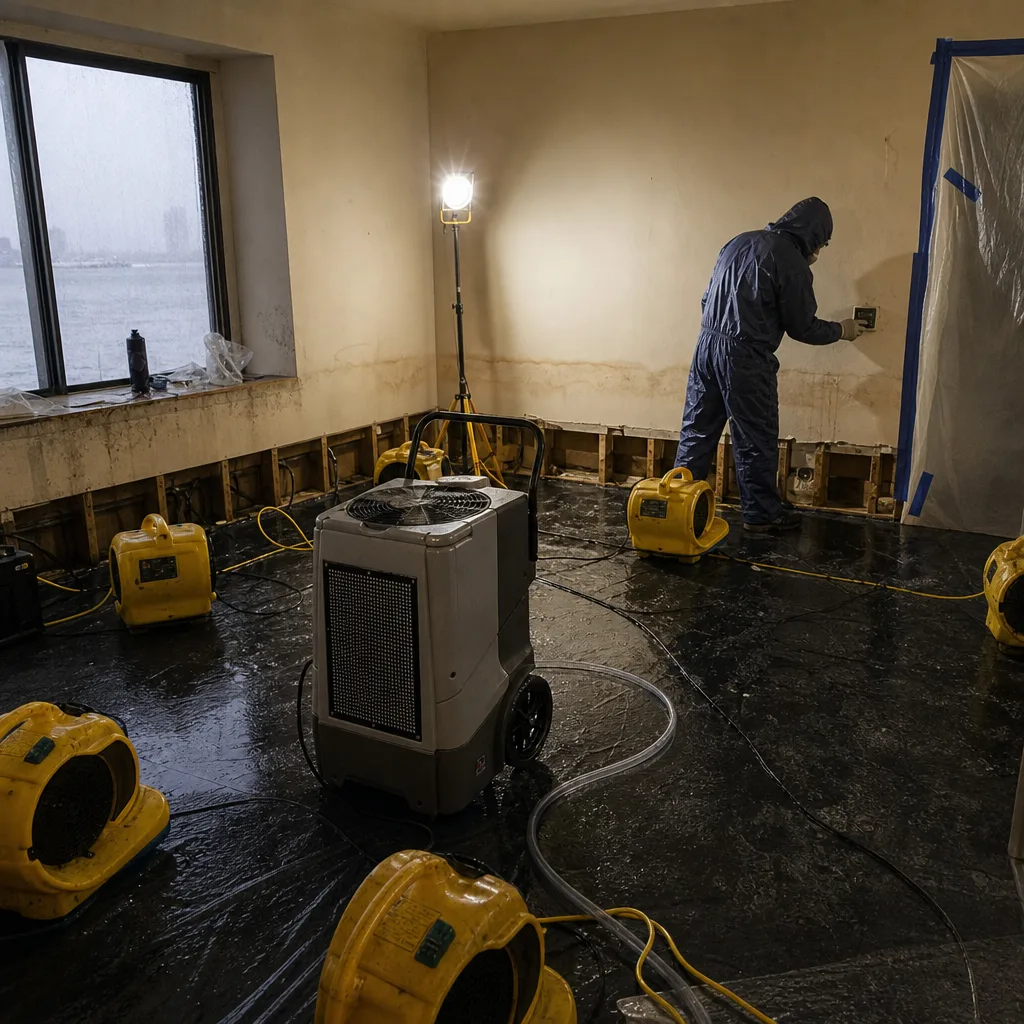
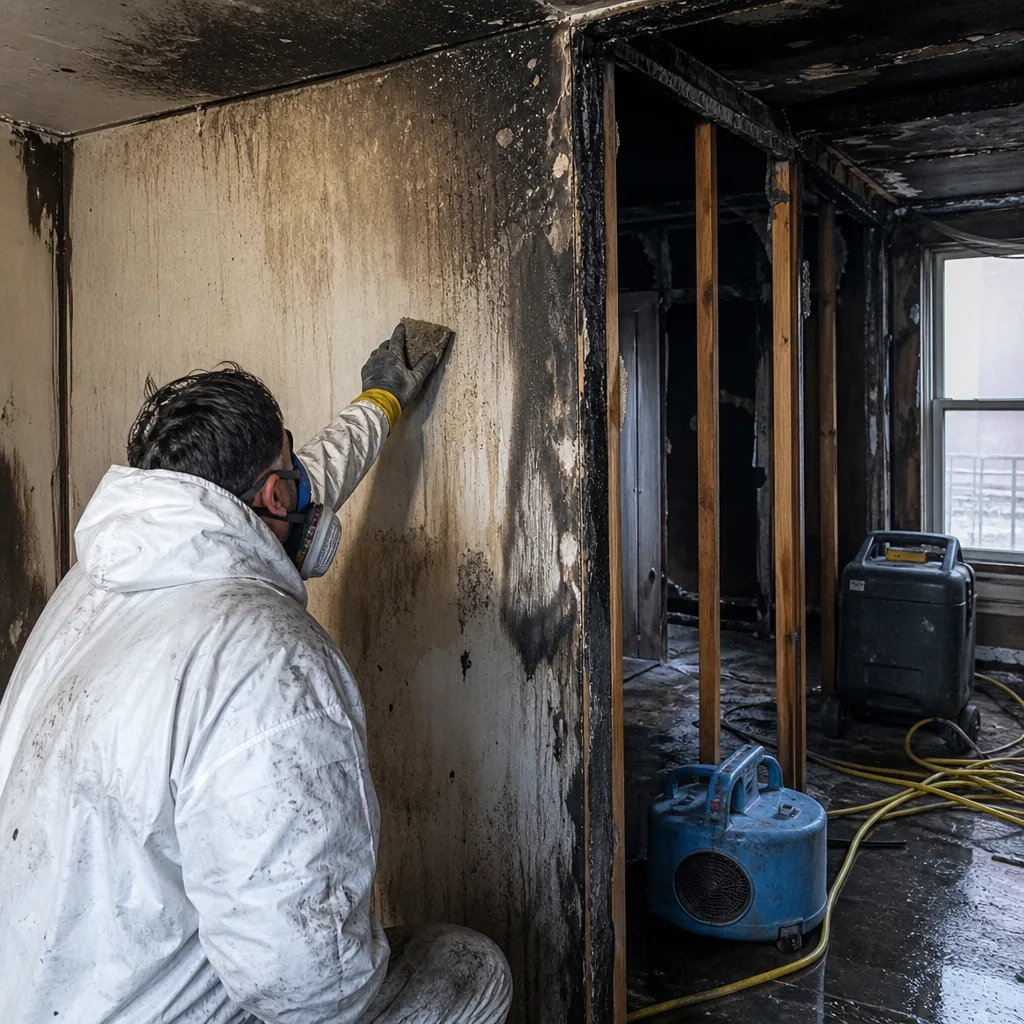
Storm Damage Cleanup
Wind, rain, and debris create a mess that goes beyond standing water. We remove storm debris, clean affected surfaces, and dry out materials that can be saved. In brick warehouse conversions, that means checking those masonry cavities before they start growing mold. In the newer towers, it means inspecting window joints and drywall beneath the leaks.
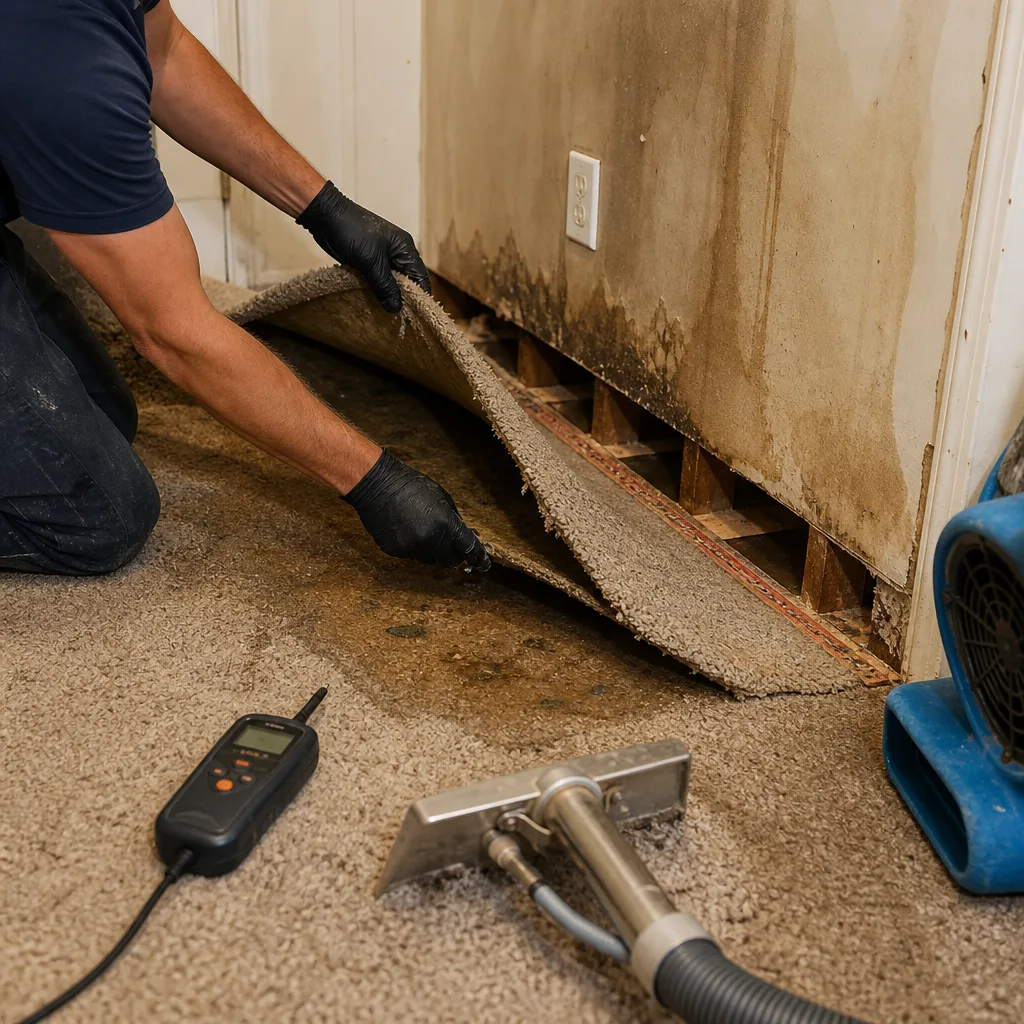
Emergency Board-Up
Broken windows and compromised entry points don’t wait for business hours. We board up openings fast to keep rain, wind, and unwanted visitors out. This is especially important on Long Island City ground-floor commercial spaces and loading dock doors along the Newtown Creek corridor.
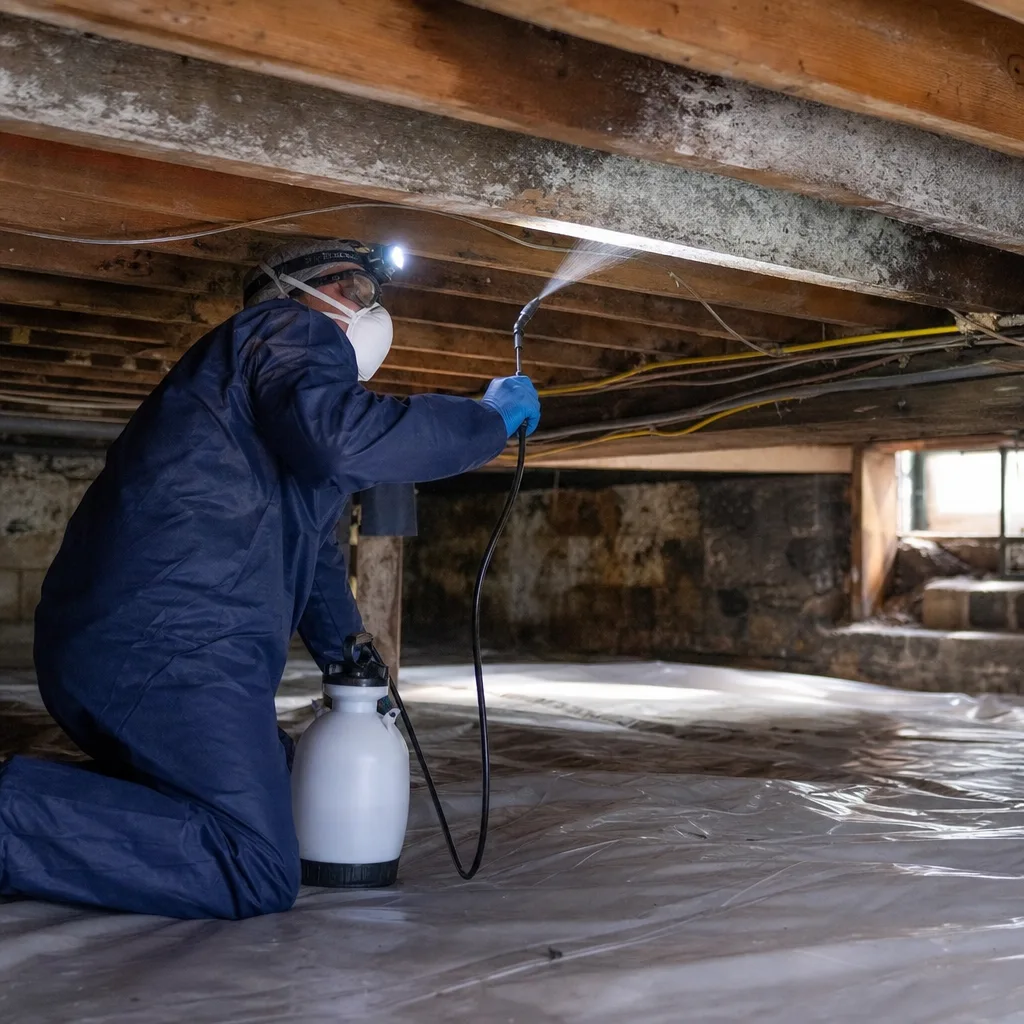
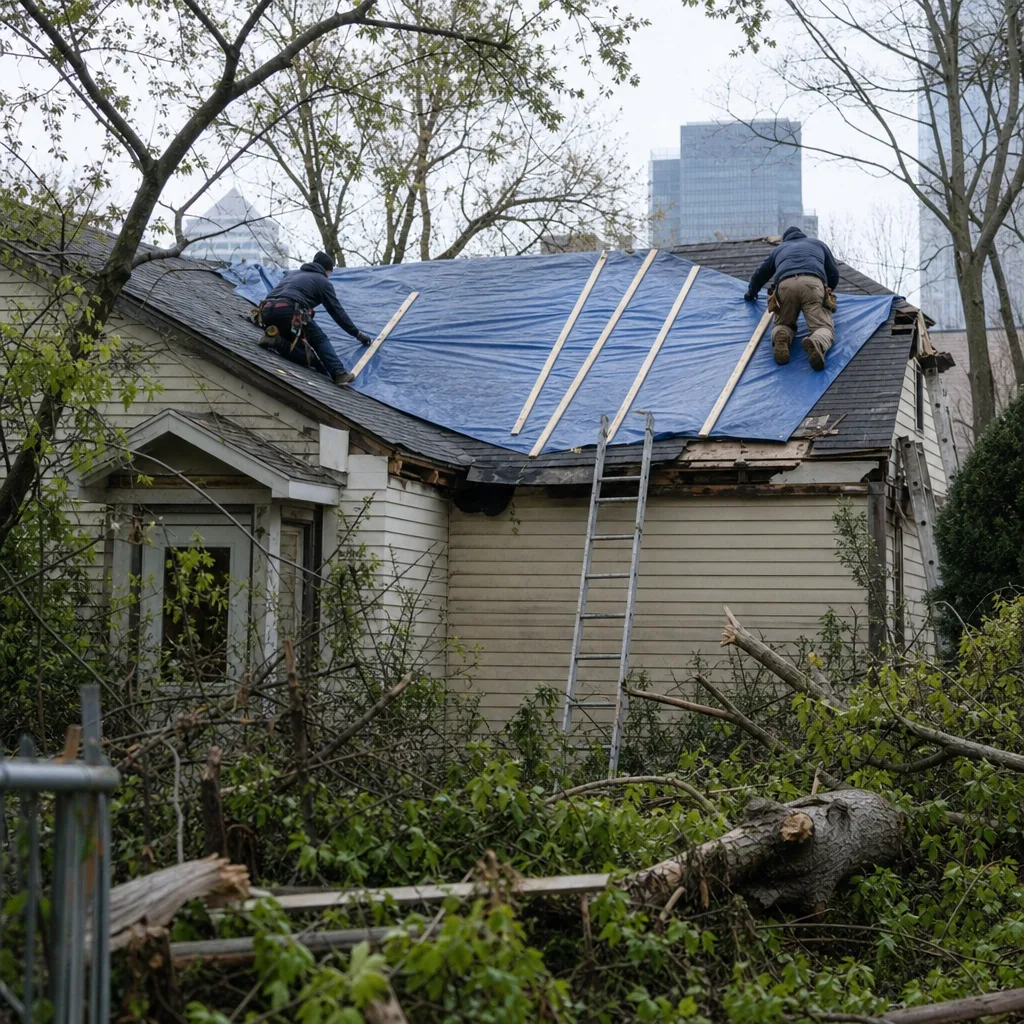
Roof Tarping
Wind tears membrane roofs and sends water into the floors below. We tarp immediately to stop the leak, then assess what needs repair. On flat-roofed industrial buildings common in Long Island City, pooling water after a storm is a frequent cause of interior damage.
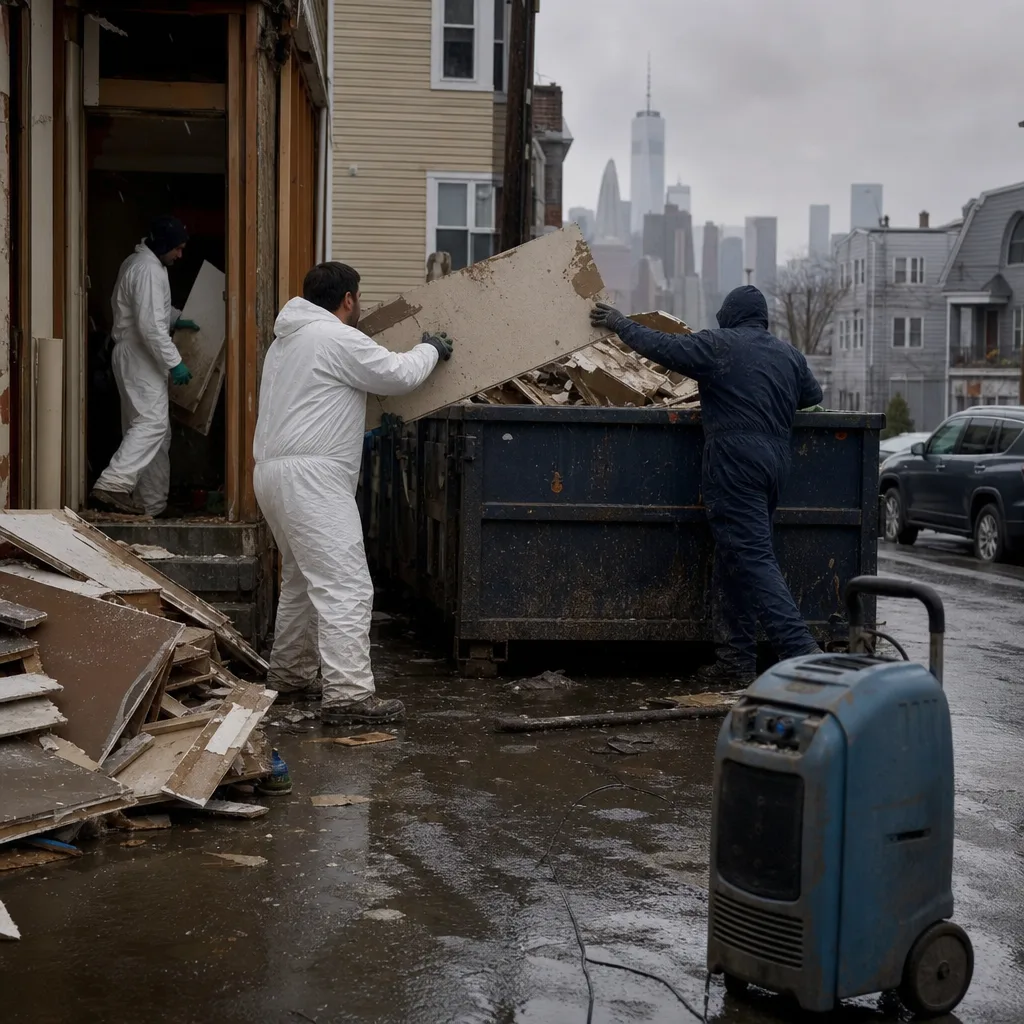
Debris Removal
After a nor’easter or a severe storm, we clear debris from roofs, courtyards, and entryways. We handle the heavy lifting so you’re not dealing with a downed tree branch or a pile of storm wreckage on top of everything else.
Standing Water or Storm Damage in Long Island City?
Call now. We answer live 24/7 and can start extraction within the hour.
What happens when you call
- 1
A real person answersNo phone trees - you reach a local pro.
- 2
You get an upfront price rangeHonest numbers before anyone is dispatched.
- 3
A background-checked tech heads outLicensed & insured, dispatched right away.
- 4
You approve before work beginsNothing starts until you say go.
Storm & Disaster Restoration Costs in Long Island City, NY
A typical storm damage cleanup in Long Island City runs $2,500-$8,500, depending on the square footage affected and whether we’re pulling water or just drying. Flood damage restoration with Category 3 contamination starts around $5,000 and can reach $25,000+ when we’re cutting walls, removing materials, and running full containment in a Hunters Point ground-floor unit. Emergency board-up runs $450-$900 for a standard storefront or window. Roof tarping on a residential flat roof runs $500-$1,200, more on larger industrial buildings. What moves the price: water category, square footage, how long the water sat before we arrived, and whether the building has masonry cavities that require opening. Insurance covers most storm-related losses. For anything not covered, we have a permanent Senior & Veteran 10% discount and $40 off any repair over $200. The free visual inspection gives you a firm written scope before anything gets signed – no surprises.
Long Island City’s Newtown Creek and East River Flood Reality
Here’s what makes Storm & Disaster Restoration in Long Island City genuinely different from anywhere else in Queens: the western edge of this neighborhood sits in FEMA flood zone AE along both the East River and Newtown Creek, and Newtown Creek is a federally designated EPA Superfund site. That changes the kind of water that enters buildings during storms. When the East River surged into Hunters Point during Hurricane Sandy, it wasn’t clean rainwater. It was water that had picked up industrial contaminants from the creek bed, sewage from combined sewer overflows, and decades of accumulated harbor pollution. IICRC S500 protocols treat this as Category 3 water – the same classification as sewage. Full hazmat-level remediation applies. Anyone who treats East River surge or Newtown Creek backup as regular floodwater is violating the standard, plain and simple. Our crews carry full PPE, set up containment barriers, and run HEPA air scrubbing on every single Category 3 job in Long Island City. We don’t skip this step, ever.
What Storm Restoration Actually Looks Like in LIC’s Older Industrial Lofts
In Hunters Point after a nor’easter pushed East River surge into Court Square’s glass-curtain-wall towers, our crew deployed Dri-Eaz LGR dehumidifiers and Phoenix air movers behind full containment after documenting Category 3 water in a below-grade parking garage. We used moisture mapping and antimicrobial treatment before structural drying, and logged every reading in drying logs until pre-loss condition was met – a six-figure mitigation our pre-loss condition scope kept on track. That’s what the work looks like when it’s done right.
The converted warehouse lofts along Jackson Avenue and 5th Street present their own challenge. These buildings went from industrial to residential without rebuilding the masonry. Exterior brick walls are often unpainted, uninsulated, and full of cavities. When storm water gets inside, it doesn’t just sit on the floor. It works its way behind the brick and into those voids. If we don’t open those cavities and dry them properly, the mold bloom starts around week three. We see it all the time: someone dries the floor and the lower drywall, misses the masonry cavity, and then calls us back six weeks later with mold climbing the walls. We don’t leave those cavities unchecked.
We Also Serve Cities Near Long Island City
Wade’s Restoration serves the neighborhoods and cities around Long Island City, including Long Island City itself and nearby Astoria. If you’re in Astoria and dealing with storm damage, floodwater, or a roof leak, the same team that handles Category 3 restoration in LIC is on call for you. Same phone number, same Wade, same 90-Day Done Right Promise.
Long Island City Storm & Disaster Restoration Questions, Answered
How does Long Island City’s Newtown Creek Superfund status affect storm flood restoration?
Newtown Creek’s Superfund designation means stormwater that backs up from the creek carries industrial contaminants, and IICRC standards classify it as Category 3 water. That mandates full containment, material removal, antimicrobial treatment, and HEPA air scrubbing – not just drying. In Long Island City, creek-adjacent flooding gets handled like sewage remediation because the water quality demands it.
What makes storm restoration different in LIC’s converted industrial lofts?
The masonry cavities. Early-1900s brick warehouse buildings converted to residential lofts have unreinforced brick walls with open voids behind them. Water travels into those cavities and standard moisture meters don’t always read it. Our crew opens the wall, inspects, and uses penetrating meters and thermal imaging to confirm dryness before closing anything up.
Can you handle below-grade parking garage floods in Court Square towers?
Yes. These are among the most complex storm restoration jobs in Long Island City. Below-grade garages sit in the flood zone, and when water gets in, it pools around electrical systems, elevator pits, and structural columns. We bring in submersible pumps, run containment, and work with building management on a documented drying plan.
How quickly do you respond to storm surge flooding in Hunters Point?
Wade answers the phone 24 hours a day and can have crews on the road to Hunters Point within the hour. For storm surge flooding, speed matters because Category 3 water is doing more damage every minute it sits. Call (607) 350-1550 and you’ll talk to the owner, not a call center.
Is roof tarping enough to stop window-frame leaks in new LIC towers?
Tarping is a temporary stopgap, not a fix. The glass-curtain-wall towers built after 2015 often leak at window-frame joints during nor’easter-driven rain, and tarping can’t address that failure point. We tarp to stop immediate water entry, then document the leak path and coordinate with your building’s facade contractor or insurer on the actual repair.
How long does storm flood restoration take in Long Island City?
Category 1 water drying typically takes 3-5 days of active drying. Category 3 flood restoration in LIC’s zone AE buildings usually runs 2-3 weeks from extraction to pre-loss moisture levels, because material removal and masonry cavity drying add time. We’ll tell you the realistic timeline after the initial assessment.
Can I stay in my home during storm restoration?
For Category 1 water loss, often yes. For Category 3 storm surge or Newtown Creek backup, we typically recommend relocating during the containment and material removal phase. Airborne contaminants from Category 3 water are a genuine health risk, and HEPA air scrubbers only protect areas within the containment zone. Your safety comes first.
What should I do in the first 30 minutes after floodwater enters my Long Island City property?
Call (607) 350-1550, then shut off electricity at the breaker if you can do so safely without stepping in water. Document what you can from a safe distance with your phone. Do not wade into floodwater in western Long Island City – the water is likely Category 3 and contaminated. Wait for our crew. We’ll handle the rest.
Serving Long Island City, NY - Our Local Coverage Area
We’re based in the Long Island City area and know this community well. Use the map below to see our service coverage - if you’re nearby, we can almost certainly help.
Storm & Disaster Restoration in Long Island City, New York
When storm water, surge, or wind damage hits your Long Island City property, you need a restoration team that understands this neighborhood’s buildings, flood zones, and contaminants. Wade’s Restoration has been serving the New York City metro area since 2007, and our Storm & Disaster Restoration work in Long Island City is informed by over 29 years of local restoration experience. Wade Ferris is the owner, and he answers his own phone. Here’s his cell: (607) 350-1550. He’ll be there himself.
Written by Wade Ferris, Owner at Wade’s Restoration, serving Long Island City and the New York City metro area since 2007.