
Free visual inspection and a written scope of work before any mitigation begins - photos, moisture readings, and drying logs go in your claim file
The scope we write is the scope we bill. Anything new gets shown to you, in writing, before we touch it.

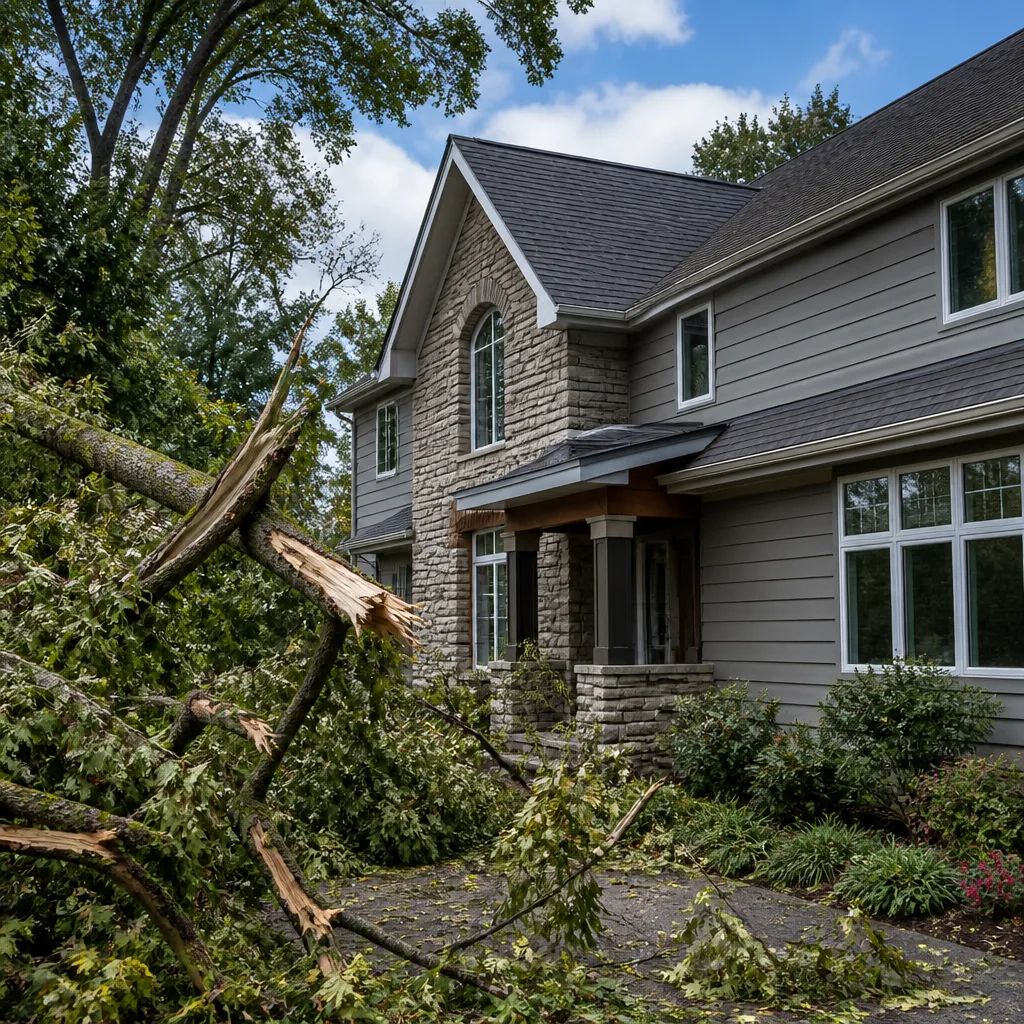


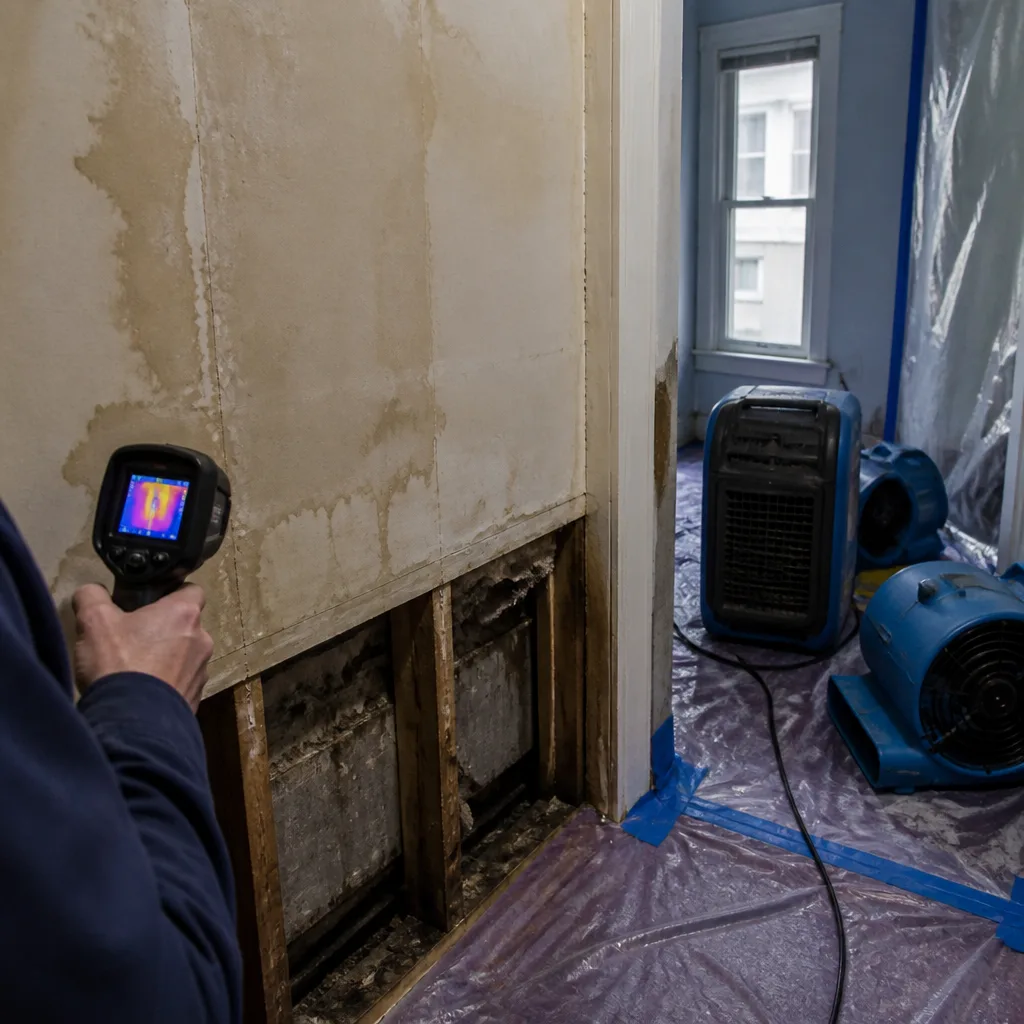 Before
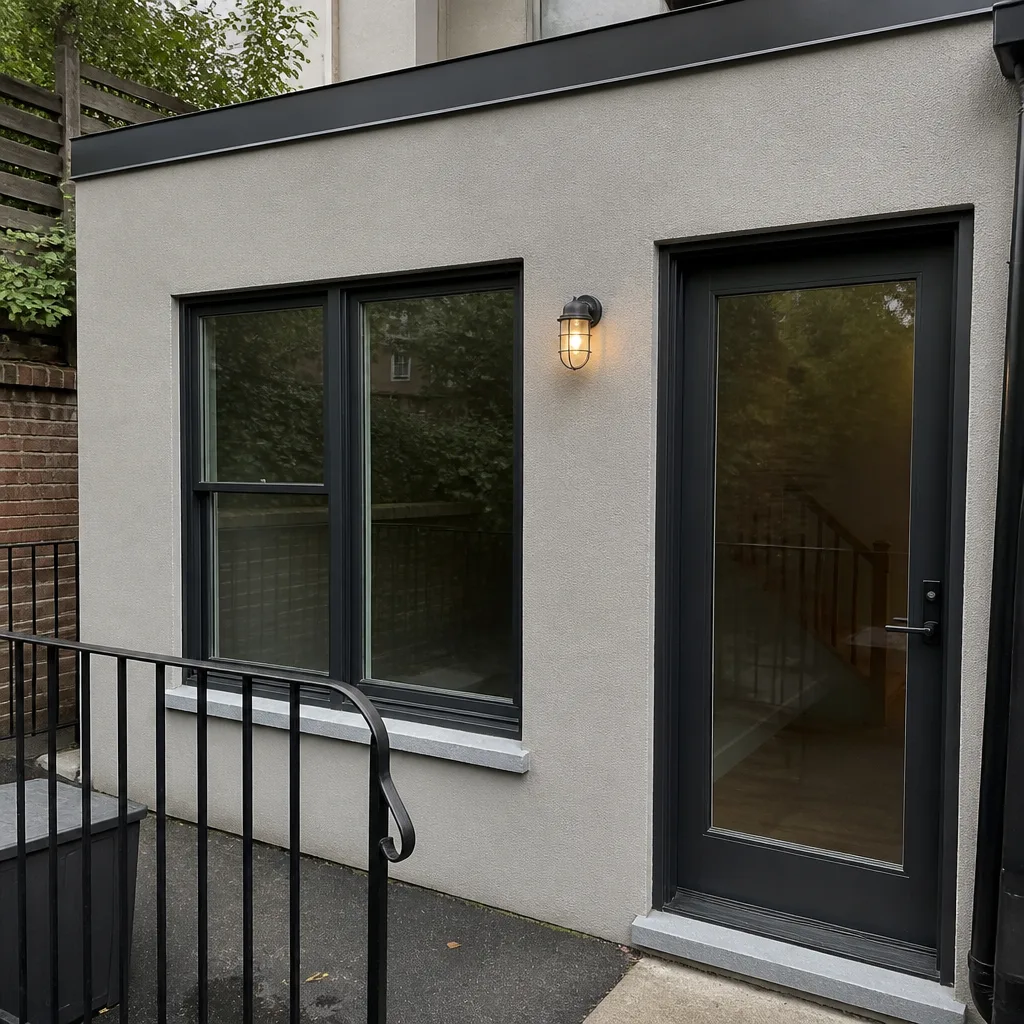 After
After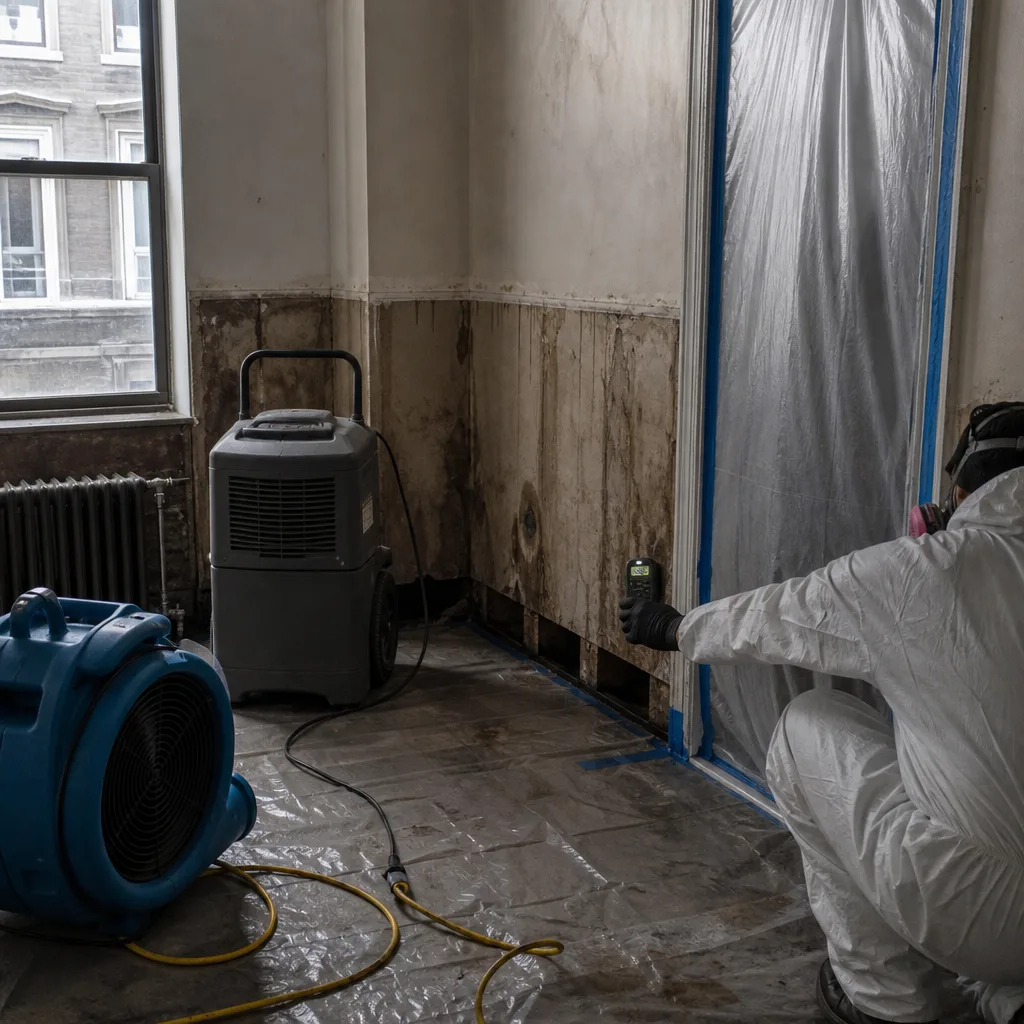 Before
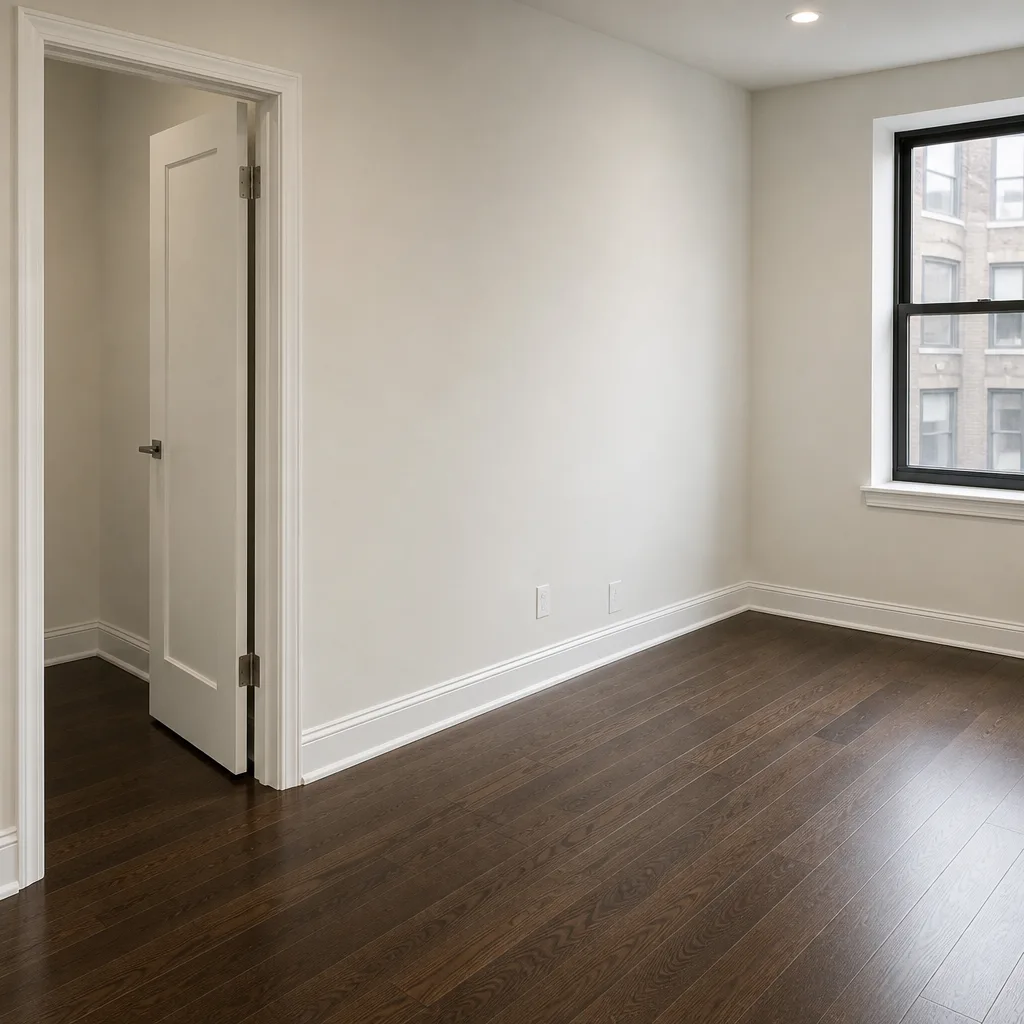 After
After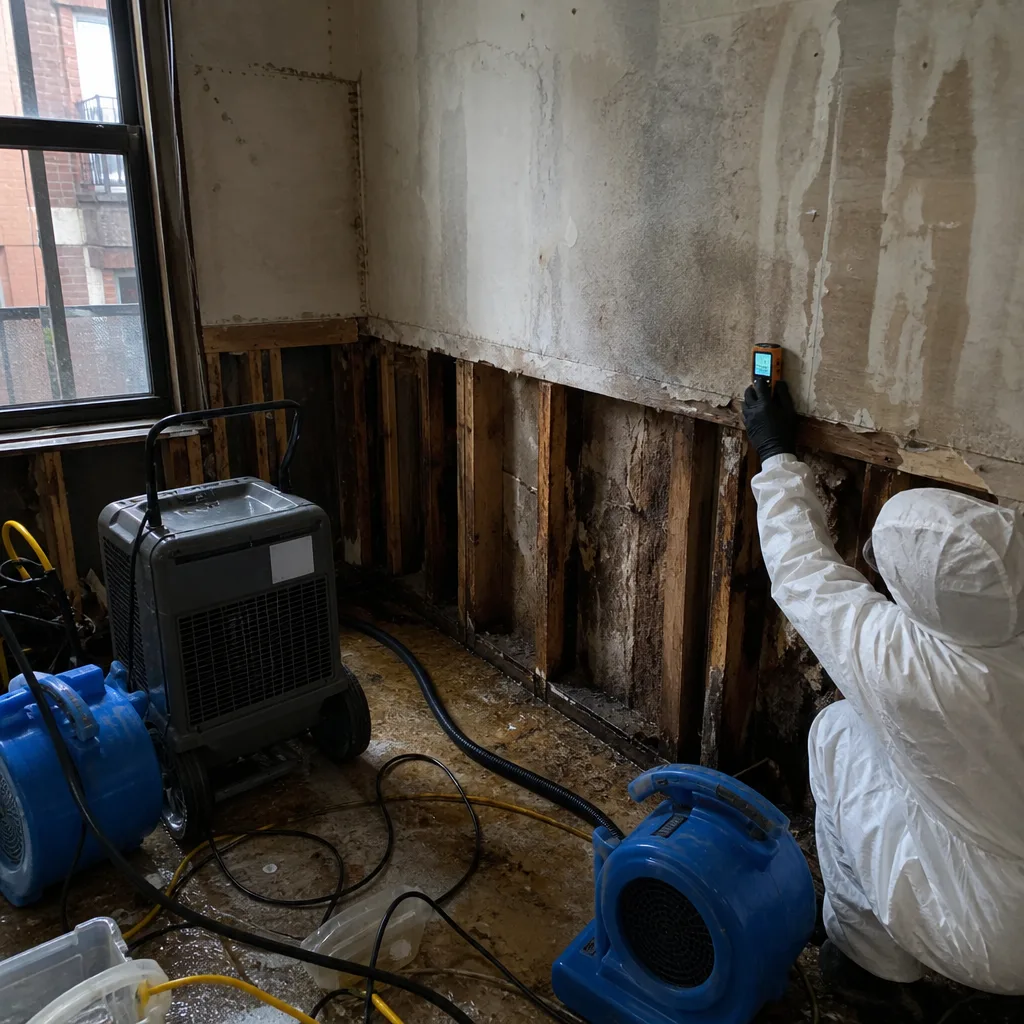 Before
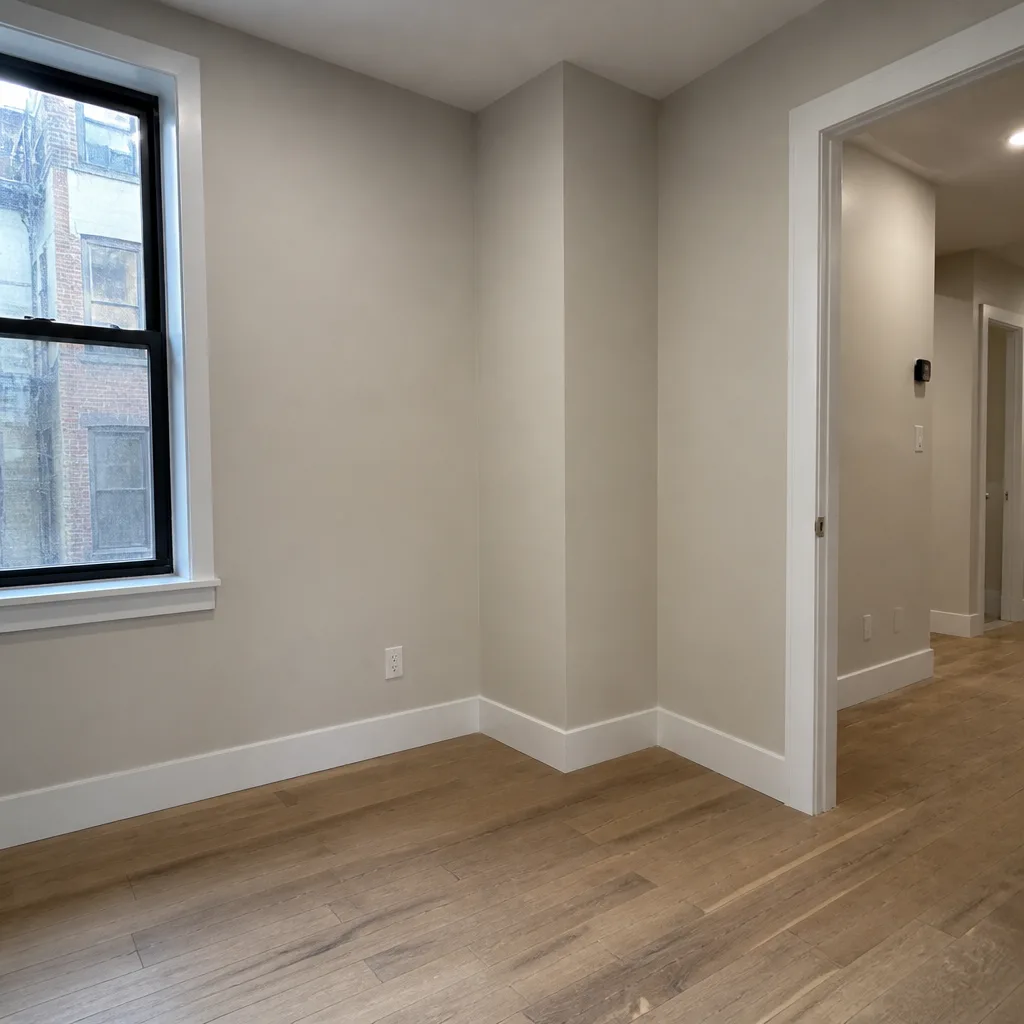 After
After24/7 Emergency Sewage Cleanup in Long Island City
Sewage cleanup in Long Island City is not a standard water job. A backup here often means Category 3 black water, because much of western Long Island City sits inside FEMA flood zone AE along the East River and Newtown Creek. When a drain backs up in Hunters Point or Court Square, you may be dealing with contaminated creek water, not just a failed wax ring. Call Wade’s Restoration at (607) 350-1550 and Wade himself answers. Day or night. We head out fast because every hour that black water sits, it seeps deeper into LIC’s dense masonry and concrete. The first hour decides whether this is a cleanup or a rebuild. We give you a free visual inspection and a straight answer about what you’re actually facing, before any work begins.
Understanding Sewage Cleanup Severity in Long Island City Properties
We classify water damage by category: Category 1 is clean water from a supply line. Category 2 is grey water with some contamination, like a washing machine overflow. Category 3 is black water: sewage, creek water, storm surge. In Long Island City, we treat most sewage backups as Category 3 from the start because of where this neighborhood sits. Newtown Creek is an EPA Superfund site. The western blocks along the East River are FEMA flood zone AE. When nor’easters push the East River estuary up, storm surge enters basements and below-grade mechanical rooms. That water is not just wet. It carries raw sewage, industrial runoff, and pathogens that require full hazmat-level remediation.
The building stock here compounds the problem. Early-1900s brick warehouses converted to residential lofts have plumbing retrofitted across massive open floor plates. One cracked cast iron drain line under a 47th Avenue loft can spread sewage across 3,000 square feet before anyone notices. Pre-war walkups in the 4-to-6 story range have aging drain systems that crack under the constant vibration of LIC’s truck traffic. And the post-2015 glass towers around Court Square? Below-grade garages sit squarely in the flood plain, so a single facade leak can channel contaminated water into parking levels and mechanical rooms. Each of these buildings needs a different containment strategy, and standard moisture meters miss what’s hiding inside unreinforced masonry cavities.
Why Long Island City Property Owners Choose Wade’s Restoration
- 45-minute response commitment: Wade’s crew is minutes from most of Long Island City. We tell you honestly when we’ll be there and we show up.
- 24/7 live answer, always: No answering service. No voicemail tree. Wade Ferris answers his own phone at 2 a.m. the same way he does at noon.
- IICRC-certified crews: Our people hold WRT, FSRT, and AMRT certifications. Black water extraction in a Superfund-adjacent flood zone is not a training-wheels job.
- Free visual inspection: We look before we touch. You get our read on the situation, no charge, no pressure.
- Direct insurance billing: We document everything from hour one, bill your carrier directly, and talk to the adjuster ourselves.
- One team, start to finish: The same crew that extracts the sewage does the sanitization, the drying, and the reconstruction. Nobody hands you off to a stranger mid-job.
Our Sewage Cleanup Process
Inspection & Assessment
We arrive, assess the damage, and use thermal imaging and hygrometers to map where contaminated water has traveled, including inside walls and through floor assemblies. In our Long Island City service area‘s brick conversions, we check masonry cavities specifically because that’s where black water hides.
Extraction & Stabilization
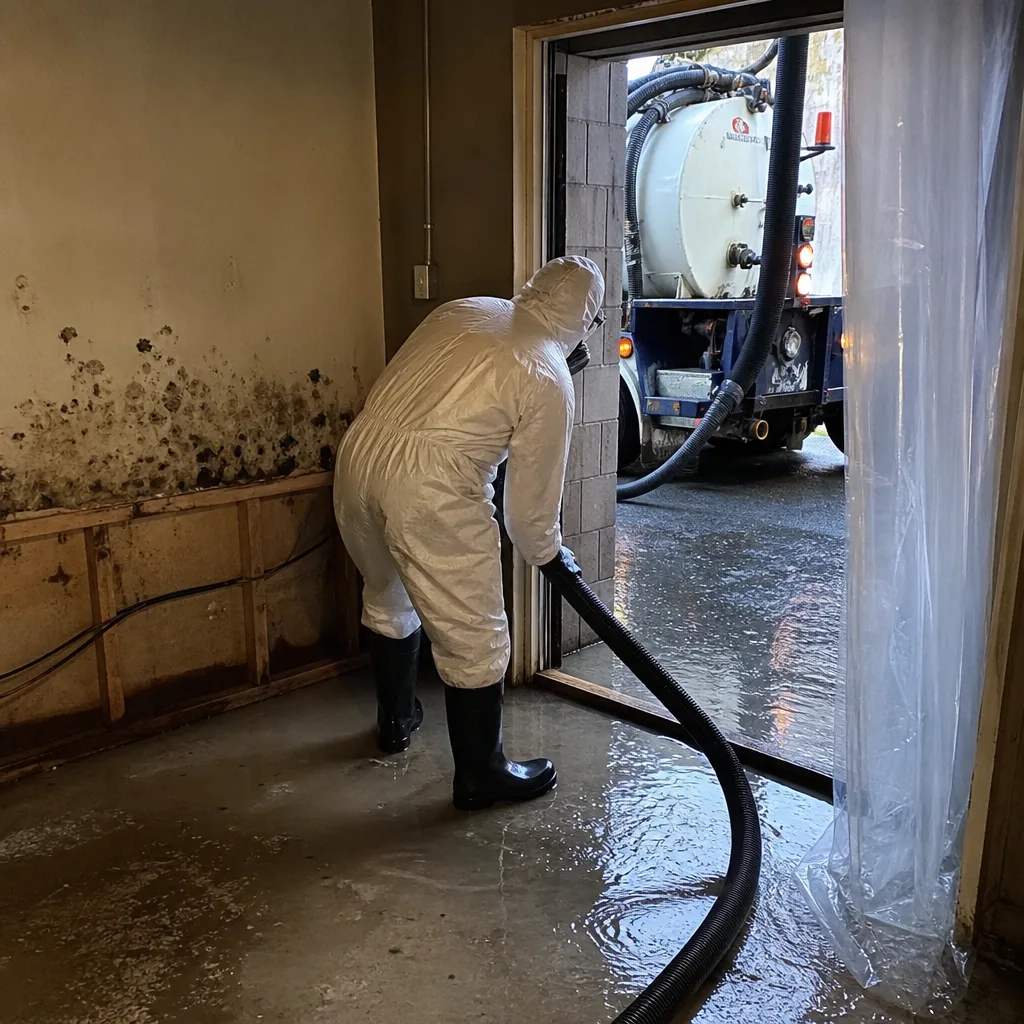
Using truck-mounted extraction systems and XPOWER pumps, we remove standing black water fast. In tight LIC utility closets and below-grade garages, we work in confined spaces without compromising containment.
Drying & Dehumidification
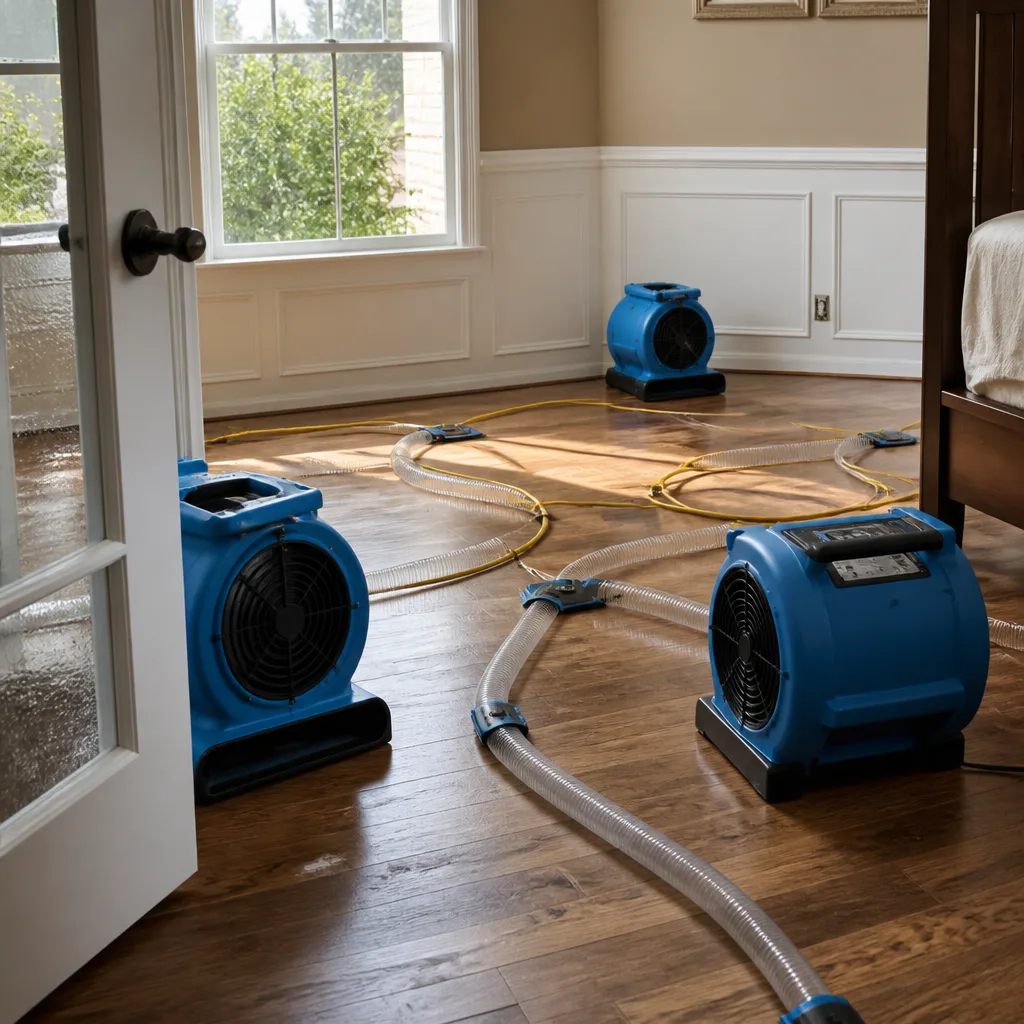
We set up professional-grade Dri-Eaz dehumidifiers and Phoenix air movers. We take moisture readings daily and hand you the complete log at job’s end. Nearly nobody else in the trade does that, but you deserve to see the proof.
Cleaning & Sanitization
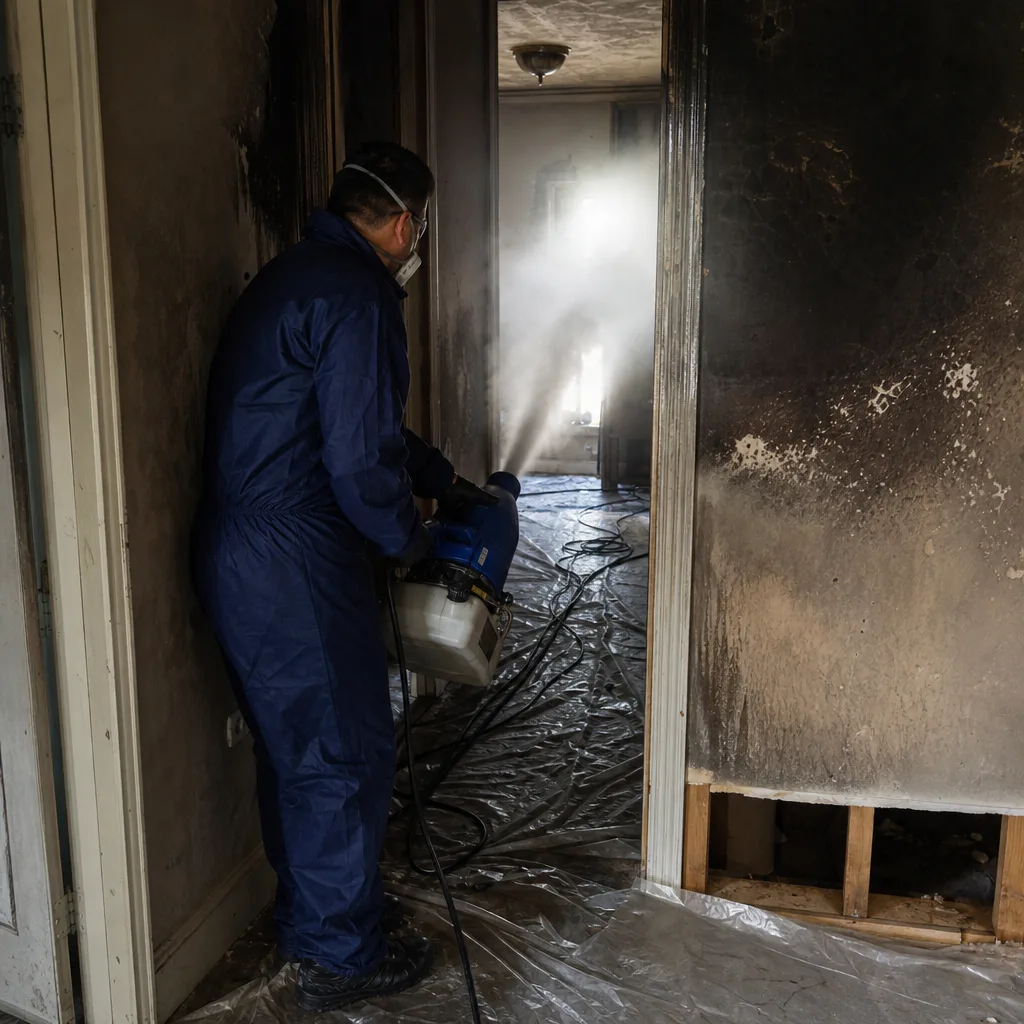
This is where Sewage Cleanup in Long Island City differs from inland Queens. We use antimicrobial treatments and hospital-grade disinfectants on every affected surface because we assume contamination from Newtown Creek and East River water, not just your plumbing.
Containment & Air Scrubbing
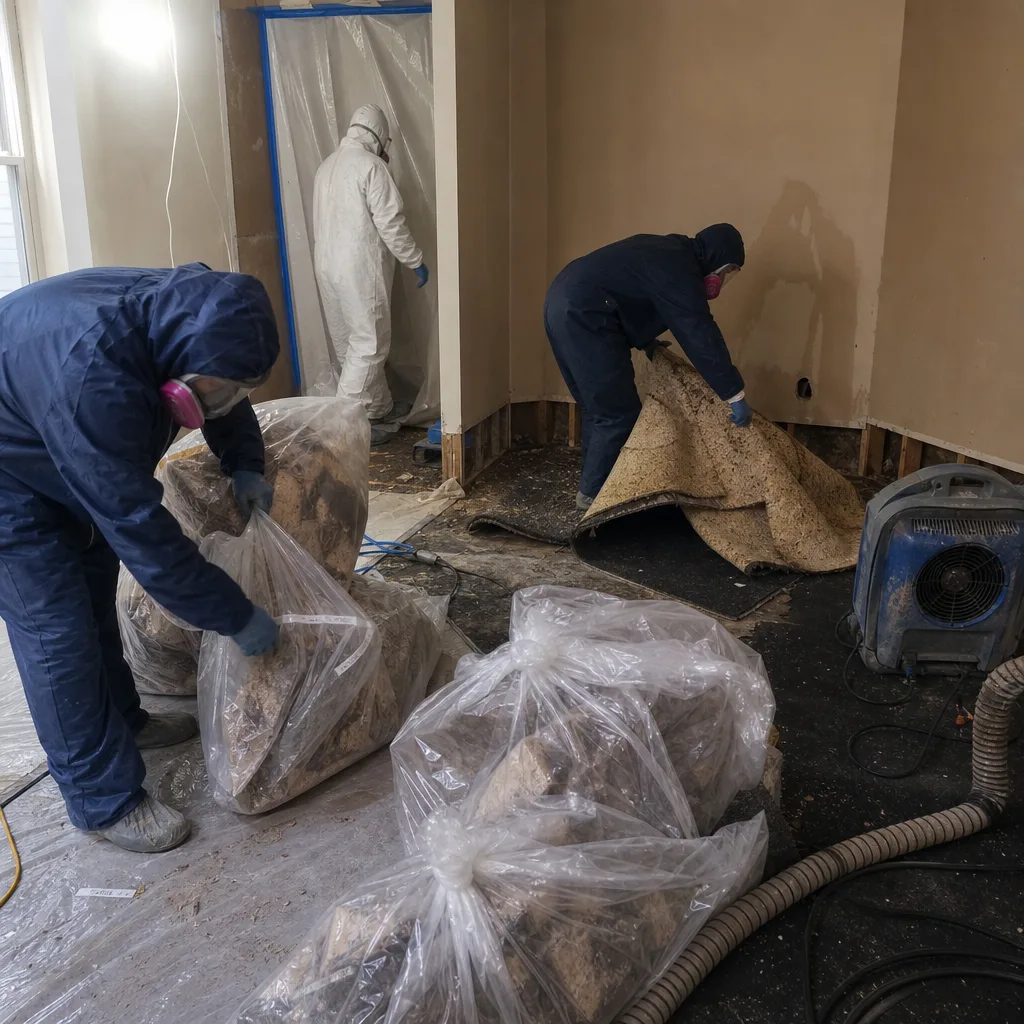
We run HEPA air scrubbers and negative air pressure to keep airborne pathogens from spreading to unaffected rooms. In open floor plate lofts, that means physical containment walls across massive spans, a non-negotiable step when sewage touches your living space.
Repairs & Restoration
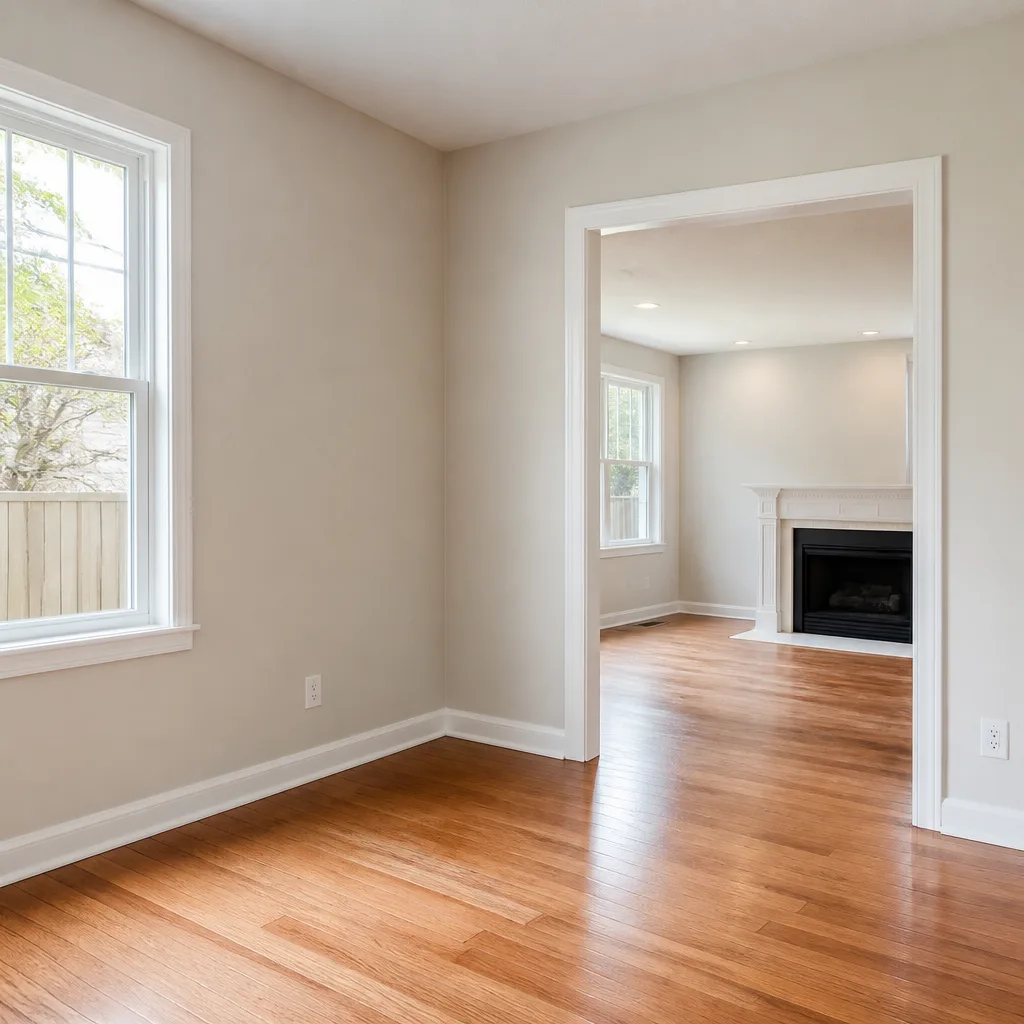
We handle our Reconstruction & Cleanup in Long Island City by rebuilding what the sewage destroyed: drywall, flooring, insulation, trim. Because we handled the original damage, we know exactly where the water went and what needs replacing versus what can be saved.
Need Emergency Sewage Cleanup in Long Island City Now?
Crews minutes away, answering live 24 hours a day. The sooner we start, the less it costs.
Working With Your Insurance Company
Insurance claims for sewage damage in Long Island City get complicated because of the flood zone issue. Standard homeowners policies cover sudden pipe failures but often exclude flood-related backup unless you carry a separate rider. Here’s where we help: we document everything from the first hour, including photos of the source, moisture readings, and the exact path the water took. Wade talks to your adjuster directly. You don’t relay information between two parties. In a converted Hunters Point warehouse loft on 47th Avenue, our crew responded to a sewage backup from a cast iron drain line that had been retrofitted across a 3,000-square-foot open floor plate. We isolated the affected area with negative air containment, used an Injectidry system to dry the dense masonry walls, and completed full black water extraction and antimicrobial treatment to restore pre-loss condition before mold could take hold within 48 hours. That documentation got the claim approved without the homeowner making a single call to the carrier.
What We Provide Your Insurer
- Thorough documentation of the loss
- Photos of all damage, room by room
- Moisture readings and drying logs
- A detailed, line-item scope of work
- Direct coordination with your carrier
Built for Long Island City’s Loss Calendar
Long Island City’s sewage cleanup calls follow a pattern tied to geography and building age. January deep freezes burst supply lines in pre-war walkups along Vernon Boulevard and Jackson Avenue, sending clean water into cast iron drain beds that then fail, mixing with decades of sediment. Spring thaw pushes groundwater up through basement slabs in the low-lying blocks near Queens Plaza, and when the East River runs high, that groundwater is not clean. Summer thunderstorms overwhelm the combined sewer system quickly; when Newtown Creek’s tide is up, drainage backs up and pushes contaminated creek water into below-grade spaces along the northern industrial corridor. Fall nor’easters, the big one here, drive storm surge into the FEMA flood zone AE blocks along the East River, flooding basements and below-grade garages with Category 3 water that requires full hazmat remediation. Long Island City property owners learn the local calendar the hard way. We’ve worked every season on this for over 29 years, and we know what each one brings.
Sewage Cleanup Across Long Island City’s Neighborhoods
Hunters Point, the waterfront section of Long Island City that took the worst of Sandy, has converted warehouse lofts and new high-rises sitting directly in the flood zone. When sewage backs up here, it often arrives as storm surge mixed with creek water. Court Square, dense with post-2015 glass towers and below-grade parking garages, presents a different challenge: facade leaks channel rain into garages that sit below the water table, and a sewage backup in one line can contaminate an entire garage level in hours. The Dutch Kills section, north of Queens Plaza, sits alongside Newtown Creek’s industrial edge, where tidal influence on the creek means heavy rain plus high tide backs up drainage into below-grade spaces more often than residents expect. Along Vernon Boulevard, the pre-war walkups with aging cast iron drain lines create a third pattern: tight utility closets, minimal clearance for containment equipment, and sewer gas that rises through the building when a line cracks. Each neighborhood has its own failure mode, and we know them all.
Specialized Sewage Cleanup Services We Offer in Long Island City
Sewage Backup Cleanup
A sewage backup in Long Island City usually means a cast iron line cracked under street traffic on a major corridor like 21st Street or Jackson Avenue. We extract the black water, remove contaminated materials, and provide Sanitization Services in Long Island City to restore your space. Fast.
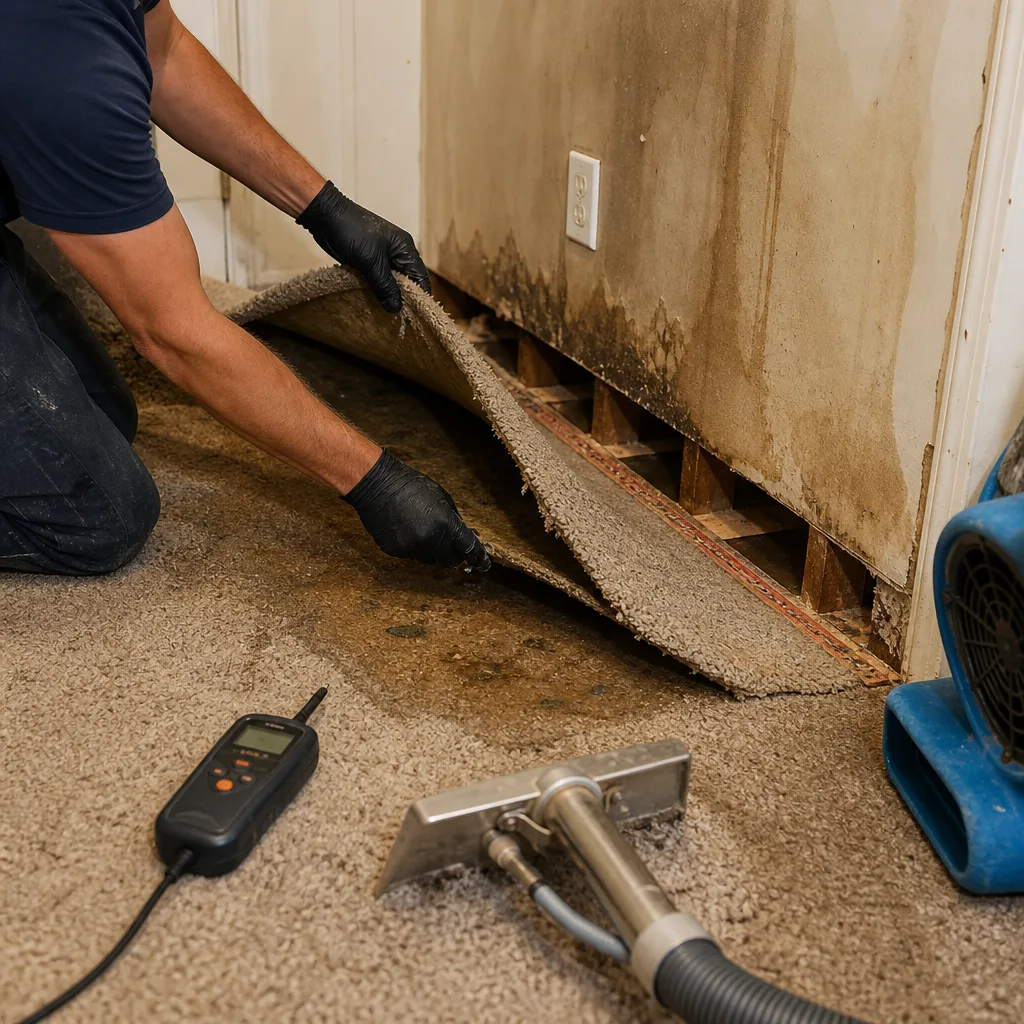
Toilet Overflow Cleanup
Toilet overflows are among the most common calls we get from pre-war walkups in LIC. The overflows themselves are often clean, but the drain lines they connect to are not. We treat every toilet overflow as potentially contaminated and sanitize accordingly.
Septic Failure Cleanup
While most of Long Island City is on municipal sewer, some older properties in the fringes still have private septic or holding systems. When those fail, the smells and contamination are often worse because they go unnoticed longer. We handle the full scope.
Black Water Extraction
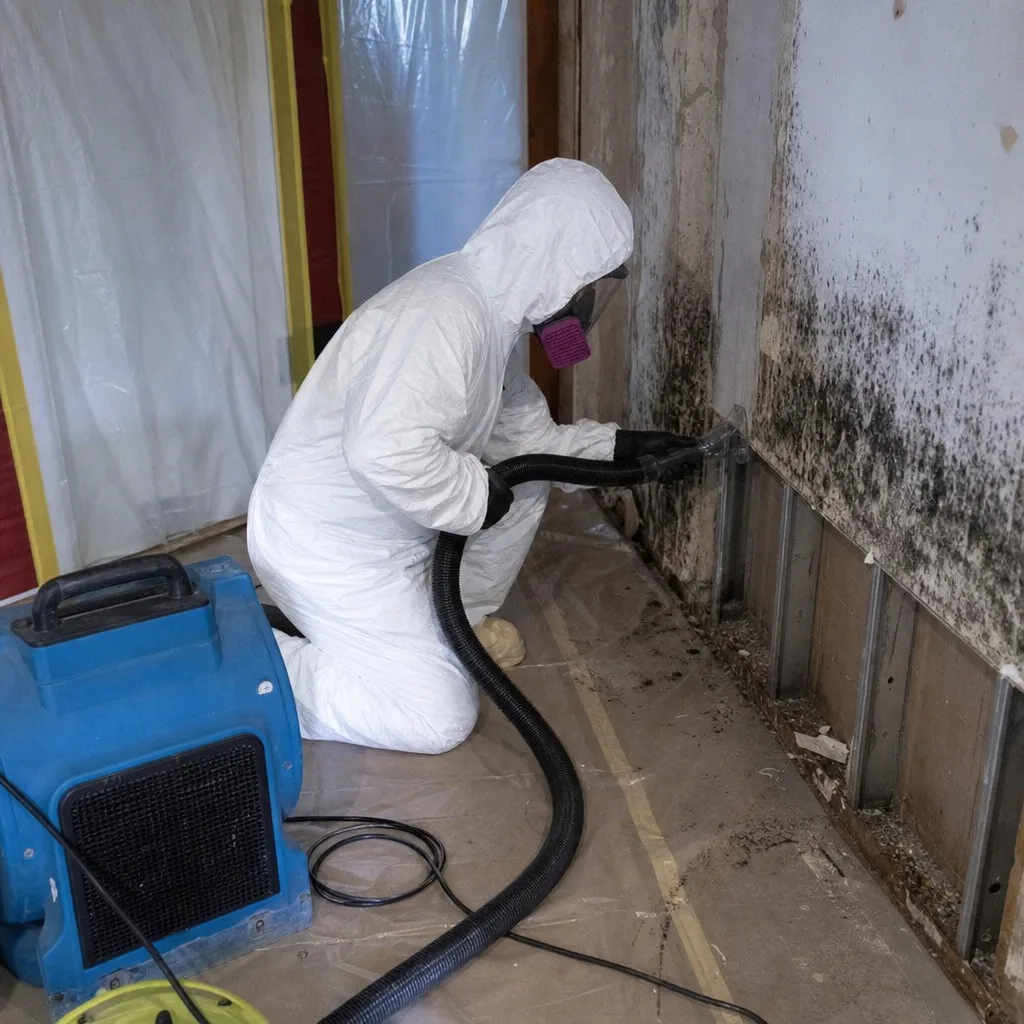
The defining Long Island City Commercial Restoration service. Newtown Creek and East River water are not ordinary sewerage. This is Superfund-site water in many cases, and we extract and dispose of it under the strictest protocols. No shortcuts.
Sanitization & Disinfection
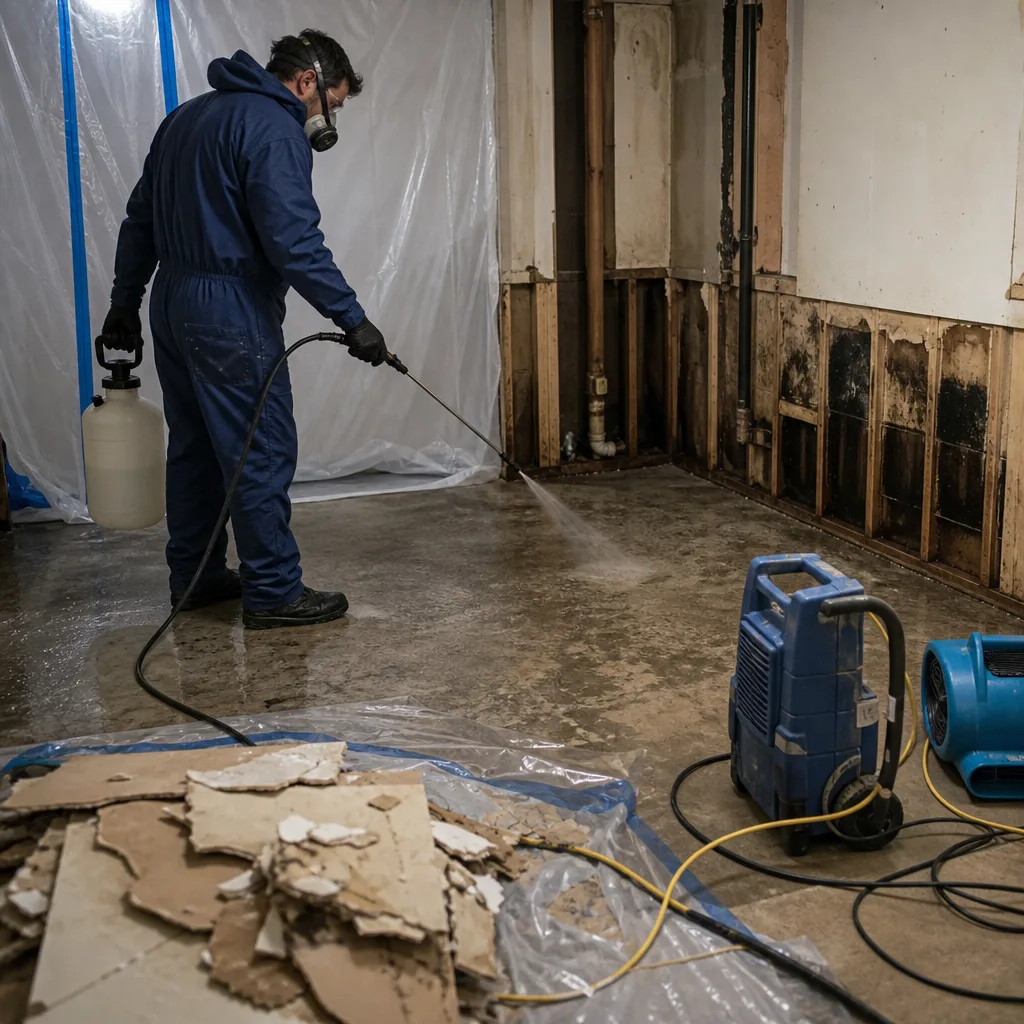
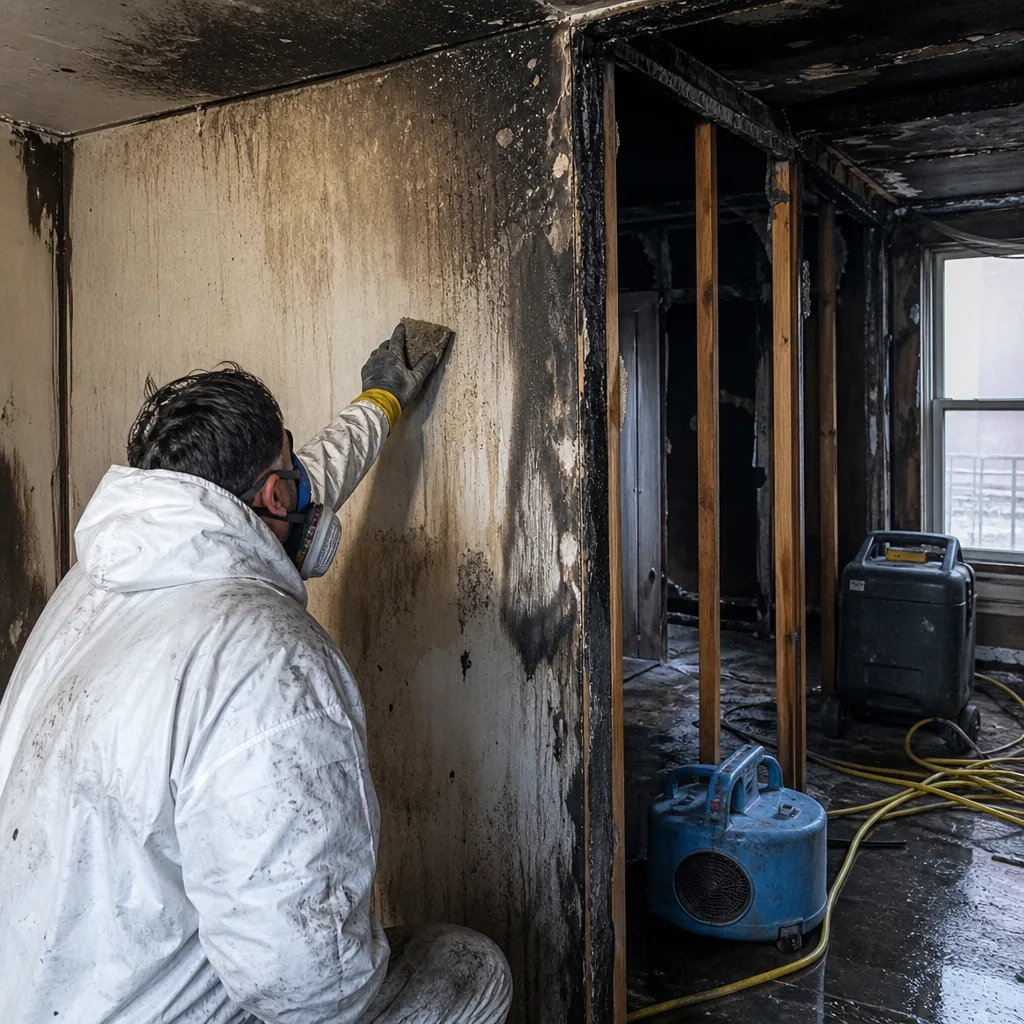
After extraction, every affected surface gets hospital-grade antimicrobial treatment. In brick warehouse conversions, we pay special attention to masonry cavities where contaminated moisture can hide and eventually bloom into mold.
Crawl Space Sewage Removal
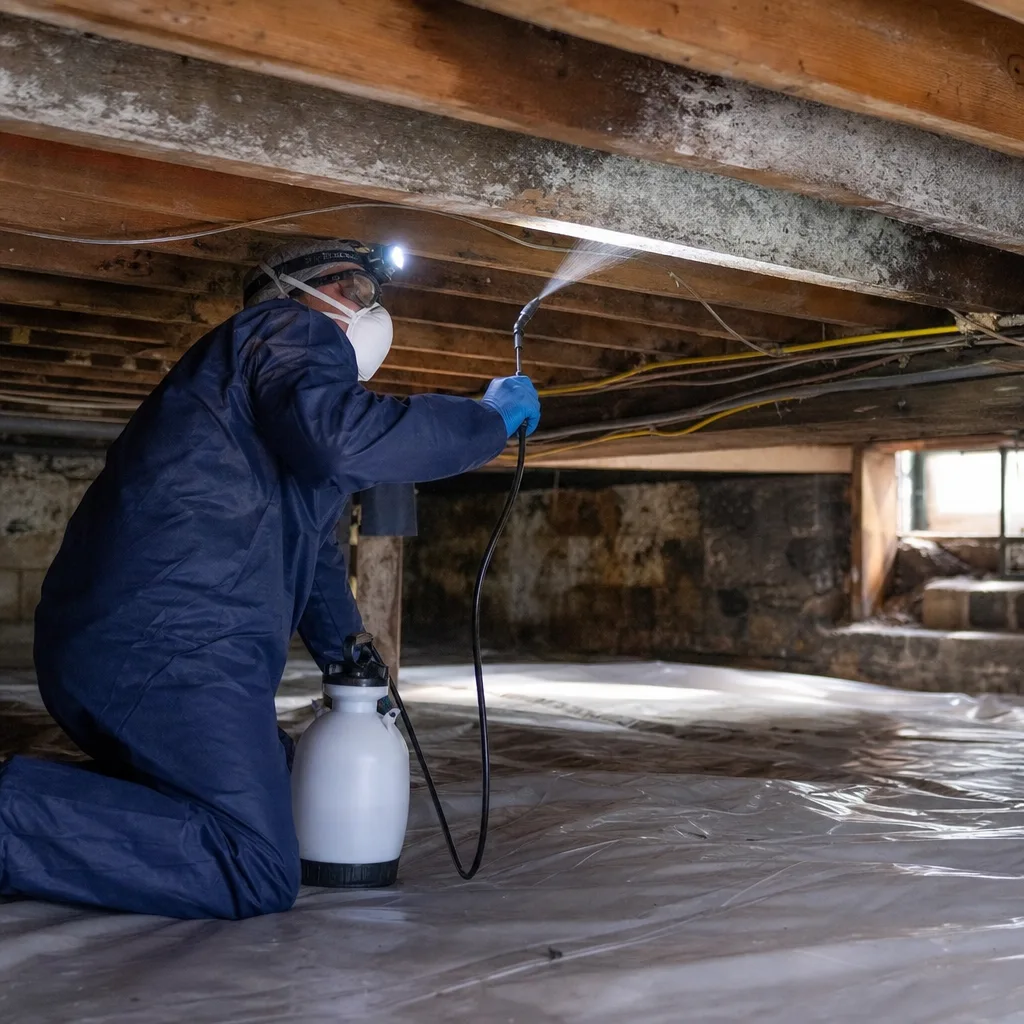
Long Island City has plenty of tight crawl spaces under converted industrial buildings. Sewage collects there invisibly. We extract it, dry the space, and often install vapor barriers to prevent recurrence.
What happens when you call
- 1
A real person answersNo phone trees - you reach a local pro.
- 2
You get an upfront price rangeHonest numbers before anyone is dispatched.
- 3
A background-checked tech heads outLicensed & insured, dispatched right away.
- 4
You approve before work beginsNothing starts until you say go.
Sewage Cleanup Costs in Long Island City, NY
A straightforward toilet overflow cleanup in a Long Island City apartment typically runs $800 to $1,800. A sewage backup affecting multiple rooms in a pre-war walkup usually lands between $2,500 and $6,500. A full black water extraction in a Hunters Point loft with open floor plate plumbing, where containment walls and HEPA air scrubbing are required, commonly runs $8,000 to $25,000 depending on square footage and what needs replacing. Crawl space sewage removal in LIC’s converted industrial buildings runs $3,000 to $9,000 because of access constraints and the need for specialized extraction equipment.
What moves the price? Containment requirements are the biggest variable. In an open loft, we build physical walls. In a cramped utility closet, we work around tight clearances but the labor hours go up. If masonry walls are saturated, Injectidry systems and extended drying time add cost. If a below-grade garage in a Court Square tower is involved, the square footage and the need for structural assessment push the number higher. The fastest path to a firm price is the free visual inspection we offer. Wade looks at the damage, tells you what he’d do, and puts it in writing before any work starts. Call (607) 350-1550 for an exact quote, estimates are free.
We Also Serve Cities Near Long Island City
Our Sewage Cleanup team works throughout western Queens and beyond. The most common neighboring area we serve from our Long Island City coverage is Astoria, a short drive north on 21st Street. Same crew, same standards, same 24/7 live answer.
Long Island City Sewage Cleanup Questions, Answered
Does Newtown Creek contamination make sewage backups in Long Island City more hazardous than in other Queens neighborhoods?
Yes. Newtown Creek is an EPA Superfund site, and when storm surge or tidal flooding forces creek water into below-grade spaces, the contamination can include industrial waste, raw sewage, and pathogens beyond what a typical household backup carries. If your backup happened during or after heavy rain near the creek’s edge, assume it is Category 3 black water and call us for a free visual inspection at (607) 350-1550.
Our LIC apartment is in a converted factory with open floor plate plumbing. What should we do if sewage backs up before a restoration team arrives?
Turn off the water to the building if you can reach the shutoff. Do not flush any toilets or run any water. Evacuate the affected floor if the smell is strong enough to cause headaches or nausea. Open windows if weather allows. Do not attempt to clean Category 3 water yourself. The most important thing: call Wade’s Restoration at (607) 350-1550 immediately. In open floor plate buildings, sewage spreads fast, and the first hour determines how far it gets.
Can a sewage backup in a Hunters Point high-rise affect our below-grade parking garage?
Yes, and it happens often. Below-grade parking garages around Hunters Point South sit below the water table and inside the FEMA flood plain. When a sewer line backs up on a lower floor, gravity carries the contaminated water into the garage. We respond around the clock, extract the black water, sanitize the garage floor and walls, and coordinate with your building’s management to address the root cause.
Is it safe to dry out a sewage backup myself in a pre-war LIC walkup?
No. Sewage backups in pre-war buildings with aging cast iron drain lines are exactly the kind of job where DIY drying creates a hidden mold problem. Moisture in tight utility closets and wall cavities is nearly impossible to dry thoroughly without professional damp walls and dehumidifiers. Worse, Category 3 water requires antimicrobial treatment, not just drying. Protect your health and your property. Call (607) 350-1550 for a free visual inspection before you spend a dollar on rental fans.
How do you handle sewage cleanup in tight Long Island City alleyways and loading docks?
We work in confined spaces all the time. LIC’s dense blocks, shared loading docks, and narrow alleyways mean our equipment has to fit through doorways and around parked trucks. We use compact extraction units and portable containment systems designed for tight urban access. The process takes longer in cramped spaces, but the work is the same: extract, contain, dry, sanitize, restore.
How fast can you actually get to a sewage backup in Long Island City?
We commit to a 45-minute response for emergency sewage calls in Long Island City. Wade or a crew member is on the road immediately. Most jobs see us within that window, though during nor’easters or simultaneous storm claims, we’ll always tell you honestly when we’ll be there. Call (607) 350-1550 and Wade will give you a straight answer.
Will my insurance cover sewage cleanup in Long Island City?
It depends on two things: the cause and your policy’s specific language. Sudden pipe failures are generally covered. Flood-related sewage backups may require a separate flood or sewer backup endorsement. Our team documents everything from hour one, photos, moisture logs, the full scope, and we work directly with your adjuster to build your claim. You never have to be the go-between. Call us for a free inspection and we’ll help you understand your policy’s position honestly.
Are your technicians certified for black water and sewage cleanup?
Yes. Our crews hold IICRC certifications including Water Damage Restoration (WRT), Fire & Smoke Restoration (FSRT), and Applied Microbial Remediation (AMRT). We’re also affiliated with the Restoration Industry Association and recognized by the IFA. Wade Ferris is the owner and he answers his own phone, so ask him about our certifications directly at (607) 350-1550.
Serving Long Island City, NY - Our Local Coverage Area
We’re based in the Long Island City area and know this community well. Use the map below to see our service coverage - if you’re nearby, we can almost certainly help.
Call Wade’s Restoration for Sewage Cleanup in Long Island City
When sewage backs up into your Long Island City home or business, you need someone who knows this neighborhood’s buildings and its water issues, not a call-center operator reading from a script. Wade Ferris has been doing this work since 2007. He publishes his name, his address, and his license number. He answers his own phone at (607) 350-1550, 24 hours a day, seven days a week. The 90-Day Done Right Promise is in writing on every job: if it is not done right, we make it right. One call brings Wade back. Free visual inspections. Direct insurance billing. No trip charge inside our own county. Call now. We will walk the damage with you, tell you what we’d do, and put it in writing before any work starts.
Written by Wade Ferris, Owner at Wade’s Restoration, serving Long Island City and western Queens since 2007.