
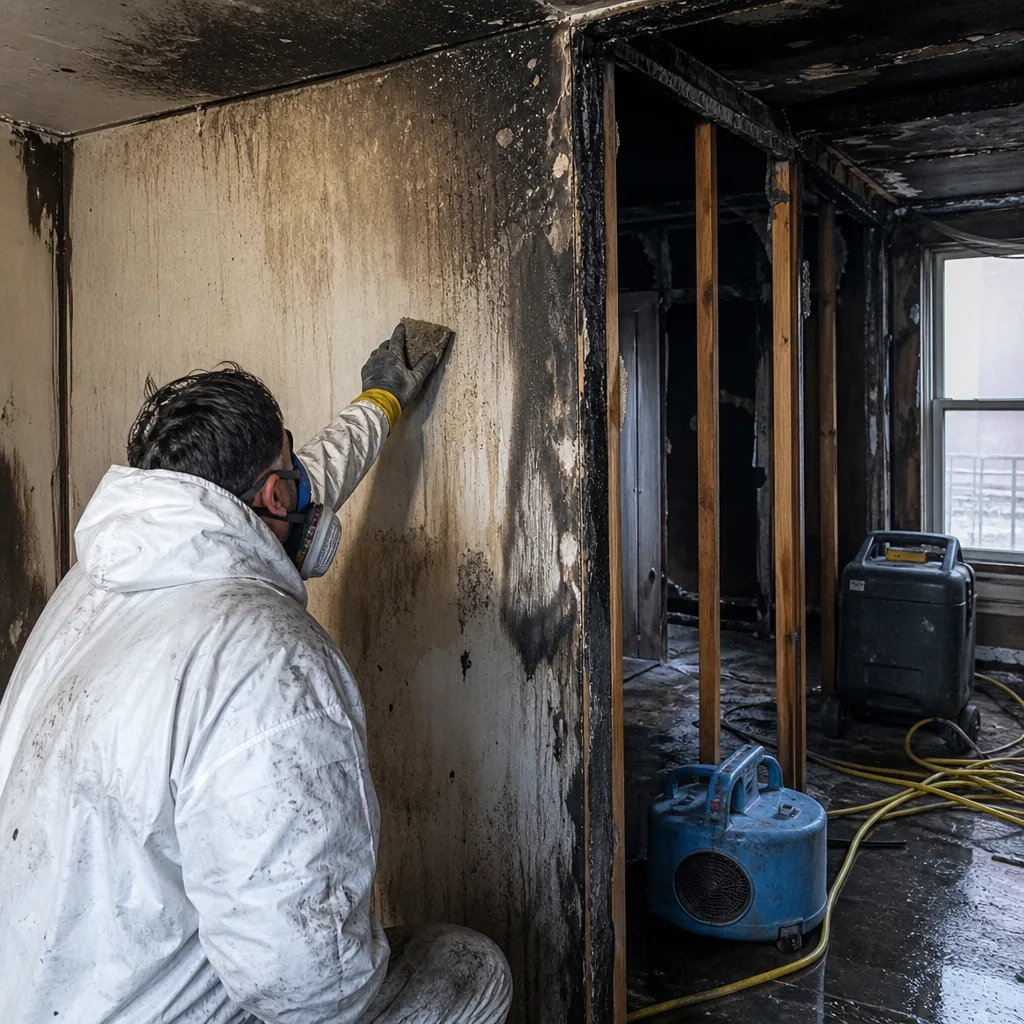
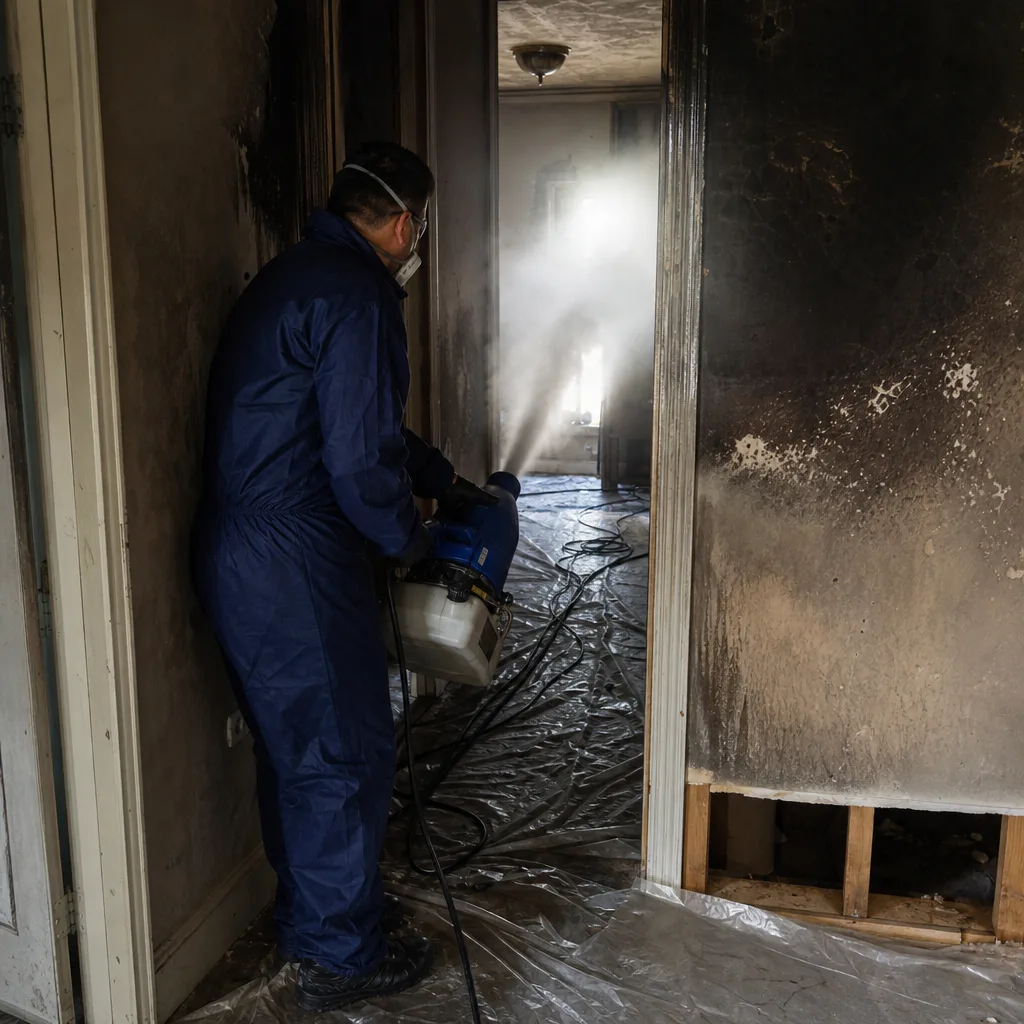
Free visual inspection and a written scope of work before any mitigation begins - photos, moisture readings, and drying logs go in your claim file
The scope we write is the scope we bill. Anything new gets shown to you, in writing, before we touch it.
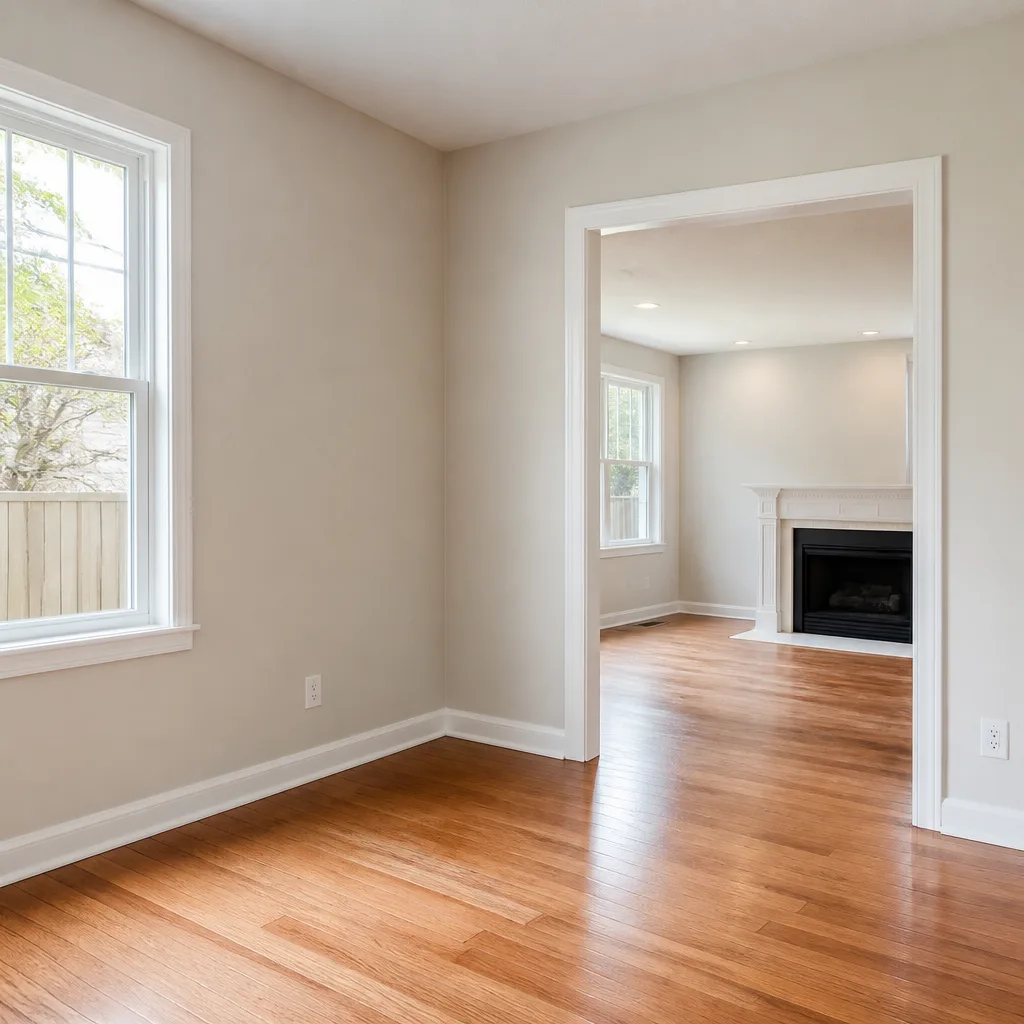
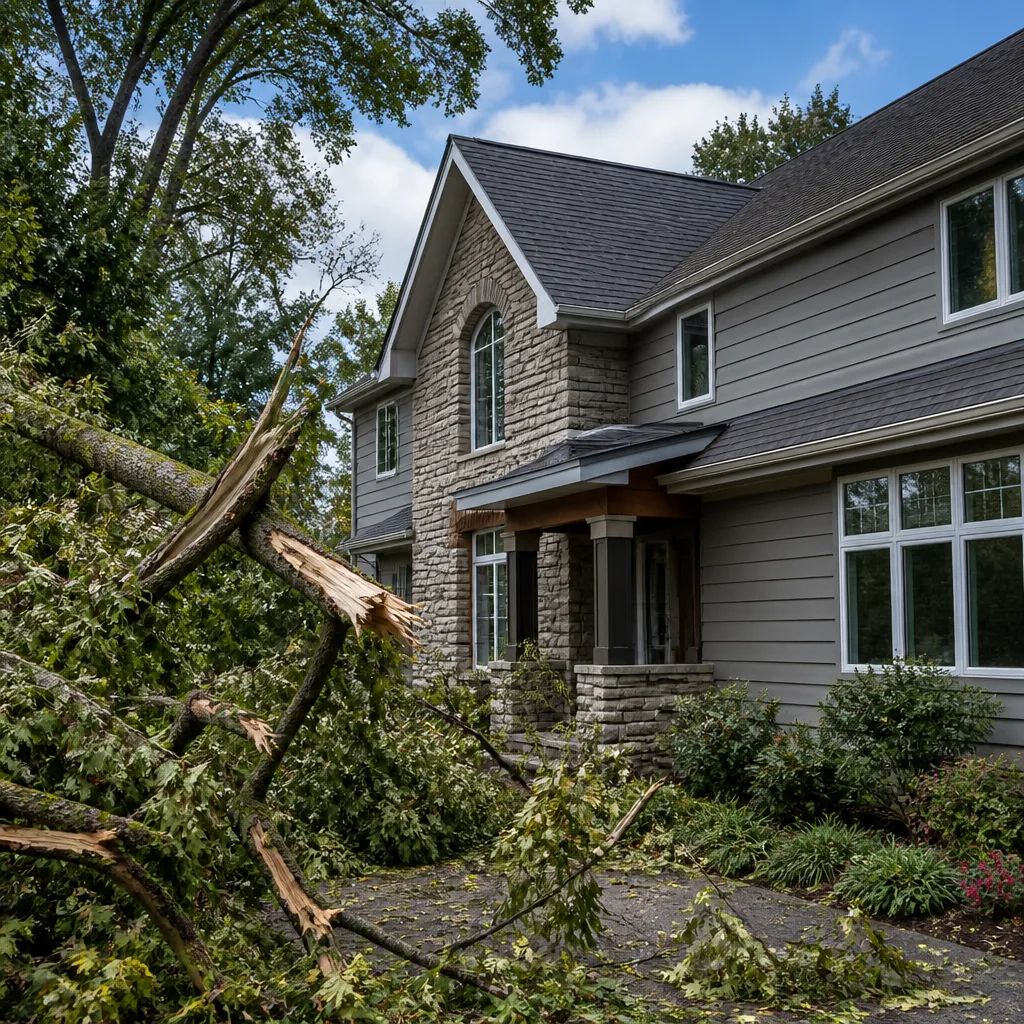
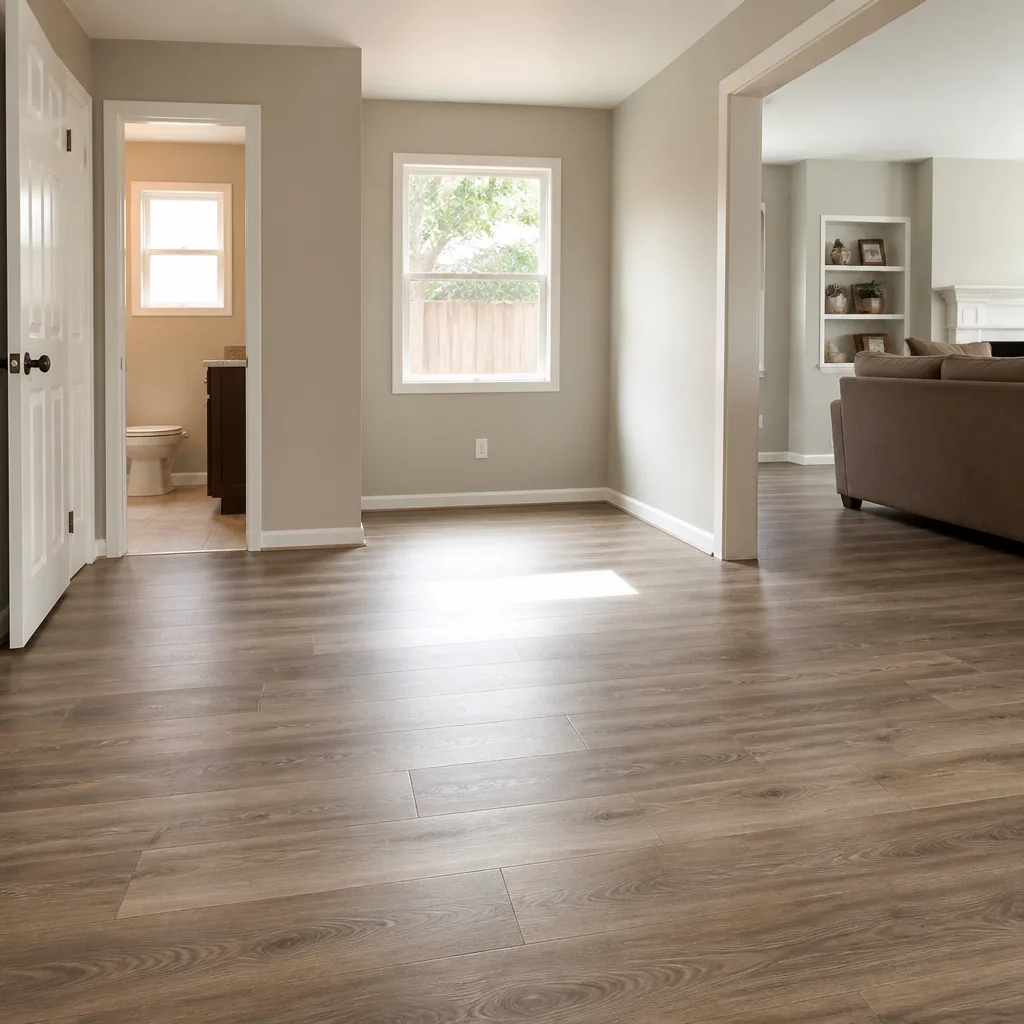
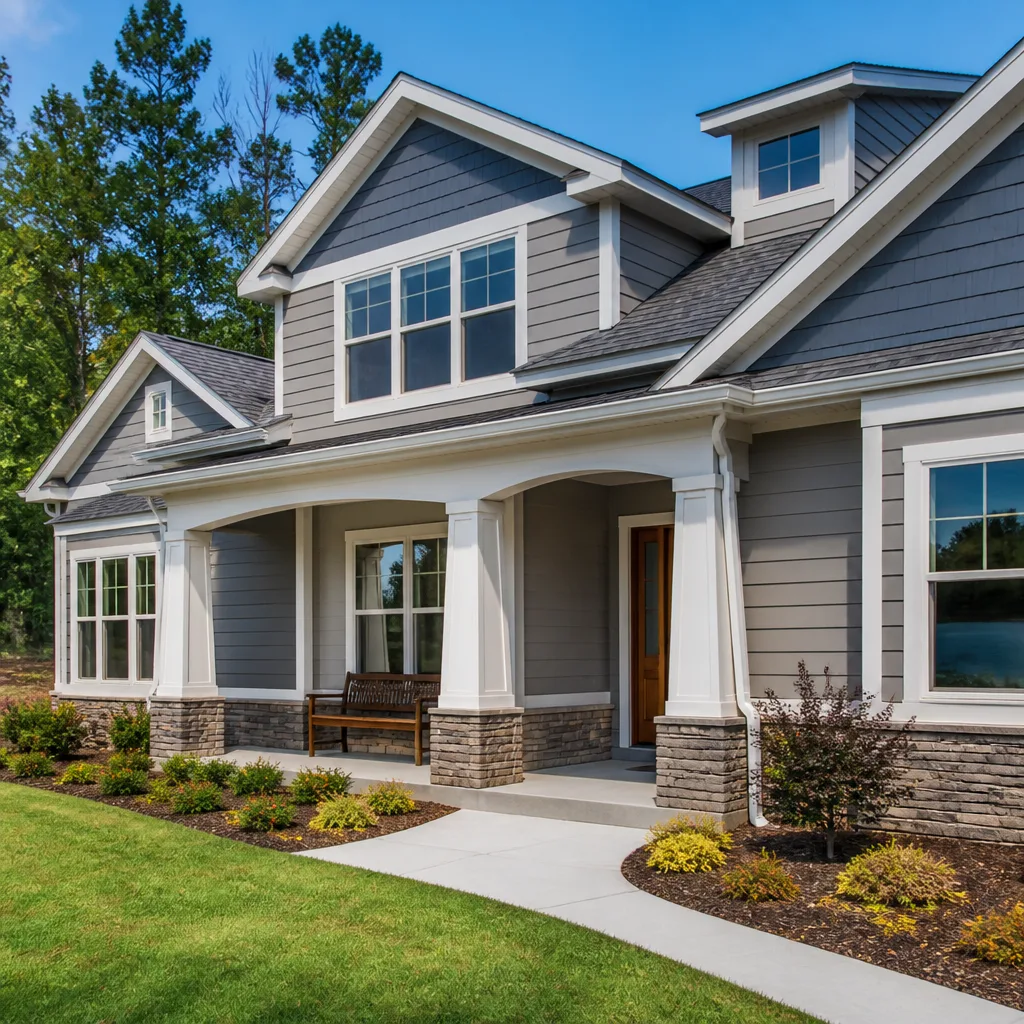
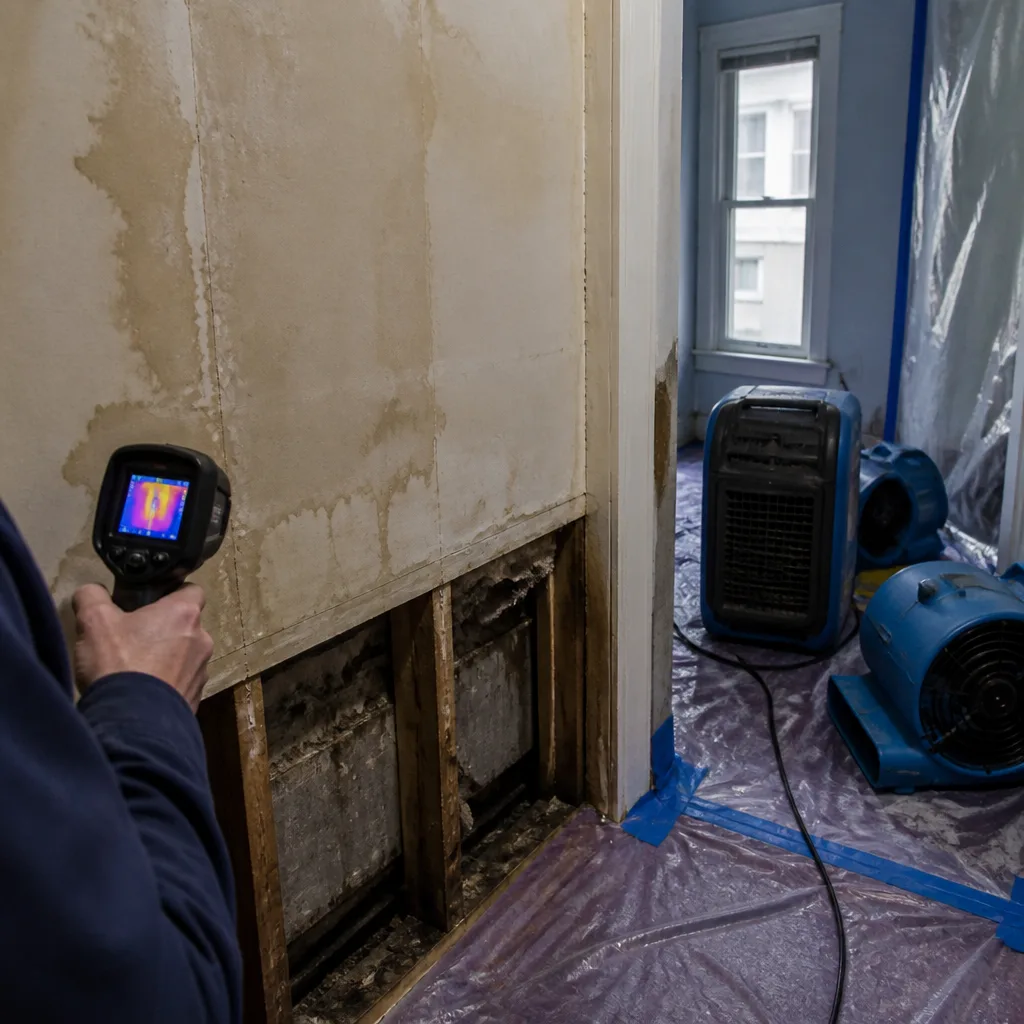 Before
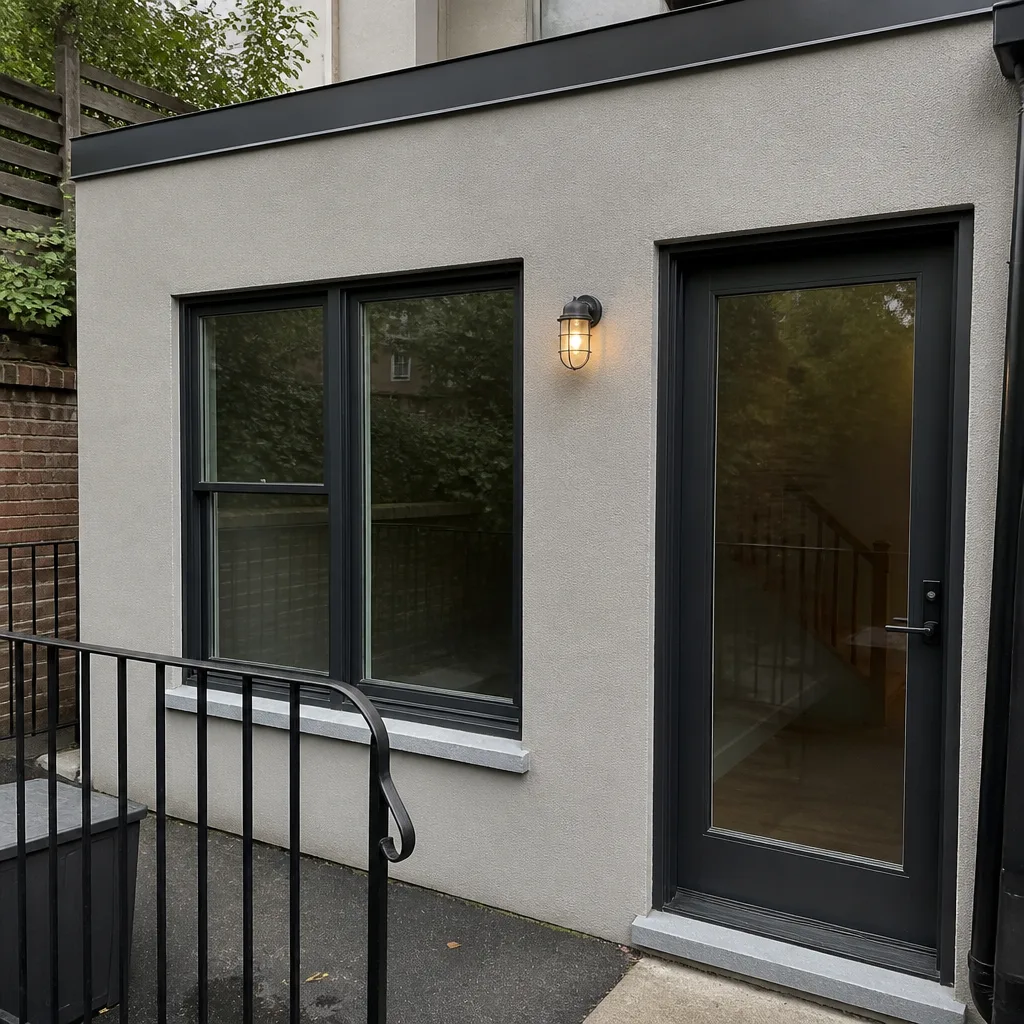 After
After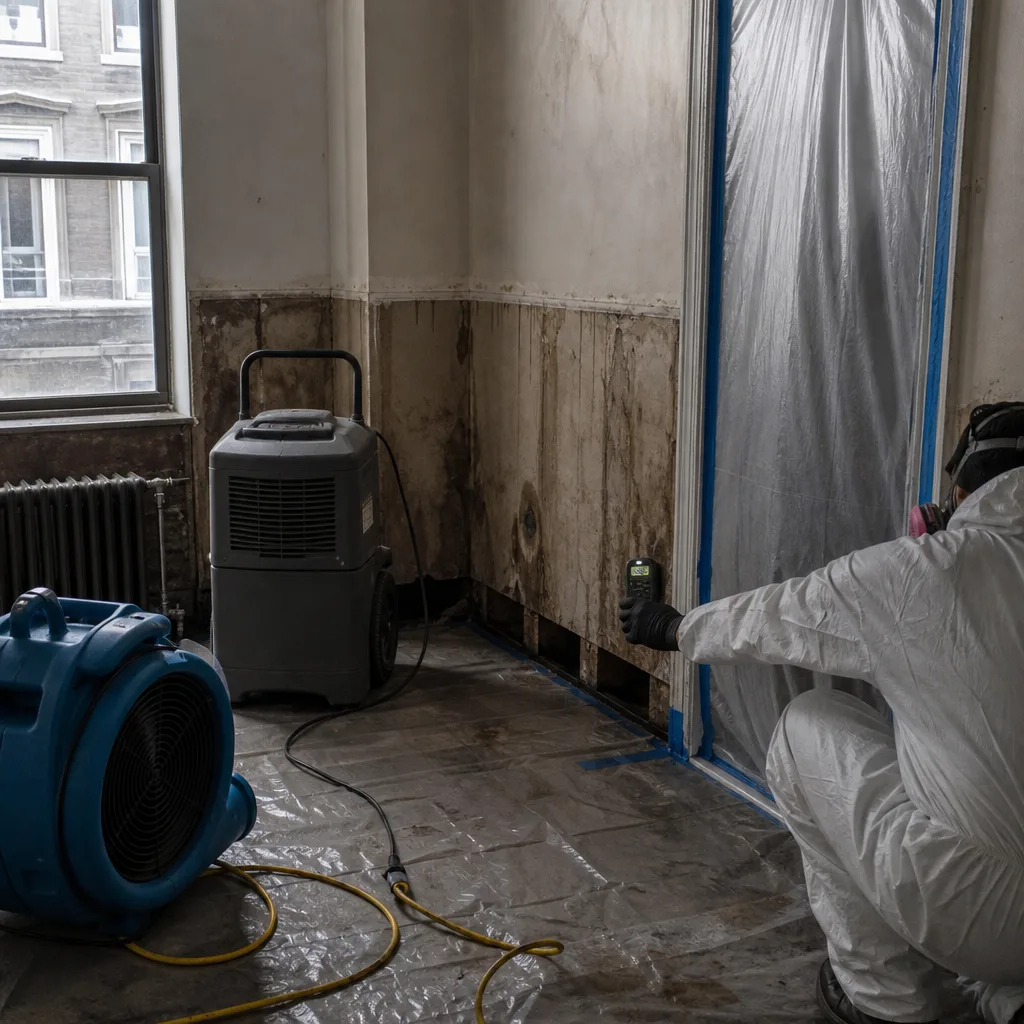 Before
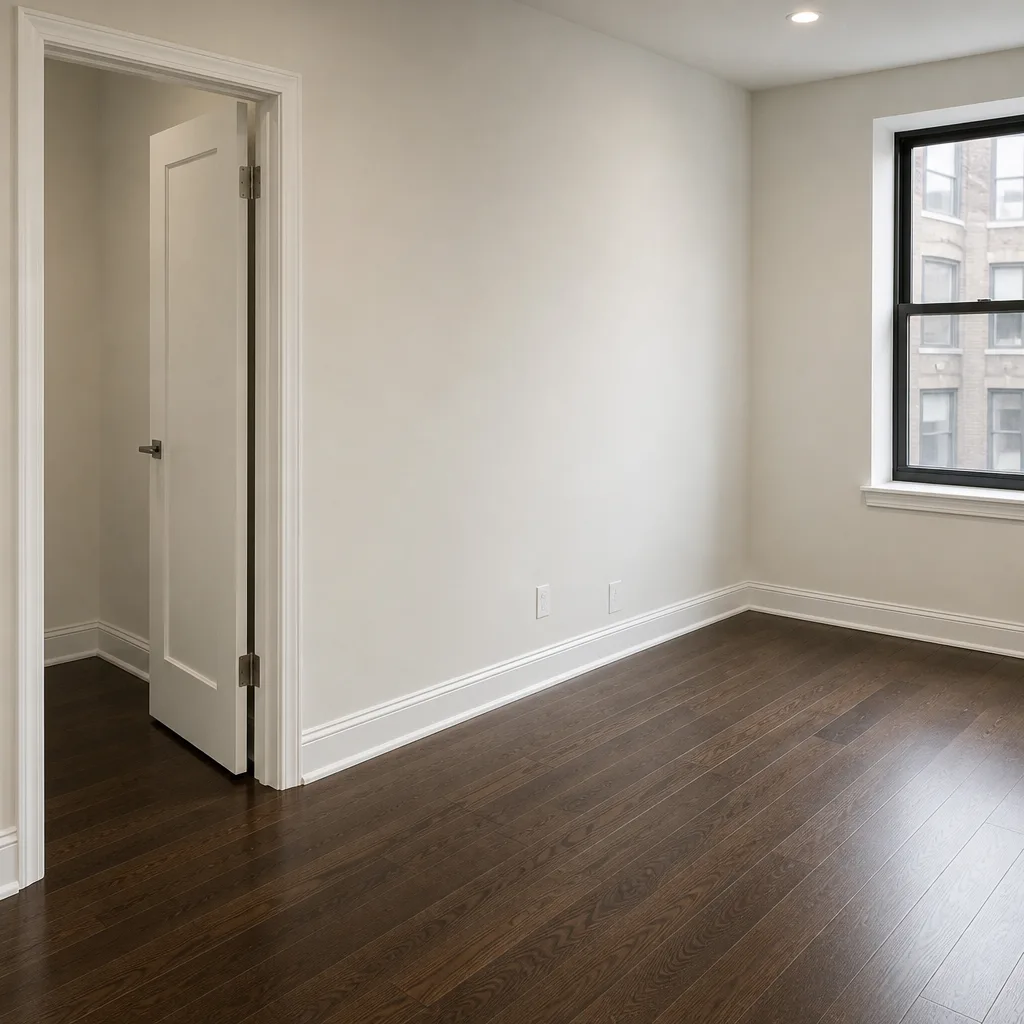 After
After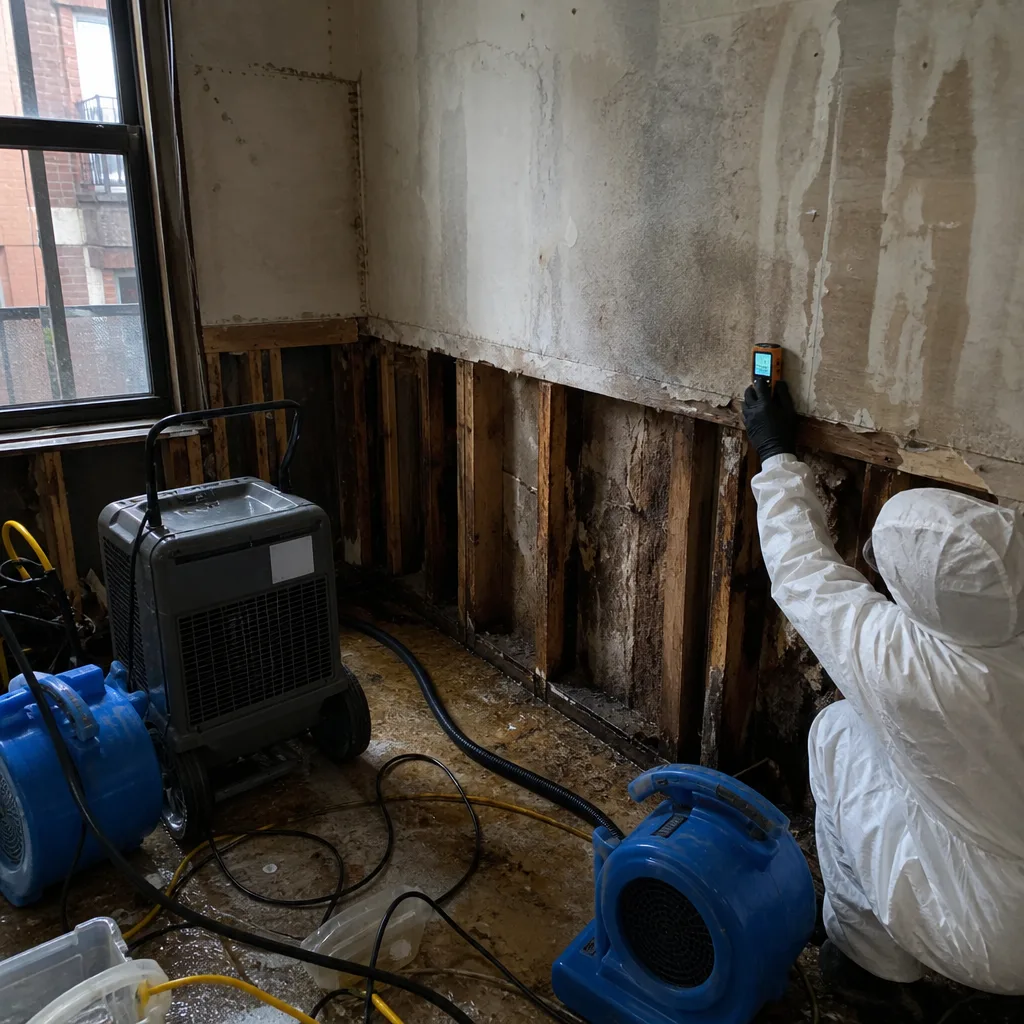 Before
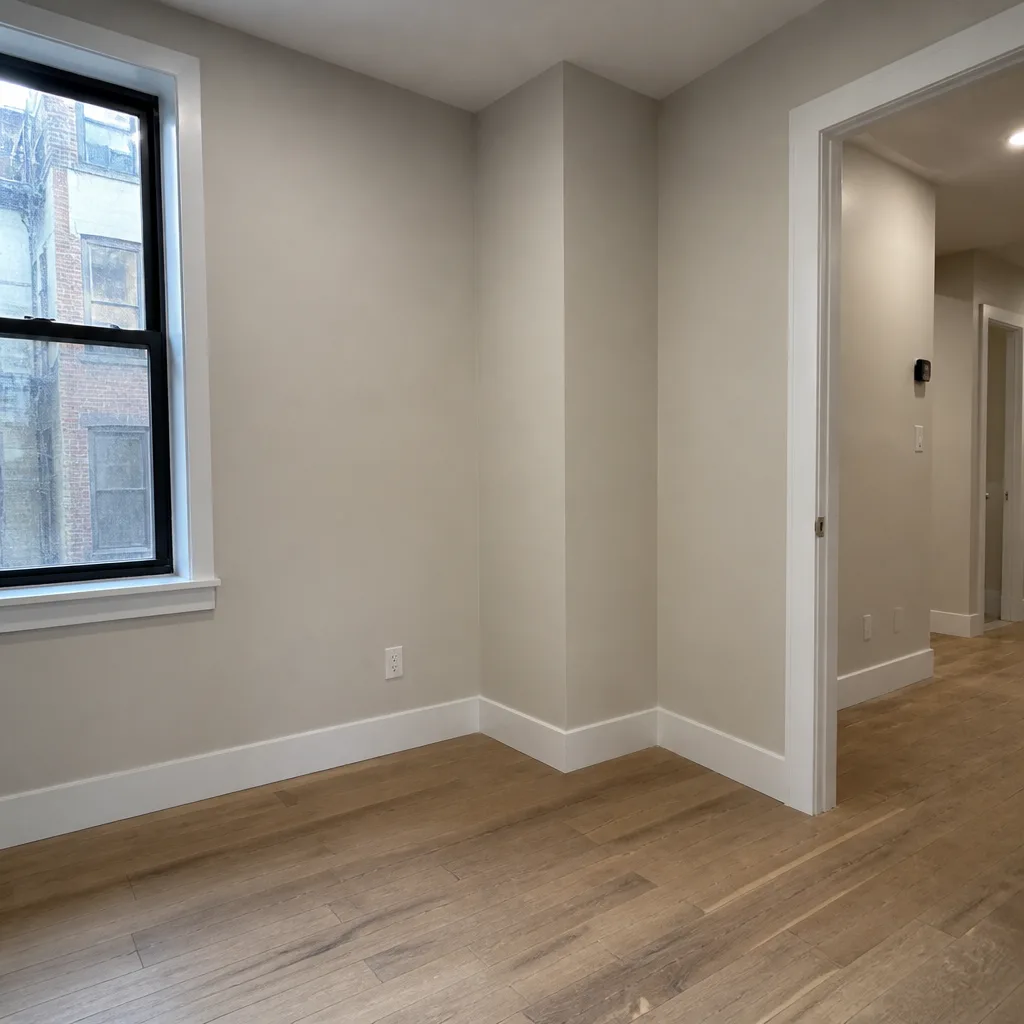 After
After24/7 Emergency Fire & Smoke Damage Restoration in Weehawken
Fire damage in Weehawken moves fast, and so do we. Call (607) 350-1550 any hour, day or night, and you’ll get a real person, not a recording. Wade’s Restoration runs crews into every part of Weehawken, from the Port Imperial waterfront towers to the brick row houses up on the bluff, and we can have someone standing in your doorway faster than most companies can return a phone call. The first hour after a fire matters more than most people realize. Soot is acidic. It etches glass, stains painted walls, and works its way into fabrics and insulation within hours, not days. When you call, Wade heads out himself. Not a call center. Not a subcontractor you’ve never met. The owner. He’ll walk the damage with you, tell you straight what needs to happen, and put a written scope in your hand before any work begins.
Understanding Fire & Smoke Damage Restoration Severity in Weehawken Properties
Not all fire damage is the same, and Weehawken’s housing stock makes severity assessment trickier than most towns in Hudson County. We classify soot residue in three ways, and each requires a different cleaning protocol. Light soot from a stovetop grease fire sits on surfaces and wipes away with dry sponging and HEPA vacuuming. Moderate soot from burning plastics or synthetics leaves an oily film that smears if you touch it wrong, and it demands solvent-based cleaning before paint will ever adhere again. Heavy soot from a structural burn produces a thick, corrosive layer that attacks metal, etches glass, and requires aggressive chemical treatment. In Weehawken’s 1920s brick row houses, smoke migrates through plaster walls, old coal chutes, and shared cocklofts between attached homes, spreading residue into spaces the fire never touched. In the waterfront high-rises, smoke travels vertically through elevator shafts, trash chutes, and HVAC risers, contaminating units on floors far from the fire’s origin. The water used to fight the fire creates its own set of problems. Category 2 water, contaminated with soot, chemicals, and burned materials, saturates flooring, wicks up drywall, and breeds mold inside 48 hours. We map moisture with thermal imaging and hygrometers, log readings daily, and hand you the full documentation at the end of the job. That’s the kind of transparency that matters when you’re putting your home back together.
Why Weehawken Property Owners Choose Wade’s Restoration
- 45-minute response commitment. When Wade says he’s on the road, he means it. We head out from the dispatch point and aim to have a crew at your Weehawken address within 45 minutes of your call, often faster.
- 24/7 live answer. Every time. You’ll never reach an answering service when you call (607) 350-1550. Wade answers his own phone. It’s his name on the truck, and he takes that seriously.
- IICRC-certified crews with FSRT and WRT credentials. Fire and Smoke Restoration Technician and Water Restoration Technician certifications mean our people know how soot behaves, how water migrates, and how to stop both from spreading.
- Free visual inspection. Before you sign anything, we walk the property and tell you what we see. That inspection costs you nothing. The written estimate that follows is yours to keep and compare.
- Direct insurance billing. We deal with your adjuster directly. You’re not the messenger running estimates back and forth between two parties who don’t talk to each other.
- One team from first response to final coat of paint. The same crew that boards up your windows at 2 a.m. is the crew that rebuilds your kitchen six weeks later. No handoffs. No confusion. No one blaming the other guy.
Our Fire & Smoke Damage Restoration Process
Inspection & Assessment
Wade walks the property with a thermal imaging camera and moisture meter, mapping exactly where smoke traveled, where water pooled, and what structural elements are compromised. You get a written scope and a straight answer about what’s salvageable and what isn’t.
Extraction & Stabilization
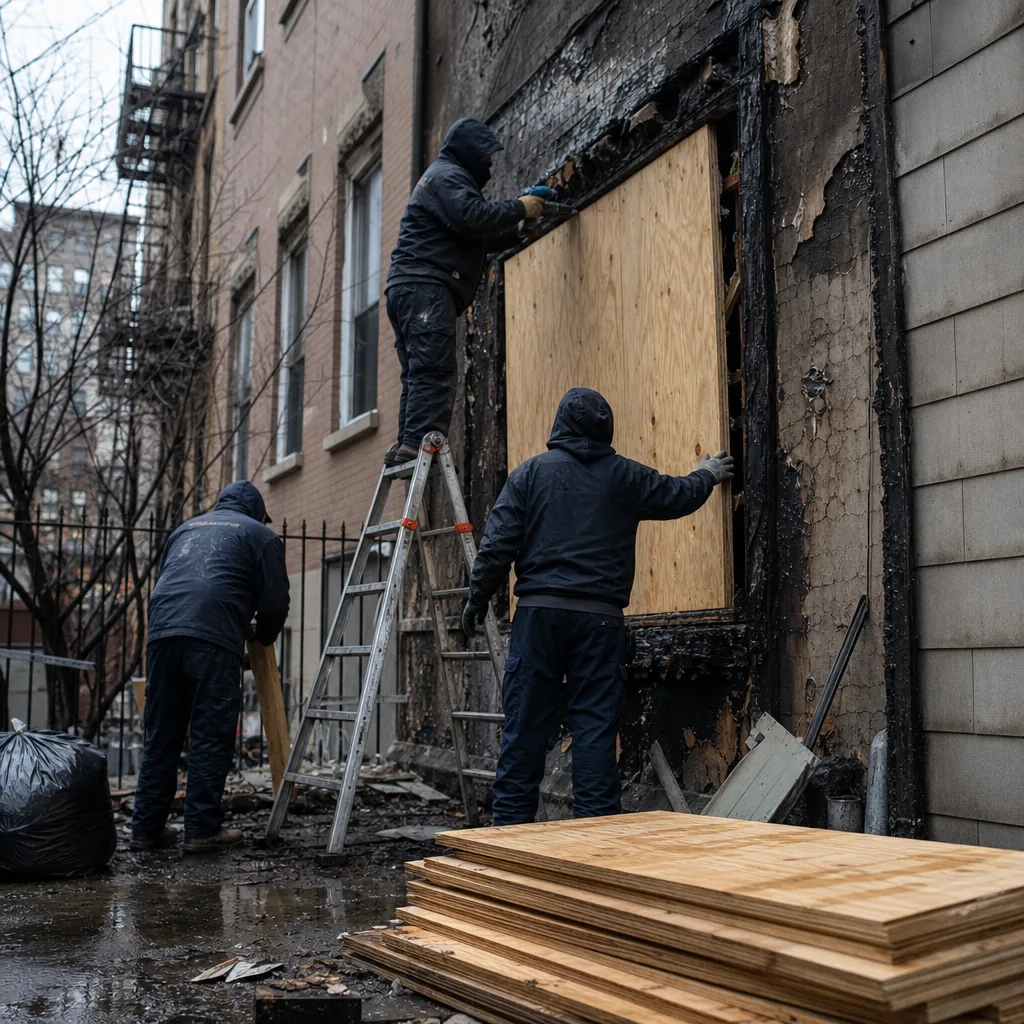
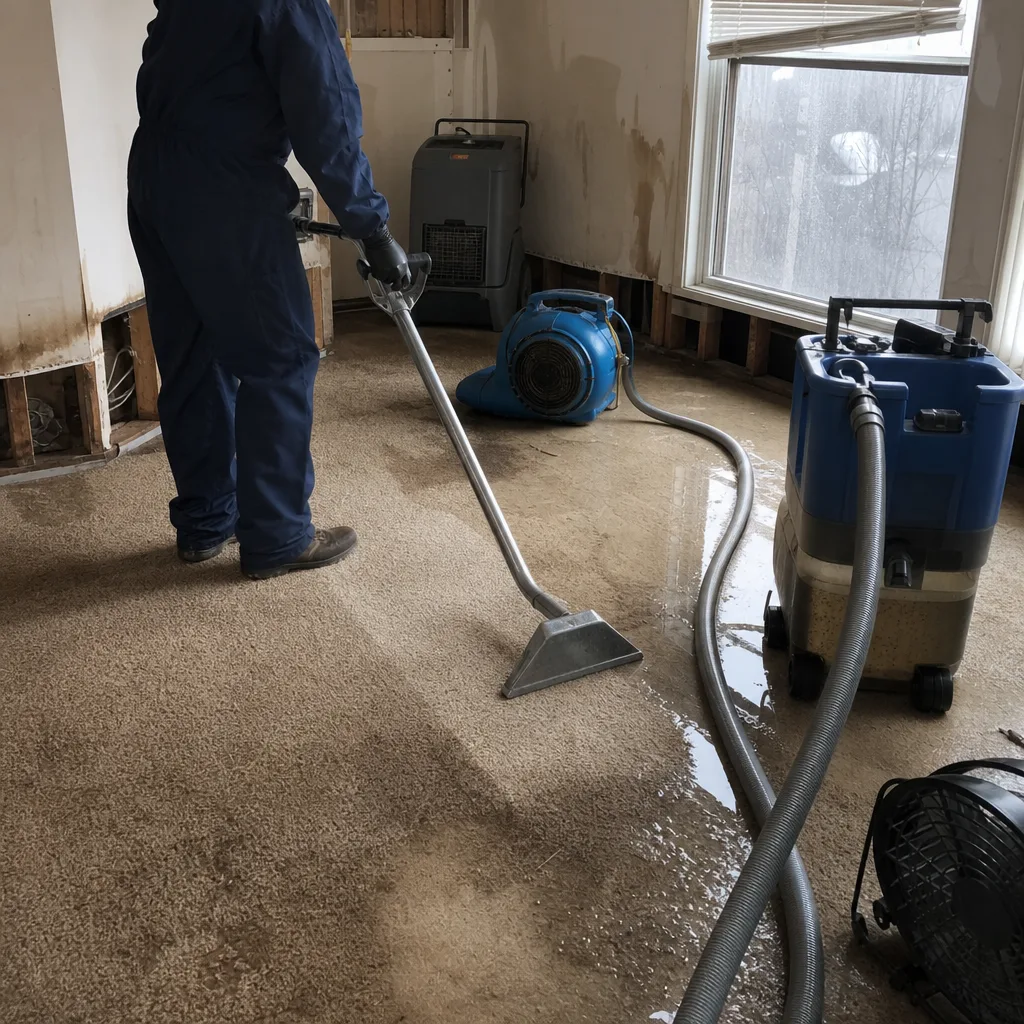
We remove standing fire suppression water using truck-mounted extraction equipment, then stabilize the structure. Emergency board-up and tarping happen immediately to secure broken windows, burned roof sections, and open walls against weather and entry.
Drying & Dehumidification
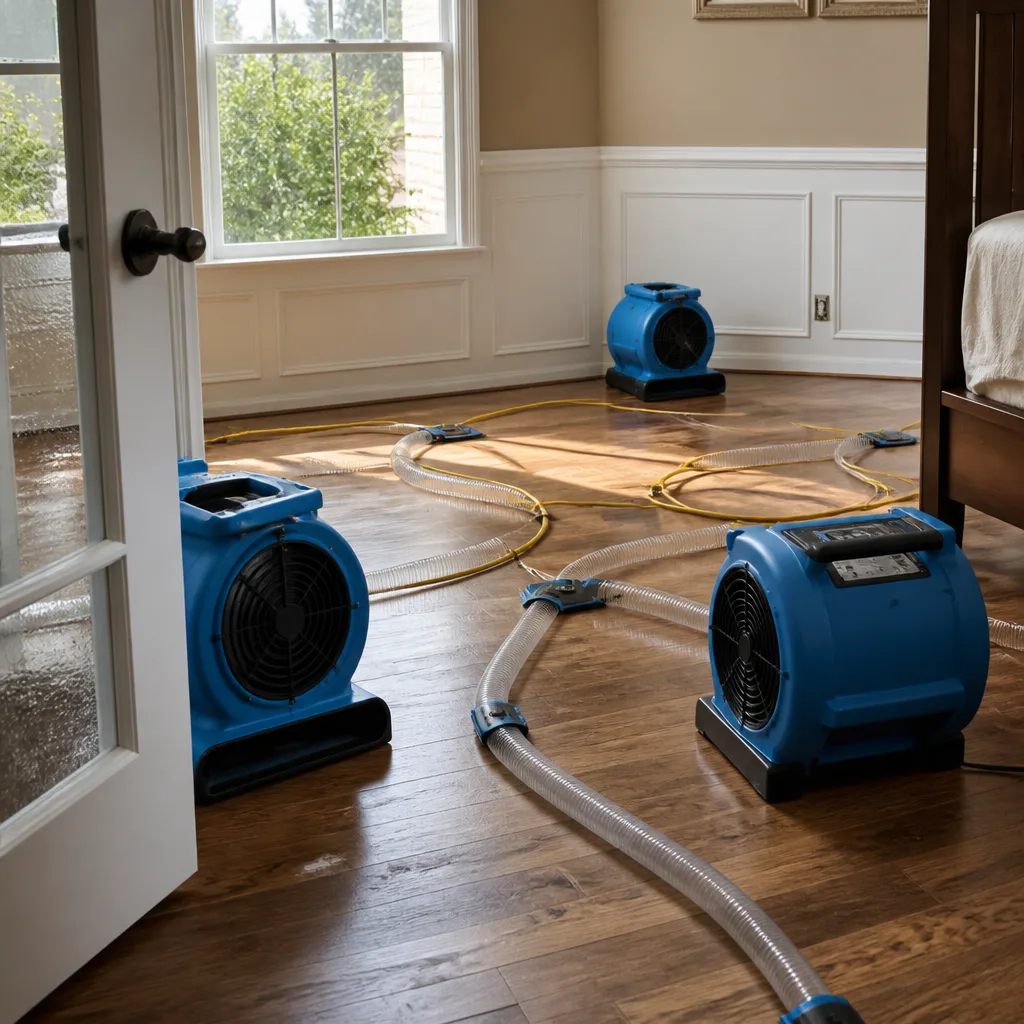
Dri-Eaz and Phoenix dehumidifiers plus XPOWER air movers run continuously while we monitor moisture readings in studs, subfloor, and plaster. In Weehawken’s older row houses, this step runs longer because plaster and brick hold water stubbornly.
Cleaning & Sanitization
We remove soot from every surface using HEPA vacuums, dry sponges, and chemical washes appropriate to the residue type. Contents that can be saved get packed out, inventoried, and cleaned at our facility. Items beyond saving are documented for your carrier.
Odor Removal & Deodorization
This is where many companies fall short in Weehawken. We use thermal fogging, HEPA air scrubbing, and hydroxyl generators to neutralize smoke odor at the molecular level, treating wall cavities and ductwork. In waterfront high-rises, we inspect HVAC risers and elevator shafts, because odor travels through shared ventilation long after the fire is out.
Repairs & Restoration
The same crew rebuilds what the fire destroyed. Structural fire repair, drywall replacement, refinishing original woodwork, repainting with odor-sealing primers, and restoring your home to the condition it was in before the fire, not just a version that looks okay from across the room.
Need Emergency Fire & Smoke Damage Restoration in Weehawken Now?
Crews minutes away, answering live 24 hours a day. The sooner we start, the less it costs.
Working With Your Insurance Company
Most fire claims in Weehawken involve a carrier, and most homeowners would rather not be the project manager between a restoration crew and an insurance adjuster who’s never seen the inside of their home. We take that role off your plate. From the first hour on site, we document everything. Photos of every room, every burn pattern, every water-damaged surface. Moisture logs showing drying progress day by day. A line-item scope of work written in the same format your carrier expects to see. When the adjuster calls, Wade talks to them directly. He explains what we found, what it costs, and why each line item matters. In condo towers along the Weehawken waterfront, this gets more complicated, because three parties often share responsibility: the unit owner, the condo association, and sometimes a commercial tenant below or above. We’ve handled those layered claims before and we know how to communicate with each side without leaving you holding the phone.
What We Provide Your Insurer
- Thorough documentation of the loss
- Photos of all damage, room by room
- Moisture readings and drying logs
- A detailed, line-item scope of work
- Direct coordination with your carrier
Built for Weehawken’s Loss Calendar
Fire in Weehawken doesn’t follow a single season, but certain patterns repeat. In January and February, space heaters and overtaxed electrical systems in aging multi-family walk-ups around the upper bluff cause more structure fires than any other time of year. The row houses along Boulevard East and the side streets off Park Avenue carry wiring installed in the first half of the 20th century, and when temperatures drop, the load on those systems climbs. Spring brings rain and nor’easters, and water intrusion into basements and garages where old wiring sits exposed creates electrical fire risks. Summer pushes air conditioning units hard in the waterfront high-rises at Port Imperial and Lincoln Harbor, where shared mechanical rooms and elevator equipment rooms run hot. Fall cooking fires spike around the holidays, and the attached construction of Weehawken’s row houses means a kitchen fire in one unit sends smoke into the neighboring homes through shared cocklofts and party walls. When any of this happens, we’re already familiar with the building type, the construction era, and the access constraints before we arrive. That local knowledge is not something a national franchise can replicate from a call center in another state.
Fire & Smoke Damage Restoration Across Weehawken’s Neighborhoods
Weehawken crams a lot of housing variety into less than one square mile, and each neighborhood shapes fire restoration differently. Along Boulevard East, the pre-war brick co-ops and condos offer sweeping Manhattan views, but their shared walls and aged plumbing runs mean a fire on the third floor sends water and smoke into the units directly below through every structural seam. The Port Imperial and Lincoln Harbor waterfront district is a different world entirely. Post-1990s high-rise towers with underground parking garages, complex mechanical rooms, and building management controlling every elevator and loading dock. Firefighting in those towers floods elevator pits with saltwater-contaminated discharge, and if that water isn’t extracted and treated within 24 to 48 hours, the corrosion on electrical panels and mechanical systems gets expensive fast. Up around the Shippen Street and Highwood Avenue corridors, you’ll find the classic Weehawken row houses, wood-frame structures with original trim, pocket doors, and staircases built in the 1910s and 1920s. Fire restoration there means preserving what can be saved, because you simply cannot buy that millwork anymore. The Gregory Avenue and Park Avenue blocks hold the post-1930s multi-family walk-ups, often with original coal chutes and dumbwaiters that act as vertical smoke shafts during a fire, spreading soot through every floor even when the actual burn was contained to one apartment.
Specialized Fire & Smoke Damage Restoration Services We Offer in Weehawken
Fire Damage Cleanup
Fire leaves behind more than char. We remove burned debris, strip charred drywall and insulation, and clean every salvageable surface with the right chemical agent for the residue type present. In Weehawken’s older homes, this often means working around original plaster, tile, and woodwork that needs careful handling rather than demolition. Soot from a fire in a 1920s row house behaves differently than soot from a fire in a 1998 waterfront condo. We treat them accordingly.
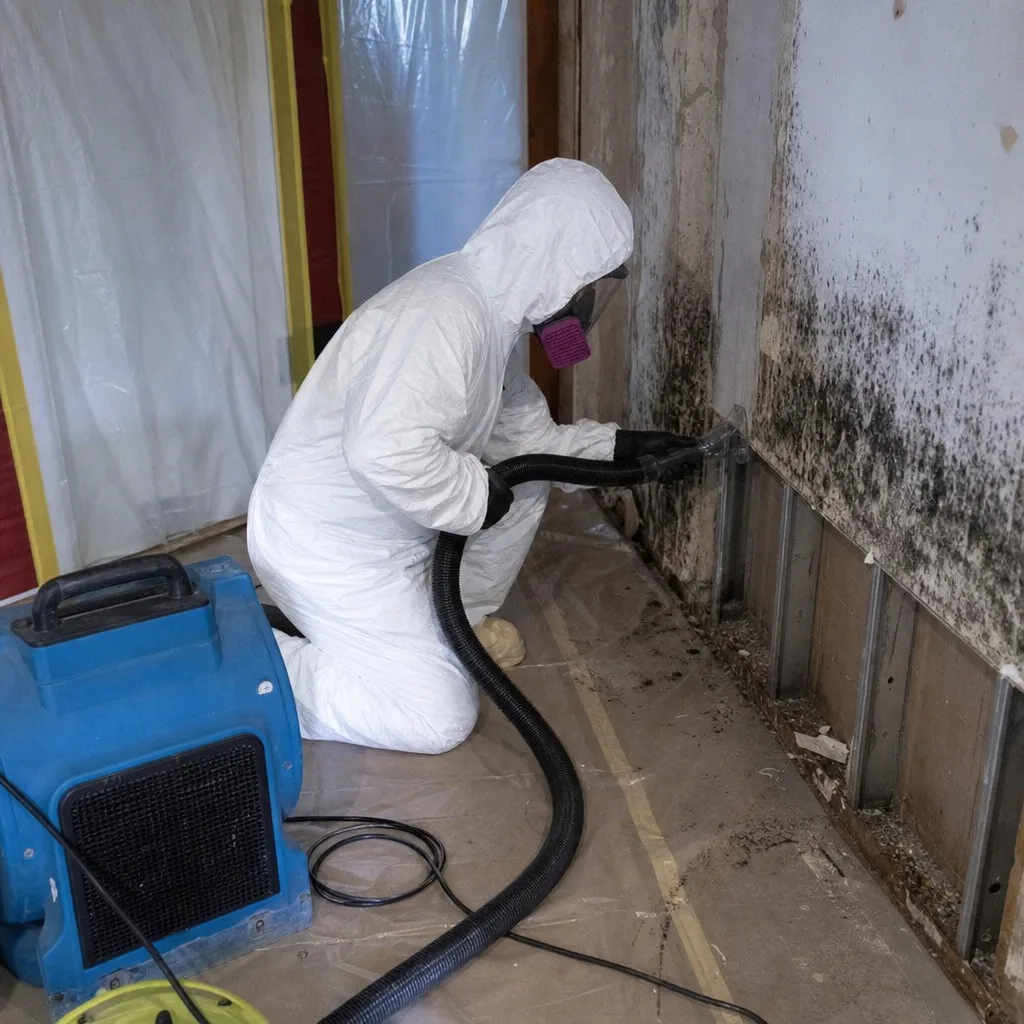
Smoke & Soot Removal
Smoke residue in Weehawken properties settles into wall cavities, ductwork, behind radiators, and inside light fixtures. HEPA vacuuming and dry sponging knock down surface soot, but the real work is in the cavities. We open walls where necessary, clean the framing, and seal remaining odors with specialized primers. In the high-rises along the waterfront, shared HVAC risers mean smoke from one unit can migrate into neighboring units. We coordinate with building management to inspect and clean those shared systems.
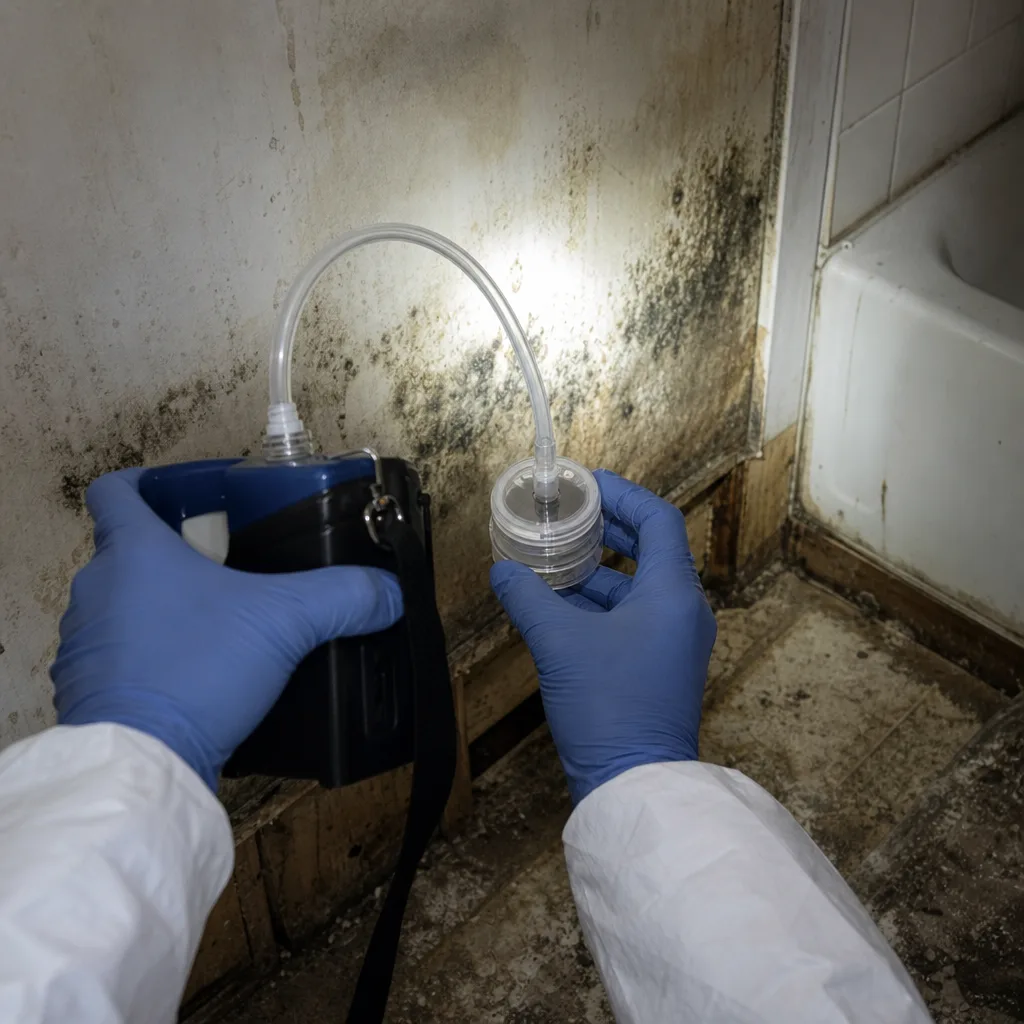
Odor Removal & Deodorization
You can’t paint over smoke odor and call it done. In Weehawken’s row houses, odor lingers in plaster, old-growth wood, and the dead air spaces between party walls. We use thermal fogging and hydroxyl generators to penetrate those spaces and neutralize odor molecules at the source. B-Air air scrubbers run throughout the job to keep the air you’re breathing clean while we work. The goal is that you shouldn’t be able to tell there was ever a fire. Not with a candle. Not on a humid August day when odors normally resurface.
Contents Cleaning & Pack-Out
Most of what you own can probably be saved. Furniture, clothing, books, photographs, and kitchenware all respond well to professional cleaning if we get to them quickly. We inventory every item, pack it out, clean it at our facility, and store it until your home is ready. Items that can’t be salvaged get photographed and documented for your insurance carrier. In Weehawken’s smaller row houses, pack-out also creates room for the restoration work itself, which often needs to happen fast.
Emergency Board-Up & Tarping
A burned structure is a vulnerable structure. Broken windows invite weather, pests, and unwanted entry. Missing roof sections do the same, and Weehawken’s position on the Hudson River means weather blows in fast. We board up windows with plywood, tarp compromised roofs, and secure entry points the same day we arrive. The board-up holds until permanent repairs are ready. In the waterfront towers, this step is often coordinated with building management, because access to some units requires freight elevator scheduling and loading dock clearance.
Structural Fire Repair
This is the rebuild. We replace burned framing, sister damaged joists, hang new drywall, and refinish or replace flooring. In Weehawken’s older homes, we match original profiles, trim styles, and hardware wherever possible. The goal on a 1910s row house is not to make it look new. It’s to make it look like the fire never happened, and that’s a different standard entirely. For the post-1990s waterfront condos, we work within the building’s original finishes and materials to restore the unit to its pre-loss condition while following any association requirements for construction hours, noise, and access.
What happens when you call
- 1
A real person answersNo phone trees - you reach a local pro.
- 2
You get an upfront price rangeHonest numbers before anyone is dispatched.
- 3
A background-checked tech heads outLicensed & insured, dispatched right away.
- 4
You approve before work beginsNothing starts until you say go.
Fire & Smoke Damage Restoration Costs in Weehawken, NJ
Straight numbers, because you should know what you’re walking into before you call. A small kitchen fire in a Weehawken row house, where soot cleanup and odor removal are the main scope, typically runs $2,500 to $6,500. A moderate fire with water damage from suppression, content cleaning, and partial structural repair ranges from $8,000 to $25,000 depending on how far smoke traveled and how much water we’re extracting. A major fire involving multiple rooms, structural rebuild, and full contents restoration starts around $30,000 and can exceed $100,000 in the waterfront high-rises where elevator access, building management coordination, and saltwater corrosion protocols add real cost. What moves the price: the age of your home, whether smoke penetrated shared walls or HVAC risers, how long soot sat before we started, and whether original woodwork needs restoration rather than replacement. Most of our Weehawken jobs are insurance-covered, and we’ll work directly with your carrier on scope and payment. The free visual inspection is how we get from “what might this cost” to “here’s a written number.” Call (607) 350-1550 and Wade will walk it with you at no charge.
We Also Serve Cities Near Weehawken
Wade’s Restoration serves fire and smoke damage calls throughout Hudson County. You’ll find us working in Union City, Hoboken, North Bergen, and Secaucus, along with the rest of the Weehawken area. Same live answer, same 45-minute commitment, same owner on the truck.
Weehawken Fire & Smoke Damage Restoration Questions, Answered
How does saltwater from firefighting efforts in Port Imperial towers affect electrical systems differently than freshwater?
Saltwater is dramatically more corrosive than freshwater, and it attacks electrical systems within hours. When firefighters use Hudson River water or when storm surge mixes with suppression water in the Port Imperial and Lincoln Harbor towers, the salt accelerates corrosion on copper wiring, panel connections, and elevator pit components. Freshwater might cause a short eventually. Saltwater causes pitting and failure within days if not extracted and treated. We use corrosion-inhibiting treatments on affected electrical components after extraction, and we document everything for your carrier, because saltwater damage is a known issue in Weehawken’s waterfront buildings since Sandy. Call (607) 350-1550 if you suspect saltwater contamination in your building’s fire suppression water.
What’s the typical timeline for restoring a fire-damaged row house on the Weehawken bluffs versus a waterfront condo?
A 1920s brick row house on the bluff typically takes 4 to 8 weeks from first response to final paint, mostly because plaster and brick dry slowly and original woodwork restoration is careful work. A waterfront condo in a Port Imperial tower usually runs 2 to 6 weeks for unit-level restoration, but the timeline depends heavily on elevator access, building management schedules, and whether shared systems like HVAC risers or electrical rooms were affected. We’ll give you a written timeline at the inspection, and we’ll update it as drying progresses. Estimates are free. Call (607) 350-1550.
Can original doors and woodwork in a 1910s Weehawken row house be saved after a fire?
Usually yes, if we get to them before the soot sits too long. Soot is acidic, and left untreated it etches into wood grain and ruins the patina. We clean original millwork with wood-safe agents, neutralize the acid, and refinish with finishes matched to the era. The original oak flooring, pocket doors, and staircases in Weehawken’s older homes are often the most valuable elements of the house, and we treat them that way. We’ll tell you honestly if something can’t be saved. No charge for the inspection. Call (607) 350-1550.
How do you handle fire restoration in a high-rise when the elevator is out of service?
We carry equipment up the stairs. Air movers, dehumidifiers, HEPA scrubbers, and extraction units all break down into components our crew can carry. In the Weehawken waterfront high-rises, we coordinate with building management on freight elevator availability and loading dock windows, but when the elevator is down, we climb. It adds time and labor, which is reflected in the estimate, and it’s part of why high-rise fire restoration in this town costs more than in a single-family home elsewhere. We’ll be upfront about that cost before any work starts. Call (607) 350-1550 for an exact quote.
Are there special insurance considerations for fire damage in Weehawken’s condo towers?
Yes. In a condo tower, responsibility splits between your unit policy, the association’s master policy, and sometimes the policies of neighboring unit owners or commercial tenants. The fire damage to your unit is usually your claim. The fire suppression water that flooded the elevator pit is the association’s claim. Smoke that spread through shared HVAC risers into neighboring units gets complicated fast. We document everything in the format each policy expects, and Wade communicates directly with adjusters on all sides so you’re not the one trying to explain restoration protocols to three different insurance representatives. That’s a service we provide on every job, at no extra charge. Call (607) 350-1550.
How fast can you actually get to a fire damage call in Weehawken?
We commit to 45 minutes from your call to a crew at your door. In practice, it’s often faster, especially in the upper bluff row house neighborhoods where we work regularly. Wade answers his own phone at (607) 350-1550, and when you call, he heads out. The first hour after a fire matters because soot etches surfaces and water wicks into building materials continuously. The sooner we start extraction and cleaning, the more we save and the less the rebuild costs.
Do I really need full restoration, or can I just clean it myself?
For a small stovetop fire with light soot in one room, professional cleaning might be all you need, and we’ll tell you if that’s the case. But if smoke traveled into wall cavities, ductwork, or shared spaces, DIY cleaning won’t reach it. You’ll scrub the visible surfaces and the odor will return in a few weeks, usually when humidity rises. We’ve had Weehawken homeowners call us months after a “clean” fire because the smell came back in July. Professional restoration pays for itself by preventing secondary damage and the inevitable re-clean. The inspection is free. Call (607) 350-1550 and we’ll tell you straight what actually needs doing.
What should I do in the first 30 minutes after a fire in my Weehawken home?
Get everyone out and call 911 if the fire department isn’t already there. Don’t re-enter until it’s cleared. Then call us at (607) 350-1550. Don’t touch anything. Soot smears when touched with bare hands, and oils from your skin make the damage worse. Don’t turn on electrical devices or try to run the HVAC. Don’t try to wash walls or fabrics yourself, because the wrong cleaning agent can set stains permanently. Open windows only if it’s safe to do so. Then wait for us. We’ll be there within 45 minutes, and the first thing we’ll do is stabilize the site so the damage stops spreading.
Serving Weehawken, NJ - Our Local Coverage Area
We’re based in the Weehawken area and know this community well. Use the map below to see our service coverage - if you’re nearby, we can almost certainly help.
Our Fire & Smoke Damage Restoration Team Is Ready in Weehawken
Wade’s Restoration has handled fire damage across Weehawken for years, from the saltwater-exposed towers at Port Imperial to the brick row houses along Boulevard East. This town’s split geography means our Fire & Smoke Damage Restoration crews have to be fluent in two completely different restoration worlds, and they are. When your home burns, you don’t need a call center. You need someone who knows your street, your building type, and how the insurance puzzle fits together. You need someone who will answer the phone at two in the morning and mean it when he says he’s on the road. That’s Wade. Call (607) 350-1550 now and you’ll talk to him directly. The inspection is free, and the estimate is yours to keep no matter who you hire.
Written by Wade Ferris, Owner at Wade’s Restoration, serving Weehawken since 2007.