
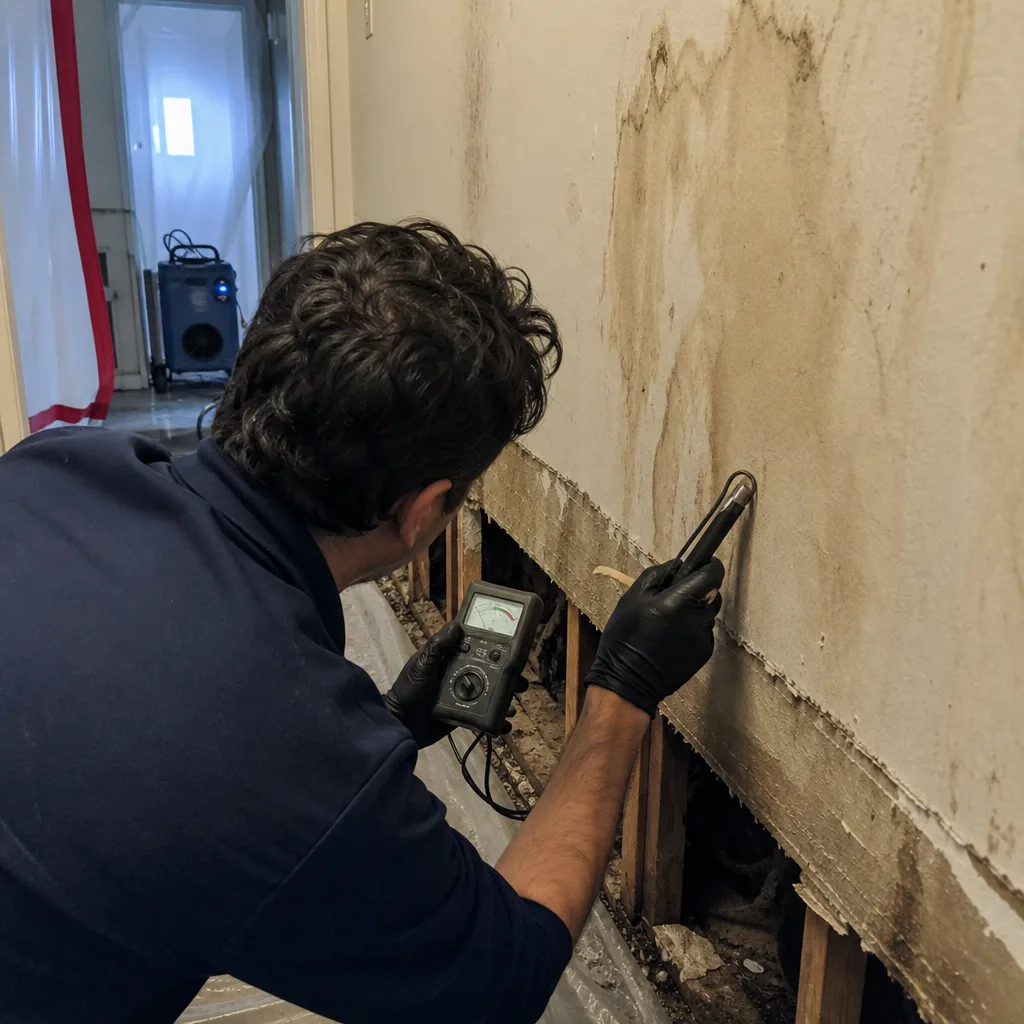
Free visual inspection and a written scope of work before any mitigation begins - photos, moisture readings, and drying logs go in your claim file
The scope we write is the scope we bill. Anything new gets shown to you, in writing, before we touch it.
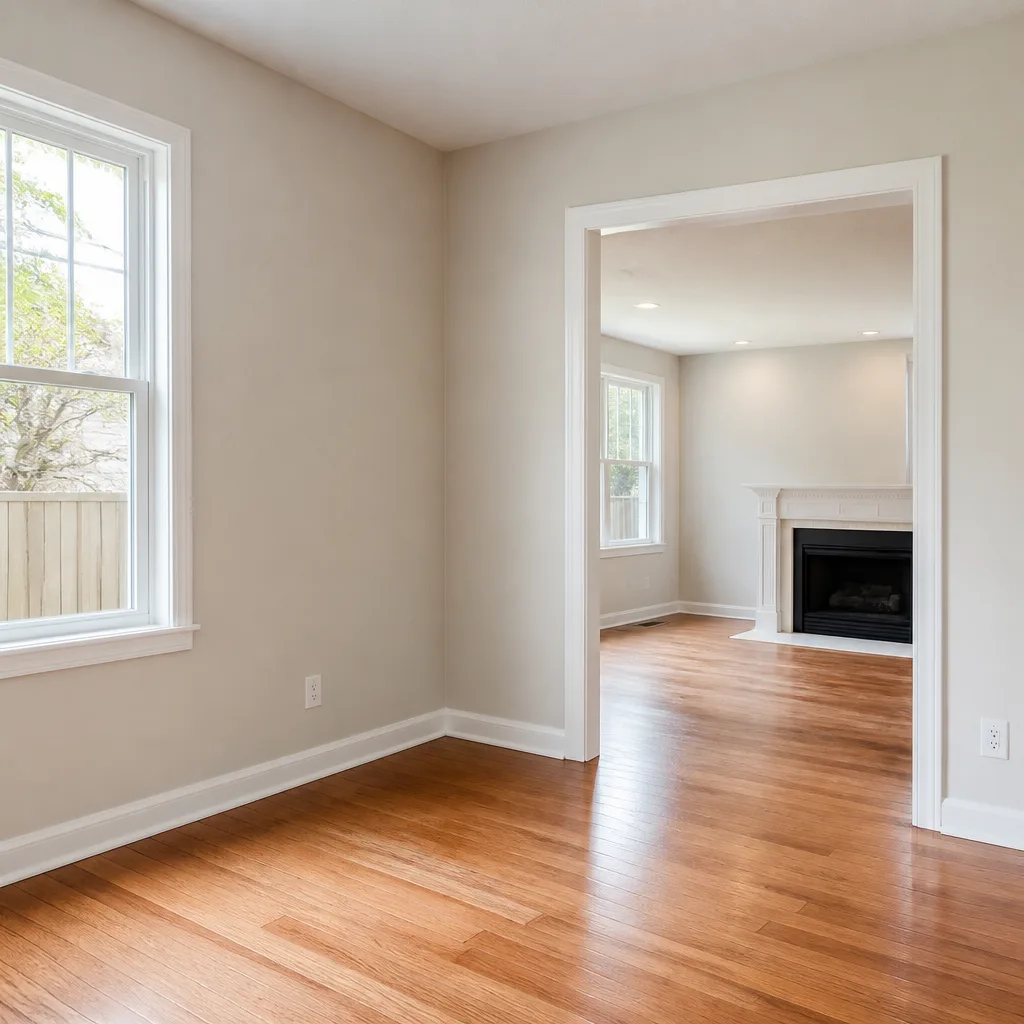
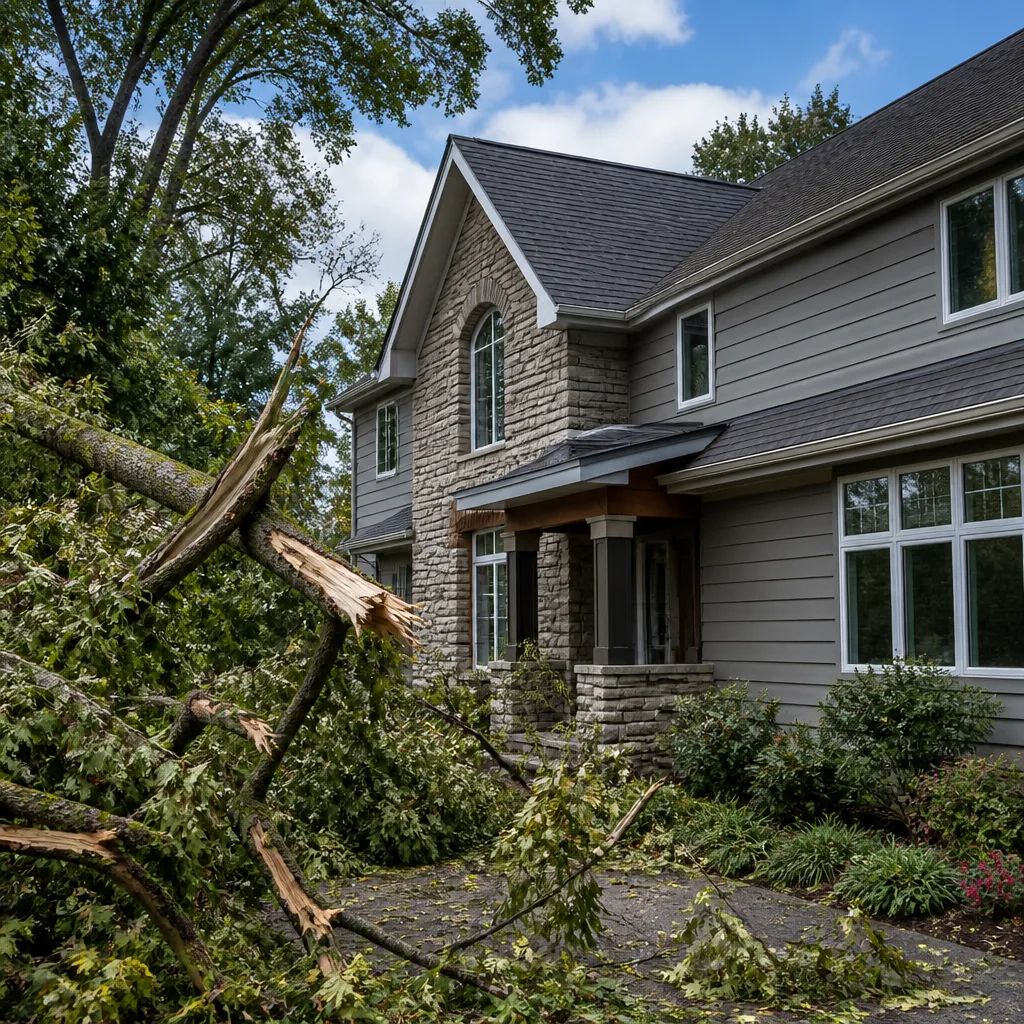
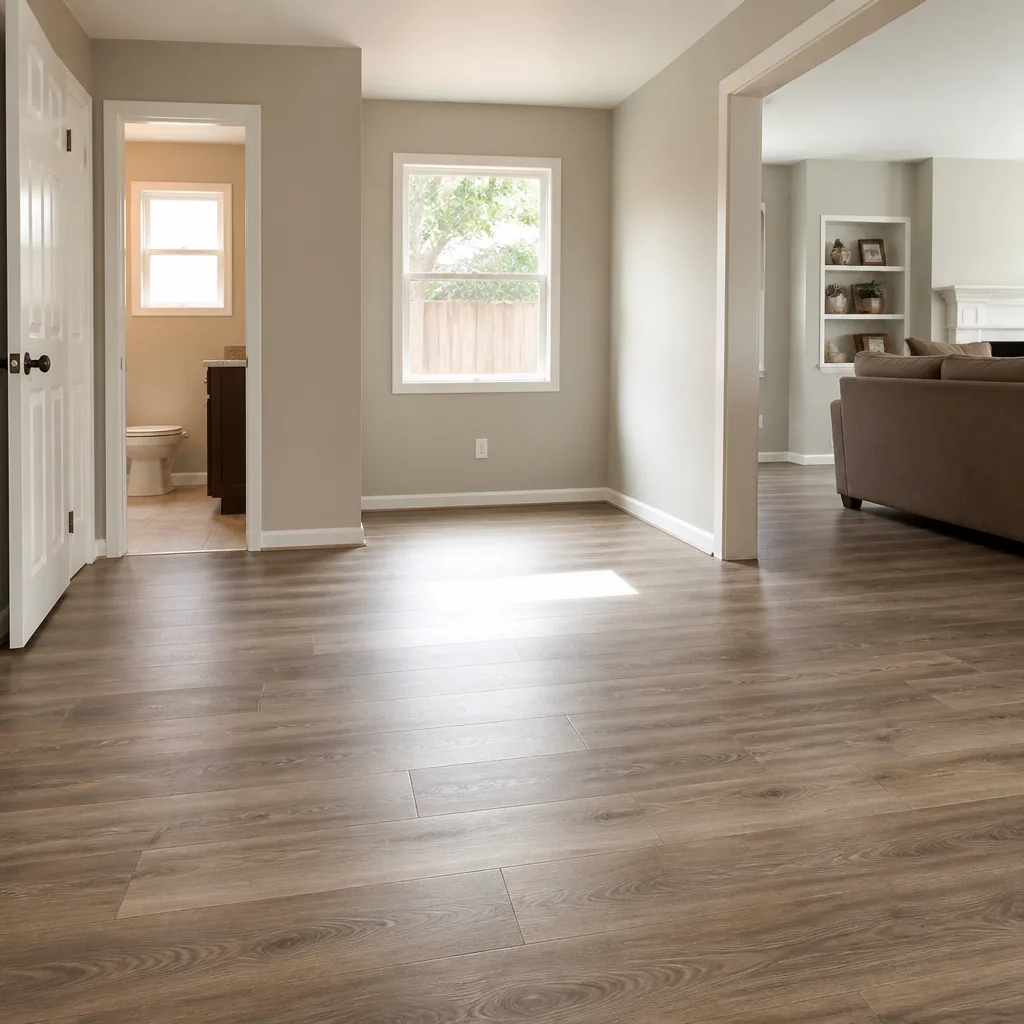

 Before
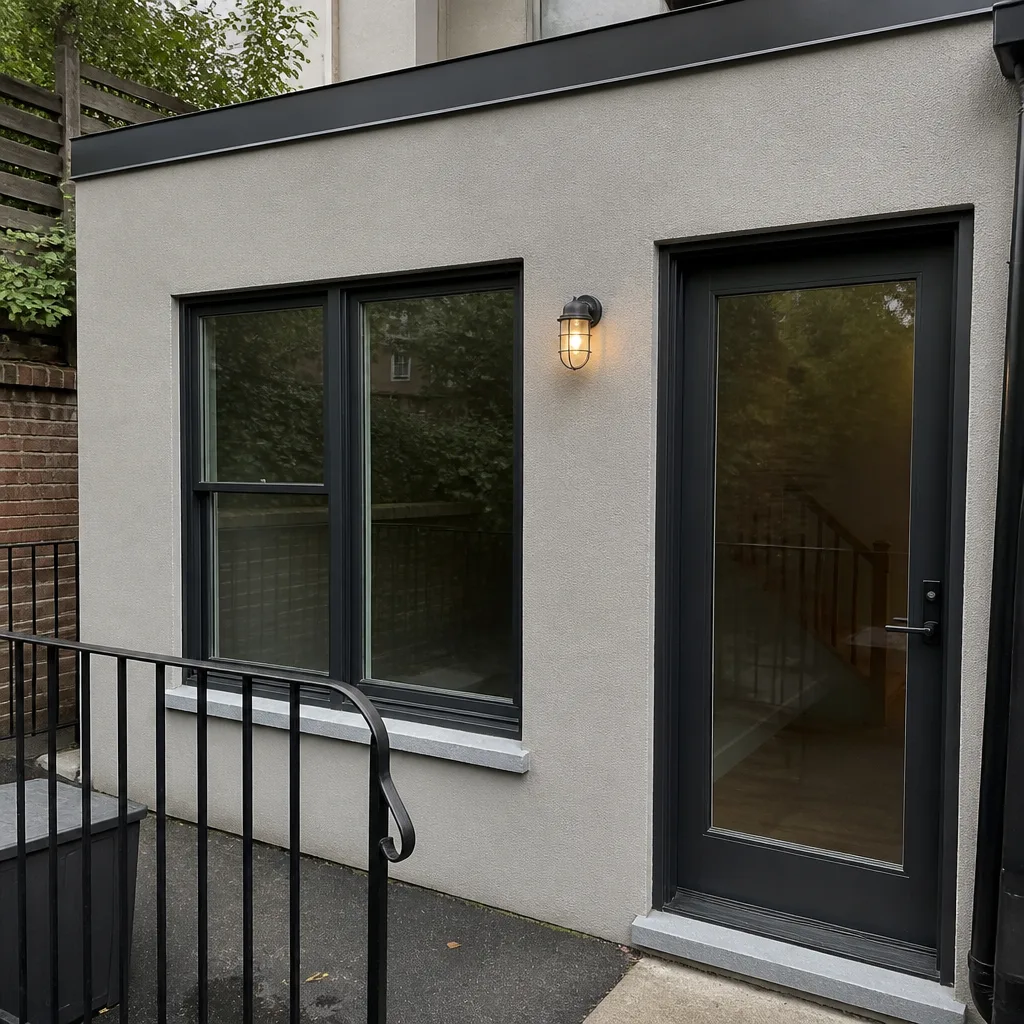 After
After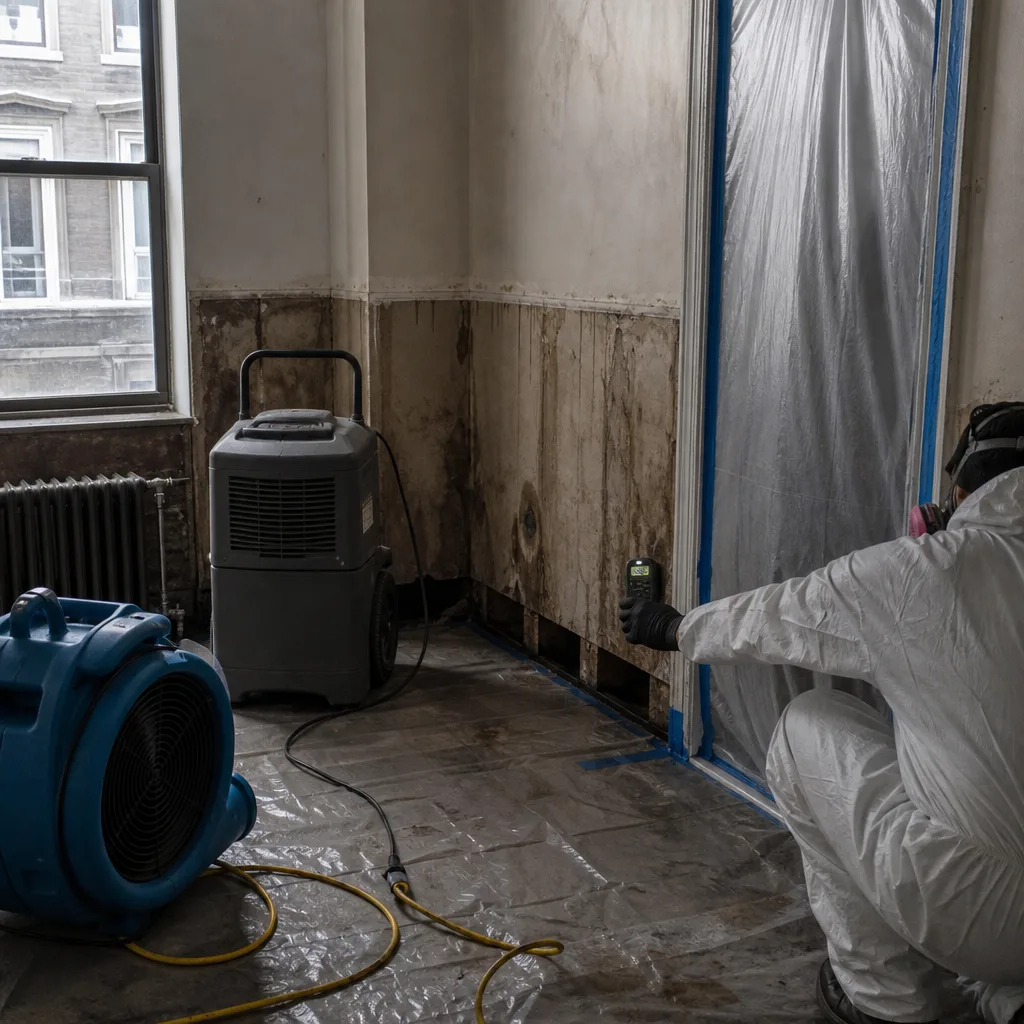 Before
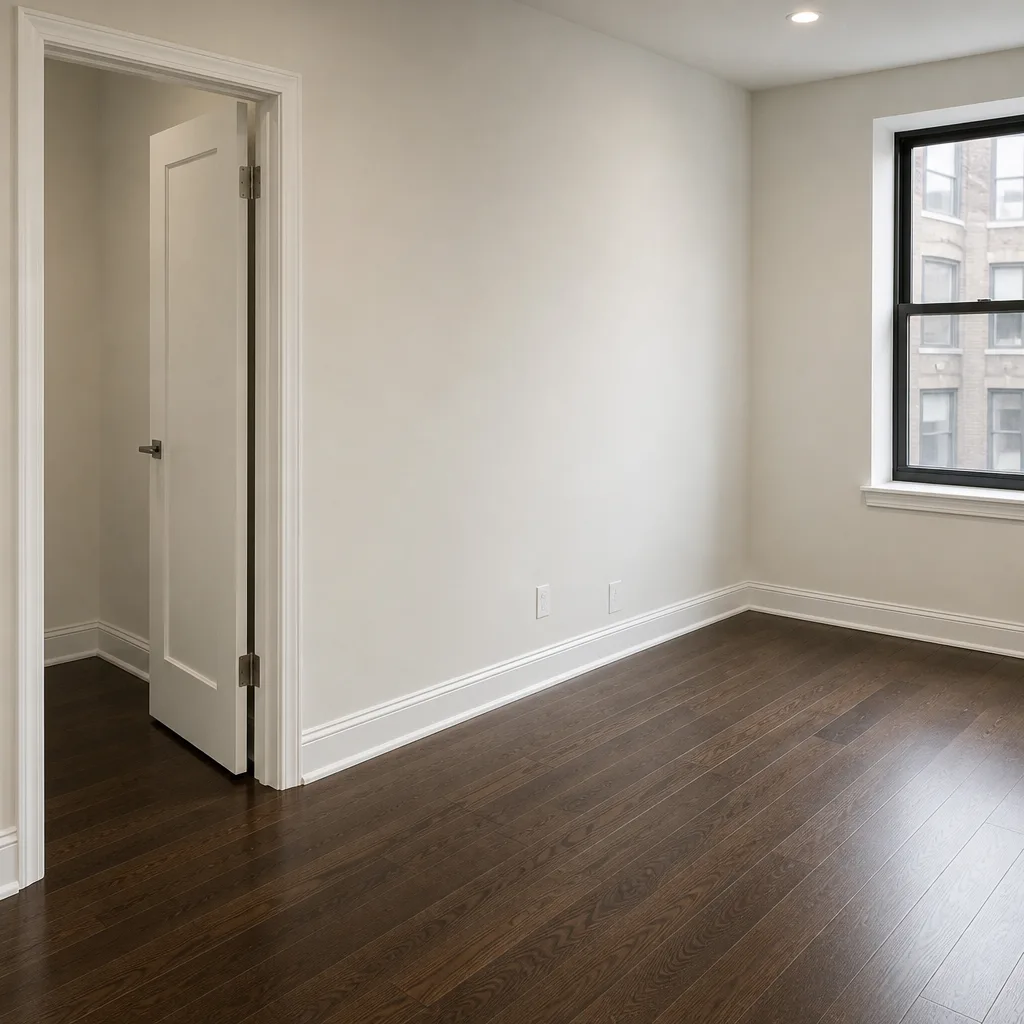 After
After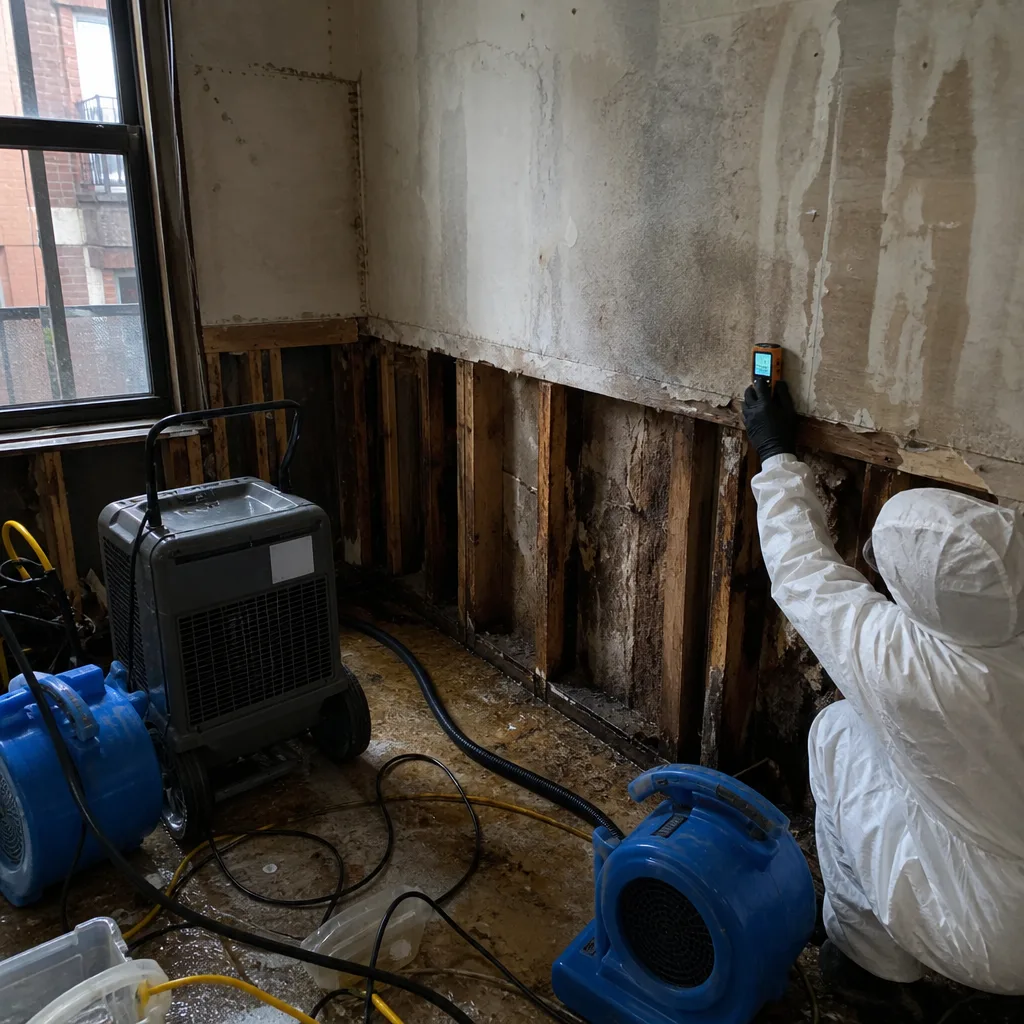 Before
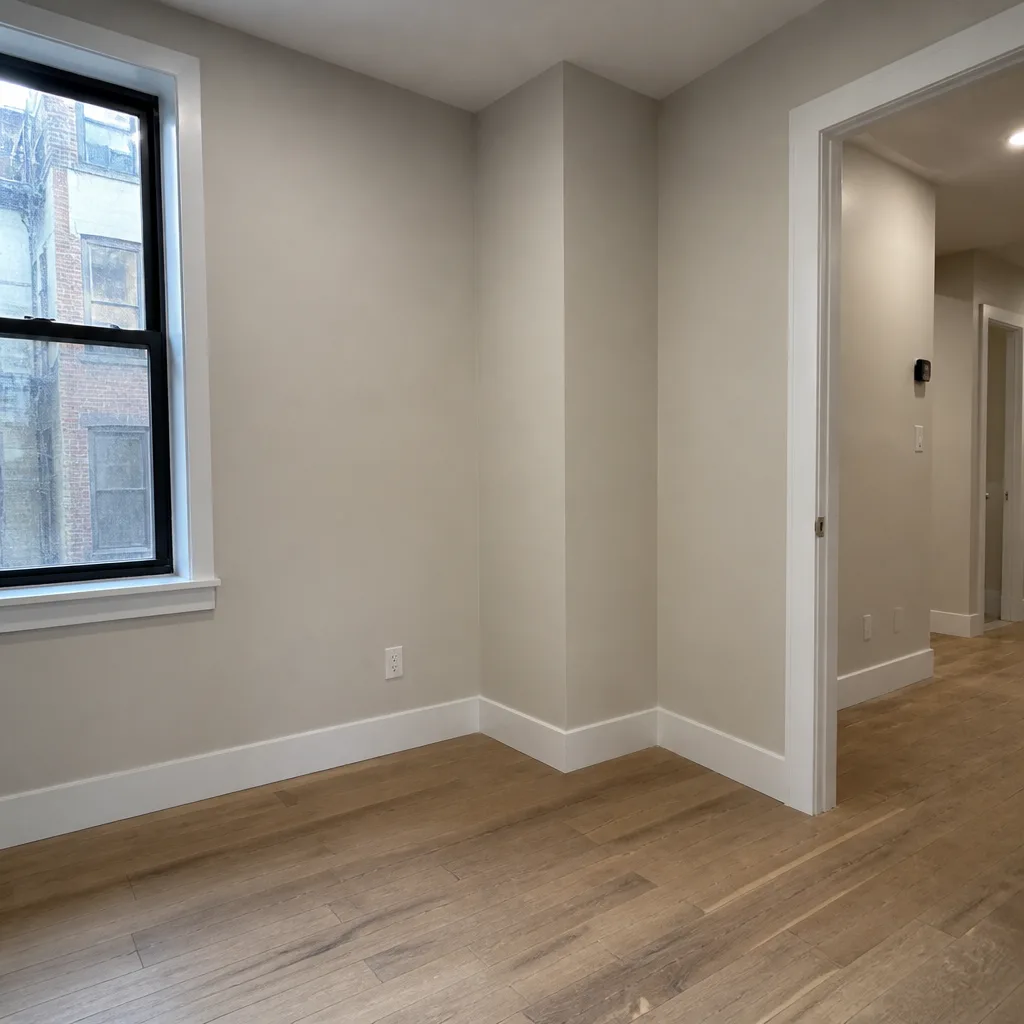 After
After24/7 Emergency Commercial Restoration in Jersey City
When water, fire, or storm damage hits your Jersey City business, the clock starts immediately. Every hour of standing water or untreated smoke residue compounds structural damage, ruins inventory, and keeps your doors closed longer. Wade’s Restoration answers live around the clock, and crews serve Jersey City locally, from Paulus Hook to the Heights. Call (607) 350-1550 right now. Wade himself picks up, and he’ll have someone on the way to your property within 45 minutes, with a free visual inspection and a straight answer before any work begins.
Understanding Commercial Restoration Severity in Jersey City Properties
Not all water is the same, and Jersey City’s built environment makes that distinction especially costly. Clean water from a burst supply line is Category 1. Gray water from a failed water heater or condensation pan is Category 2, carrying biological contaminants. Category 3, what the industry calls black water, includes the sewage backups that Jersey City’s combined sewer system pushes into basement units during heavy rain. That water carries pathogens, and any porous material it touches, from drywall to stored inventory, becomes a biohazard. Fire losses here carry their own signature too. Older brick buildings along Newark Avenue and in Bergen-Lafayette retain smoke differently than the steel-and-glass waterfront towers. Protein-based soot from kitchen fires, dry soot from paper and framing, and wet soot from plastics all call for different chemistry. We scope every Jersey City job with thermal imaging and moisture mapping before we move a single piece of equipment, because a pre-war brick row house converted to office space and a 2008 concrete high-rise don’t fail the same way. Saltwater intrusion from Hudson River surge is a fourth category in practical terms here, one most restoration companies aren’t equipped to diagnose or treat correctly.
Written by Wade Ferris, Owner at Wade’s Restoration, serving Jersey City since 2007.
Why Jersey City Property Owners Choose Wade’s Restoration
- 45-minute response commitment. From the dispatch call to boots on the ground at your Jersey City property, Wade’s crews move fast. The first hour determines whether you’re drying or rebuilding.
- A real person answers, 24/7. No automated system, no offshore call center. Wade answers his own phone at 3 a.m. and tells you exactly when help arrives.
- IICRC-certified crews, WRT and FSRT codes. Water damage and fire/smoke restoration work here is performed by people who hold the industry’s actual certifications, not subcontractors learning on your building.
- Free visual inspection, always. No charge to look. No pressure to sign. Wade delivers a written scope with line-item pricing before any equipment rolls in.
- Direct insurance billing. We document from the first hour, work directly with your adjuster, and bill the carrier so you’re not the one relaying numbers between two parties.
- One team from extraction to reconstruction. The people who dry your Jersey City building are the same people who rebuild it. No handoffs, no gaps, no one blaming the other guy.
Our Commercial Restoration Process
Inspection & Assessment
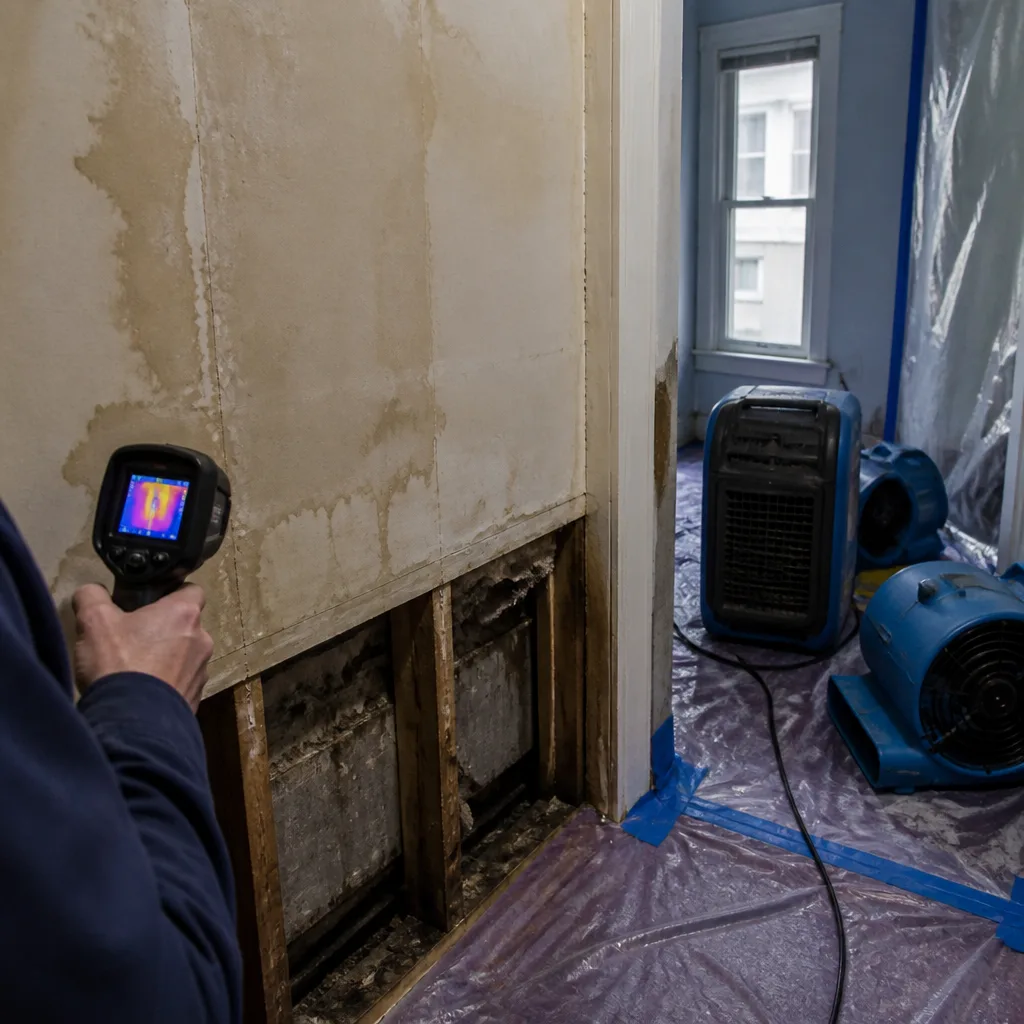
We arrive, we walk every affected area, and we tell you the truth. Thermal imaging and moisture meters map hidden water behind walls and under floors. You get a written scope before any work starts.
Extraction & Stabilization
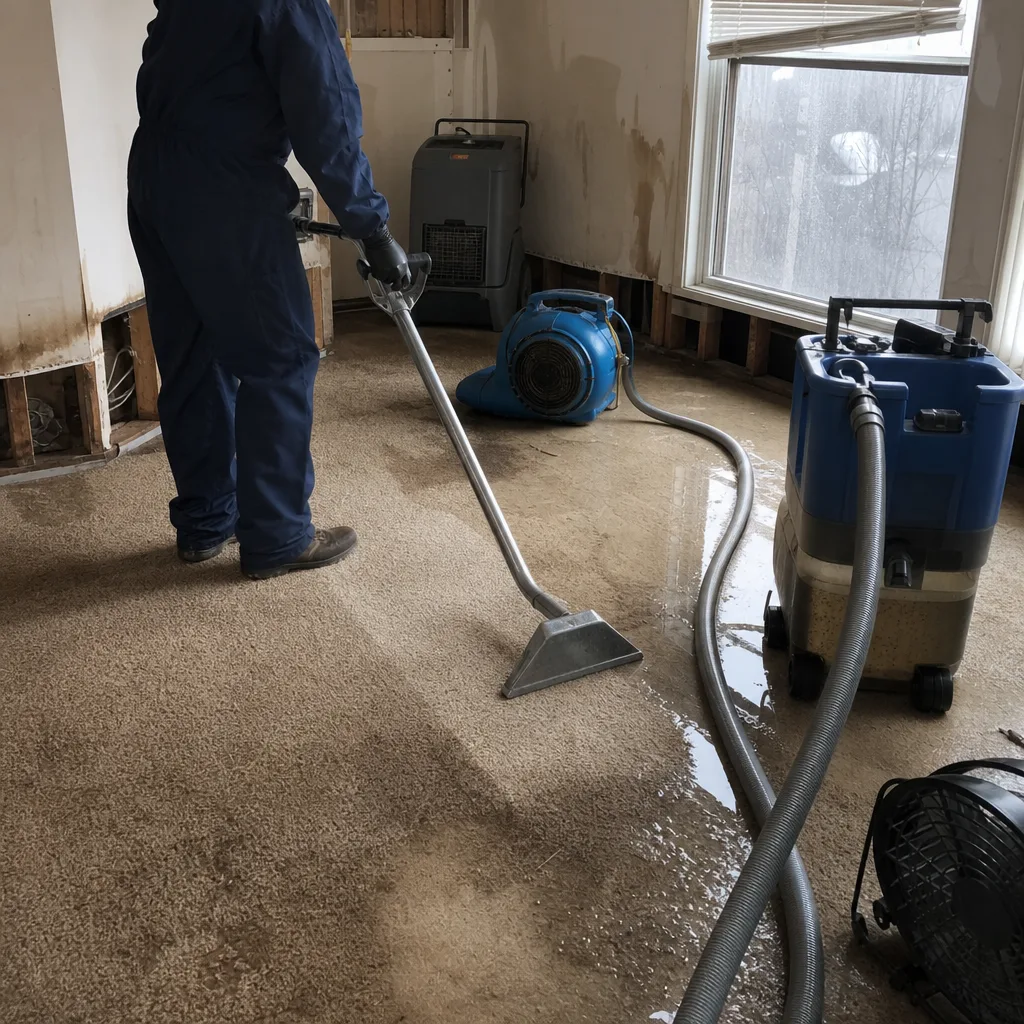
Standing water comes out with truck-mounted extraction and submersibles. For fire scenes, we board up openings and secure the perimeter. For sewage, containment barriers go up first to stop cross-contamination of clean zones.
Drying & Dehumidification
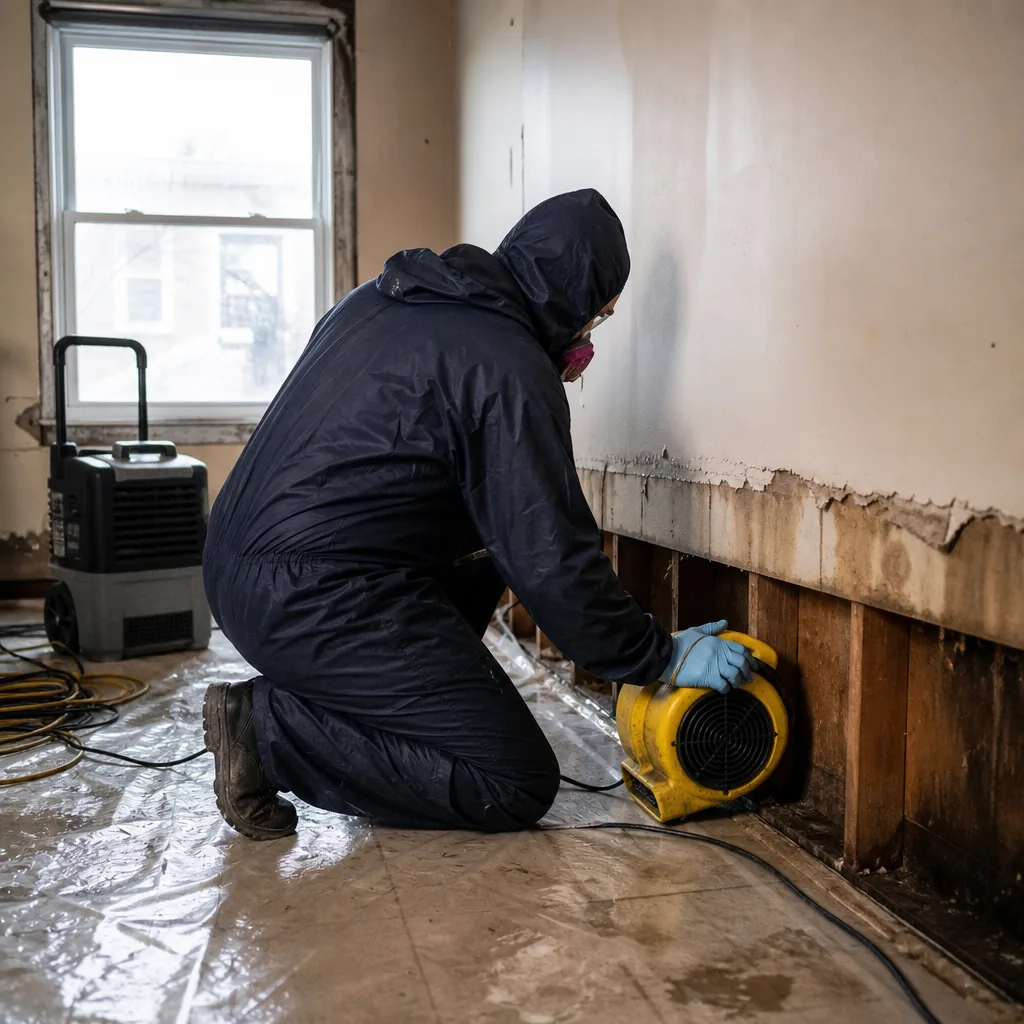
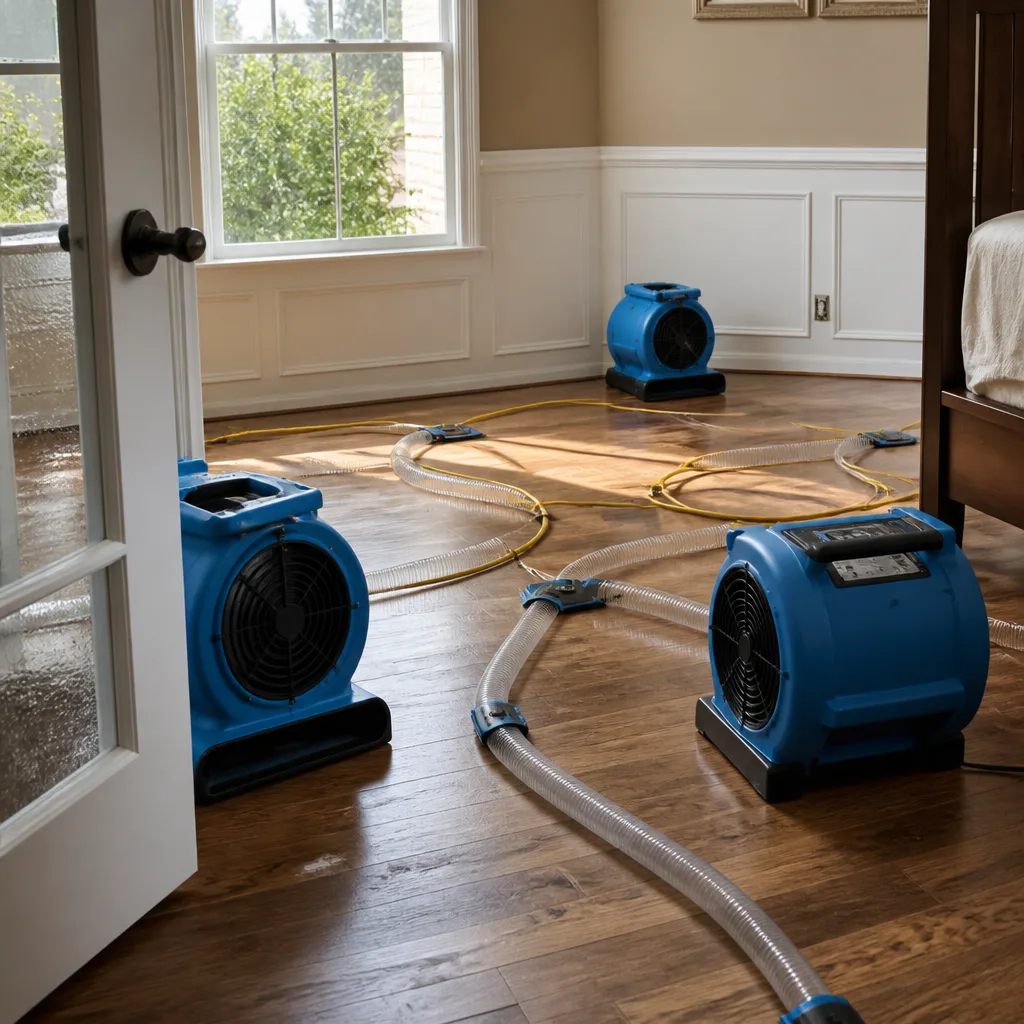
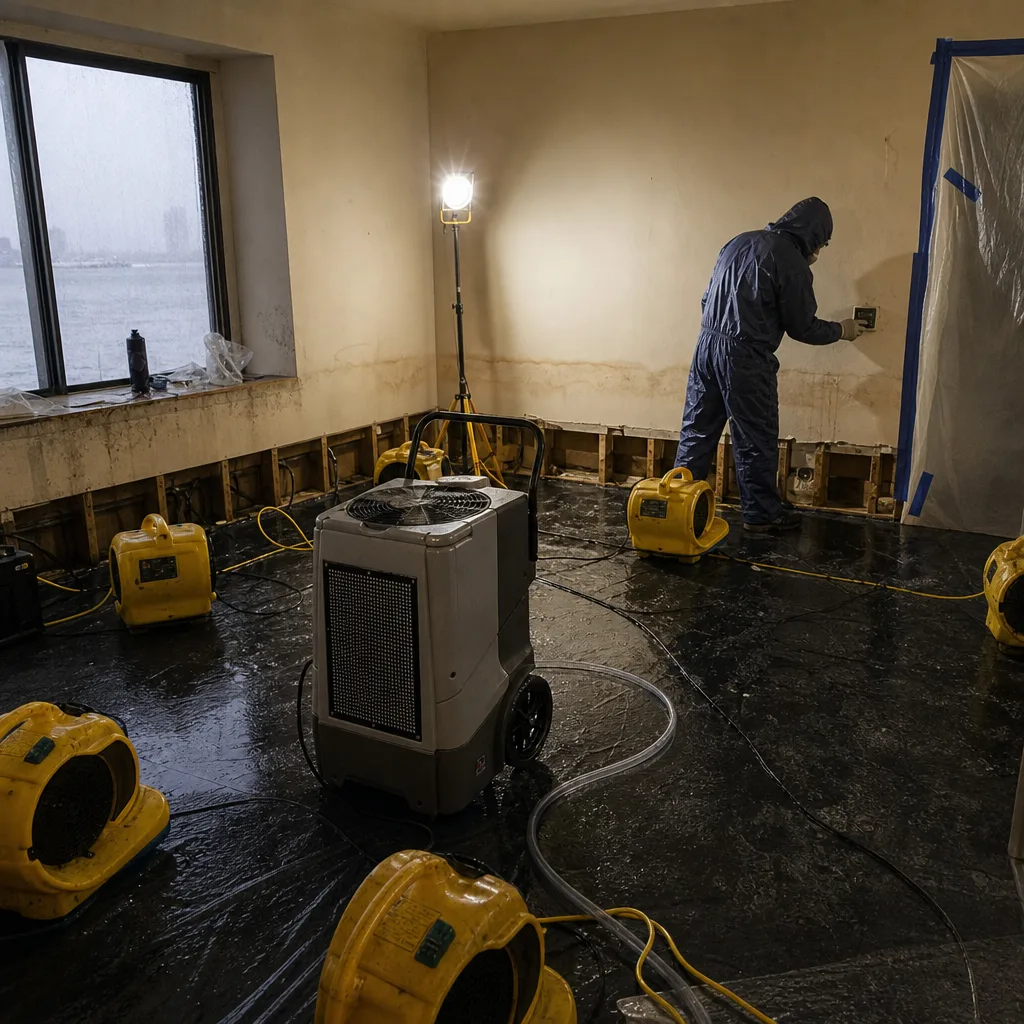
Professional-grade Dri-Eaz and Phoenix air movers and dehumidifiers run until hygrometers confirm wood, concrete, and drywall reach dry standard. In Jersey City’s brick buildings, that often means additional days under negative air pressure to pull moisture from lime mortar.
Cleaning & Sanitization
Category 3 water events get full antimicrobial treatment with EPA-registered products. Fire scenes get soot removal, odor neutralization, and HVAC cleaning. We pack out salvageable inventory and document everything for your claim.
Salt & Corrosion Treatment
For storm surge losses in Newport, Paulus Hook, and Exchange Place, we apply salt-specific desalination protocols. Crystalline salt stays behind after water dries, and if we don’t remove it, it keeps corroding rebar and masonry for years.
Repairs & Restoration
The last step puts your business back to pre-loss condition and better. Drywall, flooring, storefront framing, paint, and fixture replacement all handled by the same crew you’ve been working with since hour one.
Need Emergency Commercial Restoration in Jersey City Now?
Crews minutes away, answering live 24 hours a day. The sooner we start, the less it costs.
Working With Your Insurance Company
Insurance claims in Jersey City move faster when documentation starts before the adjuster even returns your call. We photograph every room, every damaged item, and every moisture reading from the first hour on site. Our line-item scopes use the same format carriers expect, so there’s no back-and-forth over whether a cost is legitimate. Wade communicates with your adjuster directly. You don’t relay messages. You don’t sit on hold. You run your business, and we handle the claim negotiation with the evidence we’ve gathered from minute one.
What We Provide Your Insurer
- Thorough documentation of the loss
- Photos of all damage, room by room
- Moisture readings and drying logs
- A detailed, line-item scope of work
- Direct coordination with your carrier
Built for Jersey City’s Loss Calendar
Jersey City runs on a four-season damage cycle that big-name national franchises often underread. January and February bring deep freezes that split supply lines in unheated industrial lofts and older commercial buildings along Washington Boulevard. March into April, saturated ground from snowmelt and spring rain pushes hydrostatic pressure against foundations in the low-lying districts around Hamilton Park and Van Vorst Park. Summer brings cloudburst-driven flash flooding, and Jersey City’s combined storm-sanitary sewers back up into basements with a frequency that surprises business owners from Hudson County’s inland towns. Then comes the real season: late August through November, when nor’easters and tropical remnants drive wind and salt spray off the Hudson and Upper New York Bay. Those storms are where a commercial restoration company earns its keep in this city. Not just extracting water, but identifying wind-driven intrusion through masonry, treating salt-laden surfaces properly, and replacing what the surge destroyed.
Commercial Restoration Across Jersey City’s Neighborhoods
Jersey City isn’t one building type. It’s a dozen building types, often on the same block, and restoration strategy has to match. In the Heights, the brick row houses and converted storefronts along Palisade Avenue and Central Avenue sit exposed to full northeast winds off the Hudson. We get calls there for interior efflorescence and mold behind plaster walls, not ceiling leaks, because wind drives rain through deteriorated lime mortar joints. Paulus Hook and Newport, built on low-lying landfill, live with flood risk from storm surge; commercial restoration in those neighborhoods means saltwater desalination and corrosion control on building systems, not just drying. Bergen-Lafayette’s pre-war brick mixed-use buildings share plumbing stacks and party walls, so a Category 3 sewage backup in one unit contaminates the neighbor’s space within hours. Journal Square’s dense commercial core, near the PATH and bus terminals, has zero downtime tolerance; a water loss at rush hour needs extraction and drying set up before the next morning’s commuters arrive. And the Exchange Place waterfront towers, many post-1990s, fail differently entirely: chilled-water lines, mechanical rooms, and elevator shafts where water travels vertically through conduits and core penetrations. No two of these are the same job. Anyone who tells you they are hasn’t worked Jersey City long.
Specialized Commercial Restoration Services We Offer in Jersey City
We run the full Commercial Restoration range, but these are the services Jersey City property owners call us for most.
Multi-Unit & HOA Restoration
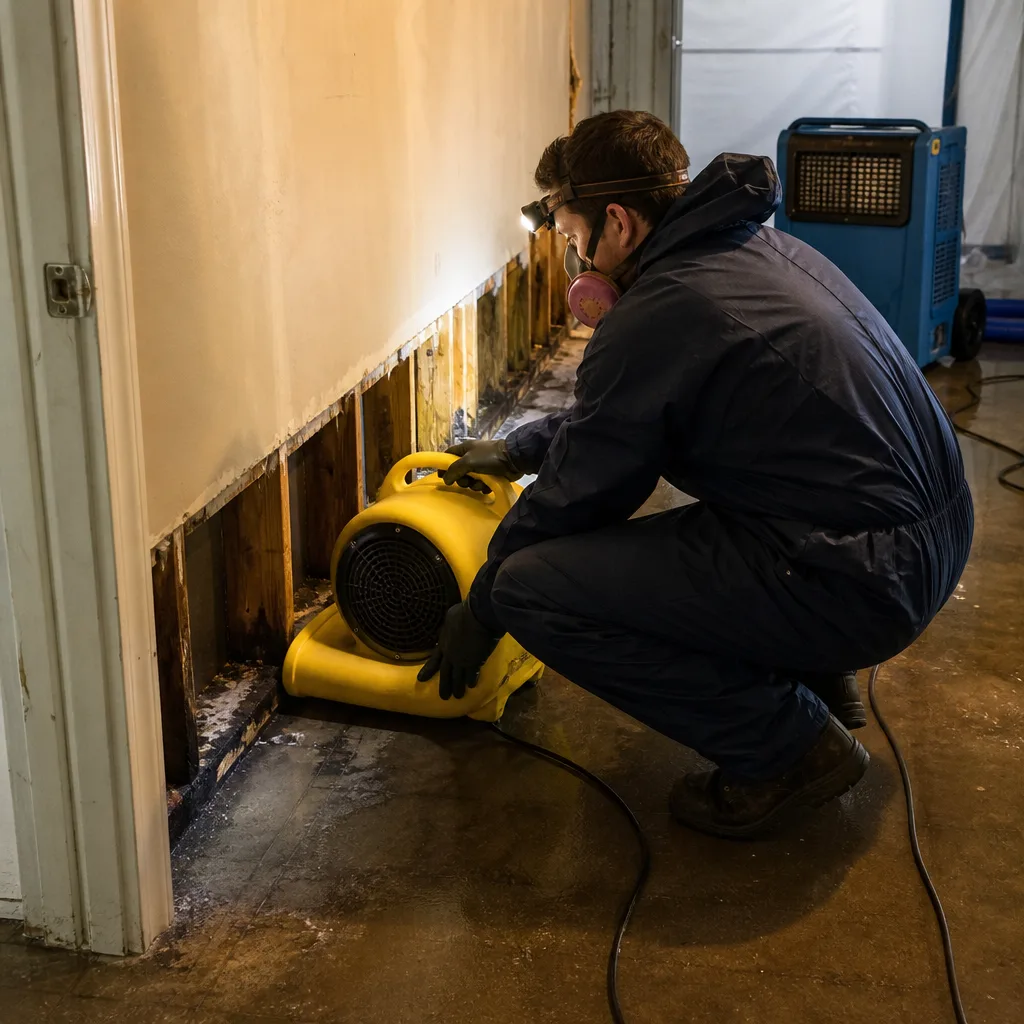
When a supply line breaks on the fifth floor of a Bergen-Lafayette mixed-use building, units three floors down are already wet. We scope the entire vertical stack, not just the unit where the break happened. HOA boards get a single point of contact, a documented protocol for common areas, and moisture logs delivered to the property manager daily. For multi-unit buildings in the Heights and Greenville, party-wall contamination is the hidden cost; we find it before it becomes a liability claim from three units over.
Large-Loss Response
A storm surge event in Paulus Hook can leave six storefronts and a parking garage standing in saltwater at once. Drying one retail space is a job; drying an entire block’s commercial square footage is an operation. Wade brings in extra crews, industrial dehumidification banks from XPOWER and Phoenix, and an on-site project lead who coordinates with the city, the property owner, and every tenant. Scale changes everything, and we’ve done it here.
Business Interruption Minimization
Every day your Jersey City doors are closed is revenue you don’t get back, even if insurance covers the physical loss. Our process is built around reopening speed. We isolate the affected area with containment barriers so unaffected sections of your building stay operational. For retail and food service, we handle the pack-out, the cleaning, and the reconstruction on a schedule that targets the shortest defensible downtime. The goal isn’t just to restore the building. It’s to get you back to revenue, and we plan every step with that in mind.
Office & Retail Restoration
Open-plan offices in Jersey City’s converted warehouses and storefronts along Newark Avenue share air and share water paths. We map contamination spread through the HVAC system, not just the visible water line. Document and inventory recovery is standard here: we pack out client files, point-of-sale equipment, and inventory before demolition starts, then store, clean, and return what’s salvageable.
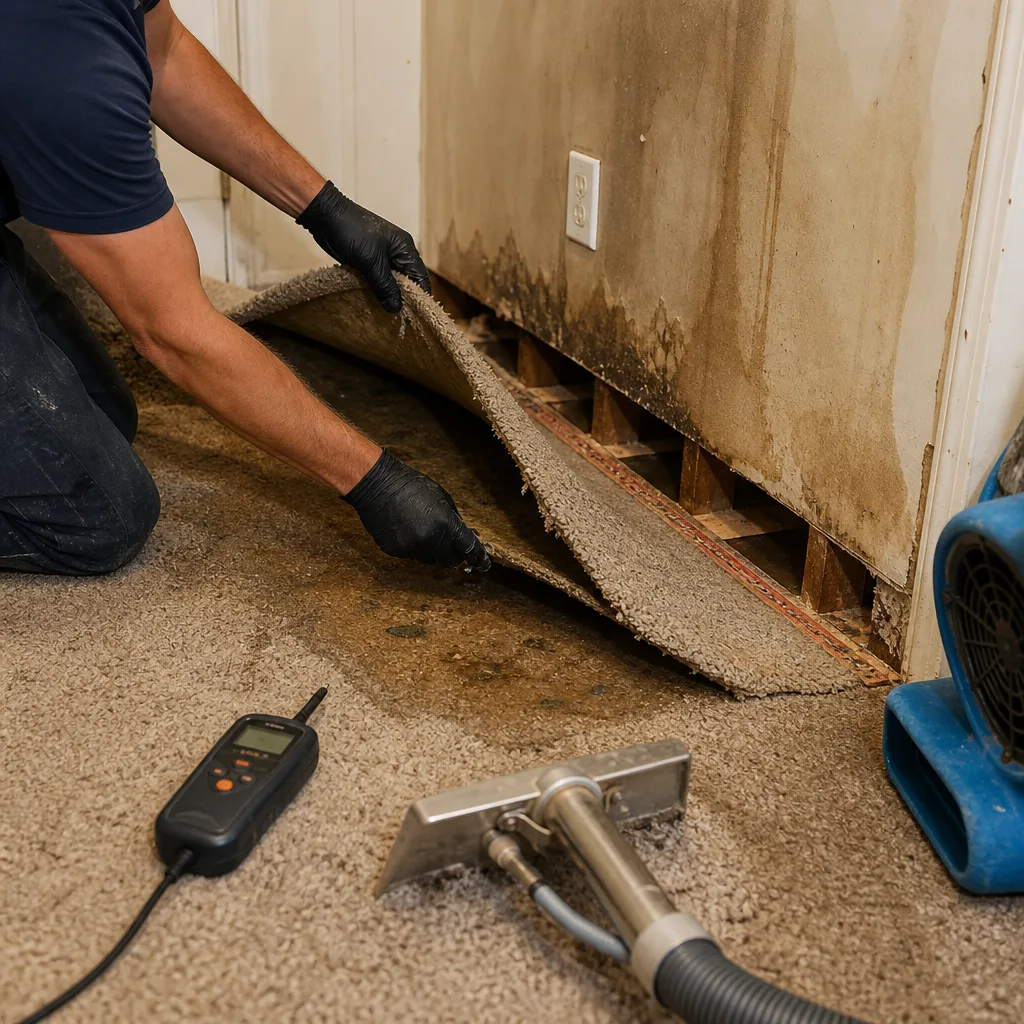
Industrial Facility Cleanup
Warehouse spaces in Jersey City’s old industrial zones, especially near the Route 440 corridor and the rail alignment, have concrete slabs, steel framing, and large open volumes that need different drying math than an office suite. Airflow calculations matter. Load-bearing structural drying matters more. We run the psychrometric numbers before we set equipment, and we document the entire dry-down for your facilities manager and your insurer.
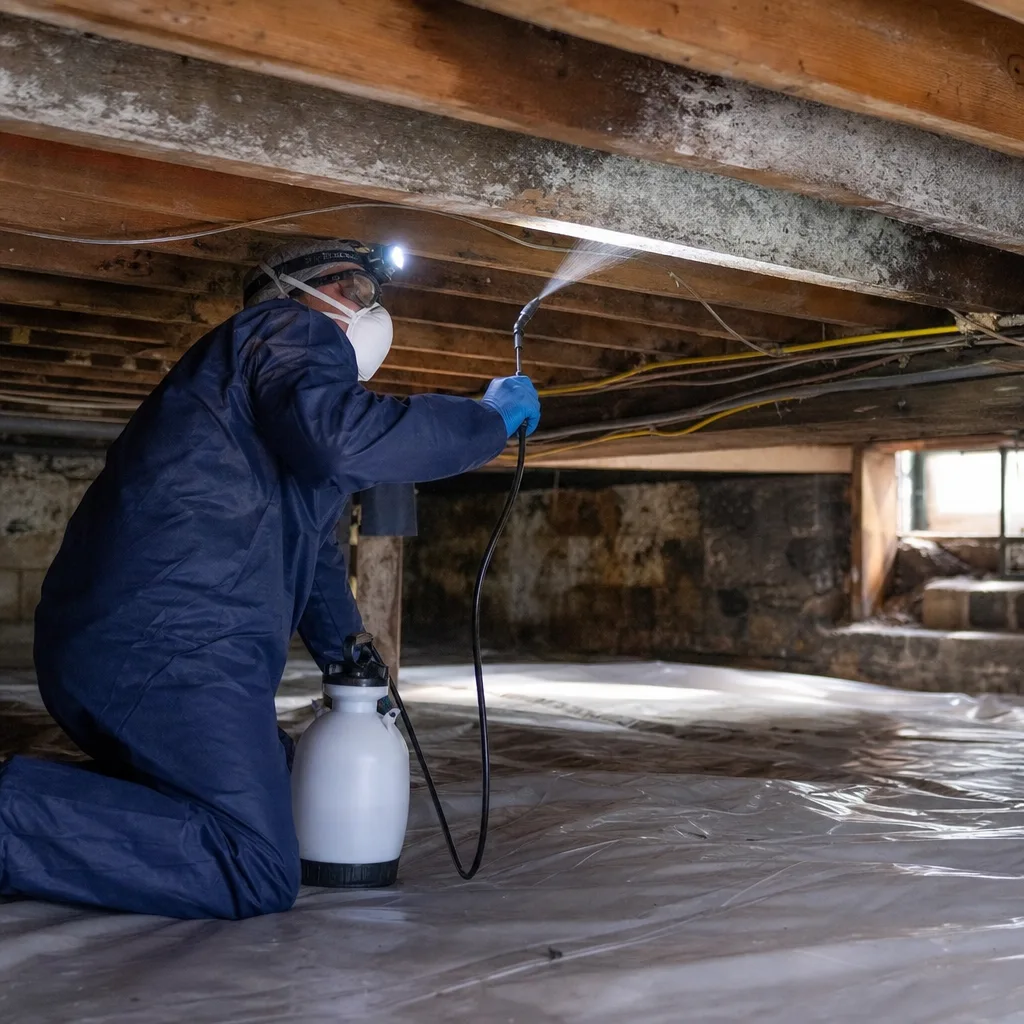
What happens when you call
- 1
A real person answersNo phone trees - you reach a local pro.
- 2
You get an upfront price rangeHonest numbers before anyone is dispatched.
- 3
A background-checked tech heads outLicensed & insured, dispatched right away.
- 4
You approve before work beginsNothing starts until you say go.
Commercial Restoration Costs in Jersey City, NJ
Commercial water damage restoration in Jersey City typically runs $3,800 to $12,500 depending on square footage, water category, and building type. A Category 1 supply-line loss in a 1,000-square-foot office near Journal Square usually lands between $3,800 and $6,000. Category 3 sewage backup in a Jersey City storefront basement starts around $6,500 and can climb past $15,000 when inventory pack-out and antimicrobial treatment are required. Saltwater surge damage in waterfront districts costs more than equivalent freshwater damage anywhere else in Hudson County, because desalination and corrosion control add a distinct line item. Fire and smoke restoration for commercial kitchens and offices typically runs $5,000 to $25,000 depending on soot type and content damage. The free inspection path matters: before you sign anything, Wade walks the property, writes a line-item scope, and tells you what insurance should cover. Estimates are free. Call (607) 350-1550 for a straight number.
We Also Serve Cities Near Jersey City
Wade’s Restoration crews respond daily across Hudson County, including Commercial Restoration in Jersey City, plus Hoboken, Union City, Weehawken, and Secaucus. If your building is within 20 minutes of the waterfront, we can be there inside the hour.
Serving Jersey City, NJ - Our Local Coverage Area
We’re based in the Jersey City area and know this community well. Use the map below to see our service coverage - if you’re nearby, we can almost certainly help.
Jersey City Commercial Restoration Questions, Answered
Why does commercial water damage in Jersey City’s waterfront high-rises require different drying strategies than in the Heights’ brick buildings?
Waterfront high-rises in Newport and Exchange Place fail vertically, through conduit penetrations, elevator shafts, and chilled-water loops, so drying requires negative air pressure, floor-by-floor isolation, and sealed mechanical risers. Heights brick buildings fail horizontally, through lime mortar and plaster walls, so the dry-down is slower and more invasive, often requiring wall cavity access and days of dehumidification to reach dry standard. Both need moisture mapping before equipment placement, but the equipment layout and drying math are completely different.
What does a commercial restoration crew do when Category 3 water (sewage backup) floods a Jersey City storefront basement during heavy rain?
Containment goes up first, hard barriers and negative air to keep pathogens from migrating into the retail floor and shared HVAC. Then extraction, removal of all porous materials within the affected zone, full antimicrobial treatment with EPA-registered products, and pack-out of any inventory that can be salvaged. The space doesn’t reopen until clearance testing confirms it’s safe. In Jersey City’s combined sewer district, this is a recurring loss type, and cutting corners on the antimicrobial step is how businesses get sick staff and failed health inspections months later. Call (607) 350-1550 and Wade will walk you through what your building specifically needs.
How do I know if the wind is driving water through my building’s masonry on exposed Jersey City streets?
Water stains that appear on interior walls but not the ceiling, especially on the northeast-facing facade, usually mean wind-driven rain through mortar joints, not a roof leak. Efflorescence, that white crusty deposit on interior brick or plaster, is the tell. If you’re in the Heights or anywhere along Palisade Avenue’s exposed ridge line, get an inspection before the next nor’easter. Hidden mold behind plaster walls is the typical outcome when this gets misdiagnosed as plumbing.
What are Jersey City’s permit and code expectations for wind-rated doors and reinforcement on commercial storefronts?
Jersey City enforces current wind-load standards for all new and replaced storefront doors, frames, and glass assemblies. In flood zones, which cover much of downtown and the waterfront, replacement doors and windows must also meet floodplain management requirements. If storm damage has compromised a door or storefront system, the replacement isn’t just a like-for-like swap; it has to be brought up to code, and that cost belongs in your insurance scope. We include permit coordination and code compliance in every reconstruction estimate, so your reopened business doesn’t inherit a violation.
How quickly can a commercial restoration crew respond to a large-loss storm event in Jersey City when streets are flooded?
When streets are flooded, we’re not driving across town; crews stage at the closest accessible point and move equipment by hand where needed. Wade’s response commitment is 45 minutes to on-site arrival in normal conditions. During a citywide flood event, we’re already moving before the rain stops, because Jersey City’s low-lying districts accumulate calls in the same three-hour window. The team that arrives first is the team that saves your building. Call (607) 350-1550 the moment you see water where it shouldn’t be.
Will my insurance cover commercial restoration from a storm surge or sewage backup in Jersey City?
Standard commercial property policies cover storm damage from wind and rain, including wind-driven water intrusion. Flood damage, including storm surge from the Hudson or Newark Bay, requires flood insurance, which many Jersey City commercial property owners carry because of the FEMA flood zone maps. Sewage backup coverage is often an endorsement; if your building sits in the combined sewer district, that rider pays for itself the first time. We document everything from hour one, coordinate directly with your adjuster, and put the full detail in the claim so coverage is applied correctly. No one should be deciding what the policy covers on a phone call with no evidence in hand.
Can my business stay open during restoration, or do I need to close?
In many Jersey City commercial losses, part of the building can stay operational while the affected zone is sealed behind containment. For retail and food service, it depends on the water category and the extent of contamination. Category 1 losses in one office suite often allow the rest of the building to run normally. Category 3 means closure of the contaminated zone at minimum, and often the whole building while clearance testing is run. We give you a straight answer in the first hour, because we know what your rent and payroll look like.
What should I do in the first 30 minutes after discovering commercial water damage in my Jersey City building?
Shut off the water if you can do it safely. Kill the power to any affected area if water is near outlets or equipment. Move or elevate anything salvageable that you can move without entering standing water. Do not enter Category 3 water without protective gear; call a professional. Then call (607) 350-1550. The first hour determines what’s dryable and what’s a demo. Wade answers, and he’ll tell you what to do while his crew is on the way.
When a nor’easter drove wind-blown rain horizontally into a 1920s brick warehouse off Newark Avenue in the Heights, our crew found interior efflorescence and hidden mold behind plaster walls, not ceiling leaks. We performed moisture mapping and containment, removed salt-laden plaster, and applied antimicrobial treatment before structural drying with Phoenix dehumidifiers and air movers, documenting every moisture reading in drying logs to get the building back to pre-loss condition. That’s the difference between guessing and knowing, and it’s the only way we work in Jersey City.
Written by Wade Ferris, Owner at Wade’s Restoration, serving Jersey City since 2007.